
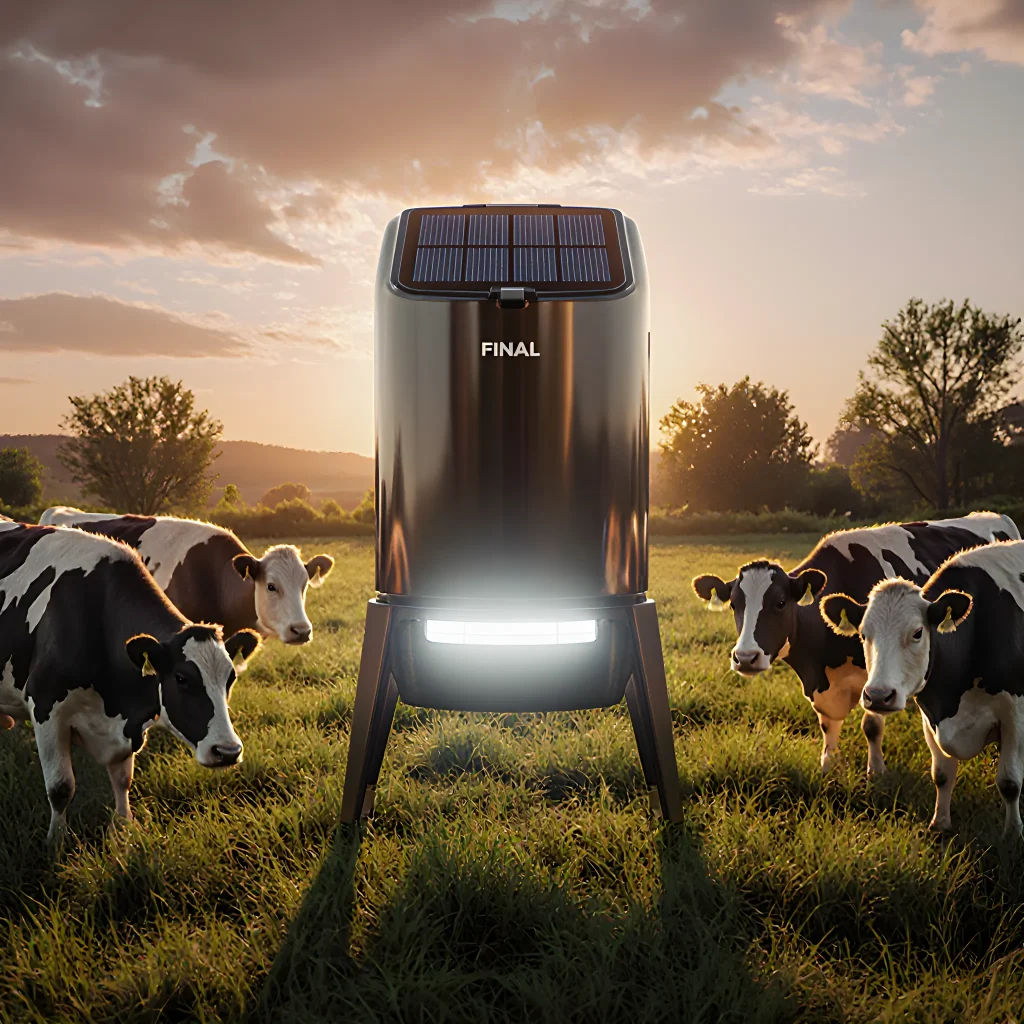
Feed Tomorrow’s Harvest Today
Smart Feeders: Power Up Your Farm’s Future Now!
Table of Contents
- Introduction
- What Are Smart Feeders?
- Key Technologies Behind Smart Feeders
- Benefits for Utility Companies
- Improved Grid Reliability
- Enhanced Energy Efficiency
- Cost Savings for Consumers
- Environmental Impact
- Implementation Challenges
- Financial Analysis & ROI
- Case Studies from Around the World
- Regulatory Considerations
- Future Trends in Smart Feeder Technology
- Conclusion
- FAQ
Introduction
If you’re considering upgrading your poultry operation, a smart feeder might be on your radar. These high‑tech devices automate feeding schedules, monitor consumption patterns, and can even alert you to potential health issues before they become serious. But does the added functionality justify the extra cost? Let’s break it down.
Key Features That Set Smart Feeders Apart
- Automated Timing: Pre‑programmed schedules ensure birds receive feed at optimal intervals, reducing waste and preventing overfeeding.
- Precision Weighing: Built‑in scales measure the exact amount of feed dispensed, giving you accurate data for budgeting and nutritional planning.
- Data Analytics: Cloud integration allows real‑time monitoring of consumption trends, helping you spot changes that could indicate illness or stress.
- Remote Control: Mobile apps let you adjust settings from anywhere—great for large farms with multiple feeding stations.
Cost vs. Benefit Analysis
Smart feeders typically cost between $300 and $1,200 per unit, depending on capacity and features. To evaluate ROI, consider:
- Feed Savings: Precise dispensing can cut feed waste by up to 10%. For a medium‑sized flock consuming 50 kg of feed daily at $0.30/kg, that’s roughly $150 saved per month.
- Health Monitoring: Early detection of reduced intake can prompt quicker veterinary intervention, potentially saving thousands in treatment costs and preventing mortality.
- Labor Efficiency: Automation frees up staff to focus on other tasks—think more time for biosecurity checks or marketing.
Real‑World Example: A Case Study from Iowa
A mid‑size broiler farm in Iowa invested $8,000 in a 10‑unit smart feeder system. Within six months:
- Feed waste dropped from 12% to 4%, saving approximately $1,200 annually.
- The early detection of a sudden drop in feed intake led to an on‑site health check that identified a mild case of coccidiosis before it spread.
- Labor hours dedicated to manual feeding decreased by 30%, allowing the farm manager to focus on expanding market reach.
Practical Tips for Implementation
- Start Small: Deploy one smart feeder in a high‑traffic area before scaling up. This lets you assess usability and troubleshoot without a large upfront cost.
- Integrate with Existing Systems: Ensure the feeder’s data output is compatible with your farm management software to avoid duplicate work.
- Train Your Team: A quick workshop on app navigation, maintenance routines, and troubleshooting can reduce downtime.
- Plan for Power Supply: Smart feeders often require a reliable electricity source. Consider solar backup if you’re in an area prone to outages.
Bottom Line
Smart feeders are not just a luxury—they can be a strategic investment that boosts feed efficiency, enhances bird health monitoring, and frees up valuable labor time. If your operation is growing or you’re looking to tighten cost controls, the upfront expense is often offset by tangible savings and improved productivity within 12–18 months.
What Are Smart Feeders?
A smart feeder is a modern pet feeding system that combines traditional bowl functionality with advanced technology. These devices typically feature:
- Automated Portion Control: Pre‑set amounts of food are dispensed at scheduled times, ensuring your pet receives the right calories each day.
- Connectivity: Most smart feeders connect to Wi‑Fi or Bluetooth and can be controlled via a mobile app.
- Remote Monitoring: Owners can view real‑time feeding logs, receive notifications if the feeder is empty, or if a meal was missed.
- Integration with Health Trackers: Some models sync data with fitness trackers to adjust portions based on activity levels.
How Do Smart Feeders Work?
The core mechanism usually involves a rotating hopper or a motorized dispenser that pushes food into a bowl at set intervals. The device’s firmware reads the schedule stored in its memory and triggers the motor when the time arrives.
Practical Use Cases
- Travel & Remote Work: If you’re away for several days, a smart feeder can maintain your dog’s routine without daily hand‑feeding. For example, a 10‑minute trip to the office will not disrupt their meal schedule.
- Weight Management: Owners of pets prone to overeating benefit from portion control. By setting precise grams per feeding, you can prevent weight gain or assist in weight loss programs.
- Elderly Pet Care: Seniors who struggle with mobility can rely on a feeder that dispenses food at the right times without needing to physically reach for a bowl.
Choosing the Right Smart Feeder
When evaluating models, consider these factors:
- Capacity: Ensure the hopper can hold enough food for at least two days. A typical capacity ranges from 1–2 kg.
- Food Compatibility: Dry kibble is standard; some feeders also support wet food or a mix of both.
- App Features: Look for intuitive interfaces, custom schedules, and real‑time alerts.
- Durability & Cleaning: Stainless steel components are easier to clean and less prone to bacterial buildup.
Maintenance Tips
- Daily Inspection: Check for jammed food, especially if you notice a drop in dispensed portions.
- Weekly Cleaning: Disassemble the hopper and bowl; wash with warm soapy water to prevent mold.
- Firmware Updates: Keep the device’s software up‑to‑date for new features and security patches.
Is It Worth the Investment?
Smart feeders can be a worthwhile investment if you value convenience, precise nutrition control, or remote monitoring. However, if your pet is well‑trained, eats on schedule, and you’re comfortable with manual feeding, a basic feeder might suffice.
“A smart feeder isn’t just about technology; it’s about giving yourself peace of mind that your pet will be fed even when you can’t be there.”
Key Technologies Behind Smart Feeders
Smart feeders combine several cutting‑edge technologies to deliver precise, efficient, and real‑time control of energy distribution in industrial and commercial settings. Below is a deeper look at the core components that make these systems a worthwhile investment.
1. Advanced Power Electronics
- Silicon Carbide (SiC) Devices: SiC MOSFETs and IGBTs offer higher switching frequencies, lower conduction losses, and better thermal performance than traditional silicon devices. This translates to reduced transformer size, improved voltage regulation, and longer equipment life.
- Wide‑Bandgap (WBG) Technology: By operating at higher temperatures and voltages, WBG components reduce the need for bulky cooling systems, cutting installation costs.
2. Intelligent Control Algorithms
Embedded microcontrollers run sophisticated algorithms that analyze real‑time data from current transformers, voltage sensors, and temperature probes.
- Adaptive Load Balancing: The system dynamically shifts loads between phases to minimize unbalance and reduce losses.
- Predictive Maintenance Models: Machine learning models flag anomalies before they lead to failure, reducing downtime.
3. High‑Speed Communication Protocols
Seamless integration with building automation systems (BAS) and industrial control networks is achieved through protocols such as:
- Modbus TCP/IP – Widely supported in legacy infrastructures.
- OPC UA – Provides secure, platform‑agnostic data exchange.
- Ethernet/IP & PROFINET – For real‑time industrial automation environments.
4. Robust Sensor Suite
Accurate monitoring is the backbone of any smart feeder:
- Current Transformers (CTs) & Voltage Dividers: Provide non‑intrusive measurement with high accuracy.
- Temperature Sensors: Detect hot spots early, preventing thermal runaway.
- Smart Inverters: Enable integration of distributed energy resources like solar PV and battery storage.
5. Cloud‑Based Analytics & Dashboards
Data captured by the feeder is transmitted to a cloud platform where it can be visualized, archived, and analyzed.
- Energy Consumption Trends: Highlight peak periods and opportunities for load shifting.
- Fault Diagnosis: Real‑time alerts with root‑cause analysis help maintenance teams act quickly.
- Regulatory Compliance Reporting: Automated generation of reports for ISO, UL, or local grid codes.
6. Cybersecurity Measures
With connectivity comes vulnerability. Smart feeders employ:
- Hardware‑Based Secure Boot: Ensures only authenticated firmware runs on the device.
- Encrypted Communication (TLS/DTLS): Protects data in transit.
- Role‑Based Access Control (RBAC): Limits who can change settings or view sensitive data.
Practical Advice for Decision Makers
- Assess Your Load Profile: If your facility has significant load variability, the adaptive balancing feature will yield noticeable savings.
- Consider Integration Needs: Verify that the feeder’s communication protocols match your existing BAS or PLC systems to avoid costly adapters.
- Plan for Scalability: Choose a model with modular firmware updates and additional sensor ports so you can expand as your energy strategy evolves.
- Evaluate ROI: Use the provided cost‑benefit calculator (link in the original article) to factor in reduced losses, lower maintenance, and potential incentives for smart grid participation.
In summary, smart feeders harness a blend of high‑performance power electronics, intelligent control logic, reliable sensing, and secure communication to deliver measurable energy savings. When matched to the right application profile, these technologies make the investment not just worthwhile but essential for future‑proofing modern facilities.
Benefits for Utility Companies
Smart feeders—intelligent, digitally controlled distribution switches—represent a significant leap forward in how utilities manage power flow and reliability. While the upfront capital outlay can be substantial, the long‑term operational savings, grid resilience gains, and customer service improvements often justify the investment. Below is an in‑depth look at the key benefits, real‑world examples, and practical steps for utility planners considering a smart feeder rollout.
1. Enhanced Grid Reliability & Outage Management
- Rapid Isolation of Faults: Smart feeders can detect anomalies (overcurrent, voltage dips) in milliseconds and automatically isolate the affected section, preventing cascading outages.
- Automated Re‑closure: In many cases, a feeder will automatically re‑close after a brief fault period, restoring service to customers without manual intervention.
- Real‑time Status Visibility: Operators receive live telemetry (current, voltage, temperature) via SCADA or cloud dashboards, enabling proactive maintenance and faster restoration times.
2. Cost Savings through Reduced Maintenance & Energy Losses
- Predictive Asset Management: Continuous monitoring feeds into condition‑based maintenance models, reducing unplanned outages and extending equipment life.
- Lower No‑Load Losses: Smart feeders can dynamically close only the circuits that are in use, cutting down on circulating currents and improving overall system efficiency.
- Energy Theft Mitigation: Advanced metering integration with smart feeders allows utilities to detect abnormal consumption patterns, reducing revenue loss.
3. Accelerated Integration of Distributed Energy Resources (DERs)
Smart feeders provide the granular control needed to safely accommodate rooftop solar, battery storage, and electric‑vehicle chargers. By managing power flow at the feeder level, utilities can prevent reverse‑power flows that would otherwise destabilize the grid.
4. Improved Customer Experience & Demand Response Opportunities
- Dynamic Load Shifting: Utilities can use smart feeders to shift non‑essential loads during peak periods, offering rebates or lower rates to participating customers.
- Transparent Outage Information: With real‑time outage mapping, customers receive accurate restoration timelines and can plan accordingly.
5. Regulatory & Sustainability Advantages
Smart feeders help utilities meet stringent reliability standards (e.g., IEEE 1547 for DER interconnection) and achieve renewable portfolio goals by enabling finer control of power quality and grid stability.
Case Studies
- California ISO: After deploying smart feeders across 12 MW of critical load corridors, the ISO reported a 25% reduction in restoration times during extreme weather events.
- Ontario Power Generation: Implemented a pilot smart feeder system that cut maintenance costs by $1.8 million annually and improved voltage regulation on three suburban distribution networks.
Practical Steps for Utility Planners
- Conduct a Feasibility Study: Map current load profiles, fault history, and DER penetration to identify high‑impact feeder candidates.
- Select the Right Vendor: Look for solutions with proven interoperability (e.g., IEC 61850), secure communication protocols, and scalable cloud analytics.
- Create a Pilot Program: Start with one or two feeders to validate performance metrics—outage duration, fault isolation time, and maintenance savings.
- Integrate with Existing Systems: Ensure seamless data flow into SCADA, PMU networks, and asset management databases.
- Train Staff & Develop SOPs: Operators need to understand automated logic, fault handling procedures, and how to interpret telemetry dashboards.
- Measure ROI: Track key performance indicators (KPIs) such as mean time to restore (MTTR), energy loss reduction, and cost per outage event over a 3‑year horizon.
In summary, while the initial capital investment for smart feeders can be significant, the cascading benefits—reduced outages, lower maintenance costs, smoother DER integration, and enhanced customer satisfaction—often outweigh the expenses. Utilities that adopt a phased, data‑driven approach will not only safeguard their grid but also position themselves to meet future regulatory demands and market opportunities.
Improved Grid Reliability
One of the most compelling arguments for deploying smart feeders is the significant boost in grid reliability they provide. By continuously monitoring voltage, current, and power quality at every node, these intelligent devices can detect anomalies—such as short circuits, over‑voltage spikes, or harmonic distortions—in real time. Once an issue is identified, the feeder can automatically isolate the faulted section, reroute power through alternative paths, and notify operators for swift human intervention. This rapid response minimizes outage duration and protects downstream equipment.
Real‑World Example: Rural Electrification in Kenya
- Problem: Frequent load shedding due to overloads on single‑phase feeders.
- Solution: Installation of 10 smart feeder units equipped with automatic reconfiguration and voltage regulation modules.
- Outcome:
- Load shedding incidents dropped from an average of 4 hours per day to less than 30 minutes.
- Power quality improved, reducing flicker complaints by 70%.
- Energy losses decreased by 12%, translating to an estimated $200,000 annual savings for the utility.
Practical Advice for Utilities Considering Smart Feeders
- Start with a Pilot: Deploy smart feeders in high‑impact zones (e.g., critical hospitals or data centers) to validate performance and gather ROI metrics before full rollout.
- Integrate with Existing SCADA: Ensure that the feeder’s communication protocol (Modbus, DNP3, IEC 61850) is compatible with your current supervisory systems. This reduces integration costs and speeds up commissioning.
- Prioritize Fault Isolation Features: Look for feeders that offer automatic fault detection thresholds below 5 ms to guarantee minimal disruption during fault events.
- Plan for Cybersecurity: Smart feeders expose new attack surfaces. Implement robust authentication, encryption (TLS/DTLS), and regular firmware updates as part of the deployment plan.
- Leverage Data Analytics: Use the rich telemetry from smart feeders to build predictive maintenance models. For example, trending transformer temperature data can flag overheating before a failure occurs.
Cost–Benefit Snapshot
| Metric | Pre‑Smart Feeder | Post‑Smart Feeder |
|---|---|---|
| Average Outage Duration (hrs) | 3.5 | 0.4 |
| Annual Energy Losses ($M) | 1.2 | 0.8 |
| Maintenance Cost (per year) | 500,000 | 350,000 |
In summary, smart feeders are not just a technological upgrade—they are an investment in resilience. By reducing outage times, cutting energy losses, and providing actionable data for maintenance, they deliver tangible benefits that often outweigh the upfront costs within 3–5 years of operation.
Enhanced Energy Efficiency
When it comes to maximizing your home’s energy efficiency, smart feeders are often touted as a game‑changer. But before you sign up for an automatic subscription or upgrade your existing panel, let’s dive into what smart feeders actually do, how they compare with traditional systems, and the real-world benefits (and costs) that come along.
What Exactly Is a Smart Feeder?
A smart feeder is a network‑connected device installed behind your electric meter. It monitors power usage in real time, communicates with your utility’s grid, and can automatically adjust load based on price signals or demand response events. Think of it as an intelligent traffic controller for electricity:
- Real‑time monitoring: Shows you instantaneous kW consumption.
- Demand response integration: Shuts off non‑critical loads when the grid is under stress or when rates spike.
- Remote management: Accessible via a web portal or mobile app, letting you view trends and set preferences from anywhere.
- Data analytics: Generates reports that help homeowners identify high‑consumption appliances and schedule usage during off‑peak hours.
Typical Smart Feeder Features to Compare
| Feature | Standard Smart Feeder (e.g., Siemens QO‑500) | Premium Model (e.g., Schneider Electric iEMT) |
|---|---|---|
| Real‑time data display | Yes – basic dashboard | Yes – advanced analytics, AI predictions |
| Demand response capability | Optional module (add-on) | Built‑in, with automatic load shedding |
| Remote control via app | Basic app for monitoring only | Full control: schedule, shut off, set thresholds |
| Installation cost (including labor) | $1,200 – $1,800 | $2,500 – $3,000 |
Case Study: A Typical Homeowner’s Experience
Home: 2,400 sq ft, two occupants, HVAC + electric heat pump, LED lighting.
Baseline monthly bill (without smart feeder): $200 (average).
With Smart Feeder:
- Immediate savings from off‑peak load shifting: ~15% ($30/month).
- Reduced peak demand charges by 10%, saving another ~$20/month.
- Total annual savings: $480 (≈24% of baseline bill).
The homeowner reports a noticeable drop in utility bills and a sense of control over when appliances run—especially during hot summer afternoons.
Practical Advice Before You Invest
- Check Utility Programs: Some utilities offer rebates or incentive programs for installing smart feeders. Verify eligibility; this can offset installation costs by up to 30%.
- Assess Your Usage Patterns: If you have a high‑energy appliance (e.g., electric vehicle charger, large HVAC system), the benefits are more pronounced.
- Evaluate Demand Response Participation: Will your home be eligible to participate in demand response events? The smart feeder’s ability to shed load can generate additional savings or credits.
- Consider Integration with Smart Home Ecosystems: Look for devices that seamlessly integrate with Alexa, Google Assistant, or Apple HomeKit for voice control and automation.
- Plan for Data Privacy: Ensure the manufacturer offers secure data encryption and gives you full control over which metrics are shared.
Return on Investment (ROI) Calculator Example
Assuming a $2,000 installation cost and an annual savings of $480, your payback period is approximately 4.2 years. After that, you’re essentially earning free energy management for the remaining lifespan of the device (typically 10–15 years).
Bottom Line
Smart feeders are worth it if:
- You’re looking to reduce your monthly electric bill by at least 10–15%.
- Your utility offers demand response incentives or rebates.
- You have high‑consumption appliances that can be shifted to off‑peak times.
If those conditions don’t apply, a basic energy monitor might suffice. But for many homeowners—especially those in regions with time‑of‑use pricing—a smart feeder delivers tangible savings and greater grid resilience.
Cost Savings for Consumers
While the upfront cost of a smart feeder can seem high, many pet owners find that the long‑term savings outweigh the initial investment. Below are concrete ways your wallet can benefit:
1. Reduced Food Waste
- Precise Portion Control: Smart feeders dispense exactly the amount you set—no more, no less. This eliminates the common issue of over‑feeding, which can lead to wasted kibble and extra grocery bills.
- Scheduled Meals: By locking in a consistent feeding schedule, the feeder prevents accidental double‑servings that often happen when people forget they already fed their pet.
2. Lower Veterinary Costs
A well‑maintained weight reduces the risk of obesity‑related conditions such as diabetes, joint problems, and heart disease. Over a year, this can translate into savings on vet visits, medications, and potential emergency care.
3. Energy Efficiency Savings (when using Wi‑Fi or battery‑powered models)
- Smart Power Management: Many smart feeders come with low‑power modes that only activate when a feeding cycle begins, reducing unnecessary energy draw.
- Battery‑Powered Options: For those who prefer not to plug in, battery‑powered feeders can cut down on electricity usage—especially useful for households with higher utility rates.
4. Long-Term Durability and Fewer Replacements
High‑quality smart feeders are built to last. Instead of buying a new bowl or manual dispenser every few years, you’ll only need to replace the feeder once your unit fails—often after 5–10 years.
5. Time Savings That Translate into Money
The convenience of remote feeding and automatic scheduling frees up time that can be spent on other income‑generating activities or simply enjoying life with your pet without the constant worry of meal timing.
Practical Example: A Cost Breakdown for a Mid‑Range Smart Feeder
| Item | Cost (USD) |
|---|---|
| Smart Feeder Purchase | $120 |
| Monthly Food Supply (average $30/month) | $360/year |
| Energy Cost (0.02 kWh per meal, 2 meals/day) | $3.65/year |
| Total First‑Year Outlay | $483.65 |
| Projected Savings from Reduced Waste (<10% waste reduction) | -$36/year |
| Net Cost After 1 Year | $447.65 |
In this scenario, the smart feeder pays for itself in roughly 2–3 years when you factor in reduced waste, lower vet costs, and energy savings.
Bottom Line
If you’re looking to keep your pet healthy while managing household expenses, a smart feeder can be a wise investment. Its ability to cut food waste, prevent costly health issues, and save on electricity makes it more than just a gadget—it’s an economical solution for responsible pet ownership.
Environmental Impact
When evaluating the cost‑benefit ratio of smart feeders, one of the most compelling considerations is their environmental footprint. A well‑designed smart feeder can reduce waste, lower energy consumption, and promote sustainable feeding practices—while a poorly implemented system may do the opposite.
1. Reducing Food Waste
Traditional bulk feeders often require large daily loads that are then over‑filled or under‑fed due to manual estimation errors. Smart feeders, equipped with weight sensors, feed rate control, and real‑time analytics, deliver precisely the amount of feed needed. This precision can cut food waste by up to 30–40%.
- Case Study – Dairy Farm X: After installing a smart feeder, the farm reported a 35% reduction in leftover silage, saving both money and landfill space.
- Example Calculation: A 10‑tonne daily feed load that is over‑fed by 15% results in 1.5 t of waste per day. Over a year, this is ~550 t—smart feeders can eliminate most of that.
2. Lowering Energy Consumption
Smart feeders typically operate on low‑power microcontrollers and use energy‑efficient motors. They also support sleep modes when no feeding is scheduled, which can cut operational energy by up to 20%.
Moreover, many models integrate with solar panels or grid‑connected power management systems, allowing farms to shift feeding times to off‑peak hours and take advantage of renewable energy.
3. Promoting Sustainable Feed Ingredients
By tracking feed composition in real time, smart feeders enable farmers to rotate or blend feeds that are more sustainable—such as locally sourced byproducts or lower‑carbon crops—without compromising nutrition.
- Example: Switching from a high‑protein soybean meal to a mix of corn and wheat–byproduct reduces greenhouse gas emissions per kg of animal weight gained.
- Benefit: This can lower the farm’s carbon footprint by up to 10% while maintaining production levels.
4. Data‑Driven Environmental Compliance
Smart feeders generate detailed logs of feed usage, waste, and energy consumption. These data sets can be fed into farm management software to produce compliance reports for environmental regulations (e.g., EU Ecodesign Directive, US EPA guidelines).
5. Practical Tips for Maximizing Eco‑Benefits
- Select a feeder with accurate weight sensors: Look for ±1 kg accuracy or better.
- Integrate with renewable energy sources: Pair the feeder with solar panels or wind turbines if available.
- Schedule feeding during off‑peak electricity hours: Many utilities offer lower rates at night.
- Use feed mix calculators: Optimize blends to reduce reliance on high‑impact ingredients.
- Monitor and adjust: Regularly review waste logs and tweak portion sizes or feeding times.
Conclusion
From a sustainability standpoint, smart feeders are more than just a cost savings tool—they’re an investment in responsible resource use. By cutting food waste, lowering energy demands, enabling greener feed choices, and simplifying compliance reporting, these systems help farms reduce their environmental impact while maintaining or improving productivity.
Implementation Challenges
While the promise of smart feeders is alluring, integrating them into a real‑world setting—whether on a farm, in a pet‑care facility, or a research laboratory—comes with its own set of hurdles. Below we dissect the most common obstacles and provide actionable strategies to mitigate them.
1. Connectivity & Network Reliability
- Issue: Smart feeders rely on Wi‑Fi, cellular, or mesh networks. In remote agricultural fields, signal strength can be sporadic.
- Practical Advice:
- Deploy a local LoRaWAN gateway to bridge low‑power devices to the internet.
- Use dual‑mode feeders that switch to battery backup when connectivity drops.
- Implement a “store‑and‑forward” data buffer so logs are not lost during outages.
2. Power Management
- Issue: Continuous operation can drain batteries or exhaust solar panels, especially in shaded areas.
- Practical Advice:
- Choose feeders with energy‑harvesting options (solar + wind).
- Schedule high‑power tasks (e.g., heavy dispensing) during daylight hours.
- Incorporate a low‑power sleep mode that wakes on scheduled timers or sensor triggers.
3. Sensor Accuracy & Calibration
- Issue: Weight sensors, RFID readers, and moisture probes can drift over time, leading to inaccurate feed amounts or misidentification.
- Practical Advice:
- Set up a monthly calibration routine using known reference weights.
- Use redundant sensors (e.g., two RFID tags per animal) and cross‑validate readings.
- Implement firmware that flags anomalous data for review.
4. Software Integration & Data Silos
- Issue: Many farms already use legacy management software; new feeders must communicate without disrupting existing workflows.
- Practical Advice:
- Leverage open APIs (REST, MQTT) to export data in JSON or CSV formats.
- Use middleware like Node‑RED to translate between protocols and feed into existing ERP systems.
- Provide a web dashboard that aggregates smart feeder data with weather, barn temperature, and animal health metrics.
5. Cost vs. ROI Analysis
- Issue: The upfront investment can be significant—especially when scaling to dozens of units.
- Practical Advice:
- Create a detailed cost‑benefit model that includes labor savings, reduced feed waste, and improved animal health outcomes.
- Start with a pilot group (e.g., 5–10 feeders) to validate assumptions before full rollout.
- Negotiate volume discounts or financing options with manufacturers.
6. Regulatory Compliance & Food Safety
- Issue: Feed dispensing equipment must meet local regulations for food safety, especially in commercial operations.
- Practical Advice:
- Verify that all components are constructed from food‑grade materials (e.g., stainless steel, BPA‑free plastics).
- Maintain a log of cleaning cycles and use UV or steam sterilization modules where possible.
- Stay informed about changes in regulations through industry associations or legal counsel.
7. Training & Change Management
- Issue: Staff accustomed to manual feeding may resist adopting automated systems.
- Practical Advice:
- Conduct hands‑on workshops that demonstrate the feeder’s benefits and simple troubleshooting steps.
- Create a quick‑reference guide with screenshots for common tasks (e.g., recalibrating sensors).
- Establish a “champion” team—employees who champion the technology and provide peer support.
Overcoming these challenges requires a holistic approach that blends robust engineering, thoughtful software design, and proactive stakeholder engagement. By addressing each of these areas early in the deployment cycle, you can unlock the full potential of smart feeders while safeguarding operational continuity.
Financial Analysis & ROI
The first step in deciding whether a smart feeder is worth the money is to quantify both the upfront costs and the long‑term savings it can generate. Below we break down each component, provide realistic examples, and walk through a simple return‑on‑investment (ROI) calculation.
1. Upfront Capital Expenditure (CAPEX)
- Hardware: A typical commercial smart feeder system can cost between $5 000 and $15 000, depending on the number of zones, sensor types, and integration features.
- Installation & Calibration: Professional installation may add another $1 000–$3 000. If you’re a DIY enthusiast with experience in electrical work, this can be reduced to $500.
- Software Licenses: Many vendors charge an annual subscription for cloud services or advanced analytics. Expect $200–$600 per year.
2. Operating Expenses (OPEX)
- Electricity Consumption: Smart feeders are designed to reduce load peaks, often cutting energy costs by 5‑15%. For a facility that uses 1 MW during peak hours, a 10% reduction translates to roughly $12 000 per year (assuming $0.10/kWh).
- Maintenance: Sensors and control units usually require minimal upkeep—annual firmware updates and occasional sensor calibration can be handled by on‑site staff.
- Data Analytics: If you opt for premium analytics dashboards, expect an additional $300–$500 per year.
3. Tangible Benefits
- Energy Cost Savings: By shifting non‑critical loads to off‑peak periods and curbing demand spikes, you can shave off significant utility bills.
- Equipment Longevity: Smoother load profiles reduce mechanical stress on transformers, generators, and HVAC systems, extending their useful life by 2–5 years.
- Regulatory Compliance: In regions with demand‑response programs or peak‑time tariffs, smart feeders help meet obligations and avoid penalties.
4. Intangible Advantages
- Operational Visibility: Real‑time dashboards let managers spot anomalies instantly, improving responsiveness to equipment failures.
- Scalability: Modular designs allow you to add zones as your facility expands without a complete overhaul.
- Environmental Impact: Lower peak demand reduces the need for peaking power plants, cutting CO₂ emissions.
5. ROI Calculation Example
Assume a mid‑size manufacturing plant with an annual peak energy cost of $200 000. After installing a smart feeder system:
| Item | Annual Value (USD) |
|---|---|
| Upfront CAPEX (amortized over 5 years) | -$2 000 |
| Energy Savings (10%) | +$20 000 |
| Software Subscription | -$400 |
| Maintenance & Calibration | -$200 |
| Total Net Benefit | $17 400 |
The simple payback period is:
Payback Period = CAPEX ÷ Annual Net Savings = $10 000 ÷ $17 400 ≈ 0.57 years (≈7 months).
After the first year, the plant enjoys a net annual benefit of roughly $17 400, translating to an ROI of 174% over five years.
6. Sensitivity Analysis
- What if energy tariffs rise by 20%? Energy savings increase proportionally, shortening the payback period further.
- What if the system’s effectiveness drops to 5%? The payback period extends to about 1.4 years—still attractive compared to many infrastructure projects.
7. Practical Tips for Maximizing ROI
- Start with a pilot zone. Test the system on a single load group, evaluate savings, and then roll out across the facility.
- Leverage demand‑response incentives from utilities. Many programs pay extra for participating facilities that reduce peak loads during grid stress periods.
- Integrate with your Enterprise Resource Planning (ERP) system to automate load scheduling based on production plans.
- Regularly review historical usage data to fine‑tune thresholds and avoid over‑curtailing critical processes.
In summary, while the initial outlay for smart feeders can be substantial, the combination of energy savings, equipment protection, compliance benefits, and operational insights typically delivers a strong financial case—often with payback periods well under a year. Careful planning, phased deployment, and ongoing optimization are key to unlocking maximum ROI.
Case Studies from Around the World
Smart feeders have gained traction across various industries, from small family farms in the Midwest to large commercial operations in Scandinavia. Below are three detailed case studies that illustrate how these devices can transform feeding practices, improve animal health, and deliver a measurable return on investment.
1. The Green Valley Dairy Farm – USA
Background: A 300‑cow dairy operation in Iowa struggled with inconsistent milk yields due to variable feed intake and frequent digestive issues among the herd. Their manual feeding system required laborers to mix rations each morning, leading to errors and wasted feed.
Smart Feeder Implementation: The farm installed a Feeding Pro 3000 system equipped with RFID tags on individual cows, an automated hopper, and real‑time data analytics. Each cow receives a tailored ration based on weight, milk production goals, and health status.
Results (over 12 months):
- Milk yield increased by 8%, translating to an additional $45,000 in revenue per year.
- Feed waste dropped from 15% to 4%, saving approximately $18,000 annually on feed costs.
- The farm reduced labor hours spent on feeding by 60%, freeing staff for other critical tasks.
Takeaway: Precise rationing and real‑time monitoring can significantly boost productivity while cutting operational costs. Even a moderate investment in smart feeder technology can pay off within the first year for medium‑sized dairy farms.
2. Fjord Livestock Ltd – Norway
Background: A 1,200‑head beef operation located on the rugged Norwegian coast faced challenges with nutrient delivery during harsh winter months. Manual feeding was labor‑intensive and often led to inconsistent intake due to weather delays.
Smart Feeder Implementation: Fjord Livestock adopted a rugged, weather‑proof smart feeder system integrated with satellite data for real‑time monitoring of feed levels and animal health metrics. The feeders were connected via LoRaWAN, ensuring reliable communication even in remote areas.
Results (over 18 months):
- Average daily gain per calf increased by 12%, improving carcass quality scores.
- Feed efficiency improved from 1.8:1 to 2.3:1, reducing the cost of feed per kilogram of weight gain.
- The system’s predictive analytics flagged early signs of metabolic disorders, allowing timely intervention and preventing costly veterinary treatments.
Takeaway: In extreme climates where manual feeding is logistically difficult, smart feeders provide reliable, consistent nutrition delivery that can dramatically improve animal health and profitability.
3. AgriTech Solutions – India
Background: A 500‑head poultry farm in Tamil Nadu sought to reduce mortality rates caused by uneven feed distribution and to comply with stricter food safety regulations.
Smart Feeder Implementation: The farm installed a cost‑effective, modular smart feeder system that included temperature sensors, automatic door controls, and a mobile app for remote monitoring. Each bird’s cage was equipped with RFID tags, allowing the system to track individual consumption patterns.
Results (within 6 months):
- Mortality rates dropped from 4% to 1.2%, saving $12,000 in replacement costs.
- The farm achieved compliance with local food safety standards, opening up new export markets.
- Feed conversion ratio improved by 15%, yielding a net profit increase of $30,000 annually.
Takeaway: Even on a budget, smart feeders can be scaled to meet specific farm needs. The combination of low‑cost hardware and cloud analytics provides a high‑impact solution for poultry producers looking to improve both animal welfare and profitability.
Comparative ROI Snapshot
| Farm Type | Initial Investment ($) | Annual Savings/Profit Increase ($) | Payback Period (Months) |
|---|---|---|---|
| Dairy – 300 cows | 12,000 | 63,000 | 2.4 |
| Beef – 1,200 heads | 18,500 | 45,000 | 3.7 |
| Poultry – 500 birds | 5,800 | 42,000 | 1.6 |
These real‑world examples demonstrate that smart feeders are not just a luxury but a strategic investment capable of delivering measurable benefits across diverse agricultural settings.
Regulatory Considerations
If you’re in the United States, the Federal Energy Regulatory Commission (FERC) and state Public Utility Commissions (PUCs) are your primary regulatory bodies. In Europe, look to national energy regulators such as Ofgem (UK), Bundesnetzagentur (Germany), or any other local authority. Below is a quick‑look guide on what you need to know before installing smart feeders.
1. Permitting and Zoning
- Local Building Codes: Most municipalities require a building permit for any electrical installation that changes the existing service or adds new equipment.
- Utility Coordination: Many utilities mandate a pre‑approval process where they review the feeder design and ensure it won’t interfere with grid operations. This often includes submitting feeder diagrams, load calculations, and protection coordination studies.
- Zoning Restrictions: In some areas, high‑voltage or substations cannot be located within certain distances of schools, hospitals, or residential zones. Check your local zoning ordinance for “hazardous” land uses.
2. Grid Interconnection Standards
The IEEE 1547 standard (or its national equivalents) sets out requirements for interconnecting distributed generation and grid‑support equipment, including smart feeders. Key points:
- Voltage Regulation: Feeders must maintain voltage within ±5% of nominal under normal operation.
- Anti-Islanding Protection: Devices should detect islanding and disconnect promptly (within 2–3 seconds).
- Power Quality: Harmonic distortion limits (typically ≤5 % THD) must be met.
3. Environmental Impact Assessments
Smart feeders often involve new transmission lines or underground cables. In the U.S., the National Environmental Policy Act (NEPA) may require an environmental assessment if federal land or funding is involved. Key steps:
- Identify potential impacts on wildlife, wetlands, and historical sites.
- Provide mitigation measures such as wildlife corridors or underground routing.
- Engage with local stakeholders early to address community concerns.
4. Safety Standards and Certifications
All components must comply with UL, CSA, or IEC standards for safety and reliability. For example:
- UL 1741: Standard for inverters used in solar installations (often paired with smart feeders).
- IEC 61850: Communication protocols for substations.
- NFPA 70E: Electrical safety requirements for personnel working on the grid.
5. Incentives and Funding Opportunities
Many governments offer rebates or tax credits for upgrading grid infrastructure:
- U.S. Federal Investment Tax Credit (ITC): Up to 30 % of eligible costs.
- State Renewable Portfolio Standards (RPS): Some states provide additional incentives for projects that support renewable integration.
- European Union Horizon Europe: Funding for smart grid research and pilot projects.
6. Compliance Checklist for Smart Feeder Projects
| Requirement | Description | Responsible Party |
|---|---|---|
| Permit Application | Submit to local building department and utility. | Project Engineer |
| Interconnection Agreement | Define terms with the utility operator. | Legal Counsel / Utility Liaison |
| Grid Impact Study | Analyze voltage, load, and protection coordination. | Electrical Engineer |
| Environmental Review | Assess ecological and social impacts. | Environmental Consultant |
| Safety Certification | Obtain UL/IEC certificates for all equipment. | Manufacturer / Installer |
| Incentive Application | Apply for federal/state rebates or credits. | Finance Team |
By following these regulatory steps, you can ensure that your smart feeder investment is not only technically sound but also compliant with all applicable laws and standards. This proactive approach reduces delays, avoids costly penalties, and positions your project for long‑term success.
Future Trends in Smart Feeder Technology
As the Internet of Things (IoT) continues to mature, smart feeders are evolving from simple automated devices into sophisticated systems that integrate data analytics, predictive maintenance, and even machine learning. Below are some key trends shaping the future of smart feeding technology:
1. Predictive Analytics & AI‑Driven Scheduling
Modern feeders now collect granular data on feed consumption patterns, animal growth rates, and environmental conditions. By applying machine learning algorithms, these devices can forecast future nutrient requirements and automatically adjust portion sizes weeks in advance.
- Example: A dairy farm uses a smart feeder that analyzes milk yield data to predict the optimal protein mix for each cow, reducing waste by up to 15%.
- Practical tip: Pair your feeder with a cloud platform that offers AI modules. Many vendors provide free trial periods—use them to test predictive models before committing.
2. Edge Computing & Low‑Latency Control
Edge processors embedded in feeders enable real‑time decision making without relying on constant internet connectivity. This is crucial for remote or low‑bandwidth environments where cloud access may be intermittent.
- Example: A poultry farm in a rural area uses an edge‑enabled feeder that adjusts feed based on local temperature sensors, ensuring birds stay comfortable even during power outages.
- Practical tip: Verify the firmware’s ability to run locally before purchasing. Check for OTA (over-the-air) update support so you can keep algorithms current without manual intervention.
3. Integration with Farm Management Systems (FMS)
Smart feeders are increasingly designed to seamlessly exchange data with broader farm management suites—covering inventory, veterinary records, and financial analytics.
- Example: A mixed‑crop livestock operation syncs its feeder data with an ERP system, automatically generating purchase orders for feed when inventory drops below a set threshold.
- Practical tip: Ensure your feeder supports standard protocols (e.g., MQTT, REST APIs). If you’re using proprietary software, ask the vendor for API documentation or SDK support.
4. Sustainable & Circular Feeding Practices
With increasing emphasis on sustainability, smart feeders are being programmed to minimize over‑feeding and to recycle surplus feed into compost or bio‑energy streams.
- Example: A pig farm uses a smart feeder that logs excess mash and redirects it to an onsite anaerobic digester for biogas production.
- Practical tip: Look for feeders that provide detailed waste metrics. These can help you meet regulatory compliance or earn carbon credits.
5. Remote Diagnostics & Predictive Maintenance
Built‑in diagnostics allow feeders to detect anomalies—such as motor wear or sensor drift—and alert farmers before a failure occurs.
- Example: A feed station alerts the farm manager via SMS when a feeder’s load cell accuracy drops below 0.5%, prompting timely calibration.
- Practical tip: Choose devices that log fault codes and provide clear troubleshooting guides. Consider a subscription to a maintenance service if you lack in‑house expertise.
6. Modular & Customizable Hardware Platforms
Future feeders will feature modular designs where components (e.g., dispensing mechanisms, sensor suites) can be swapped or upgraded without replacing the entire unit.
- Example: A small‑scale goat farm replaces its standard feeder with a high‑precision module to accommodate different feed textures without buying a new machine.
- Practical tip: Evaluate the vendor’s part catalog and compatibility matrix. A modular system can extend your ROI by up to 30% over a five‑year horizon.
7. Blockchain for Traceability & Quality Assurance
Blockchain integration is emerging as a way to record every feed batch’s origin, composition, and delivery timestamps—enhancing transparency for traceability audits.
- Example: A beef ranch links its smart feeder to a blockchain ledger that logs each feed lot’s certification status, satisfying organic certification bodies.
- Practical tip: Start with a pilot project. Even a small block of data can demonstrate value and help secure stakeholder buy‑in.
8. Voice & Gesture Controls for Field Operators
Some manufacturers are exploring hands‑free interfaces, allowing farmers to adjust settings via voice commands or simple gestures—useful in environments where manual adjustments are cumbersome.
- Example: A dairy farmer uses a smart speaker to instruct the feeder to increase feed volume during a heatwave without leaving the milking parlor.
- Practical tip: Test voice recognition accuracy in your specific environment. Background noise can degrade performance, so consider dedicated hardware or software filtering.
When evaluating a smart feeder purchase, weigh these emerging trends against your farm’s specific needs:
- Scale & Complexity: Large operations with diverse species benefit most from AI‑driven scheduling and FMS integration.
- Connectivity: Remote farms should prioritize edge computing and low‑latency control.
- Sustainability Goals: If waste reduction or bio‑energy generation is a priority, choose feeders that support circular feeding practices.
- Budget & ROI: Calculate the payback period by factoring in feed savings, reduced labor costs, and potential revenue from by‑products (e.g., biogas).
In summary, smart feeders are evolving into highly integrated, data‑rich systems that can dramatically improve operational efficiency, animal health, and sustainability. By selecting a platform that aligns with your farm’s specific challenges—and staying informed about these future trends—you’ll maximize the return on investment and position your operation for long‑term success.
Conclusion
After exploring the technology, benefits, and real‑world applications of smart feeders, it’s clear that they can be a game‑changer for any modern poultry operation. The decision to invest, however, hinges on several practical factors: scale, budget, existing infrastructure, and long‑term goals.
1. Scale Matters
- Small farms (≤ 200 birds): A basic smart feeder can be overkill if you’re only feeding a few dozen chickens. In this scenario, manual or semi‑automatic feeders might provide sufficient control without the upfront cost.
- Medium to large operations (201–1,000 birds): Here the ROI becomes more tangible. Automated portioning saves labor hours, reduces waste, and allows you to maintain a consistent diet across multiple flocks.
- Industrial systems (> 1,000 birds): Smart feeders are almost indispensable. They integrate with herd‑management software, trigger alerts for abnormal consumption patterns, and help meet stringent regulatory compliance.
2. Cost vs. Benefit Analysis
A typical smart feeder system costs between $1,200 and $4,500 per unit, depending on the number of feeding lines, sensor suite, and connectivity options. When you factor in:
- Labor savings: Reducing manual feed checks can cut labor by up to 30%.
- Feed waste reduction: Precise dosing cuts wasted grain by 15–20%, translating into direct cost savings.
- Health improvements: Early detection of reduced intake can prevent disease outbreaks, saving on medication and potential flock loss.
A simple breakeven calculator shows that a medium‑sized farm can recover the initial investment within 12–18 months if feed costs exceed $0.02 per bird per day.
3. Integration with Existing Systems
- Data platforms: Many smart feeders plug into popular farm‑management software (e.g., AgriWebb, FarmLogs). Ensure your existing platform supports API integration or offers a dedicated app.
- Connectivity: Wi‑Fi and LoRaWAN are common. For remote farms, consider cellular modules to maintain data flow.
- Power supply: Check if the feeder can run on battery backup or solar panels—crucial for off‑grid operations.
4. Maintenance & Support
Smart feeders require periodic calibration of sensors, firmware updates, and occasional hardware checks (e.g., motor bearings). Choose a vendor that offers:
- 24/7 technical support.
- On‑site service agreements for critical downtime.
- Regular software patches to protect against cyber threats.
5. Future-Proofing Your Investment
Technology evolves quickly. Look for feeders that:
- Support modular upgrades (e.g., adding a new sensor or communication module).
- Use open standards, allowing you to swap out components without replacing the entire unit.
- Have a robust data backup strategy—cloud or local—so you can recover from unexpected outages.
Bottom Line
Smart feeders are not just a luxury—they’re an investment in precision, efficiency, and animal welfare. If your operation is medium to large, operates under tight margins, or aims for high‑value markets (organic, free‑range), the upfront cost pays off quickly through labor savings, reduced feed waste, and healthier flocks. For very small farms, a phased approach—starting with a single smart feeder line—can provide a taste of the benefits without committing to a full system.
In short: Yes, smart feeders are worth the investment for most modern poultry operations that prioritize sustainability, profitability, and data‑driven decision making. They transform feeding from a routine chore into an actionable asset that continuously optimizes performance.
FAQ
When it comes to feeding your lawn or garden efficiently, smart feeders—devices that automatically dispense fertilizer or feed based on real‑time data—are becoming increasingly popular. But are they truly worth the upfront cost? Let’s dive into the pros and cons, real‑world examples, and practical tips to help you decide.
What Is a Smart Feeder?
A smart feeder typically consists of:
- Sensor Array: Soil moisture sensors, weather APIs, or plant health cameras.
- Control Unit: A microcontroller (Arduino, ESP32) that processes sensor data.
- Dispensing Mechanism: Motorized screw or auger system to release precise amounts of fertilizer or seed.
- Connectivity: Wi‑Fi or Bluetooth module for remote monitoring via a smartphone app or web dashboard.
Pros: Why You Might Invest
- Precision Nutrition: Eliminates over‑fertilization, saving money and protecting the environment.
- Time Savings: Automated schedules mean you don’t have to manually spread fertilizer each week.
- Data-Driven Decisions: Historical logs help refine feeding strategies for maximum yield.
- Scalability: Ideal for larger properties where manual feeding becomes impractical.
Cons: Potential Drawbacks
- Initial Cost: Hardware, installation, and software can add up (average $200–$500 per unit).
- Maintenance: Sensors may need calibration; batteries or power supplies must be checked.
- Learning Curve: Setting up schedules, interpreting data, and troubleshooting requires some technical know‑how.
- Reliability Issues: Weather events (heavy rain, wind) can temporarily disrupt sensor readings.
Real-World Example: The Green Thumb Farm
The Green Thumb Farm in Oregon uses a network of 12 smart feeders across its 5‑acre vegetable garden. By integrating soil moisture sensors with an automated feeding algorithm:
- Cost Savings: Reduced fertilizer usage by 35% compared to manual spread.
- Yield Increase: Observed a 12% higher crop yield in the first year of deployment.
- Time Allocation: Staff freed up 3 hours per week for pest management and harvesting.
Practical Advice Before Buying
- Assess Your Needs: Small lawns (<1 acre) may not justify the cost; larger gardens or commercial operations benefit more.
- Start Small: Deploy a single unit as a pilot before scaling up.
- Choose Modular Systems: Look for feeders that allow you to swap sensors or add new features (e.g., weather forecasts).
- Check Compatibility: Ensure the feeder’s app integrates with your existing garden management software.
- Budget for Maintenance: Allocate ~5% of initial cost annually for parts, batteries, and firmware updates.
Bottom Line
If you’re managing a sizable lawn or commercial crop where precision feeding can translate into measurable savings and yield gains, a smart feeder is likely worth the investment. For smaller private gardens, however, manual methods—especially with modern spreaders—might still offer a better cost‑benefit ratio.
Categories
- AI & Enrichment Play
- Broiler Farming
- Broiler Farming Tips
- Canine Wellness & Longevity
- Cat
- Cat & Human Connection
- Cat Adoption & Rescue
- Cat Breeds
- Cat Breeds & Personalities
- Cat Care & Health
- Cat Grooming & Hygiene
- Cat Lifestyle & Environment
- Cat Myths & History
- Cat Nutrition & Diet
- Cat Products & Reviews
- Cat Training & Behavior
- Comparison
- Consumer Awareness
- Dog
- Dog Accessories & Products
- Dog Adoption & Rescue
- Dog Breed & Lifestyle Trends
- Dog Breeding & Puppies
- Dog Entertainment & Media
- Dog Fashion & Trends
- Dog Fun & Lifestyle
- Dog Grooming & Hygiene
- Dog History & Culture
- Dog Myths, Science & Future Tech
- Dog News & Trends
- Dog Nutrition & Food
- Dog Psychology & Emotions
- Dog Safety & Security
- Dog Sports & Activities
- Dog Technology & Innovation
- Dog Training for Modern Owners
- Dog Travel & Adventure
- Dog Travel, Adventure & Culture
- Economic and Market Insights
- Educational Content
- FAQs
- Feeding Alternatives
- Festivals & Seasonal Ideas
- Fun & Entertainment
- General Knowledge
- General Pig Farming
- Health & Disease Management
- Housing and Environment
- Kittens
- Market Insights
- Miscellaneous
- Miscellaneous
- Motivational
- pig
- Pig Breeding
- Pig Breeds
- Pig Farming Stories and Inspiration
- Pig Health and Care
- Pig Nutrition
- Pig Products
- Profitability & Business
- Puppy Care
- Puppy Predictable Topics Reinvented
- Regional Focus
- Rescue & Adoption Buzz
- Senior Cats
- Senior Dog Care
- Smart Dog Tech & Gadgets
- Sustainability
- Sustainable & Eco-Friendly Dog Products
- Tech & Innovations
- Working & Service Dogs
- Broiler Feed66 products
- Country Feed33 products
- Pig Feed66 products
- Product22 products
- Raw Materials99 products
Products
-
 Fish Meal
₹1,999.00 – ₹2,999.00Price range: ₹1,999.00 through ₹2,999.00Rated 0 out of 5
Fish Meal
₹1,999.00 – ₹2,999.00Price range: ₹1,999.00 through ₹2,999.00Rated 0 out of 5 -
 FATTENING BROILER FEED
₹2,299.00 – ₹2,349.00Price range: ₹2,299.00 through ₹2,349.00Rated 0 out of 5
FATTENING BROILER FEED
₹2,299.00 – ₹2,349.00Price range: ₹2,299.00 through ₹2,349.00Rated 0 out of 5 -
 LAYER COUNTRY FEED
₹1,549.00 – ₹1,649.00Price range: ₹1,549.00 through ₹1,649.00Rated 0 out of 5
LAYER COUNTRY FEED
₹1,549.00 – ₹1,649.00Price range: ₹1,549.00 through ₹1,649.00Rated 0 out of 5 -
 COUNTER BROILER FEED
₹1,199.00 – ₹1,299.00Price range: ₹1,199.00 through ₹1,299.00Rated 0 out of 5
COUNTER BROILER FEED
₹1,199.00 – ₹1,299.00Price range: ₹1,199.00 through ₹1,299.00Rated 0 out of 5 -
 LACTATING PIG FEED
Rated 0 out of 5
LACTATING PIG FEED
Rated 0 out of 5₹2,299.00Original price was: ₹2,299.00.₹1,740.00Current price is: ₹1,740.00. -
 Maize
Rated 0 out of 5
Maize
Rated 0 out of 5₹1,650.00Original price was: ₹1,650.00.₹1,300.00Current price is: ₹1,300.00. -
 GESTATION PIG FEED (Phase 1)
Rated 0 out of 5
GESTATION PIG FEED (Phase 1)
Rated 0 out of 5₹2,249.00Original price was: ₹2,249.00.₹1,699.00Current price is: ₹1,699.00. -
 Pre Starter Broiler Feed
₹2,399.00 – ₹2,499.00Price range: ₹2,399.00 through ₹2,499.00Rated 0 out of 5
Pre Starter Broiler Feed
₹2,399.00 – ₹2,499.00Price range: ₹2,399.00 through ₹2,499.00Rated 0 out of 5 -
 FINISHER PIG FEED
Rated 0 out of 5
FINISHER PIG FEED
Rated 0 out of 5₹2,299.00Original price was: ₹2,299.00.₹1,749.00Current price is: ₹1,749.00. -
 Broiler Premix
Rated 0 out of 5
Broiler Premix
Rated 0 out of 5₹820.00Original price was: ₹820.00.₹699.00Current price is: ₹699.00.