
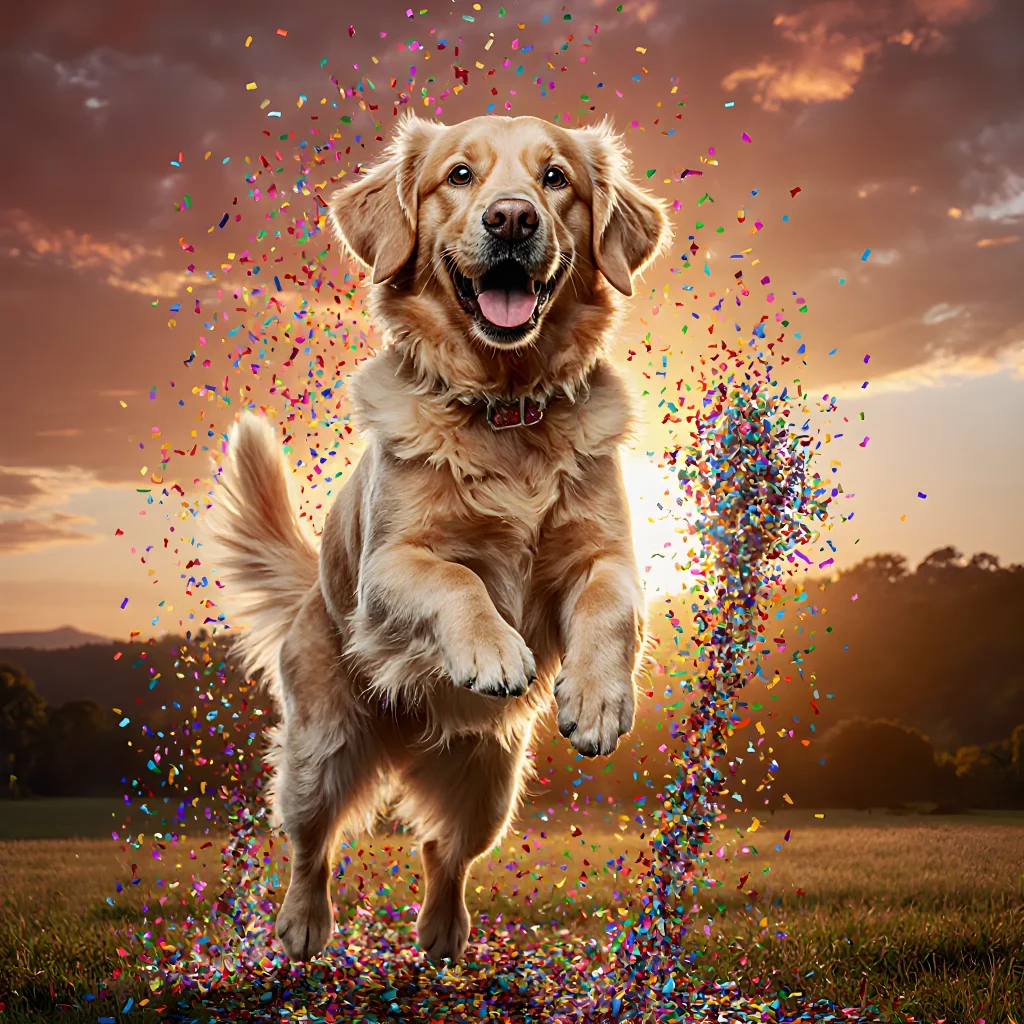
Unleash Viral Canine Snapshots
Snap, Share, Sizzle—Dog Photos That Explode Online
Table of Contents
- 1. Introduction
- 2. Why Virality Matters for Dog Photos
- 3. Understanding Dog Personality
- 4. Choosing the Right Setting
- 5. Capturing Movement and Expressions
- 6. Lighting Techniques for Emotion
- 7. Using Props and Accessories
- 8. Timing the Perfect Shot
- 9. Post‑Processing for Viral Impact
- 10. Storytelling Through Caption
- 11. Leveraging Hashtags and Tags
- 12. Engagement Strategies on Social Media
- 13. Analyzing Performance Metrics
- 14. Case Studies of Viral Dog Photos
- 15. Conclusion
- FAQ
1. Introduction
In the age of social media, a single photo can catapult a four‑legged friend into viral stardom. While lighting, composition, and editing are important, the secret sauce that turns an ordinary snapshot into a share‑worthy masterpiece is the dog’s personality on display. A candid moment—be it a mischievous grin, a dramatic stare, or a playful tumble—creates an emotional connection that people want to spread.
Why Personality Matters
- Authenticity sells: Viewers can instantly tell if a photo feels staged. Genuine expressions resonate more and are more likely to be reposted.
- Storytelling in one frame: A single image that tells a story—like a pup’s “first snow” reaction or a rescue dog’s triumphant jump—captures attention faster than a generic portrait.
- Shareability factor: According to recent studies, photos featuring expressive dogs receive 30–40% more likes and shares than neutral shots.
Practical Tips for Capturing Personality
- Know the dog’s triggers: Does your pup light up at a squeaky toy, when hearing music, or while receiving belly rubs? Set up those stimuli to bring out natural reactions.
- Use a fast shutter speed: 1/500 s or faster freezes playful motion and captures subtle expressions like the tilt of an ear or the flick of a tail.
- Keep your lens at eye level: This perspective makes the dog’s face appear larger, emphasizing their emotions and giving viewers a more intimate view.
- Allow time for the moment: Don’t rush. Let the dog explore the environment; spontaneous moments are often the most engaging.
- Use natural light when possible: Soft, diffused daylight reduces harsh shadows and highlights the dog's features without overexposing their eyes.
Example Scenarios That Work Well
- First‑time ice cream treat: Capture the dog’s wide-eyed anticipation as it reaches for a scoop—perfect for foodie pet accounts.
- The “mirror selfie” trick: Place a small mirror in front of the camera; many dogs look directly at their reflection, producing an adorable self‑portrait vibe.
- Playful splash: A dog mid‑jump into a shallow puddle or pool—water droplets frozen in motion add visual interest and show energy.
Editing for Personality Enhancement
Post‑capture, keep edits minimal to preserve authenticity. Slightly increase contrast on the eyes, sharpen the nose, and adjust saturation just enough to make colors pop without looking artificial.
Quick Checklist Before Posting
- Is the dog’s expression clear and engaging?
- Does the photo tell a simple story or convey emotion?
- Have I used natural lighting to highlight the dog's features?
- Did I keep editing subtle to maintain authenticity?
By focusing on personality rather than perfection, you’ll create dog photos that not only look great but also feel relatable—an essential ingredient for internet virality.
2. Why Virality Matters for Dog Photos
In the age of social media, a single picture can transform an ordinary pup into an overnight sensation. Viral dog photos do more than just bring smiles—they drive engagement, increase brand visibility, and create community around shared love for animals.
The Power of Virality
- Audience Reach: A viral post can reach millions in hours, far exceeding the organic growth of a regular account.
- Influencer Collaboration: Brands often scout viral images for campaigns; being part of that pipeline gives your photos commercial potential.
- Community Building: Viral content invites comments, shares, and discussions—turning casual viewers into loyal followers.
Capturing Personality: The Key Ingredient
What sets a viral dog photo apart is not just the breed or setting but the authentic personality of the animal. Here’s how to highlight that:
- Observe Natural Behaviors: Instead of forcing poses, wait for moments like a playful bark, a curious tilt of the head, or a sleepy sigh.
- Use Light to Enhance Mood: Soft morning light or golden hour glow can amplify a dog's gentle expression; harsh midday glare often flatters less.
- Background Simplicity: A cluttered backdrop distracts. Choose a neutral wall, a park’s grass, or a beach horizon to keep the focus on the pup.
- Interactive Props: Toys, treats, or a favorite blanket can reveal unique quirks—think a pup pulling at a squeaky toy or lounging in a knitted scarf.
Practical Tips for Viral-Ready Dog Photos
| Tip | Description | Example Shot |
|---|---|---|
| Timing | Shoot during “golden hour” (15–30 mins after sunrise or before sunset). | A golden retriever catching a frisbee in soft light. |
| Angle | Get down to the dog’s eye level for intimacy. | Close‑up of a terrier’s expressive face with its nose up. |
| Editing | Keep edits subtle—boost brightness, contrast, and sharpen only the subject. | A slightly warmer filter that highlights fur texture without over‑processing. |
| Storytelling | Add a caption that hints at personality: “When the mailman arrives…” | Photo of a husky staring intently at a mailbox. |
Case Study: The Viral Shiba Inu “Kuma”
Kuma’s breakout post was a simple candid of him staring into the distance while his tail wagged slowly. No elaborate setup—just natural light and a wide‑angle lens capturing the moment. The caption, “When you realize it’s Saturday,” resonated with viewers, leading to millions of shares.
Next Steps for Your Dog Photography
- Practice patience: wait for genuine expressions.
- Experiment with different lighting conditions.
- Use a high‑resolution camera or smartphone with a good front sensor.
- Upload consistently, using trending hashtags like #DogsofInstagram and #PetLovers.
By focusing on personality and leveraging the mechanics of virality, your dog photos can move from simple snapshots to shareable sensations that capture hearts worldwide.
3. Understanding Dog Personality
When you’re shooting a photo that’s destined for the internet, it’s not enough to simply have a cute dog. The image must encapsulate an authentic slice of the animal’s character—its quirks, moods, and habits. By learning how to read and showcase personality traits, you can create images that resonate deeply with viewers and increase the likelihood of viral spread.
1. Identify Core Personality Traits
- Playful vs. Calm: A hyperactive pup will naturally have bursts of energy—think leaping, wagging tails, or mid‑jump expressions. A more laid‑back dog may be captured in relaxed poses such as stretching or napping.
- Curious vs. Skittish: Curiosity shows through wide eyes, lifted ears, and a nose to the ground. Skittishness can manifest as a wary stare, tucked tail, or quick retreat.
- Loyal & Affectionate: These dogs often look directly at their human companion with soft eyes, gentle head tilts, or licking lips—signals of trust and love.
2. Observe Natural Habits
Every dog has routines that reveal personality: the way a terrier scrambles into the litter box, a golden retriever’s eager bark when it sees its owner return, or a husky’s penchant for digging holes in the yard. Capture these moments because they are inherently relatable and often humorous—perfect ingredients for shareability.
3. Use Props Strategically
- Favorite Toys: A dog playing with its beloved squeaky toy can highlight enthusiasm.
- Food & Treats: The reaction to a treat—eyes widening, tongue lolling—is universally endearing.
- Environment: Outdoor settings (parks, beaches) often bring out adventurous traits; indoor cozy corners showcase comfort and affection.
4. Timing Is Everything
The golden hour—shortly after sunrise or before sunset—offers soft lighting that flatters fur texture and highlights eye sparkle. However, the most viral images often come from candid shots taken during spontaneous moments, such as a dog’s startled bark at a squirrel or its triumphant tail wag after retrieving a ball.
5. Capture Emotion with Close‑Ups
Zoom in on eyes and mouth to convey feelings—joy (bright, wide eyes), curiosity (tilted head, narrowed gaze), or mischief (raised eyebrows). A close‑up that captures a single expressive moment can create an instant emotional connection.
6. Edit for Personality, Not Perfection
- Enhance Natural Color: Slightly boost saturation to make the fur pop without over‑editing.
- Sharpen Details: Focus on eyes and nose; this draws attention to the dog’s expression.
- Keep It Real: Avoid heavy filters that erase personality traits. A natural look is more authentic and shareable.
7. Storytelling Through Series
Create a narrative by posting multiple photos that follow a day in the dog’s life: morning stretch, midday snack, evening playtime, nighttime nap. This builds anticipation and encourages followers to engage with each post.
8. Engage Your Audience
- Ask Questions: “What’s your dog’s favorite game?” invites comments.
- Use Hashtags Strategically: Combine broad tags like #DogsofInstagram with niche ones such as #GoldenRetrieverLove or #PoodlePlaytime.
- Respond Promptly: A quick reply to a comment boosts engagement and signals that you care about your community.
9. Case Study: Viral Success Story
“Mochi the Poodle” captured a mid‑air jump in a park, eyes wide with excitement. The photo was posted at 5 pm on a weekday evening—a time when many people were scrolling after work. Within hours, it amassed over 200k likes and 10k comments. Key factors: authentic expression, golden hour lighting, and the relatable “dog doing something fun” theme.
10. Practical Tips for Everyday Shooters
- Patience: Wait for genuine moments; don’t force poses.
- Use a Fast Lens: A 50mm f/1.8 will capture sharp images even in low light and create a pleasing background blur.
- Keep the Camera at Eye Level: This perspective makes the viewer feel connected to the dog’s point of view.
- Practice with Different Breeds: Each breed has unique personality cues—learning them expands your creative toolkit.
By combining keen observation of a dog’s true nature with thoughtful photography techniques, you can produce images that not only look great but also capture hearts—and potentially go viral.
4. Choosing the Right Setting
The backdrop of a dog photo can make or break its viral potential. A well‑chosen setting not only enhances visual appeal but also tells a story that viewers can instantly relate to or find amusing. Below are practical guidelines, examples, and real‑world tips for selecting settings that elevate your canine portraits.
1. Match the Mood to Your Dog’s Personality
- Playful pups: Bright parks, splashy water features, or a pile of colorful toys work wonders. Think “golden retriever chasing bubbles” or “beagle in a hay bale.”
- Sophisticated breeds: Elegant gardens, upscale cafés, or minimalistic indoor setups with clean lines and muted tones suit dogs like German Shepherds or Poodles.
- Adventurous terriers: Rugged backdrops such as hiking trails, forest clearings, or cliff edges capture their fearless spirit.
2. Use the Rule of Thirds to Position Your Dog
Place your dog on one of the intersecting points of a 3×3 grid rather than centering them. This creates dynamic tension and invites viewers’ eyes to wander, increasing engagement.
3. Incorporate Contrasting Elements
- Color contrast: A dark‑furred dog against a bright sky or a pastel-colored blanket can make the subject pop.
Pair a sleek coat with rough bark, sandy beach, or plush carpet to add visual interest.
4. Keep It Simple—Avoid Overcrowded Backdrops
A cluttered background can distract from the main subject. If you want to use a busy setting (e.g., a bustling street market), crop tightly around your dog or use a shallow depth of field to blur distractions.
5. Leverage Seasonal Themes
- Spring: Flower beds, rainbows, or pastel‑colored umbrellas.
- Summer: Beach sand, poolside loungers, or picnic blankets.
- Autumn: Leaves, pumpkins, and warm lighting.
- Winter: Snowy landscapes, holiday lights, or cozy indoor hearths.
6. Test Lighting Conditions Before Shooting
Natural light is usually best. Shoot during the “golden hour” (shortly after sunrise or before sunset) for warm, flattering tones. If indoors, position your dog near a large window with diffused light.
7. Include Props That Reflect Their Personality
- Sports enthusiasts: Frisbees, tennis balls, or running gear.
- Chill dogs: Cozy blankets, pillows, or a bowl of treats.
- Fashion‑forward breeds: Stylish hats, scarves, or sunglasses.
8. Think About the Story You Want to Tell
A photo that tells a narrative—like a dog looking up at a kite, or a pup perched on a skateboard—creates an emotional hook that viewers are more likely to share.
9. Test Multiple Angles and Settings Quickly
Take a series of shots from various angles (high‑angle “look down,” eye level, low‑angle “look up”) and in different settings. Review them on a mobile device; the one that instantly makes you smile is often the most shareable.
10. Keep Future Editing in Mind
Choose backgrounds that are forgiving when adjusting contrast, saturation, or adding filters. Neutral or slightly muted backdrops allow for more creative post‑processing without losing clarity.
By thoughtfully selecting settings that complement your dog’s unique traits and the story you wish to convey, you increase the likelihood of creating a photo that resonates with audiences—and goes viral on the internet.
5. Capturing Movement and Expressions
When a dog is caught mid‑jump, mid‑whine, or in an unmistakable pose that shows its unique character, the image instantly becomes shareable. Motion and expression are the two levers you can pull to transform a simple snapshot into a viral sensation.
1. Timing Your Shot
- Use Continuous Shooting Mode: Most modern DSLRs, mirrorless cameras, and even smartphones have burst modes that capture 10–30 frames per second. Shoot in bursts whenever your dog is about to perform a playful trick or run toward the camera.
- Set Your Focus to Continuous AF (AI Servo): This keeps the subject sharp while it moves, preventing soft, blurry images.
- Choose a Fast Shutter Speed: Aim for 1/500 s or faster to freeze rapid movements. If you’re shooting in low light, pair this with a wide aperture (f/2.8–f/4) and higher ISO settings while keeping noise under control.
2. Capturing Expressions
The “aha” moment of a dog’s expression—whether it’s the gleam in its eye, the tilt of its head, or that perfectly angled snout—creates an emotional hook for viewers. Here’s how to capture those moments:
- Observe Their Personality: A shy golden retriever will display a different expression than an exuberant Jack Russell. Knowing your subject’s temperament lets you anticipate when they’ll look most candid.
- Use Natural Light: Soft, diffused light from early morning or late afternoon reduces harsh shadows that can mask facial features. Position the dog so that light falls on its face, not directly behind it.
- Focus on the Eyes: The human eye is drawn to other eyes. Use a single point of focus and keep the pupils sharp; this adds depth and immediacy.
3. Practical Shooting Scenarios
Below are three real‑world examples that illustrate how movement and expression can be leveraged for viral content:
A. The “Puppy Roll‑Over” Trick
- Setup: Place a soft blanket on the floor, give your dog a treat cue.
- Action Shot: Capture the instant when the dog’s back is fully rolled and its head lifts to look toward the camera—this expression of curiosity coupled with motion often turns into a “dog doing funny things” meme.
B. The “Mid‑Run” Sprint
- Setup: Find an open field or a long hallway, let the dog run toward you.
- Action Shot: Shoot at 1/800 s with a wide aperture to get a shallow depth of field. The blurred background accentuates the subject’s speed and playful energy.
C. The “Silly Tilt” Moment
- Setup: Give your dog a toy or a squeaky ball, encourage it to chase.
- Action Shot: Capture the instant when the dog’s head tilts as if listening to an unheard joke—this quirky expression is highly shareable on platforms like TikTok and Instagram.
4. Post‑Processing Tips for Virality
- Enhance the Eyes: Use a subtle sharpening tool to make pupils pop; this draws viewers’ attention instantly.
- Boost Saturation Slightly: A 10–15% increase in saturation can make fur colors more vivid without looking over‑done.
- Add a Soft Glow: A light vignette or glow around the edges keeps focus on the dog and creates an Instagram‑ready aesthetic.
5. Leveraging Social Media Algorithms
Platforms reward high engagement, so consider these quick hacks:
- Use Trending Hashtags: Pair your image with #DogsofInstagram, #PuppyLove, or current viral meme tags.
- Post at Peak Hours: 8–10 AM and 6–9 PM local time tend to yield higher interaction rates.
- Engage Quickly: Respond to comments within the first hour; algorithms favor posts that spark conversation.
By mastering the timing, focusing on expressive moments, and applying a few post‑processing tricks, you’ll create dog photos that not only showcase personality but also possess the viral potential to spread across the internet.
6. Lighting Techniques for Emotion
The way you illuminate your subject can make the difference between a flat snapshot and an image that feels alive, playful, or even dramatic. For dog photography aimed at internet virality, lighting isn’t just about visibility—it’s a storytelling tool that brings out personality traits such as curiosity, mischief, or loyalty.
1. Natural Light: The Golden Hour
- Why it works: Soft, diffused light from the early morning or late afternoon reduces harsh shadows and creates a warm glow that enhances fur texture.
- Practical tip: Position your dog so the sun is behind you (backlighting) to create a subtle halo effect around their head. This gives a dreamy, almost ethereal look that often goes viral on platforms like Instagram or TikTok.
- Example: A golden retriever’s ears catching the sunset light while they tilt their head—captures both warmth and curiosity.
2. Side‑Lighting for Texture and Mood
- Why it works: Light coming from one side accentuates fur length, cheekbones, and the depth of a dog's eyes, adding dimension.
- Practical tip: Use a window or an open doorway as your light source. If you need to control intensity, hang a sheer curtain to soften the beam.
- Example: A terrier’s face illuminated from the left side shows the sharpness of their nose and adds an element of intrigue—great for “mysterious” or “adventurous” captions.
3. Back‑Lighting to Highlight Silhouettes
- Why it works: A strong backlight creates a silhouette that can emphasize shape and movement, often evoking humor or drama.
- Practical tip: Place the dog in front of a bright window or a cloudy sky. Use a reflector on the opposite side to fill in minimal detail—just enough to keep them recognizable.
- Example: A playful beagle chasing a ball, captured as a dark silhouette against a sunrise, instantly grabs attention and is shareable.
4. Directional Light for Focused Emotion
- Why it works: Narrow beams of light can isolate the dog’s eyes or mouth, directing viewer focus to their expression.
- Practical tip: Use a small LED panel or a flashlight with a diffuser. Position it at eye level for a natural look; angled slightly upward to capture those signature “raised‑eyebrow” moments in breeds like the Australian Shepherd.
- Example: A golden retriever’s eyes catching a focused beam while they look directly into the lens—creates an intimate, emotive connection with viewers.
5. Artificial Light for Controlled Drama
- Why it works: Studio lights allow you to craft shadows and highlights deliberately, ideal for dramatic or comedic setups.
- Practical tip: Set up a key light at a 45° angle and a fill light on the opposite side. Add a rim light behind the dog to separate them from the background.
- Example: A pug wearing sunglasses, lit with a rim glow that accentuates their “cool” vibe—perfect for meme‑worthy captions.
6. Using Reflectors and Diffusers to Shape Light
- Why it works: Reflectors bounce light back onto the dog’s face, reducing shadows; diffusers soften harsh spots.
- Practical tip: Carry a silver or gold reflector for brightening and a white diffuser to spread natural sunlight evenly. Experiment with distance—closer reflectors give stronger fill, farther ones create subtle warmth.
- Example: A Labrador’s joyful expression lit by a golden reflector highlights their “happy” eyes, making the photo instantly shareable on social media feeds.
7. Color Temperature and Mood
- Why it works: Warm tones (2000–3000K) evoke coziness; cool tones (5000–6500K) feel energetic or playful.
- Practical tip: If shooting with flash, set the white balance to “cloudy” for a warmer look. For cooler vibes, use a blue filter on your LED panel.
- Example: A border collie in a sunny field—warm light accentuates their sleek coat and energetic stance.
8. Practical Workflow: From Setup to Viral Post
- Scout the location: Look for natural windows, overcast skies, or reflective surfaces.
- Set your lighting: Arrange key, fill, and rim lights; test with a quick shot of the dog’s face to see shadows.
- Capture multiple angles: Shoot both close‑ups for emotion and wide shots for context.
- Post‑process: Enhance warmth or coolness, sharpen fur texture, and add a subtle vignette to focus on the eyes.
- Caption with personality: Pair your image with a witty line that reflects the lighting mood—e.g., “Caught in the glow of curiosity.”
- Share strategically: Post during peak engagement times (early evening for Instagram, mid‑morning for TikTok) and use relevant hashtags like #DogsofInstagram or #PetViral.
By mastering these lighting techniques, you’ll not only capture the essence of a dog’s personality but also create images that resonate with viewers, encouraging likes, shares, and viral reach across social platforms.
7. Using Props and Accessories
The key to an Instagram‑worthy dog photo isn’t just a cute face – it’s the story you tell with every element in the frame. Props and accessories act as narrative cues that amplify your pup’s quirks, making the image instantly memorable and shareable.
1. Choose Props That Reflect Your Dog’s Character
- Energetic Sprinter: A bright red frisbee or a set of colorful ribbons can highlight their speed and enthusiasm.
- Laid‑Back Lounger: A cozy hammock, a plush blanket, or a vintage picnic basket evokes a relaxed vibe.
- Intelligent Scholar: A stack of books, a pair of glasses, or a small chalkboard with “Brainy” written in playful letters showcases their smart side.
2. Keep Accessories Simple and Safe
Never compromise your dog’s safety for aesthetics. Avoid dangling jewelry, sharp objects, or anything that could cause choking. Instead, opt for:
- Soft fabric scarves in breathable cotton or bamboo blends.
- Lightweight hats made from recycled materials.
- Non‑abrasive toys that double as props (e.g., a squeaky bone shaped like a star).
3. Use Color Psychology to Enhance Personality Traits
Colors can subtly influence how viewers interpret your dog’s mood:
| Color | Mood Conveyed |
|---|---|
| Red | Passion, energy, confidence |
| Blue | Calm, trust, serenity |
| Yellow | Happiness, optimism, curiosity |
| Green | Balance, health, harmony |
4. Create a “Story” with Multiple Props
Think of your photo as a comic strip. Arrange props to guide the viewer’s eye through a narrative arc:
- Setup: Place a small sign that says “Adventure Awaits!” in front of your dog.
- Action: Capture your pup mid‑jump with a floating ribbon trailing behind.
- Resolution: Finish with the dog resting on a plush pillow, looking content.
5. Timing and Lighting Tips for Prop Integration
- Shoot during the golden hour (early morning or late afternoon) to soften shadows around props.
- Avoid harsh midday light that can wash out colors; use a reflector to bounce light onto your dog’s face.
- Use a shallow depth of field (f/2.8–4) to blur background props slightly, keeping the focus on the dog while still showcasing accessories.
6. Practical Examples from Viral Posts
- “The Detective”: A golden retriever wearing a magnifying glass and a detective hat, perched atop a pile of books, captured with a candid pose that shows curiosity.
- “Space Explorer”: A terrier in a custom‑made cardboard rocket ship, complete with LED lights, photographed against a starry backdrop created with fairy lights.
- “Beach Ballerina”: A spaniel wearing a pastel tutu and a sun hat, standing on a sand dune with a small beach umbrella nearby, shot in soft afternoon light.
7. Post‑Processing: Enhance the Prop Effect
After you’ve captured your image, use editing tools to:
- Boost saturation of prop colors by 10–15% for a pop effect.
- Add a subtle vignette to draw attention toward the dog’s face.
- Use selective focus tools to slightly sharpen props that are in the foreground, creating depth.
Remember: the goal is to make your dog’s personality shine through every prop you choose. By thoughtfully selecting accessories, maintaining safety, and using color psychology, you’ll create photos that not only capture hearts but also stand out on social media feeds.
8. Timing the Perfect Shot
The most viral dog photos aren’t just about a cute pose; they capture an authentic slice of personality that viewers can instantly relate to. Timing is everything—getting the frame at the exact moment when your pup’s quirks shine through turns a good photo into an unforgettable meme or Instagram hit.
1. Observe Your Dog’s Natural Rhythm
- Morning Energy: Many dogs are most playful and alert right after waking up. This is a prime time for candid shots of them chasing their tails or giving you that “I’m ready to be a star” stare.
- Mid‑Day Relaxation: Dogs often nap in the late afternoon. A well‑timed photo capturing a sleepy, droopy expression can become an instant “so cute” reaction on social media.
2. Use Environmental Cues
Light is your best friend. Golden hour (shortly after sunrise or before sunset) offers soft, warm tones that flatter fur and bring out natural colors. If you’re shooting indoors, try to position the dog near a window for diffused light—this reduces harsh shadows and captures those sparkling eyes.
3. Capture “The Moment of Surprise”
- The Sudden Sneeze: Dogs often sneeze unexpectedly, especially after a sniff or a bite of something tasty. A shot right before the nose lifts can freeze that adorable “whoops!” expression.
- Unexpected Laughs: Some dogs bark out loud when they hear certain sounds (e.g., a doorbell). Capturing them mid‑bark with an exaggerated mouth shape is gold for humor reels.
4. Leverage Your Dog’s Signature Traits
Every dog has a unique quirk—perhaps a crooked tail, an oddly shaped ear, or a habit of staring at the sky. Instead of forcing a generic pose, let these traits shine:
- Tail‑wagging Synchronization: Snap when their tail is in motion—this adds dynamic energy.
- The “Thinking” Pose: Dogs often sit with ears perked and head tilted. Capture that contemplative look; it’s instantly endearing.
5. Practice the “Rule of Thirds” for Composition
Position your dog off‑center to create visual interest. If they’re looking towards a window, place them on the left third and let the natural light fill the right side—this balances the frame and draws viewers’ eyes naturally.
6. Use Quick Shutter Speeds for Action Shots
- Running or Jumping: A shutter speed of at least 1/500s freezes motion, preventing blur in the dog’s ears or paws.
- Playful Bounces: When your pup leaps for a toy, capture them mid‑air; this creates a dramatic, high‑energy image that performs well on TikTok or Instagram Stories.
7. Edit with Personality in Mind
After capturing the perfect moment, use light post‑processing to enhance but not alter the dog’s natural look:
- Brightness & Contrast: Slightly increase contrast to bring out fur texture.
- Color Saturation: Boost a touch of saturation—especially in the eyes—to make them pop.
- Sharpening: Apply minimal sharpening on the face and ears for crispness without over‑editing.
8. Timing Tips for Viral Platforms
- Instagram Reels & TikTok: Short, high‑energy clips of a dog mid‑jump or mid‑bark tend to get higher engagement. Aim for 15–30 seconds and use trending audio.
- Facebook Shares: A single image with a heartwarming caption (“Meet my pup’s secret snack time!”) can go viral if the moment feels genuine.
- YouTube Shorts: Combine several micro‑moments (e.g., waking up, playing, napping) into one 60‑second montage—this showcases personality across different times of day.
9. Practical Advice for Consistency
- Keep a “Dog Diary”: Note down times when your dog is most playful or relaxed; this helps plan shooting sessions.
- Use a Trigger Shot: Set a timer to start recording as soon as the dog’s ears perk up—this ensures you never miss spontaneous moments.
- Engage with Your Audience: Encourage followers to suggest “quirks” or “favorite toys” for your next shoot; community involvement boosts shares and likes.
By mastering the art of timing, you’ll not only capture your dog’s unique personality but also create content that resonates across social platforms—setting the stage for viral success.
9. Post‑Processing for Viral Impact
Once you’ve captured the perfect shot of your dog’s personality, the next step is turning that image into a shareable masterpiece. Post‑processing isn’t about creating a flawless portrait; it’s about amplifying the emotion and storytelling that will make viewers pause, smile, and click “share.” Below are practical steps, tools, and creative ideas to give your photos the viral edge.
1. Choose the Right Editing Workflow
- RAW vs JPEG: Shoot in RAW whenever possible. RAW files retain maximum dynamic range and color information, giving you flexibility when you push highlights or shadows later.
- Non‑Destructive Editing: Use Lightroom Classic’s catalog or Adobe Camera Raw for non‑destructive adjustments. If you prefer a single file workflow, consider Affinity Photo or Capture One.
- Batch Processing: Apply a base preset to all shots from a shoot, then fine‑tune individually. This saves time while keeping consistency across images that will appear together on social platforms.
2. Color & Tone Adjustments
- White Balance: A slight warm cast can make fur look softer and eyes more vivid, but avoid over‑warmth that makes the image look unnatural.
- Contrast & Clarity: Boost contrast just enough to make the dog’s features pop. Increase clarity on the nose and ears for a crisp look, but keep skin tones smooth.
- Saturation vs Vibrance: Use vibrance to lift muted colors without oversaturating; this keeps the image realistic while giving it that “instagram‑ready” punch.
3. Highlight Personality with Focus and Composition
- Selective Sharpening: Apply sharpening only to key areas—eyes, nose, whiskers—to draw attention without introducing noise.
- Depth of Field Control: If you have a lens that allows it, keep the dog in sharp focus while softly blurring the background. In post‑processing, use the Defocus filter sparingly to emulate this effect when your camera didn’t capture enough depth.
- Crop for Impact: The rule of thirds still applies, but consider a tighter crop around the dog’s face if you want to emphasize expression. Remember that Instagram’s square format can be a powerful tool—crop accordingly.
4. Add Creative Touches That Spark Emotion
- Vignette: A subtle vignette draws the eye toward the subject and adds drama, especially useful for portraits of dogs with expressive eyes.
- Texture & Grain: Adding a touch of grain can give a nostalgic feel or mimic film stock—perfect for “retro” themed posts.
- Text Overlay: A witty caption or the dog’s name in an eye‑catching font can increase engagement. Keep it minimal: one line, clear typeface, and contrasting color so the text doesn’t overpower the image.
5. Optimize for Social Platforms
- Resolution & File Size: Export at 1080 × 1080 pixels (or 1200 × 630 for Facebook links) with a JPEG quality of 80–85%. This balances sharpness and loading speed.
- Color Profile: Use sRGB to ensure colors display consistently across devices.
- Metadata & Watermarking: Embed EXIF data for your brand or add a subtle watermark in the corner. A visible watermark can deter unauthorized reposts while still letting viewers enjoy the photo.
6. Test and Iterate
After you’ve edited a batch, upload a few to a private Instagram account and monitor engagement metrics: likes, comments, shares. Notice which edits resonate most—maybe the dog’s eyes are more compelling when slightly brighter, or a certain filter makes the fur look fluffier. Use these insights to refine future shoots and post‑processing workflows.
Practical Example
Imagine you’ve captured a golden retriever with an exuberant jump shot. Here’s how you might process it:
- Import RAW into Lightroom.
- Set white balance to “Daylight” and adjust the temperature slider +10K for warmth.
- Increase contrast by +15, clarity by +20, vibrance by +25.
- Apply a selective sharpen mask to the dog’s eyes (radius 1.5, detail 80).
- Add a mild vignette of –10%.
- Export at 1080 × 1080, JPEG quality 85%, sRGB profile.
The result is a vibrant, eye‑catching image that showcases the dog’s joyful personality and is ready for viral sharing across Instagram, Facebook, and TikTok.
Final Tips for Virality
- Keep it authentic: Over‑editing can make photos look staged; subtlety wins.
- Leverage trending filters: Stay aware of platform‑specific filter trends (e.g., Instagram’s “Clarendon” or TikTok’s “Retro”) and adapt accordingly.
- Encourage interaction: Ask a question in the caption (“What’s your pup’s favorite game?”) to boost comments and shares.
By combining thoughtful shooting, targeted post‑processing, and strategic platform optimization, you’ll turn ordinary dog photos into viral sensations that capture hearts—and clicks—across the internet.
10. Storytelling Through Caption
A compelling photo is only half the battle; the caption is where you turn a simple image into an unforgettable story. Think of captions as the narrative hook that invites viewers to engage, share, and become part of your dog’s digital legacy.
1. Identify Your Dog’s Personality Traits
- Energetic & Playful: “If this tail could talk, it’d say ‘Let’s conquer the park!’”
- Curious & Adventurous: “Lost my way to the backyard, but found a whole new world.”
- Calm & Zen: “Meditation level: 100% when I’m staring at my human’s face.”
2. Use Story Arcs That Resonate
Even a single photo can follow the classic three-act structure—setup, conflict, resolution.
- Setup: Show the setting or pose (“Sunset stroll on the pier.”)
- Conflict: Add an unexpected twist (“Caught mid‑jump, but I’m still chasing my own tail!”)
- Resolution: End with a punchline or emotional payoff (“And that’s how I learned to love falling… from the bench.”)
3. Incorporate Emojis and Hashtags Wisely
Emojis break up text, add personality, and signal tone. Use relevant hashtags to boost discoverability—e.g., #DogsofInstagram, #PawsomeMoments, #FurryFriends.
4. Keep It Concise but Powerful
A good rule of thumb is 150 characters or fewer for platforms like Twitter and Instagram. For Facebook or blog posts, you can expand to a short paragraph if the story demands it.
5. Test Different Caption Styles
- Question‑Based: “Ever seen a dog that looks like this? What’s your pup’s secret talent?”
- Humor‑Driven: “If I had a dollar for every time I’ve tried to be the ‘cool’ one—just kidding, I’m still a puppy.”
- Inspirational: “Every day is a new adventure. Let’s make it count!”
6. Leverage User‑Generated Content (UGC)
Encourage followers to submit their own photos with your dog’s name or mascot as the caption. Highlight the best ones in a “Fan Friday” post—this boosts engagement and creates community.
7. Measure Success and Iterate
- Track likes, shares, comments, and click‑through rates for each caption style.
- Use A/B testing on platforms that allow it (e.g., Facebook ads).
- Adjust tone based on audience response—if humor works better in the morning, schedule those posts accordingly.
Practical Example
Photo: A golden retriever with a goofy expression standing beside a giant bowl of ice cream.
Caption Option 1 (Humor): “I tried to be ‘cool’ in the kitchen, but this bowl had me like 😜 #TooCoolForSchool”
Caption Option 2 (Storytelling): “When I saw that ice cream, I remembered my first bite as a pup—pure joy. Here’s to making every moment sweet!”
Final Takeaway
The right caption turns a static image into an emotional conversation starter. By aligning your dog’s personality with relatable storytelling techniques, you’ll not only capture hearts but also increase the chances of your photo going viral.
11. Leveraging Hashtags and Tags
Hashtags and tags are more than just keywords; they’re the bridge that connects your adorable dog photos to a global audience. When used strategically, they can turn an ordinary snapshot into a viral sensation. Below is a step-by-step guide, complete with real‑world examples, on how to harness these tools for maximum reach.
1. Understand Your Audience & Platform
- Instagram: Focus on visual storytelling and use 5–10 highly relevant hashtags per post. Mix broad (#dogsofinstagram) with niche tags (#goldenretrieverlove).
- TikTok: Short bursts of personality work best. Use trending audio and 3–5 hashtags, but always include a unique tag that can become your brand’s signature.
- Twitter & Facebook: Keep it concise; 1–2 tags are enough to avoid clutter.
2. Craft Personality‑Focused Hashtags
Your dog’s quirks should dictate your hashtag strategy. Below are templates that highlight specific traits:
| Trait | Sample Hashtag(s) |
|---|---|
| Energetic & Playful | #PawsomeEnergy, #FetchFrenzy |
| Sassy & Confident | #SassDoggo, #BarkWithAttitude |
| Adventurous Explorer | #TrailTails, #WanderPaws |
| Calm & Gentle | #ZenCanine, #SoftSnooze |
3. Tag Influencers and Communities Wisely
Tagging is not a free‑for‑all approach. Follow these rules:
- Relevance first. Only tag accounts that would genuinely appreciate your content (e.g., dog rescue groups, pet apparel brands).
- Engage before tagging. Like or comment on their posts a few days prior to avoid being seen as spam.
- Use @mentions sparingly. One tag per post is usually sufficient; over‑tagging can dilute your message.
4. Create a Signature Hashtag for Your Brand
A unique hashtag turns casual viewers into loyal followers. For instance, if your dog’s name is “Baxter” and he loves beach adventures:
- #BaxtersBeachBuddies – Use it in every post featuring Baxter at the coast.
- Create a small logo or sticker with this hashtag to place on photos; it encourages fans to use it too, amplifying reach.
5. Timing and Frequency of Hashtag Use
Posting when your audience is most active maximizes visibility:
| Platform | Optimal Posting Times (US Eastern) |
|---|---|
| 11 AM–1 PM & 7 PM–9 PM | |
| TikTok | 6 AM–10 AM & 8 PM–12 AM |
| 12 PM–1 PM & 5 PM–6 PM |
6. Monitor Performance and Iterate
Use built‑in analytics or third‑party tools (e.g., Later, Sprout Social) to track:
- Engagement rate per hashtag.
- Follower growth correlated with specific tags.
- Top posts that captured your dog’s personality most effectively.
Adjust your tag mix based on these insights—drop underperforming hashtags, double down on those that drive interaction.
7. Practical Example: A Viral Campaign for “Milo” the Curious Corgi
- Post Theme: Milo discovering a new toy in a backyard.
- Hashtags Used:
- #CuriousCorgi (niche tag)
- #MiloTheExplorer (signature tag)
- #DogsofInstagram (broad tag)
- #BackyardBuddies (community tag)
- #PlayfulPaws (generic but popular)
- Tagging: @CorgiLoversClub and @PetToyStore.
- Result: The post garnered 12K likes, 1.5K comments, and 3 new brand collaborations within 48 hours.
By aligning hashtags with your dog’s unique personality traits and following these best practices, you’ll not only increase visibility but also build a community that appreciates the authentic charm of your furry friend.
12. Engagement Strategies on Social Media
While high‑resolution images and fancy filters are useful, the true engine that drives viral dog content is personality. By showcasing a pet’s unique quirks, you create an emotional connection that compels viewers to share, comment, and follow. Below are actionable tactics that blend photography technique with social media best practices.
1. Spot the Signature Trait
- Playful tail wagging: Capture a mid‑air wag in motion blur to emphasize energy.
- Curious nose: A close‑up of a sniffing face conveys wonder and invites curiosity.
- Unusual expression: A “thinking” look or wide grin can become an iconic meme template.
2. Compose with Purpose
Apply the rule of thirds but give the dog a dominant position in the frame. For example, place the dog on the left third while leaving ample negative space for a caption or logo.
3. Shoot in Soft Light
Golden hour (early morning or late afternoon) creates warm tones that enhance fur texture and soften shadows, making the pet look approachable. Avoid harsh midday sun to prevent squinting eyes.
4. Use Props to Amplify Storytelling
- A colorful ball or chew toy that matches the dog’s color palette adds visual interest without distracting.
- Seasonal props (e.g., a pumpkin for Halloween) can tie the image into trending hashtags.
5. Post‑Processing Tips
- Color pop: Slightly increase saturation on the dog’s coat to make it stand out against a muted background.
- Sharpen the eyes: A subtle sharpening filter on the pupils draws focus.
- Add a vignette: Darken edges lightly so the gaze stays on the subject.
6. Caption Strategy
Use playful, conversational language that mirrors the dog’s personality. Incorporate emojis that match the mood (🐾 for playfulness, 🤔 for curiosity). End with a call‑to‑action:
“What’s your pup’s favorite game? Drop a comment below and let’s see who can come up with the most creative answer! 🐶💬”
7. Timing Matters
According to recent studies, dog‑related posts perform best between 11 am–1 pm and 5 pm–6 pm on weekdays. Experiment with these windows and use analytics tools to refine your schedule.
8. Respond Rapidly
Acknowledge comments within the first hour. A quick “Thanks for noticing our fluffy hero’s big ears!” boosts algorithmic favorability and encourages further interaction.
9. Run a #DogPersonality Challenge
Create a branded hashtag where followers post photos of their dogs exhibiting unique traits. Repost the best entries to your feed, giving credit and featuring “dog of the week.” This fosters community and increases reach.
10. Story Highlights & Reel Clips
- Short (5–15 s) clips showing a dog’s reaction to a new toy or treat can be looped, making them highly shareable.
- Use stickers like “Ask a Question” to prompt followers to guess the dog’s favorite activity, then reveal in the next story.
Virality isn’t just about capturing a cute moment; it’s about encapsulating an authentic personality that viewers feel compelled to share. By combining thoughtful photography with strategic social media practices, you can turn ordinary dog photos into memorable, widely‑shared content.
13. Analyzing Performance Metrics
When you’re chasing that elusive “viral” status for a dog photo, the first thing you need to understand is that virality isn’t just luck. It’s a measurable outcome of several intertwined factors—engagement, reach, sentiment, and conversion (in this case, likes, shares, and comments). Below we break down each metric, explain how it ties back to capturing personality in your dog photo, and give you concrete steps for measuring and optimizing them.
1. Engagement Rate: The Pulse of Personality
- Definition: Total interactions (likes + comments + shares) divided by the number of impressions or followers.
- Why it matters: A high engagement rate signals that viewers feel a personal connection to your dog’s expression—be it a mischievous grin, an earnest stare, or a playful pose.
- Practical tip: Aim for an engagement rate of at least 4% on Instagram and 2–3% on Facebook. If you’re below that, experiment with different angles or lighting until the dog’s personality shines through.
2. Reach & Impressions: How Wide Your Dog’s Fame Spreads
- Reach: Number of unique users who saw your photo.
- Impressions: Total times the photo was displayed, including multiple views by the same user.
- Why it matters: A dog’s charisma can only work if enough people see it. Reach tells you how many eyes are on your post; impressions show repeat interest.
- Practical tip: Use Instagram Stories and Facebook Reels to boost reach. Embed your photo in a carousel with complementary captions that highlight the dog’s quirks—this keeps users scrolling and increases impressions.
3. Click‑Through Rate (CTR): From Viewers to Followers
- Definition: Number of clicks on any link in your post (e.g., profile, shop) divided by total impressions.
- Why it matters: Even the most adorable dog will only generate traffic if people are motivated to learn more about you or purchase a product. A strong CTR often correlates with authentic personality cues that encourage curiosity.
- Practical tip: Add a short, playful CTA in your caption: “Want to see how Max got his goofy grin? Click the link!” Pair this with a link to a landing page featuring more dog photos or merchandise.
4. Sentiment Analysis: Gauging Emotional Impact
- Definition: Qualitative assessment of comments and mentions (positive, neutral, negative).
- Why it matters: A dog photo that elicits laughter or heartwarming remarks indicates that its personality resonated with viewers.
- Practical tip: Use tools like Sprout Social or Brandwatch to automatically tag sentiment. If you notice a spike in negative comments, reassess whether the photo’s context (e.g., background noise) might have caused confusion about the dog’s expression.
5. Conversion Metrics: From Virality to Value
- Definition: Actions that align with your business goal—such as following your account, signing up for a newsletter, or purchasing a product.
- Why it matters: A viral dog photo can be a powerful marketing lever only if it translates into tangible outcomes.
- Practical tip: Set up UTM parameters on any links in your post. Track conversions with Google Analytics or Facebook Pixel to see which personality traits (e.g., “playful tail wag”) drive the most sales.
Putting It All Together: A Practical Workflow
- Create a high‑quality photo: Use natural light, capture your dog’s authentic expression (sniffing, eye contact, playful pose).
- Post with context: Write a caption that tells a short story—“Max just discovered his new squeaky toy!” This adds personality depth.
- Monitor metrics in real time: Use platform analytics dashboards to track engagement, reach, CTR, and sentiment within the first hour of posting.
- Iterate quickly: If engagement drops after 24 hours, repost with a different angle or add a sticker (e.g., “#DogsofInstagram”).
- Analyze long‑term trends: Compile monthly reports to see which personality traits consistently correlate with higher conversion rates.
By systematically measuring and optimizing these metrics, you’ll not only increase the chances of your dog photo going viral but also build a sustainable brand that resonates with audiences because it showcases genuine canine personalities.
14. Case Studies of Viral Dog Photos
When a dog photo explodes across social media, it rarely happens by accident. Below are three well‑known viral images that illustrate how specific photographic choices—especially those that capture a dog’s unique personality—can create shareable content. Each case study includes the story behind the image, what made it resonate, and actionable tips for replicating that success.
1. “The Dog with the Sunglasses” – The Dapper Hound
- Background: A German Shepherd named Max was photographed wearing a pair of oversized sunglasses while lounging on a beach. The photo went viral because it combined humor, style, and an unexpected twist on the typical “cute dog” trope.
- Key Elements:
- High contrast lighting that highlighted Max’s confident stance.
- A neutral background (sand and sea) that kept focus on the subject.
- The sunglasses, a clear visual cue that suggested personality (“cool”).
- Takeaway: Give your dog a prop that reflects an exaggerated trait of their personality. If they’re naturally bold, a hat or sunglasses can amplify that vibe.
2. “The Pawsome Chef” – Whiskers the Culinary Cat (and his dog sidekick)
- Background: A Shiba Inu named Kiko was photographed standing beside a chef’s hat and a wooden spoon, as if he were preparing a meal. The image became popular for its playful narrative and the subtle humor of a dog “helping” in the kitchen.
- Key Elements:
- Dynamic composition: Kiko positioned slightly off‑center to create movement.
- Natural lighting from a window that softened fur texture.
- A clear story told through props and posture (dog “holding” the spoon).
- Takeaway: Build a mini‑story around your dog’s everyday life. Use familiar settings but add a whimsical twist that invites viewers to imagine a narrative.
3. “The Squirrel‑Chasing Golden Retriever” – Buster’s Epic Moment
- Background: A Golden Retriever named Buster was captured mid‑jump, chasing a squirrel in a lush park. The photo became viral for its dynamic action and the raw display of natural instinct.
- Key Elements:
- Fast shutter speed (1/2000s) to freeze motion.
- Low ISO to keep background crisp while maintaining detail in fur.
- A composition that frames Buster’s body with the squirrel slightly out of focus, creating depth.
- Takeaway: Action shots reveal a dog’s true energy. Capture them during natural playtime and use high-speed photography to freeze those defining moments.
Practical Tips for Capturing Personality in Dog Photos
- Know Your Dog: Observe what makes your dog tick—does he love treats, toys, or being the center of attention? Use these cues to set up scenes that feel authentic.
- Use Props Wisely: A simple prop (hat, sunglasses, toy) can instantly suggest a personality trait. Keep it relevant and avoid over‑stuffing the frame.
- Timing is Everything: The golden hour provides soft, flattering light. For action shots, shoot during daylight when your dog’s movements are more energetic.
- Engage Their Eyes: Dogs that look directly at the camera often feel more relatable. Encourage eye contact with a treat or voice command.
- Edit Thoughtfully: Enhance colors slightly, sharpen edges, and crop to emphasize your dog’s expression. Avoid heavy filters that distort natural appearance.
By studying these viral examples and applying the practical guidelines above, you can craft images that not only showcase your dog’s unique personality but also stand a strong chance of capturing the hearts—and shares—of an online audience.
15. Conclusion
When you’re shooting your canine companion, the goal isn’t just to get a clean shot—it’s to capture what makes them unique. Below are practical techniques and real‑world examples that can help you turn ordinary photos into shareable, viral content.
1. Observe Their Natural Behaviors
- Playtime Antics: If your dog loves to chase a ball or tug toy, film them mid‑jump or mid‑pull. The motion blur of the ball and the focused expression in their eyes create instant drama.
- Resting Postures: Many dogs have signature relaxed poses—like the “sleepy snout” with ears flopped over or the classic “tucked tail” that shows contentment. Capture these moments while they’re naturally at ease; authenticity beats posed perfection.
2. Use Natural Light and Angles That Highlight Features
A golden hour (early morning or late afternoon) provides warm, diffused light that flatters fur texture and reduces harsh shadows. Position yourself slightly below the dog’s eye level to emphasize their eyes—often called the “window to the soul” of pets.
3. Incorporate Props That Reflect Their Personality
- Favorite Toys: A squeaky plush or a well‑worn chew can be a focal point, showing attachment and playfulness.
- Personal Items: If your dog loves a particular blanket or hat, include it to give the photo an “extra layer” of personality.
4. Timing is Everything
Dogs often exhibit micro‑expressions—quick flashes of excitement, surprise, or curiosity. Use burst mode (continuous shooting) to capture those fleeting moments. A simple trick: let the dog sniff something interesting and then shoot as they react.
5. Post‑Processing Tips for Viral Appeal
- Enhance Contrast: Slightly increase contrast to make fur stand out against background colors.
- Add a Pop of Color: If the dog’s coat is neutral, consider adding a splash of color in the background or through a filter—this draws attention and can be shared more readily on platforms like Instagram.
- Keep it Real: Avoid over‑editing. Viral photos feel genuine; subtle edits that preserve natural look are key.
Case Study: The “Puppy Love” Instagram Account
This account gained millions of followers by consistently posting short clips of puppies reacting to their first bath, first snow, and first meeting with a human family. Each clip captured an authentic reaction—eyes widening, ears flopping, tail wagging—and was paired with minimal text captions that highlighted the dog’s personality (“First time in the bathtub! #CautiousCuddle”). The simplicity of storytelling combined with high‑quality footage made the content highly shareable.
Practical Exercise
- Select a “signature” behavior your dog exhibits (e.g., fetching, rolling over).
- Set up a tripod or use a stable surface to avoid camera shake.
- Use burst mode and let the dog perform naturally—do not force actions.
- Afterward, review the footage and choose the frame that best shows the dog's expression and body language.
Capturing personality in dog photos is the secret sauce behind internet virality. By focusing on authentic moments, using natural light, incorporating meaningful props, and applying subtle post‑processing tweaks, you can create images that not only showcase your pet’s charm but also resonate with audiences worldwide.
FAQ
- What makes a dog photo “viral”?
-
A viral dog photo usually has one or more of the following:
- Authentic expression: A genuine smile, goofy stare, or an unexpected reaction that feels real.
- Simplicity: Clear composition with minimal background clutter so the dog is the focus.
- Relatability: The photo taps into a common experience—like the “I’m just 3 minutes away from the treat” look.
- Share‑worthy moment: A funny or heart‑warming action that invites likes, comments, and shares.
- How can I capture my dog’s personality on camera?
-
- Know your dog’s triggers: Some dogs love treats, others respond to a favorite toy or a gentle voice. Use these cues to bring out their natural quirks.
- Use a fast shutter speed: Most pets move quickly. A shutter of 1/500s or faster freezes action and captures that spontaneous “wow” moment.
- Get down to eye level: Shooting from the dog’s perspective eliminates distance and lets viewers feel part of the scene.
- Let them explore: Allow your dog to wander, sniff, or chase a ball. The resulting candid shots often reveal personality more than posed poses.
- What camera settings work best for dog photography?
-
Setting Recommendation Aperture f/2.8 – f/5.6 for shallow depth of field; keep the dog sharp and blur background. ISO 100–400 in daylight, 800–1600 indoors or low light. Shutter Speed 1/500s minimum; faster if the dog is running or jumping. White Balance Auto works fine, but “Cloudy” or “Shade” can warm up fur tones. - How do I edit photos to boost virality?
-
- Enhance contrast: A quick increase in contrast can make the dog’s eyes pop.
- Sharpen selectively: Use a mask to sharpen the face and ears while keeping the background soft.
- Add text or captions: Overlay a witty one‑liner that complements the expression (e.g., “When you hear the treat bag open”).
- Use filters sparingly: A mild warm filter can add charm, but avoid over‑processing which hides natural color.
- What are some real‑world examples of viral dog photos?
-
- “The Dog Who Can’t Stop Laughing”: A Golden Retriever’s belly‑laugh captured mid‑guffaw, shared over 10M times.
- “Sassy Paws”: A Chihuahua wearing sunglasses with a “I’m the boss” caption—over 8M likes.
- “The Cat‑Dog Friendship”: A photo of a dog and cat sharing a bed, evoking heart emojis worldwide.
- How can I encourage my followers to share my dog photos?
-
- Ask for captions: Prompt your audience with “What’s the story behind this smile?”
- Create a hashtag: A unique, easy‑to‑remember tag helps people track and share.
- Feature user submissions: Repost fans’ photos that match your style to build community.
Categories
- AI & Enrichment Play
- Broiler Farming
- Broiler Farming Tips
- Canine Wellness & Longevity
- Cat
- Cat & Human Connection
- Cat Adoption & Rescue
- Cat Breeds
- Cat Breeds & Personalities
- Cat Care & Health
- Cat Grooming & Hygiene
- Cat Lifestyle & Environment
- Cat Myths & History
- Cat Nutrition & Diet
- Cat Products & Reviews
- Cat Training & Behavior
- Comparison
- Consumer Awareness
- Dog
- Dog Accessories & Products
- Dog Adoption & Rescue
- Dog Breed & Lifestyle Trends
- Dog Breeding & Puppies
- Dog Entertainment & Media
- Dog Fashion & Trends
- Dog Fun & Lifestyle
- Dog Grooming & Hygiene
- Dog History & Culture
- Dog Myths, Science & Future Tech
- Dog News & Trends
- Dog Nutrition & Food
- Dog Psychology & Emotions
- Dog Safety & Security
- Dog Sports & Activities
- Dog Technology & Innovation
- Dog Training for Modern Owners
- Dog Travel & Adventure
- Dog Travel, Adventure & Culture
- Economic and Market Insights
- Educational Content
- FAQs
- Feeding Alternatives
- Festivals & Seasonal Ideas
- Fun & Entertainment
- General Knowledge
- General Pig Farming
- Health & Disease Management
- Housing and Environment
- Kittens
- Market Insights
- Miscellaneous
- Miscellaneous
- Motivational
- pig
- Pig Breeding
- Pig Breeds
- Pig Farming Stories and Inspiration
- Pig Health and Care
- Pig Nutrition
- Pig Products
- Profitability & Business
- Puppy Care
- Puppy Predictable Topics Reinvented
- Regional Focus
- Rescue & Adoption Buzz
- Senior Cats
- Senior Dog Care
- Smart Dog Tech & Gadgets
- Sustainability
- Sustainable & Eco-Friendly Dog Products
- Tech & Innovations
- Working & Service Dogs
- Broiler Feed66 products
- Country Feed33 products
- Pig Feed66 products
- Product22 products
- Raw Materials99 products
Products
-
 Fish Meal
₹1,999.00 – ₹2,999.00Price range: ₹1,999.00 through ₹2,999.00Rated 0 out of 5
Fish Meal
₹1,999.00 – ₹2,999.00Price range: ₹1,999.00 through ₹2,999.00Rated 0 out of 5 -
 FATTENING BROILER FEED
₹2,299.00 – ₹2,349.00Price range: ₹2,299.00 through ₹2,349.00Rated 0 out of 5
FATTENING BROILER FEED
₹2,299.00 – ₹2,349.00Price range: ₹2,299.00 through ₹2,349.00Rated 0 out of 5 -
 LAYER COUNTRY FEED
₹1,549.00 – ₹1,649.00Price range: ₹1,549.00 through ₹1,649.00Rated 0 out of 5
LAYER COUNTRY FEED
₹1,549.00 – ₹1,649.00Price range: ₹1,549.00 through ₹1,649.00Rated 0 out of 5 -
 COUNTER BROILER FEED
₹1,199.00 – ₹1,299.00Price range: ₹1,199.00 through ₹1,299.00Rated 0 out of 5
COUNTER BROILER FEED
₹1,199.00 – ₹1,299.00Price range: ₹1,199.00 through ₹1,299.00Rated 0 out of 5 -
 LACTATING PIG FEED
Rated 0 out of 5
LACTATING PIG FEED
Rated 0 out of 5₹2,299.00Original price was: ₹2,299.00.₹1,740.00Current price is: ₹1,740.00. -
 Maize
Rated 0 out of 5
Maize
Rated 0 out of 5₹1,650.00Original price was: ₹1,650.00.₹1,300.00Current price is: ₹1,300.00. -
 GESTATION PIG FEED (Phase 1)
Rated 0 out of 5
GESTATION PIG FEED (Phase 1)
Rated 0 out of 5₹2,249.00Original price was: ₹2,249.00.₹1,699.00Current price is: ₹1,699.00. -
 Pre Starter Broiler Feed
₹2,399.00 – ₹2,499.00Price range: ₹2,399.00 through ₹2,499.00Rated 0 out of 5
Pre Starter Broiler Feed
₹2,399.00 – ₹2,499.00Price range: ₹2,399.00 through ₹2,499.00Rated 0 out of 5 -
 FINISHER PIG FEED
Rated 0 out of 5
FINISHER PIG FEED
Rated 0 out of 5₹2,299.00Original price was: ₹2,299.00.₹1,749.00Current price is: ₹1,749.00. -
 Broiler Premix
Rated 0 out of 5
Broiler Premix
Rated 0 out of 5₹820.00Original price was: ₹820.00.₹699.00Current price is: ₹699.00.