
A. Smart Collars (e.g., Whistle, FitBark)
- Track movement and heart rate.
- Identify REM vs. light sleep by analyzing motion patterns.
- Send alerts if your puppy’s activity spikes during nighttime.
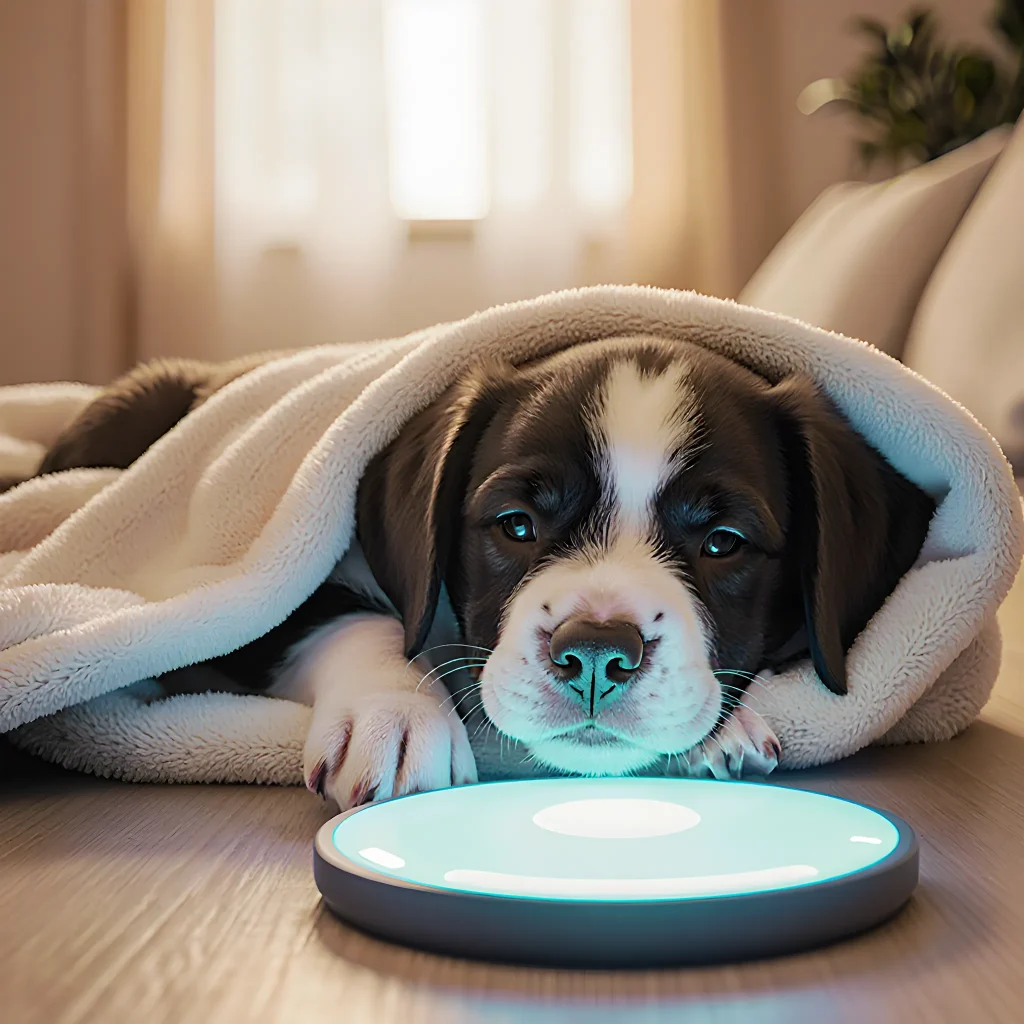
Unleash Sleep Secrets
Understanding the Basics of Your Pup’s Sleep
What to Look For in a Healthy Sleep Pattern
Practical Tips for Optimizing Puppy Sleep
Leveraging Technology: Puppy Sleep Cycle Monitoring
Reading the Data
When to Seek Veterinary Advice
Bottom Line
By blending observational care with smart tech tools, you can ensure your puppy gets the restorative sleep they need for healthy growth and a happy life. Regularly review both visual cues and data insights to fine‑tune their bedtime routine and keep those precious puppy dreams flowing smoothly.
Tracking a puppy’s sleep patterns with technology gives owners an unprecedented window into their little companion’s health, behavior, and overall well‑being. Below we explore the concrete benefits of monitoring, illustrate how tech can be integrated into daily life, and provide actionable tips for getting started.
Puppies learn through repetition, and their sleep is crucial for memory consolidation. By monitoring sleep cycles you can:
A clear picture of when your puppy sleeps, wakes, and plays helps you create a consistent daily schedule—something puppies thrive on. For example:
Many smart feeders and activity trackers correlate sleep quality with caloric intake and exercise. By analyzing this data:
"My puppy’s REM score dropped after the last meal; I’ll reduce portion size by 10 % and add a gentle walk in the evening."
Knowing that your puppy’s sleep is being monitored eliminates guesswork. Alerts from apps like PuppyWatch or CanineCare notify you instantly if the pup’s heart rate spikes or if they’re experiencing prolonged restlessness, allowing for quick intervention.
Buddy, a 4‑month‑old mixed breed, was prone to nighttime restlessness. By installing a smart collar that tracked heart rate and movement, owners noticed a consistent spike in Buddy’s heart rate at 2 am on weekdays.
In short, technology isn’t just a novelty—it’s a powerful ally in ensuring your puppy lives a healthy, balanced life. By keeping an eye on sleep cycles, you can catch problems early, fine‑tune training schedules, and nurture a deeper bond built on trust and data.
The rest‑wake cycle is a fundamental rhythm that governs how our bodies recover and perform throughout the day. In puppies, this cycle is especially pronounced because they are still developing both physically and cognitively. By monitoring their sleep patterns with technology, owners can gain insights into health, behavior, and overall well‑being.
Puppies sleep more than adult dogs—typically 18–20 hours a day. Their sleep is divided into:
A typical puppy will cycle through REM and NREM several times each night, resulting in short bursts of wakefulness—often just a few minutes—to check their environment or interact with their pack.
Modern wearables and smart collars can record a puppy’s movement, heart rate, and ambient noise levels to infer sleep stages.
| Device | Main Features | Pros | Cons |
|---|---|---|---|
| FitBark 2 | GPS, heart‑rate monitor, activity tracker | Long battery life; robust app analytics | Pricey for small breeds |
| PuppyCam Smart Collar | Video capture, temperature sensor, sleep analysis | Real‑time video feed; high‑resolution camera | Requires frequent charging |
| Garmin Alpha 100 | Multisport GPS, activity levels, heart rate | Durable build; long battery life | Lacks dedicated sleep stage detection |
| Metric | Normal Range (Puppies) | Potential Issue |
|---|---|---|
| Total Rest Hours | 18–20 hrs/day | Insomnia, stress, illness |
| REM Percentage | 25–30% | Lack of REM → developmental delays |
| Heart Rate Variability (HRV) | High variability indicates calmness | Low HRV = stress or pain |
Baseline: Rest 19 hrs/day, REM 28%, heart rate 120 bpm during rest.
After 2 weeks of increased exercise: Rest dropped to 17 hrs, REM 22%. HRV decreased slightly. The owner added a quiet bedtime routine and reduced late‑night playtime. Within a week, metrics returned to baseline.
If monitoring reveals persistent changes such as:
Consult a
While it’s tempting to assume a puppy is simply “dozing off,” true deep sleep—also known as slow‑wave or delta sleep—is crucial for growth, memory consolidation, and overall health. Below are the most reliable indicators that your pup has entered this restorative stage, along with practical tips on how to support and monitor it.
During deep sleep a puppy’s eyes are usually closed tightly, and you will observe minimal or no rapid eye movements. This contrasts sharply with REM sleep where the eyelids flutter or move quickly under the lids.
A puppy in deep sleep will not react to light, sound, or gentle touch. If you try tapping their shoulder or making a noise, they’ll remain still and unresponsive for several seconds.
Using sleep‑monitoring technology (see “Puppy Sleep Cycle: Monitoring with Tech”), you can track the duration of each stage. Deep sleep typically lasts about 20–30 % of total nighttime sleep in healthy puppies, and its onset usually follows a brief period of lighter rest.
Imagine you’re using a wrist‑band activity tracker on your six‑week‑old Labrador mix. The app shows the puppy’s heart rate dropping from 120 bpm to 90 bpm as it settles into deep sleep, with no spikes indicating stress. You also notice that the tracker logs a “sleep depth” score of 85% during the first hour after lights out—an excellent indicator that your pup is achieving restorative rest.
Recognizing these signs helps you ensure your puppy receives adequate deep sleep, which supports healthy growth, strong immune function, and emotional stability. Combine observational skills with technology for a comprehensive understanding of your puppy’s nightly rejuvenation.
While puppies are still learning how to rest, they can develop sleep-related issues that mirror those seen in adult dogs and even humans. By monitoring your pup’s sleep cycle with technology—such as wearable activity trackers or smart pet cameras—you can catch early signs of disorders like insomnia, REM behavior disorder (RBD), and sleep apnea. Below are the most common problems, how they manifest in puppies, and practical steps you can take to address them.
By combining keen observation with technology—whether it’s a wearable activity band, a smart pet camera, or an integrated health app—you can spot early warning signs of these sleep disorders. Prompt intervention not only improves your puppy’s quality of life but also prevents potential complications that could affect their overall development and behavior.
If you’re serious about monitoring your puppy’s sleep cycle with technology, the first step is picking the right camera. A good smart pet camera will give you clear video, reliable alerts, and useful data that can help you understand how well your pup sleeps, wakes, and interacts during the night.
| Model | Resolution | Night Vision | Audio | Special Feature | Price (USD) |
|---|---|---|---|---|---|
| Petcube Bites 2 | 1080p HD | Infrared LEDs | Yes, two‑way audio | Automatic treat dispenser & motion alerts | $149 |
| Furbo Dog Camera | 1080p HD | Infrared night vision | Yes, two‑way audio & bark detection | Bark alerts + treat dispenser integration | $199 |
| Wyze Cam Pan (Pet Edition) | 1080p HD | Infrared LEDs | Yes, two‑way audio | 360° pan & tilt; affordable price | $39.99 |
Before making a purchase, run through this quick checklist:
Choosing the right camera and setting it up properly will give you valuable insights into your puppy’s sleep cycle. With clear video, accurate motion alerts, and easy-to‑interpret data, you’ll be able to tweak feeding times, exercise routines, or vet visits to ensure your furry friend gets the rest they need.
When it comes to monitoring a puppy’s sleep cycle, motion sensors are one of the most reliable and unobtrusive tools available. They can detect subtle movements during different stages of sleep—quiet wakefulness, light REM, deep non‑REM—and translate that data into actionable insights for pet owners and veterinarians alike.
During REM sleep, a puppy’s body is typically still but its eyes may move rapidly and breathing becomes irregular. The motion sensor will record:
In contrast, non‑REM sleep shows larger positional shifts and deeper breathing rhythms. By setting threshold values—e.g., acceleration > 0.2 g for a shift—we can flag potential stage transitions.
#include <Wire.h>
#include <MPU6050.h>

MPU6050 mpu;

void setup() {
  Serial.begin(115200);
  Wire.begin();
  mpu.initialize();
}

void loop() {
  int16_t ax, ay, az;
  mpu.getAcceleration(&ax,&ay,&az);

  float gX = ax / 16384.0;
  float gY = ay / 16384.0;
  float gZ = az / 16384.0;

  float magnitude = sqrt(gX*gX + gY*gY + gZ*gZ);

  if (magnitude > 0.2) {
    Serial.println("Movement detected");
  } else {
    Serial.println("Still");
  }

  delay(1000); // sample every second
}
Once you have collected enough samples, use machine learning models (e.g., random forest classifiers) to label each segment as REM or non‑REM. Open-source libraries such as TensorFlow Lite for Microcontrollers can run inference directly on the device, providing instant feedback.
Motion sensors, when properly configured and interpreted, give you a window into your puppy’s nightly routine—helping you spot irregularities like sleep apnea or stress early, and ultimately promoting better health and well‑being.
A heart‑rate monitor is the cornerstone of any sleep‑analysis setup for puppies. By combining photoplethysmography (PPG) or electrocardiogram (ECG) sensors with a wearable collar, you can capture real‑time cardiac data that reflects the pup’s autonomic state throughout the night. The following sections walk through hardware selection, firmware integration, data handling, and how to interpret heart‑rate metrics in the context of puppy sleep cycles.
When selecting a sensor, consider the following:
To capture heart‑rate data, the microcontroller on your collar must interface with the sensor and send readings to a companion app or cloud service. Below is a simplified Arduino sketch that demonstrates how to read from a MAX30102 sensor and transmit via Bluetooth Low Energy (BLE).
#include <Wire.h>
#include <MAX30105.h>
#include <BLEDevice.h>

MAX30105 particleSensor;
BLECharacteristic heartRateChar("180D", BLECharacteristic::PROPERTY_NOTIFY);

void setup() {
  Serial.begin(115200);
  Wire.begin();
  if (!particleSensor.begin(Wire, I2C_SPEED_FAST)) {
    Serial.println("MAX30102 not found");
    while (1);
  }
  particleSensor.setup(); // default config

  BLEDevice::init("PuppyHeartMonitor");
  BLEServer *pServer = BLEDevice::createServer();
  BLEService *pService = pServer->createService(0x180D); // Heart Rate Service
  pService->addCharacteristic(&heartRateChar);
  pService->start();
  BLEAdvertising *pAdvertising = BLEDevice::getAdvertising();
  pAdvertising->start();
}

void loop() {
  long irValue = particleSensor.getIR();
  if (irValue > 50000) { // simple threshold for detection
    uint8_t bpm = particleSensor.calculateHeartRate(); // built‑in function
    heartRateChar.setValue(bpm);
    heartRateChar.notify();
  }
  delay(1000); // sample every second
}
Key Points:
UInt8 packets to reduce bandwidth usage.Once the collar transmits heart‑rate samples, you need a reliable backend that can:
Example schema for InfluxDB:
measurement: puppy_heart_rate
tags:
  - puppy_id
fields:
  bpm: float
timestamp: ISO8601
Puppies exhibit distinct heart‑rate patterns across sleep stages:
By overlaying heart‑rate data with actigraphy (movement sensor) readings, you can segment the night into these stages. A simple algorithm might:
Integrating a heart‑rate monitor into your puppy’s sleep study provides objective, continuous data that can uncover subtle changes in health and behavior. By following the hardware, firmware, and analytical guidelines above, you’ll be well equipped to support your pup’s growth with science-backed insights.
Once you’ve installed a puppy sleep‑cycle tracker (such as the Puppy Sleep Cycle app, a wearable collar, or a smart home hub with motion sensors), the next step is to make sure you’re promptly informed whenever something unusual happens. Alerts and notifications turn raw data into actionable insights, letting you intervene before minor issues become major health concerns.
Every pup is different. Use the first week of data to establish baseline sleep patterns and then set thresholds that trigger an alert if exceeded.
| Parameter | Baseline Range (Week 1) | Alert Threshold |
|---|---|---|
| Total Sleep Time (per night) | 12–14 hrs | <10 hrs or >16 hrs |
| Number of Awakenings | 0–2 | |
| Heart Rate (resting) | 60–90 bpm | |
| Movement during REM phase | Light twitching only | Continuous movement >5 min |
Most modern sleep‑cycle devices provide a web dashboard or mobile app where you can set up notifications.
Many platforms allow “if‑then” logic. For example:
After initial setup:
Below is a step‑by‑step guide using the official app:
Minimum: 10 hrs.>110 bpm, choosing SMS and Alexa voice alert.If you use a home automation platform like IFTTT or Zapier, you can route alerts to more creative outputs:
Puppies grow fast; their sleep patterns evolve. Schedule a quarterly review of your thresholds, especially after major milestones like weaning or first vaccinations.
By setting up thoughtful alerts and notifications, you turn passive data collection into an active health‑monitoring system that helps protect your puppy’s well‑being while giving you peace of mind.
Understanding how a puppy’s sleep evolves is crucial for ensuring healthy development and spotting potential health issues early. By combining long‑term data collection, trend analysis, and expert insights on the puppy sleep cycle, you can transform raw numbers into actionable knowledge.
Turn raw numbers into visual stories:
Beyond visuals, simple statistics help you quantify trends:
The science behind puppy sleep informs what to look for:
If your data shows a sudden drop in total sleep or an increase in nighttime awakenings beyond these developmental expectations, consider:
Bring a concise report—charts, key metrics, and any anomalies—to appointments. This data‑driven approach empowers professionals to tailor nutrition plans, exercise regimes, or medical interventions.
Sleep patterns evolve as your puppy grows. Revisit your baseline every month, adjust monitoring thresholds, and refine your routine accordingly. Over time you’ll build a personalized “sleep fingerprint” that can guide health decisions well into adulthood.
Tip of the Day: Pair your sleep tracking app with a simple “nap log” journal. Note what happened before each nap—food, playtime, or stress—to quickly spot triggers and adjust habits.
While technology can help you track your puppy’s sleep patterns, creating a conducive environment is just as crucial for high‑quality rest. Below are practical steps—backed by research and real‑world examples—to fine‑tune your pup’s sleeping area.
Puppies thrive in a slightly cooler room (around 68–72 °F or 20–22 °C). A higher temperature can lead to overheating and fragmented sleep, while a too‑cold environment may cause discomfort.
Puppies need darkness to trigger melatonin production. Even low‑level light can disrupt sleep cycles.
Puppies are easily startled by sudden sounds. Consistent, low‑volume noise can mask disruptive external noises.
The bed itself can influence sleep quality. A supportive base with a soft top layer keeps the puppy cozy and reduces joint strain.
A predictable schedule signals the body’s internal clock. Even a slight delay in bedtime can shift the sleep cycle.
Once you’ve optimized the environment, use technology to verify its impact:
| Item | Status | Notes |
|---|---|---|
| Room temperature 68–72 °F? | Use thermostat or portable fan. | |
| Humidity 40–60%? | Check with hygrometer. | |
| Blackout curtains installed? | ||
| White‑noise device running 30 min before bed? | ||
| Orthopedic bedding in place? | ||
| Bed cleaned every 2–3 weeks? |
Creating an optimal sleep environment for your puppy is a blend of science, observation, and a bit of trial‑and‑error. By fine‑tuning temperature, light, noise, bedding, and routines—and validating changes with smart tech—you’ll help your pup achieve deeper, more restorative rest.
Even with the best technology and monitoring, a puppy’s health is ultimately a biological system that can’t be fully captured by sensors alone. Below are key red‑flags and scenarios where you should seek professional help promptly.
Watch for any of the following symptoms that appear around bedtime or during sleep:
Frequent vomiting, diarrhea, or constipation can alter a puppy’s energy levels and sleep quality. If these symptoms last more than two days or are severe, contact your vet.
A sudden drop in weight or plateauing growth despite adequate food intake may be linked to metabolic disorders that affect sleep and overall health.
While tech can flag changes, it cannot interpret complex behavioral cues such as sudden aggression, excessive barking at night, or avoidance of familiar sleeping areas. These behaviors often require a vet’s assessment.
After routine vaccinations or deworming, puppies may experience mild lethargy or altered sleep for up to 48 hours. If the effect persists beyond this window, a check‑up is warranted.
If your puppy is on medication (e.g., anti‑inflammatories, antibiotics), monitor for changes in sleep quality as some drugs can cause sedation or insomnia.
Puppies are resilient, but early intervention can prevent complications. If you’re unsure whether the issue is significant, err on the side of caution and schedule an appointment. Your vet may recommend a physical exam, blood work, or imaging based on your observations and monitoring data.
Need immediate assistance? Call your local veterinary clinic or the emergency hotline at 1-800-VET-HELP.
A quiet, darkened corner with a soft blanket or crate will help your puppy settle into a regular sleep rhythm. Keep the temperature between 65°F and 75°F (18°C–24°C) to avoid overheating or chilling.
Puppies thrive on predictability. A short walk, a brief play session, and then a calm bedtime routine can signal to your puppy that it’s time to wind down.
Modern pet tech offers insight into your pup’s sleep cycles, helping you spot issues before they become serious. Here are some tools and how to use them:
Use collected data to spot patterns:
Once you’ve identified anomalies:
Create a simple spreadsheet or use an app template that records:
| Date | Sleep Start | Wake Time | Total Hours | REM % |
|---|---|---|---|---|
| 2025‑09‑10 | 21:30 | 06:00 | 8.5 | 28% |
Review the log monthly to track progress and spot long‑term trends.
Understanding a puppy’s sleep cycle is not just an academic exercise—it has real‑world implications for training, health monitoring, and bonding with your new companion. Puppies go through the same stages that adult dogs do—light REM sleep, deep non‑REM sleep, and brief periods of wakefulness—but their cycles are shorter, usually lasting 45–60 minutes per cycle instead of the 90–120 minute cycles seen in adults.
The latest research, such as the study on Puppy Sleep Cycle: Monitoring with Tech, demonstrates how wearable devices and smart home sensors can provide objective data:
While technology offers valuable insights, remember that the most powerful tool is your own observation. Combine tech data with daily interactions—watch for signs of fatigue, listen to their breathing patterns, and notice how they react when you approach their sleeping area.
Puppy sleep isn’t just a passive period; it’s an active phase where learning, memory consolidation, and physical healing occur. By paying attention to the nuances of each cycle—through both traditional observation and modern tech—you can ensure your puppy grows into a healthy, well‑adjusted adult dog.
Puppies spend a large portion of their day sleeping—often 18–20 hours in a 24‑hour period. Monitoring sleep helps you:
Below are popular tools that work well with puppies:
Follow these steps to get accurate data:
A balanced sleep profile typically includes:
Watch for signs of sleep deprivation (irritability, hyperactivity) or excessive sleepiness (constant drooling, lack of responsiveness).
Most apps provide a dashboard with key metrics:
If you notice abnormal patterns, consult your veterinarian for a deeper evaluation.
No. While tech provides valuable insights into daily health trends, it cannot diagnose complex conditions. Use monitoring data to support but not substitute professional veterinary care.
Categories
 Fish Meal
 FATTENING BROILER FEED
 LAYER COUNTRY FEED
 COUNTER BROILER FEED
 LACTATING PIG FEED
 Maize
Maize
 GESTATION PIG FEED (Phase 1)
 Pre Starter Broiler Feed
 FINISHER PIG FEED
 Broiler Premix