
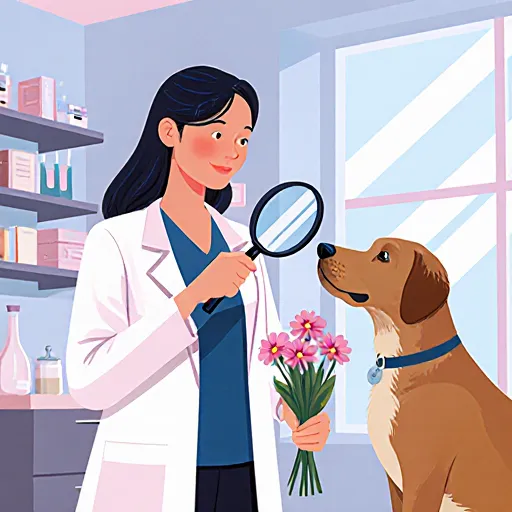
Unleash Relief for Your Canine Companion
“Sniff‑Smart Solutions: Breakthrough Dog Allergy Answers”
Table of Contents
- Introduction to Canine Allergies
- Common Allergenic Triggers
- Recognizing Allergy Symptoms in Dogs
- Diagnostic Testing and Evaluation
- Food-Related Allergies and Intolerances
- Environmental and Seasonal Allergies
- Skin Allergy Management Strategies
- Medications: Antihistamines, Steroids & Beyond
- Natural and Home Remedies for Relief
- Dietary Adjustments and Supplements
- Grooming Practices to Reduce Irritation
- Exercise and Lifestyle Considerations
- Owner Care: Daily Routines & Monitoring
- Prevention and Long‑Term Management
- Conclusion
- FAQ
Introduction to Canine Allergies
Canine allergies are a common yet often overlooked health issue that can manifest in various ways, from itchy skin and sneezing to gastrointestinal upset. The underlying cause is typically an overactive immune response to harmless substances—known as allergens—in the environment or diet.
Common Environmental Allergens
- Pollen: Seasonal allergies can trigger itching, watery eyes, and coughing.
- Mold spores: Indoor dampness leads to chronic skin irritation.
Found in bedding and carpets, they are a frequent culprit for sneezing and itchy skin.
Dietary Allergies & Food Sensitivities
Many dogs react to specific proteins or additives in their food. Common offenders include chicken, beef, dairy, corn, wheat, soy, and certain preservatives. A classic sign is a sudden onset of vomiting, diarrhea, or itchy skin after a meal.
Practical Tip: The FODMAP Diet Test
- Eliminate: Switch to a limited‑ingredient diet free from the suspected allergens for two weeks.
- Reintroduce: Gradually add one ingredient back every week, monitoring for reactions.
- Document: Keep a symptom diary—note dates, symptoms, and foods—to pinpoint triggers.
Allergy Symptoms to Watch For
| Symptom | Possible Cause |
|---|---|
| Itchy, red skin (especially behind ears, paws, and belly) | Environmental or food allergy |
| Sneezing, runny nose, watery eyes | Pollen or dust mite allergy |
| Vomiting or diarrhea after meals | Food sensitivity |
| Ear infections (frequent scratching, discharge) | Mold or yeast overgrowth linked to allergies |
Effective allergy management blends medical treatment with lifestyle adjustments. Here are proven strategies:
1. Veterinary Diagnosis
- Skin scrapings & cultures: Rule out parasites or infections.
- Allergy testing (skin or blood):** Identify specific triggers.
2. Medications
- Antihistamines: Benadryl (diphenhydramine) at 1 mg/kg every 8–12 hrs; consult vet for dosage.
- Corticosteroids: Prednisone for severe flare‑ups, but used short‑term due to side effects.
- Allergy shots (immunotherapy):** Gradual exposure to allergens to build tolerance.
3. Environmental Control
- Vacuum frequently: Removes dust mites and pollen from carpets.
- Use HEPA air filters: Captures airborne allergens in living areas.
- Wash bedding weekly: In hot water (≥60 °C) to kill mites.
4. Dietary Adjustments
- Choose a grain‑free, hypoallergenic formula with novel proteins (e.g., duck or venison).
- Add omega‑3 supplements (fish oil) to reduce skin inflammation.
- Consider probiotic foods to support gut health and immune regulation.
5. Natural Remedies
Some pet owners find success with complementary treatments, though always discuss with a vet first:
- Aloe vera gel: Applied topically for itchy skin (ensure non‑toxic blend).
- Chamomile tea compresses: Soothing for irritated areas.
- Essential oils (lavender, chamomile):** Use sparingly; many are toxic to dogs—consult a professional.
6. Regular Grooming
A daily brushing routine helps remove allergens from the coat and keeps skin healthy. For sensitive breeds, use a mild hypoallergenic shampoo (e.g., Cetaphil or Earthborn Holistic).
- Annual Vet Check‑ups: Early detection of allergies can prevent severe reactions.
- Seasonal Antihistamine Dosing: Some vets recommend preemptive dosing during high pollen periods.
- Keep a “no‑allergen” zone: Designate a room with minimal dust and no carpeting where the dog can retreat.
By combining veterinary guidance, environmental management, diet control, and targeted treatments, you can significantly improve your canine’s comfort and quality of life. Remember: every dog is unique—what works for one may not work for another, so stay observant and flexible in your approach.
Common Allergenic Triggers
If your dog is suffering from allergic reactions, the first step is to identify what’s triggering those symptoms. Below are the most frequent allergens that can cause itching, sneezing, ear infections, and digestive upset in dogs.
Environmental Allergenic Triggers
- Pollen: Seasonal pollens from trees (e.g., oak, birch), grasses, and weeds are the leading cause of seasonal itching. Use a pollen calendar to anticipate high‑allergen days.
- Mold Spores: Damp environments such as basements or gardens can harbor mold; spores become airborne and irritate dogs’ skin and respiratory tract.
These microscopic organisms thrive in bedding, carpets, and upholstered furniture. They feed on dead skin cells, exacerbating itchy dermatitis. Even though it’s a self‑allergen, pet dander can accumulate on surfaces and trigger reactions in sensitive dogs or humans sharing the same space.
Dietary Allergenic Triggers
Food allergies are increasingly common, especially in young puppies. Watch for these culprit ingredients:
- Chicken & Chicken By‑Products: The most frequent protein source that dogs can become sensitized to.
- Beef & Beef By‑Products: Similar to chicken, beef can trigger reactions if it’s the main protein in a dog’s diet.
- Wheat & Other Grains: Gluten and other grain proteins may cause gastrointestinal upset or skin issues.
- Eggs: Egg whites contain allergens that can lead to itchy skin and ear infections.
Insect‑Related Allergic Triggers
Bites and stings from various insects are a common source of immediate allergic reactions:
- Fleas: The saliva of fleas is the most notorious trigger for flea allergy dermatitis. Even one flea bite can cause intense itching.
- Bites from Spiders or Scorpions: Rare but potentially severe; symptoms may include swelling, hives, and respiratory distress.
Can provoke systemic reactions in allergic dogs, including anaphylaxis.
Chemical Allergenic Triggers
Household and outdoor chemicals can irritate sensitive dogs:
- Cleaning Products: Bleach, ammonia, or scented cleaners can leave residue on surfaces that dogs lick.
- Pesticides & Herbicides: Exposure through treated lawns or gardens may cause skin irritation and digestive upset.
Practical Tips for Managing Allergen Exposure
- Regular Grooming: Bathe your dog with hypoallergenic shampoos at least once a month to remove pollen, dust mites, and flea saliva.
- Control Indoor Dust: Vacuum weekly using a HEPA filter, wash bedding in hot water, and keep humidity below 50% to limit mold growth.
- Use Air Purifiers: Place HEPA air purifiers near your dog’s sleeping area to capture airborne allergens.
- Seasonal Diet Adjustments: During high pollen seasons, switch to a hypoallergenic prescription diet that eliminates common protein and grain allergens.
- Flea Prevention: Use monthly topical or oral flea preventatives; treat bedding and carpets regularly with flea shampoos or sprays.
- Outdoor Time Management: Limit walks during peak pollen times (early morning or late evening) and rinse your dog’s coat afterward to remove airborne spores.
By systematically identifying and controlling these common allergenic triggers, you can significantly reduce your dog’s discomfort and improve their quality of life. If symptoms persist despite these measures, consult a veterinarian for further testing and personalized treatment options.
Recognizing Allergy Symptoms in Dogs
Allergies are a common health issue in dogs, and early recognition is crucial for effective management. Below we break down the most frequent signs, how to differentiate them from other conditions, and practical steps you can take right away.
1. Skin-Related Symptoms
- Itching (Pruritus): Persistent scratching, licking, or chewing at a particular area is the most obvious sign. Look for red, inflamed patches that may develop secondary infections.
- Redness and Inflammation: Discolored skin, especially around ears, paws, or the underside of the tail, often indicates an allergic reaction.
- Hair Loss (Alopecia): Patchy bald spots that don’t heal after scratching can point to chronic allergies. Check if hair regrowth is uneven or sparse.
2. Ear-Related Symptoms
- Rubbing and Head Shaking: Dogs with ear allergies frequently rub their ears against furniture or floor, often accompanied by a whiny tone when touched near the ear canal.
- Pus or Discharge: A yellowish or bloody discharge may indicate infection secondary to allergic dermatitis. Keep an eye on odor as well; foul smells can signal bacterial overgrowth.
3. Gastrointestinal Symptoms
- Vomiting and Diarrhea: Recurrent vomiting or loose stools, especially after eating certain foods, can be a food allergy indicator.
- Weight Loss: If your dog’s appetite remains normal but they lose weight, allergies might be affecting nutrient absorption.
4. Respiratory Symptoms
- Coughing and Wheezing: Persistent coughing or wheeze, especially after exposure to dust, pollen, or smoke, can signal an allergic asthma-like reaction.
- Difficulty Breathing: Notice any rapid breathing or open-mouth panting that seems unrelated to exercise or heat.
5. Seasonal Patterns
Many dogs experience flare-ups during specific times of the year. Keep a symptom diary, noting dates and environmental conditions (e.g., high pollen counts). This can help identify triggers such as:
- Pollen from trees, grasses, or weeds.
- Dust mites in bedding.
- Changes in humidity affecting skin moisture.
Practical Tips for Home Monitoring
- Daily Check‑Ins: Inspect your dog’s ears, paws, and belly for redness or lesions. Use a gentle, pet-safe lubricant to avoid irritation during ear checks.
- Track Diet: Record every meal and treat. If symptoms appear after specific foods (e.g., beef, chicken, grains), consider an elimination diet under veterinary guidance.
- Use a Symptom Log App: Many pet health apps allow you to log itching severity, frequency of scratching, or episodes of vomiting—valuable data for your vet.
When to Seek Veterinary Care
- Symptoms persist beyond a week despite home care.
- You notice signs of secondary infection (pus, foul odor).
- Your dog shows respiratory distress or severe vomiting.
Early detection combined with proper diagnosis can significantly improve your dog’s quality of life. In the next section, we’ll explore understanding canine allergies and remedies, where you’ll find proven strategies to manage and treat allergic reactions.
Diagnostic Testing and Evaluation
Before you can prescribe the right remedy or treatment plan for a dog with suspected allergies, a thorough diagnostic work‑up is essential. This section walks you through the most common tests, what they reveal, and how to interpret results in the context of your canine patient’s overall health.
1. Clinical History & Physical Examination
- Symptom chronology: Note when itching began, whether it is seasonal or year‑round, and if any new foods, bedding, or environmental changes coincide with flare‑ups.
- Dermatologic exam: Look for erythema, excoriations, alopecia, and secondary infections. The pattern of lesions (e.g., “cheek‑to‑cheek” vs. “neck collar”) can hint at specific allergens.
- Lifestyle audit: Record grooming habits, flea control measures, and exposure to potential airborne irritants like pollen or dust mites.
2. Skin Prick Testing (SPT)
SPT is the gold standard for identifying IgE‑mediated hypersensitivities in dogs. A small amount of suspected allergen extract is injected intradermally, and the skin’s reaction is measured after 20–30 minutes.
- Common panels: Commercial kits often include dust mites (e.g., Dermanyssus gallinae), pollens (grass, ragweed, oak), molds (Aspergillus, Penicillium), and flea saliva. Custom panels can be created for specific geographic regions.
- Interpreting results: A wheal ≥2 mm larger than the negative control is considered positive. A strong reaction (>5 mm) suggests a clinically relevant allergy; however, weak reactions may still warrant trial elimination diets or environmental changes.
- Limitations: False positives can occur from non‑IgE mediated inflammation; false negatives happen if the dog has been on antihistamines within 48 hours. Always discontinue antihistamines and steroids at least 5 days before testing.
3. Intradermal Testing (IDT)
IDT is a more sensitive alternative, especially useful when SPT yields inconclusive results or when the suspected allergen is not available in commercial kits.
- Procedure: A diluted extract is injected intradermally and the reaction measured after 15–20 minutes. The higher sensitivity often leads to a larger number of positive reactions, which must be carefully correlated with clinical signs.
- Clinical relevance: Because IDT can pick up low‑level sensitivities, it’s best used when SPT is negative but the dog still shows clear allergic dermatitis.
4. Blood-Based Allergy Testing
Serologic tests measure circulating IgE antibodies against specific allergens.
- ELISA kits: These can identify allergen-specific IgE to dust mites, pollens, and molds. They are particularly useful when skin testing is contraindicated (e.g., severe dermatitis).
- Interpretation: Positive results support the diagnosis but should be combined with clinical history because some dogs may have IgE without clinical disease.
5. Allergy Patch Testing (for Contact Dermatitis)
If you suspect a contact allergen—such as detergents, rubber, or certain metals—a patch test can identify the offending substance.
- Method: Small amounts of potential allergens are applied to adhesive patches and placed on the dog’s back. After 48–72 hours, you assess for erythema or edema.
6. Diagnostic Diet Trials (for Food Allergies)
A food trial is a definitive test for suspected food allergies but should be carried out under veterinary supervision to avoid nutritional deficiencies.
- Elimination phase: Feed the dog a novel protein and carbohydrate source (e.g., duck & rice) or hydrolyzed diet for 8–12 weeks. No other foods, treats, or medications should be given during this period.
- Re‑challenge phase: Reintroduce the original food gradually over 1–2 weeks while monitoring for clinical signs. A recurrence of itching or gastrointestinal upset confirms a food allergy.
7. Laboratory Work‑up to Rule Out Secondary Conditions
- CBC & biochemistry: Detect underlying infections, endocrine disorders (e.g., hypothyroidism), or liver/kidney dysfunction that can mimic allergic dermatitis.
- Flea count: Even a single flea can trigger an allergic reaction in sensitive dogs. Use a combing test to confirm active infestations.
8. Practical Tips for Owners and Veterinarians
- Timing of tests: Schedule skin testing during a flare‑up to increase sensitivity, but ensure the dog is not on steroids or antihistamines.
- Documentation: Keep detailed records of test results, treatment trials, and owner observations. This longitudinal data is invaluable for adjusting therapy.
- Owner education: Explain that a positive test does not automatically mean the dog will benefit from allergen avoidance; many dogs tolerate allergens if they are managed with medication.
By combining a meticulous history, targeted skin or blood tests, and thoughtful trial diets, you can pinpoint the exact allergen(s) affecting your canine patient. This precise diagnosis is the cornerstone of effective long‑term management—whether through immunotherapy, environmental modifications, or dietary adjustments.
Food-Related Allergies and Intolerances
Food allergies are a common culprit behind itchy skin, chronic ear infections, and gastrointestinal upset in dogs. Unlike other types of allergies, food reactions usually arise from an immune response to specific proteins or ingredients rather than environmental triggers.
How Dogs Develop Food Allergies
- Primary allergy: The dog’s immune system over‑reacts to a protein (e.g., beef, chicken, soy).
- Secondary intolerance: A digestive enzyme deficiency or gut microbiome imbalance leads to poor digestion of certain foods.
Common Allergenic Ingredients
| Protein Source | Typical Symptoms |
|---|---|
| Beef | Itchy skin, ear inflammation, vomiting |
| Chicken | Gastrointestinal upset, sneezing, itchy paws |
| Milk & Dairy | Diarrhea, gas, skin irritation |
| Soy | Allergic dermatitis, ear infections |
| Wheat & Barley | Gastrointestinal issues, skin problems |
Diagnosing Food Allergies
- Elimination diet: Feed a single‑protein, grain‑free formula for 8–12 weeks. Monitor for symptom resolution.
- Re‑introduction trial: Reintroduce the suspect ingredient slowly and observe any recurrence of signs.
- Blood tests & skin scrapings: Helpful but not definitive; rely on clinical response to diet changes.
Practical Management Tips
- Select a hypoallergenic commercial food: Look for limited‑ingredient or novel protein options such as duck, rabbit, or venison.
- Homemade diets: Prepare balanced meals with guidance from a veterinary nutritionist to avoid nutritional gaps.
- Supplementation: Omega‑3 fatty acids (EPA/DHA) can soothe skin inflammation; probiotics aid gut health.
- Regular monitoring: Keep a symptom diary, noting food intake and any flare‑ups.
Case Study: Bella the Labrador
Bella, a 4‑year‑old Labrador, developed itchy ears and intermittent vomiting after switching to a new commercial brand. After an 8‑week elimination diet using a novel protein (duck) formula, her symptoms resolved completely. A re‑introduction of chicken triggered ear flare‑ups within 48 hours. The vet prescribed a custom prescription diet with duck as the primary protein and added omega‑3 supplements. Over six months, Bella’s skin cleared, and her quality of life improved dramatically.
Key Takeaways
- Food allergies are immune‑mediated; they often present with itchy skin or GI signs.
- An elimination diet is the gold standard for diagnosis.
- Once identified, a tailored hypoallergenic diet and supportive supplements can manage symptoms long term.
Reference: Understanding Canine Allergies and Remedies – Chapter on Food‑Related Reactions.
Environmental and Seasonal Allergies
Seasonal allergies are one of the most common triggers for canine itching and discomfort. Unlike food allergies, which can be difficult to pinpoint, environmental allergens often follow a predictable pattern tied to weather changes, pollen counts, or specific plants.
Common Environmental Triggers
- Pollen: Trees (birch, oak), grasses (timothy, ryegrass), and weeds (ragweed) release microscopic particles that can irritate a dog’s skin and respiratory system.
- Mold spores: Damp environments, especially after rain or in basements, foster mold growth. Dogs that spend time outdoors or near windows may inhale these spores.
- Dust mites: These microscopic creatures thrive in bedding, carpets, and upholstery. Their droppings can trigger allergic reactions in sensitive dogs.
- Outdoor plants: Certain flowers (e.g., dandelion, clover) and ornamental shrubs contain irritants that cause contact dermatitis when a dog rubs against them.
Recognizing Seasonal Allergy Symptoms
While every dog is unique, the following signs often indicate an environmental allergy:
- Itching and scratching: Especially around ears, paws, and belly. Dogs may bite or chew at irritated spots.
- Red, inflamed skin: Visible redness, bumps, or flaky patches that worsen during high pollen periods.
- Ear infections: Recurrent ear inflammation due to constant scratching.
- Coughing or sneezing: Mild respiratory symptoms can accompany skin issues.
Seasonal Patterns to Watch For
By correlating your dog’s flare-ups with local pollen forecasts, you can anticipate and mitigate allergy peaks. Typical patterns include:
- Spring: Tree pollens dominate early months; grass pollens rise mid‑spring.
- Summer: Grass and weed pollens are at their highest.
- Fall: Ragweed pollen peaks in late summer through early fall.
Practical Remedies and Management Strategies
Below are evidence‑based approaches you can integrate into your routine to help soothe your dog’s allergic skin.
- Environmental Control:
- Keep windows closed on high pollen days; use air purifiers with HEPA filters.
- Wash bedding, blankets, and stuffed toys in hot water weekly to eliminate dust mites.
- Use a damp cloth to wipe paws after outdoor walks to remove pollen residue.
- Dietary Support:
- Introduce omega‑3 fatty acids (fish oil, flaxseed) to promote skin barrier health.
- Consider hypoallergenic commercial diets if you suspect a cross‑reactive food component.
- Topical Treatments:
- Use an oatmeal or aloe vera-based spray to calm itching.
- Apply an over‑the‑counter hydrocortisone cream (1% concentration) for short periods, but consult your vet first.
- Medications:
- Antihistamines such as cetirizine or diphenhydramine can reduce itching; dosages should be veterinarian‑approved.
- For severe cases, your vet may prescribe corticosteroids (e.g., prednisone) or immunomodulators like cyclosporine.
- Allergy Testing:
- Consider skin-prick tests or blood work to confirm specific allergens and tailor a treatment plan.
When to Seek Veterinary Care
If your dog’s itching is persistent, worsens despite home care, or is accompanied by signs such as vomiting, lethargy, or difficulty breathing, schedule an appointment promptly. Early intervention can prevent secondary infections and improve quality of life.
By understanding the seasonal patterns and implementing targeted remedies, you can help your canine companion enjoy a more comfortable, itch‑free life throughout the year.
Skin Allergy Management Strategies
Canine skin allergies are a common but often misunderstood issue that can cause discomfort, itching, and secondary infections in dogs. By identifying the type of allergy—whether it’s environmental (hay, pollen, dust mites), food‑based, or contact—and pairing this knowledge with targeted management strategies, you can dramatically improve your dog’s quality of life.
1. Recognizing Common Allergy Triggers
- Environmental allergens: Grass pollen, tree pollen, mold spores, and dust mites are frequent culprits in outdoor or indoor settings.
- Food allergens: Beef, dairy, wheat, corn, soy, and egg proteins can provoke reactions in some dogs. Look for a “food allergy” label on your dog’s diet when symptoms arise.
- Contact allergens: Certain shampoos, detergents, or even the material of bedding can irritate sensitive skin.
2. Diagnostic Steps to Pinpoint the Allergy
- Clinical history: Note when itching starts and ends, seasonal patterns, and any recent changes in diet or environment.
- Physical examination: Look for erythema, scaling, hair loss, or secondary infections. Pay attention to common sites: ears, paws, belly, and around the eyes.
- Allergy testing: Skin-prick tests (SPT) or blood antibody assays can confirm specific environmental allergens.
- Elimination diet trial: If a food allergy is suspected, switch to a novel protein/hypoallergenic diet for 8–12 weeks and monitor improvement.
3. Skin Allergy Management Strategies
- Topical care:
- Use hypoallergenic, oatmeal‑based shampoos to soothe irritated skin.
- Apply medicated ointments (e.g., chlorhexidine or silver sulfadiazine) for secondary infections.
- Avoid over-washing; 2–3 times per week is usually sufficient.
- Environmental control:
- Keep windows closed during high pollen seasons and use HEPA filters in living areas.
- Vacuum with a pet‑specific attachment to reduce dust mite allergens.
- Wash bedding weekly in hot water (above 60°C) to kill mites.
- Dietary management:
- Switch to a limited‑ingredient or hydrolyzed protein diet if food allergy is confirmed.
- Add omega‑3 fatty acids (EPA/DHA) from fish oil supplements; 20–30 mg/kg per day can improve skin barrier function.
- Consider probiotic supplementation to support gut health, which can influence immune responses.
- Medication and supplements:
- Antihistamines (e.g., cetirizine 0.5–1 mg/kg every 12–24 hrs) can reduce itching; always confirm dosing with your vet.
- Corticosteroids or cyclosporine are reserved for severe cases and require veterinary supervision due to potential side effects.
- Behavioral and comfort measures:
- Regular brushing removes allergens from the coat and stimulates skin circulation.
- Provide a calm, low‑stress environment; anxiety can worsen itching.
- Use a calming collar or pheromone diffusers if your dog shows signs of stress.
4. Practical Advice for Everyday Care
- Routine inspection: Check ears, paws, and skin folds weekly; early detection prevents secondary infections.
- Consistent bathing schedule: Over‑bathing can strip natural oils; aim for 2–3 baths per month unless directed otherwise by your vet.
- Keep the home dry: Moisture encourages mold growth; use dehumidifiers in damp areas.
- Educate family members: Ensure everyone knows to avoid harsh soaps or cleaning agents that can irritate your dog’s skin.
5. When to Seek Veterinary Help
If itching persists despite home management, if you notice bald patches, redness, pus, or signs of infection (e.g., swelling, heat), contact your veterinarian promptly. Early intervention can prevent chronic skin disease and reduce the risk of antibiotic resistance from repeated infections.
By combining a clear understanding of allergy triggers with evidence‑based management strategies, you’ll help your dog live comfortably—free from constant itching and skin irritation.
Medications: Antihistamines, Steroids & Beyond
When a dog’s symptoms—itching, redness, or swelling—are too severe to manage with environmental changes alone, medication can make a dramatic difference. Below is an in‑depth look at the most common drug classes used for canine allergies, how they work, dosage tips, and practical ways to incorporate them into your pet’s routine.
1. Antihistamines
Antihistamines block the action of histamine, a chemical released by mast cells during an allergic reaction that causes itching and vasodilation. They are often used as first‑line therapy because they’re inexpensive and generally safe for long‑term use.
- Diphenhydramine (Benadryl): Commonly prescribed at 1–2 mg/kg every 12–24 hours. Look out for drowsiness—some dogs may need a lighter dose or be switched to a non‑sedating alternative.
- Cetirizine (Zyrtec): Dosage is 0.5–1 mg/kg once daily. It has a lower sedative profile, making it suitable for active dogs.
- Fexofenadine (Allegra): Usually given at 2.5–5 mg/kg twice daily; this drug is less commonly used in veterinary practice but can be effective when other antihistamines fail.
**Practical Tip:** Start with the lowest effective dose and monitor for improvement over 48–72 hours. If no relief, consider switching to a different antihistamine or adding a second class of medication.
2. Corticosteroids
Corticosteroids suppress inflammation by inhibiting phospholipase A2 and reducing cytokine production. They’re powerful but should be used cautiously due to potential side effects (e.g., polyuria, polydipsia, weight gain).
- Prednisone: Typical dose is 0.5–1 mg/kg orally once daily. Tapering over several weeks helps prevent adrenal suppression.
- Methylprednisolone (Medrol): Often used in short bursts for severe flare‑ups. Dosage ranges from 0.2–0.4 mg/kg, but always under a vet’s guidance.
**Practical Tip:** Use steroids only for acute episodes or when antihistamines are insufficient. Pair with an antihistamine to reduce the steroid dose and duration.
3. Immunomodulators
These drugs alter the immune response rather than simply blocking symptoms, making them suitable for chronic cases that don’t respond to standard therapy.
- Cyclosporine (Atopica): Administered at 5–10 mg/kg once daily. It specifically targets T‑cell activation, reducing pruritus over weeks.
- Mepacrine (Cytopoint): A monoclonal antibody that blocks IL‑31, the cytokine driving itch. Dosage is weight‑based and usually given subcutaneously every 4–6 weeks.
**Practical Tip:** These agents require regular blood work to monitor for liver or kidney effects. Keep a log of your dog’s weight, appetite, and any new medications to discuss at follow‑up visits.
4. Topical Treatments
While not systemic drugs, topical options can complement oral medication by directly soothing the skin.
- Aloe vera or oatmeal baths: Use lukewarm water and add a commercial hypoallergenic shampoo. Rinse thoroughly to avoid residue that may worsen itching.
- Hydroquinone‑free creams with hydrocortisone acetate (0.1–0.3%): Apply twice daily for localized dermatitis, but limit use to 2–4 weeks to avoid skin thinning.
**Practical Tip:** After bathing, pat your dog dry and apply a light coat of an anti‑itch spray or a natural balm (e.g., coconut oil) to lock in moisture.
5. Emerging Therapies
Research continues into biologics and advanced antihistamines with fewer side effects. For instance, omalizumab, an anti‑IgE antibody used in humans, is being studied for dogs but isn’t yet widely available.
**Practical Tip:** Stay updated by consulting your veterinarian about new trials or off‑label uses that might benefit your dog. Always verify drug safety and dosage with a licensed professional.
6. Practical Medication Management
- Schedule a Vet Check‑In: Before starting any medication, confirm the diagnosis via skin scrapings or allergy testing.
- Create a Medication Chart: Note drug name, dose, frequency, and start/end dates. Use a pill organizer if your dog takes multiple meds.
- Watch for Side Effects: Increased thirst, urination, or lethargy may signal steroid overuse; report promptly.
- Maintain Consistency: Administer medications at the same time each day to keep blood levels stable.
- Record Outcomes: Track symptom changes and any adverse reactions. Bring this log to your next vet visit for dose adjustments.
By combining these medication strategies with environmental control, you can significantly reduce your dog’s allergic discomfort and improve their quality of life.
Natural and Home Remedies for Relief
Dogs can develop allergies to a wide range of substances—everything from pollen and dust mites to certain foods and even the chemicals in their grooming products. When a dog shows signs such as itching, licking, redness or ear infections, it’s essential to determine whether an allergic reaction is at play before jumping straight into medication.
Common Triggers
- Environmental: Pollen, mold spores, dust mites, and pet dander.
- Food: Beef, chicken, dairy, soy, wheat or corn are frequent culprits.
- Topical: Shampoos, flea treatments, cleaning products, and even the material of a dog’s bedding.
Diagnosing an Allergy
- Observe your dog’s behavior over several weeks to identify patterns (e.g., symptoms worsen after walks).
- Keep a detailed journal noting foods, environments, and any new products introduced.
- Consult your veterinarian for a physical exam, possible skin scrapings or blood tests.
Natural Home Remedies to Ease Symptoms
Below are evidence‑based natural approaches that can complement veterinary care. Always test any new product on a small area first and discontinue if irritation occurs.
A. Oatmeal Baths
Oatmeal contains avenanthramides, compounds with anti-inflammatory properties. To make an oatmeal bath:
- Boil 1 cup of plain rolled oats in a pot.
- Add the hot water to your dog’s shallow tub and stir until the oats dissolve into a fine paste.
- Let your dog soak for 10–15 minutes, then rinse thoroughly with lukewarm water.
B. Coconut Oil
Medium‑chain fatty acids in coconut oil help soothe dry skin and reduce itching.
- Apply 1–2 teaspoons of virgin coconut oil to affected areas, massaging gently.
- For a more potent effect, mix with a small amount of plain yogurt and apply as a mask for 10 minutes before rinsing.
C. Chamomile Compress
Chamomile’s calming properties help relieve redness and itchiness.
- Brew a strong chamomile tea (2–3 teaspoons of dried flowers in 1 cup of hot water).
- Cool the infusion to room temperature, soak a clean cloth, and place it over irritated skin for 5–10 minutes.
D. Dietary Adjustments
If food allergies are suspected:
- Switch to a hypoallergenic or limited‑ingredient diet recommended by your vet.
- Introduce new foods one at a time, waiting 10–14 days before adding another.
- Avoid processed treats and table scraps that may contain allergens.
E. Natural Flea Control
Use essential oils with caution—some are toxic to dogs (e.g., tea tree). Safer options include:
- Apple cider vinegar spray: dilute 1 part vinegar with 3 parts water and lightly mist the coat.
- Pineapple juice: apply a thin layer on the coat; its natural enzymes deter fleas.
Practical Tips for Long‑Term Management
- Regular Grooming: Brush daily to remove loose hair and reduce dander buildup.
- Clean Environment: Vacuum weekly, wash bedding in hot water, and keep windows closed during high pollen seasons.
- Hydration: Ensure fresh water is always available; dehydration can worsen skin dryness.
- Monitor Progress: Revisit your vet every 4–6 weeks to adjust treatment plans based on symptom changes.
By combining these natural remedies with professional guidance, you can help your dog find relief from allergic discomfort while avoiding harsh chemicals or unnecessary medications.
Dietary Adjustments and Supplements
When a dog’s allergic symptoms are linked to food or environmental triggers, nutrition becomes a powerful tool in managing the condition. Below are actionable steps you can take to tailor your pet’s diet, along with supplement options that have shown promise in reducing inflammation and improving skin health.
1. Identify the Culprit: Common Food Allergens
- Protein Sources: Beef, chicken, lamb, pork, fish, dairy, eggs.
- Grains: Wheat, corn, soy, rice, barley.
- Additives: Artificial colors, preservatives (BHA, BHT), and flavor enhancers.
A structured elimination diet is the gold standard. Feed a single protein source for 8–12 weeks while avoiding all other potential allergens. After this period, reintroduce one ingredient at a time, observing any recurrence of itching, vomiting, or diarrhea. Keep a detailed log to share with your veterinarian.
2. Transitioning to an Allergen‑Free Diet
- Choose a Novel Protein: Consider duck, rabbit, venison, or salmon if your dog reacts to more common meats.
- Low‑Carbohydrate Options: Grain‑free formulas often contain fewer potential allergens. However, monitor for any weight gain or digestive upset.
- Homemade vs. Commercial: Homemade diets allow precise control but require careful balancing of nutrients (vitamins, minerals, fatty acids). Commercial hypoallergenic foods are convenient and nutritionally complete.
3. Omega‑3 Fatty Acids: The Anti‑Inflammatory Ally
Omega‑3s from fish oil or krill oil help reduce skin inflammation, improve coat quality, and support joint health. Aim for a DHA/EPA ratio of at least 1:2.
- Dosing Guide:
- 10–15 mg/kg body weight per day (e.g., a 20‑kg dog receives ~200–300 mg).
- Start with half the dose and monitor for improvement before increasing.
- Signs of Excess: Greasy coat, diarrhea, or mild blood clotting issues. Reduce dosage if observed.
4. Probiotics and Prebiotics: Balancing Gut Health
A healthy microbiome can mitigate allergic responses by strengthening the gut barrier and modulating immune function.
- Probiotic Strains: Lactobacillus rhamnosus, Bifidobacterium longum, Enterococcus faecium.
- Prebiotics: Inulin, chicory root fiber, fructooligosaccharides (FOS).
- Product Example: “PetAgri Pro‑Digest” offers a blend of 10 billion CFU per capsule with added prebiotic fibers.
5. Antioxidants: Protecting Skin from Oxidative Stress
Vitamin E, selenium, and beta‑carotene support skin integrity and reduce the severity of flare-ups.
- Supplementation: Use a commercial dog vitamin supplement containing at least 200 IU/kg body weight of Vitamin E.
- Natural Sources: Sweet potatoes, carrots, spinach, and blueberries can be added to the diet in moderation.
6. Practical Feeding Tips
- Consistent Meal Times: Helps regulate digestion and reduce stress‑related flare-ups.
- Avoid Human Food: Many human foods contain additives or ingredients that can trigger allergies.
- Monitor Weight: Allergic diets often result in weight loss; adjust caloric intake accordingly.
- Hydration: Ensure fresh water is always available, especially when feeding dry kibble.
7. When to Seek Professional Guidance
- If symptoms persist after an elimination diet and reintroduction phase.
- If you notice signs of nutritional deficiencies (e.g., lethargy, hair loss).
- When considering high‑dose supplements that could interact with medications.
By thoughtfully adjusting your dog’s diet and incorporating targeted supplements, you can create a comprehensive strategy to manage allergic reactions. Always collaborate with your veterinarian or a veterinary nutritionist to ensure the plan meets your pet’s specific needs and health status.
Grooming Practices to Reduce Irritation
Bathing your dog too frequently can strip natural oils from their skin, but infrequent baths may allow allergens to accumulate on the coat. A balanced routine—once a month for most breeds, more often for those with oily skin or heavy shedding—helps keep irritation at bay.
- Use an allergy‑friendly shampoo: Look for products labeled “hypoallergenic” or “for sensitive skin.” Avoid fragrances and dyes that can provoke contact dermatitis.
- Rinse thoroughly: Residual shampoo can cause itching. Finish with a cool rinse to close the pores.
- Dry completely: Moisture left on the coat encourages fungal growth, especially in breeds prone to ear infections.
Allergic reactions often manifest as itchy ears or paw pads. Keeping these areas clean reduces irritation and infection risk.
- Ear cleaning: Use a veterinarian‑recommended ear wipe or solution twice weekly. Avoid cotton swabs that can damage the ear canal.
- Paw inspection: Check for cuts, foreign objects, or redness after walks. Wipe paws with a damp cloth and apply a thin coat of natural pet-safe balm if they’re dry.
Excessive shedding can spread allergens throughout your home. Grooming tools that capture loose hair help reduce airborne irritants.
- Brush daily: Use a slicker brush for short coats or a de‑shedding tool for long‑haired breeds. This removes dead skin and reduces the amount of dander left in the environment.
- Vacuum frequently: High‑efficiency particulate air (HEPA) filters capture pet dander that brushes dislodge.
Omega‑3 and Omega‑6 fatty acids strengthen the skin barrier, making it less prone to allergic flare‑ups.
- Fish oil: Add a measured dose of high‑quality fish oil to your dog’s food. Start with one teaspoon per day for small dogs, scaling up for larger breeds.
- Vitamin E: A natural antioxidant that helps repair skin damage. Consult your vet before adding supplements.
Even the best grooming routine can’t fully counteract environmental allergens. Reducing exposure complements grooming practices.
- Allergen‑free bedding: Wash blankets and pillows in hot water weekly. Use hypoallergenic covers to trap dust mites.
- Air purifiers: Place HEPA filters near sleeping areas. This removes airborne pollen, mold spores, and pet dander.
- Limit outdoor time during high pollen periods: Check local pollen counts and keep your dog indoors or on a leash with a protective coat during peak times.
Track your dog's skin condition using a simple log: date, symptoms observed, grooming steps taken. If irritation persists despite consistent care, seek veterinary advice—often an allergy test or prescription medication is warranted.
- Allergy testing: Blood tests or intradermal skin tests can pinpoint specific triggers.
- Prescription treatments: Antihistamines, steroids, or immunotherapy may be recommended based on test results.
By integrating these grooming practices with a comprehensive understanding of canine allergies and remedies, you create a holistic approach that keeps your dog’s skin healthy, reduces discomfort, and enhances overall well‑being.
Exercise and Lifestyle Considerations
When a dog is dealing with allergies, the way you structure their daily routine can make a significant difference in how well they cope. Below are practical steps that owners can take to reduce exposure, soothe symptoms, and keep their pets active without aggravating their condition.
1. Choose Low‑Allergen Outdoor Spaces
- Opt for paved paths or gravel trails: Grass, weeds, and pollen are more likely to cling to fur in grassy areas.
- Visit during low pollen times: Early mornings or late evenings often have fewer airborne allergens.
- Stay on the leash: This helps you control where your dog walks and avoid high‑allergen zones such as flower beds, parks with heavy vegetation, or construction sites.
2. Grooming Routine for Allergenic Relief
- Daily brushing: Removes pollen and dander from the coat, preventing them from being re‑distributed during walks.
- Regular baths (every 4–6 weeks): Use a hypoallergenic dog shampoo. Avoid over‑bathing, which can strip natural oils and worsen skin irritation.
- Dry your dog thoroughly: Damp fur attracts more allergens; use a towel or blow dryer on low heat after bathing.
3. Diet & Supplements
A balanced diet rich in omega‑3 and omega‑6 fatty acids can improve skin health, reduce inflammation, and help manage itching.
- High‑quality commercial foods: Look for products with real meat as the first ingredient and minimal fillers.
- Consider supplements: Fish oil or flaxseed oil capsules (consult your vet for dosage) can help restore skin barrier function.
4. Controlled Exercise Intensity
Allergic dogs may become more itchy and uncomfortable during vigorous activity because of increased sweat and friction.
| Exercise Type | Recommended Duration | Tips for Allergy Management |
|---|---|---|
| Light Walks (20–30 min) | Daily | Walk on paved surfaces; avoid rush hours when pollen counts are high. |
| Moderate Jogging (15–20 min) | 3–4 times a week | Keep the dog leashed and monitor for excessive scratching or rubbing. |
| Intensive Play (fetch, agility) | 10–15 min per session | Limit play in heavily vegetated areas; keep sessions short to avoid overheating. |
5. Environmental Controls Inside the Home
- HEPA air filters: Reduce airborne pollen and dander in living spaces.
- Vacuum frequently: Use a vacuum with a HEPA filter to pick up pet hair and allergens.
- Wash bedding weekly: Wash dog blankets, pillows, and any fabric the dog sleeps on in hot water.
6. Monitor & Adjust Based on Symptoms
Keep a symptom diary to track when itching spikes or skin flare‑ups occur. This can help identify specific triggers (e.g., particular grass types, certain foods, or seasonal changes). Share the diary with your veterinarian for tailored treatment plans.
7. Professional Support
- Veterinary dermatologist: For advanced diagnostics like skin scrapings, allergy testing, and prescription medications.
- Certified dog trainer: To modify exercise routines that minimize scratching or agitation.
- Nutritionist: For customized diet plans that support immune function.
By integrating these lifestyle adjustments, you can significantly reduce your dog's exposure to allergens and help them lead a comfortable, active life. Always work closely with your veterinarian before making substantial changes to your pet’s routine or medication regimen.
Owner Care: Daily Routines & Monitoring
The key to managing a dog’s allergies is consistency. By establishing a daily routine that incorporates gentle grooming, dietary checks, and environmental control, owners can reduce flare‑ups and improve their pet’s quality of life.
1. Morning & Evening Grooming
- Brush Daily: Use a slicker brush or a soft bristle brush to remove loose hair, dander, and allergens trapped in the coat. Aim for 5–10 minutes each session.
- Bathing Schedule: Bathe your dog every 2–4 weeks with an hypoallergenic, fragrance‑free shampoo. Over‑bathing can strip natural oils and worsen itching.
- Check Ears & Eyes: Inspect for redness or discharge. Allergic dogs often develop itchy ears or watery eyes; clean gently with a vet‑recommended solution.
2. Diet Management
Food allergies can manifest as skin irritation, so monitor your dog’s diet closely.
- Introduce New Foods Gradually: When switching brands or adding supplements, do it over 7–10 days.
- Record Symptoms: Keep a log of any itching, licking, or digestive changes after each meal.
- Consider Limited‑Ingredient Diets: Many vets recommend a single protein and grain to pinpoint allergens.
3. Environmental Control
- Air Quality: Use HEPA filters in rooms where your dog spends most time; vacuum with a pet‑friendly nozzle at least twice a week.
- Minimize Outdoor Triggers: Avoid walking during high pollen counts (check local pollen forecasts). Opt for early morning or late evening walks when airborne allergens are lower.
- Watering and Humidity: Keep indoor humidity between 40–60% to reduce dust mites. A dehumidifier can help in humid climates.
4. Daily Observation Checklist
| Time of Day | What to Observe |
|---|---|
| Morning | Coat condition, ear discharge, eye redness. |
| After Walk | Any scratching or licking, signs of irritation. |
| Evening | Overall behavior, appetite changes, skin condition. |
5. When to Call the Vet
Persistent itching despite daily care, sudden swelling, or signs of infection (redness, pus) warrant a veterinary visit. Your vet may recommend skin tests, blood work, or an elimination diet to identify specific allergens.
Practical Tips for Busy Owners
- Set Reminders: Use phone alarms for brushing and bathing.
- Batch Tasks: Combine grooming with a quick walk to save time.
- Use Dog‑Safe Cleaning Products: Keep all cleaning supplies out of reach to prevent accidental ingestion.
By integrating these daily habits, owners can keep allergic symptoms at bay and help their dogs lead happier, itch‑free lives. Remember: consistency is the cornerstone of effective allergy management.
Prevention and Long‑Term Management
While you can’t always eliminate the allergens that trigger your dog’s reactions, a structured prevention plan combined with ongoing management can dramatically reduce flare‑ups and improve quality of life. Below are step‑by‑step strategies, backed by real‑world examples, to help you keep your four‑legged friend comfortable year‑round.
1. Identify the Culprit – The First Step to Prevention
- Allergy Testing: A visit to a board‑certified veterinary allergist for intradermal skin testing or blood work can pinpoint specific allergens (e.g., house dust mites, pollens, certain foods).
- Keep a Symptom Diary: Note when itching spikes, what the dog was eating, and where it spent time. Patterns often reveal hidden triggers.
2. Create an Allergen‑Free Environment
- Regular Vacuuming & Grooming: Use a HEPA filter vacuum to capture dust mites and pollen. Brush your dog weekly with a hypoallergenic brush; this removes dander that can be inhaled or ingested.
- Control Indoor Humidity (30‑50%): Dust mites thrive in high humidity; dehumidifiers help keep levels low.
- Wash Bedding Frequently: Change sheets, blankets, and dog bedding at least twice a week in hot water (120°F/49°C) to kill allergens.
3. Food Management – Hypoallergenic Diets
For food‑related allergies, an elimination diet trial is essential:
- Select a novel protein (e.g., duck or venison) and a single carbohydrate source.
- Feed exclusively for 8–12 weeks. If symptoms improve, reintroduce foods one at a time to confirm the culprit.
4. Medication & Supplements – Keeping It Balanced
Once allergens are identified, combine long‑term management tools:
| Medication | Purpose | Common Brands |
|---|---|---|
| Antihistamines (e.g., cetirizine, diphenhydramine) | Reduce itching and swelling | Benadryl®, Zyrtec® for dogs |
| Topical Steroids (e.g., hydrocortisone cream) | Local inflammation control | Acevera®, Cortizol® |
| Omega‑3 Fatty Acids (fish oil) | Skin barrier support & anti‑inflammatory | Canine Omega‑3, NutriVets |
5. Regular Vet Check‑Ins – The Cornerstone of Long-Term Care
Schedule biannual wellness visits to monitor skin condition, adjust medications, and discuss any new environmental changes that might affect your dog’s allergies.
6. Practical Home Example: “Molly’s Allergy Makeover”
Molly, a 4‑year‑old Labrador, had severe seasonal itching. After an allergen test revealed sensitivity to grass pollen, her owner took the following steps:
- Installed HEPA air purifiers in living areas.
- Changed the dog’s bedding every two days.
- Started a daily fish‑oil supplement and an antihistamine regimen during pollen season.
- Implemented a weekly brush routine to remove dander.
Within three months, Molly’s scratching dropped by 70%, and her vet reported clearer skin lesions.
7. DIY Allergen‑Free Treats
Homemade treats using hypoallergenic ingredients keep your dog happy without triggering allergies:
- Peanut Butter & Pumpkin Biscuits: Use unsalted, natural peanut butter and canned pumpkin.
- Sweet Potato Chews: Slice thinly, bake at 200°F (93°C) for 1–2 hours until crisp.
8. When to Seek Emergency Care
If your dog shows signs of anaphylaxis—difficulty breathing, rapid swelling of lips or ears, collapse—call your vet or emergency clinic immediately. Quick epinephrine administration can be lifesaving.
Conclusion
By systematically identifying allergens, creating a low‑allergen environment, managing diet and medications, and maintaining regular veterinary oversight, you can keep your dog’s allergies under control for the long haul. Consistency is key—small daily habits add up to significant health improvements over time.
Conclusion
After exploring the causes, symptoms, and diagnostic approaches to canine allergies, it’s time to bring everything together. A solid grasp of how allergies affect your dog and a proactive plan for treatment can transform an anxious pet into a healthy, happy companion.
Key Takeaways
- Allergies are multifactorial: Environmental triggers (pollen, dust mites, mold), food ingredients, and contact allergens all play a role.
- Early detection is essential: Prompt veterinary evaluation prevents chronic itching, secondary infections, and behavioral issues.
- Treatment is personalized: There’s no one-size-fits-all solution; success comes from pairing diagnosis with tailored therapy.
Step‑by‑Step Action Plan
- Document Symptoms: Keep a diary of scratching episodes, hair loss spots, and any recent changes in diet or environment. Photos help vets pinpoint patterns.
- Schedule a Vet Visit: Bring your records. Ask for a thorough skin exam, blood work, and possibly an allergy panel if the cause is unclear.
-
Implement Environmental Controls:
- Dust mites: Wash bedding weekly in hot water; use dust‑mite covers.
- Pollen: Keep windows closed during peak seasons and run HEPA filters.
- Mold: Repair leaks, keep indoor humidity below 50%, and clean surfaces with diluted vinegar.
- Trial a Novel‑Protein Diet: If food allergy is suspected, switch to a limited‑ingredient or hydrolyzed protein diet for 8–12 weeks. Observe improvement in skin signs.
- Consider Pharmacologic Support: Anti‑inflammatory steroids (e.g., prednisone) can break the itch-scratch cycle, but use them under strict vet supervision to avoid long‑term side effects.
-
Explore Adjunct Therapies:
- Omega‑3 fatty acids: 200–400 mg/kg/day of fish oil reduces inflammation.
- Antihistamines: Cetirizine or diphenhydramine may offer temporary relief but are not a cure.
- Immunotherapy (allergy shots): For confirmed environmental allergens, this can provide long‑term tolerance.
Practical Tips for Daily Care
- Regular Grooming: Brushing removes allergens from fur and distributes natural oils. Use a hypoallergenic shampoo every 4–6 weeks.
- Bathing Frequency: Over‑bathing can strip protective skin barriers; aim for once per month unless advised otherwise by your vet.
- Check Your Home: Inspect carpets, curtains, and pet bedding for mold spores. Replace or deep clean as needed.
- Monitor Weight: Obesity can worsen skin conditions; maintain a balanced diet and exercise routine.
When to Seek Immediate Veterinary Care
If your dog shows any of the following, act quickly:
- Severe swelling or redness that spreads rapidly.
- Difficulty breathing or wheezing (possible anaphylaxis).
- Persistent vomiting or diarrhea after a diet change.
- Visible signs of infection such as pus, foul odor, or open wounds.
Conclusion
Managing canine allergies is an ongoing partnership between you and your veterinarian. By staying observant, adopting evidence‑based treatments, and maintaining a clean environment, you give your dog the best chance to live free from itching and discomfort.
FAQ
- What are the most common types of allergies in dogs?
-
Canine allergies can be broadly categorized into four main types:
- Environmental (Atopic) Allergies: Triggered by pollen, mold spores, dust mites, and grass. Symptoms usually appear during specific seasons.
- Food Allergies: Caused by proteins such as beef, chicken, dairy, wheat, or soy. Symptoms can be acute (vomiting, diarrhea) or chronic (itching, ear infections).
- Contact Allergies: Result from direct skin contact with irritants like detergents, shampoos, or even certain plants.
- Insect Bite/Urine Allergies: Some dogs develop hypersensitivity to insect saliva or dog urine (commonly in puppies).
- How can I differentiate between a food allergy and an environmental allergy?
-
The key lies in timing, symptom patterns, and elimination trials.
- Seasonal Symptom Flare-Ups: If itching spikes during spring or fall, it's likely an environmental allergy.
- Response to Diet Changes: A strict hypoallergenic diet that eliminates the suspected protein should reduce symptoms within 2–4 weeks if a food allergy is present.
- Allergy Testing: Skin-prick or blood tests can identify specific allergens, but they are not definitive for food allergies.
- What home remedies can help soothe itchy skin?
-
- Aloe Vera Gel: Apply a thin layer of pure aloe to damp skin. It cools and promotes healing.
- Oatmeal Baths: Grind 1 cup of plain oatmeal into fine powder, add to lukewarm bath water (about 2–3 minutes). Rinse thoroughly.
- Coconut Oil: Massage a small amount into the skin; it has anti-inflammatory and antimicrobial properties. Use sparingly—too much can clog pores.
- Cold Compresses: Place a clean, cold cloth over itchy areas for 10–15 minutes to reduce inflammation.
- When should I consult a veterinarian?
-
Seek professional help if:
- The itching is intense or spreading rapidly.
- Your dog develops secondary skin infections (redness, pus).
- You notice weight loss, vomiting, or diarrhea—common with food allergies.
- Over-the-counter treatments fail to improve the condition after 2–3 weeks.
- Can I manage my dog’s allergies with a home diet?
-
A balanced, nutritionally complete hypoallergenic commercial diet is often recommended. If you prefer homemade, consult your vet for guidance on essential nutrients (protein, fatty acids, vitamins). Key points:
- Use limited-ingredient recipes: single protein source (e.g., turkey) + simple carbohydrate (e.g., sweet potato).
- Avoid common allergens: wheat, soy, dairy.
- Supplement with omega‑3 fatty acids (fish oil) to reduce inflammation.
- How can I prevent environmental allergies from affecting my dog?
-
- Indoor Air Quality: Use HEPA filters and keep windows closed during high pollen days.
- Regular Grooming: Brush your dog daily to remove allergens, then bathe with hypoallergenic shampoo.
- Avoid Grass/Plants: Keep your dog away from known allergenic plants (e.g., ragweed).
- Vaccination & Medications: Discuss preventive medications like antihistamines or steroids with your vet during allergy season.
- What are the long‑term management strategies for chronic allergies?
-
Chronic cases often require a multi‑pronged approach:
- Allergen Avoidance: Identify and eliminate triggers.
- Medication Regimen: Long‑term antihistamines, corticosteroids, or immunotherapy (allergy shots).
- Nutritional Support: Omega‑3 fatty acids, probiotics to maintain gut health.
- Regular Veterinary Check‑ups: Monitor for secondary infections and adjust treatment as needed.
Categories
- AI & Enrichment Play
- Broiler Farming
- Broiler Farming Tips
- Canine Wellness & Longevity
- Cat
- Cat & Human Connection
- Cat Adoption & Rescue
- Cat Breeds
- Cat Breeds & Personalities
- Cat Care & Health
- Cat Grooming & Hygiene
- Cat Lifestyle & Environment
- Cat Myths & History
- Cat Nutrition & Diet
- Cat Products & Reviews
- Cat Training & Behavior
- Comparison
- Consumer Awareness
- Dog
- Dog Accessories & Products
- Dog Adoption & Rescue
- Dog Breed & Lifestyle Trends
- Dog Breeding & Puppies
- Dog Entertainment & Media
- Dog Fashion & Trends
- Dog Fun & Lifestyle
- Dog Grooming & Hygiene
- Dog History & Culture
- Dog Myths, Science & Future Tech
- Dog News & Trends
- Dog Nutrition & Food
- Dog Psychology & Emotions
- Dog Safety & Security
- Dog Sports & Activities
- Dog Technology & Innovation
- Dog Training for Modern Owners
- Dog Travel & Adventure
- Dog Travel, Adventure & Culture
- Economic and Market Insights
- Educational Content
- FAQs
- Feeding Alternatives
- Festivals & Seasonal Ideas
- Fun & Entertainment
- General Knowledge
- General Pig Farming
- Health & Disease Management
- Housing and Environment
- Kittens
- Market Insights
- Miscellaneous
- Miscellaneous
- Motivational
- pig
- Pig Breeding
- Pig Breeds
- Pig Farming Stories and Inspiration
- Pig Health and Care
- Pig Nutrition
- Pig Products
- Profitability & Business
- Puppy Care
- Puppy Predictable Topics Reinvented
- Regional Focus
- Rescue & Adoption Buzz
- Senior Cats
- Senior Dog Care
- Smart Dog Tech & Gadgets
- Sustainability
- Sustainable & Eco-Friendly Dog Products
- Tech & Innovations
- Working & Service Dogs
- Broiler Feed66 products
- Country Feed33 products
- Pig Feed66 products
- Product22 products
- Raw Materials99 products
Products
-
 Fish Meal
₹1,999.00 – ₹2,999.00Price range: ₹1,999.00 through ₹2,999.00Rated 0 out of 5
Fish Meal
₹1,999.00 – ₹2,999.00Price range: ₹1,999.00 through ₹2,999.00Rated 0 out of 5 -
 FATTENING BROILER FEED
₹2,299.00 – ₹2,349.00Price range: ₹2,299.00 through ₹2,349.00Rated 0 out of 5
FATTENING BROILER FEED
₹2,299.00 – ₹2,349.00Price range: ₹2,299.00 through ₹2,349.00Rated 0 out of 5 -
 LAYER COUNTRY FEED
₹1,549.00 – ₹1,649.00Price range: ₹1,549.00 through ₹1,649.00Rated 0 out of 5
LAYER COUNTRY FEED
₹1,549.00 – ₹1,649.00Price range: ₹1,549.00 through ₹1,649.00Rated 0 out of 5 -
 COUNTER BROILER FEED
₹1,199.00 – ₹1,299.00Price range: ₹1,199.00 through ₹1,299.00Rated 0 out of 5
COUNTER BROILER FEED
₹1,199.00 – ₹1,299.00Price range: ₹1,199.00 through ₹1,299.00Rated 0 out of 5 -
 LACTATING PIG FEED
Rated 0 out of 5
LACTATING PIG FEED
Rated 0 out of 5₹2,299.00Original price was: ₹2,299.00.₹1,740.00Current price is: ₹1,740.00. -
 Maize
Rated 0 out of 5
Maize
Rated 0 out of 5₹1,650.00Original price was: ₹1,650.00.₹1,300.00Current price is: ₹1,300.00. -
 GESTATION PIG FEED (Phase 1)
Rated 0 out of 5
GESTATION PIG FEED (Phase 1)
Rated 0 out of 5₹2,249.00Original price was: ₹2,249.00.₹1,699.00Current price is: ₹1,699.00. -
 Pre Starter Broiler Feed
₹2,399.00 – ₹2,499.00Price range: ₹2,399.00 through ₹2,499.00Rated 0 out of 5
Pre Starter Broiler Feed
₹2,399.00 – ₹2,499.00Price range: ₹2,399.00 through ₹2,499.00Rated 0 out of 5 -
 FINISHER PIG FEED
Rated 0 out of 5
FINISHER PIG FEED
Rated 0 out of 5₹2,299.00Original price was: ₹2,299.00.₹1,749.00Current price is: ₹1,749.00. -
 Broiler Premix
Rated 0 out of 5
Broiler Premix
Rated 0 out of 5₹820.00Original price was: ₹820.00.₹699.00Current price is: ₹699.00.