
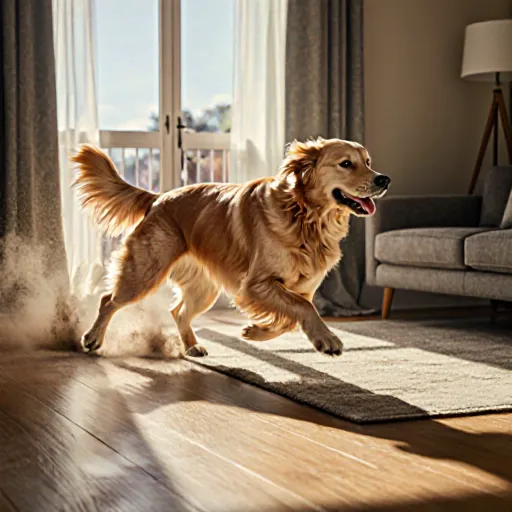
Unleash indoor excitement for your pup!
“Sniff, Sprint, Repeat: Thrilling Indoor Dog Adventures”
Table of Contents
- Introduction
- Indoor Hide-and-Seek
- Puzzle Toys and Treat Dispensers
- Obstacle Course with Household Items
- Interactive Tug‑of‑War Variations
- Teach New Tricks: Sit, Stay, Shake Hands
- Scent Games with Scented Treats
- Ball Pit Fun for Small Dogs
- Interactive Video Games for Pets
- Doggy Dance Party: Music and Movement
- Indoor Fetch with Soft Toys
- DIY Treat-Making Sessions
- Mind‑Stimulation Apps for Dogs
- Conclusion
- FAQ
Introduction
Playing with your dog isn’t just a way to keep them physically fit—it’s also an essential part of building trust, sharpening mental acuity, and fostering the bond that makes every walk feel like a partnership. When outdoor adventures are limited by weather, space, or time constraints, turning to indoor games can fill that void while still offering the variety your canine companion craves.
Below we break down unique indoor activities that go beyond the classic “fetch” or “tug‑of‑war.” Each game is designed to target different aspects of a dog’s natural instincts: problem‑solving, scent tracking, agility, and social interaction. By rotating these games throughout the week, you’ll keep your pup engaged, mentally stimulated, and physically active—no matter how big or small your living space.
1. The “Find It” Challenge
- What it does: Enhances scent discrimination and recall skills.
- How to set up:
- Select a few favorite treats or a scented item (e.g., a dab of peanut butter on a cloth).
- Let your dog watch you hide the item in an easy spot while they stay on a short leash.
- Release them and say “Find it!”—reward immediately when they locate the hidden treasure.
- Variations: Increase difficulty by using multiple items, hiding in more complex locations (under cushions, behind doors), or introducing a timed element.
2. Indoor Obstacle Course with Everyday Objects
- What it does: Builds agility, coordination, and confidence.
- How to set up:
- Create a tunnel using a blanket draped over chairs.
- Place a broom or mop on the floor as a low “jump” bar.
- Use a hula hoop on the ground for them to weave through.
- Tips: Keep the course short (30–45 seconds) and use treats or praise to guide them. Gradually add more obstacles as they master each one.
3. “Name That Toy” Memory Game
- What it does: Strengthens memory, listening skills, and focus.
- How to set up:
- Choose three toys with distinct textures or sounds.
- Show each toy briefly while saying its name (“ball,” “plush,” “chew”).
- Cover the toys and ask your dog to pick the one you named. Reward correctly chosen items.
- Progression: Add more toys, use different rooms for hiding, or incorporate a short waiting period before letting them choose.
4. “Treat Drop” Tug‑and‑Drop Combo
- What it does: Combines physical play with problem solving.
- How to set up:
- Hold a tug rope in one hand and a treat in the other.
- Tug lightly while encouraging your dog to “drop” the treat into their mouth or onto the floor.
- Once they drop, give them the tug again—repeat for several rounds.
- Benefits: Reinforces impulse control and teaches “drop it” in a fun context.
5. “Follow the Leader” Directional Commands
- What it does: Improves obedience, listening skills, and body awareness.
- How to set up:
- Stand in a straight line of chairs or obstacles.
- Walk forward while giving directional cues (“left,” “right,” “back”).
- Reward each correct maneuver with praise and a treat.
- Variations: Use a laser pointer or flashlight for more dynamic movement; add a “sit” or “stay” pause at certain points.
Practical Tips for All Indoor Games
- Safety first: Remove sharp objects, secure loose rugs, and keep the play area free of breakables.
- Keep sessions short: Dogs have limited indoor energy; aim for 5–10 minute bursts with breaks in between.
- Use positive reinforcement: Treats, praise, and gentle petting are more effective than punishment.
- Observe body language: Stop if your dog shows signs of stress or fatigue (panting, yawning, head down).
- Mix up the routine: Rotate games to prevent boredom and maintain excitement.
By incorporating these unique indoor activities into your weekly routine, you’ll not only keep your dog physically active but also nurture their mental sharpness and emotional well‑being—all from the comfort of home.
Indoor Hide-and-Seek
When the weather keeps you inside or you’re looking for a low‑impact way to keep your pup mentally sharp, hide‑and‑seek isn’t just for kids. By turning everyday household items into clues and hiding spots, you can create an engaging scavenger hunt that stimulates your dog’s senses while strengthening your bond.
1. Classic “Find the Treat” Hide‑and‑Seek
- Setup: Place a handful of high‑value treats (e.g., small pieces of chicken, cheese cubes) around a single room.
- How to Play: Let your dog watch you hide the treats, then give them the command “search” or “find it.” Encourage sniffing by praising each successful discovery.
- Tips for Success: Start with obvious spots (under a cushion) and gradually increase difficulty. Use a timer to add excitement—“Can you find all five before the clock runs out?”
2. “Which Room?” Hide‑and‑Seek
This variation requires your dog to navigate multiple rooms, using scent and memory.
- Choose a target room: A hallway, bedroom, or kitchen.
- Hide a favorite toy or treat in that room.
- Give the command “Go to the X.” Replace X with the chosen room’s name.
- If your dog gets confused, use a scent trail—drag a piece of fabric from the target room to the starting point.
3. “Find the Owner” Hide‑and‑Seek
This game trains recall while adding an element of surprise.
- Preparation: Before hiding, have a friend (or you in another room) call your dog’s name and give a gentle cue to stay.
- Hide: Slip into a closet or behind a curtain.
- Call: “Come find me!” The dog must locate you based on scent, sound, or both.
4. “Which Scent?” Multi‑Scent Hide‑and‑Seek
Introduce new scents to keep the game fresh and challenging.
- Select three distinct scents: A piece of tuna, a drop of peppermint oil on a cotton ball, and a small amount of vanilla extract.
- Hide each scent in separate spots.
- Command: “Find the tuna” or “Find the peppermint.”
- Reward with praise and a treat when they correctly identify the scent.
5. “Treasure Chest” Hide‑and‑Seek
Turn an ordinary box into a treasure chest for your dog’s nose to explore.
- Materials: A sturdy cardboard box, a small towel, and several treats.
- Setup: Place the towel over the box, sprinkle treats inside, then close the lid.
- Play: Let your dog sniff around the box. When they start pawing at the lid, encourage them to open it with their nose or paws.
Practical Tips for All Games
- Safety first: Ensure hidden spots are out of reach of small objects that could choke your dog. Avoid areas where pets might slip (e.g., high, slippery rugs).
- Positive reinforcement: Use enthusiastic praise and a favorite treat for every correct discovery to build excitement.
- Keep sessions short: A 5–10 minute game keeps your dog focused without causing fatigue.
- Use natural scents: Fresh herbs or essential oils (in safe, diluted amounts) can add variety but always verify they’re pet‑safe.
- Gradual difficulty: Start simple and progressively add more hidden spots or change the room layout to keep mental stimulation high.
By mixing up these indoor hide‑and‑seek games, you’ll give your dog a stimulating experience that taps into their natural hunting instincts while keeping them safe inside. Remember: the key is consistency, positive reinforcement, and a dash of creativity!
Puzzle Toys and Treat Dispensers
When the weather keeps you and your pup indoors, puzzle toys and treat dispensers are a great way to keep their minds sharp and their bellies full. These games encourage problem solving, slow eating, and can even help reduce boredom‑related behaviors.
1. Classic Treat Dispensers
- KONG Classic: Fill it with peanut butter, kibble or a frozen treat. The dog has to roll, push and lick the food out—great for mental stimulation.
- Outward Hound Hide-A-Squirrel: Hide real treats in the plush “squirrels” and let your dog pull them out from the tree trunk.
2. Advanced Puzzle Boards
- Nina Ottosson IQ Trainer: These sliding‑panel puzzles come in various difficulty levels; start with the easy one and gradually increase complexity as your dog masters each stage.
- PetSafe Busy Buddy Twist 'n Treat: Twist it to adjust how many treats are released. Perfect for training on impulse control.
3. DIY Homemade Options
If you’re on a budget or love crafting, try these simple builds:
- Tennis Ball Treat Dispenser: Cut a small slit in an old tennis ball and drop kibble inside. Your dog will have to roll the ball around to get the food.
- Cup Game: Place three plastic cups upside down, hide a treat under one, shuffle them, and let your pup sniff out the right cup.
4. Training Tips & Safety Guidelines
- Start Slow: Introduce new puzzles gradually to avoid frustration or chewing on plastic parts.
- Supervise: Always watch the first few sessions to ensure your dog isn’t swallowing small pieces or choking.
- Rotate Toys: Keep novelty high by rotating different puzzle toys every week.
5. Bonus: Combining Puzzles with Physical Exercise
Pair a treat dispenser with a short indoor fetch or tug session to give your dog both mental and physical stimulation in the same playtime block.
Pro Tip: Use puzzle toys as part of daily feeding routines. Instead of just dumping kibble into a bowl, let your dog earn it through a quick game—this can slow down fast eaters and add excitement to mealtime.
Obstacle Course with Household Items
If you’re looking for an engaging way to keep your dog mentally and physically stimulated, setting up a DIY obstacle course in your living space is a fantastic solution. By using everyday household items, you can create a variety of challenges that suit any size or breed.
Why Create an Indoor Course?
- Weather‑proof exercise: Rainy days, extreme heat, or winter storms won’t stop playtime.
- Strengthens obedience: The course requires precise commands (sit, stay, come) that reinforce training.
- Mental stimulation: Navigating obstacles encourages problem‑solving and keeps your dog’s brain active.
Essential Household Items & How to Use Them
| Item | Obstacle Type | Setup Tips |
|---|---|---|
| Empty cardboard boxes | Tunnel or maze | Cut a small entrance on one side, line the inside with soft towels to avoid slips. |
| Pillows & cushions | Jump hurdles (if your dog is comfortable jumping) | Stack two or three pillows and secure them with a rubber band to keep stability. |
| Old laundry baskets | Weave poles | Place four baskets in a square pattern, spaced evenly. Your dog can weave through the gaps. |
| Books or sturdy boxes | Balance beam | Lay a stack of books on a low table to create a narrow walkway; ensure it’s not too high. |
| Towels or blankets | Slide mat (for speed) | Place a blanket over a smooth floor area and guide your dog across with a treat. |
Sample Course Layout (10‑Minute Routine)
- Warm‑up: Begin with “sit” and “stay” commands for a few minutes to calm excitement.
- Tunnel: Lead your dog through the cardboard box while saying “through.” Reward immediately.
- Weave poles: Use four laundry baskets spaced 2–3 feet apart. Command “weave” and guide with a treat.
- Jump hurdles: Place two cushions side by side. Encourage your dog to jump over with the cue “jump.”
- Balance beam: Have your dog walk across the stack of books, using “step” as the command.
- Slide mat: Finish with a quick slide across the towel for speed practice. Use “slide” or “go.”
Safety & Success Tips
- Supervise always: Keep an eye on your dog to prevent injuries.
- Start small: If your dog is new to obstacles, begin with one or two simple challenges before adding more.
- Positive reinforcement: Use high‑value treats and enthusiastic praise for every successful attempt.
- Adapt to size: Scale obstacle height and spacing based on your dog’s breed and agility level.
Unique Games to Play with Dogs Indoors
Beyond the obstacle course, consider these creative games that also keep your dog mentally sharp:
- Hide‑and‑Seek: Hide in a closet or behind curtains and call your dog’s name. Reward when they find you.
- “Which Hand?” Game: Place a treat under one of two closed hands; let the dog sniff and choose the correct hand.
- Indoor Fetch Variations: Use soft balls or plush toys in narrow hallways to add a twist to classic fetch.
- DIY Puzzle Toys: Create a simple puzzle by placing treats inside an overturned plastic bottle with holes drilled for access.
- Tug‑of‑War with Rules: Teach “drop it” and “take it” commands to keep the game controlled and safe.
By turning your living room into a dynamic training ground, you provide your dog with both physical exercise and mental enrichment—essential for a happy, healthy pet.
Interactive Tug‑of‑War Variations
Tug‑of‑war is a classic game that can keep your dog mentally and physically stimulated while you stay indoors. Below are several variations that add novelty, challenge, and safety to the traditional tug session.
Variation 1 – Drop It Tug
- Goal: Teach your dog to release the toy on command while still engaging in a fun tug session.
- How to play:
- Start a regular tug game with a sturdy rope or tug toy.
- When you feel the dog is excited, say “Drop it” and offer a high‑value treat in your hand.
- If the dog releases the toy to take the treat, reward immediately. If not, gently pull back until they comply.
- Why it works: Reinforces impulse control and strengthens the bond through positive reinforcement.
Variation 2 – Rotate the Rope
This variation adds a spatial challenge that keeps your dog from getting stuck in repetitive motions.
- Set‑up: Place the tug toy on a small, soft mat and keep a second identical rope nearby.
- Gameplay:
- Begin with the first rope. After 30–60 seconds of tugging, switch to the second rope without telling your dog.
- Continue alternating every minute or when you notice fatigue or boredom.
- Benefits: Encourages adaptability and prevents the game from becoming too predictable.
Variation 3 – Tug‑and‑Fetch Combo
This variation blends tugging with retrieval, providing a full‑body workout.
- Step 1: Toss the tug toy a short distance (10–15 feet) and let your dog bring it back.
- Step 2: Once retrieved, start a quick tug session. Keep it brief—just enough to give a burst of energy.
- Repeat: Alternate between fetch and tug until the dog shows signs of fatigue.
Pro tip: Use a toy that is both lightweight for fetching and durable for tugging, such as a rubber rope with a plastic handle.
Variation 4 – Tug‑with a Twist
Add an obstacle to increase agility and mental stimulation.
- Setup: Place a small, low hurdle (e.g., a broomstick on two books) across the play area.
- Gameplay:
- Start tugging while your dog is on one side of the obstacle.
- Encourage your dog to jump over or crawl under the hurdle before you resume tugging.
- Reward each successful completion with praise and a treat.
Variation 5 – Team Tug
If you have two dogs, this variation promotes teamwork and social learning.
- Method:
- Give each dog a separate end of the same tug toy.
- Let them pull together while you monitor tension to ensure neither is overexerted.
- If one pulls too hard, gently guide it toward a more balanced effort.
- Safety Note: Make sure both dogs are comfortable with each other and supervise closely to prevent tug‑induced aggression.
Quick Tug‑of‑War Safety Checklist
- Use a sturdy, chew‑resistant toy.
- Avoid tugging if your dog has dental issues or jaw pain.
- Stop the game immediately if you notice excessive barking or growling.
- Keep sessions short (5–10 minutes) to avoid overexertion, especially indoors.
By rotating these variations, you keep your indoor tug‑of‑war sessions fresh and engaging. Each game not only burns energy but also reinforces important skills such as impulse control, obedience, and agility—making it a win‑win for both you and your canine companion.
Teach New Tricks: Sit, Stay, Shake Hands
Teaching your dog basic commands like Sit, Stay, and Shake Hands not only improves obedience but also strengthens the bond between you and your furry friend. Below is a step‑by‑step guide, practical tips, and some fun indoor games that reinforce these tricks.
1. Sit – The Foundation of Obedience
- Step 1: Prepare Rewards – Use high‑value treats (mini chicken bits or small cheese cubes) and a clicker if you use clicker training.
- Step 2: Lure into Position – Hold the treat above your dog’s nose, then slowly move it back over their head. As they follow the scent, their hindquarters will naturally lower into a sitting position.
- Step 3: Mark & Reward – The moment their butt touches the floor, click (or say “yes!”) and give the treat.
- Step 4: Add the Cue – While your dog is sitting, say “Sit” in a calm, firm voice. Repeat until they associate the word with the action.
- Practice Tip: Keep sessions short (5–7 minutes) and end on a positive note to avoid frustration.
2. Stay – Building Patience & Focus
- Step 1: Start with Sit – Ask your dog to sit first; this gives them a stable base.
- Step 2: Cue the Stay – Open your palm toward them, say “Stay,” and take one step back. If they remain seated, reward immediately.
- Step 3: Increase Distance & Time – Gradually add more steps or hold the stay for a few seconds before returning to reward.
- Common Mistake: Letting your dog move too early. If they do, reset by asking them to sit again and start over.
- Game Twist – “Indoor Treasure Hunt”: Hide treats around a room while your dog stays in one spot. When you call them back, reward for staying until the hunt starts.
3. Shake Hands – A Fun Social Skill
- Step 1: Get Their Attention – Show a treat in your hand and let your dog sniff it.
- Step 2: Lure the Paw – Gently tap their paw with your free hand while saying “Shake.” The natural response is to lift the paw.
- Step 3: Reward & Praise – As soon as they raise a paw, click or say “Good!” and give the treat.
- Step 4: Add the Cue – Say “Shake” just before tapping. Repeat until they respond to the word alone.
- Game Twist – “Name That Toy”: While your dog shakes, name a toy (e.g., “Ball”). After shaking, reward and then give them the named toy for additional reinforcement.
Unique Indoor Games to Reinforce Tricks
- Obstacle Course Fun: Use cushions, tunnels, and small jumps. Ask your dog to Sit before each obstacle, Stay while you set up the next challenge, and Shake Hands after completing a section.
- The “Shell Game” with Treats: Place three cups upside down. Hide a treat under one cup, shuffle them, then ask your dog to Sit, Stay, and finally Shake Hands before revealing the correct cup.
- Puzzle Feeders as Reward Stations: After each command session, let your dog work through a puzzle feeder. This adds mental stimulation while rewarding obedience.
- “Freeze Dance” Music Game: Play upbeat music; when it stops, call the dog to Sit, then pause for a Stay, and finish with a quick Shake Hands before resuming dancing.
Practical Advice & Troubleshooting
- Consistency is Key: Use the same verbal cues and hand signals every time.
- Positive Reinforcement Only: Never punish for mistakes; simply reset the exercise.
- Watch Body Language: If your dog looks confused or stressed, take a short break before continuing.
- Gradual Progression: Increase difficulty only when the dog consistently performs the trick reliably.
- End on Success: Finish each training session with a successful trick and a treat to keep motivation high.
By integrating these basic commands into playful indoor games, you’ll keep your dog mentally engaged, physically active, and happily obedient—all within the comfort of your home.
Scent Games with Scented Treats
Dogs have an extraordinary sense of smell—up to 100,000 times stronger than ours. Harnessing this natural ability can keep your pup mentally stimulated and physically active, even when you’re stuck inside. Below are a variety of scent‑based games that use scented treats or homemade “puzzle” toys. Each activity is easy to set up with household items and can be tailored to your dog’s skill level.
1. The Classic “Find It” Game
How it works: Hide a treat in one of several shallow cups or boxes, then let your dog sniff out the correct cup.
- Materials: 4–6 plastic cups (or small cardboard boxes), 1–2 tasty treats.
- Steps:
- Show the treat to your dog and let them sniff it.
- Place the treat under one cup while keeping the other cups empty.
- Invite your dog to choose a cup. Praise immediately when they find the right one.
- Repeat, gradually increasing the number of cups or moving the treat further away.
2. Scented Treat Trail
Create a scent trail that leads your dog to a hidden reward. This can be done on a carpeted floor or in a hallway.
- Materials: A few treats, a piece of string (optional), small bowls.
- Steps:
- Place the first treat at the starting point. If you want to make it more challenging, tie a short length of string to the treat and drag it along the floor to create a scent line.
- Continue placing treats every few feet until you reach the final reward location.
- Let your dog follow the trail; encourage them with verbal cues. Once they find the final treat, give extra praise.
3. Muffin Tin Puzzle
This classic training tool can be turned into a scent game by hiding treats under some of the tin’s cups.
- Materials: Muffin tin, tennis balls or small toys to cover the cups, 4–6 treats.
- Steps:
- Place a treat under a random selection of cups.
- Cover each cup with a ball or toy.
- Show your dog how to lift the covers and search for the treats. Encourage them by pointing at the correct positions.
- Reward every successful find with praise and another treat.
4. “Which Hand?” Scented Treat Hunt
A quick, engaging game that tests your dog’s nose and memory.
- Materials: Two identical cups or bowls, a single treat.
- Steps:
- Place the treat under one cup while keeping both cups visible to your dog.
- Ask your dog to choose a cup. When they pick correctly, give them the treat and lots of praise.
- Gradually hide the treat in more discreet locations or add an extra cup to increase difficulty.
5. DIY Snuffle Mat Search
A snuffle mat is a fabric-based puzzle that encourages natural foraging behavior.
- Materials: Old fleece blankets or towels, rubber bands, small treats.
- Steps:
- Cut the blankets into strips and tie them together with rubber bands to create a mat with pockets.
- Shelter treats within the folds of the fabric.
- Let your dog sniff around, encouraging them to pull out the hidden goodies.
Practical Tips for Success
- Start Simple: Begin with obvious scent sources and gradually increase difficulty as your dog learns.
- Use High‑Value Treats: For new games, choose treats that are especially enticing to keep motivation high.
- Keep Sessions Short: Scent work can be mentally exhausting; aim for 5–10 minute bursts followed by a short break.
- Replace or rotate treats to maintain novelty and prevent your dog from getting bored.
- Always finish with a positive reinforcement, such as a gentle petting session or a favorite toy, to reinforce the experience.
By incorporating these scent games into your indoor routine, you’ll give your dog an engaging way to exercise their mind and body—turning ordinary treats into exciting adventures right in your living room!
Ball Pit Fun for Small Dogs
Creating a miniature ball pit is one of the most engaging ways to keep your small dog entertained indoors. It’s simple to set up, safe, and offers endless opportunities for discovery, exercise, and mental stimulation.
How to Build Your Own Ball Pit
- Choose a container: A large plastic storage bin (24–30 inches wide) or a shallow kiddie pool works great. Make sure the edges are rounded or lined with soft padding.
- Select the balls: Use lightweight, non‑breakable foam balls in colors that contrast with your dog's coat. Aim for about 200–300 balls to create a deep, satisfying pit.
- Add hidden treats: Sprinkle kibble or small puzzle toys among the balls so the dog must dig and sniff to find them.
- Safety first: Keep an eye on your pup to prevent choking. Remove any small pieces that could break off, and supervise until you’re sure they can navigate safely.
Unique Games to Play Inside the Ball Pit
- Treasure Hunt: Hide a favorite toy or treat at different depths. Encourage your dog to sniff out each “treasure” and reward them with praise or a quick game of tug.
- Follow the Leader: Toss a ball into the pit, then call your dog over. Once they reach it, give a cue (“fetch!”) and let them retrieve it from the depths.
- Obstacle Course: Place a low tunnel or a few cones around the pit’s perimeter. Your dog must navigate through the ball-filled space to reach the other side.
- Freeze Ball: Freeze a small, soft toy inside a plastic bag and drop it into the pit. The dog will chase, shake, and eventually discover the frozen surprise.
- “Which Hand?” Game: Place a treat under one of two shallow bowls filled with balls. Let your dog sniff which bowl hides the reward.
Practical Tips for Success
- Start small: If your dog is new to ball pits, begin with fewer balls and gradually increase depth as they become comfortable.
- Keep it clean: Rinse the balls with a mild soap solution after each session. Dry them thoroughly before refilling to prevent mold.
- Use scent markers: Sprinkle a little lavender or peppermint oil (in a diffuser) around the pit area for calming scents, especially if your dog gets excited.
- Integrate training: Use commands like “sit,” “stay,” and “come” within the ball pit to reinforce obedience in an exciting environment.
- Monitor temperature: Avoid placing the pit near heat sources; small dogs can overheat quickly when digging around.
By turning your living room into a vibrant, interactive ball pit, you give your small dog a safe haven for playful exploration while strengthening your bond through shared fun and learning moments.
Interactive Video Games for Pets
When the weather keeps you indoors or your pup prefers a cozy day inside, interactive video games can be a fun way to keep their mind sharp and body active. Below are some of the most engaging and unique indoor games that combine digital interaction with physical play.
Fetch Quest
Description: A tablet or smartphone app where a virtual ball appears on screen. The dog must chase the ball, paw it, and bring it back to you for points.
- How to Play: Place the device on a stable surface. Launch the app, let the ball appear in various locations. When your dog touches or nudges the ball, tap “Score” on the screen.
- Benefits: Improves hand-eye coordination, encourages movement, and rewards quick reactions.
- Practical Tip: Use a screen protector to prevent scratches. Keep the device at eye level so your dog doesn’t feel awkward reaching for it.
Puzzle Paws
Description: An interactive screen game that presents a series of hidden objects or simple puzzles for the dog to solve by touching the correct area.
- How to Play: Show your dog how to tap on the screen. The app will reward them with treats or sound cues when they hit the right spot.
- Benefits: Stimulates cognitive function, reduces boredom, and strengthens bond through shared problem-solving.
- Practical Tip: Start with easy puzzles; gradually increase difficulty as your dog gets comfortable. Pair the game with short training sessions for best results.
Obstacle Course Live
Description: A live-streamed obstacle course that your dog can follow using a tablet screen, with real-time guidance from a virtual trainer.
- How to Play: Set up a small indoor obstacle (e.g., cushions, tunnels). The app will display step-by-step instructions and cheer you on. Use the “Jump,” “Weave,” or “Crawl” buttons as your dog completes each segment.
- Benefits: Encourages agility training in limited space, enhances obedience, and adds excitement to daily routines.
- Practical Tip: Keep the course safe by using soft materials. Record sessions so you can review progress and adjust difficulty.
Virtual Tug‑of‑War
Description: A screen-based tug game where a rope or toy appears on the device, and your dog must pull it toward you.
- How to Play: Place the device at ground level. When the virtual rope wiggles, tap “Pull” to encourage your dog to nudge it. Reward with treats when they successfully tug.
- Benefits: Builds muscle strength, reinforces positive pulling behavior, and provides a safe outlet for energy.
- Practical Tip: Use a screen guard that’s thick enough to withstand repeated nudges. Rotate the game with real-life tug toys to keep variety high.
Dance Party DJ
Description: A music‑based game where your dog follows beat cues and dances or performs tricks to earn points.
- How to Play: Start a playlist in the app. When the beat drops, tap “Move” and watch your pup sway, spin, or jump. Each correct move scores a point.
- Benefits: Boosts cardiovascular health, encourages rhythmic movement, and turns training into playtime.
- Practical Tip: Keep the volume moderate to avoid startling your dog. Use short intervals (5–10 minutes) to prevent fatigue.
Doggy Dance Party: Music and Movement
Dogs are naturally rhythmic creatures. Even if they don’t know how to boogie like us, their bodies respond instinctively to beats, tempos, and changes in tone. By pairing music with playful movement, you can create an engaging indoor activity that stimulates both the mind and body of your four‑legged friend.
Choosing the Right Tracks
- Upbeat Pop or Classic Rock: Fast tempos (120–140 BPM) help keep dogs moving. Try “Happy” by Pharrell Williams or “Don’t Stop Believin’” by Journey.
- **Animal‑Friendly Music:** Some studies suggest that music with a higher frequency range (e.g., classical pieces with piano and strings) can calm anxious dogs while still encouraging light movement.
- Create a Playlist: Mix 3–4 songs to keep the session varied. Aim for a total duration of 10–15 minutes, enough to prevent boredom but short enough to maintain enthusiasm.
Movement Activities to Pair with Music
- “Spin and Sit”: Play a fast song, then call your dog to spin around once before saying “sit.” Repeat until they get the rhythm.
- “Tail‑Tap” Game: While the music plays, tap your own tail (or a dummy) slowly. Encourage your dog to mimic by tapping their tail or paw in time with the beat.
- “Dance Off” With Treats: Use treats as cues: give one treat when you hit a musical cue; if they perform the desired action (jump, hop), reward again.
- Obstacle “Boogie”:” Set up low obstacles (pillows, boxes) and have your dog weave through them to the rhythm of the music.
Practical Tips for Success
- Safety First: Ensure the playing area is free of sharp objects. Use non‑slip rugs if you’re dancing on hardwood or tile.
- Keep It Short and Sweet: Dogs have shorter attention spans than humans. A 5–7 minute session followed by a calm wind‑down works best.
- Use Visual Cues: Pair music with hand signals so your dog learns to associate the cue with movement, making it easier when music stops.
- Monitor Energy Levels: If your dog seems overly excited or starts to tire, switch to a slower song and reduce intensity.
- Positive Reinforcement: Always reward correct actions immediately. Treats, praise, or a quick cuddle reinforce the behavior you want to see.
Unique Games to Play with Dogs Indoors During Music Sessions
| Game | Description | Setup |
|---|---|---|
| Hide‑and‑Seek (Paw Edition) | Your dog finds hidden treats or toys while music plays. | Place small treats in easy-to-reach spots; play a slow song to build anticipation. |
| Simon Says | Command your dog to perform actions like “sit,” “roll over,” or “shake” while music sets the pace. | Use a clear voice; start with simple commands before adding more complex ones. |
| Musical Stairs | Set up stairs or steps and have your dog hop on each step to a beat. | Ensure the steps are stable; use a soft toy as a target for each step. |
| Obstacle “Boogie” | Weave through an indoor obstacle course while music drives tempo. | Create a path with cushions, chairs, and tunnels; keep it short to avoid fatigue. |
By integrating music into playtime, you not only provide physical exercise but also enrich your dog’s emotional well‑being. Experiment with different genres and movement patterns until you find the combination that keeps your pup wagging in sync with the beat!
Indoor Fetch with Soft Toys
Indoor fetch is a classic way to keep your dog active and entertained without stepping outside. However, when you’re playing inside, the risk of damage to furniture or injury from hard toys increases. Using soft, lightweight plush toys not only protects your home but also provides a gentle, enjoyable experience for dogs of all sizes.
Why Choose Soft Toys?
- Safety first: Soft toys reduce the chance of scratches or broken bones during high‑speed chases.
- Durability for indoor play: Many soft plushes are built to withstand repeated pulls and nibbles.
- Comfort & familiarity: Dogs often have a “favorite” toy; using one you know they love can increase enthusiasm.
Top Soft Toys for Indoor Fetch
- Puppy‑Friendly Plush Balls – Lightweight, with a squeaker inside. Example: KONG Classic Puppy Squeaky Ball.
- Snuggle‑Soft Tug Toys – Great for combined fetch and tug play. Example: Outward Hound Zippy Dog Toy.
- Stuffed Fetch Rovers – Designed to bounce softly. Example: Chuckit! Ultra Soft Plush Ball.
How to Set Up the Game
1. **Choose a clear, open space** – A hallway or living room with minimal furniture.
2. **Mark boundaries** – Use a rug or tape so you and your dog know where it’s safe to run.
3. **Start slow** – Throw the toy a short distance, encouraging your dog with praise.
4. **Increase distance gradually** – As confidence builds, extend the throw length and add gentle obstacles (e.g., a low chair).
Practical Tips for Success
- Use scent cues: Spray a little dog-safe peppermint on the toy to increase interest.
- Keep sessions short: 10‑15 minutes keeps excitement high without tiring your dog out.
- Rotate toys: Introduce new plushes every few weeks to maintain novelty.
- Clean regularly: Wash soft toys after each session to prevent odor buildup and keep them safe.
Safety Reminders
- Never let your dog chase a toy that’s too large for their mouth. - Monitor for signs of overexcitement or aggression; calm the dog with a gentle voice and a pause. - Keep small parts (e.g., squeakers) out of reach if you have puppies who may swallow them.
Real‑World Example
Case Study – Bella, a 4‑year‑old Labrador:
Bella loves indoor fetch but often pulls the heavy plastic ball and knocks over her coffee table. By switching to a plush squeaky ball and setting up a hallway runway, she now runs for 12 minutes daily without any damage or injury.
Wrap‑Up
Indoor fetch with soft toys is an excellent way to keep your dog physically active, mentally stimulated, and safe. By choosing the right toy, setting up a controlled environment, and following these practical steps, you’ll create countless enjoyable moments for both of you—without the worry of broken furniture or accidental injuries.
DIY Treat-Making Sessions
Creating homemade treats is a fun, budget‑friendly way to bond with your dog while keeping them healthy. Below are step‑by‑step recipes and tips that you can easily adapt for dogs of all sizes.
Peanut Butter Banana Biscuits
- Ingredients: 1 ripe banana, 2 cups whole‑wheat flour, ½ cup rolled oats, ¼ cup natural peanut butter (xylitol free), 1 egg.
- Method:
- Preheat oven to 350°F (175°C). Mash the banana in a bowl until smooth.
- Add peanut butter and whisk until combined. Beat in the egg, then gradually fold in flour and oats.
- Roll dough into small logs and slice into rounds. Place on a parchment‑lined tray.
- Bake 18–20 minutes or until golden brown. Cool completely before serving.
Storage: Keep in an airtight container for up to two weeks, or freeze for longer shelf life.
Sweet Potato Chews
- Ingredients: 1 large sweet potato, 1 tbsp olive oil.
- Method:
- Preheat oven to 250°F (120°C). Slice the sweet potato into thin rounds (~¼ inch).
- Toss slices with olive oil and arrange on a baking sheet in a single layer.
- Bake for 2–3 hours, flipping halfway through, until crisp but not browned.
Tip: These chews are great for long play sessions and can help reduce dental plaque.
Chicken & Rice Mini Muffins
- Ingredients: 1 cup cooked shredded chicken, ½ cup cooked brown rice, 1 egg, ¼ cup grated carrots.
- Method:
- Preheat oven to 375°F (190°C). Mix all ingredients in a bowl until well combined.
- Spoon mixture into silicone muffin cups (or paper liners).
- Bake for 15–18 minutes. Let cool before feeding.
Nutrition Note: These muffins are high in protein and fiber—ideal for active dogs.
Practical Tips for Treat‑Making
- Always check for allergens: avoid chocolate, grapes, raisins, onions, garlic, or artificial sweeteners.
- Measure portions based on your dog’s size; treat calories can add up quickly.
- Use dog‑safe packaging like reusable silicone bags to keep treats fresh.
- Involve your pup: let them sniff the ingredients (as long as they're safe) and watch their excitement—this reinforces positive associations with cooking time.
Keeping your dog mentally stimulated is just as important as physical exercise. Below are five creative games you can set up inside your home, each designed to challenge their brain and strengthen the bond.
TREASURE HUNT
- Hide small treats or favorite toys around a single room.
- Use scent cues like rubbing your hand with a treat before placing it.
- Start with easy spots (under a pillow) and gradually increase difficulty.
- Reward with enthusiastic praise when they find each item.
FIND THE MATCH
- Create a set of cards with simple pictures (e.g., ball, bone, treat). Place them face down.
- Let your dog sniff each card; when they identify the correct match to a reference image, give a treat.
- Gradually increase the number of cards and reduce visual cues.
TUG & SOLVE
- Combine a tug toy with a small puzzle box that releases treats when the dog pulls.
- Encourage them to use both strength and problem‑solving skills.
- Rotate toys weekly to keep novelty high.
HOME OBSTACLE COURSE
- Set up cushions, chairs, and blankets to create tunnels and jumps.
- Guide your dog through the course with a treat or favorite toy as motivation.
- Time each run; gradually add new obstacles to keep the challenge fresh.
WHICH HAND?
- Place a treat in one hand and close both fists. Let your dog sniff each hand.
- If they lick the correct hand, reward immediately.
- Increase difficulty by adding distractions or using multiple treats.
Final Tips for Indoor Play
<pMind‑Stimulation Apps for Dogs
While most dog owners think of playtime as simply fetch or tug‑of‑war, a growing number of apps are designed to engage your pup’s brain in the same way that puzzle toys do. These digital games can be played on tablets, smartphones, or smart TVs and offer a variety of challenges that keep dogs mentally sharp and physically active—especially during indoor play sessions.
Why Digital Mind Games Matter
- Cognitive Decline Prevention: Just like humans, dogs can suffer from memory loss and decreased problem‑solving ability as they age. Regular mental stimulation helps maintain neural pathways.
- Reduces Destructive Behavior: Boredom is a major driver of chewing, digging, and excessive barking. A mentally engaged dog is less likely to turn to destructive habits.
- Enhances Training Transfer: Many apps incorporate basic obedience commands, reinforcing the “sit,” “stay,” and “come” signals your dog already knows.
Top Unique Indoor Games for Your Dog
-
Canine Quiz Show
This app presents a series of simple yes/no questions about your dog's preferences (e.g., “Do you like the ball?”). The dog taps the screen with its nose or paw, and the app rewards correct answers with virtual treats. It’s great for teaching dogs to use touch as a communication tool.
-
Hide‑and‑Seek Puzzle
Using augmented reality, this game projects hidden objects onto the floor of your living room. The dog must sniff out and “pick up” each object by touching it on the screen. It trains scent tracking while keeping indoor space safe.
-
Paw‑Print Maze
Inspired by classic maze games, this app displays a grid with paw‑print markers that change colors when your dog steps on them. The goal is to guide the digital avatar through the maze using real paw taps, encouraging spatial awareness and coordination.
-
Treat‑Spotter
Randomly generated treat icons appear in various locations on the screen. The dog must identify which spot is a “treat” by tapping it, while other spots are decoys. This sharpens visual discrimination and recall.
-
Memory Match: Dog Edition
A classic card‑matching game where each card features a familiar dog toy or food item. The dog learns to remember the position of cards, reinforcing memory retention through repeated play.
Practical Tips for Using Apps Indoors
- Screen Size Matters: Choose an app that works well on a tablet or phone; larger screens allow clearer visuals and easier interaction.
- Protect the Device: Use a durable screen protector and keep the device in a safe spot where your dog can’t damage it.
- Short Sessions, High Reward: Dogs have limited attention spans. Keep sessions to 5–10 minutes and pair app play with real treats or affection afterward.
- Observe Body Language: If your pup shows signs of frustration (e.g., growling, backing away), switch to a different game or take a break.
Combining Apps with Traditional Games
For the best results, alternate digital play with physical activities. For example, after a round of “Treat‑Spotter,” go outside for a quick walk and then return indoors for another app session. This blend keeps your dog’s mind and body in top shape.
Conclusion
Mind‑stimulation apps offer a fresh way to keep dogs mentally engaged, especially when outdoor options are limited. By integrating these unique games into your indoor routine, you provide your canine companion with the cognitive enrichment they need for a happy, healthy life.
Conclusion
Whether you’re dealing with a sudden storm, a busy work schedule, or simply want to keep your pup mentally and physically stimulated during the colder months, the indoor environment can become a treasure trove of enrichment opportunities. By combining basic commands, creative play, scent work, and interactive gadgets, you can turn any room into an adventure zone that keeps your dog engaged, happy, and healthy.
Key Takeaways
- Keep Training Consistent: Even short daily sessions reinforce good behavior and strengthen the bond between you and your pet.
- Use Everyday Items: Treats, cushions, and household objects can become powerful tools for teaching new skills.
- Mix Physical & Mental Challenges: Balance activities that require movement with those that demand problem‑solving to avoid overexertion or boredom.
- Safety First: Always supervise play, use non-slip mats on slick floors, and keep hazardous items out of reach.
Practical Tips for a Successful Indoor Routine
- Create a Dedicated Play Area: Choose a corner or hallway with enough space. Add soft rugs to cushion jumps and hide treats in low‑lying spots for scent games.
- Schedule Variety: Alternate between a 10‑minute obedience drill, a 15‑minute agility circuit, and a 5‑minute puzzle toy session each day. This rotation prevents monotony.
- Use Positive Reinforcement: Whenever your dog completes a task, reward with praise, a quick lick, or a small treat. Consistent rewards reinforce the behavior faster than any punishment.
- Keep Treats Healthy: Opt for low‑calorie options like baby carrots, apple slices (no seeds), or commercially available training treats to avoid excess weight gain during indoor play.
Unique Games to Play with Dogs Indoors
Below are some inventive games that can be played indoors and are guaranteed to keep your dog entertained for hours:
- “Treasure Hunt” (Scent Work): Hide a treat under one of three cups. Let the dog sniff each cup, then encourage them to choose. Increase difficulty by adding more cups or using strong scents like vanilla or citrus.
- “Obstacle Obsession” (Mini Agility Course): Use chairs for weaving, broomsticks balanced on books for jumps, and a towel draped over a low table for a tunnel. Reward with a treat after each successful run.
- “Puzzle Pop”: Place treats inside a muffin tin and cover each cup with tennis balls. The dog must remove the balls to get to the food.
- “Name That Toy”: Teach your dog the names of different toys. Show them one toy, say its name, then hide it. Ask “Where’s the ball?” and reward when they fetch the correct item.
- “Indoor Fetch with a Twist”: Use a lightweight ball or soft plush toy. Throw it down a hallway and have your dog retrieve it. Add commands like “sit” or “stay” before releasing to build obedience while playing.
By incorporating these games and principles into your daily routine, you’ll not only keep your dog physically active but also mentally stimulated. This holistic approach reduces anxiety, curbs destructive behaviors, and strengthens the unique bond you share with your four‑legged friend—no matter how many rainy days come your way.
FAQ
1. Why are indoor games important for my dog?
Indoor play keeps your dog mentally stimulated, prevents boredom‑related behaviors (chewing, barking), and provides physical exercise when outdoor options are limited.
2. What’s a “treat‑pull” game and how do I set it up?
- What you need: A sturdy rope or tug toy, small high‑value treats.
- How to play: Hold one end of the rope, let your dog grab the other. When they pull, drop a treat. Repeat until they release the toy. This trains impulse control while rewarding good behavior.
3. Can I use household items for interactive games?
Absolutely! Here are three DIY options:
- Bottle Toss: Place an empty plastic bottle in a shallow tray, fill with kibble or treats, and let your dog sniff and retrieve.
- Couch Cushion Hide‑and‑Seek: Hide a favorite toy under cushions; guide your dog to find it using scent cues.
- Cardboard Box Maze: Cut entrances into a stack of boxes, place treats inside, and let your pup navigate the maze.
4. How can I keep games safe for indoor surfaces?
- Use non‑slip mats in high‑traffic areas.
- Choose toys with soft edges and no small parts that could be swallowed.
- Avoid overly vigorous play on fragile furniture; opt for gentle fetch or tug instead.
5. What if my dog gets overstimulated during indoor play?
Signs include rapid panting, pacing, and an inability to settle. To calm them:
- Give a short break with a quiet command (“Sit,” “Stay”).
- Offer a chew or a calming treat.
- Transition to a low‑energy activity like a puzzle toy that rewards slow, deliberate actions.
6. How often should I rotate toys and games?
Every 1–2 weeks keeps novelty high. Store unused items in a closed container to preserve scent freshness. A rotating schedule prevents your dog from losing interest.
7. Can training be combined with indoor play?
Yes! Use games as rewards for obedience drills:
- “Come” Cue: Toss a toy, call your dog; reward with the toy once they arrive.
- Target Training: Place a small target (like a sticky note) on the floor and have them step onto it for a treat.
8. What if my dog has special needs or injuries?
Consult your vet first. For dogs with joint issues, consider low‑impact games such as:
- Soft fetch using a plush toy.
- Tug with a light rope.
- Puzzle feeders that require minimal movement but high mental engagement.
9. How can I make playtime more enriching for senior dogs?
Seniors benefit from gentle stimulation:
- “Find the Treat”: Hide treats in a shallow tray and let them sniff out.
- Gentle Tug Sessions: Short, light pulls that reinforce muscle tone without strain.
- Brain Games: Simple puzzle toys that require basic problem‑solving but no heavy lifting.
10. Where can I find more resources or community support?
Check local dog clubs, online forums like r/DogOwners, and reputable blogs that specialize in indoor dog activities. Many trainers offer virtual workshops on designing personalized play routines.
Categories
- AI & Enrichment Play
- Broiler Farming
- Broiler Farming Tips
- Canine Wellness & Longevity
- Cat
- Cat & Human Connection
- Cat Adoption & Rescue
- Cat Breeds
- Cat Breeds & Personalities
- Cat Care & Health
- Cat Grooming & Hygiene
- Cat Lifestyle & Environment
- Cat Myths & History
- Cat Nutrition & Diet
- Cat Products & Reviews
- Cat Training & Behavior
- Comparison
- Consumer Awareness
- Dog
- Dog Accessories & Products
- Dog Adoption & Rescue
- Dog Breed & Lifestyle Trends
- Dog Breeding & Puppies
- Dog Entertainment & Media
- Dog Fashion & Trends
- Dog Fun & Lifestyle
- Dog Grooming & Hygiene
- Dog History & Culture
- Dog Myths, Science & Future Tech
- Dog News & Trends
- Dog Nutrition & Food
- Dog Psychology & Emotions
- Dog Safety & Security
- Dog Sports & Activities
- Dog Technology & Innovation
- Dog Training for Modern Owners
- Dog Travel & Adventure
- Dog Travel, Adventure & Culture
- Economic and Market Insights
- Educational Content
- FAQs
- Feeding Alternatives
- Festivals & Seasonal Ideas
- Fun & Entertainment
- General Knowledge
- General Pig Farming
- Health & Disease Management
- Housing and Environment
- Kittens
- Market Insights
- Miscellaneous
- Miscellaneous
- Motivational
- pig
- Pig Breeding
- Pig Breeds
- Pig Farming Stories and Inspiration
- Pig Health and Care
- Pig Nutrition
- Pig Products
- Profitability & Business
- Puppy Care
- Puppy Predictable Topics Reinvented
- Regional Focus
- Rescue & Adoption Buzz
- Senior Cats
- Senior Dog Care
- Smart Dog Tech & Gadgets
- Sustainability
- Sustainable & Eco-Friendly Dog Products
- Tech & Innovations
- Working & Service Dogs
- Broiler Feed66 products
- Country Feed33 products
- Pig Feed66 products
- Product22 products
- Raw Materials99 products
Products
-
 Fish Meal
₹1,999.00 – ₹2,999.00Price range: ₹1,999.00 through ₹2,999.00Rated 0 out of 5
Fish Meal
₹1,999.00 – ₹2,999.00Price range: ₹1,999.00 through ₹2,999.00Rated 0 out of 5 -
 FATTENING BROILER FEED
₹2,299.00 – ₹2,349.00Price range: ₹2,299.00 through ₹2,349.00Rated 0 out of 5
FATTENING BROILER FEED
₹2,299.00 – ₹2,349.00Price range: ₹2,299.00 through ₹2,349.00Rated 0 out of 5 -
 LAYER COUNTRY FEED
₹1,549.00 – ₹1,649.00Price range: ₹1,549.00 through ₹1,649.00Rated 0 out of 5
LAYER COUNTRY FEED
₹1,549.00 – ₹1,649.00Price range: ₹1,549.00 through ₹1,649.00Rated 0 out of 5 -
 COUNTER BROILER FEED
₹1,199.00 – ₹1,299.00Price range: ₹1,199.00 through ₹1,299.00Rated 0 out of 5
COUNTER BROILER FEED
₹1,199.00 – ₹1,299.00Price range: ₹1,199.00 through ₹1,299.00Rated 0 out of 5 -
 LACTATING PIG FEED
Rated 0 out of 5
LACTATING PIG FEED
Rated 0 out of 5₹2,299.00Original price was: ₹2,299.00.₹1,740.00Current price is: ₹1,740.00. -
 Maize
Rated 0 out of 5
Maize
Rated 0 out of 5₹1,650.00Original price was: ₹1,650.00.₹1,300.00Current price is: ₹1,300.00. -
 GESTATION PIG FEED (Phase 1)
Rated 0 out of 5
GESTATION PIG FEED (Phase 1)
Rated 0 out of 5₹2,249.00Original price was: ₹2,249.00.₹1,699.00Current price is: ₹1,699.00. -
 Pre Starter Broiler Feed
₹2,399.00 – ₹2,499.00Price range: ₹2,399.00 through ₹2,499.00Rated 0 out of 5
Pre Starter Broiler Feed
₹2,399.00 – ₹2,499.00Price range: ₹2,399.00 through ₹2,499.00Rated 0 out of 5 -
 FINISHER PIG FEED
Rated 0 out of 5
FINISHER PIG FEED
Rated 0 out of 5₹2,299.00Original price was: ₹2,299.00.₹1,749.00Current price is: ₹1,749.00. -
 Broiler Premix
Rated 0 out of 5
Broiler Premix
Rated 0 out of 5₹820.00Original price was: ₹820.00.₹699.00Current price is: ₹699.00.