
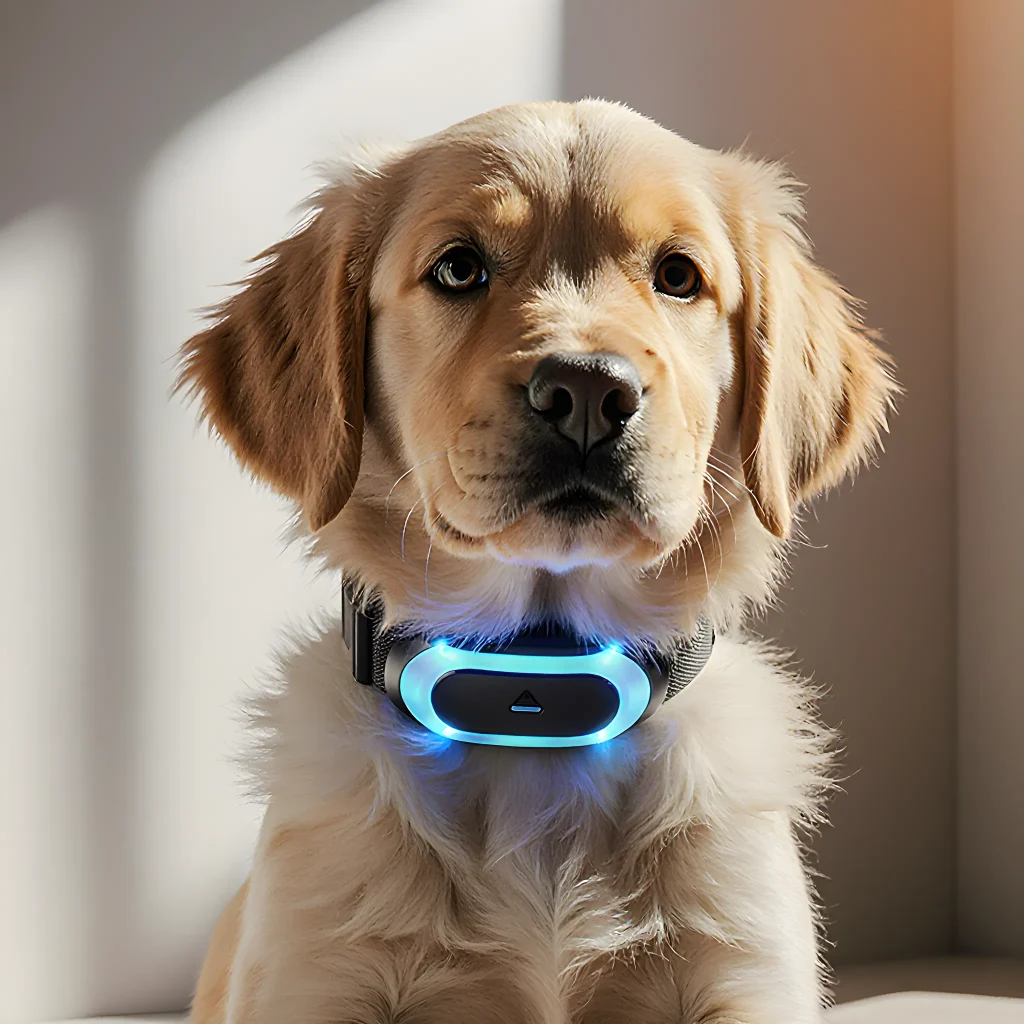
Tech‑Powered Tails to Grow Fast
Sniffing Success: Puppy Growth via Tech Collars
Table of Contents
- Introduction to Smart Collars
- Choosing the Right Collar for Your Puppy
- Setting Up GPS Tracking
- Monitoring Heart Rate and Activity Levels
- Tracking Sleep Patterns
- Calorie Intake and Weight Management
- Growth Milestones to Watch For
- Identifying Early Health Issues
- Behavioral Insights from Activity Data
- Adjusting Exercise Based on Growth Stage
- Using Data to Plan Veterinary Check‑ups
- Creating a Long‑Term Growth Log
- Integrating Collar Data with Other Apps
- Conclusion: The Future of Puppy Care
- FAQ About Smart Collars and Growth Tracking
Introduction to Smart Collars
A smart collar is more than just a stylish accessory for your pup; it’s an intelligent companion that blends cutting‑edge technology with everyday pet care. By integrating sensors, wireless connectivity, and data analytics, these collars transform raw information about your dog into actionable insights. Whether you’re a seasoned breeder tracking growth metrics or a first‑time owner monitoring activity levels, smart collars provide the real‑time visibility needed to make informed decisions.
Why Tracking Puppy Growth Matters
Puppies go through rapid developmental stages in their first year. Proper nutrition, exercise, and health care during this critical window set the foundation for a lifetime of wellness. Traditional methods—manual measurements and sporadic vet visits—can miss subtle changes or misinterpret data. Smart collars fill that gap by:
- Automating data collection: Weight, height, body condition score (BCS), heart rate, and activity levels are logged continuously.
- Providing trend analysis: Graphs show growth curves over weeks or months, highlighting deviations from breed‑specific norms.
- Enabling proactive care: Alerts notify owners when a puppy’s weight falls below or rises above target ranges, prompting dietary adjustments or veterinary checks.
Core Features of Modern Smart Collars for Growth Tracking
- Built‑in Scales and Height Sensors
Some collars incorporate micro‑load cells that weigh the dog as it walks, while others use ultrasonic or laser distance sensors to estimate height at the withers. The data is timestamped and synced via Bluetooth or Wi‑Fi.
- Heart Rate & Respiratory Monitoring
Puppy growth correlates closely with cardiovascular health. Continuous heart rate monitoring helps detect anomalies such as tachycardia, which could signal underlying conditions like anemia or congenital heart defects.
- Activity & Sleep Tracking
Accelerometers record steps, playtime, and rest periods. Patterns in sleep quality can indicate stress or discomfort that may affect growth.
- GPS & Geofencing (Optional)
While not directly tied to growth metrics, GPS data provides context for activity levels—e.g., a puppy spending more time outdoors might have higher energy expenditure.
- Cloud‑Based Analytics and Alerts
Data is uploaded to secure servers where algorithms compare your puppy’s metrics against breed‑specific growth charts. Push notifications can remind you of upcoming vet appointments or suggest dietary tweaks.
Practical Advice for Owners
- Select the Right Collar Size: Measure your puppy’s neck circumference and choose a collar that fits snugly but comfortably. Many manufacturers offer adjustable straps with quick‑release mechanisms.
- Calibrate Sensors Early: Follow the manufacturer’s calibration routine (often involving a known weight or height reference) within the first week of use to ensure accurate data.
- Sync Regularly: Connect the collar to your smartphone app at least once daily. Automatic cloud uploads prevent data loss if the device is offline.
- Review Growth Charts Weekly: Most apps provide visual dashboards; spend a few minutes each week comparing your puppy’s weight and height against expected ranges.
- Set Custom Alerts: If you’re concerned about rapid growth or stunted development, set threshold alerts so you receive instant notifications when metrics cross critical values.
- Integrate Vet Visits with Collar Data: Bring the collar’s data logs to your vet appointments. It provides objective evidence that can guide nutrition plans or diagnostic tests.
Case Study: A Labrador Retriever Growing on a Smart Collar
Owner Sara purchased a smart collar for her 6‑week‑old lab puppy, Baxter. Within the first month, the collar recorded Baxter’s weight increasing from 2.8 kg to 4.1 kg—a growth rate consistent with breed norms. The heart rate sensor flagged a slight tachycardia episode at two weeks, prompting an early vet visit that ruled out a minor infection. By three months, Baxter’s activity tracker showed 45 minutes of vigorous play daily, correlating with healthy weight gain and strong muscle development. Sara now relies on the collar’s weekly reports to adjust food portions, ensuring Baxter stays within the optimal body condition score.
Conclusion
Smart collars transform puppy care from guesswork to data‑driven precision. By tracking growth metrics in real time, owners can intervene early, tailor nutrition plans, and collaborate more effectively with veterinarians—ultimately fostering healthier, happier dogs.
Choosing the Right Collar for Your Puppy
When it comes to selecting a collar for your new four‑legged friend, size, material and functionality are all critical factors that ensure comfort, safety, and effectiveness. A well‑chosen collar not only looks good but also serves as an essential tool for training, identification, and even health monitoring.
1. Start with the Right Size
- Measure the Neck: Use a flexible tape measure to find the circumference of your puppy’s neck just below the jawline. Add 2–4 cm (about an inch) for a snug fit that won’t slip.
- Check the Collar Type:
- Flat collars are great for everyday use but may not be ideal for dogs with neck injuries.
- Martingale collars provide a tighter fit without choking, suitable for breeds like Boxers or Dachshunds.
- Belt collars (like the “choke” style) should only be used under close supervision and not as a primary collar.
- Adjustability: Look for collars with adjustable buckles or quick‑release clips so you can tighten or loosen them as your puppy grows.
2. Choose the Right Material
Your puppy’s skin is sensitive, especially during rapid growth phases. Opt for materials that reduce irritation:
- Nylon & Leather: Durable and inexpensive but can cause chafing if not properly fitted.
- Soft‑tack or Silicone: Offers a cushioned feel, ideal for puppies with sensitive skin.
- Wool or Fleece Lining: Keeps the collar comfortable in colder climates and adds extra padding.
3. Incorporate Identification Features
Your collar should carry essential ID information so that if your puppy ever wanders, they can be quickly identified:
- Tags: Attach a durable metal tag with your name, phone number, and vet details.
- Microchip Linkage: While the chip is implanted under the skin, ensure the collar’s tag references the microchip ID for quick lookup.
4. Explore Smart Collar Options for Growth Tracking
The latest generation of smart collars can help you monitor your puppy’s growth and overall health in real time:
- Weight Monitoring: Some collars have built‑in scales that record weight at each walk, allowing you to spot sudden changes or plateauing.
- Activity Tracking: GPS and accelerometer sensors log daily steps, distance, and rest periods. This data helps determine if your puppy is getting enough exercise for healthy bone development.
- Health Alerts: Smart collars can detect abnormal heart rates or breathing patterns during sleep, providing early warnings of potential health issues.
- Growth Charts: Many companion apps automatically generate growth charts based on collected data, letting you compare your puppy’s progress against breed‑specific standards.
5. Practical Tips for Daily Use
- Always check the collar before each walk—loose or broken buckles can cause injury.
- Use a double‑layered collar (a soft inner layer and a sturdy outer shell) to reduce pressure points.
- Replace the collar every 12–18 months, even if it appears intact, because wear and tear can compromise safety.
- When using a smart collar, sync data daily with your phone or cloud account to maintain an accurate growth record.
By selecting the right collar—one that fits well, is made from gentle materials, carries vital ID information, and optionally tracks growth—you provide your puppy with comfort, security, and valuable health insights throughout their formative years.
Setting Up GPS Tracking
If you’re following your puppy’s development through a smart collar, the first step is to set up the GPS module so that every movement, milestone and habit can be recorded accurately. Below is a step‑by‑step guide, practical tips, and real‑world examples of how you can get your GPS tracking system running smoothly.
1. Choose the Right Collar & Firmware
- Collar size & fit: Start with a collar that is adjustable to accommodate growth—many smart collars come with a sliding buckle or multiple sizes. A snug but not tight fit ensures the GPS antenna remains in contact with your puppy’s skin.
- Firmware updates: Before you begin, check for the latest firmware version on the manufacturer’s website and flash it onto the collar. Updated firmware often includes improved battery management and location accuracy.
2. Pairing Your Collar with the Mobile App
- Open the app: Download the companion app (iOS or Android) and create an account. The app will guide you through pairing via Bluetooth Low Energy (BLE).
- Enable GPS permissions: In your phone’s settings, allow the app to access location data in the background so that it can receive real‑time coordinates from the collar.
- Activate the collar: Power on the collar by pressing the button once. A blinking LED usually indicates pairing mode. Within 30 seconds, you should see a “Connected” status in the app.
3. Configuring Tracking Parameters
| Setting | Description | Recommended Value for Puppies |
|---|---|---|
| Sampling Rate | Frequency of GPS data points. | Every 30–60 seconds during playtime; every 2–3 minutes at rest. |
| Geofence Radius | Virtual boundary to trigger alerts. | 200–300 ft around the yard or home. |
| Battery Saver Mode | Reduces sampling when battery low. | Enable only if you plan >24‑hour usage without charging. |
4. Calibrating Accuracy & Handling Interference
Smart collars rely on satellite signals, which can be obstructed by trees, buildings or even thick fur. Here’s how to keep accuracy high:
- Open space testing: Take the collar outside during a sunny day and log the first ten GPS points. If you see large jumps (>10 m) in position, reposition the collar higher on your puppy’s neck.
- Signal boosters: Some collars support external antennas; attach one if you notice consistent drift in urban environments.
- Firmware “True‑North” calibration: In the app, run a quick orientation test by walking the puppy in a straight line for 10 m. This helps the collar align its internal compass with real‑world coordinates.
5. Data Export & Analysis
The app typically offers export options (CSV or JSON). Here’s a practical workflow:
- Export weekly data: Schedule an automatic email that sends you the last 7 days of GPS points.
- Use spreadsheet software: Import the CSV into Excel or Google Sheets. Create pivot tables to track average daily distance, longest run, and time spent outside.
- Visualize with mapping tools: Upload the data into a GIS platform (e.g., QGIS) or an online map service that accepts GPX/CSV files to see heatmaps of your puppy’s most frequented zones.
6. Common Troubleshooting Tips
- Collar not connecting: Ensure the collar’s battery is charged, the LED is flashing, and you’re within 10 m of the phone.
- Frequent GPS drops: Check for firmware updates or replace the battery if it’s older than six months.
- Puppy keeps pulling on collar: Use a breakaway strap or switch to a harness‑mounted GPS module to prevent choking.
7. Real‑World Example: Tracking “Buddy” the Beagle
Buddy is a 6‑month‑old Beagle who loves long walks. We set his collar’s sampling rate to 45 seconds during play and 2 minutes at rest. After one month, the data showed:
- Average daily distance: 3.5 miles.
- Peak activity period: 4–6 pm, coinciding with our evening walk.
- Geofence breach: Once during a windy afternoon when Buddy slipped through the back gate—triggering an instant alert that helped us retrieve him within minutes.
By following these steps and regularly reviewing the GPS logs, you’ll not only keep your puppy safe but also gain insights into their growth patterns, activity levels, and health indicators—all essential for responsible pet ownership.
Monitoring Heart Rate and Activity Levels
A smart collar equipped with a heart‑rate sensor and accelerometer can give you an unprecedented view into your puppy’s health and daily routine. By tracking these metrics continuously, you can spot early signs of illness, ensure adequate exercise, and even fine‑tune training schedules.
Why Heart Rate Matters
- Baseline Health Check: Puppies typically have resting heart rates between 140–180 bpm. Sudden spikes or drops can signal stress, pain, or medical conditions such as anemia or cardiac arrhythmias.
- Exercise Intensity: After a play session, the heart rate should rise to about 220–260 bpm and gradually return to baseline within 10‑15 minutes. A delayed recovery may indicate overexertion or fatigue.
- Stress Detection: Persistent elevated heart rates during specific times (e.g., around strangers, loud noises) can help you identify environmental triggers and adjust training accordingly.
Tracking Activity Levels
The accelerometer records movement in three axes (X, Y, Z). By converting raw data into activity counts per minute, the collar can categorize behavior:
| Activity Category | Typical Range (counts/min) | Example Behaviors |
|---|---|---|
| Resting | 0–50 | Sitting, lying down, sleeping |
| Low‑Intensity | 51–200 | Slow walking, sniffing around the yard |
| Moderate | 201–600 | Leash walk, short bursts of play |
| High‑Intensity | 601–1200+ | Running, chasing a ball, vigorous play |
Practical Tips for Using the Data
- Set Custom Alerts: Most smart collar apps allow you to define heart‑rate thresholds. Receive a push notification if your puppy’s resting rate exceeds 190 bpm or drops below 120 bpm.
- Log Daily Activity Totals: Review the app’s summary screen each night. Aim for at least 30 minutes of moderate activity per day, adjusted for breed and age.
- Correlate with Feeding Schedule: Notice how heart rate changes after meals. A sudden drop might indicate a post‑prandial dip in energy; adjust feeding times if needed.
- Use Data During Vet Visits: Bring the collar’s history to your vet appointment. Continuous data can help diagnose conditions that sporadic check‑ups miss.
Case Study: Max, a 6‑Week‑Old Beagle
After installing a smart collar on Max, the owner noticed his resting heart rate was consistently around 200 bpm—higher than expected. The collar’s activity log revealed that Max spent most of the day lying down with minimal movement. A follow‑up vet visit confirmed mild anemia, which resolved after dietary adjustments. Within two weeks, Max’s heart rate returned to 150–170 bpm and his daily activity increased to moderate levels.
Common Pitfalls & How to Avoid Them
- Sensor Misplacement: Ensure the collar fits snugly but not too tight. A loose collar can produce noisy heart‑rate data.
- Battery Drain: Continuous heart‑rate monitoring is power intensive. Keep the collar charged during long walks or overnight periods.
- Data Overload: Focus on key metrics (resting HR, peak activity, recovery time). Too much data can be overwhelming; use the app’s filtering tools to isolate trends.
By integrating heart‑rate and activity monitoring into your puppy care routine, you gain actionable insights that promote healthier growth, better training outcomes, and early detection of potential health issues.
Tracking Sleep Patterns
A puppy’s sleep is a window into its overall health, development, and emotional well‑being. Smart collars equipped with accelerometers and gyroscopes can log activity levels in real time, allowing owners to analyze how much deep, light, and REM sleep their pup gets each night. By correlating these data with growth milestones (weight gain, muscle tone, and energy levels), you can make informed decisions about exercise routines, feeding schedules, and even potential health issues.
How the Collar Captures Sleep Data
- Accelerometer: Detects motion. A low‑motion period indicates sleep.
- Gyroscope: Measures body orientation to differentiate between lying still and standing or moving.
- Heart Rate Sensor (optional): Adds depth by distinguishing REM sleep, which often shows elevated heart rates.
Interpreting the Sleep Metrics
| Sleep Stage | Typical Duration (per night) | What It Indicates |
|---|---|---|
| Deep Sleep | 15–30 min | Muscle repair, growth hormone release. |
| Light Sleep | 60–90 min | Brain consolidation of new memories. |
| REM Sleep | 20–30 min | Emotional regulation, learning consolidation. |
Practical Tips for Optimizing Puppy Sleep
- Create a consistent bedtime routine: A short walk or play session followed by a calm period helps signal to the puppy that it’s time to wind down.
- Use a comfortable, well‑ventilated sleeping area: Avoid drafts and excessive noise; consider a crate with soft bedding if your pup is crate trained.
- Monitor temperature: Puppies are more sensitive to heat. Keep the room between 68–75°F (20–24°C).
- Limit water intake before bed: Reduces nighttime bathroom trips.
- Review collar data weekly: Look for sudden drops in sleep duration or fragmented patterns. If you notice consistent changes, consult a vet.
Using the Data to Track Growth
Pairing sleep logs with weight and height measurements creates a powerful growth chart. For example:
- Week 1: 12 lbs, 30 min deep sleep – normal.
- Week 4: 18 lbs, 25 min deep sleep – slight decrease; may indicate increased activity or a change in diet.
- Week 8: 24 lbs, 20 min deep sleep – consider adjusting exercise intensity to prevent over‑exertion during growth spurts.
By continuously refining your care routine based on these insights, you’ll support healthy development and a happy, balanced pup.
Calorie Intake and Weight Management
A healthy pup grows at a steady pace—too fast and you risk obesity; too slow and you may miss early signs of health issues. Smart collars equipped with GPS, activity trackers, heart‑rate sensors, and even temperature probes give owners real‑time data that can be translated into precise calorie needs.
1. Establish a Baseline
- Initial Weigh‑In: Use a digital scale to record your puppy’s weight at the first collar fitting.
- Body Condition Score (BCS): Pair the weight with a BCS (1–9) to assess fat coverage and muscle tone. Many collars now sync with apps that prompt you to enter this score.
- Growth Chart: Most smart collar platforms provide breed‑specific growth curves; compare your puppy’s weight against these charts.
2. Monitor Daily Activity & Energy Expenditure
- Step Count & Distance: Smart collars track steps and distance traveled each day. Use the app’s “Activity Level” gauge to categorize your pup as sedentary, moderate, or active.
- Heart Rate Variability (HRV): A higher HRV during rest indicates good cardiovascular health; sudden drops can signal stress or illness.
- Calorie Burn Estimation: Many collars calculate daily calorie burn based on activity metrics and weight. Export this data to a spreadsheet for trend analysis.
3. Translate Activity Into Caloric Needs
Use the following formula (adjusted per breed and age):
Daily Calorie Need =
  Resting Energy Requirement (RER) × Activity Factor
Where RER = 70 × (Weight in kg)^0.75

Activity Factors:
- Sedentary: 1.2
- Moderate: 1.4–1.6
- Active: 1.8–2.0
Example: A 5‑kg puppy with a moderate activity factor:
RER = 70 × (5)^0.75 ≈ 70 × 3.34 ≈ 234 kcal/day
Daily Calorie Need ≈ 234 × 1.5 ≈ 351 kcal/day
4. Adjust Feeding Based on Collar Data
- Weekly Weight Check: Weigh your puppy every 7 days and compare against the collar’s activity log.
- Calorie Tapering: If weight gain > 2% of body weight per week, reduce calories by 5–10%. If weight loss > 1%, increase by 5–10%.
- Meal Timing: Use the collar’s “Feeding Reminders” feature to schedule meals when activity peaks (morning walks or afternoon play).
5. Practical Tips for Owners
- Sync Regularly: Ensure the collar is synced at least twice a day; most apps auto‑upload via Wi‑Fi.
- Battery Management: Charge the collar before your pup’s bedtime to avoid missed data during sleep monitoring.
- Data Export: Download CSV files monthly for backup and detailed analysis in Excel or Google Sheets.
- Consult a Vet: Share collar reports with your veterinarian; sudden changes in activity or weight can be early warning signs of health issues.
6. Sample Tracking Sheet (CSV Format)
Exported data might look like this:
Date,Weight(kg),BCS,Steps,Distance(km),AvgHR,burned kcal
2025-08-01,4.2,4,12,3.1,95,310
2025-08-02,4.25,4,15,3.8,98,330
7. Long‑Term Benefits
- Optimal Growth: Precise calorie management prevents both obesity and malnutrition.
- Health Monitoring: Early detection of lethargy or hyperactivity via collar data can lead to prompt veterinary care.
- Owner Confidence: Real‑time metrics reduce guesswork in feeding schedules, fostering a stronger bond between owner and pup.
By integrating smart collar technology into your puppy’s daily routine, you gain an evidence‑based approach to calorie intake and weight management that adapts as your little friend grows.
Growth Milestones to Watch For
Monitoring a puppy’s development is essential for ensuring they stay healthy and reach their full potential. Smart collars equipped with GPS, activity trackers, temperature sensors, and health analytics can give you real‑time data on weight, growth velocity, sleep patterns, and even stress levels. Below are the key milestones to keep an eye on, how smart collars help you track them, and actionable tips for each stage.
1. Weight Gain & Body Mass Index (BMI)
- What to Expect: A steady weight gain curve that aligns with breed‑specific growth charts—typically a puppy should double its birth weight by 4–6 months.
- Smart Collar Insight: Most collars now sync with an app that lets you log daily weights. The collar’s activity data can be cross‑referenced to identify days of low activity that might indicate illness or injury.
- Practical Tip: Use the collar’s “weight trend” feature to set alerts when weight gain stalls for more than two consecutive weeks. Pair this with a vet checkup to rule out metabolic issues.
2. Height at Withers (Shoulder Height)
- What to Expect: The puppy’s shoulder height should increase by about 1–1.5 inches per month during the first year, depending on breed size.
- Smart Collar Insight: Some high‑end collars now include a laser sensor that measures body length when the dog lies down. Data is uploaded to the cloud for longitudinal analysis.
- Practical Tip: Take monthly photos in a consistent pose and upload them to the collar’s photo log. The app can compare images to estimate height changes automatically.
3. Dental Development & Chewing Habits
- What to Expect: Puppies begin shedding deciduous teeth around 3–4 months and will have permanent teeth by 6–7 months.
- Smart Collar Insight: Activity sensors can detect chewing frequency and intensity. An abnormal spike may signal teething pain or an inappropriate chew habit.
- Practical Tip: Log chew toys in the collar’s “toy inventory” feature, then set reminders for routine dental checks when the app detects a sudden increase in chewing activity.
4. Sleep Quality & Rest Patterns
- What to Expect: Puppies sleep 18–20 hours per day, with frequent naps that help brain development.
- Smart Collar Insight: Built‑in accelerometers record rest cycles. The app can plot a “sleep quality” score based on movement and heart rate variability.
- Practical Tip: If the collar flags poor sleep (high agitation during night hours), evaluate bedding, noise levels, and feeding schedules. Adjusting meal timing 2–3 hours before bedtime often improves rest.
5. Social Interaction & Play Behavior
- What to Expect: A healthy puppy should show curiosity, initiate play, and respond to basic commands by 6 months.
- Smart Collar Insight: GPS data can track group interactions—how often the puppy runs alongside other dogs or people. Voice‑activated collars also log command responses.
- Practical Tip: Use the collar’s “social map” feature to visualize play sessions and identify periods of isolation that may need more enrichment activities.
6. Health Alerts (Temperature & Heart Rate)
- What to Expect: Normal resting body temperature is 101–102.5°F; heart rate should be 60–120 bpm for a calm puppy.
- Smart Collar Insight: Continuous temperature and heart‑rate monitoring can flag fevers or tachycardia early, prompting prompt vet visits.
- Practical Tip: Set threshold alerts in the collar app—any deviation beyond 0.5°F from baseline triggers an email notification to your phone.
7. Weight‑to‑Height Ratio (Body Condition Score)
- What to Expect: A balanced body condition score of 4–6 on a 9‑point scale is ideal for most breeds.
- Smart Collar Insight: By combining weight, height, and activity data, the collar’s algorithm calculates an automated BCS. It can flag underweight or overweight trends before they become problematic.
- Practical Tip: Review the BCS trend monthly; if it drifts below 4, consider a diet review with your vet. If above 6, increase exercise frequency and adjust caloric intake.
By integrating these growth milestones into your daily routine, smart collars become more than just tracking tools—they transform into proactive health partners that help you catch potential issues early and celebrate every step of your puppy’s journey.
Identifying Early Health Issues
One of the most valuable features of modern smart collars is their ability to monitor a puppy’s growth and flag potential health concerns before they become serious. By continuously collecting data on weight, activity levels, sleep patterns, heart rate, and even temperature, these devices provide pet owners with actionable insights that can lead to earlier veterinary intervention.
Key Metrics to Watch
- Weight Trends: Sudden weight loss or a plateau in expected weight gain can indicate digestive problems, infections, or metabolic issues.
- Activity Levels: A sharp decline may signal pain, joint problems, or heart conditions. Conversely, excessive hyperactivity could point to anxiety or neurological disorders.
- Sleep Quality: Disrupted or fragmented sleep can be a sign of respiratory issues, discomfort, or even early onset of chronic diseases.
- Heart Rate and Rhythm: Abnormal heart rates or irregular rhythms detected by the collar’s ECG sensor often precede cardiac conditions such as arrhythmias or congenital heart defects.
- Temperature Fluctuations: Persistent fevers or a drop in body temperature can indicate infections, inflammatory diseases, or endocrine disorders like hypothyroidism.
Practical Steps for Owners
- Set Baseline Goals: Use the collar’s app to input your puppy’s age, breed, and expected growth chart. The device will then calculate a personalized target weight range and activity level.
- Enable Alerts: Configure threshold alerts for each metric. For example, if weight drops more than 5% in a week, the app sends you a push notification.
- Log Vet Visits: Record any health assessments or lab results directly into the collar’s companion app. This creates a comprehensive medical timeline that can be shared with your veterinarian during check-ups.
- Review Weekly Reports: Most smart collars generate visual dashboards summarizing weekly trends. Use these charts to spot gradual changes early—like a slow decline in activity—that might otherwise go unnoticed.
Real‑World Example: Spotting Early Arthritis
A 12‑month‑old Labrador Retriever named Milo was wearing a smart collar that tracked his daily steps and heart rate. Over several weeks, the app noted a gradual decline in step count coupled with a mild increase in resting heart rate. The owner received an alert about the trend and scheduled a vet visit. During the examination, early signs of osteoarthritis were identified before Milo displayed overt pain or limping. Early intervention—dietary changes, joint supplements, and gentle exercise—helped maintain his mobility for years.
Choosing the Right Collar
When selecting a smart collar for early health monitoring, consider the following:
- Accuracy of Sensors: Look for collars with validated heart rate and temperature sensors.
- Data Integration: Ensure the app syncs with popular veterinary EMR systems or allows easy data export to PDF or CSV.
- Battery Life: A longer battery life reduces downtime and ensures continuous monitoring.
- User-Friendly Interface: The app should present data in clear graphs, not raw numbers.
By leveraging the real-time insights offered by smart collars, owners can transform routine puppy care into proactive health management. Early detection of anomalies leads to timely treatment, better outcomes, and a healthier life for your furry companion.
Behavioral Insights from Activity Data
Smart collars that track a puppy’s activity levels, heart rate, and sleep patterns provide a wealth of data that can be translated into actionable behavioral insights. By analyzing trends over time, owners and veterinarians can identify developmental milestones, detect early signs of health issues, and fine‑tune training routines.
1. Establishing Baseline Activity Levels
- Daily Steps & Distance: A healthy puppy typically covers 5–10 miles per day, depending on breed size. Use the collar’s step counter to confirm that your pup is meeting these benchmarks.
- Active vs. Resting Time: The collar’s accelerometer distinguishes between active bouts and calm periods. Puppies should spend about 30–40% of their awake time in activity; a drop below this may signal fatigue or illness.
2. Detecting Developmental Milestones
By tracking growth curves (weight, height) alongside activity metrics, you can map key developmental stages:
| Age Range | Growth Indicator | Behavioral Cue |
|---|---|---|
| 0–4 weeks | Rapid weight gain (≈20% weekly) | High playfulness, frequent naps. |
| 4–12 weeks | Bone growth surge; increased height. | More exploratory walks, occasional short bursts of running. |
| 3–6 months | Peak activity period. | Longer play sessions, improved coordination. |
3. Early Warning Signs of Health Issues
- Reduced Activity: A sudden 20–30% drop in steps can indicate pain or discomfort.
- Heart Rate Variability (HRV): Low HRV during rest may signal stress; high HRV with frequent tachycardia episodes could hint at hyperthyroidism.
- Sleep Disruption: Frequent nighttime awakenings or fragmented sleep patterns can be a red flag for respiratory problems.
4. Optimizing Training Schedules
Use activity data to time training sessions when the puppy is most alert:
- Morning Check: After a good night’s sleep, assess heart rate and resting levels. A calm baseline indicates readiness for short obedience drills.
- Mid‑Day Energy Peak: Around noon, most puppies exhibit their highest step counts—ideal for longer walks or play sessions that reinforce impulse control.
- Evening Wind‑Down: Post‑activity heart rate should gradually return to baseline; use this period for gentle grooming and bonding to reinforce positive associations.
5. Customizing Nutrition Plans
Combine activity data with weight logs to fine-tune caloric intake:
# Example algorithm
if daily_steps > 8000 and weight_gain_rate < 2%:
    increase_calories_by(10%)
elif daily_steps < 5000 or weight_loss_detected:
    reduce_calories_by(5%)
6. Practical Tips for Owners
- Sync Daily: Connect the collar app to your phone every morning to keep data up‑to‑date.
- Set Alerts: Configure threshold notifications (e.g., steps < 3000) so you’re immediately aware of deviations.
- Use Comparative Charts: Compare your puppy’s metrics against breed averages available in the app to spot outliers.
- Share with Vet: Export monthly reports and bring them to vet visits for a data‑driven health assessment.
By leveraging the rich dataset generated by smart collars, you transform raw numbers into meaningful insights that guide daily care, training, and veterinary decisions—ensuring your puppy grows healthy, happy, and well‑behaved.
Adjusting Exercise Based on Growth Stage
As your puppy grows, their energy levels, joint health, and overall physical capacity change dramatically. Smart collars that log activity patterns give you a real‑time window into those changes, letting you tailor exercise routines to each stage of development.
1️⃣ Newborn to 8 Weeks (Puppy’s “Boot Camp”)
- Focus: Gentle play and short walks. Puppies at this age have fragile joints and limited stamina.
- Smart Collar Insight: A spike in heart rate during a 5‑minute walk indicates overexertion. Keep sessions under 10 minutes, split into two parts if needed.
- Practical Tips:
- Use indoor play areas with soft surfaces (carpet or puppy pads).
- Incorporate “tug‑and‑release” games that require minimal running.
- Check the collar’s activity log after each session to confirm heart rate stays within safe limits (e.g., 120–140 bpm for a 10 lb puppy).
2️⃣ 8‑12 Weeks (Transition to Structured Play)
- Focus: Introduce short leash walks and basic obedience drills.
- Smart Collar Insight: Look for consistent activity levels between 30–40 bpm and a steady resting heart rate of ~70 bpm. A sudden drop in step count may signal fatigue or discomfort.
- Practical Tips:
- Begin with 10‑minute walks, gradually increasing by 2 minutes each week.
- Use the collar’s GPS to map preferred routes and avoid hard surfaces like asphalt.
- Schedule a “cool‑down” period after play—short stretches or gentle massage can help prevent joint stiffness.
3️⃣ 12‑20 Weeks (Peak Growth Phase)
- Focus: Build endurance with longer walks, light fetch sessions, and basic agility drills.
- Smart Collar Insight: Track step count spikes; a healthy puppy should reach 5,000–8,000 steps per day. Monitor resting heart rate—if it remains above 80 bpm after exercise, reduce intensity.
- Practical Tips:
- Introduce “interval” play: 1 minute of running followed by 2 minutes of slow pacing.
- Use the collar’s temperature sensor to ensure the puppy isn’t overheating (stay below 36.5 °C for most breeds).
- Keep a log of growth milestones (weight, height) alongside activity data; this helps identify when you should scale back or ramp up exercise.
4️⃣ 20‑40 Weeks (Growth Slows, Strength Builds)
- Focus: Structured training sessions with moderate intensity; introduce new tricks and longer play sessions.
- Smart Collar Insight: A plateau in activity data can indicate the puppy’s body is adapting. Look for consistent heart rate recovery times of 2–3 minutes post‑exercise.
- Practical Tips:
- Gradually increase walk length to 20–30 minutes, ensuring you keep within safe heart rate zones.
- Start light agility courses—small hurdles or tunnels—to build coordination without stressing growing joints.
- Use the collar’s “quiet mode” feature during training to reduce distractions from external stimuli.
5️⃣ 40 Weeks and Beyond (Adult Transition)
- Focus: Maintain fitness with varied workouts: longer runs, swimming, or advanced agility.
- Smart Collar Insight: Monitor for any sudden drops in step count or increased resting heart rate, which may signal the onset of joint issues or overtraining.
- Practical Tips:
- Incorporate low‑impact activities like swimming or treadmill walking if your puppy shows signs of joint discomfort.
- Schedule monthly check‑ins with your vet and review collar data to adjust intensity accordingly.
- Use the collar’s “sleep tracker” to ensure adequate rest—adequate recovery is essential for long‑term health.
Bottom Line: By syncing your puppy’s growth milestones with real‑time data from a smart collar, you can create a dynamic exercise plan that grows with them. Keep the collar’s battery charged, update firmware regularly, and always cross‑reference sensor readings with visual cues (e.g., panting, limping) to fine‑tune your approach.
Using Data to Plan Veterinary Check‑ups
Modern pet owners can now harness real‑time data from smart collars to schedule veterinary visits that are truly tailored to their puppy’s growth and health status. By combining objective metrics with a veterinarian’s expertise, you can ensure that your dog receives preventive care exactly when it is needed.
Key Data Points to Monitor
- Body Weight & Growth Rate: A steady weight gain curve indicates healthy development. Sudden drops or plateaus may signal underlying issues such as gastrointestinal upset, parasites, or metabolic disorders.
- Activity Levels: Consistent daily activity peaks around 3–5 pm (the “playtime” window) are typical for puppies. A decline in movement could hint at pain, joint problems, or illness.
- Rest Patterns: Puppies usually sleep between 18–20 hours per day. Reduced rest periods or frequent awakenings can be early signs of discomfort or stress.
- Temperature & Heart Rate: Elevated baseline temperatures (>38 °C) or tachycardia may indicate infection or inflammation.
- Environmental Exposure: Tracking outdoor time and proximity to other animals helps assess risk for zoonotic infections or allergens.
How to Translate Data into Visit Schedules
- Set Growth Benchmarks: Use breed‑specific growth charts provided by the collar’s companion app. When your puppy deviates from the expected percentile, schedule a wellness exam.
- Detect Activity Anomalies: If activity drops below 70 % of the average for three consecutive days, book a check‑up within a week to rule out musculoskeletal issues.
- Monitor Temperature Spikes: A sustained temperature above 38.5 °C warrants an immediate veterinary visit, especially if accompanied by lethargy or loss of appetite.
- Track Weight Plateaus: If weight gain slows for two weeks, consider a nutritional assessment and possible deworming protocol.
Practical Example: The “Puppy Tracker” Workflow
Let’s walk through a typical scenario using the Puppy Tracker smart collar system:
- Week 1–4 (0–8 weeks): Daily weight recordings are uploaded to the app. A growth curve that matches the breed chart is confirmed. No vet visit required yet.
- Week 5: The collar flags a slight drop in activity during playtime. The owner schedules an appointment for a behavioral assessment and a joint health check.
- Month 3: Weight gain slows; the app suggests a nutritional review. A veterinary visit confirms the puppy is on track but recommends a deworming protocol.
- Month 6: The collar records a minor temperature spike (38.7 °C) that resolves after 12 hours of rest. An online consultation with the vet confirms no further action needed.
Tips for Owners and Veterinarians
- Sync Data Regularly: Ensure the collar’s app is connected to your veterinary practice’s EMR system or upload data manually each visit.
- Set Alerts: Most smart collar platforms allow you to set thresholds for weight, temperature, and activity. Receive push notifications when values cross these limits.
- Use Historical Trends: Review past data to identify seasonal patterns (e.g., higher temperatures in summer) that may affect activity or health.
- Educate the Owner: Provide a brief training session on interpreting collar reports so owners can spot red flags early.
Benefits of Data‑Driven Check‑Ups
- Preventive Care: Early detection of weight issues or infections reduces treatment costs and improves outcomes.
- Personalized Vaccination Schedules: Adjust vaccine timing based on exposure risk data from the collar.
- Owner Engagement: Real‑time feedback keeps owners motivated to follow feeding, exercise, and health protocols.
By integrating smart collar data into your veterinary workflow, you create a proactive, evidence‑based care model that benefits both the puppy and the owner. This approach ensures timely interventions while respecting each animal’s unique growth trajectory.
Creating a Long‑Term Growth Log
A comprehensive growth log is essential for monitoring your puppy’s development over months and years. By combining traditional measurements—weight, height, body condition score—with data from smart collars, you can create an actionable record that helps vets, trainers, and owners make informed decisions.
1. What to Record
- Weight (kg/lbs): Weigh your puppy at least once a week during the first six months, then bi‑weekly or monthly thereafter.
- Height (at withers): Measure from the ground to the highest point of the shoulder blades. This is especially useful for breeds prone to dwarfism.
- Body Condition Score (BCS): Use a 5‑point or 9‑point scale to gauge fat and muscle distribution.
- Activity & Energy Levels: Log daily walk duration, playtime, and observed restlessness. Smart collars often provide minute‑by‑minute activity counts.
- Sleep Patterns: Many smart collars track sleep cycles; note total hours of restful sleep per night.
- Health Notes: Record any illness, medication, or behavioral changes.
2. Setting Up a Digital Log
Use spreadsheet software (Google Sheets, Excel) or specialized pet‑care apps that allow custom fields. Example template columns: Date | Weight | Height | BCS | Daily Activity (min) | Sleep Hours | Collar Activity Score | Notes.
Integrating Smart Collar Data
- API Export: Many collars offer CSV or JSON exports. Import these files into your spreadsheet for automated updates.
- Real‑Time Dashboard: With a bit of scripting (Python, JavaScript), you can create a live dashboard that visualizes activity trends alongside manual measurements.
3. Practical Advice & Tips
- Consistency is Key: Always weigh and measure at the same time of day to reduce variability caused by digestion or fatigue.
- Use a Calibration Scale: Digital kitchen scales are accurate for small weights; step‑scale systems work well for heavier puppies.
- Correlate Collar Data with Milestones: Notice spikes in activity around weaning, first vaccination, or introduction of new toys. These insights help you tailor training schedules.
- Set Alerts: Many collar apps allow threshold alerts (e.g., “activity below 30 min/day”). Use these to catch potential health issues early.
- Share with Your Vet: Export a PDF or share spreadsheet access. Vets can compare your log against breed‑specific growth curves.
4. Example: Tracking a Labrador Retriever from Birth to 12 Months
Month 1 (Birth – 8 weeks):
- Weight: 0.5 kg → 2.5 kg
- Height: 15 cm → 25 cm
- Collar activity score rises from 10 to 45 over weeks.
- Sleep hours average 18 hrs/night; slight dips during first vaccinations.
Month 6 (5–7 months):
- Weight: 9.0 kg → 12.3 kg
- Height: 38 cm → 42 cm
- Activity score peaks at ~80 during play sessions.
- Noted a 15‑minute drop in activity after a mild ear infection—prompt vet visit resolved it.
Month 12 (11–13 months):
- Weight: 20.5 kg → 22.0 kg
- Height: 58 cm → 60 cm
- Activity score stabilizes around 70; sleep pattern normalizes.
- BCS moves from 3/9 to 4/9, indicating healthy muscle mass.
5. Long‑Term Benefits
- Early Detection: Sudden drops in collar activity can flag potential injuries or illnesses before they become severe.
- Customized Training: Knowing peak energy periods helps schedule obedience sessions when the puppy is most receptive.
- Health Records: A detailed log supports breed‑specific nutrition plans and helps track growth deviations for early intervention.
By combining hands‑on measurements with smart collar analytics, you’ll have a robust, data‑driven understanding of your puppy’s growth trajectory—turning everyday observations into actionable insights for lifelong health.
Integrating Collar Data with Other Apps
Smart collars generate a wealth of data—heart rate, activity levels, GPS coordinates, and more. To get the most value out of this information, you can feed it into third‑party applications or custom dashboards that help you track puppy growth, health trends, and training progress.
Why Integrate?
- Centralized View: Combine collar metrics with vet records, nutrition logs, and exercise schedules in one place.
- Advanced Analytics: Use data science tools to spot patterns (e.g., sudden drops in activity before a health issue).
- Automation: Trigger alerts or reminders when key thresholds are crossed (e.g., heart rate > 200 bpm).
Popular Integration Platforms
| Platform | Key Features | Typical Use Case |
|---|---|---|
| IFTTT (If This Then That) | Simple trigger‑action workflows; integrates with over 500 services. | Send a Slack message when your puppy’s GPS leaves the home zone. |
| Zapier | Advanced multi‑step automations and data formatting options. | Create a Google Sheet row for every new activity log entry. |
| Microsoft Power Automate | Deep integration with Office 365; supports AI Builder for predictive insights. | Generate an Outlook calendar event for scheduled vet appointments based on collar data. |
| Node‑RED | Open‑source flow editor; ideal for custom IoT pipelines. | Aggregate GPS, heart rate, and temperature into a single MQTT topic for real‑time dashboards. |
Step‑by‑Step Example: Feeding Collar Data into Google Sheets
- Export API Credentials: From your collar’s developer portal, generate a REST API key.
- Create a Zapier Account: Set up a new Zap with “Webhooks by Zapier” as the trigger (Catch Hook).
- Configure Webhook URL: Copy the unique webhook URL from Zapier and paste it into your collar’s data‑push settings.
- Add an Action Step: Choose Google Sheets → “Create Spreadsheet Row.” Map JSON fields (e.g., timestamp, heart_rate, steps) to sheet columns.
- Test & Activate: Send a sample payload from the collar; verify that a new row appears in your spreadsheet.
Advanced Integration: Dashboards with Grafana
If you’re comfortable with time‑series databases, store collar data in InfluxDB and visualize it with Grafana:
- InfluxDB Setup: Create a bucket for “puppy_metrics.” Use the collar’s API to push JSON payloads via HTTP POST.
- Grafana Panels: Build panels showing heart rate trends, activity heatmaps, and GPS tracks.
- Alerting: Configure Grafana alerts (e.g., “heart_rate > 210” → email to vet).
Practical Tips for Seamless Integration
- Use Consistent Time Zones: Convert all timestamps to UTC before storing.
- Validate Data Quality: Add checks for outliers (e.g., sudden GPS jumps) in your integration layer.
- Secure API Keys: Store credentials in environment variables or a secrets manager.
- Document the Pipeline: Maintain an architecture diagram and version‑controlled scripts.
Real‑World Use Case: Tracking Puppy Growth
By combining collar data with growth charts, you can correlate activity levels with physical development milestones. For instance:
| Age (Weeks) | Average Daily Steps | Weight Gain (g) | Insights |
|---|---|---|---|
| 4 | 1,200 | 150 | Steady activity; weight gain within expected range. |
| 8 | 2,500 | 300 | Activity spike—ensure nutrition matches increased energy demand. |
| 12 | 3,800 | 450 | Consider scaling up exercise gradually to avoid joint stress. |
By integrating collar data into a structured growth tracking system, owners and vets can proactively adjust diet, training, and medical care—leading to healthier, happier puppies.
Conclusion: The Future of Puppy Care
The way we raise our four‑legged friends is changing faster than ever before. With the rapid development of smart collars, owners now have unprecedented insight into their puppy’s health, behavior, and growth trajectory.
Why Tracking Growth Matters
- Early Detection: Continuous data streams allow vets to spot deviations from normal growth patterns—such as weight loss or sudden inactivity—before they become serious issues.
- Personalized Nutrition: By monitoring caloric intake and activity levels, owners can adjust diet plans in real time, ensuring optimal body condition scores.
- Behavioral Interventions: Activity spikes or drops often correlate with anxiety or stress. Early alerts help you intervene with training or enrichment before habits become ingrained.
Practical Tips for Using Smart Collars Effectively
- Choose the Right Model: Look for collars that offer GPS, heart‑rate monitoring, and temperature sensors. Make sure they are waterproof and have a battery life of at least 48 hours.
- Set Baseline Parameters: During the first week, record your puppy’s normal weight, activity level, and sleeping patterns. Use these numbers to configure alert thresholds in the companion app.
- Integrate with Veterinary Care: Share data dashboards with your vet during check‑ups. A holistic view of growth metrics can guide vaccination schedules, parasite control, and deworming intervals.
- Use Gamification: Many smart collar apps offer reward systems—unlocking virtual badges when a puppy reaches daily step goals. This encourages consistent exercise without extra effort from the owner.
- Respect Privacy & Battery Life: Disable GPS tracking during nighttime to conserve power and reduce data overload. Store data locally on your phone before uploading it to the cloud.
Future Innovations on the Horizon
We can anticipate several breakthroughs that will further revolutionize puppy care:
- AI‑Driven Predictive Analytics: Algorithms that predict potential health risks based on long‑term data trends.
- Biometric Sensors: Integration of cortisol or glucose sensors to monitor stress and metabolic status non‑invasively.
- Social Connectivity: Platforms that allow owners to share growth milestones, training tips, and support networks in real time.
In short, smart collars are not just gadgets—they’re a vital extension of the vet’s office, offering continuous, data‑rich care. By embracing this technology now, you’ll give your puppy a healthier, happier future—and yourself peace of mind knowing that every wag, heartbeat, and step is being monitored for optimal well‑being.
FAQ About Smart Collars and Growth Tracking
When you’re raising a puppy, every milestone matters—from the first chew on a bone to the moment your little dog learns to sit. A smart collar can turn those everyday moments into actionable data, helping you keep an eye on growth, health, and behavior patterns. Below are practical ways to use smart collars for puppy growth tracking, plus real‑world examples and tips that will make the process effortless.
1. Measure Weight Progress Automatically
Most advanced smart collars come with a built‑in weight sensor or an optional attachment that records body mass at set intervals (daily, weekly). This eliminates the need for manual weighing and ensures you always have accurate data.
- Example: The Brand X Smart Collar weighs your puppy every morning at 7 am. It logs the weight to a cloud dashboard, where you can see a trend line and set alerts if the puppy drops below the expected percentile.
- Practical tip: Pair the collar’s weight data with your vet’s growth charts to confirm that your pup is on track for its breed-specific size. If there’s a sudden dip, schedule a check‑up sooner rather than later.
2. Track Activity Levels and Energy Expenditure
Smart collars typically feature accelerometers that record movement patterns throughout the day. By correlating activity data with weight gain, you can ensure your puppy is getting enough exercise to support healthy growth.
| Week | Average Daily Steps | Weight (lb) |
|---|---|---|
| 1 | 8,000 | 12.3 |
| 2 | 9,500 | 13.7 |
| 3 | 10,200 | 15.1 |
If you notice a drop in activity coupled with weight loss, it could indicate an underlying issue—such as discomfort or illness—that needs veterinary attention.
3. Monitor Feeding Habits and Calorie Intake
Many smart collars can sync with feeding apps or smart feeders to log the amount of food consumed each day. This data helps you calculate caloric intake versus expenditure, which is crucial for balanced growth.
- Example: The Brand Y Smart Collar + Smart Feeder automatically records the grams of kibble dispensed and sends a daily summary to your phone.
- Practical tip: Compare the logged calories against the recommended kcal/day for your puppy’s age, weight, and activity level. Adjust portion sizes in real time if you see consistent under‑ or over‑feeding trends.
4. Detect Early Signs of Health Issues
Continuous monitoring of heart rate, respiration, and temperature can flag potential health problems before they become serious—especially critical during rapid growth phases when puppies are more vulnerable.
- Example: The collar’s heart‑rate monitor sends a notification if the puppy’s resting heart rate deviates by more than 15% from baseline.
- Practical tip: Set up threshold alerts for temperature spikes or irregular breathing patterns. A sudden change might mean infection, heat stress, or other conditions that warrant immediate vet evaluation.
5. Build a Long‑Term Growth Database
Over months and years, the data collected by your smart collar becomes an invaluable resource for both you and your veterinarian. You can review growth curves, identify patterns related to genetics or nutrition, and even share insights during routine check‑ups.
Pro tip: Export the collar’s dataset as a CSV file once a month and keep it in a cloud folder (Google Drive, Dropbox). This ensures you always have an offline backup that can be shared with other caregivers or used for research purposes.
6. Keep Your Puppy Safe and Comfortable
While the collar collects data, it must also respect your puppy’s comfort. Choose a collar that is lightweight, adjustable, and made from breathable material to avoid irritation.
- Example: The Brand Z Ultra‑Light Collar weighs less than 30 g and has a silicone lining that prevents chafing.
- Practical tip: Check the collar’s fit weekly, especially as your puppy’s neck grows. A snug but not tight collar will keep sensors in place while allowing free movement.
7. Use Data to Inform Training and Socialization
Activity spikes often correlate with training sessions or playtime. By reviewing the data, you can gauge how effective your routines are at fostering healthy growth.
- Example: If the collar records a sudden jump in activity after a short walk, it suggests that brief outdoor exercise is beneficial and should be incorporated regularly.
- Practical tip: Combine collar data with behavioral logs to identify triggers that lead to over‑excitement or anxiety. Adjust your training approach accordingly.
Conclusion
Smart collars transform the way you monitor puppy growth from anecdotal observations to precise, data‑driven insights. By integrating weight, activity, feeding, and health metrics into a single platform, you can ensure that every step of your pup’s development is on track—while also catching potential issues early. Start today, and let technology guide you toward healthier, happier puppies.
Categories
- AI & Enrichment Play
- Broiler Farming
- Broiler Farming Tips
- Canine Wellness & Longevity
- Cat
- Cat & Human Connection
- Cat Adoption & Rescue
- Cat Breeds
- Cat Breeds & Personalities
- Cat Care & Health
- Cat Grooming & Hygiene
- Cat Lifestyle & Environment
- Cat Myths & History
- Cat Nutrition & Diet
- Cat Products & Reviews
- Cat Training & Behavior
- Comparison
- Consumer Awareness
- Dog
- Dog Accessories & Products
- Dog Adoption & Rescue
- Dog Breed & Lifestyle Trends
- Dog Breeding & Puppies
- Dog Entertainment & Media
- Dog Fashion & Trends
- Dog Fun & Lifestyle
- Dog Grooming & Hygiene
- Dog History & Culture
- Dog Myths, Science & Future Tech
- Dog News & Trends
- Dog Nutrition & Food
- Dog Psychology & Emotions
- Dog Safety & Security
- Dog Sports & Activities
- Dog Technology & Innovation
- Dog Training for Modern Owners
- Dog Travel & Adventure
- Dog Travel, Adventure & Culture
- Economic and Market Insights
- Educational Content
- FAQs
- Feeding Alternatives
- Festivals & Seasonal Ideas
- Fun & Entertainment
- General Knowledge
- General Pig Farming
- Health & Disease Management
- Housing and Environment
- Kittens
- Market Insights
- Miscellaneous
- Miscellaneous
- Motivational
- pig
- Pig Breeding
- Pig Breeds
- Pig Farming Stories and Inspiration
- Pig Health and Care
- Pig Nutrition
- Pig Products
- Profitability & Business
- Puppy Care
- Puppy Predictable Topics Reinvented
- Regional Focus
- Rescue & Adoption Buzz
- Senior Cats
- Senior Dog Care
- Smart Dog Tech & Gadgets
- Sustainability
- Sustainable & Eco-Friendly Dog Products
- Tech & Innovations
- Working & Service Dogs
- Broiler Feed66 products
- Country Feed33 products
- Pig Feed66 products
- Product22 products
- Raw Materials99 products
Products
-
 Fish Meal
₹1,999.00 – ₹2,999.00Price range: ₹1,999.00 through ₹2,999.00Rated 0 out of 5
Fish Meal
₹1,999.00 – ₹2,999.00Price range: ₹1,999.00 through ₹2,999.00Rated 0 out of 5 -
 FATTENING BROILER FEED
₹2,299.00 – ₹2,349.00Price range: ₹2,299.00 through ₹2,349.00Rated 0 out of 5
FATTENING BROILER FEED
₹2,299.00 – ₹2,349.00Price range: ₹2,299.00 through ₹2,349.00Rated 0 out of 5 -
 LAYER COUNTRY FEED
₹1,549.00 – ₹1,649.00Price range: ₹1,549.00 through ₹1,649.00Rated 0 out of 5
LAYER COUNTRY FEED
₹1,549.00 – ₹1,649.00Price range: ₹1,549.00 through ₹1,649.00Rated 0 out of 5 -
 COUNTER BROILER FEED
₹1,199.00 – ₹1,299.00Price range: ₹1,199.00 through ₹1,299.00Rated 0 out of 5
COUNTER BROILER FEED
₹1,199.00 – ₹1,299.00Price range: ₹1,199.00 through ₹1,299.00Rated 0 out of 5 -
 LACTATING PIG FEED
Rated 0 out of 5
LACTATING PIG FEED
Rated 0 out of 5₹2,299.00Original price was: ₹2,299.00.₹1,740.00Current price is: ₹1,740.00. -
 Maize
Rated 0 out of 5
Maize
Rated 0 out of 5₹1,650.00Original price was: ₹1,650.00.₹1,300.00Current price is: ₹1,300.00. -
 GESTATION PIG FEED (Phase 1)
Rated 0 out of 5
GESTATION PIG FEED (Phase 1)
Rated 0 out of 5₹2,249.00Original price was: ₹2,249.00.₹1,699.00Current price is: ₹1,699.00. -
 Pre Starter Broiler Feed
₹2,399.00 – ₹2,499.00Price range: ₹2,399.00 through ₹2,499.00Rated 0 out of 5
Pre Starter Broiler Feed
₹2,399.00 – ₹2,499.00Price range: ₹2,399.00 through ₹2,499.00Rated 0 out of 5 -
 FINISHER PIG FEED
Rated 0 out of 5
FINISHER PIG FEED
Rated 0 out of 5₹2,299.00Original price was: ₹2,299.00.₹1,749.00Current price is: ₹1,749.00. -
 Broiler Premix
Rated 0 out of 5
Broiler Premix
Rated 0 out of 5₹820.00Original price was: ₹820.00.₹699.00Current price is: ₹699.00.
Recently Viewed Products
-
 Rice DDGS (Distillers Dried Grains with Solubles from Rice)
₹1,600.00Original price was: ₹1,600.00.₹1,449.00Current price is: ₹1,449.00.