
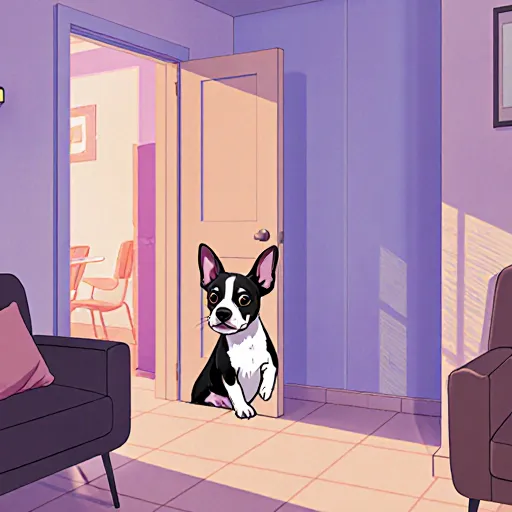
Keep Your Furry Friend Safe in Any Apartment
“Snout‑Safe Space: Expert Apartment Dog Protection Tips”
Table of Contents
- Introduction
- Choosing the Right Dog for Apartment Living
- Understanding Your Lease Restrictions
- Securing Doors and Windows
- Safe Flooring Options
- Managing Litter and Odors
- Preventing Chewing on Furniture
- Setting Up a Dog-Friendly Bathroom Area
- Creating a Secure Outdoor Space
- Training and Behavioral Management
- Handling Noise and Barking
- Maintaining Hygiene in Shared Spaces
- Emergency Preparedness for Pets
- Conclusion
- FAQ
Introduction
Dog-Proofing Your Apartment: A Comprehensive Guide
Living with a dog in an apartment can be incredibly rewarding, but it also comes with its own set of challenges. Unlike a house with a backyard, apartments often lack the open space and outdoor access that many dogs enjoy. That’s why dog-proofing your apartment is essential to keep both your pet safe and your lease intact.
- Safety first: Prevent injuries from broken glass, loose electrical cords, or sharp edges on furniture.
- Lease compliance: Many landlords restrict certain modifications; a thoughtful approach helps you avoid penalties.
- Peace of mind: Knowing your dog can’t get into trouble reduces stress for both owner and pet.
- Secure the entrance:
Use a door draft stopper or a small rubber mat to keep the front door closed. If you have a balcony, install a pet-safe rail or netting.
- Manage cords and wires:
Wrap power cords with protective tubing, use cord covers, or tuck them behind furniture. Consider moving frequently used outlets out of reach by placing outlet covers on the floor.
- Guard fragile items:
Store glassware, decorative vases, and other breakables in high cabinets or on top shelves. Use non-slip mats to keep items from sliding off surfaces.
- Choose dog-friendly furniture:
Opt for sturdy sofas with smooth upholstery that resists chewing. Cover vulnerable spots with slipcovers and consider a “dog-proof” blanket that’s easy to wash.
- Set up a designated play area:
Create a small corner with a rubber mat, dog toys, and a water bowl. This keeps your dog occupied and away from high-traffic zones.
- Secure trash cans:
Use child-proof or pet-resistant lids to keep your dog from rummaging through garbage, which can lead to health hazards.
- Provide plenty of exercise and mental stimulation:
Schedule regular walks, use puzzle feeders, and rotate toys to prevent boredom that could result in destructive behavior.
- Keep windows safe:
Install child-resistant window locks or mesh screens. Ensure your dog cannot jump onto the sill where they might slip out.
- Label emergency contacts and vet info:
Place a card on the fridge with your vet’s number, nearest animal hospital, and your own contact details in case of an accident.
- Case Study – The “Couch Crusader”: A Labrador named Max chewed through the back of a sofa. By swapping the upholstery for a heavy-duty fabric and adding a chew-resistant toy, Max’s destructive streak stopped.
- Case Study – The “Window Wanderer”: A terrier tried to jump off an open balcony window. Installing a lightweight mesh screen prevented any escape attempts while still allowing airflow.
Regularly inspect your apartment for new hazards, especially after moving furniture or renovating. Keep a small “first aid kit” for pets—bandages, antiseptic wipes, and a digital thermometer—just in case. Most importantly, spend quality time with your dog; a tired dog is a safe dog.
Choosing the Right Dog for Apartment Living
If you live in an apartment, selecting a dog that fits your space, schedule, and lifestyle is crucial. Below are key factors to consider, along with practical tips and real‑world examples.
1. Size Matters: Small vs. Medium Breeds
- Small breeds (e.g., Chihuahua, French Bulldog, Pomeranian) are ideal for tight spaces but may be prone to barking or chewing if not properly trained.
- Medium breeds (e.g., Cavalier King Charles Spaniel, Boston Terrier, Cocker Spaniel) offer a good balance of activity and calmness. They can thrive in apartments with moderate exercise routines.
2. Energy Level & Exercise Needs
High‑energy dogs (e.g., Jack Russell Terrier, Australian Shepherd) require extensive daily walks or indoor play sessions to prevent destructive behavior.
Low‑to‑moderate energy breeds (e.g., Basset Hound, Shih Tzu) are often content with a couple of short walks and can sleep more peacefully on the couch.
3. Temperament & Noise Sensitivity
- Quiet dogs (e.g., Greyhound, Basenji) rarely bark excessively, making them suitable for shared walls.
- Highly vocal breeds (e.g., Beagle, German Shepherd) need structured training to curb barking.
4. Grooming Requirements
Long‑haired dogs (e.g., Afghan Hound, Maltese) can shed a lot in small apartments; choose breeds with minimal shedding like Poodle or Bichon Frise if you’re concerned about cleanliness.
5. Health & Vet Care
Some breeds are prone to specific health issues that may be more difficult to manage in an apartment setting (e.g., breathing problems in brachycephalic breeds). Always consult a vet and consider your ability to provide necessary care.
Once you’ve chosen the right dog, make sure your apartment is safe and comfortable. Below are actionable steps to protect both your pet and your belongings.
A. Secure Loose Cords & Electrical Outlets
- Use cord covers or plastic clips to keep cables out of reach.
- Cover unused outlets with outlet covers or use child‑proof plugs.
B. Keep Small Items Out of Reach
Place all medications, cleaning supplies, and small toys in high cabinets or lockable storage units.
C. Protect Furniture from Chewing
- Apply a thin layer of non‑toxic, water‑based spray to discourage chewing.
- Provide chew‑appropriate toys like Kongs or Nylabone.
D. Create a Safe Outdoor Space
If your building has a balcony or rooftop garden, install a sturdy fence or netting that is at least 6 feet tall to prevent jumps and escapes.
E. Use Dog‑Safe Cleaning Products
- Choose pet‑friendly cleaners; avoid harsh chemicals like bleach or ammonia.
- Keep all cleaning tools in a locked cabinet.
F. Manage Noise Levels
Use sound‑absorbing rugs, curtains, and wall panels to reduce barking echoing through thin walls.
- Morning Walk (20–30 mins) – Keep your dog active before work.
- Chew Toy Rotation – Rotate toys to keep interest high and reduce boredom chewing on furniture.
- Evening Quiet Time – Use a designated sleeping area with a comfortable bed.
- Weekly Grooming Session – Brush coat, trim nails, clean ears.
- Monthly Vet Check‑In – Monitor health and discuss any apartment‑specific concerns.
By pairing the right breed with thoughtful dog‑proofing, you can enjoy a harmonious life with your canine companion in even the smallest of apartments.
Understanding Your Lease Restrictions
Before you start dog‑proofing your apartment, it’s crucial to read the lease carefully. Many landlords include clauses that can affect how much you’re allowed to modify the unit and what pet policies they enforce.
1. Check the Pet Clause
- No Pets Allowed: Some leases prohibit all pets outright. If this is the case, you’ll need to negotiate a change or find another place.
- Pet Deposits & Fees: Leases often require a non‑refundable pet deposit (usually $200–$500) and an ongoing monthly fee ($25–$50). Make sure you budget for these costs.
- Breed, Size, or Weight Restrictions: Some landlords limit pets to certain breeds, sizes, or weights. Verify whether your dog falls within the allowed parameters.
2. Modification Policies
Even if pets are permitted, many leases forbid permanent modifications such as drilling holes for a leash anchor or painting wall decals.
- Temporary Solutions: Use adhesive hooks (like Command Strips), suction‑cups, or tension rods that don’t leave marks. These are usually lease‑friendly because they can be removed without damage.
- Ask for Written Permission: If you need to drill a small hole for an outlet or hook, request written approval from your landlord. Keep a copy of the email or letter as proof.
3. Liability and Insurance
Your lease may require renters’ insurance that covers pet damage. If you’re unsure whether your policy is sufficient, contact your insurer to add coverage for “pet damage” or “animal liability.”
4. Common Lease Traps to Watch For
- The “No Damage” Clause: Some leases say you must return the unit in its original condition. Even minor scratches from a dog can be considered damage.
- “No Outdoor Activities” Restrictions: In some buildings, you’re not allowed to let your dog roam freely on balconies or patios without a leash.
5. Practical Dog‑Proofing Tips That Work Within Lease Limits
- Use Tension Rods for Crate Placement: Place the crate under the rod so it’s secure but doesn’t require drilling.
- Protect Furniture with Slipcovers: Choose washable, breathable slipcovers that hide fur and prevent scratches.
- Floor Protection: Lay down a durable rug or mat in high‑traffic areas. Opt for non‑slip backing to keep it in place.
- Window Safety: Install baby gates or window guards that clamp onto the frame—no nails needed.
- Avoid Permanent Wall Anchors: Use suction‑cup hooks for picture frames, towel bars, and leash holders. These can be removed cleanly at move‑out.
6. When to Talk to Your Landlord
If you’re unsure about any modification or if your lease is vague, schedule a meeting with the property manager. Bring along photos of the proposed changes and explain how they’ll benefit both you and the building (e.g., preventing damage). A clear conversation can save you from potential disputes later.
7. Final Checklist Before Move‑In
- Read the pet clause, modification policy, and liability requirements.
- Obtain written permission for any required modifications.
- Confirm pet deposit and monthly fee amounts.
- Document all agreements with screenshots or PDFs.
By understanding your lease restrictions and planning dog‑proofing solutions that stay within those boundaries, you’ll enjoy a comfortable home for both you and your furry friend without risking penalties or disputes.
Securing Doors and Windows
When living in an apartment, the primary entry points for a curious dog are often the front door, balcony doors, and any windows that can be opened or even left slightly ajar. A well‑secured home not only protects your pet from escaping but also keeps unwanted visitors out.
1. Install Heavy‑Duty Door Locks
- Deadbolt Latches: Choose a single‑barrel deadbolt with an electronic or mechanical lock that can be engaged from the inside without leaving any part of the handle exposed to your dog.
- Smart Locks: Many smart locks allow you to set temporary codes for guests. Make sure the keypad is recessed so your dog cannot reach it.
- Lockbox Systems: If you’re often away, a lockbox with a combination can store spare keys safely out of reach.
2. Reinforce Window Security
- Window Locks: Add secondary locks or latch bars that prevent the window from being opened even if the primary sash is unlocked.
- Security Film: Apply a clear, tamper‑proof film to the interior pane. It holds shattered glass together and makes it harder for dogs to push through.
- Window Guards: Install sliding or folding guards that can be locked in place. They’re especially useful on ground‑floor windows that a dog could use as an escape route.
3. Use Barriers and Physical Deterrents
- Door Dashboards: A lightweight, temporary dashboard can block the lower portion of a door, making it difficult for a dog to jump up onto the threshold.
- Pet‑Safe Curtains: Thick curtains or blinds that close completely help keep windows from being opened from inside.
- Window Bars: For apartments with balcony access, metal or plastic bars can be installed on the balcony door to prevent both pets and intruders from climbing over.
4. Smart Monitoring Solutions
- Door Sensors: Place magnetic sensors on doors that trigger an alarm if opened unexpectedly.
- CCTV Cameras: Outdoor cameras covering entry points give you real‑time visibility and can deter intruders.
- Smart Home Integration: Connect your locks, sensors, and cameras to a home automation hub so you receive alerts on your phone whenever something changes.
5. Practical Daily Habits
- Always lock the door before leaving the apartment, even if it’s just for a few minutes.
- Check windows after cleaning or when returning from a trip to ensure they’re still closed and locked.
- Train your dog to stay clear of doors and windows by using positive reinforcement and redirecting with toys or treats.
- Inspect your apartment’s security measures periodically, especially if you move or the building undergoes renovations.
By combining robust locks, reinforced windows, physical barriers, smart technology, and consistent habits, you create a safe environment that keeps your dog secure inside while also deterring unwanted guests from gaining entry.
Safe Flooring Options
When you live in an apartment with a furry friend, selecting the right flooring is one of the most important decisions you can make to keep both your dog and your lease agreement happy.
1. Durable Options That Stand Up to Paws
- Luxury Vinyl Tile (LVT): Mimics hardwood or stone, yet is water‑resistant, scratch‑proof, and easy to clean. Look for a product with a high abrasion rating (≥9).
- Engineered Hardwood: Offers the look of real wood but with a protective top layer that resists dents from chew toys.
- Tile or Porcelain: Extremely hard and non‑porous. Add a rubber underlay to reduce noise and increase comfort for your dog’s paws.
2. Low‑Maintenance Surfaces
Apartment living means shared walls, so you want flooring that won’t stain or hold onto odors.
- Carpet‑Treated Floors: If you prefer carpet, choose a stain‑resistant weave and a deep‑bedding pad to cushion paws and absorb impact.
- Matting Zones: Place washable mats in high‑traffic areas (entranceways, near doors) where dogs often leave mud or drool.
3. Safety Features for Your Dog’s Well‑Being
- Anti‑Slip Backing: Especially important on tile or hardwood; prevents slips during quick turns and reduces injury risk.
- Soft Edges: Rounded corners on furniture and baseboards protect delicate joints when your dog nudges them.
- Temperature Control: In hot climates, consider radiant‑heat‑friendly flooring or a cool mat to prevent paw burns.
4. Practical Dog‑Proofing Tips for Apartment Floors
- Use “Dog‑Safe” Cleaning Products: Vinegar and baking soda solutions work well on most surfaces without damaging finishes.
- Regular Grooming: Keep your dog’s nails trimmed to reduce scratches; a professional groomer can also clean ear wax that might stain floors.
- Set Boundaries: Install pet gates or use furniture to create designated zones, limiting access to fragile areas.
- Immediate Spill Cleanup: Blot liquids with a towel before they seep into seams; this prevents mold and odors that can linger in tight apartment spaces.
- Use Protective Covers: When your dog is chewing or digging, lay down a rubber mat or plastic sheet over the floor to catch loose fur and prevent scratches.
5. Budget‑Friendly Alternatives
If you’re on a tight budget but still want durability:
- Linoleum: A natural material that’s resistant to wear, easy to clean, and relatively inexpensive.
- Peel‑and‑Stick Vinyl Sheets: Quick to install over existing flooring; many come with a textured finish that reduces slip risk.
6. Final Checklist Before You Commit
- Check the sealant integrity of tile or vinyl to ensure no gaps where mud can collect.
- Verify the thickness and hardness rating if you have a high‑energy dog prone to jumping.
- Confirm that any new flooring complies with your landlord’s rules—some apartments prohibit certain types of underlays or heavy rugs.
By selecting a floor that balances durability, safety, and low maintenance, you’ll create a living space where both you and your dog can thrive without compromising the condition of your apartment. Happy flooring!
Managing Litter and Odors
Even in a small apartment, a well‑managed litter area can keep your home smelling fresh and prevent accidental messes on floors or carpets. Below are practical steps you can take to keep both your dog’s waste and the surrounding environment odor‑free.
1. Choose the Right Litter Box
- Size matters: Pick a box that fits your dog comfortably—large enough for them to turn around but not so big that they can hide urine inside.
- Low‑entry designs: For older dogs or those with mobility issues, consider low‑profile boxes to reduce strain when entering and exiting.
- Material options: Plastic litter boxes are lightweight and easy to clean; metal boxes stay cooler in summer but can dent. A silicone lid can help seal odors.
2. Use Odor‑Control Litter
- Activated charcoal liners: These absorb ammonia and other gases, keeping the box smelling neutral for days.
- Enzyme cleaners: Add a few drops of enzyme cleaner to the litter each day; it breaks down urine proteins that cause bad smells.
- Biodegradable litter pads: For apartment owners who prefer not to use traditional litter, these pads can be disposed of in the trash without spreading odor into the air.
3. Positioning for Fresh Air
Place the litter box in a spot that allows for adequate ventilation—ideally near a window or an exhaust fan. If you have a balcony, consider installing a small, weather‑proof enclosure so your dog can use it outdoors while still being protected from the elements.
4. Establish a Cleaning Routine
- Daily scooping: Remove solid waste at least once per day to keep odor at bay and reduce bacterial growth.
- Weekly deep clean: Wash the box with mild detergent and hot water every week. Rinse thoroughly to remove residue that can attract bacteria.
- Change litter frequently: Depending on your dog’s usage, replace the litter material every 2–3 days to maintain freshness.
5. Use Air‑Freshening Techniques
- Ventilation fans: A small, quiet fan can help circulate air around the litter area and reduce stagnant odors.
- Essential oil diffusers: Lavender or eucalyptus diffusers emit a pleasant scent that masks mild pet odors without harming your dog (keep them out of reach).
- Ceramic or stone dehumidifiers: These absorb moisture and help keep the area dry, preventing mold growth.
6. Preventing Litter Box Avoidance
If your dog starts avoiding the box due to odor, it may be time for a new litter material or an upgraded cleaning routine. Also consider adding a second box in a different location if you notice multiple accidents.
7. Quick Fixes for Accidental Spills
- Absorb immediately: Use paper towels or cat litter to soak up any liquid before it soaks into carpet fibers.
- Neutralize with baking soda: Sprinkle baking soda over the spot, let it sit for a few minutes, then vacuum thoroughly.
- Enzyme spray on fabric: A quick spray can break down urine molecules and prevent lingering smells.
8. When to Seek Professional Help
If odors persist despite regular cleaning or if you notice a sudden change in your dog’s elimination habits, consult your veterinarian. Persistent odor may signal underlying health issues such as urinary tract infections or dietary intolerances.
By combining the right equipment, consistent cleaning practices, and effective odor control measures, you can keep your apartment smelling fresh while ensuring your dog stays comfortable and healthy.
Preventing Chewing on Furniture
Living in an apartment with a curious pup can be rewarding, but it also brings unique challenges—especially when it comes to protecting your furniture from eager chewers. By combining smart dog-proofing strategies with consistent training, you can keep your couch and chairs intact while giving your dog the outlets they need for chewing.
1. Identify High-Risk Areas
- Couch legs & armrests: Dogs often target these because they’re easily reachable and provide a satisfying crunch.
- Throw pillows & cushions: Soft, plush items are tempting and can be quickly shredded.
- Room corners: These are quiet spots where a dog might hide while chewing.
2. Use Protective Covers
Invest in furniture protectors that fit snugly over your couch or chair. Materials such as vinyl or waterproof canvas block saliva and food residue, making cleaning effortless.
- Slipcovers: Choose one with a secure zipper or Velcro to prevent slippage.
- Mesh covers: Allow airflow while keeping the surface protected.
3. Provide Alternative Chew Options
The most effective deterrent is a satisfying chew alternative that satisfies your dog’s natural urge to gnaw.
- Toys: Durable rubber toys, nylon bones, or plush toys with squeakers can replace furniture as the primary chewing target.
- Interactive treats: Puzzle feeders that release kibble when chewed keep your dog engaged for longer periods.
- Frozen chew items: Items like frozen carrots or ice cubes can calm a restless mouth and reduce anxiety-driven chewing.
4. Use Taste Deterrents Wisely
Commercial deterrent sprays (e.g., Bitter Apple, PetSafe) can be applied to furniture surfaces. They taste unpleasant but are safe for pets when used as directed.
- Application method: Spray lightly on high-risk spots and allow the surface to dry before allowing your dog near it.
- Frequency: Reapply every few weeks or after cleaning, as the taste can diminish over time.
5. Create a Chew-Friendly Zone
Designate a specific area in your apartment where your dog is allowed to chew freely—think of it as a “chewing corner.” This zone should be:
- Safe and clean: Keep it free from breakables.
- Comfortable: Add a soft rug or mat for extra comfort.
- Accessible: Place chew toys and treats within reach so the dog feels encouraged to stay there.
6. Consistent Training & Redirection
When you catch your dog chewing furniture, calmly interrupt with a “no” or a gentle clap, then immediately offer an approved chew toy. Praise and reward when they choose the right item.
- Use positive reinforcement: Treats, praise, and playtime reinforce good behavior.
- Keep sessions short: 5‑10 minute training bursts maintain focus without overstimulation.
7. Monitor Your Dog’s Health & Energy Levels
An under-exercised or anxious dog is more likely to chew destructively. Make sure your pup gets:
- Daily walks (30–60 minutes)
- Interactive play sessions (10–15 minutes each)
- Social interaction with other dogs or people
8. Regular Maintenance Checks
Inspect furniture for early signs of wear—tiny nicks or loose fabric can become chew targets if ignored.
- Patch or replace: Use a fabric repair kit or take the item to a professional upholsterer.
- Clean promptly: Remove drool or food crumbs that may attract chewing.
9. Keep the Apartment Safe for Other Pets & Guests
If you have multiple pets or frequent visitors, consider using a pet gate to restrict access to certain areas during training periods. This reduces accidental damage and keeps everyone safe.
10. Seek Professional Help When Needed
If chewing persists despite your best efforts, consult a certified dog trainer or veterinary behaviorist. Persistent chewing can sometimes signal underlying anxiety or medical issues that require professional attention.
By combining these dog-proofing strategies with a structured training routine and plenty of chew alternatives, you’ll safeguard your apartment’s furniture while keeping your furry friend happy and healthy.
Setting Up a Dog-Friendly Bathroom Area
When you live in an apartment, the bathroom can be both a convenient spot for your dog’s needs and a potential hazard if not properly prepared. By following these steps, you’ll create a safe, odor‑controlled, and easy‑to‑clean space that keeps your furry friend comfortable while protecting your living area.
1. Choose the Right Spot
- Near a Window or Vent: Good airflow helps reduce odors and dries litter faster.
- Low Traffic Zone: Pick a corner that’s away from high‑traffic areas to minimize accidents on rugs or hardwood.
- Elevated Surface (Optional): If your dog is small, consider a raised potty pad to keep the floor dry.
2. Select an Appropriate Litter Box or Potty Pad
Your choice depends on your dog's size and habits:
| Type | Pros | Cons |
|---|---|---|
| Traditional Litter Box (for cats) | Easy to clean, familiar for multi‑species households. | Can be bulky and less suitable for large dogs. |
| Dog Potty Pad | Flexible, can be placed anywhere, disposable options available. | Needs frequent replacement; some dogs may not use it consistently. |
| Outdoor‑style Litter Box (with drainage) | Great for indoor/outdoor breeds; easy to empty. | Requires a clear path and proper drainage setup. |
3. Protect the Floor
- Use Waterproof Mats: Place a waterproof mat under the litter box to catch spills and prevent stains.
- Consider a Liner: Disposable liners inside the box make cleanup faster and reduce odor buildup.
- Avoid Rugs: If you must use a rug, choose one that’s machine‑washable or has a removable cover.
4. Maintain Hygiene
Regular cleaning is crucial in apartments where ventilation may be limited:
- Daily Scoop: Remove solid waste at least once a day to keep the area fresh.
- Weekly Wash: Disinfect the litter box or pad with mild soap and warm water. Avoid harsh chemicals that could harm your dog’s skin.
- Odor Control: Use baking soda, pet‑safe deodorizing sprays, or activated charcoal sachets near the area to neutralize smells.
5. Train Your Dog
Consistency is key. Use positive reinforcement (treats, praise) when your dog uses the designated spot. If accidents happen, clean up promptly with an enzymatic cleaner that breaks down odor molecules to discourage repeat incidents.
6. Safety Checks for Apartment Living
- Secure Loose Cords: Keep electrical cords and cleaning supplies out of reach.
- Avoid Sharp Edges: If you use a wooden crate or elevated platform, smooth any sharp corners to prevent injury.
- Ventilation: Open the bathroom window or run a small fan during and after cleanup to circulate air.
7. Practical Examples
Case Study: Small Apartment, Medium‑Sized Dog
- Location: Bathroom corner near the sink.
- Litter Box: Compact dog potty pad with a drainage tray.
- Floor Protection: Waterproof rubber mat + disposable liner.
- Cleaning Routine: Daily scoop, weekly disinfect, and baking soda after each session.
Case Study: Large Apartment, Small Dog
- Location: Near the shower for easy access to water.
- Litter Box: Elevated wooden crate with a removable bottom.
- Floor Protection: Non‑slip rug with a washable cover.
- Cleaning Routine: Daily scoop, weekly wash of crate and rug, use of enzymatic cleaner after accidents.
8. Final Tips for Apartment Dog Owners
- Keep It Consistent: Dogs thrive on routine; stick to the same spot every time.
- Use Scent Markers Wisely: Place a small, unscented pad in the bathroom so your dog associates it with “potty” space.
- Check Lease Rules: Some apartments have restrictions on pet waste disposal; always follow local guidelines.
By carefully planning and maintaining a dedicated bathroom area, you’ll reduce the risk of accidents, keep your apartment smelling fresh, and give your dog a comfortable place to do its business—all while staying compliant with apartment regulations.
Creating a Secure Outdoor Space
Even if you live in an apartment building with limited outdoor access, you can still create a safe and stimulating environment for your canine companion. Below are proven strategies to keep your dog happy, healthy, and out of trouble.
1. Choose the Right Spot on the Balcony or Patio
- Secure Fencing: Install a sturdy railing that’s at least 36 inches high and has no gaps larger than 2 inches to prevent your dog from slipping or jumping over.
- Non-Slip Surface: Lay down anti-slip mats or rugs so your dog won’t slip on wet tiles or smooth concrete. Consider a rubber mat that also provides cushioning for joint comfort.
- Shade and Shelter: Provide an awning, shade cloth, or a small pop-up tent to protect your dog from direct sun and rain. A simple umbrella can also do the trick.
2. Keep Hazardous Items Out of Reach
- Electrical Cords: Use cord covers or tuck cords behind furniture. Never leave exposed wires that your dog could chew on.
- Plants & Potted Herbs: Many common apartment plants (e.g., pothos, philodendron) are toxic to dogs. Replace them with safe alternatives such as spider plant, Boston fern, or pet-safe succulents.
- Cleaning Supplies: Store bleach, ammonia, and other chemicals in high cabinets or locked storage. A small lockbox can keep your dog from accessing these dangerous substances.
3. Secure the Balcony Railings
- Rail Covers: Use mesh rail covers that fit snugly over the railing to eliminate gaps and prevent climbing or falling.
- Barrier Tape: Apply a strip of non-slip, high-visibility tape along the rail edge. It serves as a visual cue for your dog’s paws and reduces slipping.
4. Provide Proper Identification & Tracking
- Microchip & ID Tag: Ensure your dog’s microchip information is up to date, and attach a collar with an ID tag that includes your apartment address and phone number.
- GPS Tracker: Consider a lightweight GPS collar if you plan on letting your dog roam the balcony or a shared courtyard. This gives peace of mind in case they slip out.
5. Training & Socialization
- Basic Commands: Teach “stay,” “come,” and “leave it” before allowing your dog onto the balcony. Consistent training reduces accidental escapes.
- Positive Reinforcement: Use treats and praise when your dog follows commands or stays within designated safe areas.
6. Manage Outdoor Time Wisely
- Short, Frequent Sessions: Instead of long periods on the balcony, schedule multiple short walks or play sessions inside to keep your dog mentally stimulated and reduce boredom.
- Monitor Weather Conditions: Avoid leaving your dog outside during extreme heat, cold, or storms. Use a temperature gauge to ensure safe outdoor conditions.
7. Utilize Apartment Resources
- Dog Parks & Shared Spaces: Many apartment complexes have designated dog-friendly patios or small parks. Verify building rules and schedule visits during low-traffic times.
- Community Dog Walks: Join local dog-walking groups that meet in your building’s common area—this encourages socialization while staying within safe boundaries.
8. Emergency Preparedness
- First Aid Kit: Keep a small pet first aid kit on hand, including bandages, tweezers, and antiseptic wipes.
- Emergency Contacts: Save your vet’s number and the local animal emergency clinic in your phone and on a card attached to your dog’s collar.
By following these practical steps, you can transform even a modest apartment balcony or courtyard into a secure, enjoyable outdoor space for your furry friend. Remember, consistency and vigilance are key—regularly inspect the area for new hazards, keep training sessions short but effective, and enjoy the benefits of a safe, dog-friendly environment.
Training and Behavioral Management
Living in an apartment with a canine companion comes with its own set of challenges—limited space, shared walls, and the need to keep your neighbors happy. By taking proactive steps to dog-proof your unit, you can create a safe, comfortable environment for both you and your pet while avoiding costly repairs or lease violations.
1. Secure Your Living Space
- Block Openings: Use child safety gates or door stoppers to prevent dogs from slipping into hallways or stairwells where they could get stuck or injured.
- Cover Electrical Outlets: Install outlet covers that fit snugly; this stops curious paws from chewing cords and reduces the risk of electric shock.
- Manage Loose Cords: Keep wires behind furniture or secured with cable ties. If you have a smart home, consider voice‑controlled switches to minimize exposed cables.
2. Protect Your Furniture & Flooring
- Use Durable Rugs: Place non-slip rugs in high‑traffic areas to protect hardwood or tile floors from scratches and drool. Opt for easy‑clean materials like microfiber or wool blends.
- Apply Furniture Protectors: Slip on clear vinyl pads or dog‑friendly furniture covers where your pet likes to lounge. These are especially useful if you have a high‑chair or sofa that can get chewed or stained.
- Seal Cracks & Edges: Dogs often chew through gaps in walls or baseboards. Apply a sealant or use corner protectors to close off these potential chewing spots.
3. Create Safe Outdoor Access
- Choose the Right Leash & Harness: A sturdy leash and properly fitted harness keep your dog under control on balconies, patios, or shared outdoor spaces.
- Designate a Dog‑Friendly Zone: If your building has a courtyard or garden, mark it with a small fence or a low wall to prevent your dog from wandering off into prohibited areas.
- Keep Water Safe: Store pet water bowls in a place where they can’t spill on the floor or cause slips—ideally on a non‑slip mat and away from doorways.
4. Manage Noise & Scent
- Use Odor‑Neutralizing Sprays: After baths or accidents, apply pet-safe deodorizer to keep odors contained and prevent them from drifting through walls.
- Choose Quiet Toys: Opt for toys that don’t squeak loudly—especially important if you share walls with noisy neighbors. Soft plush toys or rubber chew bones are good alternatives.
5. Maintain a Routine & Enrichment Plan
- Regular Exercise: A tired dog is less likely to engage in destructive behavior. Schedule walks, play sessions, or agility drills that fit apartment living (e.g., indoor fetch with soft balls).
- Interactive Toys & Puzzles: These keep your pet mentally stimulated and reduce boredom‑related chewing.
- Consistent Training: Reinforce commands like “leave it,” “stay,” and “come” to help control impulsive actions that could damage property or upset neighbors.
6. Communicate with Your Landlord & Neighbors
- Inform About Pets: Ensure your lease allows pets and provide any required documentation (vaccination records, pet insurance).
- Offer a Pet Plan: Share a brief outline of how you’ll manage waste, noise, and safety. This demonstrates responsibility and can ease concerns.
By combining these practical steps—securing the environment, protecting surfaces, managing outdoor access, controlling noise, providing enrichment, and maintaining open communication—you’ll create a harmonious living space that respects both your pet’s needs and the apartment community’s rules. Happy dog‑proofing!
Handling Noise and Barking
If you live in an apartment building, the walls are thin and every bark can echo through the hallway. A noisy pup not only irritates your neighbors but also creates a stressful environment for everyone—including your dog. Below are practical strategies to keep your canine companion calm, reduce barking, and maintain good relations with your community.
1. Identify the Triggers
- External stimuli: Passersby, delivery trucks, or loud neighbors can startle a dog.
- Internal triggers: Hunger, thirst, or lack of exercise often manifest as barking.
- Environmental changes: Moving furniture, new smells, or sudden noise levels can unsettle your pup.
Keep a short journal for a week: note the time, location, and circumstances whenever your dog barks. Patterns will emerge—perhaps they bark more during late‑night deliveries or when you’re in the living room.
2. Create a Calm Space
- Use a crate: A well-fitted crate provides a safe haven. Line it with soft bedding and add a familiar blanket or toy.
- Soundproofing: Place a thick rug or wall hangings near the dog’s bed to absorb echoing sounds.
- White noise machine: A gentle fan or white‑noise app can mask sudden noises that trigger barking.
3. Train with Positive Reinforcement
Training helps your dog associate quietness with rewards, rather than punishment.
- “Quiet” command: When the dog starts to bark, gently say “quiet.” Once silence occurs for 5–10 seconds, immediately reward with a treat and praise. Repeat until the dog learns that silence earns rewards.
- Desensitization exercises: Play recordings of common apartment noises at low volume while rewarding calm behavior. Gradually increase the volume over several sessions.
- Use a “settle” cue: Teach your dog to lie down and stay in a designated spot when you say “settle.” Pair this with treats until it becomes a reliable calming trigger.
4. Ensure Physical & Mental Stimulation
A tired dog is less likely to bark out of boredom or frustration.
- Daily walks: Aim for 30–60 minutes, adjusting based on breed and age.
- Interactive toys: Puzzle feeders, tug‑ropes, and chew toys can occupy a dog’s mind for hours.
- Training sessions: Short (5–10 minute) obedience drills keep the brain engaged and reinforce good behavior.
5. Use Calming Aids Wisely
- Cherubs, pheromone diffusers, or calming collars: These can reduce anxiety in sensitive dogs.
- Dog‑safe essential oils: Lavender or chamomile in a diffuser may help calm your pup—always keep it at least 6 feet away from the animal and avoid direct contact with skin.
6. Communicate With Your Neighbors
Transparency builds goodwill.
- Inform them: Let neighbors know you’re working on training your dog and apologize for any past disturbances.
- Offer solutions: If they are particularly sensitive, suggest a shared quiet time or provide a small gift (e.g., a treat) as a goodwill gesture.
7. Know When to Seek Professional Help
If barking persists despite your best efforts, consider consulting:
- Veterinarian: Rule out medical causes such as pain or hearing loss.
- Certified dog trainer or behaviorist: They can design a customized training plan and address underlying anxiety issues.
By combining thoughtful environmental adjustments, consistent training, and proactive communication, you’ll create a harmonious living space for both your dog and neighbors. Remember that patience and consistency are key—over time, most dogs learn to stay calm even in the bustling rhythm of apartment life.
Maintaining Hygiene in Shared Spaces
Living with pets in an apartment or any shared environment can be a rewarding experience—provided you keep your common areas clean and odor‑free. Below are actionable steps to maintain hygiene, reduce allergens, and ensure that both humans and furry friends stay healthy.
1. Daily Grooming Routine
- Brush Regularly: Brushing removes loose fur and reduces shedding in shared spaces. Aim for a quick brush every morning to keep hair from accumulating on furniture.
- Bath Schedule: Depending on your dog’s coat type, bathe them every 4–6 weeks. Use an oatmeal or cedar‑based shampoo to soothe skin and minimize itching that could lead to scratching in common areas.
2. Controlled Litter & Bathroom Areas
- Designated Zones: If your apartment has a designated “dog bathroom” (e.g., a small indoor potty or a crate), keep it away from high‑traffic shared spaces.
- Clean Up Promptly: Use pet‑safe disinfectants to wipe down surfaces after each use. A quick spray of diluted bleach (1 part bleach to 10 parts water) can neutralize odors and kill bacteria.
3. Air Quality Management
- HEPA Filters: Install a HEPA air purifier in common rooms to trap dander, hair, and airborne allergens.
- Ventilation: Open windows or use exhaust fans after walks or play sessions to remove lingering smells.
4. Smart Cleaning Tools
- Vacuum with Pet‑Hair Attachments: A robot vacuum equipped with a HEPA filter and pet hair brush can run daily, keeping carpets free of fur and dander.
- Microfiber Cloths: Use microfiber for wiping down surfaces—these fabrics trap microscopic particles better than standard towels.
5. Food & Water Hygiene
- Separate Bowls: Place food and water bowls in a designated area away from shared spaces to avoid spills that attract pests or create unpleasant odors.
- Clean Regularly: Wash bowls with hot, soapy water every 2–3 days. Consider using dishwasher‑safe bowls for added convenience.
6. Waste Management Best Practices
- Secure Trash Bins: Use bins with tight‑lidding lids or attach a small, dog‑proof container to the main trash can to prevent accidental access.
- Disposal Schedule: Empty pet waste bags daily and dispose of them in sealed plastic bags before placing them in the outdoor dumpster.
7. Regular Inspection & Maintenance
- Check for Mold: Damp spots in shared bathrooms or laundry areas can become breeding grounds for mold—especially after a dog’s bath. Clean with a mixture of vinegar and water to keep it mold‑free.
- Seal Cracks & Gaps: Use silicone caulk around windows, baseboards, and door frames to stop pets from getting into hidden corners where crumbs or droppings might accumulate unnoticed.
8. Educate Roommates & Guests
- Pet Etiquette Guide: Create a simple poster outlining rules—no eating in shared spaces, no leaving toys on rugs, and how to properly clean up after the dog.
- Allergy Awareness: Inform roommates about potential allergens. Encourage them to wear masks or use air purifiers if they have sensitivity issues.
9. Dog‑Proofing Tips for Apartments (Practical Examples)
- Furniture Protection: Use slipcovers on sofas and chairs; consider a “dog‑proof” mat that’s easy to clean.
- Door & Window Guards: Install child safety gates at doorways or window screens to keep pets from falling out while also preventing them from jumping onto balconies.
- Electrical Safety: Wrap exposed cords with protective sleeves and store unused chargers in a drawer or bag.
- Toy Storage: Keep chew toys in a closed basket; this prevents loose toys from scattering across the floor and attracting pests.
By integrating these habits into your daily routine, you’ll keep shared spaces fresh, safe, and welcoming for everyone—human or canine alike. Consistency is key: small, regular actions add up to a significantly cleaner living environment over time.
Emergency Preparedness for Pets
When a disaster strikes—whether it’s a hurricane, earthquake, or fire—your pet’s safety is just as important as yours. The first step in protecting your furry friend is dog-proofing your apartment, ensuring that every corner of your living space is safe and secure.
1. Secure Loose Items That Could Become Projectiles
- Copper wires, cords, and cables: Wrap them with electrical tape or store them in a cord organizer to prevent tangling or accidental chewing.
- Toys that can snap: Replace breakable plastic toys with durable rubber or plush options. Check for cracks regularly.
2. Create a Safe, Calm Zone
Designate a specific area in your apartment as the “pet safe zone.” Keep it away from windows and high-traffic areas.
- Use sturdy furniture: Place a low-profile crate or a small dog bed on a solid base. Avoid flimsy tables that could tip over.
- Provide familiar scents: Lay down a blanket your dog has used before to reduce anxiety during evacuation.
3. Prevent Access to Dangerous Areas
- Stairs and balconies: Install baby gates or pet-safe railings on staircases to stop your dog from falling.
- Open windows: Keep window screens tight and consider installing a secondary barrier if you live in an area prone to wildfires or strong winds.
4. Keep Essential Supplies Within Reach
Your pet’s emergency kit should include:
- Food & water: A 1–2 week supply of dry kibble and bottled water.
- Medications: Any prescription drugs, plus a basic first-aid kit (bandages, antiseptic wipes).
- Identification: Microchip details printed on a hard copy, and a collar with an up‑to‑date ID tag.
- Toys & comfort items: A favorite chew or stuffed toy to help calm your dog during stressful situations.
5. Practice Evacuation Drills
Run through the evacuation route with your dog at least twice a month. Keep the leash short and use a harness for better control in tight spaces. This will make real emergencies less chaotic.
6. Plan for Different Scenarios
- Wildfires: If smoke is present, keep your dog indoors until the air quality improves; consider a temporary relocation to a friend’s apartment or pet-friendly shelter.
- Flooding: Move pets to higher ground—an upper floor or a sturdy piece of furniture that can be lifted if necessary.
7. Communicate with Neighbors and Building Management
Inform your landlord or building superintendent about your pet’s needs during emergencies. Ask whether there are designated evacuation plans for residents with pets, and make sure you’re included in any notification lists.
8. Keep a Digital Backup of Important Documents
- Vaccination records: Store PDFs on your phone or cloud storage.
- Medical history: Note any allergies, chronic conditions, and typical dosages.
By combining thorough dog-proofing with a comprehensive emergency plan, you’ll give your pet the best chance to stay safe—and calm—no matter what life throws at you.
Conclusion
Living in an apartment with a canine companion means you must be mindful of limited space, shared walls, and the need to protect both your pet’s safety and your neighbors’ comfort. Below is a comprehensive guide that blends actionable steps with real‑world examples so you can create a safe, enjoyable environment for your dog without compromising the building’s regulations.
1. Secure Hazardous Areas
- Electrical cords: Use cord covers or hide them behind furniture. For high‑traffic spots, consider cord management clips that snap into place.
- Elevated surfaces: Place a non-slip mat on windowsills and balconies to prevent accidental slips.
- Stairs: Install handrails and keep the landing area clear of loose rugs or clutter.
2. Control Access to Dangerous Items
Keep household cleaners, medications, and small objects out of reach in lockable cabinets. If you’re using a shared kitchen, label your storage spaces clearly so neighbors can identify which items are safe for pets.
3. Choose the Right Bedding and Toys
- Bedding: Opt for washable, hypoallergenic blankets that can be rinsed after a day of play. Avoid fluffy cushions that can become chew toys.
- Toys: Select durable, non‑breakable toys such as rubber fetch balls or plush items with reinforced seams to reduce the risk of small parts becoming choking hazards.
4. Maintain a Clean Environment
Regularly vacuum carpets and sweep hard floors to remove hair, crumbs, and potential allergens. A clean apartment reduces the likelihood of your dog ingesting harmful debris.
5. Train Your Dog for Apartment Living
- Noise tolerance: Practice short bursts of door slamming or neighbor conversations while rewarding calm behavior.
- Leash manners: Teach your dog to walk calmly beside you, especially when navigating narrow hallways or staircases.
6. Manage Food and Water Sources
Keep food in sealed containers and water bowls clean to prevent spills that could attract pests or create slip hazards. Use a spill‑proof mat under the bowl for extra safety.
7. Be Mindful of Neighbors and Building Rules
- Noisy barking: Train your dog to bark on cue and reward quiet periods, especially during early mornings or late evenings.
- Shared spaces: If you use a communal balcony or laundry area, keep the space tidy and free of items that could cause accidents for other residents.
8. Emergency Preparedness
Create an evacuation plan in case of fire or natural disaster. Keep your dog’s ID tags up to date and have a small bag ready with food, water, leash, favorite toys, and any medication.
9. Regular Vet Check‑ups and Health Monitoring
Ensure vaccinations are current and schedule annual check‑ups. Discuss any behavioral concerns with your vet to address potential stressors unique to apartment living.
10. Enjoy the Benefits of Apartment Living Together
Once you’ve dog‑proofed, embrace the perks: frequent walks around the block, easy access to pet services in the building, and a shared community that can support you with tips and resources.
By following these practical steps, you’ll create a safe haven for your dog while respecting the apartment’s constraints and fostering harmony with neighbors. Happy walking!
FAQ
Living with a dog in an apartment comes with its own set of challenges—limited space, shared walls, and the risk of accidental damage or injury to your pet. By taking proactive steps, you can create a safe, comfortable environment for both you and your furry friend.
1. Secure Potential Hazards
- Electrical cords: Wrap them with cord covers or use protective sleeves. Keep cords out of reach by tucking them behind furniture or securing them to walls with cable clips.
- Sharp corners: Place corner protectors on low cabinets, bookshelves, and other furniture to soften edges.
- Loose rugs: Use non-slip pads underneath area rugs to prevent slips and reduce the chance of your dog pulling them down.
2. Keep Dangerous Items Out of Reach
- Household chemicals: Store cleaning supplies, antifreeze, and other toxic substances in high cabinets or lockable storage units.
- Medications & supplements: Keep all pills in child-proof containers and out of sight.
- Small objects: Avoid leaving chew toys that could be swallowed whole. Opt for sturdy, dog-safe alternatives.
3. Create a Dog-Friendly Space
- Comfortable bedding: Place a designated dog bed or crate in a quiet corner to give your pet a safe retreat.
- Ventilation & temperature control: Ensure adequate airflow and keep the room at a comfortable temperature, especially during hot summer months.
- Noise reduction: Use white noise machines or soft music to mask loud neighbor noises that might stress your dog.
4. Manage Chewing & Biting Behaviors
- Provide chew toys: Offer a variety of durable chews—rubber, nylon, or natural materials—to satisfy chewing instincts and protect furniture.
- Use deterrents: Sprays with bitter flavors can discourage dogs from chewing on unwanted items like shoes or curtains.
- Training cues: Teach commands such as “leave it” and reward compliance to reinforce boundaries.
5. Protect Your Apartment’s Interior Design
- Floor protection: Install a temporary flooring solution (e.g., pet-friendly carpet runners) under high-traffic areas to prevent scratches.
- Window safety: Keep blinds or curtains out of reach, and consider using cable covers on curtain rods to avoid entanglement.
- Laundry area: Secure laundry baskets with straps so they don’t tip over when your dog jumps on them.
6. Prepare for Emergencies
- First-aid kit: Keep a pet-specific first-aid kit within arm’s reach, stocked with bandages, antiseptic wipes, and an emergency contact list.
- Exit plan: Familiarize yourself with all apartment exits and have a clear evacuation route in case of fire or other emergencies.
7. Maintain Good Hygiene
- Regular grooming: Brush your dog’s coat weekly to reduce shedding and maintain skin health.
- Clean bedding: Wash the dog bed or crate blankets every two weeks to keep allergens at bay.
- Pet waste disposal: Use a designated bag for cleaning up after walks, even if you’re inside. Dispose of waste promptly in a sealed container.
8. Engage Your Dog’s Mind and Body
- Exercise routines: Schedule daily walks or play sessions to expend energy and reduce destructive behaviors.
- Interactive toys: Puzzle feeders, treat-dispensing balls, and tug ropes can keep your dog mentally stimulated.
- Training classes: Consider enrolling in a basic obedience class or online training modules to reinforce good manners.
9. Coordinate with Neighbors & Management
- Noise management: Use earplugs or white noise for both you and your dog if barking becomes an issue.
- Apartment policies: Review lease agreements regarding pet restrictions and ensure compliance to avoid penalties.
- Community resources: Connect with local pet owners’ groups for shared tips, dog parks, or nearby veterinary services.
10. Continual Assessment & Adaptation
Your apartment setup may need adjustments over time—especially as your dog grows or develops new habits. Regularly inspect the living space for emerging hazards and adapt accordingly.
By combining these practical strategies with consistent training, you’ll create a harmonious home that safeguards both your apartment’s integrity and your dog’s well-being.
Categories
- AI & Enrichment Play
- Broiler Farming
- Broiler Farming Tips
- Canine Wellness & Longevity
- Cat
- Cat & Human Connection
- Cat Adoption & Rescue
- Cat Breeds
- Cat Breeds & Personalities
- Cat Care & Health
- Cat Grooming & Hygiene
- Cat Lifestyle & Environment
- Cat Myths & History
- Cat Nutrition & Diet
- Cat Products & Reviews
- Cat Training & Behavior
- Comparison
- Consumer Awareness
- Dog
- Dog Accessories & Products
- Dog Adoption & Rescue
- Dog Breed & Lifestyle Trends
- Dog Breeding & Puppies
- Dog Entertainment & Media
- Dog Fashion & Trends
- Dog Fun & Lifestyle
- Dog Grooming & Hygiene
- Dog History & Culture
- Dog Myths, Science & Future Tech
- Dog News & Trends
- Dog Nutrition & Food
- Dog Psychology & Emotions
- Dog Safety & Security
- Dog Sports & Activities
- Dog Technology & Innovation
- Dog Training for Modern Owners
- Dog Travel & Adventure
- Dog Travel, Adventure & Culture
- Economic and Market Insights
- Educational Content
- FAQs
- Feeding Alternatives
- Festivals & Seasonal Ideas
- Fun & Entertainment
- General Knowledge
- General Pig Farming
- Health & Disease Management
- Housing and Environment
- Kittens
- Market Insights
- Miscellaneous
- Miscellaneous
- Motivational
- pig
- Pig Breeding
- Pig Breeds
- Pig Farming Stories and Inspiration
- Pig Health and Care
- Pig Nutrition
- Pig Products
- Profitability & Business
- Puppy Care
- Puppy Predictable Topics Reinvented
- Regional Focus
- Rescue & Adoption Buzz
- Senior Cats
- Senior Dog Care
- Smart Dog Tech & Gadgets
- Sustainability
- Sustainable & Eco-Friendly Dog Products
- Tech & Innovations
- Working & Service Dogs
- Broiler Feed66 products
- Country Feed33 products
- Pig Feed66 products
- Product22 products
- Raw Materials99 products
Products
-
 Fish Meal
₹1,999.00 – ₹2,999.00Price range: ₹1,999.00 through ₹2,999.00Rated 0 out of 5
Fish Meal
₹1,999.00 – ₹2,999.00Price range: ₹1,999.00 through ₹2,999.00Rated 0 out of 5 -
 FATTENING BROILER FEED
₹2,299.00 – ₹2,349.00Price range: ₹2,299.00 through ₹2,349.00Rated 0 out of 5
FATTENING BROILER FEED
₹2,299.00 – ₹2,349.00Price range: ₹2,299.00 through ₹2,349.00Rated 0 out of 5 -
 LAYER COUNTRY FEED
₹1,549.00 – ₹1,649.00Price range: ₹1,549.00 through ₹1,649.00Rated 0 out of 5
LAYER COUNTRY FEED
₹1,549.00 – ₹1,649.00Price range: ₹1,549.00 through ₹1,649.00Rated 0 out of 5 -
 COUNTER BROILER FEED
₹1,199.00 – ₹1,299.00Price range: ₹1,199.00 through ₹1,299.00Rated 0 out of 5
COUNTER BROILER FEED
₹1,199.00 – ₹1,299.00Price range: ₹1,199.00 through ₹1,299.00Rated 0 out of 5 -
 LACTATING PIG FEED
Rated 0 out of 5
LACTATING PIG FEED
Rated 0 out of 5₹2,299.00Original price was: ₹2,299.00.₹1,740.00Current price is: ₹1,740.00. -
 Maize
Rated 0 out of 5
Maize
Rated 0 out of 5₹1,650.00Original price was: ₹1,650.00.₹1,300.00Current price is: ₹1,300.00. -
 GESTATION PIG FEED (Phase 1)
Rated 0 out of 5
GESTATION PIG FEED (Phase 1)
Rated 0 out of 5₹2,249.00Original price was: ₹2,249.00.₹1,699.00Current price is: ₹1,699.00. -
 Pre Starter Broiler Feed
₹2,399.00 – ₹2,499.00Price range: ₹2,399.00 through ₹2,499.00Rated 0 out of 5
Pre Starter Broiler Feed
₹2,399.00 – ₹2,499.00Price range: ₹2,399.00 through ₹2,499.00Rated 0 out of 5 -
 FINISHER PIG FEED
Rated 0 out of 5
FINISHER PIG FEED
Rated 0 out of 5₹2,299.00Original price was: ₹2,299.00.₹1,749.00Current price is: ₹1,749.00. -
 Broiler Premix
Rated 0 out of 5
Broiler Premix
Rated 0 out of 5₹820.00Original price was: ₹820.00.₹699.00Current price is: ₹699.00.