
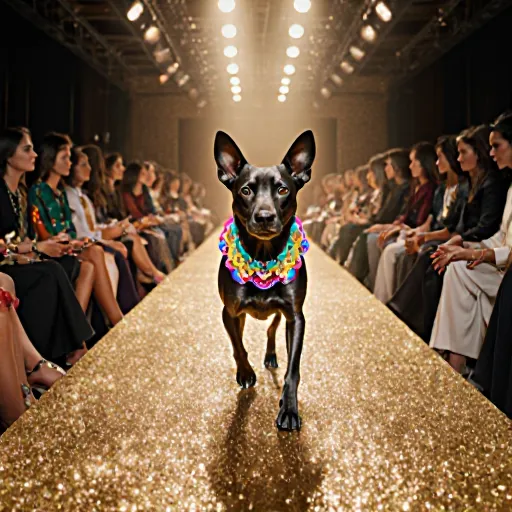
Paws & Glamour: Where Furry Styles Take the Spotlight
“Snuggle & Strut: The Ultimate Dog Fashion Showdown”
Table of Contents
- Introduction to Dog Clothing
- Why Dogs Need Comfort in Their Apparel
- The Role of Fashion in Pet Accessories
- Materials That Matter: Fabric Choices for Comfort
- Fashionable Fabrics and Trends
- Fit and Size: Ensuring a Proper Fit
- Seasonal Considerations: Warmth vs Breathability
- Safety Features in Dog Clothing
- Cost vs Quality: Budget-Friendly Options
- Designer Brands and Their Appeal
- Eco‑Friendly and Sustainable Choices
- How to Care for Your Dog’s Apparel
- Common Misconceptions About Pet Fashion
- Conclusion: Balancing Comfort and Style
- FAQ – Frequently Asked Questions
Introduction to Dog Clothing
When it comes to dressing our four‑legged companions, two main considerations often come into play: comfort and fashion. Striking the right balance between these can be a bit of an art form, especially when you want your pup to look stylish without compromising on their well‑being.
Why Comfort Should Come First
- Breathability: Dogs regulate temperature primarily through panting. A lightweight cotton or bamboo fabric allows air circulation and prevents overheating.
- No Tight Restrictions: Avoid clothing with hard zippers, snaps, or elastic that can pinch the skin or restrict movement.
- Allergy‑Friendly Materials: Natural fibers such as organic cotton or hemp are less likely to irritate sensitive skin compared to synthetic blends.
The Fashion Factor
While comfort is paramount, many pet owners want their dogs to reflect personal style. Here are some fashionable trends that still respect the dog's comfort:
- Seasonal Prints: Floral patterns for spring, nautical stripes for summer, and plaid or cozy knitted textures for fall.
- Layered Looks: A lightweight hoodie under a windbreaker can create depth without adding bulk.
- Accessorized Outfits: Belts with subtle reflective strips, bandanas with matching collars, or a small, soft backpack for hiking adventures.
Practical Advice for Selecting the Right Outfit
| Factor | What to Look For | Why It Matters |
|---|---|---|
| Fit Measurement | Measure chest, neck, and length. | A proper fit prevents chafing and allows free movement. |
| Material Composition | Prefer 100% cotton or blended natural fibers. | Reduces the risk of skin irritation. |
| Closure Type | Snap buttons or Velcro over zippers. | Easy to put on and remove without stress. |
| Seasonal Suitability | Lightweight for hot days, fleece-lined for cold weather. | Makes the dog comfortable throughout the year. |
Real‑World Examples
- The “Cool Breeze” Hoodie: Made from breathable bamboo, it features a hidden pocket for treats and a detachable hood that doesn’t restrict vision.
- The “Urban Chic” Collared Dress: A lightweight polyester blend with a removable collar; perfect for city walks while keeping the dog cool.
- The “Trail Buddy” Jacket: Waterproof shell with reflective strips and adjustable straps, designed to keep dogs dry on rainy hikes without compromising mobility.
Remember, every dog is unique. If you’re unsure about a particular style or material, test it in short sessions first. Watch for signs of discomfort—such as licking the clothing area, scratching, or reluctance to move—and adjust accordingly.
Why Dogs Need Comfort in Their Apparel
When choosing clothing for your canine companion, comfort should always take precedence over style. A well‑fitted garment that feels natural to the dog encourages regular wear and promotes overall wellbeing. Below are key reasons why comfort matters most, along with practical tips on how to assess and achieve it.
1. Natural Movement and Physical Health
- Freedom of Motion: Dogs need unrestricted movement for daily activities—running, jumping, stretching, and grooming. A restrictive shirt or jacket can limit joint flexibility, leading to muscle strain or even arthritis over time.
- Heat Regulation: Properly designed apparel helps regulate body temperature. Lightweight cotton or moisture‑wicking fabrics keep dogs cool in hot weather, while breathable layers prevent overheating during exercise.
2. Skin Integrity and Sensitivity
Many breeds have sensitive skin that reacts to friction, allergens, or chemical dyes found in some fashion-forward clothing. Comfort‑first fabrics—organic cotton, bamboo blends, or hypoallergenic polyester—minimize irritation.
- No Chafing: Seamless or flat‑lock stitching reduces pressure points on the belly and shoulders.
- Allergy‑Friendly: Look for products labeled “non‑irritating” or “free from fragrance.”
3. Positive Behavioral Reinforcement
A dog that feels comfortable in its apparel is more likely to wear it voluntarily, turning clothing into a positive experience rather than a source of stress.
- Gradual Introduction: Start by letting your dog sniff the garment and then place a light sleeve on for short periods.
- Reward System: Pair wearing with treats or playtime to create positive associations.
4. Practical Examples of Comfort‑Centric Dog Apparel
| Type of Garment | Comfort Features | Best Use Case |
|---|---|---|
| Lightweight Running T-Shirt | Moisture‑wicking, flat seams, adjustable straps | Long walks or training sessions in warm climates |
| Soft Fleece Hoodie | Padded collar, breathable mesh lining, elastic waist | Cool evenings and indoor lounging |
| Sun‑Protection Coat | UV‑blocking fabric, reflective striping, adjustable fit | Outdoor hikes or beach days during peak sun hours |
5. Practical Advice for Selecting Comfort‑First Dog Clothing
- Measure Accurately: Use a flexible measuring tape around the chest, neck, and waist. Compare with the brand’s sizing chart.
- Read Material Specs: Look for 100% cotton or blends that include natural fibers; avoid synthetic blends if your dog has a history of skin issues.
- Check Fasteners: Velcro should be wide and soft, while snaps must be easy to open without pulling on the skin.
- Test Fit: Put on the garment before purchase (if possible) or order from a retailer with a generous return policy.
In conclusion, prioritizing comfort in dog apparel not only safeguards physical health but also enhances the bond between you and your pet. By selecting well‑fitted, breathable, and skin‑friendly clothing, you ensure that every outfit is a source of joy rather than discomfort.
The Role of Fashion in Pet Accessories
When it comes to dressing our canine companions, the conversation often boils down to two competing priorities:
- Comfort – ensuring that the garment does not restrict movement, cause irritation, or interfere with natural body functions.
- Fashion – creating visually appealing styles that reflect personal taste, current trends, and even seasonal aesthetics.
Why Comfort Should Come First
A well‑designed dog garment must respect the animal’s anatomy. Here are key comfort factors to consider:
- Breathable fabrics: Lightweight cotton, bamboo blends, or moisture‑wicking polyester keep dogs cool in hot weather.
- Fit and flexibility: Adjustable waistbands, elastic cuffs, and seam placement that avoid pressure points allow free movement.
- Temperature regulation: Insulated jackets for winter and airy vests for summer balance warmth with ventilation.
Fashion Trends That Complement Comfort
The best dog clothing lines blend aesthetic appeal with practicality. Below are some trend‑setting examples:
| Trend | Key Features | Comfort Considerations |
|---|---|---|
| Eco‑Friendly Fabrics | Organic cotton, hemp, recycled polyester. | Soft to the skin, non‑allergenic, breathable. |
| Minimalist Silhouettes | Sleek cuts with hidden seams. | Reduced bulk and no chafing. |
| Seasonal Prints | Floral, stripes, animal prints. | Printed areas avoid sensitive zones; washable dyes for safety. |
Practical Advice for Selecting the Right Garment
- Measure accurately: Use a flexible tape measure around the chest, neck, and waist. Compare to the brand’s sizing chart.
- Check material labels: Look for “100% cotton,” “soft blend,” or “moisture‑wicking” tags.
- Read customer reviews: Pay attention to comments about fit, durability, and any reported skin irritation.
- Try on first time in a safe environment: Start with short sessions indoors to ensure the dog tolerates the garment.
Case Study: The “Urban Explorer” Dog Jacket
This jacket showcases how fashion and comfort can coexist:
- Material: A blend of recycled polyester (80%) and organic cotton (20%).
- Design: Urban camouflage print with a detachable hood for versatility.
- Comfort features:
- Elastic waistband with adjustable Velcro to accommodate growth.
- Ventilated mesh panels on the back and belly.
- Soft, padded collar that doesn't dig into the neck.
The result is a garment that looks stylish in city settings while keeping your dog comfortable during walks or hikes.
Conclusion
In the evolving world of pet accessories, striking the right balance between comfort and fashion is essential. By prioritizing breathable materials, ergonomic design, and thoughtful sizing, owners can enjoy stylish outfits that truly enhance their dogs’ wellbeing.
Materials That Matter: Fabric Choices for Comfort
When it comes to dog clothing, the fabric you choose can make the difference between a garment that feels like a second skin and one that irritates or restricts your pet. Below we break down the most popular fabrics, their pros and cons, and how to balance comfort with style.
1. 100% Cotton
- Pros: Breathable, soft, hypoallergenic, easy to wash.
- Cons: Can wrinkle easily, may absorb moisture and take longer to dry.
- Best for: Daily wear in warm climates; dogs with sensitive skin.
2. Polyester (Poly)
- Pros: Durable, retains shape, quick-drying, often blended to improve softness.
- Cons: Less breathable than natural fibers; can feel stiff if not blended.
- Best for: Outdoor gear and active dogs that need a rugged material.
3. Nylon
- Pros: Extremely lightweight, wind-resistant, abrasion‑resistant.
- Cons: Not breathable; can trap heat and moisture.
- Best for: Winter jackets or protective gear against wind and rain.
4. Bamboo / Modal Blends
- Pros: Naturally antibacterial, very soft, excellent moisture‑wicking.
- Cons: More expensive; may require special care to maintain softness.
- Best for: Sensitive skin and dogs prone to allergies.
5. Wool (Merino, Alpaca)
- Pros: Excellent insulation, naturally odor‑resistant, breathable when dry.
- Cons: Can be itchy if not fine; may require special washing instructions.
- Best for: Cold climates and breeds with a thick coat that can trap heat.
6. Fleece (Polyester‑based)
- Pros: Soft, very warm, lightweight, retains warmth even when wet.
- Cons: Can shed fibers; not ideal for dogs that like to chew on clothing.
- Best for: Short‑sleeve jackets or blankets in cooler weather.
The trendiest dog apparel often features bold prints, metallic threads, or designer logos—great for photo ops but not always the most comfortable. Here’s how to keep both in harmony:
- Check the seam placement. A snug waistband can prevent chafing; loose seams may cause irritation.
- Look for tag‑free labels. Tags can be a major source of discomfort. Many brands now offer seamless or tagless labeling.
- Opt for stretch blends. Fabrics that incorporate elastane (2–4%) give flexibility while maintaining structure.
- Choose moisture‑wicking fabrics. Even a stylish jacket can be uncomfortable if it holds sweat. Polyester or bamboo blends often excel here.
Practical Tips for Choosing the Right Material
- Know your dog’s temperament. Active breeds benefit from durable, abrasion‑resistant fabrics; relaxed breeds may prefer ultra‑soft cotton.
- Consider climate. Light, breathable materials are best for hot summers; layered or insulated options are essential for winter.
- Test a small sample. If possible, let your dog wear a fabric swatch for a few minutes to check for reactions.
- Read care instructions. Some fabrics (e.g., wool) require hand washing or dry cleaning; others are machine‑washable and quick‑dry.
By focusing on the right material, you can ensure your dog’s apparel is as comfortable as it is stylish. The next section will dive into fit and sizing, which is equally critical for a happy, healthy look.
Fashionable Fabrics and Trends
When it comes to dressing your four‑legged friend, the debate often boils down to two core priorities:
- Comfort – The garment should feel like a second skin.
- Fashion – The look should match current trends and reflect your personal style.
1. Comfort First: Material Matters
- Natural fibers: Cotton, bamboo, and merino wool provide breathability and softness. They’re ideal for dogs that sweat through their paws or have sensitive skin.
- Synthetic blends: Polyester and nylon offer durability and moisture‑wicking properties. Perfect for active pups or those in humid climates.
- Check the thread count (for cotton) – a higher count usually means smoother fabric, but it can also be heavier. Look for 100–200 gsm as a sweet spot for dogs.
2. Fashion Trends to Watch
While comfort is king, style isn’t far behind. Here are some current trends that blend both worlds:
- Minimalist Monochrome
- All‑black or all‑white jackets with subtle contrast stitching create a sleek look without compromising on breathability.
- Pattern Play
- Polka dots, stripes, and geometric prints are back. Opt for lightweight cotton blends to keep your dog moving freely.
- Eco‑Chic Fabrics
- Recycled polyester and organic cotton are not only sustainable but also come in vibrant colors that stand out on the street.
3. Practical Tips for Choosing the Right Outfit
- Measure correctly: Use a flexible measuring tape around the chest (just behind the front legs) and the waist. Add 1–2 cm for ease of movement.
- Try before you buy: Many online stores offer free returns or a “try‑on” period. Don’t skip this step if you’re unsure about fit.
- Look for adjustable features: Velcro fastenings, elastic waistbands, and removable sleeves help accommodate growth spurts and different body shapes.
- Check the weight rating: Some garments are labeled “for small dogs” or “for large dogs.” A heavier dog will need a sturdier fabric to prevent sagging.
- Consider seasonality: Light cotton for spring/summer, fleece‑lined jackets for winter, and breathable mesh vests for hot days.
4. Styling Your Dog Without Overdoing It
You don’t need a full wardrobe to stay on trend. Pair your dog’s outfit with:
- A simple collar that matches the color scheme.
- A small, lightweight accessory like a bandana or bow tie.
- Seasonal gear such as a rain poncho for wet days or a reflective vest for nighttime walks.
Remember: The best look is one that keeps your pup happy and safe while letting you showcase the latest in dog fashion.
Fit and Size: Ensuring a Proper Fit
When it comes to dog apparel, the ultimate goal is a harmonious blend of style and comfort. A well‑fitted garment not only looks great but also prevents chafing, restricts movement, and keeps your pet safe from environmental hazards.
1. Measure Your Dog Accurately
- Chest (bust) measurement: Wrap a soft tape measure just behind the front legs, keeping it level across the back.
- Neck circumference: For collars or hooded tops, wrap around the widest part of the neck.
- Length (shoulder to tail base): Measure from the shoulder blade down to where the hind legs begin.
- Limb length: For sleeve‑style shirts or leggings, measure each forelimb and hind limb separately.
Keep a record of these numbers in a table for quick reference when comparing product sizing charts.
2. Understand the Manufacturer’s Size Chart
Most brands provide a size matrix that correlates body measurements to their internal sizing system (S, M, L, XL). Read the “Fit Guide” section carefully; some labels might indicate “slim fit” or “regular fit.”
3. Test for Comfort
- No pinching: The garment should sit snugly but not compress the skin.
- Freedom of movement: Your dog should be able to walk, run, jump, and stretch without restriction.
- Check for hot spots: After a short walk, feel the garment’s underside for any raised or irritated areas.
4. Balance Fashion with Functionality
While trendy patterns and colors are appealing, they should not compromise safety:
- Reflective strips: Ideal for nighttime walks.
- Breathable fabrics: Mesh panels or cotton blends help regulate temperature.
- Weather‑proofing: Waterproof jackets with easy‑to‑zip sleeves are great for rainy days.
5. Practical Tips for Every Breed
| Breed Size | Recommended Jacket Type | Key Features |
|---|---|---|
| Small (e.g., Chihuahua, Jack Russell) | Lightweight hoodie or vest | Soft lining, adjustable straps |
| Medium (e.g., Labrador, Beagle) | Full‑sleeve water‑proof coat | Ventilation holes, reflective trim |
| Large (e.g., German Shepherd, Great Dane) | Heavy‑duty insulated jacket | Reinforced cuffs, multiple pockets |
6. Try Before You Buy (When Possible)
Many pet stores offer a “try‑on” policy for clothing. If you’re ordering online, look for retailers that provide detailed return policies and fit guarantees.
7. When to Adjust or Replace
- Weight changes: Growth spurts in puppies or weight loss in older dogs can affect fit.
- Wear & tear: Loose seams or frayed edges compromise comfort and safety.
- Seasonal needs: Switch from a breathable summer top to an insulated winter jacket as temperatures drop.
By prioritizing accurate measurements, understanding sizing charts, testing for comfort, and selecting functional yet fashionable pieces, you’ll ensure your canine companion stays both stylish and comfortable—no matter the occasion.
Seasonal Considerations: Warmth vs Breathability
When it comes to dressing your canine companion, you’re not just picking a style—you’re selecting a material that will either keep them cozy or let them stay cool. Understanding how different fabrics perform in varying temperatures can help you avoid overheating in summer and prevent chilling in winter.
Key Fabric Properties
- Thermal Conductivity: How well the fabric transfers heat from the dog’s body to the environment.
- Moisture Wicking: Ability to pull sweat or external moisture away from the skin.
- Air Permeability: The amount of airflow that passes through the material.
- Weight & Thickness: Heavier fabrics usually offer more insulation but can trap heat.
Winter‑Ready Fabrics
| Fabric | Warmth Level | Breathability | Typical Use |
|---|---|---|---|
| Wool (Merino, Cashmere) | High | Low‑Medium | Cozy sweaters, insulated jackets |
| Cotton Blend (with polyester or nylon) | Moderate | Medium | Base layers for active dogs |
| Fleece (micro‑fleece, polar fleece) | High | Low | Outer jackets, blankets |
Summer‑Friendly Fabrics
| Fabric | Warmth Level | Breathability | Typical Use |
|---|---|---|---|
| Cotton (lightweight, breathable) | Low‑Medium | High | T-shirts, light vests |
| Linen | Low | Very High | Dressy summer outfits, breezy hoodies |
| Bamboo Fabric (moisture‑wicking) | Low | High | Cooling vests, lightweight jackets |
Hybrid Fabrics for Transitional Weather
Many modern dog clothes use a blend of materials to balance warmth and airflow. For example:
- Cotton‑Polyester Blend (70/30): Provides decent insulation while maintaining moisture management.
- Wool‑Nylon Hybrid: Combines the natural warmth of wool with nylon’s water resistance, ideal for damp spring days.
Practical Tips for Selecting Seasonal Clothing
- Check the Temperature Range: Aim for garments that are rated for temperatures 10°F above or below your dog’s normal body temperature (~101°F).
- Consider Activity Level: Active dogs generate more body heat; choose lighter fabrics or add layers on cool days.
- Inspect Fit and Mobility: A snug but not restrictive fit ensures breathability; loose clothes can trap heat.
- Test for Comfort: Try the garment on a short walk before committing to a full outing—watch for signs of overheating or chafing.
Balancing Comfort and Fashion
While style matters, comfort should always take precedence. Here are some design choices that merge both worlds:
- Patterned Lightweight Vests: A playful stripe or polka dot on a breathable cotton base keeps the look lively without sacrificing airflow.
- Color‑Coordinated Accessories: Use bandanas or collars in complementary colors to tie an outfit together, adding flair with minimal bulk.
- Seasonal Themes: Pumpkin‑orange jackets for fall, pastel cotton tees for spring—season‑appropriate hues can elevate the aesthetic while staying functional.
Remember: a well‑chosen fabric will keep your dog safe and comfortable throughout the year, turning every walk into a stylish yet practical adventure.
Safety Features in Dog Clothing
When choosing apparel for your canine companion, comfort and style are important—but safety should always come first. Below is a detailed look at the most common safety features found in dog clothing, how they work, and why they matter.
1. Reflective Strips & Panels
- Purpose: Enhances visibility during low‑light conditions (night walks, early mornings, late evenings).
- Placement Tips: Look for reflective material on the collar area, back, and sides. For small dogs, a single strip can suffice; larger breeds benefit from multiple panels.
- Practical Advice: Test the garment in front of a flashlight before purchase—ensure the reflection is bright enough to be seen from at least 20–30 feet away.
2. Reinforced Stitching & Seams
- Purpose: Prevents unraveling or tearing when a dog pulls, chews, or gets caught on branches.
- Key Features: Double‑stitching, flat seams (to reduce snagging), and seam tape for extra durability.
- Practical Advice: Inspect the back of the garment. A visible “seam seal” or a sewn‑on patch often indicates higher quality construction.
3. Adjustable Fastenings
- Purpose: Allows for a snug fit that can be adjusted as your dog grows or during seasonal changes.
- Types: Velcro, snap buttons, elastic waistbands with adjustable straps, and hook‑and‑loop closures.
- Practical Advice: Choose garments with multiple adjustment points (e.g., front, back, sides). This reduces the chance of an ill‑fitting shirt that could slip off or cause chafing.
4. Breathable Mesh Panels
- Purpose: Keeps your dog cool in hot weather while still providing coverage.
- Where to Look: Under the arms, along the sides of the torso, or on the belly—areas that allow airflow without compromising protection.
- Practical Advice: For breeds with thick coats, consider a garment with a “cooling” mesh design. Always check the manufacturer’s weight recommendation to avoid overheating.
5. UV Protection Fabric
- Purpose: Shields skin from harmful ultraviolet rays, especially for dogs with thin coats or exposed skin.
- How It Works: Specialized weave or added UV‑blocking coatings (often labeled “UPF”).
- Practical Advice: If your dog spends a lot of time outdoors in sunny climates, opt for a garment with at least UPF 30. Test the fabric under direct sunlight; you should feel no burning or reddening after prolonged exposure.
6. Soft, Hypoallergenic Lining
- Purpose: Minimizes irritation for dogs with sensitive skin or allergies.
- Materials to Avoid: Rough polyester blends, heavy cottons, or any fabric that contains dyes prone to leaching.
- Practical Advice: Look for natural fibers like bamboo, merino wool (in small amounts), or medical‑grade nylon. Always perform a patch test—apply the lining to a small area of skin and observe for 24 hours.
7. Easy Removal Features
- Purpose: Enables quick removal in emergencies (e.g., if your dog gets stuck or experiences a medical issue).
- Key Elements: Snap closures, magnetic fasteners, or “break‑away” straps.
- Practical Advice: When shopping, try to pull the garment off a mannequin or a similar dog. The process should take less than 10 seconds—time is critical during an emergency.
8. Non‑Slip Backing
- Purpose: Prevents the garment from sliding off during vigorous activity or when the dog’s body changes shape (e.g., after a meal).
- Common Solutions: Rubberized or silicone pads, textured fabric, and elastic bands.
- Practical Advice: For active breeds, choose a garment with a non‑slip backing on the back. Test by running your dog’s paw over the area; it should feel firm and not give way.
9. Waterproof or Water‑Resistant Coatings
- Purpose: Keeps moisture out during rain, puddles, or swimming sessions.
- Types of Treatments: DWR (Durable Water Repellent), silicone coatings, or fully waterproof membranes like Gore‑Tex.
- Practical Advice: Check for a “waterproof” label. In a quick test, spray a small amount on the fabric—if water beads up and rolls off, you’ve got a good barrier.
10. Easy‑to‑Wash Design
- Purpose: Simplifies cleaning for pet owners, reducing bacterial buildup and odor.
- Design Tips: Minimal seams, machine‑washable materials, and no delicate embellishments that could be damaged in a dryer.
- Practical Advice: Look for a garment with a “no‑dry‑clean” tag. Most pet apparel is safe to wash at 30–40°C; always read the care label before the first wash.
By selecting dog clothing that incorporates these safety features, you’re not only keeping your pet stylish but also protected from environmental hazards, physical injury, and health risks. Remember: a
Cost vs Quality: Budget-Friendly Options
If you’re looking to dress your dog without breaking the bank, it’s all about finding that sweet spot between comfort and fashion. Below are practical tips, real‑world examples, and a few budget hacks that make stylish pet apparel both affordable and functional.
1. Prioritize Fabric Over Trendy Prints
When shopping on a tight budget, the material you choose has a bigger impact on comfort than any flashy pattern.
- Cotton blends: Soft, breathable, and easy to wash—great for everyday wear.
- Fleece-lined jackets: Perfect for cooler days; the inner lining keeps your dog warm without adding bulk.
- Skip synthetic fabrics like polyester or nylon unless they’re specifically labeled “stretch” or “water‑resistant.”
2. Look for Multi‑Functional Pieces
Invest in items that serve more than one purpose to stretch your dollar.
- Convertible sweaters: Adjustable hems and removable sleeves allow the same garment to fit dogs of different sizes.
- All‑season jackets: A lightweight, breathable option for summer paired with a thicker version for winter can replace buying separate pieces.
3. Buy in Bulk or During Sales Cycles
Many pet apparel brands offer seasonal discounts or bundle deals.
- Holiday sales: Black Friday, Cyber Monday, and end‑of‑season clearance events are ideal for stocking up.
- Membership clubs: Some retailers provide a 10–15% discount to subscribers.
4. DIY Upgrades
If you’re handy with a needle, simple alterations can give cheap clothing a fresh look.
- Add a small patch or embroidered name tag for a personalized touch.
- Replace buttons with decorative snaps to change the aesthetic without buying new garments.
5. Check Return Policies and Size Guides Carefully
A wrong size can turn an inexpensive purchase into a costly mistake.
- Read reviews that mention fit; many customers note whether items run small or large.
- Take advantage of free return shipping where available—this saves you from buying multiple sizes.
Real‑World Example: The “Bark & Roll” Budget Line
This brand offers a range of cotton T‑shirts, fleece hoodies, and rain jackets all under $30. Their “All‑Size” options use adjustable waistbands and elastic cuffs to accommodate a wide variety of breeds. Users report that the fabric stays soft after several washes, making it a reliable choice for active dogs.
Practical Takeaway
When selecting budget-friendly dog clothing, prioritize:
- Fabric quality over pattern complexity.
- Versatile designs that can be worn across seasons.
- Smart shopping timing (sales, bulk buys).
- DIY personalization to extend the life and style of garments.
By focusing on these aspects, you’ll keep your pup looking stylish while ensuring they stay comfortable—all without draining your wallet.
Designer Brands and Their Appeal
The world of designer pet apparel is a fascinating blend of high‑fashion aesthetics and practical canine care. While many owners simply buy the cheapest options on the market, a growing number are turning to premium labels that promise both style and comfort for their four‑legged companions.
Why Designer Brands Matter
- Quality Materials: Designers typically source high‑grade fabrics such as organic cotton, merino wool blends, or breathable microfiber. These materials keep dogs cool in summer and warm in winter without adding bulk.
- Tailored Fit: Unlike generic “one‑size‑fits‑all” garments, designer labels often provide detailed sizing charts that account for chest circumference, length, and even coat type. A well‑fitted jacket or sweater reduces chafing and allows free movement.
- Durability: Premium stitching, reinforced seams, and high‑strength fasteners mean the apparel can withstand a rambunctious pup’s daily adventures—no more frayed hems after a single trip to the park.
- Eco‑Responsibility: Many designer brands emphasize sustainable production practices, using recycled fibers or low‑impact dyes. For environmentally conscious owners, this adds an extra layer of appeal.
Comfort vs Fashion: Finding the Sweet Spot
The classic debate—should a dog’s apparel prioritize comfort over fashion? In reality, the best products strike a balance between both. Here are key considerations:
- Breathability: Look for garments with mesh panels or venting seams that allow airflow, especially during hot weather.
- Weight Distribution: Heavy jackets can pull on a dog’s neck and shoulders. Designers often use lightweight fabrics or incorporate padded shoulder straps to even out the load.
- Movement Freedom: Stretch‑fiber blends (e.g., elastane) in the cuffs and waist provide flexibility, preventing restriction during play or grooming.
- Aesthetic Appeal: From classic trench coats for German Shepherds to vibrant raincoats for terriers, designer pieces come in a wide array of colors, patterns, and textures that can complement your dog’s personality while keeping them comfortable.
Practical Tips for Choosing the Right Designer Apparel
- Measure Accurately: Use a flexible tape measure to record chest circumference, body length (from shoulder to base of tail), and height at the withers. Compare these numbers against the brand’s sizing guide.
- Read Reviews: User feedback often highlights real‑world performance—whether a jacket stays on during walks or if the material feels itchy.
- Check Return Policies: High‑end brands usually offer generous return windows. This is crucial if the fit isn’t perfect.
- Seasonal Needs: Opt for lighter fabrics in summer and insulated layers in winter. Some designer lines even feature hybrid jackets that combine both elements.
Examples of Top Designer Pet Apparel Lines
| Brand | Signature Material | Notable Collection | Price Range (USD) |
|---|---|---|---|
| Canine Couture | Organic Bamboo Blend | “Urban Explorer” jacket line | $120–$180 |
| Paw & Style | Merino Wool & Recycled Polyester | “Winter Warmth” sweaters | $95–$140 |
| FurFashionista | Microfiber Mesh | “Rainy Day” waterproof coats | $110–$160 |
When you invest in a designer dog garment, you’re not just buying a piece of clothing—you’re choosing a product that respects your pet’s comfort while celebrating their individuality. By focusing on material quality, fit precision, and eco‑friendly practices, these brands deliver apparel that truly stands out in both the fashion world and your backyard.
Eco‑Friendly and Sustainable Choices
When selecting apparel for your canine companion, the debate often boils down to two priorities: comfort and fashion. In an era where sustainability is increasingly important, you can actually combine both. Below we break down how to choose eco‑friendly dog clothes that keep your pet cozy while also looking stylish.
1. Prioritize Breathable, Natural Fabrics
- Bamboo & Hemp: These fibers are naturally breathable and have a low environmental footprint. Bamboo grows quickly with minimal water use; hemp requires almost no pesticides.
- Cotton (Organic): Look for GOTS‑certified organic cotton. It’s grown without harmful chemicals and is biodegradable.
- Linen: A lightweight, breathable option that ages beautifully while remaining soft to the touch.
2. Check for Low-Impact Dyes & Finishes
Traditional dyeing processes can release heavy metals and toxic chemicals into waterways. Opt for low‑impact dyes, such as natural indigo or plant‑based colorants, which use fewer pollutants and are often renewable. Many sustainable brands now label their garments with a “Low‑Impact Dye” badge.
3. Use Recycled Materials When Possible
- Recycled Polyester: Made from post‑consumer plastic bottles, it cuts down on virgin polyester production.
- Upcycled Denim: Some designers repurpose old jeans into stylish dog jackets, reducing textile waste.
4. Focus on Fit and Functionality
A well‑fitted garment is inherently more comfortable. Measure your dog’s chest, neck, and length carefully. Look for adjustable features (elastic cuffs, Velcro straps) that accommodate growth and movement without restricting circulation or causing chafing.
5. Consider Seasonal Needs
- Winter: Choose thick, insulated fabrics like recycled fleece or a lightweight down alternative (synthetic but made from recycled fibers).
- Summer: Opt for short‑sleeve cotton tees or breathable mesh vests that allow sweat to evaporate.
6. Evaluate the Brand’s Sustainability Practices
Beyond materials, investigate how a company operates:
- Carbon‑Neutral Shipping: Some brands offset their delivery emissions.
- Fair Labor Standards: Look for certifications like Fair Trade or B Corp.
- Packaging: Recyclable or compostable packaging reduces waste.
7. Practical Advice for Everyday Styling
- Layer Wisely: Combine a lightweight organic cotton tee with a recycled polyester rain jacket for versatility and reduced material use.
- Minimal Accessories: Instead of multiple collars or leashes, choose a single stylish yet functional piece, like a reversible harness made from hemp.
- DIY Upcycling: Repurpose an old T‑shirt into a simple dog sweater. Cut and sew with a basic pattern to save money and reduce waste.
8. Real‑World Example: “EcoPup” Brand
EcoPup offers a range of dog jackets made from 100% recycled polyester, dyed with low‑impact natural colors, and finished with biodegradable zippers. Their packaging is 100% recyclable cardboard, and they donate 10% of profits to wildlife conservation projects.
9. Bottom Line
By selecting garments made from breathable, low‑impact natural or recycled fibers, ensuring proper fit, and supporting brands with transparent sustainability practices, you can keep your dog comfortable, stylish, and eco‑friendly—all at once.
How to Care for Your Dog’s Apparel
When you invest in dog clothing that balances comfort and style, it’s essential to keep the garments looking fresh while preserving their fit. Below are practical steps—washing tips, storage ideas, and maintenance tricks—to extend the life of your pup’s wardrobe.
1. Washing Basics
- Read the label first: Most dog clothes are made from cotton blends, polyester, or synthetic fibers. The care tag will specify whether they’re machine‑washable, hand‑wash only, or dry‑clean.
- Use a gentle cycle: Set your washing machine to a cold or lukewarm water setting and choose the “delicate” or “pet” cycle if available. This reduces friction that can damage elastic waistbands or decorative trims.
- Avoid harsh detergents: Pet-friendly, fragrance‑free detergents keep fabrics soft and prevent skin irritation. A splash of mild dish soap works well for hand washing.
Hand Washing Tips
- Fill a basin with lukewarm water and add a small amount of pet‑safe detergent.
- Submerge the garment, gently swishing it for 5–10 minutes. Pay special attention to seams where dirt can accumulate.
- Rinse thoroughly with clean water until no suds remain; residual soap can cause itching.
- Gently press out excess water—never wring—to avoid stretching elastic or distorting the shape.
2. Drying Techniques
Drying is where many garments lose their shape. Use these methods to keep them in top condition:
- Air‑dry flat or on a towel: Lay the garment on a clean, dry towel and reshape it. This preserves elasticity and prevents shrinkage.
- No tumble drying for elastic items: High heat can break down rubber or spandex waistbands. If you must use a dryer, set it to low heat and remove promptly.
- Use a drying rack with hanging loops: For jackets or coats, hang them on a sturdy rack to maintain their silhouette.
3. Quick Fixes for Common Stains
Dogs love food and mud—here’s how to tackle those spots before they set in:
- Food stains (cheese, gravy): Blot with a clean cloth, then apply a pet‑safe stain remover. Let sit for 5 minutes before rinsing.
- Mud or dirt: Shake off excess, then rinse under cool water. A light brush can help dislodge stubborn particles.
- Urine spots: Neutralize with a vinegar‑water solution (1 part vinegar to 3 parts water). Rinse thoroughly afterward.
4. Proper Storage
Keeping clothes in good shape also depends on how you store them when not in use:
- Hang coats and jackets: Use padded hangers to prevent creases, especially if they have collars or shoulder pads.
- Fold sweaters and T‑shirts flat: Place a clean towel between layers to avoid fabric rubbing against each other.
- Avoid damp environments: Moisture promotes mildew. Store in a dry, well‑ventilated closet or shelf.
5. Caring for Special Features
Many fashionable dog garments include embellishments—buttons, zippers, reflective strips, and embroidery. Each requires specific care:
- Zippers & buttons: Check for loose parts before washing. If a zipper is stuck, use a gentle lubricant or replace it to avoid pulling on the fabric.
- Reflective strips: Wash on the inside of the garment and air‑dry. Avoid high heat as it can melt reflective coating.
- Embroidery & appliques: Hand wash around these areas or use a gentle “pet” cycle. Never tumble dry heavy embroidery to prevent fraying.
Quick FAQ
- Can I bleach dog clothing?
- No—bleach can weaken fibers and irritate sensitive skin. Stick with mild, pet‑safe detergents.
- What if the garment shrinks?
- If shrinkage occurs, reshape while damp and air‑dry flat. Future washes should use low heat or hand wash.
By following these care guidelines, you’ll keep your dog’s apparel looking stylish—just as comfortable for your furry friend. A well‑maintained wardrobe not only saves money but also ensures that every outing remains a fashion statement and a source of joy.
Common Misconceptions About Pet Fashion
When it comes to dressing up our furry friends, many owners fall into the trap of thinking that style and comfort are mutually exclusive. The reality is that a well‑designed dog garment can satisfy both aesthetics and practicality. Below we debunk some popular myths and offer actionable tips for choosing clothing that keeps your pup happy and healthy.
Myth #1: “Fashionable outfits always feel tight.”
- Reality: Modern fabrics such as spandex blends, bamboo, and recycled polyester are engineered for flexibility. Look for labels that mention stretchability, breathable mesh panels, or moisture‑wicking technology.
- Practical tip: Measure your dog’s chest, neck, and leg length before buying. Use a two‑way tape measure to ensure you can move the garment without cutting it in half. If the brand offers a size chart with actual measurements (in inches or centimeters), use that as your reference.
Myth #2: “The more colors and patterns, the better.”
- Reality: Bright prints can be eye‑catching, but they may also reflect light harshly or create visual clutter that stresses a dog’s vision. Darker, muted tones often provide a calmer appearance for dogs with sensitive eyesight.
- Practical tip: Choose patterns that complement your dog’s coat color and body shape. For example, vertical stripes elongate the torso, while small polka dots can add playful charm without overwhelming a large breed.
Myth #3: “Heavy coats are necessary for all breeds.”
- Reality: Weighty winter jackets may be essential for thin‑coated or small dogs in harsh climates, but many breeds have natural insulation. Over‑dressing can lead to overheating, especially during exercise.
- Practical tip: Check your local weather and your dog’s activity level. For a high‑energy terrier, a lightweight windbreaker with reflective strips might be enough for a brisk walk in the park, while a Siberian Husky will benefit from a thicker, insulated coat during winter hikes.
Myth #4: “All dog clothing is made to last.”
- Reality: Some fast‑fashion pet apparel uses cheap fabrics and loose stitching that tear after a few washes. Quality garments often feature reinforced seams, double‑stitched hems, and durable zippers.
- Practical tip: Inspect the garment before purchase: look for even seam lines, no loose threads, and high‑quality hardware (e.g., metal snaps vs plastic). If you’re unsure, ask the retailer about their return policy or warranty.
Myth #5: “Dogs don’t care what they wear.”
- Reality: Dogs are sensitive to texture and weight. A heavy jacket can restrict movement, while a rough fabric may irritate their skin.
- Practical tip: Let your dog sniff the garment before you decide to buy it. If they seem uncomfortable or refuse to wear it after a short trial, consider a lighter alternative or one with a softer lining.
How to Strike the Perfect Balance
- Start small: Try a simple vest or collar first to gauge your dog’s reaction before investing in full outfits.
- Check for ventilation: Look for mesh panels, cut‑outs, or breathable fabrics that allow air circulation during warm weather.
- Use reflective elements wisely: Reflective strips or patches improve nighttime visibility but should not dominate the design if you prefer a more subdued look.
- Maintain hygiene: Choose machine‑washable garments to keep them fresh and odor‑free. A quick rinse in warm water after each use can prevent buildup of skin oils.
By debunking these myths, you can confidently choose apparel that looks great and feels right for your dog’s body and lifestyle. Remember: a well‑fitted, breathable garment is the ultimate fashion statement—one that keeps your pet comfortable, safe, and stylish.
Conclusion: Balancing Comfort and Style
When it comes to dog clothing, the debate between comfort and fashion is often framed as a trade‑off. In reality, both elements can coexist when you make informed choices about materials, fit, and design.
1. Prioritize the Dog’s Comfort First
- Soft, breathable fabrics: Look for blends that combine cotton or bamboo with moisture‑wicking polyester. These keep your pup dry without trapping heat.
- Proper sizing: Use a reliable size chart and measure the dog’s chest, neck, and length. A garment that is too tight can restrict movement; one that is too loose may get caught in branches or furniture.
- Seamless construction: Seam‑free designs reduce irritation, especially for dogs with sensitive skin or those prone to scratching.
2. Integrate Fashion Without Compromising Functionality
- Pattern and color selection: Stick to classic patterns (plaid, stripes, polka dots) that are timeless. Bold colors work well for short‑haired breeds; muted hues suit larger or older dogs.
- Seasonal accessories: Add a lightweight scarf or a small hood during cooler months. These can be removed when temperatures rise, ensuring the dog remains comfortable.
- Easy on/off features: Velcro fasteners, elastic waistbands, and snap buttons allow quick dressing and undressing, which is especially handy for active dogs that might otherwise resist pulling off a garment.
3. Practical Tips for Owners
- Test before you buy: If possible, let the dog try on a sample garment in your home environment to check for fit and comfort.
- Observe behavior: A well‑fitted, comfortable outfit should not alter the dog's gait or cause them to chew at it. Any signs of discomfort warrant an adjustment or a different style.
- Maintenance matters: Choose machine‑washable fabrics and avoid delicate embellishments that can snag on fur or scratch the skin.
4. Examples That Work
Case Study 1: The “Cozy Corgi” Sweater
- Made from a cotton‑polyester blend, it offers warmth without bulk.
- The elastic waistband fits snugly around the hips but can be loosened for easy removal.
- A subtle tartan pattern keeps it stylish while remaining low‑maintenance.
Case Study 2: The “Sleek Boxer” Hood
- Lightweight nylon with a moisture‑wicking lining prevents overheating during play.
- The hood is adjustable, ensuring it stays in place without pinching the ears or eyes.
- A minimalist black design pairs well with any collar or leash style.
5. The Bottom Line
Comfort should never be sacrificed for fashion—yet, a thoughtfully designed garment can elevate both. By selecting breathable fabrics, ensuring proper fit, and incorporating easy‑to‑use fastenings, owners can dress their dogs in stylish attire that respects their well‑being.
Remember: the most fashionable dog outfit is one that makes your pet feel happy, relaxed, and free to move. When you keep comfort at the core of your choices, style will naturally follow.
FAQ – Frequently Asked Questions
- What are the key differences between comfort-focused and fashion-forward dog clothing?
-
Comfort‑first apparel prioritizes breathable fabrics, loose fits, and flexible seams to allow natural movement. These garments often feature moisture‑wicking linings and adjustable closures for a snug but non‑restrictive fit.
Fashion‑centric pieces emphasize style elements such as bold colors, patterns, logos, or designer collaborations. While they can still be comfortable, the aesthetic may come at the expense of weight, bulk, or less breathable material choices.
- How do I determine if my dog needs a comfort or fashion outfit?
-
- Climate & Activity: In hot weather or during high‑energy play, opt for lightweight, breathable fabrics.
- Health Conditions: Dogs with skin sensitivities, arthritis, or hip dysplasia benefit from soft, flexible garments that avoid pressure points.
- Occasion: Casual walks call for functional attire; special events (photo shoots, holidays) are great opportunities to showcase a stylish look.
- What materials should I look for in a truly comfortable dog coat?
-
- Bamboo & Modal: Naturally soft, moisture‑absorbent fibers that keep dogs dry.
- Cotton blends with elastane: Offer stretch and breathability while maintaining structure.
- Silicone‑infused polyester: Provides wind resistance without added weight.
- Can a fashion dog sweater be comfortable enough for everyday wear?
-
Yes—many designers now use hybrid fabrics (e.g., bamboo‑cotton blends) that balance style and comfort. Look for:
- Tagless labels to prevent irritation.
- Flat, wide seams that don’t dig into the body.
- Adjustable cuffs or velcro closures to accommodate growth or varying body sizes.
- How do I properly size my dog for clothing?
-
Measure your dog's chest, length from neck to tail base, and height at the withers. Use the brand’s sizing chart as a reference, then choose the smallest size that still allows a 2‑inch gap between seam and skin.
Remember: oversized clothing can trap heat; too small can restrict movement.
- What maintenance is required for high‑fashion dog apparel?
-
- Hand wash or gentle cycle in cold water to preserve dyes and fibers.
- Avoid bleach or fabric softeners that can degrade elasticity.
- Tumble dry low or line‑dry to prevent shrinkage.
- Are there any safety concerns with fashionable dog clothing?
-
Yes—ensure that:
- No loose buttons or zippers are within reach of the tongue or mouth.
- The garment does not obstruct the eyes, ears, or nose.
- Flaps and layers can be easily removed in case of emergency.
- How can I combine comfort and fashion in one outfit?
-
Select a base garment made from breathable, stretchable fabric (e.g., bamboo‑cotton). Add a stylish accessory—such as a lightweight scarf or a logo patch—that enhances the look without adding bulk.
Layering works well: a soft fleece under a designer jacket keeps warmth while keeping the outer layer eye‑catchy.
- What should I do if my dog dislikes wearing clothes?
-
- Introduce the garment gradually, letting your dog sniff and inspect it first.
- Use treats or a favorite toy to create positive associations.
- Select ultra‑soft fabrics that feel like a second skin.
- Where can I find reliable, dog‑friendly fashion brands?
-
Check online retailers that specialize in pet apparel (e.g., Pawsome Couture, Canine Chic). Look for customer reviews that mention fit and durability. Local boutiques often carry seasonal lines tailored to local climates.
Bottom line: A well‑chosen dog outfit can be both a fashion statement and a comfort solution. Prioritize breathable, adjustable fabrics first, then layer on style elements that reflect your pet’s personality without compromising their wellbeing.
Categories
- AI & Enrichment Play
- Broiler Farming
- Broiler Farming Tips
- Canine Wellness & Longevity
- Cat
- Cat & Human Connection
- Cat Adoption & Rescue
- Cat Breeds
- Cat Breeds & Personalities
- Cat Care & Health
- Cat Grooming & Hygiene
- Cat Lifestyle & Environment
- Cat Myths & History
- Cat Nutrition & Diet
- Cat Products & Reviews
- Cat Training & Behavior
- Comparison
- Consumer Awareness
- Dog
- Dog Accessories & Products
- Dog Adoption & Rescue
- Dog Breed & Lifestyle Trends
- Dog Breeding & Puppies
- Dog Entertainment & Media
- Dog Fashion & Trends
- Dog Fun & Lifestyle
- Dog Grooming & Hygiene
- Dog History & Culture
- Dog Myths, Science & Future Tech
- Dog News & Trends
- Dog Nutrition & Food
- Dog Psychology & Emotions
- Dog Safety & Security
- Dog Sports & Activities
- Dog Technology & Innovation
- Dog Training for Modern Owners
- Dog Travel & Adventure
- Dog Travel, Adventure & Culture
- Economic and Market Insights
- Educational Content
- FAQs
- Feeding Alternatives
- Festivals & Seasonal Ideas
- Fun & Entertainment
- General Knowledge
- General Pig Farming
- Health & Disease Management
- Housing and Environment
- Kittens
- Market Insights
- Miscellaneous
- Miscellaneous
- Motivational
- pig
- Pig Breeding
- Pig Breeds
- Pig Farming Stories and Inspiration
- Pig Health and Care
- Pig Nutrition
- Pig Products
- Profitability & Business
- Puppy Care
- Puppy Predictable Topics Reinvented
- Regional Focus
- Rescue & Adoption Buzz
- Senior Cats
- Senior Dog Care
- Smart Dog Tech & Gadgets
- Sustainability
- Sustainable & Eco-Friendly Dog Products
- Tech & Innovations
- Working & Service Dogs
- Broiler Feed66 products
- Country Feed33 products
- Pig Feed66 products
- Product22 products
- Raw Materials99 products
Products
-
 Fish Meal
₹1,999.00 – ₹2,999.00Price range: ₹1,999.00 through ₹2,999.00Rated 0 out of 5
Fish Meal
₹1,999.00 – ₹2,999.00Price range: ₹1,999.00 through ₹2,999.00Rated 0 out of 5 -
 FATTENING BROILER FEED
₹2,299.00 – ₹2,349.00Price range: ₹2,299.00 through ₹2,349.00Rated 0 out of 5
FATTENING BROILER FEED
₹2,299.00 – ₹2,349.00Price range: ₹2,299.00 through ₹2,349.00Rated 0 out of 5 -
 LAYER COUNTRY FEED
₹1,549.00 – ₹1,649.00Price range: ₹1,549.00 through ₹1,649.00Rated 0 out of 5
LAYER COUNTRY FEED
₹1,549.00 – ₹1,649.00Price range: ₹1,549.00 through ₹1,649.00Rated 0 out of 5 -
 COUNTER BROILER FEED
₹1,199.00 – ₹1,299.00Price range: ₹1,199.00 through ₹1,299.00Rated 0 out of 5
COUNTER BROILER FEED
₹1,199.00 – ₹1,299.00Price range: ₹1,199.00 through ₹1,299.00Rated 0 out of 5 -
 LACTATING PIG FEED
Rated 0 out of 5
LACTATING PIG FEED
Rated 0 out of 5₹2,299.00Original price was: ₹2,299.00.₹1,740.00Current price is: ₹1,740.00. -
 Maize
Rated 0 out of 5
Maize
Rated 0 out of 5₹1,650.00Original price was: ₹1,650.00.₹1,300.00Current price is: ₹1,300.00. -
 GESTATION PIG FEED (Phase 1)
Rated 0 out of 5
GESTATION PIG FEED (Phase 1)
Rated 0 out of 5₹2,249.00Original price was: ₹2,249.00.₹1,699.00Current price is: ₹1,699.00. -
 Pre Starter Broiler Feed
₹2,399.00 – ₹2,499.00Price range: ₹2,399.00 through ₹2,499.00Rated 0 out of 5
Pre Starter Broiler Feed
₹2,399.00 – ₹2,499.00Price range: ₹2,399.00 through ₹2,499.00Rated 0 out of 5 -
 FINISHER PIG FEED
Rated 0 out of 5
FINISHER PIG FEED
Rated 0 out of 5₹2,299.00Original price was: ₹2,299.00.₹1,749.00Current price is: ₹1,749.00. -
 Broiler Premix
Rated 0 out of 5
Broiler Premix
Rated 0 out of 5₹820.00Original price was: ₹820.00.₹699.00Current price is: ₹699.00.