
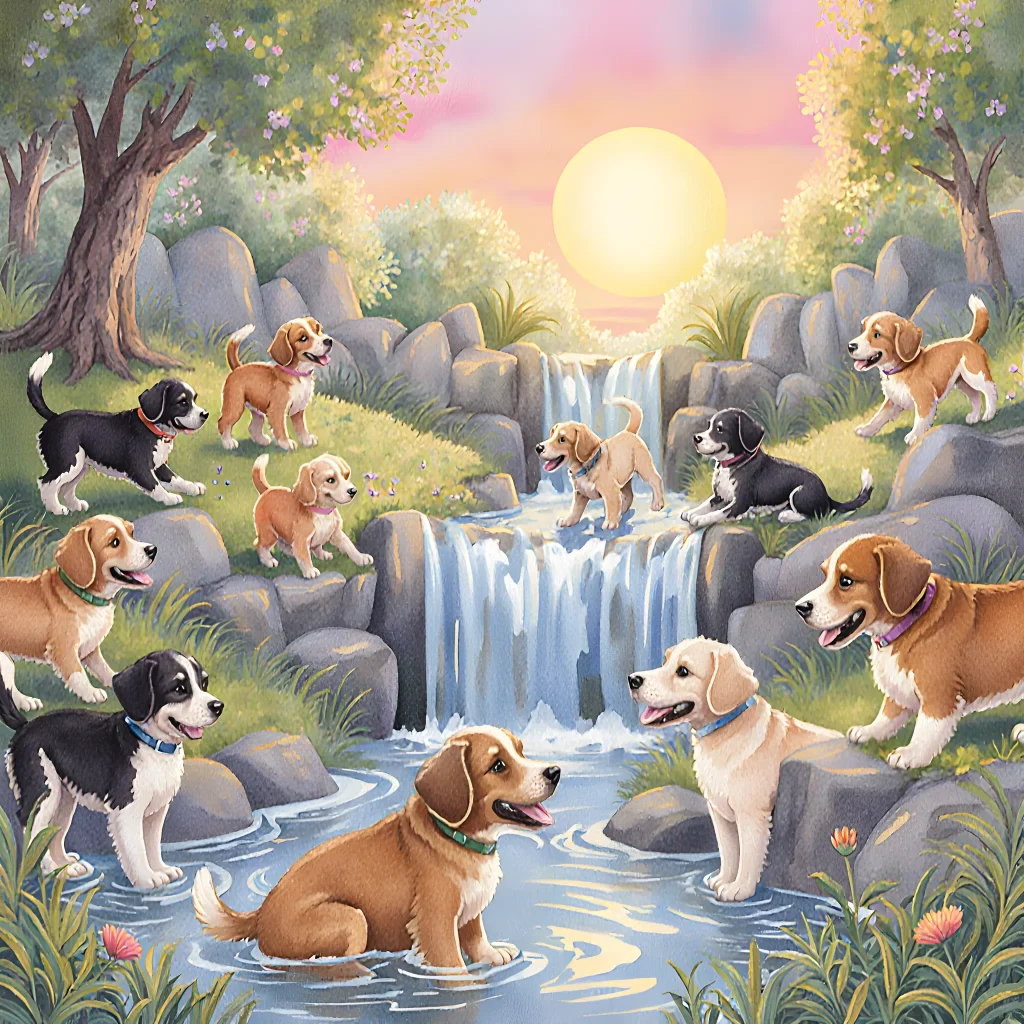
Create a haven where pups thrive!
Spark Joy: Build an Advanced Puppy Sanctuary Now
Table of Contents
- Choosing the Right Location for Your Puppy Smart Zone
- Preparing the Space: Safety and Comfort Essentials
- Selecting Appropriate Furniture and Accessories
- Setting Up a Feeding Station in the Smart Zone
- Creating an Enrichment Area with Toys and Puzzles
- Installing Proper Lighting for Your Puppy’s Needs
- Choosing the Right Flooring for Easy Cleaning
- Managing Temperature and Ventilation in the Zone
- Integrating Technology: Smart Feeders, Cameras, and Sensors
- Training Your Puppy to Use the Smart Zone Consistently
- Maintaining Hygiene and Cleaning Protocols
- Monitoring Health Indicators Through Smart Devices
- Adjusting the Zone as Your Puppy Grows
- Conclusion: A Harmonious Home for Your Puppy
- FAQ: Common Questions About Puppy Smart Zones
Choosing the Right Location for Your Puppy Smart Zone
The success of a Puppy Smart Zone hinges on picking a spot that feels safe, comfortable, and convenient for both you and your pup. Below are key considerations, real‑world examples, and actionable steps to help you make an informed decision.
1. Proximity to the Doorway
- Why it matters: A zone near a main entrance allows your puppy to see people coming in and out, reducing anxiety about strangers.
- Example: If you have a hallway that leads directly into the living room, place the Smart Zone on the corner of that hallway. Your dog will notice family members walking through and can learn that visitors are safe.
2. Quiet but Accessible Space
- Why it matters: Puppies need a calm area to rest, yet they should also be able to reach the zone quickly for meals or potty breaks.
- Example: A spare bedroom that is adjacent to a hallway works well. The room can be soundproofed with soft rugs and curtains, but the door remains open so your puppy can come in on command.
3. Avoid High‑Traffic Corridors
- Why it matters: Constant foot traffic can overstimulate a puppy and make them anxious or fearful of stepping into the zone.
- Example: Instead of placing the Smart Zone on the main living room floor, consider setting it up in a corner with a low wall or a half‑room partition that keeps the flow of people away.
4. Consider Natural Light and Ventilation
- Why it matters: Puppies thrive in well‑ventilated, moderately lit rooms that keep them comfortable throughout the day.
- Example: A sunroom or a kitchen island area with a window can provide natural light while still offering an enclosed feel if you use a low screen or curtains.
5. Safety Checks Before Finalizing
- Check for hazards: Remove loose wires, sharp corners, and any toxic plants.
- Secure furniture: Anchor heavy tables or bookcases to the wall so they won’t tip over if your puppy nudges them.
- Temperature control: Ensure the area isn’t too hot or cold. Use a fan or heater only when necessary and monitor the puppy’s comfort.
6. Test the Space with Your Puppy
Before fully setting up, invite your puppy into the potential zone for short sessions:
- Observe how they react to the layout.
- Note if they seem hesitant to enter or if certain spots feel more appealing.
- Tweak furniture placement based on their behavior.
7. Practical Setup Checklist
| Item | Description |
|---|---|
| Soft Bedding | A padded mat or a dog bed that’s the right size. |
| Food & Water Bowls | Place them in a corner away from high traffic. |
| Toy Selection | Choose durable toys that encourage chewing and play. |
| Training Aids | Include clickers, treats, or a small crate if needed. |
8. Long‑Term Adaptation
Puppies grow fast—what works for a 4‑month old may not suit a 12‑month old. Reassess the Smart Zone every few months:
- Check if the bedding is still comfortable.
- Adjust the height of furniture to accommodate a larger dog.
- Rotate toys to keep their interest high.
By carefully selecting and continuously refining your Puppy Smart Zone’s location, you create an environment that nurtures confidence, promotes healthy habits, and strengthens the bond between you and your new family member.
Preparing the Space: Safety and Comfort Essentials
Before you can create a puppy‑friendly smart zone, the space itself must be safe, comfortable, and free of hazards that could ruin your new companion’s first impressions. Below are step‑by‑step guidelines, practical tips, and real‑world examples to help you transform any room into a secure, cozy haven for your pup.
1. Puppy‑Proofing the Area
- Secure loose wires: Use cable covers or cord concealers to keep cords out of reach. Puppies love chewing on exposed cables, which can lead to electric shocks.
- Block access to toxic plants: Remove or relocate common household plants such as philodendron, sago palm, and oleander. Replace them with dog‑friendly alternatives like spider plant or Boston fern.
- Cover sharp edges: Wrap corners of heavy furniture with corner guards or soft fabric to prevent scratches during playtime.
2. Temperature & Ventilation Control
A comfortable microclimate keeps a puppy calm and healthy. Use smart thermostats (e.g., Nest, Ecobee) that can be programmed to maintain a consistent temperature range of 68–72°F during the day and slightly cooler at night.
Example Setup
    // Smart thermostat schedule
    const thermostatSchedule = [
      { time: '06:00', temp: 70 },
      { time: '09:00', temp: 72 },
      { time: '17:00', temp: 68 },
      { time: '22:00', temp: 66 }
    ];
3. Noise Management
Puppies are sensitive to sudden noises. Use soft‑sound diffusers or white‑noise machines that play gentle ocean waves or rain sounds at low volume (45–55 dB). Keep the smart zone away from loud appliances like washers or televisions.
4. Bedding & Comfort Layer
- Choose a non‑slip mat: Place a rubber or cork underlay to prevent slipping during enthusiastic play.
- Provide a plush bed: Use orthopedic foam for older puppies, and layer with washable blankets. Rotate bedding regularly to avoid dampness.
5. Easy Access to Essentials
Smart devices can help you keep track of food, water, and toys.
- Automated feeder: Set up a smart feeder that dispenses portions at scheduled times.
- Water station with sensors: Use a smart water bowl that alerts you when levels drop below the threshold.
- Toy rotation system: Connect a toy dispenser to your home automation hub so you can change toys remotely, keeping stimulation fresh.
6. Lighting Adjustments
Puppies need adequate lighting for visibility but not harsh glare. Install dimmable LED fixtures that can be controlled via voice or app. A soft night light (warm amber) helps them feel secure during the first few nights.
7. Cleanliness & Hygiene
- Flooring choice: Opt for waterproof vinyl or cork that is easy to mop and resistant to pet stains.
- Air purifier: A HEPA filter purifier reduces dander, allergens, and odors—especially useful if you have a high‑maintenance breed.
8. Security & Monitoring
Use a smart camera with two‑way audio to observe your puppy’s behavior while you’re away. Pair it with motion alerts that trigger when the pup moves into specific zones (e.g., near the bed).
Practical Tips for First Days
- Keep the door open to allow easy exit and entry.
- Place a small crate with familiar bedding next to the smart zone; gradually transition them into the new area.
- Use scent‑neutralizing sprays after accidents to prevent marking behavior.
By combining these safety measures with technology, you create an environment that not only protects your puppy but also supports their emotional and physical well‑being. The result is a smart zone where learning, play, and rest coexist harmoniously.
Selecting Appropriate Furniture and Accessories
When you’re building a puppy‑smart zone, the furniture and accessories you choose should be both functional for your pup and stylish enough to blend with your home décor. Below are key considerations, practical examples, and actionable tips that will help you create a space where your puppy can thrive without compromising on style.
1. Choose Durable, Easy‑to‑Clean Materials
- Upholstery: Opt for fabrics like microfiber, canvas, or leather that are stain‑resistant and machine washable. Avoid delicate materials such as silk or velvet which can trap odors.
- Surfaces: If you’re placing a small sofa or chair near the puppy’s area, pick one with removable cushions that can be taken out and washed in a tumble dryer.
2. Keep Furniture Low to the Ground
Puppies love to explore at ground level. A low‑profile sofa or a set of ottomans gives them an easy way to jump onto the furniture without risk of injury or damage.
- Example: A sectional with a chaise that sits no higher than 12 inches off the floor provides both comfort for you and accessibility for your pup.
3. Incorporate Built‑in Storage
Use storage solutions to keep toys, treats, and grooming supplies out of sight but within reach. A low bookcase or a storage ottoman can double as a play area for the puppy.
- Practical Tip: Place a stackable toy bin on top of a coffee table with rounded edges so your pup can climb in and out safely.
4. Select Non‑Slip Rugs and Mats
Puppies slip easily, especially on hardwood or tile floors. A non‑slip rug provides traction while protecting the floor from scratches.
- Example: A low‑pile rubber mat in a corner of the puppy zone offers both safety and a cozy spot for resting.
5. Use Pet‑Friendly Décor Accessories
Decor can be pet‑friendly if chosen carefully. Avoid fragile ornaments or dangling lights that could attract curious pups.
- Example: A framed botanical print with a matte finish keeps your pup from chewing on the backing, and a metal candle holder prevents accidental knocks.
6. Opt for Modular Furniture
Modular pieces allow you to reconfigure the space as your puppy grows or as your lifestyle changes.
- Practical Tip: A modular sofa system with removable sections can be rearranged to create a larger dog bed area during playtime and then returned to its original layout for guests.
7. Add Soft, Protective Padding
Puppies chew on furniture; protective pads or covers can safeguard your upholstery while keeping the look intact.
- Example: A washable, removable cushion cover made of neoprene protects a couch from chewing and is easy to clean after accidental messes.
8. Incorporate Interactive Elements
Furniture that doubles as an interactive play feature can keep your puppy engaged.
- Example: A coffee table with a built‑in puzzle feeder encourages mental stimulation while the pup enjoys the familiar surface for lounging.
9. Keep Small Accessories Out of Reach
Small items like throw pillows, jewelry, or loose cords can be choking hazards. Secure them out of reach with hooks or storage boxes.
- Practical Tip: Use a low bookcase to store delicate items behind larger decorative objects that are less likely to be knocked over by an energetic puppy.
10. Balance Style with Functionality
Your puppy zone should look good and feel safe. Choose pieces that complement your home’s aesthetic while meeting the practical needs of a growing dog.
- Example: A rustic wooden crate in a modern loft adds charm without compromising on durability, and its neutral color blends seamlessly with contemporary décor.
Practical Checklist for Your Puppy Smart Zone
- Select stain‑resistant upholstery.
- Choose low‑profile furniture for easy access.
- Incorporate built‑in storage to keep toys organized.
- Add non‑slip rugs or mats.
- Opt for pet‑friendly décor accessories.
- Use modular pieces for flexibility.
- Protect surfaces with removable padding.
- Include interactive furniture elements.
- Secure small items out of reach.
- Ensure overall style aligns with your home’s décor.
By thoughtfully selecting furniture and accessories, you create a puppy smart zone that is safe, functional, and visually harmonious. This balanced approach ensures your pup enjoys a comfortable environment while maintaining the elegance of your living space.
Setting Up a Feeding Station in the Smart Zone
A well‑organized feeding station not only keeps your kitchen tidy but also encourages healthy eating habits for your puppy. In a smart home, this area can be elevated to a new level of convenience and safety.
1. Choose the Right Location
- Proximity to Activity Areas: Place the station near the play zone so your puppy can transition smoothly from playtime to mealtime.
- Ventilation: Avoid corners with poor airflow; puppies are sensitive to stale air, especially when they’re still learning how to breathe properly.
- Flooring: Use non‑slip mats or a padded rug to reduce the risk of accidents during feeding.
2. Select Smart Feeding Equipment
- Smart Food Dispenser: Devices like the PetSafe Smart Feed allow you to schedule meals, adjust portion sizes via a smartphone app, and receive notifications when food is low.
- Temperature‑Controlled Bowl: A bowl that keeps water at an optimal temperature (e.g., 18–22°C) can be especially useful in hot climates or for puppies with sensitive stomachs.
- Automatic Water Fountain: Keeps fresh water circulating, encouraging hydration without manual refills. Many fountains come with filter indicators to remind you when cleaning is needed.
3. Integrate Sensors and Automation
Use motion sensors or weight‑sensing plates to track how much your puppy eats each day. Pair this data with a smart home hub (like Google Home or Amazon Alexa) so you can:
- Receive Alerts: Get notified if the puppy skips a meal.
- Adjust Portions Automatically: If the system detects that the puppy has eaten less than usual, it can reduce the next portion to prevent overeating.
- Log Feeding Times: Store data in a cloud database for easy review during vet visits.
4. Maintain Hygiene and Safety
Smart homes can help you keep the station clean with minimal effort:
- Self‑Cleaning Bowls: Some bowls come with a built‑in cleaning cycle that rinses after each use.
- Air Purifiers: Place a compact purifier near the feeding area to reduce airborne bacteria and allergens.
- Non‑Toxic Materials: Ensure all components are made from BPA‑free, pet‑safe materials to avoid ingestion of harmful substances.
5. Practical Example: A Day in the Life
Imagine your puppy wakes up at 7 am. The smart feeder dispenses a measured portion of kibble while the water fountain starts a gentle flow. As soon as the puppy finishes, a motion sensor logs the completion time and sends a summary to your phone: “Buster ate 200g of dry food at 7:02 am.” If Buster misses breakfast, you receive an alert and can decide whether to feed him immediately or adjust tomorrow’s portion.
6. Tips for Long‑Term Success
- Regular Calibration: Re‑calibrate the feeder every 2–3 months to account for changes in kibble size or brand.
- Seasonal Adjustments: Reduce portion sizes during hot weather to prevent overheating, and increase them in cooler months when energy expenditure rises.
- Vet Consultation: Share feeding logs with your vet; they can spot trends that may indicate health issues.
By combining thoughtful placement, smart technology, and proactive maintenance, you create a feeding station that supports your puppy’s growth while seamlessly integrating into your smart home ecosystem.
Creating an Enrichment Area with Toys and Puzzles
Once you’ve established a dedicated puppy smart zone, the next step is to turn that space into a stimulating environment where your pup can learn, play, and stay mentally sharp. The key is to introduce a variety of toys and puzzles that cater to different senses—touch, sight, smell, and sound—while also encouraging problem‑solving skills.
1. Choose the Right Types of Toys
- Chew Toys: Durable rubber or nylon chew toys such as Kongs, Nylabones, or RoccoToys help satisfy a puppy’s natural chewing instinct and keep their jaws strong.
- Soft Plush Toys: These are great for cuddling but should be monitored to avoid ingestion of stuffing. Look for ones with no loose parts.
- Interactive Puzzle Toys: Items like the Nina Ottosson “Dog Brick” or the SmartPet Toys series require your pup to move pieces, slide compartments, or roll balls to access treats.
- Fetch & Retrieve: Classic tennis balls, rubber fetch toys, and even a simple stuffed sock can encourage active play while strengthening recall training.
2. Layer Sensory Stimulation
Puppies learn through exploration. By incorporating textures, scents, and sounds into the enrichment area, you provide a richer learning environment.
- Texture: Mix soft blankets with textured mats or rug tiles that have raised patterns to engage their paws.
- Scent: Sprinkle a little dried herbs (e.g., rosemary) or use scented chew toys to entice them. Avoid strong perfumes that might be overwhelming.
- Sound: Consider low‑volume background music specifically tuned for dogs, such as classical compositions or nature sounds, which can calm nervous puppies and enhance focus during puzzle play.
3. Introduce Puzzle Toys Gradually
Puppies can become frustrated if a puzzle is too challenging. Follow these steps to build confidence:
- Start Simple: Begin with a treat‑dispensing ball that rolls easily. Let your puppy see the treats inside and reward them for retrieving.
- Increase Complexity: Once they master rolling, add a puzzle board where they must slide a flap to release a treat.
- Use Positive Reinforcement: Each time your puppy solves a puzzle or makes progress, give verbal praise and a small reward. This reinforces the idea that problem‑solving is fun and rewarding.
4. Rotate Toys Regularly
A static toy collection can become boring. Keep engagement high by rotating toys every week or two:
- Store unused toys in a tote bag or closet.
- Introduce a new toy each time you rotate the set, and observe which types your puppy prefers.
- Use this observation to tailor future selections—if your pup loves squeaky toys, incorporate more of those into the rotation.
5. Safety First
Always supervise puzzle play until you’re confident in how your puppy interacts with each item:
- Check for loose parts that could be swallowed.
- Avoid small toys or treat pieces that are too tiny for the puppy’s mouth.
- Ensure the enrichment area is free of hazards such as exposed wires, sharp edges, or slippery surfaces.
6. Integrate Training Sessions
Puzzle play can double as training time:
- Recall Practice: Hide a treat‑filled toy in the enrichment area and call your puppy to find it, reinforcing “come” while they’re engaged.
- Impulse Control: Teach them to wait before retrieving by placing a puzzle toy on a low table. Reward only when they stay calm until you give the cue.
7. Maintain Cleanliness
Regular cleaning keeps the area hygienic and prevents odor buildup:
- Wash plush toys weekly with pet‑safe detergent.
- Wipe down puzzle surfaces after each use to remove saliva or drool.
- Replace any worn or damaged toys immediately to avoid choking hazards.
8. Observe and Adjust
Every puppy is unique. Keep a short log of which toys they engage with most, how long they play, and any signs of stress or disinterest. Use this data to refine the enrichment area over time.
By thoughtfully curating an array of toys and puzzles, you transform your puppy’s smart zone into a dynamic learning hub that promotes healthy development, reduces boredom, and strengthens the bond between you and your four‑legged friend.
Installing Proper Lighting for Your Puppy’s Needs
When you create a Puppy Smart Zone, lighting is one of the most critical factors that influence your puppy’s safety, comfort, and overall development. Puppies rely heavily on visual cues to navigate their environment, so ensuring they have adequate, consistent light will help reduce anxiety, prevent accidents, and support healthy learning.
1. Choose the Right Light Color Temperature
- Warm White (2700K–3000K): Mimics natural sunset light; great for den or sleeping areas because it’s calming and encourages rest.
- Neutral White (3500K–4100K): Offers a balanced, daylight-like illumination that is ideal for play spaces, training rooms, and feeding stations where clarity is essential.
- Avoid harsh, blue‑rich LEDs (>5000K) in areas where your puppy spends extended periods, as they can overstimulate or cause eye strain.
2. Use Layered Lighting for Flexibility
Set up a three‑tier lighting system:
- Ambient Base Light: A dimmable LED strip or recessed fixture that provides overall illumination.
- Task Lights: Adjustable spotlights or pendant lamps near the feeding bowl, grooming area, or training mat to focus attention on specific activities.
- Accent / Mood Lighting: Soft LED strips behind furniture or under shelves for a gentle glow that creates a sense of safety and reduces shadows.
3. Install Motion‑Activated Fixtures
Motion sensors are perfect for puppies who wander during the night. They activate low‑intensity lights as your pup moves, preventing trips over furniture while keeping the room bright enough to see.
4. Ensure Even Distribution and Avoid Direct Glare
- Place fixtures at least 6–8 feet apart to avoid dark spots.
- Use diffusers or frosted covers on LED bulbs to soften harsh rays that might startle a young dog.
- Avoid placing lights directly above the puppy’s bed; indirect light reduces eye strain and keeps the area cozy.
5. Consider Smart Lighting Controls
Integrate your lighting with a home automation system:
- Scheduling: Program lights to dim gradually at bedtime or brighten during morning walks.
- Voice Activation: Use smart assistants (Alexa, Google Assistant) to turn on/off lights while you’re away.
- Energy‑Saving Modes: Set the lights to automatically switch to a low‑energy setting when no motion is detected for 30 minutes.
6. Test and Adjust
After installation, observe how your puppy reacts during different times of day:
- If you notice hesitation or confusion in a particular corner, add a small LED lamp there.
- Check for any overheating from bulbs—use low‑heat LED options to keep the environment safe.
- Adjust brightness levels to match your puppy’s activity: brighter during play, softer at rest.
Practical Example: Setting Up a “Puppy Smart Zone” with Lighting
Scenario: You’re creating a designated area in the living room that includes a bed, training mat, and feeding station.
- Base Light: Install a dimmable LED strip along the wall opposite the dog’s bed. Set it to 30% brightness for night use.
- Task Light: Place a low‑heat, 3000K lamp on a side table next to the feeding bowl. Use a timer so it turns off after 20 minutes.
- Motion Sensor: Mount a motion‑activated LED panel above the training mat. It will glow softly when your puppy approaches during training sessions.
- Smart Control: Connect all fixtures to your smart hub. Program the base light to dim gradually at 9 pm and brighten at 7 am, synchronizing with your daily routine.
By thoughtfully selecting color temperature, layering lights, using motion sensors, and integrating smart controls, you create a Puppy Smart Zone that feels safe, engaging, and adaptable to your puppy’s evolving needs.
Choosing the Right Flooring for Easy Cleaning
When you’re setting up a Puppy Smart Zone, the flooring you select can make or break your day-to-day maintenance routine. Puppies are notorious for chewing, digging, and, of course, accidents. A durable, low‑maintenance floor will keep your space looking fresh and reduce the time you spend scrubbing.
1. Concrete: The Toughest Option
- Pros: Scratch‑resistant, easy to wipe down, can be sealed for added protection.
- Cons: Cold underfoot, may need a rug or runner for comfort.
- Practical tip: Apply a pet‑friendly sealant every 6–12 months. This not only preserves the surface but also makes it non‑porous so drool and urine won’t seep in.
2. Vinyl Plank or Tile
- Pros: Water‑resistant, available in realistic wood or stone looks, relatively inexpensive.
- Cons: Some lower‑quality products may have seams that snag fur.
- Practical tip: Look for a “non‑additive” vinyl that contains no harmful chemicals. A smooth finish will reduce the chance of hair tangling in the fibers.
3. Laminate with a Clear Coat
- Pros: Looks like hardwood, scratch‑resistant after a protective coating.
- Cons: Not as water‑proof as vinyl or concrete; leaks can damage the subfloor if not sealed properly.
- Practical tip: Choose a laminate that comes with a high‑quality clear coat. This layer helps seal the surface and makes cleaning easier.
4. Cork: A Soft Alternative
- Pros: Naturally antimicrobial, cushy underfoot for a puppy’s paws.
- Cons: Susceptible to scratches and water damage if not properly sealed.
- Practical tip: Seal cork with a pet‑safe, waterproof sealer. Replace sections that show heavy wear after 1–2 years of puppy activity.
5. Rubber Flooring (e.g., interlocking tiles)
- Pros: Excellent shock absorption, easy to cut and replace damaged pieces.
- Cons: Can be more expensive than vinyl or laminate.
- Practical tip: Opt for a rubber product with a non‑slip backing; puppies love to run, so traction matters.
Choosing the Right Color and Pattern
Lighter colors reflect light and can make a small Puppy Smart Zone feel more spacious. However, they may show stains more readily. Darker hues hide dirt but require more frequent cleaning to keep them looking new.
Maintenance Checklist for Your Puppy Smart Zone
- Daily: Sweep or vacuum any loose fur and debris.
- Weekly: Mop with a mild, pet‑safe cleaner. Avoid harsh chemicals that can leave residues toxic to dogs.
- Monthly: Inspect seams or edges for wear; replace if necessary.
- Seasonally: Reapply sealant to concrete or vinyl surfaces as needed.
By investing in a floor that withstands the demands of puppy life, you’ll spend less time scrubbing and more time playing. Remember: the right flooring not only protects your investment but also keeps your pup’s environment safe, comfortable, and hygienic.
Managing Temperature and Ventilation in the Zone
Once you’ve defined the boundaries of your Puppy Smart Zone, it’s essential to keep the environment comfortable. Puppies are highly sensitive to temperature extremes and poor airflow can lead to heat stress or respiratory issues. Below is a step‑by‑step guide on how to monitor, adjust, and maintain optimal conditions.
1. Choose the Right Location
- North or east-facing windows: Provide gentle morning light while avoiding harsh afternoon heat.
- Avoid drafty corners near HVAC vents or doors that open frequently.
- If you live in a hot climate, consider placing the zone on the shaded side of your home.
2. Install Smart Thermostats and Sensors
Integrate a smart thermostat (e.g., Nest, Ecobee) with the Puppy Zone to automatically adjust heating or cooling based on real‑time data:
- Set temperature thresholds: Puppies thrive between 68–75°F (20–24°C). Program your thermostat to maintain this range.
- Add a humidity sensor: Ideal indoor humidity for puppies is 40‑60%. Too dry air can irritate their skin; too moist can encourage mold.
- Use a plug‑in smart temperature sensor if you don’t want to modify your HVAC system.
3. Ensure Adequate Air Circulation
Puppies need fresh air to prevent stuffiness and allergies. Here are practical ways to keep the zone well‑ventilated:
- Use a low‑noise fan: Position it near an open window or door, but not directly on the puppy.
- Air purifiers: A HEPA filter can remove dander and pet hair from the air. Pair with an activated carbon filter for odors.
- Schedule periodic window openings to refresh the air, especially after playtime or feeding.
4. Monitor with a Dedicated Dashboard
Create a simple dashboard using platforms like Google Sheets or Home Assistant to log temperature and humidity trends. Example columns: Date, Time, Temp (°F), Humidity (%), Notes.
# Sample Google Sheet Layout
Date | Time | Temperature (°F) | Humidity (%) | Notes
-----------------------------------------------
09/01 | 08:00 | 72 | 45 | Calm, no issues
09/01 | 12:30 | 78 | 55 | Slightly warm after play
5. Adjust Seasonal Settings
Modify your thermostat settings according to the season:
| Season | Target Temp (°F) | Ventilation Tips |
|---|---|---|
| Spring | 70–75 | Use a fan for breezy evenings. |
| Summer | 68–72 | Keep windows open during cooler night hours. |
| Fall | 71–76 | Close blinds in the afternoon to block heat. |
| Winter | 70–75 | Use a dehumidifier if indoor humidity drops below 40%. |
6. Red Flags and Quick Fixes
- Puppy is panting or lethargic: Check the temperature immediately; increase airflow or reduce heat.
- Excessive drooling or nasal discharge: Might indicate overheating. Move to a cooler spot and provide fresh water.
- Cracked bedding or dry skin: Suggests low humidity; add a humidifier.
7. Practical Tips for Homeowners
- Place a shallow bowl of ice in the corner to lower ambient temperature during hot days.
- Use blackout curtains to keep the zone cool during peak sun hours.
- Consider an outdoor pet enclosure with shade if you have limited indoor space.
By combining smart technology, thoughtful placement, and regular monitoring, you’ll create a Puppy Smart Zone that keeps your new friend comfortable, healthy, and happy throughout the year.
Integrating Technology: Smart Feeders, Cameras, and Sensors
Once you’ve mapped out the physical layout of your puppy’s smart zone, it’s time to bring in the tech that will keep your pup safe, fed, and monitored—all while giving you peace of mind. Below is a step‑by‑step guide on how to set up smart feeders, cameras, and sensors in a way that works seamlessly for both you and your four‑legged friend.
1. Smart Feeders: Automate Nutrition with Precision
- Why use a smart feeder? A smart feeder ensures consistent portion sizes, tracks feeding times, and can even adjust the amount based on activity levels or vet recommendations.
- Popular options:
- PetSafe Healthy Pet Food Dispenser – Wi‑Fi enabled, app-controlled portions.
- FeederBot by FidoTech – Voice‑controlled, integrates with Alexa and Google Assistant.
- Installation tips:
- Place the feeder on a stable surface within the puppy’s zone but out of reach of curious paws.
- Connect to Wi‑Fi via the companion app, ensuring you’re in the same network as your router.
- Create feeding schedules that mimic natural meal times (e.g., 8 am and 5 pm).
- Use the “portion control” feature to start with a conservative amount; adjust after monitoring weight changes over a week.
2. Cameras: Keep an Eye on Your Pup Anytime
- Choosing the right camera:
- Ring Pet Cam – Offers two‑way audio and motion alerts.
- Wyze Cam Pan – Budget-friendly, full‑color night vision.
- Placement strategy:
- Mount the camera at eye level for a natural perspective.
- Ensure it covers both the feeding area and any high‑traffic zones (e.g., near the door).
- Avoid placing it directly in front of reflective surfaces that might cause glare.
- Smart notifications:
- Set motion detection to trigger only when a puppy enters the zone, reducing false alerts from adult dogs or humans.
- Enable “pet‑specific” alerts if your system supports it—this way you’ll know exactly who is in frame.
3. Sensors: Detect Behavior and Environmental Changes
- Types of sensors:
- Motion sensors (infrared or ultrasonic) – detect activity levels.
- Temperature & humidity sensors – monitor comfort in the puppy’s zone.
- Door/window sensors – ensure no accidental exits.
- Integrating with a smart hub:
- Choose a hub that supports Z-Wave, Zigbee, or Wi‑Fi (e.g., SmartThings, Home Assistant).
- Connect each sensor to the hub via its respective protocol.
- Create automations: e.g., “If motion detected after 10 pm AND temperature > 30°C, send an alert.”
- Practical example:
A temperature sensor in the puppy’s bed alerts you when it gets too hot, prompting you to open a window or adjust the thermostat. A door sensor ensures that if your puppy tries to sneak out, you’re immediately notified.
4. Putting It All Together: Workflow & Maintenance
- Initial setup: Wire all devices, connect them to the same network, and test each function individually.
- Daily routine: Check the feeder’s inventory via the app; confirm that cameras are recording without lag.
- Weekly check‑ins: Review sensor logs for any anomalies (e.g., unexpected motion spikes).
- Firmware updates: Schedule automatic updates to keep security patches current.
By integrating smart feeders, cameras, and sensors into your puppy’s designated zone, you create a holistic environment that promotes safety, health, and well‑being—all while keeping you connected no matter where you are. Happy tech‑farming!
Training Your Puppy to Use the Smart Zone Consistently
Once you’ve set up a Puppy Smart Zone in your home, the next step is to teach your puppy to use it reliably. Consistency, positive reinforcement, and clear cues are key. Below is a practical, step‑by‑step guide that builds on the setup instructions from the previous section.
1. Establish a Clear Cue Word or Phrase
- Choose one word. “Go” or “Zone” works well—pick something short and easy to say.
- Use it every time you want your puppy to enter the smart zone. Repetition builds recognition.
- Avoid using the cue for other actions (e.g., calling them from the yard) until they are comfortable with the zone.
2. Gradual Association Through Rewarding Sessions
- Start in a quiet area. Place a treat or favorite toy near the entrance of the smart zone.
- Say your cue word as they approach and gently guide them inside if necessary.
- Immediately reward with a high‑value treat, praise (“Good boy!”), and a brief play session.
- Repeat 5–10 times per day for the first week.
3. Use Positive Reinforcement Inside the Zone
- Once inside, keep the puppy’s attention on you with treats or a squeaky toy.
- If they remain calm and sit/lie down, give another treat and verbal praise.
- Gradually increase the duration of “stay” commands before rewarding to build impulse control.
4. Incorporate Time‑Based Rewards (Smart Zone Timer)
Many smart zones have built‑in timers that can be programmed for feeding or play sessions. Use this feature to create a predictable routine:
- Set the timer. For example, “Play time” at 10 am and 4 pm.
- When the timer rings, use the cue word and reward with play or treats.
- Over time your puppy will associate the zone with positive events occurring at those times.
5. Consistency Across Household Members
Every person in the home must follow the same training routine to avoid confusion.
- All family members should use the same cue word and reward style.
- Avoid giving treats when the puppy is not inside the zone unless it’s part of a scheduled “outside” activity.
6. Troubleshooting Common Issues
| Issue | Possible Cause | Solution |
|---|---|---|
| Puppy ignores the cue | Not enough association or too many distractions | Shorten training sessions, reduce background noise, increase treat value. |
| Overexcited inside the zone | Too much stimulation or lack of calm reward structure | Use a “settle” command (e.g., “down”) before rewarding; keep treats low‑calorie. |
| Puppy leaves the zone prematurely | Lack of clear boundaries or inadequate training | Re‑demonstrate the cue, use a leash to guide them back, reinforce staying inside. |
7. Integrating Other Training Tools
- Clicker Training: Pair the clicker with the cue word for precise timing of rewards.
- Leash Pulls: Use a short leash during initial training to keep them within the zone and prevent wandering.
- Behavior Charts: Track daily successes; reward a small treat after a full week of consistent behavior.
8. Maintaining Long‑Term Consistency
Once your puppy reliably uses the smart zone, gradually reduce the frequency of treats but keep verbal praise and affection. The goal is to shift from external rewards to internal satisfaction—knowing they are in a safe, comfortable space.
Practical Example: A Week‑Long Training Plan
| Day | Morning Session | Evening Session |
|---|---|---|
| Mon–Tue | Cue + treat, 3 reps | Play inside zone for 5 min after cue |
| Wed–Thu | Increase reps to 5; add “stay” command | Introduce timer-based play (10 am, 4 pm) |
| Fri–Sun | Reduce treats, increase praise only | Full schedule: cue, stay, reward with affection |
By following this structured approach, you’ll help your puppy develop a strong association between the smart zone and positive experiences—setting the foundation for reliable use throughout their life.
Maintaining Hygiene and Cleaning Protocols
Once you’ve created a dedicated puppy smart zone, the next step is to keep it clean and safe. Puppies are curious, they explore by mouthing objects, and their paws can carry dirt from outside. A tidy space not only protects your furniture but also reduces the risk of infections and keeps your pup healthy.
Daily Routine
- Wipe Down Surfaces: Use a damp, pet‑safe wipe or microfiber cloth to clean all countertops, tables, and floor areas. Pay special attention to spots where the puppy frequently licks or chews.
- Spot‑Clean Accidents: If your pup has an accident, act fast. Blot with a paper towel, then apply a pet enzyme cleaner to neutralize odors and prevent repeat incidents.
- Check Bedding: Change or wash the puppy’s bed every 48–72 hours. Use a machine‑washable cover for easy maintenance.
Weekly Deep Clean
- Flooring: Vacuum carpets and rugs, then mop hard floors with a pet‑friendly cleaner. This removes embedded dander, fur, and food crumbs.
- Furniture Protection: If your puppy likes to chew on cushions, consider using removable covers or a washable throw blanket that can be laundered weekly.
- Litter Box Maintenance (if applicable): Scoop waste daily and change litter every 1–2 weeks. Wash the box with mild soap and rinse thoroughly.
Products That Work Best
- Pet‑Safe Enzymatic Cleaners: Brands like Nature’s Miracle or Rocco & Roxie break down proteins in urine and feces, eliminating stains and odors.
- Microfiber Cloths: These are excellent for quick wipe‑downs because they trap dust and pet hair without chemicals.
- Airtight Pet Food Containers: Keep kibble fresh and free from pests. Store in a sealed container to prevent attracting insects.
Practical Tips for Busy Owners
Keeping the puppy zone pristine can feel overwhelming, especially with work or school commitments. Here are some tricks to simplify the process:
- Set a Timer: Allocate 10 minutes each morning and evening solely for cleaning. The routine will become second nature.
- Use a Cleaning Schedule App: Apps like Todoist or Google Keep let you create recurring tasks so you never miss a wash day.
- Batch Tasks: Clean multiple items in one go—wipe down the entire zone, then move on to laundry. This reduces transition time and keeps you focused.
Preventing Future Messes
Cleanliness is only part of the equation; preventing messes starts with training:
- Positive Reinforcement: Reward your puppy immediately after they use the designated potty area. This reinforces the desired behavior.
- Supervised Playtime: Keep a close eye on the puppy during play sessions to stop chewing or digging before it becomes destructive.
- Regular Vet Check‑Ups: Ensure your pup’s digestive health is in check. Digestive issues can cause more frequent accidents.
By combining a consistent cleaning routine with proactive training, you’ll maintain a healthy environment that keeps both your puppy and household happy.
Monitoring Health Indicators Through Smart Devices
Once you’ve created a Puppy Smart Zone, the next step is to keep an eye on your puppy’s vital signs in real time. Modern pet tech offers a range of sensors and devices that can track heart rate, activity level, temperature, and even sleep patterns. By integrating these data streams into a single dashboard, you can spot early warning signs—such as elevated heart rate after playtime or irregular breathing during rest—and intervene before small issues become serious.
Key Health Metrics to Track
- Heart Rate (BPM): A normal resting heart rate for a young puppy ranges from 120–180 bpm. Anything consistently above 200 bpm may indicate stress or pain.
- Respiratory Rate: A healthy breathing rate is usually 15–30 breaths per minute. Rapid breathing can signal overheating or respiratory distress.
- Temperature (°C): Puppies’ core temperature should stay between 38.0 °C and 39.5 °C. Fever or hypothermia warrants immediate attention.
- Activity Level: Smart collars with accelerometers can log steps, playtime, and rest periods. Sudden drops in activity may signal injury or illness.
- Sleep Quality: Sensors that monitor movement during sleep can reveal restlessness or night terrors.
Choosing the Right Devices for Your Smart Zone
When setting up a monitoring system, consider devices that seamlessly integrate with your home network and provide reliable data export options. Below are three recommended setups:
-
Smart Collar + Hub
Example: FitBark 3 or Whistle Go Explore.
These collars transmit heart rate, activity, and location data to a companion app. Pair them with an IoT hub (e.g., Home Assistant) to push alerts to your smartphone or email. -
Temperature & Humidity Sensor + Camera
Example: Xiaomi Aqara Temperature & Humidity Sensor + Ring Indoor Cam.
The sensor logs environmental conditions, while the camera records video during abnormal behavior. Integrate both into a single dashboard for real‑time monitoring. -
Health Tracker + Smart Scale
Example: PetPace Smart Collar + LUNA Smart Scale.
The collar tracks vital signs; the scale logs weight changes. Weight loss or gain over a week can indicate health issues that need vet attention.
Practical Tips for Data Management
- Automated Alerts: Configure thresholds in your home automation platform so you receive push notifications when heart rate or temperature exceed safe limits.
- Historical Trends: Export monthly reports to review trends. A gradual increase in resting heart rate might signal chronic stress.
- Data Privacy: Ensure that devices use encrypted communication (e.g., WPA3, TLS 1.2+) and that your home network is secured with a strong password.
- Redundancy: Use at least two independent monitoring methods (e.g., collar + camera) to avoid single points of failure.
Integrating With Your Puppy Smart Zone
Here’s a quick step‑by‑step guide to plug your health devices into the zone:
- Create a dedicated Wi-Fi network: Name it “PuppyZone” and limit access to authorized devices.
- Install sensors on key spots: Place temperature/humidity sensor near the puppy’s bed, camera in the play area, and collar during walks.
- Set up a central dashboard: Use Home Assistant or SmartThings to aggregate data. Add widgets for heart rate, activity graph, and live video feed.
- Configure notification rules: Example: If heart rate > 190 bpm AND temperature > 39.0 °C, send an SMS to your phone.
- Test the system: Run a trial week, noting any false positives or missed alerts, and tweak thresholds accordingly.
Case Study: Monitoring a Rescue Puppy’s Recovery
When we adopted “Milo,” a rescue puppy with a history of mild asthma, we set up a Smart Zone with the following devices:
- FitBark collar for heart rate and activity.
- Xiaomi Aqara sensor to monitor room temperature.
- Ring Indoor Cam to capture any nighttime coughing episodes.
After the first week, Milo’s resting heart rate spiked on two nights. The alert prompted us to adjust his sleeping surface and add a small fan. Within days, his vital signs normalized, illustrating how proactive monitoring can prevent escalation.
Final Thoughts
Smart devices transform the way we care for our puppies by providing objective, continuous data on their health status. By thoughtfully integrating these tools into a Puppy Smart Zone, you create an environment that not only supports playful exploration but also safeguards your puppy’s well‑being with real‑time insights and timely alerts.
Adjusting the Zone as Your Puppy Grows
A puppy’s needs evolve rapidly during its first year, and so should your Smart Zone. Below are practical steps to scale your setup from a newborn pup to an adolescent canine while keeping safety, comfort, and training efficiency at the forefront.
1. Reassess Physical Space Requirements
- Crate Size: Start with a crate that’s just large enough for your puppy to stand, turn around, and lie down comfortably. Once they reach adulthood (usually around 12–18 months), upgrade to a larger crate or transition to a designated “puppy zone” in the living room.
- Obstacle Course: As coordination improves, introduce low obstacles like cushions or tunnels to encourage exploration and strengthen muscles.
- Zone Boundaries: Use baby gates or soft playpens for a clear boundary. Over time, you can gradually remove one gate at a time, allowing the puppy more freedom while still keeping them safe during training sessions.
2. Update Feeding and Water Stations
Puppies need frequent meals (4–6 times per day). As they grow, reduce meal frequency to 2–3 times daily but increase portion sizes accordingly.
- Feeding Schedule: Use a timer or smart feeder that releases food at set intervals.
- Water Bowl Placement: Keep the water bowl in a quiet corner of the zone. Consider a self-refilling water station for convenience as your puppy becomes more independent.
3. Refine Training Zones and Tools
- Command Area: Designate a specific spot with a “quiet” mat where you can perform basic commands (sit, stay, come). As your pup masters these, add new commands or tricks.
- Positive Reinforcement Devices: Switch from small treats to larger reward items as the puppy grows. A treat pouch on a leash can help during outdoor training sessions.
4. Expand Social Interaction Spaces
Early socialization is critical. Create safe play areas that accommodate more space for controlled interactions with other dogs or people.
- Play Dates: Use a separate playpen or backyard area for supervised play sessions.
- Community Events:
- Enroll in puppy classes once your dog can sit, stay, and respond to basic cues. These classes often provide a structured environment with peers.
5. Upgrade Safety Measures
As puppies grow, they become more curious and physically capable of accessing dangerous areas.
- Electrical Cords: Use cord protectors or tape to prevent chewing.
- Toxic Plants & Substances: Remove any plants or items that could be harmful once your puppy can reach higher shelves.
- Window Safety: Install secure screens if you plan to open windows during training sessions.
6. Monitor and Adjust Environmental Conditions
Temperature, lighting, and noise levels should adapt as your puppy matures.
- Temperature: Use a thermostat or smart heater to maintain a comfortable 68–72°F (20–22°C) range.
- Lighting: Introduce softer lighting during nighttime training to reduce stress.
- Noises: Gradually expose your pup to louder sounds (e.g., vacuum cleaner, doorbell) in a controlled manner to build resilience.
7. Track Progress with Smart Devices
Leveraging technology helps you stay ahead of needs.
- Health Tracking: Use a smart collar that monitors heart rate, activity levels, and sleep patterns.
- Feeding Analytics: Smart feeders can log meal times and quantities, alerting you if intake deviates from the recommended range.
8. Plan for Future Transitions
When your puppy reaches adulthood, consider whether to keep them in a dedicated zone or integrate them fully into the household environment.
- Full Integration: Remove barriers gradually while continuing to reinforce training commands.
- Dedicated Space: Some owners prefer an “adolescent dog” area for continued structured learning, especially if they plan advanced obedience or agility training.
By regularly reassessing and updating your Smart Zone, you provide a nurturing environment that grows in harmony with your puppy’s physical and mental development. Consistency, safety, and gradual exposure are the keys to a smooth transition from puppyhood to adulthood.
Conclusion: A Harmonious Home for Your Puppy
By carefully designing a puppy‑smart zone, you’re not just creating a safe space—you’re laying the foundation for a lifelong bond built on trust, routine, and mutual respect. Below are practical steps to refine your setup and ensure that both you and your new companion thrive.
1. Keep the Zone Consistent
- Same Location, Same Rules: Puppies learn through repetition. Never move the crate or play area unless necessary; a stable environment reduces anxiety.
- Clear Signals: Use the same verbal cue (“crate time,” “bedtime”) each time you direct your puppy to the zone. Consistency reinforces positive associations.
2. Gradual Introduction of Activities
Start with short, calm sessions and slowly increase duration as your puppy becomes comfortable. For example:
- Day 1–3: 5‑minute crate stays after meals.
- Day 4–7: 10‑minute stays while you’re at work.
- Week 2+: Introduce a short play session in the zone with a favorite toy before moving on to longer periods of rest.
3. Use Positive Reinforcement
Reward calm behavior immediately with treats, praise, or gentle petting. Avoid scolding for accidents—use this as an opportunity to reinforce the desired outcome (e.g., “go potty outside”).
4. Maintain a Clean, Safe Environment
- Regular Cleaning: Spot‑clean accidents promptly and wash bedding weekly.
- Remove Hazards: Keep cords, small objects, and toxic plants out of reach.
- Temperature Control: Ensure the area is neither too hot nor too cold; a drafty spot can be uncomfortable for a young pup.
5. Incorporate Training Sessions
Use the puppy‑smart zone as a controlled setting for basic commands like “sit,” “stay,” and “come.” The quiet environment minimizes distractions, making learning more effective.
6. Monitor Your Puppy’s Health
Observe signs of stress or illness—lethargy, loss of appetite, or excessive whining. If you notice persistent changes, consult a veterinarian promptly.
7. Transition to Freedom Gradually
Once your puppy consistently follows house‑breaking cues and shows calm behavior in the zone, begin allowing supervised exploration outside the area. Use a leash or baby gates to maintain safety while encouraging independence.
8. Celebrate Milestones Together
When your pup successfully completes a training session or stays in the crate for an extended period, reward them with a special treat or extra playtime. Positive reinforcement strengthens the bond and keeps learning fun.
By following these guidelines, you’ll create a harmonious environment that nurtures your puppy’s growth while protecting your home. Remember: patience, consistency, and love are the keys to turning a simple space into a cherished sanctuary for both of you.
FAQ: Common Questions About Puppy Smart Zones
Below you’ll find answers to the most frequently asked questions about creating a Puppy Smart Zone in your home. Whether you’re new to puppy training or looking to refine your setup, these practical tips will help you make the most of this concept.
1. What exactly is a Puppy Smart Zone?
A Puppy Smart Zone is a designated area where all the essentials for your pup’s well‑being are consolidated: a safe sleeping spot, food and water bowls, toys, and any training aids like clickers or treats. It’s essentially a “command center” that encourages independence while keeping everything within easy reach.
2. Where should I place my Puppy Smart Zone?
- Low traffic area: Choose a corner or room that isn’t constantly in the line of sight for household members or visitors to reduce overstimulation.
- Proximity to exits: If your puppy needs to go outside frequently, place the zone near an easy‑to‑reach door.
- Flooring matters: Soft carpet or a non-slip rug is ideal for comfort and safety. Avoid slippery tiles if you have a young pup prone to slipping.
3. How do I keep the zone clean?
Use removable liners in food bowls, wash toys weekly, and wipe down surfaces with pet‑safe cleaners. A quick daily sweep of the area will prevent messes from building up. Consider adding a small basket or bin for waste bags to keep the space tidy.
4. Can I add training tools like clickers or treats?
Absolutely! Place a clicker and a few high‑value treats within arm’s reach of your puppy when they are in the zone. This makes it easier to reinforce good behavior right where it happens. Just remember to rotate treats regularly so your pup stays interested.
5. How do I introduce my puppy to their Smart Zone?
- Show and tell: Let them sniff everything—bowl, blanket, toy—while you offer praise.
- Use a cue word: Pair the phrase “smart zone” with a hand gesture to signal that it’s a special place.
- Encourage use: When they visit the area on their own, reward them immediately. Over time, they’ll associate the zone with positive experiences.
6. What if my puppy is anxious and doesn’t want to stay in one spot?
Gradually extend the time they spend there by keeping sessions short (5–10 minutes) and increasing duration as confidence grows. Add a calming scent, like lavender or a pet‑safe essential oil diffuser, to help them relax.
7. Is it okay to keep the puppy in the Smart Zone all day?
No. While the zone is great for naps and meals, puppies need exercise and mental stimulation throughout the day. Use the zone as a base camp, but schedule playtime, walks, and training sessions outside of that space.
8. Can I use this concept with older dogs?
Yes! Even adult dogs can benefit from a well‑organized living area—especially those with health issues or senior dogs who need easier access to their essentials.
9. How often should I update the contents of the zone?
Refresh toys every 4–6 weeks, replace worn bedding monthly, and ensure food bowls are clean before each meal. Rotate treats to maintain interest and keep your puppy engaged.
10. Where can I find more resources or support?
- The Kennel Club – Puppy Care
- PetSmart Puppy Training Guides
- Local veterinary clinics often offer puppy classes or consultations.
By thoughtfully setting up and maintaining a Puppy Smart Zone, you’ll give your new companion a safe, organized environment that supports healthy habits and strong bonds. Happy training!
Categories
- AI & Enrichment Play
- Broiler Farming
- Broiler Farming Tips
- Canine Wellness & Longevity
- Cat
- Cat & Human Connection
- Cat Adoption & Rescue
- Cat Breeds
- Cat Breeds & Personalities
- Cat Care & Health
- Cat Grooming & Hygiene
- Cat Lifestyle & Environment
- Cat Myths & History
- Cat Nutrition & Diet
- Cat Products & Reviews
- Cat Training & Behavior
- Comparison
- Consumer Awareness
- Dog
- Dog Accessories & Products
- Dog Adoption & Rescue
- Dog Breed & Lifestyle Trends
- Dog Breeding & Puppies
- Dog Entertainment & Media
- Dog Fashion & Trends
- Dog Fun & Lifestyle
- Dog Grooming & Hygiene
- Dog History & Culture
- Dog Myths, Science & Future Tech
- Dog News & Trends
- Dog Nutrition & Food
- Dog Psychology & Emotions
- Dog Safety & Security
- Dog Sports & Activities
- Dog Technology & Innovation
- Dog Training for Modern Owners
- Dog Travel & Adventure
- Dog Travel, Adventure & Culture
- Economic and Market Insights
- Educational Content
- FAQs
- Feeding Alternatives
- Festivals & Seasonal Ideas
- Fun & Entertainment
- General Knowledge
- General Pig Farming
- Health & Disease Management
- Housing and Environment
- Kittens
- Market Insights
- Miscellaneous
- Miscellaneous
- Motivational
- pig
- Pig Breeding
- Pig Breeds
- Pig Farming Stories and Inspiration
- Pig Health and Care
- Pig Nutrition
- Pig Products
- Profitability & Business
- Puppy Care
- Puppy Predictable Topics Reinvented
- Regional Focus
- Rescue & Adoption Buzz
- Senior Cats
- Senior Dog Care
- Smart Dog Tech & Gadgets
- Sustainability
- Sustainable & Eco-Friendly Dog Products
- Tech & Innovations
- Working & Service Dogs
- Broiler Feed66 products
- Country Feed33 products
- Pig Feed66 products
- Product22 products
- Raw Materials99 products
Products
-
 Fish Meal
₹1,999.00 – ₹2,999.00Price range: ₹1,999.00 through ₹2,999.00Rated 0 out of 5
Fish Meal
₹1,999.00 – ₹2,999.00Price range: ₹1,999.00 through ₹2,999.00Rated 0 out of 5 -
 FATTENING BROILER FEED
₹2,299.00 – ₹2,349.00Price range: ₹2,299.00 through ₹2,349.00Rated 0 out of 5
FATTENING BROILER FEED
₹2,299.00 – ₹2,349.00Price range: ₹2,299.00 through ₹2,349.00Rated 0 out of 5 -
 LAYER COUNTRY FEED
₹1,549.00 – ₹1,649.00Price range: ₹1,549.00 through ₹1,649.00Rated 0 out of 5
LAYER COUNTRY FEED
₹1,549.00 – ₹1,649.00Price range: ₹1,549.00 through ₹1,649.00Rated 0 out of 5 -
 COUNTER BROILER FEED
₹1,199.00 – ₹1,299.00Price range: ₹1,199.00 through ₹1,299.00Rated 0 out of 5
COUNTER BROILER FEED
₹1,199.00 – ₹1,299.00Price range: ₹1,199.00 through ₹1,299.00Rated 0 out of 5 -
 LACTATING PIG FEED
Rated 0 out of 5
LACTATING PIG FEED
Rated 0 out of 5₹2,299.00Original price was: ₹2,299.00.₹1,740.00Current price is: ₹1,740.00. -
 Maize
Rated 0 out of 5
Maize
Rated 0 out of 5₹1,650.00Original price was: ₹1,650.00.₹1,300.00Current price is: ₹1,300.00. -
 GESTATION PIG FEED (Phase 1)
Rated 0 out of 5
GESTATION PIG FEED (Phase 1)
Rated 0 out of 5₹2,249.00Original price was: ₹2,249.00.₹1,699.00Current price is: ₹1,699.00. -
 Pre Starter Broiler Feed
₹2,399.00 – ₹2,499.00Price range: ₹2,399.00 through ₹2,499.00Rated 0 out of 5
Pre Starter Broiler Feed
₹2,399.00 – ₹2,499.00Price range: ₹2,399.00 through ₹2,499.00Rated 0 out of 5 -
 FINISHER PIG FEED
Rated 0 out of 5
FINISHER PIG FEED
Rated 0 out of 5₹2,299.00Original price was: ₹2,299.00.₹1,749.00Current price is: ₹1,749.00. -
 Broiler Premix
Rated 0 out of 5
Broiler Premix
Rated 0 out of 5₹820.00Original price was: ₹820.00.₹699.00Current price is: ₹699.00.