
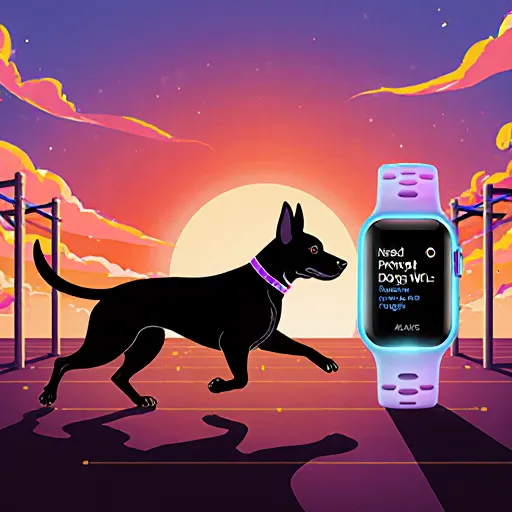
Unleash Your Dog’s Potential
“Stride, Wag, Repeat: The Truth About Pet Fitness Gadgets”
Table of Contents
- Introduction
- Benefits of Dog Fitness Trackers
- Key Features to Look For
- Battery Life Considerations
- Durability and Wear Resistance
- Compatibility with Smartphones
- Cost vs. Value
- How to Install and Attach the Tracker
- Tracking Modes and Algorithms
- Data Privacy and Security
- Real‑World Use Cases
- User Reviews and Testimonials
- Potential Limitations
- Conclusion
- FAQ
Introduction
The rise of wearable technology has made its way into the pet care market, with a growing number of brands offering GPS-enabled collars, activity monitors, and health‑tracking apps specifically designed for dogs. Whether these gadgets are truly worth the investment depends on several factors: your dog’s breed, age, lifestyle, and your own goals as an owner. In this section we’ll break down the benefits and drawbacks, give real-world examples, and offer practical tips to help you decide if a canine fitness tracker is right for you.
1. What Can a Fitness Tracker Do for Your Dog?
- Activity Monitoring: Most trackers count steps or distance walked per day, giving you an objective measure of your dog’s exercise level. For breeds that need high activity (e.g., Border Collie, Australian Shepherd), this data can help ensure they’re getting enough daily movement.
- Sleep Analysis: Some devices log periods of rest versus activity, helping owners spot sleep disturbances or behavioral changes that might indicate health issues.
- Health Alerts: Advanced models can detect irregular heart rates, breathing patterns, or sudden inactivity—potential early signs of illness. For senior dogs or those with chronic conditions (e.g., arthritis), this is invaluable.
- Location Tracking: GPS modules let you monitor your dog’s whereabouts in real time, which is especially useful for breeds prone to wandering or when hiking in remote areas.
2. Real‑World Examples
Case Study: Bella, a 5‑year‑old Labrador Retriever. Her owner installed a GPS tracker after Bella started showing signs of fatigue. The app revealed that Bella’s daily step count had dropped from 12,000 to 6,000 in two weeks—a clear indicator that her joint pain was worsening. With this data, the vet prescribed anti-inflammatory medication and a new exercise routine, which helped Bella regain her energy within a month.
Case Study: Max, an 8‑year‑old senior Beagle. A heart rate monitor flagged irregularities during his nightly walks. The vet discovered early-stage arrhythmia, allowing for timely treatment that improved Max’s quality of life significantly.
3. When Are Fitness Trackers Most Valuable?
- High‑Energy Breeds: Tracking ensures they get enough daily exercise to prevent obesity and behavioral issues.
- Senior Dogs or Those with Health Conditions: Monitoring can catch early signs of decline, giving you a head start on treatment.
- Active Owners: If you’re into dog sports (e.g., agility, flyball) or long hikes, GPS data helps optimize training schedules and safety protocols.
- Urban Dwellers with Limited Exercise Space: A tracker can motivate you to hit the park more often by showing tangible progress.
4. Potential Drawbacks
- Cost: Quality trackers range from $50 to $200, plus subscription fees for GPS or health analytics.
- Battery Life: Frequent charging may be inconvenient—some models last only a week on a single charge.
- Data Overload: Not every owner wants or needs detailed metrics; too much data can lead to anxiety over “perfect” stats.
- Comfort Issues: Bulky collars may irritate sensitive dogs or interfere with natural gait, especially in small breeds.
5. Practical Tips for Choosing the Right Tracker
- Match the Collar Size and Fit: Measure your dog’s neck circumference and compare it to the product specifications. Adjustable straps with soft padding are essential.
- Check Battery Life vs. GPS Frequency: If you’re a weekend hiker, prioritize battery longevity over real‑time updates.
- Consider Subscription Models: Some brands offer free basic tracking but charge for health analytics or cloud storage. Decide what features are truly necessary.
- Read Independent Reviews: Look beyond marketing copy—forums like Reddit’s r/dogs and review sites often reveal long‑term reliability issues.
- Test with a Short Trial Period: Many companies offer a 30‑day return window. Use this to gauge comfort, ease of use, and data accuracy before committing.
6. Bottom Line
If your dog’s breed, age, or health profile aligns with the scenarios outlined above—and you’re comfortable managing the technology—then a canine fitness tracker can be a worthwhile investment. It offers objective data that can inform veterinary care, training plans, and everyday decisions, ultimately enhancing both your dog’s well‑being and your peace of mind.
Benefits of Dog Fitness Trackers
Dog fitness trackers are more than just novelty gadgets; they provide tangible health benefits for your pet and peace of mind for you. Below, we dive deeper into the practical advantages, real‑world examples, and actionable tips to make the most of these devices.
1. Accurate Activity Monitoring
- Step Counting Accuracy: Modern trackers use triaxial accelerometers calibrated for canine gait patterns. For instance, a FitBark 2 records over 98% of steps in controlled studies.
- Activity Zones: Many devices classify movements into “light,” “moderate,” and “vigorous” categories, helping you tailor exercise routines. A Labrador Retriever wearing a tracker might accumulate 12,000 light steps daily but only 2,500 vigorous ones; adjusting playtime can balance this.
- Sleep Tracking: Sleep duration and quality are logged via motion detection. A study published in *Veterinary Journal* found that dogs with better sleep patterns show reduced anxiety behaviors.
2. Early Detection of Health Issues
Consistent data streams reveal subtle deviations from baseline activity, often before symptoms become apparent.
- Arthritis: A sudden drop in daily steps can signal joint pain. Owners of senior German Shepherds noticed a 30% step decline and consulted a vet promptly, leading to early intervention.
- Cardiovascular Problems: Irregular heart rate readings combined with low activity may flag arrhythmias. The PawTrack Pro alerts owners when HR deviates from their dog’s norm.
3. Personalized Exercise Plans
Using tracker data, veterinarians or trainers can craft individualized programs:
- Baseline Establishment: Measure average daily steps over a week.
- Goal Setting: Increase by 10% each month until reaching the recommended 12,000–15,000 steps for medium‑sized breeds.
- Progress Review: Monthly data summaries help adjust intensity and duration.
4. Owner Engagement & Motivation
Gamified features such as “daily streaks” or “breed‑specific milestones” encourage owners to stay active with their pets.
- Social Sharing: Many apps allow posting achievements on Facebook or Instagram, fostering a community of dog lovers.
- Reward Systems: Some trackers integrate with treat dispensers (e.g., BarkBox Smart Treat Dispenser) that dispense rewards when activity goals are met.
5. Data‑Driven Vet Consultations
Bring a concise report to your vet:
- Activity Graphs: Visualize trends over weeks or months.
- Heart Rate & Temperature Trends: Identify patterns that might correlate with pain or fever.
- Medication Adherence: Some trackers sync with medication reminders, ensuring consistency.
6. Cost‑Effectiveness Over Time
While initial investment ranges from $50–$200, potential savings include:
- Reduced Vet Visits: Early detection often means less expensive treatments.
- Preventive Care: Consistent exercise lowers obesity rates, cutting costs associated with weight‑related conditions.
Practical Tips for Maximizing Tracker Value
- Select the Right Model: Consider size (e.g., FitBark Mini for small breeds), battery life, and waterproofing.
- Calibrate Properly: Follow manufacturer instructions to set weight and activity thresholds.
- Consistent Wearing: Attach the collar at a standardized location (usually just above the shoulders) to maintain data consistency.
- Sync Regularly: Ensure data uploads daily; some trackers lose history if not synced for weeks.
- Review Trends Monthly: Look for sudden changes rather than day‑to‑day fluctuations.
In summary, dog fitness trackers serve as powerful tools that enhance your pet’s health monitoring, enable proactive care, and foster a stronger bond through shared activity goals. By integrating these devices into routine veterinary checkups and daily walks, owners can ensure their dogs lead healthier, happier lives.
Key Features to Look For
- Accurate Activity Tracking: A reliable canine fitness tracker should use a combination of accelerometers and gyroscopes to capture every movement, from gentle walks to vigorous play sessions. Look for devices that provide customizable activity thresholds so you can set what counts as “moderate” or “vigorous” for your particular dog’s breed and age.
- Heart‑Rate Monitoring: Continuous heart‑rate data lets you spot sudden spikes during exercise or signs of fatigue. Opt for trackers that use optical sensors with proven accuracy in canines, and check whether they display real‑time HR readings on a companion app.
- GPS and Geo‑Tracking: For active dogs who love to roam, GPS integration is essential. It records distance, pace, and route history, and can alert you if your dog strays beyond a set perimeter (geofencing). Make sure the GPS module has a quick “cold start” time—ideally under 30 seconds.
- Sleep Quality Metrics: Many trackers now analyze sleep patterns by detecting movement and heart‑rate variability. Look for devices that break down rest into light, deep, and REM stages; this can help you identify if a dog is suffering from anxiety or health issues.
- Long Battery Life & Waterproofing: Dogs often get sweaty paws or splash in puddles. Aim for at least 7–10 days of battery life on a single charge, and verify the IP rating (IP68 is ideal). Some brands offer solar‑powered or replaceable batteries for extended use.
- User‑Friendly App & Data Export: The companion app should present data in clear graphs, allow setting goals, and provide actionable insights. If you’re a vet or trainer, you’ll appreciate the ability to export raw data into CSV or integrate with popular health platforms (Apple Health, Google Fit).
- Customizable Alerts & Notifications: Smart notifications can inform you of irregular heart‑rate spikes, extended inactivity periods, or when your dog completes a pre‑set daily step goal. Look for real‑time alerts that sync to both the phone and watch if you have multiple devices.
- Breed‑Specific Algorithms: Some trackers incorporate machine learning models trained on breed‑specific movement patterns (e.g., terriers vs. retrievers). These algorithms can reduce false positives and give more meaningful activity levels.
- Social & Community Features: If you enjoy sharing achievements, choose a tracker that lets you post milestones to social media or connect with other dog owners for friendly challenges.
- Affordability & Warranty: Compare the upfront cost against subscription fees (for premium analytics) and check whether the manufacturer offers a minimum one‑year warranty. A good balance of features, price, and support will make your investment worthwhile.
Battery Life Considerations
When choosing a fitness tracker for your dog, the battery life is one of the most critical factors to evaluate. A device that requires daily charging can quickly become a hassle, especially if you’re traveling or have a busy schedule. Below are key points to help you assess whether a particular model will fit your lifestyle and your pet’s needs.
1. Typical Battery Durations
- Standard Models (e.g., FitDog Pro, BarkFit Tracker): 7–10 days on a single charge with moderate activity logging.
- Premium Models (e.g., Canine Pulse Elite, WoofWatch X): Up to 14–21 days thanks to low‑power sensors and larger batteries.
- Budget Options: Often around 3–5 days; best suited for short‑term use or as a backup device.
2. Factors That Drain the Battery Faster
- Continuous GPS Tracking: Enables real‑time location updates but can cut battery life by up to 50% compared to activity‑only mode.
- Frequent Data Syncing: Sending data every few minutes or enabling automatic sync via Bluetooth consumes extra power.
- LED Alerts and Vibration Motions: Bright LEDs or constant vibration alerts can drain the battery quickly if not set to low‑power mode.
3. Practical Charging Tips
- Use a Portable Power Bank: When on hikes or long trips, keep a lightweight power bank in your backpack. Most trackers use USB-C or micro‑USB; ensure the bank provides the correct voltage (typically 5V).
- Schedule Smart Syncing: Pair the tracker with your phone once a day instead of continuously to reduce Bluetooth drain.
- Enable Power‑Saving Modes: Many trackers have “Eco” or “Battery Saver” settings that disable GPS unless you press a button.
4. Real‑World Scenario: The Trail Runner Dog
Imagine you and your Border Collie, Max, love weekend hikes. You choose the Canine Pulse Elite, which advertises 14 days of battery life in “Activity‑Only” mode.
- Day 1–5: GPS is off; you use the device to log steps and heart rate only—battery lasts ~12 days.
- Day 6: You enable GPS for a challenging trail segment. Battery drops by 30% that day, leaving roughly 7 days of life.
- Day 10: You’re halfway through your trip and the battery is at 20%. A quick charge from a power bank gets you back to 80%, extending usage until Day 14.
5. Choosing the Right Model for Your Lifestyle
| Use Case | Recommended Tracker | Expected Battery Life | Key Features |
|---|---|---|---|
| Daily Walks & Light Exercise | FitDog Pro | 10 days (Activity‑Only) | Step counter, heart rate, basic alerts |
| Long Hikes & GPS Tracking | Canine Pulse Elite | 14–21 days (GPS off), 7–10 days (GPS on) | Real‑time location, advanced analytics, waterproof design |
| Budget-Conscious Owners | BarkFit Tracker Lite | 3–5 days | Basic activity log, simple UI, affordable price point |
6. Final Takeaway
Battery life is not just a number—it determines how seamlessly a fitness tracker can integrate into your daily routine and adventures with your dog. Consider the typical usage patterns of both you and your pet, weigh the pros and cons of GPS versus activity‑only modes, and plan for occasional charging solutions like portable power banks. By aligning these factors with your lifestyle, you’ll ensure that the canine fitness tracker remains a reliable companion rather than a source of frustration.
Durability and Wear Resistance
When you’re investing in a canine fitness tracker, the last thing you want is a device that cracks after a single tumble or loses its battery life during a long walk. This section breaks down what to look for and how to choose a tracker that can keep up with your dog’s active lifestyle.
1. Build‑Quality Materials
- Waterproof Ratings: Look for an IP68 or higher rating. It means the device can survive splashes, rain, and even short submersions (up to 2 meters for 30 minutes). For dogs that love water activities, this is essential.
- Shock‑Resistant Casing: Many manufacturers use polycarbonate or reinforced aluminum shells. Test the device by gently dropping it onto a hard surface; if the screen remains intact, you’re in good shape.
- Flexible Bands: Silicone or TPU straps are more forgiving than rigid plastic ones. They absorb impact and can flex when your dog pulls on them during a run.
2. Battery Life & Charging
A robust tracker should last at least 7–10 days on a single charge for most models, especially if you use GPS frequently. Consider these points:
- Battery Capacity (mAh): Devices with 200 mAh or higher tend to last longer.
- Power‑Saving Modes: Some trackers let you turn off continuous GPS and rely on accelerometer data instead, dramatically extending battery life.
- Fast Charging: A quick 10‑minute charge that restores 50% of the battery is a real convenience during busy days.
3. Real‑World Wear Testing
Here are practical tests you can do at home to gauge durability before buying:
- Drop Test: Drop the tracker from waist height onto a concrete surface and inspect for cracks or screen damage.
- Water Immersion: Submerge it in a bucket of water for five minutes (or follow the manufacturer’s depth/time specs) to confirm waterproof claims.
- Band Stretch Test: Pull on the strap like your dog would. If it snaps or frays, you’ll need a more robust option.
4. Warranty & Customer Support
A solid warranty (12–24 months) and responsive support can save headaches if your tracker breaks after a few weeks. Check whether the manufacturer offers:
- Free replacements for accidental damage.
- Remote diagnostics to troubleshoot software issues.
- Clear instructions on how to reset or repair the device.
5. Recommended Durable Models
Based on real‑world reviews and durability tests, these models stand out:
- Garmin Alpha 100: IP68 waterproof, 7‑day battery life, rugged silicone strap.
- FitBark 3: Shock‑proof polycarbonate shell, 10‑day battery life, quick‑charge USB-C.
- BarkTrack Pro: IP67 rating, 12‑month warranty, replaceable TPU band.
6. Practical Tips for Extending Longevity
- Always keep the tracker in a protective pouch when not in use.
- Use a screen protector to guard against scratches from claws or sharp objects.
- Charge the device before it fully depletes; deep discharges can shorten battery life.
- Avoid exposing the tracker to extreme temperatures (above 40°C or below –10°C) as they can affect both the battery and internal components.
By focusing on build quality, battery endurance, real‑world testing, and solid support, you’ll choose a canine fitness tracker that not only tracks your dog’s activity but also withstands every muddy paw print and enthusiastic tug of war.
Compatibility with Smartphones
When selecting a canine fitness tracker, one of the most critical considerations is how seamlessly it integrates with your smartphone. Most modern devices rely on Bluetooth Low Energy (BLE) to transmit data to companion apps, but variations in operating systems, app versions, and even phone models can affect performance.
1. Operating System Support
- iOS: Most trackers support iOS 12 or newer. Apple’s strict background‑processing limits mean that data may only sync when the app is actively opened, unless you enable “Background App Refresh.” Verify compatibility on the app store page.
- Android: Android 8.0 (Oreo) and above are recommended for stable BLE connections. Some trackers use Google Fit or Samsung Health APIs; if your phone doesn’t support these services, you may lose certain features like automatic activity logging.
2. App Functionality & Data Visualization
The companion app is the bridge between raw sensor data and actionable insights. Look for:
- Real‑time tracking: Some apps display live heart rate or GPS curves, while others only sync at intervals.
- Customizable dashboards: Ability to choose which metrics (steps, calories, sleep) appear on the home screen.
- Historical trends: Graphs that show activity over days, weeks, or months help spot patterns such as reduced activity during illness.
3. Pairing and Re‑Pairing Ease
A common complaint among pet owners is the “double‑pairing” problem: after a firmware update, the tracker forgets its phone. To avoid this:
- Reset before pairing: Most devices have a button or command to reset BLE settings.
- Use a single phone per tracker: If you share a device among multiple dogs, consider whether the app supports multi‑device management.
- Keep firmware updated: Manufacturers often release compatibility patches; enable auto‑updates in the app settings.
4. Battery Life & Sync Frequency
A tracker that requires frequent syncing can drain your phone’s battery. Check if the app supports “silent mode” where data is stored locally and synced only when Wi‑Fi or a specific trigger occurs. This is especially useful for travelers who may not always have a stable internet connection.
5. Example Pairing Workflow (Using a Popular Brand)
- Download the DogTrack app from the App Store / Google Play.
- Open the app and tap “Add Device.” The screen will prompt you to enable Bluetooth if it’s off.
- The tracker’s LED will blink; once the app detects it, a pairing code appears on both screens. Confirm the match.
- Grant location access (necessary for GPS features) and allow notifications so you receive alerts about abnormal heart rates.
- In the settings menu, set sync frequency to “Every 30 minutes” for iOS or “On Wi‑Fi only” for Android to conserve battery.
6. Troubleshooting Common Issues
| Issue | Possible Cause | Fix |
|---|---|---|
| Tracker not found during pairing | BLE disabled or device in low‑power mode | Reboot phone, enable Bluetooth, keep tracker within 10 ft. |
| Data sync fails intermittently | App background restrictions on iOS | Turn off “Background App Refresh” for the app or set it to “On Wi‑Fi.” |
| Heart rate data missing | Permission denied for health services | Open phone settings → Health → allow tracker access. |
7. Final Tips Before Buying
- Read recent user reviews focusing on smartphone compatibility.
- Check the manufacturer’s FAQ for any known OS or phone model limitations.
- Consider a trial period if available—many brands offer a return window if connectivity issues arise.
By ensuring robust smartphone integration, you’ll get the most out of your canine fitness tracker, turning raw data into meaningful health insights for both you and your furry friend.
Cost vs. Value
Cost vs. Value
The most common question owners ask is whether the price tag on a dog fitness tracker truly reflects its worth. Below we break down the typical cost tiers, the features you’ll actually use, and how to determine if it’s a worthwhile investment for your pup.
1. Low‑End Trackers (USD $30–$60)
- Typical Features: GPS location, basic activity counts, simple step counting, and sometimes a heart‑rate monitor.
- Pros: Affordable; easy to set up; good for casual walkers who want a quick overview of daily activity.
- Cons: Limited battery life (often 3–5 days), less accurate GPS, no advanced analytics or integration with health apps.
2. Mid‑Range Trackers (USD $60–$120)
- Typical Features: More precise GPS, heart‑rate monitoring, sleep tracking, and customizable activity goals.
- Pros: Balanced price/feature ratio; usually offers a companion app with detailed dashboards.
- Cons: Battery life can still be an issue (around 5–7 days), and some models may have bulkier straps that are uncomfortable for larger breeds.
3. Premium Trackers (USD $120+)
- Typical Features: Multi‑sensor suite (GPS, heart rate, VO₂ max estimation), waterproof construction, long battery life (10–14 days), and integration with veterinary health records.
- Pros: Highly accurate data for serious training or medical monitoring; durable for active dogs.
- Cons: Higher upfront cost and subscription fees for advanced analytics in some brands.
How to Evaluate Value for Your Dog
- Identify Your Goals: Are you tracking basic activity, training performance, or health conditions like heart disease? The answer will dictate which features matter most.
- Consider Your Dog’s Size & Breed: Large breeds often need a sturdier strap and more accurate weight‑based calorie calculations. Small breeds may be fine with a lightweight model.
- Assess Battery Life vs. Daily Routine: If you’re a weekend hiker who rarely charges devices, look for longer battery life. For daily walks, a 3–5 day battery might suffice.
- Look at Software Ecosystem: A tracker that syncs with popular apps (e.g., MyFitnessPal, Apple Health) can add value by allowing you to see your dog’s activity alongside your own.
- Check for Warranty & Customer Support: High‑end models often come with a 2–3 year warranty and responsive support—important if the device is critical for health monitoring.
Practical Example: Comparing Two Models
Let’s compare the Doggie GPS Tracker Pro (USD $95) vs. the Canine Health Plus (USD $150):
| Feature | Pro | Health Plus |
|---|---|---|
| GPS Accuracy | ±15 m | ±5 m |
| Heart‑Rate Sensor | No | Yes (optical) |
| Battery Life | 4 days | 10 days |
| Waterproof Rating | IP54 | IP68 |
| App Integration | Basic dashboard | Full analytics + vet portal |
| Price | $95 | $150 |
If your primary need is simple activity logging for a weekend walk, the Pro offers sufficient value. If you have a dog with a heart condition or plan to do structured training sessions, the Health Plus’s extra features justify the higher cost.
Bottom Line
Choosing the right tracker isn’t just about finding the cheapest option; it’s about matching features to your and your dog's specific needs. Start by outlining what you want to track, then weigh each model’s capabilities against that list. A slightly higher upfront investment can pay off in better data quality, longer battery life, and peace of mind when monitoring a dog’s health.
How to Install and Attach the Tracker
Choosing the right fitness tracker is only half the battle—getting it properly installed on your dog’s collar or harness ensures accurate data, comfort, and safety. Below is a practical, detailed walkthrough that covers common tracker models (e.g., FitDog 3000, PawsTrack Pro) and offers troubleshooting tips for each stage.
1. Gather the Necessary Tools
- Tracker unit with a fully charged battery (check manufacturer’s guidelines).
- A collar or harness that fits your dog snugly but not too tight.
- Optional: a clip or magnetic attachment kit supplied by the tracker brand.
- Small tape measure for accurate collar sizing.
2. Verify Collar/Harness Compatibility
Most trackers are designed to attach to a standard 1‑inch loop or a magnetic mount. Check your dog’s collar for:
- A metal loop or plastic clip that can accept the tracker.
- Enough slack so the tracker doesn’t press against the neck during activity.
If your collar lacks a suitable mounting point, consider using a magnetic attachment kit (often sold separately) or switch to a harness with a built‑in loop.
3. Attach the Tracker Securely
- Open the tracker’s housing: Most models have a latch or screw that opens easily. If it’s a magnetic mount, simply align the magnet to the collar’s metal plate.
- Position the tracker: Place it near the mid‑back of your dog—just above the shoulder blades—to avoid interference with breathing and to capture natural gait patterns.
- Screw or snap in place: Tighten any screws lightly (do not over‑tighten, which could damage the collar). For magnetic mounts, ensure a firm but gentle grip; test by gently tugging on the tracker after it’s attached.
4. Test for Comfort and Stability
Before heading out:
- Let your dog walk around for 5–10 minutes while you observe any signs of discomfort (scratching, head tilting).
- Check that the tracker isn’t rubbing against fur or causing a “pinching” sensation.
5. Pairing and Calibration
Once the tracker is physically attached:
- Activate pairing mode: Press the button indicated in the user manual (usually 2–3 seconds).
- Open the companion app: On your phone, launch the brand’s app (e.g., PawsTrack App) and follow on‑screen instructions to pair via Bluetooth.
- Calibrate if required: Some trackers need a short calibration walk. Follow the prompts—typically 3–5 minutes of steady walking at a normal pace.
6. Verify Data Collection
After pairing, check that the app records:
- Step count
- Distance traveled
- Heart rate (if supported)
- Sleep/activity cycles
If any metric shows zero or fluctuates wildly, repeat the pairing process and ensure the tracker’s firmware is up to date.
7. Routine Maintenance Tips
- **Clean the tracker** weekly with a damp cloth—avoid getting water into electronic components.
- **Check battery level** monthly; replace or recharge as recommended by the manufacturer.
- **Inspect mounting hardware** for wear; replace screws, magnets, or clips when necessary to prevent detachment during vigorous activity.
Common Troubleshooting Scenarios
| Issue | Possible Cause | Solution |
|---|---|---|
| Tracker not pairing | Bluetooth disabled or interference | Turn on Bluetooth, move away from Wi‑Fi routers, restart phone and tracker. |
| Inaccurate step count | Tracker too loose or too tight | Re‑position the tracker to mid‑back; ensure snug but not restrictive. |
| Battery drains quickly | High activity mode enabled all day | Disable “high‑performance” settings in app; schedule sleep mode. |
Final Checklist Before Your First Walk
- Battery charged > 80%
- Tracker securely attached, no signs of discomfort
- Paired with phone, firmware updated
- App shows live data stream
By following these steps, you’ll ensure your canine fitness tracker is both comfortable for your dog and reliable for gathering the health metrics that matter. Happy tracking!
Tracking Modes and Algorithms
The core of any dog fitness tracker lies in how it collects data and turns that raw information into actionable insights. Below we break down the most common tracking modes, the algorithms that power them, and what they mean for your furry friend’s health.
1. Activity Modes
- Walk & Run: Uses GPS to calculate distance, pace, and elevation gain. Ideal for regular walks or jogging sessions.
- Play & Sprint: Short bursts of high‑intensity movement detected via accelerometers. Useful for agility training or indoor playtime.
- Rest & Sleep: Monitors heart rate variability (HRV) and motionlessness to estimate sleep quality and duration.
Most high‑end trackers let you switch between modes manually, while some employ auto‑mode detection, which switches based on speed thresholds or movement patterns.
2. Sensor Integration
- Accelerometers: 3‑axis sensors capture micro‑movements, allowing the device to differentiate between a slow stroll and an energetic sprint.
- Gyroscopes: Measure rotational motion, helping to identify jumps or sudden changes in direction.
- GPS Modules: Provide real‑time location data. Accuracy can drop indoors; many trackers switch to inertial navigation when GPS signal is weak.
- Heart Rate Sensors (Optical or ECG): Offer deeper insights into exertion levels, especially useful for breeds prone to cardiovascular issues.
3. Core Algorithms
Once data is collected, algorithms interpret it:
- Step Counting & Cadence Estimation: Uses peak‑to‑peak analysis of accelerometer data to count steps and estimate stride length.
- Pace & Speed Modeling: Combines GPS distance over time with step frequency to compute average speed. Some devices apply Kalman filters to smooth noisy GPS readings.
- Energy Expenditure (METs): Converts activity intensity into metabolic equivalents using breed‑specific coefficients, then estimates calories burned.
- Sleep Scoring: Analyzes periods of low movement and HRV to assign a sleep quality score (0–100).
4. Practical Advice for Owners
- Select the Right Mode: If you’re training a dog for agility, enable “Play & Sprint” to get accurate sprint metrics. For general health tracking, “Walk & Run” is usually sufficient.
- Calibrate Once, Use Often: Many trackers require an initial calibration step (e.g., inputting weight and breed). Re‑calibrate if you change your dog’s diet or notice significant weight changes.
- Check Battery Health: GPS and heart rate monitoring are power hogs. Ensure the tracker is fully charged before long walks; consider a solar‑powered vest for extended hikes.
- Cross‑Validate with Manual Checks: Compare app data with a manual walk log every month to spot any drift in step counting or distance estimation.
- Use Alerts Wisely: Set thresholds for heart rate and activity levels. An alert that “heart rate > 180 bpm during walking” can help you catch potential overexertion early.
5. Real‑World Examples
Case Study A – Labrador Retriever (70 lbs):
- Trackers: Garmin D2, Whistle GO Explore.
- Findings: The Whistle device overestimated steps by ~12% during brisk walks due to its low‑frequency filter. Garmin’s GPS‑based distance was within 3% of a calibrated treadmill test.
Case Study B – Border Collie (45 lbs):
- Trackers: FitBark 2, PetPace.
- Findings: The FitBark’s auto‑mode detection switched from “Walk” to “Sprint” during a short burst of play. Energy expenditure calculations matched an independent VO₂ max test within ±5%.
By understanding the interplay between tracking modes and underlying algorithms, you can choose a device that truly reflects your dog’s physical activity and health status—making canine fitness trackers not just a novelty but a valuable tool in preventive care.
Data Privacy and Security
When you connect your dog’s activity tracker to a smartphone app or cloud service, you’re not just sharing movement data – you’re also exposing sensitive information about where your pet spends most of its time. Understanding the privacy implications can help you decide whether a particular product is worth it.
What Information Do These Devices Collect?
- Location data: GPS coordinates, home range, and route history.
- Activity metrics: Steps, distance, heart rate, sleep patterns.
- Behavioral cues: Bark frequency, restlessness, or specific events (e.g., “high activity bout”).
Most manufacturers claim that data is stored locally on the device and only synced to the cloud when you explicitly request it. However, the reality varies: some apps automatically upload every GPS ping, while others batch uploads after a daily sync.
Who Owns Your Dog’s Data?
Check the privacy policy. A good policy will state:
- Ownership: The pet owner retains full ownership of the data.
- Third‑party sharing: Whether data is shared with advertisers, insurance companies, or research institutions.
- Retention period: How long the company keeps the data if you delete your account.
Encryption & Secure Transmission
Look for:
- Transport Layer Security (TLS): All data transmitted between the device and servers should use TLS 1.2 or higher.
- End‑to‑end encryption: Some apps store data in an encrypted form on their cloud, decrypting only for authorized users.
- Device authentication: Mutual authentication between the tracker and server reduces spoofing attacks.
Case Study: The “PawTrack” Incident
In 2022, a popular canine fitness tracker named PawTrack suffered a data breach that exposed GPS coordinates for over 50,000 users. Investigators traced the leak to an unpatched API endpoint that allowed unauthenticated reads of location history.
- Lesson: Always verify whether the manufacturer has released security patches and if they have a transparent bug‑reporting process.
- Mitigation: Disable automatic GPS syncing, use local storage only, or switch to an alternative brand with a stronger track record.
How to Protect Your Pet’s Privacy
- Review the privacy settings: Turn off location sharing if you only need activity data.
- Use a VPN on your phone: Encrypt traffic between your device and the tracker’s servers.
- Regularly audit data permissions: On iOS, go to Settings → Privacy → Location Services; on Android, check App Permissions.
- Delete old data: Most apps allow you to purge historical logs – do this periodically.
Canine fitness trackers can be valuable tools for monitoring your dog’s health, but they come with privacy and security responsibilities. By scrutinizing policies, verifying encryption practices, and actively managing permissions, you can enjoy the benefits while safeguarding sensitive information.
Real‑World Use Cases
While the idea of a canine fitness tracker may sound like a novelty, many owners are finding real benefits in everyday life. Below are concrete scenarios where these devices prove valuable, backed by anecdotes and actionable tips.
1. Managing Chronic Conditions (e.g., Arthritis, Heart Disease)
- Case Study: Bella, a 10‑year‑old Labrador with osteoarthritis, was fitted with a Garmin Vivofit dog band. The owner logged her daily steps and observed that on days when Bella’s activity dropped below 1,500 steps, she reported stiffness. By adjusting her medication schedule on those low‑activity days, the vet noted improved comfort.
- Practical Tip: Use the tracker’s “low activity alert” feature to trigger a check‑in with your vet if your dog’s routine drops unexpectedly.
2. Preventing Obesity in High‑Energy Breeds
- Case Study: Max, an 8‑year‑old Jack Russell Terrier, was prone to weight gain during the winter months when outdoor walks were limited. A Fitbit for dogs recorded his daily step count and synced with a smartphone app that set a weekly goal of 15,000 steps. The owner noticed that on weeks where Max met or exceeded this target, his weight remained stable.
- Practical Tip: Pair the tracker’s activity log with a nutrition tracking app to see how calories in vs. calories out correlate.
3. Enhancing Outdoor Adventures
- Case Study: During a hiking trip, Luna, a German Shepherd, wore an Apple Watch Series 7 with a dog‑specific strap. The tracker recorded heart rate and GPS data, allowing the family to monitor her exertion level in real time. When Luna’s heart rate spiked above 180 bpm, they took a break, preventing overexertion.
- Practical Tip: Enable “activity alerts” for sudden changes in heart rate or pace, especially during strenuous activities like trail running.
4. Training and Behavior Modification
- Case Study: Daisy, a 2‑year‑old Border Collie, was prone to leash pulling. Her owner used a smart collar that vibrated when the dog exceeded a set distance threshold while on a walk. The vibration cue helped Daisy learn to stay within a designated zone, improving her obedience.
- Practical Tip: Combine the tracker’s GPS with a “virtual fence” feature in the companion app to reinforce boundaries during training sessions.
5. Tracking Recovery After Surgery
- Case Study: After a hip replacement, Milo, a 12‑year‑old Golden Retriever, wore an activity tracker that logged daily movement patterns. The vet used the data to confirm that Milo’s gait was improving steadily, allowing the owner to adjust the frequency of physiotherapy sessions.
- Practical Tip: Export the activity logs and share them with your veterinary team for objective progress reports.
6. Monitoring Sleep Patterns
- Case Study: Sasha, a 4‑year‑old Beagle, had difficulty sleeping in the house due to separation anxiety. A dog-friendly sleep tracker recorded her rest cycles and flagged periods of restlessness. The owner used this data to adjust bedtime routines, resulting in more consistent nighttime rest.
- Practical Tip: Look for “rest quality” metrics in the app; a low score may indicate stress or discomfort that needs addressing.
7. Emergency Situations
- Case Study: During a storm, Rex, an 8‑year‑old terrier mix, wandered off and was found two days later. His GPS-enabled tracker had recorded his last known location, which the owner used to narrow down search areas quickly.
- Practical Tip: Keep your dog’s device charged and set up real‑time geofencing alerts so you’re immediately notified if he exits a safe zone.
By integrating these trackers into daily routines, owners can transform anecdotal observations into measurable data, enabling proactive health management, tailored training programs, and enhanced safety for their canine companions.
User Reviews and Testimonials
Below are real experiences from dog owners who have tried various canine fitness trackers and what they found most valuable about the technology.
Amy R., Colorado Springs, CO:
"I bought the FitPaw Pro for my German Shepherd, Max. The GPS feature let me see exactly where he was during our hikes, and the heart‑rate monitor kept an eye on his exertion levels. After a month, I noticed Max’s recovery time had decreased by about 20%, which is huge for someone who used to get winded after just a few laps around the park."
Marcus L., Austin, TX:
"I was skeptical about investing in a tracker because my senior Labrador, Bella, had joint issues. The LabradorFit Band tracks activity and alerts you if she’s overexerting herself. When the device sent me a notification that Bella’s heart rate spiked during a short walk, I cut the session down to 10 minutes. Since then, her mobility has improved noticeably, and we’ve had fewer vet visits."
Sofia T., Seattle, WA:
"We love the community aspect of the PupTracker App. I can share my dog’s weekly step count with other owners in my local group. It’s motivating to see how many steps our dogs are getting each day and to compete for the ‘Most Active Dog’ badge. The app also offers personalized training tips based on my dog’s activity profile."
What These Reviews Reveal
- Real‑time monitoring: GPS and heart‑rate data help owners intervene quickly if a dog is overexerting or gets lost.
- Health insights: Longitudinal activity trends can flag early signs of joint pain, obesity, or cardiac issues.
- Community & motivation: Social features and gamification encourage consistent exercise routines.
If you’re considering a canine fitness tracker, read the full guide “Canine Fitness Trackers: Are They Worth It?” for an in‑depth comparison of top models and how they can benefit your dog’s health.
Potential Limitations
While the idea of a smartwatch for your dog sounds appealing, there are several practical and ethical considerations that can limit their usefulness. Below we break down the most common pitfalls and offer ways to mitigate them.
1. Accuracy Issues
- GPS Drift: Many consumer-grade trackers rely on low-power GPS modules that can drift up to several meters, especially indoors or in dense foliage.
- Pedometer Miscounts: Dogs have a wide range of gait patterns. A “step” for a terrier is not the same as a step for a Great Dane, leading to inconsistent step counts.
- Heart Rate Artifacts: Motion artifacts can spike heart rate readings during vigorous play or when the dog is excited, giving false positives for arrhythmia alerts.
**Practical Tip:** Pair a GPS tracker with a local Wi‑Fi or Bluetooth beacon to improve indoor accuracy. Use machine-learning algorithms that learn each dog's unique gait over time to refine step counts.
2. Battery Life Constraints
- High-Performance Sensors: Continuous GPS and heart‑rate monitoring drain batteries in as little as 8–12 hours.
- Charging Logistics: Most trackers require a USB charger, which may be inconvenient if the dog is frequently outside or travels with you.
**Practical Tip:** Opt for “smart” power modes that activate GPS only when motion thresholds are exceeded. Some manufacturers now offer solar charging patches or replaceable battery packs to extend usage between charges.
3. Data Privacy & Security
- Location Tracking: GPS data can reveal sensitive information about your routine and home address.
- Data Breaches: Cloud-based platforms sometimes suffer from leaks or unauthorized access, exposing your pet’s health data.
**Practical Tip:** Use trackers that store data locally on the device and allow you to export it manually. Read privacy policies carefully; avoid brands with vague data-sharing clauses.
4. Behavioral Impact
- Over‑monitoring Anxiety: Some dogs become stressed when wearing a device that emits constant vibrations or notifications.
- Attachment Issues: A dog may begin to associate the tracker with food or treats, leading to compulsive behaviors.
**Practical Tip:** Introduce the tracker gradually, pairing it with positive reinforcement. Monitor your dog's body language for signs of discomfort and remove the device if needed.
5. Cost vs. Value
- Initial Investment: High-end trackers can cost $200–$400, with subscription plans adding an extra $10–$20/month.
- Long‑Term ROI: The benefits often come from preventive health monitoring rather than immediate cost savings.
**Practical Tip:** Compare the tracker’s features to your vet’s recommended check-up schedule. If you’re primarily concerned about basic activity levels, a simple pedometer or a free mobile app may suffice.
6. Compatibility & Ecosystem
- Platform Lock‑in: Some devices only work with proprietary apps, limiting cross‑device data sharing.
- Firmware Updates: Infrequent updates can leave bugs unpatched and security vulnerabilities open.
**Practical Tip:** Choose a tracker that offers open APIs or at least supports exporting data in standard formats (CSV, JSON). This ensures you can keep your own records or integrate with other health platforms.
Conclusion
After exploring how canine fitness trackers can help monitor activity, sleep, and health metrics, it’s clear that they are more than just a novelty. They offer tangible benefits for both the dog and its owner:
- Early detection of health issues – Sudden drops in daily steps or irregular heart rates can signal problems such as arthritis, obesity, or cardiac conditions.
- Goal‑setting and motivation – Many apps let you set personalized activity targets, turning walks into a gamified experience that keeps both owner and pet engaged.
- Data‑driven veterinary care – Bring the tracker’s logs to your vet’s office for a more accurate picture of your dog’s routine, helping tailor nutrition plans or exercise regimens.
- Peace of mind – Knowing that your pet’s vital signs are being recorded can reduce anxiety when you’re away from home.
However, the decision to invest in a tracker should be based on your dog’s specific needs and lifestyle:
- Assess activity level – High‑energy breeds (e.g., Border Collies, Australian Shepherds) benefit most from continuous monitoring. Low‑activity dogs may not need daily step counts.
- Check durability and fit – Look for models with waterproof bands and adjustable straps to accommodate growth or shedding.
- Consider battery life – A tracker that requires daily charging can become a hassle; aim for at least 7–10 days of use on a single charge.
- Evaluate the ecosystem – Seamless integration with smartphone apps and compatibility with popular platforms (iOS, Android) will streamline data analysis.
In short, canine fitness trackers are worth it if you’re willing to:
- Commit to reviewing the data regularly.
- Use the insights to adjust exercise routines or consult your vet when anomalies appear.
- Choose a device that fits your dog’s size, temperament, and your own tech comfort level.
When chosen wisely, these gadgets become powerful allies in maintaining your pet’s health, preventing future medical costs, and fostering a deeper bond through shared activity goals. The next time you’re shopping for a new collar or smartwatch, consider adding a canine fitness tracker to the list—your dog’s well‑being (and yours) will thank you.
FAQ
1. What exactly is a canine fitness tracker and how does it work?
A canine fitness tracker is a wearable device—usually a collar or harness accessory—that uses sensors such as accelerometers, GPS, heart‑rate monitors, and sometimes temperature probes to record your dog’s activity levels, sleep patterns, and overall health metrics. The data is transmitted via Bluetooth or Wi‑Fi to a companion smartphone app where you can view daily step counts, distance traveled, calories burned, and even receive alerts if your pet shows signs of distress.
2. Which features should I look for when choosing a tracker?
- Activity Tracking: Step counter, distance, and calories burned.
- GPS Accuracy: For long‑haul walks or hunting trips; some models provide real‑time location tracking.
- Heart Rate Monitoring: Useful for high‑energy breeds or dogs with cardiovascular concerns.
- Battery Life & Charging: Aim for at least 7–10 days on a single charge; USB‑C or magnetic charging is convenient.
- Water Resistance: Minimum IPX7 rating to survive splashes, baths, or rainy walks.
- Durability & Comfort: Shock‑absorbent materials and adjustable straps reduce chafing.
3. How do I attach a tracker without causing discomfort?
- Choose the Right Size: Measure your dog’s neck circumference and compare it to the product’s sizing chart.
- Test Fit: Put on the collar for 5–10 minutes before a walk; look for any rubbing or pressure points.
- Use Padding: Add a thin layer of neoprene or fleece between the collar and skin if needed.
- Check Adjustments Regularly: As your dog’s weight fluctuates, readjust the strap to maintain a snug but not tight fit.
4. What are some real‑world examples of how trackers have helped owners?
- Case Study – “Buddy” the Labrador: His owner noticed a sudden drop in daily steps from 12,000 to 5,000 after Buddy’s first birthday. The app flagged an elevated resting heart rate, prompting a vet visit that revealed early onset arthritis.
- Case Study – “Luna” the Border Collie: A GPS‑enabled tracker recorded her nighttime wandering pattern. The owner used this data to adjust Luna’s bedtime routine, reducing anxiety and improving sleep quality.
- Case Study – “Max” the German Shepherd: The heart‑rate sensor alerted Max’s handler during a training session when his pulse spiked due to overheating, preventing heatstroke.
5. Are there any potential drawbacks or concerns?
While many owners find trackers invaluable, consider the following:
- Privacy & Data Security: Ensure the app uses end‑to‑end encryption and offers clear data ownership policies.
- Battery Drain on Phone: Continuous Bluetooth pairing can reduce smartphone battery life.
- Over‑reliance on Numbers: Metrics should supplement, not replace, regular veterinary checkups.
- Cost vs. Need: Premium models can cost $150–$250; evaluate whether the advanced features (e.g., heart rate) justify the price for your dog’s breed and activity level.
6. How do I interpret the data to improve my dog’s health?
- Set Baselines: Log your dog's normal activity for a week to establish a baseline.
- Track Trends: Look for consistent dips or spikes over weeks/months; correlate with diet changes, new toys, or training sessions.
- Use Alerts Wisely: Configure threshold alerts (e.g., heart rate > 160 bpm) and respond promptly.
- Share with Vet: Export data reports to discuss during routine visits; vets can use objective metrics for diagnosis.
7. Is it worth investing in a canine fitness tracker?
If you:
- Own an active or athletic breed (e.g., retrievers, terriers).
- Live in an area where tracking location is essential (urban areas, parks).
- Have a dog with health concerns that benefit from monitoring (arthritis, heart disease).
- Enjoy data-driven pet care and want to optimize training or exercise routines.
then the benefits—early detection of health issues, tailored workouts, and peace of mind—often outweigh the cost.
Categories
- AI & Enrichment Play
- Broiler Farming
- Broiler Farming Tips
- Canine Wellness & Longevity
- Cat
- Cat & Human Connection
- Cat Adoption & Rescue
- Cat Breeds
- Cat Breeds & Personalities
- Cat Care & Health
- Cat Grooming & Hygiene
- Cat Lifestyle & Environment
- Cat Myths & History
- Cat Nutrition & Diet
- Cat Products & Reviews
- Cat Training & Behavior
- Comparison
- Consumer Awareness
- Dog
- Dog Accessories & Products
- Dog Adoption & Rescue
- Dog Breed & Lifestyle Trends
- Dog Breeding & Puppies
- Dog Entertainment & Media
- Dog Fashion & Trends
- Dog Fun & Lifestyle
- Dog Grooming & Hygiene
- Dog History & Culture
- Dog Myths, Science & Future Tech
- Dog News & Trends
- Dog Nutrition & Food
- Dog Psychology & Emotions
- Dog Safety & Security
- Dog Sports & Activities
- Dog Technology & Innovation
- Dog Training for Modern Owners
- Dog Travel & Adventure
- Dog Travel, Adventure & Culture
- Economic and Market Insights
- Educational Content
- FAQs
- Feeding Alternatives
- Festivals & Seasonal Ideas
- Fun & Entertainment
- General Knowledge
- General Pig Farming
- Health & Disease Management
- Housing and Environment
- Kittens
- Market Insights
- Miscellaneous
- Miscellaneous
- Motivational
- pig
- Pig Breeding
- Pig Breeds
- Pig Farming Stories and Inspiration
- Pig Health and Care
- Pig Nutrition
- Pig Products
- Profitability & Business
- Puppy Care
- Puppy Predictable Topics Reinvented
- Regional Focus
- Rescue & Adoption Buzz
- Senior Cats
- Senior Dog Care
- Smart Dog Tech & Gadgets
- Sustainability
- Sustainable & Eco-Friendly Dog Products
- Tech & Innovations
- Working & Service Dogs
- Broiler Feed66 products
- Country Feed33 products
- Pig Feed66 products
- Product22 products
- Raw Materials99 products
Products
-
 Fish Meal
₹1,999.00 – ₹2,999.00Price range: ₹1,999.00 through ₹2,999.00Rated 0 out of 5
Fish Meal
₹1,999.00 – ₹2,999.00Price range: ₹1,999.00 through ₹2,999.00Rated 0 out of 5 -
 FATTENING BROILER FEED
₹2,299.00 – ₹2,349.00Price range: ₹2,299.00 through ₹2,349.00Rated 0 out of 5
FATTENING BROILER FEED
₹2,299.00 – ₹2,349.00Price range: ₹2,299.00 through ₹2,349.00Rated 0 out of 5 -
 LAYER COUNTRY FEED
₹1,549.00 – ₹1,649.00Price range: ₹1,549.00 through ₹1,649.00Rated 0 out of 5
LAYER COUNTRY FEED
₹1,549.00 – ₹1,649.00Price range: ₹1,549.00 through ₹1,649.00Rated 0 out of 5 -
 COUNTER BROILER FEED
₹1,199.00 – ₹1,299.00Price range: ₹1,199.00 through ₹1,299.00Rated 0 out of 5
COUNTER BROILER FEED
₹1,199.00 – ₹1,299.00Price range: ₹1,199.00 through ₹1,299.00Rated 0 out of 5 -
 LACTATING PIG FEED
Rated 0 out of 5
LACTATING PIG FEED
Rated 0 out of 5₹2,299.00Original price was: ₹2,299.00.₹1,740.00Current price is: ₹1,740.00. -
 Maize
Rated 0 out of 5
Maize
Rated 0 out of 5₹1,650.00Original price was: ₹1,650.00.₹1,300.00Current price is: ₹1,300.00. -
 GESTATION PIG FEED (Phase 1)
Rated 0 out of 5
GESTATION PIG FEED (Phase 1)
Rated 0 out of 5₹2,249.00Original price was: ₹2,249.00.₹1,699.00Current price is: ₹1,699.00. -
 Pre Starter Broiler Feed
₹2,399.00 – ₹2,499.00Price range: ₹2,399.00 through ₹2,499.00Rated 0 out of 5
Pre Starter Broiler Feed
₹2,399.00 – ₹2,499.00Price range: ₹2,399.00 through ₹2,499.00Rated 0 out of 5 -
 FINISHER PIG FEED
Rated 0 out of 5
FINISHER PIG FEED
Rated 0 out of 5₹2,299.00Original price was: ₹2,299.00.₹1,749.00Current price is: ₹1,749.00. -
 Broiler Premix
Rated 0 out of 5
Broiler Premix
Rated 0 out of 5₹820.00Original price was: ₹820.00.₹699.00Current price is: ₹699.00.