
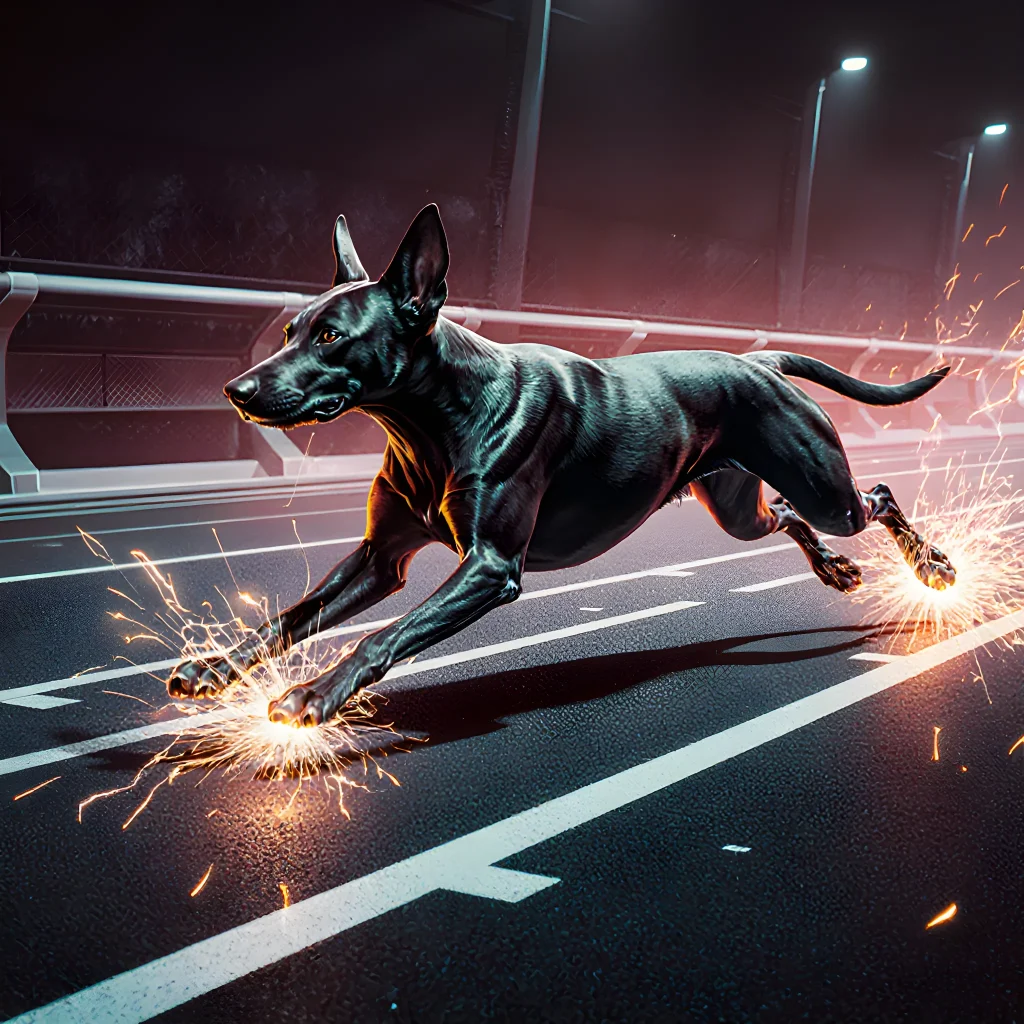
Run Ahead—Unleash Your Pup’s Power!
Stride With Spirit: Craft a Supercharged Dog Runner
Table of Contents
- Introduction: Why Endurance Matters
- Assessing Your Dog’s Current Fitness Level
- Choosing the Right Breeds for Long Runs
- Nutrition and Hydration Basics
- Training Schedule: Building Stamina Gradually
- Proper Warm‑Up and Cool‑Down Routines
- Key Running Techniques for Dogs
- Preventing Common Injuries During Long Runs
- Monitoring Your Dog’s Health and Performance
- Equipment Essentials: Harnesses, Collars, and Shoes
- Adjusting Training for Weather Conditions
- Mental Stimulation and Bond Building During Runs
- When to Seek Veterinary Advice
- Conclusion: Achieving Long‑Distance Success Together
- FAQ: Common Questions About Dog Endurance Training
Introduction: Why Endurance Matters
When you think about long‑distance running, the first thing that comes to mind is the distance itself – miles after miles of pavement or trail. But for your four‑legged companion, endurance is the secret ingredient that turns a casual jog into a healthy, stress‑free adventure.
1. Physical Health Benefits
- Cardiovascular Fitness: Regular long runs help strengthen your dog’s heart and lungs, reducing the risk of heart disease, hypertension, and respiratory problems.
- Weight Management: Endurance training burns calories steadily, keeping obesity – a leading cause of joint issues and diabetes in dogs – at bay.
- Musculoskeletal Strength: Low‑impact, steady exercise builds bone density and muscle tone without the repetitive jarring that can lead to arthritis.
2. Mental Well‑Being
Long runs provide mental stimulation through varied environments—parks, woods, or urban streets—which helps reduce anxiety, boredom, and destructive behaviors.
3. Bonding & Communication
Shared endurance activities create a rhythm of trust. Your dog learns to follow cues (e.g., “heel,” “stop”) consistently over long periods, strengthening the human‑dog partnership.
4. Longevity and Quality of Life
A well‑conditioned dog experiences fewer chronic illnesses, enjoys active play into older age, and requires less medical intervention—resulting in a longer, happier life together.
A. Start with the Right Baseline
- Veterinary Check‑up: Confirm your dog is fit for increased mileage and identify any pre‑existing conditions.
- Baseline Walk Test: Measure how far your dog can comfortably walk before signs of fatigue (slowed breathing, limping).
B. Gradual Mileage Increase
Follow the “10% Rule”: increase weekly mileage by no more than 10%. For example, if you run 5 miles a week, add only half a mile next week.
Sample Progression (8 Weeks)
| Week | Mileage (Dog & You) |
|---|---|
| 1 | 2 mi |
| 2 | 3 mi |
| 3 | 4 mi |
| 4 | 5 mi |
| 5 | 6 mi |
| 6 | 7 mi |
| 7 | 8 mi |
| 8 | 9–10 mi |
C. Incorporate Speed Work Wisely
Mix in short bursts of faster pace (e.g., “sprints” for 30 seconds) to improve cardiovascular capacity, but keep them brief and always follow with a cool‑down walk.
D. Nutrition & Hydration Strategy
- Pre‑Run Meal: Light snack (banana slice or small kibble portion) about 30 minutes before to avoid stomach upset.
- During Run: For runs over 5 mi, carry a collapsible water bowl and offer sips every mile.
- Post‑Run Recovery: Balanced meal with protein & carbs within 30 minutes to replenish glycogen stores.
E. Gear That Supports Endurance
Choose a harness that distributes pressure evenly, especially for breeds prone to back issues (e.g., Labrador, Golden Retriever). Use a breathable collar or head‑collar if your dog tends to pull.
- Warm‑Up Together: 5–10 minutes of light jog or brisk walk before hitting the trail.
- Keep a Pace Chart: Match your dog’s breathing rate (e.g., 15–20 breaths per minute indicates moderate effort).
- Use Positive Reinforcement: Treats, praise, and gentle encouragement after each milestone keep motivation high.
- Watch for Signs of Overexertion: Excessive panting, drooling, or lagging behind signal it’s time to slow down or stop.
- Plan Rest Days: Include at least one full rest day per week to allow muscle recovery.
Building endurance is a marathon, not a sprint. By combining consistent training, proper nutrition, and attentive care, you’ll help your dog thrive on long runs—ensuring both of you enjoy the journey together.
Assessing Your Dog’s Current Fitness Level
Before you start building endurance for long runs, it’s essential to gauge where your dog currently stands. This assessment helps prevent injury, ensures realistic goal setting, and allows you to track progress accurately.
1. Veterinary Check‑Up
- Health Clearance: A quick vet visit confirms there are no underlying conditions (e.g., heart disease, joint issues) that could limit activity.
- Body Condition Score (BCS): The vet will assign a BCS from 1 to 9. Dogs with scores of 4–5 are ideal for endurance training; those below 3 or above 6 may need weight management before starting.
2. Baseline Running Test
Measure how far and how fast your dog can run comfortably without fatigue. Use a GPS watch or smartphone app to record distance, pace, and heart rate if possible.
- Warm‑up: A 5–10 minute walk at a relaxed trot.
- Run: Have your dog run for 5 minutes or until you notice signs of exhaustion (heavy panting, lagging behind).
- Record: Note the distance covered and how long it took. Repeat on different days to get an average.
3. Observe Physical Indicators
| Indicator | What It Means |
|---|---|
| Panting Rate | Light, moderate, or heavy—helps gauge effort. |
| Stride Length & Rhythm | Consistent stride indicates good muscular endurance. |
| Post‑Run Recovery Time | Time to return to normal breathing and posture. |
4. Use a Structured Fitness Scale
A simple numeric scale (1–10) can help quantify effort:
- 1‑3: Easy walk, minimal exertion.
- 4‑6: Light jog; dog is breathing but not gasping.
- 7‑8: Moderate pace with occasional pauses.
- 9‑10: Sprint or high‑intensity run; heavy panting and frequent stops.
5. Document Your Findings
Create a simple log (paper or digital) to track:
- Date & time of test.
- Distance covered.
- Panting intensity.
- Recovery time.
- Any injuries or discomfort reported.
Practical Tips for Accurate Assessment
- Consistent Environment: Run on the same surface (grass, trail) each test to avoid variations.
- Hydration Check: Offer water before and after; dehydration can skew results.
- Time of Day: Dogs are often more energetic in cooler mornings or evenings—pick a consistent time slot.
- Use Positive Reinforcement: Reward with treats or play to keep the dog motivated and reduce anxiety.
Interpreting Results for Endurance Planning
If your dog comfortably runs 1.5 miles in 20 minutes with a light panting rate, you’re likely at a baseline suitable for incremental endurance building. Conversely, if the dog struggles past 0.5 miles or shows heavy panting after 2–3 minutes, start with shorter walks and gradually introduce jogs.
Next Steps
Once you have a clear assessment, you can design a structured training plan that increases mileage by no more than 10% each week, incorporates cross‑training (swimming, cycling), and includes rest days to allow for recovery. Always re-evaluate after every few weeks to adjust intensity based on your dog’s progress.
Choosing the Right Breeds for Long Runs
When you’re planning to hit the pavement with your four‑legged companion, the first question on everyone’s mind is: “Which breeds are best suited for long distance running?” While any dog can enjoy a brisk walk, only certain breeds have the anatomical and metabolic traits that make them reliable partners for extended workouts. Below we break down the key characteristics to look for, list some of the top performers, and give practical tips on how to start training them safely.
Key Traits That Make a Dog a Long‑Run Companion
- Build & Body Length: Longer leashes (in terms of body length) provide more leverage and reduce strain on joints during repetitive motion. Breeds with a longer torso relative to their limbs tend to have smoother strides.
- Leg Muscle Mass: Strong, well‑developed quadriceps, hamstrings, and calf muscles help absorb impact and maintain speed over time.
- Joint Health & Flexibility: Breeds with naturally flexible joints (especially the hocks and elbows) are less prone to injury when covering large distances.
- Respiratory Efficiency: A broad rib cage, a good lung capacity, and efficient breathing patterns allow sustained oxygen delivery during prolonged exertion.
- Endurance & Energy Levels: Some breeds simply have higher aerobic thresholds; they can keep going without tiring as quickly as others.
Top Breeds for Long‑Distance Running
| Breed | Ideal Weight Range (lbs) | Key Strengths | Typical Training Start Age |
|---|---|---|---|
| Standard Poodle | 45‑70 | 12–18 months (after puppy weight loss). | |
| Labrador Retriever | 55‑80 | 10–14 months. | |
| Australian Shepherd | 35‑50 | 9–12 months. | |
| Vizsla | 45‑55 | 10–13 months. | |
| Weimaraner | 55‑75 | 11–15 months. |
Training Your Dog for Long Runs
- Start with a Baseline: Measure your dog’s current stamina by timing how long they can jog before slowing down. Use this as a starting point.
- Progressive Overload: Add about 10% to the distance each week, but never increase more than 0.5–1 mile in total per session. This mimics human training principles and reduces injury risk.
- Use a Proper Harness: A front‑clip harness distributes pressure evenly and prevents strain on the neck. Avoid collar‑based systems for long runs.
- Hydration & Nutrition: Offer water at rest stops and feed a high‑protein, moderate‑carb diet to support muscle repair. For longer sessions (20+ miles), consider electrolyte gels or specially formulated dog sports drinks.
- Monitor the Signs of Overexertion: Excessive panting, lagging behind, or a wet nose are normal during a run but watch for coughing, limping, or reluctance to move. If any of these occur, stop and consult a vet.
Practical Example: Building a 10‑Mile Routine with a Labrador
Assuming your Labrador is healthy and has passed the initial vet check:
- Week 1–2: 1.5 miles jog, 3 times per week.
- Week 3–4: 2 miles jog, 4 times per week.
- Week 5–6: 3 miles jog, 4 times per week.
- Week 7–8: 4 miles jog, 5 times per week.
- Week 9–10: 5 miles jog, 5 times per week.
- Final Phase (Weeks 11‑12): 7–8 miles once a week, with the rest of the sessions staying at 4–5 miles.
Throughout this plan, include one or two short “sprint” intervals per session to improve speed and cardiovascular fitness. Finish each run with a cool‑down walk and gentle stretching for your dog’s muscles.
Final Thoughts
Selecting the right breed is only the first step; consistent, science‑backed training will truly build endurance in dogs for long runs. Always keep an eye on your dog’s health, adjust as needed, and celebrate every milestone together.
Nutrition and Hydration Basics
When training a dog for long runs, providing the right balance of nutrients and fluids is as crucial as the workout itself. A well‑fueled canine will have more energy, recover faster, and reduce the risk of injury.
1. Calorie Needs for Endurance Training
- Calculate Basal Metabolic Rate (BMR): Use the equation BMR = 70 × (weight in kg)^0.75. This gives a baseline of calories needed at rest.
- Add Activity Factor: For moderate training, multiply BMR by 1.5–2.0; for intense long‑run sessions, use 2.5–3.0.
- Example: A 20 kg Border Collie: BMR ≈ 70 × (20)^0.75 ≈ 1,200 kcal/day. For a day of heavy training (factor 2.5), total ≈ 3,000 kcal.
2. Macronutrient Distribution
| Nutrient | Recommended % |
|---|---|
| Protein | 18‑25% |
| Fat | 20‑30% |
| Carbohydrate | 35‑45% |
High‑quality proteins (chicken, turkey, fish) support muscle repair. Medium to high fat levels provide dense energy stores, while carbohydrates replenish glycogen quickly.
3. Feeding Schedule for Long Runs
- Pre‑Run Meal: 2–3 hours before exercise, give a moderate portion (~30% of daily calories). Include easily digestible carbs (rice, sweet potato) and lean protein.
- During Run (if >60 min): Offer small gel packets or freeze‑dried treats (e.g., commercial “energy chews”). Aim for 50–100 kcal per hour.
- Post‑Run Recovery: Within 30 minutes, provide a high‑protein snack and replenish glycogen with carbs. A balanced meal (~40% of daily calories) is ideal.
4. Hydration Strategies
- Water Intake: Dogs should drink 50–60 mL per kg body weight daily, plus extra for exercise. Monitor urine color—pale yellow indicates adequate hydration.
- Electrolyte Supplements: For runs over an hour, add a pinch of sea salt or commercial electrolyte tablets to water.
- Ice Cubes and Frozen Treats: Cold treats can encourage drinking and provide cooling relief during hot weather.
5. Practical Tips & Common Mistakes
- Don’t Overfeed: Excess calories lead to weight gain, which increases joint stress.
- Avoid Late Night Meals: A heavy dinner close to bedtime can cause digestive discomfort and sleep disruption.
- Monitor Body Condition Score (BCS): Adjust food portions if the dog’s BCS climbs above 5/9.
- Use a Food Diary: Track calories, meal times, and activity to fine‑tune nutrition.
6. Sample Daily Meal Plan for a 25 kg Runners’ Dog (≈3,500 kcal)
| Meal | Food | Calories |
|---|---|---|
| Breakfast | Commercial kibble (high protein) + boiled egg | 900 |
| Lunch (pre‑run) | Cooked rice, shredded chicken, pumpkin puree | 700 |
| Snack (during run) | Commercial energy chew | 150 |
| Dinner (post‑run) | Dehydrated meat + sweet potato mash + fish oil | 1,200 |
| Evening Treat | Freeze‑dried fruit slice | 150 |
| Water & Electrolytes | Fresh water + pinch of salt | - |
| Total | 3,500 |
By aligning nutrition and hydration with training intensity, you’ll give your dog the best chance to build endurance safely and enjoyably.
Training Schedule: Building Stamina Gradually
Just like humans, dogs need a structured plan to develop their endurance for long runs. The key is progressive overload—incrementally increasing distance or intensity while allowing adequate recovery.
Week‑by‑Week Plan (12 Weeks)
| Week | Goal Distance (miles) | Key Focus | Rest Days |
|---|---|---|---|
| 1–2 | 0.5 – 1.0 | Establish baseline; keep pace comfortable. | Mon, Thu |
| 3–4 | 1.5 – 2.0 | Introduce slight incline; add light jog intervals. | Tue, Fri |
| 5–6 | 2.5 – 3.0 | Consistent tempo run; focus on breathing rhythm. | Wed, Sat |
| 7–8 | 3.5 – 4.0 | Incorporate hill repeats (2×30 sec). Monitor heart rate. | Mon, Thu |
| 9–10 | 4.5 – 5.0 | Long run at 70% max effort; stay hydrated. | Tue, Fri |
| 11–12 | 5.5 – 6.0 | Peak distance; simulate race day conditions. | Wed, Sat |
Daily Warm‑Up Routine (10 Minutes)
- Walk for 5 min: Slow pace to increase joint lubrication.
- Dynamic stretches: Leg swings, hip circles—2 sets of 10 reps each side.
- Short jog bursts: 3×30 sec at a slightly faster pace with 1‑minute walk recovery.
Nutrition & Hydration Tips
- Feed a balanced, high‑protein diet; consider a small protein supplement post‑run.
- Provide fresh water at every rest stop; for longer sessions, carry a collapsible bowl and water bottle.
- Avoid overfeeding within two hours of exercise to reduce gastrointestinal upset.
Monitoring Progress
Use a wearable dog activity tracker or manual log to record:
- Total distance and pace per session.
- Heart rate (if available).
- Behavioral cues: panting duration, stride length, enthusiasm.
Common Pitfalls & How to Avoid Them
| Pitfall | Solution |
|---|---|
| Overtraining | Include at least one full rest day per week; watch for signs of fatigue. |
| Injury from uneven terrain | Start on flat paths; progress to gentle hills and eventually varied surfaces. |
| Poor hydration | Carry water; train your dog to drink during breaks. |
Sample “Long Run” Day (Week 9)
- Pre‑run: Light walk, 5 min; ensure the dog is comfortable.
- Run: 4.5 miles at 70% effort (~1:45–2:00 per mile). Keep breathing steady.
- Post‑run: Cool down walk, 5 min; gentle stretches for legs.
- Recovery: Offer a protein shake or high‑quality dog treat; hydrate.
Consistency is the cornerstone of building endurance. Stick to the schedule, adjust based on your dog's response, and celebrate each milestone—your canine companion will thank you with healthy, happy strides.
Proper Warm‑Up and Cool‑Down Routines
Just as human runners need to prepare their muscles before a long jog, dogs also benefit from a structured warm‑up and cool‑down routine. This not only reduces the risk of injury but also helps build cardiovascular endurance over time. Below you’ll find step‑by‑step guidance, sample routines, and practical tips that can be adapted to any breed or size.
Why It Matters for Endurance Training
- Increases blood flow: A gradual warm‑up elevates heart rate, which improves oxygen delivery to working muscles.
- Prevents muscle stiffness: Dynamic stretches keep tendons and ligaments supple, allowing for longer strides without strain.
- Mimics race conditions: Consistent warm‑ups teach the dog’s body to respond quickly to increased effort during a long run.
- Improves recovery: A cool‑down helps flush metabolic waste, reducing soreness and supporting faster adaptation.
Warm‑Up Routine (5–10 Minutes)
- Light Walk: Start with a slow stroll for 2–3 minutes. This primes the cardiovascular system without taxing energy reserves.
- Dynamic Stretching:
- Leg swings (front to back, side to side) – 10 reps each leg.
- Hip circles – 5 rotations clockwise and counter‑clockwise.
- Arm circles – small to medium radius, 8–10 reps per arm.
- Short Bursts: Incorporate a few “pitches” (short sprints) for 15–20 seconds each, followed by a walk. Aim for 3–4 bursts to elevate heart rate progressively.
Cool‑Down Routine (5–10 Minutes)
- Slow Walk: Decrease pace gradually over 2–3 minutes, allowing the heart rate to fall toward resting levels.
- Static Stretching:
- Tibial stretch – gently pull the foot forward and hold for 15 seconds.
- Quadriceps hold – grasp the ankle behind the knee, keeping the hip level.
- Hamstring stretch – place the dog on a slight incline and encourage the hind leg to bend lightly.
- Mild Massage: Gently rub along the back, shoulders, and hips. This promotes circulation and reduces muscle tension.
Practical Tips for Long‑Run Endurance Building
- Use a collar or harness with an adjustable leash to maintain control while allowing free movement during warm‑ups.
- Keep the pace consistent – aim for 60–70% of your dog’s maximum heart rate during the main run.
- Hydrate before, during (if needed), and after the run. Use a water bowl or a collapsible travel bottle.
- Monitor for signs of fatigue: excessive panting, lagging behind, or reluctance to continue. Adjust distance or intensity accordingly.
- Schedule rest days every 3–4 training sessions to let muscles recover and adapt.
Sample Weekly Plan (Beginner)
| Day | Run Duration | Warm‑Up/Cool‑Down Notes |
|---|---|---|
| Mon | 20 min easy walk | Full routine before and after |
| Tue | Rest or light play | - |
| Wed | 25 min moderate pace | Include 2 short bursts in the middle |
| Thu | Rest | - |
| Fri | 30 min steady run | Focus on breathing control |
| Sat | Active recovery (short walk + play) | Short stretches only |
| Sun | Long 40–45 min slow jog | Full warm‑up, then cool‑down with massage |
By integrating these warm‑up and cool‑down steps into your dog’s long‑run routine, you’ll create a solid foundation for endurance that supports both performance and well‑being.
Key Running Techniques for Dogs
Building endurance in dogs for long runs is a gradual process that requires patience, consistency, and the right training methods. Below are practical techniques you can implement to help your canine companion develop stamina safely and effectively.
- Start with a Baseline Assessment
- Measure how far and how fast your dog can run comfortably in one session.
- Use a stopwatch or GPS watch to record distance, time, and heart rate if possible.
- Note any signs of fatigue such as excessive panting, lagging behind, or reluctance to continue.
- Progressive Overload
- Add approximately 10% more distance each week. For example, if your dog runs 2 miles comfortably, increase to 2.2 miles next week.
- If using a treadmill, increase speed by 0.1–0.2 mph every two weeks.
- Keep the incremental changes small enough that the dog doesn’t feel overworked.
- Incorporate Hill Workouts
- Hills naturally increase heart rate and build leg strength.
- Start with a gentle incline (2–3%) for short bursts of 30–60 seconds, then walk back down to recover.
- Repeat 4–6 times per session, gradually increasing hill steepness or number of repetitions.
- Use Intervals and Pace Variations
- Alternate between a steady pace (60% of maximum effort) and short bursts at higher intensity (80–90%).
- A typical interval session might look like: 5 minutes warm‑up, 4 × 1 minute fast run + 2 minutes walk, cool down.
- Intervals improve cardiovascular capacity without requiring longer continuous runs.
- Cross-Training for Functional Strength
- Incorporate activities such as swimming, agility courses, or light weight pulling to target different muscle groups.
- Swimming is low‑impact and excellent for joint health while building endurance.
- A weekly cross‑training session of 20–30 minutes can complement running routines.
- Nutrition & Hydration Strategy
- Provide a balanced diet rich in protein, healthy fats, and complex carbohydrates to fuel long runs.
- Feed a small snack (e.g., a slice of banana or a few kibble) 30–60 minutes before running for quick energy.
- Always have fresh water available on the trail; consider a collapsible bowl or a hydration pack for longer distances.
- Proper Gear & Warm‑Up Routine
- Use a well-fitted harness rather than a collar to distribute pressure evenly.
- Start each session with a 5–10 minute walk or light jog to loosen muscles and increase blood flow.
- Finish with a cooldown of slow walking, gentle stretching, and plenty of water intake.
- Monitor Health Indicators
- Check for any swelling, limping, or unusual fatigue after runs.
- Track body temperature: a healthy dog should return to normal within 10–15 minutes post‑exercise.
- Consult your vet if you notice persistent issues or suspect overtraining.
- Set Realistic Long‑Term Goals
- Create a training calendar with milestones (e.g., 5K, 10K, half marathon).
- Use a logbook or app to record distances, times, and any observations.
- Celebrate each milestone with a special treat or extra playtime.
By combining these techniques—gradual progression, hill work, intervals, cross‑training, proper nutrition, gear selection, and health monitoring—you’ll help your dog develop the endurance needed for long runs while minimizing injury risk. Remember that every dog is unique; adjust training intensity based on breed characteristics, age, and individual fitness level.
Preventing Common Injuries During Long Runs
Whether you’re a seasoned runner or just starting out, the risk of injury grows with distance and intensity. The good news is that most injuries can be avoided with a combination of smart training strategies, proper gear, and attention to your body’s signals. Below we break down the most common issues runners face and give actionable steps—especially for those who love running with their canine companions—to keep both you and your dog healthy.
1. Gradual Mileage Build‑Up (The 10% Rule)
- What it is: Increase weekly mileage by no more than 10% each week.
- Why it matters: Sudden spikes in volume overload muscles, tendons, and joints.
- Practical tip: Use a training log or an app (e.g., Strava, Runkeeper) to track mileage. If your weekly total is 40 mi, aim for 44 mi the next week.
2. Strength & Mobility Workouts
Building core stability and hip strength reduces stress on knees and hips. Incorporate:
- Plank variations – front, side, and reverse.
- Glute bridges – single‑leg for unilateral balance.
- Plyometric drills – box jumps or lateral hops (once per week).
3. Proper Footwear & Gait Analysis
- Choose shoes that match your arch type and pronation pattern.
- Get a gait analysis at a specialty running store; this can reveal imbalances that predispose you to injury.
- Replace worn shoes every 300–500 mi (or sooner if you notice excessive wear).
4. Warm‑Up & Cool‑Down Routines
A dynamic warm‑up activates the muscles and increases blood flow:
- High knees – 30 seconds.
- Leg swings – front‑to‑back and side‑to‑side, 10 reps each leg.
- Hip circles – 10 reps per direction.
After your run, stretch the calves, hamstrings, quads, and hip flexors. Hold each stretch for 30 seconds; avoid bouncing.
5. Listening to Your Dog’s Body
- Watch for limping or stiffness: If your dog shows reluctance or lameness, stop the run and consult a vet.
- Use a harness, not a collar: This reduces strain on the neck and throat during high‑speed runs.
- Temperature check: Dogs can overheat quickly. Run early morning or late evening in hot climates, and bring water for both of you.
6. Cross‑Training & Recovery
Incorporate low‑impact activities to give joints a break while maintaining fitness:
- Cycling – 20–30 min on flat terrain.
- Swimming – excellent for dogs; you can join if your dog is comfortable in water.
- Foam rolling after runs helps release muscle tightness.
7. Nutrition & Hydration Strategies
Adequate protein (1.2–1.4 g/kg body weight) supports tendon repair, while carbs fuel endurance. For long runs:
- Pre‑run snack: banana + peanut butter or a small oatmeal bowl.
- During run: electrolyte drinks for every 30 min in hot weather; consider gels if you’re doing >90 mi.
- Post‑run recovery: protein shake + complex carbs within 45 minutes of finishing.
8. Regular Veterinary Check‑Ups
Schedule a yearly physical for your dog, and consider a sports exam if you run long distances regularly. Discuss any joint supplements (glucosamine, chondroitin) that may benefit your pup’s cartilage.
| Day | Activity | Mileage (you) / Distance (dog) | Notes |
|---|---|---|---|
| Mon | Rest or light walk with dog | 0 | Hydration & stretch |
| Tue | Short run + strength | 3 mi / 2 mi | Focus on form |
| Wed | Cycling with dog (if possible) | 5 mi bike / 4 mi walk | Low impact |
| Thu | Long run + core work | 6 mi / 5 mi | Increase gradually |
| Fri | Rest or gentle swim (dog) | 0 | Recovery |
| Sat | Speed workout + dog play | 4 mi / 3 mi | Plyos optional |
| Sun | <
Monitoring Your Dog’s Health and Performance
Building endurance for long runs is a marathon in itself – not just for you, but for your canine companion as well. The key to a safe, effective training program lies in continuous observation of your dog’s physical and mental state. Below are practical guidelines, real‑world examples, and checklists that will help you keep your pup healthy while pushing those miles.
1. Baseline Health Assessment
- Vet Check‑Up: Schedule a full physical exam, including heart rate, respiratory rate, and joint evaluation.
- Bloodwork: Look for anemia, thyroid issues, or metabolic disorders that could affect stamina.
- Body Condition Score (BCS): Aim for a BCS of 4–5 out of 9; overweight dogs will struggle with endurance.
2. Daily Observation Checklist
| Metric | What to Look For | Action If Abnormal |
|---|---|---|
| Heart Rate (Resting) | 20–60 bpm for most breeds; higher in small dogs. | Check hydration, temperature, and rest. If >70 bpm, consult vet. |
| Respiratory Rate | 10–30 breaths per minute at rest. | If >35, reduce intensity or shorten run. |
| Gait & Posture | Smooth stride, no limping. | Stop training and re‑examine joints; consider orthotics. |
| Behavioral Cues | Eager, playful, no signs of distress. | If whimpering or pulling, reduce load or pace. |
3. Hydration & Nutrition Strategies
Adequate fluids and balanced meals are the fuel for endurance. For a typical 30‑minute run at moderate intensity, a dog should receive about 1–2 % of its body weight in water.
- Pre‑Run: Offer a small snack (e.g., plain boiled chicken) 30 minutes before.
- During Run: For runs over 45 min, provide water every 10–15 min. Use a collapsible bowl or hand‑held dispenser.
- Post‑Run: A protein‑rich meal (e.g., commercial kibble + wet food) replenishes glycogen stores.
4. Gradual Progression – The “10% Rule”
Increase weekly mileage by no more than 10 %. Example: If you run 5 miles a week, add only 0.5 miles the next week.
Week | Run Distance (miles) | Notes
----------------------------------------
1    | 3                     | Baseline
2    | 3.3                   | Monitor heart rate
3    | 3.6                   | Slightly higher pace
4    | 4.0                   | Add a hill segment
5    | 4.4                   | Evaluate endurance
5. Advanced Monitoring Tools
- Canine Activity Trackers: Devices like the FitBark or Garmin Forerunner 45 for Dogs log steps, heart rate, and sleep patterns.
- Smart Collars: Some collars (e.g., Whistle Go Explore) provide real‑time location, temperature, and activity alerts.
- Portable Pulse Oximeter: Measures blood oxygen saturation – useful for high‑altitude runs or breeds prone to respiratory issues.
6. Signs of Overtraining & When to Pause
- Persistent limping or soreness beyond 48 hrs after a run.
- Excessive panting (>30 breaths/min) even at rest.
- Loss of appetite or lethargy for more than one day.
- Weight loss >2 % in two weeks.
If any of these occur, cut back mileage by 50 %, extend recovery days, and schedule a vet visit. Remember: The goal is long‑term health, not instant performance.
7. Seasonal & Environmental Considerations
- Heat: Run early morning or late evening when temperatures are lower; bring water and use a cooling vest.
- Cold: Use a thermal collar, avoid prolonged exposure on icy surfaces.
- Altitude: Gradually acclimate by adding 10 % of mileage each week at higher elevations.
8. Practical Example: Training a Border Collie for a 5‑K Run
Border Collies are high‑energy, intelligent breeds that thrive on endurance training. Below is a sample 4‑week plan.
| Week | Days | Mileage (miles) | Key Focus |
|---|---|---|---|
| 1 | Mon, Wed, Fri | 2.0 | Establish baseline heart rate; ensure proper leash tension. |
Equipment Essentials: Harnesses, Collars, and Shoes
When training a dog for extended runs—whether it’s a 5 km jog or a 20 km trail marathon—the right gear can make the difference between a comfortable stride and an injury. Below we break down each essential piece, explain why it matters, and give you practical tips to choose and use them effectively.
1. Harnesses: The Foundation of Proper Load Distribution
- Why a harness? A well‑fitted harness spreads the pulling force over your dog’s chest and shoulders, reducing strain on the neck and spine—critical for breeds that are prone to cervical issues (e.g., Greyhounds, Dachshunds).
- Types:
- Back‑strap harnesses – Best for high‑speed sprints; keep the leash at the back and reduce pulling.
- Chest‑strap or D‑ring harnesses – Ideal for endurance runs where you want a gentle, even pull across the chest.
- Fit checklist:
- Measure chest circumference (just behind elbows) and waist (at the base of the tail).
- The harness should sit snugly but allow two fingers to slip between the dog’s body and the strap.
- Check that the straps do not dig into skin; adjust or use a padded cover if needed.
- Practical tip: Start with short runs (10–15 min) to allow your dog’s muscles and joints to adapt. Gradually increase distance by 10% each week while monitoring for signs of discomfort.
2. Collars: Secure Identification and Light Control
- Choosing the right collar:
- T‑bar or martingale collars provide gentle restraint without choking, suitable for training control during longer sessions.
- Flat nylon collars are lightweight and ideal when combined with a harness; they keep ID tags visible.
- Safety first: Never use choke or prong collars for endurance training—they can cause neck injury during prolonged exertion.
- Identification check: Ensure your dog’s microchip tag and ID bracelet are up to date. Attach a bright, reflective patch for night runs.
3. Shoes: Protecting Paws on Rough Terrain
- When to use shoes: If your route includes hot asphalt, gravel, or icy patches, protective footwear shields pads from burns, cuts, and abrasions.
- Types of dog boots:
- All‑weather boots with rubber soles for traction.
- Shoe covers (no‑lace) for quick on/off in wet conditions.
- Fit guide:
- Wrap the boot around the foot; it should be snug but not tight enough to cut off circulation.
- Look for a small gap between heel and boot—this prevents pressure points.
- Practical tip: Introduce boots gradually. Let your dog walk on them at home before heading out, and give treats when they step comfortably.
4. Building Endurance: A Gear‑Driven Approach
The right equipment is a catalyst, but endurance also hinges on structured training:
- Gradual mileage increase: Add no more than 10% of the previous week’s total distance.
- Pacing strategy: Keep heart rate in the aerobic zone (60–70 % max). Use a dog‑friendly GPS watch or heart‑rate monitor if available.
- Recovery essentials: Hydration packs, electrolyte gels, and post‑run stretching help muscles recover.
- Regular check‑ups: Vet visits every 6–12 months to screen for joint issues; early detection prevents long‑term damage.
By combining the right harness, collar, and footwear with a disciplined training plan, you’ll give your canine companion the best chance to thrive on long runs—without compromising comfort or safety.
Adjusting Training for Weather Conditions
Weather can dramatically influence a dog's performance and safety during long‑distance runs. Whether you’re training in hot summer heat, cold winter wind, or unpredictable rain, tailoring your plan to the conditions will help build endurance while protecting your dog’s health.
1. Heat Management
- Run Early or Late: Schedule runs during the coolest part of the day—typically before sunrise or after sunset—to avoid peak temperatures.
- Hydration Stations: Carry a collapsible water bowl and offer water every 10–15 minutes. For dogs over 20 lb, add an electrolyte supplement to replace lost salts.
- Cooling Vests & Bandanas: Use a dog‑specific cooling vest or a wet towel wrapped around the neck to dissipate heat.
- Gradual Progression: Increase mileage by no more than 10% per week. If your dog shows signs of overheating—excessive panting, drooling, or lethargy—reduce distance and intensity immediately.
2. Cold Weather Adaptations
- Layered Clothing: Use a moisture‑wicking base layer followed by an insulated jacket for breeds with short coats.
- Warm-Up Indoors: Begin the run with gentle stretching and a brisk walk to raise core temperature before stepping onto the cold surface.
- Protective Boots: If snow or ice is present, dog boots shield paws from salt, chemicals, and abrasions.
- Shorter Sessions: In extreme cold (<32°F), limit runs to 20–30 minutes, focusing on speed rather than distance.
3. Wind & Humidity Considerations
- Windbreaks: Choose routes with trees or buildings that reduce wind exposure, especially for smaller dogs prone to heat loss.
- Breathing Patterns: Teach your dog to inhale through the nose and exhale through the mouth during windy conditions to minimize respiratory irritation.
4. Rain & Wet Conditions
- Water‑Resistant Gear: A quick‑dry jacket keeps the coat dry, reducing weight and preventing hypothermia.
- Dry Off Promptly: After a wet run, towel off and change into dry clothes to avoid prolonged exposure.
- Surface Selection: Avoid muddy trails that can lead to joint strain; instead opt for well‑drained paths.
5. Monitoring Health & Recovery
- Body Temperature Check: Use a rectal thermometer (ideal range: 101–102 °F) after the run. If temperatures exceed 103 °F, your dog may be overheating.
- Recovery Hydration: Offer water immediately post‑run and consider adding an electrolyte solution for extended sessions.
- Rest Days: Implement at least one full rest day per week to allow muscle repair, especially after running in extreme conditions.
Practical Example: Building Endurance in a Summer Heatwave
- Week 1–2 (Base Mileage): Run 4 miles twice weekly at 6 am; carry water and use cooling vest.
- Week 3–4 (Intensity Increase): Add a third run, increase distance to 5.5 miles, and incorporate interval sprints of 2 minutes with 1-minute walk recovery.
- Week 5 (Long Run Test): Run 8 miles at 7 am; monitor breathing and hydration every 10 minutes.
- Post‑Run Care: Immediately cool the dog’s paws with a wet towel, provide electrolytes, and schedule a veterinary check if any signs of heat stress appear.
By systematically adjusting training based on weather conditions—while keeping safety and recovery in focus—you’ll help your dog develop reliable endurance for long runs, regardless of the climate.
Mental Stimulation and Bond Building During Runs
Running with your dog isn’t just about physical conditioning; it’s also an excellent opportunity to engage their mind and strengthen the human‑dog bond. When you incorporate mental challenges into long runs, you help build endurance while keeping your pup excited, focused, and less likely to become bored or anxious.
1. Use Scent Trails
- How it works: Sprinkle a light scent (e.g., a few drops of essential oil like lavender or cedar) along the route. Dogs naturally follow scents, turning a simple jog into an investigative adventure.
- Practical tip: Apply the scent to a small piece of cloth or a pet-safe spray bottle. Keep the amount minimal so it doesn’t overwhelm your dog’s nose.
- Endurance benefit: The extra focus keeps their heart rate steady and prevents sudden bursts of energy that can lead to premature fatigue.
2. Introduce “Find It” Commands Mid‑Run
- How it works: Stop briefly at a pre‑chosen spot, say “find it,” and hide a treat or toy nearby. Let them sniff out the reward before resuming.
- Practical tip: Start with easy locations (under a bench, beside a tree) and gradually increase difficulty as your dog improves.
- Bond building: The pause creates a shared moment of triumph, reinforcing trust and cooperation.
3. Vary the Terrain
- How it works: Alternate between paved paths, grass patches, and even sandy or lightly gravelly sections.
- Practical tip: Plan a route that includes at least one new surface every week to keep the experience fresh.
- Endurance benefit: Different terrains engage varied muscle groups, preventing overuse injuries and promoting balanced strength development.
4. Teach “Heel” and “Loose Lead” in Action
- How it works: Practice staying close to your side without pulling, using gentle tug or a soft clicker reward.
- Practical tip: Use a short leash (4–6 ft) for better control during the first few miles. Gradually extend as confidence builds.
- Bond building: Consistent cues and immediate feedback create a clear communication channel, enhancing mutual respect.
5. Incorporate “Pause & Play” Moments
- How it works: Every 1–2 miles, stop for a quick fetch or tug‑of‑war session before resuming the run.
- Practical tip: Keep these bursts short (30–45 seconds) to avoid overexertion but long enough for a mental reset.
- Endurance benefit: The brief activity spike can actually help maintain stamina by preventing the monotony that often leads to a slowdown.
6. Use Positive Reinforcement for Focused Running
- How it works: Reward your dog with treats or verbal praise when they run steady, keep their head up, and ignore distractions.
- Practical tip: Carry a small pouch of high‑value treats (e.g., chicken jerky) to avoid overfeeding during the run.
- Bond building: Reinforcement reinforces trust that you’re there for their success, not just to finish the distance.
7. End with a Cool‑Down Walk and Massage
- How it works: After the run, walk at a slower pace, then gently massage your dog’s shoulders and hindquarters.
- Practical tip: Use a light touch; avoid pressing too hard on joints or muscles that might be sore.
- Endurance benefit: A proper cool‑down reduces muscle stiffness, while massage aids recovery and reinforces the bonding experience.
By weaving these mental stimulation techniques into your long‑run routine, you’ll help your dog develop not only physical endurance but also sharper focus, confidence, and a stronger connection with you. The key is consistency: start small, celebrate progress, and gradually increase both distance and complexity as your dog’s stamina grows.
When to Seek Veterinary Advice
Building endurance in dogs for long runs is a gradual process, but it’s crucial to recognize the signs that indicate your dog needs professional attention. Even the most enthusiastic runner can suffer from overtraining, underlying health issues, or sudden injuries if red flags are ignored.
1. Persistent Lameness or Pain
- What to look for: A dog that consistently licks, paw at, or avoids a particular leg; an uneven gait that doesn’t improve after rest.
- Why it matters: Chronic pain may signal stress fractures, tendonitis, or arthritis—conditions that can worsen without early treatment.
- Action: Schedule an appointment within 7–10 days if you notice these symptoms. Bring a video of the gait for easier assessment.
2. Unexplained Weight Loss or Poor Appetite
Energy expenditure rises with long‑distance training, but sudden weight loss or refusal to eat may indicate metabolic issues such as thyroid dysfunction or gastrointestinal disease.
- Check: Weigh your dog weekly; a drop of more than 5% in two weeks warrants a vet visit.
- Tip: Offer high‑calorie, protein‑rich foods and monitor intake. If appetite remains low after a day or two, contact the vet.
3. Respiratory Distress During or After Runs
Dogs should breathe comfortably during exercise, but labored breathing, wheezing, or coughing can signal asthma, heart disease, or pulmonary issues.
- Red flags: Persistent coughing >2–3 days after a run, or an audible crackle when you gently press on the chest wall.
- Action: Bring your dog in for a physical exam and possible ECG or X‑ray if breathing remains abnormal.
4. Excessive Fatigue or Lethargy
While tiredness is normal after a long run, an unwillingness to play or complete basic tasks can indicate overtraining or systemic illness.
- Signs: Persistent yawning, reluctance to stand up, or a noticeable drop in energy levels during usual activities.
- Solution: Reduce training intensity for at least a week and consult the vet if symptoms persist.
5. Behavioral Changes
Sudden aggression, anxiety, or depression can stem from pain or discomfort that your dog may not express physically.
- Examples: Increased irritability after a run, guarding certain body parts, or changes in sleep patterns.
- Next step: Observe for at least 3 days; if the behavior continues, have your dog examined to rule out pain or neurological issues.
6. Abnormal Temperature or Heart Rate
Excessive overheating (above 104°F / 40°C) during training can lead to heatstroke, while an elevated resting heart rate may indicate cardiovascular strain.
- Monitoring: Use a canine thermometer or a heart rate monitor; if the dog’s temperature remains high after cooling down for more than 15 minutes, seek veterinary care immediately.
- Prevention: Train during cooler parts of the day and provide ample water.
7. Sudden Loss of Coordination or Balance
Ataxia (unsteady gait) can be a sign of vestibular disease, neurological disorders, or inner ear infections.
- Observation: The dog may bump into furniture or appear “off balance” even when resting.
- Action: Schedule an urgent appointment; some conditions are reversible with prompt treatment.
Practical Tips for Preventing Issues
- Progressive Training: Follow the 10% rule—never increase weekly mileage by more than 10%.
- Regular Check‑Ins: Conduct a brief physical exam (check ears, eyes, paws, and joints) before each run.
- Hydration Strategy: Offer water every 5–10 minutes during runs; carry a collapsible bowl for convenience.
- Cooling Measures: Use cooling vests or wet towels in hot climates to prevent overheating.
- Record Keeping: Maintain a training log that includes run distance, duration, and any post‑run observations (e.g., limp, lethargy).
By staying vigilant for these warning signs and acting promptly, you’ll protect your dog’s health while maximizing the benefits of long‑distance running. Remember: when in doubt, it’s always safer to consult your veterinarian before making adjustments to your training plan.
Conclusion: Achieving Long‑Distance Success Together
When you and your four‑legged companion commit to a long‑distance running program, the journey becomes more than just physical conditioning—it’s a partnership built on trust, patience, and shared goals. Below are practical steps that blend human training principles with canine endurance strategies so both of you can thrive.
1. Synchronize Your Training Schedules
- Match Pace Levels: Start with a tempo that feels comfortable for both you and your dog. If you’re a seasoned runner, consider a light jog or brisk walk to prevent overexertion.
- Use Incremental Increases: Add 5–10 minutes every two weeks rather than sudden jumps. Dogs have slower recovery times, so keep the increments modest.
2. Tailor Nutrition for Dual Needs
Just as you fuel your body with carbs and proteins, your dog requires a balanced diet rich in fats and proteins to sustain long runs.
- Human Side: Focus on complex carbohydrates (oats, sweet potatoes) for steady energy. Hydrate well—water is essential before, during, and after runs.
- Dog Side: High‑quality kibble with adequate protein (chicken or beef) and omega‑3 fatty acids supports joint health and muscle recovery.
3. Implement Cross‑Training for Both
Cross‑training reduces injury risk and builds complementary strength.
- For You: Incorporate swimming, cycling, or yoga on rest days to keep muscles active without excessive impact.
- For Your Dog: Include agility drills or low‑impact fetch sessions. Swimming is especially beneficial for dogs with joint issues.
4. Monitor Signs of Fatigue and Overtraining
Recognizing early warning signs keeps both parties safe.
| Human Symptom | Dog Symptom |
|---|---|
| Persistent soreness, trouble sleeping | Excessive panting, reluctance to start a run |
| Loss of motivation or performance drop | Lack of enthusiasm, slowing pace |
| Dizziness or fainting after exertion | Disorientation, stumbling |
5. Celebrate Milestones Together
Reinforce the bond by acknowledging progress.
- Set a “first 10‑mile” celebration with a dog treat and a fresh water bath.
- Keep a joint training log—mark dates, distances, and any notable observations. This shared record becomes motivational evidence of growth.
6. Prepare for Seasonal Variations
Weather changes affect both runners and dogs differently.
- Heat: Run early mornings or late evenings, use cooling vests for dogs, and bring water bottles.
- Cold: Dress in layers; consider dog jackets if the coat is short. Warm up thoroughly before stepping onto icy surfaces.
7. Seek Professional Guidance When Needed
If either of you experiences persistent pain or health concerns, consult a professional.
- Human: A sports physician or physiotherapist can design a recovery plan.
- Dog: A veterinarian with experience in canine sports medicine can advise on supplements, joint support, and proper training loads.
By aligning your training philosophy, nutrition, rest, and celebration rituals, you create a harmonious rhythm that supports both human endurance and canine stamina. Over time, this synergy not only boosts performance but also deepens the companionship that makes every long run worthwhile.
FAQ: Common Questions About Dog Endurance Training
- What is the first step to building endurance in my dog for long runs?
-
The foundation of any endurance program is a solid base. Start with short, daily walks (5–10 minutes) and gradually increase distance by no more than 10% each week. This helps your dog's cardiovascular system adapt without risking injury.
- Week 1–2: 5‑minute walk at a relaxed pace.
- Week 3–4: 7‑minute walk, adding light jog intervals.
- Week 5 onward: Introduce longer walks (15–20 minutes) and gradually extend to running sessions.
- How can I tell if my dog is overtraining?
-
Overtraining shows up as persistent lethargy, loss of appetite, or a sudden drop in performance. Look for:
- Excessive panting that doesn’t subside after rest.
- Refusal to run or a noticeable slowdown.
- Signs of soreness (limb stiffness, reluctance to move).
- Behavioral changes like irritability or increased sleeping time.
If you notice these signs, cut back on intensity for a week and focus on recovery activities such as gentle walks, massage, or swimming.
- What nutrition is needed to support long‑distance running?
-
A balanced diet rich in complex carbohydrates, lean protein, and healthy fats fuels endurance. Consider:
- Carbs: Sweet potatoes, brown rice, oats—provide sustained energy.
- Protein: Chicken, turkey, fish—to repair muscle tissue.
- Fats: Omega‑3 sources (flaxseed, salmon) for joint health and anti‑inflammatory support.
Supplement with a multivitamin specifically formulated for active dogs. Hydration is equally critical—offer fresh water before, during, and after runs, especially in hot weather.
- Can I use a treadmill to train my dog?
-
Treadmills can be an excellent indoor training tool. Start with the lowest speed (0.5–1 mph) and let your dog acclimate for just a few minutes before increasing time. Always supervise closely, and stop immediately if your dog shows signs of distress.
Use a harness that distributes pressure evenly across the chest rather than a collar to avoid neck strain.
- How do I integrate rest days into an endurance program?
-
Rest is where adaptation occurs. A typical schedule might look like:
- Monday, Wednesday, Friday: Intense running sessions.
- Tuesday & Thursday: Active recovery—gentle walks or swimming.
- Saturday: Long run (increasing gradually).
- Sunday: Full rest.
Feel free to swap days based on your dog’s response and your schedule, but never skip the recovery sessions.
- What signs of injury should I watch for during endurance training?
-
Watch for:
- Paw or limb swelling.
- Lameness that persists after a run.
- Excessive soreness when touched.
- Sudden change in gait or reluctance to bear weight.
If any of these appear, stop training and consult your veterinarian for an evaluation before resuming.
- How long does it typically take to build endurance for a long run?
-
Results vary based on breed, age, and starting fitness level. A general guideline is 8–12 weeks of consistent training to reach a comfortable 30‑minute run at a moderate pace. More ambitious goals (e.g., 60+ minute runs or trail racing) may require 6 months or more.
- Is it safe for senior dogs to build endurance?
-
Yes, but with caution. Senior dogs often have joint stiffness and slower recovery times. Focus on low‑impact activities—walking, swimming, or light jogging—and keep sessions short (10–15 minutes). Always get a vet’s clearance before starting an intense program.
- Can I train my dog for endurance if it has a chronic condition?
-
Many dogs with conditions like arthritis or mild heart disease can benefit from controlled, low‑impact training. Work closely with your vet to design a safe program—often involving walking and swimming rather than high‑intensity running.
- What equipment do I need for building endurance in dogs?
-
- Harness: A well‑fitted harness distributes pressure and reduces neck strain.
- Collar or leash: Use a sturdy, non‑slip collar if you prefer it.
- Treadmill (optional): For indoor training during inclement weather.
- Cooling vest or bandana: Helps regulate body temperature in hot climates.
- First‑aid kit: Include basic supplies for minor injuries.
Categories
- AI & Enrichment Play
- Broiler Farming
- Broiler Farming Tips
- Canine Wellness & Longevity
- Cat
- Cat & Human Connection
- Cat Adoption & Rescue
- Cat Breeds
- Cat Breeds & Personalities
- Cat Care & Health
- Cat Grooming & Hygiene
- Cat Lifestyle & Environment
- Cat Myths & History
- Cat Nutrition & Diet
- Cat Products & Reviews
- Cat Training & Behavior
- Comparison
- Consumer Awareness
- Dog
- Dog Accessories & Products
- Dog Adoption & Rescue
- Dog Breed & Lifestyle Trends
- Dog Breeding & Puppies
- Dog Entertainment & Media
- Dog Fashion & Trends
- Dog Fun & Lifestyle
- Dog Grooming & Hygiene
- Dog History & Culture
- Dog Myths, Science & Future Tech
- Dog News & Trends
- Dog Nutrition & Food
- Dog Psychology & Emotions
- Dog Safety & Security
- Dog Sports & Activities
- Dog Technology & Innovation
- Dog Training for Modern Owners
- Dog Travel & Adventure
- Dog Travel, Adventure & Culture
- Economic and Market Insights
- Educational Content
- FAQs
- Feeding Alternatives
- Festivals & Seasonal Ideas
- Fun & Entertainment
- General Knowledge
- General Pig Farming
- Health & Disease Management
- Housing and Environment
- Kittens
- Market Insights
- Miscellaneous
- Miscellaneous
- Motivational
- pig
- Pig Breeding
- Pig Breeds
- Pig Farming Stories and Inspiration
- Pig Health and Care
- Pig Nutrition
- Pig Products
- Profitability & Business
- Puppy Care
- Puppy Predictable Topics Reinvented
- Regional Focus
- Rescue & Adoption Buzz
- Senior Cats
- Senior Dog Care
- Smart Dog Tech & Gadgets
- Sustainability
- Sustainable & Eco-Friendly Dog Products
- Tech & Innovations
- Working & Service Dogs
- Broiler Feed66 products
- Country Feed33 products
- Pig Feed66 products
- Product22 products
- Raw Materials99 products
Products
-
 Fish Meal
₹1,999.00 – ₹2,999.00Price range: ₹1,999.00 through ₹2,999.00Rated 0 out of 5
Fish Meal
₹1,999.00 – ₹2,999.00Price range: ₹1,999.00 through ₹2,999.00Rated 0 out of 5 -
 FATTENING BROILER FEED
₹2,299.00 – ₹2,349.00Price range: ₹2,299.00 through ₹2,349.00Rated 0 out of 5
FATTENING BROILER FEED
₹2,299.00 – ₹2,349.00Price range: ₹2,299.00 through ₹2,349.00Rated 0 out of 5 -
 LAYER COUNTRY FEED
₹1,549.00 – ₹1,649.00Price range: ₹1,549.00 through ₹1,649.00Rated 0 out of 5
LAYER COUNTRY FEED
₹1,549.00 – ₹1,649.00Price range: ₹1,549.00 through ₹1,649.00Rated 0 out of 5 -
 COUNTER BROILER FEED
₹1,199.00 – ₹1,299.00Price range: ₹1,199.00 through ₹1,299.00Rated 0 out of 5
COUNTER BROILER FEED
₹1,199.00 – ₹1,299.00Price range: ₹1,199.00 through ₹1,299.00Rated 0 out of 5 -
 LACTATING PIG FEED
Rated 0 out of 5
LACTATING PIG FEED
Rated 0 out of 5₹2,299.00Original price was: ₹2,299.00.₹1,740.00Current price is: ₹1,740.00. -
 Maize
Rated 0 out of 5
Maize
Rated 0 out of 5₹1,650.00Original price was: ₹1,650.00.₹1,300.00Current price is: ₹1,300.00. -
 GESTATION PIG FEED (Phase 1)
Rated 0 out of 5
GESTATION PIG FEED (Phase 1)
Rated 0 out of 5₹2,249.00Original price was: ₹2,249.00.₹1,699.00Current price is: ₹1,699.00. -
 Pre Starter Broiler Feed
₹2,399.00 – ₹2,499.00Price range: ₹2,399.00 through ₹2,499.00Rated 0 out of 5
Pre Starter Broiler Feed
₹2,399.00 – ₹2,499.00Price range: ₹2,399.00 through ₹2,499.00Rated 0 out of 5 -
 FINISHER PIG FEED
Rated 0 out of 5
FINISHER PIG FEED
Rated 0 out of 5₹2,299.00Original price was: ₹2,299.00.₹1,749.00Current price is: ₹1,749.00. -
 Broiler Premix
Rated 0 out of 5
Broiler Premix
Rated 0 out of 5₹820.00Original price was: ₹820.00.₹699.00Current price is: ₹699.00.