
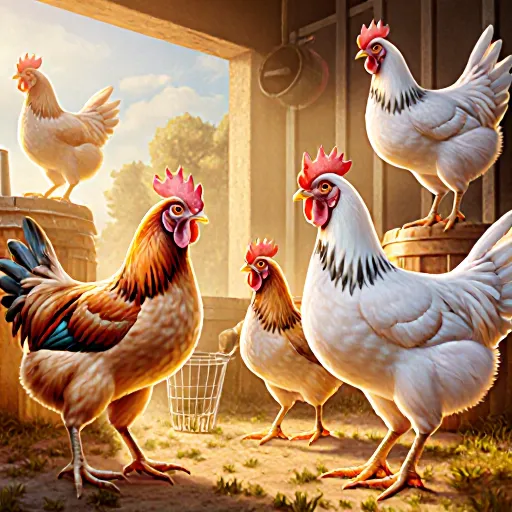
'Broiler' Secrets Lead to Big Profits
Table of Contents
- Overview of Broiler Farming
- Global Poultry Market Trends
- Importance of Broilers in the Industry
- Broiler Breeding and Genetics
- Nutritional Requirements for Broilers
- Feeding Practices and Management
- Health and Disease Management in Broiler Farms
- Environmental Impact of Broiler Farming
- Sustainability Practices in Broiler Farming
- Market Demand for Broilers
- Role of Technology in Broiler Farming
- Global Distribution and Trade of Broilers
- Economic Impact on Local Communities
- Challenges Facing the Broiler Industry
- Conclusion
- FAQ
Overview of Broiler Farming
Broiler farming, a specialized branch of poultry farming, primarily focuses on raising chickens for meat production. The process involves selective breeding and intensive management to produce broilers that can reach market weight in an exceptionally short period, typically around 6-8 weeks. This rapid growth is achieved through controlled environments, balanced feed, and precise care, which ensures high productivity and efficiency.
The Role of Broiler Farming in the Global Poultry Market
Broiler farming plays a crucial role in the global poultry market due to its significant contribution to meat supply. According to recent statistics, broilers account for approximately 80% of the total global chicken production. This dominance is attributed to their fast growth rate and high yield per bird compared to other breeds.
Key Factors Influencing Broiler Farming
- Breed Selection: Different breeds are selected based on specific traits such as growth potential, feed efficiency, and disease resistance. Modern broiler breeds have been genetically engineered to grow at an extraordinary rate while minimizing resource consumption.
- Nutritional Management: Feeding programs for broilers are meticulously designed to optimize weight gain while maintaining health. This includes the use of specialized feeds that balance protein, vitamins, and minerals according to the broiler's age and stage of growth.
- Environmental Control: Broilers are raised in controlled environments where temperature, humidity, ventilation, and light are closely monitored to ensure optimal conditions for rapid weight gain. This control is crucial for reducing stress and preventing diseases.
Practical Advice for Successful Broiler Farming
To achieve success in broiler farming, it's essential to follow a few key practices:
- Hygiene Practices: Maintaining high standards of cleanliness is paramount. Regular cleaning and disinfection of the farm area can help prevent disease outbreaks.
- Health Monitoring: Constant vigilance over the health status of the broilers through regular veterinary check-ups and prompt treatment of any issues is crucial.
- Training Staff: Ensuring that all staff involved in broiler farming are well-trained in best practices can significantly enhance productivity and efficiency.
Examples of Successful Broiler Farms
Several farms around the world have demonstrated excellence in broiler farming. For instance, a farm in Brazil has achieved high yields by optimizing feed usage and implementing advanced breeding techniques. Another example is a farm in Thailand that uses integrated pest management practices to minimize environmental impact.
Conclusion
In summary, broiler farming is integral to the global poultry market due to its ability to efficiently produce large quantities of high-quality meat. By focusing on breed selection, nutritional management, and environmental control, farmers can maximize productivity while ensuring sustainable practices that benefit both the industry and consumers.
Global Poultry Market Trends
Broiler farming plays a pivotal role in the global poultry market, contributing significantly to meat production and supply chains. The demand for broilers has been on the rise globally due to their fast growth rate and high feed conversion efficiency, making them one of the most important livestock animals worldwide.
Market Dynamics
The global broiler market is characterized by its rapid expansion and technological advancements. Major players in this sector are continuously innovating to meet the increasing consumer demand for affordable, high-quality poultry meat. Key trends include:
- Increased Efficiency: Advances in genetics, nutrition, and husbandry practices have led to broiler chickens growing faster and more efficiently. This has reduced production costs while maintaining or even improving the nutritional value of the final product.
- Sustainability Focus: There is a growing emphasis on sustainable farming practices that reduce environmental impact. Broiler farmers are adopting eco-friendly methods such as waste management systems, energy-efficient lighting, and water conservation techniques.
- Innovation in Feed Formulation: The development of high-performance feeds tailored to broilers’ specific nutritional needs is crucial for maximizing productivity and meat quality. This includes the use of alternative protein sources like insects or plant-based proteins as a substitute for traditional soybean meal.
Global Demand and Consumption Patterns
The global demand for broilers is driven by several factors, including population growth, changing dietary preferences, and urbanization. According to recent studies:
- Aging Population: As the world's population ages, there is an increased need for high-quality protein sources that are easily digestible. Broilers fit perfectly into this category due to their lean meat composition.
- Dietary Shifts: The preference for white meats over red meats is becoming more pronounced in many regions, leading to a surge in broiler consumption.
- Urbanization: In urban areas with limited space for traditional livestock farming, broilers are often preferred due to their smaller size and lower land requirements.
Market Challenges and Opportunities
Broiler farming faces several challenges, including disease management, fluctuating feed prices, and market volatility. However, these challenges also present opportunities for growth:
- Disease Management: Effective biosecurity measures are essential to prevent outbreaks of diseases such as avian influenza. Collaboration between farmers, veterinarians, and governments can significantly enhance disease control.
- Feed Costs: Volatile feed prices can be mitigated through strategic sourcing and diversification of feed ingredients. Farmers are exploring alternative protein sources like black soldier fly larvae or surplus food products to lower costs without compromising quality.
- Market Volatility: Diversifying product offerings, such as processed broiler meat (franks, burgers) or value-added products like chicken nuggets, can help stabilize revenue streams during market fluctuations.
Conclusion
The role of broiler farming in the global poultry market is crucial for meeting current and future demand. By embracing technological advancements, sustainable practices, and innovative feed formulations, broiler farmers can enhance productivity and sustainability while addressing the evolving needs of consumers.
Importance of Broilers in the Industry
The role of broiler farming in the global poultry market is pivotal, underpinning a significant portion of the world's protein consumption. Broilers, or fast-growing chicken breeds specifically bred for meat production, have become indispensable to the industry due to their efficiency in converting feed into meat and their ability to meet high demand.
Broilers are designed to maximize growth rates while minimizing feed costs. This efficiency is achieved through precise genetic selection, optimized feed formulations, and controlled environmental conditions. For instance, modern broiler breeds can convert feed into meat with an impressive feed conversion ratio of around 1.8:1, meaning for every unit of feed consumed, nearly two units of edible weight are produced.
The global demand for poultry meat has been on the rise, driven by factors such as population growth and changing dietary preferences. Broilers play a critical role in satisfying this demand. According to industry reports, broiler farming contributes significantly to the total poultry production, accounting for over 70% of global poultry meat output.
Broiler farming is not only crucial for meeting consumer needs but also has a substantial economic impact. It provides employment opportunities across various sectors, from farming and processing to transportation and retail. In countries like the United States and Brazil, broiler farming is a major contributor to agricultural exports, generating billions of dollars in revenue annually.
While broiler farming offers numerous benefits, it also presents challenges related to sustainability. The industry must address issues such as water usage, waste management, and antibiotic resistance. Innovative practices like vertical farming, improved feed efficiency through genetic modifications, and enhanced biosecurity are being explored to mitigate these concerns.
The future of broiler farming looks promising with advancements in technology and breeding programs. Genomic selection is becoming more widely used to improve bird performance further. Additionally, there is a growing trend towards organic and free-range broilers, catering to the increasing demand for healthier and more ethically produced meat.
In conclusion, broiler farming holds a central position in the global poultry market, driven by its efficiency, ability to meet demand, economic contributions, and sustainability challenges. As the industry continues to evolve, it will play an even more critical role in fulfilling the world's increasing need for high-quality protein.
Broiler Breeding and Genetics
Broilers, being a specific strain of chicken bred for meat production, play a pivotal role in the global poultry market. The success of broiler farming heavily depends on advanced breeding and genetics practices that ensure high-quality meat production while maintaining efficient feed conversion rates and disease resistance.
Breeding and Genetics in Broiler Farming
The genetic improvement of broilers is one of the most important factors contributing to efficiency and profitability in broiler farming. Through selective breeding, poultry breeders aim to enhance desirable traits such as growth rate, meat quality, feed efficiency, and disease resistance.
Selective Breeding
Selective breeding involves identifying and mating birds with the best genetic characteristics for commercial purposes. This process requires careful monitoring of various performance indicators throughout different stages of broiler development. Breeders select parents based on traits like rapid growth, optimal feed conversion ratios (FCR), and low mortality rates.
DNA Profiling
Modern broiler breeding programs increasingly incorporate DNA profiling to identify desirable genetic markers associated with superior performance. This technology allows breeders to make more precise selections early in life, leading to faster growth and better carcass quality at slaughter age.
In-Vitro Embryo Transfer
Another advanced technique used in broiler breeding is In-Vitro Embryo Transfer (IVET). This process involves fertilizing eggs outside the body before placing them into surrogate mothers. IVET enables rapid genetic improvement by allowing breeders to bypass certain health risks and ensure consistent hatching rates.
Genetically Modified Broilers
Although not yet widely adopted, genetically modified (GM) broilers are being researched for their potential benefits in enhancing growth performance and improving disease resistance. These modifications could lead to reduced antibiotic use and increased resilience against common poultry diseases.
Practical Advice for Broiler Farmers
To succeed as a broiler farmer, it is essential to stay updated on the latest breeding and genetic advancements. Here are some practical tips:
- Participate in Breeding Programs: Join reputable breeding programs that focus on continuous improvement of broiler genetics.
- Leverage Data Analytics: Utilize data analytics to track and analyze performance metrics, helping you make informed decisions regarding flock management.
- Prioritize Health Management: Focus on maintaining good health practices within your farm to reduce mortality rates and improve overall productivity.
Conclusion
In conclusion, the role of broiler breeding and genetics cannot be overstated in the global poultry market. By embracing cutting-edge techniques and strategies, broiler farmers can enhance their operations' efficiency and sustainability, contributing positively to both local economies and international markets.
Nutritional Requirements for Broilers
The nutritional requirements for broilers are critical factors that significantly influence their growth rate, health, and overall productivity. In the context of The Role of Broiler Farming in the Global Poultry Market, providing optimal nutrition is not just about maximizing weight gain but also ensuring robust immunity against diseases, which is vital for sustainable farming practices.
A balanced diet for broilers typically includes:
- Protein: Protein is essential as it provides the building blocks needed for muscle and feather development. For broilers, this requirement ranges from 18-20% of their feed in the starter phase, reducing to around 16-17% during grower and finisher phases.
- Energy: Energy sources like corn and soybean meal provide the calories required for optimal growth. Corn is a staple due to its high energy content (about 9 kcal per gram), but it should be balanced with other grains or alternatives to avoid issues such as fatty liver syndrome.
- Vitamins and Minerals: Essential for bone development, immune function, and overall health, these include vitamins A, D, E, K, B12, and minerals like calcium, phosphorus, sodium, potassium, iron, copper, and zinc. Deficiencies in any of these can lead to serious health issues.
- Fat: Fat is important for the development of feathers and skin but should be controlled as excessive fat intake can lead to various health problems, especially during finishing stages.
In a global market context, efficient feed conversion rates are crucial. To achieve this:
- Stage-specific feeding programs: Tailoring diets according to the broiler's stage of growth ensures that they receive nutrients specific to their needs at each phase.
- Inclusion of premixes and additives: Premixes can be used to ensure consistent nutritional quality. Adding probiotics, prebiotics, or essential oils can improve gut health and reduce the need for antibiotics, a practice that is increasingly important in global markets concerned with antibiotic resistance.
- Water management: Clean water is as critical as nutritious feed. Ensuring that broilers have access to fresh, clean water at all times supports optimal growth and performance.
The nutritional requirements of broilers can vary based on environmental factors such as temperature, humidity, and light. In warmer climates or during hot weather:
- Broilers may require more water to stay hydrated.
- Feeding times might need adjustment to avoid peak heat periods.
- Providing cool, shaded areas can help reduce stress and maintain optimal growth rates.
In colder environments, broilers may need higher energy feeds to keep them warm and maintain body temperature. Understanding these factors is essential for effective management in the global poultry market.
The role of broiler farming in the global poultry market means that nutritional requirements are not just local but have a broader impact:
- Sustainability: Efficient feed utilization and reduced waste help in minimizing environmental impact.
- Animal Welfare: Providing optimal nutrition ensures healthier broilers, which is a key aspect of responsible farming practices.
- Economic Benefits: By optimizing growth rates and reducing mortality, farmers can improve profitability while meeting global demand for poultry products.
In conclusion, understanding and meeting the nutritional requirements of broilers are fundamental to success in the global poultry market. This involves not only providing a balanced diet but also considering environmental factors and adopting sustainable practices that benefit both the industry and consumers worldwide.
Feeding Practices and Management
Effective feeding practices and management are critical components that significantly influence the performance, health, and productivity of broilers. In the context of global poultry markets, optimized feeding strategies can directly impact a farm's profitability by enhancing meat quality, growth rate, and feed efficiency.
Importance of Feed Quality
The quality of feed plays a crucial role in determining the health and performance of broilers. High-quality feeds ensure that birds receive all necessary nutrients, which is essential for their rapid growth during the critical weeks leading up to market age.
For instance, feeds rich in essential amino acids, vitamins, and minerals are vital for muscle development and overall health. Poor quality feed can lead to various health issues such as poor weight gain, stunted growth, and increased susceptibility to diseases. Ensuring the use of certified feeds that meet international standards is crucial.
Feeding Schedules
A well-structured feeding schedule helps in achieving optimal broiler performance. Feeding broilers on a tiered diet based on their age and weight can enhance feed efficiency, growth rate, and meat quality.
An example of an ideal feeding schedule for broilers is as follows:
- Day 1-7: Starter feed to encourage early growth
- Day 8-21: Grower feed to support continued weight gain and muscle development
- Day 22-end of the rearing period: Finisher feed for optimal meat quality and yield
Precision feeding, where feed is delivered based on individual bird requirements, can further enhance performance. This approach involves monitoring body weight and adjusting feed intake accordingly to ensure that each bird receives exactly what it needs.
Feeding Environment Management
The environment in which broilers are fed also greatly affects their feeding behavior and overall health. Clean, hygienic feeders and waterers are essential for preventing contamination and ensuring that birds have access to fresh feed at all times.
Temperature control is another important aspect of the feeding environment. Ensuring that the broiler house maintains a stable temperature can encourage better eating habits and reduce stress, leading to improved growth rates and health.
Feed Waste Reduction
Reducing feed waste not only saves on costs but also contributes positively to the sustainability of broiler farming. Proper feeding management practices such as accurate weighing of feeds at each stage of rearing, reducing overcrowding in the housing facilities, and ensuring that feeders are adequately sized can significantly minimize feed wastage.
For example, using automatic feeders with sensors that detect when a bird has eaten its ration can help reduce overfeeding. Regular maintenance of feeding equipment is also crucial to ensure they function correctly and efficiently.
Conclusion
In conclusion, the role of feeding practices and management in broiler farming cannot be overstated. By focusing on high-quality feeds, precise feeding schedules, a clean environment, and strategies for reducing feed waste, farmers can achieve higher productivity levels while maintaining good animal health. These practices are pivotal to the success of broiler farms and their contribution to the global poultry market.
Health and Disease Management in Broiler Farms
The role of broiler farming within the global poultry market is significant, not just for its contribution to food security but also due to its economic importance. However, managing health and disease in broiler farms efficiently is crucial for maintaining productivity and profitability. Proper management practices can prevent the spread of diseases that could lead to substantial financial losses.
Health and disease management in broiler farming involves a comprehensive approach encompassing hygiene, nutrition, vaccination, and biosecurity measures. Ensuring the health of the flock is essential for maintaining high meat quality, which directly impacts consumer satisfaction and market demand.
Hygienic Practices
- Regular cleaning and disinfection of facilities to eliminate pathogens.
- Proper waste management to prevent environmental contamination.
- Pest control measures to reduce the risk of disease transmission from pests.
The implementation of these hygienic practices helps in creating a clean environment that minimizes the chances of diseases affecting the broilers. This proactive approach is vital for long-term sustainability and profitability.
Nutritional Management
Proper nutrition plays a critical role in disease resistance. A balanced diet rich in essential nutrients can strengthen the immune system, reducing susceptibility to diseases. Consulting with animal nutritionists or poultry veterinarians is advisable to ensure that the nutritional needs of the broilers are met.
Vaccination Strategies
Vaccination is one of the most effective methods for preventing certain viral diseases in broiler farms. It is important to choose vaccines suitable for local conditions and follow a strict schedule as advised by veterinarians. This helps in minimizing outbreaks of common poultry diseases such as Newcastle Disease or Gumboro disease.
Biosecurity Measures
- Controlled access to the farm premises to prevent unauthorized entry.
- Washing and disinfecting footwear, equipment, and vehicles entering the farm.
- Avoiding the introduction of new birds or personnel from other farms without proper quarantine and testing.
Biosecurity measures are essential to protect the flock from external sources of infection. These practices can help in preventing the spread of diseases that could have severe consequences for the broiler industry.
To illustrate the effectiveness of proper health and disease management, consider a case study conducted by a leading poultry company:
"By implementing advanced biosecurity measures and maintaining strict hygiene practices, our broiler farm was able to reduce the incidence of diseases by 40%, resulting in increased productivity and reduced veterinary costs."
In conclusion, effective health and disease management is a cornerstone of successful broiler farming. By adopting comprehensive practices that include hygiene, nutrition, vaccination, and biosecurity, farmers can ensure the well-being of their flock, enhance productivity, and contribute positively to the global poultry market.
Environmental Impact of Broiler Farming
The environmental impact of broiler farming is a critical concern, especially as broilers represent a significant portion of the global poultry market. The role of broiler farming in this market cannot be overstated; it provides a substantial proportion of meat products that meet consumer demand worldwide. However, with increased production comes an increased responsibility to manage the environmental footprint effectively.
Broiler farming requires large amounts of water for drinking and cleaning purposes. According to various studies, broilers consume around 0.7 liters per kilogram of feed. This high-water consumption is not only resource-intensive but also poses a challenge in regions with limited freshwater resources.
The expansion of broiler farms often leads to significant land use changes, particularly in areas where natural ecosystems are converted into agricultural lands. The increased demand for arable land can lead to deforestation and habitat destruction, affecting local biodiversity.
One of the most pressing environmental issues associated with broiler farming is pollution. Manure from broiler houses contains high levels of nitrogen and phosphorus, which can leach into groundwater if not managed properly. Additionally, ammonia emissions contribute to air quality degradation in surrounding areas.
The disposal of broiler waste is another significant challenge. Proper management involves composting or selling the manure as fertilizer, but improper handling can lead to contamination of soil and water bodies.
To mitigate these environmental impacts, sustainable practices are essential. Farmers can adopt strategies such as water recycling systems, efficient feed formulations, and integrated waste management plans. For instance, some farms use anaerobic digesters to convert manure into biogas, which can be used for energy generation.
The global poultry market is highly interconnected, with broiler farming playing a crucial role in meeting international demand. Therefore, addressing the environmental challenges of broiler farming requires a collaborative effort among governments, farmers, and consumers to promote sustainable practices that balance production efficiency with environmental responsibility.
By understanding and implementing these measures, the poultry industry can continue to thrive while minimizing its impact on the environment, ensuring long-term sustainability in the global market.
Sustainability Practices in Broiler Farming
The role of broiler farming in the global poultry market is significant, with millions of birds being raised each year to meet consumer demand for chicken meat. However, as environmental concerns grow and sustainability becomes a priority, it is crucial that broiler farming practices align with these goals. This section explores the various sustainability practices employed in broiler farming, focusing on reducing environmental impact, improving animal welfare, and enhancing economic efficiency.
One of the primary sustainability challenges in broiler farming is water usage. Broilers consume large quantities of water during their short life cycle, which can lead to significant resource depletion if not managed properly. Farmers are increasingly adopting practices that optimize water use:
- Water Recycling: Implementing systems where waste water from broiler houses is treated and reused for non-potable purposes within the farm.
- Efficient Drinking Systems: Utilizing advanced drinking systems that provide precise amounts of water to each bird, minimizing wastage.
Reducing energy consumption is another key sustainability practice in broiler farming. Efficient use of electricity and other forms of energy can help lower operational costs while also reducing the carbon footprint:
- LED Lighting: Transitioning from traditional lighting systems to LED lights that consume less power but provide adequate illumination.
- Thermal Management: Installing insulation and ventilation systems that maintain optimal temperature levels, reducing the need for excessive cooling or heating.
The efficiency of feed utilization directly impacts sustainability in broiler farming. Farmers are focusing on improving feed conversion ratios (FCR) to ensure that every kilogram of feed results in the maximum possible weight gain:
- Nutritional Balance: Ensuring a balanced diet rich in essential amino acids, vitamins, and minerals to promote healthy growth.
- Soybean Meal Reduction: Incorporating alternative protein sources like insect meal or plant-based proteins that reduce dependency on soybean meal, which is often imported from foreign countries.
The management of waste in broiler farming is essential for sustainability. Proper disposal and recycling can prevent environmental pollution and create value-added products:
- Manure Composting: Utilizing manure from the broilers to produce compost that can be used as organic fertilizer.
- Poultry By-Products: Reusing by-products like feathers, blood, and viscera for rendering into biofuels or pet food supplements.
Ensuring the well-being of broilers is not only a moral responsibility but also economically beneficial. Practices that enhance animal welfare can lead to healthier birds, fewer veterinary expenses, and higher-quality meat:
- Clean Environment: Maintaining clean and hygienic living conditions to minimize the risk of disease outbreaks.
- Space Allocation: Providing adequate space per bird to ensure they can move freely and engage in natural behaviors.
- Veterinary Care: Regularly consulting with veterinarians to implement preventive health measures and address any issues promptly.
While sustainability practices may initially increase costs, they can lead to long-term economic benefits. By improving operational efficiency and reducing waste, farmers can enhance profitability:
- Cost Reduction: Lowering expenses related to feed, energy, and water by implementing sustainable practices.
- Market Access: Achieving certification for organic or eco-friendly labels that open up new market opportunities with higher prices.
In conclusion, the sustainability practices in broiler farming are vital to ensuring the industry's long-term success. By adopting these strategies, farmers can contribute positively to environmental conservation while maintaining competitive economic performance in the global poultry market.
Market Demand for Broilers
The market demand for broilers has been consistently growing due to several factors that have significantly influenced the global poultry market. Broiler farming plays a crucial role in meeting this demand, as it is one of the most efficient and cost-effective methods for producing chicken meat on a large scale.
- Growing Population: As the global population continues to expand, so does the demand for protein sources such as broilers. With more people seeking affordable and accessible sources of high-quality protein, broiler farming becomes an essential component of the poultry industry.
- Increase in Per Capita Meat Consumption: In developing countries, particularly in Asia, there has been a notable rise in per capita meat consumption. Broilers are a primary source of chicken meat and thus benefit from this trend.
- Health Awareness: There is an increasing awareness among consumers about the benefits of lean meats like broiler meat, which are low in fat compared to other cuts of poultry or red meat. This has led to higher demand for broiler products.
Broiler farming is integral to the global poultry market due to its ability to meet high demand efficiently. Modern broiler farms use advanced breeding techniques and feed formulations that result in rapid weight gain, reducing production time and costs. This efficiency not only meets the increasing demand for chicken meat but also ensures a steady supply of fresh products.
Advancements in Broiler Farming
- Breeding Programs: Continuous improvement in breeding programs has led to broilers that grow faster and convert feed into meat more efficiently. This not only meets the demand for quantity but also enhances quality.
- Feed Formulation: The development of balanced feed formulations ensures that broilers receive optimal nutrition, contributing to their health and productivity. This leads to higher meat quality and less waste.
- Hygiene and Sanitation: Maintaining high hygiene standards in broiler farms is crucial for producing safe and healthy meat. Proper sanitation practices reduce the risk of contamination and ensure product safety.
The global broiler market is characterized by strong competition, particularly between major poultry-producing countries such as the United States, China, Brazil, and the European Union. These countries have established themselves as leaders in broiler farming due to favorable climatic conditions, advanced technology, and large-scale production.
Regional Trends
- Asia-Pacific: This region dominates the global broiler market due to its large population and increasing demand for poultry products. Countries like China and India are major producers and consumers of broilers.
- North America: The U.S., Canada, and Mexico contribute significantly to the global broiler supply chain, leveraging their expertise in genetic development and feed technology.
- Latin America: Brazil is a key player in broiler farming, known for its vast agricultural lands suitable for large-scale poultry production.
While the market demand for broilers continues to grow, several challenges must be addressed. These include:
- Sustainability: The industry faces pressure to adopt more sustainable practices, such as reducing water usage, minimizing waste, and using renewable energy sources.
- Animal Welfare: There is a growing emphasis on improving animal welfare standards in broiler farms. This includes providing better living conditions and humane treatment of the animals.
- Demand for Organic Products: Consumers are increasingly seeking organic broilers, which are produced without the use of antibiotics or synthetic growth promoters.
Despite these challenges, there are also significant opportunities. Innovations in technology and breeding programs continue to enhance broiler farming efficiency, while consumer demand for high-quality products presents a promising outlook for the future of broiler farming.
Role of Technology in Broiler Farming
The role of technology in broiler farming is pivotal, as it directly influences productivity and efficiency within this crucial sector of the global poultry market. Broilers are a type of chicken raised for meat production, and their farming contributes significantly to meeting the increasing demand for protein globally. The application of modern technological advancements has transformed broiler farming into an optimized process that ensures high-quality products while minimizing environmental impact.
One key aspect where technology plays a significant role is in automated feeding systems. These systems use sensors and algorithms to determine the precise amount of feed required for each broiler based on their growth rate, weight, and nutritional needs. This not only saves resources but also ensures that no bird is overfed or underfed, leading to healthier chickens and higher meat quality.
For example, some modern farms use robotic feeders that can adjust the amount of feed delivered throughout the day. These systems are equipped with AI capabilities that learn from historical data and optimize feeding patterns dynamically. This results in better growth rates and reduces waste significantly compared to manual feeding methods.
Temperature, humidity, and ventilation are critical factors for broilers' health and well-being. Advanced climate control systems help maintain optimal conditions within the farming environment by regulating these parameters automatically. These systems often integrate IoT (Internet of Things) devices that monitor environmental variables in real-time.
An example of such a system is one where sensors placed throughout the barn collect data on temperature, humidity, and CO2 levels. This information is then sent to a central hub which uses predictive analytics to adjust the HVAC systems accordingly. Such setups ensure that broilers remain comfortable, reducing stress and disease outbreaks, thereby increasing productivity.
Technology has also revolutionized health monitoring in broiler farming through the use of wearable devices and non-invasive sensors. These tools allow farmers to track vital signs like heart rate, respiratory rate, body temperature, etc., remotely without disturbing the birds.
A notable example is the development of smart collars that can be placed around a broiler’s neck. These collars are equipped with sensors that continuously monitor health metrics and wirelessly transmit this data to a central monitoring station. Farmers receive alerts if any bird's health starts deteriorating, enabling prompt intervention measures. Early detection and treatment translate into better overall flock health and lower mortality rates.
The integration of big data analytics provides valuable insights that can drive informed decision-making processes in broiler farming operations. By analyzing vast amounts of collected data from various sources such as feed consumption, growth rates, disease outbreaks, and environmental conditions, farmers can make strategic decisions to enhance efficiency.
An illustrative case is a farm using machine learning algorithms to predict potential health issues before they become serious problems. Based on past trends and current data inputs, the system identifies patterns that could indicate an impending outbreak or nutritional imbalance. Proactive measures taken based on these predictions help prevent significant losses due to diseases.
In conclusion, technology has profoundly impacted broiler farming, making it more efficient, sustainable, and profitable. As the global demand for poultry products continues to grow, leveraging technological innovations will be essential for producers to stay competitive and meet market expectations while maintaining ethical standards.
Global Distribution and Trade of Broilers
Broiler farming plays a crucial role in the global poultry market, contributing significantly to the supply chain for meat production. This section delves into how broiler farming influences the distribution and trade dynamics within this market.
Key Regions and Markets
The demand for broilers is concentrated in regions with high population density and a growing middle class, such as China, the United States, Brazil, and Mexico. These countries have seen rapid economic growth which has increased disposable income, leading to higher consumption rates of poultry products.
China
As one of the largest broiler producers in the world, China's broiler farming is highly mechanized and efficient. The country exports a significant portion of its broilers to neighboring countries like Vietnam, Thailand, and Indonesia. China also benefits from a vast domestic market that supports local poultry processing industries.
United States
The U.S. broiler industry is renowned for its quality and efficiency. It exports broilers primarily to Canada, Mexico, and South Korea. The American broiler farming sector is characterized by large-scale operations with advanced technology and strict food safety standards.
Challenges in Global Distribution
The global distribution of broilers faces several challenges including transportation logistics, quality control, and regulatory compliance. Ensuring that broilers meet the stringent hygiene and safety standards required by importing countries is a critical aspect of maintaining trade relationships.
Inefficient transport can lead to significant losses in meat quality due to excessive time spent in transit. Therefore, improving cold chain infrastructure and employing modern transportation methods are essential for successful global distribution.
Trade Agreements and Policies
Trade agreements between countries play a vital role in facilitating the trade of broilers. For instance, the United States has free trade agreements with several nations that help reduce barriers to exporting broilers. These agreements also encourage mutual recognition of food safety standards, which is crucial for seamless trade.
Regulatory Compliance
To ensure compliance with international regulations, broiler farms need to adhere to specific guidelines set by organizations like the World Organization for Animal Health (OIE). This includes implementing biosecurity measures and ensuring traceability of products from farm to fork.
Promoting Sustainable Practices
Sustainable broiler farming practices are increasingly being promoted globally. These include reducing carbon footprints, minimizing water usage, and employing environmentally friendly feed formulations. Sustainable farming not only benefits the environment but also enhances market appeal in environmentally conscious markets.
Examples of sustainable practices include using organic feed, implementing rotational grazing systems, and adopting renewable energy sources for farm operations.
Conclusion
In summary, broiler farming is a key pillar supporting the global poultry market. By addressing challenges in distribution and trade through robust infrastructure, regulatory compliance, and sustainable practices, the industry can continue to grow and meet the ever-increasing demand for broilers worldwide.
Economic Impact on Local Communities
Broiler farming plays a significant role in the global poultry market and has profound economic impacts on local communities. This section explores how broiler farming contributes to the economy, employment opportunities, and overall development of rural areas.
Contribution to Local Economies
Broiler farming is a crucial component of the agricultural sector in many countries, particularly those with large land tracts suitable for intensive poultry production. The economic impact on local communities can be substantial. For instance, broiler farming contributes directly to GDP through increased livestock production and sales. Farmers involved in broiler farming often sell their products to nearby markets or export them internationally, generating revenue that circulates back into the community.
Employment Opportunities
The broiler farming industry provides a variety of job opportunities both on-farm and off-farm. On-farm jobs include raising broilers, feeding, cleaning, and monitoring health conditions. Off-farm roles encompass processing, packaging, transportation, and marketing. These positions are particularly beneficial for rural areas where unemployment rates can be high. For example, in some regions of the United States, broiler farming supports hundreds of local jobs directly related to the industry.
Supporting Infrastructure Development
The growth of broiler farming often leads to the development of necessary infrastructure that benefits not only the poultry sector but also other local industries. Roads are improved to facilitate easier transportation, access to electricity and water is enhanced for both the farms and neighboring households, and specialized training programs are established to educate farmers on modern practices.
Challenges and Opportunities
While broiler farming brings numerous benefits, it also presents challenges. One major challenge is ensuring sustainable practices that do not harm the environment. Overuse of resources like water and land can lead to depletion if not managed properly. Farmers must adopt strategies such as recycling water and using organic fertilizers to mitigate these issues.
Case Study: A Broiler Farm in Rural Thailand
In rural areas of Thailand, broiler farming has transformed local economies. One notable example is a farm near the city of Udon Thani. This farm not only provides employment but also contributes to community development through education and training programs for young farmers. The farm’s success is attributed to its focus on quality control and adherence to sustainable practices.
Conclusion
Broiler farming in the global poultry market significantly impacts local economies by creating employment, supporting infrastructure development, and contributing to overall economic growth. By addressing challenges through sustainable practices, broiler farming can continue to play a vital role in enhancing the livelihoods of communities around the world.
Challenges Facing the Broiler Industry
Broiler farming plays a crucial role in the global poultry market, providing a significant portion of the world's chicken meat. However, this industry faces numerous challenges that impact its sustainability and growth. Understanding these challenges is essential for stakeholders looking to navigate the complexities of broiler production.
1. Feed Costs
One of the major challenges facing the broiler industry is the high cost of feed. Feeds are a significant portion of the operational expenses, and fluctuations in grain prices can drastically affect profitability. For instance, corn and soybean meal, which are key components of broiler feeds, have been subject to volatile market conditions due to factors such as geopolitical tensions and weather events.
To mitigate these challenges, farmers often look for alternative feed ingredients or improve feed efficiency through better management practices. For example, incorporating by-products from other industries into the diet can reduce costs while maintaining optimal nutritional standards.
2. Disease Control
Diseases such as Marek's disease and Newcastle disease are major concerns in broiler farming. These diseases not only lead to increased mortality rates but also affect productivity and profitability. Effective vaccination programs and biosecurity measures are crucial for controlling these issues.
Practical advice includes regular health checks, maintaining clean living conditions, and ensuring that all workers adhere to strict hygiene protocols. Additionally, the use of advanced diagnostic tools can help in early detection and treatment, thereby reducing losses.
3. Environmental Impact
The broiler industry has a significant environmental footprint, particularly regarding waste management and water usage. The large-scale production of broilers generates substantial amounts of manure and wastewater, which can contaminate local ecosystems if not managed properly.
To address this challenge, farmers are increasingly adopting sustainable practices such as anaerobic digestion to convert manure into biogas or compost, reducing greenhouse gas emissions. Implementing water-saving technologies and recycling systems can also help mitigate the environmental impact of broiler farming.
4. Labor Shortages
The broiler industry is labor-intensive, requiring a steady supply of workers for tasks such as feeding, cleaning, and monitoring the health of the birds. However, labor shortages can disrupt operations and increase operational costs. This challenge is exacerbated by changing demographics and migration patterns.
Employing automation and robotics in key processes can help alleviate some of these issues. For instance, automated feeders and waterers reduce the need for manual labor while ensuring that birds receive consistent care. Additionally, providing competitive wages and benefits can attract and retain skilled workers, enhancing productivity and efficiency.
5. Market Volatility
The global poultry market is subject to frequent fluctuations in demand due to economic cycles, dietary trends, and consumer preferences. These market changes can lead to price volatility, making it challenging for farmers to plan effectively.
To navigate this challenge, diversification of product lines and markets can spread risk. Farmers may explore opportunities in value-added products or export markets where demand is more stable. Long-term contracts with buyers also provide a degree of stability by locking in prices and quantities over extended periods.
Conclusion
In conclusion, while broiler farming is vital to the global poultry market, it faces several challenges that must be addressed for sustainable growth. By adopting innovative practices and technologies, farmers can overcome these obstacles and contribute positively to the industry's future success.
Conclusion
The role of broiler farming in the global poultry market is multifaceted, influencing not only local economies but also having a significant impact on food security and sustainability. Broilers are specifically bred for rapid growth to produce meat quickly, making them one of the most important types of commercial chickens in the world. This intensive farming method requires precise management practices to ensure optimal growth rates and efficiency.
Key Contributions of Broiler Farming
- Economic Impact: Broiler farming is a cornerstone of many agricultural economies, providing jobs and income for millions. In countries like the United States, Brazil, and China, broilers account for a substantial portion of poultry production, which in turn supports related industries such as feed manufacturing and veterinary services.
- Sustaining Food Security: With increasing global population growth, the demand for protein sources is rising. Broiler farming helps meet this demand by offering affordable meat options that are rich in essential nutrients like proteins, vitamins, and minerals. This makes broilers a critical component of food security strategies.
- Sustainability Challenges: While broiler farming plays a vital role, it also faces significant challenges related to sustainability. Overuse of antibiotics can lead to antibiotic resistance, while intensive practices contribute to environmental pollution and resource depletion. Sustainable broiler farming thus involves adopting practices like rotational grazing, reducing waste, and using less harmful antibiotics.
Practical Advice for Broiler Farmers
- Hygiene: Maintaining strict hygiene standards is crucial. Regular cleaning and disinfection of facilities can prevent disease outbreaks that would otherwise affect productivity.
- Nutrition Management: Proper nutrition ensures healthy birds, which translates to higher yields at the end of the growing cycle. Consulting with veterinarians or poultry nutritionists can help in formulating balanced diets.
- Environmental Considerations: Implementing waste management systems and using renewable energy sources where possible helps reduce environmental impact. Recycling water and manure also plays a crucial role in sustainable broiler farming.
Global Trends in Broiler Farming
The global market for broilers continues to grow, driven by increasing disposable incomes and changing dietary preferences towards meat consumption. Developed countries may focus more on quality and organic certifications, while developing markets prioritize quantity and affordability.
Advancements in genetic engineering and feed technology are also shaping the future of broiler farming. These innovations aim at improving efficiency and sustainability without compromising product quality.
Conclusion
In summary, broiler farming holds a pivotal position in the global poultry market. Its economic importance, contribution to food security, and role in sustainable development make it a critical area of focus for both farmers and policymakers. By addressing challenges and adopting best practices, broiler farming can continue to thrive while maintaining its positive contributions.
FAQ
Broiler farming plays a pivotal role in the global poultry market, contributing significantly to food security and economic development. The demand for chicken meat is rising globally due to its affordability, nutritional value, and versatility. This section will delve into the importance of broiler farming, its impact on the economy, environmental considerations, and future trends.
Importance in the Global Poultry Market
Broilers are meat-type chickens that are specifically bred for rapid weight gain and efficient conversion of feed into meat. They are a crucial component of the global poultry market, providing a substantial portion of the world's chicken meat supply. According to recent reports, broiler farming accounts for approximately 80% of total chicken meat production globally.
Economic Impact
The economic impact of broiler farming is immense. It creates employment opportunities in various sectors such as feed manufacturing, transportation, processing, and retailing. For instance, in countries like Brazil and the United States, which are leaders in broiler production, the industry contributes significantly to GDP.
Environmental Considerations
While broiler farming is essential for food security, it also comes with environmental challenges such as water usage and waste management. Sustainable practices like improving feed efficiency, reducing greenhouse gas emissions, and implementing proper waste disposal systems are crucial to mitigate these issues.
Future Trends
The future of broiler farming looks promising with advancements in genetics, nutrition, and husbandry practices. Vertical integration models where farmers own the entire supply chain from breeding to processing can enhance profitability. Additionally, there is a growing trend towards organic and free-range broilers due to consumer demand for healthier and more ethically produced meat.
Practical Advice
- Feed Efficiency: Optimize feed conversion ratios by using high-quality feeds and implementing precision feeding techniques.
- Husbandry Practices: Ensure proper ventilation, lighting, and hygiene to prevent diseases and promote healthy growth.
- Sustainability: Invest in renewable energy sources and water conservation measures to reduce the environmental footprint.
Examples
For instance, companies like Perdue Farms in the U.S. are leaders in sustainable broiler farming practices. They have implemented advanced breeding programs and feed efficiency technologies that contribute to their success in the global market.
In Brazil, JBS S.A., one of the world's largest meatpacking companies, has embraced vertical integration in broiler farming, which allows them to control costs and ensure quality throughout the supply chain.
Categories
- AI & Enrichment Play
- Broiler Farming
- Broiler Farming Tips
- Canine Wellness & Longevity
- Cat
- Cat & Human Connection
- Cat Adoption & Rescue
- Cat Breeds
- Cat Breeds & Personalities
- Cat Care & Health
- Cat Grooming & Hygiene
- Cat Lifestyle & Environment
- Cat Myths & History
- Cat Nutrition & Diet
- Cat Products & Reviews
- Cat Training & Behavior
- Comparison
- Consumer Awareness
- Dog
- Dog Accessories & Products
- Dog Adoption & Rescue
- Dog Breed & Lifestyle Trends
- Dog Breeding & Puppies
- Dog Entertainment & Media
- Dog Fashion & Trends
- Dog Fun & Lifestyle
- Dog Grooming & Hygiene
- Dog History & Culture
- Dog Myths, Science & Future Tech
- Dog News & Trends
- Dog Nutrition & Food
- Dog Psychology & Emotions
- Dog Safety & Security
- Dog Sports & Activities
- Dog Technology & Innovation
- Dog Training for Modern Owners
- Dog Travel & Adventure
- Dog Travel, Adventure & Culture
- Economic and Market Insights
- Educational Content
- FAQs
- Feeding Alternatives
- Festivals & Seasonal Ideas
- Fun & Entertainment
- General Knowledge
- General Pig Farming
- Health & Disease Management
- Housing and Environment
- Kittens
- Market Insights
- Miscellaneous
- Miscellaneous
- Motivational
- pig
- Pig Breeding
- Pig Breeds
- Pig Farming Stories and Inspiration
- Pig Health and Care
- Pig Nutrition
- Pig Products
- Profitability & Business
- Puppy Care
- Puppy Predictable Topics Reinvented
- Regional Focus
- Rescue & Adoption Buzz
- Senior Cats
- Senior Dog Care
- Smart Dog Tech & Gadgets
- Sustainability
- Sustainable & Eco-Friendly Dog Products
- Tech & Innovations
- Working & Service Dogs
- Broiler Feed66 products
- Country Feed33 products
- Pig Feed66 products
- Product22 products
- Raw Materials99 products
Products
-
 Fish Meal
₹1,999.00 – ₹2,999.00Price range: ₹1,999.00 through ₹2,999.00Rated 0 out of 5
Fish Meal
₹1,999.00 – ₹2,999.00Price range: ₹1,999.00 through ₹2,999.00Rated 0 out of 5 -
 FATTENING BROILER FEED
₹2,299.00 – ₹2,349.00Price range: ₹2,299.00 through ₹2,349.00Rated 0 out of 5
FATTENING BROILER FEED
₹2,299.00 – ₹2,349.00Price range: ₹2,299.00 through ₹2,349.00Rated 0 out of 5 -
 LAYER COUNTRY FEED
₹1,549.00 – ₹1,649.00Price range: ₹1,549.00 through ₹1,649.00Rated 0 out of 5
LAYER COUNTRY FEED
₹1,549.00 – ₹1,649.00Price range: ₹1,549.00 through ₹1,649.00Rated 0 out of 5 -
 COUNTER BROILER FEED
₹1,199.00 – ₹1,299.00Price range: ₹1,199.00 through ₹1,299.00Rated 0 out of 5
COUNTER BROILER FEED
₹1,199.00 – ₹1,299.00Price range: ₹1,199.00 through ₹1,299.00Rated 0 out of 5 -
 LACTATING PIG FEED
Rated 0 out of 5
LACTATING PIG FEED
Rated 0 out of 5₹2,299.00Original price was: ₹2,299.00.₹1,740.00Current price is: ₹1,740.00. -
 Maize
Rated 0 out of 5
Maize
Rated 0 out of 5₹1,650.00Original price was: ₹1,650.00.₹1,300.00Current price is: ₹1,300.00. -
 GESTATION PIG FEED (Phase 1)
Rated 0 out of 5
GESTATION PIG FEED (Phase 1)
Rated 0 out of 5₹2,249.00Original price was: ₹2,249.00.₹1,699.00Current price is: ₹1,699.00. -
 Pre Starter Broiler Feed
₹2,399.00 – ₹2,499.00Price range: ₹2,399.00 through ₹2,499.00Rated 0 out of 5
Pre Starter Broiler Feed
₹2,399.00 – ₹2,499.00Price range: ₹2,399.00 through ₹2,499.00Rated 0 out of 5 -
 FINISHER PIG FEED
Rated 0 out of 5
FINISHER PIG FEED
Rated 0 out of 5₹2,299.00Original price was: ₹2,299.00.₹1,749.00Current price is: ₹1,749.00. -
 Broiler Premix
Rated 0 out of 5
Broiler Premix
Rated 0 out of 5₹820.00Original price was: ₹820.00.₹699.00Current price is: ₹699.00.