
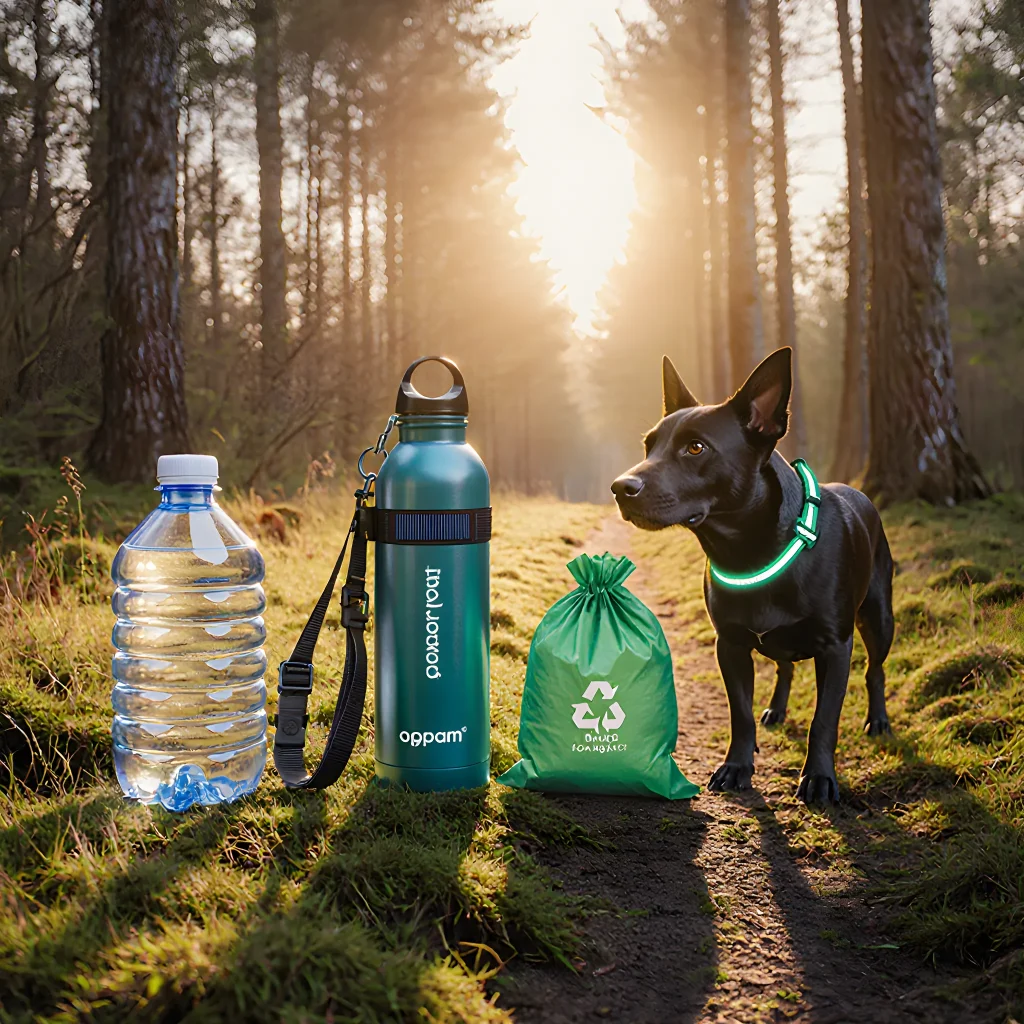
Walk Smart, Walk Green – The Ultimate Dog‑Walking Kit
Sustainable Strolls: Must‑Have Dog Walk Kit Secrets
Table of Contents
- Introduction to Zero‑Waste Dog Walking
- Why a Zero‑Waste Kit Matters
- Essential Tools Overview
- Biodegradable Poop Bags
- Reusable Poop Scoop
- Compact Trash Bag Container
- Dog‑Friendly Waste Dispenser
- Eco‑friendly Leash & Harness Combo
- Water‑proof Outdoor Gear
- Multi‑use Cleaning Wipes
- Smart Waste Tracking App Integration
- Maintenance & Storage Tips
- Budgeting Your Zero‑Waste Kit
- Conclusion: Making Every Walk Count
- FAQ – Quick Answers
Introduction to Zero‑Waste Dog Walking
Walking your dog is one of the most rewarding ways to bond with your pet and keep them healthy. However, traditional walks often leave behind a trail of waste—both literal poop and environmental impact from disposable bags, litter, and plastic. A Zero‑Waste Dog Walk Kit transforms this routine into a cleaner, more sustainable experience. By equipping yourself with the right tools and adopting mindful habits, you can ensure that every stroll ends without leaving a trace.
The Core Idea of Zero‑Waste Walking
- No litter left behind: Every dog poop is collected, stored safely, and disposed of responsibly.
- Sustainable materials: All kit components are made from biodegradable or recyclable materials.
- Minimal environmental footprint: The kit eliminates single‑use plastic bags and reduces the need for litter boxes in public spaces.
Why It Matters for Your Dog, Community, and Planet
- Health: Proper waste removal prevents disease transmission and protects local wildlife from accidental ingestion.
- Aesthetic: Clean streets encourage more pet owners to walk their dogs in parks and neighborhoods.
- Sustainability: Reusable bags, compostable storage containers, and reusable scoops cut down on plastic waste by up to 90% compared with conventional disposable solutions.
Essential Components of a Zero‑Waste Dog Walk Kit
| Item | Description | Practical Use |
|---|---|---|
| Reusable Biodegradable Bag | A sturdy bag made from plant‑based fibers that break down in compost. | Collect dog poop, seal it securely, and keep it odor‑controlled until you reach a designated disposal point. |
| Compact Scoop & Tray | A lightweight scoop with a hinged tray that fits into the bag when closed. | Make scooping easy; the tray helps keep the poop contained while you place it in the bag. |
| Biodegradable Waste Bag | A secondary bag that holds the sealed waste bag for transport. | Prevents odors and leaks during transit; can be composted or recycled after use. |
| Portable Compost Bin (optional) | An insulated container with a lid, designed to hold waste temporarily. | Ideal for long walks where you may not find an immediate disposal site; the bin can be composted at home. |
| Dog‑Friendly Water Bottle | A collapsible bottle that keeps your dog hydrated. | Makes it easier to carry water without a bulky backpack. |
Step‑by‑Step Walk Routine
- Pre‑Walk Prep: Pack the kit in a small tote, ensure all bags are sealed, and carry your water bottle.
- During the Walk: When your dog stops to relieve themselves, use the scoop to pick up the waste. Place it in the reusable bag, seal tightly, then store it in the secondary biodegradable bag.
- Post‑Walk Disposal: Locate a public composting station or a municipal waste disposal point that accepts pet waste. If none are nearby, keep the sealed bags in your home compost bin and add them to your garden mulch after they have fully decomposed (usually 3–4 weeks).
Practical Tips for Success
- Training Your Dog: Teach your dog to associate the scoop with a reward. This reduces stress and speeds up waste collection.
- Carry Extra Bags: Always have at least one spare bag in case of spills or heavy waste.
- Regular Cleaning: After each walk, rinse your scoop and tray with water to prevent odor buildup.
- Community Engagement: Encourage neighbors to adopt zero‑waste practices by sharing photos and tips on social media.
Common Challenges & How to Overcome Them
| Challenge | Solution |
|---|---|
| No disposal site nearby | Use a portable compost bin or bring the waste to your home’s compost pile. |
| Odor control | Seal bags immediately, use an odor‑neutralizing spray on the scoop, and keep the bag sealed in a cool place. |
| Dog resistance to scooping | Gradually introduce the scoop during training sessions; reward with treats. |
Benefits Beyond Cleanliness
- Enhanced Community Image: Neighbors appreciate responsible pet owners, fostering a sense of pride in local parks.
- Educational Opportunities: Use walks as teaching moments for kids about sustainability and animal care.
- Long‑Term Cost Savings: Reusable components reduce the need to constantly purchase disposable bags.
By embracing a Zero‑Waste Dog Walk Kit, you’re not just cleaning up after your pet—you’re championing a healthier planet for future generations. Start today and walk with purpose, knowing that every step leaves nothing behind but happy memories.
Why a Zero‑Waste Kit Matters
Walking your dog is one of the simplest pleasures in life—fresh air, exercise, and bonding time. But each walk can also become an accidental littering event if you’re not prepared. A Zero‑Waste Dog Walk Kit turns every stroll into a responsible activity that protects the environment, keeps neighborhoods clean, and sets a positive example for your community.
The Environmental Impact of Pet Waste
- Nutrient Runoff: Dog feces contain high levels of nitrogen, phosphorus, and other nutrients. When it washes into storm drains or nearby water bodies, it can trigger algal blooms that deplete oxygen and harm aquatic life.
- Pesticide & Antibiotic Residues: Many dogs receive flea treatments, vaccines, or antibiotics that leave trace chemicals in their waste. These substances can persist in soil and waterways, affecting plants and microorganisms.
- Microplastic Contribution: Modern pet products—leashes, collars, toys—often contain microplastics that can fragment into the environment through wear and tear during walks.
Legal & Community Considerations
In many municipalities, failing to pick up after your dog is a violation that carries fines or community service. Beyond legalities, littering diminishes property values, discourages visitors, and can lead to strained relationships with neighbors. A zero‑waste kit helps you stay compliant and courteous.
Key Components of a Zero‑Waste Dog Walk Kit
- Biodegradable Poop Bags: Look for bags made from plant-based polymers (e.g., cornstarch) or certified compostable materials. They break down faster than conventional plastic and reduce landfill burden.
- Reusable Bag Carrier: A small, lightweight pouch that holds multiple bags. Opt for a design with a waterproof lining to keep the rest of your bag dry.
- Hand Sanitizer or Antiseptic Wipes: After handling waste, quickly clean your hands to prevent pathogen spread and maintain hygiene.
- Compact Trash Bag or Bin Liner: For when you need to dispose of the used bags at a public bin. Some kits include a collapsible bin for on‑the‑go disposal.
- Dog Treats & Rewards (Optional): Positive reinforcement for both dog and human can encourage proper waste handling habits.
- Water Bottle with Filter: Hydration is key during walks, especially in hot climates. A filter ensures you have clean water on hand.
Practical Tips for Using Your Kit Effectively
- 1. Always Carry Enough Bags
- Check the dog’s typical waste frequency (e.g., every 30–45 minutes) and carry at least double that number of bags to avoid running out.
- 2. Use a “Bag‑First” Approach
- Pull a bag before you approach your dog. This ensures you’re ready when the moment arrives, reducing hesitation or accidents.
- 3. Dispose Responsibly
- Immediately place used bags in the trash bag or bin liner and seal them securely. If there’s no public bin nearby, carry a small collapsible container to store waste until you find one.
- 4. Clean Your Hands Promptly
- After removing the bag, use hand sanitizer or wipes. This practice reduces bacterial spread and keeps your hands comfortable for the next walk.
- 5. Recycle Where Possible
- If you’re using a bag that is recyclable (some brands are), separate it from the compostable ones and place it in your household recycling bin.
Case Study: A Neighborhood Success Story
In Portland, Oregon, the “Paws for Clean Streets” initiative introduced zero‑waste kits to local dog owners. Within six months, community litter complaints dropped by 68%, and several parks reported clearer trails. The program also partnered with a local supplier that offered discounted bags to participants—showing how practical tools can drive measurable environmental change.
How to Choose the Right Kit
- Material Matters: Prioritize compostable or recyclable bags. Avoid single‑use plastic if you’re serious about sustainability.
- Size & Portability: The kit should fit comfortably in a backpack or tote without adding bulk.
- Durability: A sturdy bag carrier that resists tearing will last longer and reduce waste from broken bags.
- Budget Friendly: Look for bundles that offer savings per bag, but don’t compromise on eco‑credentials.
Adopting a zero‑waste dog walk kit isn’t just about following best practices—it’s an investment in the health of our communities and planet. Equip yourself with the right tools, follow these guidelines, and turn every walk into a positive contribution to a cleaner, greener world.
Essential Tools Overview
A Zero‑Waste Dog Walk Kit is designed to keep your walk clean, convenient and eco‑friendly. Below are the core components you’ll need, why they matter, and how to use them effectively.
-
1. Biodegradable Poop Bags
Choose bags made from plant‑based polymers (e.g., cornstarch) or recycled PET that break down in a few weeks instead of decades. Look for certifications such as Biodegradable Certified by the USDA or ISO 17088:2020.
- Practical tip: Store them in a resealable pouch inside your bag holder so they’re always within reach.
- Example: “Planet Dog” bags are 100% compostable and come with a built‑in clip for easy disposal.
-
2. Reusable Poop Bag Clip or Holder
A lightweight, snap‑on clip attaches to your belt or backpack pocket. It keeps bags organized and prevents accidental spillage.
- Practical tip: Opt for a double‑layer design that can hold up to 20 bags, reducing the need to refill mid‑walk.
- Example: The “EcoClip” is made from recycled aluminum and has an adjustable strap for all waist sizes.
-
3. Hand‑held Waste Bag Dispenser
This compact device pulls a bag out of the holder with one hand, making it easier to pick up waste on the go.
- Practical tip: Use the dispenser’s “one‑hand pull” feature when you’re carrying a leash or snack bag.
- Example: The “Wag‑Disp” has a magnetic base that sticks to metal surfaces, perfect for bike rides.
-
4. Dog Waste Compost Bin (Optional)
If you’re in a city with composting programs, consider a small, odor‑controlled bin for collecting waste that can be sent to a local facility.
- Practical tip: Label the bin clearly and check your municipal guidelines on dog waste disposal.
- Example: The “GreenPaw” bin is 0.5 L, fits in most backpacks, and has a built‑in seal to keep smells at bay.
-
5. Leash with Integrated Waste Bag Holder
Some leashes feature a small pocket or loop for holding a single bag. This is great for quick, one‑bag walks.
- Practical tip: Pair this leash with a refillable bag pouch so you can swap bags without stopping.
- Example: “LoopLine” leashes have a 30 cm pocket and are made from recycled nylon.
-
6. Multi‑Purpose Dog Waste Bag (Optional)
These bags double as a lightweight tarp for impromptu shade or protection during hot days.
- Practical tip: Keep one in your backpack and use it to cover your dog if you’re waiting for the park to open.
- Example: “ShadeBag” is 10 mm thick, UV‑protected, and comes with a zip‑lock seal.
By combining these tools, you’ll have a zero‑waste system that’s simple to use, reduces environmental impact, and keeps your walks tidy. Always check local regulations for dog waste disposal—some areas require bags to be taken home or deposited in specific bins.
Biodegradable Poop Bags
When you’re committed to a zero‑waste lifestyle, the first thing most people overlook is the humble poop bag. Traditional plastic bags cling to the planet for centuries, but biodegradable options break down in weeks or months when buried or composted properly. Below we dive into what makes a bag truly eco‑friendly, how to choose the best product, and practical ways to incorporate them into your daily walks.
What Makes a Poop Bag Biodegradable?
- Material: Look for bags made from plant‑based polymers such as cornstarch or sugarcane bagasse. These materials are engineered to break down in the presence of moisture, heat, and microorganisms.
- Certification: The most reliable certifications include ASTM D6400, EN 13432, and Biodegradable Standard (BDS). They guarantee that the bag meets strict decomposition timelines under industrial composting conditions.
- Thickness & Strength: Even though they’re biodegradable, these bags should be thick enough to hold waste without tearing. A minimum of 2–3 mm thickness is a good rule of thumb.
Choosing the Right Bag for Your Kit
Here are three top picks that balance durability, cost, and environmental impact:
- Earth Rated Compostable Poop Bags – 100 % biodegradable, 3‑mm thick, comes in a convenient resealable pouch.
- Bark Bounty Eco‑Bags – Made from sugarcane bagasse, these bags have a unique “no‑tear” lining and are compostable within 90 days.
- Planet Dog Recyclable Bags – While technically recyclable rather than biodegradable, they’re made from post‑consumer recycled PET and can be processed in most curbside programs.
Integrating Biodegradable Bags into Your Zero‑Waste Kit
In addition to the bags themselves, a zero‑waste walk kit should include:
- Reusable Poop Scooper – Stainless steel or bamboo scoopers that can be rinsed and reused.
- Compostable Trash Bag – For any waste you cannot immediately dispose of.
- Dog‑Friendly Compost Bin – A small, sealed container for collecting dog waste until it can be composted in a backyard or municipal program.
Practical Tips for Using Biodegradable Poop Bags on the Go
- Carry a Small Reusable Bag – Keep a lightweight, collapsible tote to hold used bags. This prevents you from leaving plastic behind.
- Use the “Pull‑and‑Seal” Method – Pull the bag’s edge up over your hand and secure it with the built‑in seal before scooping. It reduces contact and speeds up cleanup.
- Dispose Correctly – If you’re in a city, check local composting regulations. In rural areas, bury the bag at least 6 inches deep away from water sources to allow natural decomposition.
- Teach Your Dog to Walk on a Leash – A well‑trained dog reduces the chance of accidental messes and makes bagging faster.
Case Study: Jane’s Zero‑Waste Dog Walking Routine
Jane, a busy professional in Austin, incorporates biodegradable poop bags into her routine by:
- Storing 50 bags in a reusable tote that she keeps in the car.
- Using a stainless‑steel scooper that she rinses with a bottle of water from her gym bag.
- Placing each bag into a small, sealable compost bin at home. She adds kitchen scraps to it weekly and uses the finished compost on her balcony herb garden.
The result? Zero plastic waste from dog walks, and a healthier backyard ecosystem.
Bottom Line
Biodegradable poop bags are more than just an eco‑friendly alternative; they’re a foundational element of any zero‑waste dog walk kit. By selecting certified products, pairing them with reusable tools, and following proper disposal practices, you can keep your walks clean, your waste contained, and the planet grateful.
Reusable Poop Scoop
When you’re committed to zero‑waste, the first thing you need on every walk is a reliable, reusable poop scoop. Unlike single‑use plastic bags or disposable scoops, a high‑quality reusable scoop keeps your waste management simple, sustainable, and hygienic.
Choosing the Right Scoop
- Plastic Lids & Buckets: The most common design. A sturdy plastic bucket with a hinged lid allows you to scoop, seal, and transport waste without contamination.
- Metal or Stainless‑Steel Scoops: Durable, rust‑resistant, and often lighter than plastic. Ideal for high‑traffic areas where the scoop may take a beating.
- Biodegradable Bamboo Buckets: A greener alternative that still offers durability. Make sure they’re treated with food‑grade sealants to prevent leakage.
Key Features for Zero‑Waste
- Leak‑Proof Seal: A rubber or silicone gasket ensures no liquid escapes during transport.
- Wide Mouth Opening: Makes scooping easier and reduces the risk of missing bits of waste.
- Lightweight & Ergonomic Handle: Reduces strain on your arm, especially during long walks or when carrying multiple bags.
- Easy‑to‑Clean Interior: Smooth surfaces without crevices mean you can rinse and disinfect quickly.
How to Use Your Reusable Scoop Effectively
1. **Scoop First, Bag Second** – Always scoop the waste into your bucket before opening a bag. This keeps stray droppings from getting on your hands or shoes.
2. **Double‑Bag for Odor Control** – Once you’ve sealed the bucket, place it inside a biodegradable bag (like those made from cornstarch). Seal that bag too; you now have two layers of containment.
3. **Disinfect After Every Walk** – Rinse the bucket with warm water and mild soap, then wipe down with a vinegar solution or a pet‑safe disinfectant. Dry thoroughly before storing.
Where It Fits in Your Zero‑Waste Dog Walk Kit
- Compact Storage: Choose a scoop that fits into your backpack or tote. Many come with a foldable design for easy packing.
- Portable Cleaning Station: Pair the scoop with a small travel bottle of cleaning solution and a microfiber cloth to keep the bucket spotless on the go.
- Complementary Supplies: Add a small bag dispenser, a reusable waste bag refill pack, and an odor‑neutralizing spray for a complete kit.
Sample Zero‑Waste Dog Walk Kit
| Item | Description |
|---|---|
| Reusable Plastic Scoop (2‑gal bucket + lid) | Durable, leak‑proof, wide mouth. |
| Biodegradable Waste Bags (50 count) | Cornstarch‑based, compostable. |
| Travel Bottle of Pet‑Safe Sanitizer | For quick disinfection. |
| Microfiber Cleaning Cloth | Wipes away residue. |
| Odor‑Neutralizing Spray (optional) | Leaves no toxic residues. |
A reusable poop scoop isn’t just a tool—it’s the foundation of responsible pet ownership. By investing in quality, you reduce waste, protect the environment, and keep your walks clean and enjoyable for everyone.
Compact Trash Bag Container
The Compact Trash Bag Container is the heart of any zero‑waste dog walk kit. It keeps your waste bags neatly folded, protected from dirt and moisture, and ready to deploy in seconds. Below are practical tips on choosing, using, and maintaining this essential accessory.
Choosing the Right Container
- Size matters: Opt for a container that fits at least 12–18 trash bags (1 lb each). If you’re a frequent walker or travel with multiple dogs, consider a larger model up to 24 bags.
- Material durability: Look for reinforced nylon or polyester fabrics with waterproof zippers. A metal or heavy‑duty plastic frame adds longevity.
- Ventilation features: Some containers include small mesh pockets that allow air circulation, reducing odor buildup.
- Ease of access: A front zipper or pull‑tab makes it quick to grab a bag. For ultra‑quick pulls, consider a pocket with a magnetic closure.
Loading the Container Efficiently
- Fold each bag flat: This maximizes space and keeps bags from sticking together.
- Arrange by size or color: If you use different bag types (e.g., compostable vs. standard), stack them in identifiable layers.
- Secure the top: Use a small elastic band or zip tie to keep the bags from shifting during transport.
Using the Container on Walks
When you spot a canine waste, pull the container’s zipper open. The bag should slide out smoothly because it’s pre‑folded and protected from dirt. After placing the waste inside, close the bag with a secure snap or twist tie, then reseal the container. This process takes less than 5 seconds, keeping your walk efficient.
Cleaning & Maintenance
- Regular wipes: Use a damp microfiber cloth to wipe down the exterior after each use.
- Deep clean monthly: Remove all bags and wash the container with mild soap. Let it air dry completely before refilling.
- Check zippers & seams: Inspect for wear or tears; replace damaged parts promptly to avoid bag loss.
Practical Tips for Different Scenarios
| Scenario | Recommended Setup | Why It Works |
|---|---|---|
| Short City Walks (≤30 min) | 12‑bag container + 1 spare bag in pocket | Lightweight, quick to carry, and covers most waste events. |
| Long Trail Hikes (≥3 hrs) | 24‑bag container + collapsible water bottle | More bags for extended periods; extra hydration keeps you comfortable. |
| Pet Grooming Sessions | Mini 6‑bag pouch + scented disinfectant spray | Compact, easy to handle in a grooming area, and helps control odor. |
Eco‑Friendly Alternatives
If you prefer biodegradable bags, choose a container with a transparent window so the bags’ eco‑credentials are visible. Pair it with a compost bin at home to process the waste responsibly.
Conclusion
The Compact Trash Bag Container is more than just storage; it’s a tool that promotes responsible pet ownership and environmental stewardship. By selecting the right model, organizing efficiently, and maintaining cleanliness, you’ll keep your walks tidy, quick, and zero‑waste compliant.
Dog‑Friendly Waste Dispenser
A high‑quality waste dispenser is the backbone of any zero‑waste dog walk kit. It keeps poop bags organized, prevents accidental spillage, and makes it easy for you to pick up after your pup on the go.
Key Features to Look For
- Durable Construction: Stainless‑steel or heavy‑duty polypropylene cases resist dents and punctures. The dispenser should hold bags securely even when you’re juggling a leash, treats, and a water bottle.
- Compact & Lightweight: Aim for a unit that weighs less than 1 lb and fits in the back pocket of most backpacks or the side of a standard tote bag. A slim profile also keeps your gear organized and reduces bulk.
- Easy‑Open Mechanism: Look for a lever, button, or twist‑to‑open system that works with one hand so you can keep an eye on your dog while scooping.
- Leak‑Proof Seal: Some dispensers come with a rubber gasket to prevent odors and moisture from escaping. This is especially useful if you’re carrying biodegradable bags that could start to break down in humid conditions.
Popular Models & Why They Work
- EcoBag™ Reusable Dispenser – A collapsible silicone case that fits up to 30 biodegradable bags. The built‑in strap makes it easy to attach to a backpack.
- ZeroWaste Pro – Stainless steel with a slide‑out tray, designed for larger dogs and families who need more than 50 bags per walk.
- PetPal Pocket Dispenser – A plastic case that snaps open with one finger. It comes in several colors to match your style.
Practical Tips for Using Your Waste Dispenser
- Pre‑Pack Bags: Before heading out, slide a bag into the dispenser’s slot and secure it with the latch. This saves you from rummaging through a backpack at the park.
- Check for Leaks: Once a day, open the dispenser to ensure no moisture has seeped in. A damp bag can start to break down prematurely.
- Replace When Full: Even if you’re not running out of bags, replace an almost‑full dispenser with a fresh one to keep odors at bay.
Integrating the Dispenser into Your Zero‑Waste Kit
Pair your waste dispenser with the following essential items:
- Biodegradable Poop Bags: Choose a brand that breaks down in 30–60 days.
- Portable Trash Bag: For any leftover debris or extra bags you need to transport home.
- Reusable Water Bottle & Hydration Pack: Stay hydrated while keeping your hands free for bag handling.
- Dog Treats in a Compact Case: Reward good behavior without adding bulk.
With the right waste dispenser and these complementary tools, you’ll be ready to walk confidently, keep your environment clean, and support a zero‑waste lifestyle for both you and your canine companion.
Eco‑friendly Leash & Harness Combo
Walking your dog should be a sustainable experience—both for the planet and for your pet’s comfort. The Zero‑Waste Dog Walk Kit pairs an eco‑friendly leash with a lightweight, biodegradable harness to give you peace of mind while keeping waste to a minimum.
Why Choose a Zero‑Waste Combo?
- Biodegradable Materials: Made from recycled PET bottles or natural fibers like hemp and bamboo, these products break down faster than conventional plastics.
- Durability: Despite being eco‑friendly, they’re engineered to withstand everyday wear—no need for frequent replacements that add to landfill.
- Reduced Carbon Footprint: Production uses less energy and emits fewer greenhouse gases compared to traditional synthetic leashes.
Choosing the Right Leash
The leash is the first line of defense against accidental littering. Look for features such as:
- Weight Capacity: Match it to your dog’s size—typically 1–2 lbs per inch of leash length.
- Grip Texture: A knotted or rubberized surface reduces slippage, ensuring a smoother walk and preventing accidental releases.
- Length Flexibility: Adjustable leashes (12–36 inches) let you control your dog’s space while still being compact enough for travel.
Harness Design Matters
A good harness distributes pressure evenly, preventing strain on the neck and spine. Key points:
- Front‑Clip vs. Back‑Clip: Front‑clip reduces pulling; back‑clip is lighter but may encourage tugging.
- Ventilation Slots: For hot climates, breathable mesh keeps your dog cool.
- Reflective Strips: Safety first—especially for night walks.
Practical Assembly Tips
- Attach the Leash to the Harness: Use a sturdy carabiner that locks securely. Verify the latch before every walk.
- Check Tension: The leash should be snug enough to prevent your dog from slipping out but loose enough for comfortable movement.
- Storage: Keep the combo in a reusable bag or pouch made of recycled cotton. This prevents environmental contamination and makes it travel‑friendly.
Real‑World Example
A family with a medium‑sized Labrador adopted the Zero‑Waste Kit for their daily routine:
- Morning Walk (30 minutes): They used the 18‑inch harness and 12‑inch leash. The front‑clip design helped control the dog’s enthusiasm.
- Evening Stroll (45 minutes): Switching to a 36‑inch leash allowed more freedom in the park while still keeping the dog within sight.
- Travel: The entire kit fit into a lightweight tote, making it perfect for trips to the beach or hiking trails.
Maintenance & Longevity
Even biodegradable items require care to extend lifespan:
- Clean Regularly: Use a damp cloth and mild soap. Avoid harsh chemicals that can degrade natural fibers.
- Avoid Direct Sunlight: UV rays accelerate wear—store the kit in a cool, shaded place when not in use.
- Inspect for Wear: Check seams and carabiners monthly; replace any compromised parts immediately to avoid accidents.
Why This Combo Stands Out
The Zero‑Waste Dog Walk Kit isn’t just a product—it’s a commitment to responsible pet ownership. By choosing a leash and harness that biodegrade safely, you’re reducing your carbon footprint, supporting sustainable manufacturing practices, and giving your dog the comfort they deserve.
Ready to upgrade? Look for kits featuring recycled PET or natural fibers, adjustable lengths, and front‑clip harnesses for maximum control. Your walks will feel lighter—and so will the planet.
Water‑proof Outdoor Gear
When you’re out on a walk, the goal is simple: keep your pup happy and healthy while leaving nothing behind. A zero‑waste dog walk kit is all about convenience, sustainability, and responsible waste management. Below are the must‑have items that will make every stroll eco‑friendly and enjoyable for both you and your canine companion.
1. Reusable Poop Bags
- Biodegradable options: Look for bags made from plant‑based polymers or natural fibers like hemp. Brands such as EcoPaws or Sustainable Scoops offer compostable bags that break down in home composters.
- Durability matters: Choose bags with a thicker wall to prevent tearing, especially if your dog is large or has strong jaws. A double‑layer bag can be a lifesaver.
- Storage solutions: Carry them in a lightweight silicone pouch that attaches to your leash or belt loop for quick access.
2. Biodegradable Waste Bags (For Large Amounts)
If you’re on a long hike, it’s wise to bring a small biodegradable waste bag for bulk disposal. These are larger, thicker bags that can hold multiple scoops before being transferred to a proper landfill or compost site.
3. Dog Waste Disposal Bag (Single‑Use, Compostable)
For trips where you might not have time to pick up immediately, a single‑use compostable bag is handy. Once the waste is in the bag, seal it tightly and store it in your cooler or backpack until you reach a designated drop‑off point.
4. Portable Waste Bin (Optional)
Some parks allow small, portable bins that can be emptied at the end of your walk. These are usually made from recycled plastic and come with a built‑in seal to keep odors out. A quick example: the EcoBin Lite, which folds flat for easy transport.
5. Dog Waste Scoop or Tool
While you can use your hands, a scoop reduces contact and is more hygienic. Opt for a stainless‑steel or biodegradable plastic scoop that’s lightweight yet sturdy. Many brands offer a “no‑touch” design with a rubberized handle to keep your grip dry.
6. Hand Sanitizer & Wipes
After handling waste, clean up quickly. A travel-sized bottle of hand sanitizer (preferably alcohol‑based) and biodegradable wipes are essential for maintaining hygiene on the go.
7. Reusable Water Bottle & Dog Water Bowl
- Water bottle: Choose a BPA‑free, stainless steel bottle with an attached straw to keep your water clean.
- Dog bowl: A collapsible silicone or stainless steel bowl that attaches to the leash or backpack keeps your dog hydrated without extra plastic waste.
8. Trash Bag for Personal Waste
Don’t forget about your own trash—food wrappers, plastic bottles, and other litter. Bring a small, reusable tote bag to store these items until you can dispose of them responsibly.
9. Eco‑Friendly Cleaning Supplies
If you’re traveling in an area with limited facilities, carry a tiny bottle of biodegradable soap for rinsing your dog’s paws after the walk. This helps prevent dirt from spreading when you return home.
10. Quick Reference Guide
A laminated card that lists local disposal points, park rules, and emergency contacts can be invaluable. Keep it in a waterproof pouch so it stays dry even if your bag gets wet.
- Plan Ahead: Check the nearest dog waste disposal station before you leave.
- Carry Enough Bags: A general rule is one bag per dog per walk, plus an extra for emergencies.
- Seal and Store: After scooping, seal the bag immediately. If you’re on a long hike, store it in a cooler with ice packs to prevent odors.
- Dispose Responsibly: Use designated bins or take your waste back home if no public facilities exist.
- Educate Your Pack: Teach family members and friends about the importance of zero‑waste practices so they can help maintain a clean environment.
By equipping yourself with these zero‑waste essentials, you’ll ensure that every walk is as sustainable as it is enjoyable. Not only does this protect local ecosystems, but it also sets a positive example for other pet owners in your community.
Multi‑use Cleaning Wipes
The cornerstone of a truly sustainable dog walking routine is the ability to clean up after your pet without adding extra waste. Multi‑use cleaning wipes—crafted from biodegradable, plant‑based fibers and free from harsh chemicals—are a game‑changer. They let you wipe down paws, litter areas, or any accidental messes on the go, then simply compost them at home.
Why Choose Biodegradable Wipes?
- No Plastic: Traditional disposable wipes often contain microplastics that persist in soil and waterways. Biodegradable alternatives break down within weeks under the right conditions.
- Eco‑Friendly Ingredients: Look for wipes made from hemp, bamboo, or cotton blends with natural oils (coconut or tea tree) to provide antimicrobial properties without synthetic fragrances.
- Reusable Design: Some wipe kits come with a washable pouch that you can refill. This eliminates single‑use waste entirely while still offering the convenience of on‑the‑go cleaning.
Practical Use Cases During Walks
- Paw Cleaning: After a muddy stroll, gently wipe your dog’s paws with a damp wipe to keep the home floor cleaner and reduce the spread of soil into the garden.
- Litter Spot‑Cleaning: If your pup leaves an accidental “accident” on grass or concrete, use a wipe to blot up the mess before it dries—making later cleanup easier.
- Doggie Shower Prep: For breeds that shed heavily, a quick wipe down in the car can keep the interior tidy and reduce shedding into your vehicle’s upholstery.
How to Build Your Zero‑Waste Kit
| Item | Eco Score (1–10) | Why It Matters |
|---|---|---|
| Biodegradable Multi‑Use Wipes | 9 | Core cleaning tool; no single‑use plastic. |
| Reusable Water Bottle (silicone or stainless steel) | 8 | Hydration for you and your dog; reduces bottled water waste. |
| Compostable Poop Bag Pack | 7 | Reduces plastic bags, can be composted after use. |
| Compact Reusable Food Container | 6 | For treats or a quick snack; keeps food fresh without disposable wrappers. |
Maintenance Tips for Longevity
- Store Wipes in a Cool, Dry Place: Heat and humidity can accelerate degradation. A small pouch with a zipper keeps them fresh.
- Check the Moisture Level: If wipes feel too dry, lightly mist them with water or a natural cleaning spray (e.g., diluted apple cider vinegar) before use.
- Replace Wipes Regularly: Even biodegradable fibers will break down after repeated use. Aim to refresh your stock every 3–4 weeks.
Compostability Checklist
Before tossing used wipes into the compost bin, ensure they meet these criteria:
- No synthetic dyes or fragrances.
- Made from plant‑based fibers (hemp, bamboo, cotton).
- Free of plastic additives or heavy metals.
Real‑World Example
Meet Luna, a 2‑year‑old Labrador mix who loves exploring the city park. During our recent walk, Luna slipped on a patch of muddy grass and left paw prints everywhere. With my biodegradable wipe kit in hand, I quickly wiped her paws, blotted any excess moisture, and stored the used wipes in the compost bin at home. Within 4 weeks, they had broken down into nutrient‑rich material ready for our garden beds—no plastic waste left behind.
Final Thought
By integrating multi‑use cleaning wipes into your zero‑waste dog walk kit, you not only keep your surroundings tidy but also send a powerful message: sustainability can be simple, practical, and effective—one wipe at a time.
Smart Waste Tracking App Integration
When you’re committed to a zero‑waste lifestyle, the moments that matter most—like walking your dog—should also reflect that ethos. A well‑curated walk kit can keep your paws clean, reduce landfill contributions, and even help you track waste for better data-driven decisions. Below are essential items, practical usage tips, and ways to integrate them with a smart waste tracking app.
1. Reusable Poop Bag System
- Biodegradable bags: Look for compostable options that break down in commercial facilities (e.g., Grape Green, Earthwise). They’re usually made from plant‑based polymers.
- Reusable bag carriers: Use a small pouch or pocket on your belt. Some models feature a built‑in seal so you can close the bag after each use and avoid contamination.
- Practical tip: Keep a spare bag in a separate compartment of your tote to prevent accidental mixing with other waste.
2. Compact Compost Bin
A tiny, sealable container can hold dog waste until you reach a dedicated drop‑off point or a municipal composting facility. Choose one that’s:
- Odor‑controlled (e.g., with charcoal filters)
- Easy to clean (smooth interior surfaces)
- Lightweight and waterproof
3. Waste‑Tracking App Integration
Pair your kit with a mobile app that logs every disposal event. This gives you insights into:
- Frequency of walks: See how often you’re disposing of waste.
- Volume estimates: Many apps allow you to input bag weight or volume, helping you calculate your environmental impact over time.
- Drop‑off locations: Some platforms map nearby pet waste disposal stations or community compost sites.
How to set it up
- Download a zero‑waste companion app: Examples include WasteTrack, PawPack Pro, or EcoPet Loop.
- Create a new “Dog Walk” project: Enter your dog’s name, breed, and typical walk duration.
- Log each disposal event: Open the app when you finish a walk, tap “Add Waste,” and input bag type (biodegradable or reusable). If using a compost bin, record the time it was filled.
- Sync with your smart home hub: Some apps support Alexa or Google Assistant. Say, “Hey Alexa, log my dog walk waste,” to quickly update your records.
4. Portable Water Bottle & Treat Bag
Hydration is key for both you and your pet. A collapsible water bottle keeps the kit light, while a treat bag lets you reward good behavior during the walk—encouraging responsible disposal habits.
5. Eco‑Friendly Cleaning Supplies
- Biodegradable wipes: Handy for quick clean‑ups if your dog licks the ground.
- Plant‑based hand sanitizer: Use after handling waste to avoid spreading germs.
6. Visual Guide & Training Cards
Attach a small card with step‑by‑step instructions on how to use the reusable bag system and compost bin. This is especially useful for new dog owners or when traveling with friends who may not be familiar with zero‑waste practices.
A typical walk might look like this:
- Pull out your reusable bag carrier and open a fresh bag.
- When you spot waste, pick it up with the bag’s built‑in handle.
- Seal the bag immediately—no slouching!
- If you have a compost bin in your tote, transfer the sealed bag inside. If not, drop it off at a designated station and update the app.
- Use the water bottle to hydrate yourself and your dog.
- Reward your dog with a treat from the bag.
By combining these essentials with a robust tracking app, you not only keep neighborhoods cleaner but also gain measurable insights into how your daily habits contribute to a zero‑waste future. Start small—perhaps one walk per day—and let the data guide improvements over time.
Maintenance & Storage Tips
Keeping your zero‑waste kit in top shape not only extends its life but also ensures a clean, odor‑free walk every time. Below are practical steps you can follow to maintain each component and store them efficiently.
1. Clean the Reusable Bag or Container Daily
- Materials that need rinsing: Biodegradable bags, reusable trash bags, plastic containers.
- Rinse with warm water and a mild dish soap. If you prefer eco‑friendly cleaning, use vinegar and baking soda to neutralize odors.
- Let the bag dry completely before refilling to avoid mold growth.
2. Deodorize Your Gear Periodically
- Reusable bags: Sprinkle a small amount of baking soda in the bag, shake well, and let sit overnight.
- Plastic containers: Fill with a mixture of water and citrus zest; leave for 24 hrs then rinse.
- For persistent smells, consider a commercial pet odor neutralizer that is safe for reuse.
3. Inspect the Handle and Straps Weekly
- Check for fraying or cracks in fabric straps and replace them if needed to avoid breakage during walks.
- Use a gentle tightening technique on metal handles—tighten by hand, then give a final snug turn with a wrench to prevent loosening over time.
4. Store Your Kit in a Cool, Dry Place
- A dedicated drawer or tote keeps all items together and out of the elements.
- Use a breathable fabric pouch for the bag to keep air circulating and prevent mildew.
- If you live in humid climates, consider adding silica gel packets to absorb moisture.
5. Protect Your Dog’s Collars & Leashes
- After each walk, rinse the collar and leash with a pet‑safe cleaner. Dry them on a towel or hang them up.
- Store collars in a separate pouch to avoid contamination from waste bags.
6. Replace Worn Components Promptly
- Replace any bag that shows signs of tearing, as this compromises the zero‑waste goal.
- If your container’s lid seal becomes loose, replace it to maintain a dry environment for reusable waste bags.
7. Keep a “Kit Checklist” Handy
- Create a simple checklist (e.g., bag, container, leash, collar, cleaning supplies) and review it before each walk.
- This habit ensures nothing is forgotten and helps you spot missing or damaged items early.
Practical Example: Weekly Routine for a Busy Owner
- Morning: Quick rinse of the bag, check handle integrity, place the kit in its storage tote.
- Evening (after walk): Shake out waste, put it into the container, wipe down the bag’s interior, and store everything back.
- Once a week: run through the full checklist and replace any worn parts.
By following these maintenance and storage steps, you’ll keep your zero‑waste dog walk kit reliable, hygienic, and ready for every adventure—helping you stay on track with your sustainable pet care goals.
Budgeting Your Zero‑Waste Kit
Building a zero‑waste dog walk kit doesn’t have to drain your wallet. By planning carefully, reusing items you already own, and choosing cost‑effective alternatives, you can create an efficient, eco‑friendly pack without breaking the bank.
1. Start with What You Already Have
- Reusable water bottle: Many households have a sturdy plastic or metal bottle that can double as a hydration source for both you and your dog.
- Plastic containers: Small, airtight containers (like those used for food storage) are perfect for carrying treats, waste bags, and first‑aid items.
- Bags of reusable tote bags: If you have a set of lightweight canvas or nylon totes, they can replace single‑use plastic baggies.
2. Prioritize Multi‑Use Items
Invest in pieces that serve several functions to reduce overall cost and waste.
- Collapsible stainless steel bowl: Can be used for water, treats, or even as a makeshift first‑aid kit container.
- Reusable leash with built‑in storage pouch: Holds small items such as poop bags and a phone while keeping the leash organized.
3. Choose Affordable Alternatives for Common Essentials
| Item | Traditional Choice (Price Range) | Zero‑Waste Alternative (Approximate Cost) |
|---|---|---|
| Poop bags | $8–$12 for a pack of 100 single‑use bags | $2–$4 for a reusable silicone bag set (reusable 10 times) |
| Treats | $5–$15 for a small bag of commercial treats | $3–$6 for homemade baked treats using pantry staples |
| First‑aid kit | $10–$20 for a basic pack with single‑use items | $5–$8 for a compact, refillable first‑aid pouch (bandages, antiseptic wipes) |
4. Shop Smart and Look for Bulk Deals
- Buy reusable items in bulk when possible—many stores offer discounts on multipacks.
- Check online marketplaces like eBay or local buy‑and‑sell groups for gently used, high‑quality zero‑waste gear at a fraction of the price.
- Take advantage of seasonal sales and coupon codes for eco‑friendly brands.
5. DIY Your Own Kit Components
Creating your own items can be rewarding and cost‑effective:
- Fabric waste bag holders: Sew a small pocket into an old t‑shirt or pair of jeans to hold reusable bags.
- Hand‑made treat jar: Use a clean glass jar with a silicone lid—perfect for storing homemade biscuits.
6. Track Your Spending and Reinvest Savings
Create a simple spreadsheet or use budgeting apps to record initial costs versus long‑term savings from not buying disposable items. Allocate any surplus toward higher quality reusable gear, such as a durable stainless steel water bottle or a premium dog waste bag dispenser.
7. Practical Example: A $30 Zero‑Waste Dog Walk Kit
Below is an example of what you could assemble for roughly $30:
- Reusable silicone poop bag set (10 bags): $4
- Collapsible stainless steel bowl (1‑cup capacity): $6
- Small reusable tote bag: $3
- First‑aid pouch with refillable wipes and bandages: $7
- Homemade treat ingredients (flour, eggs, dried fruit): $4
- Reusable water bottle (plastic or metal): $6 (if you already own one, this line is free)
Total: Approximately $30 (or less if you use items you already have).
8. Keep the Kit Updated and Refreshed
Periodically replace worn or depleted components—like re‑sticking a silicone bag to its case—or add new items such as a lightweight rain poncho for wet days, ensuring your zero‑waste kit remains functional without unnecessary waste.
By following these budgeting strategies, you can maintain a fully functional zero‑waste dog walk kit that respects both your wallet and the planet.
Conclusion: Making Every Walk Count
Walking your dog is more than a routine—it’s an opportunity to strengthen the bond you share while simultaneously protecting the planet. By equipping yourself with a Zero‑Waste Dog Walk Kit, you can turn each stroll into a responsible, eco‑friendly adventure.
Key Takeaways
- Plan Ahead: Pack a reusable bag for waste, a collapsible water bowl, and a small first‑aid kit. Preparation eliminates last‑minute purchases of single‑use items.
- Choose the Right Tools: Opt for biodegradable poop bags, stainless steel or bamboo leash holders, and refillable water bottles. These choices reduce landfill burden and keep your walk clean.
- Practice “Leave No Trace”: Dispose of waste in designated bins or carry it back to home. If you’re on a trail, follow the “pack in, pack out” principle—take everything you bring with you.
- Teach Responsibility: Involve your dog (and family) in cleanup. Dogs often learn through repetition; consistent practice reinforces good habits for both of you.
Practical Steps to Implement a Zero‑Waste Walk
- Pre‑walk Checklist:
- Reusable poop bags (at least one per walk)
- Collapsible water bowl or portable drinking bottle
- Small, lightweight first aid kit
- Eco‑friendly leash and collar/vest with reflective strips for safety
- During the Walk:
- Use a single, thick biodegradable bag to collect waste.
- Keep the bag tied securely; avoid loose ends that can snag on other dogs or objects.
- Hydrate regularly—especially in hot weather—to prevent dehydration and reduce the risk of heatstroke.
- Post‑walk Cleanup:
- Place waste in a sealable bag or reusable container.
- If there’s a public bin nearby, drop it in; otherwise, carry it home and dispose of it responsibly.
- Wash your hands (and the dog’s paws) with biodegradable soap if needed.
Examples from Real Walks
Case Study 1: A family in Portland uses a bamboo leash holder and a refillable water bottle. They noticed a 40% reduction in single‑use plastic over six months.
Case Study 2: A city dog park organizer distributes biodegradable bags at the entrance, ensuring that every visitor follows the zero‑waste protocol—leading to noticeably cleaner surroundings.
Resources & Further Reading
- Greenpeace – Zero Waste Guide for Pet Owners
- Earth Justice – Sustainable Dog Walking Tips
- PetMD – Health Benefits of Regular, Eco‑Friendly Walks
By integrating these zero‑waste practices into your routine, you’ll not only keep the environment cleaner but also cultivate healthier habits for yourself and your canine companion. Every walk becomes a step toward a more sustainable future—one paw print at a time.
FAQ – Quick Answers
- What is a Zero‑Waste Dog Walk Kit?
- A zero‑waste dog walk kit is a compact set of tools that lets you clean up after your pet on the go, without leaving any litter behind. It usually contains a waste bag dispenser, biodegradable bags, a small trash can or pail, and sometimes a poop scoop or hand‑held scoop.
- Why should I use a zero‑waste kit instead of regular plastic bags?
-
- Environmental impact: Biodegradable bags break down in 6–12 months, whereas conventional plastic can take up to 1,000 years.
- Convenience: A built‑in dispenser keeps the bag out of sight and protects your hands from direct contact with waste.
- Compliance: Many parks and municipalities now require pet waste to be collected in a sealed container; a zero‑waste kit makes it easy to comply.
- What are the key components of a high‑quality kit?
-
- Biodegradable poop bags: Look for certifications such as ASTM D6400 or EN 13432. Aim for at least 15–20 bags per pack to avoid frequent refills.
- Hand‑held scoop or tongs: Stainless steel scoops are durable and easy to clean; rubber‑tipped tongs reduce splatter.
- Compact pail or trash bag: A 2–3 L pail with a lid keeps the waste contained until you can dispose of it properly. Some kits include a reusable pail that can be washed and reused.
- Dispenser or pouch: The dispenser should hold at least 10 bags, have an easy‑pull release, and keep the bag from tangling.
- How do I properly dispose of the collected waste?
-
The best practice is to place the sealed pail or bag into a municipal pet‑waste bin, if available. If not:
- Recycling stations: Some cities have separate pet‑waste recycling bins that accept biodegradable bags.
- Can I use my own bags instead of those that come with the kit?
- Yes—just make sure they are labeled “biodegradable” or “compostable.” Many pet owners prefer to buy in bulk from local suppliers or online stores. Just store them in a dry, shaded place so they don’t degrade before use.
- What are some real‑world examples of zero‑waste kits?
-
- The “EcoDog” Backpack: A padded backpack with a built‑in bag dispenser, a 2 L pail, and a stainless steel scoop. Ideal for long hikes.
- “Paws & Planet” Tote: A collapsible tote that folds into a small pouch, perfect for city walks. Comes with a refillable bag system.
- DIY kit: Combine a reusable 2 L silicone pail, a bamboo scoop, and a zip‑lock bag of biodegradable liners. Store everything in a single travel case.
- How do I maintain my zero‑waste kit?
-
- Cleaning the pail: Wash with mild soap and hot water after each use. Dry completely to prevent mold.
- Inspecting bags: Check for holes or tears before each walk; replace any damaged bag immediately.
- Scoops: Rinse with tap water, then dry. For stubborn stains, a mild bleach solution works but rinse thoroughly.
- What is the cost comparison between a zero‑waste kit and traditional methods?
-
A basic zero‑waste kit can range from $20–$50. Traditional plastic bags might be cheaper per bag ($0.10–$0.15), but you’ll need to buy extra bags for the dispenser, and you’ll incur environmental costs that aren’t reflected in the price tag.
- Where can I purchase a zero‑waste kit?
-
- Pet supply stores: Major chains often carry eco‑friendly options.
- Online marketplaces: Amazon, Chewy, and specialty sites like “Earth Dog” or “Green Pup.”
- Local farmers’ markets: Some vendors sell homemade biodegradable bags and reusable scoops.
- How can I encourage others to adopt zero‑waste practices?
-
- Lead by example: Show the kit during walks and explain its benefits.
- Share resources: Post local pet‑waste disposal guidelines on social media or community boards.
- Partner with parks: Offer to help set up a pet‑waste station in your favorite trailhead.
Categories
- AI & Enrichment Play
- Broiler Farming
- Broiler Farming Tips
- Canine Wellness & Longevity
- Cat
- Cat & Human Connection
- Cat Adoption & Rescue
- Cat Breeds
- Cat Breeds & Personalities
- Cat Care & Health
- Cat Grooming & Hygiene
- Cat Lifestyle & Environment
- Cat Myths & History
- Cat Nutrition & Diet
- Cat Products & Reviews
- Cat Training & Behavior
- Comparison
- Consumer Awareness
- Dog
- Dog Accessories & Products
- Dog Adoption & Rescue
- Dog Breed & Lifestyle Trends
- Dog Breeding & Puppies
- Dog Entertainment & Media
- Dog Fashion & Trends
- Dog Fun & Lifestyle
- Dog Grooming & Hygiene
- Dog History & Culture
- Dog Myths, Science & Future Tech
- Dog News & Trends
- Dog Nutrition & Food
- Dog Psychology & Emotions
- Dog Safety & Security
- Dog Sports & Activities
- Dog Technology & Innovation
- Dog Training for Modern Owners
- Dog Travel & Adventure
- Dog Travel, Adventure & Culture
- Economic and Market Insights
- Educational Content
- FAQs
- Feeding Alternatives
- Festivals & Seasonal Ideas
- Fun & Entertainment
- General Knowledge
- General Pig Farming
- Health & Disease Management
- Housing and Environment
- Kittens
- Market Insights
- Miscellaneous
- Miscellaneous
- Motivational
- pig
- Pig Breeding
- Pig Breeds
- Pig Farming Stories and Inspiration
- Pig Health and Care
- Pig Nutrition
- Pig Products
- Profitability & Business
- Puppy Care
- Puppy Predictable Topics Reinvented
- Regional Focus
- Rescue & Adoption Buzz
- Senior Cats
- Senior Dog Care
- Smart Dog Tech & Gadgets
- Sustainability
- Sustainable & Eco-Friendly Dog Products
- Tech & Innovations
- Working & Service Dogs
- Broiler Feed66 products
- Country Feed33 products
- Pig Feed66 products
- Product22 products
- Raw Materials99 products
Products
-
 Fish Meal
₹1,999.00 – ₹2,999.00Price range: ₹1,999.00 through ₹2,999.00Rated 0 out of 5
Fish Meal
₹1,999.00 – ₹2,999.00Price range: ₹1,999.00 through ₹2,999.00Rated 0 out of 5 -
 FATTENING BROILER FEED
₹2,299.00 – ₹2,349.00Price range: ₹2,299.00 through ₹2,349.00Rated 0 out of 5
FATTENING BROILER FEED
₹2,299.00 – ₹2,349.00Price range: ₹2,299.00 through ₹2,349.00Rated 0 out of 5 -
 LAYER COUNTRY FEED
₹1,549.00 – ₹1,649.00Price range: ₹1,549.00 through ₹1,649.00Rated 0 out of 5
LAYER COUNTRY FEED
₹1,549.00 – ₹1,649.00Price range: ₹1,549.00 through ₹1,649.00Rated 0 out of 5 -
 COUNTER BROILER FEED
₹1,199.00 – ₹1,299.00Price range: ₹1,199.00 through ₹1,299.00Rated 0 out of 5
COUNTER BROILER FEED
₹1,199.00 – ₹1,299.00Price range: ₹1,199.00 through ₹1,299.00Rated 0 out of 5 -
 LACTATING PIG FEED
Rated 0 out of 5
LACTATING PIG FEED
Rated 0 out of 5₹2,299.00Original price was: ₹2,299.00.₹1,740.00Current price is: ₹1,740.00. -
 Maize
Rated 0 out of 5
Maize
Rated 0 out of 5₹1,650.00Original price was: ₹1,650.00.₹1,300.00Current price is: ₹1,300.00. -
 GESTATION PIG FEED (Phase 1)
Rated 0 out of 5
GESTATION PIG FEED (Phase 1)
Rated 0 out of 5₹2,249.00Original price was: ₹2,249.00.₹1,699.00Current price is: ₹1,699.00. -
 Pre Starter Broiler Feed
₹2,399.00 – ₹2,499.00Price range: ₹2,399.00 through ₹2,499.00Rated 0 out of 5
Pre Starter Broiler Feed
₹2,399.00 – ₹2,499.00Price range: ₹2,399.00 through ₹2,499.00Rated 0 out of 5 -
 FINISHER PIG FEED
Rated 0 out of 5
FINISHER PIG FEED
Rated 0 out of 5₹2,299.00Original price was: ₹2,299.00.₹1,749.00Current price is: ₹1,749.00. -
 Broiler Premix
Rated 0 out of 5
Broiler Premix
Rated 0 out of 5₹820.00Original price was: ₹820.00.₹699.00Current price is: ₹699.00.