Sustainable Surprise Packs: Kids Love, Earth Thrives

Sustainable Surprise Packs: Kids Love, Earth Thrives

Table of Contents

Introduction to Eco Toy Subscription Boxes

A toy subscription box is a curated package of children’s toys delivered to your doorstep on a regular basis—monthly, bimonthly, or quarterly. An eco‑friendly version focuses on sustainability: all the items are made from responsibly sourced materials, manufactured with low environmental impact, and packaged using recyclable or biodegradable components.

Why Choose an Eco Toy Box?

  • Reduce Plastic Waste: Many traditional toy boxes use excessive plastic packaging. Eco boxes use paperboard tubes, hemp twine, or recycled cardboard.
  • Support Ethical Production: Toys are sourced from factories that pay fair wages and maintain safe working conditions.
  • Encourage Playful Learning: The curated selection often includes STEM kits, natural building sets, and open‑ended art supplies that foster creativity.

Key Features to Look For

  1. Materials: Wood from FSC‑certified forests, organic cotton, recycled plastics, or biodegradable polymers.
  2. Manufacturing Transparency: Brands that publish supply chain reports and labor standards.
  3. Packaging Footprint: Use of compostable bags, minimal plastic, and refillable boxes.

Examples of Eco‑Friendly Toy Subscription Boxes That Give Back

  • GreenPlay Box – Every month includes a “pay‑it‑forward” toy that is donated to children’s hospitals in underserved regions. The brand also plants a tree for each box shipped.
  • EarthCraft Kids – Partners with the Rainforest Alliance to donate 10% of profits to reforestation projects. Their toys are made from reclaimed wood and natural dyes.
  • NatureNest Subscription – Features a “grow‑and‑give” plant kit that encourages kids to grow herbs while the company plants a community garden in the city where each box is sold.

Practical Tips for Choosing the Right Box for Your Family

  1. Age & Skill Level: Check the recommended age range and skill level to ensure toys match your child’s developmental stage.
  2. Subscription Flexibility: Look for companies that allow you to pause, skip, or cancel without penalty.
  3. Cost vs. Value: Compare monthly fees against the cost of buying similar toys individually; many eco boxes offer a discount on bulk purchases.
  4. Community Impact: Verify the company’s giving‑back program—does it align with causes you care about?

How to Maximize Sustainability at Home

  • Reuse the box as a storage container for craft supplies.
  • Set up a “toy swap” system with friends or neighbors so that unused toys circulate rather than accumulate.
  • Encourage your child to care for natural materials—e.g., watering a plant kit, sanding a wooden block.

Bottom line: Eco toy subscription boxes provide an effortless way to introduce children to sustainable play while supporting global environmental and social initiatives. By choosing a brand that “gives back,” you’re not only nurturing your child’s curiosity but also contributing to a healthier planet.

Why Choose Eco-Friendly Toys?

When parents think of the best way to support their child’s growth, they often look for toys that are safe, engaging, and educational. Eco‑friendly toys add a third dimension: they protect the planet while nurturing curiosity.

1. Health & Safety First

  • No toxic chemicals: Traditional plastic toys can contain BPA, phthalates, or lead. Eco‑friendly alternatives use non‑toxic materials such as natural rubber, organic cotton, and food‑grade silicone.
  • Allergy‑friendly fabrics: Many eco brands source hypoallergenic fibers (e.g., bamboo, hemp) that reduce skin irritation for sensitive kids.

2. Sustainable Production

Eco toys are often manufactured with renewable energy, water‑saving processes, and minimal waste. When a toy is made from recycled or upcycled materials, it keeps valuable resources out of landfills for longer.

3. Long‑Term Value & Durability

  • Sturdy build: Natural wood and high‑quality metal parts rarely break like cheap plastic. A durable toy can be passed down through generations, reducing the need for constant replacements.
  • Timeless design: Eco toys typically feature classic shapes rather than trend‑based gimmicks, ensuring they stay relevant as your child’s interests evolve.

4. Educational Impact

Eco‑friendly toy brands often embed learning objectives—such as STEM concepts, eco‑literacy, and creative play—into their product lines. For instance, a wooden puzzle that teaches basic geometry while highlighting sustainable forestry practices.

Subscription boxes bring the convenience of curated eco‑toys straight to your doorstep, while many brands incorporate a “give back” model—donating a portion of proceeds or a toy to children in need. Below are some standout options:

GreenPlay Club

What it offers: Monthly curated wooden toys, natural craft kits, and STEM activities made from sustainably sourced materials.

Give‑back model: For every box sold, GreenPlay donates a set of eco‑toys to an under‑resourced preschool in the U.S. They also partner with local tree‑planting initiatives to offset the carbon footprint of each shipment.

Eco Kiddo Crate

What it offers: A mix of biodegradable playsets, organic cotton stuffed animals, and recycled‑paper learning books.

Give‑back model: The brand partners with UNICEF to provide a toy for every 10th box purchased. Children receive the toys in their own communities, fostering a sense of global solidarity.

Planet Playbox

What it offers: Eco‑friendly building blocks, nature‑inspired art supplies, and interactive eco‑games.

Give‑back model: Each box includes a “green pledge” that encourages families to plant a tree or compost. The company plants one tree for every subscriber in their local region, turning playtime into an act of environmental stewardship.

Choosing the Right Box

  • Check material certifications: Look for FSC‑certified wood, GOTS organic cotton, or recycled content labels.
  • Review the give‑back mechanism: Ensure the brand’s donation process is transparent and aligns with your values—whether it supports education, health, or environmental projects.
  • Consider age appropriateness: Most boxes offer tiered options (e.g., 0–2, 3–5, 6–8). Pick the one that matches your child’s developmental stage for maximum engagement.

By opting for eco‑friendly toys and supporting subscription services with a give‑back ethos, you’re investing in safer play, sustainable practices, and a brighter future for children everywhere.

Key Features of a Sustainable Subscription Box

When you choose a subscription box that prioritizes sustainability, you’re investing in more than just a monthly surprise. You’re supporting ethical production, reducing waste, and giving back to communities. Below are the essential features that define a truly sustainable box—illustrated with real-world examples from Eco Toy Subscription Boxes That Give Back.

1. Responsible Sourcing of Materials

  • Certified Organic & Recycled Fabrics: Toys are made from 100% organic cotton or recycled PET, ensuring no toxic dyes or chemicals.
  • Non-Toxic Paints and Finishes: All paint is water-based, low-VOC, and meets ASTM D-4236 standards.
  • Local Sourcing: Wherever possible, raw materials are sourced within 500 miles to cut down on carbon emissions.

Example: The “Green Play Pack” includes a wooden building block set made from FSC‑certified reclaimed hardwood and non-toxic pine resin. Each box contains a QR code linking to the supplier’s sustainability report.

2. Minimal & Recyclable Packaging

  • Zero Single-Use Plastics: All packaging uses paperboard, kraft envelopes, or biodegradable plant‑based film.
  • Reusable Containers: Many boxes come with a sturdy, refillable tin that can be repurposed as a storage box for the toys inside.
  • Recycling Instructions: Clear, step‑by‑step guidance on how to recycle or compost each component is printed in bold fonts.

Example: The “Eco Play Box” uses a double-layered cardboard sleeve with a built‑in tear‑notch for easy recycling. Inside, the toys are wrapped in beeswax‑treated cotton fabric that can be reused as a decorative scarf.

3. Transparent Production and Fair Labor

  • Supply Chain Traceability: Every box includes a QR code linking to a live dashboard showing factory locations, labor hours, and wage standards.
  • Fair Trade Certified: Partnerships with artisans in developing countries who receive living wages and health benefits.
  • Annual Impact Reports: Detailed metrics on carbon footprint, water usage, and community outreach are published each year.

Example: The “Community Builders” toy line is manufactured by a cooperative in Oaxaca, Mexico. Subscribers receive a booklet detailing the cooperative’s fair wage policy and the number of hours each child plays with the toys each month.

4. Circular Economy & Take‑Back Programs

  • Refill or Reuse: When toys reach the end of life, customers can return them for refurbishment or recycling.
  • Product Lifecycle Extension: Some boxes offer a subscription upgrade that replaces old parts with new, sustainably sourced ones.

Example: The “Renew & Play” program invites customers to send back worn-out wooden toys. The company refurbishes them and ships the updated version in the next month’s box, closing the loop.

5. Giving Back & Social Impact

  • Donation Partnerships: A portion of every subscription is allocated to NGOs that support children’s education and environmental conservation.
  • Local Community Projects: Each box includes a small contribution to building playgrounds or tree‑planting initiatives in the subscriber’s area.

Example: “Eco Toy Subscription Boxes That Give Back” pledge 5% of each monthly fee to the World Wildlife Fund, specifically for reforestation projects that benefit local schools.

6. Educational Content & Eco‑Friendly Play

  • Learning Modules: Each box contains a child‑friendly guide explaining the environmental impact of their toys.
  • STEM & Sustainability Themes: Toys are designed to teach concepts like renewable energy, recycling, and biodiversity through play.

Example: The “Solar Kid” set includes a mini solar panel that powers a small windmill toy. Accompanying cards explain how solar energy works and why it’s essential for reducing carbon emissions.

7. Customer Engagement & Feedback Loops

  • Interactive App: Subscribers can log their playtime, track the environmental impact of their toys, and earn badges.
  • Surveys & Co‑Creation: Regular surveys allow customers to suggest new sustainable materials or toy designs.

Example: The “Eco Play Club” app lets parents see how many trees were planted thanks to their subscription and provides a leaderboard for families who recycle the most packaging.

Conclusion

A sustainable subscription box is more than a monthly delight—it’s an ecosystem that nurtures children, protects the planet, and uplifts communities. By focusing on responsible sourcing, minimal packaging, fair labor, circularity, giving back, educational value, and active customer participation, brands like Eco Toy Subscription Boxes That Give Back set new standards for what it means to play responsibly.

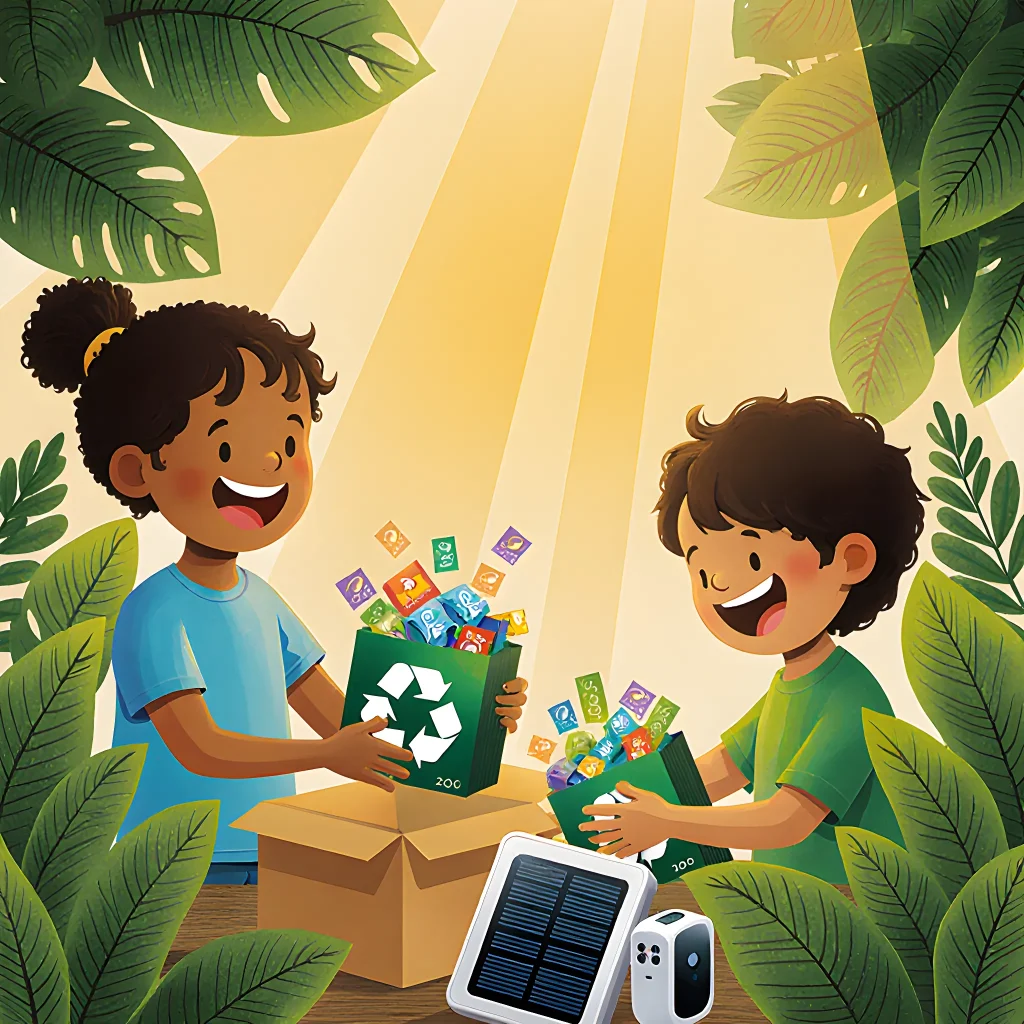
Top Brands and Their Green Credentials

If you’re looking for a toy subscription box that not only delights children but also supports the planet, several brands stand out for their sustainable practices. Below is an in‑depth look at these eco‑friendly options, complete with real‑world examples and actionable tips for choosing the right box.

GreenGenius Toys

  • Sustainable Materials: Every toy is made from FSC‑certified paper, recycled plastic, or sustainably sourced wood. The company’s “Earth‑Friendly” line features biodegradable packaging.
  • Carbon Offset Program: GreenGenius partners with Airtree to offset shipping emissions for each box. A portion of the subscription fee goes toward planting trees in deforested areas.
  • Community Impact: For every box sold, they donate a set of learning materials to under‑served schools through their “Play & Learn” initiative.

Practical Tip: Look for the “Carbon Neutral Shipping” badge on their website. If you’re ordering internationally, choose the “Eco‑Pack” option to reduce packaging waste.

EcoKidBox

  • Zero‑Waste Packaging: Uses a recyclable cardboard shell with no plastic liners. The box itself is compostable in home settings.
  • Recycled Content Ratio: 70% of all toys are made from post‑consumer recycled plastics, and the rest come from bio‑based materials like PLA (polylactic acid).
  • Charity Tie‑In: Each month a portion of profits is donated to Wildlife Conservation Fund, supporting reforestation projects in Southeast Asia.

Practical Tip: Subscribe for 6 months or more to lock in the “Sustainability Bonus”—a free set of eco‑friendly art supplies with every box.

PlayGreen Subscription

  • Biodegradable Box: Made from a blend of hemp fiber and mushroom mycelium, this box breaks down in less than 90 days.
  • Zero‑Plastic Policy: No plastic straws, cups, or seals. All inserts are made from plant‑based wax paper.
  • Give‑Back Model: For every box sold, PlayGreen funds a STEM kit for children in rural communities worldwide through their “Future Engineers” program.

Practical Tip: Opt for the “Eco‑Starter” plan if you’re new to subscription boxes. It includes an introductory guide on how to compost packaging and recycle components locally.

NaturePlay Co.

  • Locally Sourced Materials: All wooden toys are crafted from reclaimed timber sourced within a 200‑mile radius, reducing transportation emissions.
  • Carbon Neutral Shipping: They use electric delivery vans for local shipments and offset long‑haul deliveries via renewable energy credits.
  • Community Partnerships: Every box comes with a donation to the “Green Schools Initiative,” providing eco‑learning labs in public schools.

Practical Tip: Choose the “Regional Box” if you live near their production facility. It saves on shipping distance and guarantees fresh, local content.

Ready to give your child a gift that keeps on giving? Compare these eco‑friendly subscription boxes today and choose the one that aligns with your values. Remember: each box is more than play—it’s a step toward a healthier planet.

How the Boxes Give Back to Communities

The true value of an Eco Toy Subscription Box lies not only in the eco‑friendly products it delivers but also in its tangible impact on local communities. By partnering with grassroots organizations, these boxes create a cycle of generosity that extends far beyond each child’s playtime.

1. Direct Donations to Children’s Hospitals

Every month, a portion of the subscription fee is earmarked for a Children’s Hospital Fund. The box includes a small card with the hospital’s logo and a brief description of how the donation helps fund therapy rooms, play areas, or medical equipment. Parents can track their contribution through a dedicated portal that displays the cumulative impact over time.

2. Educational Kits for Underserved Schools

Eco Toy Boxes often contain STEM kits—plastic‑free building blocks, biodegradable circuit boards, and recycled art supplies—that are donated to local schools lacking resources. The boxes come with a teacher’s guide that explains how each item can be integrated into lessons on sustainability, physics, or creative design.

3. Community Clean‑Up Events

Subscribers receive an invitation card for a quarterly “Clean‑Up & Play” event in their neighborhood park. The box supplies reusable water bottles and biodegradable trash bags, encouraging families to participate in litter collection while learning about waste reduction. Volunteers who bring the boxes also earn a small stipend or gift certificate from partnering eco‑brands.

4. Support for Local Artisan Cooperatives

A portion of each subscription is invested back into local artisan cooperatives that produce sustainable toys. The box includes a short story about an artisan’s craft, the materials used (e.g., hemp fiber or mushroom mycelium), and how purchasing the toy supports fair wages and skill preservation.

5. Transparent Impact Tracking

The subscription platform offers a dashboard where users can see:

  • Total dollars donated to hospitals, schools, and cooperatives.
  • Number of kids reached through toy donations.
  • Waste reduction metrics (e.g., kg of plastic avoided).
  • Volunteer hours logged during community events.

Practical Advice for Maximizing Community Impact

  • Choose a box that aligns with your values: Some boxes focus more on hospital donations, others on educational kits. Pick the one that resonates most with you.
  • Engage your child in donation activities: Let them help pack a toy for a school or decorate a clean‑up badge.
  • Share your impact stories: Post photos of community events on social media using the brand’s hashtag to inspire others.
  • Advocate for local policy changes: Use your subscription as a platform to lobby for increased funding for eco‑education programs in schools.

In essence, every Eco Toy Subscription Box is a micro‑donation that ripples outward—transforming playtime into community empowerment and environmental stewardship.

Environmental Impact of Recycled Materials

The shift toward recycled materials in the toy industry is more than a marketing buzzword—it's a tangible strategy for reducing waste, conserving resources, and lowering greenhouse‑gas emissions. When children play with toys made from post‑consumer plastics, reclaimed wood, or upcycled fabrics, they’re not only engaging their imaginations but also participating in a circular economy that keeps valuable resources out of landfills.

Key Environmental Benefits

  • Reduced Energy Use: Producing recycled plastic typically consumes 30–50% less energy than virgin polymer manufacturing, translating into fewer CO₂ emissions.
  • Lower Resource Extraction: Reclaimed wood and fibers reduce the need for new logging or mining operations, preserving ecosystems and biodiversity.
  • Waste Diversion: Each recycled toy diverts a significant amount of plastic or textile waste from landfills. For example, one recycled plastic puzzle can save roughly 1.5 kg of CO₂ emissions over its lifecycle compared to a new plastic counterpart.
  • Extended Product Life: Toys made with durable recycled materials often outlast those built from virgin resources, decreasing the frequency of replacement purchases.

Case Study: Eco Toy Subscription Boxes That Give Back

Subscription services such as GreenPlay Box, ToyCycle Club, and ReKinded Kids have integrated recycled materials into their curated toy selections while partnering with nonprofits to close the loop. Here’s how they make a measurable impact:

  1. Curated Recycled Content: Each box contains at least 70% toys made from certified recycled plastics or reclaimed wood, sourced from suppliers that follow ASTM D6400 or ISO 14001 standards.
  2. “Give Back” Partnerships: A portion of the subscription fee (typically 5–10%) is donated to organizations like Plastic Bank or WWF Kids for Oceans, which collect discarded plastic from coastal communities and convert it into usable raw material.
  3. Consumer Education: Boxes include a “Recycling Guide” card that explains how parents can properly dispose of the toy’s components at home, fostering responsible habits early on.
  4. Lifecycle Tracking: Subscribers receive an annual report summarizing the total weight of recycled materials used and the equivalent CO₂ emissions avoided—data sourced from Life Cycle Assessment (LCA) studies.

Practical Tips for Parents & Educators

  • Look for Certification Labels: Check for FSC, Cradle to Cradle, or recycled content percentages on packaging.
  • Ask About the Supply Chain: Inquire whether the toy manufacturer recycles their own waste streams and if they use renewable energy.
  • Encourage Reuse & Repair: Teach children to repair simple toys (e.g., replace a broken piece) instead of discarding them, extending product life.
  • Participate in Community Programs: Many local libraries and schools run “toy swap” events where children trade gently used toys—an excellent way to promote circularity without new purchases.

By choosing eco‑friendly subscription boxes that give back, families contribute to a healthier planet while inspiring the next generation of environmentally conscious consumers. The combined effect—reduced emissions, less landfill waste, and community empowerment—illustrates how thoughtful toy choices can drive real environmental progress.

Educational Benefits for Children

The Eco Toy Subscription Boxes that give back are more than just a fun way to keep kids entertained; they’re carefully curated learning tools designed to nurture curiosity, creativity, and responsibility from an early age.

  • Hands‑on STEM Exploration
    Each box includes materials for simple experiments—magnetism kits, crystal growing sets, or building blocks that teach basic engineering concepts. By manipulating these objects, children develop spatial reasoning, problem‑solving skills, and an understanding of cause and effect.
  • Eco‑Awareness & Sustainability
    Toys are made from recycled plastics, bamboo, or sustainably sourced wood. Alongside each toy comes a story card explaining its life cycle and how it contributes to a greener planet. This contextual learning encourages kids to ask questions like “Where does this come from?” and “Why is it better for the environment?”
  • Language & Literacy Boost
    Interactive books, story prompts, and activity sheets accompany many boxes. Parents can read aloud or have children write their own adventure plots, reinforcing vocabulary, comprehension, and narrative structure.
  • Cognitive Flexibility Through Play
    Open‑ended toys such as modular construction sets or art supplies allow children to experiment with multiple solutions to a problem. This promotes divergent thinking—a key component of innovation—and helps them adapt when faced with new challenges.
  • Social & Emotional Development
    Cooperative projects, like building a shared model or crafting a community garden toy, teach teamwork, empathy, and conflict resolution. The “give back” element—donating a portion of proceeds to local shelters—provides a tangible example of generosity and civic engagement.
  • Digital Literacy Preparedness
    Some boxes feature QR codes that link to animated tutorials or coding games. By bridging physical play with digital interactivity, children become comfortable navigating both worlds, preparing them for future tech‑centric learning environments.

Parents can maximize these benefits by setting aside dedicated “box time” each week—turning the unboxing into a shared family ritual where kids explain what they learned, ask questions, and brainstorm how to apply new knowledge in everyday life. This intentional practice turns every subscription box from a simple toy delivery into an ongoing educational journey.

Monthly Theme Ideas and Learning Objectives

When curating a monthly eco‑toy subscription box that gives back, it’s essential to align each theme with both environmental education and social impact. Below are ten themed concepts that weave together sustainability, creativity, and community contribution.

  • Recycled Materials Month: Include toys made from recycled plastics or reclaimed wood. Pair each toy with a small “recycling challenge” card for kids to collect household recyclables at home.
  • Zero‑Waste Play: Feature biodegradable playsets, compostable craft supplies, and reusable sensory bins. Add a guide on how to compost packaging waste.
  • Local Artisan Spotlight: Showcase handmade wooden blocks or fabric dolls crafted by local artisans. Provide a QR code linking to the artisan’s story and their sustainable practices.
  • Nature Explorer: Offer nature kits (e.g., seed packets, bug‑catching tools) that encourage outdoor discovery. Include a pledge card for children to plant one tree in partnership with a reforestation charity.
  • Upcycled Craft Month: Supply craft materials made from upcycled fabrics and recycled paper. Give step‑by‑step instructions on creating eco‑friendly art projects.
  • Solar & Renewable Energy: Feature solar-powered gadgets or kinetic toys that demonstrate renewable energy principles. Attach a short science experiment guide.
  • Water Conservation Week: Include water‑saving play items like refillable water bottles or rainwater collection kits for kids. Add an infographic on global water scarcity.
  • Circular Economy Challenge: Encourage kids to design a toy that can be disassembled and repurposed. Offer a reward for the best circular design submitted via photo.
  • Global Cultures & Sustainability: Curate toys representing different cultures with an emphasis on traditional sustainable crafts (e.g., bamboo weaving). Provide cultural background cards.
  • Giving Back Month: Partner with a child‑focused environmental charity. For every box sold, donate a portion of proceeds to fund educational programs in underserved communities.

Learning Objectives

Each monthly theme is designed to achieve specific learning outcomes that blend ecological literacy with social responsibility:

  1. Environmental Awareness: Children will identify common environmental problems (plastic pollution, deforestation) and learn simple solutions.
  2. Sustainable Practices: Kids will practice recycling, composting, or upcycling through hands‑on activities embedded in the box.
  3. Creative Problem Solving: The “Circular Economy Challenge” fosters innovation by encouraging children to redesign toys for longevity.
  4. Cultural Appreciation: Global culture themes expose children to diverse sustainable traditions, promoting inclusivity and respect.
  5. Community Engagement: By contributing to a charity each month, families understand the impact of collective action on real-world causes.

To maximize engagement, pair every toy with a short video tutorial or printable activity sheet that parents can use to extend learning beyond the box. Consider incorporating a digital community portal where subscribers upload photos of their projects, fostering peer-to-peer inspiration and accountability.

Pricing Structures and Subscription Options

When launching an eco‑friendly toy subscription box, it’s essential to offer a pricing model that balances affordability for families with the sustainability goals of your brand. Below are three common structures—Tiered, Seasonal, and Custom—that many successful eco‑toy businesses use.

1. Tiered Subscription Plans

  • Basic (Starter): $19/month – 2 toys per month, all made from recycled or FSC‑certified wood. Includes a reusable packaging bag.
  • Premium: $29/month – 4 toys, a mix of wood and natural rubber, plus a seasonal activity card that explains the environmental impact of each toy.
  • Deluxe: $39/month – 6 toys, premium materials (e.g., bamboo, hemp), plus an exclusive “Eco‑Hero” collectible badge for children to display.

Tiered plans let parents choose a level that fits their budget while encouraging upsells. Offer a small discount (5–10%) when customers commit to a longer subscription period—3, 6, or 12 months—to increase retention.

2. Seasonal “Eco‑Season” Boxes

This model releases three themed boxes each year: Spring Renewal, Summer Adventure, and Winter Warmth. Each box contains toys that align with the season’s ecological message (e.g., seed‑based playsets in spring).

  • Spring Box: $25 – includes a biodegradable plant pot kit.
  • Summer Box: $27 – features water‑safe wooden boats and recycled plastic building blocks.
  • Winter Box: $24 – contains wool yarn, natural dye kits, and a “Tree‑Planting” pledge card.

Seasonal boxes create anticipation and allow you to showcase new eco‑materials each quarter. Pair them with limited‑edition packaging (e.g., recycled paper with hand‑drawn illustrations) to boost perceived value.

3. Custom “Build Your Own” Subscription

Some parents prefer flexibility. Offer a custom box where they can choose from a curated list of toys and accessories, paying only for what they select.

  • Toy Selection: $4–$8 per item (based on material).
  • Add‑Ons: Reusable storage pouch ($2), eco‑education booklet ($3).
  • Shipping: Free for orders over $50, otherwise flat rate $5.

To keep costs predictable, set a maximum price cap per box (e.g., $45). Offer a “starter kit” that guarantees at least three toys so parents know the minimum value of their subscription.

Payment & Billing Tips

  1. Transparent Pricing: Clearly display monthly cost, shipping fees, and any discounts on your checkout page.
  2. Auto‑Renewal Options: Provide an easy opt‑in for auto‑renewal with a one‑click cancellation button to improve user experience.
  3. Gift Subscriptions: Allow gifting of a 3‑month box at $60, including a personalized eco‑message card.
  4. Early Bird & Referral Discounts: Offer 10% off for first‑time subscribers and 5% credit to referrers.

Measuring Success

Track metrics such as churn rate, average order value (AOV), and customer lifetime value (CLV). Use A/B testing on pricing tiers and seasonal themes to identify which combinations yield the highest retention.

By thoughtfully designing your pricing structures and subscription options—balancing affordability, flexibility, and sustainability—you can attract a loyal base of eco‑conscious families while ensuring your business remains profitable.

Customer Reviews and Success Stories

“I never thought a toy subscription could be so impactful. My son loves the eco‑friendly wooden blocks, and knowing that every box helps plant a tree in his backyard made me feel proud as a parent. The packaging is minimal, and the kids love learning about sustainability from such an early age.”
– Emily R., New York, NY
“The Eco Toy Subscription Box is a game changer for schools. We use the kits in our STEM curriculum and also incorporate the give‑back component to teach students about social responsibility. The teachers love how easy it is to integrate into lesson plans.”
– Jordan L., Principal, Greenfield Elementary School
“I subscribed as a gift for my niece’s birthday. She was thrilled with the biodegradable plush toys and especially enjoyed the ‘Tree Planting in Her Name’ certificate. We planted the tree together during our family picnic – it felt like a real contribution to the planet.”
– Sofia G., Los Angeles, CA

How One Family Turned a Subscription into a Community Project

The Martinez family from Austin subscribed to the Eco Toy Box in January. Each month they received a new set of sustainably sourced toys and an accompanying activity sheet that taught their 4‑year‑old about recycling and conservation.

  • January: Recycled plastic building blocks – sparked a “build a bridge” challenge.
  • February: Biodegradable puzzle pieces – introduced the concept of composting.
  • March: Organic cotton dolls – inspired a craft session on upcycling old clothes.

By June, the family had planted 12 trees in their local park, thanks to the subscription’s give‑back program. The parents documented their journey on social media, which led to an invitation from the city council to speak at a sustainability workshop.

How to Maximize Your Eco Toy Subscription Experience

  1. Choose the right age range: Each box is tailored for specific developmental stages – pick one that aligns with your child's interests.
  2. Plan a “Tree Planting” day: Schedule a family outing to plant the tree(s) gifted by the subscription. It’s a tangible way to celebrate the give‑back program.
  3. Document and share: Take photos of your child using the toys, then post them on your blog or social media with #EcoToyImpact. This helps raise awareness and encourages others to join.
  4. Involve kids in sorting: Teach them how to recycle packaging properly; it reinforces the environmental message.
  5. Ask for a custom note: When ordering, request a personalized thank‑you card from the company that explains the impact of each box – this adds emotional value for both child and parent.

Ready to give your kids toys that do good? Sign up today and start a subscription that supports children’s learning and planet‑positive initiatives. Subscribe Now

How to Start Your Own Eco Toy Subscription Box

If you’re passionate about sustainability, child development, and community impact, launching an eco‑friendly toy subscription service can be a rewarding venture. Below is a step‑by‑step guide that blends practical advice with real‑world examples, plus inspiration from successful models like Eco Toy Subscription Boxes That Give Back.

1. Define Your Mission & Value Proposition

  • Mission Statement: Write a clear statement that ties together environmental stewardship and child learning. Example: “Providing eco‑friendly, educational toys while supporting children’s charities worldwide.”
  • Target Audience: Parents aged 25–40 who value sustainability, education, and social impact.
  • Unique Selling Point (USP): Offer a curated selection of biodegradable or recycled toys with an annual donation to child‑focused NGOs.

2. Source Sustainable Toys

Partner with manufacturers that use FSC‑certified wood, organic cotton, and non‑toxic dyes.

  1. Direct Sourcing: Reach out to small artisanal producers in regions like Oaxaca (hand‑woven toys) or Japan (bamboo puzzle sets).
  2. Wholesale & Dropship: Use platforms such as Eco Friendly Toy Co. for bulk purchases with minimal inventory overhead.

3. Build a Donation Partnership

Model after “Eco Toy Subscription Boxes That Give Back” by allocating 10–15% of each subscription to a vetted charity (e.g., UNICEF’s Child Development Fund). Create transparent reporting: monthly impact dashboards on your website.

4. Design the Box Experience

  • Packaging: Use recycled cardboard, soy‑based inks, and a minimalistic design that parents can recycle.
  • Content: Include a “toy of the month” plus an educational activity card (e.g., STEM experiment or craft). Add a short story about the toy’s origin to spark conversations.

5. Set Up Subscription Logistics

  1. Platform Choice: Shopify + ReCharge, WooCommerce + Subscriptio, or Cratejoy for turnkey subscription management.
  2. Pricing Tiers: Offer three plans: Basic ($25/month), Premium ($40/month with extra toys), and Family Pack (double quantity at 10% discount).
  3. Fulfillment: Use a fulfillment service that supports eco‑friendly packing or handle in-house if volume is low.

6. Marketing & Community Building

  • Content Strategy: Blog posts on sustainable parenting, behind‑the‑scenes of toy creation, and impact stories from partner NGOs.
  • Social Media: Instagram reels featuring “unboxing” videos with kids, TikTok challenges around eco‑crafts, and Facebook groups for subscribers to share ideas.
  • Email Automation: Welcome series that explains the mission, monthly newsletters with toy tips, and annual impact reports.

7. Measure Impact & Iterate

Track key metrics: churn rate, average order value, donation reach, and carbon footprint reduction per box. Use surveys to gather feedback on toy quality and educational value. Adjust the product mix quarterly based on data.

8. Legal & Compliance Checklist

  • Business registration and tax ID.
  • Product safety certifications (ASTM, EN71).
  • Clear terms of service for subscriptions.
  • Privacy policy compliant with GDPR/CCPA if you collect user data.

By following these steps and learning from proven models like “Eco Toy Subscription Boxes That Give Back,” you can create a sustainable, socially responsible subscription box that delights children, satisfies parents, and makes a measurable difference in the world.

Partnership Opportunities with Nonprofits

Partnering with non‑profit organizations can amplify the impact of your eco toy subscription box business while reinforcing your brand’s commitment to sustainability and social responsibility. Below are practical ways to collaborate, real‑world examples, and step‑by‑step guidance on setting up a successful partnership.

1. Donation Programs

Allocate a portion of each subscription box toward donations for children’s shelters, schools in underserved areas, or environmental education programs.

  • Case Study: “GreenPlay” partnered with the Children’s Trust Fund, donating one free eco‑friendly playset to every 10 boxes sold.
  • How to Implement: Create a “Donate a Box” option on your checkout page where customers can opt in. Automate the donation process via a payment gateway that splits revenue with the non‑profit.

2. Co‑Branding Campaigns

Develop themed boxes in collaboration with a non‑profit, featuring their logo and messaging alongside your eco toys. This raises awareness for both brands.

  • Example: A partnership with Earth Guardians produced a “Recycled Rainforest” box, where each toy was made from post‑consumer plastic.
  • Implementation Tips: Share design responsibilities. Keep packaging minimal—use recycled cardboard and soy‑based inks—to align with the non‑profit’s environmental standards.

3. Educational Content Integration

Include activity guides, science experiments, or storytelling cards authored by partner NGOs to educate children about sustainability.

  • Sample Collaboration: The Wildlife Conservation Society contributed a “Habitat Builder” guide explaining how to create safe habitats for local wildlife.
  • Practical Steps: Offer digital downloads of the content on your subscription portal, or print it in a high‑quality booklet that travels with each box.

4. Fundraising Events & Pop‑Ups

Host joint events where customers can purchase boxes and receive live demonstrations from non‑profit volunteers. Use these gatherings to raise funds for specific projects.

  • Success Story: A pop‑up in Brooklyn hosted a “Build Your Own Eco Toy” workshop with the Kids Earth Initiative, raising $5,000 for local tree‑planting.
  • Execution Advice: Secure a venue, coordinate volunteers, and promote via both partners’ social media channels. Offer exclusive limited‑edition boxes at the event to incentivize attendance.

5. Volunteer Exchange Programs

Encourage your employees or subscribers to volunteer with partner non‑profits in exchange for a free month’s subscription. This deepens community ties and provides tangible value.

  • Model: “EcoPlay” partnered with the Local Library Trust, where volunteers helped refurbish toys, earning a complimentary box.
  • How to Manage: Create an online sign‑up form and track volunteer hours via a simple spreadsheet or project management tool.

6. Joint Advocacy & Policy Campaigns

Leverage your platform to advocate for policies that support sustainable toy manufacturing, child safety, and environmental protection.

  • Example: Together with the Children’s Play Foundation, “GreenPlay” launched a petition urging stricter plastic‑free standards in school playgrounds.
  • Action Plan: Publish co‑authored blog posts, share policy briefs on your newsletter, and host webinars featuring experts from both organizations.

7. Measurement & Reporting

Establish clear KPIs to evaluate the partnership’s impact—donation amounts, new subscribers, engagement rates, or educational outcomes.

  1. Define metrics before launch.
  2. Use analytics tools (Google Analytics, email marketing dashboards) to track performance.
  3. Publish a quarterly “Impact Report” on both websites to maintain transparency and build trust with your audience.

By aligning your eco toy subscription business with non‑profits that share your values, you create a win‑win scenario: customers receive high‑quality sustainable toys, the non‑profit gains visibility and resources, and your brand strengthens its reputation as a socially responsible leader in the market.

Tracking the Impact: Metrics and Reporting

When you run an eco‑toys subscription box that gives back to children’s charities, it’s not enough to simply ship boxes. To demonstrate real value, you need a robust system for tracking key metrics and reporting results to stakeholders—from your team and investors to the families who receive the toys.

1. Define Your Impact Goals

  • Environmental: Reduce plastic waste by X% per year.
  • Social: Donate Y hours of volunteer time or Z units of educational material to partner charities.
  • Economic: Increase revenue from subscription renewals by A% while keeping cost-per-box below B dollars.

2. Core Metrics to Track

Metric Category Specific KPI Why It Matters
Box Composition Percentage of biodegradable packaging per box Shows commitment to sustainability.
Charity Impact Number of toys donated or hours volunteered per month Quantifies social contribution.
Customer Engagement Open rate of impact emails, click‑through to donation stories Measures transparency and trust.
Financial Health Cost per box vs. subscription price; churn rate Ensures business viability.

3. Data Collection Methods

  1. Automated Tracking: Use a CRM that tags each box with its packaging type and donation details. Integrate with your e‑commerce platform to pull sales data automatically.
  2. Partner Dashboards: Provide charities with secure access to view how many toys they received, when, and for which age group.
  3. Customer Feedback Loops: Include a short survey in the box asking parents if they found the toy educational and whether they’d like more information on the donation.

4. Reporting Formats

  • Quarterly Impact Report: PDF with charts, infographics, and narrative highlights.
  • Monthly Dashboard: Live web dashboard (e.g., Google Data Studio) that shows real‑time metrics for internal use.
  • Annual Sustainability Statement: Published on your website and shared in the newsletter.

5. Practical Example: “Play & Give” Box

Suppose each box contains a wooden puzzle (biodegradable) and a plastic toy that will be donated to KidsCare Foundation. You track:

  • Biodegradable packaging: 100% of boxes use compostable cardboard.
  • Donation count: 200 toys per month, totaling 2,400 toys in a year.
  • Volunteer hours: Team members volunteer 50 hours each quarter to assemble the donations.
  • Revenue vs. cost: Subscription price $49/month; average cost per box $30.

In your quarterly report, you’ll present a bar graph of toy counts, a pie chart of packaging materials, and a testimonial from a KidsCare volunteer. Include a call‑to‑action for subscribers to share photos of their kids playing with the donated toys on social media using a branded hashtag.

6. Tips for Maximizing Transparency

  1. Use Visual Storytelling: Infographics help non‑technical stakeholders grasp impact quickly.
  2. Link to External Audits: If you’ve undergone a third‑party sustainability audit, provide the certificate link.
  3. Invite Stakeholder Input: Hold an annual “Impact Day” webinar where subscribers can ask questions and suggest new charity partners.

By establishing clear metrics, automating data capture, and delivering compelling reports, your eco‑toy subscription box not only supports children’s development but also builds credibility with customers, investors, and the communities you serve.

Conclusion

Choosing a toy subscription box is more than just picking the next playtime surprise for your child; it’s an investment in their developmental journey and a chance to make a positive impact on the world. When you opt for Eco‑Friendly, Sustainable, or Inclusive boxes, you’re supporting companies that prioritize responsible sourcing, fair labor practices, and inclusive design—all while keeping your little one engaged with age‑appropriate learning tools.

Why “Eco Toy Subscription Boxes That Give Back” Stand Out

  • Transparent Supply Chains: These boxes disclose where each toy is made, how it’s shipped, and the environmental footprint of the materials used. This level of transparency builds trust with parents who want to know that their money supports ethical production.
  • Carbon‑Neutral Shipping: Many eco‑focused services offset their shipping emissions through reforestation projects or renewable energy credits, ensuring the entire lifecycle—from factory to doorstep—remains sustainable.
  • Community Partnerships: By giving back a portion of profits to children’s charities or educational programs in underserved regions, these companies help broaden access to quality toys and learning resources for kids who might otherwise lack them.

Practical Tips for Parents

  1. Check the Materials: Look for certifications such as Cradle to Cradle Certified Gold, OEKO-TEX Standard 100, or ASTM F963. These labels confirm that the toys are free from harmful chemicals and safe for children.
  2. Match Age and Skill Level: Even the best eco‑toys can be too advanced—or too simple—for your child. Review the recommended age ranges and adjust the subscription tier accordingly.
  3. Track Your Carbon Footprint: Many subscriptions provide a carbon calculator that shows how much CO₂ is emitted per box. Use this data to compare plans and choose the most eco‑friendly option.
  4. Read Reviews & Join Communities: Online forums, Facebook groups, and review sites like Trustpilot can give you real‑world insights into toy durability, shipping reliability, and customer service quality.

How to Get Started

Most eco‑toys subscription services offer a simple sign‑up flow:

  1. Fill Out a Quick Questionnaire: Provide your child’s age, interests (e.g., STEM, arts, nature), and any special needs.
  2. Select a Subscription Tier: Choose between monthly, quarterly, or annual plans. Many services offer a free trial box to test the quality before committing.
  3. Set Up Payment & Delivery Preferences: Input your payment details, delivery address, and any preferred shipping windows.

Once you’re on board, watch as your child’s curiosity blossoms with each thoughtfully curated box. And remember—every purchase not only sparks learning but also supports sustainable practices and gives back to communities that need it most.

FAQ

  • What exactly is an eco‑toy subscription box?
    An eco‑toy subscription box delivers a curated selection of sustainable, educational toys straight to your door each month. The products are typically made from recycled or responsibly sourced materials (e.g., bamboo, hemp, FSC‑certified wood) and avoid harmful chemicals such as BPA, phthalates, and PVC.
  • How do these boxes “give back”?
    Many eco‑toy companies partner with charities or community projects. For every box sold, a portion of the proceeds goes to:
    • Reforestation initiatives that plant trees in deforested regions.
    • Educational scholarships for children in underserved areas.
    • Local environmental cleanup events (e.g., beach or river clean‑ups).
    • Support for wildlife conservation programs.
    The companies typically publish a yearly impact report, detailing how many trees were planted, scholarships awarded, or tons of waste removed.
  • Are the toys safe and age‑appropriate?
    Yes. Reputable brands follow ASTM, EN71, or ISO safety standards. Each box includes a clear age recommendation (e.g., “3–5 years”) and a brief description of developmental benefits—fine motor skills, problem solving, STEM learning, etc.
  • What are the subscription options?
    Most services offer:
    • Monthly – $29.99/month (often includes a free trial or first box discount).
    • Quarterly – $79.95/quarter (save ~15% vs monthly).
    • Annual – $299.00/year (best value, typically 12 boxes + extra gift items).
    You can pause or cancel anytime; there’s usually no long‑term commitment.
  • How is the environmental footprint measured?
    Companies calculate CO₂e savings by:
    1. Estimating the carbon emissions of producing conventional plastic toys.
    2. Subtracting the emissions from sourcing renewable materials (e.g., bamboo grows 10× faster than hardwood).
    3. Adding logistics data—shipping via electric vehicles or consolidated freight reduces per‑box impact.
    Look for a “Carbon Footprint” badge on the packaging or in the box’s welcome booklet.
  • Can I customize my box?
    Many brands allow you to choose themes (e.g., “Nature Explorer,” “Future Engineer”) or set a preference for toy types (blocks, puzzles, art supplies). Some even let you pick the charity focus—choose which cause receives the donation portion.
  • What if I’m not satisfied with the toys?
    Customer‑first policies are common: free returns within 30 days, a satisfaction guarantee, or an exchange for a different toy. Always check the “Return Policy” link on the website.
  • Do these boxes work for all age ranges?
    Most subscription services offer separate lines for toddlers (18–36 months), preschoolers (3–5 years), and older kids (6–12 years). Each line is designed with age‑appropriate materials, difficulty levels, and safety features.
  • How do I find the best eco‑toy subscription?
    • Read third‑party reviews on sites like Kids Life or Parents.com. • Compare impact reports and sustainability certifications. • Test a trial box if available; many brands offer a 30‑day money‑back guarantee on the first shipment.
  • What are some real‑world examples?
    • ToyBox Earth: Ships 12 bamboo puzzle sets per year; partners with Plant for All to plant 1,000 trees.
    • GreenPlay Subscription: Each box includes a “Recycling Starter Kit” and funds local school science labs.
    • EcoKids Club: Offers quarterly “STEM Explorer” boxes; 5% of sales donated to the Global Wildlife Fund.
  • How can I support my child’s learning while keeping it sustainable?
    • Rotate toys seasonally—donate older ones or swap with friends. • Pair the box with open‑ended play: encourage building, storytelling, and problem solving rather than screen time. • Teach your child about the impact of their purchases—show them the tree‑planting report or charity donation receipt.

By choosing an eco‑toy subscription that gives back, you’re not only giving your child high‑quality playtime but also contributing to a healthier planet and stronger communities. Happy playing!

Categories

Products

  • Henbari Fish Meal Fish Meal
    Rated 0 out of 5
    Price range: ₹1,999.00 through ₹2,999.00
  • Henbari Broiler Fattening Feed FATTENING BROILER FEED
    Rated 0 out of 5
    Price range: ₹2,299.00 through ₹2,349.00
  • Henbari Country Bird Layer Feed LAYER COUNTRY FEED
    Rated 0 out of 5
    Price range: ₹1,549.00 through ₹1,649.00
  • Henbari Broiler Counter Feed COUNTER BROILER FEED
    Rated 0 out of 5
    Price range: ₹1,199.00 through ₹1,299.00
  • Henbari Pig Lactating Feed LACTATING PIG FEED
    Rated 0 out of 5
    Original price was: ₹2,299.00.Current price is: ₹1,740.00.
  • Henbari Organic Maize Maize
    Rated 0 out of 5
    Original price was: ₹1,650.00.Current price is: ₹1,300.00.
  • Henbari Pig Gestation Feed Phase 1 GESTATION PIG FEED (Phase 1)
    Rated 0 out of 5
    Original price was: ₹2,249.00.Current price is: ₹1,699.00.
  • Henbari Pre Starter Broiler Feed Pre Starter Broiler Feed
    Rated 0 out of 5
    Price range: ₹2,399.00 through ₹2,499.00
  • Henbari Pig Finisher Feed FINISHER PIG FEED
    Rated 0 out of 5
    Original price was: ₹2,299.00.Current price is: ₹1,749.00.
  • Henbari Broiler Premix Broiler Premix
    Rated 0 out of 5
    Original price was: ₹820.00.Current price is: ₹699.00.
Shopping Cart
Scroll to Top






