
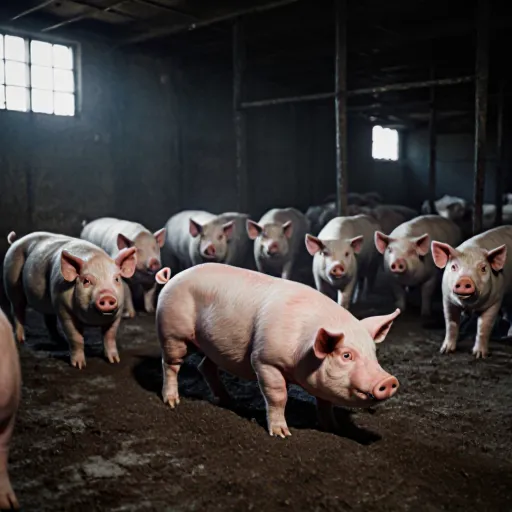
Stay Ahead of Swine Fever with These Pro Tips!
Table of Contents
- Understanding Swine Fever
- Identifying the Symptoms Early
- Importance of Vaccination
- Proper Biosecurity Measures
- Cleaning and Disinfection Protocols
- Nutritional Management to Strengthen Immunity
- Isolation of New Arrivals
- Rotational Grazing Systems
- Regular Veterinary Check-ups and Consultations
- Environmental Hygiene Practices
- Managing Stress in Pigs
- Implementing Quarantine Procedures
- Monitoring and Early Detection Programs
- Conclusion
- FAQ
Understanding Swine Fever
Swine fever, commonly known as African Swine Fever (ASF), is a highly contagious viral disease that affects pigs. It was first identified in the 1920s and has since spread across much of Africa, parts of Europe, Asia, and even regions outside of these continents due to global trade.
The virus that causes ASF belongs to the family Asfarviridae and is transmitted primarily by mechanical means through bites from certain species of flies. The disease can also spread via contaminated feed, equipment, vehicles, and people who have come into contact with infected pigs or their environments.
Impact on Pigs
Symptoms of ASF in pigs can vary widely depending on the strain of the virus and the age and health status of the pig. Common signs include high fever, lethargy, loss of appetite, vomiting, diarrhea, and difficulty breathing. In severe cases, the disease can lead to widespread hemorrhaging under the skin, in internal organs, and even death.
Prevalence and Spread
African Swine Fever is not contagious to humans but poses a significant threat to pig populations worldwide. Its ability to spread rapidly within herds and between farms makes it a critical concern for the pork industry. The disease can decimate entire herds, leading to severe economic losses for farmers.
Prevention and Control
To prevent Swine Fever in your herd, several measures are crucial:
- Isolation of New Pigs: Any new pigs introduced into the herd should be quarantined for at least two weeks to ensure they do not carry any contagious diseases.
- Cleanliness and Hygiene: Regularly clean and disinfect all areas where pigs are kept. This includes feeding troughs, equipment, and clothing worn by farm workers.
- Vaccination: Although there is no effective vaccine for African Swine Fever, vaccination against related diseases like Classical Swine Fever can help protect pig herds.
- Biosecurity: Implement strict biosecurity protocols to prevent the introduction of the virus. This includes limiting visitors and controlling access to farm areas where pigs are kept.
Global Efforts
International organizations such as the World Organization for Animal Health (OIE) work tirelessly to control ASF by providing guidelines and support to countries affected by the disease. Governments in regions where ASF is prevalent have implemented strict regulations on pork imports and exports to prevent the spread of the virus.
Identifying the Symptoms Early
To effectively prevent swine fever (also known as African Swine Fever or ASF) in your herd, it is crucial to identify the early symptoms promptly. Early detection can significantly reduce the impact of the disease and help prevent its spread. Here are some key signs to look out for:
Common Symptoms
- Loss of Appetite: One of the earliest signs is a sudden drop in appetite or refusal to eat.
- Vomiting and Diarrhea: These can occur early on, leading to dehydration if not addressed promptly.
- Fever: Affected pigs may exhibit high body temperatures. Monitoring daily health is essential for early detection.
- Lethargy: Pigs that appear listless or weak compared to their usual behavior should be monitored closely.
Behavioral Changes
In addition to physical symptoms, changes in behavior can indicate an issue. Look for signs such as:
- Reduced Activity: Pigs that are unusually inactive or quiet.
- Pain Expression: Swine fever can cause severe pain, leading to unusual postures or reluctance to move.
Practical Steps for Early Detection
To help identify symptoms early and take necessary actions promptly, consider implementing these practices:
- Regular Health Checks: Conduct daily checks of your pigs. Familiarize yourself with their normal behaviors to quickly spot any deviations.
- Monitor Feeding Patterns: Pay close attention to changes in eating habits, as this can be an early sign of illness.Veterinary Consultation: Regularly consult with your veterinarian to understand the specific signs and symptoms of swine fever for your particular herd. They can also provide guidance on vaccination schedules and preventive measures.
Preventive Measures
Once you have identified the symptoms early, it is important to take immediate action to prevent further spread:
- Isolation: Isolate affected pigs from healthy ones to prevent the disease from spreading.
- Cleanliness: Ensure that all areas where your pigs are kept are clean and sanitized. This can help reduce the risk of infection.
- Controlled Movement: Limit the movement of pigs between pens or buildings to minimize the chances of spreading the disease.
By staying vigilant and implementing these practices, you can play a crucial role in preventing swine fever from affecting your herd. Early detection is key to controlling outbreaks effectively and minimizing losses.
Importance of Vaccination
Vaccination plays a crucial role in the prevention and control of swine fever, ensuring the health and safety of your herd. Proper vaccination not only protects individual pigs against specific pathogens but also contributes significantly to herd immunity, reducing the risk of disease outbreaks.
Understanding Swine Fever
Swine fever is a highly contagious viral disease that can severely impact pig populations, leading to significant economic losses. The virus primarily affects pigs and is characterized by high fever, lethargy, and often fatal outcomes in young pigs. Early identification and effective management of the disease are crucial, but vaccination remains one of the most reliable preventive measures.
The Role of Vaccination
Vaccines work by introducing a weakened or inactive form of the virus into the body, stimulating an immune response without causing the full-blown disease. This helps the pig’s immune system recognize and fight off the actual virus if exposed later.
- Prevents Disease Spread: Vaccination reduces the likelihood of swine fever spreading within your herd, minimizing the risk to other livestock.
- Maintains Herd Health: A healthy herd is more productive and efficient, leading to better overall business performance.
- Safeguards against Outbreaks: By preventing disease outbreaks, you can avoid costly treatments and potential losses in your pig production.
Best Practices for Vaccination
To ensure the effectiveness of vaccination programs, it is essential to follow best practices. Here are some practical tips:
- Consult with a Veterinarian: Work closely with your veterinarian to choose the right vaccine and schedule for your herd.
- Adhere to Schedules: Vaccination should be done according to the recommended schedules provided by veterinary professionals to ensure optimal protection.
- Monitor Your Herd: Regularly monitor your pigs for any signs of illness or stress, which can indicate the need for additional vaccinations or other interventions.
Real-World Examples
Vaccination has proven to be highly effective in preventing swine fever. For instance, a farm that consistently vaccinates its pigs saw a significant reduction in disease outbreaks and related losses compared to farms without vaccination programs.
"Vaccination is our first line of defense against swine fever. By protecting our herd, we not only maintain their health but also ensure the sustainability of our farm." - John Doe, Pig Farmer
Conclusion
In conclusion, vaccination is a vital tool in preventing swine fever and maintaining the overall health of your herd. By understanding the importance of vaccines and implementing best practices, you can significantly reduce the risk of disease outbreaks and protect your investment in pig production.
Proper Biosecurity Measures
To maintain a healthy and productive pig herd, it is crucial to implement proper biosecurity measures. Swine fever, or African Swine Fever (ASF), poses significant risks to pig populations worldwide. Here are detailed steps and practical advice on how to prevent this disease from entering your farm.
1. Establish a Biosecure Zone
Create a defined biosecure area around your herd that limits access by both humans and animals. This zone should have clear entry and exit points, and all personnel and vehicles must be screened for potential contamination before entering the farm.
2. Strict Entry Policies
Implement strict policies regarding who can enter the farm and what they are allowed to bring in. Visitors should be required to shower or change into clean clothing, and all equipment should undergo thorough disinfection. Vehicles should also be inspected for any potential contamination.
3. Quarantine New Stock
All new stock should be quarantined separately from the existing herd for at least a week. During this period, observe them closely for signs of illness and ensure they have not been exposed to the virus. Only after passing quarantine can these pigs join your main herd.
4. Control Flies and Vectors
Fly populations can carry ASFV from infected areas to other parts of the farm or even neighboring farms. Implement regular fly control measures such as using insecticides, traps, and ensuring proper waste management practices. Additionally, check for and remove any wild animal carcasses promptly.
5. Secure Feed Supplies
Feed supplies can harbor external contaminants that could introduce pathogens into your herd. Ensure all feed is purchased from reputable sources and delivered directly to the farm in sealed containers. Regularly inspect feed bins for signs of contamination and replace them as needed.
6. Proper Waste Management
Effective waste management can prevent the spread of disease through contaminated manure or other waste materials. Use a closed system for waste disposal, such as composting or incineration, to ensure that no pathogens survive and are spread elsewhere.
7. Regular Health Monitoring
Regularly monitor your pigs’ health and conduct routine tests for ASFV. Early detection can prevent the outbreak from spreading within your herd or to other farms. Consult with a veterinarian regularly and follow their recommendations regarding vaccinations and treatments.
8. Continuous Training and Education
Ensure that all employees are trained in proper biosecurity protocols. Regularly update them on new developments in disease prevention and management. Encourage a culture of awareness where everyone on the farm takes responsibility for maintaining high standards of hygiene and cleanliness.
By implementing these comprehensive biosecurity measures, you can significantly reduce the risk of Swine Fever entering your herd. Remember that prevention is key to protecting your investment in livestock. Stay informed and proactive about best practices to keep your pigs healthy and thriving.
Cleaning and Disinfection Protocols
To effectively prevent swine fever, it is crucial to implement thorough cleaning and disinfection protocols within your herd. This process not only helps in eliminating pathogens but also reduces the risk of cross-contamination between animals and environments. Below are detailed steps and practical advice on how to maintain a clean and disinfected environment for your pigs.
1. Establish a Cleaning Schedule
The first step in preventing swine fever is establishing a regular cleaning schedule. This should include daily, weekly, and monthly tasks tailored to different areas of the herd's living space. For instance:
- Daily Tasks: Cleaning feeders, waterers, and other equipment used by individual pigs.
- Weekly Tasks: Thorough cleaning of pens, stalls, and bedding areas to remove visible dirt and waste.
- Monthly Tasks: Deep cleaning and sanitizing of entire enclosures, including walls, floors, and ceilings. This should be done when no pigs are present to avoid stress on the herd.
2. Use Appropriate Cleaning Agents
It's important to use appropriate cleaning agents that can effectively remove organic matter and prepare surfaces for disinfection. Commonly used products include:
- Bleach Solutions: A diluted solution of bleach (1 part bleach to 9 parts water) is effective in killing many pathogens.
- Enzyme Cleaners: These are particularly useful for breaking down tough organic materials like feces and urine.
- Quaternary Ammonium Compounds (QACs): Effective against a wide range of microorganisms, but should be used according to the manufacturer's instructions.
3. Implement Proper Disinfection Techniques
Disinfection is critical in preventing swine fever as it eliminates harmful pathogens from surfaces and equipment. Here’s how you can properly disinfect:
- Select an Approved Disinfectant: Choose a product that has been approved by relevant authorities and proven effective against the specific pathogens present, such as Porcine Epidemic Diarrhea Virus (PEDV).
- Saturate Surfaces: Ensure all surfaces are thoroughly saturated with disinfectant. This can be done using sprayers or mops.
- Allow Soaking Time: Follow the manufacturer’s recommended soaking time to ensure maximum effectiveness.
- Rinse Thoroughly: After the disinfection period, rinse surfaces with clean water to remove any residue. However, be cautious of certain products that may require air-drying before use.
4. Monitor and Maintain Hygiene Practices
To keep your herd healthy, it's essential to monitor hygiene practices continuously:
- Pig Handler Hygiene: Train handlers to wash their hands before and after handling pigs. This reduces the risk of pathogen transfer.
- Visitor Control: Limit visitors who enter the herd, especially those from other farms or markets where swine fever is more prevalent.
- Pig Movement Management: Ensure that sick pigs are isolated immediately to prevent spreading disease.
5. Regular Training and Education
To ensure compliance with cleaning and disinfection protocols, regular training and education of staff members are necessary. Conduct workshops and provide resources such as brochures and online materials on best practices for maintaining a clean environment.
In conclusion, implementing proper cleaning and disinfection protocols is an essential part of preventing swine fever in your herd. By adhering to these guidelines, you can significantly reduce the risk of disease spread and maintain a healthier environment for your pigs.
Nutritional Management to Strengthen Immunity
Proper nutritional management is a cornerstone of herd health and can significantly enhance the immune response, making your animals more resilient to diseases including swine fever. A well-balanced diet rich in essential nutrients supports optimal growth, development, and overall health, which are crucial for preventing infections.
Key Nutrients for Immune Support
- Vitamins: Vitamins like A, C, D, and E play a vital role in immune function. Vitamin A is particularly important as it supports the development of white blood cells and helps maintain epithelial tissue integrity. Ensure your feed contains adequate amounts of these vitamins.
- Minerals: Minerals such as zinc, copper, selenium, and iron are essential for proper immune system functioning. They help in the production and regulation of antibodies and support cellular defense mechanisms.
- Essential Fatty Acids: Omega-3 fatty acids, found in fish oil, flaxseed, and walnuts, have anti-inflammatory properties and can enhance immune function by reducing oxidative stress. Incorporating these into your livestock's diet can be beneficial.
- Bioavailable Nutrients: Bioavailability refers to the proportion of a nutrient that is absorbed, metabolized, and utilized by an animal for its intended purpose. Ensuring bioavailable forms of essential nutrients in your feed helps maximize their effectiveness in supporting immunity.
Practical Tips for Nutritional Management
- Conduct Regular Health Assessments: Monitor the health and nutritional status of each animal regularly. This includes checking body condition score, evaluating coat quality, and assessing overall vitality.
- Diversify Your Feed: Feeding a diverse range of feeds ensures that animals receive a broad spectrum of nutrients necessary for optimal immune function. Incorporate various grains, vegetables, fruits, and legumes to create a balanced diet.
- Supplement Wisely: In addition to the main feed, consider adding targeted supplements based on your livestock's specific needs. For swine fever prevention, ensure that supplements contain high levels of antioxidants and immune-modulating compounds like beta-glucans or probiotics.
- Provide Clean Water: Access to clean, fresh water is essential for nutrient absorption and overall health. Dehydration can impair immunity, so make sure every animal has a constant supply of clean water.
- Minimize Stressors: Stress can suppress the immune system. Implement stress management strategies such as providing adequate space, reducing handling frequency, and ensuring good environmental conditions to support your animals' health.
Case Study: Enhancing Swine Health with Improved Nutrition
In a recent study conducted by a leading agricultural university, it was observed that swine fed a diet supplemented with vitamin C, zinc, and omega-3 fatty acids had significantly lower incidences of respiratory diseases compared to those on the standard diet. The animals also showed improved weight gain and better overall health.
Conclusion
Incorporating these nutritional strategies into your herd management plan can help strengthen immunity, reducing susceptibility to diseases like swine fever. By focusing on providing a balanced diet rich in essential nutrients, you are equipping your livestock with the tools they need to thrive and remain healthy.
Isolation of New Arrivals
To effectively prevent the introduction and spread of Swine Fever (Classical Swine Fever or CSF) into your herd, it is crucial to implement strict isolation protocols for new arrivals. Swine Fever can have severe consequences on pig health and welfare, leading to significant economic losses if not managed properly. Proper quarantine ensures that any potential pathogens are detected and addressed before they can spread throughout the entire herd.
Why Isolate New Arrivals?
Newly introduced pigs may be asymptomatic carriers of the virus but still capable of spreading it to other animals in the herd. By isolating these pigs, you create a controlled environment where any signs of illness can be monitored and managed without risking the entire herd's health.
Where Should Isolation Be Done?
- A separate building or area with minimal contact with the rest of the herd.
- A designated section within your existing facility that is easily accessible but isolated from other pigs.
- An outdoor space equipped with barriers to prevent contamination through wind-borne particles.
How Long Should Isolation Last?
The standard recommendation for isolation periods is 21 days. This duration aligns with the incubation period of Swine Fever, which typically ranges from 7 to 14 days. Longer periods may be necessary if there are any concerns or signs of illness.
What Precautions Should Be Taken During Isolation?
- No Visitors: Restrict access to the isolated area to only essential personnel. This minimizes the risk of cross-contamination from outside sources.
- Dedicated Equipment and Supplies: Use separate equipment, clothing, and footbaths for the isolated pigs. Avoid using items that have been in contact with other animals or areas.
- Proper Waste Management: Ensure all waste from the isolation area is properly disposed of before it can contaminate other parts of the farm.
- Frequent Monitoring: Regularly check for any signs of illness, such as lethargy, loss of appetite, or unusual behavior. Early detection can lead to quicker intervention and treatment if necessary.
Practical Advice
To make the isolation process more effective, consider these additional tips:
- Use Positive Reinforcement: If you are dealing with young or nervous pigs, use positive reinforcement to encourage them to adapt to their new environment. This can include providing familiar scents or treats.
- Incorporate Socialization: Once the isolation period is over and all clear signs of illness have been observed, gradually reintroduce isolated pigs back into the herd. Ensure that they are socialized properly with other animals to minimize stress upon integration.
- Consult a Veterinarian: Regular check-ins with your veterinarian can provide valuable insights and advice tailored specifically for your farm's conditions and practices.
By carefully isolating new arrivals, you play a critical role in preventing the spread of Swine Fever within your herd. This proactive approach not only protects your animals' health but also contributes to maintaining the overall productivity and profitability of your pig farming operation.
Rotational Grazing Systems
Incorporating rotational grazing systems into your farm management can significantly enhance the health of your livestock, including preventing diseases such as swine fever. Rotational grazing is a practice that involves moving animals regularly between different pastures to allow grasses time to recover and thrive.
How Rotational Grazing Prevents Swine Fever
Swine fever, also known as African Swine Fever (ASF), can have devastating effects on pig populations. By implementing a rotational grazing system, you create an environment that reduces stress in your herd and promotes overall health, which is crucial for preventing disease outbreaks.
1. Enhanced Nutritional Value: Rotational grazing ensures that the pasture grasses are well-managed and rich in nutrients. Pigs fed a balanced diet are less susceptible to diseases like swine fever. The varied diet from different pastures can also boost their immune systems.
2. Stress Reduction: Animals under constant stress are more prone to illness. Rotational grazing helps reduce stress by providing fresh, clean living conditions and adequate space for each animal. This promotes a healthier immune system, making it harder for diseases like swine fever to take hold.
Practical Advice for Implementing Rotational Grazing
To effectively implement rotational grazing on your farm, follow these steps:
- Assess Your Land: Begin by evaluating the size and quality of your pasture land. Determine which areas are best suited for grazing at different times.
- Plan Your Rotational Schedule: Create a schedule that ensures each pasture is grazed in rotation, giving it sufficient time to rest between uses. This could range from days to weeks depending on the type of grass and the number of animals.
- Fence Management: Invest in good quality fencing to keep your pigs contained within designated areas. Proper fencing helps maintain hygiene standards and prevents contamination of pastures.
- Incorporate Monitoring: Regularly check on the health and condition of your pigs. Look out for any signs of illness or stress that could indicate a potential outbreak of swine fever or other diseases.
Examples of Rotational Grazing in Action
Consider these examples from farms around the world:
- Farm A: In a case study, Farm A noticed a significant improvement in pig health after switching to rotational grazing. The pigs gained weight faster and exhibited fewer signs of stress.
- Farm B: Another farm implemented a three-pasture rotation system. This allowed for better grass management and reduced the risk of parasitic infections, which are common causes of swine fever outbreaks.
In conclusion, incorporating rotational grazing systems into your farm management not only improves animal health but also helps in preventing diseases like swine fever. By following these guidelines and examples, you can create a healthier environment for your pigs that is less prone to disease outbreaks.
Regular Veterinary Check-ups and Consultations
Regular veterinary check-ups and consultations are essential for maintaining the health of your herd, including preventive measures against diseases such as Swine Fever. These visits allow veterinarians to monitor the overall well-being of your pigs, identify potential issues early, and provide tailored advice that can help prevent outbreaks like Swine Fever.
Understanding Swine Fever
Swine Fever, also known as African Swine Fever (ASF), is a highly contagious viral disease affecting domestic and wild pigs. It does not affect humans but can be devastating for pig populations, leading to significant economic losses for farmers.
The Role of Regular Check-ups
Regular check-ups with a veterinarian help in the early detection of Swine Fever or other diseases. Early intervention can often prevent the spread of these diseases and reduce their impact on your herd. Here are some key benefits:
- Early Detection: Regular health checks allow veterinarians to spot signs of illness before they become serious.
- Vaccination Monitoring: Veterinarians can ensure that all pigs are up-to-date with their vaccinations, which is crucial in preventing diseases like Swine Fever.
- Disease Prevention: Through regular check-ups, veterinarians can provide advice on biosecurity measures and hygiene practices to prevent the introduction of harmful pathogens into your herd.
Practical Advice for Farmers
To effectively prevent Swine Fever in your herd, consider implementing these practical tips:
- Regular Consultations: Schedule regular visits with a veterinarian to discuss the health of your pigs and any emerging risks.
- Biosecurity Measures: Implement strict biosecurity protocols such as limiting visitor access, disinfecting equipment, and quarantining new animals. These measures can help prevent the introduction of harmful pathogens into your herd.
- Hygiene Practices: Maintain high standards of hygiene by regularly cleaning and sanitizing pens, feeders, and other equipment used in your pig farm.
- Vaccination Programs: Follow a robust vaccination schedule recommended by your veterinarian to protect your pigs against Swine Fever and other diseases.
Conclusion
In conclusion, regular veterinary check-ups and consultations are vital for the health of your herd. By working closely with your veterinarian, you can implement effective preventive measures against diseases like Swine Fever and ensure the well-being of your pigs.
Environmental Hygiene Practices
To prevent swine fever (also known as hog cholera or African Swine Fever), maintaining high standards of environmental hygiene is crucial. Proper sanitation and biosecurity measures can significantly reduce the risk of disease transmission within your herd. Here are some detailed practices you should consider:
1. Regular Cleaning and Disinfection
Regular cleaning and disinfection of housing, feeding equipment, and other facilities can help eliminate pathogens that may cause swine fever. Use a mixture of water and sodium hypochlorite (bleach) for disinfecting surfaces. Ensure thorough coverage and allow the solution to sit on the surface for at least 10 minutes before rinsing.
- Focus Areas: Slaughterhouses, feeders, watering troughs, pens, and any areas where pigs congregate.
- Frequency: Disinfect once a week or after each use if there is evidence of contamination.
2. Waste Management
Proper management of waste and manure is essential to prevent the spread of swine fever. Implementing a robust waste disposal system can help minimize the risk of disease transmission. Here are some tips:
- Collection: Collect waste materials regularly in sealed containers to avoid attracting pests.
- Storage: Store waste in appropriate facilities away from pig housing and water sources.
- Treatment: Consider composting or other methods of treatment that can kill pathogens effectively.
3. Pest Control
Pests such as flies, rodents, and birds can carry disease-causing agents from outside the farm to your herd. Implementing a strong pest control program is vital:
- Insecticides: Use insecticides sparingly but effectively in areas where pests are a concern.
- Rodent Control: Seal any openings that allow rodents to enter your facilities and use traps or baits as needed.
4. Biosecurity Measures
Biosecurity is the most effective way to prevent swine fever from entering your herd. Follow these guidelines:
- Visitor Control: Restrict visitor access and require all visitors to shower or use a disinfectant before entering.
- Pig Movement: Do not allow pigs from outside sources into your herd without proper testing for swine fever.
- Vehicles and Equipment: Clean and disinfect vehicles, equipment, and tools that enter the farm. Consider using a dedicated vehicle for transporting pigs only if possible.
5. Monitoring and Surveillance
Regular monitoring of your herd's health can help detect swine fever early, making it easier to manage or eliminate the disease:
- Veterinary Consultation: Regularly consult with a veterinarian about your herd’s health and vaccination protocols.
- Health Records: Maintain detailed health records for each pig, including vaccination history and any signs of illness.
By implementing these environmental hygiene practices, you can create a safer environment for your pigs and minimize the risk of swine fever outbreaks. Remember that prevention is always better than cure, and maintaining good hygiene standards should be an ongoing priority in your pig management.
Managing Stress in Pigs
Managing stress in pigs is crucial for maintaining their overall health and well-being. Just as preventing swine fever (also known as hog cholera or African swine fever) is essential for herd health, addressing the stressors in a pig's environment can significantly contribute to reducing the risk of disease. Here are some practical strategies and tips that pig farmers can implement to manage stress effectively.
Identify Common Stressors
Pigs, like humans, experience stress from various factors such as overcrowding, poor hygiene, inconsistent feeding schedules, and exposure to new animals. Understanding these stressors is the first step in managing them. Farmers should regularly assess their pig pens for any signs of overcrowding or unsanitary conditions. Ensuring that pigs have ample space and clean living quarters can greatly reduce stress levels.
Implement a Balanced Diet
A balanced diet is not only essential for providing the necessary nutrients but also plays a role in reducing stress. Feeding pigs with a high-quality, varied diet helps to maintain their immune systems and reduces the likelihood of stress-related health issues. For instance, incorporating probiotics into feed can improve gut health, which is crucial for overall pig wellness.
Provide Adequate Space
Overcrowding is one of the leading causes of stress in pigs. Providing each pig with enough space to move around freely and express natural behaviors is vital. Pigs need room to root, explore their environment, and interact with other pigs. Ensuring that pens are not too cramped can help prevent aggressive behavior and reduce stress.
Minimize Environmental Changes
Sudden changes in the pig’s environment, such as a move to a new pen or the introduction of new animals, can be highly stressful for them. Farmers should try to minimize these changes by keeping routines consistent and introducing new animals gradually. This gradual approach allows pigs to acclimate more smoothly, reducing stress levels.
Offer Comfort and Security
Pigs are social creatures that benefit from the presence of other pigs. Providing companionship can help reduce stress in solitary pigs. Additionally, offering soft bedding materials or toys for chewing and playing can provide comfort and mental stimulation, further reducing stress.
Monitor Health Regularly
Regular health check-ups are crucial in managing stress and preventing diseases like swine fever. Early detection of any health issues allows for prompt treatment, which in turn reduces the overall stress on the pig’s body. Farmers should work closely with veterinarians to establish a routine that includes regular vaccinations, deworming, and other necessary treatments.
Reduce Noise Pollution
Noise pollution can be particularly stressful for pigs, as they have sensitive hearing. Reducing noise levels in the pig barn through proper insulation or using sound-absorbing materials can help create a calmer environment. This reduction in stress is beneficial not only for the pigs’ health but also for maintaining overall herd performance.
Conclusion
In summary, managing stress in pigs is an integral part of preventing swine fever and ensuring a healthy herd. By identifying common stressors, providing a balanced diet, offering adequate space, minimizing environmental changes, offering comfort and security, monitoring health regularly, and reducing noise pollution, farmers can create a more peaceful and stress-free environment for their pigs.
Implementing Quarantine Procedures
Ensuring the health and safety of your pig herd is crucial, especially when dealing with infectious diseases like swine fever. One of the most effective ways to prevent the spread of such diseases is through proper quarantine procedures. Quarantine involves isolating new or potentially sick animals from the rest of the herd for a specified period to monitor their health and behavior. This section will delve into the steps you should take to implement quarantine procedures effectively.
Step 1: Establishing a Separate Area
The first step in implementing quarantine is setting up a separate area within your farm where newly introduced or potentially sick animals can be isolated. This area should be easily accessible but also away from the main pig enclosure to minimize the risk of cross-contamination.
- Physical Isolation: Use fencing, barriers, and gates to create a distinct space for quarantined pigs.
- Dedicated Equipment: Ensure that any equipment used in this area—such as feeders, waterers, and cleaning tools—is dedicated solely to the quarantine area to avoid contamination.
Step 2: Monitoring Health
Continuous monitoring of the quarantined pigs is vital to identify any signs of illness early on. This can help prevent the disease from spreading to your entire herd.
- Daily Observations: Keep a close eye on the behavior and health status of each pig, noting any changes in appetite, activity levels, or appearance.
- Veterinary Consultation: If you notice anything unusual, consult with your veterinarian for advice. They may recommend tests to identify potential diseases.
Step 3: Proper Hygiene
Maintaining strict hygiene practices is essential in preventing the spread of swine fever during quarantine. This includes regular cleaning and disinfection of the quarantine area.
- Cleaning: Regularly clean all surfaces, equipment, and feeding areas with appropriate disinfectants to eliminate pathogens.
- Pig Waste Management: Ensure that waste is disposed of properly and frequently to prevent the spread of disease through contaminated materials.
Step 4: Gradual Integration
Achieving a gradual integration process ensures that newly quarantined pigs are introduced safely into your existing herd without risk. This step should be taken once the quarantine period is completed and the health of the quarantined animals has been verified.
- Short Introduction Period: Allow the quarantined pigs to spend a few days in an area adjacent to the main herd before fully integrating them. This allows for early detection of any contagious diseases that might have gone unnoticed during quarantine.
- Ongoing Monitoring: Continue monitoring these pigs closely even after they are integrated into the main herd, as some diseases can incubate and show symptoms later.
Step 5: Documentation
Keeping detailed records of all quarantine procedures is crucial for maintaining the health of your entire herd. Documentation should include:
- Date of introduction or suspicion of illness.
- Health checks and results.
- Any treatments administered.
- Dates and methods of cleaning and disinfection.
- Signs observed during integration into the main herd.
By following these steps, you can effectively implement quarantine procedures that help prevent swine fever in your herd. Remember, the goal is to protect both the health of individual pigs and the overall herd's well-being.
Monitoring and Early Detection Programs
To effectively prevent swine fever in your herd, implementing robust monitoring and early detection programs is crucial. These programs not only help in identifying the disease at an early stage but also in understanding its spread within the herd. This proactive approach can significantly reduce the impact of the disease on your livestock and minimize financial losses.
Importance of Early Detection
Early detection of swine fever is key to preventing widespread outbreaks. The quicker you identify the presence of the virus, the more effectively you can manage its spread. By detecting the disease early, you can implement targeted treatments and quarantines that limit the exposure of healthy pigs. Early intervention also allows for better coordination with veterinarians and agricultural health services.
Key Components of Monitoring Programs
- Vaccination Schedule: Regularly vaccinate your herd according to a strict schedule. Vaccines can provide immunity against certain strains of swine fever, reducing the risk and severity of outbreaks.
- Feeding Practices: Ensure that all feed is properly handled and stored to prevent contamination with pathogens. Feed hygiene plays a significant role in maintaining herd health.
- Environmental Monitoring: Regularly inspect the living environment for signs of disease, such as unusual behavior or changes in appetite. Cleanliness and sanitation are vital in preventing swine fever from spreading.
Practical Steps to Implement Early Detection
- Create a Surveillance Plan: Establish clear protocols for monitoring your herd's health. This includes regular check-ups, temperature checks, and observing behavior changes. Ensure that all staff involved in the day-to-day care of pigs are trained on recognizing signs of illness.
- Regular Testing: Conduct routine swine fever tests as part of your preventative strategy. Early testing can identify asymptomatic carriers or recently infected animals before they become symptomatic and spread the disease further.
- Quarantine Procedures: Implement strict quarantine procedures for any new pigs entering the herd. This helps prevent introducing diseases into an already healthy population. Isolate quarantined pigs and monitor them closely.
Benefits of Effective Monitoring and Detection
The benefits of effective monitoring and early detection programs are numerous:
- Reduced Spread: Early detection allows for the rapid containment of outbreaks, reducing the spread to other parts of your farm.
- Economic Savings: By preventing large-scale outbreaks, you can avoid costly treatments and potential losses from selling infected animals at a lower price or even having to cull entire groups.
- Better Animal Welfare: Early treatment and care can improve the overall health of your herd, leading to better growth rates and fewer complications in pigs that do fall ill.
Conclusion
By investing time and resources into monitoring and early detection programs for swine fever, you are taking a proactive stance against this debilitating disease. These programs not only protect your herd but also contribute to the overall health of your farm.
Conclusion
To effectively prevent swine fever (also known as classical swine fever or CSF) in your herd, it is crucial to implement a comprehensive and proactive approach. Swine fever can have severe impacts on pig herds, leading to significant economic losses and potential public health concerns if the virus spreads beyond farms.
1. Vaccination
Vaccination remains one of the most effective methods for preventing swine fever. Ensure that all pigs in your herd are vaccinated according to the recommended schedule by a veterinarian. The vaccine can help stimulate an immune response against the virus, providing protection from infection.
2. Biosecurity Measures
Biosecurity is vital for preventing the introduction of pathogens into your herd. Implement strict entry and exit protocols for personnel and vehicles. Regularly disinfect equipment, clothing, and facilities to prevent the spread of the virus. Limiting contact between wild boars and domestic pigs can also help reduce the risk of infection.
3. Monitoring and Early Detection
Early detection is key to managing swine fever effectively. Establish a routine monitoring program for your herd, including regular health checks and temperature readings. If you notice any symptoms such as lethargy, loss of appetite, or unusual behavior, seek veterinary assistance immediately. Rapid diagnosis can help contain the outbreak before it spreads.
4. Quarantine Procedures
Implement quarantine procedures for new pigs entering your herd. These animals should be observed separately from the existing population to ensure they are not carrying any pathogens, including swine fever virus. This practice helps prevent the introduction of new diseases into your established herd.
5. Management and Hygiene
Maintain good management practices within your farm, focusing on hygiene and cleanliness. Proper waste disposal, regular cleaning of feeding areas, and maintaining ventilation in enclosed spaces can help reduce the risk of disease transmission. Cleanliness not only helps prevent swine fever but also contributes to overall pig health.
6. Educational Programs
Stay informed about the latest developments regarding swine fever prevention through educational programs and workshops. Participate in local agricultural associations or national veterinary programs that offer training on best practices for preventing diseases like swine fever. Educating your staff is essential to maintaining a healthy herd.
7. Regulatory Compliance
Ensure compliance with all regulatory requirements related to swine health. This includes reporting any suspected cases of swine fever promptly and cooperating fully with veterinary authorities during investigations or outbreaks. Adhering to these regulations helps protect both your herd and the broader agricultural community.
By following these steps, you can significantly reduce the risk of swine fever in your herd. Remember that prevention is better than cure, and proactive measures are essential for maintaining a healthy and productive pig farm.FAQ
Swine fever, also known as African Swine Fever (ASF), is a highly contagious viral disease that affects pigs. It can have devastating effects on pig herds and the livelihoods of farmers worldwide. Here are some effective strategies you can implement to prevent swine fever in your herd:
1. Biosecurity Measures
Implementing strict biosecurity measures is crucial for preventing the introduction and spread of swine fever into your herd. This includes:
- Controlling Access: Limit the number of people entering the farm, especially those who have visited affected areas or farms.
- Cleaning and Disinfection: Regularly clean and disinfect all equipment, vehicles, and footwear before entering the farm premises. Use appropriate disinfectants recommended by veterinarians.
- Isolation of New Animals: Keep newly introduced animals in isolation for at least 14 days to ensure they are not infected with swine fever.
2. Vaccination
Vaccination is another key strategy to prevent swine fever. Although there is no effective vaccine against African Swine Fever as of now, some countries have experimental vaccines that are still under development and testing. It's important to stay updated with the latest research and consult your veterinarian about vaccination options.
3. Monitoring and Early Detection
Early detection is critical in managing swine fever effectively. Regular monitoring of your pigs for any signs of illness can help detect the disease at an early stage. Here are some signs to watch out for:
- Loss of appetite.
- High fever (above 104°F or 40°C).
- Vomiting and diarrhea.
- Bloody stools.
- Death without prior symptoms in older pigs.
If you notice any of these signs, seek veterinary assistance immediately. Early diagnosis can significantly improve the chances of successful treatment or containment of the disease.
4. Management Practices
Good management practices can help reduce the risk of swine fever in your herd:
- Clean and Hygienic Housing: Ensure that the housing for your pigs is clean, dry, and well-ventilated. This helps to minimize stress on the animals and reduces the risk of infection.
- Routine Health Checks: Conduct routine health checks by a veterinarian to identify any potential issues early.
- Farm Sanitation: Maintain good sanitation practices, including regular cleaning of feeding areas and water sources.
5. Collaboration with Authorities
Collaborating with agricultural authorities can provide additional layers of protection against swine fever. Stay informed about any outbreaks in your region or neighboring countries and follow the guidelines provided by these authorities. Reporting suspected cases promptly is also essential to prevent the spread of the disease.
Conclusion
In conclusion, preventing swine fever requires a multi-faceted approach that includes strict biosecurity measures, monitoring, good management practices, and collaboration with authorities. By implementing these strategies, you can significantly reduce the risk of swine fever affecting your herd.
Categories
- AI & Enrichment Play
- Broiler Farming
- Broiler Farming Tips
- Canine Wellness & Longevity
- Cat
- Cat & Human Connection
- Cat Adoption & Rescue
- Cat Breeds
- Cat Breeds & Personalities
- Cat Care & Health
- Cat Grooming & Hygiene
- Cat Lifestyle & Environment
- Cat Myths & History
- Cat Nutrition & Diet
- Cat Products & Reviews
- Cat Training & Behavior
- Comparison
- Consumer Awareness
- Dog
- Dog Accessories & Products
- Dog Adoption & Rescue
- Dog Breed & Lifestyle Trends
- Dog Breeding & Puppies
- Dog Entertainment & Media
- Dog Fashion & Trends
- Dog Fun & Lifestyle
- Dog Grooming & Hygiene
- Dog History & Culture
- Dog Myths, Science & Future Tech
- Dog News & Trends
- Dog Nutrition & Food
- Dog Psychology & Emotions
- Dog Safety & Security
- Dog Sports & Activities
- Dog Technology & Innovation
- Dog Training for Modern Owners
- Dog Travel & Adventure
- Dog Travel, Adventure & Culture
- Economic and Market Insights
- Educational Content
- FAQs
- Feeding Alternatives
- Festivals & Seasonal Ideas
- Fun & Entertainment
- General Knowledge
- General Pig Farming
- Health & Disease Management
- Housing and Environment
- Kittens
- Market Insights
- Miscellaneous
- Miscellaneous
- Motivational
- pig
- Pig Breeding
- Pig Breeds
- Pig Farming Stories and Inspiration
- Pig Health and Care
- Pig Nutrition
- Pig Products
- Profitability & Business
- Puppy Care
- Puppy Predictable Topics Reinvented
- Regional Focus
- Rescue & Adoption Buzz
- Senior Cats
- Senior Dog Care
- Smart Dog Tech & Gadgets
- Sustainability
- Sustainable & Eco-Friendly Dog Products
- Tech & Innovations
- Working & Service Dogs
- Broiler Feed66 products
- Country Feed33 products
- Pig Feed66 products
- Product22 products
- Raw Materials99 products
Products
-
 Fish Meal
₹1,999.00 – ₹2,999.00Price range: ₹1,999.00 through ₹2,999.00Rated 0 out of 5
Fish Meal
₹1,999.00 – ₹2,999.00Price range: ₹1,999.00 through ₹2,999.00Rated 0 out of 5 -
 FATTENING BROILER FEED
₹2,299.00 – ₹2,349.00Price range: ₹2,299.00 through ₹2,349.00Rated 0 out of 5
FATTENING BROILER FEED
₹2,299.00 – ₹2,349.00Price range: ₹2,299.00 through ₹2,349.00Rated 0 out of 5 -
 LAYER COUNTRY FEED
₹1,549.00 – ₹1,649.00Price range: ₹1,549.00 through ₹1,649.00Rated 0 out of 5
LAYER COUNTRY FEED
₹1,549.00 – ₹1,649.00Price range: ₹1,549.00 through ₹1,649.00Rated 0 out of 5 -
 COUNTER BROILER FEED
₹1,199.00 – ₹1,299.00Price range: ₹1,199.00 through ₹1,299.00Rated 0 out of 5
COUNTER BROILER FEED
₹1,199.00 – ₹1,299.00Price range: ₹1,199.00 through ₹1,299.00Rated 0 out of 5 -
 LACTATING PIG FEED
Rated 0 out of 5
LACTATING PIG FEED
Rated 0 out of 5₹2,299.00Original price was: ₹2,299.00.₹1,740.00Current price is: ₹1,740.00. -
 Maize
Rated 0 out of 5
Maize
Rated 0 out of 5₹1,650.00Original price was: ₹1,650.00.₹1,300.00Current price is: ₹1,300.00. -
 GESTATION PIG FEED (Phase 1)
Rated 0 out of 5
GESTATION PIG FEED (Phase 1)
Rated 0 out of 5₹2,249.00Original price was: ₹2,249.00.₹1,699.00Current price is: ₹1,699.00. -
 Pre Starter Broiler Feed
₹2,399.00 – ₹2,499.00Price range: ₹2,399.00 through ₹2,499.00Rated 0 out of 5
Pre Starter Broiler Feed
₹2,399.00 – ₹2,499.00Price range: ₹2,399.00 through ₹2,499.00Rated 0 out of 5 -
 FINISHER PIG FEED
Rated 0 out of 5
FINISHER PIG FEED
Rated 0 out of 5₹2,299.00Original price was: ₹2,299.00.₹1,749.00Current price is: ₹1,749.00. -
 Broiler Premix
Rated 0 out of 5
Broiler Premix
Rated 0 out of 5₹820.00Original price was: ₹820.00.₹699.00Current price is: ₹699.00.