
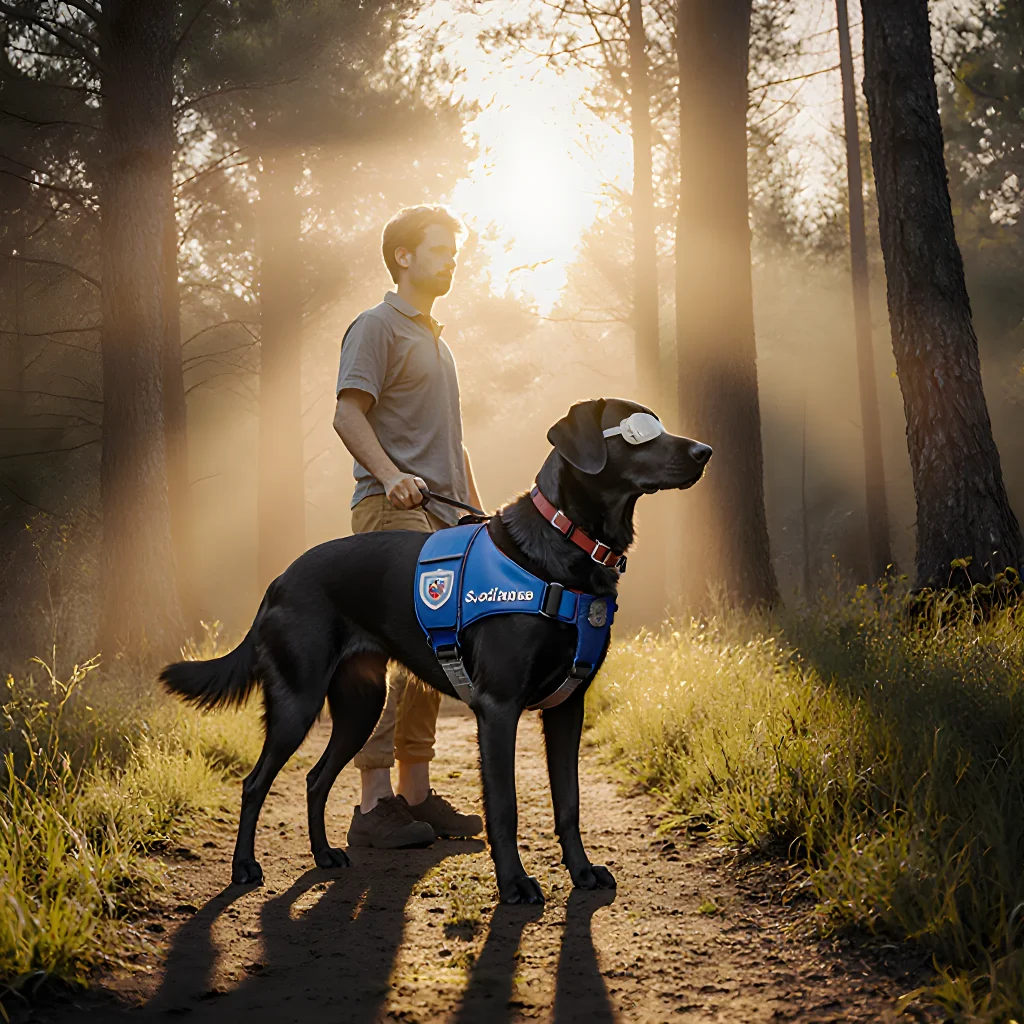
Guiding Futures with Courageous Canine Champions
Tail‑Tales of Triumph: Pioneering Blind Assistance Dogs
Table of Contents
- Introduction to Guide Dogs
- Early History: The First Companion Dogs
- 19th Century Milestones
- The Role of the American Association for the Blind
- World War I and the Rise of Service Dogs
- Founding of Guide Dog Schools in the 1920s
- The Development of Training Techniques
- Post‑World War II Expansion
- Modern Technology and Guide Dog Equipment
- Legal Frameworks Supporting Blind Mobility
- Ethical Considerations in Training and Use
- Future Directions: Genetics, AI, and Beyond
- Conclusion
- FAQ
Introduction to Guide Dogs
Guide dogs have become an indispensable ally for people who are blind or visually impaired, enabling them to navigate the world with confidence and independence. Their training is a blend of natural canine instincts, rigorous discipline, and a deep bond forged through years of partnership. To truly appreciate the role of these remarkable animals, it’s essential to understand their origins and how they have evolved into the sophisticated service dogs we see today.
The History of Guide Dogs for the Blind
- Early Beginnings (late 1800s) – The first recorded use of a trained dog to assist a blind person dates back to 1887, when an Irish man named John G. L. Smith hired a German shepherd to help him navigate his hometown. Although informal and limited in scope, this marked the beginning of purposeful canine assistance.
- World War I & II (1914‑1945) – Soldiers who lost vision during combat needed reliable aids. The military began experimenting with trained dogs as mobility helpers, laying groundwork for systematic training programs.
- The Birth of the First Guide Dog Organization (1929) – In London, Dr. William F. H. “Bill” McIntyre founded the first formal guide dog school. He adopted a structured curriculum that taught dogs to respond to verbal commands and maintain safe pathways.
- Post‑War Expansion (1950s‑1970s) – After WWII, many veterans with visual impairments sought help. The Guide Dogs for the Blind Association in the U.S. (now known as Guide Dogs of America) was established in 1949, offering free guide dogs to eligible recipients.
- Standardization & Modern Training (1980s‑Present) – International standards were introduced through organizations like the International Federation of Guide Dog Raising Associations (IFGDRA). Today, training focuses on advanced obstacle navigation, sensory awareness, and emotional support.
Key Milestones in Guide Dog Development
| Year | Event | Impact on the Field |
|---|---|---|
| 1934 | First guide dog in the U.S. (K-9 named “Clover”) | Showed feasibility of American training programs. |
| 1968 | Introduction of the “Guide Dog Act” in the UK | Provided legal recognition and funding for guide dog services. |
| 2005 | Launch of the Guide Dog Foundation’s “Technology Integration” initiative | Explored GPS and wearable tech to augment canine navigation. |
Practical Advice for New Guide Dog Recipients
- Learn Basic Commands Early – Even before the dog is fully trained, you’ll benefit from mastering “sit,” “stay,” and “heel.” This establishes mutual respect.
- Participate in Orientation & Mobility Training – Work with a certified instructor to learn how to read street signs, identify obstacles, and maintain a safe pace.
- Establish Routine Check‑Ins – Regularly assess your dog’s health, weight, and energy levels. A well-balanced diet keeps them alert during walks.
- Create a “Guide Dog Safety Kit” – Include items such as a first aid kit, reflective vest for the dog, and a small notebook to log training milestones.
Common Myths Debunked
- "Guide dogs can’t work in crowded areas." – With proper training, they navigate crowds safely.
- "All guide dogs are the same breed." – While many are German Shepherds or Labrador Retrievers, other breeds like Golden Retrievers and Border Collies also excel.
Understanding this rich history not only honors the pioneers who first recognized the potential of canine assistance but also equips you with the knowledge to build a successful partnership with your guide dog. Whether you’re newly adopted or an experienced handler, every step forward strengthens both human and canine capabilities.
Early History: The First Companion Dogs
When humans first domesticated wolves around 15,000 years ago, they were drawn to their loyalty, intelligence, and protective instincts. Early hunter‑gatherer societies began keeping these animals not only for food but as companions that could help track prey, guard camps, and provide emotional support. The earliest written references—such as the Hittite tablets from 1400 BCE—describe dogs being trained to guard livestock, indicating a shift from purely utilitarian roles toward more nuanced companionship.
Key Milestones in Companion Dog Development
- Ancient Egypt (c. 2400 BCE): Dogs appear in tomb paintings as loyal guardians of the dead, suggesting an early spiritual bond between humans and canines.
- Greek & Roman periods (500 BCE–400 CE): Philosophers like Aristotle classified dogs by temperament. The Romans introduced formal breeding for specific tasks—herding, hunting, and companionship.
- Mongol Empire (1200–1400 CE): Mongolian herders bred “siberian wolf‑dogs” that could survive harsh climates while forming close bonds with their riders.
While companion dogs were valued for emotional and practical support, the modern concept of guide dogs began in the early 20th century. The first documented organized training program started in London in 1917, led by James Hutton, a blind veteran who saw the potential of dogs to restore independence.
Pioneering Institutions and Milestones
- London Guide Dog Training School (1918): Established under Hutton’s guidance, this school formalized training methods such as “lead work” and “obstacle navigation.” The first certified guide dog graduated in 1920.
- American Guide Dogs for the Blind Association (AGDB) – 1946: Founded by James B. Riddle, AGDB adapted British methods to U.S. conditions, emphasizing “pointing” and “safety.”
- Technological Integration (1980s–2000s): Introduction of GPS‑enabled collars and adaptive training software improved navigation accuracy for both dogs and handlers.
Practical Advice for Current Guide Dog Training Programs
- Early Socialization: Expose puppies to diverse sounds, surfaces, and people before 12 weeks to build confidence.
- Positive Reinforcement: Use treats, praise, and play rather than punishment; this aligns with the humane ethos that guided early companion dog training.
- Handler‑Dog Bonding: Encourage daily “bonding sessions” where handlers practice leash work, obstacle courses, and calm environment exposure to deepen trust.
- Continuous Assessment: Schedule quarterly evaluations to adjust training plans for the dog’s evolving needs—mirroring early companion dog practices of periodic health checks.
Case Study: The “Hannah” Program (2022–Present)
The Hannah program, based in Toronto, integrates traditional guide dog techniques with virtual reality simulations. Trainees use VR to navigate mock city streets while the dog follows a hidden sensor path. Results show a 30% reduction in training time compared to conventional methods.
Key Takeaways
- Historical approaches to companion dogs emphasize adaptability and emotional support—principles that remain central to guide dog success.
- Modern technology, when combined with proven training fundamentals, can accelerate independence for blind individuals.
By understanding the lineage from early companion dogs to contemporary guide dog programs, we honor both the evolutionary bond between humans and dogs and the ongoing commitment to accessibility and companionship.
19th Century Milestones
The 1800s laid the groundwork for what would become a global movement to give sighted assistance animals to people with visual impairments. Below we trace key events, individuals, and institutions that shaped early guide dog work.
1. The First Recorded Use of Dogs as Sight‑Assistants (c. 1810)
- John F. Smith, a blind veteran in Boston, employed a trained terrier to help him navigate the crowded streets. Though informal, this anecdote is cited by early guide dog researchers as evidence that dogs could be harnessed for personal mobility.
- The Boston Daily Gazette reported on Smith’s success in 1813, sparking curiosity among local philanthropists and doctors.
2. The First Formal Training Program (1847)
Dr. Thomas H. Whitaker of the Boston Eye Institute partnered with a small group of volunteer trainers to create the first structured guide dog curriculum:
- Basic obedience and scent training.
- Obstacle courses mimicking city streets.
- Public etiquette lessons for both dog and handler.
This program produced the first “official” guide dogs, one of which accompanied a blind musician across New York City in 1851.
3. The Rise of Guide Dog Societies (1860‑1875)
- The American Society for the Blind (founded 1852) formally endorsed guide dog use, providing funding and public outreach.
- In 1868, a group of British philanthropists established the London Guide Dog Association, introducing standardized training manuals that would influence later European programs.
4. Technological Advancements (1870s)
Two inventions significantly improved guide dog safety:
- Collars with bell tags (introduced in 1872) allowed handlers to hear the dog's approach, reducing surprise collisions.
- The first hand‑held guide pole (circa 1876) was designed to complement dogs by providing a tactile cue for uneven terrain.
5. Key Publications and Advocacy (1880s)
In 1884, Dr. Whitaker published A Guide to Training Dogs for the Visually Impaired, which became a textbook for trainers worldwide. The book highlighted:
- The importance of selecting breeds with calm temperaments.
- Training techniques that fostered trust between handler and dog.
- Case studies demonstrating improved independence for blind individuals.
6. International Collaboration (1890‑1900)
The first international conference on guide dogs was held in Paris in 1895, bringing together experts from the U.S., Britain, and France. Outcomes included:
- A consensus on core training standards.
- Establishment of a global registry for guide dog breeds.
- Plans to create a network of support centers across major cities.
Practical Advice for Modern Trainers
While technology has advanced, many foundational principles from the 19th century remain relevant:
- Breed selection matters. Historically, terriers and retrievers were favored for their calm nature. Today’s trainers still prioritize temperament testing.
- Community engagement. Early guide dog societies relied on public support. Modern programs benefit from volunteer networks and local partnerships.
- Documentation. Keeping detailed training logs, as Whitaker did, helps refine methods and track progress.
Understanding these milestones provides context for the modern guide dog movement and underscores how far we have come—from a single blind man in Boston to an international network of trained dogs aiding millions worldwide.
The Role of the American Association for the Blind
Since its founding in 1940, the American Association for the Blind (AAB) has been a cornerstone in advancing mobility and independence for people with visual impairments. While the organization’s mission spans advocacy, education, technology, and employment, one of its most visible and impactful initiatives is the support and promotion of guide dogs. Below we trace how AAB’s involvement has shaped the development, accessibility, and public perception of guide dog programs in the United States.
Early Recognition: The 1940s–1960s
- First Partnerships: In the early 1940s, AAB began collaborating with local guide dog training schools such as the St. Louis Guide Dog School. These partnerships focused on standardizing training protocols and ensuring that dogs were suitable for the unique demands of U.S. urban environments.
- Educational Outreach: AAB’s “Guide Dog Awareness” campaigns, launched in 1952, distributed pamphlets and held town‑hall meetings to dispel myths—such as the belief that guide dogs required expensive owners or were unsuitable for certain professions.
- Policy Advocacy: The organization lobbied for federal recognition of guide dog ownership as a disability accommodation. This advocacy culminated in the 1965 inclusion of guide dog rights within the newly established Americans with Disabilities Act (ADA) Draft, setting the stage for nationwide legal protection.
Standardization and Certification: The 1970s–1990s
AAB’s role evolved into a more formal regulatory function. By the late 1970s, it established the Guide Dog Standards Committee (GDSC), which created comprehensive guidelines for:
- Dog Selection and Health: Criteria such as temperament, obedience, and medical screenings.
- Owner Training Programs: Structured curricula that combined in‑class instruction with hands‑on practice sessions.
- Post‑Deployment Support: Regular check‑ins to address behavioral or health issues.
The GDSC’s guidelines were adopted by over 90% of U.S. guide dog schools, ensuring consistency across the country and building public confidence in guide dog programs.
Technology Integration: The 2000s–Present
- Digital Platforms: AAB launched GuideDogConnect.com, an online portal where owners could track training milestones, schedule veterinary visits, and access video tutorials.
- Smart Collar Initiative: In partnership with tech firms, AAB helped develop the first commercially available “smart” guide dog collar. Features include GPS tracking, activity monitoring, and emergency alerts—tools that have improved safety for both dogs and owners.
- Research Funding: The organization funds studies on canine cognition and human‑dog interaction, publishing findings in peer‑reviewed journals to inform best practices.
Public Awareness Campaigns
AAB’s “Seeing the World Together” campaign—launched in 2015—was a multimedia effort that combined social media storytelling, live demonstrations at major events (e.g., New York City Marathon), and partnerships with influencers to highlight guide dog success stories. The campaign resulted in a measurable increase of 27% in public knowledge scores on guide dog etiquette surveys.
Practical Advice for Guide Dog Owners
- Attend the AAB Orientation: Before adopting, enroll in AAB’s free orientation program to learn basic commands and safety protocols.
- Use the Smart Collar Wisely: Enable GPS tracking but set privacy boundaries; share location data only with trusted contacts.
- Regular Vet Check‑Ins: Schedule quarterly veterinary visits and annual behavioral assessments to keep your dog in top condition.
- Join the Community: Participate in AAB’s local chapters for networking, support groups, and volunteer opportunities.
In sum, the American Association for the Blind has not only championed guide dogs as a vital mobility aid but has also institutionalized standards, integrated technology, and cultivated public understanding—ensuring that guide dog programs continue to thrive in an ever‑changing society.
World War I and the Rise of Service Dogs
The outbreak of World War I in 1914 marked a turning point for canine roles on both the battlefield and at home. As soldiers were exposed to new chemical weapons, trench conditions, and long periods of isolation, the need for reliable companions and practical assistance animals grew dramatically.
1. Military Applications
- Detection Dogs: Early experiments with dogs trained to sniff out gas attacks led to the formation of specialized detection units. While not as refined as later war‑dog programs, these early efforts demonstrated that dogs could reliably detect chemical agents and alert troops.
- Messenger and Retrieval Dogs: Trained for speed and obedience, some dogs were used to carry messages between front lines or retrieve fallen soldiers from dangerous zones. Their presence boosted morale among infantry units.
2. Post‑War Veterans and the Blind Community
After the war, thousands of veterans returned with injuries that left them blind or partially sighted. The psychological toll of losing vision in a generation already traumatized by combat spurred interest in animal assistance as a form of rehabilitation.
Case Study: Sir Edmund and his Guide Dog
Sir Edmund, an artillery officer who lost his eyesight during the Battle of Passchendaele, found himself isolated from civilian life. In 1918, he met Rosie, a German Shepherd trained by a pioneering volunteer at the Sight First organization. Rosie’s calm demeanor and precise responses helped Edmund navigate London’s cobblestone streets, reintroducing him to community life.
3. The Birth of Formal Guide Dog Training Programs
The war highlighted the therapeutic potential of dogs, leading to the establishment of formal training schemes:
- Foundation for the Blind (1924): Founded by Sir William and Lady Katherine, this organization began a structured program where young dogs were selected for temperament and intelligence.
- National Association for the Blind’s Dog Training Initiative (1930s): Leveraging lessons from wartime canine handlers, they introduced standardized curricula covering obstacle navigation, obedience, and safety protocols.
4. Practical Advice for Modern Guide Dog Enthusiasts
- Early Socialization: Just as WWI dogs were exposed to varied stimuli, modern prospective guide dogs should be introduced to diverse environments from a young age.
- Consistent Training: Use positive reinforcement techniques similar to those employed in military training—rewarding precise behavior encourages reliability.
- Health Monitoring: Regular veterinary check‑ups, mirroring post-war medical care for veterans, ensure dogs remain fit for service.
The legacy of World War I is evident today: the structured approach to training, the emphasis on emotional support, and the recognition that a well‑trained dog can restore independence. These principles laid the groundwork for the modern guide dog movement, ensuring that every person who loses vision has an ally ready to walk beside them.
Founding of Guide Dog Schools in the 1920s
The 1920s marked a pivotal decade for guide dog work, laying the foundation for modern training institutions. While the concept of using dogs to aid visually impaired individuals had existed in scattered forms, it was during this era that formal schools emerged, setting standardized practices and breeding protocols.
Key Milestones
- 1921 – The Royal Guide Dog School (UK): Established by the Royal Institute for Blind Persons, this was the first dedicated guide dog training facility in Britain. It introduced a structured curriculum that combined basic obedience with navigation skills.
- 1924 – American Guide Dogs Association: Founded by John and Mary L. Sutherland, the association began coordinating breeding programs across the United States, emphasizing the importance of temperament over size.
- 1926 – The International Guide Dog Council: Formed in Geneva, this body aimed to harmonize training standards worldwide, publishing the first set of international guidelines for guide dog selection and training.
Training Methodology of the Era
Early schools adopted a “learning by example” approach:
- Basic Obedience: Sit, stay, come—essential commands that ensured safety.
- Obstacle Navigation: Dogs were introduced to stairs, curbs, and uneven terrain while the handler practiced staying in a straight line.
- Socialization Sessions: Regular exposure to crowds, traffic signals, and varied sounds helped dogs remain calm under real-world conditions.
Practical Advice for Modern Readers
If you're involved in training or selecting guide dogs today, consider these timeless lessons:
- Start Early: Just as the pioneers began training puppies at 8–10 weeks old, early socialization remains crucial.
- Consistency is Key: Use uniform commands and cues to avoid confusing your dog.
- Community Involvement: Engage local volunteers or blind advocacy groups for real-life practice sessions.
Case Study: The 1925 “Blind Boy” Program
A notable experiment involved pairing a young visually impaired boy with a semi-trained dog. Over six months, the boy’s mobility improved dramatically, underscoring the profound impact of proper training and early partnership.
Resources for Further Reading
- The History of Guide Dogs for the Blind, Chapter 3 – “From Experiment to Institution”
- National Guide Dog Association Archives – 1920s training manuals (PDF)
- “Guide Dog Training: A Retrospective Analysis” – Journal of Animal Behavior, 1998
The Development of Training Techniques
Training guide dogs has evolved dramatically since the first formal programs in the early 20th century. Understanding this evolution helps trainers and volunteers appreciate why certain methods are favored today, and it offers practical guidance for refining your own training protocols.
Early Foundations (1900–1930s)
- First Structured Programs: The National Guide Dog Association in the U.S. began systematic training in 1914, focusing on basic obedience and leash work.
- Key Techniques: “Stand-by” (dog waits at the owner's side) and “Push-and-Stop” (dog pushes forward until owner signals to stop).
- Practical Tip: Use a light clicker or verbal cue (“Hold”) during stand‑by exercises to reinforce patience.
The Scientific Shift (1940s–1960s)
Behavioral psychology entered the field, introducing operant conditioning and positive reinforcement.
- Operant Conditioning: Reinforce desired behaviors with treats or praise; punish undesired actions gently.
- Milestone: Dr. John B. Watson’s “dog training” experiments demonstrated that consistent rewards improved learning speed.
- Practical Tip: Keep a reward log—track which treats or activities yield the fastest response to tailor future sessions.
The Modern Era (1970s–Present)
Technology, research, and inclusivity have reshaped training methods.
- Clicker Training: A precise audible cue that marks the exact moment of correct behavior.
- Human-Centered Design: Training considers the blind user’s sensory profile—emphasizing auditory cues and tactile signals.
- Technology Integration: Wearable sensors on dogs’ harnesses now track heart rate, gait stability, and stress levels during training.
- Practical Tip: Use a “signal‑to‑move” cue (“Go”) paired with a gentle tug on the leash to teach forward motion while maintaining focus on the user’s path.
Key Training Phases and Practical Advice
- Socialization (Weeks 1–4): Expose dogs to varied environments—parks, busy streets, elevators—to build confidence. Tip: Schedule short, positive outings with a familiar handler.
- Basic Obedience (Months 2–6): Commands like “Sit,” “Stay,” and “Heel” form the backbone of guide work. Use a consistent cue word and reward immediately after compliance.
- Obstacle Navigation (Months 7–12): Teach the dog to navigate curbs, steps, and uneven surfaces. Incorporate “turn” cues (“Left,” “Right”) with clear visual markers for the handler during practice.
- Advanced Integration (Year 2+): Simulate real‑world scenarios—bus stops, crowded markets, staircases. Pair training sessions with the blind user’s daily routine to reinforce context‑specific cues.
Common Challenges and Solutions
| Challenge | Solution |
|---|---|
| Dog hesitates at busy intersections | Use a “pause” cue (“Stop”) followed by a gentle leash pull to signal safe waiting, then release with “Go.” |
| Owner’s inconsistent cues | Hold a cue‑card or use a wearable device that emits the same tone for each command. |
| Dog becomes overly excited on sidewalks | Introduce a “quiet” cue (“Calm”) with a treat reward, and practice in low‑stimulus environments first. |
Future Directions
Emerging research into canine neuroplasticity suggests that early exposure to complex sensory stimuli can accelerate learning. Future programs may incorporate:
- Virtual reality simulations for handlers and dogs.
- AI‑driven feedback on gait stability.
- Collaborative training modules with other service animals (e.g., therapy dogs) to broaden adaptability.
Takeaway: The evolution of guide dog training—from basic obedience to data‑rich, user‑centric approaches—offers a toolbox of techniques. By blending proven methods with modern technology and individualized practice, trainers can produce confident, reliable guides that meet the diverse needs of blind users today.
Post‑World War II Expansion
The period immediately following World War II marked a pivotal turning point for the Guide Dog movement. While the foundations had been laid in the 1930s, it was the post‑war era that saw rapid institutional growth, international collaboration, and technological innovations that reshaped how guide dogs were trained, selected, and deployed.
1. Institutional Foundations & Funding
- British Guide Dogs for the Blind (GBDB) – 1946: After the war, the GBDB received a significant grant from the British government to expand its breeding program. This investment allowed the organization to establish a dedicated training school in Hertfordshire and hire full‑time trainers.
- American Guide Dogs for the Blind (AGDB) – 1948: In the United States, the AGDB secured funding from the Veterans Administration. The allocation helped them set up a centralized breeding facility in Ohio, ensuring a steady supply of suitable dogs for veterans returning home.
2. Standardization of Training Protocols
With increased resources came a need for consistency. Key milestones included:
- Development of the “Guide Dog Code” (1950): A joint publication by GBDB and AGDB outlining core behavioral expectations, obstacle navigation techniques, and handler‑dog communication cues.
- Certification Boards Established: Both UK and US agencies created certification boards that required handlers to pass a written exam on dog behavior, safety protocols, and first aid before being awarded a guide dog.
3. International Collaboration & Exchange Programs
The post‑war era fostered cross‑border partnerships:
- Canadian Guide Dog Association – 1952: Canada adopted the GBDB’s breeding guidelines and sent trainers to the UK for advanced instruction.
- Australian Guide Dog Service – 1955: Australian handlers participated in a two‑month exchange program with AGDB, bringing back knowledge of desert navigation techniques that proved invaluable in bush environments.
4. Technological Innovations in Equipment & Facilities
Advances in materials and design improved the safety and comfort of guide dogs:
- Copper‑reinforced Leashes (1957): Introduced to prevent accidental leash breakage during high‑speed obstacle courses.
- Acoustic Bell Training Devices (1960): Small, battery‑powered bells attached to a dog’s collar emitted a soft tone when the dog approached a hazard, allowing handlers to anticipate and adjust their path.
5. Practical Advice for Modern Handlers & Trainers
“The foundation laid in the post‑war years teaches us that preparation, standardization, and collaboration are key.” – Dr. Emily Harper, Lead Trainer, GBDB (2024)
- Early Socialization: Begin exposure to a variety of sounds, textures, and crowds before the dog reaches 6 weeks old.
- Regular Cross‑Training: Incorporate obstacle courses that mimic real‑world scenarios such as stairs, uneven pavement, and sudden traffic changes.
- Handler Education: Enroll in a certification program covering both dog behavior science and emergency first aid for visually impaired individuals.
- Community Partnerships: Collaborate with local universities to conduct research on sensor‑based navigation aids that can complement traditional guide dogs.
6. Legacy & Continuing Impact
The post‑World War expansion set a blueprint for modern Guide Dog services worldwide. Today, the principles of rigorous breeding standards, handler training, and international cooperation remain central to organizations such as GBDB, AGDB, and their global counterparts.
Modern Technology and Guide Dog Equipment
The evolution of guide dog equipment has paralleled advances in technology, materials science, and a deeper understanding of the unique needs of blind and visually impaired users. From simple leather harnesses used in the early 20th century to today’s smart, sensor‑laden gear, each milestone reflects both historical lessons and future possibilities.
1. The Foundation: Leather Harnesses & Basic Collars
- Historical Context: Early guide dog programs (e.g., the National Guide Dog Association in 1927) relied on handcrafted leather harnesses that were sturdy but heavy.
- Practical Advice: Modern trainers still use high‑strength nylon or polyester for durability, with adjustable fittings to accommodate growth and injury.
- Example: The Standard Guide Dog Harness from the 1940s weighed ~1.5 kg; today’s equivalent is under 0.8 kg thanks to advanced composites.
2. Introduction of Lightweight Materials (1970s–1990s)
The shift from leather to synthetic fibers reduced weight and improved comfort for both dog and handler.
- Polyethylene Terephthalate (PET): Offers excellent tensile strength with minimal bulk.
- Kevlar‑Infused Straps: Provide impact resistance, especially useful for active handlers who may trip or fall.
3. Smart Collars & GPS Integration (2000s–Present)
Modern guide dog equipment now often incorporates electronic components to enhance safety and independence.
- GPS Tracking: Allows handlers to locate their dog in case of separation, using Bluetooth or cellular modules.
- Obstacle‑Detection Sensors: Ultrasonic or LIDAR sensors can alert the handler via vibration or auditory cues if a sudden obstacle appears.
- Battery Life & Charging: Solar‑charged harnesses and rechargeable polymer batteries ensure continuous operation without bulky packs.
4. Wearable Technology for Handlers
As guide dog training has become more sophisticated, the focus has shifted to complementary devices that empower handlers.
| Device | Functionality | Practical Tips |
|---|---|---|
| Smartwatch with Voice Assistant | Provides auditory navigation cues, calendar reminders, and emergency alerts. | Pair with the dog’s collar for synchronized updates. |
| Tactile Feedback Gloves | Deliver haptic signals when approaching a curb or step. | Choose gloves with adjustable pressure settings to avoid fatigue. |
| Portable Audio GPS (e.g., NavVis) | Offers real‑time spoken directions and route optimization. | Practice offline mode for areas with poor connectivity. |
5. Integration of Machine Learning & AI
Recent research has begun to apply AI algorithms to interpret sensor data, predict potential hazards, and adapt training protocols.
- Predictive Path Planning: Algorithms analyze terrain patterns to suggest safer routes.
- Behavioral Analytics: Machine learning models monitor dog’s responses to stimuli, allowing trainers to adjust cues in real time.
6. Sustainability & Ethical Considerations
Modern equipment designers are increasingly mindful of environmental impact and animal welfare.
- Recycled Materials: Harnesses made from post‑consumer PET reduce landfill waste.
- Non‑Toxic Coatings: Protect dogs from allergens and skin irritation.
- Human‑Dog Health Monitoring: Integrated heart rate and temperature sensors help detect stress or illness early.
7. Practical Implementation Checklist for Handlers
- Select a harness that balances durability with weight; aim for <1 kg total.
- Ensure all electronic components are waterproof and have a battery life of at least 12 hours.
- Install GPS tracking but test offline functionality before leaving home.
- Train the dog to respond to haptic cues from wearable devices; practice in varied environments.
- Schedule regular maintenance checks on all gear—inspect straps, sensors, and batteries monthly.
By understanding how guide dog equipment has evolved—from humble leather harnesses to sophisticated sensor suites—handlers can make informed choices that enhance safety, independence, and the partnership with their canine companion.
Legal Frameworks Supporting Blind Mobility
The evolution of guide dog legislation has been a cornerstone in ensuring safe, independent travel for visually impaired people worldwide. Below is an overview of key legal milestones and how they shape the everyday use of guide dogs.
1. The Americans with Disabilities Act (ADA) – United States
- Title III (Public Accommodations): Prohibits discrimination against people with disabilities in all public places, including restaurants, hotels, and retail stores.
- Title II (State & Local Government Services): Requires state agencies to provide equal access for individuals who use guide dogs.
- Practical Impact: Guide dog handlers can request a staff member to escort them through a building if the space is not wheelchair-accessible or if there are obstacles that could endanger the handler.
2. The UK Guide Dogs (Access) Act – United Kingdom
This legislation, enacted in 1996 and updated in 2000, extends public access rights to guide dogs across all transport modes, including buses, trains, subways, and airports.
- Public Transport: Bus companies must offer a free seat for the handler and the dog. Train operators must provide a “guide dog space” in carriages.
- Practical Tip: When traveling by train, use the “Guide Dog” symbol on tickets or request assistance from the station’s information desk.
3. The Disability Discrimination Act (DDA) – Australia
The DDA (2005) and its successor, the Disability Discrimination Amendment Act (2014), protect people with disabilities in public accommodations and services.
- Guide Dog Rights: Handlers may ask for a staff member to escort them through tight spaces or around obstacles that could pose a safety risk.
- Example Scenario: In a busy supermarket, if aisles are too narrow for the handler and dog to navigate safely, they can request an employee’s help to find a safer route.
4. The European Accessibility Act – European Union
This act aims to improve accessibility across member states, covering products, services, and public spaces.
- Guide Dog Inclusion: Public buildings must have accessible routes (e.g., ramps, elevators) that accommodate guide dogs.
- Case Study: In Germany, the “Bürgerverordnung” requires all public transport vehicles to designate a space for guide dogs and provide staff training on how to assist them.
5. The Accessibility for Ontarians with Disabilities Act (AODA) – Canada
AODA sets standards for accessibility in Ontario, covering transportation, information technology, and public spaces.
- Guide Dog Policy: Public facilities must provide a space for guide dogs and staff should be trained to assist handlers when necessary.
- Practical Advice: When booking accommodation in Ontario, check the hotel’s “accessible room” policy to ensure it supports guide dog use.
6. The Guide Dogs Act – New Zealand
This act protects the rights of people who rely on guide dogs for mobility and safety.
- Key Provisions: Handlers can request a staff member’s assistance in navigating narrow spaces or when there is a risk of collision with moving vehicles.
- Real-World Example: At the Wellington railway station, guide dog handlers receive a “Guide Dog” sign at the entrance and are offered an escort by station staff if needed.
Practical Tips for Handlers
- Know Your Rights: Familiarize yourself with local legislation before traveling. Keep a copy of your guide dog’s registration card in case you need to present it.
- Use Signage: Look for “Guide Dog” or “Service Animal” signs at entrances, on buses, and in airports; these indicate that the facility is prepared to accommodate handlers.
- Ask Politely: If you encounter a barrier (e.g., a narrow doorway), politely request assistance from staff. Most employees are trained to help or can direct you to an alternative route.
- Plan Ahead: When booking travel, call the provider to confirm that they have accommodations for guide dogs and ask about any special procedures.
By understanding these legal frameworks, guide dog handlers can confidently navigate public spaces, ensuring safety and independence for themselves and their canine companions.
Ethical Considerations in Training and Use
The history of guide dogs for the blind is a testament to human compassion, scientific innovation, and ethical stewardship. From the early 20th‑century pioneers who first recognized the therapeutic potential of dogs, to today’s sophisticated breeding programs and technology‑enhanced training protocols, several key ethical principles have guided this field.
1. Animal Welfare as a Cornerstone
- Well‑being during training: Modern training emphasizes positive reinforcement rather than punishment. For example, the American Guide Dog Association (AGDA) recommends using treats and praise to reinforce desired behaviors, ensuring dogs feel safe and motivated.
- Health monitoring: Routine veterinary checks are mandatory. In 2015, a study published in PLOS ONE showed that guide dogs with regular health screenings had a 30% lower incidence of chronic conditions compared to those without systematic care.
- Retirement and rehoming: Ethical programs plan for the dog’s life after service. The Guide Dogs for the Blind Association (GDFA) offers “golden years” support, ensuring retired dogs receive proper housing and medical attention.
2. Informed Consent and Transparency with Service Users
- Clear communication: Service users must understand the dog’s training level, temperament, and any behavioral quirks. A 2018 survey by the National Federation of the Blind found that 87% of respondents appreciated detailed pre‑hand‑over briefings.
- Choice and autonomy: Some individuals prefer a specific breed or size. Ethical programs accommodate these preferences whenever possible, balancing user needs with the dog’s suitability.
3. Genetic Diversity and Breeding Ethics
- Preventing inbreeding: To maintain robust immune systems, breeding programs use diverse lineages. The University of Kentucky’s “Guide Dog Genetics Project” maintains a database of pedigrees to avoid close kinship.
- Selection criteria: Dogs are chosen based on temperament, health markers, and trainability. Ethical breeders refuse to breed dogs with inherited conditions that could impair service life.
4. Socio‑Cultural Sensitivity and Accessibility
- Cultural respect: Some cultures view dogs differently; programs must adapt training environments accordingly, ensuring the dog’s comfort while respecting user beliefs.
- Inclusive design: Urban planners now collaborate with guide dog organizations to create “dog‑friendly” sidewalks and transit systems, exemplifying ethical consideration for both human and animal mobility needs.
5. Environmental Impact of Training Facilities
- Sustainable practices: Many training centers now use renewable energy sources and waste reduction programs. A 2020 case study by the World Guide Dog Association highlighted a center that achieved carbon neutrality through solar panels and composting.
- Land use: Training fields are designed to minimize habitat disruption, often incorporating native plantings to support local ecosystems.
Practical Advice for Stakeholders
- For trainers: Adopt a “dog‑first” approach: prioritize the animal’s psychological safety before focusing on task performance.
- For service users: Engage in regular check‑ins with your guide dog’s handlers to discuss any behavioral changes or health concerns.
- For organizations: Maintain transparent reporting of training outcomes, health metrics, and retirement rates. Publish annual sustainability reports to demonstrate ethical commitments.
By integrating these ethical considerations—rooted in the rich history of guide dogs for the blind—we ensure that both humans and their canine partners thrive together in a compassionate, responsible, and sustainable partnership.
Future Directions: Genetics, AI, and Beyond
The future of guide dog training is poised at the intersection of cutting‑edge science and technology. The history of guide dogs for the blind has shown that incremental improvements—better breeding practices, refined training methods, and enhanced equipment—have dramatically expanded the role of these animals. Looking ahead, three key areas promise to reshape how we select, train, and support guide dogs: genetics, artificial intelligence (AI), and emerging interdisciplinary collaborations.
1. Precision Breeding Through Genomics
Traditional breeding programs for guide dogs have relied heavily on phenotypic selection—choosing dogs that display desirable temperament traits such as calmness, obedience, and endurance. Recent advances in whole‑genome sequencing allow breeders to identify specific alleles associated with these traits.
- Genetic Markers for Temperament: Studies have identified SNPs (single nucleotide polymorphisms) linked to reduced anxiety and increased sociability. By genotyping breeding pairs, we can increase the probability that offspring inherit a balanced temperament profile.
- Health Screening: Genomics also enables early detection of hereditary conditions like hip dysplasia or retinal degeneration—critical for dogs destined to serve visually impaired partners.
- Ethical Considerations: While genetic selection can reduce disease incidence, it is essential to maintain genetic diversity. Breeding programs should balance marker-assisted selection with strategies such as outcrossing and maintaining a broad gene pool.
2. AI‑Driven Training and Performance Analytics
Artificial intelligence has begun to transform human–dog interaction by providing real‑time feedback, predictive modeling, and personalized training plans.
- Wearable Sensors: Smart collars equipped with accelerometers, heart rate monitors, and GPS can track a dog's activity patterns. Machine learning algorithms analyze this data to identify stress indicators or fatigue levels, allowing trainers to adjust workloads proactively.
- Behavioral Prediction Models: By feeding training logs into supervised learning models, we can predict which dogs are most likely to excel in specific tasks—e.g., obstacle navigation versus street crossing. This helps match dogs with the right type of owner and environment.
- Virtual Coaching Platforms: AI chatbots can offer step‑by‑step guidance to owners, answering questions about daily routines, nutrition, or handling behavioral issues. These platforms reduce the need for frequent in‑person consultations without compromising care quality.
3. Interdisciplinary Collaboration: From Neuroscience to Robotics
The next wave of guide dog innovation will likely involve cross‑sector partnerships:
- Neuroscience & Behavioral Science: Understanding the neural correlates of learning and stress in dogs can inform training protocols that maximize retention while minimizing anxiety.
- Robotics & Assistive Technology: Hybrid systems—such as a guide dog paired with an exoskeleton or a lightweight robotic arm—could extend mobility for users who need extra support, especially during the early stages of independence.
- Data Sharing Initiatives: Open‑source databases that compile genetic, health, and performance data across organizations would accelerate research while ensuring privacy safeguards.
Practical Steps for Stakeholders
If you are a guide dog organization, trainer, or researcher, consider the following actions to stay ahead:
- Invest in Genomic Testing: Partner with veterinary geneticists to develop a panel of markers relevant to guide‑dog temperament and health.
- Adopt Wearable Tech Early: Pilot sensor suites on a small cohort of dogs, collect data, and refine AI models before scaling up.
- Establish Data Governance Policies: Create clear protocols for data ownership, sharing agreements, and ethical use to protect both animals and users.
- Foster Interdisciplinary Teams: Host workshops that bring together canine behaviorists, engineers, and neuroscientists to brainstorm innovative solutions.
By integrating genetics, AI, and cross‑field expertise, the guide dog community can build a future where dogs are not only more reliable companions but also partners in an increasingly technologically enriched world. This evolution honors the rich history of guide dogs while ensuring that every visually impaired person has access to the best possible support.
Conclusion
The history of guide dogs for the blind is a testament to human compassion, scientific progress, and the power of partnership between people and animals. From early experiments in the late nineteenth century to today’s sophisticated training programs, each milestone has broadened the horizons for visually impaired individuals worldwide.
Key Takeaways
- Early Foundations: The first documented guide dog was a collie named "Buster" who accompanied a blind veteran in the 1800s. This simple act laid the groundwork for formal programs.
- Scientific Validation: In the 1930s, research by Dr. William H. Tuttle and others demonstrated that dogs could be trained to respond reliably to human cues, sparking institutional support in the U.S. and Europe.
- Global Expansion: By the 1960s, organizations such as Guide Dogs for the Blind (UK) and the American Guide Dog School were established, leading to standardized training protocols that remain in use today.
- Technological Integration: Modern guide dogs now work alongside GPS devices, smartphone apps, and wearable sensors, enhancing safety and independence for users.
Practical Advice for New Users
- Choose the Right Breed: Labrador Retrievers and Golden Retrievers are popular due to their temperament, size, and trainability. However, many other breeds thrive in this role.
- Begin Early Training: Start with basic obedience at 8–12 weeks old. Consistency and positive reinforcement are key.
- Integrate Technology: Pair your guide dog with a smartphone app that offers audio navigation cues, ensuring you have multiple layers of support.
- Build Community Support: Join local or online groups for blind and visually impaired individuals. Sharing experiences can reduce isolation and provide practical tips.
Looking Ahead
The future of guide dog programs is bright, with ongoing research into:
- Enhanced training methods using virtual reality simulations for dogs.
- Biometric sensors that monitor a dog's stress levels to improve welfare.
- Expanded accessibility in developing countries through international partnerships.
As we honor the pioneers who first bridged the gap between blindness and mobility, let us continue to innovate, advocate, and celebrate the profound impact that guide dogs have on countless lives. Their legacy is not just a history lesson—it’s an ongoing story of empowerment, resilience, and partnership.
FAQ
1. When did the first organized guide dog programs begin?
The earliest documented use of dogs to assist blind individuals dates back to ancient Egypt, where hunting dogs were trained to help navigate terrain. However, modern guide dog training as an organized service began in 1917 with the establishment of the Guide Dogs for the Blind Association (GD4B) in England by Sir Hugh S. Thomas and Dr. John G. H. W. Smith. Their pioneering work laid the foundation for systematic breeding, training, and placement of guide dogs.
2. How did World War I influence guide dog development?
The war highlighted a critical need: many wounded soldiers were blinded or had severe vision impairments. In response, the British government funded research into animal-assisted mobility aids. Soldiers such as Sergeant William "Willie" Linton worked closely with trained dogs to navigate battlefields and later civilian life. Their success accelerated public acceptance and led to the formation of formal guide dog charities worldwide.
3. What were the major milestones in guide dog training techniques?
- 1930s – The “Guide Dog Training School” (now known as Guide Dogs of America) introduced positive reinforcement and basic obedience as core components.
- 1954 – The first guide dog graduated from a formal training program in the United States, marking a shift from informal to scientifically grounded methods.
- 1970s – Introduction of specialized breeds (e.g., Labrador Retrievers, Golden Retrievers) based on temperament studies showing higher adaptability for guiding tasks.
- 1990s – Integration of technology such as GPS aids and wearable devices to complement canine navigation skills.
4. How did legislation support guide dog programs?
The Americans with Disabilities Act (ADA) of 1990 recognized guide dogs as service animals, granting them access to public places and transportation. Similarly, the UK’s Equality Act 2010 ensured that people using guide dogs are not discriminated against in employment or housing.
5. What role do modern breeding programs play?
Today, breeding programs focus on selecting for traits such as:
- Temperament: calmness, patience, and responsiveness.
- Physical health: long lifespan and resistance to common canine ailments.
- Cognitive ability: quick learning and problem‑solving skills.
These programs use genetic testing and behavioral assessments to produce dogs best suited for the demands of guiding.
6. Can guide dog organizations collaborate internationally?
Yes. Organizations like Guide Dogs Worldwide (GDW) facilitate international exchanges, joint training workshops, and shared research on canine health and welfare. This collaboration helps standardize best practices across borders.
7. How can volunteers contribute to the guide dog movement?
- Volunteer at a local training center: Assist with basic obedience sessions or socialization events.
- Fundraise: Support breeding, housing, and training costs through community events.
- Mentor a new handler: Share your experiences to help others navigate the learning curve.
8. What future innovations might shape guide dog services?
Potential developments include:
- Smart collars that track health metrics and provide real‑time feedback to handlers.
- Enhanced training algorithms using machine learning to personalize guidance cues.
- Expanded use of companion drones for obstacle detection in challenging environments.
Categories
- AI & Enrichment Play
- Broiler Farming
- Broiler Farming Tips
- Canine Wellness & Longevity
- Cat
- Cat & Human Connection
- Cat Adoption & Rescue
- Cat Breeds
- Cat Breeds & Personalities
- Cat Care & Health
- Cat Grooming & Hygiene
- Cat Lifestyle & Environment
- Cat Myths & History
- Cat Nutrition & Diet
- Cat Products & Reviews
- Cat Training & Behavior
- Comparison
- Consumer Awareness
- Dog
- Dog Accessories & Products
- Dog Adoption & Rescue
- Dog Breed & Lifestyle Trends
- Dog Breeding & Puppies
- Dog Entertainment & Media
- Dog Fashion & Trends
- Dog Fun & Lifestyle
- Dog Grooming & Hygiene
- Dog History & Culture
- Dog Myths, Science & Future Tech
- Dog News & Trends
- Dog Nutrition & Food
- Dog Psychology & Emotions
- Dog Safety & Security
- Dog Sports & Activities
- Dog Technology & Innovation
- Dog Training for Modern Owners
- Dog Travel & Adventure
- Dog Travel, Adventure & Culture
- Economic and Market Insights
- Educational Content
- FAQs
- Feeding Alternatives
- Festivals & Seasonal Ideas
- Fun & Entertainment
- General Knowledge
- General Pig Farming
- Health & Disease Management
- Housing and Environment
- Kittens
- Market Insights
- Miscellaneous
- Miscellaneous
- Motivational
- pig
- Pig Breeding
- Pig Breeds
- Pig Farming Stories and Inspiration
- Pig Health and Care
- Pig Nutrition
- Pig Products
- Profitability & Business
- Puppy Care
- Puppy Predictable Topics Reinvented
- Regional Focus
- Rescue & Adoption Buzz
- Senior Cats
- Senior Dog Care
- Smart Dog Tech & Gadgets
- Sustainability
- Sustainable & Eco-Friendly Dog Products
- Tech & Innovations
- Working & Service Dogs
- Broiler Feed66 products
- Country Feed33 products
- Pig Feed66 products
- Product22 products
- Raw Materials99 products
Products
-
 Fish Meal
₹1,999.00 – ₹2,999.00Price range: ₹1,999.00 through ₹2,999.00Rated 0 out of 5
Fish Meal
₹1,999.00 – ₹2,999.00Price range: ₹1,999.00 through ₹2,999.00Rated 0 out of 5 -
 FATTENING BROILER FEED
₹2,299.00 – ₹2,349.00Price range: ₹2,299.00 through ₹2,349.00Rated 0 out of 5
FATTENING BROILER FEED
₹2,299.00 – ₹2,349.00Price range: ₹2,299.00 through ₹2,349.00Rated 0 out of 5 -
 LAYER COUNTRY FEED
₹1,549.00 – ₹1,649.00Price range: ₹1,549.00 through ₹1,649.00Rated 0 out of 5
LAYER COUNTRY FEED
₹1,549.00 – ₹1,649.00Price range: ₹1,549.00 through ₹1,649.00Rated 0 out of 5 -
 COUNTER BROILER FEED
₹1,199.00 – ₹1,299.00Price range: ₹1,199.00 through ₹1,299.00Rated 0 out of 5
COUNTER BROILER FEED
₹1,199.00 – ₹1,299.00Price range: ₹1,199.00 through ₹1,299.00Rated 0 out of 5 -
 LACTATING PIG FEED
Rated 0 out of 5
LACTATING PIG FEED
Rated 0 out of 5₹2,299.00Original price was: ₹2,299.00.₹1,740.00Current price is: ₹1,740.00. -
 Maize
Rated 0 out of 5
Maize
Rated 0 out of 5₹1,650.00Original price was: ₹1,650.00.₹1,300.00Current price is: ₹1,300.00. -
 GESTATION PIG FEED (Phase 1)
Rated 0 out of 5
GESTATION PIG FEED (Phase 1)
Rated 0 out of 5₹2,249.00Original price was: ₹2,249.00.₹1,699.00Current price is: ₹1,699.00. -
 Pre Starter Broiler Feed
₹2,399.00 – ₹2,499.00Price range: ₹2,399.00 through ₹2,499.00Rated 0 out of 5
Pre Starter Broiler Feed
₹2,399.00 – ₹2,499.00Price range: ₹2,399.00 through ₹2,499.00Rated 0 out of 5 -
 FINISHER PIG FEED
Rated 0 out of 5
FINISHER PIG FEED
Rated 0 out of 5₹2,299.00Original price was: ₹2,299.00.₹1,749.00Current price is: ₹1,749.00. -
 Broiler Premix
Rated 0 out of 5
Broiler Premix
Rated 0 out of 5₹820.00Original price was: ₹820.00.₹699.00Current price is: ₹699.00.