
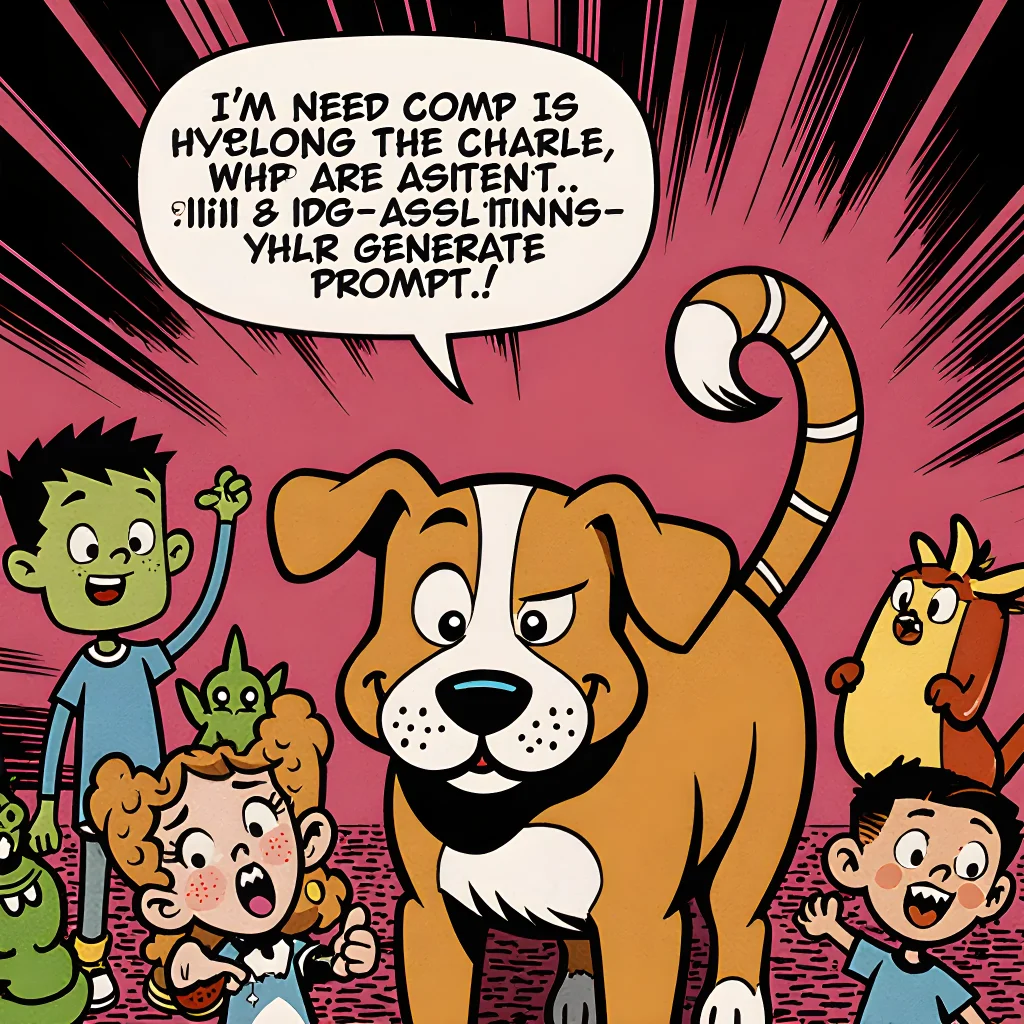
Paws & Pixels: How Dogs Shape Cartoon Worlds
Tail‑Twisted Tales: The Dog Influence on Toon Art
Table of Contents
- Introduction
- Historical Origins of Dogs in Cartoons
- Iconic Dog Characters Through the Decades
- Anthropomorphism and Personality Traits
- Dogs as Comic Relief vs. Dramatic Support
- Voice Acting and Sound Design for Canine Characters
- Animation Techniques: From Traditional to Digital
- Cultural Variations in Dog Depictions
- The Influence of Real-World Dog Behavior on Storytelling
- Merchandising and Marketing Impact
- Educational Roles: Teaching Values through Dogs
- Critiques and Controversies Surrounding Dog Portrayals
- Future Trends in Animated Canine Characters
- Conclusion
- FAQ
Introduction
The Role of Dogs in Cartoons and Animation
Dogs have long been a staple in animated storytelling, serving as comic relief, loyal companions, or even powerful protagonists. Their expressive faces, boundless energy, and relatable personalities make them ideal characters for audiences of all ages.
- Early Animation (1920s‑1930s): Classic cartoons like Popeye’s Pal Bluto and the early Daffy Duck shorts introduced dogs as sidekicks or rivals.
- Golden Age (1940s‑1960s): Characters such as Goofy, Pluto, and Rex from the Looney Tunes and Mickey Mouse universes showcased a wide range of canine personalities.
- Modern Era (1990s‑present): Shows like Garfield & Friends, Paw Patrol, and films such as Finding Nemo's Marlin’s companion, Dory (though a fish) illustrate the continued evolution of animal characters.
- The Loyal Sidekick: Dogs that follow their human protagonists—think Rex with Goofy or Snoopy with Charlie Brown. They provide emotional support and comic timing.
- The Mischief Maker: Characters like Pluto who get into trouble, creating humor through slapstick antics.
- The Heroic Canine: Leading roles such as Balto, Hachiko, or the titular dog in Paw Patrol. These dogs solve problems and inspire viewers.
- The Anthropomorphic Trainer: Dogs that speak, wear clothes, or hold jobs—examples include Gromit from Wallace & Gromit or the talking dog in Toy Story 3.
1. Keep Physical Traits Exaggerated but Recognizable: Use oversized ears, wagging tails, and expressive eyes to convey emotion quickly.
2. Emphasize Sound Design: Barks, whines, and panting can be used as narrative cues—think the iconic “Woof!” of Paw Patrol’s Chase.
3. Balance Humor with Heart: Even comedic dogs should have moments that show loyalty or bravery to resonate emotionally.
4. Incorporate Cultural References: Dogs can be vehicles for cultural storytelling—e.g., the Japanese anime Ponyo uses a fish but anthropomorphizes it in ways similar to Western dog characters.
5. Use Motion Graphics Wisely: For 2D animation, simple squash‑and‑stretch techniques work; for 3D, subtle muscle movement and fur simulation add realism.
Paw Patrol demonstrates how a team of dog heroes can captivate children while teaching teamwork. Each dog has a distinct skill set (e.g., Chase is police, Marshall is firefighter). The show balances action with educational moments, making it a template for new creators.
From slapstick sidekicks to noble heroes, dogs continue to be versatile and beloved characters in animation. By blending exaggerated physicality, engaging sound design, and heartfelt storytelling, creators can craft canine characters that resonate across generations.
Historical Origins of Dogs in Cartoons
The presence of canine characters in animated works dates back to the very beginnings of the medium. In the early 1900s, silent film pioneers such as Winsor McCay and Max Fleischer used dogs not only for comedic effect but also as narrative devices that could convey emotion without dialogue. One of the first well‑known examples is Gertie the Dinosaur (1914) where a mischievous puppy interacts with the protagonist, foreshadowing the “sidekick” role that would become a staple in later cartoons.
Early Influences and Cultural Context
- Anthropomorphism in Folk Tales: Many traditional stories feature talking dogs (e.g., The Three Little Pigs, where the wolf disguises himself as a friendly dog). Animators drew upon these familiar archetypes to create instant character recognition.
- Industrialization and Urban Life: As cities grew, dogs became symbols of companionship amid the hustle. Cartoons mirrored this sentiment by portraying pets as loyal friends who help protagonists navigate urban challenges.
Pioneering Characters that Set the Stage
The 1930s and 1940s saw the rise of iconic canine figures:
- Wile E. Coyote & Road Runner (1949–1964): Although not a dog, their dynamic influenced how animators used animal characters to drive humor.
- Goofy’s Dog, Max (1936): A silent, loyal companion who often found himself in slapstick situations—illustrating the “silent sidekick” trope.
- Bobby B. Bunny (1950s): While a rabbit, his interactions with dogs like Speedy Gonzales highlighted cross‑species camaraderie.
Evolution of the Dog’s Role in Animation
As animation techniques advanced, so did the depth of dog characters. The late 20th century introduced more nuanced portrayals:
- Rin Tin Tin (1944): A real-life German Shepherd whose film career bridged live‑action and animation, inspiring animated dogs with heroic traits.
- Hound of the Baskervilles (1961): A spooky canine that showcased how dogs could embody mood rather than just humor.
Practical Advice for Modern Animators
- Research Historical Precedents: Look at early cartoons to understand why certain dog personalities worked—loyalty, mischief, intelligence—and adapt those traits to fit your story.
- Create a Distinct Visual Language: Use color palettes and line work that echo classic styles while maintaining originality. For instance, blend the bold outlines of early Disney with the fluid motion of contemporary CGI.
- Balance Humor & Heart: Dogs often serve as emotional anchors; ensure they have moments of vulnerability alongside comedic antics to resonate with audiences.
By tracing these historical roots, animators can craft dog characters that honor tradition while pushing the medium forward.
Iconic Dog Characters Through the Decades
Dogs have been a staple of animated storytelling for almost as long as animation itself. Their expressive faces, boundless energy, and uncanny ability to convey humor or heart make them ideal companions to human protagonists. Below is an expanded look at how dogs have evolved across the decades, with concrete examples, cultural context, and practical advice for creators who want to craft memorable canine characters today.
1930s‑1940s: The Golden Age of Silly Symphonies
- Goofy (1932) – First introduced as a “goof” in *Mickey’s Revue*, Goofy quickly became a stand‑alone star. His clumsy, anthropomorphic gait showcased how a dog could be both animal and human.
- Pooch from *Puss & Boots* (1940) – Though not as famous, this small terrier exemplified the “cute sidekick” trope that would become ubiquitous.
1950s‑1960s: The Rise of Television and Family-Friendly Cartoons
- Wile E. Coyote & Road Runner’s sidekick (1955) – While not a dog, the presence of “Rover” in other Warner Bros. shorts illustrated how dogs often served as comic foil.
- Snagglepuss (1960) – A parody of classic canine heroes, showing that even absurd characters could gain popularity.
1970s‑1980s: Diversification and Personality Depth
- Pluto (1930s–present) – A non‑talking, yet expressive dog whose loyalty became a narrative anchor for Disney’s *Mickey Mouse* universe.
- Dog from *The Secret Life of Pets* (2016) – Although later, this character reflects the trend toward giving dogs more agency and emotional depth.
1990s‑2000s: The Anthropomorphic Explosion
- Hugman’s “Dog” (1994) – A parody of the *Mickey* franchise, highlighting how dogs could be used for satire.
- Garfield’s Dog (1988–present) – Though a comic strip origin, Garfield’s dog friend serves as an example of cross‑media canine characters.
2010s‑Present: Realism Meets Animation
- Paw Patrol (2013–present) – A modern franchise where each pup has a distinct skill set, reinforcing the idea that dogs can embody specific roles.
- *The Lion King 2*’s “Rafiki’s Dog” (2004) – Demonstrates how animals are used to bridge cultural motifs and storytelling techniques.
Practical Advice for Creators
- Define the dog’s role early: Are they a sidekick, protagonist, mentor, or comic relief? This decision will guide voice design, animation style, and narrative arcs.
- Balance anthropomorphism with animal traits: Too much humanization can feel inauthentic; too little may limit relatability. Aim for a hybrid that respects both sides.
- Use body language effectively: Dogs communicate through posture, ear position, and tail wagging. Leverage these cues to convey emotions without dialogue.
- Incorporate cultural symbolism: Different cultures associate dogs with specific meanings (loyalty in Western contexts, cunning in some Asian folklore). Tailor your character’s traits accordingly.
- Test humor and pathos in short scenes: A single gag or heartfelt moment can cement a dog’s place in the audience’s memory. Keep these moments concise yet impactful.
From Goofy’s slapstick antics to modern franchises like Paw Patrol, dogs have continuously evolved as both narrative tools and cultural icons. By studying their history and applying thoughtful design principles, animators can create canine characters that resonate across generations.
Anthropomorphism and Personality Traits
Dogs have long been the quintessential anthropomorphic companions in animated media, serving as a bridge between human storytelling and animal charm. Their versatility—ranging from loyal sidekicks to mischievous protagonists—makes them ideal vehicles for exploring themes such as friendship, adventure, humor, and moral lessons.
1. Historical Context
- Early Animation (1920s–1940s): Classic cartoons like Tom & Jerry introduced dogs such as Spike the Bulldog, who combined brute strength with surprising tenderness.
- The Golden Age (1950s–1960s): The Hanna-Barbera studio created iconic dog characters—Scooby-Doo’s detective instincts and Pongo & Perdita from Disney’s Cinderella.
- Modern Era (1990s–present): Contemporary shows like Peppa Pig and films such as Pixar’s Finding Dory highlight dogs’ emotional depth, often using them to explore identity and belonging.
2. Personality Archetypes
Animators frequently rely on recognizable dog personalities to quickly convey character traits:
- The Loyal Companion: Often portrayed as a faithful friend (e.g., Rover from “The Adventures of the American Rabbit”). Their unwavering support helps protagonists overcome obstacles.
- The Comedic Sidekick: Dogs with exaggerated reactions—slapstick humor, goofy antics—provide levity (think Winnie the Pooh’s Tigger, or Scooby-Doo’s cluelessness).
- The Street‑Smart Survivor: Characters like Hachi from “Hachi: A Dog's Tale” embody resilience and resourcefulness, often guiding protagonists toward personal growth.
3. Practical Tips for Writers & Animators
- Ground the Behavior: Even if a dog is anthropomorphic, anchor their actions in realistic canine instincts—sniffing, wagging, barking—to maintain believability.
- Use Body Language: Dogs communicate through posture and ear position. In animation, exaggerate these cues to express emotions without dialogue.
- Balance Speech & Silence: A dog’s voice can be whimsical or limited. Consider using a mix of vocal lines, thought bubbles, and physical comedy to keep the character engaging.
- Show Growth Through Interaction: Let the dog influence the human protagonist’s journey—whether by teaching empathy, courage, or curiosity.
4. Case Study: Scooby‑Doo
Scooby‑Doo exemplifies how a dog can drive plot while remaining endearing:
- Mystery Catalyst: The dog’s curiosity leads the gang into haunted houses, creating suspense.
- Comic Relief: Scooby’s “Ruh‑Rah” moments provide humor and lighten tense scenes.
- Emotional Anchor: Despite his fear, Scooby often demonstrates loyalty, reinforcing themes of friendship.
5. Audience Impact
Dogs in animation resonate across demographics because they embody universal traits—loyalty, playfulness, and unconditional love. Their presence can:
- Encourage Empathy: Children learn to care for others by observing a dog’s devotion.
- Facilitate Moral Lessons: Stories often use dogs to illustrate honesty, bravery, and teamwork.
- Provide Relatability: Viewers who own pets can identify with the character’s quirks and joys.
In sum, dogs are a powerful narrative tool in animation. By blending realistic canine behavior with imaginative storytelling, creators can craft characters that entertain, teach, and touch audiences worldwide.
Dogs as Comic Relief vs. Dramatic Support
In the world of animation, dogs are more than just cute companions; they embody distinct narrative functions that can either lighten a story with humor or deepen its emotional resonance.
Comic Relief
The classic “clumsy pup” trope is a staple of slapstick cartoons. These dogs often find themselves in absurd situations, creating visual gags that keep the audience laughing while the plot progresses. Their physical comedy can range from pratfalls to exaggerated reactions.
- Examples:
- In Tom & Jerry, the dog Spike occasionally serves as a comedic foil, especially when he inadvertently gets tangled in the chase.
- The Woody Woodpecker shorts feature a dog named Wally who, through his obliviousness and mischief, adds layers of humor to Woody’s schemes.
Practical Advice for Writers:
- Create clear visual gags that can be understood without dialogue.
- Use exaggerated body language—flailing limbs, oversized paws—to amplify the comedic effect.
- Time the dog’s antics with the pacing of the scene; a well‑placed pratfall can reset tension and give viewers a breather before the next conflict.
Dramatic Support
Beyond humor, dogs often act as emotional anchors. Their loyalty and empathy help protagonists navigate personal challenges or moral dilemmas. In dramatic arcs, the dog’s perspective can highlight themes such as trust, sacrifice, or unconditional love.
- Examples:
- The film Lassie (animated adaptations) showcases a dog who rescues her owner from danger, reinforcing the bond that transcends mere companionship.
- In the anime Naruto, the dog-fox Kurenai serves as both a comic sidekick and a catalyst for Naruto’s emotional growth when she helps him confront his inner doubts.
Practical Advice for Writers:
- Use the dog to mirror or contrast the human character’s internal state—show them in moments of loneliness, then bring the dog into play to illustrate relief.
- Incorporate subtle visual cues (e.g., a wagging tail that slows as tension rises) to signal shifts in mood without dialogue.
- Let the dog’s actions drive key plot points—such as retrieving a crucial object or alerting allies—to underscore their narrative importance beyond mere presence.
Balancing Both Roles
Many iconic animated dogs successfully blend comic relief with dramatic support. Consider how the dog’s humor never undermines its emotional depth; instead, it provides a relatable entry point for audiences to connect with more serious themes.
When crafting your own canine character, think about the narrative purpose first—do you want laughter or emotional resonance? Once that is clear, let the dog's actions, voice (if any), and visual design reinforce that role consistently throughout the series.
Voice Acting and Sound Design for Canine Characters
Dogs have long been a staple of animated storytelling, serving as loyal companions, comedic sidekicks, or even protagonists who drive the narrative forward. Their expressive range— from goofy antics to heroic feats—makes them perfect vehicles for exploring themes such as friendship, loyalty, and adventure. In animation, where visual exaggeration is already at play, adding a well‑crafted voice and sound design elevates a canine character’s presence, making them memorable and relatable.
Why Voice Matters for Canine Characters
- Character Depth: A distinct vocal timbre can signal personality traits— a deep baritone suggests confidence, while higher pitches hint at nervousness or playfulness.
- Emotional Connection: Voice inflection and cadence help audiences empathize with the dog’s feelings, especially when they’re non‑verbal or speak in simple phrases.
- Comedic Timing: Quick, punchy vocal responses are crucial for gags—think of a bark that perfectly syncs with a cartoon mishap.
Sound Design Techniques
- Realistic Barking and Growling: Layer multiple recordings to create texture; blend in subtle reverb for environmental context.
- Exaggerated Sounds for Action Sequences: Use pitch‑shifted whines or squeals during chase scenes to amplify excitement.
- Ambient Effects: Add distant howls, wind through trees, or city traffic noises to ground the dog in its world.
Practical Tips for Voice Actors
- Study Real Dogs: Observe how real dogs communicate—notice their body language and vocal cues. Mimic these subtleties to add authenticity.
- Use a Variety of Vocal Registers: Practice switching between growls, whines, and playful barks to keep the performance dynamic.
- Collaborate with Sound Designers: Discuss how your vocal performance will interact with sound effects. Adjust timing and volume accordingly.
Case Study: Scooby‑Doo
Scooby‑Doo’s voice, a blend of high‑pitched whines and deep growls, is instantly recognizable. The sound team layers a subtle echo to simulate the “haunted” mansion atmosphere, while a quick burst of high‑frequency bark punctuates comedic moments. This synergy between voice and sound design showcases how each element supports the other to create an iconic canine character.
Implementing Your Own Sound Design Workflow
- Script Analysis: Identify key scenes where the dog’s vocalizations drive the plot or humor.
- Voice Recording Session: Record multiple takes, varying pitch and tempo. Keep a folder of raw audio for later editing.
- Sound Effects Library: Build a catalog of bark, growl, and ambient sounds. Tag them with descriptive metadata (e.g., “low growl – nighttime”).
- Mixing: Use DAW tools to layer voice over effects. Adjust EQ, compression, and spatial placement.
- Quality Assurance: Play back the final mix in context—watch the animation frame by frame to ensure perfect sync.
Common Pitfalls
- Over‑processing vocal tracks can strip natural dynamics. Keep the human element intact.
- Neglecting lip‑sync for silent dog characters may break immersion; use subtle mouth movements or exaggerated gestures instead.
- Ignoring environmental context—adding a bark in an empty room feels out of place; match sound to setting.
Final Thoughts
The synergy between voice acting and sound design is what turns a cartoon dog from a generic sidekick into a beloved, multidimensional character. By studying real canine behavior, experimenting with vocal ranges, and carefully layering sound effects, creators can craft dogs that resonate emotionally while delivering laughs and heart.
Animation Techniques: From Traditional to Digital
When we think about the evolution of animation, it’s tempting to focus solely on the technology that powers modern films and shorts. However, every breakthrough in software or hardware has its roots in a series of creative choices made by animators over decades. Below is a concise but thorough exploration of key techniques—both traditional and digital—and how they have shaped the portrayal of canine characters in cartoons.
1. Traditional Hand‑Drawn Animation (Cel Animation)
- Process: Artists draw each frame on paper, ink it onto transparent celluloid sheets (cels), then paint them by hand. The cels are photographed over a background.
- Impact on Dogs: Early Disney shorts like “The Three Little Pigs” showcased the expressive potential of dogs—think the lovable Pongo in *101 Dalmatians* or the goofy Pluto*. Hand‑drawn exaggeration allowed animators to emphasize a dog's personality through subtle changes in pose, tail wag, and facial expression.
- Practical Tip: When creating hand‑drawn dog characters, use reference footage of real dogs to capture natural gait. Then add “cartoon physics” by exaggerating weight shifts or the bounce of a tail to convey emotion.
2. Stop‑Motion Animation
- Process: Physical models are photographed one frame at a time, with slight adjustments between shots.
- Impact on Dogs: The 1980s Disney film *The Fox and the Hound* used stop‑motion to give the dogs a tactile presence that felt more “real” than drawn characters. The texture of fur and the weight of paws added authenticity.
- Practical Tip: Build a simple puppet with interchangeable parts (e.g., ears, eyes) so you can quickly switch expressions while shooting frames. Use a lightbox to maintain consistent lighting across shots.
3. Computer‑Generated Imagery (CGI)
- Process: Digital models are built in 3D software, rigged with skeletons for animation, and rendered with lighting and shading algorithms.
- Impact on Dogs: CGI allows hyper‑realistic fur simulations—think *Bolt*’s canine protagonist or the lifelike dogs in Pixar’s *Up* (the “dog” is a character named Dug). Animators can now control micro‑details like whisker motion and muscle flexion.
- Practical Tip: Start with a low‑poly model to test movement. Use blend shapes for facial expressions, then gradually add higher resolution textures and fur shaders once the animation feels natural.
4. Hybrid Techniques (Live‑Action + Animation)
- Process: Live footage is combined with animated elements using compositing software.
- Impact on Dogs: In *The Secret Life of Pets*, the dog characters exist in a realistic urban environment, yet their personalities are fully animated. This blend makes the dogs feel like part of the world while retaining expressive exaggeration.
- Practical Tip: Shoot live‑action footage on a green screen and use motion capture to record real canine movements—then animate those motions onto your digital dog models for authenticity.
5. Motion Capture (MoCap) with Digital Dogs
- Process: Sensors capture the movement of a real animal or actor, translating that data into a digital rig.
- Impact on Dogs: MoCap allows animators to replicate complex behaviors like a dog’s reaction to a sudden noise. In *The Adventures of Tintin*, the dog “Snowy” was animated using motion capture to achieve subtle facial nuance.
- Practical Tip: Use lightweight, non‑intrusive markers placed on a canine model or a prosthetic dog suit. Pair with a high‑frame‑rate camera to capture rapid movements like a wagging tail.
6. Procedural Animation and AI Assistance
- Process: Algorithms generate motion based on physics simulations, often refined by machine learning models trained on real animal data.
- Impact on Dogs: Future projects may use AI to automatically adjust a dog’s gait for different terrains, making animation faster while preserving believability.
- Practical Tip: Experiment with open‑source tools like Blender’s physics engine or Unity’s ML-Agents to prototype procedural dog movements before hand‑keyframing.
Key Takeaways for Animators
- Know Your Medium: Each technique offers unique strengths—hand‑drawn exaggeration, stop‑motion tactile realism, CGI detail, or live‑action integration. Choose the one that best serves your story.
- Reference Is King: Study real dogs in various contexts (playful, anxious, alert) to capture authentic motion and expression.
- Blend Techniques When Needed: Don’t be afraid to mix hand‑drawn keyframes with digital layers for a stylized yet grounded look.
By mastering these techniques, animators can bring canine characters to life in ways that resonate with audiences—whether it’s the classic charm of a 1930s Disney dog or the hyper-realistic wagging tail of a CGI hero. The evolution from traditional cel to digital pipelines demonstrates how technology expands creative possibilities while preserving the timeless appeal of dogs on screen.
Cultural Variations in Dog Depictions
While the archetype of a “loyal, playful companion” is common worldwide, the visual and narrative treatment of dogs in cartoons varies dramatically across cultures. These differences are shaped by historical roles, religious symbolism, and local aesthetic preferences.
1. Western Cartoons: The Classic Sidekick
- Example: Tom & Jerry – Spike the bulldog serves as a comedic obstacle rather than a hero.
- Design cues: Bold outlines, exaggerated ears, and expressive eyes emphasize emotional range.
- Practical tip for animators: Use “rubber‑band” animation techniques to exaggerate a dog’s reactionary movements; this amplifies comedic timing without complex rigging.
2. East Asian Cartoons: Symbolic and Spiritual Roles
In many Japanese anime, dogs often embody virtues like loyalty or are used as magical guardians.
- Example: Naruto – The Nine‑Tail Fox’s canine form represents transformation and redemption.
- Design cues: Sleek lines, subtle color gradients, and a focus on the dog’s silhouette to convey grace.
- Practical tip for animators: Incorporate traditional brush‑stroke textures in background plates to reinforce cultural authenticity while keeping character rigs simple.
3. Middle Eastern Cartoons: Guardians and Mythical Creatures
Dogs often appear as protective guardians or mythical beasts, reflecting folklore such as the “Hound of Hades” or the “Canaanite guard dogs.”
- Example: The Adventures of Aladdin – The street‑wise dog acts as a narrative bridge between worlds.
- Design cues: Rich, earthy color palettes and ornate collar designs that echo local craftsmanship.
- Practical tip for animators: Use dynamic lighting to highlight the dog’s fur texture, creating depth while respecting cultural motifs.
4. African Cartoons: Communal Companions and Anthropomorphism
African animation often anthropomorphizes dogs to teach moral lessons or explore community dynamics.
- Example: Tinga Tinga Tales – The dog’s curiosity drives the plot, illustrating the value of exploration.
- Design cues: Vibrant patterns on clothing and accessories, reflecting local textile traditions.
- Practical tip for animators: Layer simple frame‑by‑frame techniques with limited color palettes to keep production costs low while maintaining cultural integrity.
5. South American Cartoons: Playful Mischief and Cultural Fusion
Dogs in Latin American animation often combine playful mischief with regional folklore, such as the “Dog of the Amazon.”
- Example: Coco – The dog’s role as a companion to a deceased relative blends humor and sentiment.
- Design cues: Bright, saturated hues and dynamic movement that mirrors the region’s musical rhythms.
- Practical tip for animators: Sync dog movements with local music motifs—e.g., syncopated beats—to enhance cultural resonance.
Cross‑Cultural Design Checklist
- Research local symbolism (e.g., dogs as guardians, servants, or spirits).
- Select color schemes that reflect regional palettes.
- Incorporate culturally relevant accessories (collars, hats, etc.).
- Adjust animation style to match narrative tone—exaggerated for comedy, fluid for drama.
- Validate with native cultural consultants to avoid stereotypes.
By understanding these cultural nuances, animators can create dog characters that resonate authentically with diverse audiences while still leveraging the universal appeal of canine companions in cartoons and animation.
The Influence of Real-World Dog Behavior on Storytelling
When writers and animators create canine characters, they often start with real-life observations. Dogs exhibit a wide spectrum of emotions—joy, curiosity, loyalty, fear—and these can be translated into narrative beats that resonate instantly with audiences. By studying how dogs react in everyday situations, creators can craft more believable personalities and plot twists.
Key Behavioral Traits That Translate to Storytelling
- Curiosity & Exploration: Dogs sniff everything. In stories, a curious pup often discovers hidden clues or leads the hero onto an unexpected adventure.
- Loyalty & Protection: A dog’s instinct to guard its pack can justify heroic rescue scenes or dramatic sacrifices.
- Playfulness & Mischief: The tendency to chase a ball or tumble into puddles provides comedic moments that lighten tension.
- Anxiety & Fear: Real dogs react strongly to loud noises. This trait can be used to create suspenseful sequences where the dog’s reaction foreshadows danger.
Practical Advice for Writers and Animators
- Observe and Document: Spend a few minutes watching dogs in parks or on walks. Note their body language, vocalizations, and typical interactions with humans.
- Create Behavioral Profiles: Draft a short “dog personality sheet” that lists dominant traits, triggers, and preferred activities.
- Use Real Sounds: Incorporate authentic barks, whines, or growls into the sound design to reinforce believability.
- Balance Stereotypes with Subtlety: Avoid clichés like “dog always follows its owner.” Instead, layer complexity—perhaps a dog that is loyal yet secretly rebellious.
Examples from Popular Cartoons and Animation
- Paw Patrol: Each pup’s unique skill set (e.g., Chase’s police instincts, Skye’s aviation enthusiasm) mirrors specific real-world dog behaviors such as alertness or flight reflexes.
- Ratatouille (The French Chef): The character Remy uses scent—a canine sense—to navigate and solve problems, showcasing how dogs rely on smell in storytelling.
- Lady and the Tramp: The scene where Lady is chased by a poodle demonstrates how fear can drive plot escalation.
Case Study: Translating a Real Dog’s Fear of Thunder into Animation
A writer observed his terrier trembling during thunderstorms. In the animated short, the dog—named “Stormy”—becomes an unreliable guide for the protagonist because it retreats to its burrow every time lightning flashes. This behavior not only adds tension but also introduces a subplot where the hero must find another way forward.
Conclusion
By grounding canine characters in authentic behavioral science, storytellers can create dogs that feel alive and relatable. Whether you’re scripting dialogue or animating movement, let the real world guide your creative decisions—your audience will thank you with genuine engagement.
Merchandising and Marketing Impact
The presence of a beloved canine character in a cartoon or animated film can be a goldmine for brands looking to expand their reach beyond the screen. From plush toys and apparel to food packaging and digital campaigns, dogs act as instant brand ambassadors that resonate with audiences across age groups. Below is an exploration of how these characters translate into tangible marketing assets, with real‑world examples and actionable tips for turning a furry hero into a profitable franchise.
1. Why Dogs Are Merchandising Powerhouses
- Universal Appeal: Dogs are universally loved creatures; their expressive faces and relatable antics translate well into physical products.
- Emotional Connection: Viewers often develop a strong bond with canine characters, which increases the likelihood of repeat purchases.
- Longevity: A dog’s charm tends to age gracefully. A character introduced at 3 years old can remain relevant for decades if managed properly.
2. Product Categories That Thrive
| Product Type | Typical Use Case | Key Design Element |
|---|---|---|
| Plush Toys & Action Figures | Collectibles, gift items, promotional giveaways. | High‑quality plush with embroidered eyes and a signature pose. |
| Apparel (T‑shirts, Hoodies) | Merchandise for fans, seasonal sales. | Bold silhouette or iconic catchphrase printed on fabric. |
| Stationery & School Supplies | Back‑to‑school campaigns, school kits. | Illustrated dog in a school setting with playful captions. |
| Food & Beverage Packaging | Co‑branded snacks, pet food lines. | Dog mascot fronting the package to signal quality and trust. |
| Digital Content (Apps, Games) | Mobile games, interactive storybooks. | Animatable dog character with unlockable skins or features. |
3. Case Studies
- “Scooby‑Doo” & Hasbro: The franchise has generated over $2 billion in merchandise sales since the 1970s, thanks to a steady stream of plush toys, apparel, and a recent line of interactive “Scooby‑Doo” smart speakers.
- “Paw Patrol” & Spin Master: A perfect example of cross‑platform synergy—TV episodes, live‑action films, and an expansive toy range that includes remote‑controlled vehicles and building sets. The brand's annual revenue exceeded $1 billion in 2022.
- “The Dog Who Saved the World” (animated short) & Crunchyroll: A limited‑edition NFT collection featuring the protagonist dog, which raised $500k for animal charities and increased viewership by 35% during the launch week.
4. Practical Advice for Brand Partners
- Licensing First: Secure a robust licensing agreement that protects character integrity while allowing creative freedom in product design.
- Quality Over Quantity: A few high‑quality, well‑marketed items often outperform a flood of mediocre products.
- Seasonal Tie‑Ins: Align product launches with holidays (e.g., Christmas plush toys) or major events (movie premieres, anniversaries).
- Co‑Branding Opportunities: Partner with pet food brands to create “Dog‑Approved” snack lines that feature the character’s likeness.
- Interactive Experiences: Incorporate AR filters on social media where users can see themselves with the cartoon dog, boosting shareability and brand engagement.
5. Measuring Success
Use a mix of traditional sales metrics and digital analytics:
- Unit Sales & Revenue: Track per‑product performance and identify best‑sellers.
- Customer Feedback: Collect reviews, sentiment analysis on e‑commerce platforms.
- Social Media Engagement: Monitor likes, shares, hashtag usage (#DogHero).
- Merchandise‑Driven Traffic: Use UTM parameters to attribute website visits and conversions back to specific product campaigns.
By leveraging the universal appeal of dogs in animation and pairing it with thoughtful merchandising strategies, brands can create lasting emotional connections that translate into sustained revenue streams. The key lies in authenticity—maintaining the character’s core traits while adapting them to diverse product categories—and in measuring impact accurately to refine future initiatives.
Educational Roles: Teaching Values through Dogs
Dogs have long been a staple in animated storytelling, serving not only as entertaining sidekicks but also as powerful vessels for imparting moral lessons. By studying how canine characters are portrayed across classic cartoons, modern CGI films, and contemporary series, educators can harness these narratives to reinforce essential values such as empathy, responsibility, teamwork, perseverance, and respect for diversity.
1. Empathy & Compassion
- Paw Patrol: Each pup’s unique skill set is used to help those in need, highlighting the importance of listening to others’ feelings.
- Finding Nemo (Dory’s dog companion):** The fish’s companionship showcases how caring for a friend without expecting anything back builds genuine empathy.
2. Responsibility & Duty
- Winnie the Pooh’s Roo: In “The Many Adventures of Winnie the Pooh,” Roo learns to take care of his own needs, teaching children about personal responsibility.
- Shark Tale (Bubbles):** Bubbles is a guide for younger viewers on how to balance fun with accountability in community settings.
3. Teamwork & Cooperation
The dynamic between characters such as Tom and Jerry’s dog sidekick, Spike demonstrates that even seemingly antagonistic creatures can collaborate when a common goal is shared.
4. Perseverance & Resilience
- Lady and the Tramp (Rex):** Rex’s journey from a timid puppy to a confident dog illustrates how consistent effort can overcome self-doubt.
- Mickey Mouse’s “Goofy Goober” episodes: ** Show that persistence, even after repeated failures, is crucial for growth.
5. Respect for Diversity & Inclusion
Animated series such as Bluey and Peppa Pig’s “Dog House” episode feature dogs from different breeds, backgrounds, and cultures interacting harmoniously, subtly teaching kids that differences should be celebrated rather than feared.
Practical Classroom Activities
- Character Analysis Worksheets: Provide students with a list of dog characters from various cartoons. Ask them to identify the value each character represents and write short reflections on how that value applies in their own lives.
- Role‑Playing Scenarios: Divide the class into groups and assign each group a cartoon scene involving dogs (e.g., a rescue mission, a community gathering). Students must act out the scene while consciously incorporating the target values.
- Creative Storytelling Projects: Encourage students to write or animate their own short story featuring a dog protagonist that embodies one of the discussed values. They can use simple tools like stop‑motion with toys or digital drawing apps.
Resources for Further Exploration
By weaving these animated dog narratives into lesson plans, teachers can create engaging, relatable experiences that not only entertain but also nurture the next generation’s moral compass.
Critiques and Controversies Surrounding Dog Portrayals
Dogs have long been a staple of animated storytelling, from the mischievous Pongo and Perdita in Disney’s *101 Dalmatians* to the loyal Gromit in Aardman Animations*. Their presence often serves multiple narrative functions: as comic relief, as emotional anchors for human characters, or even as symbolic agents of loyalty and freedom. However, these portrayals are not without criticism.
Critiques and Controversies Surrounding Dog Portrayals
- Anthropomorphism vs. Reality: Many animated dogs exhibit human-like behaviors—talking, walking upright, holding conversations—yet rarely reflect the true needs of real canines (e.g., need for exercise, chewing). This mismatch can mislead audiences about responsible pet ownership.
- Stereotyping and Typecasting: Classic cartoons often pigeonhole dog characters into archetypes: the “cute pup” (Rin Tin Tin), the “fierce guard dog” (Baxter from *The Simpsons*), or the “evil mutt” (Pluto’s occasional villainous moments). Such narrow depictions can reinforce harmful stereotypes about breeds or dogs in general.
- Ethical Representation of Training: Some animations showcase extreme training methods—electric shocks, physical punishment—to achieve obedience. Even if exaggerated for humor, these scenes may normalize abusive practices among viewers who are unaware of humane training alternatives.
- Underrepresentation of Working Dogs: While “pet” dogs dominate the screen, working breeds (e.g., police K9s, search-and-rescue hounds) receive limited attention. This omission can diminish public appreciation for their real-life contributions and reduce awareness of diverse canine roles.
- Cultural Sensitivity: In certain cultures, dogs are considered unclean or taboo. Depicting them as beloved companions in mainstream animation may clash with local beliefs, leading to backlash or censorship in those markets.
Practical Advice for Creators and Educators
- Research Authentic Canine Behavior: Before animating a dog, consult veterinary texts or work with professional dog trainers. Accurate depiction of body language (e.g., tail wag patterns, ear positions) adds realism.
- Diversify Dog Roles: Include characters that reflect real-life functions—therapy dogs, service animals, working breeds—to broaden representation and educate audiences.
- Promote Humane Training Depictions: Showcase positive reinforcement techniques (treats, clickers) rather than punitive methods. This encourages viewers to adopt ethical training practices at home.
- Acknowledge Cultural Context: If targeting global audiences, be mindful of cultural attitudes toward dogs. Consider providing alternate versions or contextual explanations where necessary.
- Collaborate with Animal Welfare Organizations: Partnering with NGOs (e.g., ASPCA, RSPCA) can provide accurate information and add credibility to your portrayal while raising awareness about responsible pet ownership.
By balancing entertainment with responsibility, animators can honor the complexity of dogs—both as beloved companions and valuable working partners—while mitigating the controversies that arise from oversimplified or misrepresentative portrayals.
Future Trends in Animated Canine Characters
The world of animation has always celebrated the bond between humans and their four‑legged companions, but the way we depict dogs is evolving rapidly. From hyper‑realistic CGI to nostalgic 2D hand‑drawn styles, the next decade promises a blend of technology, storytelling innovation, and cultural sensitivity that will redefine canine protagonists.
1. Hyper‑Realistic Motion Capture Meets Stylized Animation
- Motion capture (MoCap): Studios are investing in high‑precision MoCap rigs to capture subtle canine body language—tail wagging, ear twitching, and the way a dog’s eyes follow a human. These data streams feed into animation pipelines, producing lifelike movements that resonate with audiences.
- Hybrid rendering: By combining realistic textures (fur, skin pores) with stylized outlines or exaggerated expressions, animators can maintain an “animated feel” while delivering believable motion. This technique is already used in projects like The Secret Life of Pets 2 and will become standard for upcoming IPs.
- AI‑assisted retargeting: Machine learning models can automatically adapt human MoCap data to canine rigs, drastically reducing the time required for animators to produce high‑quality dog animations. This opens doors for indie studios to create feature‑length films featuring dogs as main characters.
2. Interactive and Immersive Storytelling
- Virtual Reality (VR) & Augmented Reality (AR): In VR experiences, a dog’s point of view can guide players through interactive narratives—think “Dog’s Life” style games where the player controls a pup exploring a city.
- Choice‑based narratives: Interactive films like Bandersnatch show that audiences crave agency. Future animated canine characters will be designed with branching storylines, allowing viewers to influence outcomes (e.g., choosing whether the dog goes on a rescue mission or stays home).
- Voice‑controlled interactions: With advances in natural language processing, animated dogs could respond to spoken commands in real time, creating dynamic dialogue scenes that feel spontaneous.
3. Cultural and Ethical Representation
- Diverse breeds and backgrounds: Animation will move beyond the classic golden retriever or bulldog stereotypes to include less‑represented breeds (e.g., Basenji, Shiba Inu) and mixed‑breed characters that reflect global audiences.
- Social awareness themes: Storylines addressing adoption, spay/neuter education, and animal welfare will become mainstream. Shows like Heart Dog already hint at this direction, but future projects will integrate more educational content into entertainment.
- Ethical animation practices: Animators are increasingly mindful of how they portray animal behavior. Accurate depiction of canine body language helps prevent the spread of misinformation about dog training and behavior.
4. Cross‑Platform Franchise Development
- Transmedia storytelling: A canine character may start as a short film, expand into an animated series, become a mobile game, and even inspire a line of merchandise or augmented reality filters on social media.
- Merchandising synergy: Interactive toys that sync with digital content (e.g., smart plushies that respond to voice commands) will create new revenue streams while deepening emotional connections between fans and characters.
- Streaming ecosystems: Platforms like Disney+, Netflix, and Amazon Prime are investing in original animated content. Their data analytics will inform character design—how many episodes a dog‑centric show should run, what demographics respond best, etc.
5. Technical Innovations: Procedural Animation & Real‑Time Rendering
- Procedural animation engines: Algorithms generate realistic fur dynamics, tail swishes, and footstep patterns on the fly, reducing manual keyframing workload.
- Real‑time rendering (RTX): With GPU acceleration, studios can preview dog animations in near‑real time during production, speeding up iteration cycles and allowing for more complex scenes.
Practical Advice for Creators
- Study real dogs. Spend time observing different breeds—note their gait, ear position, tail behavior. This observational data is invaluable when animating realistic motions.
- Leverage MoCap libraries. Companies like Animaze and FaceRig provide ready‑made canine rigs that can be customized for your project.
- Integrate AI tools early. Tools such as DeepMotion or Reallusion's Cartoon Animator 4 can automate the retargeting process, saving time on rigging and animation.
- Collaborate with animal behaviorists. Accurate portrayal of canine psychology not only enhances realism but also prevents harmful stereotypes.
- Plan for multi‑platform release. Design characters that can adapt to different media—short webisodes, long‑form series, VR experiences, and interactive apps—to maximize audience reach.
In summary, the future of animated canine characters is poised at the intersection of cutting‑edge technology, inclusive storytelling, and immersive interactivity. By embracing these trends, creators can craft dogs that are not only entertaining but also resonate with audiences worldwide—reflecting the evolving role of dogs in cartoons and animation.
Conclusion
The recurring presence of canine characters in cartoons and animation is more than mere whimsy—it reflects deep-rooted cultural narratives, psychological archetypes, and commercial strategies that have evolved over decades. From the mischievous Tom & Jerry sidekick to the heroic Goofy, dogs embody a spectrum of traits—loyalty, curiosity, innocence—that resonate with audiences worldwide.
Key Takeaways for Content Creators and Animators:
- Character Design: Use distinct silhouettes (e.g., the lanky shape of Paw Patrol’s Chase vs. the rounded form of Winnie the Pooh’s Tigger) to instantly convey personality.
- Voice & Sound: Employ varied vocal timbres—high-pitched for playful pups, deeper tones for wise old dogs—to reinforce character roles.
- Cultural Sensitivity: Recognize that certain breeds carry cultural connotations (e.g., the Japanese Shiba Inu’s association with loyalty) and adapt accordingly.
- Storytelling Arcs: Give dogs clear motivations—searching for a lost toy, protecting friends, or learning to trust—to create relatable narratives.
When designing your next animated series or game, consider how a canine protagonist can serve as a bridge between the audience and the story’s core themes. By blending classic tropes with fresh perspectives—such as a cybernetic lab dog navigating virtual realities—you can honor tradition while pushing creative boundaries.
Ultimately, dogs in cartoons act as both mirrors and guides: they reflect human emotions in exaggerated form and guide viewers through moral lessons, humor, and adventure. Harnessing this powerful archetype thoughtfully will ensure your work remains engaging, memorable, and culturally relevant for years to come.
FAQ
Q1: Why are dogs such a popular character type in animation?
- Dogs are universally recognizable and evoke strong emotional responses—loyalty, playfulness, protectiveness.
- Their expressive faces (especially eyes and ears) translate well into exaggerated animation styles.
- They can serve multiple narrative functions: comic relief, hero, sidekick, or even antagonist.
Q2: What are some iconic animated dogs I should know about?
- Rex from Disney's "The Fox and the Hound"—a classic example of a gentle, misunderstood canine.
- Goofy, who exemplifies the clumsy but lovable sidekick archetype in countless shorts.
- Hachiko from the Japanese anime Hachiko: A Dog's Story—a real-life inspiration for themes of loyalty and grief.
- Muttley, the villainous yet comically snorting dog in Hanna‑Barbera’s “Wacky Races.”
Q3: How can animators effectively convey personality through a dog's design?
- Proportional exaggeration: A larger muzzle for a goofy dog; elongated ears for an alert, intelligent dog.
- Facial cues: Wide eyes and raised eyebrows can indicate curiosity; drooping ears signal sadness or defeat.
- Movement style: Bouncy gait for energetic characters; slow, deliberate steps for wise, elderly dogs.
- Color palette: Bright colors (yellow, orange) for friendly, playful dogs; muted tones (gray, brown) for stoic or mysterious ones.
Q4: What practical tips can help creators write compelling dog characters?
- Define a clear motivation: Even simple desires—“to find the missing bone” or “to protect its human”—give depth.
- Create backstory hooks: A dog that once lived in a kennel can add emotional stakes.
- Use voice and sound design: Tail wagging sounds, barking patterns, and panting rhythms reinforce personality.
- Contrast with human characters: A dog's honest perspective can highlight flaws or growth in the protagonist.
Q5: Can dogs be used to explore serious themes beyond humor?
- Yes—animations like “The Secret Life of Pets” and “Finding Dory” use canine protagonists to discuss friendship, identity, and adaptation.
- Anthropomorphic dogs in shows such as “Bluey” showcase family dynamics and social learning.
Q6: Where can I find resources for studying dog animation?
- Books: The Art of Disney Animation, Animation Basics: The Fundamentals of Timing, Space, and Movement.
- Online courses: Lynda.com’s “Character Design” series; Udemy’s “2D Character Animation.”
- Reference footage: Classic cartoons from the Disney Vault, Hanna‑Barbera classics, and contemporary shorts on YouTube.
Q7: How do cultural differences influence dog portrayals in animation?
- Western cartoons often emphasize individualism—dogs as heroes or rebels.
- Japanese anime may focus on loyalty and group harmony, reflecting societal values.
- South‑East Asian animations sometimes integrate local folklore (e.g., the Hachiko story) into dog characters.
Q8: What future trends do you foresee for dogs in animation?
- More diverse breeds and realistic animal behavior due to advances in motion capture.
- Interactive storytelling where viewers choose a dog's actions, blending gaming with traditional animation.
- Cross‑media collaborations—animated dog characters becoming mobile app mascots or AR experiences.
Q9: How can I incorporate a dog character into my own short film?
- Select the role that best serves your story (hero, sidekick, comic).
- Create a detailed character sheet with personality traits and visual references.
- Script key emotional beats where the dog’s actions drive narrative tension.
- Work closely with voice actors and sound designers to capture authentic canine vocalizations.
- Use animatics to test timing, ensuring that the dog's expressions sync perfectly with dialogue.
Q10: Where can I find inspiration for original dog characters?
- Watch a range of genres—classic cartoons, modern CGI, stop‑motion—to observe varied styles.
- Visit zoos or pet stores to study real dogs’ body language and quirks.
- Read literature on animal behavior for insights into natural instincts that can be exaggerated humorously.
Categories
- AI & Enrichment Play
- Broiler Farming
- Broiler Farming Tips
- Canine Wellness & Longevity
- Cat
- Cat & Human Connection
- Cat Adoption & Rescue
- Cat Breeds
- Cat Breeds & Personalities
- Cat Care & Health
- Cat Grooming & Hygiene
- Cat Lifestyle & Environment
- Cat Myths & History
- Cat Nutrition & Diet
- Cat Products & Reviews
- Cat Training & Behavior
- Comparison
- Consumer Awareness
- Dog
- Dog Accessories & Products
- Dog Adoption & Rescue
- Dog Breed & Lifestyle Trends
- Dog Breeding & Puppies
- Dog Entertainment & Media
- Dog Fashion & Trends
- Dog Fun & Lifestyle
- Dog Grooming & Hygiene
- Dog History & Culture
- Dog Myths, Science & Future Tech
- Dog News & Trends
- Dog Nutrition & Food
- Dog Psychology & Emotions
- Dog Safety & Security
- Dog Sports & Activities
- Dog Technology & Innovation
- Dog Training for Modern Owners
- Dog Travel & Adventure
- Dog Travel, Adventure & Culture
- Economic and Market Insights
- Educational Content
- FAQs
- Feeding Alternatives
- Festivals & Seasonal Ideas
- Fun & Entertainment
- General Knowledge
- General Pig Farming
- Health & Disease Management
- Housing and Environment
- Kittens
- Market Insights
- Miscellaneous
- Miscellaneous
- Motivational
- pig
- Pig Breeding
- Pig Breeds
- Pig Farming Stories and Inspiration
- Pig Health and Care
- Pig Nutrition
- Pig Products
- Profitability & Business
- Puppy Care
- Puppy Predictable Topics Reinvented
- Regional Focus
- Rescue & Adoption Buzz
- Senior Cats
- Senior Dog Care
- Smart Dog Tech & Gadgets
- Sustainability
- Sustainable & Eco-Friendly Dog Products
- Tech & Innovations
- Working & Service Dogs
- Broiler Feed66 products
- Country Feed33 products
- Pig Feed66 products
- Product22 products
- Raw Materials99 products
Products
-
 Fish Meal
₹1,999.00 – ₹2,999.00Price range: ₹1,999.00 through ₹2,999.00Rated 0 out of 5
Fish Meal
₹1,999.00 – ₹2,999.00Price range: ₹1,999.00 through ₹2,999.00Rated 0 out of 5 -
 FATTENING BROILER FEED
₹2,299.00 – ₹2,349.00Price range: ₹2,299.00 through ₹2,349.00Rated 0 out of 5
FATTENING BROILER FEED
₹2,299.00 – ₹2,349.00Price range: ₹2,299.00 through ₹2,349.00Rated 0 out of 5 -
 LAYER COUNTRY FEED
₹1,549.00 – ₹1,649.00Price range: ₹1,549.00 through ₹1,649.00Rated 0 out of 5
LAYER COUNTRY FEED
₹1,549.00 – ₹1,649.00Price range: ₹1,549.00 through ₹1,649.00Rated 0 out of 5 -
 COUNTER BROILER FEED
₹1,199.00 – ₹1,299.00Price range: ₹1,199.00 through ₹1,299.00Rated 0 out of 5
COUNTER BROILER FEED
₹1,199.00 – ₹1,299.00Price range: ₹1,199.00 through ₹1,299.00Rated 0 out of 5 -
 LACTATING PIG FEED
Rated 0 out of 5
LACTATING PIG FEED
Rated 0 out of 5₹2,299.00Original price was: ₹2,299.00.₹1,740.00Current price is: ₹1,740.00. -
 Maize
Rated 0 out of 5
Maize
Rated 0 out of 5₹1,650.00Original price was: ₹1,650.00.₹1,300.00Current price is: ₹1,300.00. -
 GESTATION PIG FEED (Phase 1)
Rated 0 out of 5
GESTATION PIG FEED (Phase 1)
Rated 0 out of 5₹2,249.00Original price was: ₹2,249.00.₹1,699.00Current price is: ₹1,699.00. -
 Pre Starter Broiler Feed
₹2,399.00 – ₹2,499.00Price range: ₹2,399.00 through ₹2,499.00Rated 0 out of 5
Pre Starter Broiler Feed
₹2,399.00 – ₹2,499.00Price range: ₹2,399.00 through ₹2,499.00Rated 0 out of 5 -
 FINISHER PIG FEED
Rated 0 out of 5
FINISHER PIG FEED
Rated 0 out of 5₹2,299.00Original price was: ₹2,299.00.₹1,749.00Current price is: ₹1,749.00. -
 Broiler Premix
Rated 0 out of 5
Broiler Premix
Rated 0 out of 5₹820.00Original price was: ₹820.00.₹699.00Current price is: ₹699.00.