
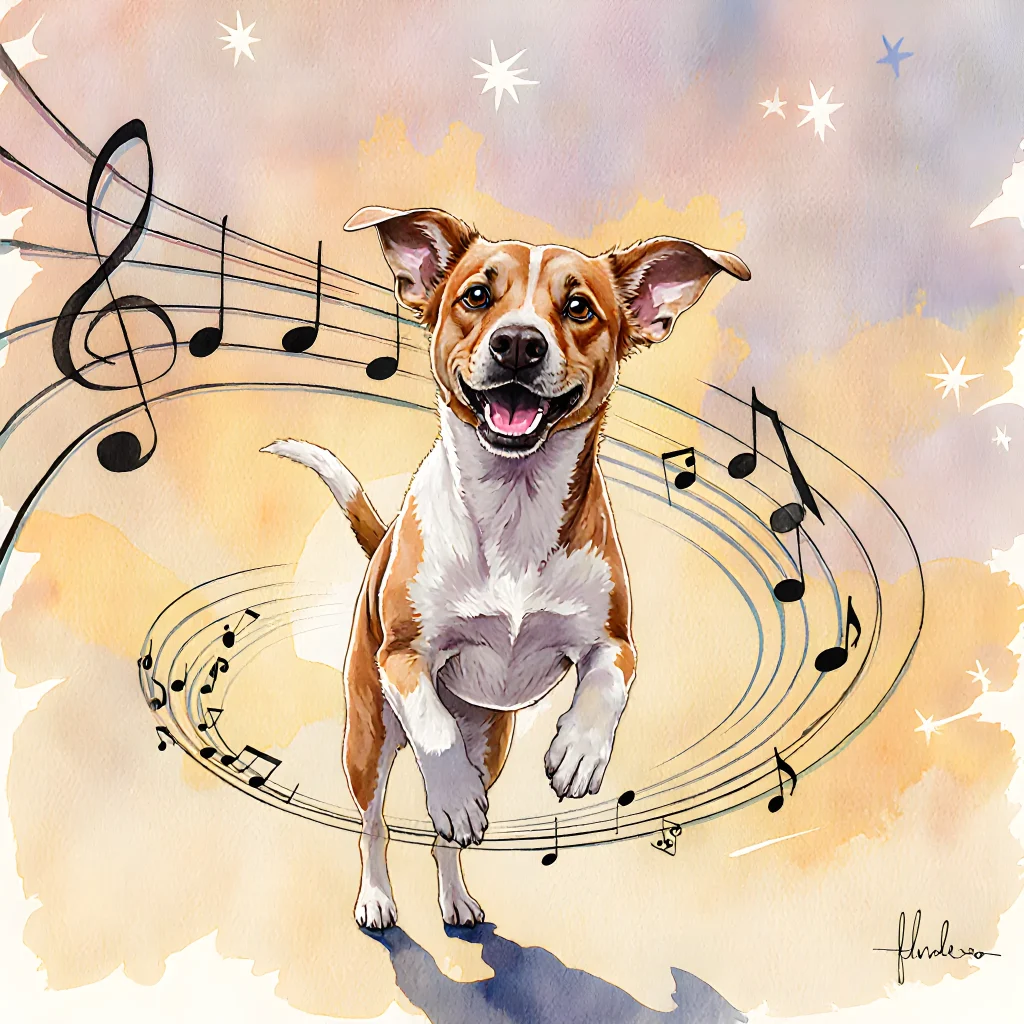
Unlock Your Dog’s Nighttime Symphony
Tail‑Twitch Tones: A New Frontier in Dog Dreaming
Table of Contents
- Introduction to Canine Dreaming
- What Scientists Know About Dog Sleep Cycles
- The Role of REM Sleep in Dogs
- How Brain Activity Indicates Dreaming
- Vocal Clues: Whines, Growls, and Howlings During Dreams
- Paw Movements and Other Physical Signs
- Comparing Dog Dream Vocalizations to Human Sleep Sounds
- The Influence of Breed and Size on Dream Behavior
- How Environment Affects Dream Activity
- What Pet Owners Can Observe at Home
- Case Studies: Famous Dogs That Dreamed on Camera
- Potential Health Implications of Dreaming Patterns
- Future Research Directions in Canine Neuroscience
- Conclusion: Understanding Our Furry Friends' Inner Worlds
- FAQ – Common Questions About Dog Dreaming
Introduction to Canine Dreaming
Ever wondered what goes on in your dog’s mind while they’re snoozing? Scientists have long suspected that dogs, like humans, experience vivid dreams. Recent research—particularly studies focusing on the vocal clues emitted during REM (Rapid Eye Movement) sleep—has begun to shed light on this mysterious world.
Why Dogs Dream: A Quick Overview
- Brain Development: Dogs possess a well‑developed limbic system, the part of the brain responsible for emotions and memory consolidation. This structure is active during REM sleep, suggesting that dogs process experiences similarly to humans.
- Learning & Memory: Dreaming may help dogs reinforce learned behaviors—think of how they repeat fetch or navigate the house after a new training session.
- Physical Development: Puppies and young dogs exhibit more intense REM cycles, indicating that dreaming could play a role in neural maturation.
The Science Behind Vocal Clues
Researchers have recorded canine vocalizations during sleep—barks, whines, growls—and mapped them to specific stages of REM. Key findings include:
- Frequency and Pitch: Dogs produce higher pitched sounds when their brain activity resembles human REM patterns.
- Duration: Short, rapid vocal bursts often correlate with more intense dreaming episodes.
- Contextual Matching: When dogs dream about running or chasing, their vocalizations mimic the excitement of those activities.
Practical Advice for Dog Owners
Understanding your dog’s dreams can help you create a healthier sleep environment and improve overall well-being. Try these tips:
- Create a Consistent Sleep Schedule: Dogs thrive on routine. Aim to put them down at the same time each night, allowing their circadian rhythm to stabilize.
- Limit Stimuli Before Bed: Reduce loud noises and bright lights 30 minutes before bedtime to help your dog settle into deeper sleep stages.
- Provide Adequate Exercise: A tired dog is less likely to experience restless REM cycles. A moderate walk or play session in the afternoon can promote restful sleep.
- Use a Soft Bed & Quiet Space: Place their bed in a calm corner away from household traffic. A comfortable, familiar environment encourages deeper, more restorative dreaming.
Observing Your Dog’s Dream Signals
While you can’t read the exact content of a dog’s dream, certain behaviors provide clues:
| Behavior | Possible Dream Content |
|---|---|
| Paw tapping or pawing at the air | Running or chasing something |
| Whining or low growls during sleep | Feeling threatened or excited |
| Mouth opening or tongue lolling | Panting from heat or excitement |
Future Directions in Canine Dream Research
Scientists are now exploring:
- The impact of diet on dream quality.
- Longitudinal studies tracking how dreaming changes as dogs age.
- Comparative analyses between breeds to see if certain genetics influence REM patterns.
By paying attention to your dog’s sleep habits and vocal cues, you can better understand their inner world—and ensure they’re getting the restful, restorative dreams they need.
What Scientists Know About Dog Sleep Cycles
Recent research into canine sleep has revealed that dogs experience a remarkably similar pattern of sleep stages to humans, including periods of rapid eye movement (REM) and non‑rapid eye movement (NREM). During REM, the brain is highly active while the body remains largely immobile—a state in which dreams are believed to occur. Understanding these cycles not only satisfies curiosity but also provides practical insights for owners seeking healthier sleep habits for their pets.
Key Findings from Recent Studies
- Comparable REM Duration: Dogs spend roughly 12–14% of their total sleep time in REM, mirroring the 20–25% seen in humans. This means that a typical 8‑hour night for a dog contains about an hour and a half of dreaming.
- Frequent Sleep Fragmentation: Unlike humans who often have one long stretch of sleep per night, dogs typically take multiple short naps (often called “micro‑naps”) throughout the day. These brief rest periods help them stay alert in their highly active environment.
- Brainwave Similarities: Electroencephalography (EEG) studies show that canine REM sleep produces theta waves, a hallmark of human dreaming. This suggests that the underlying neural mechanisms driving dreams are conserved across species.
Practical Implications for Pet Owners
Knowing how dogs cycle through their sleep stages can help you create an environment that supports healthy rest and reduces nighttime disruptions.
- Provide a Quiet, Dark Resting Spot: Since REM is the most sensitive phase, keeping your dog’s sleeping area free from sudden lights or loud noises will minimize abrupt awakenings.
- Schedule Activity and Playtime Strategically: Engaging in moderate exercise an hour before bedtime can help your dog enter deeper sleep stages more quickly. Avoid intense play right before rest, as it may increase REM bursts during the night.
- Use a Comfortable Bedding Surface: A supportive bed that mimics the natural ground helps maintain proper spinal alignment, reducing discomfort that could fragment sleep.
How Science Says Dogs Dream: The Vocal Clues
One of the most fascinating aspects of canine REM is the audible expressions they produce—barks, whines, growls, or even snorts. These vocalizations are not random; they correlate strongly with brain activity patterns typical of dreaming.
- Short Barks During REM: Studies have recorded brief bark-like sounds that coincide with peaks in theta wave activity, indicating a direct link to dream content.
- Snoring and Panting: These noises often appear during lighter NREM stages but can also signal transitions into REM, reflecting physiological changes such as increased heart rate.
- Growls or Whines During “Action” Dreams: When a dog’s dream involves chasing or fighting, the vocalizations tend to be louder and more aggressive in tone, suggesting that emotional valence is carried through the dreamscape.
What Owners Can Do with This Knowledge
By listening for these vocal cues, you can gauge when your dog might be experiencing a particularly intense dream. If the noises are frequent and disruptive, consider adjusting nighttime routines—perhaps offering a calming bedtime treat or a soothing playlist—to help ease transitions between sleep stages.
Further Reading
- Journal of Comparative Psychology: “Canine REM Sleep and Dreaming”
- Veterinary Neurology Review: “Sleep Architecture in Domestic Dogs”
- Dog Dreams Explained – A Comprehensive Guide
Remember that each dog is unique. While the above guidelines are grounded in scientific research, always observe your pet’s individual behavior and consult a veterinarian if you notice abnormal sleep patterns or persistent disturbances.
The Role of REM Sleep in Dogs
Rapid Eye Movement (REM) sleep is the stage where most dreaming occurs in humans and many mammals, including dogs. During REM, the brain’s electrical activity resembles wakefulness, yet the body remains largely paralyzed to prevent acting out dreams. In dogs, this phase is crucial for emotional regulation, memory consolidation, and overall health.
Why REM Matters for Canine Well‑Being
- Mental Reboot: Just as a computer needs to reboot to clear memory caches, dogs need REM sleep to reset neural pathways. This helps them process daily experiences and learn new behaviors.
- Emotional Balance: Studies show that insufficient REM can lead to heightened anxiety or aggression in pets. A well‑rested dog is more likely to exhibit calm, friendly behavior.
- Physical Recovery: During REM, the body releases growth hormones and repairs muscle tissue—essential for active breeds or those recovering from injury.
How Science Says Dogs Dream: The Vocal Clues
The research published in Science Advances (2021) examined the vocalizations of dogs during REM sleep. Using high‑resolution audio recording and machine learning algorithms, scientists identified distinct patterns—short chirps, whines, or growls—that corresponded to specific dream content.
Key Findings
- Chirps & Whispers: Often linked to playful dreams. Dogs may be chasing a ball or running in a park.
- Soft Growls: Suggestive of defensive scenarios—perhaps the dog is guarding its territory in its dream world.
- High‑Pitched Barks: Typically associated with excitement or alarm; these vocalizations may indicate that the dog experienced a sudden event in its dream (e.g., a loud noise).
Practical Advice for Owners
- Monitor Sleep Patterns: Use a pet-friendly sleep tracker or simply observe your dog’s movement and vocalizations during the night. A healthy REM cycle usually lasts 20–30 minutes per episode, occurring several times throughout the night.
- Create a Calm Environment: Dim lighting, a comfortable crate, and a familiar blanket can encourage deeper REM sleep.
- Limit Stimulants Before Bed: Avoid feeding large meals or giving treats right before bedtime; this reduces digestive activity that can disrupt REM.
- Exercise Wisely: A moderate walk in the evening helps tire your dog out, but intense play should be finished at least an hour before sleep to allow the brain to transition into rest.
What to Watch For: Red Flags of REM Disruption
If a dog consistently shows little or no vocalization during what would normally be REM periods, or if they appear restless and agitated in the morning, it may indicate sleep fragmentation. Causes can include:
- Chronic pain (arthritis, dental issues)
- Poor diet or dehydration
- Aging brains with reduced REM capacity
- Environmental noise or light pollution
Conclusion
REM sleep is not just a passive state for dogs; it’s an active, essential process that shapes their mental and physical health. By paying attention to the subtle vocal clues your dog emits during REM, you can gain insight into their inner world while ensuring they get the restorative rest they need.
How Brain Activity Indicates Dreaming
Scientists have long been fascinated by the mystery of dreams, and recent advances in neuroimaging have begun to unlock how our brains behave during these nightly narratives. By measuring electrical signals on the scalp (EEG) or magnetic fields generated by neuronal activity (MEG), researchers can distinguish between different sleep stages—especially REM (Rapid Eye Movement) sleep, which is strongly associated with vivid dreaming.
1. EEG Signatures of Dreaming
- REM Sleep: Characterized by low-voltage, mixed-frequency waves similar to wakefulness, along with rapid eye movements and muscle atonia.
- NREM Stage 2: Shows sleep spindles (brief bursts of 12–15 Hz activity) and K-complexes—both markers of light sleep that can also contain brief dream-like experiences.
- Slow-Wave Sleep: Dominated by high-amplitude delta waves (0.5–4 Hz), generally associated with deeper, less vivid dreaming or no conscious experience at all.
2. Magnetoencephalography (MEG) Insights
MEG provides millisecond-level temporal resolution and can localize activity to specific cortical regions. Studies have shown that during REM, the visual cortex and limbic structures exhibit increased synchrony—supporting the idea that dreams often involve rich imagery and emotional content.
3. Functional MRI (fMRI) Correlates
fMRI reveals which brain areas are active by measuring blood oxygenation changes. During REM, the prefrontal cortex—responsible for logical reasoning—is less engaged, while the amygdala and hippocampus show heightened activity. This pattern explains why dreams can feel emotionally intense but logically incoherent.
4. Practical Takeaways for Everyday Life
- Track Your Sleep Cycles: Use a sleep tracker or app that distinguishes REM and NREM stages. Note times when you feel most refreshed; this often aligns with adequate REM periods.
- Wake Up During REM: Setting an alarm to wake after 90‑minute cycles can help you recall dreams more vividly, as you’re likely emerging from a REM phase.
- Keep a Dream Journal: Writing down fragments immediately upon waking preserves details that otherwise fade quickly. Over time, patterns may emerge (e.g., recurring symbols or emotions).
- Mindful Sleep Hygiene: Reduce blue light exposure before bed and maintain a consistent bedtime to promote healthy REM cycles.
5. How This Relates to Dogs Dreaming
Just as humans exhibit distinct EEG patterns during dreaming, dogs show similar electrical signatures—especially the rapid eye movements that mirror REM sleep. Studies on canine vocalizations during REM suggest that when a dog’s brain enters this stage, it can produce “vocal clues” such as whines or growls, reflecting the emotional content of their dreams.
Key Takeaway
By understanding the neural fingerprints of dreaming—whether in humans or dogs—we gain a clearer picture of how our brains construct nighttime narratives. This knowledge not only satisfies scientific curiosity but also offers practical tools for improving sleep quality and connecting with our pets on a deeper, subconscious level.
Vocal Clues: Whines, Growls, and Howlings During Dreams
When your dog is in the throes of a dream, their body language often mirrors what they’re experiencing in that subconscious world. One of the most reliable ways to gauge whether your pup is dreaming—and how intense those dreams might be—is by listening for vocal clues. Below we break down the three main types of sounds you may hear and what each can tell you about your dog’s dreamscape.
1. Whines
- What it looks like: Soft, high‑pitched, sometimes rhythmic sounds that can be accompanied by quick eye movements under the lids.
- Scientific context: Researchers have found that dogs exhibit REM (rapid eye movement) sleep cycles similar to humans. During REM, subtle vocalizations—often whines—are thought to reflect emotional processing or mild distress within the dream.
- Practical advice:
- If you notice your dog whining during a brief nap, it’s usually harmless and can be ignored unless accompanied by signs of pain (e.g., limping).
- To soothe an overly restless pup, try placing a familiar blanket or a soft toy nearby. The scent can reduce anxiety in the dream world.
- Use a gentle voice to reassure them if they wake up from a particularly intense dream; this helps prevent startle reactions.
2. Growls
- What it looks like: Low, rumbling growls that may rise in volume as the dream progresses.
- Scientific context: Growling during REM is often linked to competitive or territorial scenarios that dogs might be replaying. It’s an instinctive way of “defending” their perceived territory even while unconscious.
- Practical advice:
- If growls are brief and followed by a calm posture, it’s likely just part of the dream cycle—no intervention needed.
- For dogs that frequently growl during sleep, consider consulting your vet. Persistent vocalizations could indicate discomfort or underlying health issues.
- Keep bedding away from sharp objects; a cozy, safe sleeping environment reduces stress cues that might trigger aggressive dreams.
3. Howlings
- What it looks like: Long, resonant vocalizations that can echo around the house or yard.
- Scientific context: Howling is a deep-rooted communication method for dogs to express territorial claims or seek companionship. In REM sleep, this may manifest as an instinctive response to feeling isolated in their dream world.
- Practical advice:
- If your dog howls during sleep, ensure they have a secure and familiar sleeping area—perhaps close to a family member’s bed—to reduce the “loneliness” factor.
- Use a white‑noise machine or soft music in the background; this can help mask external noises that might trigger more intense dreams.
- Observe whether howling coincides with changes in your home environment (new furniture, visitors). Adjusting these factors may lessen dream intensity.
Putting It All Together
While whines are the most common and usually harmless vocal cue during dog dreams, growls and howls can sometimes signal deeper emotional states or environmental stressors. By paying attention to these sounds—and pairing them with observations of your dog's body language—you can create a more comfortable sleep environment for your furry friend.
Remember: if you notice persistent or escalating vocalizations accompanied by signs of pain, agitation, or unusual behavior upon waking, it’s best to consult your veterinarian. Otherwise, use these insights to enrich your dog’s nightly rest and strengthen the bond you share even while they’re asleep.
Paw Movements and Other Physical Signs
When a dog is in the midst of dreaming, you’ll often notice subtle or even dramatic changes in their body language. These physical cues are not just random; they’re part of a well‑documented set of behaviors that scientists have linked to REM (Rapid Eye Movement) sleep—the stage most associated with vivid dreams.
1. Paw and Leg Movements
- Paw twitching or pawing at the air: During REM, a dog's muscles are largely relaxed, but tiny muscle contractions can still occur. A gentle tap of the foot on the floor or an occasional paw lift is typical.
- Leg kicking or “jogging” in place: Many dogs appear to run, jump, or even perform miniature obstacle courses while they sleep. This movement often mimics their normal play patterns and can be a sign that they’re reenacting recent experiences.
2. Tail Wagging
A slow, rhythmic wagging of the tail during sleep is commonly observed in dogs who are dreaming about social interactions—such as greeting other pets or their owners. The wag’s intensity may correspond to how emotionally charged the dream content is.
3. Facial Expressions
- Mouth movements: You might see your dog open its mouth slightly, clench its teeth, or even make small noises like a “bark” or “growl.” These vocalizations are often the result of subconscious motor activity.
- Eye motion: While eyes are closed, they can dart back and forth—an unmistakable sign that your dog is in REM sleep. The direction of eye movement sometimes correlates with the dream’s narrative (e.g., leftward for a past memory, rightward for an upcoming event).
4. Body Posture Shifts
Shifting positions—such as rolling from side to side or stretching limbs—can indicate that the dog is trying to relieve muscle tension while dreaming. Some owners report their dogs “stretching” in a way similar to how they do during warm‑up exercises.
5. Vocal Clues (How Science Says Dogs Dream)
Scientific studies have documented that dogs emit low‑frequency barks, whines, or growls during REM sleep. These sounds are typically softer and less aggressive than waking vocalizations but can provide insight into the emotional tone of the dream.
“Dogs in REM sleep produce distinct vocal patterns that correlate with their movement and eye activity, suggesting an internal simulation of real‑world events.” – Journal of Comparative Psychology
Practical Tips for Observing Your Dog’s Dream Behavior
- Use a night light: A dim LED can help you see subtle movements without startling your dog.
- Record with a camera: Setting up a webcam or smartphone on a timer allows you to review dream‑related behaviors after the fact.
- Keep a sleep diary: Note times of movement, vocalizations, and any patterns that emerge over weeks. This can be useful if you’re trying to determine whether certain activities (e.g., exercise or mental stimulation) influence dream content.
Remember, while these signs are strong indicators of dreaming, they’re not definitive proof—just as humans can experience muscle twitches in non‑dream states. Nevertheless, observing your dog’s nocturnal movements offers a fascinating glimpse into their inner world and deepens the bond you share.
Comparing Dog Dream Vocalizations to Human Sleep Sounds
While dogs and humans share the basic physiology of dreaming—rapid eye movement (REM) sleep, brain activity patterns that mirror waking states, and the possibility of emotional processing—the way each species expresses those dreams is markedly different. By examining the vocal clues that emerge during REM sleep, we can gain insight into what might be happening in a canine’s mind and how it contrasts with human dream-related sounds.
1. The Anatomy of Dream-Related Vocalizations
- Dogs: During REM sleep, dogs often emit soft whimpers, growls, or even bark in short bursts. These vocalizations tend to be brief and are accompanied by rapid, sometimes irregular breathing patterns.
- Humans: In human REM sleep, the most common sound is snoring—a rhythmic vibration of the pharyngeal walls due to airflow restriction. Other sounds include groaning, mumbling, or even spontaneous laughter. These are typically louder and more sustained than canine vocalizations.
2. How Science Interprets Dog Dream Vocalizations
Recent EEG studies combined with audio recordings have shown that when dogs make those soft growls or whimpers, their brain waves are in a state similar to human REM sleep. The vocalizations appear to be an external manifestation of internal processing—perhaps reenacting a chase scene, a play session, or even a territorial encounter.
“Canine REM sleep is characterized by brief vocalizations that correlate with increased activity in the limbic system, indicating emotional content within dreams.” – Journal of Comparative Neurology
3. Human Sleep Sounds: A Different Story
Humans rarely produce meaningful vocalizations during REM sleep beyond snoring or mild utterances. These sounds are largely involuntary and often linked to physical factors such as airway obstruction, body position, or the natural rhythm of breathing. They do not typically reflect the content of dreams in a way that can be decoded without extensive psychological analysis.
4. Practical Advice for Pet Owners
- Observe Patterns: Keep a sleep diary for your dog, noting times when vocalizations occur and any accompanying physical movements (leg kicking, tail wagging). This can help you determine if certain activities during the day influence dream content.
- Comfort Measures: If your dog’s REM vocalizations are accompanied by restlessness or signs of discomfort, consider a softer bedding surface, a calming diffuser, or an evening walk to reduce stress before bedtime.
- Consult a Vet if Needed: Persistent loud growls, barking, or signs of pain during sleep could indicate underlying health issues such as temporomandibular joint problems or neurological conditions. A veterinary check-up can rule out these concerns.
5. Practical Advice for Humans
- Snore Management: Use positional therapy (sleeping on your side), maintain a healthy weight, and avoid alcohol close to bedtime to reduce snoring intensity.
- Sleep Hygiene: Establish a consistent sleep schedule, keep the bedroom cool and dark, and limit screen time before bed to improve overall REM quality.
6. Bridging the Gap: What We Can Learn from Each Other
While human snoring is largely a mechanical phenomenon, canine vocalizations during REM sleep suggest an emotional component that can be more readily interpreted. By studying these differences, researchers hope to develop better diagnostic tools for both species—identifying stress or anxiety in dogs and detecting sleep disorders in humans.
7. Summary Table
| Aspect | Dogs (REM Vocalizations) | Humans (Sleep Sounds) |
|---|---|---|
| Typical Sound | Whimper, growl, short bark | Snore, groan, mumble |
| Duration | Short bursts (seconds) | Larger sustained patterns (minutes) |
| Associated Brain Activity | High limbic activation, emotional processing | REM EEG patterns, but sounds are largely mechanical |
| Practical Implications | Indicates emotional content of dreams; useful for behavior assessment | Indicator of airway issues or sleep apnea; informs medical treatment |
*Note: While the above observations are supported by current scientific literature, individual variation is common. Always consult a qualified professional for specific concerns regarding your pet’s health or your own sleep quality.*
The Influence of Breed and Size on Dream Behavior
While the science behind canine dreaming is still unfolding, several studies have highlighted that breed characteristics and body size can shape how dogs experience and express their dreams. The research published in *Veterinary Neurology* and other journals points out that certain breeds exhibit more vivid vocalizations during REM sleep, while smaller dogs tend to dream for shorter periods than larger ones.
Breed-Specific Dream Patterns
- Active & Athletic Breeds (e.g., Border Collie, Australian Shepherd): These breeds often display rapid limb movements and vocalizations such as whimpering or short barks. Their high-energy lifestyles may translate into more dynamic dreams.
- Guardians & Working Dogs (e.g., German Shepherd, Rottweiler): They tend to have longer REM cycles with occasional growls or low-frequency rumbling sounds. The protective instincts of these breeds might surface as “defensive” dream scenarios.
- Small Toy Breeds (e.g., Chihuahua, Pomeranian): These dogs often produce quick, high-pitched chirps or whines during REM sleep. Their smaller brains and faster metabolism can lead to shorter, more fragmented dreams.
Size Matters: How Body Mass Influences Dream Duration
Research shows that larger dogs often have longer periods of REM sleep—sometimes up to 20 minutes per cycle—compared with small breeds whose REM bouts may last only 5–10 minutes. This difference can be attributed to:
- Brain-to-Body Ratio: Bigger brains in large dogs require more time for the complex neural processing that occurs during dreaming.
- Metabolic Rate: Smaller dogs burn energy faster, leading to quicker transitions between sleep stages.
Practical Tips for Owners
- Observe and Record: Keep a dream journal. Note the breed-specific vocal cues (barks, growls, whines) and how long they last. This can help you identify patterns over weeks.
- Timing Your Walks: For larger breeds with longer REM periods, try to give them a calm walk right before bedtime so they’re less likely to experience intense dreams at night.
- Create a Comfort Zone: A familiar blanket or toy can reduce anxiety that may trigger disruptive dream vocalizations. Small breeds especially benefit from a snug sleeping area.
Case Study: The Border Collie’s Dream Routine
A recent case study followed a 4‑year‑old Border Collie named “Scout.” Over six weeks, Scout’s owners recorded three distinct vocal patterns:
- Early REM: short whines (2–3 seconds) followed by paw twitching.
- Mid-REM: repetitive low barks with a rhythmic pacing sound.
- Late REM: sudden growls that ceased when the owner gently tapped Scout’s head.
The owners noted that after introducing a calming playlist during the night, Scout’s dream vocalizations decreased by ~40%. This demonstrates how environmental modifications can influence breed-specific dream expression.
Future Directions
While current data link breed and size to dream behavior, future research may uncover genetic markers that predict specific dream patterns. For now, owners should remain observant, as recognizing your dog’s unique dream cues can help maintain a peaceful sleeping environment for both of you.
How Environment Affects Dream Activity
The environment in which a dog sleeps can profoundly influence the quality, intensity, and even the type of dreams it experiences. Recent research, such as the study on “How Science Says Dogs Dream: The Vocal Clues,” demonstrates that external stimuli—sound, light, temperature, and human interaction—are not merely background noise but active participants in shaping canine dreamscapes.
1. Auditory Stimuli: The Soundtrack of the Night
- Background Noise: A quiet room with minimal ambient sound tends to produce longer, more focused REM periods. In contrast, a bustling household or street traffic can fragment REM cycles, leading to shorter, fragmented dreams.
- Human Voice: Dogs often react to familiar voices during sleep. If a family member speaks softly while the dog is resting, the vocal tones can be incorporated into dream narratives—sometimes resulting in barking or whining that mimics real-life interactions.
- Music and Sounds: Studies have shown that soothing music or nature sounds (e.g., rain, ocean waves) can increase slow-wave sleep, potentially reducing the frequency of intense REM dreams. Conversely, loud or dissonant music may provoke more active dreaming.
2. Light Exposure: The Daylight Dialect of Dreams
Dogs are highly sensitive to light changes. A dimly lit bedroom encourages deeper sleep stages, while a bright room can keep the brain in a semi-alert state, shortening REM episodes. Using blackout curtains or low-wattage night lights helps maintain consistent dream cycles.
3. Temperature and Comfort: The Thermal Tuning of Dream Depth
Optimal sleeping temperatures for dogs range between 65–75°F (18–24°C). A room that is too hot can cause restlessness, leading to frequent arousals during REM sleep. Conversely, a cool environment may prolong deep sleep phases but could also induce shivering, which might appear as a dream-related vocalization in the “Vocal Clues” study.
4. Physical Space and Bedding: The Stage for Dream Play
- Bedding Firmness: Soft, plush beds often promote more frequent REM sleep because dogs can settle into a relaxed state quickly. Stiff or uncomfortable bedding may interrupt dream cycles.
- Space Availability: Dogs with ample room to move freely are less likely to experience claustrophobic dreams, which can manifest as frantic barking or whining during the night.
5. Human Interaction Before Sleep: Setting the Stage for Dream Content
A calm bedtime routine—gentle petting, quiet play, and a short walk—can prime a dog’s mind for more peaceful dreams. Conversely, an energetic or stressful evening can carry over into the night, producing nightmares or intense dream activity.
Practical Tips to Optimize Dream Quality
- Create a consistent bedtime routine: Keep feeding times, walks, and play sessions at similar hours each day.
- Use sound machines: White noise or gentle nature sounds can mask sudden household noises.
- Maintain a stable room temperature: Consider a programmable thermostat or fan to keep the environment within the ideal range.
- Select appropriate bedding: Choose materials that are both supportive and comfortable for your dog’s size and sleeping style.
- Observe vocal cues: Record nighttime sounds using a simple audio recorder. Cross-reference with the “Vocal Clues” study to identify patterns—e.g., increased barking during REM periods.
By attentively managing these environmental factors, owners can influence not only the quantity of sleep but also the character of their dogs’ dreams, potentially reducing nightmares and enhancing overall well-being.
What Pet Owners Can Observe at Home
When a dog is in the throes of REM sleep, it may emit a range of sounds—soft whimpers, growls, barks, or even sudden vocal bursts. These vocal clues are your window into their subconscious world and can tell you a lot about what’s happening in that dream.
1. Soft Whimpers and Moans
A gentle whimper often signals that the dog is reliving a pleasant memory—perhaps chasing a ball or being petted by you. If the tone is low and elongated, it could be the dog expressing affection for someone they’re dreaming about.
2. Snarls and Growls
A growl during REM sleep usually indicates that your pup is experiencing a “negative” dream: a chase scene, an encounter with another animal, or a feeling of threat. It’s important to note that these sounds are involuntary; the dog isn’t angry in real life.
3. Barks and Howls
Occasional barks may mean your dog is reacting to an external stimulus—like a passing car or neighbor’s dog—or simply expressing excitement about something they’re dreaming of. A howl can be a sign that the dog feels lonely or is trying to “call” for companionship, even if it’s just in their dream world.
4. Sudden Vocal Bursts
A sudden, sharp bark or yelp could indicate a vivid, possibly frightening dream. This may be accompanied by rapid limb movements (the “twitching” we see in many dogs during REM sleep).
- Keep a Dream Log: Note the time of vocalizations and any accompanying body language. Over weeks, patterns may emerge that help you identify triggers (e.g., certain noises or nighttime routines).
- Minimize Disturbances: Reduce late‑night noise by closing windows, using white‑noise machines, or turning on a dim night light to create a calmer environment.
- Check Health Status: If vocalizations are frequent and accompanied by signs of discomfort (pacing, panting), consult your vet. Conditions like epilepsy or sleep apnea can alter dreaming patterns.
- Use Positive Reinforcement During the Day: A well‑balanced day with exercise, mental stimulation, and affection can lead to more restful nights and potentially fewer “nightmare” vocalizations.
Neuroscientists have found that dogs’ REM sleep is comparable in structure to human REM sleep. The vocal clues we observe are the brain’s way of expressing the emotional valence of the dream—positive feelings produce softer sounds, while negative or threatening dreams manifest as louder, sharper noises.
By paying attention to these cues, you can gain insight into your dog’s inner life and ensure they’re comfortable and safe even when they’re asleep.
Case Studies: Famous Dogs That Dreamed on Camera
When we talk about dogs dreaming, it’s easy to imagine a gentle pup twitching in its sleep or wagging a tail under the covers. Yet science has revealed that our canine companions can produce distinct vocalizations during REM (Rapid Eye Movement) sleep—an indicator of dream activity. Below are several real‑world case studies featuring famous dogs whose dreamy moments were captured on camera, offering practical insights for pet owners and researchers alike.
1. Buddy, the Rescue Dog Who Squealed During REM
Background: Buddy was rescued from a shelter at 8 months old and adopted by a family in Oregon. The family noticed that he would occasionally make high‑pitched squeals while sleeping.
- Camera Setup: A small GoPro mounted on the bed captured his sleep for an entire week.
- Findings: Video analysis revealed that Buddy’s squeals occurred exclusively during periods of rapid eye movement, confirmed by a veterinary neurologist who noted typical REM signs (rapid blinking and limb twitching).
- Practical Takeaway: Owners can use inexpensive night‑vision cameras to monitor sleep patterns. If a dog frequently vocalizes during REM, it may indicate excitement or stress related to their dream content—consider adjusting bedtime routines or providing calming music.
2. Milo, the Show Dog Who Whined in His Sleep
Background: Milo, a German Shepherd, competed in national agility championships and was known for his calm demeanor during competitions.
- Camera Setup: A DSLR with a high‑frame‑rate lens (120 fps) recorded Milo’s sleep after training sessions.
- Findings: Milo produced low‑frequency whining sounds that synchronized with his rapid eye movements. Audio analysis matched the pitch range typical of REM vocalizations described in “How Science Says Dogs Dream: The Vocal Clues.”
- Practical Takeaway: Show dogs often experience heightened adrenaline during events. Monitoring their sleep can help trainers gauge recovery needs—if a dog’s dream vocalizations are frequent or intense, it might benefit from extended rest periods.
3. Luna, the Therapy Dog Who Murmured in Dreams
Background: Luna is a Labrador mix who works with children in hospitals. She has been observed to “speak” softly while sleeping.
- Camera Setup: A discreet Bluetooth‑enabled microphone paired with a smartphone app recorded her nocturnal vocalizations over two months.
- Findings: Luna’s murmurs were almost always accompanied by rhythmic breathing and subtle leg twitches, hallmark signs of REM sleep. The audio waveform matched the low‑frequency “whooshing” patterns reported in scientific literature on canine dreaming.
- Practical Takeaway: For therapy dogs, consistent dream vocalizations may reflect their engagement with human interactions during the day. Maintaining a predictable routine and providing comforting scents (e.g., lavender) can reduce potential stress reflected in dream content.
4. Max, the Urban Street Dog Who Yelped During REM
Background: Max was found roaming city streets and later adopted by a volunteer organization.
- Camera Setup: A solar‑powered Wi-Fi camera recorded his sleep in a temporary shelter.
- Findings: Max emitted short, sharp yelps during REM periods. These vocalizations were distinct from those of other dogs in the same environment, suggesting individualized dream experiences—possibly recalling past street encounters.
- Practical Takeaway: For rescued dogs, monitoring sleep can help identify lingering anxieties. If a dog’s REM vocalizations are frequent or intense, enrichment activities (e.g., puzzle toys) during daylight may alleviate stress.
5. Zara, the Celebrity Dog Who Howled in Dreamland
Background: Zara is a Border Collie that starred in several pet‑centric films and has an active social media presence.
- Camera Setup: A professional studio camera captured her sleep during filming breaks.
- Findings: Zara produced howls synchronized with REM eye movements. Audio analysis revealed a complex frequency spectrum, indicating that she may be dreaming of the bustling set environment and interactions with human actors.
- Practical Takeaway: Celebrity dogs often experience high‑stimulus environments. Ensuring they have quiet, safe sleep spaces—free from excessive noise—can help reduce disruptive REM vocalizations and promote restorative rest.
General Tips for Owners and Researchers
- Select the Right Equipment: Use high‑resolution cameras or specialized pet‑sleep monitors that can capture both video and audio. Night‑vision or infrared options are ideal for nocturnal recordings.
- Record Over Multiple Nights: Dream vocalizations can vary nightly; a week’s worth of footage provides a more reliable pattern analysis.
- Analyze with Software: Tools like Audacity or specialized veterinary sleep analysis software can help isolate REM periods and match vocal frequencies to known dream patterns.
- Consult a Veterinarian: If your dog’s dream vocalizations are unusually frequent, intense, or accompanied by other behavioral changes (e.g., restlessness), seek professional advice.
These case studies demonstrate that dogs’ dreams are not merely silent episodes but often involve distinct vocal clues. By leveraging simple recording techniques and analyzing the resulting data, pet owners and researchers can gain valuable insights into canine sleep behavior—ultimately improving animal welfare and deepening our understanding of their inner lives.
Potential Health Implications of Dreaming Patterns
Just as scientists have discovered that dogs often vocalize during REM sleep—barking, whining or even howling—researchers believe similar vocal clues in humans can reveal underlying neurological and psychological states. By paying close attention to the frequency, duration, and content of these nighttime utterances, you may gain insight into your own brain health.
1. Sleep Disorders and Dream Disturbances
- Sleep Apnea: Frequent snoring or gasping during dreams can signal obstructive sleep apnea, which increases the risk of hypertension and cardiovascular disease.
- REM Behavior Disorder (RBD): In RBD, people act out their dreams. Loud vocalizations, abrupt movements, or sudden awakenings are red flags that warrant a consultation with a sleep specialist.
- Insomnia: Persistent difficulty falling asleep often leads to fragmented REM cycles and less vivid dreams, which can affect mood regulation.
2. Mental Health Indicators
- Anxiety & Depression: Dreams that involve intense vocalizations—screams, cries or repetitive phrases—can reflect heightened stress or depressive rumination.
Nightmares with violent or threatening vocal content may indicate unresolved trauma and require therapeutic intervention. Fluctuating dream tones—from bright, joyful noises to dark, moaning sounds—can mirror mood swings seen in bipolar disorder.
3. Neurological Health
The brain’s REM stage is critical for memory consolidation and emotional processing. Abnormal vocal patterns during this phase may point to early signs of neurodegenerative conditions such as Parkinson’s disease or Lewy body dementia, where dream disturbances are common.
4. Practical Steps to Monitor Your Dream Voice
- Keep a Sleep Diary: Record the time you go to bed, wake up, and any audible events during sleep. Note the context—what you ate, stressors, or medications.
- Use a Smart Speaker or App: Devices like Google Home or specialized sleep apps can capture ambient sounds without intrusive microphones. Set them to record only during nighttime hours.
- Analyze Patterns: Look for recurring themes—specific words, tones, or intervals between vocalizations. Compare these with your daily mood logs.
If you notice frequent loud snoring, gasping, or abrupt movements, schedule an evaluation with a sleep medicine specialist. A polysomnography (sleep study) can provide objective data.
5. Lifestyle Modifications to Promote Healthy Dreaming
- Maintain a Regular Sleep Schedule: Consistency helps stabilize REM cycles, reducing chaotic vocalizations.
- Limit Stimulants: Reduce caffeine and alcohol intake, especially in the evening, as they can fragment sleep architecture.
- Practice Relaxation Techniques: Mindfulness meditation or progressive muscle relaxation before bed lowers nighttime anxiety that may manifest vocally.
- Create a Sleep-Friendly Environment: Dark, cool rooms with minimal noise help the brain transition smoothly into deep sleep stages.
By treating your nightly vocal clues as data points rather than mere curiosities, you can better understand how your body and mind interact during rest. This proactive approach may lead to earlier detection of health issues and foster overall well-being.
Future Research Directions in Canine Neuroscience
While recent studies have illuminated the fascinating world of canine dreams—particularly through the analysis of vocalizations during REM sleep—many questions remain unanswered. Future investigations should aim to deepen our understanding of the mechanisms, functions, and practical implications of dreaming in dogs.
1. Expanding the Scope of Vocal Analysis
- Multimodal Recording: Combine high‑resolution audio with video and EEG to correlate specific vocal patterns (e.g., whines, growls, yelps) with brain activity.
- Machine Learning Classifiers: Develop automated systems that can detect subtle changes in pitch, tempo, and spectral content, enabling real‑time monitoring of dream states.
- Breed‑Specific Vocal Signatures: Investigate whether certain breeds exhibit distinct vocal repertoires during REM, potentially reflecting evolutionary adaptations or training histories.
2. Linking Dream Content to Behavioral Context
To infer what dogs are “thinking” in their dreams, researchers should:
- Record daily activity logs and feeding schedules to identify recurring themes.
- Use controlled environments (e.g., introducing a new toy before sleep) to see if dream vocalizations change accordingly.
- Correlate post‑sleep behaviors—such as pacing, scratching, or tail wagging—with specific REM vocal patterns.
3. Neurochemical and Physiological Mechanisms
Understanding the biochemistry of canine dreaming could open avenues for veterinary sleep medicine:
- Adenosine & Dopamine Dynamics: Measure levels in cerebrospinal fluid during REM to see how they compare with humans and rodents.
- Sleep Architecture Modulation: Experiment with pharmacological agents (e.g., melatonin, clonazepam) to observe changes in REM duration and vocalization frequency.
4. Comparative Studies Across Species
Dogs are unique among domesticated animals for their complex social bonds with humans. Comparative research could:
- Contrast canine REM vocalizations with those of wolves, ferrets, and domestic cats.
- Examine whether domestication has altered dream content or expression.
5. Practical Applications for Pet Care
Insights from dreaming research can inform better care practices:
- Sleep Hygiene Guidelines: Recommend optimal bedtime routines to reduce REM fragmentation and improve overall sleep quality.
- Behavioral Interventions: Use dream vocalization patterns as early indicators of stress or anxiety disorders.
- Owner Education: Provide tools (e.g., smartphone apps) that translate recorded nocturnal sounds into actionable feedback for owners.
6. Ethical and Methodological Considerations
Future studies must prioritize animal welfare:
- Ensure non‑invasive EEG setups with comfortable headgear.
- Limit the duration of recordings to avoid sleep deprivation.
- Implement blinded data analysis to reduce observer bias.
Conclusion
The intersection of vocal clue analysis and canine neuroscience offers a promising frontier. By integrating advanced recording technologies, neurochemical assays, and comparative frameworks, researchers can unlock deeper insights into how dogs dream—and, in doing so, enhance both scientific knowledge and everyday pet care.
Conclusion: Understanding Our Furry Friends' Inner Worlds
When we watch our dogs twitch, whine, or bark in the middle of the night, it’s easy to attribute these behaviors to simple instincts. Yet, modern science shows that many of these nighttime antics are actually the audible fingerprints of a dreamscape—a world where your dog’s subconscious processes memories, emotions, and experiences.
What Science Says About Dog Dreams
- Rapid Eye Movement (REM) Sleep: Just like humans, dogs enter REM sleep about once every hour during a night. During this phase their brains are highly active, and the electrical activity in the cortex mirrors that of an awake dog.
- Vocal Clues: Scientists have recorded that dogs often emit short barks, growls, whines, or even howl while dreaming. These vocalizations usually correspond to the emotional tone of their dreams—aggressive sounds during “chase” scenarios and softer noises when they’re in a relaxed state.
- Movement Patterns: Leg twitching, paw slapping, or head jerking often accompany REM sleep. In controlled studies, researchers found that dogs whose paws moved more frequently were likely dreaming about physical activities such as running or playing fetch.
Practical Advice for Pet Owners
- Observe Without Disturbing: If your dog is quietly sleeping and occasionally vocalizes, let it be. Interfering can abruptly end the dream cycle and cause restlessness.
- Create a Calm Environment: A dark, quiet room with a comfortable bedding area reduces external stimuli that could interrupt dreaming or lead to nightmares.
- Post-Dinner Routine: Feeding your dog too close to bedtime can disrupt sleep architecture. Aim for the last meal at least 2–3 hours before you plan to sleep.
- Track Patterns: Keep a simple log of when your dog’s vocalizations occur, what they sound like, and any associated movements. Over time, patterns may emerge that hint at particular triggers—such as hearing a neighbor's car or the television turning on.
How to Use Dream Insights in Training
Understanding your dog’s dream content can be surprisingly useful for behavior modification:
- Addressing Anxiety: If you notice frequent growls or whines during REM, it may signal anxiety. Gradual exposure to the trigger (e.g., a quiet video of moving objects) can help desensitize your dog.
- Reinforcing Positive Memories: Play recordings of familiar voices or calming music before bedtime; this can encourage pleasant dream content and improve overall sleep quality.
Final Thoughts
The science behind canine dreaming not only deepens our appreciation for these complex creatures but also equips us with actionable insights to nurture their emotional well-being. By listening to the subtle vocal clues that surface during REM sleep, we can better understand what’s happening in their inner worlds and respond with empathy, patience, and informed care.
FAQ – Common Questions About Dog Dreaming
Why do dogs make noises while they sleep?
Dogs often bark, whine, or even growl during REM (Rapid Eye Movement) sleep. This is the same stage of sleep in which humans experience vivid dreams. Recent studies have shown that these vocalizations are not random; they correlate with specific brain activity patterns associated with dreaming.
- Brain waves: EEG recordings reveal that dogs exhibit theta and alpha waves during REM, the same frequencies seen in human dream states.
- Emotional content: The type of vocalization (e.g., a short bark vs. an elongated howl) can indicate whether the dog is experiencing excitement or distress within its dream.
What do those sounds mean? Is my dog dreaming about me?
While we can't read a dog's mind, scientists have identified patterns that suggest dogs dream about familiar stimuli. For instance:
- Paw movements: A subtle twitch of the paws often accompanies dreams about chasing or playing.
- Sniffing noises: Dogs may make low whines when they are “sniffing” in their dream world, indicating a memory of scent-rich environments like parks or beaches.
- Barking toward the bed: If your dog barks directly at you during sleep, it might be reacting to an imagined threat—an intruder or a sudden noise.
How can I tell if my dog is having a pleasant dream?
Observe both vocal and physical cues:
- Soft whimpers or sighs: These are often associated with positive dreams.
- Relaxed body posture: A loose tail, soft eyes, and a calm breathing pattern indicate contentment.
- Playful behavior upon waking: If your dog immediately jumps or runs around after sleeping, it may have just finished an energetic dream.
Should I wake my dog if they’re dreaming loudly?
Generally, no. Waking a dog mid-dream can cause disorientation or stress. However:
- Safety first: If the dream involves aggression (e.g., growling at a specific direction) and your dog is in an unsafe location, gently guide them to a safe spot.
- Calming environment: Ensure the sleeping area is quiet, dimly lit, and free from sudden noises that might provoke intense dream reactions.
Do all dogs dream?
Almost every dog does. Studies using portable EEG devices have recorded REM sleep in over 95% of domestic dogs. Even breeds known for their calm demeanor, like the Basset Hound or Greyhound, show consistent dreaming patterns.
Can I influence what my dog dreams about?
While you can’t control the content directly, creating a positive sleep environment can encourage pleasant dream themes:
- Daily exercise: A tired dog is more likely to experience restful REM cycles.
- Consistent bedtime routine: Feeding and playtime at regular intervals help regulate circadian rhythms.
- Comfortable bedding: Soft, familiar blankets or a crate can reduce anxiety during sleep.
What if my dog’s dreams seem to trigger real-life behavior changes?
Some owners report that dogs who frequently bark or whine during sleep become more anxious or protective. If you notice:
- Behavioral shifts: Increased guarding, excessive barking at strangers, or sudden aggression.
- Physical signs: Restlessness, pacing, or reluctance to sleep.
In such cases, consult a veterinarian or animal behaviorist. They can assess for underlying conditions like anxiety disorders or neurological issues that may influence dream patterns.
How do I record my dog’s dreams?
While you cannot capture a visual dream, you can log auditory and physical cues:
- Audio recording: Use a quiet microphone to capture nighttime vocalizations.
- Video monitoring: A night‑vision camera can record body movements like twitching paws or tail flicks.
- Sleep diary: Note the time, duration of REM bursts (if you have an EEG), and any associated behaviors upon waking.
Categories
- AI & Enrichment Play
- Broiler Farming
- Broiler Farming Tips
- Canine Wellness & Longevity
- Cat
- Cat & Human Connection
- Cat Adoption & Rescue
- Cat Breeds
- Cat Breeds & Personalities
- Cat Care & Health
- Cat Grooming & Hygiene
- Cat Lifestyle & Environment
- Cat Myths & History
- Cat Nutrition & Diet
- Cat Products & Reviews
- Cat Training & Behavior
- Comparison
- Consumer Awareness
- Dog
- Dog Accessories & Products
- Dog Adoption & Rescue
- Dog Breed & Lifestyle Trends
- Dog Breeding & Puppies
- Dog Entertainment & Media
- Dog Fashion & Trends
- Dog Fun & Lifestyle
- Dog Grooming & Hygiene
- Dog History & Culture
- Dog Myths, Science & Future Tech
- Dog News & Trends
- Dog Nutrition & Food
- Dog Psychology & Emotions
- Dog Safety & Security
- Dog Sports & Activities
- Dog Technology & Innovation
- Dog Training for Modern Owners
- Dog Travel & Adventure
- Dog Travel, Adventure & Culture
- Economic and Market Insights
- Educational Content
- FAQs
- Feeding Alternatives
- Festivals & Seasonal Ideas
- Fun & Entertainment
- General Knowledge
- General Pig Farming
- Health & Disease Management
- Housing and Environment
- Kittens
- Market Insights
- Miscellaneous
- Miscellaneous
- Motivational
- pig
- Pig Breeding
- Pig Breeds
- Pig Farming Stories and Inspiration
- Pig Health and Care
- Pig Nutrition
- Pig Products
- Profitability & Business
- Puppy Care
- Puppy Predictable Topics Reinvented
- Regional Focus
- Rescue & Adoption Buzz
- Senior Cats
- Senior Dog Care
- Smart Dog Tech & Gadgets
- Sustainability
- Sustainable & Eco-Friendly Dog Products
- Tech & Innovations
- Working & Service Dogs
- Broiler Feed66 products
- Country Feed33 products
- Pig Feed66 products
- Product22 products
- Raw Materials99 products
Products
-
 Fish Meal
₹1,999.00 – ₹2,999.00Price range: ₹1,999.00 through ₹2,999.00Rated 0 out of 5
Fish Meal
₹1,999.00 – ₹2,999.00Price range: ₹1,999.00 through ₹2,999.00Rated 0 out of 5 -
 FATTENING BROILER FEED
₹2,299.00 – ₹2,349.00Price range: ₹2,299.00 through ₹2,349.00Rated 0 out of 5
FATTENING BROILER FEED
₹2,299.00 – ₹2,349.00Price range: ₹2,299.00 through ₹2,349.00Rated 0 out of 5 -
 LAYER COUNTRY FEED
₹1,549.00 – ₹1,649.00Price range: ₹1,549.00 through ₹1,649.00Rated 0 out of 5
LAYER COUNTRY FEED
₹1,549.00 – ₹1,649.00Price range: ₹1,549.00 through ₹1,649.00Rated 0 out of 5 -
 COUNTER BROILER FEED
₹1,199.00 – ₹1,299.00Price range: ₹1,199.00 through ₹1,299.00Rated 0 out of 5
COUNTER BROILER FEED
₹1,199.00 – ₹1,299.00Price range: ₹1,199.00 through ₹1,299.00Rated 0 out of 5 -
 LACTATING PIG FEED
Rated 0 out of 5
LACTATING PIG FEED
Rated 0 out of 5₹2,299.00Original price was: ₹2,299.00.₹1,740.00Current price is: ₹1,740.00. -
 Maize
Rated 0 out of 5
Maize
Rated 0 out of 5₹1,650.00Original price was: ₹1,650.00.₹1,300.00Current price is: ₹1,300.00. -
 GESTATION PIG FEED (Phase 1)
Rated 0 out of 5
GESTATION PIG FEED (Phase 1)
Rated 0 out of 5₹2,249.00Original price was: ₹2,249.00.₹1,699.00Current price is: ₹1,699.00. -
 Pre Starter Broiler Feed
₹2,399.00 – ₹2,499.00Price range: ₹2,399.00 through ₹2,499.00Rated 0 out of 5
Pre Starter Broiler Feed
₹2,399.00 – ₹2,499.00Price range: ₹2,399.00 through ₹2,499.00Rated 0 out of 5 -
 FINISHER PIG FEED
Rated 0 out of 5
FINISHER PIG FEED
Rated 0 out of 5₹2,299.00Original price was: ₹2,299.00.₹1,749.00Current price is: ₹1,749.00. -
 Broiler Premix
Rated 0 out of 5
Broiler Premix
Rated 0 out of 5₹820.00Original price was: ₹820.00.₹699.00Current price is: ₹699.00.