
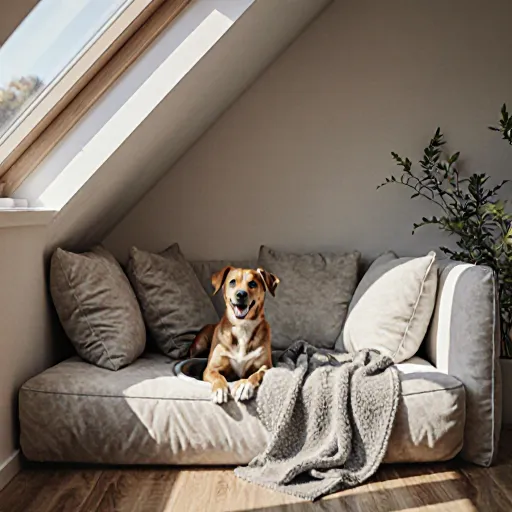
Cozy Canine Retreats Made Easy
“Tailored Tailscape: Design a Cozy, Secure Dog Niche”
Table of Contents
- Introduction
- Choose the Right Location
- Select Comfortable Bedding
- Add Soft Lighting
- Include Favorite Toys
- Create a Convenient Storage Spot
- Use Dog‑Friendly Paint or Wallpaper
- Install a Door or Barrier
- Keep the Area Clean
- Incorporate Aromatherapy (Optional)
- Maintain a Comfortable Temperature
- Teach Your Dog Boundaries
- Monitor Comfort and Safety
- Adjust as Needed Over Time
- Conclusion
- FAQ
Introduction
When you think about a cozy and safe dog corner, it’s more than just a spot on the floor—it’s a sanctuary where your pup can relax, recharge, and feel protected from the hustle of everyday life.
- Quiet Corner: Pick an area away from high-traffic zones like the kitchen or living room to minimize distractions.
- Temperature Control: Avoid drafty spots near windows or vents; aim for a place that stays comfortably cool in summer and warm in winter.
- Natural Light: A spot with soft, indirect sunlight can make the area inviting without causing glare or overheating.
- Base Pad: Start with a non-slip rug or carpet to keep the surface stable and prevent slipping.
- Soft Bedding: Use a high‑density foam dog bed or a plush throw. For breeds that like to dig, add a small mattress on top of a padded blanket.
- Temperature Regulation: In colder months, place a heated pad (with safety switch) under the bedding. In hot climates, a cool mat can help regulate body temperature.
- Secure Walls: If you’re using a dog crate or a small room, ensure doors are child‑proofed and the floor is free of sharp objects.
- Ventilation: Keep air circulating; consider a small fan on low speed if the area feels stuffy.
- Noise Reduction: Soft furnishings or a sound‑absorbing wall panel can dampen loud household noises.
Dogs thrive when their environment reflects their individual preferences:
- Chew Toys & Interactive Games: Keep a rotating selection of safe chew toys within reach to prevent boredom.
- Personal Items: Place a favorite blanket, a piece of your clothing (for scent comfort), or a toy that reminds them of positive experiences.
- Visual Comfort: For anxious dogs, add a window view or a calm‑colored wall to provide a sense of safety.
- Regular Cleaning: Vacuum the rug weekly and wash bedding every two weeks to keep allergens at bay.
- Check for Wear: Inspect the bed, toys, and any soft furnishings for signs of damage—replace them promptly.
- Seasonal Adjustments: Swap out heated pads for cool mats in summer; add extra blankets during winter.
- Dog With Anxiety: Use a pheromone diffuser (e.g., Adaptil) and keep the corner’s lighting dim to create a calming environment.
- Small Space Constraints: Utilize vertical storage—wall‑mounted bins for toys—and consider a loft bed that allows your dog to sleep on top of furniture safely.
- Multiple Dogs: Designate separate zones with individual beds and scent markers (e.g., a small towel with each dog’s scent) to prevent territorial disputes.
By thoughtfully selecting the location, layering comfort, ensuring safety, adding personalized touches, maintaining hygiene, and addressing common issues, you can create a dog corner that feels like home—safe, cozy, and perfectly tailored to your furry friend’s needs.
Choose the Right Location
A well‑placed dog corner can become a sanctuary where your pet feels safe, relaxed, and fully integrated into family life. Below are practical guidelines, real‑world examples, and design tips to help you pick the best location in your home.
1️⃣ Understand Your Dog’s Daily Rhythm
- Morning & Evening: Dogs usually wake up early and settle down late. Place the corner near a quiet hallway or entryway so they can join family routines without being overwhelmed.
- After Playtime: If your dog loves to play outside, consider a spot close to a patio or garden. This gives them an easy escape back to their cozy zone after a sprint.
2️⃣ Size Matters – Keep It Spacious Yet Intimate
A good rule of thumb is to allow at least twice the length of your dog’s body for a clear path plus an extra foot for toys or blankets.
Example: A 30‑lb Labrador needs roughly 6 ft × 4 ft. A smaller terrier can comfortably fit in a 3 ft × 2 ft nook.
Make sure the area is easily reachable from multiple entry points, especially for senior dogs or those with mobility issues.
3️⃣ Provide Quietude – Shield From Household Chaos
- Soundproofing: Use a thick rug, draft excluder at the door, or a sound‑absorbing panel on an adjacent wall.
- Visual Barriers: A small bookshelf or curtain can create a “wall” that blocks direct sightlines from high‑traffic areas.
Test the spot during peak noise times (e.g., when kids play) to ensure it remains calm.
4️⃣ Light, Air, and Temperature – The Three Pillars of Comfort
- Natural Light: Position the corner to receive indirect sunlight—too much direct heat can be uncomfortable.
- Ventilation: Avoid drafty corners. If you’re in a cooler climate, add a small fan; in hot climates, consider a portable air conditioner or shade cloth.
- Temperature Monitoring: Use a thermometer to keep the area within 68–75°F (20–24°C) for most breeds.
5️⃣ Keep It Safe and Easy to Clean
Choose a spot free of electrical cords, sharp corners, or toxic plants. A floor that’s easy to sweep—like hardwood or tile—reduces the chance of accidents.
- Flooring: Anti‑slip mats prevent slips for both dog and owner.
- Easy Access: If your dog uses a crate, place it close to a door that can be opened without pulling on the leash.
6️⃣ Make It Yours – Blend Functionality with Family Style
Your dog corner should complement your décor. Use matching throw pillows, a small bookshelf for toys, or a canvas print that reflects your family’s aesthetic.
Example: A modern loft might feature a sleek metal crate and minimalist rugs, while a farmhouse could use a wooden crate with plaid blankets.
Select Comfortable Bedding
When creating a cozy and safe dog corner, the first thing that comes to mind is the bed itself. A well-chosen mattress not only provides comfort but also supports your dog's joints, reduces stress, and encourages better sleep patterns.
1. Types of Dog Beds
- Orthopedic Foam Beds: Ideal for older dogs or those with arthritis. They offer firm support and maintain the bed’s shape over time.
- Memory‑Foam Beds: These conform to your dog’s body, relieving pressure points while still providing a bit of give.
- Cushioned Bean‑Bag Beds: Great for small breeds or dogs that like to curl up. The fill (usually polyester) is easy to clean and can be replaced when worn.
- Wedge Beds: Elevate the head and hindquarters, beneficial for dogs with digestive issues or heart conditions.
2. Size Matters
Measure your dog’s length from nose to tail tip and add a few inches for extra room. A bed that is too small can compress joints; one that is too large may not provide the sense of security.
3. Material & Construction
- Durable Fabric: Look for tightly woven polyester or nylon blends that resist tearing and are machine‑washable.
- Waterproof Core: Essential if your dog likes to nap outdoors or has a tendency to wet the bedding. A removable waterproof liner can be washed separately.
- Removable Covers: For easy cleaning, especially with puppies who may drool or shed.
4. Safety Features
Choose beds without loose parts that could be swallowed, and avoid any that have exposed wires or plastic components. Ensure the bed’s edges are smooth to prevent cuts during play or sleep.
5. Practical Placement Tips
- Corner Positioning: Place the bed in a quiet corner where your dog can retreat without being disturbed by household traffic.
- Temperature Regulation: In warmer months, opt for breathable fabrics; in colder seasons, consider an insulated or heated pad (battery‑powered heat packs work well).
- Proximity to a Window: A small amount of natural light and fresh air can enhance comfort, but avoid direct sunlight that may overheat the bed.
6. Maintenance & Longevity
Wash the cover weekly or as needed; use mild detergent to preserve color and texture. For foam beds, spot‑clean spills immediately to prevent stains from setting. Rotate the bed periodically to even out wear.
7. Budget Considerations
High‑quality orthopedic beds can range from $50 to $200+. However, investing in a durable, supportive mattress pays off by reducing veterinary visits and improving your dog’s quality of life.
8. Real‑World Example
Case Study: “Bella,” an 11‑year‑old Labrador mix with hip dysplasia, was placed on a 18” x 24” memory‑foam bed with a removable waterproof cover. Within weeks, her nighttime restlessness decreased, and vet visits for joint pain dropped by 30%.
9. Final Checklist
- Size: Long enough + extra width
- Material: Durable, washable, waterproof if needed
- Support: Orthopedic or memory‑foam for joint health
- Safety: No loose parts, smooth edges
- Placement: Quiet corner, temperature‑appropriate
By carefully selecting the right bedding and positioning it thoughtfully, you’ll create a haven that promotes relaxation, safety, and overall well‑being for your canine companion.
Add Soft Lighting
Soft, warm lighting is essential for turning a simple dog corner into a comforting retreat. Dogs are highly sensitive to light levels and can feel uneasy in harsh or flickering illumination. By incorporating gentle, diffused sources you create an environment that promotes relaxation, reduces anxiety, and makes the space inviting.
Choosing the Right Fixtures
- LED Strip Lights: Place a strip behind the wall or under shelves to provide ambient glow without glare. Opt for dimmable LEDs so you can adjust brightness as needed.
- Table Lamps with Diffusers: A small lamp on a side table, covered with a translucent shade, offers focused warmth that dogs find reassuring.
- Floor Lamps with Soft Bulbs: If the corner has a floor space, a low‑profile lamp can fill the room without taking up too much area.
Color Temperature Matters
Dogs see colors differently than humans; they perceive blue light better and are less sensitive to warm hues. However, warm white (2700K–3000K) lighting is generally soothing for both dogs and owners. Avoid cool or bright daylight bulbs (5000K+) that can feel harsh.
Use of Dimmer Switches
A dimmer allows you to lower the light during playtime or bedtime, mimicking a natural dusk setting which helps signal rest time. For instance, set the lamp at 30% brightness when your dog settles down for a nap.
Strategic Placement Tips
- Sidewall Illumination: Position lights along one side wall to cast a subtle glow over the bed or crate without directly shining into the dog's face.
- Ceiling Accent Lights: A recessed fixture with a shade can provide overhead illumination that is evenly distributed and reduces shadows.
- Night Light Feature: Install a motion‑activated night light near the entrance of the corner. This keeps the area visible without startling your dog during the night.
Safety Considerations
All cords should be secured or covered with protective sleeves to prevent chewing and accidental strangulation. Use heat‑resistant cables if you’re running lights under furniture.
Practical Example: The “Cozy Nook” Setup
- Base Layer: Install a dimmable LED strip along the top of the wall behind the crate.
- Mid‑Layer: Place a small lamp on a side table with a translucent shade. Use a 2700K bulb and set it to low brightness.
- Top Layer: Add a motion‑activated night light near the door of the corner.
- Adjust all lights to a comfortable level before your dog’s bedtime, then gradually dim them as the evening progresses.
By thoughtfully combining these lighting elements, you create an environment that feels safe and welcoming. Your canine companion will appreciate the calm atmosphere, and you’ll enjoy a well‑lit, aesthetically pleasing corner that complements the rest of your home décor.
Include Favorite Toys
A cozy dog corner isn’t just about blankets and pillows—it’s also a place where your pup can access their favorite toys. Here are some practical tips on choosing, storing, and rotating toys to keep the space stimulating yet safe.
- Choose Durable, Non‑Toxic Materials: Opt for rubber or nylon toys that won’t splinter or release harmful chemicals. Avoid plushies with loose stuffing that could be ingested.
- Size Matters: Pick toys that are the right size—large enough to keep them engaged but small enough so they can’t choke on them. A good rule of thumb is that a toy should not be larger than your dog’s head when it’s fully stretched out.
- Variety Keeps Them Interested: Include at least one chew, one squeak, and one interactive puzzle. Rotate the toys every few weeks to maintain novelty.
- Easy Storage Solutions: Use a low‑profile basket or a shallow bin that fits neatly under the dog bed or beside the corner rug. Label each compartment with your dog's name so they can learn where their favorites are.
- Safety First: Inspect toys weekly for wear and tear. Replace any that show signs of damage, especially soft toys with frayed seams or broken parts.
Creating a Dog‑Friendly Corner: Practical Layout Ideas
- The “Bed & Toys” Combo: Place a high‑quality dog bed in the center and surround it with a small rack holding the top three favorite toys. This keeps everything within reach.
- Under‑Bed Storage: If your corner has a low shelf, store chew toys in a clear pouch that can be pulled out easily by both you and your dog.
- “Play & Rest” Zones: Designate one side of the corner for resting (blanket, bed) and the other for play. This visual separation helps dogs understand when it’s time to relax.
Remember, a well‑organized dog corner not only provides comfort but also reinforces good behavior by teaching your pup where their toys belong. By regularly refreshing the toy selection and keeping everything tidy, you’ll create an inviting, safe space that encourages both relaxation and playtime.
Create a Convenient Storage Spot
When you design a cozy and safe dog corner, the next step is to make sure your pup’s essentials are always within reach. A well‑organized storage spot not only keeps your living space tidy but also teaches your dog where to find their toys, treats, and bedding.
1. Choose the Right Location
- Near the Dog Corner: Position a small shelf or cubby beside the bed so that blankets, leashes, and grooming tools are easily accessible.
- Low to the Ground: Use shallow bins or baskets that your dog can hop into without help. This encourages independence.
- Quiet Zone: Keep the storage area away from high‑traffic spots like the kitchen or living room to maintain a calm environment for your pup.
2. Select Storage Solutions That Work
| Type of Storage | Pros | Cons |
|---|---|---|
| Wall‑mounted baskets | Space‑saving, easy to clean | Can be intimidating for larger dogs |
| Low shelving unit | Visible organization, multiple levels | Requires sturdy construction |
| Pet‑friendly storage ottomans | Double duty as extra seating or a small couch for your dog | May be too bulky for small rooms |
3. Keep Essentials Categorized
Label each container or use color‑coded bins to help you quickly locate items and train your dog to put things back in their place.
- Toys: Separate chew toys, plush toys, and interactive games. This prevents over‑enthusiastic chewing on inappropriate items.
- Food & Treats: Store in airtight containers to keep them fresh and odor‑free.
- Grooming Supplies: Brushes, shampoos, nail clippers—keep everything in a single drawer for quick access during bath time.
4. Safety First
Ensure that nothing sharp or toxic is within reach of your dog. Use child‑proof locks on higher shelves if you have smaller pups who like to climb.
5. Maintain a Clean Routine
Schedule weekly checks: wipe down surfaces, replace expired treats, and reorganize items that have become mixed up. A tidy storage spot reduces the risk of your dog ingesting something harmful.
Practical Tips for DIY Storage Solutions
- Repurpose a shoe rack: Turn it into a multi‑level toy holder by adding small fabric bags to each slot.
- Create a hanging pouch system: Attach a series of zippered pouches to a pegboard. Perfect for quick access to leashes, collars, and bandanas.
- Use an old dresser: Convert the top drawers into “dog‑only” compartments by putting a small sign or picture on each drawer front.
By thoughtfully integrating a convenient storage spot with your dog’s cozy corner, you’ll create a harmonious space where your pet feels safe, well‑cared for, and always has what they need right at their paw’s reach.
Use Dog‑Friendly Paint or Wallpaper
When designing a cozy and safe dog corner, the first thing to consider is what’s on your walls. Traditional paints and wallpapers can contain volatile organic compounds (VOCs), formaldehyde, and other chemicals that are harmful to dogs when inhaled or ingested through licking.
Why Dog‑Friendly Materials Matter
- Low VOCs: Dogs have a heightened sense of smell; even trace amounts of chemicals can irritate their respiratory system and cause headaches, coughing, or more serious conditions.
- No Flaking or Dust: Some wallpapers release fine particles that can be ingested when dogs chew on their surroundings. A smooth, sealed finish minimizes this risk.
- Sustainability: Many pet‑friendly products are eco‑certified (e.g., Green Seal, EcoLabel), ensuring they’re safe for both your pet and the planet.
Choosing the Right Paint
- Look for “Zero‑VOC” or “Low‑VOC” labels: These paints have been tested to emit less than 50 ppm of VOCs, which is safe for indoor pets.
- Consider a matte finish: Matte surfaces reduce glare and are easier to clean if your dog gets into the corner. However, avoid ultra‑glossy finishes that can show scratches more prominently.
- Test first: Apply a small patch in an inconspicuous area and monitor for any adverse reactions from your dog over 48 hours.
Selecting Dog‑Friendly Wallpaper
- Vinyl‑backed wallpapers: These are water‑based, easy to wipe clean, and resistant to moisture – perfect for a dog’s napping area.
- Fabric‑based or “soft” wallpapers: They offer a tactile experience that many dogs enjoy but ensure they’re non‑toxic and have no loose threads.
- Pattern choice: Dogs are less likely to be distracted by highly detailed patterns. Opt for subtle textures or bold, simple shapes that encourage calmness.
Practical Application Tips
- Prep the wall: Clean with a pet‑safe cleaner and allow the surface to dry completely before painting or wallpapering.
- Use painter’s tape: Keep clean edges around the dog corner’s boundaries. Remove tape gently after the paint has cured to avoid peeling off any new layers.
- Seal if needed: For high‑traffic areas, apply a clear, non-toxic sealant that’s safe for pets (look for “pet‑friendly” or “VOCs free”).
Real‑World Example: The “Cozy Nook” in the Living Room
A homeowner painted the dog corner walls with a light blue, low‑VOC paint. They added a soft gray vinyl wallpaper featuring subtle waves. After a week, their Labrador slept soundly without any respiratory complaints. When the dog knocked over a toy, the wall’s matte finish made it easy to wipe away crumbs.
Final Checklist
- ✔️ Verify paint or wallpaper has “Zero‑VOC” or “Low‑VOC” certification.
- ✔️ Ensure finishes are matte or satin and non‑glossy.
- ✔️ Test a small patch before full application.
- ✔️ Keep wall surfaces clean and free of loose fibers.
By selecting dog‑friendly paint or wallpaper, you create an environment that’s not only visually soothing for your pet but also protects their health in the long run.
Install a Door or Barrier
Adding a physical boundary is one of the most effective ways to give your dog its own space while keeping it safe and comfortable.
Choosing the Right Type of Door or Barrier
- Pet‑Sized Gates: These are inexpensive, easy to install, and can be placed on a standard door frame. Look for models with adjustable height so you can accommodate taller dogs.
- Retractable Fencing Systems: Ideal if you want flexibility—extend the fence when your dog is outside and retract it inside the home. Brands like PetSafe offer lightweight, non‑metallic options that are safe for puppies.
- Solid Doors with Pet Locks: For a more permanent solution, consider installing a small interior door (2–3 ft tall) equipped with a pet lock. This gives your dog a room that feels like a “home” of its own.
Installation Tips for a Safe Dog Corner
- Measure Carefully: Measure the width and height from floor to ceiling where you plan to install the gate or door. Ensure there’s enough clearance so your dog can comfortably enter and exit.
- Secure Fastening: Use heavy‑duty brackets for gates and screws that go through studs, not just drywall. A secure attachment prevents accidental dislodgement when your dog pulls on the gate.
- Check for Sharp Edges: Sand or cover any rough spots around the frame to avoid cuts if your dog slips or knocks against it.
- Install a Pet‑Safe Lock: If you’re using a door, choose a lock that is low enough so puppies can reach it but high enough for adult dogs not to open. A simple sliding latch or a magnetic catch works well.
Practical Advice on Placement
Position the barrier near an area with natural light and a small rug or mat. If you’re using a retractable fence, place it in front of a window that offers both ventilation and a view to the outdoors—dogs love watching birds and squirrels.
Example Setup
- Location: Corner of the living room adjacent to a large window.
- Barrier Type: 3‑ft adjustable pet gate.
- Accessories: Soft dog bed, small feeding station, and a few chew toys.
- Result: A cozy nook that feels like a private room while keeping the rest of the house safe.
Maintenance Tips
Inspect the gate or door weekly for loose screws or worn hinges. Clean any drool, hair, or bedding with a damp cloth and mild detergent to keep the area hygienic.
By installing a well‑chosen door or barrier, you give your dog a dedicated corner that’s both secure and inviting—an essential component of a happy home for your four‑legged friend.
Keep the Area Clean
A clean dog corner not only looks good but also promotes your pet’s health and longevity. Below are practical steps, examples, and tips to help you maintain a hygienic space for your furry friend.
1. Choose Washable Materials
- Flooring: Opt for non‑porous surfaces such as tile, vinyl, or sealed hardwood. These can be swept and mopped without absorbing stains.
- Seating: Use a dog bed with a removable, machine‑washable cover. Avoid foam that traps odors.
- Decor: Keep decorative items minimal; anything that might get soiled should be easy to clean or replace.
2. Establish a Routine Cleaning Schedule
Consistency is key. Try the following routine:
- Daily: Wipe down the dog bed with a damp cloth and remove any loose hair or debris.
- Weekly: Vacuum or sweep the floor, then mop with a pet‑safe cleaner. Replace or wash bedding covers.
- Monthly: Deep clean the area—wash curtains (if any), wipe down walls, and check for mold or mildew in hidden corners.
3. Use Pet‑Safe Cleaning Products
Many household cleaners contain chemicals that can be harmful to dogs. Stick to products labeled “pet safe” or make your own solution:
- DIY Cleaner: Mix one part white vinegar with three parts water. Spray lightly on surfaces and wipe off with a clean cloth.
- Commercial Options: Look for eco‑friendly brands like Bark & Bloom or Pawsitive Clean.
4. Manage Odors Effectively
Even a clean space can develop lingering smells if not addressed:
- Ventilation: Keep the room well‑ventilated by opening windows or using a fan.
- Odor Absorbers: Place baking soda trays, activated charcoal sachets, or commercial pet odor neutralizers near the dog corner.
- Regular Grooming: Brush your dog daily to reduce shedding and dander that can settle in the area.
5. Create a “Clean‑Up” Station
Having supplies at hand saves time and encourages quick cleanups after play or accidents.
- Storage: Use a small shelf or basket to hold sponges, microfiber cloths, disposable paper towels, and cleaning sprays.
- Accessibility: Place the station within arm’s reach of the dog corner so you can tidy up without leaving the space.
6. Train Your Dog to Use a Designated Spot
A well‑trained pup is less likely to leave messes outside the corner:
- Consistency: Always guide your dog to the same spot for sleeping, eating, and bathroom breaks.
- Positive Reinforcement: Reward with treats or affection when they stay within the designated area.
- Accident Management: If an accident occurs, clean immediately using a pet‑safe enzyme cleaner that breaks down odor-causing proteins.
7. Inspect for Hidden Traps
Regularly check areas where hair or debris can accumulate:
- Under Furniture: Pull out the dog bed and inspect beneath it.
- Wall Corners: Use a flashlight to spot dust buildup.
- Ceiling Fans or Light Fixtures: Remove covers and wipe away any grime that may have settled.
8. Maintain the Dog’s Accessories
Clean items your dog frequently uses to prevent buildup of dirt and bacteria.
- Toys: Wash plush toys weekly; hard toys can be wiped down with a damp cloth.
- Collars & Leashes: Rinse them after walks, especially if your dog has been in mud or wet conditions.
Practical Example: A Two‑Hour Cleaning Session
Here’s a quick step‑by‑step guide you can follow on a busy weekday:
- 5 min: Sweep the floor to remove loose fur.
- 10 min: Vacuum the dog bed and surrounding area.
- 15 min: Wipe down all surfaces with a pet‑safe cleaner.
- 5 min: Replace or wash bedding covers.
By integrating these practices into your routine, you’ll keep your dog’s corner clean, inviting, and safe—benefiting both your pet’s health and the overall ambiance of your home.
Incorporate Aromatherapy (Optional)
While the primary focus of a cozy and safe dog corner is comfort, adding subtle aromatherapy can enhance your pup’s relaxation experience. Dogs have a highly developed sense of smell—up to 100,000 times more sensitive than humans—so choosing scents wisely is essential.
Choosing Dog‑Friendly Essential Oils
- Lavender: Known for its calming properties. Use a diffuser with a single drop or sprinkle a small amount on the corner’s bedding (never directly on the dog).
- Bergamot: Helps reduce anxiety and stress. A few drops in a diffuser can create a soothing atmosphere.
- Cedarwood: Repels insects and provides a subtle, woodsy aroma that many dogs find comforting.
Avoid essential oils such as tea tree, eucalyptus, or citrus-based blends if your dog has skin sensitivities. Always dilute the oil in a carrier (e.g., coconut oil) before applying it near bedding, and keep the diffuser at least 3–5 feet away from the corner.
Practical Aromatherapy Setup
- Diffuser Placement: Position a small ultrasonic or nebulizing diffuser on a shelf adjacent to the dog’s corner. Ensure it’s out of reach and that the vent is directed away from the bed.
- Ventilation Check: Open a window or use an air purifier to keep the scent levels moderate; too strong a fragrance can cause discomfort.
- Safe Storage: Keep all essential oils in child‑proof, opaque containers and label them clearly. Store them out of reach from pets.
Integrating Aromatherapy with Comfort Elements
Combine scents with other calming features such as:
- A weighted blanket or a snug, fleece‑lined bed to provide gentle pressure.
- Soft background music or white noise to mask household sounds.
- Natural light and a view of the outdoors (e.g., a window with a bird feeder) to stimulate visual senses.
Monitoring Your Dog’s Response
Observe your dog for signs of relaxation—steady breathing, lying flat, or gentle sighs. If they appear agitated or try to avoid the corner, reduce the scent intensity or remove the diffuser entirely.
By thoughtfully incorporating aromatherapy into a cozy dog corner, you create an environment that supports both physical comfort and emotional well‑being—giving your four‑legged friend a sanctuary they’ll love to retreat to.
Maintain a Comfortable Temperature
A cozy dog corner isn’t just about plush blankets and soft pillows—it’s also about ensuring the environment stays at an optimal temperature year‑round. Dogs are sensitive to extreme heat or cold, so keeping their rest area comfortably cool in summer and warm in winter is essential for their health and comfort.
1. Seasonal Adjustments
- Summer: Position the corner away from direct sunlight. Use a high‑quality fan or an air‑conditioned room to keep temperatures between 70–75°F (21–24°C). If you live in a humid climate, consider a dehumidifier to reduce moisture that can make the area feel clammy.
- Winter: Use a heated dog pad or electric blanket designed for pets. Keep the room temperature between 65–75°F (18–24°C). Avoid placing the corner in drafty spots near windows or doors.
2. Ventilation and Air Quality
Good airflow prevents stale air, especially if your dog sleeps with a blanket that can trap moisture. Use a small fan on low setting to circulate air without creating drafts. If you have an indoor pet filter or purifier, place it near the corner to keep allergens at bay.
3. Bedding Choices for Temperature Control
- Cooling Mattresses: These are made with breathable materials and sometimes infused with gel beads that absorb heat. Ideal for hot climates or dogs prone to overheating.
- Insulated Beds: Beds with thick foam layers or fleece liners help retain warmth during colder months.
- Always test the bed’s temperature by touching it before letting your dog settle in—ensure it feels neither scorching nor freezing.
4. Practical Tips for Homeowners
- Use a Thermometer: Place a digital thermometer near the corner to monitor fluctuations. Set alerts if you have smart home devices.
- Insulate Windows: Install thermal curtains or use weather stripping around windows that face the dog’s corner.
- Portable Heating/Cooling Units: A small, pet‑safe heater (like a ceramic or infrared model) can be used for short periods. For cooling, consider a portable evaporative cooler if your area is dry.
- Seasonal Bedding Rotation: Switch to a lighter blanket in summer and add an extra layer in winter.
5. Safety First: Avoid Overheating or Freezing
Never leave heating pads on for extended periods without supervision. Many modern heated beds have auto‑shutdown features when they become too hot. For cooling, keep the fan at a safe distance to avoid drafts that can chill your dog’s paws.
6. Monitor Your Dog’s Behavior
If you notice your dog lying on one side of their bed for extended periods, pawing at the blanket, or showing signs of lethargy and rapid breathing, it may indicate temperature discomfort. Adjust accordingly—add a cooling mat or bring them closer to a warm spot.
By thoughtfully managing the temperature in your dog’s cozy corner, you create an environment that promotes rest, reduces stress, and supports overall health. A well‑regulated space ensures your furry friend can enjoy their private retreat safely, no matter what season it is outside.
Teach Your Dog Boundaries
A dedicated dog corner is more than just a cozy spot—it’s an essential part of teaching your pup where it belongs, what is acceptable behavior, and how to respect household rules. By setting up a space that feels secure and inviting, you reinforce positive boundaries while reducing anxiety and unwanted behaviors.
1. Choosing the Right Location
- Quiet Corner: Pick an area with minimal foot traffic—think a quiet hallway, a corner of a spare bedroom, or a small alcove in your living room. The quieter the spot, the more relaxed your dog will feel.
- Consistent Placement: Keep the corner in the same place so your dog learns that it’s a reliable “safe zone.” Moving furniture frequently can confuse and stress them.
- Temperature & Ventilation: Ensure the area stays comfortable year-round. A spot with good airflow or, if you live in a hot climate, near a fan or air conditioner will help your dog stay cool.
2. Furnishing the Corner
- Comfortable Bed: Choose a bed that fits your dog's size and shape—memory foam for joint support, plush blankets for warmth, or a crate if you prefer containment. Crates are especially useful for training and establishing boundaries.
- Soft Bedding & Blankets: Add layers of washable fabrics to create a nest-like feel. A familiar scent (e.g., a t-shirt you've worn) can provide additional comfort.
- Toys & Chews: Place a few favorite chew toys or puzzle feeders in the corner. This encourages positive use and gives your dog something engaging while they rest.
- Water Access: Keep a shallow dish of fresh water nearby—especially important if the corner is in a room with limited access to the kitchen.
3. Establishing Boundaries Through Consistency
- Positive Reinforcement: Every time your dog enters or uses the corner, reward them with treats and praise. This signals that the space is a safe, desirable place.
- Controlled Entry: Use commands like “Go to bed” or “Corner” to direct your dog. Pair the command with a cue (hand gesture or verbal) so they associate it with the location.
- Time Limits: If you’re training for obedience, gradually increase the time your dog stays in the corner while still rewarding calm behavior. This helps them learn to stay quiet and relaxed when needed.
4. Practical Scenarios & Tips
- Preventing “Squeaky Door” Behavior: If your dog starts barking at the front door, redirect them to their corner with a command. Offer a treat only after they settle down.
- Managing Over-Excitement:
- When guests arrive or family members are in high-energy states, encourage your dog to use the corner as a “calm-down” zone. This helps prevent excessive barking or jumping.
- Training for House Rules: Use the corner during potty training by rewarding calm behavior when they’re waiting in the designated area before heading outside.
5. Maintenance & Hygiene
- Regular Cleaning: Wash bedding, toys, and any removable covers at least once a week to keep odors at bay and maintain a healthy environment.
- Check for Damage: Inspect the corner’s furniture or crate daily for signs of wear. Replace worn blankets or broken chew toys promptly to prevent accidents.
6. Advanced Tips for Sensitive Dogs
- Use a Calming Diffuser: A diffuser with lavender or chamomile can help reduce anxiety in dogs sensitive to stress.
- Soft Music or White Noise: Background sounds can mask household noise and promote relaxation. Try a low-volume playlist of calming instrumental music.
- Gradual Exposure: If your dog is wary of the corner, start by placing their favorite toy there for short periods while you’re present. Slowly increase time as they show comfort.
By thoughtfully designing a cozy and safe dog corner, you not only provide a sanctuary for your pet but also reinforce healthy boundaries that promote harmony in your home. Consistency, positive reinforcement, and regular maintenance are key to making this space a lasting part of your dog's daily routine.
Monitor Comfort and Safety
A dedicated space for your canine companion does more than keep them off the furniture – it becomes a sanctuary where they can relax, sleep, and feel secure. Below are practical steps to design a dog corner that balances comfort with safety.
1. Pick the Perfect Location
- Quiet Zone: Avoid high‑traffic areas or places with loud appliances. A side room, a corner of a hallway, or a small nook near a window can work well.
- Natural Light: Position the corner so your dog gets gentle daylight without direct glare. Sunlight helps regulate body temperature and mood.
- Temperature Control: If you live in a hot climate, choose a shaded spot or install a small fan. In cooler homes, a rug with insulation can keep feet warm.
2. Layer the Bedding
- Base Layer: A non‑slip mat or a thick rubber carpet prevents slipping and protects floors.
- Pillow & Cushion: Use memory foam or orthopedic pads for joints, especially for older dogs. Washable covers make cleaning easy.
- Towel or Blanket: Add a soft towel for extra warmth; you can also use a dog‑safe blanket that’s machine washable.
Example
A 10‑lb Labrador might enjoy a small crate with a memory foam insert, wrapped in a fleece blanket. A medium‑sized German Shepherd could benefit from a larger crate plus a padded mat and an extra plush cushion.
3. Keep Hazardous Items Out of Reach
- Cords & Wires: Use cord covers or tape down cords to prevent chewing and strangulation.
- Toys & Treats: Store small toys in a basket with a lid; avoid hard plastic that can break into sharp pieces.
- Plants & Chemicals: Ensure any houseplants are non‑toxic, and keep cleaning supplies locked away.
Practical Tip
Use a “dog‑safe” storage bin with a childproof lock. Label it clearly so you never forget to check for loose batteries or broken parts.
4. Add Personality & Routine
- Labels: Attach a small name tag or a custom mat with your dog’s name to reinforce training cues.
- Scent: Place a piece of clothing that smells like you – it offers comfort and reduces anxiety during separation.
- Routine: Use the corner for daily naps, after walks, or when you’re away. Consistency helps your dog feel secure.
5. Keep It Clean and Fresh
Regularly vacuum the mat area and wash bedding every week or two, depending on your dog’s activity level.
- Odor Control: Sprinkle baking soda over the rug before washing to neutralize smells.
- Inspect for Wear: Check cushions for holes or sagging. Replace any worn items promptly to avoid injuries.
Once you’ve set up your dog’s cozy corner, notice how they instinctively gravitate toward it during stressful moments. A well‑designed space can improve sleep quality, reduce destructive behavior, and strengthen the bond between you and your furry friend.
Adjust as Needed Over Time
Just like humans, dogs evolve in their preferences and needs throughout their lives. A cozy corner that works perfectly when your pup is a playful puppy might feel too restrictive or uncomfortable once it grows into adulthood—or during the winter months when temperatures drop. Below are practical steps to keep your dog’s sanctuary fresh, functional, and inviting at every stage.
1. Monitor Size and Shape
- Puppy Stage: A small bed or crate with a snug shape helps puppies feel secure. As they grow, measure their height and length regularly; if the bed becomes too tight, upgrade to a larger one.
- Adult Dog: Many adult dogs prefer more open spaces where they can stretch out fully. Consider adding a second, larger bed or a cushioned floor mat that offers ample room for reclining.
- Senior Dog: Older dogs often need softer, more supportive surfaces to ease joint pain. Transition to memory‑foam cushions or orthopedic mattresses and remove any hard edges that could cause discomfort.
2. Update Bedding Materials Seasonally
- Summer: Use breathable fabrics like cotton or bamboo sheets. Add a lightweight blanket for cooler evenings.
- Winter: Layer with fleece or wool blankets to trap body heat. Consider placing the corner near a warm spot, such as a radiator (if safe) or a draft‑proof window.
- All Seasons: Opt for removable, machine‑washable covers so you can keep the area clean and fresh with minimal effort.
3. Reassess Lighting and Sound Levels
- Dogs are sensitive to light and noise. If your corner is in a bright hallway, add a dimmer or a small lamp with a soft glow for nighttime comfort.
- During busy family times, consider using a white‑noise machine or soothing music to create a calm atmosphere that helps your dog unwind.
4. Refresh Toys and Accessories Periodically
- Rotate toys every few weeks to keep the corner stimulating. Replace worn out chew toys with new, durable ones that match your dog's chewing style.
- If you notice your dog avoiding certain items—perhaps due to a change in scent or texture—swap them for alternatives that feel more appealing.
5. Maintain Cleanliness and Odor Control
- Wash bedding every 1–2 weeks, depending on your dog's shedding rate and activity level.
- Use pet‑safe cleaning sprays or baking soda to neutralize odors without exposing your dog to harsh chemicals.
- Consider a small, discreet air purifier if you notice lingering smells or pollen in the area.
6. Adapt for Health Changes
- If your dog develops allergies, switch to hypoallergenic bedding materials and avoid scented sprays.
- For dogs with mobility issues, add a non‑slip rug or a small ramp that allows easy access to the bed.
- When recovering from surgery, keep the corner minimal—fewer items reduce distraction and help your dog rest undisturbed.
7. Solicit Feedback Through Observation
- Watch how often your dog uses the corner versus other spots in the house. Frequent avoidance may signal a need for change.
- Notice body language: relaxed posture, yawning, or lying with paws tucked indicates comfort; stiffness, whining, or pushing away suggests discomfort.
Bottom line: A dog’s cozy corner is never truly finished. By staying observant and flexible—adjusting size, bedding, lighting, toys, and cleanliness—you’ll create a sanctuary that grows with your pet, ensuring it remains a haven of peace and safety for years to come.
Conclusion
A well-designed dog corner is more than just a place for your pet to sleep; it’s a sanctuary that promotes mental well‑being, reduces anxiety, and strengthens the bond between you and your furry friend. Below are practical steps, design ideas, and safety tips to help you build an inviting space that feels like home for both of you.
1. Choose the Right Location
- Quiet Zone: Pick a spot away from high traffic areas—think a corner in the living room, a spare bedroom, or even a hallway that gets minimal footfall.
- Natural Light: Position the corner near a window for soft daylight, but use curtains to diffuse harsh glare and keep temperatures comfortable.
- Temperature Control: Avoid drafty spots near doors or windows. If you live in a cooler climate, consider adding a small rug or insulated mat to retain heat.
2. Select Comfortable Bedding
The bed is the centerpiece of your dog corner. Choose one that suits your pet’s size and sleeping habits.
- Memory Foam Beds: Offer excellent support for joints, especially useful for senior dogs.
- Couch‑Style Beds: Great for dogs that love to curl up; they mimic a human sofa feel.
- Waterproof Options: Ideal if your dog tends to wet the bed or lives in humid environments.
3. Add Layered Comfort
A multi‑layer approach keeps the corner cozy and encourages self‑soothing behaviors.
- Cushion or Blanket: Soft fabric that can be washed easily.
- Heat Pad (optional): For colder months, a battery‑powered heat pad provides gentle warmth.
- Soft Toys: A few chew toys or plush items add texture and mental stimulation.
4. Incorporate Safety Features
- No Sharp Edges: Choose a bed with rounded corners to prevent injury during rest.
- Secure Placement: Anchor the bed to the floor or use non‑slip mats if your dog is prone to sliding.
- Ventilation: Ensure airflow by keeping a small gap between the wall and the bed, especially in humid climates.
5. Personalize with Scent and Sound
Dogs rely heavily on scent; adding familiar smells can calm anxious pups.
- Essential Oil Diffuser: Use pet‑safe oils like lavender (in very low concentrations) to create a soothing atmosphere.
- Background Music: Soft classical or nature sounds have been shown to reduce stress in dogs.
6. Keep It Clean and Fresh
A tidy corner reduces the risk of allergies and infections.
- Washable Covers: Opt for removable, machine‑washable bedding covers.
- Regular Vacuuming: Remove hair and dander from rugs or mats at least once a week.
- Spot Cleaning: Use pet‑friendly cleaners to address accidents immediately.
7. Encourage Routine Use
Consistency helps your dog associate the corner with safety and comfort.
- Positive Reinforcement: Reward your dog with treats or affection when they use the corner.
- Scheduled Rest Times: Align the corner’s use with typical sleep cycles—early mornings, after play sessions, and before bedtime.
8. Monitor and Adjust
Each dog has unique preferences. Observe how your pet interacts with the space and tweak elements accordingly.
- Check Comfort: If your dog seems restless, try a different bed style or add more cushioning.
- Temperature Check: In hot weather, consider a cooling mat; in winter, ensure adequate insulation.
- Noise Levels: If the corner is near loud appliances, use sound‑absorbing panels or move the bed slightly.
By thoughtfully combining location, comfort, safety, and personal touches, you can create a dog corner that feels like a safe haven. This space not only supports your pet’s physical health but also nurtures emotional well‑being—an essential component of a happy, balanced home life.
FAQ
Below are common questions and detailed answers to help you create the perfect nook for your canine companion.
1. What should I consider before picking a spot?
- Sunlight & Shade: Dogs enjoy both warm sun and cool shade. Position the corner near a south‑facing window for light, but add a retractable awning or curtains to keep it from getting too hot.
- Noise Levels: Choose an area away from traffic, loud appliances, or high‑traffic hallways. A quiet spot reduces stress and helps your dog sleep better.
- Flooring: Avoid slippery hardwood; instead opt for a rug or carpet to give traction and warmth.
2. What bedding should I use?
- Memory Foam Pads: Provide orthopedic support, especially for older dogs. Wrap them in a washable cover that matches your décor.
- Cushioned Blankets: Layer several blankets to create a “cloud” effect. Choose hypoallergenic fabrics like bamboo or microfiber.
- Dog‑safe Pillows: Ensure the pillow’s stuffing is non‑toxic and not prone to shedding small particles that could be swallowed.
3. How can I make the corner visually appealing?
- Color Palette: Soft neutrals (beige, taupe) or muted blues keep the space calming. Accent with a pop of color through throw pillows or a small rug.
- Personal Touches: Add framed photos of your dog, a custom name sign, or a favorite toy to personalize the area.
- Lighting: Use a low‑intensity lamp or LED strip behind the window for gentle evening glow. Avoid harsh overhead lights that can feel intimidating.
4. Safety first: What should I avoid?
- Toxic Plants: Keep any houseplants (e.g., philodendron, lilies) out of reach or opt for pet‑friendly varieties like spider plants or Boston ferns.
- Loose Cords & Small Items: Secure power strips and keep small objects that could be chewed or swallowed away.
- Sharp Furniture Edges: Use corner guards on desks or bookshelves near the dog’s sleeping area to prevent injuries.
5. How do I maintain cleanliness?
- Regular Vacuuming: Pet hair can accumulate quickly; vacuum at least twice a week.
- Bedding Wash Cycle: Machine‑wash blankets and pillow covers every 1–2 weeks in hot water to kill bacteria.
- Odor Control: Sprinkle baking soda on the rug before vacuuming, or use a pet‑friendly air purifier nearby.
6. Should I incorporate toys or interactive elements?
- Chew Toys: Place durable chew toys in the corner to keep your dog engaged while resting.
- Hidden Treat Dispenser: A puzzle feeder can provide mental stimulation and reduce boredom.
- Keep a small, well‑ventilated area for a favorite ball or plush toy; avoid cluttering the space with too many items.
7. How do I adapt the corner as my dog ages?
- Adjust Bedding: Older dogs benefit from raised beds to reduce joint strain. Use a low‑profile platform with supportive foam.
- Temperature Control: Add a small, safe heating pad or cooling mat during extreme seasons.
- Monitor for signs of discomfort and replace worn items promptly.
8. Can I share the corner with other pets?
- Separate Zones: If you have multiple dogs, create distinct sections within the same area using pet‑friendly dividers or a low wall.
- Individual Comfort: Ensure each dog has its own bedding and toys to prevent territorial disputes.
By thoughtfully selecting location, materials, and décor—and prioritizing safety and cleanliness—you’ll create a haven that your dog will love to retreat to. Enjoy the process of turning a simple corner into a cherished part of your home!
Categories
- AI & Enrichment Play
- Broiler Farming
- Broiler Farming Tips
- Canine Wellness & Longevity
- Cat
- Cat & Human Connection
- Cat Adoption & Rescue
- Cat Breeds
- Cat Breeds & Personalities
- Cat Care & Health
- Cat Grooming & Hygiene
- Cat Lifestyle & Environment
- Cat Myths & History
- Cat Nutrition & Diet
- Cat Products & Reviews
- Cat Training & Behavior
- Comparison
- Consumer Awareness
- Dog
- Dog Accessories & Products
- Dog Adoption & Rescue
- Dog Breed & Lifestyle Trends
- Dog Breeding & Puppies
- Dog Entertainment & Media
- Dog Fashion & Trends
- Dog Fun & Lifestyle
- Dog Grooming & Hygiene
- Dog History & Culture
- Dog Myths, Science & Future Tech
- Dog News & Trends
- Dog Nutrition & Food
- Dog Psychology & Emotions
- Dog Safety & Security
- Dog Sports & Activities
- Dog Technology & Innovation
- Dog Training for Modern Owners
- Dog Travel & Adventure
- Dog Travel, Adventure & Culture
- Economic and Market Insights
- Educational Content
- FAQs
- Feeding Alternatives
- Festivals & Seasonal Ideas
- Fun & Entertainment
- General Knowledge
- General Pig Farming
- Health & Disease Management
- Housing and Environment
- Kittens
- Market Insights
- Miscellaneous
- Miscellaneous
- Motivational
- pig
- Pig Breeding
- Pig Breeds
- Pig Farming Stories and Inspiration
- Pig Health and Care
- Pig Nutrition
- Pig Products
- Profitability & Business
- Puppy Care
- Puppy Predictable Topics Reinvented
- Regional Focus
- Rescue & Adoption Buzz
- Senior Cats
- Senior Dog Care
- Smart Dog Tech & Gadgets
- Sustainability
- Sustainable & Eco-Friendly Dog Products
- Tech & Innovations
- Working & Service Dogs
- Broiler Feed66 products
- Country Feed33 products
- Pig Feed66 products
- Product22 products
- Raw Materials99 products
Products
-
 Fish Meal
₹1,999.00 – ₹2,999.00Price range: ₹1,999.00 through ₹2,999.00Rated 0 out of 5
Fish Meal
₹1,999.00 – ₹2,999.00Price range: ₹1,999.00 through ₹2,999.00Rated 0 out of 5 -
 FATTENING BROILER FEED
₹2,299.00 – ₹2,349.00Price range: ₹2,299.00 through ₹2,349.00Rated 0 out of 5
FATTENING BROILER FEED
₹2,299.00 – ₹2,349.00Price range: ₹2,299.00 through ₹2,349.00Rated 0 out of 5 -
 LAYER COUNTRY FEED
₹1,549.00 – ₹1,649.00Price range: ₹1,549.00 through ₹1,649.00Rated 0 out of 5
LAYER COUNTRY FEED
₹1,549.00 – ₹1,649.00Price range: ₹1,549.00 through ₹1,649.00Rated 0 out of 5 -
 COUNTER BROILER FEED
₹1,199.00 – ₹1,299.00Price range: ₹1,199.00 through ₹1,299.00Rated 0 out of 5
COUNTER BROILER FEED
₹1,199.00 – ₹1,299.00Price range: ₹1,199.00 through ₹1,299.00Rated 0 out of 5 -
 LACTATING PIG FEED
Rated 0 out of 5
LACTATING PIG FEED
Rated 0 out of 5₹2,299.00Original price was: ₹2,299.00.₹1,740.00Current price is: ₹1,740.00. -
 Maize
Rated 0 out of 5
Maize
Rated 0 out of 5₹1,650.00Original price was: ₹1,650.00.₹1,300.00Current price is: ₹1,300.00. -
 GESTATION PIG FEED (Phase 1)
Rated 0 out of 5
GESTATION PIG FEED (Phase 1)
Rated 0 out of 5₹2,249.00Original price was: ₹2,249.00.₹1,699.00Current price is: ₹1,699.00. -
 Pre Starter Broiler Feed
₹2,399.00 – ₹2,499.00Price range: ₹2,399.00 through ₹2,499.00Rated 0 out of 5
Pre Starter Broiler Feed
₹2,399.00 – ₹2,499.00Price range: ₹2,399.00 through ₹2,499.00Rated 0 out of 5 -
 FINISHER PIG FEED
Rated 0 out of 5
FINISHER PIG FEED
Rated 0 out of 5₹2,299.00Original price was: ₹2,299.00.₹1,749.00Current price is: ₹1,749.00. -
 Broiler Premix
Rated 0 out of 5
Broiler Premix
Rated 0 out of 5₹820.00Original price was: ₹820.00.₹699.00Current price is: ₹699.00.