
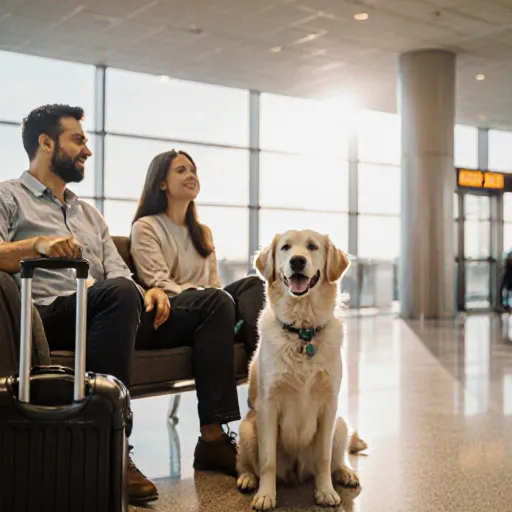
Simplify your next trip with these tips for flying with pets.
Tailored Travel: Flying With Fido Made Easy
Table of Contents
- Introduction to Flying with Dogs
- Reasons Airlines Allow Dogs
- Types of Airline Policies
- Pet Carrier Requirements
- Size and Weight Limits
- Additional Fees for Pets
- Health Certificates and Vaccinations
- Traveling with Service Animals
- Special Considerations for Pregnant Dogs
- Prohibited Breeds and Species
- Pre-Trip Preparation Tips
- In-Flight Comfort and Safety
- Post-Trip Care
- Conclusion
- FAQ
Introduction to Flying with Dogs
Flying with dogs has become increasingly popular as more pet owners seek to travel with their furry companions. However, it's important to understand the airline policies and requirements to ensure a smooth journey for both you and your dog. In this guide, we will delve into the specifics of flying with dogs, providing insights from "Flying with Dogs: Airline Policies Explained."
The first step in planning to fly with your dog is familiarizing yourself with the airline's pet travel policies. Airlines have varying rules regarding size, weight, and breed restrictions for pets traveling as carry-ons or checked baggage. It's crucial to check directly with your chosen airline well in advance of your trip.
Carry-on vs Checked-In
Certain airlines allow dogs to travel in the cabin as part of the passenger’s seating area, while others require them to be checked into the cargo hold. The comfort and safety of both you and your dog should guide this decision. If possible, flying with a small dog that fits under the seat is often more convenient.
Health Requirements
To ensure the health and well-being of pets during transit, most airlines require dogs to be accompanied by valid health certificates from a licensed veterinarian. These documents typically include proof of vaccination against diseases such as rabies, as well as any necessary medical treatments or medications.
Preparing Your Dog
The preparation for your dog is just as important as for yourself. Make sure to provide them with familiar items like their favorite blanket or toy to help reduce stress during the flight. Additionally, avoid feeding them a heavy meal right before departure and ensure they are well-hydrated.
- Book Early: Reserve your pet's space as soon as you have your travel plans in place. This ensures availability and better seating options.
- Check Size Limits: Measure your dog against the airline’s specified size limits to avoid any surprises at check-in.
- Purchase a Pet Carrier: A secure, comfortable carrier is essential for keeping your pet safe during transit. Make sure it's large enough for your dog to stand up and turn around easily.
- Stay Informed: Keep yourself updated on any changes in policies or requirements as they can change without notice.
Flying with dogs is entirely possible, but it requires careful planning and adherence to airline policies. By understanding the specific guidelines of your chosen carrier and following our practical advice, you can ensure a safe and comfortable journey for both you and your beloved pet.
Reasons Airlines Allow Dogs
Flying with dogs has become increasingly popular, and many airlines now allow passengers to bring their furry companions on board. This trend is driven by several reasons that make it beneficial for both the airlines and pet owners. Here are some of the key reasons why airlines allow dogs:
1. Customer Demand and Satisfaction
Airlines have noticed a growing demand from pet owners to travel with their pets, leading them to adapt policies accordingly. By allowing dogs on board, airlines can enhance customer satisfaction and loyalty. For instance, Delta Air Lines offers its customers the option of traveling with small companion animals in the cabin for an extra fee. This service allows pet owners to spend time with their pets while they fly, which is especially important during long flights.
2. Economic Benefits
The pet travel market is growing steadily, and airlines can capitalize on this trend by offering pet-friendly services. For example, American Airlines provides a range of pet transportation options, including small animal transport in the cabin for an additional fee. This not only increases revenue but also improves the airline's reputation as a customer-centric company.
3. Safety and Regulations
Airlines must adhere to strict safety regulations when transporting pets. Many airlines have developed specific policies and procedures to ensure that pets are safely accommodated on board without compromising passenger safety or comfort. For example, Southwest Airlines has a pet policy that includes guidelines for pet carriers, temperature limits in the cabin, and restrictions based on weight.
4. Pet Comfort
To ensure the well-being of pets during air travel, airlines often provide amenities such as micro-climate-controlled areas, ventilation systems, and even small treats to make their journey more comfortable. American Eagle offers a "Pet Perks" program, which includes pet-specific amenities like blanket kits and paw socks. These initiatives not only enhance the comfort of the pets but also reduce stress during the flight.
5. Simplified Processes
Airlines have streamlined their processes to make pet travel as easy and convenient as possible for pet owners. This includes offering online booking options, providing detailed information about pet policies, and ensuring that the necessary documentation is easily accessible. JetBlue Airways provides a comprehensive guide on its website, outlining all requirements for flying with pets.
6. Community Engagement
Airlines are increasingly engaging with communities to promote responsible pet ownership and air travel. By allowing dogs, airlines can foster a sense of community among pet owners and passengers alike. For example, United Airlines has partnered with local shelters to provide assistance animals for passengers who need them.
In conclusion, the decision by airlines to allow dogs on flights is a multifaceted one that considers customer demand, economic benefits, safety regulations, pet comfort, simplified processes, and community engagement. By accommodating pets during air travel, airlines not only meet the needs of their customers but also contribute positively to the overall flying experience.
Types of Airline Policies
Flying with dogs can be a rewarding experience, but it's important to understand the various airline policies that apply. Airlines have different rules and requirements for pet travel, which can significantly impact your journey. Here are some key types of airline policies you should be aware of:
1. Size and Weight Restrictions
All airlines have specific size and weight limits for carry-on pets. Typically, the pet must fit inside a carrier that meets these dimensions without hindering other passengers' views of the overhead bin or aisle access.
- Example: American Airlines allows dogs up to 18 pounds in their main cabin and up to 32 pounds for service animals traveling with passengers in the cargo hold.
- Practical Advice: Always measure your dog's carrier against the airline’s specifications before booking your flight. Exceeding weight or size limits can lead to additional fees or restrictions on pet travel.
2. Health and Vaccination Requirements
To ensure the safety of all passengers, airlines require pets to be healthy and up-to-date with certain vaccinations before flying. It's crucial to check what specific requirements your chosen airline mandates.
- Example: Delta Air Lines requires that dogs are current on rabies vaccination at least one year prior to travel, and they must also have a health certificate signed by a licensed veterinarian within 10 days of the flight date.
- Practical Advice: Book your pet's vet visit well in advance. Ensure you receive all necessary documentation, including the health certificate, as it will be required for check-in.
3. Service Animal Policies
Airlines treat service animals differently from regular pets, often providing them with separate and more flexible treatment. While they may not have to comply with some of the same rules as pet passengers, service animals still need proper documentation.
- Example: United Airlines allows service dogs in the main cabin without a fee but requires that you provide proof of their status through a recognized organization or doctor’s letter.
- Practical Advice: If your dog is a service animal, ensure you have all necessary documentation and inform the airline at the time of booking to avoid any complications during check-in.
4. Fees and Additional Costs
Flying with pets can come with extra expenses beyond the cost of your ticket. These may include pet fees, health certificate costs, and additional charges for transporting larger or heavier animals in cargo holds.
- Example: Southwest Airlines does not allow pets to be carried on board, while Alaska Airlines charges a $150 non-refundable fee per pet and an extra charge for any overweight pet.
- Practical Advice:
Pet Carrier Requirements
Flying with dogs can be an exciting and stress-free experience when you have the right pet carrier. Ensuring your dog has a safe, comfortable, and appropriate travel container is crucial to their well-being during the flight.
The size of the pet carrier must meet the specific requirements set by the airline you are flying with. Airlines such as Delta, United, and American have different policies regarding the dimensions and weight limits for pets traveling in the cabin or cargo hold.
- Cabin Travel: For small dogs, some airlines allow carriers that fit under the seat. These typically need to be no larger than 15x18x10 inches (38x46x25 cm). Always check with your airline for exact measurements and weight limits.
- Cargo Travel: Dogs traveling in the cargo hold may have different size restrictions. Ensure that the carrier you choose is large enough to allow your dog to stand up, turn around, and lie down comfortably. Common size requirements range from 20x25x30 inches (51x64x76 cm) or larger.
The carrier should be made of durable material that is easy to clean and sturdy enough for travel. Opt for carriers with reinforced corners, secure latches, and a design that allows for proper ventilation.
- Durable Material: Look for carriers made from lightweight but strong materials like hard plastic or aluminum for cabin travel. For cargo travel, mesh carriers are preferred as they allow better airflow to keep your dog cool and comfortable.
- Ease of Cleaning: The carrier should be easy to clean after each use to prevent the buildup of odors and bacteria. Some carriers come with removable pads or have a design that allows for thorough cleaning between flights.
The pet carrier must have secure latches or locks to ensure your dog remains safely inside during transit. Make sure the latch is easy for you to use but difficult for your dog to open.
- Secure Latches: Ensure the latch has a solid catch and is not easily opened by your dog while in transit. Test it before your flight to ensure it works properly.
- Locking Mechanism: Some carriers come with locking mechanisms, which are especially useful if you're checking the carrier as luggage or allowing someone else to take care of your pet during the journey.
Your dog’s comfort is paramount. Proper ventilation ensures that they do not overheat during travel, while temperature control helps maintain a comfortable environment inside the carrier.
- Ventilation: For cargo travel, mesh carriers are highly recommended as they allow for better airflow. Ensure there are no obstructions to the ventilation holes and that they are not blocked by your dog during transit.
- Temperature Control: Consider placing a small fan in the carrier or purchasing a pet cooling mat if you know it will be a particularly hot day. Always monitor the temperature inside the carrier, especially during longer flights or warmer climates.
To make your dog more comfortable and less stressed during travel, consider some practical tips:
- Familiar Scent: Place a small item with your scent in the carrier to help your dog feel secure.
- Familiar Blanket: Include a familiar blanket or toy in the carrier to provide comfort and familiarity.
- Water and Food: If your flight is relatively short, you might consider bringing water and small snacks for your dog. However, ensure the carrier allows for easy access.
By following these pet carrier requirements and tips, you can ensure a safe and comfortable journey for both you and your furry companion when flying with dogs.
Size and Weight Limits
Flying with dogs can be an exciting experience, but it's essential to understand the specific size and weight limits set by airlines. These policies are designed to ensure that both pets and passengers remain safe during travel. Let’s delve deeper into what these limitations entail.
Dog Size Limits
The size of a dog can significantly affect its ability to fit in the overhead compartment or under the seat area. Most airlines specify dimensions for carry-on pets, typically requiring that they fit within certain height, length, and width measurements. For example:
- American Airlines: Pets must be able to fit inside a container no larger than 15 inches in length x 12 inches in girth (measured around the largest part of the pet).
- Delta Air Lines: Similar to American Airlines, Delta requires pets to fit within dimensions of 16 inches in height x 13 inches in width x 15 inches in length.
- Lufthansa: Pets must also comply with similar size requirements as other major airlines but allow for a slight variation in girth up to 20 inches.
It’s crucial to measure your dog against these guidelines before booking your flight. Exceeding the specified dimensions may result in the airline refusing to accept the pet, leading to additional fees or even cancellation of the trip.
Dog Weight Limits
In addition to size restrictions, airlines impose weight limits on pets as well. These policies vary by carrier but generally range from 15 to 22 pounds for small dogs traveling in an overhead compartment. Here’s a breakdown:
- United Airlines: Allows up to 30 pounds, but this can change depending on the breed.
- British Airways: Generally permits pets weighing up to 15 kg (approximately 33 pounds).
- JetBlue: Imposes a maximum weight limit of around 22 pounds for small dogs traveling in the cabin.
If your dog exceeds these limits, it will likely be required to travel as checked baggage. While this doesn’t necessarily mean higher costs, it does require more planning and often entails additional steps such as purchasing a pet ticket or providing extra documentation.
Practical Advice for Complying with Size and Weight Limits
- Measure Your Pet Regularly: Dogs can grow, especially puppies, so it’s important to measure them periodically. This ensures you know if they’re approaching the limit of any airline policy.
- Choose the Right Carrier: Some airlines are known for being more lenient with pet policies than others. Research thoroughly before selecting a carrier based on your dog’s size and weight.
- Purchase the Appropriate Ticket Type: If your pet exceeds the weight or size limits, purchasing a pet ticket can be necessary. This guarantees proper handling and care during transit.
By following these guidelines and understanding the specific policies of each airline, you can ensure that traveling with your dog is both safe and hassle-free.
Additional Fees for Pets
Flying with dogs can come with a variety of additional fees, and understanding these charges is crucial for pet owners planning an international or domestic trip. Pet fees are often subject to change, so it's important to check the latest policies directly from the airline.
1. Pet Handling Fees
The cost of handling pets during your flight can vary widely depending on the airline and the destination. Generally, these fees cover the expenses incurred by the airline for proper handling and transportation of the pet in the cabin or cargo hold.
Example:
For instance, Delta Airlines charges a standard pet fee that varies based on weight and route length but typically falls between $125 to $375 per flight leg. This includes the cost of the pet’s travel container, handling at the airport, and other services provided by the airline.
2. Service Dog Fees
If you are traveling with a service dog, there may be additional charges or requirements that differ from those for pets. Airlines have specific policies regarding service animals which include having documentation such as a letter from your doctor stating the need for assistance.
Example:
Airbnb and JetBlue allow service dogs to travel in the cabin without additional fees, while other airlines like American Airlines may require an extra charge of around $125 per flight. Always check with your airline for their specific regulations regarding service animals.
3. Excess Weight Fees
If your dog's travel container exceeds the standard weight limit, you will be charged an excess weight fee. This fee is often based on the difference between the actual weight and the allowed maximum weight for pet containers.
Example:
Air Canada allows a 15 kg (33 lb) limit per pet but charges an additional $20 for every kilogram over this allowance. It’s important to pack your dog's container in advance to avoid exceeding the weight limits.
4. Special Pet Requests
If you have specific requests, such as seating arrangements or special feeding instructions, there may be additional charges for these accommodations. Airlines often provide options to request special handling during your flight.
Example:
Virgin Atlantic allows pet owners to request a seat in the first two rows of economy class for an extra $250. This is designed to minimize stress on pets by having them near their handlers at the front of the plane.
In summary, understanding and preparing for these additional fees can help make your travel experience smoother with your pet. Always research thoroughly and communicate any special requests early in the booking process to ensure a positive experience for both you and your furry friend.
Health Certificates and Vaccinations
When flying with dogs, it is crucial to ensure that all health certificates and vaccinations are up-to-date and compliant with airline policies. These requirements help guarantee the safety of both pets and passengers during travel.
Why Are Health Certificates and Vaccinations Important?
Health certificates and vaccinations serve multiple purposes, including:
- Preventing the spread of diseases: Ensuring your dog is vaccinated against common illnesses minimizes the risk of spreading diseases to other animals on board.
- Meeting airline requirements: Airlines have specific health and vaccination policies that must be followed. Failing to comply can result in delays or even refusal to allow your dog onto the flight.
- Protecting your pet's health: Regular check-ups and vaccinations help maintain your pet's overall well-being, especially during stressful travel conditions.
Common Vaccinations Recommended for Dogs Traveling by Air
The following vaccinations are commonly recommended or required for dogs traveling by air:
- Distemper, Hepatitis, Parainfluenza, and Parvovirus (DHPP): This combination vaccine protects against four highly contagious canine diseases. It is generally recommended as a booster before travel.
- Rabies: Rabies vaccination is required by law in many countries to ensure the health of both pets and the public. The airline may also require proof of rabies vaccination for entry into other countries.
Health Certificates: What You Need to Know
A health certificate, often referred to as a "pet passport" in some regions, is an official document that certifies your dog's health status and compliance with vaccination requirements. Here’s what you need to include:
- Date of issue: The certificate should be issued within 10 days prior to the flight.
- Vaccination history: Your dog's complete vaccination record, including dates and types of vaccines administered.
- Health status: A statement confirming that your dog is healthy and fit for travel. This may include a recent examination by a veterinarian.
Practical Advice for Ensuring Compliance
To ensure your dog has all the necessary health certificates and vaccinations, follow these steps:
- Consult your veterinarian: Before traveling with your dog, schedule an appointment to discuss vaccination schedules and any additional requirements specific to your destination.
- Request a certificate early: Give yourself plenty of time before the flight to obtain the necessary health certificates. Airlines may have strict deadlines for submission.
- Keep records safe: Always keep copies of all health documents, including vaccination records and the issued health certificate, in a secure place. This will be useful if you need to provide them at check-in or during transit.
Common Airlines' Policies
Different airlines have varying policies regarding pet travel, so it's essential to research each airline’s specific requirements:
- American Airlines: Requires a health certificate issued within 10 days of travel for pets under 5 kg. For larger dogs, the requirement is 3 days.
- Lufthansa: Accepts health certificates valid for up to 14 days before departure but may require additional documentation or tests for certain destinations.
- Airbnb: Generally requires a health certificate within the last 72 hours, along with proof of rabies vaccination.
By following these guidelines and ensuring your dog is properly vaccinated and documented, you can help ensure a safe and smooth flying experience for both you and your pet.
Traveling with Service Animals
Traveling with service animals can be a bit different from traveling with dogs as pets, but many of the principles and tips are similar. Just like flying with dogs, it's essential to understand airline policies regarding service animals before you book your trip.
Most major airlines have specific guidelines for traveling with service animals. These policies typically require advance notice and documentation from the traveler, just as they do for flying with dogs. Here’s what you need to know:
- Advance Notification: Airlines usually ask that you inform them about your travel plans at least 48 hours in advance, just like when you fly with a dog.
- Documentation: You will need to provide the airline with proof of the animal’s status as a service animal. This often includes a letter from a medical professional or a certification from a recognized organization that identifies your pet as a service animal.
To ensure a smooth journey, it's important to properly prepare both yourself and your service animal. Here are some practical steps:
- Vaccinations: Make sure your service animal is up-to-date on all vaccinations required by the airline or any transit countries you plan to visit.
- Behavior Training: Ensure that your service animal behaves well in public and understands basic commands. This not only makes travel easier but also ensures a positive experience for everyone involved.
- Pee-Paper Supplies: Similar to traveling with dogs, having supplies on hand for any accidents is crucial. Bring enough paper bags or other appropriate materials to clean up after your service animal during transit and at the airport.
Airport environments can be overwhelming for pets, including service animals. Here are some tips to make traveling through airports easier:
- Comfortable Carriers: While not mandatory like flying with dogs, using a comfortable carrier can help your service animal stay calm and secure during the journey.
- Limited Time in Carry-On Bags: If you opt to carry your service animal on board, keep them in their carrier for most of the flight. This reduces stress and ensures they are safe and comfortable throughout the trip.
Service animals may be treated differently depending on the country you're visiting. Be mindful of local customs and regulations regarding pets, especially if your destination is another part of the world. Always check with the airline about any additional documentation or requirements.
In conclusion, traveling with a service animal requires careful planning and understanding of airline policies. By following these guidelines, you can ensure that both you and your service animal have a safe, comfortable, and stress-free travel experience. Whether you're flying or just taking a road trip with your furry friend, preparation is key.
Special Considerations for Pregnant Dogs
When traveling with a pregnant dog, especially if you are flying with them, there are several special considerations to keep in mind. These considerations are crucial for ensuring the safety and comfort of both your pet and yourself during transit.
A well-packed travel kit is essential when flying with a pregnant dog. Make sure you include:
- Comfortable, secure carrier: Choose a carrier that provides ample space for your dog to move around but remains securely closed during the flight.
- Breathable bedding: Line the carrier with soft, absorbent bedding such as puppy pads or towels. This helps manage any potential accidents and keeps the environment clean.
- Food and water: Bring enough food for your dog’s trip and ensure they have access to fresh water throughout their travel period.
- Pooping bags and waste supplies: These are necessary for cleaning up after your dog during transit, especially in case of any accidents or potty stops.
Understanding the specific policies regarding pregnant dogs is vital. Refer to the "Flying with Dogs: Airline Policies Explained" section for detailed information on what each airline requires, including:
- Pregnancy stage restrictions.
- Weight limits.
- Advance booking requirements.
- Necessary documentation such as health certificates or vaccination records.
To minimize stress on your pregnant dog during travel, it's important to prepare them adequately:
- Familiarize them with their carrier: Spend time allowing your dog to explore and feel comfortable in their carrier. This reduces anxiety and makes the transition easier.
- Practice short trips: Before the big day, take your pregnant dog on short car rides or walks so they get used to traveling.
- Monitor health: Keep a close eye on your pregnant dog's behavior and health leading up to the flight. If you notice any signs of distress or discomfort, contact your veterinarian immediately.
Lastly, stay informed about all potential risks and benefits associated with flying a pregnant dog. This includes understanding that there are risks involved in air travel for any pet, but with proper planning and care, you can help ensure a safer journey.
Consult your veterinarian regularly to get professional advice tailored to the specific needs of your pregnant dog. Always be prepared, and keep an emergency contact list handy should anything arise during transit.
Prohibited Breeds and Species
In the realm of pet travel, especially when flying with dogs, one critical aspect that travelers often encounter is the airline's stance on prohibited breeds and species. While policies can vary widely among different airlines, this guide aims to provide a comprehensive overview based on typical policies outlined in "Flying with Dogs: Airline Policies Explained."
Why Prohibited Breeds?
The decision by some airlines to prohibit certain breeds of dogs is primarily driven by safety and security concerns. Airlines may have specific fears about the physical characteristics or behavior patterns that could pose a risk during transit.
Examples of Commonly Prohibited Breeds
- Mastiffs
- Great Danes
- Boxers
- Pit Bulls
- Doberman Pinschers
Note that these lists can vary. Always check directly with the airline you plan to fly with for their specific policy.
Understanding Species Restrictions
Beyond breeds, there may also be restrictions on certain species of animals allowed in the cabin or cargo hold. This is less common but important to understand.
Commonly Restricted Species
- Certain types of parrots (e.g., macaws)
- Ferrets
- Rabbits
- Gerbils and hamsters (often due to size or health considerations)
Again, these restrictions can differ based on the airline. It is crucial to verify species-specific policies.
Practical Advice for Travelling With Dogs
- Check Directly with Airlines: Always contact the airline directly to confirm their current policy regarding prohibited breeds and species. Policies can change, especially during peak travel seasons or due to specific safety concerns.
- Paperwork Requirements: Ensure you have all necessary documentation, including health certificates and vaccinations, especially if your dog is part of a prohibited breed or species.
- Considerations for Longer Flights: If flying long distances, consider the temperament of the breed. Some airlines may limit travel time based on size or weight to ensure comfort during transit.
By understanding and adhering to these policies, you can help ensure a safe and comfortable journey for both your pet and other passengers.
Pre-Trip Preparation Tips
Preparing for a trip with your dog can be both exciting and stressful. Ensuring that you have all the necessary information and items ready well in advance will help make the experience smoother and more enjoyable for both you and your pet.
1. Research Airline Policies
Before booking your flight, it's crucial to check the airline policies regarding pets. Different airlines have varying restrictions on which breeds are allowed to travel in the cabin or as checked baggage. Some may not allow certain large breeds due to safety concerns.
- Airbnb Policies: Major carriers like American Airlines and Delta allow dogs weighing up to 80 pounds (36 kg) in the cabin, provided they meet size restrictions. Always check for updates as policies can change.
- Breed Restrictions: Certain breeds may not be permitted due to their size or temperament, especially those that are known to be aggressive. Airlines like United and Southwest have specific guidelines regarding which breeds are acceptable in the cabin.
2. Book a Flight Early
The sooner you book your flight with your dog, the better. This ensures availability of seats for both you and your pet, as some airlines may allocate specific spots on the plane for dogs. Booking early also gives you more time to prepare any necessary paperwork and documents.
3. Prepare Health Documentation
Your dog's health is paramount when flying. Airlines typically require documentation such as a health certificate, which must be issued within 10 days of travel if the destination country requires it. This ensures that your pet meets all health and safety standards for international flights.
- Vaccination Records: Make sure to have updated vaccination records handy. Some countries require proof of rabies vaccinations, which can be part of the health certificate.
- Disease-Free Certificates: Depending on your destination, you may need a disease-free certificate stating that your dog is free from certain infectious diseases.
4. Pack Pet-Specific Travel Gear
Packing the right gear can make your pet's journey much more comfortable. Include items such as:
- A comfortable, sturdy carrier that fits both you and your dog comfortably during transit.
- Extra food and water, especially if your flight is long or involves layovers.
- Your pet’s favorite toys to keep them entertained.
- Treats for calming purposes if your dog gets anxious in new environments.
5. Practice at Home
To reduce stress, practice getting your dog used to the carrier and any travel accessories beforehand. This could involve placing treats inside the carrier or allowing them to spend time inside it for short periods with the door open.
It’s also a good idea to acclimate your pet to the sounds of airplane engines. You can do this by playing recordings of plane noises in your home environment, gradually increasing the volume over several days.
6. Consider Pet-Specific Insurance
Pet insurance can provide peace of mind during travel, especially if there are unforeseen circumstances such as illness or injury. Many pet insurance policies offer coverage for emergency veterinary care abroad, which can be invaluable when flying to international destinations.
7. Stay Informed
Stay updated on any changes in airline policies and travel advisories for your destination country. Airlines may introduce new restrictions or requirements at short notice due to health concerns or other factors, so being informed is key to a smooth journey.
In-Flight Comfort and Safety
Flying with dogs presents a unique set of challenges and considerations, especially when it comes to comfort and safety on board. Airlines have different policies that pet owners must be aware of before booking their flights. This section aims to provide an in-depth look at the essential aspects of ensuring your dog's comfort and safety during air travel.
Airlines typically allow small dogs on board, but there are strict guidelines that must be followed. It is crucial for pet owners to check with their chosen airline well in advance to understand the specific policies regarding dog size, weight, and breed restrictions.
Size and Weight Limits
Dogs must fit within certain dimensions and not exceed a maximum weight limit set by the airline. For example, most airlines allow small dogs that can sit in carry-on luggage compartments. Typically, these requirements are for dogs that do not weigh more than 7 kg (15 lbs) and have a combined height of less than 38 cm when measured from their head to the base of their tail.
Breed Restrictions
Some airlines prohibit certain breeds due to safety concerns. For instance, airlines like British Airways do not allow large breeds such as German Shepherds or Rottweilers in the cabin. It is important to verify these restrictions directly with your airline provider.
To ensure that your dog remains calm and comfortable during the flight, there are several measures you can take:
- Travel Crate: Ensure that your dog is used to its travel crate by spending time with it before the trip. The crate should be large enough for your dog to stand up and turn around but not so big that they can easily escape.
- Comfort Items: Bring along some of your dog's favorite toys or a blanket to make them feel at home during the flight.
- Sufficient Water: Provide enough water for your dog, but avoid overfilling the container as spills can be problematic in small spaces.
Ensuring that your dog is safe during transit involves several precautions:
- Health Certificates: Many airlines require health certificates, especially for longer flights. Ensure your dog has all the necessary vaccinations and that the certificate is up to date.
- Secure Transport: If you are using ground transport to get to the airport, make sure it is a safe environment for your pet. Avoid transporting them in open-top vehicles where they could be exposed to extreme weather conditions or unsafe elements.
- Pace of Travel: Be mindful of how much time your dog spends in transit before boarding the plane. Dogs can get anxious and tired if they are not handled properly during this period.
Here are some practical tips to help you plan a stress-free journey with your dog:
- Pre-flight Familiarization: Spend time with your dog in the area where they will be traveling. This could include familiarizing them with their travel crate or the boarding area at the airport.
- Comfort Items: Include items that can provide comfort during the journey, such as a favorite toy or blanket.
- Short Breaks: If your dog is in transit for a long time before flying, consider taking short breaks to let them stretch their legs and relieve themselves.
In conclusion, ensuring the comfort and safety of your dog during air travel requires careful planning and adherence to airline policies. By following these guidelines and tips, you can help make your pet's journey as smooth and stress-free as possible.
Post-Trip Care
After your exciting journey with your furry companion, ensuring they receive proper post-trip care is crucial to their comfort and health. Here’s what you need to know to keep them happy and healthy after the flight.
Post-Trip Check-Up
Your dog might be feeling a bit stressed or tired after the journey, so it's important to monitor their behavior closely for any signs of discomfort. A post-trip check-up with your veterinarian can provide peace of mind and help catch any issues early.
Hydration and Nutrition
Make sure your dog is well hydrated after the flight. Offer them small amounts of water frequently rather than a large amount at once, as this helps to prevent overhydration, which can sometimes occur during travel. Provide a balanced diet rich in nutrients that will aid their recovery.
Lots of Rest and Comfort
Give your dog plenty of rest and comfort after the flight. Allow them to settle into a familiar environment where they feel safe and secure. This might mean spending extra time at home or perhaps taking them to a quiet, calm place.
Bonding Time
Spend quality bonding time with your dog. Use this opportunity to reassure them that everything is okay after the trip. Engage in activities they enjoy such as playing fetch, going for walks, or simply petting and talking to them.
Signs of Stress
If you notice any signs of stress or discomfort in your dog following the flight, consult with a vet immediately. Signs can include lethargy, loss of appetite, excessive panting, or changes in behavior. Prompt attention to these issues is crucial for their well-being.
Practical Tips
- Crowd Control: Dogs may feel stressed around large crowds, so try to keep them away from busy areas when you can.
- Avoid Overcrowded Spaces: If possible, avoid taking your dog to places that are too crowded or noisy after the trip.
- Movement and Exercise: Encourage movement but avoid over-exertion. A gentle walk or short play session can help them recover without being too strenuous.
In conclusion, caring for your dog post-trip is an essential part of flying with dogs. By following these tips and keeping a close eye on their behavior, you can ensure that they have a smooth recovery after the flight.
Conclusion
When traveling with your furry companion, understanding airline policies is crucial for ensuring a smooth and stress-free journey. Airlines have varying regulations regarding pets, from size restrictions to specific breeds that are not allowed onboard. It's essential to familiarize yourself with these policies well in advance of your trip.
Flying with Dogs: Airline Policies Explained offers a comprehensive guide to navigating these complexities. This resource provides detailed information on which airlines allow dogs, the types of service animals permitted, and any additional requirements such as health certificates or microchipping. It also covers what happens in case of a pet emergency during flight.
For instance, some airlines like Delta require passengers to book pet accommodations at least 24 hours before departure, while others, such as British Airways, have more stringent restrictions on the weight and size of pets traveling as carry-on baggage. It's important to check these specific details for each airline you are considering.
Airlines like American Airlines allow passengers to bring dogs in the cabin under certain conditions, such as having a valid health certificate. On the other hand, some airlines do not permit any form of pets on board at all, including service animals and emotional support animals.
Practical advice for pet owners includes ensuring that your dog is well-behaved and comfortable with travel crates or carriers. Proper documentation such as a health certificate or vaccination records can also help avoid any potential delays or issues upon check-in.
In conclusion, flying with dogs requires careful planning and adherence to airline policies. Resources like "Flying with Dogs: Airline Policies Explained" provide invaluable insights into these regulations and best practices for pet travel. By following the guidelines provided by reputable sources, you can ensure that both you and your beloved companion have a safe and enjoyable flight experience.
FAQ
Traveling with your furry friend can be a rewarding experience, but it's important to understand the specific policies and requirements of each airline. This section will help you navigate the process of flying with dogs by explaining common policies and offering practical advice.
Airline-Specific Policies
Each major airline has its own set of regulations regarding pets on board. It's crucial to review the specific policies of your chosen carrier well in advance of your trip. Below are some general guidelines, but always check the official airline website for the most current information.
- Certain Airline Policies: Some airlines allow only service dogs or emotional support animals on board without additional fees, while others require all pets to be in a pet carrier and may charge an extra fee. It's essential to know these rules as they can vary significantly.
- Size Restrictions: Many airlines have strict size limits for pet carriers. For example, American Airlines allows carry-on animals to fit under the seat in front of you if they are not larger than 23 inches (58 cm) from nose to base of tail and do not weigh more than 10 kg.
- Pet Carrier Requirements: Some airlines specify the type of carrier that must be used for pets. For instance, Delta Air Lines recommends a carrier with a top-opening door for easy access.
- Vaccination and Health Certificates: Airlines often require proof of current vaccinations against diseases such as rabies. Additionally, many airlines request health certificates from a veterinarian to ensure the pet's well-being during transit.
Practical Advice for Flying with Dogs
To ensure a smooth journey for both you and your dog, here are some practical tips:
- Pet Health: Make sure your pet is in good health before the flight. Avoid scheduling trips during times when your dog might be sick or under stress.
- Potty Training: For long flights, it's a good idea to ensure that your dog has gone potty right before boarding. This reduces the risk of accidents in enclosed spaces.
- Liquid Intake: Limit your dog's water intake just before and during the flight to minimize bathroom breaks on the plane. A small amount of water can be provided for hydration during transit.
- Packing Essentials: Pack a blanket, toys, and treats for your dog to make the journey more comfortable. Consider bringing familiar items that provide comfort during travel.
Common Mistakes to Avoid
To prevent any issues, avoid these common mistakes when flying with dogs:
- Omitting Necessary Documentation: Forgetting to provide the required health certificates or vaccination records can lead to delays or even denial of service.
- Misunderstanding Weight Limits: Exceeding weight limits for carry-on pets can result in additional costs or being asked to check your pet as baggage.
- Poor Preparation: Not preparing the pet carrier adequately, such as not securing it properly, can cause stress during transit.
Flying with dogs is possible if you plan ahead and follow the airline's policies. By understanding these guidelines and taking necessary precautions, your journey will be more enjoyable for both you and your beloved companion.
Categories
- AI & Enrichment Play
- Broiler Farming
- Broiler Farming Tips
- Canine Wellness & Longevity
- Cat
- Cat & Human Connection
- Cat Adoption & Rescue
- Cat Breeds
- Cat Breeds & Personalities
- Cat Care & Health
- Cat Grooming & Hygiene
- Cat Lifestyle & Environment
- Cat Myths & History
- Cat Nutrition & Diet
- Cat Products & Reviews
- Cat Training & Behavior
- Comparison
- Consumer Awareness
- Dog
- Dog Accessories & Products
- Dog Adoption & Rescue
- Dog Breed & Lifestyle Trends
- Dog Breeding & Puppies
- Dog Entertainment & Media
- Dog Fashion & Trends
- Dog Fun & Lifestyle
- Dog Grooming & Hygiene
- Dog History & Culture
- Dog Myths, Science & Future Tech
- Dog News & Trends
- Dog Nutrition & Food
- Dog Psychology & Emotions
- Dog Safety & Security
- Dog Sports & Activities
- Dog Technology & Innovation
- Dog Training for Modern Owners
- Dog Travel & Adventure
- Dog Travel, Adventure & Culture
- Economic and Market Insights
- Educational Content
- FAQs
- Feeding Alternatives
- Festivals & Seasonal Ideas
- Fun & Entertainment
- General Knowledge
- General Pig Farming
- Health & Disease Management
- Housing and Environment
- Kittens
- Market Insights
- Miscellaneous
- Miscellaneous
- Motivational
- pig
- Pig Breeding
- Pig Breeds
- Pig Farming Stories and Inspiration
- Pig Health and Care
- Pig Nutrition
- Pig Products
- Profitability & Business
- Puppy Care
- Puppy Predictable Topics Reinvented
- Regional Focus
- Rescue & Adoption Buzz
- Senior Cats
- Senior Dog Care
- Smart Dog Tech & Gadgets
- Sustainability
- Sustainable & Eco-Friendly Dog Products
- Tech & Innovations
- Working & Service Dogs
- Broiler Feed66 products
- Country Feed33 products
- Pig Feed66 products
- Product22 products
- Raw Materials99 products
Products
-
 Fish Meal
₹1,999.00 – ₹2,999.00Price range: ₹1,999.00 through ₹2,999.00Rated 0 out of 5
Fish Meal
₹1,999.00 – ₹2,999.00Price range: ₹1,999.00 through ₹2,999.00Rated 0 out of 5 -
 FATTENING BROILER FEED
₹2,299.00 – ₹2,349.00Price range: ₹2,299.00 through ₹2,349.00Rated 0 out of 5
FATTENING BROILER FEED
₹2,299.00 – ₹2,349.00Price range: ₹2,299.00 through ₹2,349.00Rated 0 out of 5 -
 LAYER COUNTRY FEED
₹1,549.00 – ₹1,649.00Price range: ₹1,549.00 through ₹1,649.00Rated 0 out of 5
LAYER COUNTRY FEED
₹1,549.00 – ₹1,649.00Price range: ₹1,549.00 through ₹1,649.00Rated 0 out of 5 -
 COUNTER BROILER FEED
₹1,199.00 – ₹1,299.00Price range: ₹1,199.00 through ₹1,299.00Rated 0 out of 5
COUNTER BROILER FEED
₹1,199.00 – ₹1,299.00Price range: ₹1,199.00 through ₹1,299.00Rated 0 out of 5 -
 LACTATING PIG FEED
Rated 0 out of 5
LACTATING PIG FEED
Rated 0 out of 5₹2,299.00Original price was: ₹2,299.00.₹1,740.00Current price is: ₹1,740.00. -
 Maize
Rated 0 out of 5
Maize
Rated 0 out of 5₹1,650.00Original price was: ₹1,650.00.₹1,300.00Current price is: ₹1,300.00. -
 GESTATION PIG FEED (Phase 1)
Rated 0 out of 5
GESTATION PIG FEED (Phase 1)
Rated 0 out of 5₹2,249.00Original price was: ₹2,249.00.₹1,699.00Current price is: ₹1,699.00. -
 Pre Starter Broiler Feed
₹2,399.00 – ₹2,499.00Price range: ₹2,399.00 through ₹2,499.00Rated 0 out of 5
Pre Starter Broiler Feed
₹2,399.00 – ₹2,499.00Price range: ₹2,399.00 through ₹2,499.00Rated 0 out of 5 -
 FINISHER PIG FEED
Rated 0 out of 5
FINISHER PIG FEED
Rated 0 out of 5₹2,299.00Original price was: ₹2,299.00.₹1,749.00Current price is: ₹1,749.00. -
 Broiler Premix
Rated 0 out of 5
Broiler Premix
Rated 0 out of 5₹820.00Original price was: ₹820.00.₹699.00Current price is: ₹699.00.