
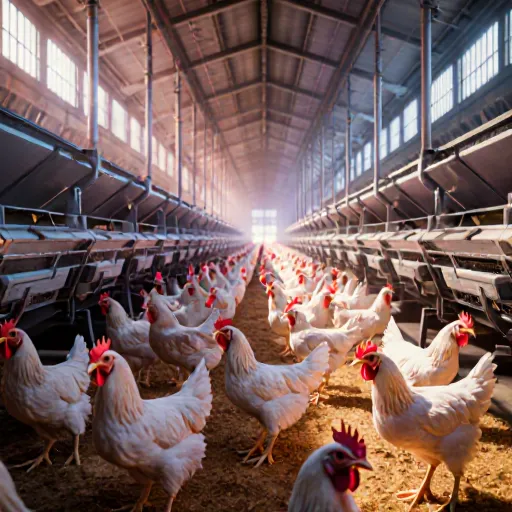
Unlocking Secrets Behind Broiler Chicken’s Rapid Growth
Table of Contents
- Introduction to Broiler Chicken Farming
- Historical Overview of Broiler Chicken Breeds
- Role of Genetics in Determining Growth Rates
- Environmental Factors Affecting Growth Rates
- Nutritional Requirements for Optimal Growth
- Importance of Hygiene and Sanitation
- Role of Hormones in Enhancing Growth
- Impact of Housing Conditions on Growth Rates
- Effectiveness of Vaccination Programs
- Water Quality and Its Influence on Chicken Health
- Breeding Practices for Improved Growth Rates
- Case Studies in Broiler Chicken Growth Optimization
- Technological Advancements in Broiler Farming
- Conclusion
- FAQs
Introduction to Broiler Chicken Farming
The broiler chicken farming industry has seen significant advancements over the years, largely due to a deeper understanding of the science behind broiler chicken growth rates. This knowledge enables farmers and poultry experts to optimize feed efficiency, improve health, and enhance productivity in broiler farms.
The growth rate of broiler chickens is influenced by several key factors including genetics, nutrition, environmental conditions, and management practices. By harnessing the latest scientific research, farmers can better manage these variables to achieve optimal growth rates.
Genetics
Modern broilers are bred for rapid growth, which is a result of selective breeding over decades. This has led to breeds like Cobb 500 and Arbor Acres, known for their fast growth rates. However, it's crucial to understand that while genetics set the potential growth rate, proper management practices are essential for achieving this potential.
Nutrition
Feeding broilers a balanced diet is critical for rapid and healthy growth. The diet typically consists of starter, grower, and finisher feeds tailored to different stages of the bird's life. These feeds provide essential nutrients like proteins, vitamins, minerals, and energy sources that support fast growth.
- Proteins: Essential for muscle development.
- Vitamins and Minerals: Required for overall health and immune function.
- Energy Sources: Provide the necessary calories to fuel growth.
Environmental Conditions
The environment in which broilers are kept plays a significant role in their growth rates. Proper ventilation, temperature control, and hygiene are vital for maintaining optimal conditions. High humidity can slow down feather development and increase mortality rates, while excessive heat or cold can stress the birds.
Management Practices
Effective management practices include regular health checks, vaccination schedules, and biosecurity measures to prevent disease outbreaks. Additionally, providing adequate space per bird is crucial for reducing stress and improving growth efficiency.
- Health Checks: Regular veterinary visits can catch diseases early.
- Vaccination Schedules: Preventive measures against common poultry diseases.
- Biosecurity Measures: Protect the flock from external pathogens.
To maximize broiler chicken growth rates, farmers should follow these practical tips:
- Select Quality Genetics: Choose breeders with a proven track record of fast-growing broilers.
- Optimize Feeding Programs: Tailor feed formulations to the specific needs of your flock at each stage of development.
- Maintain Optimal Environmental Conditions: Ensure appropriate temperature, humidity, and ventilation levels.
- Implement Robust Management Practices: Regular health checks, vaccination schedules, and biosecurity measures are non-negotiable.
In conclusion, the science behind broiler chicken growth rates is a complex interplay of genetics, nutrition, environmental conditions, and management practices. By leveraging this knowledge effectively, farmers can achieve optimal growth rates and improve overall productivity in their broiler farms.
Historical Overview of Broiler Chicken Breeds
The historical overview of broiler chicken breeds is a fascinating journey through time, reflecting advancements in agricultural science and technology. The broiler chicken has become one of the most important poultry species worldwide due to its rapid growth rates and meat production efficiency. This section delves into the evolution of these breeds, providing insights into their genetic developments and how they have been optimized for commercial farming.
The history of broiler chickens begins with traditional practices where local breeds were selected based on their ability to thrive in specific environments. These early birds, such as the Cornish and White Leghorn, laid the groundwork for modern broilers. The Cornish breed, originally from Cornwall in England, was known for its robustness and meatiness, while the White Leghorn, originating from Italy, was famous for its egg-laying capabilities. Early farmers crossbred these two breeds to produce offspring that combined desirable traits, leading to some of the first broiler-like chickens.
The scientific revolution in poultry breeding started with the introduction of modern broiler breeds like Cobb, Cornish Cross, and Arbor Acres. These breeds were developed through selective breeding programs aimed at maximizing meat yield, growth rate, and feed efficiency. The science behind these developments involved understanding genetic inheritance patterns and using quantitative genetics to identify and select individuals that showed superior traits.
The genetic optimization of broiler chickens has been a continuous process driven by advancements in genomics and molecular biology. By mapping the chicken genome, researchers have identified specific genes associated with growth rate and meat quality. This knowledge allows breeders to make informed decisions during breeding processes, ensuring that each generation improves upon the last.
Breeders apply these scientific principles in practical ways by creating hybrid broiler strains that combine the best traits from different parent lines. For instance, a Cornish x White Leghorn (Cobb) crossbreed is widely used because it inherits the fast-growing characteristics of the Cornish breed and the disease resistance and good egg production of the White Leghorn.
While genetic optimization plays a crucial role in broiler chicken breeding, environmental factors also significantly impact their growth rates. Proper housing conditions, nutrition management, and health care are essential aspects that complement genetic improvements. Farmers must ensure that broilers have access to clean water, balanced diets formulated according to the latest research, and disease prevention protocols.
The historical overview of broiler chicken breeds demonstrates how scientific advancements have revolutionized the poultry industry. From early local breeds to modern hybrid strains, each step has brought us closer to achieving optimal growth rates and meat production efficiency in broilers. Understanding both the historical context and current scientific approaches provides valuable insights for sustainable poultry farming practices.
Role of Genetics in Determining Growth Rates
The role of genetics in determining growth rates is a critical factor in broiler chicken production. In "The Science Behind Broiler Chicken Growth Rates," this topic is extensively covered, highlighting the significant impact that genetic factors have on the efficiency and speed at which these birds grow.
The genetics of a broiler chicken play a crucial role in its growth rate. Poultry scientists have identified specific genes that contribute to faster muscle development, higher feed conversion ratios (FCR), and overall body weight gain. These genetic traits are selected through breeding programs aimed at maximizing production efficiency.
Genetic Selection Programs
Breeding programs focus on selecting for particular traits such as early growth rate, final body weight, and disease resistance. By crossing different breeds with desirable characteristics, breeders can produce broilers that grow faster and more efficiently. For instance, the Aviagen breeding program emphasizes rapid muscle development while maintaining a balanced carcass.
Genetic Diversity
While genetic selection is essential, it's important to maintain some level of genetic diversity within broiler populations. This helps prevent inbreeding depression and ensures long-term sustainability. Genetic diversity also plays a role in disease resistance and overall health.
One example is Cobb, one of the leading broiler breeding companies. They offer various strains tailored to different market needs, including fast-growing birds for commercial operations. These strains are developed through extensive research and selective breeding practices that prioritize growth rates.
Practical Advice for Farmers
To optimize genetic potential, farmers should work closely with their breeder companies to choose the right strain of broilers based on local market demands and environmental conditions. Additionally, proper management practices such as providing balanced nutrition and appropriate housing can enhance performance even further.
In summary, genetics is fundamental in determining broiler chicken growth rates. Through advanced breeding techniques and careful selection processes, the industry continues to push boundaries in terms of efficiency and sustainability. Understanding these genetic factors allows farmers and producers to make informed decisions that lead to better performance in their operations.
Environmental Factors Affecting Growth Rates
The growth rates of broiler chickens are significantly influenced by a variety of environmental factors. Understanding these factors is crucial for optimizing growth and ensuring efficient farming practices. In "The Science Behind Broiler Chicken Growth Rates," researchers emphasize the importance of maintaining optimal conditions in several key areas.
Temperature plays a critical role in broiler chicken growth rates. According to The Science Behind Broiler Chicken Growth Rates, chicks are particularly sensitive to temperature fluctuations during their early stages of development. Optimal temperatures should be maintained within the range of 90-95°F (32-35°C) for the first week and gradually reduced by about one degree Fahrenheit per day until reaching a comfortable ambient temperature around 75°F (24°C).
Excessive heat can lead to increased mortality rates, while cold temperatures may slow down growth. To manage this effectively, farmers often use environmental control systems such as HVAC units and fans to maintain consistent temperatures in the broiler houses.
Lighting is another essential factor that affects broiler chicken growth rates. Proper lighting ensures proper synchronization of feeding and drinking activities which are critical for optimal feed intake and consequently, growth. The Science Behind Broiler Chicken Growth Rates suggests a light-dark cycle designed to encourage continuous activity.
A combination of natural daylight and artificial lights can help achieve this goal. Typically, broilers receive 16-18 hours of light per day during the growing period, which stimulates feed consumption and promotes uniform growth among all birds in the flock.
Humidity levels are equally important for maintaining healthy broiler chickens. High humidity can lead to respiratory issues and increased stress on the birds, while low humidity may cause dehydration and reduce feed efficiency.
The recommended humidity range is between 60-70% during the growing period. This balance helps keep the air moist enough without becoming stagnant or promoting mold growth which could impact health adversely.
Sufficient space allocation per bird ensures that broilers have adequate room to move around, stretch their legs, and maintain good posture – all vital for proper skeletal development. Studies cited in The Science Behind Broiler Chicken Growth Rates indicate that overcrowding can lead to leg disorders such as lameness and kyphosis (bent back).
Aim for a minimum of 0.5 square feet per bird during the growing period to allow ample movement space, though higher standards are encouraged for better welfare practices.
While nutritional content is detailed extensively in The Science Behind Broiler Chicken Growth Rates, it's worth noting that even perfectly balanced feed cannot compensate fully if other environmental factors aren't met properly. For instance, chickens require specific levels of protein, energy, vitamins, and minerals; however, these requirements can change based on temperature, humidity, light exposure, etc.
Regular monitoring by nutritionists alongside adjustments made according to real-time observations ensures that the diet remains optimized for peak performance throughout the growing period.
In summary, understanding and addressing each of these environmental factors is fundamental in maximizing broiler chicken growth rates. By implementing best practices related to temperature control, lighting management, humidity regulation, space allocation, and maintaining nutritional balance, farmers can significantly enhance productivity and profitability within their operations.
Nutritional Requirements for Optimal Growth
The science behind broiler chicken growth rates is rooted in understanding their nutritional requirements. Proper nutrition ensures that chickens reach their genetic potential for weight gain, health, and performance. Broilers are specifically bred for rapid growth, but they require a precise balance of nutrients to achieve optimal growth rates without compromising bird welfare or meat quality.
Energy Requirements
The primary source of energy in broiler diets comes from carbohydrates (starches), which provide the necessary calories. The amount and type of carbohydrate can influence feed efficiency, growth rate, and final body weight. Corn is a staple ingredient because it provides high levels of readily available energy. However, diets must be formulated to prevent excessive energy intake, which can lead to leg disorders and increased mortality.
For optimal growth, the dietary energy content should be carefully balanced according to the bird's stage of development. In the early stages, lower energy densities are used to promote a healthy digestive system, while higher energy levels are provided in later stages when weight gain is prioritized.
Protein and Amino Acids
Proteins are essential for muscle growth and feather formation. The quality of the protein source directly affects growth rates and meat quality. Corn-soybean meal diets provide a good balance of amino acids, but supplemental amino acid sources may be added to meet specific needs. The key is to ensure that the diet contains all essential amino acids in proportions that match broilers' requirements.
Protein levels in broiler starter feeds typically range from 20% to 24%, with a gradual decrease to about 16-18% as birds grow larger and more efficient at converting feed into muscle mass. Excess protein can lead to increased mortality due to liver issues, so it's crucial to monitor protein levels carefully.
Fat
Fats are important for energy density and palatability of the diet, which is particularly critical during brooding. However, excessive fat intake can negatively impact leg health and meat quality. Fatty acids should be provided in appropriate proportions to support growth without compromising bird welfare.
Inclusion rates for fats vary but generally range from 2% to 4%. The choice of fat source (e.g., vegetable oils vs. animal fats) also plays a role in determining the overall health profile of the meat product.
Vitamins and Minerals
Micronutrients such as vitamins and minerals are crucial for normal metabolic functions, bone development, immune responses, and eggshell quality if breeding stock is involved. Deficiencies or imbalances can result in poor growth rates and increased mortality. Key micronutrients include:
- Vitamins A, D3, E: Essential for anti-oxidation, feather health, and overall health.
- Calcium: Important for bone formation and eggshell production if breeding stock is involved.
- Potassium and Sodium: Balance electrolyte levels which are essential for muscle function.
The exact amounts needed depend on the specific breed, environmental conditions, and management practices used by the farm. Regular monitoring through blood tests or tissue analysis can help identify any deficiencies early and adjust feed formulations accordingly.
Water Intake
Adequate water consumption is critical for nutrient absorption and overall health. Broilers have high hydration needs due to their rapid growth rate, so providing clean, fresh drinking water at all times is essential. Environmental factors like temperature can affect water intake; therefore, maintaining appropriate humidity levels in the broiler house helps ensure optimal performance.
Water-to-feed ratios are generally around 3:1 or higher depending on environmental conditions and feed quality. Ensuring that birds have unrestricted access to fresh water throughout their lives supports healthy growth rates and overall welfare.
Conclusion
In conclusion, understanding the nutritional requirements for broiler chickens is vital for achieving optimal growth rates while ensuring bird health and meat quality standards are met. By carefully balancing energy, protein, fat, vitamins, minerals, and water in their diets, farmers can maximize efficiency and profitability in broiler production.
Importance of Hygiene and Sanitation
The importance of hygiene and sanitation cannot be overstated, especially in the context of broiler chicken growth rates. Proper hygiene and sanitation practices are fundamental to ensuring optimal health and productivity in poultry farms. These practices help minimize disease outbreaks, enhance feed efficiency, and improve overall performance, which directly impacts the growth rates of broiler chickens.
Hygiene plays a crucial role in maintaining a clean environment for broilers. A hygienic environment reduces the risk of bacterial and viral infections that can hinder the growth and development of chicks. Proper hygiene practices include regular cleaning and disinfection of housing facilities, bedding materials, feeding equipment, and drinking water sources.
Sanitation Practices
- Regular Cleaning: Regular cleaning of broiler houses ensures that all areas are free from accumulated waste, which can harbor pathogens. This practice helps maintain a clean living space for the chickens and reduces stress levels.
- Disinfection: Disinfecting equipment and premises with appropriate chemicals is essential to eliminate harmful microorganisms. This includes the use of approved disinfectants that are effective against common poultry pathogens.
- Bedding Management: The quality and management of bedding materials significantly affect hygiene levels. Fresh, clean bedding can help absorb moisture and reduce ammonia levels in the air, contributing to better respiratory health for the broilers.
The science behind broiler chicken growth rates is closely linked to environmental conditions. Hygiene and sanitation directly influence factors such as feed conversion efficiency, disease prevalence, and stress levels, all of which are critical in determining how quickly broilers reach market weight.
Science-Backed Evidence
A study published in the Journal of Applied Poultry Research highlighted that poor hygiene leads to higher mortality rates and slower growth due to increased susceptibility to infections. In contrast, maintaining high standards of hygiene can lead to faster growth rates and better feed conversion ratios (FCR). This is because a clean environment supports the gut health of broilers, allowing them to absorb nutrients more efficiently.
Practical Advice for Farmers
- Training Staff: Ensure that all farm staff are trained in proper hygiene and sanitation practices. Regular training sessions can help reinforce these critical measures and ensure they are consistently followed.
- Implement Monitoring Systems: Establish systems to monitor the cleanliness of the broiler houses, feeding areas, and water sources. This includes regular inspections and record-keeping to identify potential issues early on.
- Use Approved Disinfectants: Choose disinfectants that are effective against common pathogens in poultry farming. Regularly reviewing and updating your list of approved products can help ensure you have the best options available.
In conclusion, hygiene and sanitation are not just important for maintaining a clean environment; they are vital components in maximizing broiler chicken growth rates. By implementing robust hygiene practices, farmers can significantly reduce the risk of disease outbreaks, improve feed efficiency, and enhance overall productivity. The science behind these practices underscores the need for continuous attention to detail in maintaining hygienic conditions on poultry farms.
Role of Hormones in Enhancing Growth
The role of hormones in enhancing growth, particularly in the context of broiler chicken growth rates, is a subject deeply rooted in both agricultural science and the broader field of endocrinology. Understanding this process can provide valuable insights into optimizing livestock management practices.
The growth rate of broilers is significantly influenced by several hormones, including insulin-like growth factor-1 (IGF-1), thyroid hormones, and corticosteroids. Each hormone plays a distinct role in the overall metabolic processes that facilitate rapid weight gain.
Insulin-Like Growth Factor-1 (IGF-1)
IGF-1 is crucial for protein synthesis and cell growth. It promotes skeletal muscle development, increases bone density, and enhances body mass through the regulation of nitrogen metabolism in muscles. In broilers, IGF-1 levels are carefully managed to ensure they reach market weight at the optimal age.
Thyroid Hormones
Thyroid hormones play a vital role in regulating metabolic rate and energy expenditure. Proper thyroid function ensures that broilers can efficiently convert feed into muscle mass without excessive fat accumulation. An imbalance in thyroid hormone levels can lead to stunted growth or rapid weight gain, both of which are undesirable for commercial poultry.
Corticosteroids
Corticosteroids, particularly cortisol and corticosterone, influence immune response, stress management, and overall health. These hormones help broilers withstand the stresses associated with confinement and high-density environments by maintaining a balanced state that supports rapid growth.
In commercial poultry farming, synthetic hormones are sometimes used to enhance growth rates and improve feed efficiency. However, their use is closely regulated due to potential health concerns for consumers. Ethical practices in agriculture emphasize the importance of balanced nutrition and controlled environments over hormone supplementation.
Case Study: Hormone Supplementation
A study conducted by researchers at the University of California found that broilers fed diets supplemented with IGF-1 showed significantly higher weight gains compared to those without such supplements. This highlights the potential benefits of hormonal intervention in achieving desired growth rates.
While hormones can enhance growth, they are not the only factor influencing broiler performance. Farmers focus on a combination of proper nutrition, environmental control, and stress management to achieve optimal growth rates without resorting to hormone supplementation.
- Nutrition: Ensuring that broilers receive balanced feed formulas rich in proteins, vitamins, and minerals is essential for healthy development. Excessive or insufficient amounts of certain nutrients can hinder growth.
- Environmental Control: Maintaining consistent temperature, humidity levels, and lighting schedules helps reduce stress and promotes better feed efficiency and weight gain.
- Stress Management: Minimizing factors such as overcrowding or frequent handling can help keep broilers healthier and more resilient to rapid growth demands.
In conclusion, while hormones play a significant role in enhancing broiler chicken growth rates, ethical farming practices prioritize natural methods of optimization. By understanding the science behind hormonal regulation and applying best management techniques, farmers can achieve efficient and sustainable poultry production.
Impact of Housing Conditions on Growth Rates
The impact of housing conditions on broiler chicken growth rates is a critical aspect that has been extensively studied, as detailed in "The Science Behind Broiler Chicken Growth Rates." This study highlights how various environmental factors within the housing system can significantly influence the growth and health of broiler chickens. Understanding these impacts allows for optimized breeding and rearing practices, ultimately leading to more efficient production processes.
The environment in which broilers are raised plays a pivotal role in determining their growth rates. Several key environmental factors include temperature, humidity, ventilation, lighting, and cleanliness of the housing facility. Each of these elements can either enhance or hinder growth depending on how they are managed.
Temperature
The optimal temperature range for broilers is crucial during different stages of their life cycle. For example, young chicks require a higher temperature to maintain body heat and stimulate rapid growth. As the birds grow older, reducing the temperature gradually helps prepare them for the cooler conditions they will face in open environments. Extreme temperatures can lead to stress, reduced feed efficiency, and slower growth rates.
Humidity
Humidity levels also affect broiler performance. High humidity can cause discomfort and respiratory issues, while low humidity might dry out the environment, leading to dust inhalation and potential health problems. Maintaining a balanced humidity level ensures that the air is neither too dry nor too moist, promoting optimal health and growth.
Ventilation
Adequate ventilation is essential for maintaining good air quality within broiler houses. Poor ventilation leads to poor air quality, which can cause respiratory infections and reduce feed efficiency. Proper ventilation systems help control temperature and humidity by ensuring fresh air circulation, thus supporting healthier and more productive birds.
Lighting
Lighting schedules are carefully managed to influence broiler behavior and growth rates. Overly long light periods can disrupt circadian rhythms and lead to increased feed consumption but lower conversion efficiency. On the other hand, insufficient lighting may result in reduced activity levels and slower growth. Careful management of lighting helps balance these factors, optimizing both health and productivity.
Cleanliness
A clean housing environment is vital for preventing diseases and infections. Dirty conditions increase the risk of bacterial and fungal contamination, leading to higher mortality rates among broilers. Regular cleaning and disinfection practices are necessary to maintain a hygienic environment that supports optimal growth.
- Regular Monitoring: Continuously monitor environmental parameters such as temperature, humidity, ventilation, and lighting. Adjust settings based on real-time data to ensure the best conditions for your broilers.
- Proper Maintenance: Regularly inspect and maintain all equipment involved in housing management. This includes cleaning systems, feeders, waterers, and any other devices used in the process.
- Frequent Cleaning: Implement a thorough cleaning schedule to keep the housing environment clean and free from contaminants. Use approved disinfectants to eliminate pathogens effectively.
In conclusion, the science behind broiler chicken growth rates underscores the importance of maintaining optimal housing conditions. By understanding and addressing these environmental factors, farmers can create a conducive environment that promotes healthy and rapid growth in their broilers. This not only enhances production efficiency but also contributes to better animal welfare.
Effectiveness of Vaccination Programs
The effectiveness of vaccination programs is a critical aspect of maintaining public health and preventing outbreaks of infectious diseases. Vaccines work by stimulating an immune response without causing illness, thus providing immunity to future infections. This principle can be drawn upon in understanding the science behind broiler chicken growth rates, where vaccinations play a pivotal role.
The growth rate of broiler chickens is influenced by various factors including genetics, nutrition, environment, and disease management. Vaccinations are one of the key elements in managing diseases that can negatively impact growth rates. By preventing or mitigating infections, vaccinations help maintain optimal health conditions for the chickens.
Role of Vaccination Programs
Vaccination programs in broiler chicken farms are designed to protect birds against specific pathogens that can cause significant mortality and reduce productivity. These vaccines are developed based on thorough scientific research, ensuring they target the most prevalent diseases affecting the poultry industry.
Preventing Common Diseases
- Gumboro Disease (Egg Drop Syndrome): Caused by the infectious bronchitis virus, this disease can lead to respiratory issues and reduced egg production. Vaccination is crucial in controlling its spread.
- Necrotic Encephalomyelitis: A viral disease affecting the central nervous system of young chickens, leading to high mortality rates. Effective vaccination strategies are essential for minimizing losses.
- Colibacillosis and Salmonellosis: Bacterial infections that can severely impact broiler performance. Vaccination helps in reducing these infections, thereby supporting healthy growth rates.
Evidence of Effectiveness
Studies have shown that comprehensive vaccination programs significantly improve the overall health and productivity of broiler chickens. For instance, a study conducted by the National Chicken Council (NCC) demonstrated an increase in weight gain and feed efficiency among vaccinated birds compared to unvaccinated ones.
Practical Advice for Farmers
- Select Quality Vaccines: Invest in vaccines that are recommended by poultry health experts and have proven efficacy in the local environment.
- Adhere to Proper Administration Protocols: Follow the manufacturer's guidelines strictly for proper administration of vaccinations. This ensures maximum effectiveness.
- Monitor Vaccination Response: Regularly check for any signs of disease or poor health following vaccination, and take corrective measures if needed.
In conclusion, just as the science behind broiler chicken growth rates heavily relies on effective management practices including vaccinations, so too does public health depend on well-implemented vaccination programs. By understanding and applying these principles, we can significantly enhance both poultry productivity and overall health outcomes.
Water Quality and Its Influence on Chicken Health
The quality of water is a critical factor that significantly influences broiler chicken health and growth rates. In The Science Behind Broiler Chicken Growth Rates, it is emphasized that proper hydration plays an essential role in the overall well-being of chickens, directly affecting their growth, feed efficiency, and immune function.
Clean water not only satisfies the chicken's thirst but also aids in the digestion process. Contaminated or poorly managed water sources can lead to a variety of health issues, including diarrhea, decreased feed intake, and reduced growth rates. Ensuring that the drinking water is free from bacteria, viruses, and other harmful pathogens is crucial for maintaining optimal broiler performance.
The pH level of the water can also have a substantial impact on chicken health. Broilers require a neutral to slightly alkaline pH range (6.5-7.0) in their drinking water, which helps maintain electrolyte balance and supports overall physiological processes. Water that is too acidic or basic can disrupt these essential functions.
The temperature of the drinking water should be managed carefully as well. Generally, broilers prefer cooler water, around 60°F to 70°F (15°C to 21°C), which helps them regulate their body temperature and reduces stress during hot weather conditions.
Continuous access to clean, fresh water is vital for broilers. Inadequate or inconsistent water supply can lead to dehydration, reduced feed consumption, and significant growth impairments. Ensuring that waterers are always filled and functioning correctly is crucial in maintaining optimal health and performance.
Besides direct effects on health and growth rates, the quality of water also influences feed efficiency. Proper hydration helps chickens digest their food more effectively, which can lead to improved feed conversion ratios (FCR). This means that less feed is wasted, and more nutrients are utilized for growth.
Clean drinking water can also play a vital role in disease prevention. By reducing the risk of waterborne diseases, clean water helps to maintain a healthier flock, which is crucial during stressful times such as heat stress or vaccination schedules. Additionally, regular cleaning and maintenance of waterers help prevent bacterial growth.
- Regularly clean and disinfect waterers to prevent bacterial growth.
- Ensure that the pH level is within the optimal range by adjusting if necessary.
- Maintain consistent access to fresh, clean water throughout the day.
- Monitor water temperature closely, especially during extreme weather conditions.
- Consider using a water treatment system to remove impurities and pathogens from the drinking water.
In conclusion, while many factors contribute to the growth rates of broiler chickens, the quality of their drinking water cannot be overlooked. By providing clean, fresh, and properly managed water sources, farmers can significantly enhance broiler health and optimize growth performance.
Breeding Practices for Improved Growth Rates
The science behind broiler chicken growth rates is a complex interplay of genetics, nutrition, environmental factors, and management practices. Breeding practices play a crucial role in achieving optimal growth rates, which not only enhance the profitability of poultry farms but also contribute to sustainable agricultural practices.
The foundation of improved growth rates lies in genetic selection programs designed to maximize broiler chicken performance. Breeders carefully select parent stock with favorable traits such as fast feathering, efficient feed utilization, and rapid weight gain. These traits are passed on to their offspring through selective breeding practices.
Examples
- Breed Development: Companies like Cobb-Vollema have developed breeds specifically tailored for fast growth rates in broilers. Their breeding programs focus on identifying and selecting the best genetic material from various chicken strains to produce offspring with superior growth potential.
- Crossbreeding: Hybridization between different broiler lines can also enhance growth rates. For instance, crossing a slow-growing line with a fast-growing one may yield offspring that inherit the desirable traits of both parents.
Proper nutrition is essential for achieving optimal growth rates in broilers. Breeders and poultry farmers must ensure that their chickens receive balanced diets rich in proteins, amino acids, vitamins, and minerals required for rapid growth.
Practical Advice
- Protein Content: Protein is a critical component of broiler feed. Higher protein levels can promote muscle development but must be balanced to avoid excessive energy expenditure. It's important not to overfeed protein, as this can lead to increased fat deposition and reduced efficiency.
- Vitamin and Mineral Supplements: Vitamins such as B-complex vitamins are vital for metabolic processes that support growth. Trace minerals like selenium play a crucial role in immune function and overall health.
The environment in which broilers are raised significantly affects their growth rates. Temperature, humidity, ventilation, and light cycles all impact the birds' physiology and behavior.
Optimal Conditions
- Temperature Control: Maintaining a consistent temperature within the optimal range (around 75-80°F or 24-27°C) is crucial for broilers. Extreme temperatures can stress the birds, slowing down growth rates and compromising health.
- Ventilation and Humidity: Proper ventilation ensures fresh air supply while controlling humidity levels to prevent respiratory issues and other diseases that could impede growth.
In addition to genetics, nutrition, and environmental factors, management practices are equally important in achieving improved growth rates. These include chick handling, health care, and space allocation.
Practical Tips
- Chick Handling: Early and gentle handling of chicks can reduce stress, promoting better weight gain and overall health. Proper sanitation is also vital to prevent the spread of diseases that could impact growth rates.
- Healthcare: Regular veterinary check-ups and timely vaccination schedules are necessary to maintain optimal health in broiler flocks. Early detection and treatment of common poultry ailments can significantly enhance growth performance.
In conclusion, breeding practices for improved growth rates require a holistic approach that considers genetic selection, nutritional management, environmental factors, and effective management strategies. By implementing these best practices, poultry farmers can significantly boost broiler chicken performance, leading to increased productivity and profitability in their operations.
Case Studies in Broiler Chicken Growth Optimization
The science behind broiler chicken growth rates is a complex interplay of genetics, nutrition, housing conditions, and environmental factors. Understanding these aspects allows for targeted interventions that can significantly improve growth optimization. Below are some case studies illustrating successful approaches to enhancing broiler chicken growth rates.
Case Study 1: Genetic Selection and Crossbreeding
In this study, researchers from the University of Arkansas focused on genetic selection and crossbreeding techniques to enhance broiler chicken growth. By identifying specific genes responsible for increased growth rates and efficient feed conversion, they were able to create a more productive breed of broilers. The case demonstrated that selecting parents based on these criteria resulted in offspring with improved growth rates and better feed efficiency.
Practical Advice: Breeders should prioritize genetic testing and advanced breeding programs focusing on traits like faster growth and higher feed conversion ratios.
Case Study 2: Nutritional Optimization
A case study by the National Chicken Council (NCC) explored the impact of different dietary formulations on broiler chicken growth. They tested various types of feeds, including those rich in amino acids and essential vitamins, to determine their effects on growth rates. The research found that feeding a balanced diet with optimal levels of protein, energy, and other nutrients resulted in significantly faster weight gain without compromising health.
Practical Advice: Farmers should consult nutritionists to develop customized feed rations tailored to local conditions and market demands. Regular monitoring of nutrient levels is crucial for maintaining optimal growth rates.
Case Study 3: Environmental Controls
The University of California, Davis conducted a study examining how environmental factors such as temperature, humidity, and light cycles affect broiler chicken growth. Their findings showed that maintaining consistent environmental conditions within specific parameters can lead to improved feed efficiency and faster weight gain.
Practical Advice: Farmers should invest in climate control systems and lighting management practices to ensure stable environments conducive to optimal growth rates.
Case Study 4: Health Management
A case study from the World Organization for Animal Health (OIE) highlighted the importance of health management in broiler chicken growth optimization. By implementing strict biosecurity measures and providing comprehensive veterinary care, farmers were able to minimize stressors that could hinder growth rates.
Practical Advice: Establishing robust sanitary protocols and regular veterinary check-ups are essential steps towards maintaining healthy birds conducive to rapid growth.
Case Study 5: Welfare Practices
The Humane Society of the United States conducted research showing that better welfare practices lead to healthier chickens which ultimately result in faster growth rates. This includes providing ample space, enriching the environment with toys and perches, and reducing stress through gentle handling techniques.
Practical Advice: Adopting humane farming methods not only benefits animal welfare but also contributes positively to overall performance metrics like weight gain and feed efficiency.
Technological Advancements in Broiler Farming
The advancements in broiler farming have revolutionized the poultry industry, significantly impacting growth rates and overall efficiency. Technological innovations, including precision feeding systems, automated climate control, and advanced breeding programs, play a crucial role in optimizing broiler chicken growth.
One of the key technological advancements is the implementation of precision feeding systems that cater to individual bird requirements. These systems use sensors to monitor feed intake and adjust rations accordingly, ensuring optimal nutrition and minimizing waste. By providing precise amounts of nutrients at specific times, these systems enhance broiler performance, leading to faster growth rates without compromising meat quality.
Example: A farmer in Thailand used a precision feeding system that reduced feed consumption by 10%, resulting in cost savings and improved profitability. The system also contributed to more efficient weight gain, with broilers reaching market weight approximately two days earlier than traditional methods.
Automated climate control systems ensure optimal growing conditions by maintaining consistent temperature, humidity, and ventilation levels within the broiler houses. This technology helps prevent stress factors that can negatively affect growth rates and health. By providing a stable environment, these systems promote rapid and healthy development of the broilers.
Example: In a large-scale broiler farm in Brazil, automated climate control was implemented to manage temperature fluctuations effectively. The result was an increase in average daily gain by 15%, which directly contributed to higher feed efficiency and faster overall growth rates.
The science behind broiler chicken growth rates is deeply intertwined with advancements in breeding programs. Modern genetic research focuses on selecting birds that have the highest potential for rapid weight gain, disease resistance, and optimal meat quality. By crossbreeding different strains, farmers can achieve broilers that are better suited to specific environmental conditions and market demands.
Example: A breeding program in Europe has developed a new broiler strain with significantly improved growth rates. These birds reach market weight 10% faster than previous generations while maintaining high levels of meat quality. This innovation has been adopted by numerous farms, leading to increased productivity and profitability.
Data analytics plays a pivotal role in modern broiler farming by providing farmers with valuable insights into various aspects of the growing process. By analyzing data from feed intake, weight gain, mortality rates, and environmental conditions, farmers can make informed decisions that optimize growth rates and minimize losses.
Example: A farm in North America uses a data analytics platform to monitor broiler performance continuously. The system alerts the farmer when there is an unusual pattern in feed consumption or weight gain, allowing for timely intervention. This proactive approach has led to reduced mortality rates and improved overall growth efficiency.
The integration of these technological advancements not only enhances broiler chicken growth rates but also contributes to more sustainable farming practices. By leveraging the latest scientific research and innovative technologies, farmers can achieve higher productivity while maintaining environmental responsibility.
Conclusion
The science behind broiler chicken growth rates is a fascinating interplay of genetics, nutrition, environmental factors, and management practices. Understanding these aspects can help in optimizing broiler performance for both commercial farmers and hobbyists alike.
Genetics
Genetic selection plays a crucial role in determining the growth rate of broilers. Selective breeding programs are designed to enhance specific traits such as faster weight gain, better feed efficiency, and disease resistance. Advances in genomics have allowed for more precise identification and utilization of favorable genetic markers.
For instance, companies like Cobb-Vantress and Ross provide genetically optimized broiler strains that can reach market weight much quicker than traditional breeds. These strains are selected based on multiple generations of performance data to ensure they meet the required growth standards efficiently.
Nutrition
Proper nutrition is indispensable for achieving optimal growth rates in broilers. A balanced diet should include adequate amounts of protein, carbohydrates, fats, vitamins, and minerals tailored specifically for broiler chickens' rapid growth phase.
For example, a typical broiler feed might contain 20-23% crude protein during the starter period (first two weeks) to support muscle development. As they mature, this percentage is reduced gradually until it reaches around 18%. The inclusion of essential amino acids like Lysine and Methionine is critical for supporting growth.
Additionally, incorporating Omega-3 fatty acids through flaxseed or fish oil can enhance meat quality without compromising on growth rates. However, overfeeding can lead to health issues such as leg disorders; hence precise feeding practices are essential.
Environmental Factors
The environment where broilers grow significantly influences their performance and welfare. Temperature control is paramount during different stages of the birds' life cycle. Typically, chicks prefer temperatures ranging from 95°F to 90°F over a week depending on age.
Proper ventilation ensures fresh air supply which prevents respiratory diseases common in overcrowded conditions. Humidity levels should also be managed carefully; excessively high humidity can cause health problems whereas too low might lead to dehydration and stress.
Lighting schedules are another important factor affecting broiler growth rates. Extended exposure times during the early stages stimulate better feed consumption while shortening periods later encourage earlier maturity without sacrificing yield quality.
Management Practices
Including effective management practices ensures that all factors mentioned above work harmoniously towards achieving desired outcomes from your broilers.
- Vaccination: Timely vaccination against common poultry diseases like Newcastle Disease and Marek’s disease helps maintain flock health.
- Housing: Providing appropriate housing facilities that prevent injuries, reduce stress levels, and minimize mortality rates contributes positively to overall growth performance.Handling: Gentle handling during transport reduces stress which can negatively impact broiler performance post transportation.
In conclusion, by comprehensively considering genetic predispositions, nutritional requirements, environmental conditions, and management strategies, one can significantly enhance broiler chicken growth rates. Applying this knowledge not only improves productivity but also promotes ethical practices in farming which benefit both producers and consumers alike. This holistic approach aligns perfectly with the principles advocated by organizations focused on sustainable agriculture.
FAQs
- What is the scientific basis for broiler chicken growth rates?
The science behind broiler chicken growth rates involves a combination of genetics, nutrition, and environmental factors. Breeders have selected specific traits in chickens over generations to maximize weight gain and efficiency of feed conversion. For example, modern broilers are bred to reach market weight in about 6-7 weeks, compared to older breeds that took much longer.
- How does nutrition play a role in determining growth rates?
Nutrition is crucial as it provides the necessary energy and nutrients for rapid growth. A balanced diet typically includes high levels of protein, vitamins, and minerals. For instance, broilers are fed a diet rich in lysine and methionine, which are essential amino acids that support muscle development. Overfeeding or underfeeding can have significant impacts on growth rates.
- What environmental factors affect the growth of broiler chickens?
The environment plays a vital role in optimizing broiler chicken growth rates. Temperature, humidity, and light are key considerations. Optimal temperatures range from 95°F to 70°F for young chicks, decreasing gradually as they grow. High humidity can lead to respiratory issues, while low humidity may cause dehydration. Proper ventilation and lighting schedules also impact health and growth.
- How do breeders select broiler chickens for faster growth?
Breeders use selective breeding techniques to enhance specific traits like weight gain and feed efficiency. They monitor offspring from multiple generations, selecting those that exhibit the desired characteristics. For example, scientists have identified certain genetic markers linked to faster growth rates, allowing for targeted breeding programs.
- What are the challenges in maintaining consistent growth rates?
Maintaining consistent growth rates across a flock is challenging due to factors such as disease, stress, and variability in feed quality. Ensuring hygiene and proper vaccination schedules can help mitigate these issues. Additionally, using automated feeding systems that deliver precise amounts of feed based on weight and age can aid in achieving uniform growth rates.
- How do broilers differ from other types of chickens?
Broilers are specifically bred for meat production and differ from layers (egg-producing hens) in terms of anatomy, physiology, and genetics. Broilers have a higher body mass index and faster metabolism to support rapid weight gain. They also require different housing and feeding strategies compared to other chicken breeds.
Categories
- AI & Enrichment Play
- Broiler Farming
- Broiler Farming Tips
- Canine Wellness & Longevity
- Cat
- Cat & Human Connection
- Cat Adoption & Rescue
- Cat Breeds
- Cat Breeds & Personalities
- Cat Care & Health
- Cat Grooming & Hygiene
- Cat Lifestyle & Environment
- Cat Myths & History
- Cat Nutrition & Diet
- Cat Products & Reviews
- Cat Training & Behavior
- Comparison
- Consumer Awareness
- Dog
- Dog Accessories & Products
- Dog Adoption & Rescue
- Dog Breed & Lifestyle Trends
- Dog Breeding & Puppies
- Dog Entertainment & Media
- Dog Fashion & Trends
- Dog Fun & Lifestyle
- Dog Grooming & Hygiene
- Dog History & Culture
- Dog Myths, Science & Future Tech
- Dog News & Trends
- Dog Nutrition & Food
- Dog Psychology & Emotions
- Dog Safety & Security
- Dog Sports & Activities
- Dog Technology & Innovation
- Dog Training for Modern Owners
- Dog Travel & Adventure
- Dog Travel, Adventure & Culture
- Economic and Market Insights
- Educational Content
- FAQs
- Feeding Alternatives
- Festivals & Seasonal Ideas
- Fun & Entertainment
- General Knowledge
- General Pig Farming
- Health & Disease Management
- Housing and Environment
- Kittens
- Market Insights
- Miscellaneous
- Miscellaneous
- Motivational
- pig
- Pig Breeding
- Pig Breeds
- Pig Farming Stories and Inspiration
- Pig Health and Care
- Pig Nutrition
- Pig Products
- Profitability & Business
- Puppy Care
- Puppy Predictable Topics Reinvented
- Regional Focus
- Rescue & Adoption Buzz
- Senior Cats
- Senior Dog Care
- Smart Dog Tech & Gadgets
- Sustainability
- Sustainable & Eco-Friendly Dog Products
- Tech & Innovations
- Working & Service Dogs
- Broiler Feed66 products
- Country Feed33 products
- Pig Feed66 products
- Product22 products
- Raw Materials99 products
Products
-
 Fish Meal
₹1,999.00 – ₹2,999.00Price range: ₹1,999.00 through ₹2,999.00Rated 0 out of 5
Fish Meal
₹1,999.00 – ₹2,999.00Price range: ₹1,999.00 through ₹2,999.00Rated 0 out of 5 -
 FATTENING BROILER FEED
₹2,299.00 – ₹2,349.00Price range: ₹2,299.00 through ₹2,349.00Rated 0 out of 5
FATTENING BROILER FEED
₹2,299.00 – ₹2,349.00Price range: ₹2,299.00 through ₹2,349.00Rated 0 out of 5 -
 LAYER COUNTRY FEED
₹1,549.00 – ₹1,649.00Price range: ₹1,549.00 through ₹1,649.00Rated 0 out of 5
LAYER COUNTRY FEED
₹1,549.00 – ₹1,649.00Price range: ₹1,549.00 through ₹1,649.00Rated 0 out of 5 -
 COUNTER BROILER FEED
₹1,199.00 – ₹1,299.00Price range: ₹1,199.00 through ₹1,299.00Rated 0 out of 5
COUNTER BROILER FEED
₹1,199.00 – ₹1,299.00Price range: ₹1,199.00 through ₹1,299.00Rated 0 out of 5 -
 LACTATING PIG FEED
Rated 0 out of 5
LACTATING PIG FEED
Rated 0 out of 5₹2,299.00Original price was: ₹2,299.00.₹1,740.00Current price is: ₹1,740.00. -
 Maize
Rated 0 out of 5
Maize
Rated 0 out of 5₹1,650.00Original price was: ₹1,650.00.₹1,300.00Current price is: ₹1,300.00. -
 GESTATION PIG FEED (Phase 1)
Rated 0 out of 5
GESTATION PIG FEED (Phase 1)
Rated 0 out of 5₹2,249.00Original price was: ₹2,249.00.₹1,699.00Current price is: ₹1,699.00. -
 Pre Starter Broiler Feed
₹2,399.00 – ₹2,499.00Price range: ₹2,399.00 through ₹2,499.00Rated 0 out of 5
Pre Starter Broiler Feed
₹2,399.00 – ₹2,499.00Price range: ₹2,399.00 through ₹2,499.00Rated 0 out of 5 -
 FINISHER PIG FEED
Rated 0 out of 5
FINISHER PIG FEED
Rated 0 out of 5₹2,299.00Original price was: ₹2,299.00.₹1,749.00Current price is: ₹1,749.00. -
 Broiler Premix
Rated 0 out of 5
Broiler Premix
Rated 0 out of 5₹820.00Original price was: ₹820.00.₹699.00Current price is: ₹699.00.