
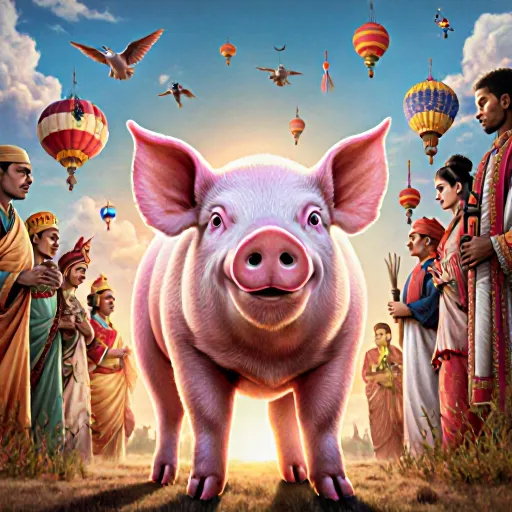
Explore How Pigs Shape Cultures Worldwide!
Table of Contents
- Introduction to the Cultural Significance of Pigs
- Pigs in Ancient Chinese Culture
- Role of Pigs in Hindu Religion and Culture
- Pig Symbolism in African Societies
- Significance of Pigs in Greek Mythology
- Pigs and Their Role in European Folklore
- The Meaning of Pigs in Native American Tribes
- Pig Symbolism in Japanese Culture
- Pigs and Their Place in Islamic Traditions
- Cultural Significance of Pigs in Latin American Countries
- Pig Symbolism in Australian Aboriginal Culture
- The Role of Pigs in Modern Western Culture
- Conclusion
- FAQs About the Cultural Significance of Pigs
Introduction to the Cultural Significance of Pigs
The pig holds a significant place in various cultures and societies around the world, reflecting deep-rooted beliefs, traditions, and practices. Its cultural significance varies widely depending on geographical location, religious beliefs, and historical context. In many parts of the world, pigs are not only seen as vital to daily life but also carry symbolic meanings that extend beyond mere utility.
In some societies, pigs are considered a symbol of prosperity and good fortune due to their role in agriculture and farming. For instance, in East Asian cultures, such as China and Vietnam, the pig is one of the twelve animals in the Chinese zodiac, representing wealth and abundance. The associations with wealth can be traced back to ancient practices where pigs were raised for both meat consumption and agricultural purposes like plowing fields, which contributed significantly to food security.
In contrast, other cultures view pigs differently, often associating them with filth or impurity. This negative perception is particularly strong in some Middle Eastern countries where Islam prohibits the consumption of pork, leading to a cultural aversion towards pigs. Despite this, pigs still play an important role as symbols within certain communities, such as in literature and folklore.
The concept of sacred pigs can also be found in various religions and cultures worldwide. For example, in Hinduism, pigs are considered sacred animals associated with Ganesha, the god of beginnings and removal of obstacles. The worship of pigs in this context is more about the spirit than the animal itself, emphasizing the importance placed on spiritual significance over practical utility.
Pigs also hold significant roles in rituals and ceremonies across diverse cultures. In Japan, for instance, there are festivals dedicated to honoring pigs where they are treated as gods of prosperity. During these events, pigs are adorned with decorations, paraded through towns, and celebrated for their contributions to human life.
Practical advice for those interested in learning more about the cultural significance of pigs includes engaging directly with local traditions, visiting museums that specialize in cultural artifacts related to animals, reading ethnographies focused on specific regions, and participating in community events where traditional practices are still observed. By doing so, one can gain a deeper understanding of how these animals have shaped social norms and values throughout history.
Understanding the cultural significance of pigs is crucial for appreciating diverse perspectives and fostering mutual respect among different communities. It helps bridge gaps between cultures that may initially appear vastly different but share commonalities through their relationship with this versatile animal.
Pigs in Ancient Chinese Culture
The cultural significance of pigs in ancient China extends far beyond their role as food animals, embodying a rich tapestry of symbolism, mythology, and societal values. The pig holds a unique place within Chinese culture, reflecting the deeply held beliefs about prosperity, good fortune, and fertility.
In ancient China, pigs were often associated with wealth and abundance. For instance, the term "pig money" or "ba jiao" (八角) was derived from the shape of a pig's snout, which resembled eight coins forming an angle. This metaphorical representation of wealth underscores the pig’s role in symbolizing financial stability and prosperity.
The mythological figure Zhu Bajie (猪八戒), known as the "Porker" or "Pig Expert," is a mischievous yet lovable character from the classic Chinese novel "Journey to the West." His portrayal highlights the dual nature of pigs—partially divine and part beast, embodying both wisdom and folly. This duality reflects broader Chinese philosophical concepts about balance between human virtues and vices.
Pigs play a central role in various festivals and rituals throughout China. During the Spring Festival (Chinese New Year), families often prepare traditional dishes like pork dumplings, which are believed to bring good luck for the coming year. In some regions, live pigs are even released into the wild as offerings to ancestors or deities.
Another significant festival is the Dragon Boat Festival, where pig's blood (or sometimes meat) is used in rituals meant to appease river gods and ensure safe passage during dragon boat races. These practices demonstrate how deeply ingrained pigs are within religious and cultural traditions that seek harmony with nature.
The economic contribution of pigs cannot be overstated. Historically, pig farming has been a crucial part of rural economies across China. Pigs provide not only meat but also by-products such as leather, bristles for brushes, and even medicinal uses in traditional Chinese medicine.
During times of famine or scarcity, pigs have provided sustenance that helped communities survive difficult periods. This resilience makes the pig an enduring symbol of resourcefulness and adaptability within Chinese culture.
Today, while industrialized pork production has become more prominent in urban areas, traditional methods persist in rural regions. Small-scale farming remains vital for maintaining cultural heritage and sustainable agricultural practices.
In contemporary society, pigs continue to hold value beyond mere consumption; they serve as reminders of past traditions and the importance of preserving cultural continuity.
The pig’s multifaceted role in ancient Chinese culture—ranging from divine symbolism to practical utility—underscores its profound impact on shaping societal values. By understanding the deep-rooted connections between pigs and Chinese traditions, we gain insight into broader human-nature relationships that persist across generations.
Role of Pigs in Hindu Religion and Culture
The role of pigs in Hindu religion and culture is multifaceted, deeply intertwined with various beliefs and traditions. While pigs are not considered sacred animals like cows or bulls, they hold a significant place in the religious and cultural fabric of India. In Hinduism, pigs are often associated with Lord Ganesha's mount, Vakratunda, which is sometimes depicted as having pig-like features. This connection highlights the importance of pigs in certain aspects of Hindu mythology.
In Hindu culture, pigs are seen more as a symbol of ignorance and impurity rather than sacred animals. However, this perception does not negate their cultural significance. Pigs play an essential role in many rituals and festivals, particularly during the worship of Lord Ganesha. The pig is believed to carry away bad luck or negative energy from the offerings made during these ceremonies.
The practice of using pigs in Hindu rituals can be traced back centuries. In some regions, pigs are used as part of the purificatory process known as "Pindapinda" where food and other offerings are given to gods and spirits. The pig’s ability to consume and digest impurities makes it a symbol of purification.
Moreover, in certain parts of India, pigs are also associated with the deity Shani Deva (Saturn), who is known for his power over time and destiny. Pigs are sometimes offered as sacrifices or used in rituals dedicated to Shani Deva to seek protection from negative influences.
The cultural significance of pigs extends beyond Hinduism into other societies around the world. In many African, Southeast Asian, and Polynesian cultures, pigs hold a similar status – they are seen as symbols of fertility, wealth, and prosperity. For instance, in Chinese culture, the pig is one of the twelve animals associated with the Chinese zodiac, representing honesty, stability, and perseverance.
In Vietnam, pigs play an essential role during Tet Nguyen Dan (the Vietnamese New Year), where they are offered to ancestors as a symbol of goodwill. Similarly, in parts of Africa, pigs are seen as symbols of good fortune and are often kept by families for their economic value.
Understanding the cultural significance of pigs across different societies can provide valuable insights into how these animals are perceived beyond their practical use. In Hindu culture, while pigs may not be considered sacred, they play a crucial role in rituals and festivals that help maintain social harmony and spiritual balance.
Pig Symbolism in African Societies
The pig holds a multifaceted place within various African societies, reflecting deeply-rooted cultural values and beliefs. Pigs are not just animals; they symbolize different concepts such as wealth, fertility, purity, and even spiritual entities. Understanding the symbolism of pigs in African cultures is crucial for appreciating their unique societal structures.
In many traditional African societies, pigs were often associated with wealth and prosperity. Historically, owning a pig was seen as a sign of financial stability or social standing. Pigs are relatively easy to care for in rural areas where resources may be scarce. This made them valuable assets that could be traded or used during times of need.
For instance, the Igbo people of Nigeria often use pigs as symbols of wealth and honor. Pigs were frequently included in marriage dowries and offered as sacrifices to gods or ancestors during important ceremonies. The ability to own a pig could indicate one's economic strength within the community.
Pigs are also symbols of fertility and abundance in many African cultures. Their prolific breeding habits have made them significant figures in agricultural practices where they contribute to soil fertility through their natural composting process. Moreover, pigs help maintain balance by eating fallen fruits and vegetables left behind after harvesting, thus ensuring no waste.
The Yoruba people of Nigeria view pigs as symbols of prosperity due to their ability to multiply quickly under favorable conditions. Pigs represent the cyclical nature of life and growth in both human and agricultural contexts. This connection between pigs and fertility extends beyond mere economic significance; it reflects a broader ecological understanding held by these communities.
In some African cultures, pigs are associated with purity and cleansing rituals. In certain traditions, pigs were used in purification ceremonies to ward off evil spirits or cleanse individuals who had committed wrongdoings. It was believed that the pig's association with filth and dirt could help neutralize negative energies.
The Fulani people of West Africa have historically used pigs in their rituals because they believe that the animal has a special connection to water, which plays an important role in purification rites. By incorporating pigs into these ceremonies, they aim to ensure spiritual purity among community members.
The cultural significance of pigs extends far beyond mere symbolism; it profoundly impacts the economic landscape of many African societies as well. Pigs serve multiple purposes economically—whether providing meat for consumption or serving as valuable assets in trade and exchange.
For example, in rural Kenya, pig farming has become a major source of income for smallholder farmers who sell their pigs at local markets. The profit generated from pig sales contributes significantly to household economies and can be reinvested into further development projects like education or healthcare services within the community.
In conclusion, while pigs may not hold the same status in every African society, their significance cannot be understated. Whether viewed through lenses of wealth, fertility, purity, or economic utility, pigs play integral roles in shaping cultural practices and beliefs across diverse regions within Africa.
Significance of Pigs in Greek Mythology
The pig holds a significant place in Greek mythology, symbolizing various attributes and values that were culturally important to ancient Greeks. Pigs represented wealth and prosperity due to their economic value as sources of meat and materials like bristles for brushes. Their importance can be seen in several myths where pigs play crucial roles.
In Greek mythology, the pig is associated with both Panagiotis (Pan) and Adonis, two prominent figures representing different aspects of nature and fertility. In one famous myth, Eros (Love) sends a boar to kill Adonis because he has been neglecting his duties to hunt. This act symbolizes the balance between love and duty in ancient Greek culture.
Role in Festivals
Pigs were also central to many religious festivals, particularly in honor of Demeter, goddess of agriculture, fertility, and the harvest. During these celebrations, pigs were sacrificed as offerings to ensure a good crop yield for the coming year. These rituals underscored the close connection between humans and their environment, emphasizing the importance of agriculture in Greek society.
Symbolism in Stories
Pigs frequently appear in stories as both antagonists and protagonists. For instance, in the tale of Eumaeus, a swineherd who turns out to be Odysseus’s father, pigs serve as a symbol of loyalty and recognition. Their presence in this story highlights the theme of identity and familial bonds.
Across various cultures, the pig continues to hold diverse significances beyond its role as a source of food. In Chinese culture, for example, pigs are seen as symbols of fortune and good luck because they eat greedily, representing abundance. Meanwhile, in Jewish tradition, pork is forbidden due to dietary laws, reflecting deeper religious beliefs about purity and holiness.
Modern Perspectives
In contemporary times, the pig remains a versatile symbol with its economic importance not diminishing but evolving into new aspects like biotechnology research and environmental sustainability projects. Understanding the cultural significance of pigs throughout history provides valuable insights into how these animals reflect broader societal values and beliefs.
By examining the role of pigs in Greek mythology alongside their cultural implications across different societies, we gain a deeper appreciation for the multifaceted nature of this animal. Whether through myths or practical uses, pigs have consistently played crucial roles in shaping human civilizations around the world.
Pigs and Their Role in European Folklore
The pig holds a significant place in European folklore, often representing both prosperity and misfortune. In many folktales, pigs are not just animals but symbols that carry profound cultural meanings. This symbolism is deeply rooted in the everyday life of people who interacted closely with these creatures for food, wealth, and even spiritual reasons.
In traditional stories from various parts of Europe, pigs are frequently portrayed as both helpful and mischievous. For instance, the tale of "The Three Little Pigs" is a prime example of how pigs can be seen as symbols of strength and resilience. The three little pigs build homes that protect them against adversity, emphasizing the importance of resourcefulness and hard work.
On the other hand, pigs like "Mother Goose’s" Big Bad Wolf are depicted as villains who threaten the protagonists' well-being. Such stories teach moral lessons about the dangers of greed and carelessness.
In some European societies, pigs have played a crucial role in religious ceremonies and practices. For example, in ancient Celtic cultures, pigs were associated with fertility and prosperity. Offerings to deities often included pig sacrifices, which were believed to ensure good fortune for the community.
Similarly, in Scandinavian folklore, pigs are linked to Freyr, the god of fertility, abundance, and peace. Pigs were sometimes used in rituals to appease him or as part of his worship, symbolizing prosperity and agricultural success.
Pigs are also central to many traditional festivals across Europe. One such festival is the "St. Martin’s Day" celebration in parts of France and Spain. On this day, people traditionally eat roasted half-pigs as a nod to the saint who shared his cloak with a poor beggar by cutting it in half. This tradition emphasizes the theme of sharing and community.
In Germany, the "Schweinefeste" is another festival where pigs play a significant role. This event celebrates the pig’s contribution to human sustenance, often involving pig races and other fun activities that highlight the animal's importance in daily life.
The cultural significance of pigs extends beyond Europe. In many African societies, for example, pigs are associated with wealth and status. The keeping of a large pig herd is often seen as an indicator of a family's prosperity.
In Asia, particularly in China, the pig is one of the twelve zodiac signs and is considered a symbol of fortune and good luck. This positive association is reflected in Chinese New Year celebrations where pigs are prominently featured in festivities.
If you're interested in exploring more about the role of pigs in European folklore, consider visiting local museums or historical sites that focus on agricultural history. Many towns with rich pig farming traditions have festivals and events that provide a deeper understanding of these cultural practices.
Additionally, reading classic folktales from various regions can offer insights into how different societies viewed pigs. Books like "The Brothers Grimm" collections provide rich narratives that delve into the symbolic meanings behind animals like pigs.
The Meaning of Pigs in Native American Tribes
The meaning and cultural significance of pigs in Native American tribes vary widely across different communities, reflecting diverse beliefs, traditions, and practices. Unlike many other cultures where pigs are often associated with filth or food production, in several Native American societies, pigs held a unique place rooted in their spiritual and practical lives.
In some tribes, the pig was seen as a symbol of prosperity, fertility, and good fortune. This symbolism is deeply intertwined with agricultural practices where pigs played a crucial role in turning over soil and helping to clear land for planting. For example, among the Iroquois, pigs were sometimes used in ceremonies to bless fields before planting, reinforcing their importance not just as animals but also as sacred creatures.
Many Native American tribes have myths and legends that include pigs. In some stories, pigs are portrayed as clever and resourceful animals who assist humans in various ways. For instance, in Ojibwe folklore, the pig is seen as a teacher of agriculture, sharing knowledge about crop cultivation and land management with the people.
Beyond symbolism and mythology, pigs held significant practical value for Native American tribes. They provided essential resources such as meat and hides which were used for food, clothing, and shelter. Pigs also contributed to agricultural productivity by helping to clear land through their rooting behavior.
When compared to the cultural significance of pigs in different societies, it becomes evident that while pigs are valued for their utility and food provision in many cultures, Native American tribes added a layer of spiritual and mythological importance. This is somewhat similar to how pigs are seen in some African or Asian cultures where they have both practical and ritualistic roles.
In contemporary times, the role of pigs in Native American tribes has evolved. While not all tribes keep pigs due to changes in agricultural practices and land use patterns, those that do still value them for their contribution to community life. Some tribes have incorporated pig farming into educational programs about traditional farming methods, ensuring this ancient practice continues.
The cultural significance of pigs in Native American tribes is a testament to the deep connection between these communities and their natural environment. Through symbolism, mythology, and practical utility, pigs have played an integral part in shaping Native American culture and identity.
Pig Symbolism in Japanese Culture
The pig holds a unique place in Japanese culture, reflecting deep-rooted beliefs and values that are shared with many other societies around the world. In Japan, pigs are often associated with good fortune and prosperity due to their role as the twelfth sign of the Chinese zodiac. However, the symbolism of pigs goes beyond mere astrological significance; it is deeply intertwined with religious practices, folklore, and everyday life.
In Shintoism, the indigenous religion of Japan, there are no explicit references to pigs as deities or sacred animals. However, pigs are often seen in a positive light due to their association with agriculture and fertility. Pigs have long been valued for their ability to efficiently convert plant matter into meat, thus playing a crucial role in food production.
During festivals such as the Bon Festival, offerings of rice and other foods are made to honor the spirits of ancestors. Interestingly, pig products like pork may sometimes be included in these offerings, symbolizing abundance and prosperity for the deceased and their living descendants.
Japanese folklore includes various tales featuring pigs, many of which emphasize their cleverness and resourcefulness. One such story is "The Tale of the Pig's Hair," where a pig uses its intelligence to overcome obstacles and achieve success. These narratives not only entertain but also teach lessons about perseverance and ingenuity.
In another legend, a wise old pig helps a poor farmer by providing valuable advice that leads to financial gain. Such stories highlight how pigs are often portrayed as wise and helpful creatures in Japanese folklore.
Pigs have been an integral part of Japanese agriculture for centuries, contributing significantly to the country's food supply. The raising of pigs is not only a practical endeavor but also holds cultural importance. For instance, during the Obon season, families often prepare special dishes featuring pork, symbolizing reunion and continuity.
The culinary significance of pigs extends beyond mere sustenance; certain pig products are considered delicacies. For example, tonkatsu (breaded deep-fried pork cutlet) is a popular dish that has become synonymous with Japanese cuisine worldwide. The preference for pork in Japanese cuisine reflects its long-standing role as a staple food source.
In contemporary Japan, pigs continue to be valued both economically and culturally. While traditional practices persist, there is also an increasing awareness of animal welfare issues. This shift has led to changes in pig farming methods, with greater emphasis on humane treatment and sustainable practices.
Despite these modern developments, the symbolism of pigs remains strong. For instance, many Japanese people still believe that having a pig as a pet can bring good luck to their home. Additionally, pig-themed merchandise and decorations are popular, further cementing the animal's cultural significance in everyday life.
The pig symbolizes prosperity, fertility, wisdom, and resourcefulness in Japanese culture. From ancient agricultural practices to modern culinary traditions, pigs have left an indelible mark on the way people live and think. Their role as symbols of good fortune continues to be celebrated through various rituals and cultural expressions, ensuring that their significance endures for generations to come.
Pigs and Their Place in Islamic Traditions
The pig holds a significant and multifaceted place within Islamic traditions, primarily due to its association with religious teachings and practices. In Islam, pigs are prohibited for consumption (haram) as they do not meet the dietary standards set forth in the Quran and Sunnah. This prohibition is rooted in broader ethical and cultural considerations that reflect the values of hygiene and purity central to Islamic theology.
Historically, the pig's presence in Islamic societies has been minimal due to this prohibition. However, it plays a crucial role in understanding the broader context of dietary laws (halal) within Islam. The pig is often seen as an animal that deviates from acceptable norms and thus is not fit for human consumption. This perspective is further reinforced by the teachings that pigs are unclean animals according to Islamic law.
The cultural significance of pigs in different societies can offer valuable insights into why this particular animal holds such a prominent place in Islamic traditions. In societies where pigs are widely consumed, they symbolize wealth and status due to their ability to thrive even under poor conditions. For instance, in some African countries, the pig is seen as an indicator of economic prosperity because it requires little care and can multiply quickly.
However, from an Islamic perspective, these same qualities that make pigs appealing in other cultures are precisely why they are prohibited. The Quranic verse states: "It is forbidden to you what dies of itself, blood, the flesh of swine" (Quran 5:3). This verse underscores the importance of hygiene and purity, which are central tenets of Islam.
In practical terms, the prohibition against pigs in Islamic societies has influenced dietary habits and agricultural practices. Muslims adhere strictly to the halal guidelines for meat consumption, ensuring that all animals intended for human consumption meet specific criteria regarding their health, slaughter methods, and aftercare. This stringent adherence to dietary laws is a testament to the cultural importance of following religious prescriptions.
Understanding the cultural significance of pigs in different societies can help bridge gaps between diverse communities by fostering empathy and mutual respect. By recognizing the values that underpin Islamic dietary practices, non-Muslims may better comprehend the depth and reasoning behind such prohibitions. For Muslims, this knowledge can enhance their appreciation for the broader implications of their faith's teachings on daily life.
Ultimately, the pig serves as a symbol in Islamic traditions that encapsulates deeper theological concepts related to purity, hygiene, and ethical consumption. By examining the cultural significance of pigs across various societies, we gain a richer understanding of how religious beliefs shape behavior and influence societal norms.
Cultural Significance of Pigs in Latin American Countries
The cultural significance of pigs in Latin American countries extends far beyond their utility as a food source. The pig, much like in many other societies discussed in "The Cultural Significance of Pigs in Different Societies," holds deep symbolic and practical importance that is intertwined with the history, traditions, and daily life of people across these regions.
The introduction of pigs to Latin America was primarily a result of Spanish colonization. Pigs were among the first domesticated animals brought over due to their adaptability and ability to thrive in diverse environments, from dense forests to arid landscapes. These animals quickly became integral to the indigenous communities, blending with local traditions and beliefs.
Mythology and Folklore
In many Latin American cultures, pigs are associated with both positive and negative imagery. In some myths, they are portrayed as tricksters or even gods, reflecting their dual nature—both useful for survival but also capable of mischief. For instance, in certain Mayan legends, the pig is seen as a sacred animal linked to fertility and prosperity.
These symbolic roles often find expression through folklore tales where pigs play pivotal parts. In these stories, they are not just animals but characters embodying wisdom or folly, much like their counterparts in other cultural narratives.
Beyond mythology, pigs serve crucial social functions within Latin American communities. They are often kept as part of family units, providing not only meat and leather but also a sense of companionship and tradition. The pig-raising process itself fosters community bonds; families work together to care for the animals, preparing them for market or ritualistic sacrifices.
Pigs have been involved in various rituals throughout Latin American history. In some indigenous practices, pigs were sacrificed as offerings to ensure agricultural success or to appease spirits believed to influence weather and harvests.
In modern times, the pig’s cultural significance continues through its role in festivals and celebrations. For example, during Semana Santa (Holy Week) in various Latin American countries, pigs are prominently featured in processions or as part of feasts. These practices highlight how traditions evolve yet remain deeply connected to their origins.
Moreover, pig farming remains a vital economic activity for many rural communities, influencing local economies and dietary habits. The meat is prepared in diverse ways—roasted whole during fiestas, stewed, or incorporated into everyday meals like tacos de chicharrón (fried pork) or empanadas.
The pig also plays a role in shaping the environment. Pigs are natural foragers and help clear land of vegetation, which has both positive and negative effects depending on the context. Their presence aids in soil aeration and nutrient cycling but can also lead to deforestation if not managed properly.
The cultural significance of pigs in Latin American countries is multifaceted, encompassing historical, social, economic, and environmental dimensions. They are more than just animals; they embody the essence of community, tradition, and resilience. Understanding this deeper meaning enriches our appreciation for these vital creatures and their place within diverse cultures.
Pig Symbolism in Australian Aboriginal Culture
The pig holds a unique and multifaceted place within Australian Aboriginal culture, reflecting deep spiritual connections to land, ancestors, and cultural narratives. In many Indigenous societies across Australia, the pig is seen as more than just an animal; it is imbued with symbolic meaning that transcends its physical form.
Understanding the significance of pigs within Australian Aboriginal culture can be enhanced by exploring how this animal is viewed in other societies. In some African cultures, for example, the pig symbolizes fertility and prosperity, while in China, it represents good fortune and wealth during the New Year celebrations.
Myths and Legends
In Australian Aboriginal lore, pigs are often associated with creation myths and ancestral spirits. The Dreamtime stories tell of how certain animals were created to help shape the world as we know it today. In these narratives, pigs play a role in the formation of landscapes and ecosystems.
For instance, the Anmatyerre people of Central Australia believe that the pig was sent by the ancestral being Altyerre to teach humans about the importance of proper behavior and respect for land. This story emphasizes the idea that all living things have a purpose in maintaining harmony within the natural world.
Spiritual and Ritual Roles
The spiritual significance of pigs extends beyond mere symbolism into practical roles they play during rituals and ceremonies. In some Aboriginal communities, pigs are used as offerings to honor ancestral spirits or seek protection from malevolent forces. For example, during initiation rites, young men might be given pig fat to rub onto their bodies as part of a purification process.
Practical Uses
Besides its spiritual importance, the pig also serves practical purposes within Aboriginal societies. Traditionally, pigs were kept by some groups for meat and other resources. They provided sustenance during times when hunting was insufficient or unavailable due to environmental factors.
Today, while wild pig populations pose challenges such as habitat destruction and competition with native species, there are efforts to manage these animals responsibly. These initiatives aim to balance conservation needs with cultural practices that have been passed down through generations.
Educational Insights
Understanding the cultural significance of pigs in Australian Aboriginal societies offers valuable lessons about coexistence between humans and wildlife. It underscores the importance of respecting indigenous knowledge systems and incorporating them into broader conservation strategies.
By recognizing and valuing these perspectives, we can foster greater respect for nature and promote sustainable practices that benefit both human communities and biodiversity alike. As global challenges like climate change continue to impact ecosystems worldwide, learning from diverse cultural traditions becomes increasingly crucial.
The Role of Pigs in Modern Western Culture
The role of pigs in modern Western culture has evolved significantly from ancient times, yet they continue to play a notable part in various aspects such as agriculture, cuisine, and even symbolism. Pigs are often associated with practicality and efficiency due to their hardworking nature on farms, but their cultural significance extends far beyond mere utility.
In modern Western societies, pigs serve a crucial role in agriculture as livestock. They contribute significantly to the economy through meat production, which is one of the primary products derived from them. Pigs are known for their ability to convert various types of feed efficiently into high-quality protein. This makes them an important resource for farmers who rely on pig farming as a sustainable source of income.
For instance, commercial pig farms play a vital role in meeting global demand for pork products. These farms employ advanced breeding techniques and feeding strategies to maximize productivity while minimizing environmental impact. Such practices ensure that pigs contribute positively to the food security of Western nations without depleting natural resources excessively.
Pigs also hold a prominent place in Western cuisine, where they are celebrated for their versatility and rich flavor profile. From traditional dishes like sausages and hams to more elaborate preparations such as roast pork or stuffed pig, pigs provide an array of delectable options that cater to diverse palates across the region.
One example is the Spanish Iberian ham (Jamón Ibérico), which has gained worldwide acclaim for its exceptional quality. Produced through a unique process involving free-ranging pigs fed on acorns and other natural feed, this type of ham exemplifies how cultural heritage can influence dietary preferences even in contemporary settings.
Moreover, artisanal pig farms are increasingly gaining popularity among food enthusiasts who seek sustainably sourced ingredients with distinct flavors. These establishments often focus on raising heritage breeds known for their superior taste and health benefits compared to industrial alternatives.
Besides practical applications in agriculture and gastronomy, pigs carry deep-seated cultural meanings rooted in both positive and negative stereotypes. In Western culture specifically, they are sometimes seen as symbols of greed and gluttony due to their voracious eating habits and tendency toward laziness.
However, this perception varies depending on context; for example, certain communities view pigs favorably because of their intelligence and adaptability in solving problems creatively. Some religious traditions also incorporate pigs into rituals or beliefs about cleanliness and purity.
A notable instance is the role of pigs in Christian iconography where they occasionally appear alongside other animals as representations of sinfulness or temptation. Yet, it's important to note that not all portrayals are negative; some depict pigs interacting harmoniously with humans, highlighting themes like friendship and cooperation.
The environmental footprint left by pig farming cannot be overlooked in discussions about modern Western culture. While pigs contribute positively through their role as food producers, there are concerns regarding waste management practices and resource consumption associated with large-scale operations.
To address these challenges, sustainable farming methods such as integrated crop-livestock systems or organic certifications have emerged. These approaches aim to reduce pollution levels while enhancing soil fertility and biodiversity. By adopting eco-friendly techniques, pig producers can align their activities more closely with broader ecological goals without compromising profitability.
As technology continues advancing rapidly, so too does our understanding of pigs' capabilities beyond just providing us with tasty meals and agricultural assistance. Researchers are exploring ways to improve pig welfare through better housing conditions, diet optimization, and genetic modifications aimed at increasing resilience against diseases.
In addition, there is growing interest in developing novel products derived from pigs, such as biomaterials used in medicine or cosmetics industries. Such innovations could further expand the influence of pigs within various sectors of Western society.
Conclusion
The cultural significance of pigs in different societies spans a vast array of traditions, beliefs, and practices that reflect deep-rooted values and societal norms. In many cultures around the world, pigs are seen as symbols of prosperity, fertility, and good fortune. For instance, in China and Vietnam, pigs are often associated with the New Year celebrations and are considered bringers of wealth and luck. The Chinese zodiac even features a year dedicated to the pig, symbolizing honesty, loyalty, and stability.
In contrast, in some cultures, particularly in parts of Europe and North America, pigs have developed negative connotations due to historical associations with slothfulness and gluttony. This is evident in idioms such as "sow's ear" or "pig in a blanket," which often carry unfavorable meanings. However, this perception has been slowly shifting as modern portrayals in media and advertising attempt to rebrand pigs more positively.
Religious practices also play a crucial role in shaping the cultural significance of pigs. In Hinduism, for example, pigs are generally avoided due to their association with ritual pollution, while in Islam, pork consumption is strictly prohibited as it is considered haram (forbidden). These religious dietary laws contribute significantly to the cultural and societal perceptions surrounding pigs.
Practically speaking, understanding these cultural nuances can be beneficial for businesses operating globally. For instance, a company selling pig products might need to tailor its marketing strategies depending on the target market's cultural background. In regions where pigs are revered as symbols of wealth, emphasizing their economic benefits could resonate well with local consumers. Conversely, in areas where pigs carry negative connotations, focusing on ethical farming practices or health benefits might be more effective.
Furthermore, educational initiatives and media campaigns can also help bridge cultural gaps. By promoting positive images of pigs through documentaries, agricultural tours, or community events, societies can foster a more balanced understanding of this animal's role in various cultures. Such efforts not only enhance mutual respect but also promote sustainable practices that benefit all involved parties.
In conclusion, the cultural significance of pigs in different societies is multifaceted and deeply embedded within each community’s unique traditions and beliefs. By recognizing these diverse perspectives and engaging respectfully with them, we can contribute to a more inclusive world where understanding and appreciation for cultural differences prevail.
FAQs About the Cultural Significance of Pigs
Frequently Asked Questions
- Q: What is the cultural significance of pigs in different societies?
A: The cultural significance of pigs varies widely across different societies. In some cultures, pigs are revered and play a central role in religious ceremonies, while in others they may be viewed more negatively or with superstitions. For instance, in ancient China, pigs were considered symbols of good fortune due to their association with the Earth element and their ability to multiply rapidly, which reflects prosperity. They are often seen as a symbol of luck and wealth during festivals like Chinese New Year. - Q: How do different cultures perceive pigs in terms of symbolism?
A: Across various cultures, pigs have diverse symbolic meanings: - In some African tribes, pigs represent fertility and abundance. - In Scandinavian countries, pigs are associated with wealth and prosperity due to their economic value. The term "swineherd" once referred to someone who was wealthy enough to own many pigs. - Pigs are seen as symbols of greed in Western cultures, especially in literature and folklore, but this stereotype does not apply universally. - Q: Are there any negative cultural perceptions of pigs?
A: Yes, certain cultures have negative or superstitious views about pigs: - In Japan, pigs are sometimes associated with bad luck due to their pig-like squeals being interpreted as ominous sounds. - Superstitions around pigs can also be found in some rural communities where they believe that leaving food out for a long time will attract pigs, which could bring misfortune or illness. - Q: How do religious beliefs influence the cultural significance of pigs?
A: Religious beliefs play a crucial role: - In Hinduism and Jainism, pigs are not considered sacred animals. They are seen as unclean creatures because they eat anything they can find, including dead bodies. - In contrast, in some indigenous cultures, pigs serve an important religious function. For example, among the Kuna people of Panama, pigs are sacrificed to honor their gods and ensure a bountiful harvest. - Q: What role do pigs play in traditional festivals?
A: Pigs hold significant roles in many traditional festivals around the world: - In Spain, during the Feria de San Isidro, people consume roast suckling pig (ceba) as a delicacy. - The Chinese New Year celebrations often include dishes made with pork, symbolizing prosperity and good luck. - In Vietnam, pigs are integral to Tet Nguyen Dan, where they are sacrificed in rituals for ancestors. - Q: How do economic factors influence the cultural significance of pigs?
A: Economic factors deeply affect perceptions: - In many parts of Africa and Asia, pigs provide a valuable source of food and income. They can be raised relatively easily in rural areas where other livestock might not thrive. - Pigs are also significant for their economic contribution to tourism, particularly in regions like Spain and Italy where they are part of the culinary heritage. - Q: How do environmental factors impact the cultural significance of pigs?
A: Environmental factors such as climate and geography influence cultural perceptions: - In temperate climates, pigs can thrive year-round, making them an essential component of agriculture. - The mud wallows that pigs love in tropical regions are also seen as a source of entertainment or even a feature in local architecture.
Categories
- AI & Enrichment Play
- Broiler Farming
- Broiler Farming Tips
- Canine Wellness & Longevity
- Cat
- Cat & Human Connection
- Cat Adoption & Rescue
- Cat Breeds
- Cat Breeds & Personalities
- Cat Care & Health
- Cat Grooming & Hygiene
- Cat Lifestyle & Environment
- Cat Myths & History
- Cat Nutrition & Diet
- Cat Products & Reviews
- Cat Training & Behavior
- Comparison
- Consumer Awareness
- Dog
- Dog Accessories & Products
- Dog Adoption & Rescue
- Dog Breed & Lifestyle Trends
- Dog Breeding & Puppies
- Dog Entertainment & Media
- Dog Fashion & Trends
- Dog Fun & Lifestyle
- Dog Grooming & Hygiene
- Dog History & Culture
- Dog Myths, Science & Future Tech
- Dog News & Trends
- Dog Nutrition & Food
- Dog Psychology & Emotions
- Dog Safety & Security
- Dog Sports & Activities
- Dog Technology & Innovation
- Dog Training for Modern Owners
- Dog Travel & Adventure
- Dog Travel, Adventure & Culture
- Economic and Market Insights
- Educational Content
- FAQs
- Feeding Alternatives
- Festivals & Seasonal Ideas
- Fun & Entertainment
- General Knowledge
- General Pig Farming
- Health & Disease Management
- Housing and Environment
- Kittens
- Market Insights
- Miscellaneous
- Miscellaneous
- Motivational
- pig
- Pig Breeding
- Pig Breeds
- Pig Farming Stories and Inspiration
- Pig Health and Care
- Pig Nutrition
- Pig Products
- Profitability & Business
- Puppy Care
- Puppy Predictable Topics Reinvented
- Regional Focus
- Rescue & Adoption Buzz
- Senior Cats
- Senior Dog Care
- Smart Dog Tech & Gadgets
- Sustainability
- Sustainable & Eco-Friendly Dog Products
- Tech & Innovations
- Working & Service Dogs
- Broiler Feed66 products
- Country Feed33 products
- Pig Feed66 products
- Product22 products
- Raw Materials99 products
Products
-
 Soya Doc (Soyabean Meal)
₹2,449.00 – ₹2,699.00Price range: ₹2,449.00 through ₹2,699.00Rated 0 out of 5
Soya Doc (Soyabean Meal)
₹2,449.00 – ₹2,699.00Price range: ₹2,449.00 through ₹2,699.00Rated 0 out of 5 -
 Farm Fresh Eggs
₹10.00 – ₹15.00Price range: ₹10.00 through ₹15.00Rated 0 out of 5
Farm Fresh Eggs
₹10.00 – ₹15.00Price range: ₹10.00 through ₹15.00Rated 0 out of 5 -
 LAYER COUNTRY FEED
₹1,549.00 – ₹1,649.00Price range: ₹1,549.00 through ₹1,649.00Rated 0 out of 5
LAYER COUNTRY FEED
₹1,549.00 – ₹1,649.00Price range: ₹1,549.00 through ₹1,649.00Rated 0 out of 5 -
 FATTENING BROILER FEED
₹2,299.00 – ₹2,349.00Price range: ₹2,299.00 through ₹2,349.00Rated 0 out of 5
FATTENING BROILER FEED
₹2,299.00 – ₹2,349.00Price range: ₹2,299.00 through ₹2,349.00Rated 0 out of 5 -
 FINISHER BROILER FEED
₹2,199.00 – ₹2,299.00Price range: ₹2,199.00 through ₹2,299.00Rated 0 out of 5
FINISHER BROILER FEED
₹2,199.00 – ₹2,299.00Price range: ₹2,199.00 through ₹2,299.00Rated 0 out of 5 -
 STARTER COUNTRY FEED
₹1,699.00 – ₹1,799.00Price range: ₹1,699.00 through ₹1,799.00Rated 0 out of 5
STARTER COUNTRY FEED
₹1,699.00 – ₹1,799.00Price range: ₹1,699.00 through ₹1,799.00Rated 0 out of 5 -
 COUNTER BROILER FEED
₹1,199.00 – ₹1,299.00Price range: ₹1,199.00 through ₹1,299.00Rated 0 out of 5
COUNTER BROILER FEED
₹1,199.00 – ₹1,299.00Price range: ₹1,199.00 through ₹1,299.00Rated 0 out of 5 -
 Fish Meal
₹1,999.00 – ₹2,999.00Price range: ₹1,999.00 through ₹2,999.00Rated 0 out of 5
Fish Meal
₹1,999.00 – ₹2,999.00Price range: ₹1,999.00 through ₹2,999.00Rated 0 out of 5 -
 Pre Starter Broiler Feed
₹2,399.00 – ₹2,499.00Price range: ₹2,399.00 through ₹2,499.00Rated 0 out of 5
Pre Starter Broiler Feed
₹2,399.00 – ₹2,499.00Price range: ₹2,399.00 through ₹2,499.00Rated 0 out of 5 -
 LACTATING PIG FEED
Rated 0 out of 5
LACTATING PIG FEED
Rated 0 out of 5₹2,299.00Original price was: ₹2,299.00.₹1,740.00Current price is: ₹1,740.00.