
Discover the Most Tireless Canine Workhorses
The Hardest Working Dog Breeds in the World
Table of Contents
- The Labrador Retriever
- German Shepherd Dog
- Border Collie
- Australian Shepherd
- Akita Inu
- Malamute
- Newfoundland Dog
- Labrador Husky Mix
- Siberian Husky
- Alaskan Malamute
- Australian Cattle Dog
- Beagle
- English Setter
- Pointer
- Conclusion and FAQ
The Labrador Retriever
The Labrador Retriever, often referred to as simply "Lab," is one of the most popular dog breeds globally. Known for their friendly nature and versatility, Labs are highly regarded for their intelligence and willingness to please, making them exceptional working dogs.
Labrador Retrievers excel in various roles that require immense physical and mental effort. Their strong work ethic and adaptability make them one of the hardest working dog breeds:
- Search and Rescue (SAR): Labradors are frequently used in search and rescue missions due to their keen sense of smell, stamina, and ability to navigate difficult terrains. Their calm demeanor under stress allows them to work efficiently without causing panic.
- Duck Hunting: Originally bred as retrieving dogs for hunters, Labs excel at water recovery by swimming tirelessly after downed birds or shot game. Their webbed feet provide excellent propulsion in the water.
- SagAid Dog: Labrador Retrievers are often trained to assist individuals with disabilities, providing support and companionship while also performing tasks like retrieving dropped items or opening doors.
Their loyalty and intelligence make them versatile candidates for these roles. For instance, in search and rescue operations, a Lab can cover vast areas quickly, sniffing out missing persons or tracking down substances like drugs or explosives.
To ensure your Labrador remains healthy and well-matched to their working potential, consider the following:
- Diet and Nutrition: Provide a balanced diet rich in protein and fat to fuel their high energy levels. Consider consulting with a veterinarian for specific dietary needs.
- Vigorous Exercise: Labs require regular, intense exercise such as running, swimming, or agility training to prevent boredom and excess energy leading to destructive behavior.
- Ongoing Training: Keep your Lab mentally stimulated through obedience training and mental challenges like puzzle toys. This helps them stay engaged and reduces the risk of behavioral issues.
In conclusion, Labrador Retrievers are truly among the hardest working dog breeds in the world. With proper care, training, and management, they can thrive in various roles, showcasing their versatility and remarkable capabilities.
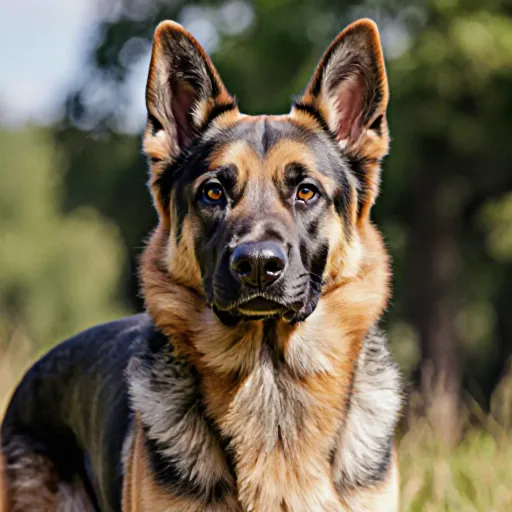
German Shepherd Dog
Known as one of the hardest working dog breeds in the world, German Shepherds are renowned for their intelligence, loyalty, and versatility. Their strong work ethic has made them indispensable in various roles such as police dogs, search and rescue, herding livestock, and even assistance dogs.
Intelligence and Trainability
The German Shepherd's high level of intelligence is one of the key reasons for their hardworking reputation. They rank among the top breeds in terms of trainability. This makes them excellent candidates for roles that require critical thinking, problem-solving skills, and quick responses. For example, in police work, they can be trained to detect drugs, differentiate between explosives and other materials, and even act as a deterrent to criminal activity.
Loyalty and Devotion
German Shepherds are known for their deep loyalty towards their family and the tasks at hand. Their strong bond with their handlers or families makes them dedicated partners in work and daily life. This trait is particularly evident in herding dogs, where they use their intelligence to herd livestock efficiently.
Physical and Mental Fitness
Maintaining a high level of physical fitness is essential for German Shepherds to perform at their best, especially given the physically demanding tasks they undertake. Their mental fitness also plays a crucial role in ensuring they remain motivated and focused on their duties. Regular exercise, both physically challenging activities like running or swimming, and mental stimulation through training exercises are vital.
Real-Life Examples
- Police Work: German Shepherds have been used in law enforcement for decades. They can be trained to search for missing persons or detect illegal substances. Their ability to work tirelessly without complaint is truly remarkable.
- Search and Rescue: In disaster zones, these dogs are often the first responders. With their keen sense of smell and stamina, they help locate survivors trapped by rubble or other obstacles.
- Agricultural Work: Herding is another area where German Shepherds excel. Their strong herding instinct combined with intelligence allows them to manage large groups of livestock efficiently.
Practical Advice for Owners
To ensure a German Shepherd stays healthy and happy, it's important to provide ample physical exercise and mental stimulation. Regular walks, interactive play sessions, and obedience training are all beneficial. Additionally, socialization is crucial; exposing them to different environments and people early on can prevent behavioral issues in the future.
Given their hardworking nature, German Shepherds require a committed owner who can provide consistent training and care. It's important for potential owners to understand that these dogs need more than just companionship—they are working partners that demand significant time and effort from their owners.
Border Collie
The Border Collie, often referred to as "The Hardest Working Dog Breeds in the World," is not just a loyal companion but also one of the most intelligent and energetic dog breeds. Their herding instincts are deeply ingrained, making them excellent working dogs on farms and ranches worldwide.
Border Collies have been known to work tirelessly for long hours, often covering vast areas of land to herd livestock. Their ability to learn complex commands and respond quickly makes them invaluable in the field. The breed's high intelligence also means they can be trained for a variety of tasks beyond herding, including search and rescue operations, police work, and even as service dogs.
Despite their strong work ethic, Border Collies are not suited for everyone. They require regular mental and physical stimulation to thrive. Without it, they may become destructive due to pent-up energy or boredom. Owners of Border Collies need to ensure that they have time to engage in activities like agility training, frisbee throwing, or participating in herding events.
Another challenge with Border Collies is their high level of alertness and suspicion towards strangers. This trait can sometimes be difficult for new owners who are not familiar with the breed's history and needs. Training should focus on socialization from an early age to help temper these tendencies, ensuring a balanced and well-adjusted dog.
The Border Collie's temperament is characterized by loyalty, intelligence, and high energy levels. These dogs are incredibly loyal to their owners and family members but can be wary of strangers. Proper training and socialization from an early age are crucial in shaping the behavior of a Border Collie into that of a well-mannered companion.
For those considering adopting a Border Collie, it's important to note that they need a committed owner who is willing to put in the time and effort required for their care. Regular exercise, mental challenges, and consistent training are all essential components of owning this breed. With the right environment and care, however, a Border Collie can bring immense joy and companionship to its family.
Australian Shepherd
The Australian Shepherd, often referred to as one of the hardest working dog breeds in the world, is a breed that exemplifies dedication and loyalty. Known for their herding abilities and versatile skills, these dogs are not just pets but working companions that require an abundance of mental and physical stimulation.
The Australian Shepherd's primary role historically has been as a herder. Their instinct to herd is deeply ingrained, making them excellent at rounding up livestock like sheep and cattle. This breed's natural ability to work in teams makes them valuable not just for individual tasks but also as part of larger working dog groups.
To maintain their health and happiness, Australian Shepherds need regular exercise. They are energetic dogs that thrive on activities such as running, hiking, and playing fetch or frisbee. Without sufficient physical activity, they can become bored and develop behavioral issues.
As a breed known for its intelligence, Australian Shepherds require mental challenges to prevent boredom and maintain their focus. Training sessions, puzzle toys, and interactive games are great ways to keep them engaged both mentally and physically. Puzzle feeders and scent work are particularly beneficial.
Australian Shepherds have high energy levels that require a balanced diet to support their active lifestyle. High-quality dog food with protein-rich ingredients is essential, especially if they are engaged in herding or other demanding activities. Regular feeding schedules and proper nutrition management are crucial for maintaining their health.
Given their intelligence and eagerness to please, Australian Shepherds can be trained effectively with positive reinforcement techniques. Early socialization is also important to ensure they develop into well-rounded dogs capable of handling various environments and situations without stress or anxiety.
- Herd Dogs: They are used in livestock herding, rounding up sheep and cattle.
- Dog Sports: Participate in agility courses, flyball events, and obedience trials.
- Service Companions: Serve as assistance dogs for individuals with disabilities.
The Australian Shepherd's reputation as one of the hardest working dog breeds is well-deserved. Their physical prowess combined with their intelligence and loyalty makes them a top choice for those looking for a dedicated companion who can handle both rigorous tasks and family life with grace and enthusiasm.
Akita Inu
The Akita, often referred to as the "Akita Inu" in Japan, is a breed that stands out for its loyalty and hardworking nature. While not traditionally known as one of the hardest working dog breeds, the Akita's versatility and strong work ethic make it a remarkable addition to this list. Here’s why:
The Akita breed originates from Japan and has a rich history dating back centuries. Known for its loyalty and courage, these dogs were originally bred to hunt large game such as bears and wild boars. Their strong work ethic is deeply embedded in their heritage, making them ideal companions not just for protection but also for various tasks that require endurance and intelligence.
The Akita's natural instincts make it highly adaptable to different roles. In addition to hunting, these dogs have been used in search and rescue operations due to their keen sense of smell and strong determination. Their ability to work tirelessly in harsh conditions has made them invaluable assets in various fields.
- Rescue Missions: The Akita's strength and loyalty have contributed significantly to successful rescue operations. Their endurance allows them to work for extended periods without tiring, making them crucial in finding lost individuals or survivors.
- Therapy Work: Many Akitas are used in therapy roles due to their gentle nature and strong bond with people. They provide comfort and support, especially for those who need encouragement during tough times.
- Companionship and Guarding: Akita Inus make excellent companions and guard dogs. Their loyalty and protective instincts ensure that they are always there to protect their families.
To harness the Akita's natural work ethic, it’s important for owners to provide them with mental and physical stimulation. Regular exercise is crucial as these dogs have high energy levels. They also thrive on tasks, so consider activities like agility training or obedience classes.
Training should be consistent and firm but gentle. Early socialization helps in developing a well-balanced Akita that can handle various situations without becoming overly protective or aggressive.
Malamute
The Siberian Husky, often referred to as the "Malamute," is a breed that exemplifies hard work and endurance. Known for their strong work ethic and loyalty, Malamutes have been revered for centuries for their ability to perform tasks that demand immense physical effort and mental resilience.
Historical Background
The Siberian Husky's origins can be traced back to the indigenous people of Northeastern Asia. They were bred by the Chukchi people in the Siberian Arctic region for sledding, herding reindeer, and providing protection. The breed was named after the Malamute village where they were originally kept.
Physical Characteristics
Malamutes are medium to large-sized dogs with a thick double coat that comes in various colors, including black and white, gray and white, red and white, and copper-red and white. Their eyes can be either brown or blue, which is quite unique among dog breeds.
Behavior and Temperament
Malamutes are known for their friendly nature but also exhibit a strong sense of independence. They thrive in environments where they have plenty of physical activity to engage with. This breed requires a lot of exercise, which can be challenging for owners who live in urban areas without ample space.
The Hardest Working Dog Breeds
Among the hardest working dog breeds, Malamutes stand out due to their ability to work tirelessly even under harsh conditions. They have been used for various tasks such as:
- Sledding competitions and races
- Mail delivery in Alaska during the gold rush era
- Search and rescue missions
Precision Breeding<|im_start|><|im_start|><|im_start|><|im_start|><|im_start|>
Newfoundland Dog
Among the numerous breeds of dogs known for their loyalty and strength, Newfoundlands stand out as some of the hardest working dog breeds in the world. Hailing from Newfoundland, Canada, these gentle giants have a rich history of providing invaluable assistance to humans. Their strength, loyalty, and calm demeanor make them not only beloved pets but also essential companions in various roles.
Herding and Rescue
Newfoundlands were originally bred for herding and rescue work. They are known for their ability to swim long distances, which made them invaluable during the early days of fishing communities along the coast of Newfoundland. Their large size and powerful build allow them to pull heavy loads or assist in search and rescue operations. Newfoundlands have been involved in rescuing people from hazardous situations such as shipwrecks and ice floes.
Service Dogs
In recent years, Newfoundlands have found new roles as service dogs. Their intelligence, patience, and gentle nature make them well-suited for working with individuals who require assistance. Many Newfoundlands are trained to help people with disabilities by performing tasks such as retrieving dropped items, guiding visually impaired individuals, or providing emotional support.
Training Tips
Training a Newfoundland can be challenging due to their size and natural independence, but it is also incredibly rewarding. Start training early and consistently reinforce positive behavior with treats and praise. Newfoundlands respond well to gentle guidance and clear commands. It's important to keep training sessions short and engaging to maintain their interest.
Health Considerations
Newfoundlands are prone to certain health issues due to their large size, such as hip dysplasia, elbow dysplasia, and bloat. Regular veterinary check-ups and maintaining a healthy diet can help prevent these conditions. Providing ample exercise and mental stimulation is crucial for keeping Newfoundlands happy and healthy.
Conclusion
The Newfoundland breed continues to thrive as one of the hardest working dogs in the world. Their versatile nature allows them to excel in various roles, from herding sheep to providing emotional support to individuals with disabilities. With proper training, care, and attention to health needs, Newfoundlands can become invaluable family members or working partners.
Labrador Husky Mix
The Labrador Husky mix, often referred to as a LabHusky or LabHyde, is a versatile and energetic breed that combines the friendly nature of the Labrador Retriever with the endurance and adaptability of the Siberian Husky. This mixed-breed dog brings together traits from both parent breeds, creating an intriguing blend for potential owners. Given their heritage, these dogs are often considered some of The Hardest Working Dog Breeds in the World due to their incredible stamina and intelligence.
The Labrador Husky mix typically inherits a medium-sized frame with a muscular build. They have a thick double coat that can come in various colors, including black, brown, or yellow, similar to the Labradors, but also with a hint of the Huskies' distinctive patterned coats. Their eyes are large and expressive, often inherited from both parents.
Labrador Husky mixes are known for their affectionate and loyal nature. They thrive on human interaction and make great family companions due to their friendly disposition. However, their high energy levels mean they require regular physical activity and mental stimulation to remain content. This breed is often seen as one of The Hardest Working Dog Breeds in the World because of their ability to bond closely with humans while maintaining a strong work ethic.
Like many mixed breeds, Labrador Husky mixes can inherit health issues from both parent breeds. Owners should be aware that they may be prone to hip dysplasia and other skeletal disorders due to their large size. Regular veterinary check-ups and a balanced diet are essential to maintaining their overall health.
Given the high energy levels of this breed, daily exercise is crucial for them to stay healthy and happy. Long walks or runs, as well as playtime in an enclosed space, help keep them physically fit. Mental stimulation through puzzle toys and training sessions also ensures that they are mentally satisfied. Regular grooming is necessary due to their double coat, helping to prevent matting and skin issues.
The Labrador Husky mix's intelligence makes them quick learners, but this can sometimes lead to misbehavior if not properly trained. Early socialization and consistent training are key in shaping a well-behaved dog. Positive reinforcement methods work best for these dogs, as they respond positively to encouragement rather than strict discipline.
The Labrador Husky mix is an excellent choice for those looking for a loyal companion with the energy and stamina of The Hardest Working Dog Breeds in the World. With proper care and training, these dogs can be a wonderful addition to any family, combining the best traits from both parent breeds into one versatile and dedicated pet.
Siberian Husky
The Siberian Husky, often referred to as the "Silent Partner" due to its reserved nature and independent spirit, is one of the hardest working dog breeds in the world. Originating from the harsh arctic climates of Siberia, this breed was primarily developed for pulling sleds over long distances through rugged terrains. Their endurance and stamina are unmatched by many other breeds.
Physical Characteristics
Siberian Huskies have a thick double coat that helps them survive in extreme cold conditions, which is crucial given their origins. They possess strong legs and a compact body structure designed for efficient movement over long distances. Their eyes are one of the most striking features; they can be either one or both colors (blue or brown), adding to their unique appearance.
Working Traits
In addition to being sled dogs, Siberian Huskies also excel in various working roles such as search and rescue missions. They are highly intelligent and have a strong work ethic, which makes them valuable partners for humans. Their loyalty and dedication to their tasks make them stand out among other breeds.
Training and Exercise
To maintain the Siberian Husky’s physical and mental health, it is crucial to provide adequate exercise and training. These dogs need at least two hours of vigorous outdoor activity daily to prevent boredom and destructive behavior. It's important to keep in mind that they are not suitable for apartment living; they require a spacious backyard or access to large open areas.
Examples and Practical Advice
- Rescue Work: Siberian Huskies have been used extensively by organizations like the Alaska Search and Rescue Team. Their ability to navigate difficult terrains and work in teams makes them invaluable for such missions.
- Persistence and Endurance: Just as they were bred to pull sleds, training these dogs involves harnessing their persistence and stamina through consistent practice and positive reinforcement methods.
Owners of Siberian Huskies should be prepared for a high-energy lifestyle. Regular mental stimulation is also essential to keep them mentally sharp and engaged. Providing them with challenging tasks such as agility training or obedience competitions can help meet their intellectual needs.
Alaskan Malamute
The Alaskan Malamute, a breed known for its robust physique and endurance, is often highlighted among the hardest working dog breeds in the world. This Siberian canine was originally bred by the Inuit people of Alaska to pull sleds across treacherous terrains, making it an invaluable asset in harsh winter conditions. Their work ethic is unmatched, as they are capable of pulling sleds up to 100 pounds over long distances.
One notable example of their hardworking spirit can be seen in the Iditarod Trail Sled Dog Race. This grueling race covers approximately 1,150 miles through some of Alaska's most challenging terrains, including mountains, forests, and rivers. Despite these obstacles, Alaskan Malamutes have proven themselves time and again as reliable companions on this historic journey.
In addition to their role in the Iditarod, Alaskan Malamutes are also used for various other working purposes such as herding and guarding livestock. Their strength and loyalty make them perfect candidates for these tasks, often outperforming many other breeds due to their superior physical condition and mental resilience.
For those considering adopting an Alaskan Malamute, it's important to understand the breed’s high energy levels and strong work drive. These dogs require ample exercise, both physically and mentally, to prevent boredom which could lead to destructive behavior. Regular activities like hiking, running, or even sledding can help keep them engaged and happy.
Training an Alaskan Malamute also demands patience and consistency. They are intelligent but have a mind of their own, requiring firm yet gentle leadership from their owners. Positive reinforcement techniques work particularly well with this breed as they respond positively to praise and rewards.
In summary, the Alaskan Malamute’s place among the hardest working dog breeds in the world is well deserved. Their history of hard labor and unwavering loyalty make them not just pets but true partners for those who understand and appreciate their unique capabilities. Whether it's through competitive racing or practical tasks like herding, these dogs continue to prove themselves as some of the most capable working dogs available.
Australian Cattle Dog
The Australian Cattle Dog, often referred to as the ACD or Red Heeler, is one of the most versatile and hardworking dog breeds recognized for its exceptional intelligence and agility. Known for their roles in herding livestock and performing various tasks on farms and ranches, these dogs exemplify the epitome of a working breed.
Originating from Australia, this breed was developed specifically to assist with cattle management by rounding up and driving large herds over long distances. Their robust physique, combined with high energy levels, makes them ideal for physically demanding tasks. Despite their energetic nature, Australian Cattle Dogs are also known for their loyalty and companionship towards their families.
These dogs are not just bred for physical labor; they also possess remarkable problem-solving skills which make them excellent working partners in various challenging scenarios. Their ability to adapt quickly to different environments and situations has earned them a reputation as one of the hardest working dog breeds in the world, alongside other breeds like Border Collies and German Shepherds.
For those considering adopting an Australian Cattle Dog, it is crucial to understand their needs thoroughly. They require ample physical activity and mental stimulation through training exercises or games that challenge their intellect. Owners should be prepared for a high-energy lifestyle where the dog thrives in active environments such as farms, ranches, or large yards.
Training an Australian Cattle Dog can be both rewarding and challenging due to its strong-willed personality. Early socialization is essential to ensure the dog behaves well around people and other animals. Positive reinforcement methods work best when training these dogs, as they are quick learners but may react negatively to harsh punishments.
In conclusion, if you're looking for a breed that combines loyalty with a strong work ethic, the Australian Cattle Dog might be perfect for you. However, it's important to remember that this breed comes with specific needs regarding exercise and mental engagement, making them ideal only for those who can meet these demands.
Beagle
The term "The Hardest Working Dog Breeds in the World" often refers to breeds that exhibit high levels of energy, intelligence, and a strong work ethic. These breeds are typically involved in various tasks such as hunting, herding, search and rescue, and police work. While many dog enthusiasts know about popular working breeds like German Shepherds or Border Collies, there are several less-known but equally hardworking breeds that deserve recognition.
- Australian Cattle Dog (Australian Heeler): Known for their intelligence and loyalty, Australian Cattle Dogs are bred specifically to herd cattle. They are often seen working in remote areas, where they need to be tough and resilient against harsh conditions.
Work Style
Australian Cattle Dogs work with farmers by helping to move livestock from one place to another. Their ability to think independently makes them perfect for this role, as they can follow commands without constant supervision.
- Bornagain Shepherd: Despite not being a recognized breed by kennel clubs, the Bornagain Shepherd is a mix of various herding dogs that combine the best traits from multiple working breeds. This mix makes them highly adaptable and suitable for many tasks.
Work Style
The Bornagain Shepherd's versatility allows it to excel in different jobs such as herding, guarding livestock, or even assisting police officers. Their mixed ancestry gives them a unique set of skills that make them valuable companions for hardworking individuals.
- Pembroke Welsh Corgi: While primarily known for their role in royalty and as pets, Pembroke Welsh Corgis are also excellent working dogs. They were originally bred to herd cattle and sheep but can handle more extensive tasks like pulling carts or even helping on farms.
Work Style
Pembroke Welsh Corgis have a strong herding instinct, which makes them efficient in their work. Their small size doesn't hinder their ability to perform these tasks effectively; instead, it allows them to navigate tight spaces and handle large herds.
- Beagle: Beagles are known for their incredible sense of smell and excellent tracking abilities. They are often used in search and rescue operations where their keen sense of scent is invaluable.
Work Style
In search and rescue, Beagles follow trails left by missing persons or animals. Their ability to work independently while following a scent trail makes them indispensable. They are trained to alert their handlers when they have found something significant without causing panic.
These breeds demonstrate remarkable dedication and loyalty in their respective roles. It's important for those considering adopting one of these working dogs to be prepared for the demands that come with such a breed, including extensive exercise needs and mental stimulation. Understanding the breed's history and specific characteristics will help ensure a harmonious relationship between owner and dog.
English Setter
The English Setter, renowned for its striking appearance and exceptional hunting skills, ranks among the hardest working dog breeds in the world. This breed is a testament to the saying that "work is the cure for worry." The English Setter's history deeply intertwines with that of its role as an invaluable hunting companion.
The origins of the English Setter can be traced back to England in the early 19th century. It was bred specifically for bird hunting, particularly on land rich in pheasant and partridge. The breed's distinctive coat with a white base color and black or red patches made it stand out in the field, allowing hunters to spot them easily.
The English Setter is known for its large size, standing at about 25-28 inches at the shoulder. The breed has a long, silky coat that requires regular grooming to maintain its health and appearance. Its eyes are usually dark brown, which contribute to its overall alert and intelligent expression.
The English Setter is an energetic and highly trainable dog breed. It possesses a strong work ethic, making it one of the hardest working breeds. This breed thrives in environments that provide ample physical activity and mental stimulation. They are known for their loyalty to family and have been described as "people dogs" due to their affectionate nature.
Like any other large breed, the English Setter is prone to certain health issues such as hip dysplasia and elbow dysplasia. Regular exercise and a balanced diet are crucial in maintaining its overall well-being. Early training and socialization also play vital roles in preventing behavioral problems.
The English Setter requires consistent training to channel their high energy levels. They respond well to positive reinforcement methods, making them easier to train than many other breeds. Daily walks and play sessions are essential for keeping this breed mentally stimulated and physically fit.
In summary, the English Setter stands out as a remarkable example of hard work in dog breeding. Its history, physical traits, temperament, and health considerations all highlight why it is considered one of the hardest working breeds in the world. For those looking for a loyal companion with an exceptional hunting instinct, the English Setter is certainly worth considering.
Pointer
The title "The Hardest Working Dog Breeds in the World" highlights those breeds that are particularly known for their high level of intelligence, endurance, and physical ability. These dogs often require significant mental and physical stimulation to stay healthy and happy. Here’s a deeper look at some of these breeds:
The German Shepherd is renowned for its versatility and hardworking nature. Originally bred as herders, they have since been used in law enforcement, military service, and search-and-rescue missions. Their intelligence makes them highly trainable, but this also means they require a lot of mental stimulation.
The Border Collie is famous for its agility and obedience. This breed excels in herding livestock due to their high energy levels and exceptional intelligence. They need constant mental challenges, such as training exercises or complex puzzles, to prevent boredom.
The Australian Shepherd is another breed known for its hardworking attitude. They are often used in herding tasks and have been known to work tirelessly for long periods of time. Their loyalty and strong work ethic make them a favorite among farmers and ranchers.
The Belgian Malinois is known for its high intelligence, making it one of the top breeds in search-and-rescue missions. They are also used extensively in military and police work due to their excellent obedience and quick learning ability. This breed needs plenty of physical exercise to prevent them from becoming destructive out of boredom.
The Old English Sheepdog is another herding breed known for its strong work ethic. They are often used in large herding tasks and require a lot of mental and physical stimulation to keep them from becoming restless.
In conclusion, the hardest working dog breeds like those mentioned above need special attention to their mental and physical needs. Owners should provide ample exercise, training sessions, and engaging activities to ensure these dogs remain content and healthy. Neglecting their needs can lead to behavioral issues and health problems. Always consult with a professional trainer or veterinarian for specific advice tailored to your dog's breed and individual requirements.
Conclusion and FAQ
The hardest working dog breeds in the world are known for their unwavering dedication, strength, and endurance. These breeds have been historically bred to perform physically demanding tasks such as herding livestock, pulling sleds, or hunting. Their natural instincts and tireless work ethic make them stand out from other breeds.
Top Hardest Working Dog Breeds
- Akita Inu: Originally bred in Japan to guard livestock, these dogs are known for their loyalty and protective nature. They have an impressive strength-to-weight ratio that allows them to perform heavy tasks.
- Samoyed: These dogs were historically used to herd reindeer and pull sleds across Siberia. Their endurance is remarkable, especially in harsh winter conditions where they must work for long periods without rest.
- Great Pyrenees: Bred to guard sheep flocks, these dogs are capable of herding, protecting the flock from predators, and enduring cold climates. They have a strong bond with their human companions and will fiercely protect them.
- Husky (Siberian): Known for their endurance and stamina, Siberian Huskies were originally bred to pull sleds across vast distances in extreme conditions. Their resilience is unmatched by many other breeds.
- St Bernard: These dogs are renowned for their ability to rescue people from harsh alpine environments. They are large, powerful dogs capable of carrying heavy loads and enduring high altitudes and cold temperatures.
Q1: What makes a dog breed considered "hardest working"?
A breed is considered one of the hardest workers when it has been historically bred to perform physically demanding tasks. These breeds are often characterized by their strength, endurance, and loyalty. For example, Siberian Huskies have been bred to pull sleds across vast distances in extremely cold temperatures, making them an excellent example of a hard-working breed.
Q2: Can I expect the same level of work from these breeds as they were originally bred for?
In many cases, yes. However, it depends on the individual dog and how much exercise or work you provide them. Breeds like the Akita Inu still need ample physical activity to stay healthy and happy, but their working instincts may not align perfectly with modern lifestyles.
Q3: Are there any specific health concerns for these hard-working breeds?
Yes, certain health issues are more common in hard-working dog breeds. For instance, Siberian Huskies and St Bernards can be prone to hip dysplasia due to their large size. Regular veterinary check-ups and proper exercise are crucial to maintaining the health of these breeds.
Q4: How do I choose a hard-working breed for my lifestyle?
Selecting a suitable breed depends on your living conditions, available time for care, and ability to provide the necessary physical activity. For example, if you live in an urban environment with limited space, a small breed like the Samoyed might be more appropriate despite its historical working role.
Newfoundland Dog
Among the numerous breeds of dogs known for their loyalty and strength, Newfoundlands stand out as some of the hardest working dog breeds in the world. Hailing from Newfoundland, Canada, these gentle giants have a rich history of providing invaluable assistance to humans. Their strength, loyalty, and calm demeanor make them not only beloved pets but also essential companions in various roles.
Herding and Rescue
Newfoundlands were originally bred for herding and rescue work. They are known for their ability to swim long distances, which made them invaluable during the early days of fishing communities along the coast of Newfoundland. Their large size and powerful build allow them to pull heavy loads or assist in search and rescue operations. Newfoundlands have been involved in rescuing people from hazardous situations such as shipwrecks and ice floes.
Service Dogs
In recent years, Newfoundlands have found new roles as service dogs. Their intelligence, patience, and gentle nature make them well-suited for working with individuals who require assistance. Many Newfoundlands are trained to help people with disabilities by performing tasks such as retrieving dropped items, guiding visually impaired individuals, or providing emotional support.
Training Tips
Training a Newfoundland can be challenging due to their size and natural independence, but it is also incredibly rewarding. Start training early and consistently reinforce positive behavior with treats and praise. Newfoundlands respond well to gentle guidance and clear commands. It's important to keep training sessions short and engaging to maintain their interest.
Health Considerations
Newfoundlands are prone to certain health issues due to their large size, such as hip dysplasia, elbow dysplasia, and bloat. Regular veterinary check-ups and maintaining a healthy diet can help prevent these conditions. Providing ample exercise and mental stimulation is crucial for keeping Newfoundlands happy and healthy.
Conclusion
The Newfoundland breed continues to thrive as one of the hardest working dogs in the world. Their versatile nature allows them to excel in various roles, from herding sheep to providing emotional support to individuals with disabilities. With proper training, care, and attention to health needs, Newfoundlands can become invaluable family members or working partners.
Labrador Husky Mix
The Labrador Husky mix, often referred to as a LabHusky or LabHyde, is a versatile and energetic breed that combines the friendly nature of the Labrador Retriever with the endurance and adaptability of the Siberian Husky. This mixed-breed dog brings together traits from both parent breeds, creating an intriguing blend for potential owners. Given their heritage, these dogs are often considered some of The Hardest Working Dog Breeds in the World due to their incredible stamina and intelligence.
The Labrador Husky mix typically inherits a medium-sized frame with a muscular build. They have a thick double coat that can come in various colors, including black, brown, or yellow, similar to the Labradors, but also with a hint of the Huskies' distinctive patterned coats. Their eyes are large and expressive, often inherited from both parents.
Labrador Husky mixes are known for their affectionate and loyal nature. They thrive on human interaction and make great family companions due to their friendly disposition. However, their high energy levels mean they require regular physical activity and mental stimulation to remain content. This breed is often seen as one of The Hardest Working Dog Breeds in the World because of their ability to bond closely with humans while maintaining a strong work ethic.
Like many mixed breeds, Labrador Husky mixes can inherit health issues from both parent breeds. Owners should be aware that they may be prone to hip dysplasia and other skeletal disorders due to their large size. Regular veterinary check-ups and a balanced diet are essential to maintaining their overall health.
Given the high energy levels of this breed, daily exercise is crucial for them to stay healthy and happy. Long walks or runs, as well as playtime in an enclosed space, help keep them physically fit. Mental stimulation through puzzle toys and training sessions also ensures that they are mentally satisfied. Regular grooming is necessary due to their double coat, helping to prevent matting and skin issues.
The Labrador Husky mix's intelligence makes them quick learners, but this can sometimes lead to misbehavior if not properly trained. Early socialization and consistent training are key in shaping a well-behaved dog. Positive reinforcement methods work best for these dogs, as they respond positively to encouragement rather than strict discipline.
The Labrador Husky mix is an excellent choice for those looking for a loyal companion with the energy and stamina of The Hardest Working Dog Breeds in the World. With proper care and training, these dogs can be a wonderful addition to any family, combining the best traits from both parent breeds into one versatile and dedicated pet.
Siberian Husky
The Siberian Husky, often referred to as the "Silent Partner" due to its reserved nature and independent spirit, is one of the hardest working dog breeds in the world. Originating from the harsh arctic climates of Siberia, this breed was primarily developed for pulling sleds over long distances through rugged terrains. Their endurance and stamina are unmatched by many other breeds.
Physical Characteristics
Siberian Huskies have a thick double coat that helps them survive in extreme cold conditions, which is crucial given their origins. They possess strong legs and a compact body structure designed for efficient movement over long distances. Their eyes are one of the most striking features; they can be either one or both colors (blue or brown), adding to their unique appearance.
Working Traits
In addition to being sled dogs, Siberian Huskies also excel in various working roles such as search and rescue missions. They are highly intelligent and have a strong work ethic, which makes them valuable partners for humans. Their loyalty and dedication to their tasks make them stand out among other breeds.
Training and Exercise
To maintain the Siberian Husky’s physical and mental health, it is crucial to provide adequate exercise and training. These dogs need at least two hours of vigorous outdoor activity daily to prevent boredom and destructive behavior. It's important to keep in mind that they are not suitable for apartment living; they require a spacious backyard or access to large open areas.
Examples and Practical Advice
- Rescue Work: Siberian Huskies have been used extensively by organizations like the Alaska Search and Rescue Team. Their ability to navigate difficult terrains and work in teams makes them invaluable for such missions.
- Persistence and Endurance: Just as they were bred to pull sleds, training these dogs involves harnessing their persistence and stamina through consistent practice and positive reinforcement methods.
Owners of Siberian Huskies should be prepared for a high-energy lifestyle. Regular mental stimulation is also essential to keep them mentally sharp and engaged. Providing them with challenging tasks such as agility training or obedience competitions can help meet their intellectual needs.
Alaskan Malamute
The Alaskan Malamute, a breed known for its robust physique and endurance, is often highlighted among the hardest working dog breeds in the world. This Siberian canine was originally bred by the Inuit people of Alaska to pull sleds across treacherous terrains, making it an invaluable asset in harsh winter conditions. Their work ethic is unmatched, as they are capable of pulling sleds up to 100 pounds over long distances.
One notable example of their hardworking spirit can be seen in the Iditarod Trail Sled Dog Race. This grueling race covers approximately 1,150 miles through some of Alaska's most challenging terrains, including mountains, forests, and rivers. Despite these obstacles, Alaskan Malamutes have proven themselves time and again as reliable companions on this historic journey.
In addition to their role in the Iditarod, Alaskan Malamutes are also used for various other working purposes such as herding and guarding livestock. Their strength and loyalty make them perfect candidates for these tasks, often outperforming many other breeds due to their superior physical condition and mental resilience.
For those considering adopting an Alaskan Malamute, it's important to understand the breed’s high energy levels and strong work drive. These dogs require ample exercise, both physically and mentally, to prevent boredom which could lead to destructive behavior. Regular activities like hiking, running, or even sledding can help keep them engaged and happy.
Training an Alaskan Malamute also demands patience and consistency. They are intelligent but have a mind of their own, requiring firm yet gentle leadership from their owners. Positive reinforcement techniques work particularly well with this breed as they respond positively to praise and rewards.
In summary, the Alaskan Malamute’s place among the hardest working dog breeds in the world is well deserved. Their history of hard labor and unwavering loyalty make them not just pets but true partners for those who understand and appreciate their unique capabilities. Whether it's through competitive racing or practical tasks like herding, these dogs continue to prove themselves as some of the most capable working dogs available.
Australian Cattle Dog
The Australian Cattle Dog, often referred to as the ACD or Red Heeler, is one of the most versatile and hardworking dog breeds recognized for its exceptional intelligence and agility. Known for their roles in herding livestock and performing various tasks on farms and ranches, these dogs exemplify the epitome of a working breed.
Originating from Australia, this breed was developed specifically to assist with cattle management by rounding up and driving large herds over long distances. Their robust physique, combined with high energy levels, makes them ideal for physically demanding tasks. Despite their energetic nature, Australian Cattle Dogs are also known for their loyalty and companionship towards their families.
These dogs are not just bred for physical labor; they also possess remarkable problem-solving skills which make them excellent working partners in various challenging scenarios. Their ability to adapt quickly to different environments and situations has earned them a reputation as one of the hardest working dog breeds in the world, alongside other breeds like Border Collies and German Shepherds.
For those considering adopting an Australian Cattle Dog, it is crucial to understand their needs thoroughly. They require ample physical activity and mental stimulation through training exercises or games that challenge their intellect. Owners should be prepared for a high-energy lifestyle where the dog thrives in active environments such as farms, ranches, or large yards.
Training an Australian Cattle Dog can be both rewarding and challenging due to its strong-willed personality. Early socialization is essential to ensure the dog behaves well around people and other animals. Positive reinforcement methods work best when training these dogs, as they are quick learners but may react negatively to harsh punishments.
In conclusion, if you're looking for a breed that combines loyalty with a strong work ethic, the Australian Cattle Dog might be perfect for you. However, it's important to remember that this breed comes with specific needs regarding exercise and mental engagement, making them ideal only for those who can meet these demands.
Beagle
The term "The Hardest Working Dog Breeds in the World" often refers to breeds that exhibit high levels of energy, intelligence, and a strong work ethic. These breeds are typically involved in various tasks such as hunting, herding, search and rescue, and police work. While many dog enthusiasts know about popular working breeds like German Shepherds or Border Collies, there are several less-known but equally hardworking breeds that deserve recognition.
- Australian Cattle Dog (Australian Heeler): Known for their intelligence and loyalty, Australian Cattle Dogs are bred specifically to herd cattle. They are often seen working in remote areas, where they need to be tough and resilient against harsh conditions.
- Bornagain Shepherd: Despite not being a recognized breed by kennel clubs, the Bornagain Shepherd is a mix of various herding dogs that combine the best traits from multiple working breeds. This mix makes them highly adaptable and suitable for many tasks.
- Pembroke Welsh Corgi: While primarily known for their role in royalty and as pets, Pembroke Welsh Corgis are also excellent working dogs. They were originally bred to herd cattle and sheep but can handle more extensive tasks like pulling carts or even helping on farms.
- Beagle: Beagles are known for their incredible sense of smell and excellent tracking abilities. They are often used in search and rescue operations where their keen sense of scent is invaluable.
Work Style
Australian Cattle Dogs work with farmers by helping to move livestock from one place to another. Their ability to think independently makes them perfect for this role, as they can follow commands without constant supervision.
Work Style
The Bornagain Shepherd's versatility allows it to excel in different jobs such as herding, guarding livestock, or even assisting police officers. Their mixed ancestry gives them a unique set of skills that make them valuable companions for hardworking individuals.
Work Style
Pembroke Welsh Corgis have a strong herding instinct, which makes them efficient in their work. Their small size doesn't hinder their ability to perform these tasks effectively; instead, it allows them to navigate tight spaces and handle large herds.
Work Style
In search and rescue, Beagles follow trails left by missing persons or animals. Their ability to work independently while following a scent trail makes them indispensable. They are trained to alert their handlers when they have found something significant without causing panic.
These breeds demonstrate remarkable dedication and loyalty in their respective roles. It's important for those considering adopting one of these working dogs to be prepared for the demands that come with such a breed, including extensive exercise needs and mental stimulation. Understanding the breed's history and specific characteristics will help ensure a harmonious relationship between owner and dog.
English Setter
The English Setter, renowned for its striking appearance and exceptional hunting skills, ranks among the hardest working dog breeds in the world. This breed is a testament to the saying that "work is the cure for worry." The English Setter's history deeply intertwines with that of its role as an invaluable hunting companion.
The origins of the English Setter can be traced back to England in the early 19th century. It was bred specifically for bird hunting, particularly on land rich in pheasant and partridge. The breed's distinctive coat with a white base color and black or red patches made it stand out in the field, allowing hunters to spot them easily.
The English Setter is known for its large size, standing at about 25-28 inches at the shoulder. The breed has a long, silky coat that requires regular grooming to maintain its health and appearance. Its eyes are usually dark brown, which contribute to its overall alert and intelligent expression.
The English Setter is an energetic and highly trainable dog breed. It possesses a strong work ethic, making it one of the hardest working breeds. This breed thrives in environments that provide ample physical activity and mental stimulation. They are known for their loyalty to family and have been described as "people dogs" due to their affectionate nature.
Like any other large breed, the English Setter is prone to certain health issues such as hip dysplasia and elbow dysplasia. Regular exercise and a balanced diet are crucial in maintaining its overall well-being. Early training and socialization also play vital roles in preventing behavioral problems.
The English Setter requires consistent training to channel their high energy levels. They respond well to positive reinforcement methods, making them easier to train than many other breeds. Daily walks and play sessions are essential for keeping this breed mentally stimulated and physically fit.
In summary, the English Setter stands out as a remarkable example of hard work in dog breeding. Its history, physical traits, temperament, and health considerations all highlight why it is considered one of the hardest working breeds in the world. For those looking for a loyal companion with an exceptional hunting instinct, the English Setter is certainly worth considering.
Pointer
The title "The Hardest Working Dog Breeds in the World" highlights those breeds that are particularly known for their high level of intelligence, endurance, and physical ability. These dogs often require significant mental and physical stimulation to stay healthy and happy. Here’s a deeper look at some of these breeds:
The German Shepherd is renowned for its versatility and hardworking nature. Originally bred as herders, they have since been used in law enforcement, military service, and search-and-rescue missions. Their intelligence makes them highly trainable, but this also means they require a lot of mental stimulation.
The Border Collie is famous for its agility and obedience. This breed excels in herding livestock due to their high energy levels and exceptional intelligence. They need constant mental challenges, such as training exercises or complex puzzles, to prevent boredom.
The Australian Shepherd is another breed known for its hardworking attitude. They are often used in herding tasks and have been known to work tirelessly for long periods of time. Their loyalty and strong work ethic make them a favorite among farmers and ranchers.
The Belgian Malinois is known for its high intelligence, making it one of the top breeds in search-and-rescue missions. They are also used extensively in military and police work due to their excellent obedience and quick learning ability. This breed needs plenty of physical exercise to prevent them from becoming destructive out of boredom.
The Old English Sheepdog is another herding breed known for its strong work ethic. They are often used in large herding tasks and require a lot of mental and physical stimulation to keep them from becoming restless.
In conclusion, the hardest working dog breeds like those mentioned above need special attention to their mental and physical needs. Owners should provide ample exercise, training sessions, and engaging activities to ensure these dogs remain content and healthy. Neglecting their needs can lead to behavioral issues and health problems. Always consult with a professional trainer or veterinarian for specific advice tailored to your dog's breed and individual requirements.
Conclusion and FAQ
The hardest working dog breeds in the world are known for their unwavering dedication, strength, and endurance. These breeds have been historically bred to perform physically demanding tasks such as herding livestock, pulling sleds, or hunting. Their natural instincts and tireless work ethic make them stand out from other breeds.
Top Hardest Working Dog Breeds
- Akita Inu: Originally bred in Japan to guard livestock, these dogs are known for their loyalty and protective nature. They have an impressive strength-to-weight ratio that allows them to perform heavy tasks.
- Samoyed: These dogs were historically used to herd reindeer and pull sleds across Siberia. Their endurance is remarkable, especially in harsh winter conditions where they must work for long periods without rest.
- Great Pyrenees: Bred to guard sheep flocks, these dogs are capable of herding, protecting the flock from predators, and enduring cold climates. They have a strong bond with their human companions and will fiercely protect them.
- Husky (Siberian): Known for their endurance and stamina, Siberian Huskies were originally bred to pull sleds across vast distances in extreme conditions. Their resilience is unmatched by many other breeds.
- St Bernard: These dogs are renowned for their ability to rescue people from harsh alpine environments. They are large, powerful dogs capable of carrying heavy loads and enduring high altitudes and cold temperatures.
Q1: What makes a dog breed considered "hardest working"?
A breed is considered one of the hardest workers when it has been historically bred to perform physically demanding tasks. These breeds are often characterized by their strength, endurance, and loyalty. For example, Siberian Huskies have been bred to pull sleds across vast distances in extremely cold temperatures, making them an excellent example of a hard-working breed.
Q2: Can I expect the same level of work from these breeds as they were originally bred for?
In many cases, yes. However, it depends on the individual dog and how much exercise or work you provide them. Breeds like the Akita Inu still need ample physical activity to stay healthy and happy, but their working instincts may not align perfectly with modern lifestyles.
Q3: Are there any specific health concerns for these hard-working breeds?
Yes, certain health issues are more common in hard-working dog breeds. For instance, Siberian Huskies and St Bernards can be prone to hip dysplasia due to their large size. Regular veterinary check-ups and proper exercise are crucial to maintaining the health of these breeds.
Q4: How do I choose a hard-working breed for my lifestyle?
Selecting a suitable breed depends on your living conditions, available time for care, and ability to provide the necessary physical activity. For example, if you live in an urban environment with limited space, a small breed like the Samoyed might be more appropriate despite its historical working role.
Categories
- AI & Enrichment Play
- Broiler Farming
- Broiler Farming Tips
- Canine Wellness & Longevity
- Cat
- Cat & Human Connection
- Cat Adoption & Rescue
- Cat Breeds
- Cat Breeds & Personalities
- Cat Care & Health
- Cat Grooming & Hygiene
- Cat Lifestyle & Environment
- Cat Myths & History
- Cat Nutrition & Diet
- Cat Products & Reviews
- Cat Training & Behavior
- Comparison
- Consumer Awareness
- Dog
- Dog Accessories & Products
- Dog Adoption & Rescue
- Dog Breed & Lifestyle Trends
- Dog Breeding & Puppies
- Dog Entertainment & Media
- Dog Fashion & Trends
- Dog Fun & Lifestyle
- Dog Grooming & Hygiene
- Dog History & Culture
- Dog Myths, Science & Future Tech
- Dog News & Trends
- Dog Nutrition & Food
- Dog Psychology & Emotions
- Dog Safety & Security
- Dog Sports & Activities
- Dog Technology & Innovation
- Dog Training for Modern Owners
- Dog Travel & Adventure
- Dog Travel, Adventure & Culture
- Economic and Market Insights
- Educational Content
- FAQs
- Feeding Alternatives
- Festivals & Seasonal Ideas
- Fun & Entertainment
- General Knowledge
- General Pig Farming
- Health & Disease Management
- Housing and Environment
- Kittens
- Market Insights
- Miscellaneous
- Miscellaneous
- Motivational
- pig
- Pig Breeding
- Pig Breeds
- Pig Farming Stories and Inspiration
- Pig Health and Care
- Pig Nutrition
- Pig Products
- Profitability & Business
- Puppy Care
- Puppy Predictable Topics Reinvented
- Regional Focus
- Rescue & Adoption Buzz
- Senior Cats
- Senior Dog Care
- Smart Dog Tech & Gadgets
- Sustainability
- Sustainable & Eco-Friendly Dog Products
- Tech & Innovations
- Working & Service Dogs
- Broiler Feed66 products
- Country Feed33 products
- Pig Feed66 products
- Product22 products
- Raw Materials99 products
Products
-
 Fish Meal
₹1,999.00 – ₹2,999.00Price range: ₹1,999.00 through ₹2,999.00Rated 0 out of 5
Fish Meal
₹1,999.00 – ₹2,999.00Price range: ₹1,999.00 through ₹2,999.00Rated 0 out of 5 -
 FATTENING BROILER FEED
₹2,299.00 – ₹2,349.00Price range: ₹2,299.00 through ₹2,349.00Rated 0 out of 5
FATTENING BROILER FEED
₹2,299.00 – ₹2,349.00Price range: ₹2,299.00 through ₹2,349.00Rated 0 out of 5 -
 LAYER COUNTRY FEED
₹1,549.00 – ₹1,649.00Price range: ₹1,549.00 through ₹1,649.00Rated 0 out of 5
LAYER COUNTRY FEED
₹1,549.00 – ₹1,649.00Price range: ₹1,549.00 through ₹1,649.00Rated 0 out of 5 -
 COUNTER BROILER FEED
₹1,199.00 – ₹1,299.00Price range: ₹1,199.00 through ₹1,299.00Rated 0 out of 5
COUNTER BROILER FEED
₹1,199.00 – ₹1,299.00Price range: ₹1,199.00 through ₹1,299.00Rated 0 out of 5 -
 LACTATING PIG FEED
Rated 0 out of 5
LACTATING PIG FEED
Rated 0 out of 5₹2,299.00Original price was: ₹2,299.00.₹1,740.00Current price is: ₹1,740.00. -
 Maize
Rated 0 out of 5
Maize
Rated 0 out of 5₹1,650.00Original price was: ₹1,650.00.₹1,300.00Current price is: ₹1,300.00. -
 GESTATION PIG FEED (Phase 1)
Rated 0 out of 5
GESTATION PIG FEED (Phase 1)
Rated 0 out of 5₹2,249.00Original price was: ₹2,249.00.₹1,699.00Current price is: ₹1,699.00. -
 Pre Starter Broiler Feed
₹2,399.00 – ₹2,499.00Price range: ₹2,399.00 through ₹2,499.00Rated 0 out of 5
Pre Starter Broiler Feed
₹2,399.00 – ₹2,499.00Price range: ₹2,399.00 through ₹2,499.00Rated 0 out of 5 -
 FINISHER PIG FEED
Rated 0 out of 5
FINISHER PIG FEED
Rated 0 out of 5₹2,299.00Original price was: ₹2,299.00.₹1,749.00Current price is: ₹1,749.00. -
 Broiler Premix
Rated 0 out of 5
Broiler Premix
Rated 0 out of 5₹820.00Original price was: ₹820.00.₹699.00Current price is: ₹699.00.