
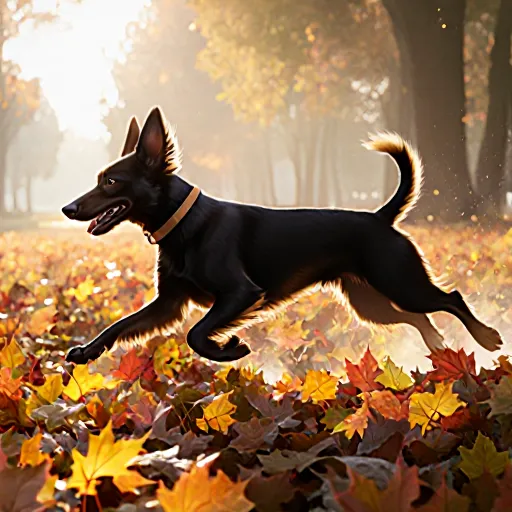
Unlocking Secrets Your Short-Haired Dog Hides
The Hidden Challenges of Short-Haired Pups
Table of Contents
- Choosing Grooming Tools for Long-Haired Dogs
- Frequency of Brushing Long-Haired Dogs
- Understanding the Types of Brushes for Your Dog
- Identifying Common Issues with Long-Haired Dogs
- Benefits of Regular Grooming for Long-Haired Dogs
- Grooming Long-Haired Dogs During Different Seasons
- Handling the Coat Care Needs of Long-Haired Dogs
- Special Considerations for Older or Ill Grooming Long-Haired Dogs
- Comparing Grooming Techniques for Long-Haired vs Short-Haired Dogs
- Choosing the Right Diet to Support Coat Health in Long-Haired Dogs
- Hygiene Practices for Grooming Long-Haired Dogs
- The Impact of Grooming on Long-Haired Dog's Behavior and Comfort
- Common Mistakes to Avoid When Grooming Long-Haired Dogs
- Conclusion
- FAQs About Grooming Long-Haired vs Short-Haired Dogs
Choosing Grooming Tools for Long-Haired Dogs
When it comes to grooming long-haired dogs, selecting the right tools is crucial for maintaining their coat's health and preventing tangles. Long-haired dogs have coats that require more attention compared to short-haired breeds due to their longer fur which can easily become matted and knotted if not properly maintained. The choice of grooming tools should be based on the specific needs of your dog’s breed, coat type, and individual hair condition.
Understanding the Difference: Grooming Long-Haired vs Short-Haired Dogs
The difference between grooming long-haired and short-haired dogs is significant. Long-haired dogs, such as Siberian Huskies or Border Collies, have a thick undercoat that can hold dirt, debris, and even parasites if not properly cared for. In contrast, short-haired breeds like Chihuahuas or Dachshunds require less intensive grooming but still need regular brushing to prevent matting.
Essential Grooming Tools for Long-Haired Dogs
- Slicker Brush: Ideal for removing tangles and dead hair. The fine wires of a slicker brush can gently part the coat without causing too much friction, making it perfect for long-haired dogs.
- Example: The FURminator Slicker Brush is known for its durability and efficiency in de-tangling even the most stubborn knots.
- Bristle Brush: Great for removing loose hair and dirt. Bristle brushes have sturdier bristles that can effectively scrape through thick coats without damaging them.
- Example: A high-quality boar-bristle brush like the Safari Triple Guard Boar Bristle Brush can help distribute natural oils throughout the coat, promoting healthier skin and a glossy appearance.
- Bow Brush or Detangler Brush: Designed to remove tangles without pulling. These brushes have wide teeth that glide through the hair easily, making them suitable for long-haired breeds that are prone to matting.
- Example: The Petcomb Detangling Bow Brush is excellent for pets with medium to long fur as it helps prevent painful matting and tangles.
Advanced Tools for Deep Cleaning and Maintenance
For more intensive grooming sessions, you might need specialized tools that can provide deep cleaning and maintenance. These include:
- Undercoat Rake: Used to remove undercoat hair from long-haired dogs during shedding seasons. This tool helps prevent your dog’s coat from becoming overly thick and uncomfortable.
- Example: The FURminator Undercoat Rake is a popular choice among pet owners for its effectiveness in managing heavy shedding.
- Electric Clippers or Grooming Clippers: For trimming and shaping the coat, especially during regular grooming sessions. These tools can be adjusted to different lengths depending on your dog’s specific needs.
- Example: The Oster Professional Pet Electric Clipper Set is a reliable option that offers precision cutting for all types of breeds and fur lengths.
Tips for Effective Grooming
To ensure effective grooming, follow these tips:
- Regular brushing: Aim to brush your long-haired dog at least twice a week. This helps in reducing shedding and keeping the coat clean.
- Use high-quality brushes: Investing in good quality grooming tools can make all the difference in how well you care for your pet’s coat.
- Consider professional grooming sessions: If your dog has particularly stubborn tangles or if you’re not experienced with grooming, taking them to a professional groomer is a wise choice.
Grooming long-haired dogs requires dedication and the right tools. By choosing the appropriate brushes and other grooming aids based on your dog’s breed and coat type, you can help ensure a healthier and happier pet. Always remember to consult with your veterinarian or a professional groomer if you are unsure about which tools would work best for your specific situation.
Frequency of Brushing Long-Haired Dogs
When it comes to grooming, long-haired dogs require more frequent brushing compared to their short-haired counterparts. The frequency of brushing is crucial for maintaining the health and appearance of your dog's coat.
Grooming Long-Haired Dogs
Long-haired dogs are prone to matting and tangles, which can lead to skin irritation if not addressed regularly. Regular brushing helps prevent these issues by detangling the fur gently and stimulating blood circulation in the skin.
Daily Brushing for Long-Haired Dogs
For dogs with very long hair, it is recommended to brush them daily. This frequent brushing not only keeps their coat healthy but also helps prevent mats from forming. Daily brushing can be especially beneficial during high-humidity periods or when your dog has been outside in the elements.
Semi-Daily Brushing
If your long-haired dog does not have excessively long hair, semi-daily brushing (every other day) should suffice. However, this frequency may still vary based on the climate and environment. For instance, dogs living in humid environments or those who spend a lot of time outdoors could benefit from more frequent brushing.
Grooming Short-Haired Dogs
Short-haired dogs generally require less frequent grooming compared to long-haired breeds. Their coats are less prone to tangling and matting, making them easier to manage.
Daily Brushing for Short-Haired Dogs
For short-haired dogs with minimal shedding, daily brushing is not necessary. Instead, a few times a week should be sufficient to maintain their coat's health. This frequency ensures that dead hair is removed and any dirt or debris on the dog’s skin is also addressed.
Semi-Daily Brushing
For short-haired dogs with higher shedding levels, brushing every other day might be necessary to keep their coat in good condition. This frequency helps prevent excess hair from accumulating around your home and on your furniture.
Tips for Efficient Grooming
- Use the Right Tools: Invest in appropriate grooming tools like a slicker brush, comb, or rake depending on your dog’s hair type. Each tool serves a specific purpose and can help make brushing more efficient.
- Start Early: Get your puppy used to being groomed from an early age. This will make the process easier as they grow older and reduce any potential stress or anxiety.
- Combine Grooming Sessions: If you find that your dog has a lot of matting or shedding, consider breaking up grooming sessions into smaller intervals throughout the day to avoid overwhelming them.
In conclusion, while long-haired dogs generally require more frequent brushing due to their higher risk of matting and tangling, both long-haired and short-haired breeds benefit from regular grooming. By understanding your dog's specific needs and tailoring the frequency of brushing accordingly, you can ensure a healthy, happy, and well-groomed pet.
Understanding the Types of Brushes for Your Dog
When it comes to grooming your dog, selecting the right brushes is crucial for maintaining their coat health and promoting a shiny, healthy appearance. Different types of brushes are designed to meet the specific needs of long-haired and short-haired dogs. Understanding the differences can help you choose the best tools for your furry friend.
Long-haired dogs often require more frequent grooming to prevent matting, tangles, and skin irritation. Here are some common brushes that work well with long-haired breeds:
Comb
A wide-toothed comb is essential for detangling a long-haired dog’s coat. It helps remove loose hair and mats without pulling on the fur.
Slicker Brush
This brush has fine, closely spaced wire bristles that are great for removing small tangles and dead hair from the undercoat of long-haired dogs.
Pin Brush
A pin brush is ideal for detangling a long-haired dog's coat. It helps separate the fur and promote circulation, which can reduce shedding.
Short-haired dogs typically have less undercoat and do not need as much grooming as their long-haired counterparts. However, they still benefit from regular brushing to remove loose hair and distribute natural oils. Here are some brushes suitable for short-haired dogs:
Dermabrash
A dermabrash has soft bristles that can be used on short-haired dogs for gentle grooming. It helps in distributing the dog's natural oils and keeps their coat healthy.
Blow Dry Brush
This brush is useful for shaping a short-haired dog’s fur, especially when preparing them for a haircut or blow-drying. The bristles are flexible and help to create a smooth finish.
- Consider Your Dog's Coat Type: For long-haired dogs, choose brushes with wider teeth to avoid pulling on the fur. Short-haired dogs can benefit from brushes with softer bristles.
- Frequency of Grooming: If your dog requires more frequent grooming due to matting or shedding, invest in higher-quality brushes that are durable and can handle daily use.
- Consult a Professional: A professional groomer can provide advice on the best brushes for your specific breed. They can also demonstrate proper brushing techniques.
In conclusion, selecting the right brushes is an important part of maintaining your dog's grooming routine. By understanding the different types of brushes available and their benefits, you can choose tools that are perfect for your long-haired or short-haired dog’s coat type.
Identifying Common Issues with Long-Haired Dogs
Identifying common issues with long-haired dogs is crucial for proper grooming and maintaining their overall health. Long-haired breeds require more frequent care than short-haired dogs due to the nature of their coat, which tends to tangle, mat, and collect dirt easily. Here are some key areas where you should focus your attention when dealing with long-haired dogs:
1. Tangles and Mats
The most common issue with long-haired dogs is the formation of tangles and mats, which can lead to painful skin conditions if not addressed properly. Regular brushing helps prevent these issues but requires more effort compared to short-haired breeds. It’s recommended to brush long-haired dogs at least twice a week, and more frequently during shedding seasons. Gently combing through the coat with a wide-toothed comb or a de-matting rake is essential.
Example: A Golden Retriever owner shared that her dog's coat would get matted in patches by midsummer if she didn't brush it daily. She started using a deshedding tool and noticed significant improvement.
2. Shedding Management
Long-haired dogs tend to shed more than short-haired breeds, particularly during seasonal changes. Excessive shedding can lead to hair balls in the digestive system if not managed correctly. Regular grooming helps control shedding by removing loose hair before it falls off naturally.
Practical Advice: Invest in a vacuum cleaner with an attachment suitable for pet hair and use it regularly, especially around your living space. Additionally, feeding your dog high-quality food can help manage shedding.
3. Skin Health
The dense coat of long-haired dogs can sometimes trap moisture and dirt close to the skin, leading to skin irritation or infections. Proper grooming practices like regular bathing and drying thoroughly after each session are necessary to keep their skin healthy.
Example: A veterinarian noted that a Labrador Retriever with a thick coat developed severe dermatitis due to poor grooming routines. After implementing an intensive grooming schedule, the dog's health improved significantly.
4. Dander and Allergens
Long-haired dogs produce more dander and allergens than short-haired breeds, which can be challenging for individuals with allergies or asthma. Regular bathing and vacuuming are essential to manage these issues effectively.
Practical Advice: Use hypoallergenic shampoos designed for pets and consider using HEPA filters in your home's air conditioning system to reduce airborne allergens.
5. Proper Brushing Techniques
The right brushing technique is vital when it comes to long-haired dogs. Incorrect brushing can cause more harm than good, leading to skin irritation or even damage to the coat. Always start at the head and work your way down the body in a gentle motion.
Example: An experienced groomer recommended using circular motions while brushing, especially around sensitive areas like the tail and neck of long-haired dogs.
Conclusion
In conclusion, identifying and addressing common issues with long-haired dogs is fundamental for their well-being. By understanding these challenges and taking proactive steps through regular grooming practices, you can ensure your dog lives a comfortable and healthy life.
Benefits of Regular Grooming for Long-Haired Dogs
Regular grooming is essential for long-haired dogs, but it offers unique benefits compared to short-haired breeds. The primary advantage of regular grooming for long-haired dogs lies in the prevention and management of tangles and mats. Unlike short-haired dogs that have minimal shedding issues, long-haired breeds often struggle with excessive hair production. This excess can easily become tangled, leading to mats which are not only uncomfortable for your dog but also harmful if left untreated.
Grooming helps in maintaining a healthier skin condition by reducing the risk of skin infections and irritation caused by tangles. When you regularly brush your long-haired dog, you stimulate blood circulation in their skin and coat. This improves overall skin health, making it more resistant to bacterial and fungal infections.
Regular grooming also aids in detecting any potential health issues early on such as fleas, ticks, and other parasites that could pose a threat to your dog's well-being. It allows you to monitor their coat for any unusual changes in texture or coloration, which might indicate underlying medical conditions.
Grooming long-haired dogs can significantly improve the quality of life for both you and your pet by reducing shedding around the house. Although this benefit is shared with short-haired breeds, it's more pronounced with long-haired dogs due to their higher hair production. Regular grooming sessions help manage and direct where the excess fur goes instead of allowing it to spread throughout the home.
Lastly, regular grooming strengthens the bond between you and your pet. It provides an opportunity for quality time together, which is crucial for emotional support and happiness. During these sessions, dogs also get a chance to relax and enjoy the attention they receive from their owners.
Comparison with Short-Haired Dogs
The grooming needs of long-haired versus short-haired dogs can be quite different due to their distinct characteristics. While both require regular care for overall health, the frequency and type of grooming required differ significantly:
- Frequency of Grooming: Long-haired dogs typically need more frequent grooming sessions than short-haired breeds. A weekly brushing is generally recommended, especially during shedding seasons.
- Type of Brushing: The tools used for grooming also vary based on the hair type. For long-haired dogs, a comb or slicker brush works best to prevent mats and remove loose fur.
- Shedding Management: Long-haired dogs tend to shed more than short-haired breeds, particularly during specific times of the year. Proper grooming helps manage this shedding by reducing hair on floors and furniture.
In conclusion, regular grooming is not just a routine task but a necessity for long-haired dogs. It ensures their health, enhances your relationship with them, and makes living with them more enjoyable and less messy.
Grooming Long-Haired Dogs During Different Seasons
Grooming long-haired dogs during different seasons is a crucial aspect of pet care that often differs from the grooming process for short-haired dogs. Long-haired dogs, such as Afghan Hounds and Siberian Huskies, require more meticulous attention to prevent matting and tangling, which can lead to discomfort and skin issues. The following guidelines will help you effectively groom your long-haired dog throughout the year.
In spring, long-haired dogs experience heavy shedding as they transition from their winter coats to lighter summer ones. This is a critical time for grooming:
- Daily Brushing: Use a de-tangling brush and a slicker brush to remove loose hair and prevent matting.
- Bath Care: Bathe your dog at least once every two weeks with a gentle shampoo. This helps in removing dead skin cells, dirt, and debris without drying out the coat too much.
During summer, focus on keeping your long-haired dog cool and hydrated while maintaining their coat:
- Regular Brushes: Brush at least three times a week to reduce shedding and keep the fur from tangling.
- Hydration: Ensure your dog has access to clean water. Consider grooming in the early morning or late evening when it's cooler.
In fall, long-haired dogs will again experience heavy shedding as they prepare for winter. This requires extra attention:
- Daily Brushing: Increase your brushing routine to daily or even twice a day.
- Bath Care: Bathe your dog every three weeks, ensuring thorough rinsing and conditioners if necessary.
In winter, the focus shifts to protecting your long-haired dog's coat and overall health:
- Regular Brushes: Brush at least twice a week. Use a wide-toothed comb or rake for thorough mat removal.
- Hydration and Skin Care: Ensure your dog's skin remains hydrated by using moisturizing lotions recommended by your vet. This helps in preventing skin dryness and irritation.
Grooming long-haired dogs differs significantly from short-haired ones due to the higher risk of matting and tangling, especially during seasons like spring and fall when heavy shedding occurs. By following these guidelines, you can ensure your dog's coat remains healthy and free of issues throughout all four seasons.
Handling the Coat Care Needs of Long-Haired Dogs
Grooming long-haired dogs is a task that requires more attention compared to short-haired breeds. The length of their coats not only makes them look beautiful but also significantly impacts their overall health and comfort. Here’s how you can handle the coat care needs of long-haired dogs effectively, comparing it with short-haired dogs.
Long-haired dogs generally require more frequent grooming than short-haired breeds. Their coats tend to shed less but still accumulate dirt and debris quickly due to their longer hair. Weekly brushing is essential for long-haired dogs to prevent tangles, mats, and skin irritations. For comparison, a short-haired dog might only need monthly brushing if they are well-maintained.
One of the most significant challenges with long-haired dogs is dealing with tangles and mats. These can lead to skin infections and discomfort for your pet. Regular daily or even twice-daily brushing sessions help prevent these issues. Using a slicker brush or a de-matting rake, depending on the severity of matting, can be effective tools. In contrast, short-haired dogs are less prone to matting but still benefit from regular grooming.
While long-haired dogs may not shed as much hair into your home environment, they do shed a lot of it during their shedding seasons. Proper grooming can help manage this. For short-haired dogs, the shedding is more manageable and typically occurs less frequently or in smaller quantities.
Long-haired dogs are at higher risk for skin issues due to their longer coats trapping dirt, moisture, and debris close to the skin. Regular grooming helps maintain healthy skin by preventing infections and irritation. Short-haired dogs also need proper skincare but may have fewer challenges compared to long-haired breeds.
For long-haired dogs, professional grooming sessions are often necessary every 6-8 weeks. These sessions can help manage the coat better and keep it in good condition. For short-haired dogs, such visits might be less frequent, typically once or twice a year.
Using pet-specific products like detangling sprays, moisturizers, and specialized brushes can greatly enhance the grooming experience for both long-haired and short-haired breeds. However, these tools are particularly beneficial for managing the longer coats of long-haired dogs.
In summary, while both long-haired and short-haired dogs require proper care to maintain a healthy coat and skin, long-haired dogs need more frequent attention due to their longer hair. Regular grooming sessions, including brushing and professional care when necessary, are crucial for keeping these dogs comfortable and looking their best.
Special Considerations for Older or Ill Grooming Long-Haired Dogs
Grooming long-haired dogs that are older or ill can be a challenging task, but it is crucial to maintain their coat health and prevent issues such as matting and skin infections. Long-haired dogs generally require more frequent grooming compared to short-haired breeds, but this becomes even more critical for senior dogs or those with health conditions.
Long-haired dogs naturally shed their coats in two main seasons: spring and fall. However, due to the slower metabolism of older dogs or compromised immune systems from illness, shedding may not follow this seasonal pattern, leading to increased hair accumulation around the home.
Their longer fur can also tangle more easily, creating mats that are difficult for the dog to groom themselves. Regular brushing helps prevent matting and keeps the skin healthy by distributing natural oils evenly across the coat. For older or ill dogs with mobility issues, you may need to assist in this process.
Illnesses such as arthritis can make grooming uncomfortable for senior long-haired dogs. It's important to be gentle and patient during grooming sessions, using calming techniques if necessary. If your dog is ill, consult with a vet about the best approach to grooming.
Older or ill dogs may experience skin problems more frequently due to reduced mobility and compromised immune systems. Grooming can help identify early signs of skin infections, allergies, or other issues. Regular baths are also beneficial for long-haired dogs, but they should be done carefully considering the dog's health.
- Brushing Routine: Establish a consistent brushing schedule tailored to your dog’s needs. For older or ill dogs, this might mean shorter sessions more frequently instead of long grooming periods that could cause stress.
- Bathing Carefully: Use lukewarm water and gentle shampoos suitable for sensitive skin. After bathing, thoroughly dry the coat, paying extra attention to areas prone to matting, like underarms and behind the legs.
- Professional Help: For dogs with severe mobility issues or complex health conditions, consider professional grooming services. Some salons offer home visits that can make the experience less stressful for your dog.
Always check with your vet before starting any new grooming routine, especially if your dog has ongoing health issues. They may recommend specific products or techniques suitable for your pet's condition. Remember that every dog is different, so what works for one might not work for another.
By providing the right care and attention to your older or ill long-haired dog, you can significantly improve their quality of life while maintaining a healthy, comfortable coat.
Comparing Grooming Techniques for Long-Haired vs Short-Haired Dogs
When it comes to grooming, long-haired and short-haired dogs have distinct needs that require different techniques. Understanding the differences between these two types of coats can significantly improve your dog's health and comfort.
Long-haired dogs typically have thick, luxurious coats that are prone to matting and tangling if not properly maintained. On the other hand, short-haired dogs usually have a more straightforward coat that is less likely to tangle but may require regular brushing to prevent overgrown hair.
For long-haired breeds such as Siberian Huskies or Golden Retrievers, the grooming process involves several steps:
- Daily Brushing: Regular brushing helps prevent tangles and mats. Use a slicker brush for removing loose hair and a comb for deep coat work.
- Bath Frequency: Baths should be given as needed, usually every few months to avoid stripping the natural oils from their skin.
- Professional Grooming: Professional grooming is necessary more frequently due to the tendency of long hair to mat. This can range from monthly to bi-monthly depending on the breed and its coat condition.
Short-haired breeds like Beagles or Pugs have a different set of grooming needs:
- Brushing: Brushing short-haired dogs is essential to prevent overgrown hair and mats. A firm bristle brush works well for this purpose.
- Bath Frequency: Baths should be given more frequently, typically every few weeks or as needed, to keep their skin healthy and their coat clean.
- Regular Trimming: Regular trimming of the hair around the dog’s paws, tail, and face can help maintain a neat appearance. This is particularly important for short-haired breeds with long facial hair such as Pugs or Boston Terriers.
No matter the breed, consistency in grooming routines is key to maintaining your dog's coat health:
- Create a Routine: Establish a regular grooming schedule that fits into your daily or weekly routine. This helps ensure you don’t miss any important grooming steps.
- Observe Your Dog: Pay attention to signs of skin irritation, excess shedding, or unusual coat condition. Early intervention can prevent more serious issues.
- Use Proper Tools: Invest in the right tools for your dog’s specific coat type. Different brushes and combs are designed for different types of hair and will help make grooming easier and more effective.
By understanding the differences between long-haired and short-haired dogs, you can tailor your grooming practices to best suit their individual needs. Regular brushing, proper bathing, and professional grooming when necessary will help keep your dog’s coat healthy and your home free from shedding.
Choosing the Right Diet to Support Coat Health in Long-Haired Dogs
When it comes to long-haired dogs, maintaining a healthy coat is crucial for their overall well-being. The right diet can significantly enhance the quality of your dog's coat, making it look shiny and preventing matting and shedding issues common in long-haired breeds.
Long-haired dogs require more grooming compared to their short-haired counterparts. Their coats are prone to tangles and mats, which can lead to skin problems if not properly managed. Regular brushing is essential for long-haired dogs, with some breeds needing daily attention to keep their coats in top condition.
Understanding Coat Types
Dogs have different coat types, and understanding these differences helps in choosing the right diet. Long-haired dogs often have double coats consisting of a soft undercoat and a harsh outer guard hair. This dual-layered structure makes them more prone to matting and requires specialized care.
Essential Nutrients for Coat Health
A proper diet rich in essential nutrients is vital for maintaining the health of your long-haired dog's coat:
- Fatty Acids: Fatty acids like omega-3 and omega-6 are crucial for a shiny coat. Foods high in these fatty acids include fish oil, flaxseeds, and salmon.
- Vitamins: Vitamins such as vitamin E help reduce skin irritation and inflammation, while vitamin A supports healthy cell growth.
- Proteins: High-quality proteins are essential for building and repairing hair. Good sources include lean meats like chicken and turkey.
Diet Recommendations
To support the coat health of long-haired dogs, it is recommended to feed them a high-protein diet that includes natural oils and antioxidants. Here are some specific foods you might consider:
- Lean cuts of meat such as chicken breast or turkey breast.
- Fresh vegetables like carrots and sweet potatoes for their fiber content.
- Natural sources of omega-3 fatty acids, such as flaxseeds or fish oil supplements.
Comparison with Short-Haired Dogs
Short-haired dogs generally have less complex coat structures and are less prone to matting. Their grooming needs are lower, but they still benefit from a balanced diet rich in essential nutrients. For short-haired breeds, you might focus more on preventive measures against shedding.
Practical Tips for Grooming Long-Haired Dogs
- Brush Regularly: Use a slicker brush or de-matting comb to remove tangles and mats.
- Bathe Properly: Bathe your dog every few weeks using a gentle shampoo suitable for dogs. Over-bathing can strip the natural oils from their coat.
- Specialized Grooming Tools: Invest in specialized grooming tools like a double-edged slicker brush to handle thick coats effectively.
In conclusion, choosing the right diet is key to supporting the coat health of long-haired dogs. By understanding their unique grooming needs and providing them with a balanced diet rich in essential nutrients, you can help keep your dog's coat looking its best while promoting overall well-being.
Hygiene Practices for Grooming Long-Haired Dogs
Grooming long-haired dogs requires a bit more attention compared to their short-haired counterparts. The extra care is necessary to prevent matting, tangles, and skin issues that can arise from the accumulation of dirt and debris in their dense coats.
Regular Brushing
Regular brushing is essential for long-haired dogs as it helps distribute natural oils throughout the coat, preventing dryness and promoting a healthy shine. Use a brush suitable for long hair such as a de-shedding blade or a slicker brush. Aim to brush your dog at least three times a week. For dogs with heavy coats like Malamutes or Siberian Huskies, daily brushing might be necessary.
Example: Brushing a long-haired Border Collie weekly can help keep its coat in excellent condition and prevent it from becoming tangled.
Bathing Carefully
While bathing is crucial, too frequent bathing can strip the skin of essential oils. Bathe your long-haired dog no more than every four to six weeks unless they are particularly dirty or have been exposed to allergens. Use a gentle, pH-balanced shampoo designed for sensitive skin.
Practical Advice: After bathing, make sure to thoroughly rinse out all soap from the coat and skin. It's also important to dry your dog completely to avoid any damp areas that can lead to skin infections or matting.
Maintaining Hygiene
To maintain hygiene effectively, consider trimming nails regularly (every 4-6 weeks), cleaning ears weekly, and checking the teeth for signs of gum disease. Regular dental care is particularly important as long-haired breeds can be prone to tartar build-up due to their diet or genetic predisposition.
Example: A Wirehaired Pointing Griffon may have a denser coat that traps more dirt and debris, requiring frequent ear cleaning and nail trimming to prevent health issues.
Differentiating from Short-Haired Dogs
The primary difference in grooming between long-haired and short-haired dogs lies in the frequency of brushing. Long-haired dogs generally need daily or at least weekly attention compared to once a week for short-haired breeds like Border Terriers.
Practical Tip: If you're adopting a new dog, consider its breed's grooming needs. For instance, while a short-haired Greyhound might not require as much maintenance as a long-haired Poodle, both will benefit from regular brushing and bathing routines tailored to their coat type.
The Impact of Grooming on Long-Haired Dog's Behavior and Comfort
Grooming long-haired dogs is a crucial aspect of pet care, and it significantly impacts their behavior and comfort. While both long-haired and short-haired dogs require grooming, the challenges and benefits differ based on coat length and type.
The regular grooming routine can have a profound impact on your dog's behavior. Long-haired dogs are more prone to developing matting if not groomed regularly. This can lead to stress for both you and the dog as it becomes increasingly difficult to manage their coat.
For long-haired breeds, brushing daily or every other day is recommended to prevent mats from forming. If mats do form, they should be treated carefully with specialized tools and products. Untreated mats can cause discomfort and even injury, which may lead to behavioral changes such as fearfulness or aggression when approached during grooming sessions.
On the positive side, regular brushing not only maintains the health of your dog’s coat but also strengthens the bond between you and your pet. Many owners find that their long-haired dogs become calmer and more relaxed after a good brushing session, which can lead to improved behavior at home.
The comfort of your long-haired dog is directly linked to how well their coat is cared for. A neglected coat can cause discomfort due to matted fur, hot spots, or skin irritation. In contrast, a properly groomed coat provides the following benefits:
- Reduced Skin Irritation: Regular grooming helps keep the skin clear of trapped dirt and debris, reducing the risk of irritation.
- Heat Regulation: A well-groomed long-haired dog is better able to regulate its body temperature because the coat can properly insulate them from both hot and cold environments.
- Pain Relief: Proper grooming helps prevent conditions like bloat, which could lead to pain and discomfort for your pet.
The grooming process differs significantly between long-haired and short-haired dogs. Here’s a breakdown of these differences:
- Time Required: Long-haired dogs typically require more time for grooming compared to their short-haired counterparts. The extra time is necessary due to the need to carefully brush out mats, remove tangles, and ensure each strand is properly cared for.
- Grooming Equipment: Tools such as a de-matting rake or comb are essential for long-haired dogs but may not be needed for short-haired breeds. The choice of tools can vary depending on the specific breed and coat type.
- Care Frequency: Long-haired dogs generally need more frequent grooming than short-haired ones. Regular brushing helps prevent issues like matting, tangling, and skin irritation, which are less likely to occur with shorter coats.
To ensure your long-haired dog remains comfortable and behaves well during grooming sessions, follow these tips:
- Start Early: Introduce your puppy to different grooming tools and techniques early on to acclimate them to the process.
- Use Positive Reinforcement: Reward your dog with treats or praise after each successful session to make grooming a positive experience.
- Choose the Right Tools: Invest in high-quality grooming products that are suitable for your dog’s coat type. This includes brushes, combs, and perhaps even an electric clipper if your dog has a very thick coat.
- Regular Maintenance: Establish a consistent grooming schedule to prevent matting and keep your dog comfortable throughout the year.
By understanding the unique needs of long-haired dogs and addressing them through proper grooming practices, you can ensure their comfort and happiness. This approach also helps maintain a healthy coat, which is crucial for both appearance and health.
Common Mistakes to Avoid When Grooming Long-Haired Dogs
Grooming long-haired dogs requires a bit more attention compared to short-haired breeds. Here are some common mistakes you should avoid when grooming your long-haired dog:
1. Skipping Regular Grooming Sessions
Regular brushing is crucial for preventing matting and tangles in long-haired dogs. Without regular sessions, even the most well-intentioned owners might find their dog's coat beyond salvageable. For example, a Shih Tzu with neglected grooming can develop serious matting that requires professional intervention to untangle.
To avoid this mistake, aim for daily brushing if your dog has a double coat and weekly sessions for single-coated breeds. Consistency is key in maintaining a healthy and manageable coat.
2. Forgetting the Undercoat
Long-haired dogs often have an undercoat as well, which can be easily overlooked during grooming. This layer of hair can lead to hotspots or skin problems if not addressed regularly. A thorough brushing should include attention to both the top coat and the undercoat.
An example is a Siberian Husky with an extensive undercoat that needs regular maintenance to prevent excessive shedding indoors during colder months.
3. Underestimating Trim Frequency
A well-trimmed long-haired dog has a sleeker appearance and can reduce the amount of hair shed around your home. However, many owners underestimate how often their dogs need trimming.
Short-haired dogs like Poodles can be trimmed every 6-8 weeks, but for long-haired breeds, this frequency may vary based on coat type. Regular trims not only keep the coat looking good but also ensure that the dog is comfortable and free from unnecessary hair buildup.
4. Using Inappropriate Tools
The wrong tools can do more harm than good when grooming a long-haired dog. Common mistakes include using scissors instead of clippers or brushing with the wrong brush, which could lead to skin irritation and discomfort for your pet.
For instance, using a metal comb on a sensitive dog might cause damage. It's important to choose tools that are designed for your specific breed and coat type. For example, wire-haired dogs like the Wirehaired pointing griffon benefit from a serrated pin brush rather than a slicker brush.
5. Neglecting Dental Hygiene
Dental hygiene is not just about keeping your dog's breath fresh; it also impacts overall health, including the mouth and gums which can affect the coat as well. Dogs with long muzzles like the Lhasa Apso are prone to dental issues due to their facial structure.
Regular brushing of teeth and routine visits to a vet for professional cleaning will not only improve your dog's overall health but also contribute positively to grooming efforts by reducing bad breath, which can be caused by decaying food trapped in the teeth or gums. For example, a long-haired dog like a Maltese with poor dental hygiene might have an unpleasant odor that affects their coat quality.
Conclusion
When it comes to grooming long-haired versus short-haired dogs, there are several key differences that pet owners should consider. The primary factor is the amount of time and effort required for each type of coat. Long-haired dogs generally require more frequent and thorough grooming sessions because their coats tend to tangle, mat, and knot easily. This can lead to discomfort and health issues if not properly managed. Regular brushing with a suitable brush or comb is crucial for long-haired breeds like Maltese,贵宾犬(Pekingese),和雪纳瑞犬(Terrier). Short-haired dogs, on the other hand, typically have lower maintenance needs. While they still need to be brushed regularly, often just once a week is sufficient to keep their coats healthy and free from tangles. Breeds such as Poodles or Beagles fall into this category, where grooming is less demanding but still important. Beyond the frequency of brushing, another significant difference lies in the tools used for grooming each type of coat. For long-haired dogs, a de-matting rake or a fine-toothed comb may be necessary to handle thick tangles and mats that can form easily in their coats. Short-haired breeds do not require these specialized tools as much; instead, brushes with shorter bristles are typically sufficient. Additionally, the grooming routine should also take into account the dog's overall health and any specific needs related to its breed. Some long-haired dogs might need more frequent trips to a professional groomer due to their tendency towards matting or shedding during certain seasons. In contrast, short-haired breeds may benefit from learning how to use grooming tools themselves as part of at-home care routines. Finally, it's worth noting that while the maintenance requirements differ between these two types of coats, both long-haired and short-haired dogs can experience joy and benefits from regular grooming sessions. These interactions not only promote better hygiene but also strengthen the bond between pet and owner through quality time spent together in a nurturing environment. In summary, understanding the differences in grooming needs based on coat type is essential for maintaining your dog's health and happiness. By providing appropriate care tailored to their specific requirements, you ensure that they live a comfortable life with shiny, healthy fur.
FAQs About Grooming Long-Haired vs Short-Haired Dogs
Grooming your dog is an essential part of pet care, ensuring their health and happiness. Whether you have a long-haired or short-haired dog, the process can vary significantly based on the breed and coat type. Here are some frequently asked questions to help guide you in choosing the right grooming routine for your four-legged friend.
1. What Are the Differences in Grooming Needs?
- Long-Haired Dogs: Long-haired dogs require more frequent brushing and combing to prevent matting and tangling. Regular grooming sessions are necessary, especially during shedding seasons.
- Short-Haired Dogs: Short-haired dogs have less intensive grooming needs compared to long-haired breeds. However, they still need regular brushing to keep their coats healthy and to remove loose hair.
2. How Often Should I Groom My Dog?
The frequency of grooming depends on the breed and coat type:
- Long-Haired Dogs: Aim for daily brushing during shedding seasons to minimize shedding in your home.
- Short-Haired Dogs: Weekly brushing is usually sufficient, but check with your vet if you notice excessive shedding or skin issues.
3. What Tools Do I Need for Grooming?
The right tools can make a big difference in how well you groom your dog:
- Long-Haired Dogs: Use a slicker brush, comb, and detangler spray to manage thick coats.
- Short-Haired Dogs: A rubber curry brush or a hound glove works well for short-haired breeds. These tools help distribute skin oils evenly across the coat.
4. How Do I Handle Shedding?
Both long-haired and short-haired dogs shed, but managing it can be different:
- Long-Haired Dogs: Regular brushing is crucial to reduce shedding indoors.
- Short-Haired Dogs: While not as intense, regular grooming helps manage shedding and keeps your home clean. Consider using a vacuum cleaner with an attachment for pet hair.
5. Are There Any Special Care Tips?
Additional care tips can vary by breed:
- Long-Haired Dogs: Bathe your dog less frequently to avoid dry skin, but be sure to moisturize their coat afterward.
- Short-Haired Dogs: Bathing too often can strip the natural oils from their coats. Use a gentle shampoo and conditioners specifically formulated for dogs with short hair.
6. What Should I Do if My Dog Has Skin Issues?
If you notice any skin issues, it's important to consult your vet:
- Long-Haired Dogs: Matting can lead to skin issues; address this by brushing frequently and using detangler spray.
- Short-Haired Dogs: Excessive shedding or redness could indicate an underlying health issue. Regular check-ups are essential to prevent problems.
7. How Do I Prepare My Dog for Grooming?
Making grooming a positive experience is key to your dog’s comfort:
- Long-Haired Dogs: Start from an early age with gentle handling and treats to make the process enjoyable.
- Short-Haired Dogs: Short-haired dogs are usually more cooperative, but it’s still important to involve them in positive reinforcement training for grooming sessions.
8. Can I Groom My Dog at Home or Should I Take Them to a Professional?
Deciding whether to groom your dog at home or take them to a professional can depend on the breed and the experience of the owner:
- Long-Haired Dogs: For complex grooming tasks such as trimming, it may be best to visit a professional groomer.
- Short-Haired Dogs: Many short-haired dogs can be easily groomed at home. However, if you are unsure or uncomfortable with certain techniques, don’t hesitate to seek professional help.
In conclusion, the key to successful grooming lies in understanding your dog’s specific needs and providing them with regular care that suits their breed and coat type. By following these tips and adapting your routine as needed, you can ensure a healthy, happy, and well-groomed companion.
Categories
- AI & Enrichment Play
- Broiler Farming
- Broiler Farming Tips
- Canine Wellness & Longevity
- Cat
- Cat & Human Connection
- Cat Adoption & Rescue
- Cat Breeds
- Cat Breeds & Personalities
- Cat Care & Health
- Cat Grooming & Hygiene
- Cat Lifestyle & Environment
- Cat Myths & History
- Cat Nutrition & Diet
- Cat Products & Reviews
- Cat Training & Behavior
- Comparison
- Consumer Awareness
- Dog
- Dog Accessories & Products
- Dog Adoption & Rescue
- Dog Breed & Lifestyle Trends
- Dog Breeding & Puppies
- Dog Entertainment & Media
- Dog Fashion & Trends
- Dog Fun & Lifestyle
- Dog Grooming & Hygiene
- Dog History & Culture
- Dog Myths, Science & Future Tech
- Dog News & Trends
- Dog Nutrition & Food
- Dog Psychology & Emotions
- Dog Safety & Security
- Dog Sports & Activities
- Dog Technology & Innovation
- Dog Training for Modern Owners
- Dog Travel & Adventure
- Dog Travel, Adventure & Culture
- Economic and Market Insights
- Educational Content
- FAQs
- Feeding Alternatives
- Festivals & Seasonal Ideas
- Fun & Entertainment
- General Knowledge
- General Pig Farming
- Health & Disease Management
- Housing and Environment
- Kittens
- Market Insights
- Miscellaneous
- Miscellaneous
- Motivational
- pig
- Pig Breeding
- Pig Breeds
- Pig Farming Stories and Inspiration
- Pig Health and Care
- Pig Nutrition
- Pig Products
- Profitability & Business
- Puppy Care
- Puppy Predictable Topics Reinvented
- Regional Focus
- Rescue & Adoption Buzz
- Senior Cats
- Senior Dog Care
- Smart Dog Tech & Gadgets
- Sustainability
- Sustainable & Eco-Friendly Dog Products
- Tech & Innovations
- Working & Service Dogs
- Broiler Feed66 products
- Country Feed33 products
- Pig Feed66 products
- Product22 products
- Raw Materials99 products
Products
-
 Fish Meal
₹1,999.00 – ₹2,999.00Price range: ₹1,999.00 through ₹2,999.00Rated 0 out of 5
Fish Meal
₹1,999.00 – ₹2,999.00Price range: ₹1,999.00 through ₹2,999.00Rated 0 out of 5 -
 FATTENING BROILER FEED
₹2,299.00 – ₹2,349.00Price range: ₹2,299.00 through ₹2,349.00Rated 0 out of 5
FATTENING BROILER FEED
₹2,299.00 – ₹2,349.00Price range: ₹2,299.00 through ₹2,349.00Rated 0 out of 5 -
 LAYER COUNTRY FEED
₹1,549.00 – ₹1,649.00Price range: ₹1,549.00 through ₹1,649.00Rated 0 out of 5
LAYER COUNTRY FEED
₹1,549.00 – ₹1,649.00Price range: ₹1,549.00 through ₹1,649.00Rated 0 out of 5 -
 COUNTER BROILER FEED
₹1,199.00 – ₹1,299.00Price range: ₹1,199.00 through ₹1,299.00Rated 0 out of 5
COUNTER BROILER FEED
₹1,199.00 – ₹1,299.00Price range: ₹1,199.00 through ₹1,299.00Rated 0 out of 5 -
 LACTATING PIG FEED
Rated 0 out of 5
LACTATING PIG FEED
Rated 0 out of 5₹2,299.00Original price was: ₹2,299.00.₹1,740.00Current price is: ₹1,740.00. -
 Maize
Rated 0 out of 5
Maize
Rated 0 out of 5₹1,650.00Original price was: ₹1,650.00.₹1,300.00Current price is: ₹1,300.00. -
 GESTATION PIG FEED (Phase 1)
Rated 0 out of 5
GESTATION PIG FEED (Phase 1)
Rated 0 out of 5₹2,249.00Original price was: ₹2,249.00.₹1,699.00Current price is: ₹1,699.00. -
 Pre Starter Broiler Feed
₹2,399.00 – ₹2,499.00Price range: ₹2,399.00 through ₹2,499.00Rated 0 out of 5
Pre Starter Broiler Feed
₹2,399.00 – ₹2,499.00Price range: ₹2,399.00 through ₹2,499.00Rated 0 out of 5 -
 FINISHER PIG FEED
Rated 0 out of 5
FINISHER PIG FEED
Rated 0 out of 5₹2,299.00Original price was: ₹2,299.00.₹1,749.00Current price is: ₹1,749.00. -
 Broiler Premix
Rated 0 out of 5
Broiler Premix
Rated 0 out of 5₹820.00Original price was: ₹820.00.₹699.00Current price is: ₹699.00.