
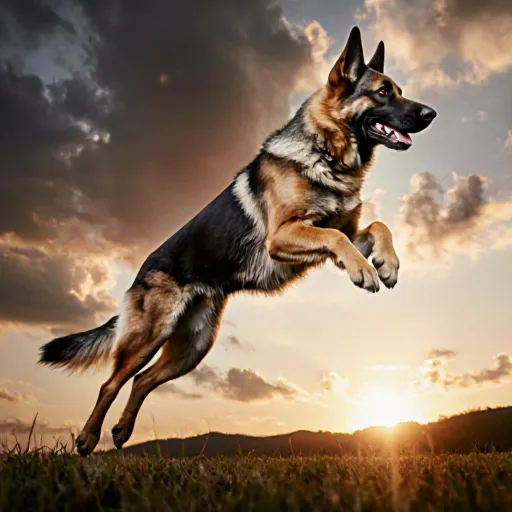
Unleash the Power of Advanced K9 Techniques
The Hidden Secrets of K9 Training
Table of Contents
- Introduction to Police Dogs
- Historical Background of Police Dogs
- Common Breeds Used in Policing
- Role and Responsibilities of Police Dogs
- Training Methods for Police Dogs
- Behavioral Characteristics Needed in Police Dogs
- Healthcare Needs and Nutrition of Police Dogs
- Day-to-Day Activities of a Police Dog
- Challenges in Training Police Dogs
- Career Pathways for Police Dogs
- Impact of Police Dogs on Crime Fighting
- Retirement and Care for Ex-Police Dogs
- Comparative Analysis with Other Working Dogs
- Conclusion
- FAQ
Introduction to Police Dogs
Police dogs, also known as service dogs or police work dogs, play a crucial role in law enforcement. These specially trained animals assist officers in various tasks such as detecting illegal substances, searching for missing persons, and apprehending suspects. The relationship between a police dog and its handler is often described as a partnership, with the dog providing valuable assistance to the human component of the team.
Police dogs come from specific breeds that are known for their physical attributes and temperament suitable for law enforcement duties. Some common breeds used include German Shepherds, Belgian Malinois, Dutch Shepherds, and Labrador Retrievers. Each breed brings unique characteristics to the table, making them ideal for different roles within law enforcement.
The training of police dogs is both extensive and rigorous. It involves a combination of obedience training, scent work, aggression control, and specialized skills tailored to each dog's role. For example, drug detection dogs are trained to identify specific odors associated with illegal substances, while cadaver dogs are trained to locate human remains.
During their training, police dogs undergo various stages that gradually build up their abilities. This includes early socialization, basic obedience commands, advanced tracking exercises, and real-world simulations to prepare them for actual law enforcement situations. Handlers spend countless hours working alongside their canine partners to ensure the dog's comfort and effectiveness in high-pressure scenarios.
The bond between a police dog and its handler is essential for effective teamwork. This partnership requires trust, communication, and mutual respect. Handlers rely on their dogs' instincts and training to make critical decisions during patrols or operations. In return, handlers provide guidance and support, ensuring the health and well-being of their canine partners.
The role of police dogs extends beyond law enforcement. They also participate in community outreach programs, raising awareness about safety and responsible pet ownership. These interactions help build trust between the police department and local communities.
Understanding the importance of proper care for these dedicated animals is equally important as their training and deployment. Police dogs require regular veterinary check-ups, a balanced diet, mental stimulation, and plenty of exercise to maintain peak physical and emotional health.
In conclusion, police dogs are indispensable assets in modern law enforcement. Their unique abilities, combined with the expertise of skilled handlers, make them vital partners in maintaining public safety and order. By recognizing the significance of these remarkable animals, we can better appreciate their contributions to our communities.
Historical Background of Police Dogs
The use of police dogs in law enforcement has a rich historical background that dates back centuries. The concept of using animals to assist law enforcement officials is not new; it has evolved over time to become an essential part of modern policing practices.
The use of dogs for police work can be traced back to the Roman Empire, where dogs were used to guard property and assist in hunting. However, it wasn't until the 19th century that the idea of utilizing dogs specifically for law enforcement purposes began to take shape.
Development in the 1800s
In the early 1800s, French police forces started experimenting with using scent-detection abilities of dogs. The French National Police introduced a type of dog known as "chien de faction," which was used to patrol and guard specific areas within cities. This marked one of the earliest recorded uses of dogs in law enforcement.
The Rise of Police Dog Units
By the late 19th century, police dog units were becoming more common across Europe and North America. In particular, Germany played a crucial role in developing modern police dog training methods. The German police recognized the potential value of specially trained dogs for tracking suspects, searching for evidence, and providing protection.
World War I and Beyond
During World War I, military working dogs were used extensively by various countries to perform tasks such as carrying messages, pulling sleds, and providing morale support. This experience demonstrated the effectiveness of dog training for specific purposes, leading to increased interest in utilizing them within civilian law enforcement.
The development of police dog units continued into the 20th century, with advances in training techniques and breed selection. Today, there are several specialized roles that police dogs can perform:
- Scent Detection: Dogs like German Shepherds or Belgian Malinois are trained to detect specific odors associated with illegal substances.
- Armed Response: Some breeds, including Rottweilers and Dutch Shepherds, undergo rigorous training for patrol duties and protection against criminal threats.
- Evidence Recovery: Bloodhounds or other scent-hound breeds excel at locating missing persons or recovering hidden evidence.
These modern roles are a direct result of centuries of evolution and adaptation, drawing on the skills that dogs have naturally developed over thousands of years. Each breed possesses unique traits that make it suitable for certain types of work in law enforcement.
The Role of Police Dog Breeds
As mentioned in "Police Dogs: Breeds and Training Explained," different breeds bring varied strengths to their police work:
- German Shepherds: Known for their intelligence, loyalty, and physical strength.
- Bloodhounds: Excellent at tracking due to an exceptional sense of smell.
- Labradors: Versatile breed suitable for both patrol and search-and-rescue missions.
The choice of which breed best suits a particular role often depends on the specific requirements of the mission, whether it’s related to drug detection, missing person recovery, or general law enforcement.
Training and Certification
Police dogs undergo extensive training programs that can last for months or even years. These programs focus not only on teaching them specific tasks but also ensuring they maintain a strong bond with their handler. Proper socialization is crucial during this period to prevent aggression towards civilians.
Certification processes vary by country, but generally involve rigorous evaluations testing both the dog’s skills and its temperament. Handlers work closely with trainers throughout these assessments, focusing on developing trust between them as a team.
Common Breeds Used in Policing
The selection of police dogs involves careful consideration based on their temperament, intelligence, and physical abilities. Various breeds have proven to be highly effective partners for law enforcement officers across the globe. Below are some common breeds used in policing, along with a brief overview of their roles and training.
German Shepherd
The German Shepherd is one of the most popular breeds used by police departments worldwide. Known for its intelligence, loyalty, and versatility, this breed can be trained to perform various tasks such as searching for drugs, explosives, and missing persons. Their strong bite allows them to subdue suspects without causing severe harm.
- Role: Search and rescue, drug detection, protection
- Training Highlights: Obedience training is crucial for this breed as they need to follow commands accurately in high-stress situations. They are also trained extensively on scent identification.
Malinois
The Malinois, a close cousin of the German Shepherd, excels in agility and speed. This breed is often used for drug and explosive detection due to its keen sense of smell and high energy levels that allow it to work efficiently over long periods.
- Role: Drug and explosive detection
- Training Highlights: The Malinois requires a lot of mental stimulation; therefore, training focuses on complex tasks to keep the dog engaged. They are also trained in agility courses which enhance their physical capabilities.
Bloodhound
The Bloodhound is renowned for its exceptional sense of smell and ability to track humans over long distances. This breed is often used in search and rescue missions where they can locate missing persons or suspects with remarkable accuracy.
- Role: Search and rescue
- Training Highlights: The Bloodhound’s sense of smell can be enhanced through specialized training that involves exposing them to a variety of scents. They are also trained in tracking techniques, making them invaluable for locating individuals.
Labrador Retriever
The Labrador Retriever is another versatile breed used by police departments. Known for its friendly nature and eagerness to please, this breed is often used as therapy dogs or for community outreach programs. However, they can also be trained for more rigorous tasks such as apprehending suspects.
- Role: Therapy dog, community outreach, apprehension
- Training Highlights: Labs are highly trainable and require a lot of positive reinforcement. They can be taught to carry items during search missions or to assist officers in various ways.
Australian Shepherd
The Australian Shepherd is known for its intelligence, agility, and herding instincts. This breed is often used for patrol duties due to its alertness and ability to work closely with handlers. Their strong herding instinct can also be harnessed for crowd control situations.
- Role: Patrol, crowd control
- Training Highlights: This breed requires consistent training and mental stimulation. They are often trained in obedience drills and agility exercises to ensure they can perform their duties effectively.
In conclusion, the choice of police dogs depends on the specific role required and the environment in which they will be working. Each of these breeds brings unique skills to the table, making them indispensable partners for law enforcement agencies.
Role and Responsibilities of Police Dogs
The role and responsibilities of police dogs are multifaceted, extending far beyond what is commonly perceived. These highly trained animals play a crucial part in maintaining public safety and law enforcement. Their abilities are derived from a combination of innate traits and extensive training, which make them invaluable partners to police officers.
In search and rescue missions, police dogs are deployed to locate missing persons or victims in disaster areas. For instance, dogs like the German Shepherd have an exceptional sense of smell that makes them adept at detecting human scent even over vast distances. In a typical scenario, after an earthquake, a dog team can be sent into collapsed buildings where their acute senses help identify survivors trapped under rubble.
Dogs such as Belgian Malinois are renowned for their drug detection capabilities due to their high energy levels and focus. They have been used extensively in airports, border crossings, and large public events to detect illegal drugs or explosives. The training process involves reinforcing the dog's natural drive to find certain scents by rewarding them when they successfully identify a target substance.
In situations where police officers face potential threats, police dogs are trained to provide protection. Breeds like the Dutch Shepherd are particularly suited for this role due to their loyalty and protective instincts. The dogs are taught commands that can command aggression when necessary, deterring suspects from approaching or attacking.
Dogs used in general patrol work help enhance the visibility of law enforcement officers and contribute to community safety. They can be seen walking alongside police officers during routine patrols, providing a reassuring presence. For example, in areas with high crime rates, the presence of police dogs can deter potential criminals.
The training for police dogs is rigorous and continuous throughout their working lives. It involves not only the initial stages where basic obedience commands are taught but also advanced training tailored to specific duties. Regular evaluations ensure that both officers and dogs maintain their skills and adaptability.
For instance, a dog may start its career with basic obedience training, then move on to specialized training for drug detection or search and rescue operations. Ongoing practice ensures the effectiveness of these trained animals in real-world situations.
The role and responsibilities of police dogs are crucial in various aspects of law enforcement. Their unique abilities, coupled with thorough training, make them indispensable partners to officers. By leveraging their senses and instincts, police dogs significantly enhance the capabilities of law enforcement agencies in maintaining public safety.
Training Methods for Police Dogs
In order to effectively perform their duties, police dogs require rigorous training that covers a wide range of skills. The methods used to train these remarkable animals are as diverse as the breeds they come from. Training police dogs is not only about teaching them basic commands but also involves advanced tasks such as search and rescue, drug detection, and apprehension techniques. Here’s an in-depth look at some of the key training methods for police dogs.
The use of positive reinforcement is a cornerstone in police dog training. This method involves rewarding the dog whenever they perform a desired behavior correctly, thus encouraging them to repeat that behavior. Treats, praise, and physical affection are commonly used as rewards. For example, when a police dog successfully finds a scent during a drug detection exercise, it receives a treat or verbal praise.
Police dogs often need to be desensitized to various stimuli that they might encounter during their duties. This involves gradually exposing the dog to these stimuli in a controlled and non-threatening manner until they become accustomed to them without reacting adversely. For instance, when training a police dog to respond to crowds at a public event, trainers slowly introduce more people into the environment while the dog is on-leash.
Operant conditioning focuses on modifying behavior through consequences. If the desired behavior leads to a positive outcome, it will likely be repeated in the future; conversely, if an unwanted behavior leads to negative consequences, it is less likely to happen again. This method can involve both positive reinforcement (adding something pleasant) and punishment (removing or applying an unpleasant stimulus).
Target training teaches dogs how to respond to specific cues by using a target such as a clicker, hand signal, or object. This technique helps in teaching complex behaviors step-by-step, making the training process more efficient and effective. For example, a police dog can be trained to sit, stay, and then follow a specific path with a small ball as a target.
Police dogs are often trained in teams with their handlers. These teamwork exercises involve cooperation between the handler and the dog, enhancing coordination and communication skills. Practical drills may include search and rescue operations where the team must work together to locate a suspect or find missing persons.
To prepare police dogs for real-life situations, trainers use simulation scenarios that closely mimic actual field conditions. These exercises help in building confidence and ensuring that the dog is prepared to handle stressful and challenging environments. For example, a scenario might involve simulating an active shooter situation where the dog must locate the suspect while handlers manage the crowd.
Police dogs, like humans, never stop learning. Continuous training ensures that they stay sharp and adaptable to new tasks or changes in their environment. Regular training sessions keep the dogs mentally stimulated and physically fit, which is crucial for their performance during duty.
In conclusion, the training methods used on police dogs are carefully selected to suit each breed’s unique characteristics and the specific roles they are expected to perform. By employing a combination of positive reinforcement, desensitization, operant conditioning, target training, teamwork exercises, and simulation scenarios, trainers can ensure that these remarkable animals are well-prepared for their crucial role in law enforcement.
Behavioral Characteristics Needed in Police Dogs
In the world of law enforcement, police dogs play an indispensable role, acting as a powerful ally to officers. To be effective, these working dogs must possess specific behavioral characteristics that align with their crucial tasks. These traits are not innate but are developed through rigorous training and consistent reinforcement during their careers. Understanding and emphasizing on these behaviors is essential for both the handlers and the dogs themselves.
- Agility and Stamina: Police dogs need to be physically fit enough to navigate various terrains, including urban areas and rugged landscapes. They should have the endurance to maintain high levels of activity for extended periods without showing signs of fatigue.
- Obedience: Absolute obedience is critical when it comes to police work. Dogs must follow commands accurately and swiftly in stressful situations where hesitation could lead to danger or misinterpretation by suspects.
- Focus and Concentration: In chaotic environments, a focused dog can sift through irrelevant stimuli and zero in on the target. This trait is particularly important during searches for drugs, explosives, or missing persons.
The behavioral characteristics required vary depending on the role of the police dog. Here are some examples:
Detective Dogs
- Sniffing and Identification: Detective dogs must have an extremely keen sense of smell to detect specific odors such as drugs, explosives, or missing persons’ scent. They should be able to differentiate between these scents accurately.
- Patience and Calmness: During long searches, they need to maintain a calm demeanor and show no signs of aggression towards other animals or people unless provoked.
Attack Dogs
- Aggression Control: While attack dogs are trained to deter suspects, they must also be able to stop their attacks upon command. This requires a high degree of obedience and emotional control.
- Intimidation: The presence alone should be enough to discourage or subdue a suspect, thus preventing unnecessary escalation in a confrontation.
Sniffer Dogs
- Awareness of the Environment: Sniffer dogs need to be aware of their surroundings and able to distinguish between different scents without being distracted by other stimuli.
- Positive Reinforcement Response: They should react positively when they detect the target substance, such as barking or pawing at the ground.
To train police dogs effectively and foster these behaviors, handlers must follow certain guidelines:
- Consistent Training: Regular training sessions help reinforce desired behaviors. Each session should be consistent in terms of commands, rewards, and corrections.
- Positive Reinforcement: Use treats, praise, or play as positive reinforcement to encourage good behavior. Avoid punishment-based methods which can lead to fear or aggression issues.
- Simulate Real-Life Scenarios: Train dogs in situations that mimic real working conditions. This helps them remain calm and focused during actual operations.
The behavioral characteristics needed in police dogs are a combination of natural instincts enhanced through specialized training. Handlers play a crucial role by providing the right environment for development and reinforcing positive behaviors. By understanding these traits, handlers can better support their dogs in becoming efficient and effective law enforcement partners.
Healthcare Needs and Nutrition of Police Dogs
In the realm of law enforcement, police dogs play an invaluable role. Their healthcare needs are as crucial as their training and physical fitness. Proper nutrition not only fuels a dog’s energy but also plays a significant part in maintaining its health, well-being, and performance on duty.
Nutritional Requirements
Police dogs require a balanced diet that meets their nutritional needs for strength and stamina. A typical police dog may consume up to 2-4 times more food than an average domesticated pet due to the intensity of their training and work schedule. Key nutrients include:
- Protein: Essential for muscle development and repair.
- Fat: Provides energy, supports brain function, and helps in the absorption of certain vitamins.
- Vitamins and Minerals: Vital for overall health, including bone strength, immune system support, and red blood cell production.
Special Considerations
Different breeds have different nutritional needs. For example:
- German Shepherds: Known for their versatility, these dogs require a diet that supports joint health and strong bones.
- Labradors: Their friendly nature and physical demands necessitate a diet rich in antioxidants to help with recovery from intense training sessions.
Feeding Schedule and Portion Control
A structured feeding schedule is important for maintaining the dog's energy levels. Many police departments adhere to specific feeding times that align with the dogs' work schedules:
- Morning Feeding: Before a long training session or patrol.
- Midday Meal: To provide energy for mid-shift activities.
- Evening Feed: After the day's work, to aid in recovery and rest.
Portion control is also crucial. Overfeeding can lead to obesity, which may impact a dog’s mobility and overall health.
Hydration
Water intake is as important as the diet itself. Police dogs should have access to clean water at all times, especially during rigorous training or work sessions in hot weather conditions. Hydration helps maintain performance levels and aids in recovery after physical exertion.
Veterinary Care
Regular veterinary check-ups are essential for monitoring the health of police dogs. These checks include:
- Dental care to prevent gum disease and tooth loss which can affect a dog’s ability to perform.
- General health assessments including blood tests, X-rays, and other diagnostic procedures.
- Vaccinations to protect the dogs from common diseases that could hinder their service.
Conclusion
Proper nutrition is a fundamental aspect of caring for police dogs. By addressing their specific dietary needs and ensuring they receive adequate care, law enforcement agencies can ensure their canine partners remain healthy and capable of performing at their best on the job.
Day-to-Day Activities of a Police Dog
The daily routine of a police dog is as crucial for their success on the job as it is for their well-being. Their day-to-day activities are designed to ensure they maintain peak physical and mental fitness, which directly impacts their ability to perform critical tasks like searching for suspects or drugs, tracking missing persons, and more.
Early Morning Walks
Just like humans, police dogs need regular exercise to stay healthy. Early morning walks are not just about physical activity; they also serve as a time for the dog to bond with their handler and get mentally stimulated. These walks often include specific tasks such as agility training or simply following commands while walking, which helps in maintaining discipline.
Training Sessions
Daily training sessions are vital for reinforcing behaviors and learning new skills. These sessions can vary from basic obedience drills to more advanced techniques that involve scent discrimination, search patterns, and specific command responses. For instance, a police dog might be trained to identify the scent of illegal substances or track a person through a given area.
Interactive Games
Police dogs also participate in interactive games designed to enhance their problem-solving abilities and obedience skills. These activities can include puzzle toys that require them to use their sense of smell to find hidden treats, or relay races where the dog must follow specific commands accurately.
Rest and Recovery
After a day full of activity, it's important for police dogs to have adequate rest. This includes time spent in quiet environments with minimal distractions to allow them to recharge both physically and mentally. Handlers ensure that their dogs get enough sleep and relaxation periods between activities.
Socialization
Socializing the dog is an essential part of its day-to-day routine, especially if it’s working in environments with multiple officers or other animals. This helps reduce stress during operational situations by making them more comfortable around unfamiliar people and noises.
Specialized Activities
Besides these general activities, some police dogs may engage in specialized tasks like water rescue or working in disaster areas following earthquakes or fires. These tasks require additional training tailored to the specific environment they will encounter during deployment.
In conclusion, understanding and adhering to a structured day-to-day routine is key for maximizing the effectiveness of any police dog while ensuring their health and happiness. Each activity plays a vital role in preparing them mentally and physically for the challenges ahead.
Challenges in Training Police Dogs
Training police dogs is a complex and multifaceted process that requires dedication, expertise, and constant adaptation. In "Police Dogs: Breeds and Training Explained," the challenges in training these remarkable animals are highlighted as crucial factors for their successful deployment. Here, we delve deeper into some of these challenges:
The breed of a police dog significantly influences its suitability for certain tasks. Some breeds excel at tracking, while others specialize in search and rescue or drug detection. The challenge lies in identifying which breed is best suited to the specific duties required by law enforcement agencies. For instance, German Shepherds are often used for patrol and protection due to their intelligence and loyalty, but they may not be as effective in a scent-tracking role compared to Bloodhounds.
Practical advice: Law enforcement should consult with experienced trainers who can provide insights based on the dog's temperament and physical attributes. Regular evaluations are also necessary to ensure that the chosen breed is indeed the best fit for the job.
Police dogs need a consistent training environment where they learn obedience, commands, and task-specific behaviors. Variability in training environments can lead to confusion or poor performance. For example, a dog trained primarily in an urban setting may struggle when deployed in rural areas with different terrain and weather conditions.
Practical advice: Training should be conducted in various real-world settings to prepare the dogs for diverse scenarios they might encounter on duty. This helps build resilience and adaptability. Regular practice sessions that mimic actual working conditions are essential.
Dogs often face stressful situations during training, such as loud noises or being in close proximity to dangerous individuals. These stressors can impact their learning and performance if not managed properly. The challenge is to ensure that the dog remains calm and focused under pressure.
Practical advice: Incorporate simulated scenarios into training programs to expose the dogs to potential stressors gradually. Positive reinforcement techniques should be used to reward the dog for maintaining composure during these exercises. Building a strong bond between handler and dog also helps in managing stress levels effectively.
Police dogs are required to perform physically demanding tasks, which necessitates maintaining their physical fitness throughout their career. Overtraining or lack of exercise can lead to health issues that might compromise the dog's ability to work effectively.
Practical advice: A balanced diet and regular exercise should be part of every police dog’s routine. Handlers need to monitor their dogs’ activity levels closely and adjust as necessary. Regular veterinary check-ups are also crucial in preventing potential health problems.
The job of a police dog is not static; it evolves with advancements in technology, new threats, and changing law enforcement strategies. Therefore, continuous learning is essential for the dogs to stay relevant and effective.
Practical advice: Ongoing training sessions should be incorporated into the routine, focusing on both new skills acquisition and reinforcement of existing ones. This ensures that police dogs remain capable of adapting to various challenges they may face during their career.
Training police dogs is a challenging yet rewarding endeavor. By addressing these key challenges—selecting the right breed, maintaining consistent training environments, managing stress, ensuring physical fitness, and promoting continuous learning—law enforcement agencies can foster the development of highly skilled and capable working companions.
Career Pathways for Police Dogs
In a world where technology and automation are rapidly advancing, certain professions are evolving. Among these, the role of police dogs has not only remained relevant but also expanded significantly. The career pathway for police dogs is unique and multifaceted, involving a blend of physical training, emotional resilience, and specialized skills that make them invaluable partners in law enforcement.
The journey of becoming a police dog begins with rigorous initial training. This phase lays the groundwork for the dog to learn obedience commands, basic search and rescue techniques, and how to interact safely with human handlers. Breeds like German Shepherds, Dutch Shepherds, Belgian Malinois, and Border Collies are commonly chosen due to their intelligence, loyalty, and physical capabilities. For instance, a German Shepherd named Max might start his training by learning simple commands such as "sit" or "stay." Over time, these basic skills evolve into more complex tasks.
Once the initial training is complete, police dogs undergo advanced training tailored to specific roles. These roles can range from narcotics detection to tracking suspects. For example, a dog like Bella might specialize in detecting illegal substances by working closely with her handler to sniff out drugs in various environments. Each role requires its own set of skills and techniques. A K9 officer named Officer Johnson explains that "Bella's training allows us to detect even the smallest traces of narcotics, which can lead to critical evidence in solving cases." This phase also includes training for public interaction and de-escalation, ensuring the dog remains calm and focused in challenging situations.
The deployment phase is where police dogs truly make a difference. They work alongside human officers to perform critical tasks that enhance public safety. Deployed police dogs can be found patrolling communities, assisting during searches for missing persons, or apprehending suspects. A case study highlights the role of a search and rescue team led by Officer Garcia and his K9 partner, Zeus. "Zeus's ability to navigate through dense forests helped us locate a missing child in less time than traditional search methods," recounts Officer Garcia.
Educational opportunities for police dogs do not end with their retirement from active duty. Many retired police dogs continue to serve as therapy dogs, providing comfort and support to individuals in need. Additionally, some organizations offer refresher courses and advanced training to keep these remarkable animals at the top of their game. A retired police dog named Lucy now spends her days working as a therapy dog, visiting hospitals and schools to brighten the lives of children with disabilities.
The success of any police dog's career pathway depends heavily on the relationship between the handler and the dog. Handlers like Officer Hernandez emphasize that "the bond we share is crucial for effective communication and teamwork." Regular training and positive reinforcement help maintain this bond, ensuring a high level of trust and cooperation.
The career pathway of police dogs is one of dedication and partnership. From their initial training to specialized roles in law enforcement, these remarkable animals play an indispensable role in maintaining public safety. Their journey is not just about skills but also about emotional intelligence and the ability to work as a team. As technology continues to evolve, so too does the role of police dogs, ensuring that they remain at the forefront of innovative policing strategies.
Impact of Police Dogs on Crime Fighting
The impact of police dogs on crime fighting cannot be overstated. These highly trained animals play a crucial role in law enforcement by assisting officers with various tasks that enhance public safety and security. Police dogs are often deployed for their exceptional senses, particularly smell, which allows them to sniff out drugs, explosives, or even track down missing persons.
Several breeds of police dogs have been selected for their temperament, intelligence, and physical capabilities. Some of the most common breeds include Belgian Malinois, German Shepherds, Dutch Shepherds, and Labrador Retrievers. Each breed has its own set of strengths that make them suitable for different roles within law enforcement.
Belgian Malinois
Bred primarily as herding dogs, Belgian Malinois have found a new purpose in law enforcement. Their high energy level and strong work ethic make them excellent candidates for search and rescue missions or tracking down suspects. They are also known for their agility and ability to navigate through tight spaces.
German Shepherds
A versatile breed, German Shepherds are often used in a variety of roles including patrol dogs, guard dogs, and even search and rescue operations. Their intelligence and loyalty make them one of the most popular choices among law enforcement agencies worldwide.
Dutch Shepherds
Similar to German Shepherds but with a slightly different temperament, Dutch Shepherds are known for their strong work ethic and high level of intelligence. They excel in tasks requiring precision such as tracking down suspects or detecting the presence of illegal substances.
Labrador Retrievers
While not typically associated with law enforcement, Labradors have been successfully adapted for roles like drug detection due to their friendly nature and willingness to please. Their calm demeanor makes them effective in situations where they need to approach people without causing fear or panic.
The training process for police dogs is rigorous and involves months of preparation before these animals can be deployed on active duty. The initial steps include socialization, obedience training, and basic commands which lay the foundation for more advanced skills that will eventually be required in real-world scenarios.
Advanced Training
Besides learning fundamental commands like 'sit', 'stay', and 'heel', police dogs undergo specialized training specific to their role. For example, drug detection dogs learn to sniff out specific drugs by associating the scent with a reward. Similarly, explosive detection dogs are trained to recognize the smell of explosives and alert their handlers upon detecting it.
Police dogs contribute significantly to crime prevention through various applications:
- Drug Interdictions: Dogs are used to detect the presence of illegal substances which helps in disrupting drug trafficking networks.
- Explosive Detection: Their acute sense of smell allows them to identify explosive materials, preventing potential terrorist attacks and ensuring public safety during large events or gatherings.
- Search & Rescue: In emergencies such as natural disasters or missing persons cases, police dogs can be deployed quickly to search vast areas efficiently.
In conclusion, the contribution of police dogs in crime fighting is invaluable. Their unique abilities complement human efforts and provide a multi-layered approach to maintaining public safety and security.
Retirement and Care for Ex-Police Dogs
After an illustrious career serving their community, police dogs deserve a life of comfort and care during their retirement. The decision to retire a police dog is not taken lightly; it marks the end of a service that has often been marked by significant physical and emotional stress for both the canine and human partners.
To properly care for your ex-police dog, it's important to understand the breeds commonly used in law enforcement. These dogs are typically chosen for their intelligence, loyalty, and physical capabilities that make them suitable for tasks such as search and rescue, drug detection, and patrol duties.
- German Shepherd: Known for their versatility and strength, German Shepherds are one of the most popular breeds in police work. They can serve in various roles including protection and tracking.
- Labrador Retriever: Labradors are used primarily for their friendly nature and exceptional obedience. They excel in search and rescue operations as well as drug detection.
- Pit Bull Terrier: Pit Bulls, despite some misconceptions, have been used by police forces due to their courage and tenacity. They can be trained for a range of tasks including protection.
- Malamute: These dogs are known for their endurance in harsh climates and have been used for tracking and search-and-rescue operations.
The training of police dogs is a rigorous process that involves not just obedience, but also specialized skills tailored to the specific role they are expected to fulfill. Training begins at a young age and continues throughout their career. The focus areas include:
- Handling
- Obedience
- Agility
- Protection
- Tracking
- Scent Detection
The transition from active duty to retirement can be challenging, and it's crucial that ex-police dogs receive the care they need to continue living happily. Here are some steps you can take to ensure your retired dog has a comfortable life:
Provide Adequate Nutrition
A well-balanced diet is essential for maintaining the health of your retired police dog. Consult with a veterinarian to determine the best food options that cater to their specific needs, taking into account any health conditions they may have developed during their career.
Create a Safe and Comfortable Environment
Ensure there is a secure area for your retired police dog to relax. This could be a cozy bed in a quiet room or yard where they can rest undisturbed. Regularly clean and maintain the living space.
Regular Veterinary Check-Ups
Even though your dog has been well-cared for during their service, regular check-ups are important to catch any health issues early. Discuss with your vet about any special care needed due to injuries or conditions that may have developed.
Engage in Mental and Physical Activities
To keep your retired police dog mentally sharp and physically fit, engage them in activities such as walks, playtime, and puzzle toys. This helps prevent boredom and mental stagnation which can lead to behavioral issues.
Provide Emotional Support
The emotional well-being of a retired police dog is just as important as physical health. Spend quality time with your dog, providing affection and companionship. If they have bonded closely with their former handler, consider fostering the bond by involving them in activities.
Retiring an ex-police dog is a significant decision that requires careful planning and consideration of the dog's needs. By understanding the breed and training they have undergone, you can ensure their retirement is as fulfilling as their service. With proper care, your retired police dog will enjoy a peaceful and happy life, continuing to be a cherished member of your family.
Comparative Analysis with Other Working Dogs
The role of working dogs, including police dogs, is crucial in various law enforcement and security tasks. While there are many breeds that excel in different roles such as search and rescue (SAR), detection dogs for narcotics or explosives, and even guide dogs for the visually impaired, it's important to understand how these breeds compare with each other.
Comparison with K9 Breeds
K9 units are a key part of police forces worldwide. These dogs are trained specifically for their roles in law enforcement and can perform tasks like tracking suspects, finding missing persons, or detecting illegal substances. When comparing the breeds used as police dogs to other working dog breeds, such as German Shepherds and Belgian Malinois, it's important to note that while all are effective, they have unique traits.
- German Shepherd: Known for their intelligence and versatility, German Shepherds can perform a wide range of tasks. They are highly trainable and work well in high-stress situations such as search and rescue operations or apprehending criminals.
- Belgian Malinois: Similar to German Shepherds, Belgian Malinois are also known for their intelligence but tend to be more agile and faster on their feet. This makes them ideal for tracking and agility tasks.
Comparison with SAR Dogs
SAR dogs (Search and Rescue) have a different set of skills compared to police dogs, though they share some overlapping traits like obedience and strong bonds with their handlers. The primary breeds used for SAR include Labrador Retrievers, Golden Retrievers, and Newfoundlands.
- Laboratory Retriever: This breed is known for its calm demeanor and excellent sense of smell, making them ideal for long-duration searches in disaster areas where they can detect the scent of missing persons even after a long time.
- Golden Retriever: Similar to Labrador Retrievers but with an even more gentle disposition, Golden Retrievers are also used extensively in SAR due to their friendly nature and ability to work well under pressure.
- Newfoundland Dog: Known for their incredible strength and water rescue capabilities, Newfoundlands excel in environments where both land and water searches are necessary. Their thick coats protect them from harsh weather conditions during search operations.
Detection Dogs: Narcotics vs Explosives
There are different breeds that specialize in detecting specific substances, such as narcotics or explosives. While Belgian Malinois and German Shepherds are popular choices for both types of detection tasks, there are other breeds known to be particularly effective in each area:
- Narcotics Detection: Breeds like the Portuguese Water Dog and the Standard Poodle are used because of their dense coats which can trap odors effectively. Their size and build allow them to search larger areas without tiring quickly.
- Explosives Detection: Beagles, with their excellent sense of smell and small stature, are often chosen for this role as they can navigate narrow spaces easily while still being able to detect the faintest traces of explosives.
Puppies and Training
The early training and socialization of puppies play a critical role in determining which breeds might be best suited for specific tasks. Puppies from police dog or SAR backgrounds often undergo extensive training starting at around 8 weeks old, focusing on obedience, control, and task-specific skills.
- Early Training: It’s essential that puppies begin socialization early to ensure they grow up to be comfortable in various environments. Puppies should meet different people, animals, and experience diverse noises to avoid developing phobias or anxieties later on.
- Specialized Training: Depending on the breed's natural tendencies, specialized training can help mold them into effective working dogs. This includes scent work, agility exercises, and specific command responses tailored for their role in law enforcement or rescue operations.
In conclusion, while all these breeds have their own strengths and weaknesses, careful selection based on the intended role of the dog is crucial. The breed's natural characteristics must be combined with proper training to ensure that the dog can effectively perform its duties, whether it's in law enforcement, search and rescue, or detection tasks.
Conclusion
Police dogs play a crucial role in law enforcement, contributing significantly to public safety and crime prevention. The selection of a suitable police dog breed is critical, as each breed has its unique set of abilities that make them effective for specific tasks. For instance, Belgian Malinois are known for their speed and agility, making them ideal for patrol work and tracking. German Shepherds are renowned for their loyalty and strength, which makes them excellent in search and rescue operations. Labrador Retrievers, on the other hand, excel in drug detection due to their strong scenting ability.
Training a police dog is an extensive and rigorous process that begins with basic obedience training. This includes commands such as "sit," "stay," and "heel." Once these foundational skills are mastered, specialized training for the specific duties of the police dog begins. For example, a drug detection dog undergoes training to recognize various substances by their scent. The training is not just about recognizing scents but also understanding how to alert the handler when an object or person has been detected.
Police dogs often work in high-stress environments, and it is essential that they are well-trained to handle such situations. This includes teaching them to remain calm during confrontations and to follow commands strictly even under pressure. Handlers undergo extensive training alongside their canine partners to ensure a strong bond and effective teamwork.
Examples of practical advice for those interested in the field include regular exercise to maintain physical fitness, proper nutrition to support health, and continuous mental stimulation through training exercises. Additionally, it is important to provide socialization opportunities to help dogs develop good behavior around people and other animals.
In conclusion, the combination of a suitable breed and dedicated training makes police dogs invaluable assets in law enforcement. Their skills not only enhance public safety but also serve as a critical part of the partnership between humans and canines in maintaining community security. Understanding the unique capabilities of each breed and the intensive training process is crucial for anyone involved in this noble profession.
FAQ
Police dogs play a crucial role in law enforcement, providing assistance in various tasks such as search and rescue, drug detection, and apprehending suspects. Here are some frequently asked questions to help you understand more about police dog breeds and their training.
Q: What Breeds Are Commonly Used for Police Work?
The most commonly used breeds for police dogs include German Shepherds, Belgian Malinois, Dutch Shepherds, and Labrador Retrievers. These breeds are chosen because they possess the necessary physical attributes such as strength, agility, and endurance, which are essential for their roles.
Q: How Are Police Dogs Trained?
The training of police dogs is a rigorous process that involves several stages including basic obedience, scent recognition, tracking, and specialized tasks. Basic obedience training helps the dog understand commands like "sit," "stay," and "heel." Scent recognition training teaches the dog to detect specific odors associated with drugs or explosives.
For example, a drug detection dog might be trained to sit or alert when it detects the odor of illegal substances. Tracking dogs are trained to follow a scent trail left by a suspect or missing person, which requires excellent tracking skills and a keen sense of smell. Once they have mastered these basic tasks, they can undergo specialized training for specific roles such as search and rescue or apprehension.
Q: What Role Do Police Dogs Play in Different Situations?
Police dogs serve various roles depending on their breed and the skills they are trained to perform. For instance, German Shepherds are often used for patrol duties due to their intelligence and versatility. They can assist officers by patrolling public spaces, deterring criminal activity, and providing a deterrent presence.
Belgian Malinois dogs are known for their speed and agility, making them ideal for high-energy tasks such as drug or explosive detection. In contrast, Dutch Shepherds have excellent tracking skills which make them effective in search and rescue operations where time is critical.
In apprehension situations, police dogs can be used to subdue suspects by barking loudly or biting if necessary. This helps officers gain control of the situation safely without resorting to lethal force.
Q: How Long Does It Take for a Police Dog to Be Trained?
The time it takes for a police dog to be fully trained varies depending on the breed and the tasks they need to perform. On average, basic obedience training can take several months, while specialized training such as drug detection or search and rescue might require additional months of practice.
During this period, both the dog and its handler undergo extensive training together to ensure a strong bond and effective teamwork. It is important that handlers spend quality time with their dogs during training sessions so they can reinforce positive behaviors and build trust.
Q: What Are Some Challenges in Training Police Dogs?
Training police dogs comes with its own set of challenges. One significant challenge is ensuring the dog remains motivated throughout the training process. Handlers must use positive reinforcement techniques such as praise, treats, and playtime to keep the dog engaged.
Another challenge is dealing with stressors that could arise during real-world scenarios. For example, a police dog might encounter loud noises or unfamiliar environments which can affect its performance. Handling these situations requires patience from both the handler and the dog.
Q: How Do Police Dogs Affect Crime Rates?
The presence of well-trained police dogs has been shown to contribute significantly to reducing crime rates in communities. By assisting officers with tasks that are dangerous or time-consuming for humans, such as searching large areas quickly or detecting hidden substances, police dogs help keep neighborhoods safer.
For instance, a drug detection dog can cover an area much faster than human patrol officers, increasing the likelihood of uncovering illegal activities. Similarly, search and rescue dogs can locate missing persons in remote locations where traditional methods would be less effective.
Q: Are Police Dogs Retired When They Age?
When police dogs reach retirement age, they are typically retired to enjoy their remaining years with their handlers or given to organizations that provide care for retired police dogs. Some jurisdictions have programs specifically designed to place these animals in safe and loving homes.
Retraining a retired dog is not always feasible due to the specialized skills required for police work, so most handlers opt to retire alongside their loyal companions.
Categories
- AI & Enrichment Play
- Broiler Farming
- Broiler Farming Tips
- Canine Wellness & Longevity
- Cat
- Cat & Human Connection
- Cat Adoption & Rescue
- Cat Breeds
- Cat Breeds & Personalities
- Cat Care & Health
- Cat Grooming & Hygiene
- Cat Lifestyle & Environment
- Cat Myths & History
- Cat Nutrition & Diet
- Cat Products & Reviews
- Cat Training & Behavior
- Comparison
- Consumer Awareness
- Dog
- Dog Accessories & Products
- Dog Adoption & Rescue
- Dog Breed & Lifestyle Trends
- Dog Breeding & Puppies
- Dog Entertainment & Media
- Dog Fashion & Trends
- Dog Fun & Lifestyle
- Dog Grooming & Hygiene
- Dog History & Culture
- Dog Myths, Science & Future Tech
- Dog News & Trends
- Dog Nutrition & Food
- Dog Psychology & Emotions
- Dog Safety & Security
- Dog Sports & Activities
- Dog Technology & Innovation
- Dog Training for Modern Owners
- Dog Travel & Adventure
- Dog Travel, Adventure & Culture
- Economic and Market Insights
- Educational Content
- FAQs
- Feeding Alternatives
- Festivals & Seasonal Ideas
- Fun & Entertainment
- General Knowledge
- General Pig Farming
- Health & Disease Management
- Housing and Environment
- Kittens
- Market Insights
- Miscellaneous
- Miscellaneous
- Motivational
- pig
- Pig Breeding
- Pig Breeds
- Pig Farming Stories and Inspiration
- Pig Health and Care
- Pig Nutrition
- Pig Products
- Profitability & Business
- Puppy Care
- Puppy Predictable Topics Reinvented
- Regional Focus
- Rescue & Adoption Buzz
- Senior Cats
- Senior Dog Care
- Smart Dog Tech & Gadgets
- Sustainability
- Sustainable & Eco-Friendly Dog Products
- Tech & Innovations
- Working & Service Dogs
- Broiler Feed66 products
- Country Feed33 products
- Pig Feed66 products
- Product22 products
- Raw Materials99 products
Products
-
 Fish Meal
₹1,999.00 – ₹2,999.00Price range: ₹1,999.00 through ₹2,999.00Rated 0 out of 5
Fish Meal
₹1,999.00 – ₹2,999.00Price range: ₹1,999.00 through ₹2,999.00Rated 0 out of 5 -
 FATTENING BROILER FEED
₹2,299.00 – ₹2,349.00Price range: ₹2,299.00 through ₹2,349.00Rated 0 out of 5
FATTENING BROILER FEED
₹2,299.00 – ₹2,349.00Price range: ₹2,299.00 through ₹2,349.00Rated 0 out of 5 -
 LAYER COUNTRY FEED
₹1,549.00 – ₹1,649.00Price range: ₹1,549.00 through ₹1,649.00Rated 0 out of 5
LAYER COUNTRY FEED
₹1,549.00 – ₹1,649.00Price range: ₹1,549.00 through ₹1,649.00Rated 0 out of 5 -
 COUNTER BROILER FEED
₹1,199.00 – ₹1,299.00Price range: ₹1,199.00 through ₹1,299.00Rated 0 out of 5
COUNTER BROILER FEED
₹1,199.00 – ₹1,299.00Price range: ₹1,199.00 through ₹1,299.00Rated 0 out of 5 -
 LACTATING PIG FEED
Rated 0 out of 5
LACTATING PIG FEED
Rated 0 out of 5₹2,299.00Original price was: ₹2,299.00.₹1,740.00Current price is: ₹1,740.00. -
 Maize
Rated 0 out of 5
Maize
Rated 0 out of 5₹1,650.00Original price was: ₹1,650.00.₹1,300.00Current price is: ₹1,300.00. -
 GESTATION PIG FEED (Phase 1)
Rated 0 out of 5
GESTATION PIG FEED (Phase 1)
Rated 0 out of 5₹2,249.00Original price was: ₹2,249.00.₹1,699.00Current price is: ₹1,699.00. -
 Pre Starter Broiler Feed
₹2,399.00 – ₹2,499.00Price range: ₹2,399.00 through ₹2,499.00Rated 0 out of 5
Pre Starter Broiler Feed
₹2,399.00 – ₹2,499.00Price range: ₹2,399.00 through ₹2,499.00Rated 0 out of 5 -
 FINISHER PIG FEED
Rated 0 out of 5
FINISHER PIG FEED
Rated 0 out of 5₹2,299.00Original price was: ₹2,299.00.₹1,749.00Current price is: ₹1,749.00. -
 Broiler Premix
Rated 0 out of 5
Broiler Premix
Rated 0 out of 5₹820.00Original price was: ₹820.00.₹699.00Current price is: ₹699.00.