
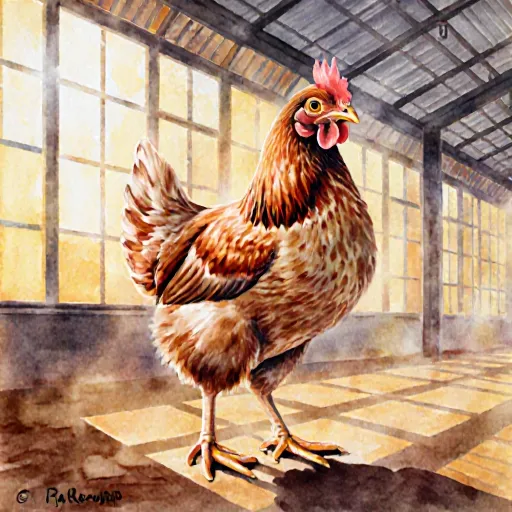
Optimize Broiler Growth with Perfect Temperatures
Table of Contents
- Introduction to Broiler Growth
- The Role of Temperature in Growth
- Ideal Temperature Ranges for Different Ages
- Impact on Feed Efficiency
- Water Consumption and Temperatures
- Growth Rate and Optimal Temperatures
- Health and Welfare Considerations
- Environmental Factors Influencing Ideal Temperature
- Technological Advances in Maintaining Ideal Temperatures
- Challenges and Future Directions
- Conclusion
- Frequent Questions (FAQ)
- Question 1: What are the signs of broilers not being at the ideal temperature?
- Question 2: How often should temperatures be checked in a broiler house?
- Conclusion
Introduction to Broiler Growth
The growth of broilers is a critical aspect of modern poultry farming, directly impacting not only the health and welfare of the birds but also the overall efficiency and profitability of the operation. Among the many factors that influence broiler development, temperature plays an indispensable role. The ideal temperature for broiler growth ensures optimal conditions for the birds, promoting healthy weight gain, proper feathering, and overall well-being.
Temperature is a fundamental variable that can either enhance or hinder broiler development. In broiler houses, maintaining an appropriate temperature is essential for the birds to thrive. The ideal temperature range typically falls between 75°F (24°C) and 90°F (32°C), depending on the age of the broilers. This range ensures that the birds are neither too hot nor too cold, which can lead to stress or health issues.
Extreme temperatures can have detrimental effects on broiler growth and development. If the temperature is too high, it can cause water consumption to drop, leading to dehydration and reduced feed efficiency. Conversely, if the temperature is too low, it can slow down metabolic processes, reducing the rate of weight gain. Both extremes can increase mortality rates and negatively impact overall productivity.
To maintain optimal temperatures in broiler houses, farmers employ various strategies. These include using thermostatically controlled heating systems to ensure even temperature distribution throughout the house. Proper ventilation is also crucial; it helps regulate humidity and temperature by exchanging stale air with fresh air. Farmers should regularly monitor these conditions to make adjustments as needed.
The relationship between temperature and feed conversion efficiency (FCE) is significant. Maintaining the ideal temperature range can improve FCE, meaning that less feed is required for a given amount of weight gain. This not only reduces operational costs but also enhances profitability. Studies have shown that broilers housed in optimal temperature conditions tend to achieve higher weights with lower feed consumption compared to those exposed to suboptimal temperatures.
Consider a scenario where two groups of broilers are kept under different temperature regimes. Group A is maintained at an ideal temperature, while Group B experiences frequent temperature fluctuations. Over several weeks, it becomes clear that Group A grows faster and healthier, with less mortality compared to Group B. This example underscores the importance of consistent temperature management in broiler housing.
In summary, the ideal temperature for broiler growth is a pivotal factor in successful poultry farming. By understanding and implementing effective temperature management practices, farmers can significantly enhance broiler health, optimize feed conversion efficiency, and boost overall productivity. This not only benefits the birds but also ensures sustainable and profitable operations.
The Role of Temperature in Growth
The role of temperature in growth is crucial, especially when considering broilers. Temperature plays a significant part in determining how efficiently broilers grow and develop. The ideal temperature for broiler growth can vary depending on the age of the birds and their specific developmental stage.
The optimal temperature range for broilers is typically between 75°F (24°C) to 80°F (27°C) during the first week after hatching. As they grow, this temperature gradually decreases by about one degree Fahrenheit per day until reaching a cooler environment around 65°F (18°C) in the final weeks before slaughter.
Impact on Growth Rate
The growth rate of broilers is significantly influenced by temperature. Cooler temperatures can help reduce feed consumption while maintaining body weight, which is beneficial as it leads to more efficient feed conversion rates (FCR). However, if the temperature drops too low, it could slow down the metabolic processes essential for optimal growth.
Conversely, warmer temperatures encourage faster metabolism and increased feed intake, promoting rapid growth. This can be beneficial in certain stages of broiler development but needs to be balanced carefully as excessive heat can lead to respiratory stress and dehydration, both detrimental to health and welfare.
Practical Advice for Farmers
- Controlled Environment Systems: Use automated systems that adjust ventilation and heating to maintain the ideal temperature. This ensures consistent conditions which are critical for broiler growth.
- Gradual Adjustment: Gradually adjust temperatures as the birds grow, following a schedule designed by poultry experts or veterinarians.
- Monitor Conditions Regularly: Continuous monitoring helps in identifying any deviations from the ideal temperature range early on, allowing for prompt adjustments to prevent issues like heat stress or cold-induced stunting.
Examples of Temperature Management
In a recent study conducted by Poultry Science Journal, it was found that broilers exposed to temperatures within the optimal range showed improved weight gain and feed efficiency compared to those kept at suboptimal temperatures. For instance, broilers maintained in 75°F (24°C) during the early stages of growth had better FCR than those in warmer or cooler conditions.
Another example is a commercial poultry farm that implemented temperature-controlled housing for their broilers. By closely regulating the temperature and humidity levels throughout the growing period, they observed significant improvements in feed conversion efficiency and overall bird health.
Conclusion
In conclusion, understanding and managing the ideal temperature for broiler growth is vital for achieving optimal production outcomes. Farmers should focus on providing a controlled environment that supports healthy development and efficient metabolism throughout all stages of the broilers' life cycle.
Ideal Temperature Ranges for Different Ages
The ideal temperature range for broilers plays a crucial role in their growth and development. According to research, maintaining optimal temperatures is essential during different stages of broiler growth to ensure they reach their full potential weight and health.
1. Day-old Broilers
The initial days are critical for the survival and early development of broilers. The ideal temperature range for newly hatched chicks should be between 95°F (35°C) to 80°F (27°C). As they grow, this temperature can gradually decrease by one or two degrees each day until it reaches around 70°F (21°C).
Example: On the first day, the broiler house should be kept at a temperature of approximately 95°F. By the end of week one, the temperature would ideally be reduced to about 85°F.
2. Weeks Two and Three
Beyond their first week, broilers start developing feathers and their metabolism changes. The ideal temperature for broilers at this age should range between 75°F (24°C) to 70°F (21°C). During these weeks, it's important to ensure the broiler house is well-ventilated but not too cold.
Practical Advice: It’s crucial to monitor the temperature closely during this period. If the temperature drops below 68°F (20°C), the broilers may experience stress and reduced growth rates.
3. Week Four and Beyond
Beyond three weeks, broilers enter their rapid growth phase. At this point, the ideal temperature should range between 65°F (18°C) to 60°F (16°C). Overcrowding can be a significant issue at this stage, so maintaining proper ventilation and ensuring adequate space is crucial.
Example: By week four, if the broilers are still indoors, keep temperatures around 70°F. As they move into outdoor spaces or larger facilities, adjust the temperature to about 65°F.
4. Managing Temperature with Ventilation
Proper ventilation is key in maintaining ideal temperatures for broilers at all stages of their growth. Ensuring adequate airflow helps prevent heat stress and keeps the birds comfortable. However, it’s important to avoid drafts that can chill them.
Example: If the temperature inside the broiler house rises above 75°F (24°C), increase ventilation by opening windows or doors slightly. Conversely, if temperatures dip below 60°F (16°C), close up the structure and consider using heaters to warm it back up.
Conclusion
In summary, understanding and adjusting the ideal temperature ranges for different ages of broilers is vital in ensuring their optimal growth and health. By closely monitoring and managing these temperatures, farmers can significantly improve their broiler flock's performance and profitability.
Impact on Feed Efficiency
The relationship between feed efficiency and temperature is a critical aspect of broiler growth, and understanding this dynamic can significantly enhance farming practices. Feed efficiency refers to how effectively the food consumed by the broilers is converted into growth. An optimal environment, particularly the ideal temperature, plays a pivotal role in achieving high feed efficiency.
Broilers are sensitive to environmental conditions. Temperatures that are too high or too low can lead to increased feed consumption and reduced weight gain, directly affecting feed efficiency. The ideal temperature for broiler growth is typically between 75°F (24°C) and 80°F (27°C), depending on the age of the broilers. At these temperatures, the broilers are more comfortable, which translates to better feed utilization.
Impact of Temperature on Feed Efficiency
At lower than ideal temperatures, broilers may consume more feed as they expend extra energy to maintain their body heat. This increased consumption does not necessarily lead to greater weight gain, resulting in poor feed efficiency. Conversely, at higher temperatures, broilers might pant or seek shade, leading to stress and reduced feed intake, which also negatively impacts feed efficiency.
Practical Advice for Maintaining Ideal Temperature
- Adjust Ventilation: Proper ventilation is essential in maintaining the ideal temperature. Broilers need air movement but not drafts that can cause them to overheat or chill.
- Use Thermal Imaging: Implementing thermal imaging technology can help monitor and adjust temperatures accurately, ensuring they remain within the optimal range for feed efficiency.
- Monitor Humidity Levels: High humidity combined with high temperatures can exacerbate heat stress. Maintaining proper humidity levels alongside temperature control is crucial.
Examples of Temperature Impact
For instance, if the temperature in a broiler house rises above 85°F (29°C), feed consumption may increase by as much as 10%. This additional feed does not contribute to growth and results in poor feed efficiency. Similarly, if temperatures drop below 75°F (24°C), broilers might consume more feed but still fail to gain weight efficiently.
Conclusion
In summary, the ideal temperature for broiler growth is crucial for maintaining high feed efficiency. By keeping the environment within the optimal range and using practical management techniques, farmers can enhance feed utilization, reduce costs, and achieve healthier, more productive broilers.
Water Consumption and Temperatures
The ideal temperature range for broiler growth is crucial for ensuring optimal health, productivity, and profitability. Typically, this temperature should be maintained between 75°F to 90°F (24°C to 32°C) during the brooding period, gradually reducing as they reach maturity.
However, maintaining these temperatures alone is not enough for broilers to thrive. Water consumption also plays a pivotal role in their overall health and growth. Broilers have high water requirements due to their rapid growth rate, which can range from 1.5 to 2 liters of water per kilogram of feed consumed.
Ensuring an adequate supply of clean, fresh water is essential for several reasons:
- Hydration: Water helps in digesting feed and regulating body temperature.
- Maintenance of Blood Volume: Proper hydration supports the broilers' circulatory system, which is vital during high metabolic rates.
- Heat Regulation: In hot environments, water consumption can help prevent overheating by aiding in evaporative cooling through panting.
The importance of monitoring and maintaining the right temperature and water availability can be highlighted with a few practical examples:
- Temperature Fluctuations: If temperatures drop below 75°F (24°C), broilers may consume less feed, reducing their growth rate. Conversely, if it exceeds 90°F (32°C) during the brooding period, it can lead to stress and increased mortality.
- Water Intake: During hot weather, water consumption increases significantly as broilers pant more to cool down. Ensuring that water sources are not contaminated or limited is critical to prevent health issues such as dehydration or heat stress.
To manage these factors effectively, farmers and breeders can implement the following strategies:
- Environment Control Systems: Use automated systems that adjust ventilation, temperature, and humidity to maintain optimal conditions for broilers.
- Water Quality Monitoring: Regularly check water sources for cleanliness and freshness. Consider using UV lamps or other sanitization methods to keep the water clean.
- Monitoring Equipment: Install digital thermometers and flow meters to continuously monitor temperatures and water consumption, allowing for timely adjustments if needed.
In conclusion, while maintaining the ideal temperature is key, ensuring that broilers have access to adequate clean water throughout their growth period is equally important. By paying attention to both these factors, farmers can enhance broiler performance, reduce stress, and ultimately increase profitability in a sustainable manner.
Growth Rate and Optimal Temperatures
Understanding the ideal temperature range for broiler growth is crucial for maximizing efficiency and productivity in poultry farming. The optimal temperatures can vary depending on the age of the broilers, their health status, and environmental factors such as humidity and ventilation.
Growth Rate
The growth rate of broilers is a key performance indicator in poultry farming. It refers to the speed at which the birds grow into marketable weight. A rapid but healthy growth rate ensures that the broilers reach their target weight quickly, minimizing feed costs and maximizing profitability.
Research has shown that maintaining an optimal temperature can significantly influence growth rates. For example, studies conducted by agricultural universities suggest that broilers should be kept at temperatures ranging from 30°F (−1°C) to 75°F (24°C) during different stages of their growth cycle.
- Day-old chicks: The temperature needs to be maintained between 95°F (35°C) and 90°F (32°C). This high initial temperature helps the chicks acclimate to their new environment and promotes healthy feathering.
- 1-4 weeks: As the chicks grow, the temperature can gradually be reduced to around 80°F (27°C) to 75°F (24°C). This cooling period is important for stimulating natural behaviors like walking and pecking.
- 6-10 weeks: By this stage, broilers should be maintained at temperatures between 70°F (21°C) and 65°F (18°C). It's crucial to ensure that the temperature is not too high, as it can lead to respiratory stress.
- Over 10 weeks: The final adjustment should bring the temperature down to around 60°F (16°C) for optimal growth and health. At this stage, maintaining a consistent temperature is critical to prevent any setbacks in weight gain.
The importance of controlling temperature lies not just in providing comfort but also in affecting feed efficiency. Broilers that are too hot or too cold will consume more energy trying to regulate their body temperature, which can reduce the amount available for growth.
Practical Advice
To achieve and maintain optimal temperatures, farmers should invest in reliable heating and cooling systems. Automated thermostats can help monitor and adjust temperatures seamlessly throughout the day. Additionally, proper insulation of broiler houses can help retain heat during colder months.
Monitoring tools such as temperature sensors are invaluable for real-time data collection, allowing farmers to make quick adjustments when necessary. Regular maintenance of these systems ensures they operate efficiently and effectively.
In conclusion, the ideal growth rate in broilers is closely tied to maintaining optimal temperatures throughout their life cycle. By understanding and implementing the right temperature ranges at each stage, farmers can significantly enhance productivity and profitability in poultry farming.
Health and Welfare Considerations
The ideal temperature for broiler growth is a critical factor in ensuring optimal health and welfare of the birds, directly impacting their performance and productivity. Broilers are highly sensitive to environmental temperatures, which can influence feed efficiency, disease susceptibility, and overall growth rate. Therefore, maintaining an appropriate temperature within the broiler house is essential.
The temperature requirements vary depending on the age of the broilers. Younger birds, especially during the early stages of development, have a higher body surface area to volume ratio, making them more susceptible to heat stress and cold exposure.
| Age | Temperature Range (°C) |
|---|---|
| Day-old to 1 week old | 32-30°C |
| 1 week to 4 weeks old | 28-25°C |
| 4 weeks and older | 23-20°C |
To maintain the ideal temperature, precise control over environmental factors such as ventilation, humidity, and air movement is crucial. Automated systems that monitor and adjust these parameters can help in creating a stable and comfortable environment for broilers.
For instance, during hot weather, increased ventilation and reduced heat generation by reducing feed intake slightly may be necessary to prevent overheating. Conversely, during cold periods, additional insulation or heaters might be needed to ensure the birds are not exposed to extreme temperatures that could lead to stress or illness.
Proper temperature management can significantly reduce the risk of health issues and improve broiler performance. By maintaining optimal conditions, you can minimize respiratory diseases, enhance feed efficiency, and promote faster growth rates.
An example of a practical approach is to ensure that the broiler house has a gradual reduction in temperature as they grow older, mimicking natural environmental changes. This helps in acclimatizing the birds to different conditions, which can improve their resilience to future challenges such as transportation or market conditions.
Environmental Factors Influencing Ideal Temperature
The ideal temperature for broiler growth is crucial for maximizing productivity and minimizing stress. Environmental factors such as humidity, ventilation, and air quality can significantly influence the optimal temperature range for broilers. Understanding these influences can help in creating a more controlled and conducive environment for broiler rearing.
Humidity plays a vital role in maintaining the ideal temperature for broilers. High humidity can lead to heat stress, while low humidity can result in dehydration. The optimal relative humidity levels typically range between 60-75% during the brooding period and slightly lower around 40-55% after the first few weeks of life. Maintaining these levels helps keep broilers comfortable and aids in proper feathering.
For example, if the humidity is too high, it can increase heat stress by reducing evaporative cooling, which is a primary mechanism for thermoregulation in broilers. Conversely, low humidity can lead to increased water consumption as broilers try to maintain their body temperature through additional water intake.
To manage humidity effectively, ensure proper ventilation and use misting systems or humidifiers according to the weather conditions and the broilers' age.
Proper ventilation is essential for maintaining an ideal temperature in broiler houses. Ventilation helps remove excess moisture, ammonia, and other gases that can affect broilers' health. The optimal air exchange rate depends on the age of the broilers and the environmental conditions.
- Brooding Period: Higher ventilation rates (around 20-30 cubic feet per minute) are necessary to remove excess heat, ammonia, and other gaseous contaminants. This helps prevent respiratory issues and stress in young broilers.
- Growth Phase: Lower ventilation rates (about 15-20 cubic feet per minute) can be maintained as the broilers grow larger and have better thermoregulation capabilities. Proper air quality becomes more critical at this stage, with a focus on reducing ammonia levels.
Air quality should also be monitored to ensure it does not contain high levels of dust or particulates that can irritate the respiratory system of broilers. Regular cleaning and maintenance of ventilation systems are key to maintaining air quality.
The temperature in the broiler house must be controlled closely to ensure optimal growth conditions. The typical range for broilers is between 75°F (24°C) during the first week and gradually lowering it by about 1.8°F (1°C) per day until the birds are fully feathered, usually around three weeks.
For instance, in a broiler house with poor insulation or high external temperatures, maintaining an optimal temperature becomes more challenging. In such cases, additional cooling measures like misting systems or fans may be necessary to prevent heat stress.
Similarly, during the colder months, it might require extra heaters and insulation to maintain warmth. Proper temperature control is essential for energy efficiency as well, ensuring that heating and cooling resources are used effectively without overworking the equipment.
In addition to environmental factors, management practices play a crucial role in maintaining ideal temperatures for broilers. Regular monitoring of temperature, humidity, and air quality should be part of standard operational procedures. Training staff on how to adjust settings based on real-time conditions can significantly improve the environment inside the broiler house.
Implementing a feeding schedule that aligns with environmental control is also beneficial. For example, increasing water intake during hot weather or reducing feed intake in cold climates can help manage body temperature and overall health of the broilers.
In conclusion, understanding and managing the environmental factors influencing ideal temperature are critical for maximizing broiler growth performance. By carefully controlling humidity, ventilation, air quality, and maintaining optimal temperatures, farmers can ensure a healthier and more productive flock of broilers.
Technological Advances in Maintaining Ideal Temperatures
The ideal temperature for broiler growth is crucial for optimizing feed efficiency, weight gain, and overall health. Typically, broilers require a controlled environment within the range of 75°F to 90°F (24°C to 32°C) during their growing period, with gradual cooling as they age.
To maintain these ideal temperatures, modern agricultural practices have embraced several technological advances that can significantly improve broiler performance. Here are some key innovations:
1. Automated Climate Control Systems
Automated climate control systems use sensors and programmable thermostats to monitor and regulate environmental conditions in real-time. These systems ensure that the temperature is kept within the optimal range by adjusting ventilation, heating, or cooling as needed.
- Sensors: Advanced sensors placed throughout the broiler house can detect minute changes in temperature and humidity, providing precise data for climate control.
- Heating Systems: Modern broiler houses are equipped with infrared heaters or heat lamps that provide consistent warmth without causing drafts. These systems ensure that broilers remain at their ideal body temperatures during cold periods.
- Ventilation Control: Proper ventilation is essential for maintaining the right temperature and humidity levels. Automated systems adjust fan speeds based on external conditions, ensuring a comfortable environment for the broilers.
2. Insulated Housing Structures
The design of the broiler house plays a critical role in maintaining ideal temperatures. Insulated housing structures help retain heat during colder months and cool down excess warmth during warmer periods. These structures are typically made from materials that have high insulating properties, such as polystyrene foam or fiberglass.
- Wall Insulation: Ensures that the house maintains its temperature more efficiently by minimizing heat loss in winter and overheating in summer.
- Roof Design: A well-insulated roof is crucial for keeping the broilers cool during hot weather, reducing the load on cooling systems.
3. Precision Feeding and Watering Systems
Beyond just temperature control, precision feeding and watering are integral to maintaining ideal growth conditions for broilers. These systems ensure that the broilers receive the right amount of nutrients and water, which directly impacts their ability to regulate body temperature and maintain optimal health.
- Automatic Feeders: These systems deliver feed at precise intervals, ensuring that broilers do not overeat or under-eat. Proper nutrition is vital for maintaining body temperature and supporting growth.
- Automatic Drinkers: Clean and fresh water is essential for thermoregulation and overall health. These systems ensure that the broilers have access to water whenever they need it, promoting efficient metabolism and body temperature regulation.
4. Integration of IoT Devices
The Internet of Things (IoT) technology has revolutionized the way farmers monitor and manage their broiler houses. IoT devices can gather data from various sensors placed throughout the house and transmit this information to a central monitoring station or mobile app.
- Smart Sensors: These sensors provide continuous data on temperature, humidity, CO2 levels, and more. Farmers can use this data to make informed decisions about adjusting climate control settings.
- Mobile Apps: With IoT integration, farmers have access to real-time updates on the broiler house conditions via mobile apps. This allows for immediate response to any deviations from ideal temperatures or other environmental factors.
In conclusion, maintaining the ideal temperature is a multifaceted challenge that requires a combination of advanced technologies and careful management practices. By leveraging these technological advances, farmers can ensure optimal growth conditions for their broilers, leading to better performance and profitability.
Challenges and Future Directions
The ideal temperature for broiler growth is a critical factor that significantly influences productivity, health, and overall performance of broilers. Maintaining the optimal temperature within the range of 85-90°F (29-32°C) during the early phases of brooding can be challenging in various environmental settings. This section explores the challenges faced by poultry farmers and discusses future directions that could help address these issues.
Challenges
- Varying Environmental Conditions: Achieving and maintaining the ideal temperature can be difficult in diverse climates, especially during extreme weather conditions. For instance, high ambient temperatures can overwhelm brooders, leading to overheating stress, while low temperatures may cause chilling, both of which negatively impact broiler growth.
- Example: In a recent study conducted by the Poultry Science Association, it was observed that broilers in regions experiencing summer heatwaves often suffer from heat stress due to inadequate cooling measures. This results in reduced feed intake and poor weight gain.
- Economic Constraints: The cost of maintaining a controlled temperature environment can be prohibitively expensive for small-scale farmers, making it challenging to provide the ideal conditions without compromising profitability.
- Practical Advice: Farmers should consider investing in energy-efficient brooders and alternative cooling systems that are both effective and cost-effective. For example, using fans or evaporative coolers can help reduce costs while improving temperature control.
- Limited Knowledge Base: Many farmers lack the necessary knowledge to understand the nuances of environmental control for optimal brooding conditions. This gap in understanding can lead to suboptimal management practices and lower productivity rates.
- Solution: Educational programs and workshops can be organized by agricultural extension services or industry experts to provide farmers with practical knowledge on temperature regulation techniques. For example, training sessions that cover the use of thermometers and thermostats effectively could significantly improve broiler performance.
Future Directions
As technology continues to advance, there are several future directions that can help address current challenges in maintaining ideal broiler growth temperatures:
- Data-Driven Decision Making: The integration of IoT devices and sensors for real-time monitoring of temperature and other environmental factors is a promising approach. This technology allows farmers to make informed decisions promptly, ensuring that the broilers are always in optimal conditions.
- Potential Impact: By leveraging data analytics, farmers can identify trends and patterns that influence broiler performance, leading to more effective management strategies.
- Smart Brooders: Developing smart brooders equipped with AI-driven temperature control systems could revolutionize the poultry industry. These devices can automatically adjust settings based on real-time data, ensuring consistent and optimal conditions for broilers.
- Possible Outcome: Smart brooders could lead to higher productivity rates, better health outcomes, and more efficient resource utilization, ultimately benefiting both farmers and the environment.
- Sustainable Practices: Encouraging sustainable practices in temperature management can contribute to long-term environmental benefits. For example, using renewable energy sources for cooling systems or implementing water conservation measures.
- Long-Term Benefits: Embracing sustainability not only helps mitigate climate change but also enhances the reputation of poultry farms as responsible and eco-conscious businesses.
Conclusion
The ideal temperature for broiler growth is a critical factor that significantly impacts their health, feed efficiency, and overall performance. Typically, broilers are kept within a narrow temperature range to ensure optimal growth and development.
Research indicates that the ideal temperature for broiler chicks during the first week of life should be around 95°F (35°C), with a gradual reduction by about 5°F per week until they reach their final desired environmental temperature. This approach, known as thermoregulation, helps the birds acclimate to outdoor conditions more effectively and promotes healthy feather development.
For example, in a controlled environment setting, if broilers are to be raised for commercial purposes, it is essential to maintain temperatures within this range. In a week-old chick, maintaining temperatures around 95°F (35°C) is crucial as they have not yet developed sufficient thermoregulatory capabilities on their own. By the time they are two weeks old, the temperature should be reduced to approximately 85°F (29°C).
Practical advice for maintaining these temperatures includes using brooder houses equipped with thermostats and heaters. These tools help in creating a controlled environment that mimics optimal growth conditions. Additionally, providing adequate ventilation is critical; too much heat or poor air circulation can lead to respiratory issues.
The importance of the ideal temperature for broilers cannot be overstated. Optimal temperatures contribute to improved feed efficiency, which directly impacts profitability in commercial farming. For instance, a study conducted by researchers at Purdue University found that broilers fed under optimal environmental conditions achieved better weight gains and had lower mortality rates compared to those raised under less favorable conditions.
In conclusion, the ideal temperature for broiler growth should be closely monitored and adjusted according to the age of the birds. This approach not only ensures healthier chicks but also maximizes productivity in poultry farming operations.
Frequent Questions (FAQ)
What is the ideal temperature for broiler growth?
The ideal temperature for broiler growth is a critical factor in ensuring optimal performance, health, and efficiency of the birds. The temperature should be carefully managed to provide a comfortable environment that supports rapid growth without causing stress or heat stress.
Broilers typically require temperatures ranging from around 75°F (24°C) at hatching to approximately 70°F (21°C) by week 6 of life. This temperature range can vary slightly depending on the breed, environmental conditions, and specific health needs of the flock.
Why is temperature important for broilers?
- Metabolic Efficiency: Optimal temperatures allow broilers to allocate more energy towards growth rather than thermoregulation. This means that at the right temperature, they can grow faster and with higher feed efficiency.
- Avoiding Stress: Excessive heat or cold can stress the birds, leading to increased mortality rates and poor meat quality. Proper temperature control helps maintain a calm environment, promoting better health.
- Promoting Growth Rate: Maintaining the right temperature can enhance feed intake and conversion efficiency, which are directly linked to broiler growth rate.
How does temperature affect feed consumption?
Broilers consume more feed at higher temperatures due to increased metabolic rates. However, this additional feed consumption should not result in reduced weight gain or poor meat quality if the temperature is managed properly. On the other hand, lower temperatures may reduce feed intake and energy expenditure on thermoregulation, allowing broilers to allocate more resources towards growth.
What are the consequences of improper temperature control?
- Increased Mortality: Both high and low temperatures can lead to increased mortality rates in broilers. High temperatures can cause heat stress, while low temperatures can result in cold stress.
- Poor Meat Quality: Inconsistent temperature control can lead to poor meat quality, affecting the texture and yield of the final product.
- Inefficient Growth: Improper temperature management can hinder optimal growth rates, leading to lower productivity and increased production costs.
Practical Tips for Maintaining Ideal Temperatures
- Provide Adequate Ventilation: Ensure that the broiler house has proper ventilation systems in place to maintain air quality and temperature. Fresh, cool air helps keep the environment comfortable.
- Use Thermostats and Monitoring Systems: Install thermostats and monitoring devices to regularly check and adjust temperatures as needed. Automated systems can help ensure consistent conditions throughout the house.
- Adjust According to Age: As broilers grow, their insulation increases, so you may need to decrease the temperature gradually over time. For instance, start at a higher temperature around 75°F (24°C) and reduce it by about 1-2°F each week until reaching the target of around 70°F (21°C).
- Consider Environmental Factors: External factors like humidity, wind speed, and sunlight can affect indoor temperature. Regularly review these variables to make necessary adjustments.
Conclusion
In summary, maintaining the ideal temperature for broiler growth is essential for achieving optimal performance. By understanding the importance of temperature control and implementing practical measures such as proper ventilation, thermostat use, age-appropriate adjustments, and environmental monitoring, producers can significantly enhance broiler health, growth rate, and meat quality.
Question 1: What are the signs of broilers not being at the ideal temperature?
The optimal temperature range for broiler growth is crucial for their health and performance. Typically, this range is between 75°F (24°C) to 80°F (27°C) during the first week of life, decreasing gradually by about 1°F (0.6°C) per day until reaching ambient temperatures around weeks four to six. Any significant deviation from these ideal temperatures can negatively impact growth rates and feed efficiency. Here are some key signs that broilers may not be at their optimal temperature:
Signs of Broilers Not Being at the Ideal Temperature
- Crowded or Dispersed Behavior: If broilers are either huddled together or widely dispersed, it can indicate that they are uncomfortable with the current temperature. Huddling may suggest the temperature is too low, while excessive spacing could mean it's too high.
- Frequent Water Consumption: Increased water consumption can be a sign of cold stress, as broilers drink more to maintain body heat in cooler conditions.
- Increased Mortality Rates: Higher mortality rates might indicate environmental stresses, including improper temperature settings. This is especially true if the deaths are concentrated during specific times or under certain conditions.
- Poor Growth Rates: Suboptimal temperatures can lead to stunted growth and lower weight gain compared to broilers kept at ideal temperatures. Monitoring feed intake alongside growth rates can help identify potential temperature issues early on.
- Inactivity or Reduced Activity Levels: Broilers that are lethargic, show reduced activity levels, or have decreased feather cover may be experiencing thermal stress due to improper environmental conditions.
Practical Advice for Maintaining Ideal Temperatures
To ensure broilers remain at their optimal temperature throughout the growing period, it is essential to monitor and adjust the environment regularly. Here are some practical tips:
- Regular Monitoring: Use thermometers to check temperatures in different areas of the broiler house frequently, especially during extreme weather conditions.
- Adequate Ventilation: Ensure proper ventilation systems are in place to maintain air quality and temperature stability. Overheating can occur if there is poor air circulation.
- Proper Lighting Management: Excessive light during the night can increase heat stress, so manage lighting schedules carefully.
- Adjusting Feed Intake: Monitor feed intake closely. A sudden decrease in feed consumption may indicate that broilers are feeling too hot or cold, prompting immediate action to adjust temperatures.
By paying close attention to these signs and implementing the necessary adjustments, farmers can help ensure broilers grow optimally, leading to better health outcomes and higher productivity.
Question 2: How often should temperatures be checked in a broiler house?
The ideal temperature range for broilers is crucial for their growth and health. According to industry standards, temperatures should be checked at least twice a day during the brooding period (days 1 to 7) to ensure they are within an optimal range of 95°F to 98°F (35°C to 36.7°C). This is because broilers have limited thermoregulatory capabilities and require controlled environments to avoid heat stress or hypothermia.
As the birds mature, from day 8 onwards, temperatures can be checked less frequently, typically once a day. However, it's essential to monitor for any changes in behavior or health issues that might indicate environmental stress. The target temperature range at this stage is usually between 80°F to 90°F (26.7°C to 32.2°C), depending on the age of the birds and other environmental factors.
Regular monitoring is key because even slight deviations from the ideal temperature can have significant impacts on broiler performance. For instance, temperatures that are too high can lead to dehydration and increased respiratory problems, while temperatures that are too low can slow down growth rates and increase feed consumption.
To maintain optimal conditions, it's recommended to use a combination of environmental control systems such as thermostats, ventilation fans, and misting systems. These tools help in creating a consistent environment that supports the broilers' physiological needs.
Here are some practical tips for checking temperatures in a broiler house:
- Use a reliable thermometer:
Select a digital or infrared thermometer designed for poultry houses to ensure accuracy. Place it in several locations around the brooder, including near the heat source and at the birds' level.
- Check multiple points:
Avoid relying on just one point of measurement as temperatures can vary significantly within a single house. Ensure that you have an even temperature distribution to promote uniform growth among all broilers.
- Adjust based on behavior:
Broilers tend to huddle together if the temperature is too low, while they will spread out when it's too high. Observe their behavior and adjust accordingly.
In conclusion, regular and consistent monitoring of temperatures in a broiler house is essential for maintaining optimal conditions that support healthy growth and minimize stress factors. By adhering to these practices, you can ensure the best possible environment for your flock, leading to improved productivity and profitability in your broiler farming operations.
Conclusion
The ideal temperature for broiler growth is a critical factor that significantly impacts the health, performance, and productivity of broilers. Maintaining the optimal temperature range helps ensure that broilers grow efficiently, reducing stress and improving overall welfare. The typical ideal temperature for broiler chicks in their first week ranges from 95°F to 85°F (35°C to 29°C), decreasing gradually as they age until it stabilizes at around 70°F to 65°F (21°C to 18°C) by the time they reach full maturity.
Broilers are sensitive to temperature changes, and extreme temperatures can lead to reduced feed intake, increased mortality rates, and poor growth performance. Therefore, it is essential for farmers and poultry producers to monitor and maintain the appropriate environmental conditions. Proper ventilation and humidity control also play a crucial role in creating an optimal microclimate for broiler growth.
For instance, during hot weather, excessive heat stress can cause broilers to pant excessively, leading to dehydration and reduced feed efficiency. In such cases, supplemental cooling measures like misting systems or water sprinklers can be implemented to alleviate the effects of high temperatures. On the other hand, during cold spells, inadequate heating can result in broilers huddling together for warmth, which may lead to injury due to overcrowding.
Practical advice for maintaining the ideal temperature includes regular inspection and adjustment of ventilation systems, ensuring that heaters or coolers are functioning correctly, and adjusting lighting schedules if necessary. Additionally, providing adequate space per bird can help in managing heat stress during warmer months by allowing better air circulation.
In conclusion, understanding and adhering to the ideal temperature for broiler growth is crucial for successful poultry farming. By closely monitoring environmental conditions and implementing appropriate management practices, farmers can enhance broiler performance, leading to healthier birds and greater productivity.
Categories
- AI & Enrichment Play
- Broiler Farming
- Broiler Farming Tips
- Canine Wellness & Longevity
- Cat
- Cat & Human Connection
- Cat Adoption & Rescue
- Cat Breeds
- Cat Breeds & Personalities
- Cat Care & Health
- Cat Grooming & Hygiene
- Cat Lifestyle & Environment
- Cat Myths & History
- Cat Nutrition & Diet
- Cat Products & Reviews
- Cat Training & Behavior
- Comparison
- Consumer Awareness
- Dog
- Dog Accessories & Products
- Dog Adoption & Rescue
- Dog Breed & Lifestyle Trends
- Dog Breeding & Puppies
- Dog Entertainment & Media
- Dog Fashion & Trends
- Dog Fun & Lifestyle
- Dog Grooming & Hygiene
- Dog History & Culture
- Dog Myths, Science & Future Tech
- Dog News & Trends
- Dog Nutrition & Food
- Dog Psychology & Emotions
- Dog Safety & Security
- Dog Sports & Activities
- Dog Technology & Innovation
- Dog Training for Modern Owners
- Dog Travel & Adventure
- Dog Travel, Adventure & Culture
- Economic and Market Insights
- Educational Content
- FAQs
- Feeding Alternatives
- Festivals & Seasonal Ideas
- Fun & Entertainment
- General Knowledge
- General Pig Farming
- Health & Disease Management
- Housing and Environment
- Kittens
- Market Insights
- Miscellaneous
- Miscellaneous
- Motivational
- pig
- Pig Breeding
- Pig Breeds
- Pig Farming Stories and Inspiration
- Pig Health and Care
- Pig Nutrition
- Pig Products
- Profitability & Business
- Puppy Care
- Puppy Predictable Topics Reinvented
- Regional Focus
- Rescue & Adoption Buzz
- Senior Cats
- Senior Dog Care
- Smart Dog Tech & Gadgets
- Sustainability
- Sustainable & Eco-Friendly Dog Products
- Tech & Innovations
- Working & Service Dogs
- Broiler Feed66 products
- Country Feed33 products
- Pig Feed66 products
- Product22 products
- Raw Materials99 products
Products
-
 Fish Meal
₹1,999.00 – ₹2,999.00Price range: ₹1,999.00 through ₹2,999.00Rated 0 out of 5
Fish Meal
₹1,999.00 – ₹2,999.00Price range: ₹1,999.00 through ₹2,999.00Rated 0 out of 5 -
 FATTENING BROILER FEED
₹2,299.00 – ₹2,349.00Price range: ₹2,299.00 through ₹2,349.00Rated 0 out of 5
FATTENING BROILER FEED
₹2,299.00 – ₹2,349.00Price range: ₹2,299.00 through ₹2,349.00Rated 0 out of 5 -
 LAYER COUNTRY FEED
₹1,549.00 – ₹1,649.00Price range: ₹1,549.00 through ₹1,649.00Rated 0 out of 5
LAYER COUNTRY FEED
₹1,549.00 – ₹1,649.00Price range: ₹1,549.00 through ₹1,649.00Rated 0 out of 5 -
 COUNTER BROILER FEED
₹1,199.00 – ₹1,299.00Price range: ₹1,199.00 through ₹1,299.00Rated 0 out of 5
COUNTER BROILER FEED
₹1,199.00 – ₹1,299.00Price range: ₹1,199.00 through ₹1,299.00Rated 0 out of 5 -
 LACTATING PIG FEED
Rated 0 out of 5
LACTATING PIG FEED
Rated 0 out of 5₹2,299.00Original price was: ₹2,299.00.₹1,740.00Current price is: ₹1,740.00. -
 Maize
Rated 0 out of 5
Maize
Rated 0 out of 5₹1,650.00Original price was: ₹1,650.00.₹1,300.00Current price is: ₹1,300.00. -
 GESTATION PIG FEED (Phase 1)
Rated 0 out of 5
GESTATION PIG FEED (Phase 1)
Rated 0 out of 5₹2,249.00Original price was: ₹2,249.00.₹1,699.00Current price is: ₹1,699.00. -
 Pre Starter Broiler Feed
₹2,399.00 – ₹2,499.00Price range: ₹2,399.00 through ₹2,499.00Rated 0 out of 5
Pre Starter Broiler Feed
₹2,399.00 – ₹2,499.00Price range: ₹2,399.00 through ₹2,499.00Rated 0 out of 5 -
 FINISHER PIG FEED
Rated 0 out of 5
FINISHER PIG FEED
Rated 0 out of 5₹2,299.00Original price was: ₹2,299.00.₹1,749.00Current price is: ₹1,749.00. -
 Broiler Premix
Rated 0 out of 5
Broiler Premix
Rated 0 out of 5₹820.00Original price was: ₹820.00.₹699.00Current price is: ₹699.00.