
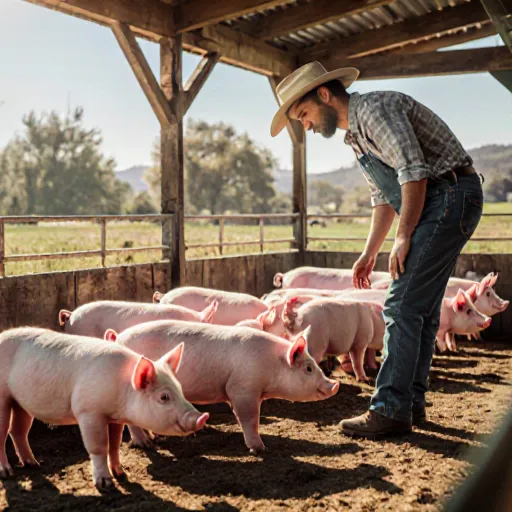
Protecting Your Piggy: Why Quarantining Matters
Table of Contents
- Understanding the Basics of Quarantine
- Importance for Preventing Disease Transmission
- Common Diseases in Pigs and Their Impact
- How Long Should Quarantine Last?
- Signs to Look for During Quarantine
- Proper Housing and Isolation Techniques
- Nutritional Considerations During Quarantine
- Behavioral Changes in Recently Quarantined Pigs
- Impact on Farm Operations and Productivity
- Cost-Effectiveness of Quarantine Practices
- Long-Term Benefits for Pig Health
- Frequently Asked Questions (FAQ)
- Conclusion
Understanding the Basics of Quarantine
Understanding the basics of quarantine is crucial, especially when dealing with new additions like pigs to your farm or homestead. Quarantining ensures that any potential health risks from new animals are identified and addressed before they can spread throughout your existing herd.
When bringing in new piglets or adult pigs, it's essential to isolate them for a specified period to monitor their health. This isolation process helps prevent the introduction and spread of diseases within your established animal population.
Why Quarantine?
- To Identify Health Issues Early: New pigs may be carrying parasites, viruses, or bacteria that could potentially harm other animals. By quarantining them, you can observe any signs of illness without risking the health of your entire herd.
- To Protect Your Investment: Healthy pigs are vital for maintaining productivity and profitability in a farming operation. Quarantine helps safeguard these investments by catching potential health threats early on.
- To Maintain Biosecurity: Proper quarantine practices help maintain biosecure conditions, preventing the introduction of pathogens that could disrupt your farm’s ecosystem or lead to costly outbreaks.
How Long Should Quarantine Last?
The duration of quarantine can vary depending on factors such as the type of pig, its source, and local regulations. Generally, it is recommended that new pigs be quarantined for at least two to three weeks. This period allows enough time to observe any signs of illness or unusual behavior.
Practical Advice for Setting Up a Quarantine Area
- Create a Separate Environment: Ensure that the quarantine area is completely separate from your main herd. This includes using different feeders, water sources, and bedding materials to avoid cross-contamination.
- Maintain Hygiene: Regularly clean and disinfect the quarantine area after each new pig has been quarantined. Use appropriate disinfectants recommended by veterinarians or animal health experts.
- Observe Closely: Keep a detailed record of each pig's behavior, eating habits, and any signs of illness during its time in quarantine. This data can be invaluable for diagnosing potential issues early on.
Examples of Common Health Issues to Look Out For
Some common health issues that may arise when quarantining new pigs include:
- Respiratory Infections: Pigs can develop respiratory infections like pneumonia, which are often caused by viruses or bacteria. These infections can be highly contagious and should be addressed promptly.
- Gastrointestinal Issues: Diarrhea is a frequent symptom of gastrointestinal problems in pigs. It could indicate the presence of parasites or other pathogens that need to be managed carefully.
- Injuries and Parasites: Pigs may arrive with injuries or infestations, which require immediate attention by a veterinarian.
By following these guidelines for quarantine, you can help ensure the health and well-being of your pig herd while protecting against potential outbreaks. Remember that early detection and intervention are key to maintaining a healthy environment for all your animals.
Importance for Preventing Disease Transmission
Understanding the Importance of Quarantine for New Pigs
The introduction of new pigs into an existing herd can pose significant risks to the overall health and welfare of your livestock. Quarantining these newcomers is a critical step in preventing disease transmission within your farm or barn. This practice helps ensure that any potential pathogens are isolated before they have the chance to spread, thereby protecting your established pig population from infection.
During quarantine, new pigs should be kept separate from existing animals for a period of time sufficient to observe for signs of illness. Typically, this duration ranges between 14 to 28 days depending on the specific health protocols and guidelines recommended by veterinarians or agricultural experts in your region. During this time, you can closely monitor the new arrivals for any symptoms indicative of infectious diseases such as fever, lethargy, reduced appetite, or unusual behavior.
By maintaining strict hygiene practices during quarantine, you also minimize the risk of introducing harmful bacteria, viruses, and other pathogens into your existing herd. Simple measures like regularly cleaning and disinfecting enclosures, using separate equipment for feeding and handling, and avoiding contact between quarantined pigs and your main group can make a significant difference.
Another key aspect of effective quarantine is ensuring that the new pigs receive appropriate vaccinations and treatments if necessary. This proactive approach helps build immunity in the newcomers against common diseases prevalent among your existing herd, reducing their likelihood of contracting or spreading infections.
In summary, quarantine serves as a vital line of defense against disease transmission when introducing new pigs to an established herd. By implementing this practice with thoroughness and care, you can safeguard the health and productivity of your livestock while fostering a more robust and resilient farm environment.
Common Diseases in Pigs and Their Impact
Understanding the Importance of Quarantine for New Pigs
Pig farming is a significant agricultural activity that contributes to global food security. However, introducing new pigs into an existing herd without proper quarantine procedures can have severe consequences. Common diseases in pigs such as porcine respiratory syndrome (PRRS), swine influenza virus (SIV), and transmissible gastroenteritis (TGE) are prevalent issues that can spread rapidly through a farm if not managed carefully.
Porcine Respiratory Syndrome (PRRS)
PRRS is caused by the PRRS virus, which primarily affects the respiratory system of pigs. The disease causes high fever, lethargy, and pneumonia in piglets, leading to significant mortality rates. In adult pigs, it can result in reproductive failure and reduced fertility.
To prevent the introduction of PRRS into a farm, new pigs should be quarantined for at least 30 days after arrival. During this period, they should be closely monitored for signs of illness. If any symptoms are detected, immediate veterinary attention is required to control and treat the infection.
Swine Influenza Virus (SIV)
SIV causes respiratory disease in pigs and can spread quickly among animals due to its high contagiousness. The virus can also affect humans, especially those working closely with swine. Symptoms include fever, coughing, nasal discharge, and difficulty breathing.
Quarantine measures for SIV involve isolating new pigs from the main herd and observing them for at least 45 days to ensure that they do not exhibit any signs of respiratory illness. Regular health checks and temperature monitoring are essential during this period.
Transmissible Gastroenteritis (TGE)
TGE is a highly contagious viral disease affecting the gastrointestinal tract of young pigs, leading to severe diarrhea, vomiting, and dehydration. The mortality rate in piglets under two weeks old can be as high as 100%.
For TGE prevention, it is crucial to quarantine new piglets for at least 60 days. This extended period allows for the observation of any potential symptoms, ensuring that the introduction of infected animals into a farm is avoided.
In conclusion, implementing strict quarantine protocols is vital in maintaining the health and productivity of a pig herd. By carefully observing and monitoring new arrivals, farmers can effectively prevent the spread of these common diseases, thereby protecting their livestock and minimizing economic losses.
How Long Should Quarantine Last?
Understanding the importance of quarantine for new pigs is crucial to maintaining a healthy and disease-free herd. The duration of quarantine can vary depending on several factors, including the source of the pig, local regulations, and the specific health risks involved. However, generally speaking, it's recommended that new pigs be kept in quarantine for at least 14 days after arriving at your farm.
Why a Minimum Quarantine Period is Necessary
The primary reason for quarantining new pigs is to ensure they do not introduce any diseases or parasites into the existing herd. Many infectious agents, such as viruses and bacteria, can incubate in an animal without showing symptoms for days or even weeks. By keeping these pigs separate during quarantine, you give them time to either show signs of illness if they are infected or recover from any potential stress-related issues.
Common Health Risks
- Disease Introduction: New pigs can carry diseases that the existing herd is not exposed to. Common diseases like Porcine Reproductive and Respiratory Syndrome (PRRS) or Salmonellosis can spread rapidly in a new environment.
- Parasites: Pigs may also bring in parasites, such as roundworms or tapeworms, which could affect the overall health of your herd.
- Viral Carriers: Even asymptomatic pigs can carry viruses and pass them to other animals.
Practical Steps During Quarantine
To make quarantine effective, there are several practical steps you should follow:
- Create a Separate Housing Area: Ensure that the quarantined pigs have their own isolated space away from the main herd. This helps prevent any potential spread of diseases.
- Dedicated Equipment: Use separate equipment for feeding, cleaning, and handling during quarantine to avoid cross-contamination.
- Observation: Regularly observe the pigs for signs of illness or stress. Early detection can help in treating any issues promptly.
- Vaccination Review: Consult with your veterinarian to ensure that all quarantined pigs are up-to-date on vaccinations and deworming treatments before they join the main herd.
Duration of Quarantine
The recommended quarantine period is 14 days, but this can be extended based on specific circumstances. For example:
- If a pig has arrived directly from a high-risk area or farm with known disease outbreaks.
- If the pig has been sourced through a broker or auction where there's uncertainty about its history.
- If you have experienced recent outbreaks in your herd, increasing the quarantine period can provide additional protection against re-introduction of pathogens.
Post-Quarantine Integration
Once the quarantine period is over and the pigs show no signs of illness or stress, they can be safely integrated into your existing herd. It's important to introduce them gradually into the group to minimize any potential disruptions.
In conclusion, while 14 days may be sufficient for many situations, it's essential to tailor the quarantine period based on specific risks and local guidelines to ensure the health and well-being of your entire pig population.
Signs to Look for During Quarantine
Understanding the Importance of Quarantine for New Pigs
When integrating new pigs into an existing pig herd during quarantine, it's crucial to monitor them closely. Quarantining ensures that any diseases or parasites from outside sources don't spread to your established group of pigs. Here are some key signs to look out for during this critical period:
1. Changes in Behavior
Pigs may exhibit changes in their usual behavior when they're not feeling well. This could include lethargy, reduced activity levels, or increased restlessness. If a new pig is sitting alone in one corner of its pen and doesn't participate in social interactions as usual, this could be a sign that it's unwell.
2. Lack of Appetite
A significant decrease in appetite can indicate health issues. Healthy pigs will generally have good appetites, so if you notice your new pig not eating or eating much less than usual, this could be a red flag. It's important to closely observe and record the amount of feed each pig consumes.
3. Abnormal Littering or Dropping
Changes in feces or urine can signal health problems. For instance, if you notice diarrhea or blood in the stool, this could be a sign that the pig is struggling with an illness or parasite infestation. Similarly, any unusual changes in urination patterns should not be ignored.
4. Respiratory Symptoms
Respiratory issues can manifest as wheezing, coughing, or nasal discharge. These signs are particularly concerning if they occur suddenly after the pig has been introduced to its new environment. It's important to monitor for any changes in breathing patterns and consult a vet if necessary.
5. Skin Conditions
Pigs that show signs of skin irritation or sores could be suffering from various ailments, including parasitic infestations or allergic reactions. Keep an eye on the pig's skin for any redness, swelling, or other abnormalities.
6. Swelling and Abscesses
Sudden swelling in certain areas of the body can be a sign that something is wrong internally. Look for any unusual lumps or abscesses on the pig's skin which could indicate internal infections or other health issues.
By being vigilant during quarantine, you can help ensure your new pigs are healthy and reduce the risk of spreading diseases to your existing herd. Early intervention through observation and appropriate treatment can make a significant difference in the overall health of both the new and established pig populations.
Proper Housing and Isolation Techniques
The introduction of new pigs into an existing herd can be a significant stressor, both for the newcomers and the resident animals. Proper housing and isolation techniques are essential to minimize potential health risks and ensure a smooth transition. Quarantining new pigs allows you to observe their behavior and health status without exposing your entire herd to any contagious diseases or parasites.
Why Quarantine?
- Detecting Disease Early: By isolating new pigs, you can monitor them closely for signs of illness. This early detection is crucial in preventing the spread of infectious diseases to your existing herd.
- Avoiding Parasites: New pigs may be carriers of parasites that could affect the rest of your herd. Quarantine helps in identifying and treating these parasites before they can spread.
- Minimizing Stress: Introducing new pigs into an established group can cause stress, which might weaken their immune system, making them more susceptible to illness. A quiet, isolated environment allows them to acclimate without the added pressure of mingling with others.
Quarantine Facilities
To effectively quarantine new pigs, you need a separate facility that is clean and free from any existing infections or parasites. The quarantine area should be equipped with proper ventilation, clean water sources, and appropriate feeding facilities.
- Location: Place the quarantine pen in an isolated location to prevent potential contamination of your main herd.
- Cleanliness: Regular cleaning and disinfection are necessary to maintain a hygienic environment. Use appropriate disinfectants that are safe for pigs but effective against pathogens.
- Temperature Control: Ensure the quarantine area is at an optimal temperature, typically between 65°F to 75°F (18°C to 24°C), depending on the season and pig breed. This helps in maintaining the health of the pigs during their recovery or adjustment period.
Feeding and Care
Caring for quarantined pigs involves providing them with a balanced diet that meets their nutritional needs while ensuring they are not exposed to any potential pathogens in their food. Here are some practical tips:
- Nutritional Balance: Offer a high-quality feed formulated specifically for growing pigs or those requiring special dietary considerations.
- Hydration: Ensure there is always clean, fresh water available. Dehydration can stress the pig and delay recovery.
- Veterinary Oversight: Regularly check on the pigs' health and consult with a veterinarian if any issues arise. Early intervention can prevent complications that might affect your entire herd later.
Signs to Watch For
During the quarantine period, it is crucial to monitor the new pigs for signs of illness. Common indicators include:
- Lack of Appetite: A pig that has stopped eating may be suffering from an infection or another health issue.
- Vomiting and Diarrhea: These symptoms can indicate the presence of parasites or other pathogens.
- Labored Breathing: This could suggest a respiratory illness, which needs immediate attention.
If any of these signs are observed, it is important to consult a veterinarian immediately. Prompt treatment can prevent the spread of disease and ensure the pig's recovery.
Conclusion
In conclusion, proper housing and isolation techniques for new pigs are vital in maintaining the health and well-being of your entire herd. By following these guidelines, you not only protect your existing animals but also provide a safe environment for the new additions to acclimate comfortably.
Nutritional Considerations During Quarantine
Understanding the Importance of Quarantine for New Pigs is crucial to ensure their health and well-being, especially during a time when stressors are high due to quarantine procedures. Proper nutritional considerations play a vital role in supporting piglets' immune systems and overall development during this critical period.
Nutritional Needs During Quarantine
During quarantine, the transition from the birthplace or previous environment to a new one can be stressful for piglets. Ensuring they receive adequate nutrition is essential to help them cope with stress and maintain their health. Here are some key nutritional considerations:
- Proper Caloric Intake: Piglets have high energy needs, especially during growth phases. Providing enough calories ensures that piglets can meet their energetic demands without compromising on other essential nutrients.
- Balanced Protein Content: Proteins are crucial for growth, repair, and immune function. Ensuring a balanced protein content is important during quarantine to support rapid recovery and growth.
- Essential Vitamins and Minerals: Vitamins and minerals play a key role in maintaining overall health, supporting immune function, and promoting bone development. During quarantine, it is important to ensure that the diet provides sufficient levels of these nutrients.
- Fiber Content: While piglets do not require as much fiber as adult pigs, a moderate amount of digestible fiber is beneficial for gut health and to prevent constipation.
For instance, feeding a diet rich in lactose or glucose can provide immediate caloric support to the piglets. It is also beneficial to introduce small amounts of fat into the diet as it provides additional energy and aids in the absorption of fat-soluble vitamins.
Aim for a diet that contains high-quality protein sources such as soybean meal or fishmeal. These proteins should be easily digestible and provide all essential amino acids necessary for piglet development.
Examples include Vitamin C for its antioxidant properties, which can help reduce stress caused by environmental changes. Additionally, ensuring adequate calcium and phosphorus levels in the diet supports proper skeletal development.
Foods like beet pulp or oatmeal can be included in the diet. These provide necessary fiber that aids in maintaining a healthy digestive system without overloading their small stomachs with indigestible material.
Practical Tips for Feeding Quarantined Piglets
To ensure piglets receive all necessary nutrients during quarantine, follow these practical tips:
- Start Gradually: Introduce new foods slowly to give the piglets time to adjust. This prevents digestive issues that may arise from sudden changes in diet.
- Monitor Water Intake: Ensure piglets have access to clean, fresh water at all times. Dehydration can exacerbate stress and hinder recovery.
- Offer Small, Frequent Meals: Piglets have small stomachs and need frequent feedings to meet their high energy demands. Offering smaller portions more frequently throughout the day can help them maintain optimal growth rates.
If possible, provide warm water during quarantine as it is easier for the piglets to drink compared to cold water. This also helps in maintaining body temperature which is crucial during stressful periods like quarantine.
Behavioral Changes in Recently Quarantined Pigs
Understanding the Importance of Quarantine for New Pigs
When new pigs are introduced into an existing herd, it is crucial to implement a quarantine period. This practice helps prevent the spread of diseases and ensures the health and welfare of all animals in the group. Behavioral changes in recently quarantined pigs can be indicative of their adaptation to this unfamiliar environment and stress levels during the isolation period.
- Increased Restlessness: Pigs may become more restless or agitated, showing signs of unease in a new setting. This can manifest as pacing, unusual vocalizations, or increased exploration.
- Eating and Drinking Patterns: Changes in eating and drinking behaviors are common during quarantine. Some pigs might eat less or drink more, while others may show no significant changes initially. Monitoring these patterns is essential for early detection of stress.
- Social Interactions: Social hierarchies within groups can be disrupted during quarantine. Pigs may display increased aggression or avoidance behaviors as they adjust to new companions.
Regular observation is key to understanding the behavioral changes in recently quarantined pigs. Here are some practical steps:
- Provide Comfortable Housing: Ensure that the quarantine area has adequate space, comfortable bedding, and minimal stressors.
- Consistent Routine: Establish a consistent feeding schedule and routine to help pigs settle into their new environment. This consistency can reduce stress levels.
- Positive Reinforcement: Use positive reinforcement techniques like treats or praise to encourage desired behaviors, such as eating and drinking in the quarantine area.
After a few days, most quarantined pigs will start showing signs of adaptation. Here are some examples:
- Eating Patterns Return to Normal: As the pigs settle in, their eating patterns should return to normal. This can be an indicator that they are feeling more comfortable.
- Better Social Interaction: Pigs may start engaging more with each other and their environment. Improved social interactions suggest they are acclimating well to the new setting.
- Less Restlessness: Reduced pacing or increased periods of resting can indicate that pigs are becoming accustomed to their quarantine period.
Understanding these behavioral changes is vital for ensuring the health and welfare of newly quarantined pigs. By monitoring their behavior closely, farmers and caretakers can provide necessary support and care during this critical adjustment period.
Impact on Farm Operations and Productivity
The introduction of new pigs into a farm environment can have significant impacts on existing operations and productivity. Understanding the importance of quarantine for new pigs is crucial to maintaining a healthy herd and ensuring optimal performance across various farm operations.
Quarantining new pigs helps prevent the introduction of diseases that could disrupt ongoing farm activities. By isolating these pigs for a specified period, farmers can monitor their health and ensure they do not pose a risk to the established herd.
Health Risks
New pigs may carry pathogens or parasites without showing symptoms themselves but can easily spread them to other animals. Diseases like Porcine Reproductive and Respiratory Syndrome (PRRS), Salmonellosis, and Leptospirosis are particularly concerning as they can have severe impacts on pig health and productivity.
Operational Disruption
The introduction of diseased pigs into a stable environment can lead to widespread illness among the existing herd. This disruption not only affects animal welfare but also increases veterinary costs, necessitates additional labor for treatment, and potentially results in reduced productivity.
Practical Advice
- Establish a Quarantine Area: Designate an isolated area within the farm specifically for new arrivals. This minimizes contact between quarantine pigs and other livestock.
- Monitor Regularly: Conduct frequent health checks during the quarantine period to identify any signs of illness early.
- Administer Vaccinations: Ensure all new pigs receive appropriate vaccinations according to the farm's protocol before they are introduced into the main herd.
Examples
An example from a small-scale pig farmer in rural Canada illustrates these points. After purchasing sickly new pigs without quarantine, the farmer faced a costly outbreak of PRRS among his existing stock. This led to significant losses in production and increased veterinary expenses.
In contrast, another farmer who followed strict quarantine protocols reported no such issues. The quarantined pigs showed signs of recovery after isolation and were successfully integrated into the main herd without affecting productivity or health.
Conclusion
In conclusion, understanding and implementing proper quarantine procedures is vital for maintaining a healthy and productive farm operation. It helps in protecting the existing herd from new diseases and ensures smooth continuation of daily operations without interruptions caused by illness outbreaks.
Cost-Effectiveness of Quarantine Practices
The introduction of new pigs into an existing pig herd can pose significant risks due to potential exposure to diseases and pathogens not present in the original group. Quarantining these new arrivals provides a critical opportunity to observe them closely, ensuring that they are free from infectious agents before allowing them into the main herd. This practice is crucial for maintaining overall herd health and preventing outbreaks of contagious diseases.
Cost-Effectiveness of Quarantine Practices
Implementing quarantine practices can be an investment in the long-term health and productivity of your pig herd, but it's important to understand how these costs compare with the potential savings. Here are some key factors to consider:
- Prevention of Disease Spread: Quarantining new pigs allows you to monitor them for signs of disease or infection before they enter the main herd. This can prevent costly outbreaks that could result in high veterinary bills, lost production, and even culling of affected animals.
- Reduction in Stress and Health Issues: New pigs entering a new environment can experience stress, which can lead to health issues. Quarantine allows for a controlled transition period where pigs can acclimate gradually without disrupting the main herd.
- Improved Biosecurity: Quarantine helps maintain strict biosecurity protocols by minimizing the risk of introducing harmful pathogens into your herd from outside sources.
- Economic Efficiency: While initial costs for quarantine may include setup of a separate area, feeding supplies, and personnel time, the overall economic impact is often positive due to reduced risk of disease spread. In the long run, it can reduce the need for expensive treatments and preventive measures.
Example: Suppose a common piglet illness costs $50 per head to treat. If quarantine practices catch this early, you avoid treating 10% of your herd at $50 each, saving you $500.
Practical Advice: Provide additional space and resources during quarantine to ensure that newly introduced pigs have adequate time to settle in. This reduces stress, which can lead to fewer health problems overall.
Example: A single contaminated animal can cost thousands in treatment and lost production. By quarantining, you avoid this scenario, leading to significant savings over time.
Potential Savings: By avoiding just one major outbreak, you might save $10,000 or more in treatment costs alone. This makes quarantine a worthwhile investment.
Conclusion
In conclusion, the cost-effectiveness of quarantine practices for new pigs cannot be overstated. By investing time and resources into proper quarantine procedures, you not only protect your current herd but also ensure that any future introductions are healthier and more likely to thrive in their environment.
Long-Term Benefits for Pig Health
Understanding the Importance of Quarantine for New Pigs
The introduction of new pigs into an existing herd can present significant challenges. Ensuring that these newcomers are free from diseases and pathogens is crucial to maintaining long-term health within your pig population. Quarantining new arrivals allows you to closely monitor their health, manage any potential risks, and implement necessary treatments or adjustments before allowing them to interact with the rest of the herd.
Quarantine periods vary depending on factors such as the type of pigs (breeding, show pigs, etc.), age groups, and the specific diseases prevalent in your area. Generally, a minimum quarantine period of two weeks is recommended. However, for imported or high-risk pigs, this period may be extended to ensure thorough health checks are completed.
Health Checks During Quarantine:
- Observation for signs of illness or stress.
- Veterinary examination and blood tests if necessary.
- Monitoring feed and water intake.
- Checking body temperature and overall behavior.
Preventing Disease Spread:
By keeping newly introduced pigs separate, you minimize the risk of spreading diseases to your existing herd. This is particularly important for preventing the introduction of contagious or zoonotic pathogens such as Porcine Reproductive and Respiratory Syndrome (PRRS), Salmonella, and Streptococcus suis.
Building Immunity:
Quarantine provides an opportunity to administer vaccinations and treatments that may be necessary for the new pigs. This helps build their immunity before they join the main herd, reducing the likelihood of introducing new diseases or exacerbating existing ones.
Promoting Socialization:
Proper quarantine can also help manage social dynamics among the new arrivals and existing pigs. Gradual integration during quarantine allows for a smoother transition when they are eventually introduced to the main herd, reducing stress and aggression which can impact overall health.
Pig Management Best Practices:
- Use dedicated facilities or areas for quarantined pigs.
- Ensure quarantine area is clean and hygienic.
- Provide adequate nutrition and water.
- Monitor body condition scores regularly.
Conclusion:
In conclusion, the practice of quarantining new pigs is an essential component in maintaining long-term health within your pig herd. By carefully managing these newcomers during quarantine, you can prevent disease outbreaks, promote the overall well-being of all pigs, and ensure a healthier, more productive herd.
Frequently Asked Questions (FAQ)
Understanding the importance of quarantine for new pigs is crucial to maintaining a healthy and disease-free herd. Below are some frequently asked questions that will help you ensure your new additions do not introduce unwanted pathogens into your existing pig population.
What Is Quarantine?
Quarantine refers to the isolation of new pigs from the rest of your established herd for a specified period. This practice is essential because it allows time to observe the new pigs' health and catch any potential diseases early before they spread to your existing animals.
Why Is Quarantine Important?
- Prevents Disease Spread: New pigs can carry pathogens that are not yet present in your herd. By quarantining them, you avoid the risk of introducing diseases like swine flu, colibacillosis, or salmonellosis.
- Avoids Stress-Related Illnesses: Moving to a new environment can be stressful for pigs, making them more susceptible to illness. Quarantine helps these animals acclimate without exposing your existing herd to any potential health risks.
How Long Should the Quarantine Last?
The duration of quarantine varies depending on factors such as the type of pig (breeder, feeder, show pig), their origin, and local regulations. Generally, it is recommended to quarantine for at least 2-4 weeks. During this time, monitor the pigs' behavior and health closely.
What Are the Signs of a Diseased Pig?
- Loss of appetite
- Change in water consumption
- Depressed or lethargic appearance
- Diarrhea or vomiting
- Fever
- Sneezing, coughing, or nasal discharge (indicating respiratory issues)
What Should I Do During the Quarantine Period?
- Clean and Disinfect Housing: Ensure that the quarantine area is clean and disinfected to prevent cross-contamination.
- Observe Closely: Watch your pigs for any signs of illness. If you notice anything unusual, consult a veterinarian immediately.
- Separate Pigs by Age or Gender: Mixing new and old pigs can increase the risk of disease spread. Keep them separated until you are confident they are healthy.
- Provide Quality Nutrition: Offer high-quality feed to support their immune system during this critical period.
What Happens After Quarantine?
If the pigs show no signs of illness and remain healthy throughout the quarantine period, they can be reintroduced into your main herd. It's a good idea to continue monitoring their health for a few days after reintroduction.
Conclusion
Quarantining new pigs is an essential step in maintaining the overall health of your pig herd. By following these guidelines, you can protect both your animals and your investment. Remember, early detection and intervention are key to preventing the spread of diseases.
Conclusion
Understanding the importance of quarantine for new pigs is crucial for maintaining a healthy and productive pig herd. Quarantining new additions ensures that any diseases or parasites they may be carrying do not spread to the existing population, which can lead to significant health issues and economic losses.
Why Quarantine?
The primary reason for quarantine is disease prevention. New pigs could unknowingly carry pathogens such as pseudorabies, swine fever, or trichinosis that are harmful not only to the new pig but also to the entire herd. By keeping these animals separate from others during a specified period (typically 2-4 weeks), farmers can observe any signs of illness and treat them before they infect other pigs.
Practical Steps in Quarantine
- Create a Separate Area: Designate an isolated area within the farm for quarantined pigs. This should be far from the main barn to prevent the spread of any potential pathogens. Ensure it has adequate ventilation, bedding, and feed.
- Observation Period: During this period, monitor the pigs closely for any signs of illness. Look out for symptoms such as lethargy, reduced appetite, coughing, or diarrhea. If you notice anything unusual, consult a veterinarian immediately.
- Vaccination and Deworming: Depending on the farm's protocols and local regulations, it may be necessary to vaccinate new pigs against specific diseases. Additionally, deworming might be required depending on the region and the pig’s history.
Importance of Proper Hygiene
Maintaining strict hygiene practices is key in ensuring effective quarantine. This includes thorough cleaning and disinfection of all equipment used with quarantined pigs, washing hands before and after handling them, and using separate clothing or gowns.
Examples of Quarantine Practices
- Purchase from Reputable Sources: Buying from reputable breeders who follow strict hygiene practices can reduce the risk of introducing new pathogens to the herd. Always check their quarantine policies and health certifications.
- Regular Testing: In addition to visual observations, regular testing for common diseases like leptospirosis or brucellosis can provide additional reassurance that the new pigs are healthy before they join the main herd.
Potential Risks of Skipping Quarantine
Not quarantining new pigs can have severe consequences. Introducing an infected pig to a large, established group could lead to widespread illness and death rates that might be difficult to contain or treat effectively. In extreme cases, it could even result in the need for euthanasia of affected animals.
Conclusion
In summary, quarantining new pigs is a vital practice for any pig farmer aiming to protect their herd's health and welfare. By taking proactive steps during quarantine, farmers can prevent the introduction of diseases, ensure early detection and treatment of illnesses, and maintain high standards of hygiene. Skipping this crucial step could lead to costly outbreaks that are far more challenging to manage than adhering to a strict quarantine protocol.
Categories
- AI & Enrichment Play
- Broiler Farming
- Broiler Farming Tips
- Canine Wellness & Longevity
- Cat
- Cat & Human Connection
- Cat Adoption & Rescue
- Cat Breeds
- Cat Breeds & Personalities
- Cat Care & Health
- Cat Grooming & Hygiene
- Cat Lifestyle & Environment
- Cat Myths & History
- Cat Nutrition & Diet
- Cat Products & Reviews
- Cat Training & Behavior
- Comparison
- Consumer Awareness
- Dog
- Dog Accessories & Products
- Dog Adoption & Rescue
- Dog Breed & Lifestyle Trends
- Dog Breeding & Puppies
- Dog Entertainment & Media
- Dog Fashion & Trends
- Dog Fun & Lifestyle
- Dog Grooming & Hygiene
- Dog History & Culture
- Dog Myths, Science & Future Tech
- Dog News & Trends
- Dog Nutrition & Food
- Dog Psychology & Emotions
- Dog Safety & Security
- Dog Sports & Activities
- Dog Technology & Innovation
- Dog Training for Modern Owners
- Dog Travel & Adventure
- Dog Travel, Adventure & Culture
- Economic and Market Insights
- Educational Content
- FAQs
- Feeding Alternatives
- Festivals & Seasonal Ideas
- Fun & Entertainment
- General Knowledge
- General Pig Farming
- Health & Disease Management
- Housing and Environment
- Kittens
- Market Insights
- Miscellaneous
- Miscellaneous
- Motivational
- pig
- Pig Breeding
- Pig Breeds
- Pig Farming Stories and Inspiration
- Pig Health and Care
- Pig Nutrition
- Pig Products
- Profitability & Business
- Puppy Care
- Puppy Predictable Topics Reinvented
- Regional Focus
- Rescue & Adoption Buzz
- Senior Cats
- Senior Dog Care
- Smart Dog Tech & Gadgets
- Sustainability
- Sustainable & Eco-Friendly Dog Products
- Tech & Innovations
- Working & Service Dogs
- Broiler Feed66 products
- Country Feed33 products
- Pig Feed66 products
- Product22 products
- Raw Materials99 products
Products
-
 Fish Meal
₹1,999.00 – ₹2,999.00Price range: ₹1,999.00 through ₹2,999.00Rated 0 out of 5
Fish Meal
₹1,999.00 – ₹2,999.00Price range: ₹1,999.00 through ₹2,999.00Rated 0 out of 5 -
 FATTENING BROILER FEED
₹2,299.00 – ₹2,349.00Price range: ₹2,299.00 through ₹2,349.00Rated 0 out of 5
FATTENING BROILER FEED
₹2,299.00 – ₹2,349.00Price range: ₹2,299.00 through ₹2,349.00Rated 0 out of 5 -
 LAYER COUNTRY FEED
₹1,549.00 – ₹1,649.00Price range: ₹1,549.00 through ₹1,649.00Rated 0 out of 5
LAYER COUNTRY FEED
₹1,549.00 – ₹1,649.00Price range: ₹1,549.00 through ₹1,649.00Rated 0 out of 5 -
 COUNTER BROILER FEED
₹1,199.00 – ₹1,299.00Price range: ₹1,199.00 through ₹1,299.00Rated 0 out of 5
COUNTER BROILER FEED
₹1,199.00 – ₹1,299.00Price range: ₹1,199.00 through ₹1,299.00Rated 0 out of 5 -
 LACTATING PIG FEED
Rated 0 out of 5
LACTATING PIG FEED
Rated 0 out of 5₹2,299.00Original price was: ₹2,299.00.₹1,740.00Current price is: ₹1,740.00. -
 Maize
Rated 0 out of 5
Maize
Rated 0 out of 5₹1,650.00Original price was: ₹1,650.00.₹1,300.00Current price is: ₹1,300.00. -
 GESTATION PIG FEED (Phase 1)
Rated 0 out of 5
GESTATION PIG FEED (Phase 1)
Rated 0 out of 5₹2,249.00Original price was: ₹2,249.00.₹1,699.00Current price is: ₹1,699.00. -
 Pre Starter Broiler Feed
₹2,399.00 – ₹2,499.00Price range: ₹2,399.00 through ₹2,499.00Rated 0 out of 5
Pre Starter Broiler Feed
₹2,399.00 – ₹2,499.00Price range: ₹2,399.00 through ₹2,499.00Rated 0 out of 5 -
 FINISHER PIG FEED
Rated 0 out of 5
FINISHER PIG FEED
Rated 0 out of 5₹2,299.00Original price was: ₹2,299.00.₹1,749.00Current price is: ₹1,749.00. -
 Broiler Premix
Rated 0 out of 5
Broiler Premix
Rated 0 out of 5₹820.00Original price was: ₹820.00.₹699.00Current price is: ₹699.00.