
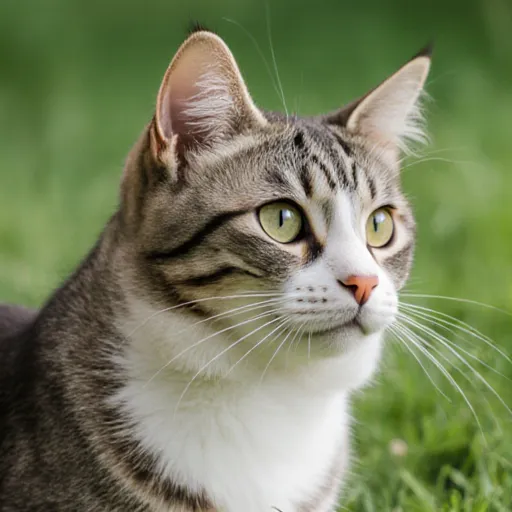
Unlock the Secrets to a Pawesome Life for Your Feline Friend!
The Magic Formula for Happy, Healthy Cats
Table of Contents
- The Benefits of Playtime for Cats' Physical Health
- Enhanced Mental Stimulation and Cognitive Development
- Promoting Socialization in Multi-Cat Environments
- Strengthening the Bond Between Owner and Cat
- Prevention of Boredom-Related Behavior Issues
- Encouraging Natural Behaviors Like Hunting and Pouncing
- Improving Muscle Tone and Preventing Obesity
- Increasing Lifespan Through Regular Exercise
- Reducing Stress and Anxiety in Cats
- Developing Problem-Solving Skills
- Promoting Good Nighttime Sleep Habits
- Encouraging Regular Grooming and Health Checks
- Signs of a Playtime-Starved Cat
- Tips for Creating an Engaging Play Environment
- FAQ About the Importance of Playtime for Cats
- Conclusion
The Benefits of Playtime for Cats' Physical Health
The importance of playtime for cats extends far beyond just fun and entertainment. Engaging your cat in regular play sessions is crucial for maintaining their overall physical health, ensuring they stay fit, healthy, and active. Playtime offers a multitude of benefits that contribute to the well-being of your feline friend.
Weight Management
Cats are naturally predisposed to lead relatively sedentary lives indoors, which can sometimes lead to weight gain if not managed properly. Regular playtime helps burn calories and keeps cats active, thus promoting a healthy weight. Obesity in cats is linked to various health issues such as diabetes, heart disease, and joint problems. By incorporating interactive toys like feather wands or laser pointers into your cat's daily routine, you can help them maintain an ideal body weight.
Muscle Strength and Flexibility
Playing with cats encourages them to use their muscles in ways that they might not otherwise do. Activities such as chasing after a toy or climbing up and down a cat tree build muscle strength and improve flexibility. This is particularly important for older cats, as it can prevent joint stiffness and aid in maintaining mobility. Toys that require your cat to leap, jump, and pounce are excellent for developing these essential physical attributes.
Heart Health
A sedentary lifestyle can put a strain on your cat's heart, increasing the risk of cardiovascular diseases. Playtime is an effective way to keep your cat’s heart healthy by promoting regular physical activity. Engaging in playful activities helps boost circulation and strengthens the heart muscle over time. This not only enhances your cat's overall health but also contributes significantly to their longevity.
Better Digestion
Playing with cats can actually help improve their digestive system by encouraging them to move around more, which aids in better digestion and prevents constipation or other gastrointestinal issues. Playful activities like chasing after a ball or toy encourage your cat to engage in natural behaviors that promote healthy digestion.
Mental Stimulation
While the primary focus is often on physical health, playtime also plays an important role in mental well-being. Interactive toys and games can stimulate your cat’s mind, helping them stay sharp and engaged. This is particularly beneficial for cats living indoors where they may be more prone to boredom or stress. Keeping your cat mentally stimulated through play can prevent behavioral problems that arise from a lack of engagement.
Encouraging Natural Behaviors
Cats are predators by nature, and playing with them allows you to encourage these natural behaviors in a safe environment. Activities like chasing after prey-like toys help fulfill their instinctual drive for hunting. This can be especially useful when dealing with indoor cats who may not have the opportunity to hunt naturally.
In conclusion, playtime is more than just fun—it's essential for your cat’s physical health and overall well-being. By incorporating play into your daily routine, you are investing in a healthier, happier, and longer life for your feline companion. So, don't forget to set aside time every day for interactive play with your cat!
Enhanced Mental Stimulation and Cognitive Development
The importance of playtime for cats cannot be overstated, as it plays a crucial role in enhancing their mental stimulation and cognitive development. Just like humans, cats require mental exercises to keep their brains sharp and healthy. Playtime offers an ideal opportunity for this.
- Improved Problem-Solving Skills: Interactive play sessions can help improve a cat's problem-solving skills. Toys that require the cat to figure out how to get them, like puzzle feeders or interactive laser pointers, challenge their minds and encourage logical thinking.
- Maintaining Physical Health: Engaging in physical activities during playtime helps burn off excess energy, which reduces destructive behavior at home. This can also contribute to maintaining a healthy weight for your pet.
- Reduced Stress and Anxiety: Playtime is an excellent way to relieve stress and anxiety in cats. Interactive games or just simple interactions with their owners can help keep them calm and content.
Play activities are fundamental for cognitive development, especially during a cat's formative months and early years. Here’s how playtime fosters these developments:
- Sensory Exploration: Cats are naturally curious creatures, and playtime allows them to explore their environment using all their senses. This exploration is vital for learning about the world around them.
- Movement and Coordination: As they chase toys or leap after moving objects, cats improve their reflexes and coordination. These skills are essential for their overall physical health as well.
- Social Interaction: Playtime with other pets (if you have more than one cat) can help build social bonds and communication skills. It also helps them learn appropriate ways to interact with others.
To make the most of playtime, here are some practical tips:
- Create a Variety of Toys: Offer different types of toys that engage various senses—sight (laser pointers), touch (treat-filled toys), and sound (bells attached to toys). This variety keeps your cat mentally stimulated.
- Vary Playtimes: Cats can get bored with the same games, so it's important to vary play sessions. Try different activities like hide-and-seek or simply having a casual chat session.
- Use Positive Reinforcement: Reward your cat for engaging in playtime. This could be through treats, affection, or praise. Positive reinforcement can make them more eager to participate next time.
In conclusion, ensuring your feline companion has ample opportunities for mental stimulation and cognitive development through play is an essential part of their care. By making play a regular part of your routine, you are not only enhancing their brain health but also enriching the bond between you and your cat.
Promoting Socialization in Multi-Cat Environments
The importance of playtime cannot be overstated when it comes to promoting socialization in multi-cat environments. In a home with multiple cats, each pet may have its own personality and unique way of expressing itself. Playtime provides an excellent opportunity for these felines to interact, bond, and learn essential social skills that will benefit their overall well-being.
Encouraging play between cats can significantly enhance their socialization skills. By setting up designated play areas with various toys such as feather wands, laser pointers, and interactive puzzle feeders, you can stimulate their curiosity and encourage positive interactions. For instance, introducing a new cat to the household? Start by using treats or gentle sounds to initiate play sessions that are calm but engaging. This not only breaks the ice but also helps in understanding each other's communication signals.
Cats have diverse preferences when it comes to how they enjoy playing. Some prefer solitary activities like climbing or hiding, while others thrive on group play with their siblings. Observing your cats during playtime can help you identify what type of interaction best suits each individual. For example, if one cat loves chasing after a laser pointer but another prefers to pounce on small objects, cater to both styles by providing different kinds of toys.
To ensure that playtime remains positive for all cats involved, it's crucial to set clear boundaries. Overstimulation can lead to stress or aggression among the felines. Establish a routine where each cat gets their turn to interact with specific toys, ensuring no single animal feels left out or overwhelmed by the others. You might also consider using short play sessions followed by breaks to avoid exhaustion and maintain good behavior.
Playtime offers a safe space for cats to explore social behaviors without fear of conflict. By engaging in playful activities together, they learn how to communicate effectively with one another through body language and vocalizations. This can reduce instances of territorial disputes later on since they become more accustomed to sharing spaces and resources.
If possible, providing outdoor play opportunities such as supervised access to a cat-safe yard or balcony can further enhance socialization skills. Watching birds, squirrels, and other wildlife from the comfort of your garden encourages natural hunting instincts that are essential for maintaining mental health in domestic cats.
Remember, every cat is unique; therefore, finding what works best for each one takes time and patience. Regular playtime should be seen as a crucial aspect of caring for multi-cat households because it fosters strong bonds among the animals and contributes significantly to their happiness and health.
Strengthening the Bond Between Owner and Cat
Playtime is not just about keeping your cat physically active; it plays a crucial role in strengthening the bond between you and your feline friend. Engaging in play sessions with your cat can significantly enhance her mental stimulation, reduce stress, and even improve her overall health. Here’s why playtime is so important and how you can make the most of these playful moments.
Enhancing Bonding
Playtime provides a unique opportunity to bond with your cat on a deeper level. Through interactive play, you create meaningful connections that go beyond simple physical exercise. Cats are social creatures and need interaction to feel secure and loved. By playing together, you not only build trust but also learn about her preferences and behaviors.
Mental Stimulation
Just like humans, cats can get bored and stressed if they don’t have enough mental stimulation. Interactive play with toys that mimic natural hunting behavior (such as feathers or laser pointers) helps engage your cat’s mind, keeping her mentally sharp and reducing the risk of behavioral issues.
Physical Health
Regular playtime is essential for maintaining your cat's physical health. It promotes muscle development, joint flexibility, and cardiovascular fitness. By engaging in active play sessions, you can help prevent obesity and other health problems that are common in indoor cats.
Preventing Stress and Anxiety
Cats are naturally curious creatures, but too much time alone or boredom can lead to stress and anxiety. Playtime helps alleviate these issues by providing an outlet for your cat’s natural instincts to hunt and explore. This reduces the chances of her developing destructive behaviors such as scratching furniture or eliminating outside the litter box.
Practical Advice for Engaging Your Cat in Play
- Choose the Right Toys: Opt for toys that match your cat’s personality and interests. Some cats love chasing laser pointers, while others prefer interactive puzzle feeders or feather wands.
- Schedule Regular Play Sessions: Aim to play with your cat daily, especially in the evening when she might be more active. Consistency is key for building a routine that both you and your cat will look forward to.
- Observe Your Cat’s Preferences: Pay attention to how your cat reacts during playtime. If she enjoys certain types of toys or games, incorporate those into future sessions. This not only makes the experience more enjoyable for her but also strengthens your bond.
- Incorporate Mental Stimulation: Use puzzle feeders and treat-dispensing toys to challenge your cat’s mind during playtime. These toys encourage problem-solving skills and keep her engaged longer.
Conclusion
Playtime is more than just fun; it’s a vital component of your relationship with your cat. By dedicating time to play together, you create a stronger bond, enhance her mental and physical well-being, and provide an outlet for her natural instincts. Remember, the key is consistency and adaptability—tailor your play sessions to what works best for both you and your feline companion.
Prevention of Boredom-Related Behavior Issues
The importance of playtime cannot be overstated when it comes to keeping your cat mentally and physically healthy. Boredom is a significant contributor to behavioral issues in cats, which can range from excessive meowing or attention-seeking behaviors to more destructive habits like scratching furniture or litter box problems. By providing regular playtime and engaging toys, you can help prevent these issues before they start.
Cats are natural hunters and prey on small moving objects instinctively. Regular play sessions allow your cat to mimic this behavior, which is crucial for their well-being. Engaging in play helps stimulate their mind and body, reducing boredom and stress. Without sufficient mental and physical stimulation, cats may resort to destructive behaviors or become overly active at inappropriate times.
- Interactive Toys: These toys require your participation and can include feather wands, laser pointers, or interactive puzzle feeders. They encourage interaction between you and your cat, which is essential for their socialization.
- Predator Toys: Cats love to chase small objects that move quickly. Balls, mice on strings, and toy fish are popular choices that can keep cats entertained for hours.
- Treat Dispersing Toys: These toys help your cat work for their food, providing mental stimulation while also rewarding them with treats. Examples include treat balls or puzzle feeders that require the cat to manipulate them to release treats.
To prevent boredom-related behavior issues, it's important to establish a consistent play schedule. Cats thrive on routine and predictability. Aim for at least two play sessions per day, each lasting 10-15 minutes. Early morning and late evening are great times to engage your cat in play because these tend to be their most active periods.
If possible, supervised outdoor time can provide an excellent outlet for your cat's energy. Cats that spend time outdoors (on leashes or in a safe, enclosed area) have the opportunity to explore and hunt, which is closely related to their natural behaviors. However, it's important to ensure safety by keeping them away from traffic and potential hazards.
- Excessive meowing or crying for attention.
- Pacing or restlessness in the home environment.
- Biting or clawing at furniture or curtains.
- Litter box avoidance or accidents indoors due to stress from boredom.
In conclusion, providing ample playtime and engaging toys is a proactive approach to prevent boredom-related behavior issues in your cat. By keeping your cat mentally and physically stimulated through regular play sessions and interactive activities, you can ensure that your feline friend remains happy, healthy, and content.
Encouraging Natural Behaviors Like Hunting and Pouncing
Playtime is a cornerstone of a cat's overall well-being, as it helps stimulate their natural instincts and promotes mental health. Encouraging behaviors like hunting and pouncing can significantly enhance your feline friend’s quality of life by mimicking the prey-catching activities they would naturally engage in while foraging in nature.
By incorporating playtime that encourages these behaviors, you're not only keeping your cat mentally sharp but also helping them maintain a healthy body weight and muscle tone. Hunting and pouncing are essential to a cat's survival instincts, which include stalking, chasing, and capturing prey. This natural behavior is deeply rooted in their genetic makeup.
Here are some practical tips on how to encourage these behaviors:
- Interactive Toys: Use toys that mimic the size, shape, and motion of small animals like mice or birds. Laser pointers, feather wands, and mouse-shaped toys can all be effective in stimulating your cat's natural hunting instincts.
- Feeding Games: Create an interactive feeding routine where your cat has to work for their food. Puzzle feeders that require them to manipulate pieces or push buttons are excellent tools for mimicking the effort needed to catch prey before eating it.
- Treasure Hunts: Hide treats around your home and encourage your cat to find them by scattering small amounts throughout different rooms. This simulates their natural search-and-find behavior, providing both mental stimulation and physical exercise.
Not only do these activities promote the development of natural behaviors but they also provide a sense of purpose and fulfillment for cats. By engaging in such playtime, your cat can lead a happier, more balanced life, reducing stress and enhancing their overall health.
Improving Muscle Tone and Preventing Obesity
Ensuring that your cat maintains an optimal weight and muscle tone is crucial for its overall health. Just as playtime is vital for children to develop physically, mentally, and socially, it plays a significant role in maintaining the well-being of our feline friends too. In this section, we will explore how incorporating playtime into your daily routine can help improve your cat's muscle tone and prevent obesity.
Understanding the Benefits
Playtime is not just about fun; it offers numerous health benefits for cats. Regular exercise through play helps burn calories, which is essential in preventing obesity. Obesity can lead to a host of health issues such as diabetes, joint problems, and respiratory diseases. Additionally, maintaining muscle tone through play strengthens your cat's muscles, bones, and joints.
Choosing the Right Toys
The right toys can make all the difference in keeping your cat engaged during playtime. Opt for interactive toys such as feather wands or laser pointers that encourage chasing and jumping, which are excellent forms of exercise. Puzzle feeders also provide mental stimulation while helping to burn calories.
Creating a Playful Environment
Cats thrive in environments where they can explore and play. Set up obstacles like tunnels or perches for your cat to climb and navigate through. These setups not only provide entertainment but also mimic their natural hunting behavior, which is crucial for mental stimulation.
Consistency is Key
Consistent playtime helps in establishing a routine that your cat can look forward to each day. Aim for at least 10-15 minutes of interactive play daily, but remember the duration and intensity can vary depending on your cat's age, breed, and energy levels.
Examples of Playtime Activities
- Tug-of-War with a Feather Wand: This activity encourages chasing and jumping, both excellent for muscle tone.
- Laser Pointer Chasing: Similar to the feather wand but allows for more precise control of movement. Ensure you do not shine it in your cat's eyes or directly at them.
- Puzzle Feeders: These toys require problem-solving skills and can keep your cat entertained for extended periods, promoting mental stimulation as well as physical activity.
Monitoring Your Cat’s Weight
Regularly monitor your cat's weight to ensure they are maintaining a healthy figure. A sudden increase in weight could be an early sign of obesity, which should prompt you to reassess their playtime and diet.
Conclusion
Incorporating playtime into your daily routine is not only fun for you and your cat but also crucial for maintaining their health. By providing the right toys and creating an engaging environment, you can help improve your cat's muscle tone and prevent obesity. Remember, a happy and healthy cat is one that enjoys lots of playtime.
Increasing Lifespan Through Regular Exercise
Increasing Lifespan Through Regular Exercise
Living a long and healthy life is a goal shared by many, regardless of species. For humans, maintaining an active lifestyle through regular exercise has been shown to significantly increase lifespan and improve quality of life. Similarly, for our feline friends, playtime serves as a vital form of exercise that can enhance their overall health and longevity.
Cats, like humans, benefit from physical activity in numerous ways:
- Cardiovascular Health: Regular play sessions help to strengthen the heart and improve circulation. This is crucial for preventing diseases such as hypertension and heart disease, which are increasingly being recognized in cats.
- Muscle Tone and Strength: Engaging in playtime activities helps to build and maintain muscle mass. Strong muscles not only improve a cat's mobility but also contribute to better balance and coordination.
- Bone Density: Play that involves jumping, climbing, and running can help cats develop strong bones and prevent conditions like osteoporosis.
The Importance of Playtime for Cats
Cats have an innate need to play. This behavior is not just about having fun; it plays a crucial role in their physical and mental well-being. Playtime stimulates the brain, helping cats to stay mentally sharp and reduce stress.
- Mental Stimulation: Toys that mimic natural hunting behaviors can help keep your cat mentally engaged, reducing boredom and stress. This is particularly important for indoor cats who may not have access to outdoor stimuli.
- Social Interaction: Playtime provides an opportunity for you to bond with your pet. It also helps your cat learn social cues and appropriate behavior.
Practical Advice for Encouraging Playtime
To ensure that your cat enjoys playtime, it's essential to choose the right type of toys and engage in activities that suit their preferences. Here are some tips:
- Observe Your Cat: Pay attention to what types of toys or games your cat enjoys most. Some cats might prefer chasing a laser pointer, while others may enjoy interactive feather wands.
- Vary the Activities: To keep play sessions interesting and engaging, vary the activities regularly. This helps prevent boredom and keeps your cat motivated to play.
- Time It Right: Playtime should be incorporated into your daily routine at times that suit both you and your cat. Early morning or late evening might work well for many cats as they are naturally more active during these periods.
Conclusion
Incorporating playtime into a cat's daily routine is not just about fun; it's essential for their overall health and longevity. By providing them with the right tools and engaging in play sessions, you can help your feline companion live a longer, healthier life.
Reducing Stress and Anxiety in Cats
Understanding the role of playtime in reducing stress and anxiety in cats is crucial for their overall well-being. Playtime not only provides physical exercise but also helps in mental stimulation, which are essential factors in keeping your cat happy and healthy.
Playtime is an integral part of a cat's daily routine as it mimics their natural hunting behavior. This activity can help reduce stress and anxiety by providing outlets for pent-up energy, thus preventing behavioral issues such as aggression or destructiveness.
Mental Stimulation
Cats are intelligent creatures with complex mental processes. Mental stimulation through playtime helps keep their minds sharp, reducing the likelihood of boredom which can lead to anxiety and stress. Interactive toys that challenge your cat's problem-solving skills or those that require them to track and pounce on an object can significantly enhance cognitive function.
Physical Health Benefits
Besides mental health, playtime also contributes positively to a cat's physical health by promoting good muscle tone, joint flexibility, and cardiovascular fitness. Regular play sessions can help manage weight, which is critical for cats prone to obesity.
Selecting the Right Toys
- Feathered or String Toys: These toys are great for stimulating a cat's natural hunting instincts. They mimic prey movements and are excellent for chasing activities.
- Interactive Puzzle Feeders: These toys encourage your cat to use their problem-solving skills, making mealtime both fun and educational.
- Moving Toys: Laser pointers or remote-controlled toy cars can offer a dynamic form of play that keeps cats engaged for extended periods.
Creating a Play Schedule
To ensure your cat gets the right amount of exercise and mental stimulation, it's important to establish a consistent play schedule. Early morning and late afternoon are often ideal times as these coincide with natural hunting patterns in cats. Consistency helps keep your cat on an even keel throughout the day.
Observing Your Cat
Pay attention to how your cat responds during playtime. Some signs that indicate they're enjoying and benefiting from their activities include vigorous movements, engaged eyes, and a relaxed body posture after playing. Conversely, if you notice any signs of stress or discomfort, it might be time to adjust the type of toy or duration of play.
Encouraging Social Interaction
While solitary play is important for physical activity, social interaction also plays a role in reducing stress and anxiety. Spend quality time with your cat during meal times, grooming sessions, and cuddling moments. This not only strengthens the bond between you but also provides comfort that can alleviate any underlying stress.
In conclusion, ensuring ample playtime is vital for maintaining the health and happiness of your feline friend. By providing stimulating activities tailored to their natural behaviors, you're making a significant contribution towards their overall well-being while creating joyful moments in your relationship with them.
Developing Problem-Solving Skills
The importance of playtime for cats cannot be overstated, as it is a crucial part of their physical and mental development. Just like humans need challenges to develop problem-solving skills, cats thrive on the opportunity to engage with stimulating activities that mimic natural behaviors. By providing them with toys, puzzles, and interactive sessions, we not only keep our feline companions entertained but also help in developing essential problem-solving abilities.
Understanding the Role of Playtime
Cats are naturally curious creatures, and playtime allows them to explore their environment in a safe and controlled manner. This exploration is fundamental for enhancing their cognitive capabilities. Through play, cats learn to predict outcomes, strategize, and adapt to different situations—skills that are vital not only for their survival but also for maintaining mental health.
Examples of Problem-Solving Playtime Activities
- Feather Teasers: These toys mimic small birds in flight and encourage cats to use their hunting instincts. By batting at the feather, they practice stalking and pouncing—skills that are inherent but need to be honed.
- Interactive Puzzle Feeders: Instead of just eating from a bowl, puzzle feeders require cats to work for their food by solving simple mechanical puzzles. This type of play not only keeps them occupied but also challenges their minds in a fun and rewarding way.
- Kitty Teasers on a String: Similar to the feather teaser, these toys are great for playing games of chase. They can be used to mimic prey and encourage cats to use their natural hunting skills.
Tips for Encouraging Problem-Solving
To further enhance your cat's problem-solving abilities during playtime, consider the following tips:
- Vary the Toys: Rotating different types of toys can keep your cat engaged and challenged. Cats quickly get bored with repetitive activities.
- Mimic Natural Environments: Use toys that resemble elements from their natural habitat, such as leaves or small prey-like objects, to stimulate a sense of familiarity and excitement.
- Increase Complexity Gradually: Start with simple puzzles and gradually introduce more complex ones. This helps cats build confidence in tackling increasingly challenging tasks.
The Benefits of Problem-Solving Skills
Developing problem-solving skills through playtime has numerous benefits for your cat's overall well-being:
- Mental Stimulation: Keeping a cat mentally active helps prevent boredom and reduces the risk of behavioral issues.
- Physical Health: Engaging in physical activities during playtime promotes good cardiovascular health and muscle tone.
- Social Interaction: Playing together with you or other pets can strengthen bonds and promote a more balanced social behavior.
In conclusion, incorporating problem-solving activities into your cat's daily routine is not only fun for both you and your pet but also crucial for their long-term health and happiness. By providing them with the right tools and encouragement, you can help foster an environment where they feel challenged yet supported in their development.
Promoting Good Nighttime Sleep Habits
Ensuring your cat gets ample playtime during the day is crucial for promoting good nighttime sleep habits. Sleep is vital for your feline's overall health and well-being, yet many cat owners overlook this essential aspect of their pet's care.
The importance of playtime cannot be overstated, as it helps burn off excess energy that can otherwise disrupt a cat's sleep cycle. A tired kitty is more likely to settle down for restful sleep at night. Playtime also stimulates your cat’s mind and body, promoting physical fitness and mental alertness.
Here are some practical tips to help you promote good nighttime sleep habits in your cat through the right amount of playtime:
- Daily Exercise Routine: Establish a regular schedule for playtime that includes various activities like interactive toys, laser pointers, and climbing structures. Aim for at least 15-20 minutes of active play each day.
- Vary the Toys: Cats are naturally curious creatures, so it’s important to keep their environment stimulating by introducing new types of toys or rotating existing ones. This keeps your cat engaged and mentally stimulated.
- Tailor Playtime to Your Cat's Personality: Some cats enjoy chasing after light or moving objects while others might prefer interactive puzzles or simply playing with their owners. Observe what activities your cat enjoys most and incorporate these into your playtime routine.
By ensuring that your cat has ample opportunities to play during the day, you are helping them burn off energy and establish healthier sleep patterns at night. This not only contributes to better rest for your feline but also strengthens the bond between you and your pet. Remember, a well-played cat is often a happy and healthy cat.
Encouraging Regular Grooming and Health Checks
Regular grooming and health checks are essential components of maintaining your cat's overall well-being, much like playtime is crucial for their physical and mental health. Ensuring that your pet receives proper care can significantly enhance its lifespan and happiness.
Importance of Regular Grooming
Grooming helps to keep your cat’s coat healthy and free from tangles, mats, and debris. For long-haired cats like Persians or Maine Coons, regular brushing is especially important as it prevents hairballs and reduces shedding in the home. Short-haired breeds also benefit from regular grooming; not only does it improve their appearance but it also provides you with an opportunity to bond and spend quality time together.
Health Checks: A Preventive Measure
Regular health checks are just as important, if not more so. Vet visits should be routine for cats, especially when they enter their senior years. Early detection of potential issues can prevent minor problems from becoming major ones requiring extensive treatment down the line. Vaccinations and preventive treatments against fleas, ticks, and other parasites are also crucial in maintaining your cat’s health.
Encouraging Regular Grooming
- Create a Routine: Establish a daily or weekly routine for grooming. Cats thrive on consistency, so make it part of their day just like feeding times or play sessions.
- Treats and Rewards: Use treats as positive reinforcement during grooming sessions to keep your cat’s experience enjoyable and stress-free.
- Patience and Comfort: If your cat is uncomfortable, take a step back. Some cats may require more time getting used to the process, but patience pays off in making them less stressed over time.
The Role of Playtime
Just as grooming helps keep your cat physically healthy and mentally stimulated, playtime is vital for their physical fitness and mental stimulation. Interactive games with toys can tire out even the laziest felines. Ensure that your cat has plenty of opportunities to run around, climb, and pounce during play sessions.
Practical Tips
- Choose Suitable Grooming Tools: Invest in good quality brushes and combs appropriate for your cat’s coat type. This makes the process more comfortable for both you and your pet.
- Regular Vet Visits: Don’t miss out on scheduled check-ups with your vet. They can offer valuable insights into any health concerns and recommend tailored care plans.
In conclusion, while playtime is crucial for a cat's physical fitness and mental stimulation, regular grooming and health checks are equally vital for maintaining their overall well-being. By incorporating these practices into your routine, you're not only enhancing your pet’s life but also ensuring they live longer, healthier lives.
Signs of a Playtime-Starved Cat
When cats don't get enough playtime, they can exhibit a range of behaviors that reflect their pent-up energy and stress. Recognizing these signs is crucial for ensuring your feline friend remains happy, healthy, and well-adjusted.
Cats that are playtime-starved often become more restless than usual. They may pace around the house or exhibit an inability to settle down and relax. This can be particularly noticeable when you try to put them in a quiet environment, such as their bed or a cozy spot on the couch.
Cats that need more playtime might vocalize more frequently than they normally do. This could range from meowing loudly and persistently to purring excessively when you're trying to engage them in play. Unusual or excessive vocalization can be a sign of boredom, which is often alleviated by increased playtime.
One common sign of a cat that isn't getting enough playtime is destructive behavior. This might include chewing on furniture legs (which they would normally avoid), scratching the walls or floors, or even digging through your belongings. Cats channel their energy into constructive activities like playing, and when this outlet is lacking, they may resort to negative behaviors.
Cats that are playtime-starved may become more aggressive than usual. This can manifest in several ways: they might suddenly chase their tail or paws more frequently, leap at your hands or feet when you approach them, or even direct aggression towards other pets in the household. Play helps cats release pent-up energy and frustration, reducing aggressive behaviors.
Interestingly, a cat's appetite can be affected by their need for playtime. When they are not getting enough play, some cats may lose interest in food or show less enthusiasm during feeding times. This is because play and eating are both important activities for felines, and when one is neglected, the other might suffer as well.
Cats that don't get enough playtime may not engage in much physical activity outside of their usual routines. They might seem lethargic or less inclined to chase toys or explore new environments. Regular play sessions can help maintain a cat's muscle tone and energy levels, so a lack thereof can be indicative of a need for more active time.
Cats that are playtime-starved may become unsociable or withdrawn. They might spend less time interacting with you or other pets and prefer to isolate themselves in quiet spaces. Play helps cats bond and build trust, so a sudden change in sociability can be a sign they need more interaction.
Cats that don't get enough playtime may exhibit signs of stress, such as hiding frequently or becoming overly clingy. Hiding is their way of seeking safety and solitude when they feel overwhelmed or stressed by a lack of stimulation. Clinginess can be the opposite reaction, where they seek constant attention and comfort.
To ensure your cat gets enough playtime, it's essential to provide them with various toys that stimulate both their body and mind. Laser pointers, feather wands, and interactive puzzle feeders are excellent choices for engaging your cat in play. Spend at least 10-15 minutes each day playing with your cat, and vary the activities to keep things interesting. Regular playtime is not just about fun; it's a crucial part of maintaining your cat's physical health and emotional well-being.
Tips for Creating an Engaging Play Environment
Creating a stimulating and engaging play environment is crucial for your cat's physical, mental, and emotional well-being. Playtime not only provides much-needed exercise but also helps to reduce stress and anxiety in cats by allowing them to channel their natural hunting instincts. Here are some practical tips on how you can set up an optimal play area:
1. Rotate Toys Regularly
To keep your cat engaged, it's important to rotate toys frequently. Cats quickly get bored with the same toy, so introducing new and varied items will maintain their interest. Consider different types of toys such as feather wands, laser pointers, interactive puzzle feeders, and small balls. Rotate them every week or two to keep things exciting.
2. Create Obstacle Courses
Cats love to climb and explore, so setting up an obstacle course can provide hours of entertainment. Use simple household items like cardboard boxes, perches, and platforms at different heights. This encourages your cat to jump, climb, and explore, all while getting exercise.
3. Involve You or Another Pet
Interactive play is one of the most rewarding activities for both you and your cat. Spend time chasing toys with them or use an interactive toy that allows cats to catch a treat. This not only strengthens your bond but also provides mental stimulation.
4. Use Feathers, Balls, and Laser Pointers
Cats have a natural instinct to chase small, moving objects. Feather wands or laser pointers can be used to simulate the movements of prey. Be careful not to shine the laser directly into your cat's eyes; instead, use it as an indicator for them to follow and chase.
5. Offer Puzzle Feeders
Puzzle feeders are fantastic for providing mental stimulation. These toys require your cat to work for their food, which can help prevent boredom and overeating. They encourage problem-solving skills and keep your cat mentally sharp.
6. Consider the Environment
The space you choose for playtime is just as important as the toys themselves. Ensure there are no hazards like open windows or areas with electrical cords, to avoid any accidents. A quiet corner where your cat feels safe and secure will make them more likely to engage in play.
7. Observe Your Cat
Pay attention to what types of activities your cat enjoys the most. Some cats may prefer rough-and-tumble play, while others might enjoy a quieter game where they can observe and pounce on their prey. Tailor your play sessions accordingly to suit your cat's individual preferences.
Conclusion
Incorporating these tips into your routine will help ensure that your cat has ample opportunity for physical activity and mental stimulation through playtime. Remember, a well-played cat is a happy and healthy cat!
FAQ About the Importance of Playtime for Cats
The importance of playtime for cats cannot be overstated. Play is not just about fun and entertainment; it plays a crucial role in maintaining both the physical health and mental well-being of your feline companion. Here’s why playtime is essential:
Physical Health
Play helps cats stay physically fit by providing them with opportunities to exercise their muscles, improve coordination, and enhance agility. Regular play sessions can help prevent weight gain, joint issues, and other health problems associated with a sedentary lifestyle. For instance, interactive toys like feather wands or laser pointers encourage your cat to move around actively, which is especially beneficial for indoor cats who have limited space.
Mental Well-being
Engaging in play helps reduce stress and anxiety by stimulating the brain and encouraging problem-solving behaviors. Cats that engage in frequent playtime are often less likely to exhibit destructive behavior, such as scratching furniture or chewing on wires. Additionally, interactive play can strengthen the bond between you and your cat, fostering a sense of security and companionship.
Behavioral Enrichment
Playtime offers cats an outlet for natural behaviors that they might not get in a typical home environment. For example, hunting prey is a fundamental aspect of a cat's nature, and toys that mimic moving prey can satisfy this instinct. This type of play also helps prevent boredom, which can lead to behavioral issues.
Practical Tips for Playtime
- Choose the Right Toys: Opt for durable, non-toxic toys that are age-appropriate and safe. Interactive toys like catnip mice or laser pointers can keep your cat entertained and engaged.
- Consistency is Key: Establish a routine where you and your cat can play together at the same time each day. This helps create a predictable schedule that both of you can look forward to.
- Vary Your Approach: Cats are individuals, and what works for one might not work for another. Try different types of toys and methods to find out what keeps your cat excited about playtime.
Conclusion
Incorporating regular playtime into your daily routine is a simple yet effective way to ensure the overall health and happiness of your feline friend. By providing ample opportunities for play, you are not only enhancing their physical fitness but also enriching their emotional and mental lives.
Conclusion
The importance of playtime for cats cannot be overstated. Play is not just about passing time; it's a critical component in maintaining their physical health, mental stimulation, and overall well-being. Engaging in regular play sessions helps keep your cat physically active, which can prevent obesity and enhance muscle tone. Cats are natural hunters by instinct, and providing toys that mimic prey—such as feathers or small rodents—can satisfy this innate drive.
Playtime also plays a crucial role in mental stimulation for cats. It helps reduce stress and anxiety, promoting a more relaxed and contented pet. Interactive play can be particularly beneficial when you're not at home all day; it keeps your cat mentally engaged even without human interaction. Toys like laser pointers or interactive feeders that require the cat to hunt for their food are excellent choices.
Furthermore, playtime strengthens the bond between you and your feline companion. It fosters trust and trustworthiness through positive reinforcement, making it easier to handle your cat during grooming or veterinary visits. Positive interactions during play can also help your cat associate you with fun activities rather than stress.
Practical tips for incorporating more playtime into your daily routine include setting aside specific times each day dedicated solely to play sessions. Even 10-15 minutes a day can make a significant difference. Additionally, rotating toys regularly ensures that your cat remains intrigued and motivated to engage in play.
In conclusion, the benefits of playtime for cats extend far beyond mere enjoyment. It's an essential part of keeping them healthy, happy, and well-adjusted pets. By prioritizing playtime, you're investing in a long-lasting relationship with your cat that will enrich both your lives.
Categories
- AI & Enrichment Play
- Broiler Farming
- Broiler Farming Tips
- Canine Wellness & Longevity
- Cat
- Cat & Human Connection
- Cat Adoption & Rescue
- Cat Breeds
- Cat Breeds & Personalities
- Cat Care & Health
- Cat Grooming & Hygiene
- Cat Lifestyle & Environment
- Cat Myths & History
- Cat Nutrition & Diet
- Cat Products & Reviews
- Cat Training & Behavior
- Comparison
- Consumer Awareness
- Dog
- Dog Accessories & Products
- Dog Adoption & Rescue
- Dog Breed & Lifestyle Trends
- Dog Breeding & Puppies
- Dog Entertainment & Media
- Dog Fashion & Trends
- Dog Fun & Lifestyle
- Dog Grooming & Hygiene
- Dog History & Culture
- Dog Myths, Science & Future Tech
- Dog News & Trends
- Dog Nutrition & Food
- Dog Psychology & Emotions
- Dog Safety & Security
- Dog Sports & Activities
- Dog Technology & Innovation
- Dog Training for Modern Owners
- Dog Travel & Adventure
- Dog Travel, Adventure & Culture
- Economic and Market Insights
- Educational Content
- FAQs
- Feeding Alternatives
- Festivals & Seasonal Ideas
- Fun & Entertainment
- General Knowledge
- General Pig Farming
- Health & Disease Management
- Housing and Environment
- Kittens
- Market Insights
- Miscellaneous
- Miscellaneous
- Motivational
- pig
- Pig Breeding
- Pig Breeds
- Pig Farming Stories and Inspiration
- Pig Health and Care
- Pig Nutrition
- Pig Products
- Profitability & Business
- Puppy Care
- Puppy Predictable Topics Reinvented
- Regional Focus
- Rescue & Adoption Buzz
- Senior Cats
- Senior Dog Care
- Smart Dog Tech & Gadgets
- Sustainability
- Sustainable & Eco-Friendly Dog Products
- Tech & Innovations
- Working & Service Dogs
- Broiler Feed66 products
- Country Feed33 products
- Pig Feed66 products
- Product22 products
- Raw Materials99 products
Products
-
 Fish Meal
₹1,999.00 – ₹2,999.00Price range: ₹1,999.00 through ₹2,999.00Rated 0 out of 5
Fish Meal
₹1,999.00 – ₹2,999.00Price range: ₹1,999.00 through ₹2,999.00Rated 0 out of 5 -
 FATTENING BROILER FEED
₹2,299.00 – ₹2,349.00Price range: ₹2,299.00 through ₹2,349.00Rated 0 out of 5
FATTENING BROILER FEED
₹2,299.00 – ₹2,349.00Price range: ₹2,299.00 through ₹2,349.00Rated 0 out of 5 -
 LAYER COUNTRY FEED
₹1,549.00 – ₹1,649.00Price range: ₹1,549.00 through ₹1,649.00Rated 0 out of 5
LAYER COUNTRY FEED
₹1,549.00 – ₹1,649.00Price range: ₹1,549.00 through ₹1,649.00Rated 0 out of 5 -
 COUNTER BROILER FEED
₹1,199.00 – ₹1,299.00Price range: ₹1,199.00 through ₹1,299.00Rated 0 out of 5
COUNTER BROILER FEED
₹1,199.00 – ₹1,299.00Price range: ₹1,199.00 through ₹1,299.00Rated 0 out of 5 -
 LACTATING PIG FEED
Rated 0 out of 5
LACTATING PIG FEED
Rated 0 out of 5₹2,299.00Original price was: ₹2,299.00.₹1,740.00Current price is: ₹1,740.00. -
 Maize
Rated 0 out of 5
Maize
Rated 0 out of 5₹1,650.00Original price was: ₹1,650.00.₹1,300.00Current price is: ₹1,300.00. -
 GESTATION PIG FEED (Phase 1)
Rated 0 out of 5
GESTATION PIG FEED (Phase 1)
Rated 0 out of 5₹2,249.00Original price was: ₹2,249.00.₹1,699.00Current price is: ₹1,699.00. -
 Pre Starter Broiler Feed
₹2,399.00 – ₹2,499.00Price range: ₹2,399.00 through ₹2,499.00Rated 0 out of 5
Pre Starter Broiler Feed
₹2,399.00 – ₹2,499.00Price range: ₹2,399.00 through ₹2,499.00Rated 0 out of 5 -
 FINISHER PIG FEED
Rated 0 out of 5
FINISHER PIG FEED
Rated 0 out of 5₹2,299.00Original price was: ₹2,299.00.₹1,749.00Current price is: ₹1,749.00. -
 Broiler Premix
Rated 0 out of 5
Broiler Premix
Rated 0 out of 5₹820.00Original price was: ₹820.00.₹699.00Current price is: ₹699.00.