
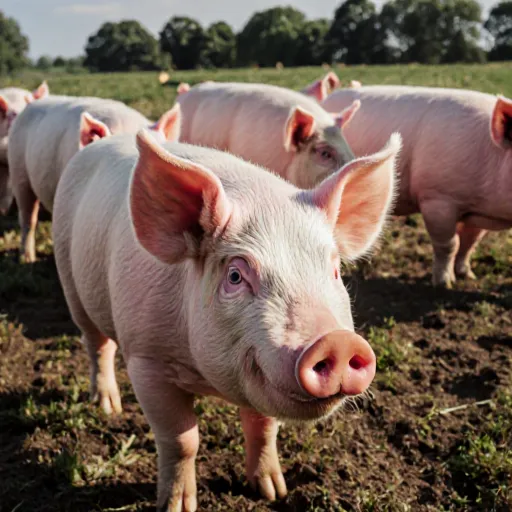
'Green' Gold: How Pig Farming Earns Profits Sustainably
Table of Contents
- Introduction to Pig Farming Practices
- Waste Management Challenges in Pig Farms
- Water Usage and Conservation Strategies
- Alternative Feeding Practices to Reduce Environmental Impact
- Use of Renewable Energy Sources on Pig Farms
- Soil Management for Sustainable Pig Farming
- Reducing Antibiotic Usage and Its Environmental Benefits
- Genetic Selection for Resource-Efficient Pigs
- Implementing Agroforestry to Enhance Biodiversity
- Water Pollution Control Methods in Pig Farms
- Air Quality Management Strategies on Pig Farms
- Case Studies of Successful Environmental Initiatives
- Future Trends and Innovations in Sustainable Pig Farming
- Conclusion
- FAQs about Reducing the Environmental Impact of Pig Farming
Introduction to Pig Farming Practices
Introduction to Pig Farming Practices: Modern pig farming practices have evolved significantly over the years, focusing not only on efficient production but also on reducing the environmental impact. As the demand for pork continues to grow globally, it is crucial for farmers and agricultural industries to adopt sustainable methods that minimize negative effects on the environment while ensuring animal welfare.
Pig farming involves a series of practices from breeding and feeding to waste management and disease control. Each step plays a critical role in determining the environmental footprint of pig production. By adopting eco-friendly approaches, farmers can significantly reduce water consumption, decrease greenhouse gas emissions, and minimize land degradation. This section explores various techniques and strategies that help achieve these goals.
Water Conservation
Water is a precious resource in pig farming. Efficient use of water can greatly reduce the environmental burden associated with this industry. Farmers are encouraged to install modern watering systems such as automatic feeders, which not only save water but also ensure that pigs receive the right amount of hydration.
Manure Management
One of the significant challenges in pig farming is managing manure effectively. Manure contains high levels of nutrients like nitrogen and phosphorus, which can be harmful to aquatic ecosystems if not handled properly. By implementing proper waste management practices, farmers can prevent pollution and support sustainable agriculture.
A common practice is to compost manure, turning it into a valuable fertilizer for crops. This reduces the need for chemical fertilizers while enriching soil quality. Additionally, anaerobic digestion systems are increasingly being used to convert manure into biogas, which can be utilized as an energy source.
Feed Efficiency
Efficient feed utilization is another key factor in reducing the environmental impact of pig farming. Feeding pigs with a balanced diet that meets their nutritional requirements while minimizing waste helps to lower resource consumption and greenhouse gas emissions.
Farmers can work with nutritionists to develop customized feeding plans based on the specific needs of different breeds and stages of growth. Using by-products from other industries, such as distillers' grains or food waste, as alternative feed sources is also a sustainable approach that reduces reliance on traditional grain crops.
Animal Health and Welfare
Maintaining good animal health contributes to overall sustainability in pig farming. Sick animals consume more resources and produce higher levels of harmful emissions. Regular veterinary care, clean living conditions, and stress reduction measures are essential for keeping pigs healthy and productive.
Implementing biosecurity protocols helps prevent the spread of diseases, reducing the need for antibiotics and other medications. This not only benefits animal health but also supports environmental sustainability by minimizing the use of non-renewable resources in veterinary practices.
Community Engagement
Pig farming can have both positive and negative effects on local communities if managed poorly. Engaging with neighbors, respecting land rights, and participating in community initiatives fosters a supportive environment for sustainable pig production.
Farmers should communicate openly about their operations, address any concerns promptly, and contribute positively to the surrounding ecosystem through conservation efforts or by supporting local biodiversity.
Conclusion
In conclusion, reducing the environmental impact of pig farming requires a holistic approach encompassing water conservation, manure management, feed efficiency, animal health, and community engagement. By adopting these practices, farmers can contribute to a more sustainable future for both agriculture and the environment.
Waste Management Challenges in Pig Farms
Pig farming is a significant contributor to environmental challenges, particularly concerning waste management. Proper management of pig farm waste can significantly reduce its negative impact on the environment. Here are some key challenges and practical solutions that farms can adopt:
1. Manure Management
Manure produced by pigs is one of the largest sources of waste in pig farming. The improper handling of this waste can lead to severe environmental issues such as water pollution, air contamination, and odor problems.
- Composting: Composting manure is an effective way to manage it sustainably. By using proper composting techniques, farmers can convert the waste into a valuable resource for soil enrichment in nearby agricultural fields or forests.
- Application Timing: Applying manure at the right time and in appropriate amounts helps reduce runoff and nutrient loss. This practice ensures that the nutrients are available to plants when needed, minimizing environmental impact.
2. Air Quality
The ammonia produced from pig waste can pose a serious threat to air quality around pig farms. Excessive ammonia not only harms nearby residents but also contributes to acid rain and other atmospheric pollutants.
- Better Ventilation: Ensuring proper ventilation in the barns helps reduce the concentration of harmful gases like ammonia. This can be achieved through improved building design or using fans and other air circulation systems.
- Air Scrubbers: Installing air scrubbers that use activated carbon to filter out volatile organic compounds (VOCs) from waste emissions is another effective solution.
3. Water Pollution
Pig farm runoff can contaminate nearby water sources, leading to significant damage to aquatic ecosystems and human health risks. Proper management of this runoff is crucial for maintaining clean water resources.
- Buffer Zones: Establishing buffer zones around water bodies helps filter out pollutants before they reach the water. These areas can be planted with grasses or other plants that absorb excess nutrients and sediments.
- Effluent Treatment Systems: Implementing effluent treatment systems such as lagoons, ponds, or constructed wetlands can help treat wastewater before it enters natural bodies of water.
4. Resource Efficiency
To further reduce the environmental impact of pig farming, farms should focus on maximizing resource efficiency throughout their operations.
- Water Recycling: Implementing systems to recycle water used in cleaning and other processes can significantly lower overall water consumption.
- Feed Optimization: Ensuring that pigs receive a balanced diet reduces the amount of waste produced per animal. This also helps minimize the use of resources like grain and soybeans.
5. Community Relations
The management of pig farm waste can affect local communities, especially those living nearby. Good communication and cooperation with these communities are essential to address their concerns and build trust.
- Regular Meetings: Holding regular meetings with community members to discuss waste management practices and any potential issues helps foster good relations and ensures that the community is kept informed.
- Public Awareness Campaigns: Launching educational campaigns aimed at raising public awareness about sustainable agriculture practices can help reduce misconceptions and improve understanding of pig farming's environmental impact.
In conclusion, by addressing these waste management challenges through sustainable practices and innovative solutions, pig farms can significantly reduce their environmental footprint. By focusing on responsible waste management, farms not only protect the environment but also enhance their reputation and contribute positively to local communities.
Water Usage and Conservation Strategies
Pig farming is a significant agricultural activity that contributes to global food security but also comes with substantial environmental challenges, particularly in terms of water usage. Efficient management of water resources is crucial for sustainable pig farming practices. By implementing effective conservation strategies, farmers can reduce their ecological footprint and promote environmentally friendly operations.
Understanding Water Usage in Pig Farming
The primary uses of water in pig farms include cleaning facilities, supplying drinking water to animals, and maintaining sanitation standards. High water consumption is often associated with the intensive farming systems where pigs are housed in large numbers under controlled conditions. This can lead to increased pressure on local water resources, especially in regions facing water scarcity.
Conservation Strategies for Water Efficiency
1. Implementing Low-Flow Nozzles and Faucets
The use of low-flow nozzles and faucets can significantly reduce water usage in cleaning and sanitation processes without compromising hygiene standards. These devices are designed to deliver water at a lower pressure, thus minimizing wastage during these activities.
2. Recycling Water for Non-Direct Animal Use
Pig farms often generate large quantities of wastewater that can be reused in non-direct animal-related processes such as irrigation or cleaning facilities other than those used directly by the pigs. Advanced filtration systems are necessary to ensure that recycled water meets safety and hygiene requirements.
3. Efficient Feeding Practices
Fed pigs require adequate water for digestion, which can be optimized through proper feeding practices. Ensuring pigs receive balanced diets supports their health, reduces stress levels, and consequently lowers the amount of water needed per unit of production.
4. Monitoring and Maintenance of Water Systems
Regular maintenance checks help identify leaks or inefficiencies early on, preventing unnecessary waste. Employing modern monitoring technologies can provide real-time data on water usage patterns, aiding in identifying areas for improvement.
5. Education and Training Programs
Involving both staff members and farmers themselves in continuous education programs about sustainable farming methods fosters a culture of environmental stewardship. Workshops focusing on best practices related to water conservation could be particularly beneficial.
Case Studies: Successful Implementations
Example 1 - Farm X
Farm X adopted several measures including installing low-flow devices throughout their operations, implementing a comprehensive recycling program for greywater from cleaning processes, and enhancing employee training on water-saving techniques. As a result, they have seen reductions in overall water consumption by up to 30%, contributing positively towards local ecosystems.
Example 2 - Farm Y
Farm Y focused primarily on optimizing feed rations based on advanced nutritional analysis and introducing automated feeding systems that monitor individual pig health parameters. This approach not only improved water efficiency but also enhanced overall productivity levels within their operation.
In conclusion, adopting these conservation strategies provides a pathway for reducing the environmental impact of pig farming while maintaining high standards of production efficiency and animal welfare. By embracing sustainable practices, farmers play an integral role in protecting our planet’s most precious resource – clean water.
Alternative Feeding Practices to Reduce Environmental Impact
Pig farming, like many livestock practices, has a significant environmental footprint. From the production of feed to waste management, there are numerous opportunities for improvement in reducing the ecological impact. One effective strategy is to explore alternative feeding practices that can help minimize this footprint.
1. Utilizing Crop By-Products
Crop by-products such as corn gluten meal, wheat bran, and soybean hulls are excellent alternatives to traditional feed ingredients like corn and soybeans. These by-products are generated during the processing of crops for human consumption and can be used to formulate pig diets without increasing the demand on primary agricultural resources.
For example, farmers can incorporate rice hulls into pig feeds as a fiber source, which helps in reducing the amount of grain-based feed needed. This not only lowers the environmental burden but also promotes more efficient use of available crops.
2. Implementing Precision Feeding
Precision feeding involves providing pigs with exactly the amount of feed they need at any given time, based on factors such as age, weight, and activity level. By minimizing overfeeding, this practice reduces the overall demand for feed ingredients, which in turn lowers greenhouse gas emissions associated with feed production.
Using technologies like automated feeders that adjust portion sizes can significantly enhance precision feeding practices. This approach is particularly beneficial when coupled with regular monitoring of pig growth and health metrics to ensure optimal performance while minimizing waste.
3. Enhancing Feed Efficiency
Improving the efficiency with which pigs convert feed into meat is another key strategy for reducing environmental impact. This can be achieved through advancements in genetic selection, dietary formulation, and management practices.
- Genetic Selection: Breeding for traits such as growth rate and feed-to-meat conversion efficiency helps to reduce the amount of feed required per unit of weight gain, thereby lowering the environmental footprint.
- Dietary Formulation: Using high-quality protein sources like fish meal or plant-based alternatives can improve feed efficiency. Additionally, optimizing the balance between energy and protein in the diet can lead to better nutrient utilization.
4. Utilizing Anaerobic Digestion
Anaerobic digestion is a process that converts organic waste into biogas and digestate. Pig manure, which is rich in nutrients, can be anaerobically digested to produce methane-rich biogas, which can then be used for energy generation. The resulting digestate can also serve as an effective fertilizer, reducing the need for synthetic fertilizers.
Installing anaerobic digestion systems on pig farms not only helps in managing waste but also contributes positively to renewable energy production and soil health, further reducing the environmental impact of pig farming.
5. Encouraging Community Partnerships
Working with local communities and organizations can provide additional opportunities for sustainable practices. For instance, farmers might collaborate with nearby food producers to utilize surplus crops or by-products that would otherwise be wasted. These partnerships can also involve sharing best practices in feeding and management techniques, fostering a more environmentally conscious approach across the agricultural sector.
By integrating these alternative feeding practices into pig farming operations, farmers can significantly reduce their environmental impact while maintaining productivity and profitability. Embracing innovation and sustainable practices is crucial for the future of agriculture and the environment.
Use of Renewable Energy Sources on Pig Farms
The integration of renewable energy sources into pig farming represents a significant step towards reducing the environmental impact of this industry. By transitioning from traditional fossil fuel-based energy to sustainable alternatives, pig farms can significantly lower their carbon footprint and contribute positively to global sustainability efforts.
Solar panels are one of the most practical renewable energy solutions for pig farms. They harness sunlight to generate electricity without emitting greenhouse gases. Farms equipped with solar power not only reduce their energy costs but also contribute positively to environmental preservation.
- Installation: Solar systems can be installed on rooftops or as ground-mounted structures. The choice depends on the farm's layout and available space.
- Maintenance: Regular cleaning of solar panels is essential to maximize energy output. Farms should schedule seasonal cleanings, especially during dusty seasons.
Example: A large pig farm in California installed a 1 MW solar array. This setup generated enough electricity to power the entire operation, significantly reducing their utility bills and greenhouse gas emissions.
Wind turbines can also be utilized on pig farms with suitable wind conditions. These turbines generate electricity by converting kinetic energy from moving air into electrical energy. Farms located in regions with consistent winds are the best candidates for this technology.
- Installation: Wind turbines require substantial space and careful planning to ensure they do not interfere with daily operations or pose safety risks to workers.
- Maintenance: Regular checks on turbine blades, generators, and control systems are necessary to maintain efficiency and prevent accidents.
Example: A Danish pig farm installed a small wind turbine as part of its renewable energy strategy. The turbine provided enough power for the farm's lighting and ventilation systems, further reducing reliance on non-renewable sources.
Biogas is an excellent option for farms generating large amounts of organic waste. By converting animal manure into biogas through anaerobic digestion, farms can produce a clean energy source while minimizing waste disposal challenges and odors.
- Process: Organic waste from pigs and other livestock is placed in an oxygen-free environment where it decomposes naturally, producing methane-rich biogas.
- Utilization: Biogas can be used to fuel generators or heated areas within the farm. It can also be upgraded into biomethane for transportation purposes.
Example: A pig farming operation in Austria implemented a biogas plant that converted waste into energy, reducing odor issues and lowering methane emissions significantly.
Geothermal systems can provide efficient heating for pig barns without relying on fossil fuels. These systems tap into the Earth's natural heat to warm water or air, creating a renewable source of energy for climate control within the farm.
- Installation: Installing geothermal heat pumps requires drilling wells and installing underground pipes. The depth of these wells depends on local geological conditions.
- Maintenance: Regular checks on pump efficiency, heat exchangers, and thermal fluid levels are crucial to ensure optimal performance.
Example: A pig farm in Iceland successfully utilized geothermal heating for its barns. The consistent temperatures provided by the geothermal system kept pigs comfortable year-round while minimizing energy costs.
Incorporating renewable energy sources into pig farms is not only beneficial for environmental preservation but also economically viable in the long term. By making strategic investments in solar, wind, biogas, and geothermal technologies, pig farmers can significantly reduce their carbon footprint and contribute to a more sustainable future.
Soil Management for Sustainable Pig Farming
Sustainable pig farming is not only about ensuring the health and welfare of pigs but also about maintaining ecological balance. Proper soil management plays a critical role in achieving this goal by minimizing environmental impacts such as pollution, water contamination, and nutrient imbalance. Here’s how you can manage your farm's soil sustainably:
1. Nutrient Management
Nutrient runoff from pig waste is one of the major contributors to water pollution. To reduce this impact, implement a comprehensive nutrient management plan that includes regular testing and monitoring of soil and water quality.
- Testing: Conduct periodic tests to determine the levels of nitrogen, phosphorus, and other key nutrients in your soil and nearby watersheds. This will help you understand what excesses need addressing.
- Planning: Develop a plan that allocates waste appropriately, considering both on-farm and off-farm applications. On-site composting or anaerobic digestion can convert waste into valuable resources like compost and biogas.
2. Crop Rotation
Crop rotation helps to maintain soil health by preventing depletion of specific nutrients and reducing pest build-up. This practice also promotes biodiversity, which is essential for sustainable farming.
Example: Instead of planting the same crop year after year, alternate between grasses, legumes, and root crops. Legumes like clover or alfalfa can fix nitrogen in the soil, benefiting both the pigs and future crops.
3. Cover Crops
Cover cropping involves planting temporary cover plants during fallow periods between cash crops or after harvests. These plants help protect against erosion, improve soil structure, and enhance organic matter content.
- Benefits: Cover crops can reduce runoff by up to 70%, trap excess nutrients, and provide additional habitat for beneficial insects.
- Example: Plant cover crops like rye or barley in winter. Not only do they protect the soil from erosion but also add organic matter when tilled into the ground come springtime.
4. Conservation Tillage
Conservation tillage minimizes soil disturbance, which helps to preserve existing nutrients and organic materials in the soil profile while reducing fuel usage associated with traditional plowing techniques. This method also decreases erosion risks during heavy rains.
- Tillage Methods: Practices like no-till or strip-till allow farmers to plant directly into undisturbed rows of soil, minimizing soil compaction and promoting better root growth for subsequent crops.
- Bonus Benefit: By reducing the need for heavy machinery, conservation tillage also reduces costs associated with fuel and equipment maintenance.
5. Water Management
Efficient water management is crucial in sustainable pig farming to prevent excess runoff from carrying pollutants into local ecosystems. Implementing proper drainage systems, rainwater harvesting, and efficient irrigation methods can significantly reduce this risk.
- Drainage: Ensure your farm has adequate drainage channels and structures to divert water away from sensitive areas like streams or wetlands.
- Irrigation: Use drip irrigation systems rather than overhead sprinklers. This ensures that only the necessary amount of water reaches the plants, minimizing wasteful evaporation and runoff.
6. Monitoring & Adjustments
Sustainable soil management is an ongoing process requiring regular monitoring and adjustments based on changing conditions such as weather patterns or crop performance. Keeping detailed records of all practices used will allow you to fine-tune your approach over time.
- Record Keeping: Maintain a logbook that documents every aspect of soil management, including treatments applied and their outcomes.
- Adaptation: Be open to adopting new technologies or practices as they become available. What works today might not remain effective in the future due to evolving climate conditions or increased knowledge about best practices.
By integrating these soil management strategies into your pig farming operation, you contribute positively to environmental conservation efforts while maintaining a productive and healthy farm environment for generations to come.
Reducing Antibiotic Usage and Its Environmental Benefits
Reducing antibiotic usage is not only a significant step towards enhancing public health but also plays a crucial role in mitigating the environmental impact of pig farming. Over-reliance on antibiotics can lead to antibiotic resistance, posing serious threats to human and animal health alike. In the context of pig farming, minimizing antibiotic use helps preserve these critical drugs for when they are truly needed.
The overuse and misuse of antibiotics contribute significantly to the development of antibiotic-resistant bacteria. When pigs are regularly administered low-dose antibiotics as a preventive measure against infections, it can lead to resistant strains evolving in farm environments. These resistant pathogens can then spread not only among animals but also contaminate water sources, soil, and air, affecting both animal and human health.
The environmental consequences of excessive antibiotic use are profound. Antibiotics that end up in the environment through waste or runoff can disrupt ecosystems by killing beneficial bacteria essential for nutrient cycling and soil health. This disruption leads to reduced fertility, increased erosion, and degradation of water quality.
To address these issues, pig farmers are encouraged to adopt practices that reduce the need for antibiotics:
- Improved Biosecurity: Implementing strict biosecurity measures can prevent diseases from entering the farm, thus reducing reliance on preventive antibiotics. This includes regular cleaning and disinfection of facilities, limiting visitors, and ensuring high standards in feed handling.
- Enhanced Animal Welfare: Providing a clean, comfortable environment that promotes good health reduces stress and susceptibility to infections. Proper ventilation, temperature control, and bedding materials contribute significantly to animal well-being.
- Nutritional Management: Ensuring pigs receive balanced diets rich in essential nutrients supports their immune systems, making them less prone to diseases requiring antibiotic treatment.
Farmers who have successfully reduced antibiotic use often cite improvements in animal health and performance. For example:
- Farm X: By improving sanitation protocols and focusing on feeding quality, they were able to cut down their antibiotic usage by 50%. This not only saved costs but also led to healthier pigs with fewer secondary infections.
- Farm Y: Through a concerted effort in reducing stress factors like overcrowding and improving bedding materials, this farm saw a significant decrease in mortality rates and the need for antibiotics.
As awareness grows about the importance of reducing antibiotic usage, more farmers are adopting sustainable practices. These include:
- Investment in research to develop alternative therapies such as probiotics and essential oils.
- Participation in certification programs that promote responsible antibiotic use.
By taking these steps, pig farmers can significantly reduce their environmental footprint while ensuring the long-term sustainability of their operations. This approach benefits both the environment and public health by preserving antibiotics for critical medical applications.
Genetic Selection for Resource-Efficient Pigs
Genetic selection plays a crucial role in reducing the environmental impact of pig farming by improving resource efficiency. By selecting for traits that enhance feed conversion, growth rates, and litter size, farmers can significantly reduce the amount of resources needed to produce pigs. This approach not only conserves natural resources but also decreases waste generation.
One of the primary areas where genetic selection has a profound effect is feed conversion efficiency (FCE). FCE refers to the ratio of feed input to body weight gain. Improved breeds have higher FCE, meaning they require less feed to achieve the same growth rates as lower-performing breeds. For example, selecting for pigs that convert 1 kg of feed into 0.95 kg of live weight is more resource-efficient than those converting it at a rate of 1:1.
Practical advice: Breeders can consult with geneticists to identify sires and dams that demonstrate superior FCE in their offspring. This information helps prioritize which animals are used for breeding, ensuring that the next generation inherits these beneficial traits.
Increasing growth rates is another key benefit of genetic selection. Faster-growing pigs reach market weight more quickly, reducing the time they spend consuming feed and occupying space on the farm. This results in lower overall resource consumption per pig produced.
Example: A study conducted by a leading agricultural university showed that a 10% improvement in growth rate can lead to a 5% reduction in feed costs over the lifespan of the pig.
Practical advice: Focus on selecting sires and dams with high daily gain rates. This trait is easily measured during the growing phase and indicates potential for rapid development into market weight.
Bigger litters mean more pigs per sow per reproductive cycle, which can lead to higher productivity from fewer sows. Larger litters also reduce the overall carbon footprint since there are economies of scale in resource allocation.
Example: A farm that increases its average litter size by one pig per litter sees a proportional increase in total pig production without increasing breeding stock numbers.
Practical advice: Prioritize sires and dams known for their large litters. Breeders should also consider culling less productive animals to maintain genetic diversity while enhancing overall performance metrics like litter size.
In summary, genetic selection is a powerful tool in the quest to reduce the environmental impact of pig farming. By focusing on improving feed efficiency, growth rates, and litter sizes, farmers can operate more sustainably while maintaining or even increasing profitability. These improvements align with global efforts towards sustainable agriculture and responsible resource management.
Implementing Agroforestry to Enhance Biodiversity
Pig farming, while an essential part of many agricultural systems, can have significant environmental impacts. One effective strategy to mitigate these impacts is by integrating agroforestry practices into the farming landscape. Agroforestry involves combining tree crops with other crops or livestock on the same piece of land, creating a more diverse and sustainable agricultural system.
Enhancing Biodiversity
Agroforestry plays a crucial role in enhancing biodiversity by providing habitats for various species. Trees in agroforestry systems create microhabitats that support a wide range of flora and fauna, from insects to birds and mammals. This increased diversity can lead to healthier ecosystems with better pest control and soil health.
Reducing Environmental Impact
The integration of trees in pig farming practices can significantly reduce the environmental footprint associated with pig production. Here’s how:
- Soil Conservation: Trees help prevent soil erosion by stabilizing the topsoil and reducing runoff, which is especially important for protecting water sources from agricultural pollution.
- Water Quality: Trees help filter runoff water, removing harmful pollutants before they reach nearby streams or rivers. This is particularly beneficial in reducing nitrogen and phosphorus runoff from pig waste, which can lead to algal blooms in aquatic ecosystems.
- Biodiversity: Agroforestry systems support a wider range of species, including pollinators and beneficial insects, which can help control pests naturally. This reduces the need for chemical pesticides, further minimizing environmental impact.
In a typical agroforestry setup around pig pens, trees can act as natural windbreaks, reducing soil erosion caused by strong winds. This also helps in maintaining the nutrient content of the soil, thus promoting healthier growth conditions for both plants and pigs.
An example of this could be planting fruit trees near pig pens. The roots of these trees help absorb excess nutrients from the soil, thereby reducing the amount of pollution that reaches nearby water bodies.
Practical Tips for Implementing Agroforestry in Pig Farming
To successfully implement agroforestry practices in pig farming:
- Select Suitable Tree Species: Choose tree species that are well-suited to the local climate and soil conditions. These trees should provide benefits such as shade, nitrogen fixation, or fruit production.
- Plan Proper Layout: Design the agroforestry system to ensure that it meets both agricultural and environmental goals. The layout should allow for efficient use of space and resources, ensuring that the trees do not interfere with pig movements or feed access.
- Monitor and Maintain: Regularly monitor the health and growth of both the trees and the pigs. Address any issues promptly to ensure optimal performance.
For instance, planting nitrogen-fixing trees like acacia around pig pens can improve soil quality while providing additional resources for pigs.
A practical approach is to place shade trees around the periphery of the pig farm, leaving open areas in the center where pigs can move freely without hindrance.
This involves checking for signs of pest infestations or diseases in both the trees and livestock, as well as ensuring that there is enough space for pig movement and feeding without hindrance from tree roots or branches.
Conclusion
Implementing agroforestry practices can significantly enhance biodiversity while reducing the environmental impact of pig farming. By adopting these sustainable agricultural methods, farmers not only contribute to ecological balance but also improve their long-term productivity and resilience against climate change.
Water Pollution Control Methods in Pig Farms
Pig farming is a significant agricultural activity that contributes to the global food supply. However, it can also lead to severe environmental issues, particularly water pollution. Proper management and implementation of effective water pollution control methods are crucial for reducing the environmental impact of pig farming.
1. Waste Management
The first line of defense against water pollution in pig farms is proper waste management. This includes collecting and treating manure before it reaches water bodies. One common method is the use of anaerobic digesters, which break down organic matter into biogas (methane) and a liquid fertilizer known as digested slurry.
- Advantages: Anaerobic digestion reduces odors, kills pathogens, and recovers nutrients from waste products.
- Practical Advice: Farmers should invest in digesters that match the scale of their farm to ensure efficiency. Regular maintenance is also crucial for optimal performance.
2. Nutrient Management
Nutrients from pig waste can lead to eutrophication if not managed properly. Implementing nutrient management strategies helps in minimizing the runoff of excess nutrients into water bodies.
- Solution: Use precision feeding methods and high-efficiency feeders that reduce waste and ensure pigs receive only what they need, thus decreasing overall manure output.
- Practical Advice: Farmers should work with nutritionists to formulate diets that are optimized for pig growth while minimizing surplus nutrients. Regular soil testing can also help in determining the right application rates of manure as fertilizer.
3. Manure Storage and Treatment
Proper storage and treatment of manure before it is used or disposed of are essential steps in controlling water pollution. Covered, lined pits can prevent rainwater from mixing with waste, reducing the risk of runoff into nearby water sources.
- Advantages: Covered pits protect against weather conditions and reduce odors.
- Practical Advice: Farmers should ensure that pits are constructed with impermeable materials to prevent leaks. Proper aeration of the manure pile can also help in reducing pathogens and odor issues.
4. Rainwater Management
Rainfall can wash pig waste into nearby water sources, leading to pollution. Implementing rainwater management practices can significantly reduce this risk.
- Solution: Install gutters and downspouts to direct rainwater away from the manure storage areas. Constructed ponds or buffer strips can also help in filtering runoff before it reaches water bodies.
- Practical Advice: Farmers should design their farms with natural features such as wetlands or grassy swales that can naturally filter out pollutants before they reach larger water sources.
5. Water Quality Monitoring
Regular monitoring of the quality of nearby water bodies is crucial for identifying any pollution issues early on and taking corrective actions promptly.
- Solution: Use automated systems to monitor pH levels, nutrient concentrations, and other indicators of water quality. This can provide real-time data that helps in making informed decisions.
- Practical Advice: Farmers should collaborate with local authorities or environmental agencies for regular testing and compliance checks. Public awareness campaigns about the importance of clean water can also encourage better practices among nearby communities.
In conclusion, by implementing these water pollution control methods in pig farms, farmers can significantly reduce their environmental impact. The key lies in proactive management strategies that prioritize sustainability and protect natural resources for future generations.
Air Quality Management Strategies on Pig Farms
Pig farming can have significant environmental impacts, particularly regarding air quality. Poor air quality not only affects the health and welfare of pigs but also has adverse effects on local communities and the environment. Implementing effective air quality management strategies is crucial for sustainable pig farming practices that minimize these impacts.
1. Proper Ventilation Systems
One of the most important strategies to manage air quality in pig farms is by installing proper ventilation systems. These systems should be designed to ensure fresh air flows through the barns while minimizing the entry of dust and other pollutants from outside.
Examples: Inline ventilators that provide a consistent airflow, tunnel ventilation which directs air flow down the length of the building, or cross-ventilation systems can be used depending on the climate and farm layout. Proper sealing of barns to prevent drafts is also critical to maintain controlled air flow.
Practical Advice: Regular maintenance of ventilators should be carried out by trained personnel to ensure they are functioning efficiently. Monitoring air quality using sensors can help in timely adjustments and improvements.
2. Waste Management
The management of waste from pig farms plays a vital role in maintaining good air quality. Proper disposal and treatment of manure, slurry, and other waste materials can significantly reduce the emissions that contribute to poor air quality.
Examples: Anaerobic digestion systems can be used to break down waste into biogas, which can then be used as a renewable energy source. Composting is another effective method for reducing waste volume and minimizing odors. Regular flushing of pits should also be minimized where possible.
Practical Advice: Implementing best management practices (BMPs) in waste handling, including regular cleaning schedules and proper storage facilities, can help reduce the amount of ammonia and other pollutants released into the air.
3. Feed Management
The composition of pig feed can influence methane production from manure and, consequently, air quality. Managing the diet to include certain ingredients that promote healthy gut bacteria can help reduce methane emissions.
Examples: Feeding diets rich in fiber or including additives like yeast culture can improve digestion efficiency, reducing waste production and subsequent emissions. Ensuring a balanced diet also contributes to animal health and reduces stress, which indirectly supports better air quality by minimizing respiratory issues among pigs.
Practical Advice: Work with nutritionists to develop customized feed plans that balance nutritional requirements while considering environmental impact. Monitoring feed intake patterns can also help in adjusting diets as necessary.
4. Biofilter Systems
A biofilter system uses microorganisms to break down odorous compounds and other air pollutants before they are released into the atmosphere. This is a more advanced strategy that can be particularly effective for large-scale operations or those in areas with strict air quality regulations.
Examples: Biofilters come in various designs, including packed towers, liquid biofilters, and granular activated carbon filters enhanced by biological activity. These systems can treat exhaust gases from barns before they are released into the environment.
Practical Advice: Initial installation costs for biofilter systems can be high, but they offer long-term benefits in terms of reducing operational expenses and improving community relations. Regular maintenance and monitoring are essential to ensure their effectiveness.
5. Community Engagement
Engaging with local communities is crucial for addressing air quality concerns effectively. By fostering open communication, pig farmers can gain support and understanding from the public regarding the measures being taken to improve air quality.
Examples: Hosting community meetings, providing transparency about farm operations through regular updates, and involving stakeholders in decision-making processes can enhance trust between the industry and local residents. Educational programs aimed at teaching best practices for air quality management are also beneficial.
Practical Advice: Establishing a continuous dialogue with community leaders and actively seeking feedback on strategies implemented will help ensure that measures taken address real concerns and expectations.
Case Studies of Successful Environmental Initiatives
1. Biogas Production from Pig Manure at GreenPast Farms
GreenPast Farms in Iowa has successfully implemented a biogas production system that uses pig manure as feedstock. This initiative not only reduces the environmental impact of pig farming but also provides a sustainable energy source for the farm.
The process involves collecting and transporting pig manure to an anaerobic digestion facility where it is broken down by microorganisms in the absence of oxygen, producing biogas. The biogas can be further processed into electricity or heat, reducing reliance on fossil fuels.
Practical Advice: Farms considering this approach should ensure proper containment and transportation systems to prevent any contamination or odors from reaching the community.
2. Integrated Pig Farming and Aquaculture Systems
The Integrated Pig Farming and Aquaculture System (IPFAS) at FreshEcoPigs in Thailand has demonstrated significant environmental benefits by integrating pig farming with fish production.
In this system, pig manure is used as a natural fertilizer for growing vegetables, which are then fed to the fish. The water from the fish pond is recycled back into the pig pens after treatment, creating a closed-loop ecosystem that minimizes waste and maximizes resource efficiency.
Example: The system at FreshEcoPigs has reduced water usage by 80% compared to traditional farming methods. Additionally, the farm produces 100% organic vegetables and meat without any chemical inputs.
Practical Advice: Farms should consider the local climate and soil conditions when designing an integrated system. Proper waste management and water treatment facilities are crucial for maintaining the health of both pig herds and fish populations.
3. Precision Pig Farming Techniques at SmartPigFarms
SmartPigFarms in Europe has adopted precision farming techniques to reduce waste and increase efficiency. By using real-time data analytics, the farm monitors and optimizes feed consumption, water usage, and manure generation.
The system ensures that pigs receive only the amount of food they need, minimizing surplus feed that would otherwise be converted into waste. Additionally, precise water management helps in reducing runoff and ensuring better soil quality.
Example: By implementing these technologies, SmartPigFarms has reduced feed costs by 15% while simultaneously decreasing the environmental footprint of pig farming.
Practical Advice: Farms should invest in reliable data collection and analytics tools. Training staff on how to interpret and act upon this information is also essential for successful implementation.
4. Landfill-Free Pig Manure Management at EcoPigFarmers
EcoPigFarmers in North Carolina has developed a novel approach to managing pig manure by converting it into high-quality compost and soil amendments. This initiative not only reduces the volume of waste sent to landfills but also enriches soil quality.
The process involves controlled decomposition under specific temperature, humidity, and oxygen conditions, which produces a nutrient-rich compost that can be used for agricultural purposes. This approach ensures that resources are recycled within the farming ecosystem.
Example: EcoPigFarmers has been able to divert 95% of pig manure from landfills into beneficial uses, significantly reducing greenhouse gas emissions associated with decomposing organic matter in landfills.
Practical Advice: Farms should collaborate with local agricultural colleges and extension services for technical support. Proper marketing and distribution strategies are also necessary to ensure the compost is used effectively by farmers and gardeners.
Future Trends and Innovations in Sustainable Pig Farming
The sustainable practices in pig farming are not only crucial for the health of animals but also for reducing the environmental impact. As global awareness grows, so too does the push towards more eco-friendly methods that can be integrated into traditional farming systems. Below are some key trends and innovations aimed at making pig farming more sustainable:
1. Precision Feeding
Precision feeding technologies use advanced sensors and data analytics to monitor feed intake, nutrient requirements, and waste production in real-time. This approach ensures that pigs receive only the amount of food they need based on their individual growth stages, thus minimizing unnecessary resource consumption and reducing waste.
Example: Companies like Nutreco have developed systems where farmers can input data about their herds into an app or platform that calculates daily feed rations. This results in less feed being wasted through over-feeding or under-feeding, which directly reduces the environmental footprint of pig farming.
2. Alternative Feed Ingredients
Switching to alternative feed ingredients such as insects, algae, and food waste not only diversifies diets but also helps reduce reliance on traditional crops like corn and soybeans that require significant land use and water resources. These alternatives are often more efficient in terms of protein content and can help decrease greenhouse gas emissions associated with pig farming.
Example: Agriprotein, a South African company, collects organic waste from various sources and processes it into black soldier fly larvae which are then used as an alternative feed for pigs. This not only reduces landfill space but also provides high-quality protein for the animals.
3. Vertical Farming
Vertical farming is gaining traction in pig farming due to its ability to maximize space and reduce land use while maintaining productivity. By stacking layers of cages or pens vertically, farmers can increase the number of pigs they can raise per unit area, leading to higher output without expanding into new lands.
Example: Some urban farms are starting small-scale vertical pig farming operations in cities where space is limited. These setups often use automated systems for feeding and cleaning, further enhancing efficiency and sustainability.
4. Biogas Production
Pig waste can be converted into biogas through anaerobic digestion processes, providing a renewable energy source that can power farm operations or even sell excess electricity back to the grid. This process reduces methane emissions from manure and provides an additional revenue stream for farmers.
Example: In Denmark, many pig farms have installed biogas plants where they convert pig manure into biomethane, which is then used to fuel vehicles or generate electricity for local consumption. This not only cuts down on waste but also contributes positively to renewable energy goals.
5. Enhanced Animal Welfare Practices
Focusing on improving animal welfare through better living conditions such as more comfortable bedding, natural light exposure, and reduced stress levels can lead to healthier pigs that require fewer antibiotics and other medications. Healthier animals mean less waste in the form of antibiotic-resistant bacteria entering waterways or air.
Example: Some farms are implementing enrichment programs for their pig herds by providing toys, social interaction opportunities, and more spacious living areas. These practices have been shown to improve overall health outcomes among pigs while reducing dependency on antibiotics.
In conclusion, these future trends and innovations in sustainable pig farming offer promising ways to reduce the environmental impact of this important agricultural sector. By embracing these changes, farmers can contribute significantly towards creating a more eco-friendly world for generations to come.
Conclusion
In recent years, the global pig farming industry has faced increasing scrutiny regarding its environmental impact. The production process generates significant amounts of waste and contributes to greenhouse gas emissions, which are critical concerns for sustainability advocates. Addressing these issues is crucial not only for the environment but also for public health and economic stability.
The environmental footprint of pig farming extends beyond just water pollution from manure runoff into local waterways. This pollution can lead to oxygen depletion in rivers, lakes, and coastal areas, affecting aquatic life and human water supplies. Additionally, the methane emissions from manure and waste management practices contribute to climate change.
Moreover, deforestation for land expansion is another significant concern. Forests are cleared to create additional grazing areas or to dispose of waste, leading to loss of biodiversity and carbon sequestration capacity.
1. Waste Management
Precision feeding and manure management are key strategies for reducing environmental impact. By optimizing feed efficiency, farmers can minimize the amount of waste produced. For example, using precision feeding systems that adapt to individual pig needs ensures less food is wasted, leading to reduced methane emissions from uneaten organic matter.
Implementing anaerobic digestion is another effective method for managing manure. This process breaks down organic material into biogas and fertilizer, which can be used as a renewable energy source or as soil enrichers, thus closing the nutrient cycle within the farming system.
2. Sustainable Land Use
Farmers should focus on sustainable land use practices to mitigate deforestation. This includes using existing agricultural lands more efficiently and exploring alternative crops that can be grown without further encroaching on natural habitats. For instance, agroforestry systems integrate trees with livestock, enhancing biodiversity while providing shade for pigs.
Implementing rotational grazing or crop diversification helps maintain soil health and reduces the need for additional land clearing. Crop rotations also help in reducing pest populations and improving soil fertility naturally.
3. Renewable Energy
The use of renewable energy sources can significantly reduce the carbon footprint of pig farming operations. Solar panels, wind turbines, and biogas systems are becoming increasingly popular among sustainable farmers. For example, some farms are now generating their own electricity through solar installations, reducing reliance on fossil fuels.
4. Water Conservation
Pig farming requires large amounts of water for cleaning and other processes. Implementing water-efficient practices such as recycling waste water and using drip irrigation can greatly reduce consumption. For instance, installing water meters and monitoring systems helps in identifying leaks and optimizing water usage.
In conclusion, reducing the environmental impact of pig farming requires a multi-faceted approach that combines improved waste management, sustainable land use practices, renewable energy adoption, and water conservation. By adopting these strategies, farmers can significantly reduce their ecological footprint while maintaining profitability and contributing positively to global sustainability efforts.
FAQs about Reducing the Environmental Impact of Pig Farming
Q: What are some effective ways to reduce the environmental impact of pig farming?
Pig farming has significant environmental impacts, including water pollution, greenhouse gas emissions, and land use. To mitigate these effects, several strategies can be employed:
- Waste Management: Implementing proper waste management practices is crucial. This includes using anaerobic digestion to convert manure into biogas, which can then be used for energy production.
- Feeding Practices: Adopting more sustainable feeding practices such as using locally sourced feed ingredients can decrease the carbon footprint of pig farming.
- Crop Rotation and Efficient Land Use: Implementing crop rotation practices can improve soil health and reduce the need for chemical fertilizers. This approach helps in reducing greenhouse gas emissions from land use change.
- Water Conservation: Efficient water management techniques such as drip irrigation and recycling systems can help in conserving water resources. This is particularly important in regions prone to droughts or where water scarcity is a concern.
Example: Companies like Lely are developing systems that not only reduce waste but also generate electricity from it.
Practical Advice: Farmers should consider diversifying their feed sources to include alternative proteins like insects or plant-based products, which have a lower environmental impact than traditional soybean meals.
Example: Farmers can grow cover crops during off-seasons to enhance soil quality, thereby minimizing the environmental impact of pig farming on agricultural landscapes.
Practical Advice: Pig farmers should install rainwater harvesting systems to supplement their water supply, ensuring that they are using the most sustainable practices available.
Q: How can pig farming contribute positively to the environment?
Besides reducing its negative impacts, pig farming can also play a positive role in environmental sustainability:
- Agricultural Byproduct Utilization: Pig manure is rich in nutrients and can be used as organic fertilizer, promoting soil health and crop yields without the need for synthetic fertilizers.
- Biodiversity Enhancement: Proper land management practices can promote biodiversity. For instance, creating buffer strips around water bodies helps prevent runoff and supports local ecosystems.
Example: Farms like Green Energy Farms in New Zealand use pig manure to enhance soil fertility, thereby reducing dependency on chemical inputs.
Practical Advice: Farmers should consider planting native trees and shrubs to create habitat for various species of birds, insects, and other wildlife.
Q: What role can technology play in reducing the environmental impact of pig farming?
The integration of modern technologies offers promising solutions:
- Sensor Technology: Utilizing sensors for monitoring and controlling feed delivery, water usage, and waste management can lead to significant reductions in resource consumption.
- Digital Platforms for Sustainable Practices: Digital platforms can help farmers track their environmental performance metrics such as carbon emissions and water usage, enabling them to make informed decisions towards sustainable farming practices.
Example: Companies like Zinco offer smart feeding systems that automatically adjust feed based on the pig's needs, reducing food waste and energy consumption.
Practical Advice: Farmers should explore the use of apps that provide real-time data on resource use, helping in proactive management of farm resources for better environmental outcomes.
Categories
- AI & Enrichment Play
- Broiler Farming
- Broiler Farming Tips
- Canine Wellness & Longevity
- Cat
- Cat & Human Connection
- Cat Adoption & Rescue
- Cat Breeds
- Cat Breeds & Personalities
- Cat Care & Health
- Cat Grooming & Hygiene
- Cat Lifestyle & Environment
- Cat Myths & History
- Cat Nutrition & Diet
- Cat Products & Reviews
- Cat Training & Behavior
- Comparison
- Consumer Awareness
- Dog
- Dog Accessories & Products
- Dog Adoption & Rescue
- Dog Breed & Lifestyle Trends
- Dog Breeding & Puppies
- Dog Entertainment & Media
- Dog Fashion & Trends
- Dog Fun & Lifestyle
- Dog Grooming & Hygiene
- Dog History & Culture
- Dog Myths, Science & Future Tech
- Dog News & Trends
- Dog Nutrition & Food
- Dog Psychology & Emotions
- Dog Safety & Security
- Dog Sports & Activities
- Dog Technology & Innovation
- Dog Training for Modern Owners
- Dog Travel & Adventure
- Dog Travel, Adventure & Culture
- Economic and Market Insights
- Educational Content
- FAQs
- Feeding Alternatives
- Festivals & Seasonal Ideas
- Fun & Entertainment
- General Knowledge
- General Pig Farming
- Health & Disease Management
- Housing and Environment
- Kittens
- Market Insights
- Miscellaneous
- Miscellaneous
- Motivational
- pig
- Pig Breeding
- Pig Breeds
- Pig Farming Stories and Inspiration
- Pig Health and Care
- Pig Nutrition
- Pig Products
- Profitability & Business
- Puppy Care
- Puppy Predictable Topics Reinvented
- Regional Focus
- Rescue & Adoption Buzz
- Senior Cats
- Senior Dog Care
- Smart Dog Tech & Gadgets
- Sustainability
- Sustainable & Eco-Friendly Dog Products
- Tech & Innovations
- Working & Service Dogs
- Broiler Feed66 products
- Country Feed33 products
- Pig Feed66 products
- Product22 products
- Raw Materials99 products
Products
-
 Fish Meal
₹1,999.00 – ₹2,999.00Price range: ₹1,999.00 through ₹2,999.00Rated 0 out of 5
Fish Meal
₹1,999.00 – ₹2,999.00Price range: ₹1,999.00 through ₹2,999.00Rated 0 out of 5 -
 FATTENING BROILER FEED
₹2,299.00 – ₹2,349.00Price range: ₹2,299.00 through ₹2,349.00Rated 0 out of 5
FATTENING BROILER FEED
₹2,299.00 – ₹2,349.00Price range: ₹2,299.00 through ₹2,349.00Rated 0 out of 5 -
 LAYER COUNTRY FEED
₹1,549.00 – ₹1,649.00Price range: ₹1,549.00 through ₹1,649.00Rated 0 out of 5
LAYER COUNTRY FEED
₹1,549.00 – ₹1,649.00Price range: ₹1,549.00 through ₹1,649.00Rated 0 out of 5 -
 COUNTER BROILER FEED
₹1,199.00 – ₹1,299.00Price range: ₹1,199.00 through ₹1,299.00Rated 0 out of 5
COUNTER BROILER FEED
₹1,199.00 – ₹1,299.00Price range: ₹1,199.00 through ₹1,299.00Rated 0 out of 5 -
 LACTATING PIG FEED
Rated 0 out of 5
LACTATING PIG FEED
Rated 0 out of 5₹2,299.00Original price was: ₹2,299.00.₹1,740.00Current price is: ₹1,740.00. -
 Maize
Rated 0 out of 5
Maize
Rated 0 out of 5₹1,650.00Original price was: ₹1,650.00.₹1,300.00Current price is: ₹1,300.00. -
 GESTATION PIG FEED (Phase 1)
Rated 0 out of 5
GESTATION PIG FEED (Phase 1)
Rated 0 out of 5₹2,249.00Original price was: ₹2,249.00.₹1,699.00Current price is: ₹1,699.00. -
 Pre Starter Broiler Feed
₹2,399.00 – ₹2,499.00Price range: ₹2,399.00 through ₹2,499.00Rated 0 out of 5
Pre Starter Broiler Feed
₹2,399.00 – ₹2,499.00Price range: ₹2,399.00 through ₹2,499.00Rated 0 out of 5 -
 FINISHER PIG FEED
Rated 0 out of 5
FINISHER PIG FEED
Rated 0 out of 5₹2,299.00Original price was: ₹2,299.00.₹1,749.00Current price is: ₹1,749.00. -
 Broiler Premix
Rated 0 out of 5
Broiler Premix
Rated 0 out of 5₹820.00Original price was: ₹820.00.₹699.00Current price is: ₹699.00.