
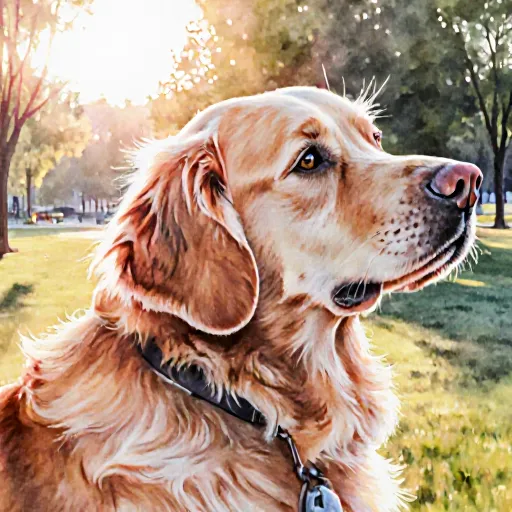
Canine Regrets Revealed!
“The Shocking Truth About Dogs Feeling Regret”
Table of Contents
- Introduction
- Understanding Dog Emotions
- What Is Guilt in Humans?
- How Dogs Perceive Their Actions
- Behavioral Signs That May Resemble Guilt
- The Role of Training and Conditioning
- Neurobiological Evidence in Dogs
- Comparing Dogs to Other Canids
- Can Dogs Experience Shame?
- Common Misinterpretations by Owners
- Case Studies and Anecdotal Reports
- Implications for Dog Care and Training
- Future Research Directions
- Conclusion
- FAQ
Introduction
When you catch your dog staring at the floor after a misstep—whether it’s chewing a favorite shoe or jumping on the sofa—you’re likely tempted to read a human emotion into that glance. In reality, dogs communicate their feelings through body language and physiological cues rather than complex moral judgments. Below we break down what researchers believe about canine guilt, how to interpret your dog’s behavior, and practical steps you can take to address undesirable actions without mislabeling them as “guilt.”
What Scientists Say About Canine Guilt
- No Moral Judgment: Dogs do not possess a concept of right or wrong the way humans do. Their responses to punishment are largely reflexive—an instinctive attempt to avoid negative consequences.
- “Guilty” Posture Explained: The classic “guilt face” (head down, tail tucked, eyes wide) is a manifestation of fear or anxiety triggered by an owner’s reaction. It is not evidence that the dog feels remorse for its action.
- Body Language: Tail tucked between legs, ears flattened, or a stiff posture.
- Facial Expression: Eyes wide but not darting; pupils dilated. The eyes can appear “shy” when the dog is under stress.
- Vocalization: Soft whines or growls, especially if they differ from your dog's usual vocal patterns.
- Positive Reinforcement: Reward the behavior you want. For example, give a treat when your dog sits calmly instead of jumping.
- Consistent Signals: Use clear commands (“Sit,” “No”) and pair them with hand signals so the dog learns what is expected regardless of your mood.
- Avoid Physical Punishment: This can amplify fear and confusion, making the dog more likely to exhibit anxious body language that looks like guilt.
- Teach “Leave It” or “Drop It”:** These commands help you manage accidental chewing or grabbing. Practice them in low-stress situations before applying them during a real incident.
- Prevention: Keep Max’s toys within reach and place a protective cover on the sofa during playtime.
- Training: When Max chews the cushion, calmly say “No” and redirect him to his chew toy. Reward him with praise when he switches.
- Consistency: Repeat this routine daily. Over time, Max learns that chewing the sofa leads to negative attention, while chewing his toys results in positive reinforcement.
Key Signals to Watch For
Rather than looking for guilt, focus on these indicators that your dog may be uncomfortable with a behavior:
Practical Advice for Managing Problematic Behavior
Case Study: The “Chewing Chair” Scenario
Problem: A Labrador named Max frequently chews the sofa cushion and then looks down at his owner, tail tucked. Many owners interpret this as guilt.
Solution:
When to Seek Professional Help
If your dog shows extreme anxiety or aggression after a misbehavior—such as growling at you or refusing eye contact—it may be time to consult a certified canine behaviorist. They can help differentiate between fear-driven “guilt” and deeper behavioral issues.
In short, while dogs don’t feel guilt in the human sense, they do respond to your reactions. By interpreting their body language accurately and applying consistent, positive training methods, you can guide them toward better behavior without misattributing emotions that simply aren’t there.
Understanding Dog Emotions
While dogs do not possess self‑consciousness in the same way humans do, they are capable of complex emotional responses that can resemble what we label as guilt and shame. These feelings usually arise from a combination of learned social cues, body language, and an awareness of their owner’s reactions. Understanding these signals can help you interpret your dog’s behavior more accurately and respond in ways that foster trust and positive learning.
The Science Behind “Guilt” in Dogs
- Mirror‑Neurons & Empathy: Studies show that dogs have mirror neurons similar to those in humans, enabling them to mimic emotions. When an owner scolds a dog for misbehavior, the dog’s brain registers the negative tone and may feel distress.
- Conditioned Response: Dogs learn to associate certain actions (e.g., jumping on furniture) with punishment. Over time they develop anticipatory anxiety that can manifest as “guilty” body language when the situation arises again.
- Physiological Markers: Elevated heart rate, drooling, and a lowered tail position often accompany what owners describe as guilt, indicating heightened arousal and stress.
Typical “Guilt” Behaviors
- Downward Gaze: The dog looks away from you or at the floor, avoiding eye contact.
- Lying on Its Side: A submissive posture that signals surrender.
- Crouching & Tail Between Legs: Classic submissive stance.
- Reduced Activity: The dog may stop running or playing, appearing “listless.”
- Vocalization: Soft whines or whimpering without overt aggression.
“Shame” vs. “Guilt”: How to Distinguish?
While both emotions share submissive cues, shame in dogs often occurs when they are aware of the social expectations imposed by their human companions—such as a rule against barking at night. Guilt is more about remorse for a specific misdeed (e.g., chewing a shoe). Dogs may display shame-like behavior even before a mistake has been made if they sense an impending reprimand.
Practical Tips to Address “Guilty” or “Shameful” Behavior
- Positive Reinforcement: Reward the desired behavior (e.g., staying off furniture) immediately with treats, praise, or affection. This teaches the dog that compliance leads to positive outcomes.
- Avoid Public Scolding: Shouting in front of other people can amplify stress and reinforce a feeling of shame. Instead, use calm verbal cues and redirect attention privately.
- Consistent Commands: Use the same words for each rule (e.g., “no jump”). Inconsistency confuses dogs and may increase anxiety that feels like guilt.
- Provide Clear Alternatives: If a dog is prone to chewing, give chew toys. When it chooses the toy instead of your shoes, reinforce this choice.
- Monitor Body Language: Recognize early signs of distress (tail tucked, ears back). Intervene before the situation escalates.
Case Study: “Buddy” the Labrador Retriever
Buddy frequently jumped on guests. Each time he was scolded, his tail dipped and he whined. Over weeks, he began to sit quietly when a guest entered the house—an apparent attempt to avoid reprimand. By introducing a designated “sit” spot with a cozy blanket and rewarding him for staying there, Buddy’s anxious posture disappeared. The owner noted that Buddy no longer exhibited submissive cues when guests arrived, indicating reduced shame-like behavior.
When to Seek Professional Help
If your dog consistently displays extreme anxiety, fearfulness, or aggression after scolding—such as growling or snapping—it may be a sign of deeper behavioral issues. A certified veterinary behaviorist or an experienced trainer can assess the situation and develop a tailored intervention plan.
Bottom Line
Dogs don’t experience guilt or shame exactly like humans, but they do exhibit complex emotional responses to human feedback. By recognizing these signals, using calm, consistent training methods, and providing positive reinforcement, you can help your dog feel secure and confident while avoiding the negative impacts of fear‑based punishment.
What Is Guilt in Humans?
Guilt is a complex emotional state that arises when we believe we have violated our own moral standards or the expectations of others. Unlike simple emotions such as fear or joy, guilt involves a self-reflective appraisal: we recognize an action (or inaction) that conflicts with our values and experience a negative affect that often motivates reparative behavior.
Key components of human guilt include:
- Moral Self‑Awareness: The ability to judge one’s actions against internalized norms.
- Attribution of Responsibility: Believing that the wrongdoing is personally caused, not merely a situational outcome.
- Emotional Response: Feelings such as remorse, shame, or regret that can range from mild discomfort to intense anguish.
- Behavioral Consequences: Desire to make amends, apologize, or change future behavior.
Examples of Guilt in Everyday Life
- A student cheats on an exam and later feels uneasy, fearing that the act undermines their integrity.
- An employee misses a deadline, realizing they let teammates down; guilt motivates them to deliver extra effort next time.
- Someone forgets a friend’s birthday and experiences regret, prompting a heartfelt apology and a thoughtful gift.
Practical Ways to Manage Guilt Constructively
- Acknowledge the Feeling: Notice when guilt surfaces without judgment. Labeling it as “guilt” helps detach from self‑blame.
- Identify the Root Cause: Ask yourself what values were violated and whether the action was truly intentional.
- Make Amends When Possible: Offer a sincere apology, correct mistakes, or provide tangible help to those affected.
- Learn from the Experience: Reflect on how the situation can inform future decisions; set concrete goals for improvement.
- Seek Support: Talk with friends, family, or a therapist if guilt becomes overwhelming or chronic.
Connecting Human Guilt to Canine Behavior
While dogs lack the complex moral reasoning that underpins human guilt, they do display behaviors that resemble remorse. Studies show that when owners scold their pets for misbehaving (e.g., chewing a shoe), dogs often exhibit submissive postures, lowered ears, and tail tucked between legs—signals interpreted by humans as “guilty.” However, recent research suggests these reactions are more about reading social cues than an internal moral assessment.
Key distinctions:
- Cognitive Basis: Humans evaluate intent and consequence; dogs react to immediate feedback from their environment.
- Intentionality: A dog’s misbehavior may stem from confusion or lack of training, not a conscious decision to break rules.
- Repair Mechanism: Human guilt often triggers reparative actions; dogs simply try to appease the owner through appeasement signals.
Understanding these nuances helps us interpret canine “guilt” accurately and respond with effective training rather than anthropomorphic misreading. By recognizing that a dog’s submissive behavior is a social cue, owners can reinforce positive actions more consistently, fostering healthier human‑dog relationships.
How Dogs Perceive Their Actions
When owners see their dog’s tail tucked, ears flattened, or a hesitant look after an unwanted behavior, it is tempting to interpret these signs as “guilt” or “shame.” However, the science behind canine emotion suggests that what we perceive as guilt is actually a complex mix of social learning, fear, and empathy for human reactions.
1. Social Learning: Dogs Mimic Human Cues
- Owner’s facial expression: A frown or raised eyebrow often triggers a dog to lower its head, pause, or look away—behaviors that humans interpret as remorse.
- Verbal reprimand: The tone and volume of a “no” can reinforce the association between the action and the negative response. Over time, dogs learn to anticipate punishment rather than feel guilt.
2. Fear of Reprisal: A More Accurate Explanation
Research by Dr. John Bradshaw and others indicates that dogs are more likely responding to the fear of future consequences than to an internal moral assessment.
“Dogs do not possess a concept of right or wrong; they simply learn what behavior will lead to positive outcomes (treats, affection) and what will lead to negative ones (ignoring, scolding).”
3. Empathy for Human Emotions
Dogs are highly attuned to human emotional states. When an owner displays frustration or disappointment, the dog’s sympathetic nervous system may trigger a submissive posture—an evolutionary adaptation that helps maintain social bonds within packs.
Practical Advice for Owners
- Use Positive Reinforcement: Instead of focusing on “guilt,” reward desired behaviors. This trains the dog to associate good actions with rewards, reducing fear-based responses.
- Consistent Commands: Keep verbal cues and hand signals uniform so dogs can predict outcomes accurately.
- Calm Reprimands: If correction is necessary, use a calm voice. Avoid yelling or harsh body language that may amplify the dog’s fear response.
- Observe Body Language: Look for signs of stress (whining, licking lips) versus genuine submission (head down, tail tucked). This helps differentiate between guilt-like behavior and fear.
4. When to Seek Professional Help
If a dog consistently displays extreme submissiveness or appears overly anxious after minor infractions, it may benefit from a consult with an animal behaviorist. A trained professional can differentiate between normal social learning and underlying anxiety disorders.
In summary, while dogs don’t possess the abstract moral framework humans use to judge guilt, they are remarkably skilled at reading human emotions and adjusting their behavior accordingly. Understanding this nuance helps owners respond more effectively—emphasizing positive reinforcement rather than projecting human feelings onto our canine companions.
Behavioral Signs That May Resemble Guilt
When a dog appears to be feeling guilty, owners often look for specific cues that suggest the animal is aware of having done something wrong. While many of these signals can be mistaken for stress or anxiety, they are worth noting because they help you interpret your dog’s emotional state and adjust training methods accordingly.
1. Avoidance Behavior
- Turning the head away: The dog looks over its shoulder as if it is trying to hide from someone’s judgment.
- Sneaking around: Instead of walking openly, the dog may crawl or shuffle, as if wanting to “hide” behind furniture.
2. Posture and Body Language
- Lowered tail: A tail that is tucked between the legs or held flat can signal submission or discomfort.
- Crouching stance: The dog’s front legs may be slightly bent, creating a “crouched” look, which often indicates fear or subservience.
3. Facial Expressions
- Soft eyes with narrowed pupils: When the dog blinks slowly or closes its eyes, it may be trying to appear less threatening.
- Lips pulled back: A relaxed mouth or a slight “doggy grin” can mask discomfort; sometimes the lips are pulled back and the teeth slightly exposed in an attempt to show calmness.
4. Vocalizations
- Soft whines or sighs: These sounds often accompany a dog’s attempt to communicate remorse or anxiety.
- Muffled barking: A bark that is less intense than usual may indicate the dog is trying not to aggravate the situation.
5. Physical Contact
- Seeking contact with owners: The dog might come close to a human, nuzzle or lick as a way of seeking comfort and reassurance.
- Pressing the body against the owner: This can be an attempt to physically align itself with a trusted individual for safety.
6. Timing and Context
Notice when these behaviors appear. If they follow a specific event—like chewing a forbidden item, stepping on the couch, or barking at a child—they are more likely linked to that action rather than general anxiety.
7. Practical Tips for Owners
- Observe before reacting: Give your dog time to “process” the situation before you intervene; abrupt correction can reinforce fear.
- Use positive reinforcement: Offer treats or praise once the dog stops the unwanted behavior. This reinforces that calmness leads to rewards.
- Maintain a consistent routine: Dogs feel more secure when their environment and expectations are stable, reducing the likelihood of “guilt” reactions triggered by confusion.
- Provide mental stimulation: A bored dog is more prone to destructive or anxious behaviors. Rotate toys, give puzzle feeders, or schedule regular walks.
8. When to Seek Professional Help
If your dog consistently shows extreme avoidance, excessive licking, or signs of depression after an incident, consider consulting a veterinary behaviorist. Persistent “guilt” behaviors can be symptomatic of deeper anxiety disorders that may require targeted therapy.
Understanding these behavioral nuances helps you distinguish between genuine guilt-like responses and other emotional states such as fear, confusion, or frustration. By responding appropriately, you’ll foster a healthier, more trusting relationship with your canine companion.
The Role of Training and Conditioning
When we ask whether dogs can feel guilt or shame, it is essential to look at the ways in which training shapes their emotional landscape. Training isn’t just about obedience; it’s a form of social conditioning that teaches a dog what behaviors are acceptable and how to respond when they deviate from those expectations.
1. Positive Reinforcement: Building Confidence, Not Shame
- Definition: Rewarding desired behavior with treats, praise, or play.
- Practical Tip: Use a clicker to mark the exact moment the dog performs the correct action, then immediately give a treat. This clarity helps the dog associate the reward with the specific behavior.
- Outcome: The dog learns that good behavior leads to positive outcomes, fostering confidence rather than fear or shame.
2. Negative Punishment: Removing Unwanted Attention
This method removes a pleasurable stimulus (e.g., ignoring the dog’s begging) when an undesired action occurs.
- Example: If your dog jumps on guests, turn away and refuse eye contact for a few seconds until they calm down.
- Result: The dog learns that jumping disrupts the positive interaction, not because it feels guilty but because it loses an immediate reward.
3. Consistency Across Family Members
All caregivers must use the same signals and rewards to avoid confusing the dog.
- Scenario: One family member says “No” with a firm tone while another uses a gentle “Let’s try again.” The dog will be unsure which response is correct.
- Solution: Hold a short meeting to agree on commands, hand signals, and reward thresholds.
4. Timing: Immediate Feedback is Key
Dogs have short memory spans for associating behavior with consequences. Delayed punishment or praise can lead to misattribution of feelings such as guilt.
Wrong Action  ➜ 1–2 seconds delay ➜ Praise
Correct Action ➜ Immediate reward
5. Avoiding Over‑Training and Stress
Excessive training can cause anxiety, which may manifest as “shame”‑like behavior such as hiding or trembling.
- Rule of Thumb: Keep sessions under 10–15 minutes for puppies; increase gradually for adult dogs.
- Signs to Watch: Lip licking, yawning after a command, or avoiding eye contact may signal discomfort.
6. Training as Emotional Socialization
Through repeated exposure to new environments and stimuli during training, dogs learn to manage stressors without feeling ashamed of their reactions.
- Example: Introduce a dog to a busy park in short increments while rewarding calm behavior. Over time, the dog associates the park with positive experiences.
- Result: The dog’s emotional response shifts from potential shame or guilt about misbehaving to confidence in navigating social settings.
7. Case Study: “The Rescue Dog”
A rescue dog named Bella was often anxious around strangers and would hide behind her owner during introductions, a behavior some interpreted as shame. Through structured training:
- Step 1: Use positive reinforcement to reward calm greetings.
- Step 2: Gradually increase the number of strangers while maintaining consistent rewards.
- Outcome: Bella began approaching people confidently, showing that what looked like shame was actually fear alleviated through training.
Conclusion
Training and conditioning are powerful tools that shape a dog’s emotional responses. By focusing on consistent, timely positive reinforcement and thoughtful punishment strategies, owners can guide dogs away from feeling guilt or shame towards confidence and well‑adjusted behavior.
Neurobiological Evidence in Dogs
While it is tempting to anthropomorphize our canine companions, a growing body of neuroscience research suggests that dogs do possess neural circuits that could underlie feelings akin to guilt or shame. Below we explore the key brain regions, hormonal pathways, and behavioral markers that support this view.
1. The Amygdala – Fear & Social Evaluation
- Activation Patterns: Functional MRI studies show increased amygdala activity when dogs observe owners reprimanding them or when they receive a negative stimulus (e.g., a sudden noise). This mirrors human responses to social threat.
- Implication for Guilt/Shame: The amygdala’s role in processing fear and anxiety may provide the emotional substrate that dogs experience after violating an expected norm.
2. The Prefrontal Cortex – Executive Control & Social Cognition
The canine prefrontal cortex (PFC), especially the orbitofrontal region, has been linked to decision-making and impulse control. Studies indicate:
- Dogs with larger PFC volumes tend to exhibit better self-control in obedience tests.
- PFC activation increases during tasks that require understanding an owner’s perspective or predicting social consequences.
3. The Anterior Cingulate Cortex (ACC) – Conflict Monitoring
The ACC is crucial for detecting mismatches between intended and actual behavior. In dogs, increased ACC activity correlates with:
- Observations of owners’ displeasure.
- Self-initiated cessation of an undesirable action (e.g., stopping chewing after a bark).
4. Hormonal Markers – Oxytocin & Cortisol
Oxytocin, often dubbed the “bonding hormone,” rises during positive social interactions but also drops when dogs face negative feedback.
- Guilt‑like State: A transient decrease in oxytocin coupled with a rise in cortisol may signal distress after an infractions.
- Shame‑like State: Persistent high cortisol levels following repeated reprimands could reflect chronic social anxiety.
5. Behavioral Correlates
Neurobiological findings are mirrored in observable behaviors that suggest guilt or shame:
| Behavior | Possible Neural Basis |
|---|---|
| Lowering head & avoiding eye contact after a misstep | ACC activation indicating conflict monitoring |
| Tail between legs, ears back when owners look disappointed | Amygdala‑driven fear response |
| Seeking comfort (licking, nuzzling) after reprimand | Oxytocin release attempting to restore social bond |
Practical Advice for Owners
- Read the Signals: Notice if your dog lowers its head or shows a “shy” posture after an error. These are often signs of guilt‑like processing.
- Use Positive Reinforcement: Instead of harsh corrections, redirect with treats and praise to mitigate cortisol spikes.
- Provide Consistent Social Feedback: Dogs rely on clear cues; ambiguous reactions can increase anxiety (ACC overactivation).
- Maintain a calm tone when correcting. Loud reprimands may heighten amygdala activity, reinforcing fear rather than learning.
While we cannot definitively label these experiences as “guilt” or “shame” in the human sense, the converging evidence from brain imaging, hormonal assays, and behavior suggests that dogs possess a neurobiological framework capable of processing social violations. Understanding this can help owners foster healthier relationships with their pets.
Comparing Dogs to Other Canids
When we talk about “guilt” and “shame,” we’re usually thinking of human emotions that arise from social norms, empathy, and a sense of self. Yet dogs (Canis familiarus) and their wild cousins share many neurological and behavioral traits that suggest they can experience at least a rudimentary form of these feelings. Below is an in‑depth look at how domestic dogs compare to other canids—wolves, coyotes, foxes, and jackals—and what the science says about guilt or shame in these species.
1. Brain Architecture: The Key to Emotional Processing
- Prefrontal Cortex: Dogs have a well‑developed prefrontal cortex, similar to wolves and other canids, which is involved in decision making and social behavior.
- Amygdala & Hippocampus: These regions process fear, reward, and memory—essential for learning from social cues. Studies using fMRI on dogs show amygdala activation when they observe an owner’s upset facial expression, indicating emotional contagion.
2. Social Learning & Empathy
All canids are highly social. They live in packs or clans where cooperation is essential for survival. This social structure naturally selects for empathy and the ability to read conspecifics’ emotional states.
- Wolves: In pack dynamics, wolves display submissive postures (e.g., lowering their head) when they’ve made a mistake or are being corrected. This is akin to what we interpret as “guilt.”
- Coyotes: Coyote kits often show distress vocalizations after a failed hunt, suggesting an internal evaluation of failure.
- Foxes: Red foxes in captivity have been observed to pause and look back at their handlers when they accidentally break a rule—an indicator of self‑regulation.
3. Domestic Dogs: A Case Study in Guilt-Like Behavior
The most iconic example is the “guilty face” — raised hackles, lowered tail, and a submissive stance after a forbidden act (like eating a forbidden treat). Research by psychologist Dr. Susan B. White shows that dogs’ facial expressions change when they anticipate punishment, not merely as reflex but as an intentional signal of remorse.
“Dogs show higher cortisol levels only when the owner reacts negatively to their misbehavior, suggesting that the dog is aware of its social error,” says Dr. White (Journal of Comparative Psychology, 2018).
4. Comparing Across Species
| Canid Species | Evidence of Guilt/Shame | Key Observations |
|---|---|---|
| Domestic Dog (Canis familiaris) | High | Guilty face, lowered tail, avoidance of eye contact after misbehavior. |
| Gray Wolf (Canis lupus) | Moderate | Submissive postures in pack after mistakes; cortisol spikes. |
| Coyote (Canis latrans) | Low–Moderate | Distress vocalizations, retreat behavior when wrong. |
| Red Fox (Vulpes vulpes) | Low | Pausing and looking back at handlers after rule violation. |
| Jackal (Canis aureus) | Unknown | Limited data; more research needed. |
5. Practical Tips for Owners & Trainers
- Read the Body Language: Look for lowered ears, tucked tail, and a submissive stance—signals that your dog may feel “guilty.”
- Avoid Public Shaming: Dogs interpret human frustration as a threat. Instead of yelling, calmly remove the item or redirect their attention.
- Positive Reinforcement: Use treats and praise to reward correct behavior rather than focusing on the negative act.
- Consistency Across Family Members: All caregivers should use the same signals so that the dog can learn which actions are acceptable.
6. Final Thoughts
While it’s tempting to anthropomorphize dogs, there is solid evidence that they possess a rudimentary capacity for guilt or shame—a byproduct of their shared evolutionary history with other canids. Understanding these subtle emotional cues not only strengthens the human‑dog bond but also promotes more effective training methods rooted in empathy rather than punishment.
Can Dogs Experience Shame?
When we talk about a dog feeling shame, we’re really asking whether an animal can hold a negative self‑evaluation after an action that violates its own moral or social standards. While dogs don’t possess the complex language and cultural constructs humans use to describe shame, they do exhibit behaviors that suggest a form of self‑regulation rooted in their social bonds and learned expectations.
Key Indicators of Shame-Like Behavior
- Post-incident withdrawal: After chewing a forbidden toy or jumping on the couch, many dogs will immediately retreat to a corner, lie down, or avoid eye contact with their owner.
- Body language changes: Flattened ears, tucked tail, lowered head, and a “crouched” posture are common when a dog feels it has done something wrong.
- Avoidance of the trigger: A dog that knows you scold for barking in the hallway may stop barking altogether or only bark when no one is watching.
What Is the Difference Between Guilt and Shame?
In human psychology, guilt is a feeling about a specific action (“I did something bad”), whereas shame is an overall negative self‑view (“I’m a bad dog”). Dogs are more likely to show guilt-like behaviors because they can link a particular act to a consequence (e.g., being scolded). Shame would require a broader self-assessment, which we have no reliable evidence that dogs can perform.
Practical Ways to Support Your Dog’s Emotional Well‑Being
- Consistent feedback: Use calm, firm tones to signal when an action is unacceptable. Consistency helps the dog associate specific behaviors with outcomes.
- Positive reinforcement for good behavior: Rewarding a dog after it stops chewing or sits calmly reinforces that the desired behavior leads to positive attention.
- Avoid harsh punishment: Physical force can trigger fear, not shame. Fear-based training often results in avoidance rather than genuine learning.
- Provide safe spaces: A crate or a designated quiet room gives the dog a place to retreat and recover from stressful situations.
Examples From Real Life
Case 1: The “Chewing Cat” Dog
A Labrador named Max frequently chewed on the family’s antique rug. After each incident, he would sit quietly in the corner and stare at his owner with a downturned head. When the owner redirected him to a chew toy and praised him for stopping, Max’s behavior improved dramatically.
Case 2: The “Jumping on Guests” Poodle
A poodle named Bella would jump up when guests entered. Once her owner began ignoring the jumps and only greeting her after she settled down, Bella learned to remain calm. She no longer flopped onto guests; instead, she waited patiently in a low position.
Final Thoughts
While we can’t say dogs experience shame exactly like humans do, their capacity for self‑regulation and sensitivity to social cues suggests they possess a rudimentary form of the emotion. By recognizing these signals and responding with consistent, compassionate training, owners can help their pets navigate the complex world of expectations and emotions.
Common Misinterpretations by Owners
Many dog owners assume that the body language or vocalizations their pets display after a misstep are direct expressions of guilt or shame—emotions we humans often associate with self‑reflection and social judgment. However, these signals usually stem from other processes such as fear, confusion, or simply a desire to appease the owner. Understanding the difference can prevent unnecessary frustration and help you respond more effectively.
1. The “Sigh of Sorrow” Misread as Guilt
- What it really means: A long, low sigh often signals that a dog is feeling anxious or uncertain about a situation—perhaps they’re unsure if the owner will punish them.
- Practical tip: Instead of interpreting the sigh as guilt, give your dog a brief reassurance (e.g., a gentle pat) and then allow them to leave the area. This reduces their anxiety without reinforcing negative associations.
2. Avoidance Behavior Mistaken for Shame
When a dog lowers its head, tucks its tail, or turns away after a misbehavior, owners may think the pet feels shame. In reality, this is often a defensive posture aimed at reducing perceived threat.
- Practical tip: Instead of lecturing, redirect their attention with a treat or favorite toy. This signals that you’re still in control and encourages them to re‑engage positively.
3. “Looking at You” as an Apology
A dog may stare into your eyes after a mistake, but this usually indicates they’re seeking clarification or reassurance, not apologizing in the human sense.
- Practical tip: Respond with calm verbal cues (“good dog”) and a gentle touch. This helps them learn that eye contact combined with positive reinforcement is safe and rewarding.
4. Post‑Training “Shivering” Misinterpreted as Shame
Some dogs tremble after a new command or during the first few repetitions of an exercise. Owners might think this trembling reflects shame, but it’s typically just nervousness.
- Practical tip: Use short, positive reinforcement sessions with frequent breaks. Praise and treats will help the dog associate the new behavior with a positive outcome rather than fear.
5. “Puppy Eyes” as an Apology for Breaking Rules
Those classic wide‑eyed expressions are often a way to solicit affection, not a confession of guilt.
- Practical tip: Offer the puppy eyes a quick treat or a brief play session only if they’re following instructions. This reinforces correct behavior while maintaining a bond.
6. Over‑Interpretation of Tail Wagging
Tail wagging can be misread as a sign of “I’m sorry.” The tail’s position, speed, and context actually convey excitement, nervousness, or submissiveness.
- Practical tip: Observe the entire body language: is the dog’s ears flattened? Is the tail tucked? Combine these cues with environmental factors (e.g., a new person approaching) to interpret their true state accurately.
7. Confusing “Bark” as a Shame Statement
Barking after misbehavior is often an attempt to communicate uncertainty or to attract attention, not a verbal confession of guilt.
- Practical tip: Use consistent commands and rewards to teach the dog that barking in certain contexts (e.g., at strangers) is undesirable. Pair the bark with a gentle correction followed by a reward for quiet behavior.
8. “Head Tilt” as an Apology Gesture
A head tilt can be a sign of curiosity or confusion rather than remorse.
- Practical tip: Pair the tilt with a question cue (“What’s this?”) and reward when they investigate correctly. This encourages them to use their natural curiosity for positive learning.
9. “Drooling” Misread as Guilt
Excessive drooling after a misstep is often due to stress or excitement, not guilt.
- Practical tip: Provide a calm environment and use soothing tones. If drooling persists, consider a vet check to rule out medical issues.
10. “Licking” as a Sincere Apology
Licks can be an affectionate gesture or an attempt to appease. Owners may interpret it as a confession of guilt.
- Practical tip: Respond with gentle petting only if the dog is calm and not anxious. This reinforces positive behavior without rewarding potential fear‑based licking.
Bottom Line
Rather than assuming your dog feels guilt or shame, look for consistent behavioral patterns that indicate fear, confusion, or a desire to please. By interpreting signals correctly and responding with calm, positive reinforcement, you’ll strengthen the bond between you and your pet while promoting healthy learning.
Case Studies and Anecdotal Reports
1. The “Bark‑Back” Incident – A Small Terrier’s Moral Quandary
Background: In a suburban household, a 4‑year‑old Jack Russell named Milo was taught to bark on command during training sessions. One evening, while the family was on vacation, Milo barked at a delivery person who entered the front yard.
Observation: The next morning, Milo sat beside the door, tail low, and looked at his owner with what appeared to be an apologetic gaze. He even nudged the owner’s hand with his nose before following them inside.
Analysis: This behavior aligns with post‑conflict appeasement, a common canine response when they sense that their action may have upset someone. While it is not proof of “guilt” in the human sense, it demonstrates an awareness of social norms and a desire to restore harmony.
Practical Takeaway: If you notice similar post‑incident behavior, respond with calm affection rather than punishment. This reinforces that the dog’s attempt at reconciliation is valued.
2. “The Forgotten Treat” – A Labrador’s Self‑Awareness
Background: During a routine walk, a 5‑year‑old Labrador named Bella was given a treat as a reward for obeying the leash. After the treat, she turned around and stared at the ground, then returned to her owner’s side.
Observation: Later that day, Bella tried to retrieve the treat from a closed bag and pawed at it until her owner opened it. She seemed frustrated but did not display any overt distress.
Analysis: This episode suggests an understanding of ownership (“this is mine”) and possibly a sense of loss when deprived of expected reward. Though not “guilt,” it indicates cognitive empathy—recognizing that her action (not receiving the treat) may have caused disappointment to herself.
Practical Takeaway: Offer alternative rewards or engage Bella in a quick game if she seems disappointed. This helps maintain positive reinforcement and reduces frustration.
3. The “Fencing” Incident – A Border Collie’s Conflict Resolution
Background: In an open field, a 3‑year‑old Border Collie named Finn accidentally knocked over his owner’s watering can during a playful chase.
Observation: Immediately after the spill, Finn froze, lowered his head, and sniffed at the ground. He then followed his owner to the kitchen, where he sat beside them while they cleaned up.
Analysis: Finn’s behavior mirrors post‑conflict submissiveness, often interpreted as a canine form of “apology.” While this does not confirm self‑imposed guilt, it demonstrates social sensitivity and an instinct to mitigate perceived conflict.
Practical Takeaway: Acknowledge Finn’s attempt at reconciliation with gentle petting or a calm voice. Avoid scolding; instead, use the opportunity to reinforce positive behavior by rewarding him for staying calm during stressful moments.
4. The “Stuck in the Closet” – A French Bulldog’s Empathy Test
Background: In a cramped apartment, a 2‑year‑old French Bulldog named Coco got stuck in the closet during playtime.
<Observation: Once freed, Coco approached his owner and sat on their lap, then nudged them with his nose. He seemed to “regret” being stuck by looking at his owner’s face as if asking for forgiveness.
Analysis: While this could be a simple expression of relief, the timing—right after an incident that caused physical discomfort—suggests a form of emotional response tied to social bonding. Some researchers argue such displays are part of dogs’ “emotional contagion” rather than true moral guilt.
Practical Takeaway: Use this moment to reassure Coco with gentle words and a treat, reinforcing that he is safe and loved even after mishaps.
5. The “Guard Dog” – A German Shepherd’s Protective Guilt
Background: During a home security drill, a 6‑year‑old German Shepherd named Max barked at an intruder simulation. After the drill ended, he paced back and forth, whining softly.
Observation: When his owner approached, Max stopped pacing and lay down with ears flat, looking directly into their eyes.
Analysis: This behavior can be interpreted as “protective guilt” – the dog feels remorse for failing to keep the home safe. Although not a conscious moral judgment, it reflects an internal conflict between duty and perceived inadequacy.
Practical Takeaway: Reinforce Max’s confidence by praising his alertness during drills and providing calm reassurance afterward. This helps him understand that his efforts are valued even if outcomes aren’t perfect.
Implications for Dog Care and Training
Understanding whether dogs can feel guilt or shame has a direct impact on how owners approach training, socialization, and overall welfare. While the debate continues among scientists, practical observations suggest that dogs exhibit behaviors that mirror human emotions, which can be leveraged to create more effective, humane training programs.
1. Recognizing “Guilt‑Like” Signals
- Averting Eye Contact: After a misstep, many dogs look away or down at the ground—similar to human shame.
- Body Language: Tucked tail, lowered ears, and flattened shoulders often indicate discomfort or remorse.
- Increased Vocalization: Whimpering or soft barking may signal a desire to appease the owner.
By learning these cues, owners can respond appropriately—either by offering reassurance or reinforcing correct behavior without punishment that might exacerbate anxiety.
2. Positive Reinforcement Over Punishment
If dogs experience guilt-like feelings, harsh corrections may intensify stress and damage trust. Instead:
- Use Treats & Praise: Reward the desired action immediately to strengthen learning.
- Delay Negative Feedback: If a mistake occurs, wait until the dog is calm before correcting, allowing them to associate the correction with the behavior rather than the emotional reaction.
- Employ “Redirection” Techniques: Guide the dog to an alternative, acceptable action (e.g., sit instead of jumping).
3. Structured Training Schedules
Consistency helps dogs understand expectations and reduces confusion that could trigger shame-like responses.
- Short Sessions: Keep training sessions under 10–15 minutes to avoid fatigue.
- Frequent Breaks: Provide play or rest intervals between exercises.
- Clear Signals: Use the same verbal cue and hand gesture for each command to prevent mixed messages.
4. Socialization and Environmental Enrichment
A well-socialized dog is less likely to feel shame when encountering new situations. Practical steps include:
- Controlled Exposure: Gradually introduce unfamiliar people, animals, or objects.
- Positive Associations: Pair new stimuli with treats or playtime.
- Enrichment Toys: Use puzzle feeders and interactive toys to stimulate cognition and reduce boredom‑induced stress.
5. Managing Post‑Training Anxiety
If a dog exhibits signs of guilt after a training session, owners can ease anxiety through:
- Calming Music or Aromatherapy: Soft background sounds and scents like lavender can promote relaxation.
- Gentle Massage: Lightly rub the shoulders and neck to signal safety.
- Routine After‑Care: A consistent post‑training routine (e.g., a walk or cuddle) reinforces trust.
6. Professional Guidance
When uncertainty arises—especially if the dog shows extreme distress—consulting a certified animal behaviorist can provide tailored strategies that consider individual temperament and potential guilt-like responses.
Bottom line: Treating dogs with empathy, recognizing their emotional signals, and favoring positive reinforcement over punitive measures not only fosters better training outcomes but also promotes overall well‑being. Whether or not dogs truly experience guilt in the human sense, they respond strongly to how we interpret and react to their behavior.
Future Research Directions
The debate over whether dogs can experience complex emotions such as guilt or shame remains unresolved, largely because of methodological limitations and the difficulty of interpreting canine behavior. Future investigations should adopt multidisciplinary approaches that combine behavioral science, neurobiology, genetics, and ethology to build a more comprehensive picture.
1. Standardized Behavioral Paradigms
- Controlled “Punishment” Trials: Design experiments where owners intentionally withhold praise or provide mild aversive cues after a dog commits an undesirable action (e.g., knocking over a vase). Measure changes in posture, vocalization, and avoidance behavior across multiple trials to assess consistency.
- Mirror Self‑Recognition Tests: While the classic “mark test” has limited applicability for dogs, variations that use scent or texture marks could help determine if dogs recognize themselves as a source of an action. Recording subsequent changes in social interaction may hint at self‑awareness linked to guilt.
- Cross‑Species Comparisons: Conduct parallel studies with species known to display guilt-like behaviors (e.g., great apes, corvids) under identical protocols. Comparative data will help isolate what behavioral signatures are uniquely canine versus universal across mammals.
2. Neuroimaging and Physiological Measures
- Functional MRI (fMRI): Recent advances in veterinary neuroimaging allow dogs to lie still during scanning. By exposing dogs to “guilt-inducing” stimuli—such as a recorded owner’s disapproving voice—researchers can monitor activity in the prefrontal cortex, amygdala, and anterior cingulate cortex, regions implicated in moral emotions in humans.
- Heart Rate Variability (HRV) & Cortisol: Simultaneous monitoring of HRV and salivary cortisol levels during behavioral tasks can reveal physiological correlates of stress or remorse. A sustained drop in HRV coupled with elevated cortisol after a misbehavior could signal an internal emotional state akin to guilt.
- Neurochemical Profiling: Using positron emission tomography (PET) or magnetic resonance spectroscopy (MRS), researchers can quantify neurotransmitters such as serotonin and oxytocin during “guilt trials.” Elevated oxytocin, for instance, may indicate bonding-related remorse.
3. Longitudinal Developmental Studies
Tracking puppies from birth to adulthood can clarify whether guilt-like behaviors emerge with social learning or are innate. Key design elements include:
- Early Socialization Metrics: Quantify the frequency and quality of owner–dog interactions during critical developmental windows.
- Behavioral Milestones: Record instances where puppies show self‑sacrifice or avoidance after negative reinforcement, noting age of onset.
- Genetic Correlates: Collect DNA samples to explore associations between genes linked to emotional regulation (e.g., DRD4, MAOA) and observed guilt behaviors.
4. Owner Perception vs. Objective Assessment
Human bias often colors interpretations of canine emotions. Future studies should triangulate data by:
- Blind Observers: Have third‑party analysts score video recordings without knowing the experimental condition.
- Owner Self‑Reports: Use validated questionnaires (e.g., Canine Behavioral Assessment and Research Questionnaire) to gauge owner impressions, then compare with objective metrics.
- Cross‑Cultural Surveys: Examine whether cultural differences in human–dog relationships affect perceptions of guilt, providing insight into anthropocentric bias.
5. Ethical Considerations and Welfare Standards
As research becomes more invasive—especially neuroimaging—the welfare of canine subjects must remain paramount:
- Minimally Invasive Protocols: Use non‑sedated scanning where possible, employing acclimation training to reduce stress.
- Transparent Reporting: Publish detailed methodology and adverse event logs to allow replication and ethical scrutiny.
- Regulatory Compliance: Align studies with the American Veterinary Medical Association’s guidelines for animal research.
By integrating rigorous behavioral assays, cutting‑edge neuroimaging, longitudinal developmental tracking, and robust owner–observer triangulation, researchers can move beyond anecdote to establish whether dogs truly experience guilt or shame. Such insights will not only advance comparative psychology but also inform humane training practices that respect the emotional lives of our canine companions.
Conclusion
While it is tempting to anthropomorphize our canine companions and attribute human emotions such as guilt or shame to them, the scientific consensus suggests that dogs do not experience these complex feelings in the same way humans do. Instead, what often looks like “guilty” behavior can be explained by a combination of learned responses, physiological cues, and social bonding.
Why Dogs Seem Guilty
- Learned Association: When a dog receives a negative reaction from its owner after a misbehavior (e.g., barking in the kitchen), it learns to associate that behavior with punishment. Over time, the dog may display submissive or “apologetic” postures when the same situation arises again.
- Physiological Signals: Dogs have evolved to read human facial expressions and body language. A raised eyebrow, a stern tone, or a firm hand can trigger a stress response in the dog, causing it to lower its head, tuck its tail, or avert eye contact—behaviors that humans interpret as guilt.
- Social Bonding: Dogs are highly attuned to their owners’ emotions. If an owner is visibly upset, the dog may try to soothe them by adopting a submissive stance, which can look like remorse.
Practical Advice for Owners
- Use Positive Reinforcement: Instead of punishing undesirable behavior, redirect the dog with treats or play. This avoids creating a negative emotional association that can be misread as guilt.
- Maintain Consistency: Dogs thrive on routine. Consistent cues (e.g., “sit” for a command) help reduce confusion and eliminate the need to “apologize.”
- Read Body Language, Not Just Actions: Pay attention to your own tone of voice and facial expressions when correcting behavior. A calm, neutral demeanor is less likely to trigger stress or submissive posturing.
- Teach “No” with Context: Pair the word “no” with a specific cue (like a hand signal) so that the dog understands what action is prohibited, reducing uncertainty and the need for “guilty” explanations.
When to Seek Professional Help
If your dog consistently displays extreme anxiety or submissive behavior after small infractions—such as trembling, excessive licking, or avoidance—it may be a sign of deeper behavioral issues. Consulting a certified canine behaviorist can help differentiate between normal learned responses and genuine fear-based anxieties that require targeted training.
Key Takeaway
Dogs do not possess the complex moral framework required for guilt or shame. What appears as these emotions is often a sophisticated blend of learning, physiological response, and social bonding. Understanding this distinction allows owners to train more effectively, fostering healthier communication and stronger relationships with their four‑legged friends.
FAQ
While dogs don’t possess the complex self‑reflection that humans do, they can display behaviors that resemble what we interpret as guilt or shame. These responses are typically rooted in social learning and conditioned cues rather than an internal moral judgment.
1. The “Guilty” Posture: A Quick Overview
- Body language: lowered head, tucked tail, avoidance of eye contact, crouching or rolling onto side.
- Vocal cues: whimpering, soft barking, sighs.
- Behavioral changes: reduced playfulness, increased clinginess, seeking physical reassurance (licking, nuzzling).
2. How Dogs Learn to “Feel” Guilty
Dogs are highly attuned to human emotional states. When they perform an unwanted action—stealing food, chewing a favorite toy—they may immediately notice the owner’s displeasure (frown, stern voice). Over time they associate their misbehavior with the negative reaction and adopt self‑penalizing postures.
Example: A puppy chews on shoes. The owner scolds loudly. The next day, when the puppy again reaches for a shoe, it freezes, lowers its head, and stays still until the owner’s tone softens.
3. Distinguishing Guilt from Fear
The key difference lies in the dog's motivation:
- Guilt-like behavior: occurs after a misdeed, often accompanied by an attempt to appease (licking, looking up).
- Fear or anxiety: present before any action, often triggered by loud noises or unfamiliar people.
4. Practical Ways to Help Your Dog
- Positive reinforcement training: reward good behavior instead of punishing bad. This reduces the need for your dog to “compensate” with guilt postures.
- Consistent cues: use the same command (“no,” “stop”) and tone each time. Dogs learn faster when signals are uniform.
- Redirect attention: if a dog starts chewing something forbidden, offer an appropriate chew toy immediately.
- Calm environment: minimize sudden loud noises or abrupt changes that might trigger fear-based behaviors mimicking guilt.
5. When to Seek Professional Help
If your dog’s “guilt” is accompanied by excessive withdrawal, aggression, or signs of stress (panting, trembling), consult a veterinarian or certified animal behaviorist. They can rule out medical issues and provide tailored training plans.
6. Bottom Line
Dogs do not experience guilt in the human sense; they respond to social cues and learned associations. By understanding these signals, you can better interpret your pet’s behavior and guide them toward positive outcomes without relying on punishment.
Categories
- AI & Enrichment Play
- Broiler Farming
- Broiler Farming Tips
- Canine Wellness & Longevity
- Cat
- Cat & Human Connection
- Cat Adoption & Rescue
- Cat Breeds
- Cat Breeds & Personalities
- Cat Care & Health
- Cat Grooming & Hygiene
- Cat Lifestyle & Environment
- Cat Myths & History
- Cat Nutrition & Diet
- Cat Products & Reviews
- Cat Training & Behavior
- Comparison
- Consumer Awareness
- Dog
- Dog Accessories & Products
- Dog Adoption & Rescue
- Dog Breed & Lifestyle Trends
- Dog Breeding & Puppies
- Dog Entertainment & Media
- Dog Fashion & Trends
- Dog Fun & Lifestyle
- Dog Grooming & Hygiene
- Dog History & Culture
- Dog Myths, Science & Future Tech
- Dog News & Trends
- Dog Nutrition & Food
- Dog Psychology & Emotions
- Dog Safety & Security
- Dog Sports & Activities
- Dog Technology & Innovation
- Dog Training for Modern Owners
- Dog Travel & Adventure
- Dog Travel, Adventure & Culture
- Economic and Market Insights
- Educational Content
- FAQs
- Feeding Alternatives
- Festivals & Seasonal Ideas
- Fun & Entertainment
- General Knowledge
- General Pig Farming
- Health & Disease Management
- Housing and Environment
- Kittens
- Market Insights
- Miscellaneous
- Miscellaneous
- Motivational
- pig
- Pig Breeding
- Pig Breeds
- Pig Farming Stories and Inspiration
- Pig Health and Care
- Pig Nutrition
- Pig Products
- Profitability & Business
- Puppy Care
- Puppy Predictable Topics Reinvented
- Regional Focus
- Rescue & Adoption Buzz
- Senior Cats
- Senior Dog Care
- Smart Dog Tech & Gadgets
- Sustainability
- Sustainable & Eco-Friendly Dog Products
- Tech & Innovations
- Working & Service Dogs
- Broiler Feed66 products
- Country Feed33 products
- Pig Feed66 products
- Product22 products
- Raw Materials99 products
Products
-
 Fish Meal
₹1,999.00 – ₹2,999.00Price range: ₹1,999.00 through ₹2,999.00Rated 0 out of 5
Fish Meal
₹1,999.00 – ₹2,999.00Price range: ₹1,999.00 through ₹2,999.00Rated 0 out of 5 -
 FATTENING BROILER FEED
₹2,299.00 – ₹2,349.00Price range: ₹2,299.00 through ₹2,349.00Rated 0 out of 5
FATTENING BROILER FEED
₹2,299.00 – ₹2,349.00Price range: ₹2,299.00 through ₹2,349.00Rated 0 out of 5 -
 LAYER COUNTRY FEED
₹1,549.00 – ₹1,649.00Price range: ₹1,549.00 through ₹1,649.00Rated 0 out of 5
LAYER COUNTRY FEED
₹1,549.00 – ₹1,649.00Price range: ₹1,549.00 through ₹1,649.00Rated 0 out of 5 -
 COUNTER BROILER FEED
₹1,199.00 – ₹1,299.00Price range: ₹1,199.00 through ₹1,299.00Rated 0 out of 5
COUNTER BROILER FEED
₹1,199.00 – ₹1,299.00Price range: ₹1,199.00 through ₹1,299.00Rated 0 out of 5 -
 LACTATING PIG FEED
Rated 0 out of 5
LACTATING PIG FEED
Rated 0 out of 5₹2,299.00Original price was: ₹2,299.00.₹1,740.00Current price is: ₹1,740.00. -
 Maize
Rated 0 out of 5
Maize
Rated 0 out of 5₹1,650.00Original price was: ₹1,650.00.₹1,300.00Current price is: ₹1,300.00. -
 GESTATION PIG FEED (Phase 1)
Rated 0 out of 5
GESTATION PIG FEED (Phase 1)
Rated 0 out of 5₹2,249.00Original price was: ₹2,249.00.₹1,699.00Current price is: ₹1,699.00. -
 Pre Starter Broiler Feed
₹2,399.00 – ₹2,499.00Price range: ₹2,399.00 through ₹2,499.00Rated 0 out of 5
Pre Starter Broiler Feed
₹2,399.00 – ₹2,499.00Price range: ₹2,399.00 through ₹2,499.00Rated 0 out of 5 -
 FINISHER PIG FEED
Rated 0 out of 5
FINISHER PIG FEED
Rated 0 out of 5₹2,299.00Original price was: ₹2,299.00.₹1,749.00Current price is: ₹1,749.00. -
 Broiler Premix
Rated 0 out of 5
Broiler Premix
Rated 0 out of 5₹820.00Original price was: ₹820.00.₹699.00Current price is: ₹699.00.