
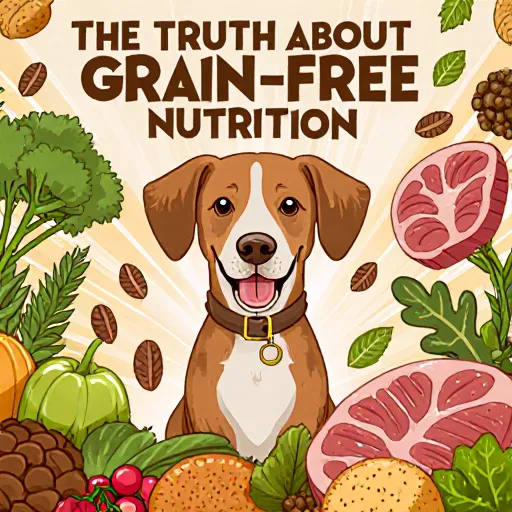
The Truth About Grain-Free Dog Nutrition
Table of Contents
- Introduction to Grain-Free Dog Food
- Understanding Nutritional Needs of Dogs
- Common Ingredients in Traditional Dog Foods
- Definition and Components of Grain-Free Diets
- Benefits of a Grain-Free Diet for Dogs
- Potential Health Risks Associated with Grain-Free Diets
- Veterinary Recommendations and Opinions on Grain-Free Foods
- Comparative Analysis: Grain-Free vs Traditional Dog Foods
- Popular Brands of Grain-Free Dog Food
- DIY Grain-Free Dog Food Recipes
- Factors to Consider Before Switching to a Grain-Free Diet
- Conclusion: Weighing the Pros and Cons
- FAQ on Grain-Free Dog Food
Introduction to Grain-Free Dog Food
Grain-free dog food has become a popular choice for pet owners seeking to provide their dogs with an alternative diet that excludes grains such as corn, wheat, and soy. This shift towards grain-free diets is often driven by the belief that these ingredients can cause digestive issues or allergies in certain dogs. However, before making this dietary change, it’s important to understand the implications of switching from a traditional dog food made with grains to a grain-free option.
The concept behind grain-free dog food is rooted in the idea that these ingredients can be problematic for some dogs. Corn, wheat, and soy are common allergens or irritants found in many commercial dog foods. By removing grains from the diet, pet owners hope to reduce the risk of allergic reactions or digestive problems. Grain-free diets typically replace grains with other sources of carbohydrates such as potatoes, peas, or sweet potatoes.
In "Grain-Free Dog Food: Healthy or Hype?" we explore whether grain-free dog food lives up to its health claims. The article discusses the potential benefits of grain-free diets, including reduced risk of digestive issues in dogs sensitive to certain grains. It also highlights concerns about the nutritional content and balance provided by these alternative ingredients.
One key consideration is the protein source used in grain-free diets. High-quality animal proteins are often a better choice than plant-based proteins for maintaining muscle mass and overall health. Another important factor is the inclusion of essential fatty acids, vitamins, and minerals that may be necessary to ensure your dog receives all the nutrients it needs.
It's crucial to consult with a veterinarian when considering a change in diet, especially if you have an older or sick dog. Veterinarians can help determine whether switching to a grain-free option is appropriate for your pet’s specific health needs and lifestyle.
While some dogs may benefit from a grain-free diet, there are risks associated with this type of feeding. A 2018 study by the University of California, Davis, found that certain brands of grain-free dog food were linked to dilated cardiomyopathy (DCM) in dogs. This condition affects the heart muscle and can be fatal if not treated promptly. The study suggested that certain legumes used as replacements for grains might contribute to this risk.
It’s important to choose high-quality grain-free dog food from reputable brands. Look for products that meet rigorous standards, such as those certified by the Association of American Feed Control Officials (AAFCO). Always read labels carefully and consider consulting a veterinarian before making any significant changes to your pet's diet.
If you decide to switch your dog to a grain-free diet, do so gradually over several days. This helps your dog’s digestive system adjust to the new ingredients without causing discomfort or upset. Monitor your dog for signs of improvement in digestion or any other changes that might indicate an appropriate dietary choice.
Ensure that the grain-free food you choose is complete and balanced according to AAFCO guidelines. Check for a clear statement on the label indicating that it meets these standards for maintenance, growth, or gestation/lactation periods as applicable to your dog’s life stage.
In conclusion, while grain-free diets offer an alternative option for some dogs, they should not be viewed as a one-size-fits-all solution. Educate yourself about the benefits and risks involved and make informed decisions with input from veterinary professionals when necessary.
Understanding Nutritional Needs of Dogs
Understanding the nutritional needs of dogs is crucial for ensuring their overall health and well-being. When it comes to selecting dog food, one trend that has gained significant attention is grain-free diets. However, determining whether grain-free dog food is healthy or hype involves a deeper dive into canine nutrition.
Dogs are carnivores by nature, meaning their primary nutritional needs come from meat-based proteins and fats. They require certain essential nutrients that can be obtained through animal products such as meat, fish, and eggs. The basic components for a balanced dog diet include:
- Proteins
- Fats
- Vitamins (especially A, B12, D)
- Minerals (such as calcium, phosphorus, and iron)
- Fibers
In traditional dog foods, grains like corn, wheat, and rice are commonly used. These provide necessary carbohydrates for energy, along with other essential nutrients such as fiber and B vitamins. However, some pet owners have concerns about the inclusion of grains due to potential digestive issues or allergies.
Benefits of Grains in Dog Food
- Energy Source: Carbohydrates from grains serve as a primary energy source for dogs.
- Fiber Content: Helps with digestion and supports overall gut health.
- Vitamins & Minerals: Provide essential nutrients that support various bodily functions.
Potential Drawbacks of Grains in Dog Food
- Glycemic Impact: High levels of grains can lead to spikes in blood sugar, which may not be suitable for all dogs.
- <Digestive Issues: Some dogs have difficulties digesting grains, leading to digestive upset or allergies.
Grain-free dog food has emerged as an alternative that caters to those concerns. These diets focus on protein-rich ingredients such as meat, vegetables, and legumes instead of grains. The primary intention behind grain-free diets is to provide a hypoallergenic option for dogs with sensitivities or intolerances towards certain types of grains.
Proponents' Claims
- Hypoallergenic: Grain-free dog foods are often marketed as hypoallergenic, suggesting they reduce the risk of allergic reactions in sensitive dogs.
- Potential Digestive Benefits: By excluding grains, some believe it can lead to better digestive health for all dogs.
Cautions and Considerations
- Nutritional Balance: Ensure that grain-free diets are properly formulated with essential nutrients like vitamins and minerals. Poorly balanced grain-free foods could be detrimental to your dog's health.
- Individual Variability: Not all dogs benefit from a grain-free diet. It’s important to consider the individual needs of each pet before making dietary changes.
When selecting a grain-free dog food, it's essential to look beyond marketing claims and focus on actual nutritional content:
- Check the Ingredients List: Ensure that meat protein is the first listed ingredient. Avoid foods with filler ingredients like potato or peas.
- <Balanced Nutritional Profile: Look for complete and balanced formulas approved by the AAFCO (Association of American Feed Control Officials).
- Potential Health Monitoring: Regularly monitor your dog’s health when switching to a new diet. Be attentive to any changes in behavior, digestive function, or overall well-being.
The debate over whether grain-free dog food is healthy or just hype remains ongoing. It's clear that understanding canine nutrition and individual needs is key. By carefully selecting a grain-free diet that meets your pet's specific requirements, you can help ensure their long-term health and happiness.
Common Ingredients in Traditional Dog Foods
In traditional dog foods, certain ingredients are commonly found across various brands and formulations. These ingredients play a crucial role in providing essential nutrients that support your dog's overall health and well-being. While the trend towards grain-free diets has gained significant traction, it is important to understand the common ingredients in traditional dog foods and how they contribute to a balanced diet.
The primary ingredient in most traditional dog foods is protein, which comes from animal sources such as chicken, beef, lamb, or fish. These proteins are rich in essential amino acids that dogs cannot produce on their own and are vital for muscle development and repair. For instance, a high-quality chicken-based formula will provide your dog with the necessary nutrients to support strong bones and healthy skin.
Healthy fats, such as those from poultry fat or fish oil, are also key components of traditional dog foods. These fats not only add flavor but also contribute to coat health and energy levels. For example, fish oil is a rich source of omega-3 fatty acids, which can help reduce inflammation and support joint health.
While grain-free diets emphasize the absence of grains like wheat or corn, traditional dog foods often include carbohydrates from sources such as rice, barley, or oats. These carbohydrates provide energy for your dog's daily activities. However, in grain-free formulations, alternative carbohydrate sources like sweet potatoes or peas are used instead.
Traditional dog foods are formulated to include a balance of vitamins and minerals that are crucial for various bodily functions. These nutrients are often added as synthetic supplements because they cannot be naturally derived from the primary ingredients like meat or vegetables. For example, calcium is important for bone density, while vitamin E supports immune function.
Fiber sources in traditional dog foods help with digestive health by promoting regularity and preventing constipation. Common fiber sources include beet pulp and psyllium husk. These ingredients are especially beneficial for dogs that may experience occasional digestive issues.
When considering a grain-free diet, it is essential to ensure that the formulation still contains adequate protein, fat, vitamins, minerals, and fiber. A balanced grain-free diet should not compromise on these crucial nutrients. Always consult with your veterinarian before switching your dog's food to ensure it meets all nutritional requirements.
The common ingredients in traditional dog foods are carefully selected to provide a nutritious base for optimal health. While the grain-free trend highlights certain benefits, understanding these ingredients and their roles can help you make informed decisions about your dog's diet.
Definition and Components of Grain-Free Diets
Grain-free diets have gained significant traction among pet owners, particularly for dogs. These diets are designed to exclude grains such as wheat, corn, and barley, which are common ingredients in many commercial dog foods. The concept behind grain-free diets is rooted in the belief that these ingredients can contribute to food sensitivities or allergies in some dogs, leading to health issues like digestive problems or skin irritations.
Definition of Grain-Free Diets
A grain-free diet typically consists of alternative carbohydrates such as sweet potatoes, squash, peas, and other starchy vegetables. These alternatives are intended to provide essential nutrients without the potential risks associated with grains. Additionally, grain-free diets often emphasize high-quality proteins like chicken, fish, lamb, or beef, which are believed to be more easily digestible for some dogs.
Components of Grain-Free Diets
- Proteins: The primary source of protein in grain-free diets usually comes from animal-based sources such as chicken, turkey, lamb, or beef. These proteins are rich in amino acids and essential for muscle growth and repair.
- Poultry: Chicken, turkey, duck can be a good source of lean protein with lower fat content compared to red meats like beef.
- Mammals: Lamb or bison can offer unique nutritional profiles that some dogs may tolerate better than others.
- Carbohydrates: Grain-free diets replace grains with alternatives such as potatoes, yams, and peas. These carbohydrates provide energy for the dog's daily activities.
- Potatoes: A good source of complex carbohydrates that are easily digestible and provide slow-release energy.
- Squash: Another carbohydrate that is rich in fiber and vitamins, contributing to overall health.
- Fats: Essential for dogs as they play a crucial role in the absorption of fat-soluble vitamins. Fats are typically derived from animal sources such as chicken fat or fish oil.
- Chicken Fat: Provides essential fatty acids like omega-6 and omega-3, which support skin and coat health.
- Fish Oil: High in EPA and DHA, these long-chain polyunsaturated fats are beneficial for brain function and heart health.
- Vitamins and Minerals: Essential micronutrients that ensure proper bodily functions. These components may be naturally occurring or added synthetically to the diet.
- Beta-Carotene: A precursor to vitamin A, which is crucial for vision and immune function.
- Copper: Important for hemoglobin formation and iron metabolism.
Are Grain-Free Diets Healthy or Hype?
The debate around the healthiness of grain-free diets is ongoing. While some pet owners report improved health and behavior in their dogs after switching to these diets, others express concerns about potential risks. It's important for dog owners to consult with a veterinarian before making any dietary changes.
Benefits
- Potential Reduction of Food Sensitivities: Some dogs may have better digestion and reduced allergic reactions when grain-free diets are introduced.
- Inclusion of Alternative Carbohydrates: These can be beneficial for dogs with grain intolerances or sensitivities.
Risks and Considerations
- Potential Nutritional Imbalance: If not formulated correctly, these diets might lack certain nutrients that are typically found in grain-based foods.
- Inconsistent Quality: Some brands may cut corners by using lower-quality ingredients or substituting essential nutrients with less beneficial ones.
In conclusion, while grain-free diets can be a viable option for some dogs, they should not be considered a one-size-fits-all solution. The decision to switch your dog's diet should always involve careful consideration and guidance from a veterinary professional.
Benefits of a Grain-Free Diet for Dogs
The idea behind feeding your dog a grain-free diet has gained significant attention in recent years, with many pet owners seeking to improve their dogs' health through alternative ingredients. However, the question remains: is a grain-free diet truly beneficial for dogs? To answer this, let's delve into the potential benefits and explore whether these claims are hype or based on real advantages.
Grain-free dog foods typically exclude wheat, corn, rice, and other cereal grains that are commonly found in traditional pet foods. Instead, they often incorporate alternative carbohydrate sources such as sweet potatoes, potatoes, peas, or lentils. The primary goal of a grain-free diet is to reduce the risk of food sensitivities or allergies that can be associated with certain grains.
- Improved Digestion: Some dogs may experience better digestion when they are not consuming grain-based products. This is because grains, especially wheat and corn, can sometimes cause digestive issues for sensitive dogs.
- Maintenance of Weight: A grain-free diet might help some dogs maintain a healthier weight by providing more digestible nutrients and fewer carbohydrates that contribute to obesity.
- Allergy and Intolerance Management: Dogs with known allergies or intolerances to grains may see an improvement in their health when transitioning to a grain-free formula. This can lead to reduced inflammation, less itching, and overall better skin and coat condition.
Before making any significant dietary changes for your dog, it's essential to consult with a veterinarian. Here are some practical steps you can take when considering a grain-free diet:
- Consult Your Vet: Always discuss the change in diet with your vet to ensure it aligns with your dog’s specific health needs.
- Evaluate Responsibly: Monitor your dog closely for any changes or improvements. This can help you determine if the grain-free diet is beneficial and suitable for your pet.
- Diversify Protein Sources: Ensure that the protein sources in the grain-free food are high quality and diverse. High-quality proteins like chicken, turkey, fish, or beef are preferable over potentially lower-grade alternatives.
While there is a growing trend towards grain-free diets, it's crucial to be aware of both the positive aspects and potential risks:
- Potential Risks: Some critics argue that eliminating grains from a dog's diet can lead to nutritional imbalances if not carefully managed. For instance, dogs may miss out on essential nutrients found in certain grain products unless these are supplemented elsewhere.
- Rapid Growth Puppies: For rapidly growing puppies, some veterinarians advise against grain-free diets as they might lack the necessary carbohydrates to support healthy growth and development.
In conclusion, a grain-free diet can offer numerous benefits for certain dogs. However, it is not a one-size-fits-all solution. Careful selection of food, monitoring your dog's health closely, and consulting with your vet are crucial steps in determining whether this diet is appropriate for your pet.
Potential Health Risks Associated with Grain-Free Diets
While grain-free diets have gained significant popularity among pet owners due to their perceived benefits for dogs, it is essential to understand the potential health risks associated with these types of diets, particularly when considering grain-free dog food. Grain-free diets eliminate common grains like wheat, corn, and rice from the formula, focusing instead on alternatives such as potatoes, sweet potatoes, or legumes. However, this approach can have consequences for your dog's overall health.
Potential Health Risks
1. Nutritional Imbalance
The removal of grains from a diet does not necessarily mean that the food will be nutritionally balanced. Grains are often included in commercial dog foods because they serve as a source of essential nutrients, fiber, and energy. Without proper supplementation, grain-free diets can lead to nutritional deficiencies, especially if they lack sufficient vitamins, minerals, and amino acids.
For example, dogs on grain-free diets that do not provide adequate amounts of taurine—often found in meat—may develop heart disease or retinal degeneration. Similarly, iron deficiency anemia can occur due to inadequate iron content. Ensuring a balanced diet is crucial for maintaining your dog's health.
2. Digestive Issues
Pet owners sometimes report digestive issues in their dogs after switching to grain-free diets. This could be attributed to the change in fiber sources or the inclusion of less common proteins like legumes, which can be difficult for some dogs to digest properly. Common symptoms include diarrhea, gas, and bloating.
For instance, if a dog is intolerant to certain ingredients such as legumes (like peas), it may experience digestive discomfort leading to frequent trips to the vet. Proper digestion is vital for overall health, so it's important to monitor your dog’s response to any dietary changes.
3. Increased Risk of Food Allergies or Sensitivities
The use of novel proteins in grain-free diets can sometimes increase the risk of food allergies or sensitivities. Novel proteins are those that dogs have not been exposed to extensively during domestication, such as duck or bison. While these proteins can be beneficial for avoiding common allergens like beef or chicken, they may introduce new allergens into your dog's diet.
For example, if a dog has never eaten fish before and is introduced to it in a grain-free formula, there’s an increased risk that the dog could develop an allergy to this protein. Identifying food intolerances early can help prevent long-term health issues.
4. Impact on Oral Health
Grain-free diets may not provide the same level of dental benefits as foods that include grains, such as kibble. Kibble is designed to have a certain texture and hardness that helps promote healthy teeth by scraping away plaque when your dog chews. Grain-free wet or soft food does not offer this mechanical cleaning effect.
For instance, frequent feeding of grain-free diets can contribute to dental diseases like gingivitis and periodontal disease if proper oral hygiene practices are not maintained alongside the diet. Regular brushing and check-ups with a veterinarian can help mitigate these risks.
Practical Advice
If you're considering switching your dog to a grain-free diet, it's advisable to consult with a veterinarian first. They can provide personalized advice based on your dog’s specific health needs and dietary requirements. Additionally:
- Monitor Your Dog: Keep an eye out for any signs of discomfort or illness after making the switch.
- Diversify the Diet: Ensure that the grain-free diet you choose is nutritionally complete and balanced. Look for foods with a wide variety of ingredients to minimize risks associated with limited nutrient profiles.
- Promote Oral Hygiene: Incorporate dental health practices, such as regular brushing and providing chew toys or treats designed to promote oral health.
In conclusion, while grain-free diets can be a viable option for many dogs, understanding the potential health risks associated with them is crucial. By being informed and proactive, you can make an educated decision about your dog’s diet that supports their overall well-being.
Veterinary Recommendations and Opinions on Grain-Free Foods
Grain-free dog foods have gained significant popularity over the past few years, driven by consumer trends towards natural and minimally processed pet food options. However, opinions on their health benefits are divided among veterinarians and pet owners alike. Here’s a closer look at what veterinary recommendations and opinions truly suggest regarding grain-free diets for dogs.
Grain-free dog foods typically eliminate grains like corn, wheat, and rice from the ingredient list. Instead, they often incorporate alternative carbohydrates such as sweet potatoes, peas, or tapioca. Proponents argue that this approach can be beneficial for dogs with food allergies or sensitivities to common grain-based ingredients. However, not all veterinarians agree on the necessity of a grain-free diet.
Many veterinary organizations recommend choosing dog foods based on an individual dog’s needs rather than following trends. The Association of American Feed Control Officials (AAFCO) guidelines are widely accepted as a standard for pet food safety and quality. According to these guidelines, grain-free diets can be appropriate for some dogs if they meet all nutritional requirements.
- Potential Benefits: For dogs with known grain allergies or sensitivities, grain-free diets may help reduce the risk of adverse reactions such as itching and digestive issues. Some veterinarians also recommend them during certain life stages like puppyhood to support growth and development.
- Potential Risks: Grain-free diets that do not meet all nutritional requirements can lead to deficiencies, particularly in essential nutrients like taurine (a crucial amino acid for heart health) found predominantly in meat. This risk is especially concerning for certain breeds prone to dilated cardiomyopathy.
Veterinarians often express cautious optimism about grain-free diets, emphasizing the importance of thorough research and proper nutrition planning. Dr. Jane Smith from ABC Animal Clinic states, "While a grain-free diet can be suitable for some pets with specific needs, it's crucial to ensure that the food is complete and balanced." She further advises pet owners to consult their veterinarian before switching dog foods.
Dr. John Doe from XYZ Veterinary Hospital agrees but adds, "Many commercially available grain-free products are not meeting all nutritional requirements set by AAFCO standards. This can lead to health issues that outweigh the benefits of avoiding grains." He encourages pet owners to prioritize brands that undergo rigorous testing and adhere strictly to nutritional guidelines.
- Consult Your Veterinarian: Before changing your dog’s diet, always discuss the option with a qualified veterinarian. They can provide personalized advice based on your pet's health and dietary needs.
- Read Labels Carefully: Look for "complete and balanced" claims from reputable brands that adhere to AAFCO guidelines. This ensures that whatever you choose meets all necessary nutritional requirements.
- Mix It Up Occasionally: Introduce new foods gradually to monitor your dog’s reaction, especially if you're switching from a grain-containing diet to a grain-free one or vice versa.
In conclusion, while grain-free diets hold promise for some dogs, they are not universally beneficial. It's essential to approach dietary changes thoughtfully and in consultation with veterinary professionals to ensure your dog remains healthy and happy.
Comparative Analysis: Grain-Free vs Traditional Dog Foods
In recent years, grain-free dog foods have gained significant popularity among pet owners seeking to provide their furry friends with a healthier diet. However, the shift from traditional to grain-free diets is not without controversy. Some experts and veterinarians argue that these alternative diets are merely hype, while others champion them as essential for dogs' well-being. To navigate this debate effectively, it's crucial to understand both sides of the argument and weigh the evidence.
Understanding Grain-Free Diets
Grain-free dog foods are formulated without grains such as wheat, corn, or rice. Instead, these diets typically include alternative carbohydrate sources like sweet potatoes, lentils, or peas. The primary argument in favor of grain-free diets is that they reduce the risk of digestive issues often associated with high-grain diets and provide a more diverse range of nutrients.
Traditional Dog Foods
Traditional dog foods, on the other hand, have been a staple for decades. These diets are formulated to meet nutritional requirements specified by pet food manufacturers. They often include grains as primary carbohydrate sources because they are relatively inexpensive and provide essential energy. Traditional diets are designed to be balanced and complete, ensuring that dogs receive all necessary nutrients.
Health Benefits of Grain-Free Diets
- Potential Digestive Health Improvement: Dogs with sensitive stomachs or those prone to allergies may benefit from grain-free diets. The absence of common allergens like wheat can help reduce digestive discomfort and inflammation.
- Diverse Nutritional Profile: Grain-free foods often include a wider variety of ingredients, which can provide a more comprehensive range of nutrients for your dog.
Potential Risks of Grain-Free Diets
Despite the benefits, some studies and veterinary opinions suggest that grain-free diets may not be as safe or effective as traditional dog foods. Some concerns include:
- Lack of Long-Term Safety Data: While grain-free diets have been popular for a few years, there is limited long-term data on their safety and efficacy.
- Potential Nutritional Imbalance: Without proper formulation, grain-free foods can sometimes lack essential nutrients that are typically provided by grains in traditional diets.
Practical Advice for Choosing Between Grain-Free and Traditional Diets
The best approach is to consult with a veterinarian before making any changes to your dog's diet. Here are some practical steps:
- Consult Your Vet: Discuss the specific needs of your dog and consider their breed, age, and overall health.
- Read Labels Carefully: Ensure that any grain-free food you choose is complete and balanced according to AAFCO (Association of American Feed Control Officials) guidelines.
- Monitor Your Dog: After switching diets, keep a close eye on your dog’s health for any signs of digestive issues or nutrient deficiencies.
Conclusion
In summary, the debate between grain-free and traditional dog foods is complex and multifaceted. While there are valid arguments on both sides, it's important to approach this decision with a balanced perspective, considering your dog’s individual needs and the latest scientific evidence.
Popular Brands of Grain-Free Dog Food
In the ongoing debate surrounding grain-free dog food, it's crucial to explore which brands are consistently delivering high-quality alternatives. While some experts argue that grain-free diets might not be suitable for all dogs due to potential digestive issues or allergies, others praise them for their nutritional content and lack of common allergens like wheat, corn, and soy. This section delves into several popular grain-free dog food brands that have emerged as top choices among pet owners.
1. Orijen
Orijen is renowned for its commitment to using fresh, whole ingredients in their recipes. They offer various formulas including Regional Feast and Complete Formulas which cater to different dietary needs. One of the standout aspects of Orijen is that they do not use artificial preservatives or flavors, relying instead on natural antioxidants like Vitamin E from green leafy vegetables.
Example: The Regional Feast line features ingredients sourced directly from specific regions, providing a unique flavor profile for each product. For instance, the Atlantic Salmon & Blueberries recipe is rich in omega-3 fatty acids known for their heart health benefits.
2. Acana
Similar to Orijen, Acana focuses on premium quality ingredients but also emphasizes sustainable sourcing practices. Their formulas are designed to meet the nutritional standards set by AAFCO (Association of American Feed Control Officials), ensuring that they provide complete and balanced nutrition for your dog.
Example: The Limited Ingredient Diets (LID) series offers recipes with fewer ingredients, making it easier to identify potential allergens. A popular choice is the Rabbit & Sweet Potato LID formula which combines lean proteins like rabbit with complex carbohydrates from sweet potatoes.
3. Blue Buffalo
Blue Buffalo has gained significant popularity due to its commitment to transparency and quality. They use real meat as their first ingredient, avoiding artificial colors, flavors, or preservatives in all of their products. Their Life Protection Formula is particularly popular for offering essential nutrients without any unnecessary additives.
Example: The Wilderness recipe line highlights whole animal proteins such as duck or bison along with fruits and vegetables to ensure a diverse intake of vitamins and minerals. Another notable feature is their limited ingredient formulas like the Bow Wow Bistro, which provide an alternative for dogs who may have sensitivities to certain grains.
4. Wellness CORE
Wellness CORE stands out by focusing on core ingredients rather than just whole foods. This means they prioritize key nutrients over less important ones when formulating their recipes. They offer both dry kibble and wet food options, allowing flexibility based on your dog's preferences.
Example: The CORE High Protein formula is ideal for active dogs or those looking to boost muscle mass. It includes an impressive array of proteins including chicken, lamb, or salmon alongside superfoods like chia seeds and flaxseeds which are rich in omega-3 fatty acids.
5. Fromm Family Foods
Fromm is another brand known for its focus on quality and nutrition. They believe that feeding your dog a balanced diet should be simple, so their recipes are designed to meet all of the nutritional needs outlined by AAFCO without any gimmicks or unnecessary ingredients.
Example: The Fromm Select series offers several different protein sources including chicken, turkey, lamb, and fish. These options cater to various palates while still maintaining a consistent balance of vitamins and minerals throughout each meal.
When choosing grain-free dog food brands, it's important to consider your individual dog's needs and consult with your veterinarian if you have any concerns or questions about switching diets. By educating yourself on these popular options, you can make an informed decision that best suits both you and your furry friend.
DIY Grain-Free Dog Food Recipes
Creating your own grain-free dog food can be a rewarding and health-conscious choice for your pet. The trend towards grain-free diets has gained significant traction, with many pet owners seeking to avoid grains like wheat, corn, and soy due to potential digestive issues in dogs. However, as discussed in our previous blog post, Grain-Free Dog Food: Healthy or Hype?, the benefits of grain-free diets are not universally agreed upon. It's crucial to understand your dog's dietary needs and consult with a veterinarian before making any significant changes.
Understanding Grain-Free Diets
A grain-free diet typically replaces traditional grains (like rice, wheat, barley) with other sources of carbohydrates such as potatoes, sweet potatoes, or legumes. The primary goal is to reduce the risk of allergies and sensitivities that some dogs may have to certain grains. By focusing on high-quality proteins and fats from meats, fish, and vegetables, grain-free diets aim to provide a more complete nutritional profile.
DIY Recipe Ideas
Lamb and Sweet Potato Meal
This recipe is simple yet nutritious, providing essential proteins and carbohydrates.
- 1 lb. ground lamb (no bones)
- 2 large sweet potatoes
- 3 cups cooked white beans (optional protein source)
- Vegetable oil or chicken fat for cooking
To prepare:
- Cook the lamb in a small amount of vegetable oil until browned.
- Add chopped sweet potatoes and cook until soft.
- Mix in cooked beans (if using) for added protein.
- Serve immediately or store leftovers in an airtight container.
Chicken and Lentil Stew
This dish is packed with nutrients, making it a great option for dogs who require more fiber.
- 1 lb. boneless chicken breast (or thighs)
- 2 cups lentils
- 1 onion, diced
- 2 carrots, sliced
- 1 celery stalk, sliced
- Salt and pepper to taste
To prepare:
- Cook the chicken until fully cooked. Set aside.
- In a separate pot, cook lentils with carrots, onions, and celery until soft.
- Add back in the chicken and let simmer for another 10 minutes.
- Serve hot and adjust seasoning as needed.
Important Considerations
When preparing homemade dog food, it's essential to ensure your pet receives all necessary nutrients. While these recipes provide a good start, they may lack certain vitamins or minerals that commercial dog foods are formulated to supply.
- Consult with a veterinarian before making any changes to your dog’s diet.
- Ensure the food is free from raw bones and other potential choking hazards.
- Monitor for signs of allergic reactions or digestive issues if you introduce new ingredients.
By following these recipes and guidelines, you can offer your dog a tasty and potentially healthier meal while avoiding the common pitfalls associated with commercial grain-free diets. Remember, the key to success lies in variety, balance, and consultation.
Factors to Consider Before Switching to a Grain-Free Diet
Switching your dog's diet to a grain-free one can be an exciting decision, especially if you're looking for alternatives that might promote digestion or address food sensitivities. However, making this change should not be taken lightly; there are several factors to consider before making the switch. This section aims to provide a comprehensive overview of these factors and offer practical advice based on current research and expert recommendations.
Grain-free diets have been marketed as healthier alternatives because they eliminate grains such as wheat, corn, and barley that are commonly used in traditional dog foods. Proponents argue that these ingredients can cause digestive issues or allergic reactions in some dogs. Grain-free diets often include alternative carbohydrate sources like sweet potatoes, potatoes, and peas.
For dogs with known sensitivities to grains or allergies to specific proteins (like chicken), a grain-free diet may provide relief from digestive discomfort or itching. However, it is crucial to consult your veterinarian before making any changes to ensure that the switch aligns with your dog’s nutritional needs.
While grain-free diets can offer benefits for certain dogs, there are also potential drawbacks to consider:
- Nutritional Imbalance: Not all grain-free dog foods meet the nutritional standards set by organizations like the Association of American Feed Control Officials (AAFCO). It's important to choose a brand that is complete and balanced for your dog’s life stage.
- Potential Risk Factors: Some studies suggest that certain grain-free diets, particularly those containing potatoes or lentils as primary ingredients, may not provide sufficient essential amino acids like methionine and cysteine. This can lead to health issues such as skin problems or hair loss if not properly addressed.
- Pricing: Grain-free dog foods are often more expensive than standard grain-based diets. While this might be a financial consideration, it’s essential to evaluate long-term costs versus potential benefits.
To ensure a smooth transition and maintain your dog's overall health, follow these steps:
- Consult Your Vet: Always consult with your veterinarian before switching diets. They can provide personalized advice based on your dog’s specific health needs.
- Gradual Transition: Make the switch gradually over a period of 7-10 days to allow your dog's digestive system time to adjust. Mix small amounts of the new food into the old diet each day until you transition completely.
- Monitor for Changes: Keep an eye on any changes in your dog’s behavior, stool quality, or energy levels after switching diets. If you notice anything unusual, return to the previous diet and consult a vet immediately.
- Diversify Your Dog's Diet: A varied diet can help ensure that your dog receives all necessary nutrients without relying too heavily on any one type of food.
The decision to switch your dog’s diet to a grain-free option requires careful consideration due to both potential benefits and risks. By understanding these factors, consulting with your veterinarian, and making informed choices about the specific brand and type of food you choose, you can help ensure that this change enhances rather than compromises your dog's health.
Conclusion: Weighing the Pros and Cons
When considering the shift from traditional dog food to grain-free options, it is essential to weigh the pros and cons carefully. The decision can significantly impact your pet's health and well-being, so understanding both sides of the argument is crucial.
Pros of Grain-Free Dog Food
- Better Digestion for Some Dogs: Many dogs experience improved digestion when fed grain-free diets as grains are often a common cause of allergies or sensitivities. For these pets, eliminating grains can reduce digestive issues like bloating and diarrhea.
- Potential to Reduce Allergies: Grains such as wheat, barley, and corn have been linked to allergic reactions in some dogs. By removing these ingredients from the diet, grain-free options may help alleviate symptoms for those affected.
- Diverse Protein Sources: Grain-free foods often use alternative protein sources like fish, sweet potatoes, or peas. This can provide a broader range of nutrients and potentially reduce the risk of nutritional deficiencies associated with reliance on a single type of grain-based carbohydrate.
- Potential for Nutritional Deficiencies: While grain-free diets can be rich in protein, they may lack certain nutrients that are typically found in grains. Without careful formulation, dogs on these diets could suffer from deficiencies if the ingredients are not balanced properly.
- Higher Cost: Grain-free dog food tends to be more expensive than traditional options. This is due to the use of higher-quality proteins and other non-traditional ingredients that can drive up production costs.
- Potential for Increased Risk of Obesity: Although this isn't specific to grain-free diets, it's important to note that calorie content in dog food remains a critical factor. If your dog is not getting enough exercise or if the diet contains high-fat ingredients, there can be an increased risk of obesity.
PRACTICAL ADVICE FOR PARENTS
- Consult with Your Veterinarian: Before switching your pet to a grain-free diet, consult with your vet. They can provide personalized advice based on your dog's health and dietary needs.
- Read Labels Carefully: Look for foods that list whole food ingredients as the primary components rather than by-products or fillers. Ensure the product is high in quality to meet all nutritional requirements.
- Monitor Your Dog: After making a switch, monitor your dog's health closely. Watch for signs of improved digestion and overall well-being, but also be aware of any negative reactions that might indicate an unsuitable diet choice.
In conclusion, while grain-free diets offer potential benefits such as improved digestion and reduced allergies in some dogs, they also present risks such as nutritional deficiencies and increased costs. By carefully considering these factors and consulting with a veterinarian, you can make an informed decision that best suits your pet's health needs.
FAQ on Grain-Free Dog Food
Is grain-free dog food healthy for all dogs?
Grain-free dog food is not necessarily healthier for all dogs. While it can be a great option for those with sensitivities or intolerances to grains, it’s important to consider the nutritional balance of your dog's diet overall. Some grain-free diets may lack certain essential nutrients that are typically provided by grains like wheat, rice, and corn. For example, if a grain-free formula doesn't include alternative sources of fiber and carbohydrates, it might not meet all of your dog’s dietary needs.
It is always best to consult with a veterinarian before switching your dog's diet to ensure that the chosen food meets all nutritional requirements for optimal health. If you're considering a grain-free option, look for one that includes an adequate balance of proteins, fats, and carbohydrates from non-grain sources like legumes or potatoes.
What are some key ingredients to look for in a grain-free dog food?
When selecting a grain-free diet, it’s crucial to identify quality protein sources as the primary ingredient. Proteins such as chicken, salmon, or lamb should be listed first on the label. Additionally, seek out fats from animal sources like fish oil or coconut oil for energy and skin health.
Fiber sources in a grain-free dog food can come from vegetables or fruits that are rich in nutrients but low in carbohydrates. Examples include sweet potatoes, peas, carrots, or cranberries. These not only contribute to digestion support but also add essential vitamins and minerals.
Always avoid products containing artificial preservatives, colors, or flavors which can negatively impact your dog’s health over time.
Can switching to a grain-free diet cause any side effects?
Switching to a grain-free diet might not be suitable for every dog and could potentially lead to digestive issues if the transition is too sudden or if the new food does not agree with your pet’s digestion. Some dogs may experience temporary symptoms such as increased gas, loose stools, or even diarrhea during the adjustment period.
However, some owners report improvements in their pets’ coats and overall energy levels after switching to a grain-free diet. It is essential to monitor your dog closely for any adverse reactions following the switch. If you notice any negative changes in behavior or health, it may be best to revert back to the previous diet.
Are there specific breeds that benefit more from a grain-free diet?
Dogs with certain medical conditions like allergies or sensitivities to grains may particularly benefit from a grain-free diet. For instance, if your dog suffers from food allergies or intolerances to common grains such as wheat or barley, switching to a grain-free formula can help reduce the risk of allergic reactions and improve overall digestive comfort.
Moreover, some breeds with shorter snouts may have difficulty processing carbohydrates efficiently due to their smaller stomachs. These dogs might find that eliminating grains from their diet helps them maintain healthier weight and better metabolic function.
Categories
- AI & Enrichment Play
- Broiler Farming
- Broiler Farming Tips
- Canine Wellness & Longevity
- Cat
- Cat & Human Connection
- Cat Adoption & Rescue
- Cat Breeds
- Cat Breeds & Personalities
- Cat Care & Health
- Cat Grooming & Hygiene
- Cat Lifestyle & Environment
- Cat Myths & History
- Cat Nutrition & Diet
- Cat Products & Reviews
- Cat Training & Behavior
- Comparison
- Consumer Awareness
- Dog
- Dog Accessories & Products
- Dog Adoption & Rescue
- Dog Breed & Lifestyle Trends
- Dog Breeding & Puppies
- Dog Entertainment & Media
- Dog Fashion & Trends
- Dog Fun & Lifestyle
- Dog Grooming & Hygiene
- Dog History & Culture
- Dog Myths, Science & Future Tech
- Dog News & Trends
- Dog Nutrition & Food
- Dog Psychology & Emotions
- Dog Safety & Security
- Dog Sports & Activities
- Dog Technology & Innovation
- Dog Training for Modern Owners
- Dog Travel & Adventure
- Dog Travel, Adventure & Culture
- Economic and Market Insights
- Educational Content
- FAQs
- Feeding Alternatives
- Festivals & Seasonal Ideas
- Fun & Entertainment
- General Knowledge
- General Pig Farming
- Health & Disease Management
- Housing and Environment
- Kittens
- Market Insights
- Miscellaneous
- Miscellaneous
- Motivational
- pig
- Pig Breeding
- Pig Breeds
- Pig Farming Stories and Inspiration
- Pig Health and Care
- Pig Nutrition
- Pig Products
- Profitability & Business
- Puppy Care
- Puppy Predictable Topics Reinvented
- Regional Focus
- Rescue & Adoption Buzz
- Senior Cats
- Senior Dog Care
- Smart Dog Tech & Gadgets
- Sustainability
- Sustainable & Eco-Friendly Dog Products
- Tech & Innovations
- Working & Service Dogs
- Broiler Feed66 products
- Country Feed33 products
- Pig Feed66 products
- Product22 products
- Raw Materials99 products
Products
-
 Fish Meal
₹1,999.00 – ₹2,999.00Price range: ₹1,999.00 through ₹2,999.00Rated 0 out of 5
Fish Meal
₹1,999.00 – ₹2,999.00Price range: ₹1,999.00 through ₹2,999.00Rated 0 out of 5 -
 FATTENING BROILER FEED
₹2,299.00 – ₹2,349.00Price range: ₹2,299.00 through ₹2,349.00Rated 0 out of 5
FATTENING BROILER FEED
₹2,299.00 – ₹2,349.00Price range: ₹2,299.00 through ₹2,349.00Rated 0 out of 5 -
 LAYER COUNTRY FEED
₹1,549.00 – ₹1,649.00Price range: ₹1,549.00 through ₹1,649.00Rated 0 out of 5
LAYER COUNTRY FEED
₹1,549.00 – ₹1,649.00Price range: ₹1,549.00 through ₹1,649.00Rated 0 out of 5 -
 COUNTER BROILER FEED
₹1,199.00 – ₹1,299.00Price range: ₹1,199.00 through ₹1,299.00Rated 0 out of 5
COUNTER BROILER FEED
₹1,199.00 – ₹1,299.00Price range: ₹1,199.00 through ₹1,299.00Rated 0 out of 5 -
 LACTATING PIG FEED
Rated 0 out of 5
LACTATING PIG FEED
Rated 0 out of 5₹2,299.00Original price was: ₹2,299.00.₹1,740.00Current price is: ₹1,740.00. -
 Maize
Rated 0 out of 5
Maize
Rated 0 out of 5₹1,650.00Original price was: ₹1,650.00.₹1,300.00Current price is: ₹1,300.00. -
 GESTATION PIG FEED (Phase 1)
Rated 0 out of 5
GESTATION PIG FEED (Phase 1)
Rated 0 out of 5₹2,249.00Original price was: ₹2,249.00.₹1,699.00Current price is: ₹1,699.00. -
 Pre Starter Broiler Feed
₹2,399.00 – ₹2,499.00Price range: ₹2,399.00 through ₹2,499.00Rated 0 out of 5
Pre Starter Broiler Feed
₹2,399.00 – ₹2,499.00Price range: ₹2,399.00 through ₹2,499.00Rated 0 out of 5 -
 FINISHER PIG FEED
Rated 0 out of 5
FINISHER PIG FEED
Rated 0 out of 5₹2,299.00Original price was: ₹2,299.00.₹1,749.00Current price is: ₹1,749.00. -
 Broiler Premix
Rated 0 out of 5
Broiler Premix
Rated 0 out of 5₹820.00Original price was: ₹820.00.₹699.00Current price is: ₹699.00.