
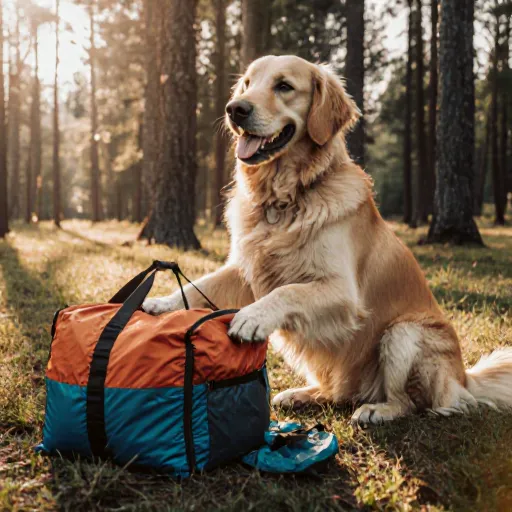
'The Ultimate Guide' to packing light for epic camping trips with your dog!
The Ultimate Guide to Dog Camping Gear
Table of Contents
- Section 1: Dog Bedding
- Section 2: Leash and Collar
- Section 3: Bowl for Water
- Section 4: Bowl for Food
- Section 5: Waste Bags
- Section 6: First Aid Kit
- Section 7: ID Tag and Microchip Info
- Section 8: Harness or Crate
- Section 9: Flashlight and Extra Batteries
- Section 10: Sleeping Bag or Blanket
- Section 11: Toy
- Section 12: Insect Repellent
- Section 13: ID Tag and Microchip Info
- Conclusion
- FAQ
Section 1: Dog Bedding
When planning your dog camping trip, one of the most essential items to consider is bedding. A good quality dog bed can make all the difference in ensuring your furry companion enjoys and stays comfortable during your camping adventure. Here's what you should look for in a dog bed that aligns with the essentials checklist:
1. Size
The most important factor to consider is the size of the bed, especially if you're camping with different breeds or sizes of dogs. For instance, a small dog may need a compact and lightweight option, while a larger breed might benefit from a more substantial design that can provide them with ample space for stretching out comfortably. Make sure the bed fits your dog's sleeping habits, whether they like to curl up tightly or sprawl out.
2. Material
The fabric and padding of the dog bed are crucial in determining its durability, comfort, and suitability for outdoor use. Look for beds made from weather-resistant materials such as nylon or polyester that can withstand various weather conditions, including rain and snow. The filling inside should be made with a soft yet supportive material like memory foam or high-density foam to ensure your dog stays cozy.
3. Portability
A great dog bed for camping must also be portable, meaning it's easily packable into your gear and can be set up quickly at the campsite. Many modern dog beds come with straps or handles that make them easier to transport and setup. Consider how many dogs you're bringing along, as this will determine if a single large bed or multiple smaller ones are better suited for your needs.
4. Insulation
In colder climates, insulation is key to keeping your dog warm during the night. Look for beds that provide extra layers of padding or come with features like heated elements (though these can be battery-powered and thus add weight). Ensure that the bed will keep your pup warm without overheating, especially in warmer weather.
5. Hygiene
Ease of cleaning is an important aspect when it comes to dog bedding for camping. You want a product that can be machine-washed or at least cleaned with soap and water. Avoid beds made from materials that are difficult to clean, such as down-filled options, which tend to mat and become dirty quickly.
Example: The Best Dog Bedding Choices
- 1. PetPalaco Memory Foam Travel Bed: This bed is perfect for small dogs with its compact size and memory foam for maximum comfort. It's also easy to fold up, making it a breeze to pack.
- 2. DREAMDOG Waterproof Dog Bed: Ideal for larger breeds due to its spacious design. Its waterproof outer shell ensures that your dog stays dry during rain or puddles.
- 3. ZUOOGA Heated Dog Bed: Perfect for colder camping trips, this bed features a heated pad that provides warmth when needed and is battery-operated to ensure portability.
In conclusion, investing in the right dog bedding can greatly enhance your pet's comfort during camping. By considering these key factors—size, material, portability, insulation, and hygiene—you'll be well-equipped to choose a bed that meets both your needs and your dog’s preferences. This thoughtful selection will ensure that your dog has a wonderful time on your next camping trip.
Section 2: Leash and Collar
In the realm of dog camping essentials, a reliable leash and collar are not just accessories; they are foundational tools that ensure both your safety and your pet's comfort. These items play a crucial role in providing control, security, and convenience during your outdoor adventures.
Choosing the Right Leash
The type of leash you choose for camping can significantly impact your experience and your dog's overall well-being. Here are some key considerations:
- Length: For camping, a 6-foot leash is generally ideal as it allows enough space for exploration while still maintaining control. Shorter leashes may be more suitable in crowded campgrounds or areas with limited space.
- Material: Look for leashes made from durable materials such as nylon or polyester. These are not only strong but also lightweight, making them easy to carry during your trip.
- Breathability and Comfort: Ensure the leash is comfortable for both you and your dog. Breathable material helps prevent overheating, especially on warmer days.
Selecting an Appropriate Collar
The collar you choose should be a perfect fit to ensure comfort and security. Here are some tips:
- Size and Fit: Measure your dog's neck accurately before purchasing a collar. Make sure it is snug but not too tight, allowing for about two fingers' width between the collar and your dog’s neck.
- Metal vs. Fabric: Metal collars are strong and durable, making them ideal for hiking or rough terrain. Fabric collars can be more comfortable and stylish, but they may not provide as much durability.
- Additional Features: Some collars come with reflective strips, which enhance visibility in low light conditions. This is particularly useful during evening walks or when navigating dimly lit campgrounds.
Practical Advice and Examples
Here are some practical tips to help you select the best leash and collar for your camping trip:
- Practice at Home: Before hitting the trails, take your dog out with a new leash or collar in your backyard. This helps identify any potential issues like discomfort or inappropriate behavior.
- Consider Your Dog's Breed and Size: Different breeds have different needs when it comes to leashes and collars. For instance, large dogs may need extra-wide collars for comfort, while toy breeds might require more delicate materials.
- Check Reviews: Reading reviews from other pet owners can provide valuable insights into the durability and functionality of a product. Websites like Amazon or specialized pet forums are great places to start.
Conclusion
Selecting the right leash and collar is an essential part of your dog camping essentials checklist. By investing in high-quality gear that fits both you and your furry companion, you can ensure a safer and more enjoyable experience for all.
Section 3: Bowl for Water
In dog camping, ensuring your pet has access to clean water is just as important as providing a comfortable sleeping area. A bowl designed specifically for camping trips can make all the difference, especially when you're setting up camp in less than ideal conditions. The right bowl not only keeps your dog safe but also helps maintain hygiene and comfort during your trip.
Importance of a Bowl for Water
- Ease of Use: A well-designed camping bowl allows easy access to water, reducing the risk of spills or accidents. This is particularly beneficial when you're setting up camp with children or other pets around.
- Hygiene: Keeping your dog's water clean and readily available helps prevent health issues related to dehydration or contaminated water sources.
- Ruggedness: Camp bowls should be made from durable materials that can withstand the outdoor elements. This includes being resistant to dirt, dust, and accidental drops while hiking.
Selecting the Right Bowl
When choosing a camping bowl for your dog, consider the following factors:
- Material: Opt for bowls made from materials like stainless steel or BPA-free plastic. Stainless steel is more durable and less likely to harbor germs, while BPA-free plastics are lightweight and easy to clean.
- Size: The size of the bowl should be appropriate for your dog's needs. Ensure it can hold enough water for multiple refills throughout the day, especially if you're camping in a hot climate where dogs require more hydration.
- Portability: Look for bowls that are easy to carry and store when not in use. Many camping bowls come with carrying straps or fit into larger backpacks.
Examples of Camp Bowls
Here are some popular choices that align well with the Dog Camping Essentials Checklist:
- Stainless Steel Bowl: The PetSafe Stainless Steel Water Bowl is highly durable and resistant to rust. It's easy to clean and comes in various sizes, making it a top choice for many campers.
- BPA-Free Plastic Bowl: The West Paw Design Cube Fresh Bowls are another excellent option. They have a unique design that reduces the chance of spills and keeps water fresher longer due to their textured surface.
Packing Tips
To ensure you're always prepared with clean, accessible water for your dog during camping trips:
- Always pack extra bowls in case of loss or damage.
- Consider bringing a portable filtration system to purify any questionable water sources.
- Store the bowl separately from food items to prevent cross-contamination.
- Bring along disinfectant wipes or a small spray bottle filled with white vinegar for cleaning the bowl between uses.
By focusing on these aspects, you can provide your furry companion with the best possible experience while camping. Remember, a little preparation goes a long way in ensuring both your and your dog's comfort during outdoor adventures.
Section 4: Bowl for Food
When camping with your dog, having a proper bowl for food is one of the essential items on any Dog Camping Essentials Checklist. A well-chosen food bowl can make all the difference in ensuring that both you and your pet have a comfortable and enjoyable experience.
Material Considerations
The material from which the bowl is made will play a significant role in its durability, ease of cleaning, and hygiene. Stainless steel bowls are popular choices as they are durable and easy to clean. However, they can be quite heavy and may cause discomfort for your dog if they have to carry them around a lot. Plastic bowls are lighter but can harbor odors or bacteria over time, especially if not properly cleaned after each use.
Size Matters
Selecting the right size bowl is crucial. If it's too small, your dog may become frustrated and take longer to eat their meal. Conversely, a larger bowl might mean they waste food or spill it more often. The general rule of thumb is to get a bowl that can comfortably hold one day’s worth of kibble for your pet.
Sturdiness
A sturdy bowl ensures that your dog won't knock it over easily, which could be especially important if you're setting up camp in an area where the ground is not stable. Lightweight but durable materials are ideal here – aluminum and titanium bowls often fit this bill well.
Practical Tips
- Use a Separate Bowl for Water: Always provide separate water and food bowls to avoid contamination between the two. This also makes it easier to clean each individually.
- Easy-to-Carry Option: For those looking to hike or travel, lightweight, foldable bowls are great options as they take up less space in your pack while being easy to carry.
- Consider Your Dog’s Breed and Size: Larger breeds may need a more substantial bowl compared to smaller dogs. Tailoring the size of the bowl to your pet's needs can prevent spillage or discomfort during meals.
Examples from Popular Brands
Here are some examples of high-quality bowls that you might consider for your dog camping essentials:
- Foofur Ball by PetSafe: This bowl is made from durable, easy-to-clean plastic and has a non-slip base to keep it stable. It’s great for both eating and drinking.
- Petmate Slick-Tite Stainless Steel Bowl: Ideal for those who want the durability of stainless steel but need something lighter than traditional options. It also features an easy-to-hold handle, making it perfect for travel.
- Mongrel Mountain Foldable Bowl: Perfect for backpackers or hikers; this bowl is compact when folded and expands to full size when in use. It’s made from BPA-free plastic that’s resistant to odors and stains.
Final Thoughts
Selecting the right food bowl for your dog can enhance their camping experience, ensuring they stay healthy and happy throughout your trip. By considering factors like material, size, sturdiness, and practicality, you can find a bowl that suits both you and your pet’s needs perfectly.
Section 5: Waste Bags
When camping with your dog, waste bags are an essential part of ensuring that you leave no trace and keep your campsite clean. Proper waste disposal not only helps maintain the natural beauty of the environment but also reflects respect for other campers and wildlife. Here’s a deep dive into what to consider when choosing waste bags for your dog during camping:
Materials
Dog waste can contain harmful bacteria, parasites, and viruses that could be dangerous not only to humans but also to the local ecosystem. Therefore, it's crucial to choose biodegradable or compostable waste bags. These materials break down naturally in the environment without harming it. Common options include:
- Biodegradable Bags: Made from plant-based materials such as corn starch or cellulose, these bags decompose more quickly than traditional plastic ones.
- Compostable Bags: These are designed to break down in a composting environment and should be disposed of in a designated compost bin if available.
Size and Quantity
The size and quantity of waste bags you need depend on the duration of your camping trip and the number of dogs you have. For instance, if you are planning an overnight stay with one dog, 10-12 small-sized bags should suffice. However, for a multi-day trip with multiple dogs, having at least 50 medium-sized or larger bags is recommended.
Storage
Proper storage of waste bags before and during your trip is crucial to avoid any accidents. It's advisable to keep the bags in a secure container that can be easily accessed but also protected from curious dogs. Many campgrounds provide trash cans or bear-proof containers, so it’s important to know where they are located and how to use them.
Additional Tips
In addition to waste bags, consider bringing other items such as:
- Gloves: To protect your hands from potential pathogens when handling dog waste.
- Rinse Bottles: For rinsing the waste bag before disposing of it in designated areas.
Conclusion
Selecting the right waste bags for your dog camping trip is a small but significant step towards responsible pet ownership. By choosing biodegradable or compostable options, ensuring you have enough supplies, and storing them properly, you contribute to a cleaner and healthier environment for everyone. Always check local regulations regarding waste disposal in campgrounds to ensure compliance.
Section 6: First Aid Kit
Camping with your dog is a thrilling adventure, but it’s essential to be prepared for any unexpected situations. Just like you would pack essentials on the Dog Camping Essentials Checklist, having a well-stocked first aid kit can make all the difference in ensuring your furry friend's safety and comfort.
Key Components of Your First Aid Kit
- Bandages and Gauze: For treating cuts, scrapes, or wounds. Make sure you have enough to cover the area properly.
- Ice Pack: Useful for reducing swelling or pain from injuries like sprains or insect bites.
- Clothes Pins: Help secure bandages and dressings in place, ensuring they stay put during your campout.
- Antibiotic Ointment: To prevent infection on minor cuts and scrapes. Choose an ointment that is safe for animals.
- Bug Bite Medication: Protects against insect bites, which can sometimes cause irritation or allergic reactions in dogs.
- Opsalotin Cream (Neosporin): A broad-spectrum antibiotic that helps heal minor cuts and wounds. Always check if it is safe for pets before use.
- Hydrogen Peroxide: Use to clean minor injuries, but be cautious as it can be harmful in large doses. Check its safety first.
- Elastic Wrap or Ace Bandage: Useful for wrapping around a wound or sprained limb, providing support and immobilization.
- Burrowed Powder: Keeps the area clean and helps with itchiness from insect bites or minor irritations.
Tips for Packing Your First Aid Kit
- Check Size and Weight: Ensure your first aid kit is portable and not overly cumbersome. You want to be able to easily carry it with you without adding too much weight.
- Label Items Clearly: Make sure all medications, bandages, and other items are labeled clearly so that you can quickly locate them in an emergency.
- Keep it Dry: Pack the kit in a waterproof container to prevent your supplies from getting wet or damaged. Moisture can spoil medication or cause mold growth.
- Check Expiry Dates Regularly: Ensure that all medications and other supplies are within their expiration date. Replace them as needed to keep the kit effective.
Practical Advice for Using Your First Aid Kit
If you find yourself in a situation where your dog needs first aid, stay calm and follow these steps:
- Evaluate the Situation: Assess the severity of the injury before taking any action. If it's an emergency, don't hesitate to seek professional help immediately.
- Calm Your Dog: Dogs can become anxious and restless in stressful situations, so try to keep them calm by speaking softly and reassuringly.
- Treat the Injury: Use your first aid kit to clean and treat minor injuries. For more severe cases, follow the instructions provided or seek professional medical help immediately.
Section 7: ID Tag and Microchip Info
Ensuring your dog has all necessary identification tags is crucial for their safety, especially during outdoor activities like camping. Proper ID tag management can help in case your pet gets lost or separated from you during a trip.
Key Components of Identification Tags
- Owner's Name and Contact Information: Always include your full name, phone number, and email address on the tag. This information should be easily visible so that anyone who finds your dog can contact you quickly.
- Veterinarian's Clinic Information: Having this handy can provide medical professionals with crucial details about your pet’s health history, vaccinations, or any ongoing treatments they might need.
- Emergency Contact Number: It's wise to include an emergency contact number for a trusted friend or relative who knows how to handle your dog in case you're not available. This could be particularly useful if you are camping with multiple dogs and someone needs to reach out on your behalf.
- License Number (if applicable): If your dog is licensed, including the license number can expedite any necessary administrative processes should something unfortunate happen.
Microchipping: A Safer Alternative
While physical tags are excellent for immediate contact, microchips provide a more permanent solution. Microchips are small, computer chip implants that can be scanned to retrieve your pet’s unique identification number and associated details.
- Advantages of Microchipping:
- Microchips cannot fall off or get lost like tags can.
- The information stored in a microchip is more detailed than what you might put on a tag, including breed, age, and any specific health issues.
- In case your dog gets separated from you during camping, the chances of them being returned to you are significantly higher if they have been microchipped.
Practical Advice for Camping with Your Dog
Camping can be an exciting adventure for both you and your dog, but it's essential to prepare adequately. Here are some practical tips:
- Check Local Regulations: Before heading out on a camping trip, ensure that your dog is allowed in the areas you plan to visit. Some parks have specific rules about pets and their identification.
- Carry Identification Tags with You: Even if your dog is microchipped, it's crucial to carry ID tags when you're on a trip. This ensures that people can contact you immediately in case of any issues.
- Keep Microchip Information Updated: Ensure that the information stored in your pet’s microchip is always up-to-date with your current contact details. You should also inform anyone who might be handling your dog during a camping trip about this, especially if you have given them temporary care.
- Use Leashes Wisely: In some campgrounds or parks, leashes may be required even in designated off-leash areas to maintain control and safety. Always obey these rules.
Conclusion
Proper identification for your dog is a fundamental part of responsible pet ownership, especially when you're planning trips like camping where unexpected situations can arise. By ensuring that your dog has the right tags and is microchipped with up-to-date information, you are taking an important step in safeguarding their well-being and making sure they return safely to you.
Section 8: Harness or Crate
When camping with your dog, ensuring their safety and comfort is paramount. One of the essential decisions you'll need to make is whether to bring a harness for walking your dog on-leash at campgrounds or a crate for providing a secure space when you're not around. Both options have their merits and are included in most comprehensive dog camping essentials checklists.
Choosing Between Harness and Crate
The choice between bringing a harness or a crate ultimately depends on your specific needs and the environment of your campsite:
- Harness:
A dog harness is ideal for walks during your stay at the campground. It provides you with greater control over your pet, especially in unfamiliar territory where there may be distractions or dangers. A well-fitted harness also ensures that your dog remains safe and comfortable while enjoying outdoor activities.
- Crate:
A crate is perfect for securing your dog in the vehicle during travel, at night when you're setting up camp, or any time you need to give them a quiet space. Crates are portable and can easily fit into your car, offering peace of mind that your pet will be safe.
Practical Tips for Using Harnesses
Here are some practical tips to make the most out of your dog's harness:
- Fitting the Harness Properly: Always ensure that the harness fits snugly but not too tight. You should be able to fit a finger between the harness and your dog’s body.
- Pick a Comfortable Material: Choose a harness made from durable, breathable materials for comfort during longer walks or hikes.
- Practice Walking: Before hitting the trails at the campground, practice walking with the harness to ensure your dog is comfortable and responsive to commands.
Practical Tips for Using Crates
To maximize the benefits of a crate during your camping trip:
- Select the Right Size: Choose a crate that is large enough for your dog to stand up, turn around, and lie down comfortably. It should also fit in your vehicle.
- Add Familiar Items: Bringing items like blankets or toys can help make the crate feel more like home and reduce stress.
- Train for Crate Use: Before you leave, train your dog to enter the crate willingly. Positive reinforcement techniques can be very effective.
Example Checklist Inclusion
Here's how a harness or crate might be included in a comprehensive camping essentials checklist for dogs:
- Harness: For walks and controlling your dog at campgrounds.
- Crate: For securing your dog while traveling, during nap times, or when you're setting up camp.
Conclusion
Selecting between a harness and a crate for your camping trip is an important decision that can greatly enhance the safety and enjoyment of both you and your pet. By carefully considering your needs and the environment, you'll be well-prepared to make the best choice for your dog.
Section 9: Flashlight and Extra Batteries
In the context of a dog camping essentials checklist, having a reliable flashlight is crucial for ensuring safety during nighttime activities. A good quality flashlight can provide sufficient brightness to help navigate through campsites or search for your pet in dark areas.
Why a Flashlight is Essential
- Navigating at Night: Familiarize yourself with the campsite during the day, but having a flashlight ensures you can still move around safely when it's dark outside.
- Emergency Situations: In case of an emergency or if your dog gets lost, a powerful flashlight can help in locating your pet quickly and efficiently.
- Maintaining Visibility for Your Dog: If you're walking your dog on a leash after sunset, it's important to have visibility both ways. A strong light helps other campers see your dog too.
Choosing the Right Flashlight
Selecting a suitable flashlight involves considering several factors:
- Brightness: Look for flashlights that offer at least 200 lumens. This brightness should be enough to light up your immediate surroundings and ensure visibility.
- Lifetime of Batteries: Opt for a flashlight with an LED bulb that uses long-lasting batteries, such as rechargeable lithium-ion ones, which can save you money in the long run.
- Water Resistance: If your campsite is near water or if there's a chance of rain, choose a flashlight that is water-resistant (IPX4 rating or higher).
- Battery Type: Ensure it uses standard batteries like AA or AAA so you can easily find replacements in most stores.
Extra Batteries
Always carry extra batteries for your flashlight. Here's why:
- Prolonged Use: If you plan on using the flashlight extensively, such as during a full moonless night, having extra batteries can keep it running without interruptions.
- Sudden Emergencies: In case of unexpected situations or emergencies, additional batteries ensure that your light doesn't go out when you need it most.
Practical Tips and Examples
To maximize the effectiveness of your flashlight during a dog camping trip:
- Test Before You Leave: Before heading to camp, ensure that both your flashlight and extra batteries are fully charged or replaced.
- Keep in Reach: Place the flashlight in an easily accessible spot where you can quickly grab it if needed. Consider attaching it to a belt loop or keeping it inside a bag with easy access.
- Use Reflective Gear Together: Pair your flashlight with reflective gear for both yourself and your dog, enhancing overall visibility at night.
In conclusion, investing in a reliable flashlight along with extra batteries is an essential step towards ensuring a safe and enjoyable camping experience with your furry companion. Remember to always be prepared for any situation that might arise during the night.
Section 10: Sleeping Bag or Blanket
Selecting the right sleeping bag or blanket is a crucial step in ensuring your dog stays warm, comfortable, and secure during camping trips. Your choice should be based on factors such as temperature ratings, size, material, and how it integrates with other items on your Dog Camping Essentials Checklist.
Temperature Ratings
The temperature rating of a sleeping bag or blanket is an important consideration because it ensures that the product can adequately insulate your dog against cold temperatures without overheating them. For example, if you're camping in an area where the average nighttime temperature drops below freezing (0°C), you'll want to choose a sleeping bag with a minimum temperature rating of around 5-10°C above the expected low.
For instance, if your forecast indicates that temperatures will dip to -5°C at night, look for a sleeping bag rated down to about 0°C. This ensures you're not risking your dog's safety by choosing something that might be too cold or too hot.
Size and Fit
The size of the sleeping bag is directly related to its effectiveness in keeping your dog warm and comfortable. Dogs come in a variety of sizes, from small toy breeds to large breeds like Great Danes, so it's important to ensure that you get the correct size for your pet.
- Small Dogs: Look for sleeping bags that are designed specifically for small dogs. These tend to be lightweight and compact, making them easy to pack.
- Middle-Sized Dogs: For breeds like Beagles or Border Collies, you'll want a standard-sized sleeping bag.
- Larger Dogs: Sleeping bags for larger dogs need to be substantial and provide ample warmth. Consider looking into specially designed blankets that can accommodate your dog's size and comfort needs.
MATERIALS AND DURABILITY
The materials used in a sleeping bag or blanket greatly affect its insulation properties, durability, and overall quality. Common materials include:
- Down: Known for exceptional warmth-to-weight ratio, down is great for keeping your dog insulated.
- Synthetic Fill: Provides good warmth without the need for regular feather cleaning and can be a better choice if you're concerned about allergies.
No matter which material you choose, make sure it's durable enough to withstand your dog's movements during sleep. Avoid materials that can easily tear or become damaged by constant use.
Additional Features
Beyond temperature ratings and size, look for additional features that can enhance the sleeping experience:
- Zipper or Velcro Closure: Ensures a snug fit around your dog's body.
- Durable Straps: Securely attach the sleeping bag to the ground, preventing it from shifting during the night.
- Water Resistant Outer Layer: Keeps your dog dry in case of unexpected rain or dew.
Packing and Storage
When packing a sleeping bag or blanket, consider how it will fit with the rest of your camping gear. Many sleeping bags are designed to be compact when not in use, making them easy to store in your backpack or car. Look for models that can be easily compressed into a small space.
Conclusion
Selecting the right sleeping bag or blanket is key to a comfortable and safe night's sleep for your dog during camping trips. By considering temperature ratings, size, material, additional features, and packing options, you can ensure that your pet will have all they need for a cozy and restful experience.
Section 11: Toy
In your dog camping essentials checklist, a toy is not just an item but a crucial element that can significantly enhance your canine companion's experience. Choosing the right toys for your camping trip ensures that your pet stays engaged and entertained throughout the adventure.
Why Toys Are Essential
- Mental Stimulation: Dogs need mental stimulation to prevent boredom, which can lead to destructive behaviors. Bringing along a few toys can keep your dog mentally active even in the great outdoors.
- Promotes Exercise: Toys that encourage your dog to run and play are excellent for physical exercise, helping them burn off excess energy and stay healthy.
- Reduces Separation Anxiety: When you're not around, having a toy can help alleviate feelings of isolation or anxiety in dogs who get uneasy without their primary human companions.
Types of Toys for Camping
- Ball Toys: Lightweight and easy to toss, ball toys are great for playtime. They come in various sizes and materials like rubber or foam, making them perfect for different types of dogs.
- Tug Toys: Tug toys provide a fun and engaging way for you and your dog to interact. However, it’s important not to use overly aggressive tugs as they can lead to unwanted behaviors.
- Bone or Pig Ear Toys: These are durable options that dogs love. They’re excellent for chewing but should be monitored closely since they can break into smaller pieces.
- Treat Puzzle Toys: These toys encourage your dog to work for their treats, which is a fantastic mental exercise. They help keep your dog occupied and engaged even during downtime.
Selecting the Right Toy
When selecting toys for camping, consider the size of your dog as well as their chewing habits. Always choose durable materials that won’t break easily or pose a choking hazard. For example, if you have a small dog, lightweight and compact toys are ideal to keep in your daypack.
Practical Advice
- Bring Multiple Toys: A single toy might get lost or damaged during the trip. It's wise to bring at least two or three different types of toys so you can rotate them and keep things interesting.
- Check Durability Before You Go: Before leaving on your camping trip, inspect all your dog’s toys for any signs of wear that might make them unsafe. Replace any damaged items before hitting the road.
- Encourage Safe Chewing: Teach your dog to chew only appropriate toys by providing them with treats or praise when they do so. Redirect unwanted chewing behavior towards a specific toy immediately.
Conclusion
In summary, incorporating the right types of toys into your dog camping essentials checklist can make all the difference in ensuring that both you and your four-legged friend have an enjoyable time at the campsite. By providing mental stimulation and physical exercise through play, you're not only enhancing their experience but also strengthening the bond between you.
Section 12: Insect Repellent
When camping with your dog, one essential item you shouldn’t overlook is insect repellent. Just as it's important to protect yourself from pesky insects while enjoying nature, safeguarding your canine companion against bites and the potential health risks they pose is equally crucial.
Why Insect Repellent Matters
Insects like mosquitoes, ticks, and fleas can spread diseases that are harmful to dogs. Ticks, for example, can carry Lyme disease, and while it's rare for this to occur through bites in the United States, there are other areas where such risks exist. Mosquitoes might transmit heartworms if they have previously fed on an infected dog.
Choosing the Right Repellent
The repellent you choose should be safe for your dog and effective against common pests. Look for products that contain active ingredients such as permethrin (for fleas, ticks), DEET, or lemon eucalyptus oil (which are generally safer in lower concentrations). Always check the label to ensure it's suitable for pets.
Application Tips
- Apply Correctly: Follow the manufacturer’s instructions carefully. Avoid applying repellent around your dog's eyes, ears, and mouth.
- Frequency of Use: Reapply as often as recommended, especially after swimming or if it rains.
- Cloth Bandana Usage: Consider using a cloth bandana soaked in repellent. This can be a practical option for long walks and hikes where you might not have the time to apply repellent repeatedly.
Insect Repellent as Part of Your Checklist
When preparing your checklist for dog camping, don't forget insect repellent. Here’s how it fits into a broader camping essentials list:
- Pet First Aid Kit: Always include in your kit, which might contain items like tweezers and antiseptic wipes for minor injuries.
- Dog Bed or Blankets: Protect these from pests with the repellent you've chosen.
- Clothing & Gear: Treat clothes, shoes, and sleeping bags to keep your dog safe while camping.
- Sun Protection: While not a direct repellent, sun protection is important for preventing insect bites in sunny areas.
Additional Considerations
Beyond just the repellent itself, consider other measures to keep insects at bay. These include: - Using citronella candles or torches around your campsite. - Ensuring food is stored in airtight containers and away from your sleeping area. - Wearing light-colored clothing that may not attract as many bugs.
Conclusion
Insect repellent is an integral part of your dog camping essentials checklist. By taking the necessary steps to protect your furry friend, you ensure a safer and more enjoyable experience in nature. Always prioritize your pet’s safety and comfort during your outdoor adventures.
Section 13: ID Tag and Microchip Info
Ensuring your dog is properly identified and has access to essential microchip information is crucial for their safety, especially during camping trips. This section will guide you on how to prepare your dog with the necessary ID tag and microchip details.
ID Tag Essentials
The primary purpose of an ID tag is to provide a contact person's information in case your dog gets lost or separated from you during camping. Here’s what should be included:
- Your name and phone number.
- Address where you'll be camping, if applicable.
- A secondary contact number (e.g., a close friend or family member).
It's also helpful to include emergency contacts like your veterinarian’s information. This ensures that even if you're not available, someone familiar with your dog can assist in finding you.
Microchip Information
A microchip is a small electronic chip inserted under the skin between the shoulder blades of an animal that provides important identification information associated with a database record. This allows for easier and faster reunification if lost or stolen.
During your camping trip, you should ensure that all necessary updates are made to your dog’s microchip records:
- The name of the person responsible for the pet during the trip (e.g., a family member).
- Contact details including phone number and email address.
- Address where you'll be camping, if applicable.
Practical Advice
To make sure your dog’s identification is always up-to-date:
- Keep a copy of the microchip information and ID tag details in your camping kit for easy access.
- Ensure that all campsite staff are aware of your dog's ID tag and microchip status. This can be done by providing them with a printed card or slip of paper containing this information.
- If possible, have your dog wear the ID tag at all times during camping. Some dogs may not tolerate tags well; ensure it fits comfortably and securely for those that do.
Conclusion
Preparing your dog with proper identification is a fundamental part of ensuring their safety while on a camping trip. By including the necessary ID tag and microchip information in your Dog Camping Essentials Checklist, you can rest assured knowing that your pet will be protected.
Conclusion
When embarking on a camping trip with your furry friend, it's crucial to have a well-prepared and organized checklist. The Dog Camping Essentials Checklist serves as an invaluable guide, ensuring that both you and your pet enjoy the outdoors safely and comfortably. Here’s how each item on the list plays a pivotal role in making your adventure memorable:
Leash and Collar
The leash and collar are not just for walking; they serve as a safety measure, especially when venturing into areas with wildlife or off-leash zones. A well-fitted collar helps in identification if your dog gets lost. Always choose reflective gear to enhance visibility during evening walks.
Water Bottle
Hydration is key for both you and your pet. Dogs, especially those that are active or prone to overheating, need consistent access to clean water. Invest in a durable, spill-proof bottle that can be easily carried during hikes or picnics.
Dog Food
A balanced diet is essential for your pet's health and energy levels. Pack lightweight, non-perishable dog food that aligns with their dietary needs. Consider portion sizes based on activity level and weather conditions to prevent overeating or under-eating.
First Aid Kit
A basic first aid kit should include items like bandages, antiseptic wipes, tweezers, and insect repellent. It's crucial to know how to use these tools effectively in case of minor injuries or emergencies. Regularly check the kit for expired items.
Comfortable Bedding
Dogs appreciate cozy places to rest after an exciting day outside. Bring along a lightweight, waterproof bed that can be easily packed and set up. This comfort will help your dog recover faster and sleep better during the trip.
Toys
Playing is not just fun but also provides mental stimulation for dogs. Pack some durable toys to keep your pet entertained throughout the day. Puzzle toys that encourage problem-solving can be particularly useful in reducing boredom.
Pooper Scooper
Maintaining cleanliness and respect for other campers is a fundamental rule of camping. A pooper scooper ensures that you leave no trace behind, keeping the environment clean and pleasant for everyone. It's also polite to dispose of waste properly in designated areas.
Identification Tags
For added security, ensure your dog has up-to-date identification tags with current contact information. In case your pet manages to escape from their leash or collar, these tags can help reunite you quickly and safely.
In conclusion, a thorough preparation with the Dog Camping Essentials Checklist ensures that your trip is not only enjoyable but also safe for both you and your four-legged companion. By prioritizing each item on this list, you'll be well-equipped to handle any situation that may arise during your camping adventure. Remember, the key to a successful dog camping experience lies in thoughtful preparation and consideration for your pet's needs.
FAQ
- Q: What are some essential items from the Dog Camping Essentials Checklist?
A: From the Dog Camping Essentials Checklist, key items include a sturdy leash, a reliable collar with identification tags, and a well-fitted harness. These essentials ensure your dog's safety and comfort during camping trips. For instance, a good quality leash allows you to maintain control while exploring new environments. Always check that the collar fits properly and includes all necessary information such as your name, contact details, and any medical conditions your pet might have. - Q: Should I bring toys for my dog during camping?
A: Bringing appropriate toys can be a great idea. Toys not only keep your dog entertained but also provide mental stimulation which is crucial for their well-being. Consider bringing durable, chew-proof toys if you're hiking or in areas where there are many trees and plants that could be harmful to pets. For example, a sturdy rubber ball or a rope toy can be excellent choices as they withstand outdoor conditions. - Q: What kind of sleeping arrangements should I make for my dog?
A: Providing your dog with proper sleep is essential for their health and comfort. The Dog Camping Essentials Checklist recommends using a comfortable pet bed or a waterproof mat to protect them from the ground's elements. You might also consider bringing along an extra blanket or a pet pillow which can make the sleeping area more cozy and familiar, enhancing their overall camping experience. - Q: Do I need specific food for my dog while camping?
A: While your regular dog food is suitable for most situations, it's always good to have a few additional snacks or treats that are easily portable and nutritious. This can be particularly useful if you plan on extended hikes where feeding times might vary. For example, dried meat treats or small portions of boiled chicken can serve as excellent travel snacks. - Q: How do I ensure my dog remains safe in unfamiliar outdoor environments?
A: Safety is paramount when camping with your dog. First and foremost, keep a close eye on them at all times to prevent them from wandering into hazardous areas or getting lost. Additionally, always follow local rules and regulations regarding leashing and off-leash zones. It's also wise to familiarize yourself with the area before letting your dog explore freely.
Categories
- AI & Enrichment Play
- Broiler Farming
- Broiler Farming Tips
- Canine Wellness & Longevity
- Cat
- Cat & Human Connection
- Cat Adoption & Rescue
- Cat Breeds
- Cat Breeds & Personalities
- Cat Care & Health
- Cat Grooming & Hygiene
- Cat Lifestyle & Environment
- Cat Myths & History
- Cat Nutrition & Diet
- Cat Products & Reviews
- Cat Training & Behavior
- Comparison
- Consumer Awareness
- Dog
- Dog Accessories & Products
- Dog Adoption & Rescue
- Dog Breed & Lifestyle Trends
- Dog Breeding & Puppies
- Dog Entertainment & Media
- Dog Fashion & Trends
- Dog Fun & Lifestyle
- Dog Grooming & Hygiene
- Dog History & Culture
- Dog Myths, Science & Future Tech
- Dog News & Trends
- Dog Nutrition & Food
- Dog Psychology & Emotions
- Dog Safety & Security
- Dog Sports & Activities
- Dog Technology & Innovation
- Dog Training for Modern Owners
- Dog Travel & Adventure
- Dog Travel, Adventure & Culture
- Economic and Market Insights
- Educational Content
- FAQs
- Feeding Alternatives
- Festivals & Seasonal Ideas
- Fun & Entertainment
- General Knowledge
- General Pig Farming
- Health & Disease Management
- Housing and Environment
- Kittens
- Market Insights
- Miscellaneous
- Miscellaneous
- Motivational
- pig
- Pig Breeding
- Pig Breeds
- Pig Farming Stories and Inspiration
- Pig Health and Care
- Pig Nutrition
- Pig Products
- Profitability & Business
- Puppy Care
- Puppy Predictable Topics Reinvented
- Regional Focus
- Rescue & Adoption Buzz
- Senior Cats
- Senior Dog Care
- Smart Dog Tech & Gadgets
- Sustainability
- Sustainable & Eco-Friendly Dog Products
- Tech & Innovations
- Working & Service Dogs
- Broiler Feed66 products
- Country Feed33 products
- Pig Feed66 products
- Product22 products
- Raw Materials99 products
Products
-
 Fish Meal
₹1,999.00 – ₹2,999.00Price range: ₹1,999.00 through ₹2,999.00Rated 0 out of 5
Fish Meal
₹1,999.00 – ₹2,999.00Price range: ₹1,999.00 through ₹2,999.00Rated 0 out of 5 -
 FATTENING BROILER FEED
₹2,299.00 – ₹2,349.00Price range: ₹2,299.00 through ₹2,349.00Rated 0 out of 5
FATTENING BROILER FEED
₹2,299.00 – ₹2,349.00Price range: ₹2,299.00 through ₹2,349.00Rated 0 out of 5 -
 LAYER COUNTRY FEED
₹1,549.00 – ₹1,649.00Price range: ₹1,549.00 through ₹1,649.00Rated 0 out of 5
LAYER COUNTRY FEED
₹1,549.00 – ₹1,649.00Price range: ₹1,549.00 through ₹1,649.00Rated 0 out of 5 -
 COUNTER BROILER FEED
₹1,199.00 – ₹1,299.00Price range: ₹1,199.00 through ₹1,299.00Rated 0 out of 5
COUNTER BROILER FEED
₹1,199.00 – ₹1,299.00Price range: ₹1,199.00 through ₹1,299.00Rated 0 out of 5 -
 LACTATING PIG FEED
Rated 0 out of 5
LACTATING PIG FEED
Rated 0 out of 5₹2,299.00Original price was: ₹2,299.00.₹1,740.00Current price is: ₹1,740.00. -
 Maize
Rated 0 out of 5
Maize
Rated 0 out of 5₹1,650.00Original price was: ₹1,650.00.₹1,300.00Current price is: ₹1,300.00. -
 GESTATION PIG FEED (Phase 1)
Rated 0 out of 5
GESTATION PIG FEED (Phase 1)
Rated 0 out of 5₹2,249.00Original price was: ₹2,249.00.₹1,699.00Current price is: ₹1,699.00. -
 Pre Starter Broiler Feed
₹2,399.00 – ₹2,499.00Price range: ₹2,399.00 through ₹2,499.00Rated 0 out of 5
Pre Starter Broiler Feed
₹2,399.00 – ₹2,499.00Price range: ₹2,399.00 through ₹2,499.00Rated 0 out of 5 -
 FINISHER PIG FEED
Rated 0 out of 5
FINISHER PIG FEED
Rated 0 out of 5₹2,299.00Original price was: ₹2,299.00.₹1,749.00Current price is: ₹1,749.00. -
 Broiler Premix
Rated 0 out of 5
Broiler Premix
Rated 0 out of 5₹820.00Original price was: ₹820.00.₹699.00Current price is: ₹699.00.