
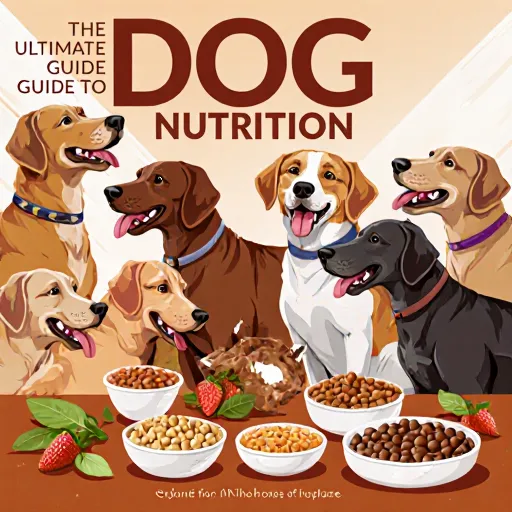
Unlock Your Dog's Health with Vet-Approved Nutrition Tips!
The Ultimate Guide to Dog Nutrition: What Vets Say
Table of Contents
- Introduction to Dog Nutrition
- Understanding Protein in a Dog's Diet
- The Role of Carbohydrates for Dogs
- Fats: Essential Fatty Acids for Your Pet
- Vitamins and Their Benefits to Dogs
- Minerals and Their Importance in Dog Nutrition
- Water: The Vital Nutrient
- The Impact of Obesity on Your Pet's Health
- Digestive Health and Probiotics for Dogs
- Common Diet Mistakes to Avoid
- Introducing New Foods to Your Dog's Diet
- Veterinarian Recommendations on Special Diets
- Conclusion: Prioritizing Your Pet's Nutrition
- Frequently Asked Questions (FAQ)
- Additional Resources for Dog Owners
Introduction to Dog Nutrition
The foundation of a healthy and happy dog lies in proper nutrition. Just as human diet plays a crucial role in our overall health, the same principle applies to dogs. Proper nutrition directly influences their energy levels, coat condition, immune system strength, and even mental well-being. Understanding what goes into your dog's food is essential for ensuring they receive all necessary nutrients without any harmful additives.
According to The Ultimate Guide to Dog Nutrition: What Vets Say, the key components of a balanced diet for dogs include high-quality protein sources such as chicken, turkey, or beef; complex carbohydrates like sweet potatoes and brown rice; healthy fats from fish oil or flaxseed; and essential vitamins and minerals. These nutrients are vital for maintaining muscle mass, supporting organ function, promoting bone density, and enhancing skin health.
Veterinarians recommend avoiding processed foods with excessive fillers and artificial preservatives that can contribute to digestive issues and other health problems in dogs over time. Instead, opt for whole-food diets rich in natural ingredients which are easily digestible by your pet's unique physiology. This approach aligns closely with the advice provided in The Ultimate Guide.
For instance, Dr. Sarah Thompson from Pet Health Insights states that "dogs thrive on a diet that mimics their wild ancestors." She advocates for raw diets or home-cooked meals prepared with fresh ingredients whenever possible. However, she also cautions about ensuring proper nutrition through supplementation when transitioning to these types of feeding regimens.
Another important aspect highlighted in The Ultimate Guide is the individuality of dogs' nutritional needs based on factors such as breed size, age, activity level, and health status. Small breeds may require different calorie intake compared to larger ones due to differences in metabolic rates. Senior dogs might need more joint-supporting nutrients like glucosamine while puppies demand higher protein content for growth spurts.
Practical advice from the book suggests conducting thorough research before making significant changes to your dog’s diet. Consulting with a veterinarian during this process ensures that you provide optimal nutrition tailored specifically for your pet's unique requirements. Regular check-ups allow monitoring of progress and adjustment as necessary throughout your dog's life cycle.
Understanding Protein in a Dog's Diet
Protein is one of the most crucial components when discussing a dog’s diet. It plays a pivotal role in maintaining muscle health, supporting overall growth and development, and aiding in recovery from injuries or illnesses. In the context of The Ultimate Guide to Dog Nutrition: What Vets Say, it's emphasized that protein quality and quantity are key factors in ensuring your pet thrives.
Importance of Quality Protein
Veterinarians stress the importance of high-quality proteins in a dog’s diet. High-quality sources include lean meats like chicken, turkey, fish, and eggs. These proteins contain essential amino acids that cannot be synthesized by dogs, such as methionine and cysteine, which are crucial for tissue repair and immune function.
Protein Quantity
The amount of protein a dog needs can vary depending on its age, breed, size, activity level, and overall health. For instance, puppies require more protein to support their rapid growth, while adult dogs may need less unless they're engaged in high-intensity activities like agility or herding.
Signs of Protein Deficiency
- Lackluster coat and skin issues
- Weakened muscles
- Increased susceptibility to infections
- Poor wound healing
It's important to monitor your dog for these signs. If you notice any, it might be worth reviewing the protein content in their diet.
Protein Sources to Avoid
Avoid feeding your dog low-quality or over-processed proteins like by-products or excessive amounts of grains. These can lead to digestive issues and may not provide the essential amino acids that dogs need.
Premium Dog Foods and Protein Content
Many premium dog foods are formulated with high-quality protein sources. Brands that emphasize whole meats, fish, or eggs as primary ingredients are generally preferred by veterinarians. Always look for food labeled as "complete and balanced" by the AAFCO (Association of American Feed Control Officials).
Practical Tips for Incorporating Protein
- Choose high-quality protein sources in your dog’s diet.
- Consult a veterinarian to determine the appropriate amount of protein based on your dog's needs.
- Rotate proteins occasionally to ensure a variety and avoid potential allergies or sensitivities.
Understanding the role of protein in your dog’s diet is crucial for maintaining their health. By focusing on quality protein sources and consulting with veterinarians, you can ensure that your pet receives optimal nutrition.
The Role of Carbohydrates for Dogs
Carbohydrates play a crucial role in the diet of dogs, as they provide essential energy and contribute to overall health. According to The Ultimate Guide to Dog Nutrition: What Vets Say, understanding the role of carbohydrates is vital for ensuring your dog receives balanced nutrition.
Carbohydrates are a primary source of energy for dogs, just like they are for humans. They help fuel daily activities and provide the necessary energy to maintain normal bodily functions. Dogs can metabolize carbohydrates efficiently, but it is important to choose high-quality sources that support overall health.
Dogs in nature primarily consume a diet rich in meat, which does not contain natural carbohydrates. However, modern dog foods often include added carbohydrates for several reasons: they are inexpensive, provide bulk, and enhance palatability of the food. Vets recommend that carbohydrate sources should be easily digestible to avoid digestive issues.
Some examples of high-quality carbohydrate sources suitable for dogs include sweet potatoes, peas, and oatmeal. These ingredients not only add essential nutrients but also contribute fiber, which aids in digestion and supports a healthy gut microbiome.
While carbohydrates are important for energy, an excess can lead to weight gain and other health issues. Dogs that consume diets high in processed carbs may be more prone to obesity, diabetes, and other metabolic disorders. Vets advise limiting refined carbohydrate intake and focusing on whole food sources.
- Read Labels Carefully: Look for ingredients that are whole foods like sweet potatoes or peas, rather than those listed as "fillers" like corn syrup or wheat by-products.
- Moderation is Key: Avoid overfeeding your dog carbohydrate-rich treats and snacks. Balance is crucial in maintaining a healthy diet.
- Vary the Diet: Incorporate different sources of carbohydrates to ensure a wide range of nutrients, including vitamins and minerals.
In conclusion, understanding the role of carbohydrates for dogs can help you make informed decisions about your pet's nutrition. By selecting high-quality carbohydrate sources and maintaining a balanced diet, you can support your dog's overall health and well-being.
Fats: Essential Fatty Acids for Your Pet
The importance of fats, particularly essential fatty acids, cannot be overstressed when it comes to pet nutrition. In "The Ultimate Guide to Dog Nutrition: What Vets Say," experts stress that these nutrients play a crucial role in maintaining your pet's overall health and well-being.
Essential fatty acids are fats the body cannot produce on its own, thus they must be obtained through diet. Two key essential fatty acids for pets are Omega-3 (EPA and DHA) and Omega-6 (linoleic acid). These fatty acids are vital for skin health, coat quality, joint function, and reducing inflammation.
- Skin Health: Studies in "The Ultimate Guide to Dog Nutrition" indicate that essential fatty acids can help reduce itching, dry skin, and flaking. They are known to improve the overall condition of your pet's skin.
- Coat Quality: Omega-3s have been shown to enhance the shine and thickness of a pet’s coat, making it look healthier and more vibrant.
- Joint Health: The guide suggests that omega-3 fatty acids can help reduce joint inflammation, which is beneficial for pets with arthritis or other mobility issues.
- Inflammation Reduction: Essential fatty acids play a key role in reducing chronic inflammation throughout the body. This is particularly important for pets prone to allergies and digestive issues.
Selecting the right fat source for your pet’s diet is crucial. The guide recommends sources such as fish oil, flaxseed oil, and chicken fat that are rich in essential fatty acids. These should be incorporated into a balanced diet to ensure optimal health.
To incorporate these fats effectively, it is advised to consult with your veterinarian for specific recommendations based on your pet’s age, breed, and any existing health conditions. Supplements may be necessary if the diet does not naturally provide sufficient essential fatty acids.
In summary, essential fatty acids are vital components of a pet's diet. By ensuring that these nutrients are present in your pet’s food, you can help maintain their health and vitality. Always refer to "The Ultimate Guide to Dog Nutrition" for the latest expert advice tailored to your specific pet.
Vitamins and Their Benefits to Dogs
The role of vitamins in a dog's diet is paramount for maintaining health and vitality. According to The Ultimate Guide to Dog Nutrition: What Vets Say, understanding the specific types of vitamins that are essential for dogs can greatly enhance their overall well-being.
Vitamin A is crucial for good vision, especially in low light conditions, and supports strong bones. It also plays a role in maintaining healthy skin and mucous membranes. Dogs require Vitamin A to help them fight off infections and maintain the health of their eyes. Deficiency can lead to poor vision, respiratory issues, and skin problems.
Food Sources: Carrots, sweet potatoes, spinach, and pumpkins are excellent sources of Vitamin A for dogs. However, it is important not to overfeed these vegetables as they also contain high levels of carbohydrates which can be problematic if consumed in excess.
Vitamin D helps regulate calcium absorption from the intestines and promotes bone health by enabling the body to absorb phosphorus. It is essential for proper nerve, muscle, and heart function as well.
Food Sources: Salmon, mackerel, and tuna are rich in Vitamin D. Sunlight exposure also helps dogs produce their own vitamin D, which makes it a vital part of their diet.
Vitamin E is an important antioxidant that protects cells from free radical damage. This includes the fats found within cell membranes, thus helping to protect your dog's brain and nervous system. It also supports immune function and helps heal wounds more quickly.
Food Sources: Sunflower seeds and almonds are high in Vitamin E. However, like with other vitamins, it is important not to overfeed these nuts as they can be harmful if consumed excessively.
Vitamin K is primarily known for its role in blood clotting. It helps your dog's body heal from injuries by ensuring that wounds stop bleeding and begin the healing process immediately after an injury or surgery.
Food Sources: Leafy green vegetables such as spinach, collard greens, and kale are rich sources of Vitamin K.
The B-vitamin family includes several vitamins that are essential for the production of energy from food. They also support healthy skin, nails, and coat in dogs. Each member has a specific function but collectively they play important roles in brain health, immune system function, and nervous system maintenance.
Food Sources: Meat like chicken or beef provides B-vitamins naturally. Fortified dog foods are also available if your pet is on a vegetarian diet or you prefer not to give meat products.
In conclusion, providing the right balance of vitamins through proper nutrition can significantly improve your dog's quality of life. Always consult with a veterinarian before making any changes to your dog's diet to ensure they receive all necessary nutrients without overindulgence in harmful components.
Minerals and Their Importance in Dog Nutrition
Minerals play a crucial role in maintaining the overall health and well-being of dogs. They are essential for various biological functions, including bone development, muscle function, nervous system regulation, and proper organ function. The Ultimate Guide to Dog Nutrition: What Vets Say emphasizes the importance of ensuring that your dog's diet includes all necessary minerals in appropriate quantities.
Types of Minerals
Dogs need different types of minerals for various functions:
- Calcium (Ca): Essential for bone and teeth development, muscle function, and nerve transmission. A deficiency can lead to weak bones or poor growth.
- Phosphorus (P): Works with calcium to support skeletal health and energy production. An imbalance between these minerals can cause issues like soft tissue calcification.
- Magnesium (Mg): Necessary for muscle contraction, nerve function, and maintaining a regular heartbeat. Insufficient magnesium can lead to muscle weakness or even seizures.
- Zinc (Zn): Important for skin health, wound healing, immune function, and proper growth in puppies.
- Copper (Cu): Aids in the formation of connective tissues and assists with iron metabolism. Copper deficiency can lead to anemia or skeletal issues.
- Sodium (Na), Potassium (K): These are electrolytes that help regulate fluid balance, nerve impulse transmission, and muscle contraction.
Sources of Minerals in Dog Food
Dogs require minerals from their diet. Here’s how you can ensure your dog gets the necessary minerals:
- Foods rich in calcium (Ca): Dairy products, green leafy vegetables like kale and collard greens.
- Phosphorus (P) sources: Meat, especially organs like liver or kidneys. Eggs are also a good source of phosphorus.
- Magnesium (Mg): Whole grains such as oats, bran, and wheat germ. Green vegetables are another excellent source.
- Zinc (Zn): Meat, especially red meats like beef or lamb; nuts, particularly pumpkin seeds.
- Copper (Cu): Organ meats, shellfish, and legumes can provide sufficient copper for your dog's diet.
- Sodium (Na) & Potassium (K): Salt is the primary source of sodium in most diets. Potassium is naturally found in fruits like bananas and vegetables such as potatoes.
Importance of Minerals for Health
The Ultimate Guide to Dog Nutrition: What Vets Say stresses that minerals are essential for several aspects of your dog's health:
- Bone and Dental Health: Calcium and phosphorus work together to form strong bones. Ensuring an adequate balance prevents issues like osteoporosis or weak joints.
- Muscle Function: Magnesium is vital for muscle contraction, helping prevent muscle cramps and ensuring proper movement.
- Nervous System Regulation: Minerals like potassium are crucial for maintaining nerve function. They help transmit signals between neurons and other cells in the body.
- Immune Function: Zinc plays a significant role in boosting your dog's immune system, helping it fight off infections more effectively.
Potential Risks of Mineral Deficiencies or Excesses
Both mineral deficiencies and excesses can pose serious health risks to dogs. Here’s what you need to watch out for:
- Calcium and Phosphorus Imbalance: An excess of phosphorus without sufficient calcium can lead to renal (kidney) disease or abnormal bone growth.
- Zinc Toxicity: Excessive zinc intake from unbalanced diets can cause severe health issues, including liver damage, skin problems, and gastrointestinal distress.
Promoting Balanced Mineral Intake in Your Dog's Diet
To ensure your dog gets the right amount of minerals, it is recommended to:
- Feed a commercial dog food that meets AAFCO (Association of American Feed Control Officials) standards. These foods are formulated by veterinarians and nutritionists.
- Consult with your vet before adding supplements to your dog's diet. Over-supplementation can lead to mineral imbalances or toxicity.
In conclusion, minerals are vital for your dog’s health and should be carefully considered in their diet. By providing a balanced diet rich in essential minerals, you set the foundation for a healthier and happier dog.
Water: The Vital Nutrient
In "The Ultimate Guide to Dog Nutrition: What Vets Say," it is emphasized that water plays a crucial role as the vital nutrient for dogs. Just like humans, dogs require an adequate amount of water to support their overall health and well-being. Water is not merely a beverage but a fundamental component in nearly every bodily function.
Water helps maintain the balance of body fluids, aiding in digestion, circulation, and waste elimination. Proper hydration supports joint lubrication, brain function, and temperature regulation. Dogs need to consume water that is clean and fresh at all times. Dehydration can lead to severe health issues, including kidney problems and even death.
The amount of water a dog needs depends on its size, activity level, environment, and diet. Generally, adult dogs should consume about one ounce of water per pound of body weight daily. However, this can vary based on factors such as exercise intensity or the weather. Dogs in hot climates or those engaged in vigorous activities might need more water.
- Dry mouth and nose
- Lack of energy or lethargy
- Loss of appetite
- Dark urine
- Increased heart rate
To ensure dogs stay hydrated, it's important to make water readily available. Here are some practical tips:
- Provide Clean and Fresh Water: Change the water frequently and use clean containers free from any contaminants.
- Incorporate Hydration into Meals: Add a small amount of water to dry food or serve wet foods that are naturally higher in moisture content.
- Promote Playtime: Encourage physical activity, which can increase the dog's need for hydration.
While dehydration is a concern, overhydration should also be monitored. Conditions like water toxemia or hyponatremia can occur if too much water is consumed in a short period. This condition, often seen in fast eaters and breed-specific conditions, dilutes the concentration of electrolytes in the body.
In conclusion, "The Ultimate Guide to Dog Nutrition: What Vets Say" underscores the importance of water as a vital nutrient for dogs. Ensuring your dog has access to clean and fresh water is not just about thirst but about supporting overall health, preventing serious conditions, and enhancing their quality of life.
The Impact of Obesity on Your Pet's Health
The impact of obesity on your pet’s health cannot be overstated. In "The Ultimate Guide to Dog Nutrition: What Vets Say," veterinarians emphasize that excess weight significantly affects a dog’s overall well-being, leading to various health issues and reducing their lifespan.
Common Health Issues Caused by Obesity
- Respiratory Problems: Obese pets often have more difficulty breathing, especially during exercise or even while resting. This can lead to chronic respiratory conditions that require ongoing veterinary care.
- Joint and Musculoskeletal Disorders: Excess weight puts additional pressure on a dog’s joints and bones, increasing the risk of arthritis and other musculoskeletal issues. Vets recommend maintaining an optimal body weight as one of the best ways to prevent these conditions.
- Digestive Problems: Obesity can lead to digestive disorders such as constipation, diarrhea, and reduced appetite due to compromised organ function.
Economic Impact on Pet Owners
The cost of treating obesity-related conditions is a significant financial burden for pet owners. According to "The Ultimate Guide," managing these health issues often requires specialized diets, medication, and increased veterinary visits, all of which can add up quickly.
Preventative Measures
To prevent obesity in dogs, veterinarians suggest several practical steps:
- Balanced Diet: Feed your dog a high-quality, balanced diet that meets all their nutritional needs.
- Regular Exercise: Incorporate daily walks and playtime to ensure your dog gets enough physical activity. This not only helps with weight management but also improves mental health.
- Portion Control: Avoid overfeeding, especially table scraps or treats that can quickly add extra calories to their diet.
Conclusion
In conclusion, obesity in pets is a serious health concern that requires proactive management. By understanding the risks and implementing preventive measures, pet owners can significantly improve their dog’s quality of life and longevity. As "The Ultimate Guide to Dog Nutrition" clearly outlines, prioritizing your pet’s diet and exercise regimen is crucial for maintaining optimal health.
Digestive Health and Probiotics for Dogs
In the quest for optimal health, many pet owners are turning their attention to digestive health and probiotics for dogs. Digestive health is crucial for overall well-being as a healthy gut microbiome supports nutrient absorption, immune function, and even behavior. The connection between diet and gastrointestinal health cannot be overstated, as it directly impacts your dog's quality of life.
Understanding Probiotics
Probiotics are live microorganisms that provide numerous benefits when consumed in adequate amounts. For dogs, probiotics help maintain a healthy balance of gut flora by promoting the growth of beneficial bacteria such as Lactobacillus and Bifidobacterium. These beneficial bacteria play a key role in supporting digestive health, enhancing nutrient absorption, and fostering a robust immune system.
Common Signs of Digestive Discomfort
- Diarrhea: Persistent or frequent loose stools can indicate an imbalance in gut flora.
- Gas or Flatulence: Excessive gas may suggest poor digestion and fermentation processes within the digestive tract.
- Constipation: Infrequent or difficult bowel movements are another sign of digestive distress.
- Vomiting: Repeated vomiting can lead to dehydration and nutrient deficiencies, necessitating immediate attention.
The Role of Probiotics in Pet Nutrition
According to The Ultimate Guide to Dog Nutrition: What Vets Say, probiotics are often recommended for dogs experiencing digestive issues. Vet experts stress the importance of introducing live cultures into a dog's diet through food or supplements to promote gut health. A healthy balance of beneficial bacteria can help alleviate symptoms such as diarrhea and constipation.
Choosing the Right Probiotic Supplement
Selecting the right probiotic supplement is crucial for ensuring your dog receives the necessary benefits. It's essential to choose a product that contains strains of bacteria suitable for dogs, such as those found in Optibac or Just Health Pet Products. These products are specifically formulated with canine digestive needs in mind, making them more effective than human-grade supplements.
Practical Tips for Incorporating Probiotics into Your Dog's Diet
- Consult a Veterinarian: Always consult your vet before introducing any new supplement or dietary change to ensure it is safe and appropriate for your dog.
- Read Labels Carefully: Look for supplements that contain specific strains of bacteria known to benefit dogs, such as L. acidophilus and B. lactis.
- Incorporate Gradually: Start by mixing a small amount of probiotic into your dog's food gradually over several days to minimize the risk of digestive upset.
By focusing on digestive health and incorporating probiotics into your dog’s diet, you can help support their overall well-being. Remember that a balanced diet rich in fiber and low in processed ingredients is key to maintaining gut health. Always prioritize quality over quantity when selecting supplements or foods for your pet.
Common Diet Mistakes to Avoid
When it comes to feeding your dog, it's easy to fall into some common diet mistakes. These pitfalls can lead to health issues and may not provide the balanced nutrition your furry friend needs. According to The Ultimate Guide to Dog Nutrition: What Vets Say, here are some of the most prevalent errors pet owners make when preparing their dogs' meals:
1. Feeding Table Scraps
Dogs love table scraps, but feeding them leftovers from your plate can lead to a number of health problems. Some human foods like chocolate, onions, and garlic are toxic to dogs, while others such as fatty meats or greasy foods can cause gastrointestinal upset. The guide emphasizes that it's important to avoid giving your dog any food meant for humans without consulting with a veterinarian first.
2. Overfeeding Dry Food
Dry kibble is convenient and often recommended, but overfeeding it can lead to obesity in dogs. Obesity increases the risk of conditions such as diabetes, joint problems, and heart disease. The guide suggests monitoring your dog's weight regularly and adjusting the amount of dry food accordingly to ensure they receive a balanced diet.
3. Not Providing Enough Variety
A steady diet of just one type of food can lead to nutritional deficiencies over time, particularly if that diet lacks certain vitamins or minerals essential for your dog's health. The guide recommends rotating different types of high-quality dry and wet foods regularly to ensure your dog receives a balanced intake.
4. Skipping Vet-Specific Diets
If your dog has special dietary needs due to medical conditions such as allergies, kidney disease, or arthritis, it's crucial not to ignore the importance of following veterinarian-recommended diets. These specialized foods are formulated specifically for managing these health issues and can greatly improve your pet's quality of life.
5. Giving Too Much Treats
Treats should be given as a small part of your dog's diet, not the main course. Excessive treats can contribute to obesity and dental problems. The guide advises that any treat you give your dog should complement their regular meal rather than replace it entirely.
By avoiding these common mistakes in feeding your dog, you can help ensure they receive proper nutrition essential for a healthy life. Remember, the key is to provide balanced meals with variety and always consult with a veterinarian when making significant changes to your pet's diet.
Introducing New Foods to Your Dog's Diet
When considering a change to your dog’s diet, introducing new foods can be an exciting but challenging task. The Ultimate Guide to Dog Nutrition: What Vets Say emphasizes the importance of gradual and careful transitions to ensure that your pet remains healthy and happy during dietary changes. Here are some key points and practical advice based on this guide:
The first step in introducing new foods is understanding what your dog needs nutritionally. Dogs require a balanced diet that includes essential nutrients such as protein, fats, carbohydrates, vitamins, and minerals. Each of these plays a crucial role in maintaining your pet’s overall health.
- Protein: Essential for muscle development and repair.
- Fats: Provide energy and support skin and coat health.
- Vitamins & Minerals: Aid in various bodily functions including bone growth, immune system function, and red blood cell production.
The Ultimate Guide to Dog Nutrition stresses the importance of transitioning gradually. A sudden change can lead to digestive issues or even more severe health problems like pancreatitis. A typical transition period is around 7-10 days, but this should be adjusted based on your dog's specific needs and tolerance.
Steps for a Gradual Transition:
- Mix the new food with the current diet in small proportions. Start by mixing 25% of the new food with 75% of the old one.
- Increase the proportion of new food gradually over several days until you reach 100% of the new diet.
- Monitor your dog's behavior and health during this period. If any signs of digestive upset occur, such as vomiting or diarrhea, revert back to the previous mix temporarily.
When choosing new foods for your dog’s diet, it is important to consider quality, variety, and appropriateness. Consulting with a veterinarian can provide valuable insights into what might be best suited for your specific breed or health conditions.
- Quality: Look for high-quality pet food brands that use fresh ingredients.
- Variety: Rotating different types of foods in the diet can provide essential nutrients and keep meals interesting.
- Adequacy: Ensure that the new food meets your dog's nutritional requirements as recommended by a vet or nutritionist.
The Ultimate Guide highlights common pitfalls pet owners make when introducing new foods, such as offering too much variety too quickly or ignoring the importance of hydration. Here are some tips to avoid these mistakes:
- Avoid switching diets frequently, which can disrupt your dog's digestive system.
- Ensure that all changes are made in accordance with a vet’s advice if your dog has any health conditions or is on specific medication.
- Make sure to provide fresh water at all times; hydration is crucial during dietary transitions.
Introducing new foods to your dog's diet can be a rewarding experience, but it requires careful planning and execution. By following the advice outlined in The Ultimate Guide to Dog Nutrition: What Vets Say, you can ensure that these changes are beneficial for your pet’s long-term health and well-being.
Veterinarian Recommendations on Special Diets
According to "The Ultimate Guide to Dog Nutrition: What Vets Say," veterinarians often recommend special diets for dogs with specific health conditions or sensitivities. These recommendations are based on a thorough understanding of canine nutritional needs and the impact that certain ingredients can have on a dog's health.
Diets for Dogs with Food Sensitivities
Veterinarians frequently recommend hypoallergenic diets for dogs with food sensitivities. These diets are formulated to minimize the risk of allergic reactions by using unique protein sources, such as novel proteins like lamb or kangaroo, which are less likely to trigger an immune response in sensitive dogs. Brands like Hill's Science Diet and Purina Pro Plan have successfully introduced these options into their product lines.
Diets for Dogs with Digestive Issues
Dogs suffering from digestive issues may benefit from a low-residue diet, which is lower in fiber to reduce the strain on the digestive system. These diets are rich in easily digestible proteins and fats but minimal in carbohydrates. For instance, veterinarians often recommend Hills Prescription Diet z/d for dogs with inflammatory bowel disease (IBD) or other gastrointestinal issues.
Diets for Obesity Management
A calorie-restricted diet is a common recommendation for overweight dogs. This involves selecting lower-calorie foods and ensuring that the dog receives adequate physical activity. Veterinarians advocate for gradual weight loss to prevent health risks associated with rapid weight reduction. Brands like Royal Canin have specialized formulas designed specifically for obesity management.
Diets for Senior Dogs
Senior dogs require diets that are lower in calories but still provide essential nutrients. These diets often focus on joint support, cognitive function, and kidney health, which can decline with age. For example, Purina Beyond and Hills Science Diet have developed formulas tailored to the nutritional needs of senior dogs.
Practical Advice for Parents
- Consult a Veterinarian: Always consult your veterinarian before switching your dog's diet. A professional can provide personalized recommendations based on your dog's specific health condition or age.
- Monitor Your Dog: Keep an eye on your dog’s behavior and weight while on the new diet. If you notice any changes in appetite, energy levels, or physical condition, consult your veterinarian immediately.
- Transition Gradually: When introducing a new diet, do so gradually over a period of 7-10 days to allow your dog’s digestive system time to adjust.
In conclusion, veterinarians play a crucial role in recommending special diets that can significantly improve a dog's health and well-being. By following their advice and maintaining a healthy diet tailored to your pet’s needs, you can ensure your dog leads a long, happy life.
Conclusion: Prioritizing Your Pet's Nutrition
Prioritizing your pet’s nutrition is a critical aspect of ensuring their overall health and well-being. In The Ultimate Guide to Dog Nutrition: What Vets Say, veterinarians emphasize that proper nutrition plays a pivotal role not only in maintaining a dog's physical health but also in promoting mental health and longevity.
When selecting the best food for your pet, it is essential to consider several factors. First, consult with a veterinarian or a canine nutritionist to determine the specific dietary needs of your dog based on their breed, age, size, and activity level. For instance, puppies require different nutrients compared to adult dogs, while senior dogs may benefit from diets rich in antioxidants and joint-supporting ingredients.
High-quality protein is crucial for muscle development and repair. Foods like chicken, turkey, and fish are excellent sources of lean proteins that can be easily digested by most dogs. However, it’s important to monitor your dog's reaction to these proteins to avoid potential allergies or sensitivities. In some cases, plant-based proteins such as lentils and chickpeas can serve as an alternative source for vegetarians.
Fiber is another essential component of a balanced diet. It aids in digestion by promoting regular bowel movements and preventing issues like constipation. However, excessive fiber intake could lead to nutrient deficiencies if it absorbs too many water-soluble vitamins during digestion. A moderate amount of fiber can be found in whole grains such as brown rice, barley, and oats.
Vitamins and minerals are also vital for your dog’s health. Vitamins like Vitamin E and C act as antioxidants that help protect cells from damage caused by free radicals. Minerals such as calcium and phosphorus support bone development and overall skeletal health. A balanced diet should include a variety of vegetables and fruits to ensure the intake of essential vitamins and minerals.
Water is often overlooked but plays a crucial role in maintaining your dog's hydration levels. Dogs need at least one ounce of water per pound of body weight daily, which can be increased based on activity level and environmental factors such as temperature or humidity. Ensure that fresh water is always available to your pet by using multiple bowls strategically placed around the house.
Finally, it’s important to monitor your dog's eating habits closely. Signs of poor nutrition might include dull coat, lackluster energy levels, frequent vomiting, and diarrhea. If you notice any of these symptoms, consult with a veterinarian immediately for personalized advice tailored to your pet's needs. By prioritizing proper nutrition early on, you can set the foundation for a long and healthy life for your beloved dog.
Frequently Asked Questions (FAQ)
Here are some of the most common questions pet owners have regarding dog nutrition, as detailed in "The Ultimate Guide to Dog Nutrition: What Vets Say."
1. How important is diet for a dog's overall health?
Diet plays a crucial role in maintaining your dog’s health and well-being. Proper nutrition not only supports growth, development, and energy levels but also helps prevent chronic diseases such as diabetes, obesity, and heart disease.
2. What should I look for in dog food?
When selecting a dog food, prioritize quality ingredients over fancy packaging claims. Look for foods that list meat as the primary ingredient rather than fillers like corn or soy. Check for foods with whole grains and minimal additives.
3. Can dogs eat people food?
While some human foods are safe for dogs, it's essential to be cautious about what you feed them. For example, chocolate is toxic to dogs, while grapes and raisins can cause kidney failure. Always consult with a vet before introducing new foods into your dog’s diet.
4. What are the signs of poor nutrition in dogs?
Symptoms of poor nutrition include dull coat, weight loss or gain, digestive issues like diarrhea or constipation, and lethargy. If you notice any of these signs, it's important to review your dog’s diet with a veterinarian.
5. How often should I change my dog’s food?
The frequency of changing your dog’s food can vary depending on the brand and formulation of the food. However, it is generally recommended to consult with your vet before making any changes to avoid digestive upset or nutritional imbalances.
6. Are there specific dietary needs for puppies?
Puppies have higher energy requirements due to their rapid growth. Their diet should be rich in protein, fat, and essential vitamins and minerals. Transitioning from puppy food to adult dog food during the appropriate age is crucial.
7. Can dogs eat vegetables?
Yes, many vegetables can be safe for dogs when fed in moderation. Vegetables like carrots, green beans, and peas are great choices as they provide vitamins and fiber without being harmful. However, avoid feeding raw onions or garlic to your dog as they can cause anemia.
8. How do I know if my dog is getting too much or too little of certain nutrients?
Signs that a dog may be deficient in essential nutrients include poor coat quality, weakness, and frequent infections. On the other hand, signs of over-nutrition can include obesity and related health issues like joint problems. Regular vet check-ups are important for monitoring your dog’s nutritional status.
9. What should I do if my dog stops eating?
If your dog suddenly stops eating, it could be due to various reasons such as stress or illness. In any case, consult a veterinarian immediately to rule out underlying health conditions that may require treatment.
10. Can dogs eat raw bones?
While some veterinarians recommend feeding raw bones for their dental benefits, there are risks involved such as choking or gastrointestinal blockages. Always supervise your dog when they have access to bones and consider alternatives if you want to keep them safe.
Additional Resources for Dog Owners
The journey of understanding and providing optimal nutrition for your pet can be extensive, but it is undoubtedly essential. In "The Ultimate Guide to Dog Nutrition: What Vets Say," you'll find a wealth of information that can help you navigate the complexities of canine diet. This guide emphasizes the importance of knowing what dogs need based on their age, breed, health condition, and activity level. Here are some additional resources to deepen your knowledge:
1. Vet-Approved Diets
- Science Diet by Hill's: This diet is formulated based on the latest scientific research to meet the nutritional needs of dogs at various life stages, including puppy growth, adult maintenance, and senior care.
- Hill’s Prescription Diets: Specialized formulas for managing specific medical conditions such as kidney disease, heart health, and digestive issues.
2. Homemade Dog Food Recipes
For those opting to prepare meals at home, there are several resources available to ensure the diet is balanced:
- Nutricost.com: Offers a variety of recipes for homemade dog food that are both nutritious and delicious.
- PetMD: Provides expert advice on creating home-cooked meals suitable for different life stages, with tips to avoid common mistakes.
3. Interactive Tools
Online tools can help you create personalized feeding plans based on your dog's specific needs and preferences:
- Furbo: An app that calculates the exact amount of food needed for dogs, ensuring no overfeeding or underfeeding.
- Nutritional Needs Calculator: A tool provided by veterinarians to help you determine your dog's daily caloric requirements and nutrient intake.
4. Educational Articles and Videos
Stay updated on the latest trends in canine nutrition through informative articles and videos:
- Cesar Millan’s Dog Training Blog: Cesar Millan, known for his expertise in dog training, often discusses the importance of proper diet.
- VetVillage: Offers a library of articles and videos covering various aspects of pet care, including nutrition, behavior, and health.
Remember, each dog is unique, and what works for one might not work for another. Always consult with a veterinarian to ensure that your dog's diet is tailored to its specific needs. The Ultimate Guide to Dog Nutrition: What Vets Say serves as an excellent starting point, but these additional resources can provide more in-depth insights.
Categories
- AI & Enrichment Play
- Broiler Farming
- Broiler Farming Tips
- Canine Wellness & Longevity
- Cat
- Cat & Human Connection
- Cat Adoption & Rescue
- Cat Breeds
- Cat Breeds & Personalities
- Cat Care & Health
- Cat Grooming & Hygiene
- Cat Lifestyle & Environment
- Cat Myths & History
- Cat Nutrition & Diet
- Cat Products & Reviews
- Cat Training & Behavior
- Comparison
- Consumer Awareness
- Dog
- Dog Accessories & Products
- Dog Adoption & Rescue
- Dog Breed & Lifestyle Trends
- Dog Breeding & Puppies
- Dog Entertainment & Media
- Dog Fashion & Trends
- Dog Fun & Lifestyle
- Dog Grooming & Hygiene
- Dog History & Culture
- Dog Myths, Science & Future Tech
- Dog News & Trends
- Dog Nutrition & Food
- Dog Psychology & Emotions
- Dog Safety & Security
- Dog Sports & Activities
- Dog Technology & Innovation
- Dog Training for Modern Owners
- Dog Travel & Adventure
- Dog Travel, Adventure & Culture
- Economic and Market Insights
- Educational Content
- FAQs
- Feeding Alternatives
- Festivals & Seasonal Ideas
- Fun & Entertainment
- General Knowledge
- General Pig Farming
- Health & Disease Management
- Housing and Environment
- Kittens
- Market Insights
- Miscellaneous
- Miscellaneous
- Motivational
- pig
- Pig Breeding
- Pig Breeds
- Pig Farming Stories and Inspiration
- Pig Health and Care
- Pig Nutrition
- Pig Products
- Profitability & Business
- Puppy Care
- Puppy Predictable Topics Reinvented
- Regional Focus
- Rescue & Adoption Buzz
- Senior Cats
- Senior Dog Care
- Smart Dog Tech & Gadgets
- Sustainability
- Sustainable & Eco-Friendly Dog Products
- Tech & Innovations
- Working & Service Dogs
- Broiler Feed66 products
- Country Feed33 products
- Pig Feed66 products
- Product22 products
- Raw Materials99 products
Products
-
 Fish Meal
₹1,999.00 – ₹2,999.00Price range: ₹1,999.00 through ₹2,999.00Rated 0 out of 5
Fish Meal
₹1,999.00 – ₹2,999.00Price range: ₹1,999.00 through ₹2,999.00Rated 0 out of 5 -
 FATTENING BROILER FEED
₹2,299.00 – ₹2,349.00Price range: ₹2,299.00 through ₹2,349.00Rated 0 out of 5
FATTENING BROILER FEED
₹2,299.00 – ₹2,349.00Price range: ₹2,299.00 through ₹2,349.00Rated 0 out of 5 -
 LAYER COUNTRY FEED
₹1,549.00 – ₹1,649.00Price range: ₹1,549.00 through ₹1,649.00Rated 0 out of 5
LAYER COUNTRY FEED
₹1,549.00 – ₹1,649.00Price range: ₹1,549.00 through ₹1,649.00Rated 0 out of 5 -
 COUNTER BROILER FEED
₹1,199.00 – ₹1,299.00Price range: ₹1,199.00 through ₹1,299.00Rated 0 out of 5
COUNTER BROILER FEED
₹1,199.00 – ₹1,299.00Price range: ₹1,199.00 through ₹1,299.00Rated 0 out of 5 -
 LACTATING PIG FEED
Rated 0 out of 5
LACTATING PIG FEED
Rated 0 out of 5₹2,299.00Original price was: ₹2,299.00.₹1,740.00Current price is: ₹1,740.00. -
 Maize
Rated 0 out of 5
Maize
Rated 0 out of 5₹1,650.00Original price was: ₹1,650.00.₹1,300.00Current price is: ₹1,300.00. -
 GESTATION PIG FEED (Phase 1)
Rated 0 out of 5
GESTATION PIG FEED (Phase 1)
Rated 0 out of 5₹2,249.00Original price was: ₹2,249.00.₹1,699.00Current price is: ₹1,699.00. -
 Pre Starter Broiler Feed
₹2,399.00 – ₹2,499.00Price range: ₹2,399.00 through ₹2,499.00Rated 0 out of 5
Pre Starter Broiler Feed
₹2,399.00 – ₹2,499.00Price range: ₹2,399.00 through ₹2,499.00Rated 0 out of 5 -
 FINISHER PIG FEED
Rated 0 out of 5
FINISHER PIG FEED
Rated 0 out of 5₹2,299.00Original price was: ₹2,299.00.₹1,749.00Current price is: ₹1,749.00. -
 Broiler Premix
Rated 0 out of 5
Broiler Premix
Rated 0 out of 5₹820.00Original price was: ₹820.00.₹699.00Current price is: ₹699.00.