
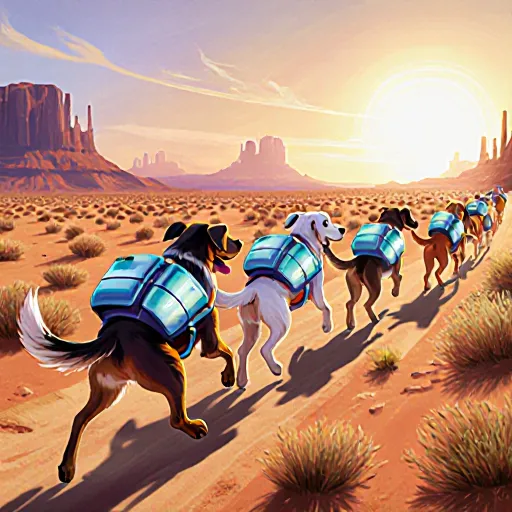
Hydrate Like a Hero – Dog Edition!
Thirsty Trailblazers: Dogs’ Ultimate Hydration Blueprint
Table of Contents
- Introduction
- Importance of Hydration
- Signs of Dehydration
- Daily Water Needs
- Outdoor Exercise Tips
- Indoor Exercise Tips
- Cooling Methods
- Supplements & Electrolytes
- Food Sources of Hydration
- Travel & Hiking Considerations
- Grooming & Hygiene Practices
- Monitoring Health and Hydration Levels
- Special Populations (Puppies, Seniors)
- When to Seek Veterinary Advice
- Conclusion
- FAQ
Introduction
Keeping your dog properly hydrated is essential, especially when they’re engaged in vigorous activities such as running, hiking, or playing fetch. Dehydration can lead to heatstroke, reduced performance, and long‑term health issues. Below are practical strategies, real‑world examples, and expert-backed advice to ensure your four‑legged friend stays refreshed and healthy.
1. Know the Signs of Proper Hydration
- Wet nose & clear eyes: A healthy dog’s nose is moist and slightly tacky, while their eyes appear bright and free of discharge.
- Skin elasticity test: Gently lift the skin at the back of your dog’s neck. If it snaps back quickly, hydration levels are adequate; if it stays up for a few seconds, encourage drinking.
- Energy & coordination: A well‑hydrated dog maintains steady gait and shows enthusiasm during play.
2. Water Access Strategies
- Multiple water stations: During long walks or hikes, place portable bowls in several spots to reduce travel distance for thirsty pups.
- Use a collapsible bowl: Lightweight and easy to carry, these bowls can be filled on the go. Example: The KONG Water Bowl folds flat and expands when water is added.
- Water dispenser collars: For dogs that drink quickly or are prone to spillage, a collar‑mounted water bottle keeps fluids within reach.
3. Timing Matters
Plan hydration breaks based on temperature and activity intensity.
- Every 15–20 minutes in heat: Even a short break can prevent overheating.
- After every mile of running: A quick sip restores electrolytes lost through sweat.
- Before and after exercise: Encourage drinking pre‑activity to prime hydration stores, and post‑activity for replenishment.
4. Electrolyte Replacement
Regular water is often insufficient during high‑intensity sessions because it lacks electrolytes. Consider the following:
- Commercial dog electrolyte solutions: Brands like Pedialyte for Dogs or Pet Hydration Gel are formulated to match canine needs.
- Homemade options: Mix 1 cup of low‑sodium chicken broth with a pinch of salt and a splash of water. Always avoid onions, garlic, or excessive salt.
- Ice cubes with electrolytes: Freeze electrolyte solution into ice trays; dogs will chew on them for both hydration and a cooling treat.
5. Monitor Weather Conditions
Heat index, humidity, and wind speed influence how quickly your dog sweats and loses fluids.
| Condition | Hydration Strategy |
|---|---|
| High heat (>85°F) | Carry extra water, use shaded routes, and consider shorter runs. |
| High humidity | Provide more frequent breaks; avoid peak midday hours. |
| Windy conditions | Use windbreaks or choose calmer paths to reduce sweat loss. |
6. Special Considerations for Different Breeds
- Short‑haired breeds (e.g., Greyhound, Jack Russell): Sweat through paw pads; ensure they have cool surfaces to rest on.
- Long‑haired or thick‑coated breeds (e.g., Afghan Hound, Poodle): Sweating is limited; rely more on water intake and shaded areas.
- Large, heavy dogs (e.g., Great Dane, Mastiff): Their larger body mass requires higher fluid volumes—monitor closely for signs of overexertion.
7. Practical Checklist Before a Long Day Out
- Fill at least one large water bottle (≥1 L).
- Pack collapsible bowls and electrolyte tablets or gels.
- Carry a small cooler for ice cubes.
- Check the dog’s coat, paws, and ears for signs of heat stress.
- Plan route with rest stops every 1–2 miles.
8. When to Seek Veterinary Help
If your dog shows symptoms such as excessive panting, lethargy, vomiting, or seizures after activity, contact your vet immediately. Early intervention can prevent serious complications from dehydration or heatstroke.
By integrating these hydration strategies into your routine, you’ll help your active canine maintain peak performance and overall well‑being—no matter how far the trail or how high the finish line.
Importance of Hydration
For an active dog, staying properly hydrated is not just a comfort—it’s a cornerstone of health and performance. Dehydration can lead to rapid muscle fatigue, impaired thermoregulation, reduced cardiovascular efficiency, and in severe cases, heatstroke or organ failure. By ensuring your pup has constant access to clean water and by following targeted hydration strategies during exercise, you safeguard both their immediate well‑being and long‑term fitness.
Why Water Matters for Active Dogs
- Temperature Control: Sweat glands are minimal in dogs; they rely on panting and evaporation from the tongue to cool down. Adequate fluid intake supports this cooling mechanism.
- Muscle Function: Water is essential for transporting nutrients, electrolytes, and oxygen to working muscles. Even a 2–3 % drop in body water can reduce endurance by up to 20 %.
- Nutrient Transport & Waste Removal: Blood flow carries amino acids and glucose to the muscle fibers while removing lactic acid and metabolic waste.
- Cognitive Performance: Hydration levels influence a dog’s focus, reaction time, and overall mental acuity during training or play.
Practical Hydration Tips for Active Dogs
- Always Carry Fresh Water:
Whether you’re on a trail run, a long‑distance jog, or a casual walk in the park, bring a collapsible bowl or water bottle. For dogs that love to drink from running water, a small portable fountain can be a great motivator.
- Use Electrolyte-Enhanced Drinks (When Needed):
For activities lasting longer than an hour—especially in hot or humid climates—a commercial dog electrolyte solution (e.g., Pedialyte for dogs, or homemade mixes of water with a pinch of sea salt and a bit of low‑sodium broth) can replenish sodium, potassium, and chloride lost through panting.
- Schedule Breaks Strategically:
Plan hydration stops every 15–20 minutes during high‑intensity sessions. Use these breaks to also give your dog a chance to cool down and stretch.
- Monitor Body Condition & Urine Color:
- A bright yellow urine indicates adequate hydration; pale or clear urine may signal over‑hydration, while dark amber suggests dehydration.
- Check your dog’s skin elasticity—lift the skin at the base of the tail. It should snap back quickly if well hydrated.
- Adjust Water Intake for Weather & Activity Level:
In cooler weather, dogs may drink less; in hot or humid conditions, they’ll need more. Use a simple rule: add an extra 0.5–1 oz of water per pound of body weight for each hour spent exercising above moderate intensity.
- Use Cooling Vests & Mats:
These devices can reduce the need for excessive panting and help maintain core temperature, indirectly supporting hydration by lowering sweat‑induced fluid loss.
- Post‑Exercise Rehydration:
After a workout, offer water immediately. For vigorous sessions, consider a small snack with high water content (e.g., diced cucumber or a few slices of watermelon—ensure no seeds). This helps restore electrolytes and encourages drinking.
- Train Your Dog to Drink on Command:
Use treats or praise to reinforce the behavior of drinking when offered. A well‑trained dog will be more likely to take a sip during an active session.
Signs Your Active Dog Needs Immediate Attention
- Pale gums, lethargy, or rapid breathing after activity.
- Severe sunburn on the ears, nose, or belly—indicative of overheating.
- Collapse or seizures during exercise (possible heatstroke).
By integrating these hydration strategies into your dog’s routine, you’ll not only enhance their performance but also protect them from preventable health risks. Remember: a well‑hydrated pup is a happy, healthy, and energetic companion.
Signs of Dehydration
Even the most active dogs can become dehydrated during intense play or in hot weather. Spotting early signs is essential so you can intervene before serious health issues arise.
Common Physical Indicators
- Dry, tacky gums: Gums that feel sticky or do not return to pink within a second may signal dehydration.
- Poor skin elasticity: Pinch the skin at the back of the neck. If it takes more than 2–3 seconds to snap back, your dog is likely dehydrated.
- Sunken eyes or ear canals: Noticeable hollowness can be a red flag.
- Lethargy or reluctance to move: A normally energetic pup that suddenly becomes sluggish may need fluids.
- Poor appetite and decreased thirst: If your dog refuses water or treats, it’s time for a check‑up.
Behavioral Clues
Dogs often communicate discomfort in subtle ways. Look out for:
- Pacing or restlessness during exercise sessions.
- Drooling more than usual, especially when water isn’t available.
- Frequent licking of paws or mouth.
- Increased vocalization or whining after a workout.
When to Seek Veterinary Care
If you observe any of the following, contact your vet immediately:
- Rapid breathing or heart rate (greater than 120 breaths per minute).
- Vomiting or diarrhea that lasts more than 24 hours.
- Collapse or seizures during or after exercise.
- Signs of heat stroke: excessive panting, bright red gums, and a body temperature above 104°F (40°C).
Preventive Hydration Tips for Active Dogs
Keeping your dog well‑hydrated is easier than you think. Try these strategies:
- Water stations: Place multiple shallow bowls around the yard or during walks.
- Portable water bottles: Use collapsible bottles that attach to leashes for hiking adventures.
- Ice cubes in treats: Freeze small pieces of apple, yogurt, or low‑sodium broth and give them as a cooling reward.
- Electrolyte solutions: Add dog‑safe electrolyte powders to water during prolonged play sessions.
- Timing exercise: Schedule walks before the hottest part of the day (early morning or late evening).
Case Study: A Backyard Sprinter
Buddy, a 4‑year‑old Border Collie, loves chasing tennis balls in the summer. After a 30‑minute sprint on hot asphalt, his owner noticed his gums were tacky and he paced restlessly. Buddy was immediately offered water from a collapsible bottle, which helped him recover within an hour. The next day, the owner added ice cubes to his treat bag and scheduled walks for early morning—Buddy’s hydration remained stable throughout the season.
Daily Water Needs
Active dogs burn more calories and sweat through their paws, so they require more water than a sedentary pet. Below is a practical guide to help you determine how much water your energetic companion needs each day.
- Base Calculation: A general rule of thumb is that an active dog should drink about 1–2 ounces per pound of body weight daily. For example, a 30‑lb terrier might need 30–60 oz (roughly 0.9–1.8 L) of water each day.
- Add the Activity Factor: Multiply the base amount by an activity factor:
- Light play: ×1.2
- Moderate exercise (30‑60 min daily): ×1.5
- Intense training or long hikes (>90 min): ×2.0–2.5
- Consider the Environment: Hot or humid climates increase water needs. In extreme heat, add an extra 10–15% to your calculation.
Practical Tips for Keeping Your Dog Hydrated
- Multiple Water Stations: Place shallow bowls at several points around the yard or during walks so your dog can drink easily.
- Use a Travel Water Bottle: Many pet owners carry a collapsible water bottle with a built‑in bowl attachment. This is essential for hikes, beach days, or long runs.
- Add Ice Cubes: For hot days, freeze a few ice cubes in the dog’s bowl to keep the water cool and encourage drinking.
- Monitor Urine Color: Light yellow urine indicates adequate hydration; dark amber suggests dehydration. Adjust intake accordingly.
- Incorporate Wet Food or Broth: Adding a splash of low‑sodium chicken broth to dry kibble can increase fluid intake without extra water bowls.
Signs Your Dog Needs More Water
• Dry, sticky gums
• Decreased appetite or sudden weight loss
• Lethargy or sluggishness after exercise
• Pale or reddish skin in the inner ear lining
By following these guidelines and paying close attention to your dog’s behavior, you can ensure that even the most active pups stay properly hydrated and healthy.
Outdoor Exercise Tips
When your dog is out on a run, hike, or simply playing fetch in the sun, staying hydrated is just as important as keeping them warm and safe. Dehydration can lead to heatstroke, lethargy, and even kidney issues if not addressed promptly.
1. Offer Water Frequently
- Plan ahead: Carry a collapsible water bowl or a portable hydration pack for your dog.
- Frequent sips: Encourage your dog to drink every 10–15 minutes during extended outdoor sessions.
2. Use Ice Cubes in the Water
Adding ice cubes to your dog's water bowl can keep the liquid cool and more enticing, especially on hot days. Some dogs even enjoy chewing on frozen treats as a refreshing break.
3. Monitor Your Dog’s Behavior
- Signs of dehydration: Dry gums, sunken eyes, or excessive panting.
- If you notice any of these symptoms, stop the activity and offer water immediately.
4. Consider Electrolyte Supplements
For dogs that sweat heavily or are on prolonged exercise regimes, a small amount of an electrolyte supplement (designed for pets) can help replace lost salts. Always consult your veterinarian before adding supplements to your dog’s routine.
5. Timing Matters
- In the morning or late afternoon, temperatures are cooler; give your dog a chance to acclimate and hydrate during these times.
- Avoid peak heat hours (10 am–4 pm) whenever possible.
6. Provide Shade and Rest Periods
Even with ample water, dogs can overheat if they are constantly in direct sunlight. Designate shaded areas where your dog can rest and cool down between bouts of activity.
7. Use a Hydration Pack for Longer Hikes
A lightweight hydration pack designed for pets lets you carry both water and treats, keeping your dog hydrated without needing to stop frequently.
8. Check the Temperature of the Water
- Cool, not icy: Dogs may refuse extremely cold water; aim for a pleasantly cool temperature.
- Warm or room-temperature water is fine if you’re in cooler weather.
9. Post-Exercise Hydration
After the activity, give your dog an additional drink and a small snack that contains electrolytes (like plain yogurt or a specially formulated recovery treat).
10. Keep an Eye on Your Dog’s Health History
- Dogs with kidney disease, heart conditions, or other health issues may have specific hydration needs.
- Always consult your vet for personalized advice.
By incorporating these hydration strategies into your outdoor routine, you’ll help keep your dog healthy, energized, and ready for the next adventure.
Indoor Exercise Tips
Keeping your active dog fit and happy when the weather outside is less than ideal can be challenging—but it’s entirely doable with a bit of planning and creativity.
- Designate a Safe Play Zone: Clear a corner or hallway free of furniture, wires, and fragile items. Use non-slip mats to prevent accidental slips, especially if your dog is older or has joint issues.
- Incorporate Structured Games:
- Tug-of-War: Use a sturdy rope toy; keep sessions short (5–10 minutes) and always supervise to avoid overexertion.
- Hide & Seek: Hide treats or favorite toys around the room. This engages their nose and mind while keeping them moving.
- Obstacle Course: Set up cushions, boxes, and tunnels (or even a DIY cardboard tunnel). Guide your dog through with treats or praise.
- Use Interactive Puzzle Toys: These toys require problem-solving and can keep an energetic pup occupied for 20–30 minutes. Rotate the puzzles to maintain novelty.
- Short, Frequent Sessions: Instead of one long playtime, aim for several short bursts (5–10 minutes each) throughout the day. This prevents fatigue and keeps excitement high.
- Mindful Rest Breaks: Even active dogs need downtime. After a vigorous session, allow them to rest in a quiet space with fresh water nearby.
Hydration Tips for Active Dogs (Indoor Edition)
Just as human athletes must stay hydrated, your dog’s body temperature and muscle function rely on adequate fluid intake—especially during indoor exercise when you might underestimate the heat generated by their bodies.
- Always Have Water Accessible: Place shallow bowls in multiple locations around the play area. Replace water every hour or after a vigorous session to keep it cool.
- Use a Cooling Mat or Wet Cloth: After exercise, let your dog rest on a cooling mat or wipe them with a damp cloth to help lower body temperature and reduce dehydration risk.
- Monitor Signs of Overheating:
- Excessive panting that doesn’t subside after resting
- Drooling, lethargy, or a pale gums color
- If any of these occur, immediately stop play, offer water, and consult your vet if symptoms persist.
- Consider Electrolyte Supplements: For dogs that sweat heavily (e.g., large breeds or those with a thick coat), a small pinch of canine-friendly electrolyte powder mixed into water can help replace lost minerals. Always check with your vet first.
By combining structured indoor play with vigilant hydration practices, you’ll keep your dog energized, safe, and ready for the next adventure—no matter the weather outside.
Cooling Methods
When your dog is running around, playing fetch, or simply enjoying a sunny day in the yard, it’s essential to keep them cool and hydrated. Below are practical cooling methods that complement hydration tips and help prevent heat-related illnesses.
1. Ice Water Bowls
- Why it works: Cold water lowers a dog’s core temperature more effectively than room‑temperature water, especially after intense activity.
- How to use: Fill the bowl with ice cubes or crushed ice and let your pup drink freely. Refill as needed to maintain a steady supply of cold water.
- Tip: For larger dogs, consider using a shallow kiddie pool filled with ice‑cold water for them to splash around in while drinking.
2. Cooling Vests and Bandanas
- How they work: These vests contain gel packs or moisture‑absorbing materials that release cold air as the dog moves.
- Installation guide:
- Choose a vest size that fits snugly but allows room for movement.
- Fill the gel pockets with chilled water (or use pre‑frozen packs).
- Secure the vest and let your dog wear it during walks or play sessions.
- Maintenance: Rinse thoroughly after each use to prevent bacterial growth, then dry completely before the next application.
3. Frozen Treats & Popsicles
- DIY recipe: Blend plain yogurt with diced fruits (blueberries, bananas) and freeze in silicone molds or ice cube trays. Serve as a treat.
- Commercial options: Look for dog‑safe popsicles that contain electrolytes to aid rehydration.
- Caution: Avoid chocolate, xylitol, or artificial sweeteners; these can be toxic to dogs.
4. Shade & Shelter
- Portable shade structures: Tents, pop‑up canopies, and even large umbrellas provide instant relief from direct sun exposure.
- Indoor cooling: Keep a fan or air conditioner on low to circulate cool air around the play area. If you’re outdoors, move activities to shaded spots during peak heat hours (10 am–4 pm).
5. Wetting Their Coat
- Method: Lightly mist your dog’s coat with cool water using a spray bottle or a gentle shower. Avoid spraying the face and ears.
- Benefits: Evaporation from the wet fur helps lower body temperature, especially for breeds with thick coats that retain heat.
6. Gradual Acclimation
- Start with short walks and increase duration gradually to build your dog’s tolerance to warmer temperatures.
- Monitor heart rate; a healthy resting heart rate is typically between 60–140 beats per minute for dogs. A sustained elevated heart rate may indicate overheating.
7. Monitor Body Temperature
Use a veterinary rectal thermometer to check if your dog’s core temperature exceeds 103°F (39.4°C). If it does, take immediate action: move them to shade, offer ice water, and contact your vet.
8. Hydration‑Friendly Foods
- Include high‑water content foods such as cucumber slices or canned pumpkin in their diet during hot days.
- A balanced diet with adequate electrolytes helps maintain hydration levels naturally.
By combining these cooling strategies with consistent hydration practices, you’ll help your dog stay safe, comfortable, and ready for the next adventure. Always observe your pet’s behavior—lethargy, excessive panting, or drooling are warning signs that prompt immediate cooling measures.
Supplements & Electrolytes
When your dog is highly active—whether it’s sprinting on the beach, hiking rugged trails, or playing fetch at the park—it can lose a significant amount of electrolytes through sweat. Replenishing these minerals helps maintain muscle function, nerve conduction, and overall hydration status.
Key Electrolytes to Monitor
- Sodium (Na⁺): Essential for fluid balance and nerve signaling.
- Potassium (K⁺): Supports muscle contractions and heart rhythm.
- Chloride (Cl⁻): Works with sodium to regulate osmotic pressure.
- Magnesium (Mg²⁺): Involved in over 300 enzymatic reactions, including energy production.
When and How to Supplement
- Pre‑Exercise: A small dose of a balanced electrolyte powder mixed into the dog’s regular water can prime hydration. Aim for about 1–2 teaspoons per 10 lb (4.5 kg) of body weight.
- During Exercise: For activities lasting longer than 30 minutes, offer an electrolyte‑enriched drink every 15–20 minutes. Commercial canine electrolyte solutions are available at most pet stores; otherwise, a homemade mix (1 cup water + ½ tsp salt + ¼ tsp baking soda + a splash of low‑sodium broth) works well.
- Post‑Exercise: After vigorous play or runs, replenish fluids with plain water and consider adding a small amount of potassium chloride (available at pharmacies) if your dog shows signs of fatigue or muscle cramps. A typical dose is about 1 mg per pound (0.45 g per kg).
Practical Examples
| Dog Size | Activity Level | Electrolyte Mix (per day) | Notes |
|---|---|---|---|
| Small (<20 lb / 9 kg) | Light play | 1 tsp electrolyte powder + water | Monitor for excessive thirst. |
| Medium (20–50 lb / 9–23 kg) | Daily runs, hiking | 2 tsp electrolyte powder + water; add ¼ tsp baking soda daily | Adjust if dog shows signs of dehydration. |
| Large (>50 lb / 23 kg) | Intensive training, agility courses | 3–4 tsp electrolyte powder + water; add ½ tsp salt per day | Ensure adequate ventilation during exercise. |
Safety Tips & Contraindications
- Consult Your Vet: Before starting any supplement routine, especially if your dog has kidney disease, heart conditions, or is on medication that affects fluid balance.
- Watch for Over‑Supplementation: Excess sodium can lead to hypertension and water retention; too much potassium may cause cardiac arrhythmias. Stick to recommended doses.
- Use Low‑Sodium Broth: Avoid high‑salt broths that can exacerbate dehydration in some dogs.
- Monitor Body Condition: If your dog gains weight or shows signs of bloating, reduce electrolyte intake.
Bottom Line
By integrating a tailored electrolyte supplementation plan into your active dog's routine, you’ll help maintain optimal muscle function, prevent cramps, and support overall hydration. Always observe how your pet responds and adjust as needed—your dog’s health is the best gauge of what works.
Food Sources of Hydration
While water is essential for every dog’s well‑being, many foods can contribute significant amounts of moisture to your pet’s diet—especially useful when they’re burning calories on long walks or vigorous play sessions.
- Fresh Fruits: Watermelon (seedless), cantaloupe, strawberries, blueberries, and diced peaches are all high‑water foods that also offer antioxidants and vitamins. Just be sure to remove seeds and rind before feeding.
- Vegetables: Cucumbers, celery, zucchini, green beans, bell peppers, and spinach pack a hydrating punch while delivering fiber, potassium, and phytonutrients. Chop or steam them lightly for easier digestion.
- Canned Foods (with minimal additives): Low‑sodium chicken or beef broths can be mixed into dry kibble to increase moisture content. Look for products that list a single animal protein source as the first ingredient.
- Wet Dog Food: High‑moisture canned or pouch foods are ideal during hot weather or after intense exercise. Pair them with fresh water to maintain a balanced intake.
- Ice Cubes and Frozen Treats: Small, dog‑safe ice cubes (plain, no additives) or homemade frozen yogurt made from plain Greek yogurt and fruit can provide instant hydration and a cooling treat.
Practical Tips for Maximizing Hydration Through Food
- Gradual Introduction: When adding new foods, start with small portions (1–2 teaspoons) to avoid gastrointestinal upset. Monitor for diarrhea or vomiting.
- Seasonal Adjustments: During hot months, increase the proportion of high‑water foods by 10–20% of daily calories. In cooler weather, reduce slightly but still aim for at least one hydrating meal per day.
- Portion Control: Even though many fruits and veggies are low in calories, overfeeding can lead to weight gain. Use a measuring cup or scale to keep portions within recommended guidelines.
- Combine with Water Intake: Foods that contribute moisture should complement—never replace—adequate fresh water. Ensure your dog has constant access to clean water, especially after exercise.
- Watch for Salt Content: Some canned foods or broths contain added sodium. Excess salt can cause dehydration and health issues. Opt for low‑sodium or “no salt added” options whenever possible.
Sample Hydration‑Boosting Meal Plan for an Active Dog (≈ 30 kg)
| Meal | Food Items |
|---|---|
| Breakfast | ½ cup plain Greek yogurt + ¼ cup diced strawberries + a drizzle of water |
| Lunch (post‑walk) | 1/2 cup low‑sodium chicken broth mixed into kibble + ½ cup steamed zucchini |
| Dinner | ¾ cup wet dog food (high moisture) + a handful of chopped cucumber |
| Treats | Ice cube made from low‑fat milk or plain yogurt, offered during playtime |
By integrating these hydrating foods into your dog’s routine, you help maintain optimal electrolyte balance, support joint lubrication, and keep their energy levels steady—all crucial for an active canine lifestyle.
Travel & Hiking Considerations
Keeping your dog properly hydrated is just as critical on a hike or road trip as it is in everyday life. A dehydrated dog can quickly develop heat exhaustion, muscle cramps, and reduced stamina—especially during high‑intensity activities.
1. Know the Signs of Dehydration
- Dry nose & gums: A healthy dog’s nose is usually moist; dryness may indicate thirst.
- Lethargy or weakness: Your pup might slow down or refuse to continue the hike.
- Reduced urine output: Pale, infrequent wetting can be a red flag.
- Pale gums: If your dog’s gums look pale instead of pink, it may need water immediately.
2. Carry Enough Water
Rule of thumb: 1 oz per pound of body weight per hour of activity. For a 40‑lb dog hiking for two hours, bring at least 80 oz (about 2.4 L) of water. Adjust upward in hot climates or with strenuous terrain.
3. Use the Right Containers
- Collapsible travel bowls: Lightweight and space‑saving, they can be filled at any water source.
- Water bottles with built‑in bowls: Models like Backcountry Dog Bowl or HydroFlask Pet Edition allow easy drinking on the move.
- Portable water filter: If you’re heading to remote areas, a small pump filter (e.g., Sawyer Mini) can turn river water into safe hydration.
4. Encourage Regular Drinking Breaks
Set up a “hydration station” every 1–2 miles. Even if your dog isn’t showing thirst cues, offer water regularly—especially after a burst of activity or in hot weather.
5. Add Electrolytes When Needed
- Commercial electrolyte drops: Products like PetAg K9 Electrolyte Packets can be added to water for longer treks.
- Homemade solutions: A pinch of salt and a splash of low‑sodium broth per gallon of water mimics natural electrolytes.
- Use sparingly—over‑electrolyte can lead to sodium overload.
6. Monitor Temperature & Weather Conditions
In high humidity or heat, increase water intake by 10–20 %. Conversely, in cooler climates, your dog may need less—but never assume they’re adequately hydrated just because the air feels cool.
7. Use Cooling Gear for Extreme Heat
- Cool vest or bandana: Worn around the neck, these absorb water and evaporate to lower body temperature.
- Cooling mats: Place under your dog before a hike; they help maintain core temperature during breaks.
8. Check Water Sources for Safety
When picking up natural water, look for:
- No visible debris or algae blooms.
- Clear, flowing water—stagnant pools can harbor parasites.
- Use a portable filter or boil the water if unsure.
9. Post‑Hike Hydration Recovery
After returning home:
- Offer fresh water immediately.
- Provide a small, protein‑rich meal to replenish glycogen stores.
- Check for any signs of dehydration or heatstroke (e.g., rapid breathing, drooling).
10. Practical Checklist for Your Pack
• 2–3 collapsible bowls
• 1–2 reusable water bottles with built‑in bowls
• Portable filter or electrolyte packets
• Cooling vest or bandana (optional)
• Water treat (e.g., freeze‑dried ice cube treats) to entice drinking
By anticipating hydration needs, providing the right tools, and staying observant of your dog’s cues, you’ll keep both of you energized, safe, and ready for more adventures.
Grooming & Hygiene Practices
Keeping your high‑energy dog properly hydrated is essential for performance, recovery, and overall health. Below are practical guidelines, examples, and actionable tips to help you maintain optimal fluid balance during training, playtime, and daily activities.
1. Know Your Dog’s Water Needs
- Base Rule: A general guideline is 30–50 ml of water per kilogram of body weight each day for a resting dog. Active dogs may require up to twice that amount.
- Adjust for Activity Level: If your dog runs, swims, or plays intensely for more than an hour, add an extra 10–20 ml/kg.
- Track Intake: Use a measuring cup or a food scale to record how much water your dog drinks daily. Adjust based on weather and activity.
2. Provide Fresh Water Frequently
- Multiple Bowls: Place water bowls in several locations—home, yard, training area—to reduce travel distance for thirsty pups.
- Clean Regularly: Wash bowls at least twice a week and rinse with hot, soapy water to prevent bacterial buildup.
- Use Stainless Steel or Ceramic: These materials are less likely to harbor bacteria compared to plastic.
3. Use Cooling Accessories During Hot Weather
- Cooling Vests & Mats: These absorb sweat and help maintain body temperature, reducing the need for excessive drinking immediately after exercise.
- Ice Water Bowls: For very hot days, chill water in a bowl or use a pet‑safe ice cube pack to keep it cool longer.
4. Add Electrolytes Wisely
- Commercial Dog Electrolyte Solutions: Products like Pedialyte (dog‑specific) or veterinary electrolyte mixes can replace lost salts during intense workouts.
- Homemade Mixes: A simple recipe: 1 liter of water + ½ teaspoon sea salt + a splash of low‑sodium chicken broth. Avoid adding sugars or artificial sweeteners.
- Caution: Do not over‑hydrate; excess fluid can lead to hyponatremia (low sodium). Monitor for signs like lethargy, vomiting, or seizures.
5. Offer Hydrating Foods
- Fresh Fruits & Vegetables: Water‑rich options such as cucumber slices, watermelon cubes (seedless), and blueberries can supplement fluid intake.
- Wet Food or Broth‑Infused Meals: Wet kibble or adding a small amount of broth to dry food increases moisture content.
6. Monitor Hydration Status During Exercise
- Skin Turgor Test: Gently pinch the skin on your dog’s back and release; it should snap back quickly if well‑hydrated.
- Urine Color: Light yellow indicates adequate hydration. Darker urine may signal dehydration.
- Behavioral Clues: Excessive panting, drooling, or restlessness can be signs of heat stress and dehydration.
7. Plan Water Breaks Strategically
- During Training Sessions: Offer water every 10–15 minutes for dogs over 30 kg or during high‑intensity drills.
- Post‑Exercise Cool Down: Provide a cool, shallow pool or sprinkler to aid rehydration and muscle relaxation.
8. Use Technology When Needed
- Hydration Tracking Apps: Some apps allow you to log water intake, set reminders, and track trends over time.
- Smart Water Bottles: Devices that monitor flow rate can help ensure your dog is drinking enough during outdoor activities.
9. Consult Your Veterinarian for Specific Needs
- If your dog has a medical condition (kidney disease, heart issues) or is on medication that affects fluid balance, tailor hydration strategies accordingly.
- Veterinary guidance can help set safe limits for electrolyte supplementation and identify any underlying causes of excessive thirst or dehydration.
By implementing these hydration practices, you’ll support your active dog’s performance, recovery, and overall well‑being—ensuring every run, hike, or play session ends on a healthy note.
Monitoring Health and Hydration Levels
For active dogs, staying properly hydrated is just as crucial as fueling them with the right nutrition. A well‑hydrated pup performs better, recovers faster, and is less likely to develop heat‑related illnesses or urinary issues. Below are practical ways to keep your energetic companion’s water intake on track.
1. Daily Water Intake Guidelines
- General rule: About 1 % of a dog’s body weight in ounces of water per day.
- Example: A 50‑lb (22‑kg) active dog needs roughly 50 oz (≈1.5 L) of water daily.
- Adjust upward during hot weather, intense exercise sessions, or if the dog is pregnant/lactating.
2. Provide Fresh Water Everywhere
- Multiple bowls: Place water bowls in high‑traffic areas and near food stations.
- Portable hydration packs: For long walks or hikes, use a collapsible bowl or a dog‑friendly water bottle with a built‑in cup.
- Change water at least twice a day to keep it clean and appealing.
3. Use Flavor Enhancers (Safely)
If your dog is reluctant to drink, try adding a splash of low‑sodium chicken broth or plain Greek yogurt to the water. Avoid sugary drinks, caffeine, or anything with xylitol.
4. Monitor Physical Signs of Dehydration
- Skin turgor test: Gently pinch the skin on the back of the neck; it should snap back quickly.
- Dry, tacky gums or a dull eye appearance.
- Lethargy, excessive panting, or decreased urination (less than 1–2 times per day).
5. Hydration During Exercise
Active dogs lose up to 10 % of their body weight in sweat during intense workouts—especially in hot climates.
- Pre‑exercise: Offer water 30–60 minutes before activity.
- During exercise: Provide small, frequent sips from a portable bowl or a handheld dispenser. Aim for about 0.5–1 oz per minute of moderate activity.
- Post‑exercise: Rehydrate with water and a balanced electrolyte solution (e.g., Pedialyte diluted 1:4) if the dog was sweating heavily or running in heat.
6. Special Situations
- Heatstroke prevention: In temperatures above 80 °F (27 °C), keep outdoor play sessions short, offer shade, and never leave a dog in a parked car.
- Cold weather: While dogs don’t sweat as much, they still lose moisture through respiration; ensure water is always accessible and consider adding warm water during very cold days to encourage drinking.
7. Track Water Intake Log
Keep a simple log in a notebook or a pet app. Note the volume of water offered, times, and any changes in urine color or frequency. This helps you spot trends and adjust hydration strategies before problems arise.
8. When to Seek Veterinary Advice
- Persistent lethargy or refusal to drink.
- Clear signs of heatstroke: rapid breathing, drooling, vomiting, or collapse.
- Urinary issues like blood in the urine or frequent straining.
Bottom line: Regular monitoring and proactive hydration measures keep your active dog healthy, happy, and ready for the next adventure.
Special Populations (Puppies, Seniors)
Keeping your dog well‑hydrated is essential, especially when they’re physically active or belong to special age groups such as puppies or senior dogs. Below are practical strategies tailored to each group.
Puppies (0–12 months)
- Frequent Water Access: Puppies have higher metabolic rates and can dehydrate quickly. Ensure fresh water is available at all times, especially after play sessions or in warm weather.
- Small, Frequent Portions: Instead of a single large bowl, offer several small bowls throughout the day. This reduces the risk of gulping too much water at once and helps them stay comfortable during digestion.
- Wet Food Inclusion: Incorporate wet or semi‑wet puppy food into their diet. Moisture content can add up to 20–30 % of total daily intake, providing additional hydration without extra effort.
- Monitor Activity Levels: Puppies that are highly energetic (e.g., play dates, training) may need an extra splash of water before and after sessions. Use a small, sturdy travel bottle or collapsible bowl for on‑the‑go hydration.
- Watch for Signs of Dehydration: Look for dry gums, sunken eyes, lethargy, or decreased urine output (fewer wet diapers). If you notice any of these signs, contact your veterinarian promptly.
Seniors (12+ months)
- Encourage Regular Drinking: Older dogs may lose the instinct to drink as often. Place water bowls in multiple locations and consider a pet fountain with gentle flow—many seniors find moving water more enticing.
- Temperature Matters: Offer lukewarm or room‑temperature water, especially if your senior dog has dental issues that make cold drinks uncomfortable.
- Add Flavor Safely: A splash of low‑sodium chicken broth can entice a senior to drink more. Avoid broths with onions, garlic, or excessive salt.
- Check for Chronic Conditions: Kidney disease, diabetes, and heart failure are common in older dogs and affect hydration status. Regular veterinary checkups should include urine analysis and bloodwork to monitor these conditions.
- Hydration during Exercise: Even light walks can increase fluid loss through panting and sweat glands. Offer water after every walk, and consider a lightweight hydration pack for longer outings.
General Tips for All Ages
- Always Provide Fresh Water: Replace water at least twice daily and clean bowls to prevent bacterial growth.
- Use Appropriate Bowls: Wide, shallow bowls reduce splashing and make it easier for dogs with dental or mobility issues to drink.
- Monitor Weight and Body Condition: Sudden weight loss can signal dehydration or underlying health problems. Keep a log of your dog’s weight and discuss any changes during vet visits.
- Adjust Diet Accordingly: Dry kibble contains less moisture than wet food; if you feed mostly dry, increase water intake or switch to a mix of wet and dry foods.
By tailoring hydration strategies to your dog’s age and activity level, you help maintain optimal health, improve performance during play or exercise, and reduce the risk of heat‑related illnesses.
When to Seek Veterinary Advice
Even though you can manage most hydration issues at home, there are situations where a professional opinion is essential. Knowing when to call your vet can prevent serious complications and ensure your active dog stays healthy.
- Persistent or worsening dehydration: If your dog shows signs of dehydration (dry gums, sunken eyes, lethargy) that do not improve after rehydration efforts within 24 hours, schedule a vet visit.
- Vomiting or diarrhea lasting more than 12–24 hours: These conditions can rapidly deplete fluid and electrolytes. A vet may need to administer IV fluids or prescribe anti‑nausea medication.
- Heatstroke signs: High body temperature (>103°F), rapid breathing, drooling, seizures, or collapse indicate heatstroke. Immediate veterinary care is critical; IV fluids and cooling measures are often required.
- Increased thirst that isn’t resolved: Excessive drinking can signal underlying issues such as diabetes or kidney disease. A vet will run blood tests to determine the cause.
- Reduced urine output or dark, concentrated urine: This may indicate dehydration or renal problems; prompt veterinary evaluation is advised.
- Certain medical conditions: Dogs with heart disease, kidney disease, or endocrine disorders need tighter fluid management. Discuss individualized hydration plans with your vet.
Practical Steps to Take Before Calling the Vet
- Check your dog’s body condition: Use a simple visual check—your dog should have visible ribs and a slight waist when viewed from above. If you can’t see these, dehydration is likely.
- Measure urine color: Light yellow indicates adequate hydration; darker shades suggest fluid loss.
- Record activity level and environmental conditions: Note if your dog was on a long walk in hot weather or had an unexpected bout of diarrhea. This context helps the vet assess severity.
- Prepare for the appointment: Bring a list of symptoms, recent water intake, and any medications you’ve given. Having this information ready speeds diagnosis.
What to Expect During a Vet Visit for Hydration Issues
- Physical exam: The vet will assess mucous membranes, skin turgor, heart rate, and temperature.
- Blood work: Electrolyte panels help determine fluid balance and rule out underlying disease.
- Fluid therapy: Intravenous or subcutaneous fluids may be administered to restore hydration quickly.
- Treatment plan: Depending on the cause, your vet might prescribe anti‑diarrheal meds, electrolytes, or a tailored home fluid protocol.
Remember: early intervention often means less invasive treatment and a faster recovery. If you’re ever uncertain about your dog’s hydration status, err on the side of caution and call your veterinarian.
Conclusion
Keeping your energetic pup properly hydrated is essential for optimal performance, recovery, and overall health. Below are practical strategies to help you monitor and boost your dog’s fluid intake during playtime, training sessions, or long walks.
- Always Carry Water on the Go: Invest in a collapsible bowl or a spill‑proof hydration pack that can be attached to your leash. Fill it before leaving home so your dog has access to water whenever they need it.
- Use Ice Cubes as Treats: Freeze low‑salt chicken broth, plain yogurt, or diluted fruit juice in an ice cube tray. Offer the cubes during breaks; they’re a tasty way to encourage drinking while providing extra cooling.
- Introduce Water Stations: If you run a dog park or own a large yard, set up multiple water stations with fresh water and shaded areas. This reduces competition for water and ensures every dog can hydrate comfortably.
- Monitor Urine Color: Light yellow to straw‑colored urine indicates good hydration. Darker urine suggests dehydration—time to increase fluid intake immediately.
- Add Electrolytes Wisely: For dogs that sweat heavily or during very hot days, consider adding a small amount of canine electrolyte solution (e.g., Pedialyte® with no added sugar) to their water. Always consult your veterinarian before mixing supplements.
- Schedule Hydration Breaks: During long runs or hikes, pause every 20–30 minutes to offer water and a short rest. This helps maintain stamina and prevents overheating.
- Use Wet Food as an Extra Source: High‑moisture commercial dog food (canned) or homemade wet meals can contribute significantly to daily fluid intake, especially for dogs that struggle to drink enough on their own.
- Avoid Over‑Hydration: While dehydration is dangerous, over‑drinking can lead to water intoxication. Observe your dog’s behavior; if they seem unusually lethargic after drinking large amounts, reduce the quantity and offer smaller, more frequent sips.
By integrating these hydration strategies into your routine, you’ll help your active canine stay cool, energetic, and healthy—whether they’re sprinting on a track or simply chasing a ball in the backyard.
FAQ
Keeping your dog properly hydrated is crucial—especially when they’re on the move. Dehydration can lead to heatstroke, urinary tract issues, and decreased performance during play or training. Below are practical, science‑backed strategies to ensure your four‑legged friend stays quenched.
1. Know Your Dog’s Water Needs
- Weight & Activity Level: A general rule of thumb is about 30–40 ml (≈1–1.5 oz) of water per kilogram of body weight daily, plus an extra 10–20 % for active periods.
- Climate & Humidity: Dogs in hot or humid climates may require up to 50 % more fluid intake.
- Breed Considerations: Breeds with large lung capacity (e.g., Greyhounds, Australian Shepherds) lose water faster and should receive extra hydration support.
2. Offer Fresh Water Frequently
- Place multiple shallow bowls around the house—especially near food, exercise areas, and sleeping spots.
- Change water at least twice a day; use cool or room‑temperature water for hot days.
- Use a water dispenser with a built‑in filter to keep the taste appealing.
3. Hydrate During Outdoor Activities
- Pre‑Exercise: Give your dog 5–10 minutes of water before starting any vigorous activity.
- On‑the‑Go Water Stations: Carry a collapsible bowl and a bottle of water. For long hikes, bring a lightweight hydration pack designed for dogs.
- Post‑Exercise Cool‑Down: Offer water immediately after stopping; this helps prevent muscle cramps and aids in thermoregulation.
4. Use Food to Boost Fluid Intake
- Wet food contains up to 70 % moisture, which can significantly contribute to daily fluid balance.
- Add a splash of low‑sodium chicken broth or plain pumpkin puree to dry kibble to make it more palatable and hydrating.
- Freeze small portions of broth in ice cube trays for a refreshing treat during hot days.
5. Monitor Signs of Dehydration
Keep an eye on the following indicators:
- Dry, tacky gums or a sticky tongue.
- Poor skin elasticity: gently pinch the loose skin over the shoulder; it should snap back quickly.
- Lethargy, reduced appetite, or excessive panting.
- Dark yellow urine (normal is light straw).
6. Special Hydration Strategies for Heat‑Sensitive Dogs
- Cooling Mats: Place a gel cooling mat in the dog’s resting area to reduce core body temperature.
- Ice Water Baths: For dogs that tolerate water, a shallow ice bath can lower body heat; always supervise closely.
- Electrolyte Supplements: Use pet‑safe electrolyte powders (containing potassium, sodium, and magnesium) mixed with water during extended outdoor play.
7. Adjust Hydration in the Winter
- Even though temperatures are lower, dogs still lose fluid through respiration; ensure they have easy access to water.
- Use warm water if your dog seems reluctant to drink cold beverages during colder months.
- Keep bowls free of ice or frost that could deter drinking.
8. Practical Packing List for Outdoor Adventures
| Item | Description |
|---|---|
| Collapsible Bowl | Lightweight, spill‑proof design. |
| Water Bottle with Built‑in Filter | Ensures clean water on the go. |
| Electrolyte Powder (Pet‑Safe) | Replenishes essential minerals. |
| Cooling Mat or Bandana | Helps regulate body temperature. |
| First Aid Kit | Include items for minor cuts, heatstroke signs. |
By integrating these hydration strategies into your routine, you’ll help keep your active dog healthy, energized, and ready for every adventure.
Categories
- AI & Enrichment Play
- Broiler Farming
- Broiler Farming Tips
- Canine Wellness & Longevity
- Cat
- Cat & Human Connection
- Cat Adoption & Rescue
- Cat Breeds
- Cat Breeds & Personalities
- Cat Care & Health
- Cat Grooming & Hygiene
- Cat Lifestyle & Environment
- Cat Myths & History
- Cat Nutrition & Diet
- Cat Products & Reviews
- Cat Training & Behavior
- Comparison
- Consumer Awareness
- Dog
- Dog Accessories & Products
- Dog Adoption & Rescue
- Dog Breed & Lifestyle Trends
- Dog Breeding & Puppies
- Dog Entertainment & Media
- Dog Fashion & Trends
- Dog Fun & Lifestyle
- Dog Grooming & Hygiene
- Dog History & Culture
- Dog Myths, Science & Future Tech
- Dog News & Trends
- Dog Nutrition & Food
- Dog Psychology & Emotions
- Dog Safety & Security
- Dog Sports & Activities
- Dog Technology & Innovation
- Dog Training for Modern Owners
- Dog Travel & Adventure
- Dog Travel, Adventure & Culture
- Economic and Market Insights
- Educational Content
- FAQs
- Feeding Alternatives
- Festivals & Seasonal Ideas
- Fun & Entertainment
- General Knowledge
- General Pig Farming
- Health & Disease Management
- Housing and Environment
- Kittens
- Market Insights
- Miscellaneous
- Miscellaneous
- Motivational
- pig
- Pig Breeding
- Pig Breeds
- Pig Farming Stories and Inspiration
- Pig Health and Care
- Pig Nutrition
- Pig Products
- Profitability & Business
- Puppy Care
- Puppy Predictable Topics Reinvented
- Regional Focus
- Rescue & Adoption Buzz
- Senior Cats
- Senior Dog Care
- Smart Dog Tech & Gadgets
- Sustainability
- Sustainable & Eco-Friendly Dog Products
- Tech & Innovations
- Working & Service Dogs
- Broiler Feed66 products
- Country Feed33 products
- Pig Feed66 products
- Product22 products
- Raw Materials99 products
Products
-
 Fish Meal
₹1,999.00 – ₹2,999.00Price range: ₹1,999.00 through ₹2,999.00Rated 0 out of 5
Fish Meal
₹1,999.00 – ₹2,999.00Price range: ₹1,999.00 through ₹2,999.00Rated 0 out of 5 -
 FATTENING BROILER FEED
₹2,299.00 – ₹2,349.00Price range: ₹2,299.00 through ₹2,349.00Rated 0 out of 5
FATTENING BROILER FEED
₹2,299.00 – ₹2,349.00Price range: ₹2,299.00 through ₹2,349.00Rated 0 out of 5 -
 LAYER COUNTRY FEED
₹1,549.00 – ₹1,649.00Price range: ₹1,549.00 through ₹1,649.00Rated 0 out of 5
LAYER COUNTRY FEED
₹1,549.00 – ₹1,649.00Price range: ₹1,549.00 through ₹1,649.00Rated 0 out of 5 -
 COUNTER BROILER FEED
₹1,199.00 – ₹1,299.00Price range: ₹1,199.00 through ₹1,299.00Rated 0 out of 5
COUNTER BROILER FEED
₹1,199.00 – ₹1,299.00Price range: ₹1,199.00 through ₹1,299.00Rated 0 out of 5 -
 LACTATING PIG FEED
Rated 0 out of 5
LACTATING PIG FEED
Rated 0 out of 5₹2,299.00Original price was: ₹2,299.00.₹1,740.00Current price is: ₹1,740.00. -
 Maize
Rated 0 out of 5
Maize
Rated 0 out of 5₹1,650.00Original price was: ₹1,650.00.₹1,300.00Current price is: ₹1,300.00. -
 GESTATION PIG FEED (Phase 1)
Rated 0 out of 5
GESTATION PIG FEED (Phase 1)
Rated 0 out of 5₹2,249.00Original price was: ₹2,249.00.₹1,699.00Current price is: ₹1,699.00. -
 Pre Starter Broiler Feed
₹2,399.00 – ₹2,499.00Price range: ₹2,399.00 through ₹2,499.00Rated 0 out of 5
Pre Starter Broiler Feed
₹2,399.00 – ₹2,499.00Price range: ₹2,399.00 through ₹2,499.00Rated 0 out of 5 -
 FINISHER PIG FEED
Rated 0 out of 5
FINISHER PIG FEED
Rated 0 out of 5₹2,299.00Original price was: ₹2,299.00.₹1,749.00Current price is: ₹1,749.00. -
 Broiler Premix
Rated 0 out of 5
Broiler Premix
Rated 0 out of 5₹820.00Original price was: ₹820.00.₹699.00Current price is: ₹699.00.