
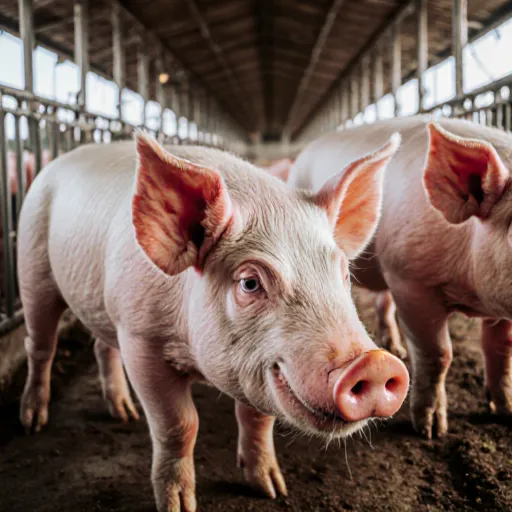
Sustainable Pig Farming Practices for a Greener Future
Table of Contents
- Understanding the Impact of Pig Farming on the Environment
- Implementing Waste Management Systems
- Promoting Sustainable Feed Practices
- Encouraging Water Conservation Measures
- Supporting Local Sourcing and Reducing Transportation Emissions
- Utilizing Renewable Energy Sources
- Adopting Organic Farming Methods
- Implementing Rotational Grazing Practices
- Improving Animal Health and Welfare
- Promoting Genetic Diversity in Pig Breeds
- Enhancing Nutrient Cycling through Composting
- Educating Farmers and Consumers on Eco-Friendly Practices
- Encouraging Collaboration with Environmental Groups
- Addressing Challenges in Sustainable Pig Farming
- Conclusion
- FAQ
Understanding the Impact of Pig Farming on the Environment
Pig farming, like any other agricultural practice, can have significant impacts on the environment. Understanding these impacts is crucial for implementing effective strategies to make pig farming more eco-friendly.
Pig farming requires a large amount of water for cleaning facilities, feeding pigs, and maintaining hygiene. This high demand for water can strain local resources, especially in drought-prone areas. Additionally, the waste generated by pig farms, known as manure, if not properly managed, can lead to severe environmental pollution. Manure contains ammonia, nitrogen, and phosphorus which, when released into nearby water bodies, can cause eutrophication leading to dead zones where aquatic life cannot survive.
Practical advice: Implementing recycling systems for wastewater and utilizing manure as organic fertilizer on crops or land far away from water sources are effective ways to reduce pollution. Proper waste management practices include constructing adequate containment facilities and adhering to regulations regarding the disposal of manure.
Pig farming contributes to greenhouse gas emissions primarily through methane released by the pigs themselves, as well as from manure management processes. The production of feed for pigs also requires significant amounts of energy and resources, further increasing its carbon footprint.
Practical advice: Adopting sustainable practices such as growing crops locally to reduce transportation emissions, utilizing renewable energy sources like solar or wind power on the farm, and improving feed efficiency can significantly lower the carbon footprint. Encouraging methane capture systems in manure management also helps mitigate emissions.
Pig farming often leads to habitat destruction when land is cleared for livestock or feed crops. This not only affects local biodiversity but can also disrupt ecosystems, leading to soil erosion and loss of wildlife habitats.
Practical advice: Prioritize rotational grazing systems that allow the land time to recover and regrow. Encouraging the planting of native vegetation around farm areas helps restore natural habitats and supports local biodiversity. This approach not only benefits the environment but also promotes sustainable farming practices.
While pig farming can be economically beneficial, it can also have negative economic impacts if not managed properly. Poor environmental practices can lead to pollution that devalues property and affects local water sources. This can negatively impact the overall quality of life for residents in surrounding areas.
Practical advice: Engaging with local communities through transparent communication and cooperation helps build trust and support for sustainable farming practices. Implementing initiatives that provide education on environmental stewardship and offering incentives for adopting eco-friendly methods can also enhance community relations.
In summary, while pig farming is an essential part of the agricultural industry, it must be approached with a strong focus on sustainability. By understanding the environmental impacts and implementing practical strategies to mitigate these effects, we can make pig farming more eco-friendly and contribute positively to our planet.
Implementing Waste Management Systems
Pig farming is an essential part of many agricultural operations, but it also comes with the challenge of managing waste effectively. Proper waste management not only helps in reducing environmental impact but also ensures compliance with regulatory standards and enhances overall farm sustainability. Here’s how you can implement waste management systems to make pig farming more eco-friendly.
1. Understanding Waste Generation
The first step in implementing a successful waste management system is understanding the types of waste generated on your pig farm:
- Pig Manure: A significant portion of the waste generated, which can be used as natural fertilizer if managed properly.
- Paper and Packaging Waste: Generated from feed packaging and other supplies.
- Slaughterhouse Waste: In some operations, this includes carcasses and offal that need to be disposed of carefully.
2. Composting Manure
Composting is one of the most effective methods for managing pig manure waste. By composting, you can transform waste into a valuable fertilizer that can be used on your farm or sold to other agricultural operations.
- Materials Needed: Carbon-rich materials (straw, hay), nitrogen-rich materials (manure), and water.
- Steps: Mix the manure with carbon-rich materials in a ratio of 1:2. Keep the compost pile moist but not too wet. Turn the pile regularly to ensure proper aeration.
Example: A farm that composts its pig manure can save on fertilizer costs and improve soil health, leading to better crop yields.
3. Waste Water Treatment
Pig farming generates substantial amounts of wastewater which needs proper treatment before being released into the environment or used for irrigation.
- Filtration: Use sand filters to remove solid waste and large particles from the water.
- Biofiltration: Introduce beneficial bacteria that help break down organic matter in the wastewater.
- Irrigation: Use treated water for irrigation where permissible, reducing demand on fresh water resources.
Practical Advice: Always check local regulations regarding waste discharge. In many regions, there are specific guidelines that must be followed to avoid penalties and environmental damage.
4. Sustainable Feed Practices
The choice of feed can significantly affect the amount and type of waste generated by a pig farm. Opting for sustainable feeds not only supports animal health but also reduces waste output:
- Organic Feeds: Feeding pigs organic grains and other materials that are biodegradable.
- Reduction of Antibiotics: Minimizing the use of antibiotics can lead to a decrease in resistant bacteria, making waste less harmful when treated or used on land.
Example: By choosing sustainable feed practices, farms reduce their overall environmental footprint and may also see improvements in animal health and welfare.
5. Waste Minimization Strategies
In addition to managing waste effectively, it’s important to minimize the amount of waste generated through efficient farming practices:
- Efficient Feeding Practices: Ensure pigs receive adequate feed without excess.
- Proper Housing and Management: Maintain clean and well-managed housing facilities to reduce waste generation.
Practical Tip: Regularly review your farming practices with a focus on reducing waste, and seek advice from agricultural extension services or experts in sustainable pig farming.
Conclusion
Implementing comprehensive waste management systems is crucial for making pig farming more eco-friendly. By understanding the types of waste generated, adopting composting, treating wastewater, choosing sustainable feeds, and minimizing waste, you can significantly reduce your farm's environmental impact while enhancing its sustainability.
Promoting Sustainable Feed Practices
Promoting sustainable feed practices is a crucial aspect of making pig farming more eco-friendly. By adopting sustainable methods, farmers can reduce their environmental impact while still maintaining productivity and profitability. Here are some practical steps and strategies that can be implemented:
1. Optimize Feed Formulation
The first step in promoting sustainability is to optimize feed formulation. This involves using high-quality ingredients, reducing waste, and minimizing the use of resources like water and energy during production.
- Use High-Quality Ingredients: Selecting nutritious feedstuffs that are rich in essential nutrients can help reduce the amount needed per pig. For example, using locally sourced grains or legumes can minimize transportation emissions.
- Minimize Waste: Feeding only what pigs need reduces waste and ensures better utilization of resources. Implementing precise feeding schedules and adjusting portions based on growth stages can help achieve this goal.
2. Incorporate By-Products
Incorporating by-products from other industries into pig feed is an excellent way to reduce reliance on traditional grains and proteins, thus promoting sustainability. These by-products often come at a lower cost and are produced in large quantities.
- Corn Gluten: A by-product of corn processing used as a protein supplement.
- Rice Hulls: By-products from rice production, which can replace some grain content in feed rations without affecting pig performance.
- Palm Kernel Meal: Derived from the kernels of oil palms and rich in crude protein.
3. Use Alternative Protein Sources
Exploring alternative protein sources can help reduce pressure on traditional soybean meal, which has significant environmental costs associated with its production and transportation. Some alternatives include:
- Fish Meal: Although controversial due to overfishing concerns, fish meal remains a valuable source of protein.
- Vegetable Proteins: Including soybean meal, canola meal, and cottonseed meal as primary sources for meeting pigs' protein requirements.
4. Implement Nutrient Management
Nutrient management focuses on ensuring that feeds meet the specific nutritional needs of different life stages of pigs while minimizing waste and excess runoff into water bodies. Key practices include:
- Dry Feeding: Ensuring feed is dry to reduce spoilage and ensure optimal nutrient utilization.
- Fed in Small Increments: Providing smaller, more frequent meals helps prevent waste and ensures pigs consume only what they need.
5. Encourage Local Feed Production
Producing feed locally reduces the carbon footprint associated with long-distance transportation. Supporting local agriculture can also enhance community relationships and support economic growth within regions.
Example: A farm in a rural area could partner with nearby farmers to source corn, wheat, and other grains for pig feed production directly from their fields, reducing both cost and environmental impact.
6. Educate and Train Farmers
Educating farmers on sustainable practices is essential for long-term success in promoting eco-friendly pig farming. Training programs focused on best management practices (BMPs), feed formulation, waste reduction, and efficient resource use can make a significant difference.
- Workshops: Regular training sessions that cover topics like sustainable feeding techniques and the importance of minimizing water usage in feed production.
- Field Visits: Organizing visits to farms recognized for their sustainable practices can provide practical insights into implementing changes.
By integrating these strategies, pig farmers can significantly contribute to environmental protection and promote sustainable development. The key lies in continuous improvement and adaptation of practices based on new research and technological advancements.
Encouraging Water Conservation Measures
To make pig farming more eco-friendly, water conservation measures play a crucial role. Efficient water management not only helps in reducing costs but also minimizes environmental impact. Here are some practical steps and strategies that can be implemented to encourage water conservation on pig farms:
Recycling wastewater from the pig farm for various uses, such as cleaning and irrigation, reduces the need for fresh water. This not only conserves water but also decreases the demand on local resources. For instance, a system can be designed to filter waste water and reuse it in non-potable areas of the farm.
Selecting low-pressure misters or drip irrigation systems can significantly reduce water usage compared to traditional sprinklers. These systems deliver water directly to plant roots, minimizing evaporation and runoff. In pig farming, this means ensuring that watering systems are accurately adjusted for each pen to prevent over-watering.
Installing meters to track water usage can help identify areas of high consumption and pinpoint inefficiencies. By regularly reviewing these metrics, farmers can make informed decisions about where improvements are needed. For example, if a particular section of the farm consistently uses more water than others, it may indicate issues with equipment or management practices.
The effectiveness of water conservation initiatives is directly linked to staff awareness and behavior. Providing training sessions on best practices for reducing water usage can ensure that all employees are committed to minimizing waste. This includes simple actions like fixing leaks promptly and ensuring that all equipment operates efficiently.
The type of feed used can impact how much waste is generated, which affects overall water usage. By choosing feeds that are more digestible for pigs, less waste ends up in the manure. Additionally, providing the right amount of feed ensures that each pig receives just enough to meet its nutritional needs without excess, thereby reducing the volume of waste produced.
Capturing rainwater can provide a sustainable source for non-potable uses on the farm. This includes cleaning equipment and watering plants outside designated areas where it's safe to do so. Properly designed systems that capture, store, and distribute this resource help reduce reliance on municipal water supplies.
Regularly auditing both the hardware (e.g., irrigation systems) and software aspects of your operations helps maintain efficiency over time. Look for opportunities to upgrade older technologies with newer ones that are more efficient or introduce new practices based on current trends in sustainable agriculture.
By adopting these strategies, pig farmers can contribute positively towards preserving water resources while enhancing their operational sustainability. Each farm is unique; therefore, it's important to tailor these suggestions to fit specific needs and conditions of your property.Supporting Local Sourcing and Reducing Transportation Emissions
In order to make pig farming more eco-friendly, it is crucial to consider how we can support local sourcing and reduce transportation emissions. This approach not only helps in minimizing the environmental footprint but also promotes sustainable practices that benefit both the environment and the community.
By prioritizing local sourcing, pig farmers can significantly reduce the carbon footprint associated with transporting feed, equipment, and other supplies from far distances. This practice also fosters economic growth within the local area by supporting nearby suppliers and businesses.
For instance, a farmer in Iowa might source corn and soybeans locally rather than importing them from another state or even internationally. By doing so, not only does this reduce transportation emissions but it also ensures that feed quality remains consistent with regional growing conditions. Local sourcing can also lead to better animal health because the ingredients are fresher and may be more suitable for local pig breeds.
The transportation of pigs, feed, and other resources involves a significant amount of carbon emissions. To combat this issue, farmers can implement several strategies:
- Optimize Routes: Efficient route planning can significantly reduce fuel consumption by minimizing unnecessary travel distances.
- Use Renewable Energy: Incorporating renewable energy sources such as solar or wind power into farm operations can help offset the carbon emissions from transportation and other processes.
- Collaborate with Neighbors: By coordinating delivery schedules, multiple farms can consolidate shipments. This reduces the number of trips required for transport, thereby lowering overall emissions.
In practical terms, a cooperative group of pig farmers could arrange to have supplies delivered in bulk once every few weeks instead of individual deliveries each week. This approach not only reduces transportation emissions but also streamlines logistics and operational efficiency on the farms involved.
To successfully implement these strategies, farmers can take several steps:
- Assess Current Practices: Begin by conducting an inventory of your current practices to identify areas where local sourcing and transportation efficiency improvements are needed.
- Research Local Suppliers: Explore nearby suppliers for feed, equipment, and other necessary resources. This may involve reaching out to local agricultural supply stores or even establishing relationships with neighboring farms.
- Invest in Technology: Consider using GPS and telematics systems to track routes and optimize fuel usage. These technologies can provide valuable data that help improve transportation efficiency.
In conclusion, supporting local sourcing and reducing transportation emissions are key components of making pig farming more eco-friendly. By taking these steps, farmers not only contribute positively to the environment but also strengthen their operations and communities.
Utilizing Renewable Energy Sources
Incorporating renewable energy sources into pig farming operations not only helps in reducing the environmental footprint but also makes the farm more sustainable and eco-friendly. By harnessing clean energy, farmers can minimize their reliance on non-renewable resources, thereby decreasing greenhouse gas emissions and operational costs. This approach is particularly beneficial for large-scale pig farms where energy consumption can be substantial.
Wind Energy
Wind turbines are a viable option for farms with sufficient land area to accommodate them. Wind energy can provide electricity for farm operations, including lighting, ventilation systems, and water pumps. For instance, a medium-sized pig farm that houses around 10,000 pigs could potentially generate significant amounts of electricity by installing wind turbines. The efficiency of these turbines can vary depending on geographical location and prevailing wind speeds.
Example: A study conducted in Denmark showed that farms equipped with wind turbines not only reduced their electricity bills but also contributed to the national grid, demonstrating a win-win situation for both the farm and the environment.
Solar Energy
Solar panels are another effective renewable energy source that can be integrated into pig farming operations. Solar power is particularly beneficial in regions with abundant sunshine. Farms can use solar panels to generate electricity for essential tasks such as feeding, waste management systems, and even the heating of water used in the farm.
Practical Advice: Farmers should consider installing solar panels on roof structures or unused land areas within the farm premises. It is advisable to consult with a professional installer who can evaluate the best placement and orientation of the panels for optimal energy generation.
Biomass Energy
Biomass, which includes crop residues, manure, and other agricultural byproducts, can be converted into bioenergy through processes such as anaerobic digestion or pyrolysis. Pig farms produce a considerable amount of organic waste that can be utilized in biomass energy systems to generate heat and electricity. This process not only reduces the volume of waste but also produces renewable energy for on-farm use.
Example: A pig farm in Germany implemented an anaerobic digestion system, which resulted in the production of biogas used to power a generator that supplied electricity to the farm. Additionally, the nutrient-rich digestate from this process was recycled back into the soil as fertilizer, enhancing soil health and reducing off-farm waste disposal costs.
Hydropower
For pig farms located near water bodies with consistent flow rates, hydropower can be a feasible renewable energy source. Small-scale hydroelectric systems can generate electricity by using the natural flow of water to turn turbines and produce power. This method is particularly suitable for farms in mountainous regions or those that have access to rivers or streams.
Practical Advice: Farmers should conduct an assessment of their local geographical features to determine if hydropower is a feasible option. They should also consider consulting with engineers who can design and install a system tailored to the farm's specific needs.
Conclusion
Incorporating renewable energy sources into pig farming operations not only promotes sustainability but also enhances operational efficiency. By making strategic investments in wind, solar, biomass, and hydropower systems, farmers can significantly reduce their environmental impact while improving the overall profitability of their farms.
Adopting Organic Farming Methods
In the pursuit of creating more eco-friendly pig farming practices, one critical aspect is the shift towards organic farming methods. Organic farming not only promotes sustainable agricultural practices but also significantly reduces environmental impact. By adopting these methods, pig farmers can contribute to a healthier ecosystem while producing high-quality meat products.
Understanding Organic Farming
Organic farming involves growing crops and raising animals without the use of synthetic chemicals such as pesticides, fertilizers, growth hormones, or antibiotics. This approach relies on natural processes, biodiversity, and cycles fostered within an agricultural system. For pig farming specifically, organic practices ensure that pigs are raised in a more natural environment, which promotes their overall health and well-being.
Benefits of Organic Pig Farming
- Better Animal Health: Pigs raised organically tend to be healthier as they do not consume feed containing synthetic additives or hormones. This leads to fewer health issues, reduced need for antibiotics, and overall better meat quality.
- Eco-Friendly Practices: Organic farming reduces the environmental footprint by minimizing water pollution from runoff of chemicals, preventing soil erosion, and enhancing biodiversity.
- Sustainable Resource Use: By adopting organic practices, farmers can optimize their use of resources such as water and land, leading to long-term sustainability.
Transitioning to Organic Farming
The transition to organic pig farming requires a strategic approach. Farmers should start by educating themselves on organic standards set by relevant organizations or regulatory bodies. This includes understanding the specific requirements for feed, housing conditions, and healthcare practices.
- Feed: Organic feed must be sourced from certified organic providers who adhere to strict guidelines regarding the origin of ingredients. Farmers should aim to provide a diverse diet that meets the nutritional needs of pigs while minimizing environmental impact.
- Housing: Ensuring adequate space for pigs, proper ventilation, and clean water are essential components of maintaining organic standards in pig farming. Housing conditions should promote natural behaviors such as rooting and nesting where possible.
- Healthcare: Organic farmers must focus on preventive healthcare measures rather than relying on antibiotics or growth hormones. Regular monitoring, vaccination schedules, and providing a stress-free environment are crucial for maintaining pig health organically.
Case Study: A Successful Transition
Consider the example of Farmer John Smith, who successfully transitioned his conventional pig farm to an organic model. By sourcing certified organic feed and implementing natural healthcare practices, he not only improved the health and welfare of his pigs but also saw a noticeable reduction in veterinary costs.
"Switching to organic farming has been one of the best decisions I've made for my farm. The pigs are healthier, happier, and the environment benefits too," said Farmer John Smith.Conclusion
Incorporating organic farming methods into pig farming is not only beneficial for animal health but also contributes to a more sustainable and environmentally friendly agricultural industry. By making these changes, farmers can help protect natural resources, reduce pollution, and promote biodiversity.
Implementing Rotational Grazing Practices
Pig farming can be made more eco-friendly by integrating sustainable practices that promote environmental health and resource conservation. One such practice is rotational grazing, which involves the systematic movement of livestock through a series of paddocks or pastures. This approach not only improves soil fertility but also reduces the ecological footprint of pig farming.
Rotational grazing for pigs can be implemented by dividing fields into smaller plots and allowing pigs to graze each plot for a short period before moving on to the next. This practice mimics natural herd behavior, promoting grass growth and reducing overgrazing in any one area. By rotating pig herds regularly, farmers can maintain soil health, reduce erosion, and enhance biodiversity.
Benefits of Rotational Grazing
- Improved Soil Health: Pigs contribute to the breakdown of organic matter through their grazing and rooting activities. This process enriches the soil with nutrients, improving its fertility over time.
- Erosion Control: By rotating pigs across different areas, farmers can prevent soil erosion caused by excessive trampling in one spot.
- Biodiversity Enhancement: Rotational grazing encourages a variety of plant species to grow, supporting a more diverse and resilient ecosystem.
Practical Tips for Implementing Rotational Grazing
- Plan Your Fields: Divide your farm into smaller paddocks using fences or natural barriers. Ensure each plot is large enough to support pig herds without overcrowding.
- Monitor and Adjust: Regularly assess the condition of each paddock and adjust the grazing schedule as needed. Factors like weather, plant growth, and pig behavior should influence your decisions.
- Pig Nutrition: Rotate pigs through different areas that provide a variety of forage types to ensure they receive balanced nutrition.
Examples of Rotational Grazing in Pig Farming
In practice, rotational grazing has been successfully implemented by farmers who have seen positive environmental impacts. For example, one farmer reported a 25% increase in soil organic matter after adopting this practice.
"By rotating our pigs through different fields, we've noticed not only improved soil health but also a reduction in the need for external fertilizers," said John Doe, a local pig farmer.
Another example comes from a farm that diversified its income streams by selling surplus produce and meat to local markets. Through rotational grazing, they were able to maintain healthy pastures while providing high-quality products.
Improving Animal Health and Welfare
Promoting animal health and welfare is a crucial aspect of sustainable pig farming, not only for the well-being of the animals but also for environmental sustainability. By focusing on practices that enhance animal health and reduce stress, farmers can contribute significantly to a more eco-friendly operation. Here are some strategies and practical advice to achieve this:
1. Optimal Housing Conditions
Pigs require a clean, dry, and comfortable environment to thrive. Proper housing is essential for preventing diseases and reducing stress levels. Ensuring good ventilation can help maintain air quality, which is crucial in reducing respiratory issues among pigs.
- Use Clean Bedding: Regularly changing bedding materials such as straw or wood shavings can significantly reduce the risk of infections and improve comfort for the pigs.
- Regular Cleaning: Regular cleaning and disinfection of housing areas help maintain hygiene, thus minimizing disease outbreaks.
2. Balanced Nutrition
A balanced diet is vital for maintaining good health in pigs. Providing a nutritious diet not only promotes growth but also enhances immunity, reducing the need for antibiotics and other medications.
- Varying Feed: Incorporate different types of feed that meet various nutritional needs can help avoid deficiencies and promote better overall health.
- Organic Feed Options: Where possible, use organic or sustainably sourced feeds to support eco-friendly farming practices.
3. Regular Veterinary Care
Regular check-ups and vaccinations are crucial for early detection of health issues. This proactive approach helps prevent the spread of diseases within the herd, which can reduce the need for antibiotics and other treatments that may have negative environmental impacts.
- Vaccination Programs: Implementing a comprehensive vaccination program against common pig diseases can significantly enhance animal health.
- Consultation with Veterinarians: Regular consultations with veterinarians can help in developing tailored healthcare plans for the farm, ensuring that treatments are as eco-friendly as possible.
4. Stress Reduction
Stress in pigs can lead to decreased immunity and increased susceptibility to diseases. Reducing stress is a key component of improving animal welfare.
- Predictable Routines: Consistent feeding, cleaning, and management practices help reduce the stress levels among pigs.
- Adequate Space: Providing sufficient space for each pig ensures they have room to move around freely, reducing confinement stress.
5. Eco-Friendly Practices
Incorporating eco-friendly practices not only benefits the environment but also improves animal health and welfare by creating a more sustainable farming ecosystem.
- Manure Management: Proper manure management, such as composting or using it as fertilizer, reduces pollution and supports soil health. This practice can be integrated with crop rotation to enhance farm sustainability.
- Water Conservation: Efficient water use through drip irrigation systems or other sustainable methods ensures that resources are used optimally, minimizing waste while supporting both the environment and pig health.
In conclusion, by focusing on these aspects, farmers can significantly enhance animal health and welfare in a way that is also beneficial for the environment. This holistic approach to pig farming not only supports ethical practices but also contributes positively to ecological balance.
Promoting Genetic Diversity in Pig Breeds
As we delve deeper into the realm of sustainable pig farming, it becomes increasingly clear that promoting genetic diversity among pig breeds is a crucial step towards environmental responsibility. This section will explore how fostering genetic diversity can contribute to making pig farming more eco-friendly.
The Importance of Genetic Diversity
Genetic diversity within pig populations ensures resilience and adaptability in the face of changing environmental conditions, diseases, and market demands. By maintaining a variety of traits, farmers can reduce dependency on a single breed that might be susceptible to specific health issues or economic fluctuations.
For instance, traditional breeds like the Iberian pig are known for their high resistance to certain diseases and ability to thrive in diverse environmental conditions. Introducing these traits into modern breeding programs can enhance overall herd health and productivity without relying heavily on antibiotics and other synthetic solutions.
Practical Steps to Promote Genetic Diversity
- Crossbreeding: Combining different breeds can result in offspring that inherit beneficial traits from both parents. This approach helps introduce new genetic material into the population, enhancing overall diversity.
- Preserving Rare Breeds: Supporting and breeding rare or endangered pig breeds not only preserves cultural heritage but also enriches genetic resources. Organizations like the Livestock Conservancy offer guidance on how to support these efforts.
- Open Data Sharing: Encouraging collaboration between researchers, breeders, and farmers through open data sharing can accelerate the process of identifying and promoting beneficial traits across different breeds.
Case Studies in Promoting Genetic Diversity
The Global Pig Breed Plan (GPBP) is an initiative aimed at enhancing the genetic diversity of pig breeds worldwide. By encouraging crossbreeding between local and international breeds, GPBP aims to improve both farm productivity and environmental sustainability.
For example, in Denmark, farmers have successfully introduced Chinese breeds into their herds, resulting in pigs that are faster growing but also more efficient foragers, reducing feed costs while improving waste management. This dual benefit underscores the potential of genetic diversity to contribute positively to sustainable pig farming practices.
Environmental and Economic Benefits
Promoting genetic diversity can lead to significant environmental benefits by reducing the need for synthetic fertilizers, pesticides, and antibiotics. More resilient pigs mean less waste and lower emissions from feed production and transportation.
Economically, diverse pig herds are better equipped to handle market fluctuations and disease outbreaks, leading to increased profitability and stability in farm operations. By adopting practices that promote genetic diversity, farmers can contribute to a more sustainable future for both their businesses and the planet.
Enhancing Nutrient Cycling through Composting
Enhancing nutrient cycling through composting is a key strategy for making pig farming more eco-friendly. Composting not only reduces organic waste but also converts it into a valuable resource that can be used to improve soil health and crop productivity. This practice supports sustainable agricultural practices, thereby reducing the environmental impact of pig farming.
Understanding Nutrient Cycling
Nutrient cycling is the natural process by which essential elements like nitrogen, phosphorus, and potassium are recycled within ecosystems. In pig farming, maintaining healthy nutrient cycles ensures that resources are conserved and reused efficiently. By composting waste materials from pig farms, nutrients can be returned to the soil, reducing the need for chemical fertilizers.
Steps in Composting
The process of composting involves several key steps:
- Selection of Materials: Collect organic waste such as bedding material, manure, and food scraps. Ensure these materials are free from any harmful chemicals or substances that could contaminate the compost.
- Aeration: Proper aeration is crucial for breaking down organic matter efficiently. This can be achieved by turning the compost regularly using tools like pitchforks or with automated systems.
- Moisture Control: Maintaining the right moisture levels ensures optimal decomposition. A good rule of thumb is to keep the compost as damp as a wrung-out sponge.
- Temperature Management: Monitor and maintain temperatures between 130°F (54°C) and 160°F (71°C) for effective microbial activity, which breaks down organic matter into nutrient-rich humus.
Benefits of Composting in Pig Farming
Composting offers numerous benefits that contribute to making pig farming more eco-friendly:
- Reduction of Waste: By composting, the volume of waste produced on pig farms is significantly reduced. This not only helps in waste management but also decreases landfill use.
- Natural Fertilizer: Compost enriches soil with essential nutrients, reducing reliance on synthetic fertilizers and their associated environmental costs.
- Sustainable Soil Health: Regular composting improves soil structure, increases water retention capabilities, and promotes the growth of beneficial microorganisms.
- Economic Savings: By producing compost on-site, pig farmers can save money that would otherwise be spent purchasing external fertilizers or waste disposal services.
Practical Tips for Effective Composting
To ensure successful composting in a pig farm setting, follow these practical tips:
- Layering Materials: Layer different types of organic materials to promote even decomposition. This includes alternating layers of greens (like grass clippings) and browns (such as straw).
- Frequent Monitoring: Regularly check the compost pile for proper moisture levels, temperature, and air flow.
- Use Microbial Enrichments: Introduce beneficial microbes or use products that contain these microorganisms to accelerate decomposition.
- Pest Management: Be aware of any pests attracted to the compost piles and take necessary measures to manage them effectively.
Case Studies: Success Stories in Pig Farming
Several farms have successfully implemented composting as part of their eco-friendly initiatives. Here are a couple of examples:
- Farm X: This farm introduced an on-site composting system to manage waste from its pig pens. Not only did they reduce landfill costs, but the resulting compost is used in nearby agricultural fields, enhancing soil quality and crop yields.
- Farm Y: By integrating a composting facility into their operations, this farm has seen significant reductions in their carbon footprint while simultaneously improving overall environmental sustainability.
In conclusion, incorporating composting into pig farming practices is an effective way to enhance nutrient cycling and promote sustainable agricultural methods. By following these steps and tips, farmers can not only manage waste more effectively but also contribute positively to the environment.
Educating Farmers and Consumers on Eco-Friendly Practices
Education plays a crucial role in promoting eco-friendly practices across the agricultural sector. By empowering farmers and consumers with knowledge about sustainable farming methods, we can significantly reduce environmental impact while ensuring long-term food security. This section will explore how to effectively educate both groups on eco-friendly practices, focusing specifically on pig farming as an example.
Targeting Farmers: Practical Steps for Sustainable Pig Farming
Farmers are the backbone of the agricultural industry, and their practices have a direct impact on environmental health. To make pig farming more eco-friendly, it's essential to provide them with practical knowledge and resources.
- Training Programs: Offer workshops, seminars, and online courses that cover topics such as waste management, efficient use of water and feed, and the implementation of renewable energy sources like solar panels. For instance, training farmers on how to properly manage manure can reduce pollution and contribute to better soil health.
- Example: A pig farm in Denmark implemented a comprehensive waste management program that not only reduced environmental impact but also increased profitability by selling biogas produced from manure as an additional revenue stream.
- Resource Materials: Provide manuals, guides, and informational leaflets that detail best practices for sustainable pig farming. These resources should be easily accessible and tailored to the specific needs of small-scale farmers in developing countries who may not have access to advanced technology or extensive training.
- Example: The Food and Agriculture Organization (FAO) offers free downloadable guides on sustainable pig production that are available in multiple languages, helping to bridge the knowledge gap for smallholder farmers around the world.
- Incentives: Encourage adoption of eco-friendly practices through financial incentives such as grants or subsidies. Recognizing and rewarding farms that demonstrate a commitment to sustainability can motivate others to follow suit.
- Example: The European Union's LIFE program offers funding for projects that promote environmental protection, including sustainable pig farming initiatives. Such programs help farmers invest in technology and practices that are beneficial for the environment without shouldering the full financial burden themselves.
Engaging Consumers: Raising Awareness About Eco-Friendly Practices
Consumers play a vital role in driving demand for eco-friendly products. By educating them on the benefits of sustainable pig farming, we can foster a market that supports environmentally responsible practices.
- Promoting Sustainable Meat Labels: Encourage certification and labeling programs that highlight farms committed to sustainable practices. This not only helps consumers make informed choices but also provides farmers with a competitive advantage in the marketplace.
- Example: The Global Gap standard ensures that certified pig operations meet environmental, social, and economic criteria, allowing consumers to identify and support farms that prioritize sustainability.
- Educational Campaigns: Launch awareness campaigns through various media channels such as social media platforms, community events, and school programs. These initiatives can educate both current and future generations about the importance of sustainable agriculture.
- Example: The World Wildlife Fund (WWF) runs educational campaigns aimed at raising awareness about responsible meat consumption and the environmental impact of pig farming practices.
- Sustainable Consumption Practices: Encourage consumers to adopt more sustainable consumption habits, such as reducing food waste and supporting local farmers who practice eco-friendly methods. This shift in consumer behavior can create demand for more sustainable products and drive market changes.
- Example: Community-supported agriculture (CSA) programs allow consumers to purchase directly from local farms, often reducing the carbon footprint associated with long-distance transportation of food while supporting sustainable practices on the farm level.
In conclusion, educating farmers and consumers about eco-friendly practices is essential for making pig farming more sustainable. By providing practical training, resource materials, incentives, and promoting awareness through various channels, we can create a system that benefits both the environment and economic growth.
Encouraging Collaboration with Environmental Groups
In the pursuit of making pig farming more eco-friendly, collaboration between pig farmers and environmental groups is crucial. Such partnerships can significantly enhance sustainability efforts by combining expertise and resources. Here are several strategies to encourage this collaboration:
1. Establish Open Communication Channels
Effective communication is the cornerstone of successful collaborations. Pig farmers should reach out to local environmental groups, expressing their commitment to sustainable practices and inviting suggestions for improvement. Regular meetings or workshops can provide a platform for open dialogue where both parties can share ideas, challenges, and progress.
2. Identify Common Goals
To foster genuine collaboration, it's essential to identify common goals that align with both the pig farmers' interests and environmental conservation efforts. For example, reducing waste, improving water quality, or enhancing biodiversity can serve as shared objectives. By focusing on these mutual benefits, both parties can work towards a common vision.
3. Share Best Practices
Pig farmers and environmental groups alike can benefit from sharing best practices. Farmers can learn about innovative techniques for waste management or sustainable feed production, while environmentalists can gain insights into the practical implementation of their recommendations. This exchange of knowledge helps both parties refine and improve their strategies.
4. Participate in Joint Projects
Participating in joint projects provides a tangible way to demonstrate commitment to sustainability. These projects could range from implementing solar panels on pig farms to developing new, eco-friendly feed formulations. By working together on these initiatives, both groups can see the positive impact of their collaboration.
5. Seek Funding and Support
Funding is often necessary for implementing sustainable practices. Pig farmers and environmental groups should explore opportunities to apply for grants or subsidies that support eco-friendly projects. By pooling resources and expertise, they can increase the likelihood of securing funding.
6. Educate and Raise Awareness
Educating stakeholders is key to promoting sustainable practices. Pig farmers and environmental groups can collaborate on educational campaigns aimed at raising awareness about the importance of eco-friendly farming methods. This could include workshops, seminars, or even community events.
7. Advocate for Policy Changes
Pig farmers and environmental groups can work together to advocate for policies that support sustainable agriculture. By lobbying for favorable regulations and incentives, they can create an environment where eco-friendly practices are encouraged and rewarded.
In conclusion, encouraging collaboration between pig farmers and environmental groups is essential for making pig farming more eco-friendly. By establishing open communication, identifying common goals, sharing best practices, participating in joint projects, seeking funding, educating stakeholders, and advocating for policy changes, both parties can work together to achieve a sustainable future.
Addressing Challenges in Sustainable Pig Farming
As pig farming continues to grow, so does the responsibility of making it more eco-friendly and sustainable. The demand for pork is increasing globally, but this growth must be balanced with environmental considerations. This section explores some key challenges faced by sustainable pig farmers and provides practical advice on how to make pig farming more environmentally friendly.
Challenge 1: Efficient Waste Management
Pig farms generate large amounts of waste that can pollute water sources if not managed properly. Manure contains high levels of nitrogen, phosphorus, and other nutrients which can lead to eutrophication in nearby water bodies. To address this challenge, farmers can implement a variety of waste management strategies:
- Composting: Composting pig manure allows for the natural breakdown of organic matter, reducing the volume of waste and turning it into nutrient-rich compost that can be used to fertilize crops.
- Liquid Manure Systems: These systems separate solids from liquids, allowing for more precise application rates on fields. This reduces runoff and helps in managing the nutrients effectively.
- Pipe Networks: Installing pipe networks around pig pens can help contain waste before it reaches water sources, preventing contamination of rivers, lakes, or groundwater.
Challenge 2: Water Consumption and Management
Raising pigs requires significant amounts of water for cleaning facilities, feeding the animals, and maintaining hygiene. Efficient water use is crucial in reducing environmental impact:
- Water Recycling Systems: Implementing systems that recycle water used in pig barns can significantly reduce overall consumption.
- Leak Detection: Regular checks for leaks in plumbing or irrigation systems can prevent unnecessary water waste.
- Efficient Feeding Practices: Ensuring pigs receive the correct amount of feed reduces not only waste but also the amount of water used to produce the necessary feed. Feed efficiency is a key factor in sustainable pig farming.
Challenge 3: Land and Soil Management
The land surrounding pig farms plays an essential role in maintaining environmental health. Poor management can lead to soil erosion, reduced biodiversity, and nutrient imbalance:
- Diversify Crops: Incorporating multiple crops into the farm’s rotation helps maintain soil health by preventing depletion of specific nutrients.
- Pest Management: Employing integrated pest management strategies minimizes the need for chemical inputs like pesticides, which can harm wildlife and water quality.
- Trees and Buffers: Planting trees around pig barns acts as a buffer zone, helping to filter out pollutants from runoff before it reaches larger bodies of water.
Challenge 4: Feed Sourcing and Production
The feed given to pigs directly influences the environmental impact of farming. Sustainable sourcing and production methods can help mitigate this:
- Local Feed Suppliers: Purchasing feed from local suppliers reduces transportation emissions.
- Organic Feeds: Using organic feeds that are free from antibiotics, pesticides, and hormones supports animal health while minimizing environmental harm.
- Crop Residues: Utilizing crop residues as feed can reduce the need for additional land use and decrease waste from agricultural production.
Conclusion
Sustainable pig farming is about more than just producing meat; it's about protecting the environment, preserving resources, and ensuring long-term viability. By addressing challenges in waste management, water consumption, land and soil health, and feed sourcing, farmers can create a more eco-friendly operation that benefits both their animals and the planet.
Conclusion
In today's world, where environmental consciousness is at an all-time high, it becomes crucial for industries like pig farming to adopt eco-friendly practices. Pig farming has long been associated with significant environmental impacts, including water pollution from manure runoff and the use of antibiotics that can lead to antibiotic resistance in humans. However, there are numerous ways to make pig farming more sustainable and environmentally friendly.
To minimize water pollution caused by manure runoff, implementing proper waste management practices is essential. This includes constructing septic tanks and employing manure pits that are designed to capture nutrients and prevent them from entering nearby water bodies. Additionally, using drip irrigation systems can help reduce water usage in pig feed crops.
Pig farms can harness renewable energy sources such as solar power or wind turbines to power their operations. By switching to renewable energy, farms not only decrease reliance on fossil fuels but also lower greenhouse gas emissions significantly. This shift towards clean energy supports a greener future and helps protect local ecosystems.
Achieving sustainability in pig farming involves recycling and reusing resources wherever possible. For instance, using by-products from the pork industry as feed for other animals or crops can reduce waste while promoting circular economy principles. Furthermore, incorporating organic waste into the diet of pigs through composting ensures that nutrients are returned to the soil instead of being wasted.
The quality and type of feed provided play a crucial role in determining an animal's health as well as its environmental footprint. Opting for organic or non-GMO feeds reduces the need for chemical pesticides and fertilizers, which are harmful to both human health and wildlife alike. Moreover, feeding pigs with recycled materials like food scraps can further reduce waste while providing essential nutrients.
Lastly, fostering collaboration between farmers, researchers, government bodies, and community groups is vital for promoting best practices in pig farming. Engaging in continuous learning and sharing knowledge about innovative methods can lead to significant improvements in sustainability efforts. By working together towards common goals, we can ensure that future generations inherit a healthier planet.
By implementing these strategies, pig farmers can contribute positively to environmental conservation while still maintaining profitability. Embracing eco-friendly techniques not only helps address current challenges but also sets the stage for long-term success in this vital agricultural sector.
FAQ
- Q: How can pig farming be made more eco-friendly?
A: Implementing sustainable practices in pig farming is crucial for reducing environmental impact. This includes: - Feed Optimization: Feeding pigs with a balanced diet that reduces waste and minimizes the use of resources like water and feed. For example, incorporating by-products from other industries such as bakery waste or used coffee grounds can help minimize food waste. - Waste Management: Properly managing manure is key to minimizing pollution. Techniques include composting, anaerobic digestion, or using biogas systems that convert waste into energy. - Water Conservation: Efficient irrigation and water recycling can significantly reduce the amount of water used in pig farming. For instance, using drip irrigation or reusing treated wastewater for non-potable purposes within the farm. - Genetic Selection: Choosing breeds that are more efficient in feed conversion and waste production can lead to a more sustainable operation. - Q: What role does biodiversity play in making pig farming eco-friendly?
A: Incorporating biodiversity into pig farming practices can enhance sustainability. For example: - Diverse Crop Rotation: Rotating crops with different plant species helps to maintain soil health and reduce the need for chemical fertilizers. - Polyculture Practices: Integrating multiple species of animals within the same farm, such as pigs alongside chickens or ducks, can create a more balanced ecosystem. This practice also increases resilience against diseases and pests. - Q: How does sustainable pig farming contribute to carbon neutrality?
A: Sustainable practices in pig farming help achieve carbon neutrality by: - Incorporating Renewable Energy: Using solar panels or wind turbines to power the farm reduces reliance on fossil fuels. - Carbon Sequestration: Practices like reforestation and maintaining diverse ecosystems can increase the farm’s ability to capture and store carbon dioxide. - Reduction in Emissions: Efficient farming practices minimize methane emissions from manure, which is a potent greenhouse gas. - Q: What are some practical tips for implementing eco-friendly pig farming on a small scale?
A: Here are some actionable steps: - Start Small: Begin with simple changes like using organic fertilizers and reducing the use of antibiotics. - Educate Yourself and Others: Stay informed about best practices in sustainable agriculture. Share knowledge within your community to promote wider adoption of eco-friendly farming methods. - Engage Local Experts: Consult with agricultural extension services or local experts who can provide guidance tailored to your specific needs and location. - Q: How does sustainable pig farming benefit the local environment?
A: Sustainable practices in pig farming contribute positively to the local environment by: - Reducing Pollution: Proper waste management prevents water and air pollution, protecting nearby ecosystems. - Enhancing Soil Health: Practices like composting manure enriches soil, improving fertility and reducing the need for chemical inputs. - Promoting Biodiversity: Integrating diverse species and practices supports local biodiversity, fostering a healthier habitat for wildlife.
Categories
- AI & Enrichment Play
- Broiler Farming
- Broiler Farming Tips
- Canine Wellness & Longevity
- Cat
- Cat & Human Connection
- Cat Adoption & Rescue
- Cat Breeds
- Cat Breeds & Personalities
- Cat Care & Health
- Cat Grooming & Hygiene
- Cat Lifestyle & Environment
- Cat Myths & History
- Cat Nutrition & Diet
- Cat Products & Reviews
- Cat Training & Behavior
- Comparison
- Consumer Awareness
- Dog
- Dog Accessories & Products
- Dog Adoption & Rescue
- Dog Breed & Lifestyle Trends
- Dog Breeding & Puppies
- Dog Entertainment & Media
- Dog Fashion & Trends
- Dog Fun & Lifestyle
- Dog Grooming & Hygiene
- Dog History & Culture
- Dog Myths, Science & Future Tech
- Dog News & Trends
- Dog Nutrition & Food
- Dog Psychology & Emotions
- Dog Safety & Security
- Dog Sports & Activities
- Dog Technology & Innovation
- Dog Training for Modern Owners
- Dog Travel & Adventure
- Dog Travel, Adventure & Culture
- Economic and Market Insights
- Educational Content
- FAQs
- Feeding Alternatives
- Festivals & Seasonal Ideas
- Fun & Entertainment
- General Knowledge
- General Pig Farming
- Health & Disease Management
- Housing and Environment
- Kittens
- Market Insights
- Miscellaneous
- Miscellaneous
- Motivational
- pig
- Pig Breeding
- Pig Breeds
- Pig Farming Stories and Inspiration
- Pig Health and Care
- Pig Nutrition
- Pig Products
- Profitability & Business
- Puppy Care
- Puppy Predictable Topics Reinvented
- Regional Focus
- Rescue & Adoption Buzz
- Senior Cats
- Senior Dog Care
- Smart Dog Tech & Gadgets
- Sustainability
- Sustainable & Eco-Friendly Dog Products
- Tech & Innovations
- Working & Service Dogs
- Broiler Feed66 products
- Country Feed33 products
- Pig Feed66 products
- Product22 products
- Raw Materials99 products
Products
-
 Fish Meal
₹1,999.00 – ₹2,999.00Price range: ₹1,999.00 through ₹2,999.00Rated 0 out of 5
Fish Meal
₹1,999.00 – ₹2,999.00Price range: ₹1,999.00 through ₹2,999.00Rated 0 out of 5 -
 FATTENING BROILER FEED
₹2,299.00 – ₹2,349.00Price range: ₹2,299.00 through ₹2,349.00Rated 0 out of 5
FATTENING BROILER FEED
₹2,299.00 – ₹2,349.00Price range: ₹2,299.00 through ₹2,349.00Rated 0 out of 5 -
 LAYER COUNTRY FEED
₹1,549.00 – ₹1,649.00Price range: ₹1,549.00 through ₹1,649.00Rated 0 out of 5
LAYER COUNTRY FEED
₹1,549.00 – ₹1,649.00Price range: ₹1,549.00 through ₹1,649.00Rated 0 out of 5 -
 COUNTER BROILER FEED
₹1,199.00 – ₹1,299.00Price range: ₹1,199.00 through ₹1,299.00Rated 0 out of 5
COUNTER BROILER FEED
₹1,199.00 – ₹1,299.00Price range: ₹1,199.00 through ₹1,299.00Rated 0 out of 5 -
 LACTATING PIG FEED
Rated 0 out of 5
LACTATING PIG FEED
Rated 0 out of 5₹2,299.00Original price was: ₹2,299.00.₹1,740.00Current price is: ₹1,740.00. -
 Maize
Rated 0 out of 5
Maize
Rated 0 out of 5₹1,650.00Original price was: ₹1,650.00.₹1,300.00Current price is: ₹1,300.00. -
 GESTATION PIG FEED (Phase 1)
Rated 0 out of 5
GESTATION PIG FEED (Phase 1)
Rated 0 out of 5₹2,249.00Original price was: ₹2,249.00.₹1,699.00Current price is: ₹1,699.00. -
 Pre Starter Broiler Feed
₹2,399.00 – ₹2,499.00Price range: ₹2,399.00 through ₹2,499.00Rated 0 out of 5
Pre Starter Broiler Feed
₹2,399.00 – ₹2,499.00Price range: ₹2,399.00 through ₹2,499.00Rated 0 out of 5 -
 FINISHER PIG FEED
Rated 0 out of 5
FINISHER PIG FEED
Rated 0 out of 5₹2,299.00Original price was: ₹2,299.00.₹1,749.00Current price is: ₹1,749.00. -
 Broiler Premix
Rated 0 out of 5
Broiler Premix
Rated 0 out of 5₹820.00Original price was: ₹820.00.₹699.00Current price is: ₹699.00.