
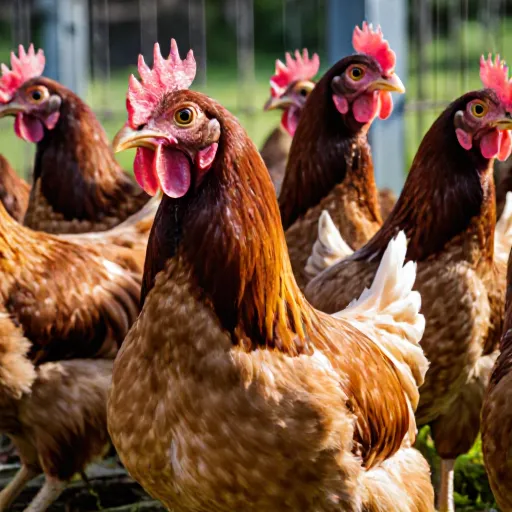
Transform Your Broilers Into Profitable Ventures Today!
Table of Contents
- Market Research and Analysis
- Farm Location and Layout
- Broiler Breeds Selection
- Nutritional Requirements Planning
- Feeding and Watering Schedule
- Health Management and Disease Control
- Breeder Management
- Economic Analysis and Forecast
- Marketing Strategy Development
- Sales Channel Selection
- Operational Plan Implementation
- Financial Projections and Budgeting
- Risk Management Strategies
- Conclusion
- FAQs
Market Research and Analysis
Understanding the market is crucial before embarking on any business venture, especially when creating a business plan for your broiler farm. Market research helps you identify potential customers, competitors, and trends that can impact your business positively or negatively. This section will delve into how to conduct thorough market research and analysis specifically tailored to a broiler farming business.
Identifying Customer Needs
To successfully start and grow a broiler farm, it is essential to understand the needs of your target customers. Conduct surveys or interviews with potential buyers such as restaurants, supermarkets, and local markets to gather information on their preferences, purchasing habits, and quality expectations. For instance, some customers might prefer organic broilers while others may prioritize cost-effectiveness.
Analyzing Competitors
Competitor analysis is a vital part of market research for your broiler farm. Identify the main competitors in your area and evaluate their strengths and weaknesses. This can be done through online reviews, public records, and direct observation. For example, if you find that other farms are struggling with feed costs, consider implementing strategies to reduce these expenses or explore alternative suppliers.
Trend Analysis
Stay ahead of the curve by analyzing current trends in the broiler farming industry. This includes consumer preferences, technological advancements, and regulatory changes. For example, the increasing demand for sustainable agriculture practices may encourage you to adopt eco-friendly techniques such as waste recycling or renewable energy use.
Data Collection and Interpretation
Once data is collected from various sources, it needs to be analyzed comprehensively. Use statistical tools and software to interpret the findings accurately. For example, if you notice a significant increase in demand for broilers during certain months or seasons, plan your production schedule accordingly to meet these demands.
Pricing Strategy
Based on market research, determine an appropriate pricing strategy that allows you to cover costs while remaining competitive. Consider factors such as the cost of feed, labor, and equipment when setting prices. For instance, if your production costs are relatively low compared to competitors, you might price your broilers slightly higher for premium quality or organic certification.
Marketing Strategy
A well-defined marketing strategy should be part of your market research efforts. Identify the most effective channels to reach your target audience and promote your product. This could include social media campaigns, participation in agricultural fairs, direct mail promotions, or partnerships with local businesses.
Continuous Monitoring
The business environment is dynamic; therefore, continuous monitoring of market conditions is necessary. Set up regular check-ins to reassess your market research findings and adjust strategies as needed. This ensures that you remain competitive in a changing landscape.
In conclusion, thorough market research and analysis are fundamental steps in creating a robust business plan for your broiler farm. By understanding customer needs, analyzing competitors, identifying trends, interpreting data accurately, setting appropriate prices, formulating effective marketing strategies, and continuously monitoring the environment, you can establish a successful and sustainable broiler farming operation.
Farm Location and Layout
Creating a business plan for your broiler farm includes selecting an ideal location and designing an efficient layout that will support optimal production. The success of any farming operation depends significantly on the environment in which it is established, as well as the design of the facility itself.
Selecting the Ideal Location
The geographical location plays a crucial role in the overall productivity and efficiency of your broiler farm. Several factors should be considered when choosing an ideal location:
- Climate Conditions: The climate must support year-round brooding and rearing, ensuring that environmental conditions are suitable for optimal growth rates and health. Avoid areas prone to extreme temperatures or high humidity.
- Water Supply: Adequate and clean water is essential for broiler health and productivity. Ensure there is a reliable source of fresh water available nearby.
- Proximity to Markets: Locate your farm close enough to marketplaces or processing plants to minimize transportation costs and ensure timely delivery of your products.
- Air Quality: Poor air quality can negatively impact the health of broilers. Choose a location with minimal pollution and good airflow.
Designing an Efficient Layout
The layout of your farm will influence the efficiency of operations, the welfare of the birds, and ultimately your profitability. Here are some key elements to consider:
House Structure
- Size and Capacity: Ensure that each house can comfortably accommodate the number of broilers you plan to raise without overcrowding. Overcrowded conditions can lead to stress, disease, and reduced growth rates.
- Ventilation System: Proper ventilation is crucial for maintaining air quality inside the houses. It should be designed to circulate fresh air while preventing drafts that could cause heat stress or cold spells.
- Lighting: Controlled lighting helps regulate broiler behavior and growth rates. Ensure there are adequate light fixtures with adjustable intensity settings.
Nesting Areas
Nesting areas should be provided to allow the broilers to rest comfortably before going into the rearing phase. These areas should be well-ventilated, clean, and free from drafts.
Feeding and Watering Stations
Design feeding and watering stations strategically throughout the farm for easy access by all birds. Ensure that these stations are easily accessible to staff for regular maintenance and monitoring.
Rearing Areas
The rearing areas should be separated from brooding areas to allow for different management practices suitable at each stage of growth. Adequate space should be provided for movement and feeding, as well as easy access for cleaning and disinfection.
Practical Advice
To ensure the success of your broiler farm:
- Careful Planning: Spend time planning every aspect of your farm, from location to layout. Consult with experts if necessary.
- Flexibility: Design your facility in a way that allows for future expansion or changes based on market demands and technological advancements.
- Sustainability: Incorporate sustainable practices such as recycling water, using renewable energy sources, and minimizing waste to reduce operational costs and environmental impact.
By carefully selecting the right location and designing an efficient layout, you set a strong foundation for your broiler farm. This strategic planning is crucial in creating a successful business plan that ensures profitability and sustainability.
Broiler Breeds Selection
When creating a business plan for your broiler farm, selecting the right broiler breed is one of the most crucial decisions you will make. The success of your broiler operation hinges significantly on the breed chosen because it directly affects growth rate, feed efficiency, meat quality, and overall profitability. Here’s how to approach this selection process with a strategic mindset.
Understanding Broiler Breeds
Broiler breeds are specifically developed for rapid weight gain and efficient conversion of feed into meat. Common broiler breeds include Cobb, Ross, and Arbor Acres, each known for different attributes that cater to specific market demands.
- Cobb Breed: Known for their fast growth rate and high meat yield. They are well-suited for large-scale commercial operations due to their ability to convert feed into meat efficiently.
- Ross Breeds: Renowned for their excellent meat quality, they have a reputation for producing birds with an ideal breast muscle development. Ideal for premium markets where quality is the key selling point.
- Arbor Acres: These breeds are known for their strong immune system and resistance to diseases. They are suitable for farms that prioritize health and welfare standards over rapid growth.
Evaluating Market Demand
To select the right broiler breed, it is essential to align your choice with market demand. Understanding what consumers prefer in terms of meat quality, price point, and sustainability can guide you towards a profitable decision.
- High-Quality Meat Demand: If there is a growing trend for premium, high-quality products, focus on breeds like Ross which offer superior meat texture and flavor.
- Eco-Friendly Trends: For farms that prioritize sustainability, Arbor Acres might be the better choice as they are less resource-intensive and more disease-resistant.
- Price Sensitivity: If your target market is price-sensitive, opt for breeds like Cobb which offer higher growth rates at a lower cost per kilogram of meat produced.
Selecting Based on Environmental Factors
The environment in which you operate can greatly influence the breed selection. Local climate conditions, availability of resources, and space constraints are all factors to consider.
- Climate: In hot climates, breeds with better heat tolerance, such as Arbor Acres, should be preferred over those that struggle in high temperatures like Cobb.
- Space Availability: If you have limited space, choose breeds that grow to a manageable size without compromising on meat quality. This might favor smaller breeds or breeds known for their compact growth pattern.
Consulting with Experts
No matter how much research you do, consulting with poultry experts can provide invaluable insights and advice. They can help you make informed decisions based on your specific farm conditions and goals.
Steps to Consult:
- Contact local agricultural extension services for breed recommendations tailored to your region.
- Schedule meetings or consultations with experienced poultry farmers who have successfully managed broiler farms similar to yours.
- Participate in industry conferences and trade shows where you can network with professionals and learn about the latest trends and advancements in broiler breeding.
Conclusion
Selecting the right broiler breed is a pivotal element in your business plan. By carefully considering market demand, environmental factors, and consulting with experts, you can make an informed decision that will set the foundation for a successful broiler farm operation.
Nutritional Requirements Planning
Creating a business plan for your broiler farm involves several critical components, one of which is meticulously planning the nutritional requirements of your birds. Proper nutrition is not just about feeding them; it's about optimizing their growth rates, maximizing meat quality, and ensuring optimal health throughout their rearing period.
Understanding Nutritional Needs
The first step in planning the nutritional requirements for your broilers involves a thorough understanding of what they need at different stages of their life cycle. Broilers have specific dietary needs based on their age, weight, and environmental conditions. Typically, broiler feed is divided into starter, grower, and finisher phases.
- Starter Phase: This phase typically lasts for the first two weeks of life when the chicks are very small and have high metabolic demands to grow rapidly. Starter feeds are rich in protein (about 20-23%) and energy, essential vitamins, and minerals.
- Grower Phase: From week three until about six weeks, birds need a balanced diet that supports continued growth but with slightly lower protein levels to ensure they are not overfed. Protein is usually around 18-20% at this stage.
- Finisher Phase: The final phase, from about six weeks until slaughter, focuses on maximizing meat yield and quality. Feed should be low in protein (around 14%) to promote fat deposition without compromising meat quality.
Importance of Feeding Protocols
Feeding protocols are crucial for maintaining consistency and ensuring that your birds receive the right nutrients at the right time. These protocols should be carefully designed based on factors such as bird age, environmental conditions, and health status.
- Consistency: Use high-quality feed from reputable suppliers to maintain consistent nutritional content.
- Hygiene: Ensure that feeding equipment is clean and sanitized regularly to prevent the spread of diseases.
- Schedule: Feed in small, frequent meals rather than one large meal daily. This helps prevent digestive issues and ensures steady energy levels throughout the day.
Supplementing with Micronutrients
In addition to the three primary phases of feed, broilers may require supplementation with certain micronutrients such as vitamins and minerals. These are essential for maintaining overall health, boosting immunity, and ensuring that birds can efficiently convert their food into muscle mass.
- Vitamins: Vitamins like A, D3, E, and B-complex are crucial but can be challenging to meet through diet alone. Therefore, they are often provided in the form of supplements or additives in feed.
- Minerals: Elements such as calcium, phosphorus, sodium, potassium, and trace minerals like copper, zinc, iron, and iodine play vital roles in bone development, enzyme function, and overall metabolism.
Practical Advice for Nutritional Planning
To ensure that your broilers receive optimal nutrition, consider the following practical advice:
- Consult a Veterinarian or Nutritionist: Regular consultations with an expert can help you tailor your feeding programs to meet specific needs based on environmental conditions and bird health.
- Monitor Growth Rates: Regularly weigh your birds and monitor growth rates to ensure they are meeting expected standards. This will also help identify any issues early, such as poor feed conversion or high mortality rates.
- Adjust Feeding Based on Environmental Factors: Changes in temperature, humidity, and light can affect the nutritional requirements of your birds. Adjust feeding strategies accordingly to maintain optimal performance.
Conclusion
Properly planning the nutritional requirements for your broilers is a key aspect of successful broiler farming. By understanding their specific needs at different stages, following strict feeding protocols, and ensuring adequate supplementation with micronutrients, you can maximize productivity while minimizing costs and waste.
Feeding and Watering Schedule
In creating a business plan for your broiler farm, one of the critical components is establishing an efficient feeding and watering schedule. This schedule not only ensures optimal growth and health of the broilers but also plays a significant role in reducing costs and improving productivity. Proper management of feed and water consumption helps in maximizing weight gain and minimizing waste, which are crucial factors for profitability.
Understanding Feeding and Watering Requirements
The feeding and watering schedule should be tailored to the specific growth phases of broilers. Broilers go through several stages: starter (0-2 weeks), grower (3-6 weeks), and finisher (7-8 weeks). Each stage has different nutritional needs, which should be reflected in the feeding amounts and frequency.
- Starter Phase (0-2 Weeks): Broilers are particularly sensitive to nutrition during this period as they are rapidly developing. Feed them with a starter ration that is high in protein but low in energy, typically around 19% crude protein and 3.5% fat.
- Growth Phase (3-6 Weeks): As the broilers grow larger, their nutritional requirements change. Switch to a grower ration with about 17%-18% crude protein and 2.0%-2.5% fat during this phase.
- Finisher Phase (7-8 Weeks): The finisher ration should contain around 14%-16% crude protein to encourage rapid weight gain without overfeeding, which could lead to higher feed costs and potential health issues like leg disorders.
Suggested Feeding Schedule
| Stage of Broiler | Daily Feed Intake (grams) | Frequency of Feeding |
|---|---|---|
| Starter Phase | 20-30 grams per bird | 4-5 times a day |
| Growth Phase | 30-50 grams per bird | 3 times a day |
| Finisher Phase | 50-70 grams per bird | 2 times a day |
Watering Schedule
Proper hydration is just as important as feeding. Water should be available at all times to prevent dehydration, which can significantly affect growth rates and feed efficiency.
- Starter Phase: Provide fresh water every 8-12 hours to ensure consistent intake.
- Growth Phase: Increase the frequency of water change to every 6-8 hours as broilers grow larger and their water requirements increase.
- Finisher Phase: Ensure that there is always access to clean, fresh water. Change water at least once a day or more frequently if necessary.
Practical Tips for Success
Consistency is key in both feeding and watering schedules. Any deviations can stress the birds and affect their health and performance.
Monitor feed consumption carefully to adjust quantities as needed. Overfeeding or underfeeding can lead to inefficiencies.
Ensure that all equipment (feeders, waterers) are clean and properly maintained to prevent contamination which could cause health issues among the broilers.
Conclusion
An effective feeding and watering schedule is a cornerstone of successful broiler farming. By following these guidelines and adjusting based on your specific conditions, you can optimize growth rates, minimize costs, and ensure that your broilers are healthy and productive.
Health Management and Disease Control
In creating a business plan for your broiler farm, health management and disease control are paramount. These factors can significantly impact the productivity, efficiency, and profitability of your operation. Proper health management involves a comprehensive approach that includes disease prevention, early detection, and effective treatment.
Disease Prevention
The best way to manage broiler health is through prevention rather than cure. This starts with selecting healthy chicks from reputable hatcheries. Hatcheries should provide health certification to ensure the chicks are free from common diseases. Additionally, maintaining strict biosecurity measures can prevent the introduction of pathogens into your farm.
- Quarantine New Stock: Isolate new birds for at least two weeks before introducing them to the rest of the flock. This allows time to observe and test for any signs of disease.
- Minimize Stress: Stress can weaken a bird's immune system, making it more susceptible to diseases. Minimizing stress by providing adequate space, proper ventilation, and a clean environment is crucial.
- Use Vaccines Wisely: Vaccinate your broilers according to the vaccination schedule recommended by your veterinarian. Ensure that vaccines are stored properly and administered correctly to be effective.
Disease Detection
Early detection of diseases is essential for quick intervention and containment. Regular health checks, including daily observation of bird behavior and routine blood tests, can help identify potential health issues early.
- Monitor Behavior: Healthy birds are active and alert. Any changes in behavior, such as lethargy or loss of appetite, should be investigated immediately.
- Regular Veterinary Visits: Have a regular schedule for visits from your veterinarian to ensure the health of your flock is constantly monitored.
- Blood Tests and Pathogen Identification: Conduct blood tests and pathogen identification through laboratory analysis to detect any potential diseases early.
Disease Treatment
If a disease outbreak occurs, prompt treatment is crucial. The use of antibiotics should be based on the results of bacterial culture and sensitivity testing conducted by your veterinarian. Overuse or misuse of antibiotics can lead to antibiotic resistance, which is a significant concern in animal health.
- Follow Vet's Recommendations: Always follow the recommendations of your veterinarian regarding the type and duration of treatment.
- Isolate Affected Birds: Keep affected birds separate from healthy ones to prevent the spread of disease. This also helps in managing the outbreak more effectively.
- Improve Environmental Conditions: Ensure that environmental conditions are optimal, as good hygiene can help speed up recovery and reduce mortality rates.
Poultry Nutrition
A balanced diet plays a crucial role in maintaining the health of your broilers. Poor nutrition can weaken their immune system, making them more vulnerable to diseases.
- High-Quality Feed: Provide high-quality feed that meets all nutritional requirements for growth and development.
- Vitamins and Minerals: Ensure your feed is fortified with essential vitamins and minerals to support overall health and immunity.
- Water Quality: Clean, fresh water is just as important as the feed. Poor-quality water can lead to health issues and reduce feed efficiency.
In conclusion, effective health management and disease control are integral to a successful broiler farm business plan. By focusing on prevention, early detection, prompt treatment, and good nutrition, you can minimize losses due to diseases, ensure the health of your flock, and maximize productivity and profitability.
Breeder Management
In creating a comprehensive business plan for your broiler farm, managing your breeder flock is a key element that can significantly impact the overall success and profitability of your operation. Proper management ensures that you maintain high-quality breeding stock, which in turn produces healthy offspring capable of meeting market demands. This section will delve deeper into best practices for breeder management.
1. Selection and Breeding
Selecting the right breed or hybrid is critical as it directly influences the performance of your broilers. Conduct thorough research to understand the genetic traits that are most suitable for your environment and market requirements. Hybrid breeds often offer better growth efficiency, disease resistance, and meat quality compared to purebred birds.
Example:
For instance, if you're located in a region prone to common diseases like coccidiosis, selecting a breed or hybrid known for its resilience against these pathogens is essential. The Avian Breeding Guide can be a valuable resource here.
2. Housing and Nutrition
Adequate housing and nutrition are fundamental in maintaining healthy breeding stock. Ensure that your brooders have access to clean, fresh water and balanced feed at all times. Proper ventilation, temperature control, and lighting schedules are also crucial for preventing stress and health issues.
Nutrition: Consult a poultry nutritionist to develop a feeding regimen that meets the specific needs of your breeders. This might include higher protein levels during breeding periods to support egg production.
Practical Advice:
- Consider using automated feeders and watering systems to ensure consistent access.
- Monitor body condition scores regularly to adjust feeding as needed.
3. Health Management
The health of your breeder flock is paramount. Implement a robust vaccination and deworming schedule, and monitor for signs of disease or illness promptly. Regular veterinary check-ups can help catch issues early, preventing them from spreading to broilers.
Preventative Measures:
- Vaccinate against common diseases such as Marek's Disease, Newcastle Disease, and Infectious Bronchitis.
- Deworm your flock at least twice a year using appropriate treatments recommended by your veterinarian.
Regularly test for Salmonella and other pathogens to ensure that your birds are free from contamination. Cleanliness in the housing area is also crucial, as it reduces the risk of disease transmission.
4. Egg Production and Collection
Egg quality is critical for successful hatching rates and chick viability. Provide comfortable nesting boxes that encourage proper egg laying posture. Collect eggs frequently to minimize breakage and keep the storage environment cool, dark, and dry.
Tips: Use automated egg collection systems if possible. They not only reduce labor costs but also ensure eggs are collected more efficiently.
5. Record Keeping
Accurate record keeping is essential for effective breeder management. Maintain detailed records of feed consumption, health issues, vaccination schedules, and breeding performance. This data can be invaluable in making informed decisions that improve productivity over time.
Suggested Tools: Utilize software designed specifically for poultry farmers to manage these records efficiently. These tools often provide analytics that help identify trends and areas needing improvement.
Conclusion
In summary, managing your breeder flock effectively is a multifaceted task requiring attention to selection, housing, nutrition, health, egg production, and record keeping. By adhering to best practices in each of these areas, you can enhance the quality and performance of your breeding stock, ultimately leading to greater profitability for your broiler farm.
Economic Analysis and Forecast
Creating a business plan for your broiler farm involves more than just estimating costs and profits. It requires a deep dive into the economic analysis and forecasting of various factors that can impact your operation's success. This section will explore these key elements, providing you with practical advice and real-world examples to help you make informed decisions.
Cost Estimation
Accurate cost estimation is crucial for the economic analysis of a broiler farm business plan. Start by identifying all your fixed and variable costs. Fixed costs include rent, utilities, depreciation on equipment, and insurance. Variable costs encompass feed, labor, veterinary care, and medication.
Example:
- Fixed Costs: Assume you lease a farm for $2,000 per month. Depreciation of farm equipment over 5 years is estimated at $1,500 annually. Insurance premiums are $300 annually.
- Variable Costs: Feed costs average $400 per bird, labor for feeding and cleaning is approximately $250 per month, veterinary care and medication cost around $100 per 1,000 birds monthly.
By breaking down these costs into detailed categories, you can better understand where your expenses are coming from and identify areas for potential savings.
Revenue Projections
Predicting revenue is another critical aspect of economic analysis. Revenue projections should consider the market demand for broilers in your region, pricing trends, and any potential changes due to external factors like seasonality or global events.
Example:
- Broilers are typically sold at $0.50 per pound in your local market.
- A standard broiler weighs 3 pounds and is produced with a yield rate of 78%, meaning you get approximately 2.34 pounds of sellable meat from each bird.
Based on these assumptions, the revenue per bird can be calculated as:
        Revenue = (Weight / Yield Rate) * Price per Pound
        = (3 lbs / 0.78) * $0.50/lb
        = 3.846 lbs * $0.50
        = $1.92 per bird
For a larger-scale operation, if you expect to sell 10,000 broilers in a given month:
        Monthly Revenue = Number of Birds Sold * Revenue per Bird
        = 10,000 birds * $1.92/bird
        = $19,200
Profitability Analysis
Once you have estimated your costs and projected revenues, calculating profitability is straightforward:
Gross Profit: Revenue - Variable Costs
Gross Profit - Fixed Costs
Example:
        Monthly Gross Profit = $19,200 (Revenue) - ($400 * 10,000 birds / 1,000)
        = $19,200 - $4,000
        = $15,200

        Monthly Net Profit = $15,200 (Gross Profit) - ($2,000 + $1,500 + $300)
        = $15,200 - $3,800
        = $11,400
This example demonstrates the importance of careful cost management and efficient production processes to maximize profitability.
Market Trends and Forecasting
To stay ahead in the broiler farming business, it's essential to forecast market trends accurately. This involves monitoring global and local poultry markets for any shifts in demand or supply chain disruptions that could affect your operations.
Example:
- Demand Trends: According to recent reports, the demand for broilers is expected to grow by 5% annually due to increasing consumer preference for white meat and health-conscious eating habits.
- Supply Chain Issues: Recent geopolitical tensions have led to fluctuations in feed grain prices. Understanding these dynamics can help you negotiate better contracts or hedge risks.
By integrating these market insights into your business plan, you can adjust production levels and pricing strategies accordingly to optimize profitability.
Conclusion
The economic analysis and forecasting for a broiler farm are integral parts of creating a robust business plan. By accurately estimating costs, projecting revenues, analyzing profitability, and monitoring market trends, you set yourself up for success in the competitive poultry industry.
Marketing Strategy Development
In creating a business plan for your broiler farm, developing a robust marketing strategy is crucial. This section focuses on how to craft and implement effective marketing strategies that align with the goals of your broiler farming operation.
Understanding Your Market
To develop an effective marketing strategy, you first need to understand your target market. Research consumer preferences, demand trends, and competition in the poultry industry. For instance, if you are considering organic broilers, identify how much of this niche market is growing and what factors drive customer decisions.
Setting Clear Objectives
Your marketing strategy should be aligned with your overall business objectives for your broiler farm. Define specific, measurable goals that can help you evaluate the success of your marketing efforts. For example, if one of your goals is to increase brand awareness, set a target such as reaching 10% more customers in the next six months.
Identifying Marketing Channels
Select appropriate channels through which you can reach your audience effectively. This could include social media platforms like Facebook and Instagram, local farmers' markets, or even partnerships with grocery stores. For example, if you are targeting health-conscious consumers, consider advertising on fitness and wellness blogs.
Promoting Your Products
Develop a marketing campaign that highlights the unique selling points of your broilers. Emphasize quality, sustainability, and any certifications or awards your products have received. Use high-quality images and engaging content to attract potential customers. For instance, you could create a series of blog posts detailing the benefits of consuming organic broilers.
Customer Relationship Management (CRM)
To foster long-term relationships with customers, implement a CRM system that allows you to track interactions and preferences. This can help you tailor your marketing efforts more effectively. For example, if you notice a customer frequently orders organic broilers, offer them discounts on related products like eggs or other poultry items.
Monitoring and Adjusting
The key to successful marketing is continuous evaluation and adaptation. Regularly review your marketing efforts' performance using key metrics such as sales figures, customer feedback, and social media engagement rates. Be prepared to adjust your strategies based on these insights. For instance, if a particular advertising campaign is not yielding the expected results, consider tweaking it or exploring alternative channels.
Conclusion
In conclusion, developing an effective marketing strategy requires careful planning and adaptation. By understanding your market, setting clear objectives, choosing appropriate channels, promoting your products effectively, managing customer relationships well, and continuously monitoring and adjusting your strategies, you can maximize the success of your broiler farm.
Sales Channel Selection
When embarking on establishing a broiler farm, one of the most crucial decisions you'll make is how to sell your product. The sales channel you choose directly impacts profitability, market access, and customer satisfaction. In this section, we will explore various sales channels available for broiler farms and provide actionable advice on selecting the best option for your business.
Understanding Your Market
To effectively select a sales channel, you first need to understand your market. Research potential buyers such as restaurants, supermarkets, retail markets, and food processing companies. Analyze their preferences, purchasing power, and the quantity they might require. This information will help you tailor your sales strategy.
Direct Sales
Direct sales involve selling broilers directly to consumers or businesses without intermediaries. Examples include setting up a farm stand, participating in farmers' markets, or opening a retail store. While this approach offers the highest profit margins and customer engagement, it can be challenging due to logistics and marketing efforts.
Wholesale Sales
Wholesale sales involve selling broilers to intermediaries who then sell them to retailers or consumers. This channel requires a good network of buyers but offers more flexibility in terms of volume and price. Consider this option if you have a large production capacity and can supply consistently.
Retail Sales
Retail sales involve selling broilers through retail outlets such as supermarkets, hypermarkets, or specialty food shops. This channel requires compliance with hygiene and quality standards set by the government. Retailers often have a broader customer base but may offer lower margins.
Online Sales
With the rise of e-commerce, online sales are becoming increasingly popular. Platforms like Amazon, eBay, or your own dedicated website can help you reach a wider audience. This channel allows for 24/7 access and can be managed remotely. However, it requires significant investment in technology and marketing.
Processing Sales
If your broiler farm specializes in processing, consider selling processed products such as chicken nuggets or fried chicken to restaurants or food service providers. This channel ensures higher value-added products but requires specialized equipment and expertise.
Selecting the Best Channel for You
The best sales channel is one that aligns with your business goals, market demand, and resources. Here are some steps to help you make an informed decision:
- Assess Capacity and Demand: Ensure your production capacity matches the demand of your chosen sales channels.
- Consider Costs: Evaluate the costs associated with each channel, including marketing, logistics, and compliance.
- Customer Preferences: Tailor your offerings to meet customer preferences and needs.
- Sustainability: Choose a channel that supports sustainable practices and aligns with your business values.
Example Case Study
Imagine you are running a broiler farm in rural America. You have the capacity to produce 10,000 broilers per week. After market research, you find that local restaurants and supermarkets prefer fresh chicken but can only take small quantities each. Online sales through Amazon could be an effective strategy due to your large production volume.
Conclusion
Selecting the right sales channel is essential for the success of your broiler farm. By understanding your market, assessing your capacity, and considering costs and customer preferences, you can make a strategic decision that maximizes profits and satisfies your customers.
Operational Plan Implementation
After creating a comprehensive business plan for your broiler farm, it's crucial to focus on the implementation of your operational plans. This involves translating your strategic goals into actionable steps that ensure the smooth running of your farm operations. The following are key considerations and practical advice to help you implement your operational plan effectively.
1. Establish Clear Roles and Responsibilities
To ensure that all aspects of your broiler farm operation run smoothly, it's essential to establish clear roles and responsibilities for each team member. This includes defining the duties and expectations of everyone involved in the farming process. By doing so, you can avoid confusion and inefficiency.
- Example: Assign a dedicated person to manage feed supply, another for monitoring broiler health, and others for hatchery operations.
- Practical Advice: Use job descriptions and regular meetings to keep everyone aligned with their roles.
2. Set Realistic Milestones
Milestones are critical in tracking the progress of your operational plan implementation. Setting realistic milestones helps you stay on track and adjust your strategies as needed. It also provides a clear roadmap for achieving your long-term goals.
- Example: Set weekly, monthly, and quarterly milestones based on specific activities like broiler vaccination schedules or feed consumption rates.
- Practical Advice: Use project management tools to keep track of these milestones and adjust them as necessary.
3. Implement Efficient Monitoring Systems
Monitoring is a vital component of your operational plan implementation. You need to have systems in place that allow you to measure the effectiveness of each step in your process. This includes tracking key performance indicators (KPIs) such as feed conversion efficiency, mortality rates, and growth rates.
- Example: Use automated monitoring systems for brooder temperature, humidity levels, and air quality to ensure optimal conditions for the broilers.
- Practical Advice: Regularly review these metrics and use them as a basis for making necessary adjustments in your operational plan.
4. Conduct Regular Reviews and Adjustments
No business operates in a vacuum, and your broiler farm is no exception. Market conditions, weather patterns, and internal processes can change, requiring constant review and adjustment of your operational plans. Regular reviews allow you to identify issues early on and make necessary changes before they become significant problems.
- Example: Schedule monthly review meetings with your team to discuss any challenges encountered or improvements needed in the farming process.
- Practical Advice: Be open-minded during these reviews and encourage constructive criticism from all involved parties. This will help you maintain a flexible and adaptable approach.
5. Train Your Team
The success of your operational plan implementation heavily depends on the knowledge and skills of your team. Investing in continuous training ensures that everyone is equipped to handle new challenges and technologies as they arise. This will not only improve efficiency but also enhance job satisfaction among employees.
- Example: Offer courses or workshops on topics such as poultry health management, feed formulation, and biosecurity measures.
- Practical Advice: Encourage ongoing learning by providing resources like books, videos, and online platforms for self-study.
In conclusion, implementing your operational plan involves careful planning and execution. By establishing clear roles and responsibilities, setting realistic milestones, implementing efficient monitoring systems, conducting regular reviews and adjustments, and training your team, you can ensure the successful implementation of your business plan for your broiler farm.
Financial Projections and Budgeting
Creating a comprehensive business plan for your broiler farm requires detailed financial projections and budgeting. These elements are crucial in determining the viability, sustainability, and profitability of your enterprise. Properly forecasting revenues, expenses, and cash flow helps you make informed decisions and prepares you for potential challenges.
Understanding Revenue Projections
To accurately project revenue, start by estimating the number of broilers you expect to raise per year. Multiply this by the average price per bird sold at market. Consider fluctuations in demand and pricing trends within your local market or target regions.
For example, if you aim to sell 10,000 broilers annually at an average of $2.50 each, your annual revenue would be approximately $25,000. However, this is a simple calculation and doesn't account for factors such as feed costs or unexpected market shifts.
Expenses in Broiler Farming
The cost of raising broilers can be categorized into fixed and variable expenses. Fixed expenses include property rent, equipment maintenance, insurance premiums, and utilities. Variable expenses depend on the number of birds raised and include feed costs, veterinary care, and labor.
- Feed Costs: This is one of the largest variable expenses in broiler farming. Feed prices can vary based on market conditions, so it's important to establish a reliable supplier relationship and monitor price fluctuations closely.
- Veterinary Care: Regular check-ups and treatments for your flock are essential to ensure optimal health and productivity. Include expected visits to the veterinarian in your budget.
- Labor Costs: Depending on the scale of your operation, labor costs can range from minimal (if you manage the farm yourself) to significant (for large-scale operations). Consider hiring part-time or full-time help if necessary.
Cash Flow Management
Maintaining a positive cash flow is crucial for sustaining your broiler farm. It involves ensuring that there are sufficient funds available to cover ongoing operational costs and future investments without relying heavily on external financing.
Use tools like spreadsheets or specialized software to track inflows (revenues) and outflows (expenses). Aim to have a buffer in case unexpected events occur, such as disease outbreaks or market downturns. A good practice is to allocate 10-15% of your projected revenue towards emergency funds.
Setting Realistic Budget Goals
Based on the above projections and expenses, set realistic budget goals for each category. For instance:
- Feed Costs: Allocate around 50% of your total revenue towards feed.
- Veterinary Care: Budget about 1-2% of the revenue per bird raised.
- Labor and Utilities: Factor in additional costs for labor, utilities, and other miscellaneous expenses.
Regularly review these budgets against actual performance to identify variances and address them promptly. Adjust your strategies as necessary based on lessons learned from previous cycles or new market insights.
Conclusion
By thoroughly understanding financial projections and budgeting, you equip yourself with the knowledge needed to manage your broiler farm successfully. This approach fosters growth, minimizes risks, and enhances profitability. Always keep an eye on current trends and adapt your plans accordingly.
Risk Management Strategies
Creating a robust business plan is crucial for the success of any broiler farm. One key component of this planning process involves identifying and mitigating potential risks that can affect your operation. Effective risk management strategies are essential to ensure that your broiler farm operates smoothly and efficiently, minimizing disruptions and maximizing profitability. Below are some detailed risk management strategies tailored specifically for creating a business plan for your broiler farm.
1. Identify Key Risks
The first step in effective risk management is to identify the potential risks that could impact your broiler farm. These risks can be broadly categorized into several areas:
- Economic Factors: Fluctuations in feed prices, changes in market demand, and economic downturns.
- Operational Risks: Equipment failures, labor shortages, and inefficient management practices.
- Environmental Hazards: Pests, diseases, water quality issues, and climate change effects.
- Regulatory Compliance: Changes in government regulations that may impact your farming activities.
To identify these risks, conduct a thorough analysis of your operation. Consult with industry experts, review historical data, and engage with stakeholders such as veterinarians, agronomists, and financial advisors.
2. Assess the Impact and Likelihood
Once you have identified potential risks, it is important to assess both the likelihood of these risks occurring and their potential impact on your broiler farm. This assessment will help prioritize which risks require immediate attention or more detailed planning.
- Likelihood: Determine how probable each risk is by considering past experiences, industry trends, and expert opinions.
- Impact: Evaluate the potential consequences of each risk. High-impact risks should be given more attention regardless of their likelihood.
Use a risk matrix to visually represent these assessments. This tool helps prioritize risks based on both probability and impact, ensuring that you focus on those with the highest overall risk score.
3. Develop Mitigation Strategies
Based on your assessment of likelihood and impact, develop specific strategies to mitigate each identified risk. Here are some practical approaches:
- For Economic Factors: Diversify your feed suppliers, establish strong relationships with buyers, and explore alternative markets.
- Operational Risks: Invest in reliable equipment and regular maintenance schedules. Implement comprehensive training programs for employees to ensure efficient operations.
- Environmental Hazards: Establish biosecurity protocols to prevent disease outbreaks. Monitor water quality regularly and take proactive steps to address any issues.
- Regulatory Compliance: Stay updated on all relevant laws and regulations by subscribing to industry newsletters and attending workshops or seminars.
Regularly review and update your risk management strategies as external factors change. This ensures that your farm remains resilient against new challenges and opportunities.
4. Implement Monitoring Systems
To effectively manage risks, implement monitoring systems to track key performance indicators (KPIs) related to each identified risk area. This allows you to detect potential issues early and take corrective actions promptly.
- Economic KPIs: Track feed costs per bird, selling prices, and profit margins.
- Operational KPIs: Monitor equipment downtime, labor productivity, and overall efficiency.
- Environmental KPIs: Measure water quality parameters, disease incidence rates, and pest control effectiveness.
- Regulatory Compliance KPIs: Ensure all required permits are up-to-date and verify compliance with environmental standards.
Use technology such as IoT sensors, automated monitoring systems, and data analytics tools to enhance your ability to monitor these KPIs. This not only improves decision-making but also enhances operational efficiency.
5. Foster a Culture of Risk Awareness
A successful risk management strategy requires the active participation of all employees at every level of the organization. Fostering a culture of risk awareness ensures that everyone understands the importance of identifying and addressing potential risks.
- Hold regular training sessions on risk identification, assessment, and mitigation techniques.
- Incorporate risk management into performance evaluations to encourage proactive behavior.
- Create a reporting system where employees can anonymously report any concerns or potential issues they observe.
A collaborative approach ensures that no risk goes unaddressed, and the entire team is aligned towards maintaining the stability and growth of your broiler farm.
Conclusion
In creating a comprehensive business plan for your broiler farm, it's crucial to approach each component with precision and foresight. This plan serves as more than just a roadmap; it acts as a blueprint that guides every decision-making process in your operation. Below are expanded insights into various critical aspects you should consider when developing such a plan.
Before diving into the specifics of production, it's essential to understand who your customers are and what they need. Conduct thorough market research to identify trends in demand for broilers, pricing structures, and consumer preferences. This information will not only help you tailor your product offerings but also predict future needs.
For example, if you find that there is a growing trend towards organic products, incorporating this aspect into your broiler production can open up new market segments. By understanding these trends early on, you can position your farm strategically to meet demand and gain competitive advantage.
The efficiency of your production process is key to the success of your broiler farm. This includes optimizing feed usage, managing water supply, and ensuring proper ventilation in your sheds. Efficient planning can lead to reduced costs and increased productivity.
An effective strategy could be implementing a rotational feeding schedule that aligns with the growth stages of your broilers. This ensures optimal nutrition at each stage, leading to healthier birds and higher yields. Additionally, investing in modern technology for monitoring environmental conditions can significantly improve operational efficiency.
A robust financial projection is fundamental to any business plan. It helps you set realistic goals and ensures that your investments align with expected returns. Start by calculating all fixed costs such as land lease, equipment rental, labor wages, and variable costs like feed and veterinary services.
Example: If the cost of feed for one cycle of broilers is $10,000, and you expect to sell 500 birds at an average price of $2 per bird, your total revenue would be $1,000. Subtracting the feed costs leaves a net income of $9,000. By doing this exercise for each cycle, you can better understand how many cycles you need to run annually to reach break-even or profitability targets.
No matter how well planned your broiler farm is, unexpected challenges are inevitable. Therefore, it's vital to have a risk management plan in place that identifies potential risks early and prepares mitigation strategies. Common risks include disease outbreaks, market fluctuations, and supply chain disruptions.
For instance, maintaining strong relationships with suppliers of feed ingredients can help mitigate the risk of supply shortages or price hikes. Regular health checks by veterinarians can preemptively address any potential issues in your flock's health. Lastly, keeping a close watch on market trends allows you to adjust your production and sales strategies accordingly during volatile times.
Your marketing strategy plays a pivotal role in attracting customers and building brand loyalty. Identify the channels that best reach your target audience—whether it's social media platforms, local farmers' markets, or online marketplaces—and tailor your messaging to resonate with them.
An example could be leveraging local community events to promote your farm products. Engaging directly with consumers at these events can create a personal connection and increase trust in your brand. Additionally, maintaining an active presence on social media platforms allows you to share updates about your broiler production process, engage with followers, and respond promptly to any inquiries or feedback.
In summary, creating a business plan for your broiler farm requires careful consideration of multiple factors including market research, efficient production planning, realistic financial projections, effective risk management strategies, and strategic marketing approaches. Each element should be interlinked to form a cohesive whole that supports the overall goals of your broiler farming operation.
By meticulously addressing these areas in your business plan, you set the stage for sustainable growth and profitability. Remember, the key is continuous adaptation based on feedback from both internal operations and external market conditions. Stay flexible and always be open to learning new practices that can enhance your farm's performance.
FAQs
Starting a broiler farm can be an exciting venture, but it comes with its own set of challenges. Here are some frequently asked questions and detailed answers to help guide you through the process of creating a robust business plan.
Question 1: What Are the Key Components of a Business Plan for a Broiler Farm?
The key components of a successful business plan for your broiler farm include:
- Executive Summary: A brief overview of your business, including its mission statement and goals. It should also outline the market you are targeting.
- Market Research: Detailed information about the demand for broilers in your area or region. Include data on consumer preferences, trends, and potential competition.
- Production Plan: This section outlines how you will produce broilers. It should include details on feed sources, breeding techniques, and any technology you plan to use.
- Financial Projections: Predictions of your farm's financial performance over the next three to five years. Include projections for revenue, costs, and profits.
- Risk Assessment: An analysis of potential risks, such as market fluctuations, disease outbreaks, or natural disasters, and strategies to mitigate these risks.
Question 2: How Do I Conduct Market Research for a Broiler Farm?
Conducting thorough market research is crucial before you start your broiler farm. Here’s how:
- Analyze Existing Data: Look at government reports, industry publications, and other resources to gather information about the current state of the broiler farming industry.
- Survey Potential Customers: Conduct surveys or focus groups with potential customers to understand their preferences and needs. This will help you tailor your product offerings effectively.
- Competitive Analysis: Study your competitors closely. Look at their pricing strategies, product quality, and customer service practices.
Question 3: What Should I Include in My Financial Projections?
Your financial projections should be detailed and realistic. Here’s what to include:
- Startup Costs: Initial investments needed for purchasing land, equipment, and supplies.
- Daily Operating Expenses: Costs like feed, labor, utilities, and maintenance.
- Predicted Sales Revenue: Based on estimated sales volumes and pricing strategies.
- Profit Margins: Calculated by subtracting total costs from revenue. Aim for a reasonable profit margin considering market conditions.
Question 4: How Can I Mitigate Risks in My Broiler Farm?
Risk management is essential to the success of your broiler farm. Here are some practical strategies:
- Purchase Insurance: Consider insuring against losses due to disease outbreaks or natural disasters.
- Develop Diverse Feed Sources: Ensure you have reliable and diverse suppliers for feed ingredients to avoid disruptions in production.
- Implement Disease Control Measures: Follow strict hygiene protocols and vaccination schedules to prevent diseases that could decimate your broiler flock.
Question 5: What Are the Steps to Secure Financing for My Broiler Farm?
Securing financing is crucial for setting up your broiler farm. Here’s how you can go about it:
- Prepare a Strong Business Plan: Your business plan should be comprehensive and persuasive, highlighting the potential returns and market demand.
- Seek Financial Institutions: Approach banks or other financial institutions for loans. Make sure to prepare all necessary documentation.
- Explore Grants and Subsidies: Check if there are any government grants or subsidies available specifically for agricultural projects.
If you have more questions about starting a broiler farm, feel free to reach out. Good luck with your business venture!
Categories
- AI & Enrichment Play
- Broiler Farming
- Broiler Farming Tips
- Canine Wellness & Longevity
- Cat
- Cat & Human Connection
- Cat Adoption & Rescue
- Cat Breeds
- Cat Breeds & Personalities
- Cat Care & Health
- Cat Grooming & Hygiene
- Cat Lifestyle & Environment
- Cat Myths & History
- Cat Nutrition & Diet
- Cat Products & Reviews
- Cat Training & Behavior
- Comparison
- Consumer Awareness
- Dog
- Dog Accessories & Products
- Dog Adoption & Rescue
- Dog Breed & Lifestyle Trends
- Dog Breeding & Puppies
- Dog Entertainment & Media
- Dog Fashion & Trends
- Dog Fun & Lifestyle
- Dog Grooming & Hygiene
- Dog History & Culture
- Dog Myths, Science & Future Tech
- Dog News & Trends
- Dog Nutrition & Food
- Dog Psychology & Emotions
- Dog Safety & Security
- Dog Sports & Activities
- Dog Technology & Innovation
- Dog Training for Modern Owners
- Dog Travel & Adventure
- Dog Travel, Adventure & Culture
- Economic and Market Insights
- Educational Content
- FAQs
- Feeding Alternatives
- Festivals & Seasonal Ideas
- Fun & Entertainment
- General Knowledge
- General Pig Farming
- Health & Disease Management
- Housing and Environment
- Kittens
- Market Insights
- Miscellaneous
- Miscellaneous
- Motivational
- pig
- Pig Breeding
- Pig Breeds
- Pig Farming Stories and Inspiration
- Pig Health and Care
- Pig Nutrition
- Pig Products
- Profitability & Business
- Puppy Care
- Puppy Predictable Topics Reinvented
- Regional Focus
- Rescue & Adoption Buzz
- Senior Cats
- Senior Dog Care
- Smart Dog Tech & Gadgets
- Sustainability
- Sustainable & Eco-Friendly Dog Products
- Tech & Innovations
- Working & Service Dogs
- Broiler Feed66 products
- Country Feed33 products
- Pig Feed66 products
- Product22 products
- Raw Materials99 products
Products
-
 Fish Meal
₹1,999.00 – ₹2,999.00Price range: ₹1,999.00 through ₹2,999.00Rated 0 out of 5
Fish Meal
₹1,999.00 – ₹2,999.00Price range: ₹1,999.00 through ₹2,999.00Rated 0 out of 5 -
 FATTENING BROILER FEED
₹2,299.00 – ₹2,349.00Price range: ₹2,299.00 through ₹2,349.00Rated 0 out of 5
FATTENING BROILER FEED
₹2,299.00 – ₹2,349.00Price range: ₹2,299.00 through ₹2,349.00Rated 0 out of 5 -
 LAYER COUNTRY FEED
₹1,549.00 – ₹1,649.00Price range: ₹1,549.00 through ₹1,649.00Rated 0 out of 5
LAYER COUNTRY FEED
₹1,549.00 – ₹1,649.00Price range: ₹1,549.00 through ₹1,649.00Rated 0 out of 5 -
 COUNTER BROILER FEED
₹1,199.00 – ₹1,299.00Price range: ₹1,199.00 through ₹1,299.00Rated 0 out of 5
COUNTER BROILER FEED
₹1,199.00 – ₹1,299.00Price range: ₹1,199.00 through ₹1,299.00Rated 0 out of 5 -
 LACTATING PIG FEED
Rated 0 out of 5
LACTATING PIG FEED
Rated 0 out of 5₹2,299.00Original price was: ₹2,299.00.₹1,740.00Current price is: ₹1,740.00. -
 Maize
Rated 0 out of 5
Maize
Rated 0 out of 5₹1,650.00Original price was: ₹1,650.00.₹1,300.00Current price is: ₹1,300.00. -
 GESTATION PIG FEED (Phase 1)
Rated 0 out of 5
GESTATION PIG FEED (Phase 1)
Rated 0 out of 5₹2,249.00Original price was: ₹2,249.00.₹1,699.00Current price is: ₹1,699.00. -
 Pre Starter Broiler Feed
₹2,399.00 – ₹2,499.00Price range: ₹2,399.00 through ₹2,499.00Rated 0 out of 5
Pre Starter Broiler Feed
₹2,399.00 – ₹2,499.00Price range: ₹2,399.00 through ₹2,499.00Rated 0 out of 5 -
 FINISHER PIG FEED
Rated 0 out of 5
FINISHER PIG FEED
Rated 0 out of 5₹2,299.00Original price was: ₹2,299.00.₹1,749.00Current price is: ₹1,749.00. -
 Broiler Premix
Rated 0 out of 5
Broiler Premix
Rated 0 out of 5₹820.00Original price was: ₹820.00.₹699.00Current price is: ₹699.00.