
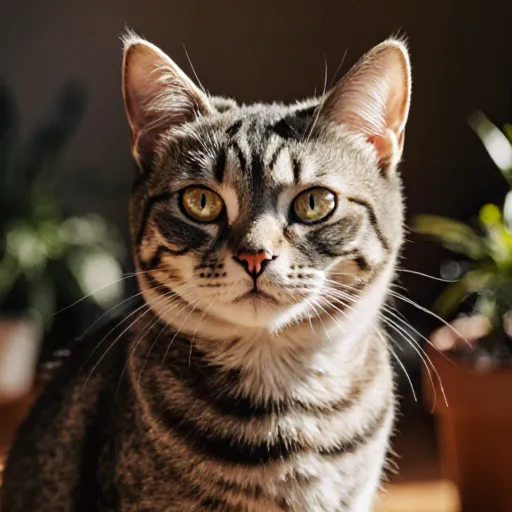
Revitalize Your Senior Cat with These Tips!
Unlock Energy in Aging Felines
Table of Contents
- Understanding the Needs of Older Cats
- Maintaining Proper Weight in Older Cats
- Encouraging Regular Exercise for Your Senior Feline
- Providing Age-Appropriate Toys and Play Activities
- Creating a Safe Environment to Promote Activity
- Nutritional Support for Older Cats' Energy Levels
- Introducing Outdoor Enclosures or Supervised Walks
- Monitoring Your Cat's Health During Activity
- Encouraging Social Interaction to Keep Them Active Mentally
- Identifying Signs of Declining Activity Levels in Older Cats
- Discussing with Your Veterinarian for Tailored Exercise Plans
- Tips on Keeping Your Senior Cat Happy and Content
- Conclusion
- FAQ
Understanding the Needs of Older Cats
As cats age, their physical and behavioral needs change. Understanding these needs is crucial for helping older cats stay active and comfortable. Older cats may not be as mobile or playful as they once were, but with the right approach, you can help them maintain a good quality of life.
Cats typically enter their senior years around seven to ten years old, depending on the breed. As they age, cats may experience physical changes such as decreased mobility, joint stiffness, and reduced energy levels. These changes can make it difficult for them to engage in the same level of activity they were used to.
Joint Stiffness
Cats with arthritis or other joint issues often have difficulty moving around comfortably. This can lead to decreased mobility, which may result in less physical activity. Providing comfortable resting areas and soft bedding can help ease their discomfort. Additionally, a diet rich in glucosamine and chondroitin sulfate may support joint health.
Reduced Energy Levels
Older cats tend to have lower energy levels compared to younger cats. This doesn't mean they are inactive; rather, their activity is often more sporadic and less intense. Encouraging short bursts of activity can be beneficial. For example, you could use toys that require some effort, such as feather wands or interactive laser pointers.
Besides physical changes, older cats may exhibit behavioral changes that affect their activity levels. Some common behaviors include less interest in playing and more time spent sleeping. However, this doesn't mean they are not capable of enjoying some form of activity.
Reduced Playfulness
While younger cats may spend hours chasing after toys or climbing up and down furniture, older cats might be less enthusiastic about such activities. Instead of expecting them to engage in the same level of play as they did in their youth, it's important to adapt your approach. Interactive games that require minimal effort can still provide stimulation and enjoyment.
Increased Sleep
Cats are natural nappers, but older cats tend to sleep more than younger ones. This is a normal part of aging for them. However, it's important to ensure they have plenty of comfortable places to rest. You can create a cozy environment by providing multiple soft beds and hiding spots around the house.
Despite their changing needs, older cats can still enjoy some level of activity if you provide them with the right stimulation. Here are some practical tips:
- Create a safe space for play: Ensure that your cat's play area is free from obstacles that could cause injury and is comfortable to rest in afterwards.
- Use interactive toys: Toys that require interaction, such as remote-controlled mice or laser pointers, can be great for stimulating older cats. They are less strenuous than running around but still provide mental engagement.
- Promote exploration: Place treats and toys in different rooms or areas of the house to encourage your cat to explore new spaces.
Understanding the needs of older cats is key to helping them stay active and comfortable. By recognizing their physical and behavioral changes, you can provide an environment that encourages activity without overwhelming them. With a little creativity and patience, even older cats can enjoy a fulfilling and active life.
Maintaining Proper Weight in Older Cats
As cats age, their metabolism slows down, which can lead to weight gain if not properly managed. Maintaining a healthy weight is crucial for older cats as it helps them stay active and reduces the risk of obesity-related health issues such as diabetes, arthritis, and respiratory problems. Proper weight management involves a combination of diet, exercise, and regular veterinary check-ups.
The key to helping older cats maintain proper weight is understanding their caloric needs. Cats over the age of seven are considered elderly, and their metabolic rate decreases by about 25% as they age. This means that the amount of food they consume should be adjusted accordingly to avoid overeating.
Adjusting the Diet
The first step in weight management is adjusting the diet to meet your cat's changing needs. Here are some tips:
- Consult a Veterinarian: Always consult with your vet before making any changes to your older cat's diet. They can provide personalized advice based on your cat’s health and activity level.
- Nutrient-Rich Foods: Opt for high-quality, nutrient-rich foods that are specifically formulated for senior cats. These diets often contain fewer calories but higher levels of essential nutrients like protein and omega-3 fatty acids to support joint health.
- Portion Control: Pay attention to portion sizes. Older cats should eat smaller portions more frequently, typically three or four times a day, rather than one large meal.
- Hydration: Ensure your cat drinks plenty of water. Dehydration can exacerbate joint pain and other health issues in older cats.
Promoting Activity
While older cats may not be as active as they once were, it's important to keep them moving to maintain muscle mass and overall well-being. Here are some ways to encourage activity:
- Interactive Toys: Use toys that require your cat to exert energy, such as feather wands or laser pointers. These can stimulate both mental and physical activity.
- Hunting Instincts: Encourage hunting behavior by placing small amounts of food in different locations around the house. This mimics a wild cat's natural feeding pattern and keeps your older cat active.
- Obstacle Courses: Create an obstacle course for your cat using furniture or cardboard boxes. This can be both fun and stimulating, encouraging your cat to move and stretch.
Regular Veterinary Check-Ups
Regular visits to the vet are essential in monitoring your older cat's health and weight. Your vet will provide guidance on appropriate nutrition and exercise and can catch any potential health issues early, preventing them from worsening.
- Annual Exams: Schedule annual check-ups with your veterinarian to monitor your cat’s weight and overall health. Blood tests and other diagnostic tools can help identify underlying conditions that might be affecting your cat's weight or activity levels.
- Vaccinations and Parasite Control: Ensuring your older cat is up-to-date on vaccinations and parasite control is also important for maintaining their health and energy.
In conclusion, helping older cats stay active and maintain a healthy weight requires a holistic approach. By adjusting their diet, promoting physical activity, and working closely with your veterinarian, you can ensure that your senior cat remains vibrant and happy. Remember, the goal is not just to keep your cat at an ideal weight but also to enhance their quality of life as they age.
Encouraging Regular Exercise for Your Senior Feline
Helping older cats stay active is crucial for maintaining their health and quality of life. Regular exercise not only helps to prevent obesity but also aids in managing joint problems, enhancing muscle tone, and improving overall mobility. As your senior feline ages, it’s important to encourage them to remain active. Here are some practical tips and examples to help you get started:
1. Create a Safe Environment
Ensure that the space where your cat exercises is safe and free from hazards like sharp objects or slippery surfaces. Remove any obstacles that could cause injury, such as loose wires or furniture with sharp edges.
2. Interactive Toys
Interactive toys are excellent for engaging your senior cat in play. Choose toys that mimic prey-like movements to stimulate their natural hunting instincts. For example, feather wands or laser pointers can be fun and effective tools. You can also use small, lightweight balls or tunnels designed for cats.
3. Vertical Spaces
Cats love to climb and jump. Providing them with vertical space options like cat trees or perches helps encourage physical activity. These structures allow your senior feline to stretch their muscles while climbing, jumping, and balancing. Consider placing these higher up in the room so that your cat has to exert more energy to reach the top.
4. Routine Playtime
Establish a consistent playtime routine. Cats thrive on routines, which can help them feel secure and comfortable. Spend at least 10-15 minutes each day playing with your cat using interactive toys. This not only keeps them physically active but also strengthens the bond between you and your senior feline.
5. Encourage Natural Behavior
Cats are naturally curious creatures who enjoy exploring their environment. Provide opportunities for your senior cat to explore by setting up new areas or rearranging furniture slightly. This can encourage them to move around more, whether it’s walking between different levels of the house or simply investigating a newly placed toy.
6. Monitor and Adjust
Keep an eye on your senior cat's energy levels and adjust activities accordingly. Some days they might be less energetic due to illness or fatigue, while other days they may surprise you with unexpected bursts of activity. Always ensure that the exercises are gentle enough for their age but still provide a good level of physical challenge.
7. Consider Professional Guidance
If your senior cat has specific health conditions such as arthritis, consider consulting with a veterinarian or a certified pet trainer who specializes in feline rehabilitation. They can offer tailored advice and exercises that are safe and suitable for your senior feline’s needs.
By incorporating these strategies into your daily routine, you can help ensure that your senior cat remains active and vibrant well into their later years. Remember, the key is to make exercise fun and engaging while also being mindful of your cat's physical limitations. With a little creativity and patience, you'll be able to create an enjoyable and healthy lifestyle for your senior feline friend.
Providing Age-Appropriate Toys and Play Activities
To help older cats stay active, it's important to provide toys and play activities that cater to their changing needs. As cats age, they may experience a decline in physical activity due to decreased mobility or joint pain. It’s crucial to adapt the types of toys and play activities you offer to ensure your senior cat remains engaged both mentally and physically.
Understanding Senior Cat Behavior
Cats in their later years may show different behaviors compared to younger cats. They might prefer quieter, low-intensity play sessions or be more interested in interactive toys that mimic hunting behavior. It’s essential to observe your cat's preferences and adapt the type of toys and activities accordingly.
Interactive Toys for Senior Cats
For older cats, interactive toys are particularly beneficial as they encourage mental stimulation and physical activity without requiring high-intensity movements. Here are some examples:
- Feather Teasers or Wands: These toys can simulate the motion of prey for your cat to chase and pounce on, stimulating their hunting instincts.
- Bird Feeder Toys: These are designed to mimic birds flying around a feeder. They often have mirrors, bells, and other features that spark curiosity and encourage play.
- Remote-Controlled Cars or Planes: Some remote-controlled toys can be programmed to move in certain patterns, making them both fun and engaging for your cat.
Mental Stimulation Toys
Seniors benefit from mental stimulation just as much as physical activity. Here are some options:
- Toys with Hidden Treats: These toys typically have a small opening where treats can be placed inside, encouraging your cat to use their paws and mouth to extract the treat.
- Maze Toys: These are puzzles that require your cat to maneuver through various paths or compartments to reach hidden treats. They challenge problem-solving skills and keep your cat's mind active.
Cat Trees and Scratching Posts
Cats need scratching posts to maintain their claws and exercise their bodies, especially as they age. However, it’s important to choose a sturdy post that can support the weight of your senior cat. Cat trees with multiple levels provide ample space for climbing, which is a natural behavior for cats.
Regular Play Sessions
Consistency is key when it comes to keeping older cats active. Short, frequent play sessions are better suited for elderly felines than long, intense ones. Try to engage your cat in 10-15 minute play sessions a few times a day. This not only helps maintain their physical fitness but also strengthens the bond between you and your pet.
Encouraging Natural Behaviors
Cats are natural hunters, so incorporating elements of this behavior into their play can be highly beneficial. Use small prey-like toys or even feathers to mimic the movements of birds or mice. This type of play can also help manage any anxiety or stress your senior cat might experience.
Supervising Playtime
Always supervise your older cat’s playtime, especially when they are using new toys or engaging in more energetic activities. Older cats may not have the same reflexes as younger ones and could be at higher risk of injury during rough play.
Conclusion
In conclusion, providing age-appropriate toys and play activities is crucial for helping older cats stay active and healthy. By understanding their changing needs and preferences, you can create an environment that encourages both physical activity and mental stimulation. This approach not only enhances your cat's quality of life but also strengthens the bond between you and your pet.
Creating a Safe Environment to Promote Activity
Creating a safe environment is crucial for helping older cats stay active and maintain their overall health. As cats age, they may become less mobile or experience joint pain, which can lead to decreased activity levels. However, with the right setup, you can encourage your senior cat to stay active and engaged in various activities that promote physical fitness and mental stimulation.
Older cats often have specific needs that should be considered when creating an environment conducive to activity. These include:
- Pain Management: Cats can experience joint pain or other health issues, which may limit their mobility. Providing a comfortable space and appropriate pain management strategies is essential.
- Mental Stimulation: Older cats still enjoy mental challenges that keep them engaged and active. This can include puzzles, interactive toys, and regular playtime.
- Ease of Access: Ensure that the space you create is easily accessible for your cat. Ramps or steps should be available to help them reach elevated areas like windowsills or beds without straining their joints.
To promote activity, it's important to create an environment that is both safe and stimulating. Here are some practical tips:
Elevated Perches
Elevated areas such as shelves or platforms can provide your cat with a higher vantage point from which they can observe their surroundings, play, and even hunt. These perches should be stable and have non-slip surfaces to prevent falls.
Interactive Toys
Interactive toys are excellent for engaging older cats in physical activity. You can use feather wands, laser pointers (on low settings), or puzzle feeders that require them to work for their food. These activities not only encourage movement but also provide mental challenges.
Dining and Resting Areas
Ensure your cat has a comfortable place to eat and rest. Elevated feeding stations can be helpful, as they allow cats to eat without bending over too much. Additionally, providing soft beds or cushions in various locations throughout the home ensures that your cat feels secure and comfortable.
Regular exercise is vital for maintaining muscle tone and joint health in older cats. Here are some ways to encourage daily activity:
- Daily Playtime: Spend time each day playing with your cat using interactive toys. This can be as simple as throwing a toy or chasing after the laser pointer.
- Structured Play Sessions: Set aside specific times for play sessions, which will help establish a routine and make it easier to incorporate into your daily life.
- Treat-Based Exercise: Use treats as rewards during playtime. This not only encourages activity but also reinforces positive behavior.
As you create a safe and stimulating environment, it's important to monitor your cat's health and adjust the activities accordingly. Signs that your cat may need some adjustments include:
- Pain or discomfort when moving.
- Sudden loss of interest in play or activity.
- Unusual behavior such as hiding more often than usual.
If you notice any concerning signs, consult your veterinarian to ensure that there are no underlying health issues. Adjust the activities based on your cat's needs and continue to observe their response to the environment.
Nutritional Support for Older Cats' Energy Levels
As cats age, their energy levels can naturally decrease due to a slowing metabolism and reduced activity. However, providing them with proper nutritional support is essential to help maintain their active lifestyles and overall health. Nutritional support plays a crucial role in enhancing the quality of life for older cats by ensuring they receive all necessary nutrients without overwhelming their bodies.
Understanding Older Cats' Nutritional Needs
Cats over seven years old are considered senior, and their nutritional needs differ from those of younger cats. Their digestive systems may not be as efficient at breaking down complex proteins or absorbing certain vitamins and minerals. Therefore, it is important to provide them with a diet that is easily digestible yet rich in essential nutrients.
Key Nutrients for Older Cats
- Protein: High-quality protein helps maintain muscle mass and supports immune function. Look for cat food brands that offer high-protein content and use easily digestible animal-based proteins like chicken, turkey, or fish.
- Fat: Essential fats support brain health and the absorption of fat-soluble vitamins (A, D, E, K). However, older cats should avoid excessive fats to prevent obesity, which can lead to other health issues. Omega-3 fatty acids are particularly beneficial as they help reduce inflammation.
- Vitamins: Cats require specific vitamins like A, B12, and D for proper function. Many senior cat foods already include these in appropriate amounts, but it is important to check the label or consult with a veterinarian if you are unsure.
- Minerals: Phosphorus and calcium are crucial for maintaining strong bones and teeth. However, older cats should be careful about consuming too much phosphorus, as it can lead to kidney issues. Ensure that their diet is balanced in these minerals without causing excess.
Practical Tips for Nutritional Support
- Consult Your Veterinarian: Always consult with your vet before making significant changes to your cat's diet. They can provide personalized advice based on your cat's specific health needs and activity level.
- Transition Gradually: If you decide to switch to a new senior cat food, do so gradually over several days to allow your cat's digestive system time to adjust.
- Monitor Weight: Keep an eye on your cat's weight and body condition. Overweight cats are more prone to health issues like diabetes and arthritis, while underweight cats may not be getting enough nutrients.
- Supplement with Treats Wisely: While treats can be a fun way to reward your older cat, they should not replace the main meal. Opt for low-calorie, high-nutrient treats like freeze-dried chicken or fish.
Examples of Senior Cat Diets
Several brands offer senior cat diets that are formulated to meet older cats' nutritional needs:
- Science Diet Senior: This brand offers a variety of formulas, including one designed for indoor-only cats and another with joint support.
- Hill's Science Plan Adult 7+: Known for its high-quality ingredients and nutritional balance, this formula is suitable for older cats who need less calories but still require essential nutrients.
- Bowls Full of Purrs Senior Formula: This brand focuses on promoting joint health in senior cats with added glucosamine and chondroitin.
By providing your older cat with the right nutritional support, you can help them maintain their energy levels and lead a more active life. Remember that each cat is unique, so it's important to monitor their response to any changes in diet and consult with a veterinarian if necessary.
Introducing Outdoor Enclosures or Supervised Walks
As cats age, their physical abilities and energy levels can diminish. Ensuring that older cats remain active is crucial to maintaining their overall health and well-being. One effective way to achieve this is by introducing outdoor enclosures or supervised walks. These methods not only provide older cats with the exercise they need but also help keep them mentally stimulated, which is equally important as physical activity.
Outdoor Enclosures: Creating a Safe Environment
Outdoor enclosures are a perfect solution for allowing your senior cat to enjoy some fresh air and sunshine without the risks associated with full outdoor access. These enclosures offer a controlled environment where cats can explore, stretch their legs, and engage in natural behaviors such as hunting or simply lounging under the sun.
- Benefits: Enclosures provide a safe space for your cat to experience outdoor activities without the dangers of traffic, other animals, or unpredictable weather conditions.
- Design Tips: Ensure that the enclosure is secure and has features like climbing structures, perches, and hiding spots. This not only makes it more stimulating but also safer as older cats may have reduced agility compared to their younger selves.
Supervised Walks: A Step-by-Step Guide
For some older cats, the idea of supervised walks might be a bit daunting. However, with proper training and gradual introduction, these walks can become an enjoyable part of your routine. Supervised walks offer several benefits that help keep senior cats active:
- Mental Stimulation: Walking through new environments provides mental stimulation, which is especially important for older cats as they may experience cognitive decline.
- Social Interaction: Walks also allow your cat to socialize with other animals and people in a controlled setting, reducing stress levels.
To start supervised walks:
- Start Slowly: Begin by taking short, easy walks around the house or yard. Gradually increase duration and distance as your cat becomes more comfortable with the activity.
- Choose Safe Routes: Select safe, quiet locations for walking to minimize stress and potential dangers.
- Pace Yourself: Be mindful of your cat’s physical limitations. If they show signs of fatigue or discomfort, it's important to stop the walk immediately.
Monitoring Your Senior Cat's Health
While introducing outdoor enclosures or supervised walks can significantly enhance an older cat’s quality of life, it is essential to monitor their health closely. Signs that your cat might need a more controlled approach include:
- Sudden changes in behavior.
- Difficulty walking or moving around.
- Pain or discomfort during movement.
If you notice any of these signs, it’s advisable to consult your veterinarian. They can provide tailored advice and potentially recommend additional measures such as physical therapy or medication that could complement the outdoor activities.
Conclusion
Introducing outdoor enclosures or supervised walks into your routine is a thoughtful approach to keeping older cats active and happy. By providing them with controlled access to the outdoors, you are not only supporting their physical health but also enriching their mental well-being. Always remember to listen closely to your cat’s needs and preferences when adjusting these activities.
Monitoring Your Cat's Health During Activity
To ensure that older cats remain active and healthy, it is crucial to monitor their health during physical activity. This involves several key steps that can help you maintain your senior cat’s well-being while they stay active:
1. Regular Veterinary Check-Ups
Regular visits to the vet are essential for monitoring your older cat's health. During these check-ups, the veterinarian will evaluate your cat's overall condition, including checking their heart rate, breathing, and body temperature. They may also perform blood tests or other diagnostics to identify any potential health issues early.
2. Gradual Introduction to Exercise
If your older cat has been sedentary, introduce exercise gradually. Start with short play sessions using toys like feather wands or laser pointers, which are both effective in stimulating an older cat's activity level without overwhelming them.
3. Tailored Playtime
Cats at different stages of their life have varying energy levels and preferences for activities. For older cats, consider engaging in low-impact exercises that are comfortable for them. This might include gentle walks (if your cat is up to it) or short bursts of play using soft, non-threatening toys.
4. Monitoring for Signs of Strain
Keep a close eye on your older cat during and after activity sessions. Look out for any signs of strain such as panting, limping, or reluctance to move. If you notice these symptoms, it’s important to stop the activity immediately and consult with a veterinarian.
5. Adjust Activities Based on Health
As your older cat's health changes, so too should their activities. For instance, if your cat has arthritis or other joint issues, you may need to switch to lower impact exercises such as swimming or using a heated bed to encourage stretching and mobility.
6. Provide a Comfortable Environment
Maintain an environment that encourages activity but is also safe for your older cat. Ensure there are plenty of elevated surfaces, soft places to rest, and hiding spots where they can feel secure while playing or moving around.
By following these steps, you can help ensure that your older cat remains active and healthy while enjoying their daily activities. Regular monitoring and adjustments based on your cat’s changing needs will go a long way in keeping them fit and happy as they age.
Encouraging Social Interaction to Keep Them Active Mentally
Encouraging social interaction is crucial for keeping older cats active and mentally stimulated, which can significantly enhance their overall well-being. As cats age, they may become less mobile or less inclined to engage in physical activity. However, by fostering an environment that encourages mental and social engagement, you can help maintain their cognitive functions and reduce the risk of behavioral issues such as lethargy or depression.
Understanding Older Cats' Needs
Older cats typically require more mental stimulation to keep them active. Their physical activity levels may naturally decrease with age, but this doesn't mean they should be left alone for long periods. Social interaction helps maintain their cognitive health and ensures they feel valued and loved.
Creating a Stimulating Environment
To encourage social interaction and keep older cats active mentally, it's important to create an environment that stimulates both their minds and bodies. This can include providing toys that require problem-solving skills, such as treat-dispensing puzzle feeders or interactive laser pointers.
For example, you could set up a "cat enrichment corner" in your home with various play options. This area should have:
- Interactive toys that encourage chasing and pouncing
- Hanging cat trees or posts that offer different heights to climb and explore
- Mirrors or reflective surfaces where cats can observe themselves and their surroundings
Incorporating Social Activities
Regular social interaction is key. Spend time playing with your older cat daily, even if it's just for a few minutes at a time. This not only keeps them mentally sharp but also strengthens the bond between you and your feline companion.
Try these activities to make playtime fun:
- Use feather toys or toy mice that can be manipulated by you
- Throw balls for your cat, even if they're not as energetic as before
- Engage in short games of hide-and-seek where you use treats to encourage them to find you
Encouraging Socialization with Other Pets
If your home has multiple pets, ensure that the older cat feels comfortable and safe around other animals. This can be a great way for them to interact socially without feeling overwhelmed.
Introduce new toys or treats to encourage positive interactions between different pets. For example:
- If you have another cat, set up supervised playdates
- Provide separate but adjacent feeding stations for multiple cats to reduce stress and conflict
Mental Stimulation Through Feeding Games
Incorporating mental stimulation through mealtime can also help keep an older cat engaged. Consider using puzzle feeders or scattered meals that require your cat to search for their food.
For instance:
- Use a slow feeder bowl where the cat has to work harder to eat, mimicking how they would naturally hunt in the wild
- Distribute treats throughout different areas of your home so that the older cat has to explore and find them
Conclusion
By focusing on encouraging social interaction through play, environmental enrichment, and mental stimulation, you can help maintain an older cat's active lifestyle. This approach not only keeps your senior cat mentally sharp but also fosters a stronger bond between you both. Remember, even small changes in routine can make a big difference in the quality of life for your aging feline companion.
Identifying Signs of Declining Activity Levels in Older Cats
As cats age, it can be challenging to notice signs of declining activity levels. These changes might not be as obvious as they would be in dogs or other pets, but they are important to monitor for the overall health and well-being of your senior cat. Identifying these signs early can help you take proactive steps to maintain their activity level and ensure a happy and healthy life.
- Reduced Mobility: Older cats may experience joint pain or stiffness, leading to reduced mobility. This can be observed as less jumping on furniture or climbing stairs.
- Decreased Hunting Instincts: Older cats might not show the same interest in hunting or playing with toys that they once did. This could indicate a decline in their energy levels and physical activity.
- Increased Time Spent Sleeping: While it's normal for older cats to sleep more, if you notice a significant increase in sleeping time without corresponding increases in eating or playtime, this might be a sign of reduced activity levels.
- Less Interest in Playtime: A decrease in interest in interactive play sessions can signal that your cat is less active. Interactive toys and games can help stimulate their minds and bodies.
- Obesity: Obesity in cats can lead to decreased activity levels, but it can also be a sign of declining activity if your cat used to be more active before gaining weight.
To help your older cat stay active and maintain their quality of life, consider the following practical steps:
- Provide a Comfortable Environment: Ensure that your home is set up with areas for your cat to rest comfortably. This includes soft beds in sunny spots or quiet rooms.
- Incorporate Interactive Toys: Use toys that mimic prey, such as feather wands or laser pointers, which can stimulate both their hunting instincts and physical activity.
- Create Obstacle Courses: Set up simple obstacle courses using furniture or tunnels to encourage your cat to move around. This can be a fun way to keep them active while also providing mental stimulation.
- Consider Joint Health Supplements: If joint pain is suspected, consult with your veterinarian about supplements that could help manage discomfort and support mobility.
- Maintain Appropriate Weight: Ensuring your cat maintains a healthy weight can significantly impact their activity levels. Talk to your vet about feeding recommendations for older cats.
Monitoring the signs of declining activity in older cats is crucial for maintaining their overall health and happiness. By recognizing these signs early and taking proactive steps, you can help keep your senior cat active and engaged in life. Remember, small changes can make a big difference in ensuring that your cat remains healthy and content as they age.
Discussing with Your Veterinarian for Tailored Exercise Plans
Helping older cats stay active is crucial for maintaining their overall health and well-being. As your cat ages, their energy levels and physical capabilities may change. To ensure they receive the best care possible, discussing with your veterinarian for a tailored exercise plan can make a significant difference.
Understanding Your Cat's Needs
Your veterinarian is your first point of contact when it comes to understanding your cat's specific health needs. By discussing your older cat’s mobility and overall health, you can work together to create an exercise plan that suits their current capabilities and limitations.
Key Points to Discuss
- Health Assessment: Your veterinarian can assess any potential health issues that may affect your cat's mobility or energy levels. This includes checking for joint problems, cardiovascular health, and overall fitness.
- Pain Management: If your older cat is experiencing pain due to arthritis or other conditions, discuss the best ways to manage this while still allowing them to exercise comfortably.
- Energy Levels: Some older cats may have reduced energy levels. Discussing realistic expectations and adjusting the intensity of exercises accordingly can help in preventing overexertion.
Tailored Exercise Plans
Your veterinarian can recommend exercises that are both safe and effective for your older cat. Here are some examples:
Low-Impact Exercises
- Short Walks: Encourage short walks around the house or yard to help maintain mobility.
- Lifting Toys: Engage your cat in play by lifting toys in front of them, which can stimulate their paws and legs without requiring much movement.
Moderate Exercises
- Interactive Play Sessions: Use interactive toys like feather wands or laser pointers to encourage your cat to chase and jump, which can improve their muscle tone while staying safe.
- Obstacle Courses: Set up a simple obstacle course in the home for your cat to navigate. This encourages them to use their paws and legs effectively.
Promoting Overall Well-Being
In addition to physical exercise, mental stimulation is crucial for older cats. Consider activities that challenge their minds:
- Feeding Games: Use puzzle feeders or scatter treats around the house to encourage your cat to use their natural hunting instincts.
- Scent Work: Provide scented toys or items for them to explore, which can keep them mentally engaged and entertained.
Pitfalls to Avoid
To ensure that your older cat benefits from exercise without risking injury, avoid activities that put too much stress on their joints:
- Avoid long periods of jumping or running.
- Limit the time spent outside if there are risks like traffic or other hazards.
- Be cautious with slippery surfaces to prevent falls and injuries.
Conclusion
Discussing with your veterinarian for a tailored exercise plan can significantly enhance the quality of life for older cats. By working together, you can create an exercise routine that is both enjoyable for your cat and safe for their health. Remember to monitor your cat's response and adjust the exercises as needed.
Tips on Keeping Your Senior Cat Happy and Content
To keep your senior cat happy and content, it's important to provide a stimulating environment that encourages activity. Just like younger cats, senior cats need mental and physical stimulation to stay active and healthy. Here are some tips based on the concept of "Helping Older Cats Stay Active":
Just as with younger cats, providing a variety of toys can help keep your senior cat engaged in play. Rotate their toys every few days to maintain interest and prevent boredom. Consider incorporating interactive toys such as feather wands or laser pointers that encourage movement and mental engagement.
Cats love exploring, so create simple obstacle courses around your home using furniture, tunnels, and perches. These can help keep your senior cat active by encouraging them to jump, climb, and explore. This not only promotes physical activity but also helps maintain their muscle strength.
Many senior cats enjoy indoor playtime because it is safer than outdoor activities. Spend time playing with your cat using toys that mimic prey, such as mice or birds on a string. This can also be an opportunity for you to bond and provide mental stimulation.
Puzzle feeders are excellent tools for keeping senior cats mentally engaged while eating. These toys encourage your cat to work for their food, which promotes physical activity and can make mealtimes more enjoyable. Look for feeders that require your cat to manipulate a piece of the toy or solve a puzzle before they can access their food.
While keeping your senior cat active is important, it's equally crucial to monitor their health and well-being through regular veterinary check-ups. Your vet can provide advice on how best to keep your cat active as they age and may recommend specific exercises or activities based on your cat’s individual needs.
Senior cats often benefit from having a quiet space where they can relax away from the hustle and bustle of daily life. This could be a cozy corner with soft blankets or a perch near a window. Providing this sanctuary helps reduce stress, which is beneficial for overall well-being.
Social interaction can significantly enhance your senior cat's happiness and contentment. Spend quality time interacting with them through gentle petting or grooming sessions. Regular affectionate touchings help to strengthen the bond between you and your cat, which is particularly important as they age.
A proper diet plays a vital role in maintaining your senior cat's health and energy levels. Discuss with your veterinarian about the best food choices for your senior cat to ensure they receive adequate nutrition without overburdening their digestive system.
Hydration is essential for maintaining kidney function, which can decline as cats age. Provide fresh water in multiple locations around the house and consider using a cat water fountain to make drinking more appealing and encourage your senior cat to drink more.
Observe changes in your senior cat's behavior and activity levels closely. If you notice any significant changes, such as decreased appetite or less interest in play, consult with a veterinarian promptly. Early intervention can address potential health issues before they become more serious.
In conclusion, keeping your senior cat happy and content involves providing a stimulating environment that encourages physical and mental activity, regular veterinary care, and plenty of social interaction. By following these tips based on the concept of "Helping Older Cats Stay Active," you can ensure that your senior cat continues to lead an active and fulfilling life.
Conclusion
FAQ
Staying active helps maintain muscle mass, improves joint health, and can prevent obesity. For older cats, regular physical activity is crucial as they age, as it slows down the effects of aging on their bodies. It also promotes better digestion and enhances mental alertness.
For example, an older cat named Whiskers showed significant improvement in his mobility after starting a routine that included short walks and interactive playtime with laser pointers.
Safe exercises vary depending on the health and age of your cat. Low-impact activities like swimming or using a cat treadmill can be beneficial. Interactive play sessions with toys such as feather wands, laser pointers, or interactive puzzle feeders also encourage mental stimulation and physical activity.
For instance, if you have a cat named Mittens who has arthritis, consider introducing her to water-based exercises like swimming in a shallow pool filled with lukewarm water.
Encouraging activity is key. Start by creating an environment that stimulates their natural instincts, such as providing climbing structures and hiding spots. Interactive play sessions should be short but frequent throughout the day. Ensuring your home is safe for exploration and movement will help keep them active.
For example, if you have a cat named Shadow who loves to climb, set up various levels in her environment that she can explore. This keeps her both physically and mentally engaged.
Yes, it’s important to assess your cat’s health before starting a new exercise routine. Cats with heart conditions or joint problems may need more gentle activities. Always consult your veterinarian for advice tailored to your specific cat.
For example, if you have a cat named Luna who has been diagnosed with arthritis, ensure that any activity is carefully planned and monitored by a vet.
Engaging playtimes involve toys that mimic natural behaviors your cat would encounter in the wild. Consider using laser pointers to simulate prey, or interactive puzzle feeders that require her to work for their meal, which can stimulate both body and mind.
For example, if you have a cat named Oreo who loves chasing, use a small toy mouse on a string or a laser pointer to engage in short bursts of play.
Yes, monitoring is essential. Keep an eye on your cat’s energy levels and signs of discomfort during and after play or exercise sessions. If you notice any changes in behavior or health issues, it may be time for a check-up with the vet.
For instance, if you have a cat named Mr. Whiskers who suddenly becomes less interested in playing, this could indicate underlying health issues that need addressing.
Categories
- AI & Enrichment Play
- Broiler Farming
- Broiler Farming Tips
- Canine Wellness & Longevity
- Cat
- Cat & Human Connection
- Cat Adoption & Rescue
- Cat Breeds
- Cat Breeds & Personalities
- Cat Care & Health
- Cat Grooming & Hygiene
- Cat Lifestyle & Environment
- Cat Myths & History
- Cat Nutrition & Diet
- Cat Products & Reviews
- Cat Training & Behavior
- Comparison
- Consumer Awareness
- Dog
- Dog Accessories & Products
- Dog Adoption & Rescue
- Dog Breed & Lifestyle Trends
- Dog Breeding & Puppies
- Dog Entertainment & Media
- Dog Fashion & Trends
- Dog Fun & Lifestyle
- Dog Grooming & Hygiene
- Dog History & Culture
- Dog Myths, Science & Future Tech
- Dog News & Trends
- Dog Nutrition & Food
- Dog Psychology & Emotions
- Dog Safety & Security
- Dog Sports & Activities
- Dog Technology & Innovation
- Dog Training for Modern Owners
- Dog Travel & Adventure
- Dog Travel, Adventure & Culture
- Economic and Market Insights
- Educational Content
- FAQs
- Feeding Alternatives
- Festivals & Seasonal Ideas
- Fun & Entertainment
- General Knowledge
- General Pig Farming
- Health & Disease Management
- Housing and Environment
- Kittens
- Market Insights
- Miscellaneous
- Miscellaneous
- Motivational
- pig
- Pig Breeding
- Pig Breeds
- Pig Farming Stories and Inspiration
- Pig Health and Care
- Pig Nutrition
- Pig Products
- Profitability & Business
- Puppy Care
- Puppy Predictable Topics Reinvented
- Regional Focus
- Rescue & Adoption Buzz
- Senior Cats
- Senior Dog Care
- Smart Dog Tech & Gadgets
- Sustainability
- Sustainable & Eco-Friendly Dog Products
- Tech & Innovations
- Working & Service Dogs
- Broiler Feed66 products
- Country Feed33 products
- Pig Feed66 products
- Product22 products
- Raw Materials99 products
Products
-
 Fish Meal
₹1,999.00 – ₹2,999.00Price range: ₹1,999.00 through ₹2,999.00Rated 0 out of 5
Fish Meal
₹1,999.00 – ₹2,999.00Price range: ₹1,999.00 through ₹2,999.00Rated 0 out of 5 -
 FATTENING BROILER FEED
₹2,299.00 – ₹2,349.00Price range: ₹2,299.00 through ₹2,349.00Rated 0 out of 5
FATTENING BROILER FEED
₹2,299.00 – ₹2,349.00Price range: ₹2,299.00 through ₹2,349.00Rated 0 out of 5 -
 LAYER COUNTRY FEED
₹1,549.00 – ₹1,649.00Price range: ₹1,549.00 through ₹1,649.00Rated 0 out of 5
LAYER COUNTRY FEED
₹1,549.00 – ₹1,649.00Price range: ₹1,549.00 through ₹1,649.00Rated 0 out of 5 -
 COUNTER BROILER FEED
₹1,199.00 – ₹1,299.00Price range: ₹1,199.00 through ₹1,299.00Rated 0 out of 5
COUNTER BROILER FEED
₹1,199.00 – ₹1,299.00Price range: ₹1,199.00 through ₹1,299.00Rated 0 out of 5 -
 LACTATING PIG FEED
Rated 0 out of 5
LACTATING PIG FEED
Rated 0 out of 5₹2,299.00Original price was: ₹2,299.00.₹1,740.00Current price is: ₹1,740.00. -
 Maize
Rated 0 out of 5
Maize
Rated 0 out of 5₹1,650.00Original price was: ₹1,650.00.₹1,300.00Current price is: ₹1,300.00. -
 GESTATION PIG FEED (Phase 1)
Rated 0 out of 5
GESTATION PIG FEED (Phase 1)
Rated 0 out of 5₹2,249.00Original price was: ₹2,249.00.₹1,699.00Current price is: ₹1,699.00. -
 Pre Starter Broiler Feed
₹2,399.00 – ₹2,499.00Price range: ₹2,399.00 through ₹2,499.00Rated 0 out of 5
Pre Starter Broiler Feed
₹2,399.00 – ₹2,499.00Price range: ₹2,399.00 through ₹2,499.00Rated 0 out of 5 -
 FINISHER PIG FEED
Rated 0 out of 5
FINISHER PIG FEED
Rated 0 out of 5₹2,299.00Original price was: ₹2,299.00.₹1,749.00Current price is: ₹1,749.00. -
 Broiler Premix
Rated 0 out of 5
Broiler Premix
Rated 0 out of 5₹820.00Original price was: ₹820.00.₹699.00Current price is: ₹699.00.