
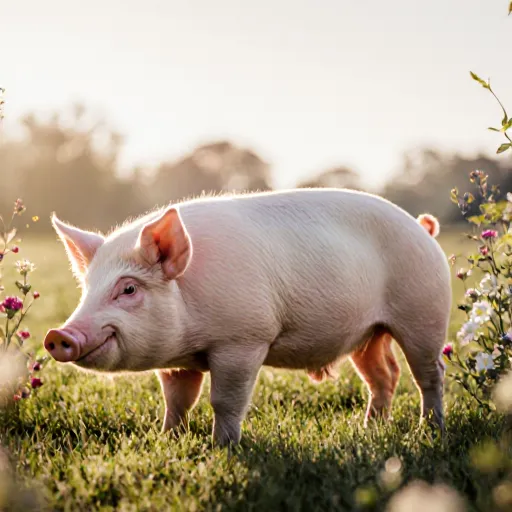
Explore pig fertility with estrus cycle insights!
Table of Contents
- Understanding the Estrus Cycle in Pigs: Introduction
- Importance of Estrus in Swine Reproduction
- Definition and Overview of Estrus Cycle
- Signs Indicating the Onset of Estrus
- Role of Hormones in the Estrus Cycle
- Stages of the Estrus Cycle
- Ovulation Timing and Its Significance
- Behavioral Changes During Estrus
- Impact of Environmental Factors on Estrus
- Nutritional Influence on the Estrus Cycle
- Breeding Management Strategies Based on Estrus Cycles
- Health Considerations and Common Issues during Estrus
- Advancements in Estrus Cycle Monitoring Technologies
- Conclusion
- FAQs About the Estrus Cycle in Pigs
Understanding the Estrus Cycle in Pigs: Introduction
Understanding the estrus cycle in pigs is essential for optimizing breeding programs and ensuring successful reproduction. The estrus cycle, also known as the oestrus or heat cycle, refers to a series of changes that occur in female pigs (sows) in preparation for ovulation and mating. This cycle is crucial for livestock management because it determines the optimal time for artificial insemination or natural breeding.
The estrus cycle typically lasts around 21 days but can vary slightly between individual animals. It consists of several distinct phases, each characterized by hormonal changes that prepare the sow's body for potential reproduction:
- Anestrus: This is the period when no estrous activity occurs. In this phase, the sow is not in heat and her reproductive organs are inactive.
- Proestrus: The first stage of the cycle where the female shows signs of becoming receptive to mating. Hormonal changes lead to increased vaso-dilation (enlargement of blood vessels) which results in a pinkish or red appearance around the vulva. This is also when the cervix starts preparing for sperm entry.
- Estrus: The most critical phase during which the sow becomes sexually receptive and may mate with a boar. During this time, she will show signs such as mounting other sows or standing still for mounting by a boar. It is essential to identify this phase accurately through observation.
- Metestrus: Also known as "luteal phase," this period starts immediately after ovulation and continues until the next cycle begins. The corpus luteum (a temporary endocrine gland formed from the remains of a ruptured follicle) forms, which secretes progesterone to prepare for pregnancy.
- Anestrus: This is the last phase where no estrous activity occurs again before the start of the next cycle. Sows can return to anestrus after mating without conception or after giving birth.
Understanding and accurately identifying each stage of the estrus cycle allows farmers to make informed decisions regarding breeding schedules, which ultimately improves reproductive efficiency and economic performance in pig farming operations. For example, precise timing of insemination during the estrus phase can significantly increase the chances of successful fertilization.
To identify these stages effectively, farmers often rely on visual cues like behavior changes and physical signs such as the vulva's coloration. Advanced technologies include the use of electronic monitoring systems that track temperature variations in sows, providing real-time data to help determine when a sow is in heat.
In conclusion, mastering the intricacies of the estrus cycle plays a pivotal role in maximizing fertility rates and overall pig production efficiency. By closely observing these cycles and using modern tools where appropriate, farmers can enhance their breeding programs and achieve better outcomes for both animal welfare and business profitability.
Importance of Estrus in Swine Reproduction
The estrus cycle is a critical period in the reproductive biology of pigs, marking one of the most important phases for successful breeding and subsequent piglet production. Estrus represents the brief window during which sows are receptive to mating, making it essential for optimizing reproduction rates and minimizing the incidence of open sows (sows that do not conceive after being bred).
The estrus cycle in pigs is characterized by a series of physiological changes that occur over approximately 18-24 days. The key stages are:
- Anestrous Period: The time when the sow does not exhibit signs of estrus.
- Proestrus: The initial stage where there is an increase in estrogen levels, causing swelling and redness of the vulva.
- Estrus: This is the period when sows are sexually receptive. Mating occurs during this phase.
- Metestrus: The stage following estrus where luteinization begins, forming the corpus luteum and leading to progesterone production.
- Diestrus: A period of relative inactivity before a new cycle begins.
Estrus is pivotal for successful breeding and conception. Here are several reasons why it's crucial:
1. Optimal Synchronization of Breeding
Synchronizing the estrus cycle ensures that all sows are receptive to mating at approximately the same time, increasing the chances of successful insemination and subsequent pregnancies. This can be achieved through hormonal treatments or environmental manipulation techniques.
2. Reducing Open Sows
Estrus provides a clear signal for when sows are ready to mate. By closely monitoring this period, farmers can improve the rate of conception and reduce open sows by up to 50%. This not only enhances reproductive efficiency but also optimizes resource utilization.
3. Enhancing Reproductive Efficiency
The precise timing of estrus helps in maximizing the number of breeding opportunities within a given period, thereby increasing the overall litter size and productivity of the farm.
To effectively manage the estrus cycle, consider implementing the following strategies:
1. Regular Observation
Trained personnel should regularly observe sows for signs of estrus, including behavioral changes and physical indicators like vulva swelling.
2. Use of Technology
Modern tools such as heat detection collars or mobile apps can assist in monitoring estrus more accurately and efficiently, reducing the workload on farm staff.
3. Proper Housing Conditions
Ensure that the housing environment is conducive to triggering natural estrus cycles by providing adequate space, social interactions, and appropriate lighting conditions.
In summary, understanding and managing the estrus cycle in pigs is fundamental for achieving optimal reproductive performance. By recognizing and capitalizing on this critical period, farmers can significantly improve breeding outcomes and overall farm productivity.
Definition and Overview of Estrus Cycle
The estrus cycle, also known as the oestrus cycle or heat cycle, is a series of changes that occur in sexually mature females to prepare the body for reproduction. In pigs, this cycle plays a crucial role in breeding and reproductive health. The estrus cycle typically lasts from 24 to 72 hours, during which time the female becomes receptive to mating.
Stages of Estrus Cycle in Pigs
- Anestrus: This is the period when a sow does not experience estrus. It usually occurs between breeding seasons or after weaning and before the first estrus.
- Proestrus: The earliest stage of the cycle where the female becomes more responsive to males, but she may not allow mating yet. This is characterized by increased activity and restlessness. In pigs, this period signals the beginning of hormonal changes that prepare the body for ovulation.
- Estrus: This is when the sow shows signs of estrus and becomes receptive to mating. The female will allow the boar to mate with her during this time. Pigs in estrus are easily identified by their increased interest in the boar, standing still and allowing mounting.
- Metestrus: Also known as "heat rest," this is a brief period of inactivity that follows mating or artificial insemination (AI). During this stage, the female may not show signs of estrus but remains fertile. This stage helps ensure proper sperm transport and fertilization.
- Diestrus: The final stage where the female's reproductive tract starts to return to a resting state. Pregnancy is diagnosed during diestrus as progesterone levels remain elevated, indicating that ovulation has occurred. If no pregnancy occurs, the sow returns to anestrous until her next estrus cycle.
Importance of Monitoring Estrus in Pigs
Maintaining a healthy and efficient reproductive system is crucial for pig farmers. By understanding and monitoring the estrus cycle, farmers can improve breeding success rates and overall herd health:
- Predicting Breeding Cycles: By recognizing signs of estrus, farmers can time artificial insemination or natural mating more accurately, increasing conception rates.
- Avoiding Missed Estrus: Missing a heat cycle can lead to missed opportunities for breeding. Regular observation helps ensure no sow is left un-mated.
- Promoting Healthy Sows: Monitoring estrus also helps in early detection of health issues or stress that could affect reproductive performance.
Practical Tips for Farmers
To effectively manage and monitor the estrus cycle, farmers can follow these practical tips:
- Regular Observation: Spend time observing sows regularly to identify signs of estrus. This is especially important in mixed-age groups where younger pigs may exhibit different signals.
- Use of Technology: Consider using modern tools like electronic heat detection systems or apps that can help track and record heat cycles efficiently.
- Training Staff: Ensure that all staff are trained in recognizing signs of estrus to avoid discrepancies in heat detection.
Conclusion
The estrus cycle is a vital aspect of pig reproduction, and understanding it thoroughly can significantly enhance the success of breeding programs. By closely monitoring this cycle, farmers can optimize breeding strategies, improve conception rates, and ensure the overall health and productivity of their herd.
Signs Indicating the Onset of Estrus
Understanding the estrus cycle in pigs is crucial for efficient breeding management. The onset of estrus, or heat period, marks a critical phase when females become receptive to mating. Several signs can indicate the beginning of this cycle:
1. Behavioral Changes
Piglets exhibiting increased restlessness and wandering are common early signs of impending estrus. These animals may also be more vocal, showing a heightened interest in their surroundings.
2. Mounting Behavior
A sow or gilt that mounts other sows or exhibits mounting behavior is typically an indicator that she is near the onset of her heat cycle. This can be observed as she approaches and mounts another female pig, showing clear signs of sexual interest.
3. Increased Activity
Pigs in estrus tend to be more active than usual. They may spend less time lying down and more time on their feet, exploring their environment. This increased activity can help identify when a sow or gilt is ready for breeding.
4. Swelling of the Vulva
The vulva area in pigs will swell as they approach estrus. While this may not be immediately visible to the untrained eye, careful observation over time can help identify this sign accurately.
5. Discharge and Vaginal Flora Changes
Slight vaginal discharge, which can appear pink or red, is another reliable indicator of estrus in pigs. Changes in the flora within the reproductive tract may also occur, leading to a more alkaline pH compared to normal conditions.
6. Increased Vocalization
Pigs showing increased vocalization during their heat cycle might be seeking attention or indicating readiness for mating. This can range from soft grunts to more frequent and loud sounds.
Practical Advice for Breeders
Breeders should keep a close watch on their herd, especially around the expected estrus period based on the sow's previous cycle. Recording daily observations of behavior and physical changes can help in identifying when to separate sows into heat groups.
Timing of insemination is critical for optimal reproductive performance. Sows are typically most receptive during the first 12 hours of their heat cycle, making it essential to monitor closely and intervene as needed.
Role of Hormones in the Estrus Cycle
The estrus cycle, or heat cycle, is a critical reproductive period for pigs. It involves a series of hormonal changes that prepare the female pig (sow) for potential mating and fertilization. Understanding the role of hormones in this process is essential for optimizing breeding performance and maximizing productivity on farms.
The estrus cycle is hormonally regulated, with key players being follicle-stimulating hormone (FSH), luteinizing hormone (LH), estrogen, progesterone, and prolactin. Each hormone plays a specific role in the different stages of the cycle.
Follicular Stage
During the follicular stage, which lasts about five to seven days, FSH stimulates the growth of ovarian follicles containing immature eggs. Estrogen is also produced during this phase and begins to rise, causing the sow to become more receptive or sexually active.
Luteal Stage
The luteal stage follows the follicular stage after ovulation occurs. LH promotes the formation of the corpus luteum from the remnants of the ruptured ovarian follicle. The corpus luteum then produces progesterone, which prepares the uterus for a potential pregnancy and maintains it in an receptive state.
Proestrus
During proestrus, estrogen levels increase sharply, leading to increased vaginal secretions and a rise in body temperature. This stage signals the onset of estrus and is critical for mating as it indicates that ovulation has occurred recently.
Estrus
Estrogen continues to be produced during estrus, which lasts about two days. During this time, the sow becomes sexually receptive and can mate with a boar. This stage is characterized by increased activity, vocalization, and urination at the vulva.
Anestrus
The anestrus phase follows estrus when no mating occurs. In this phase, progesterone levels drop, leading to the regression of the corpus luteum. Prolactin production also increases during this period, which can suppress further reproductive activity until the next cycle.
To maximize reproductive success, farmers often use hormonal treatments and synchronization protocols. For example, prostaglandins are commonly used to induce luteolysis (the breakdown of the corpus luteum) at specific times during the estrus cycle. This can help ensure that all sows in a group are synchronized for mating.
Another practical approach is the use of gonadotropin-releasing hormone (GnRH) to stimulate follicle growth and ovulation, leading to more consistent estrus cycles among the herd. Proper management during these hormonally driven stages can significantly improve fertilization rates and litter size.
The estrus cycle in pigs is a complex process regulated by a series of hormonal changes that prepare the sow for mating and pregnancy. By understanding and managing these hormonal phases, farmers can optimize reproductive performance and enhance overall farm productivity.
Stages of the Estrus Cycle
The estrus cycle in pigs is a critical period that influences reproductive efficiency and farm productivity. Understanding this cycle can help farmers optimize breeding schedules, improve litter size, and enhance overall herd health. Below are detailed stages of the estrus cycle with practical advice for pig farmers.
1. Proestrus
The proestrus stage is a preparatory phase preceding estrus. During this period, the sow's body undergoes various hormonal changes that prepare her for mating. Key characteristics include:
- Increase in ovarian follicle development.
- Rising estrogen levels in the blood.
- Enlargement of the vulva and increased vascularity.
Practical Advice: While this is not a suitable time for mating, farmers can use this period to monitor the sow's behavior and health closely. Early detection of proestrus helps in planning the optimal breeding time.
2. Estrus
Estrus is the most critical stage as it represents the period when the sow is receptive to mating. Key indicators include:
- Vaginal discharge (bloody mucus).
- Increased activity and restlessness.
- Increased libido, shown by seeking out boars or other sows.
Practical Advice: Farmers should be vigilant during this phase as it is the prime time for breeding. Mating at the peak of estrus (12-24 hours) maximizes conception rates.
3. Metestrus
The metestrus stage follows estrus and marks the onset of luteal phase formation. This period is characterized by:
- Decrease in estrogen levels.
- Predominance of progesterone production.
- No further bleeding or discharge from the vulva.
Practical Advice: Monitoring this stage helps farmers determine if fertilization was successful. Early signs of pregnancy can be detected during metestrus, allowing for timely management decisions.
4. Diestrus
The diestrus phase follows the luteal phase and is characterized by:
- No further increase in progesterone levels.
- Possible regression of the corpus luteum if implantation does not occur.
Practical Advice: Farmers can use diestrus to plan future breeding cycles. If no pregnancy is detected, the sow should be re-mated during this phase for optimal reproductive outcomes.
Conclusion
Understanding and recognizing these stages of the estrus cycle are essential for pig farmers aiming to optimize their herd's reproductive performance. By closely monitoring behavioral changes and physiological signs, farmers can make informed decisions that lead to higher conception rates, larger litters, and healthier pigs.
Ovulation Timing and Its Significance
Understanding the estrus cycle in pigs is crucial for optimizing breeding efficiency and ensuring successful reproduction. Ovulation timing plays a pivotal role in this process, directly impacting conception rates and litter size. Here's a detailed look at ovulation timing within the context of understanding the estrus cycle in pigs.
The estrus cycle in pigs is a periodic biological event that occurs approximately every 18 to 24 days, depending on the breed and environmental factors. It encompasses several key phases: proestrus, estrus, metestrus, and diestrus. Each phase is characterized by specific hormonal changes which are crucial for ovulation.
Key Phases of the Estrus Cycle
- Proestrus: This early phase signals that the pig's body is preparing for estrus. Hormonal changes, particularly an increase in estrogen levels, prepare the uterus for implantation. During this time, the sow may show signs such as restlessness and a swollen vulva.
- Estrus: This is the most critical phase for breeding. It is characterized by receptivity to the boar. The increase in estrogen reaches its peak, causing the cervix to relax and allowing the boar to mate easily. Ovulation typically occurs during this phase.
- Metestrus: After estrus, the cycle continues with a decrease in hormone levels. This phase is relatively short but important for maintaining uterine health.
- Diestrus: The final phase before the next estrus begins. It marks the transition from reproductive activity back to resting state.
The timing of ovulation is critical as it directly affects conception rates and litter size. Typically, ovulation occurs approximately 10 hours after the onset of estrus in sows. This window provides a narrow but crucial opportunity for successful mating.
Factors Influencing Ovulation
- Hormonal Factors: Hormones like estrogen and progesterone play a significant role in initiating ovulation. Ensuring that these hormones are at optimal levels can enhance fertility.
- Environmental Conditions: Stress, temperature extremes, and nutritional imbalances can disrupt the estrus cycle and ovulation timing. Maintaining stable conditions is essential for consistent reproductive performance.
- Breed Differences: Different pig breeds may have variations in their estrus cycles and ovulation timings. Understanding these differences helps in tailoring management practices accordingly.
To optimize the timing of ovulation and ensure successful breeding, several practical strategies can be employed:
- Regular Monitoring: Use tools such as behavioral observations or electronic monitoring devices to track estrus cycles accurately.
- Breeding Schedules: Establish consistent breeding schedules based on observed estrus patterns. This helps in maximizing the chances of conception.
- Nutritional Support: Provide a balanced diet rich in essential nutrients, especially during the reproductive phase to support hormonal balance and ovulation health.
- Stress Management: Minimize stress factors such as overcrowding or sudden changes in environment to maintain a regular estrus cycle.
In conclusion, understanding the estrus cycle and the timing of ovulation is essential for effective pig reproduction. By managing environmental conditions, providing proper nutrition, and implementing strategic breeding schedules, producers can significantly enhance reproductive success in their herds.
Behavioral Changes During Estrus
During the estrus cycle, pigs experience several behavioral changes that are crucial for understanding their reproductive behaviors. These changes help ensure successful mating and breeding. The following sections outline some key behavioral modifications observed during this period.
One of the most noticeable signs of estrus is increased restlessness in pigs. This behavior can manifest as pacing, wandering around the enclosure, or standing up frequently. This restless behavior indicates that the pig is entering a receptive phase and is ready to mate.
Another prominent change during estrus is the increased frequency of standing behaviors. Pigs may stand up more often than usual, particularly when they encounter potential mates or are in an environment conducive to mating. This behavior signals that the pig is ready to be mounted.
Some pigs will paw at the ground more frequently during estrus. This can be a sign of marking territory or preparing for mating. Observing this behavior can help identify when a pig is in heat and may need to be paired with a suitable mate.
Pigs experiencing estrus might vocalize more, including squealing or making other sounds. These vocalizations could indicate stress, excitement, or an attempt to attract a mate. Monitoring these changes can provide insights into the pig's reproductive cycle.
In some cases, pigs may exhibit mounting behavior even when not in estrus. However, during estrus, this behavior becomes more pronounced and is often directed at other pigs of the opposite sex. This behavior is a clear sign that the pig is ready to mate.
Pigs may approach potential mates more frequently or with greater confidence during estrus. This behavior can range from subtle nudges to more assertive movements towards other pigs. Recognizing these approaches can help in pairing the right individuals for breeding.
During estrus, there is often an increase in overall interactions among group members. Pigs may spend more time engaging with each other, particularly with those of the opposite sex. This heightened interaction can be a useful indicator that certain pigs are ready to mate.
Understanding these behavioral changes during estrus is essential for managing pig herds effectively and ensuring successful breeding. By observing and interpreting these behaviors, farmers and animal caretakers can make informed decisions about when to pair pigs for mating, leading to healthier offspring and more efficient production processes.
Impact of Environmental Factors on Estrus
The impact of environmental factors on estrus in pigs is a critical aspect that significantly influences reproductive performance. Understanding the estrus cycle in pigs provides the foundational knowledge necessary to appreciate how external conditions can affect this natural process.
Temperature and Humidity
Temperature plays a pivotal role in the estrus cycle of sows, as it directly affects their body temperature regulation. High temperatures, especially during summer months, can lead to heat stress, which may suppress estrus or delay its onset. Conversely, very low temperatures might also disrupt the cycle by causing metabolic changes that interfere with hormonal balance.
Humidity levels are equally important. Excessive humidity combined with high temperatures increases the risk of heat stress. This can result in reduced feed intake and decreased water consumption, both of which negatively impact reproductive health. Maintaining optimal humidity levels within the pig barn helps to mitigate these issues and supports a more regular estrus cycle.
Lighting Conditions
The photoperiod or length of daylight influences the pig's internal clock (circadian rhythm), which is crucial for regulating the estrus cycle. Extended periods of light, mimicking longer days in spring and summer, can promote earlier onset of puberty and more frequent estrus cycles in gilts compared to those exposed to shorter day lengths.
Pigs kept indoors often rely on artificial lighting to maintain a stable environment for estrus detection. Ensuring that the light intensity and duration are appropriate is essential. For instance, using dimmer lights at night can help induce longer periods of darkness, promoting more consistent estrous cycles among sows.
Feeding Management
The quality and quantity of feed provided to breeding females have a direct impact on their reproductive efficiency. Poor nutrition can lead to anovulation (lack of ovulation), missed estrus, or infertility in pigs. Proper feeding not only supports overall health but also enhances the likelihood of successful conception.
Caloric intake should be balanced according to the stage of production—growing gilts need different caloric needs compared to lactating sows. Providing a diet rich in essential nutrients like protein, vitamins, and minerals ensures optimal reproductive function. Additionally, managing feed access times can affect pig activity patterns and indirectly influence when estrus occurs.
Stress Factors
Stressors such as handling stress, overcrowding, or sudden changes in management practices can alter the hormonal balance necessary for a normal estrus cycle. Sows that experience high levels of stress may show irregularities in their cycles or even skip estrus altogether.
To minimize stress factors, it is advisable to establish routines and handle animals gently and consistently. Providing adequate space per animal reduces competition over resources like food and water, thereby lowering the incidence of aggression and associated stressors.
Practical Advice
- Monitor Environmental Conditions: Regularly check temperature, humidity, light intensity, and duration to ensure they are within recommended ranges for optimal pig health.
- Adapt Feeding Strategies: Adjust feeding protocols based on the stage of production and consider using supplements that enhance fertility if necessary.
- Implement Stress Reduction Measures: Develop a calming environment through consistent routines, proper housing design, and minimal disruption during management operations.
In conclusion, understanding how environmental factors interact with the estrus cycle of pigs is key to achieving high reproductive success. By addressing these elements proactively, farmers can optimize pig welfare and productivity.
Nutritional Influence on the Estrus Cycle
The nutritional influence on the estrus cycle in pigs is a critical aspect of reproductive management, as it can significantly impact fertility and breeding performance. Understanding how nutrients affect the estrus cycle provides insights into optimizing feed formulations to enhance sow productivity.
Energy Requirements
Proper energy intake during the estrus cycle ensures that sows have sufficient reserves for successful mating and gestation. Sows in early estrus require a balanced diet with an appropriate level of digestible energy, which can be achieved by providing feeds rich in carbohydrates such as corn or barley. Ensuring adequate energy levels helps maintain body condition scores (BCS) within the optimal range (3-4 out of 5), thus supporting regular and robust estrus cycles.
During lactation, increased energy requirements are necessary to support milk production without compromising the sow's own nutritional status. Post-weaning, as sows transition back into breeding readiness, a gradual reduction in energy intake should be implemented to avoid excessive body fat that could delay onset of estrus and disrupt reproductive performance.
Protein Quality
The quality and quantity of protein are crucial for maintaining sow fertility. High-quality proteins such as soybean meal or meat and bone meal provide essential amino acids like lysine, methionine, and tryptophan, which play vital roles in reproductive processes.
Adequate protein intake supports the development of ovarian follicles and the production of eggs necessary for successful mating. However, excessive protein can lead to obesity and reduced estrus activity. It is essential to strike a balance by providing sows with a diet that meets their specific nutritional needs at different stages of their reproductive cycle.
Vitamins and Minerals
Essential vitamins and minerals contribute to overall reproductive health in pigs. Vitamins such as E, A, D, and B-complexes are important antioxidants that protect against oxidative stress, which can negatively impact the estrus cycle. Similarly, minerals like zinc, copper, and iron play key roles in hormone synthesis and immune function.
Calcium and phosphorus are necessary for bone health but also have an effect on reproductive performance by influencing calcium metabolism and overall physiological functions related to estrus. Deficiencies or imbalances of these nutrients can lead to reduced fertility rates, delayed onset of estrus, or prolonged intervals between heats.
Water Intake
Adequate water intake is essential for the proper functioning of all bodily systems, including those involved in regulating the estrus cycle. Dehydration can lead to various health issues and may cause disruptions in hormone production and reproductive processes.
To ensure optimal hydration levels, provide clean fresh water at all times and monitor water consumption patterns. During hot weather or high activity periods like breeding season, increased access to cool water sources might be necessary to meet elevated demands.
Practical Advice for Farmers
Regular monitoring of sow body condition scores (BCS) throughout the reproductive cycle allows farmers to adjust dietary components accordingly. Sows should not exceed BCS 4 at any point, as this may indicate overfeeding and potential fertility issues.
Implementing a balanced feeding program tailored to individual sows based on age, parity, and current stage of reproductive readiness can help achieve consistent estrus cycles and improve overall pig farm productivity. Consulting with veterinarians or nutritionists specializing in porcine reproduction provides valuable guidance when formulating diets specific for your herd's unique requirements.
Breeding Management Strategies Based on Estrus Cycles
Understanding the estrus cycle in pigs is crucial for optimizing breeding management strategies. The estrus cycle, or heat cycle, plays a pivotal role in reproductive success by influencing when and how often sows come into heat. By closely monitoring these cycles, pig farmers can enhance fertility rates, increase litter size, and improve overall productivity.
The estrus cycle typically lasts about 16-20 days for sows, with the actual period of heat lasting between 8 to 36 hours. During this time, the sow's body undergoes hormonal changes that prepare her for mating and potential conception.
Key Hormonal Changes
- Follicle-Stimulating Hormone (FSH): Stimulates the development of ovarian follicles, leading to increased estrogen levels.
- Estradiol: A form of estrogen that triggers the release of eggs and prepares the uterus for implantation.
- Gonadotropin-Releasing Hormone (GnRH): Initiates the pituitary gland to produce FSH and luteinizing hormone (LH), which regulate estrus.
Synchronization of Estrus Cycles
To ensure that all sows in the herd come into heat at a specific time, farmers can use hormonal treatments to synchronize estrus cycles. This process involves administering prostaglandin F2α or gonadotropins to stimulate the release of eggs. Synchronizing estrus increases the efficiency of artificial insemination and reduces labor costs associated with monitoring each sow individually.
Heat Detection and Monitoring
Manual heat detection remains a common practice, but modern technologies like electronic collars can automate this process by monitoring body temperature changes. Sows in estrus typically have higher body temperatures due to increased metabolic activity associated with ovulation.
Use of Artificial Insemination (AI)
Inseminating sows during their heat period increases the chances of successful conception and reduces the need for natural mating. By using AI, farmers can also ensure that only high-quality boars are used to improve genetic diversity within the herd.
Group Housing vs. Individual Pens
The environment in which sows are kept during estrus can affect their behavior and receptivity. Group housing allows for natural behaviors, including courtship, but it requires careful monitoring to prevent aggressive interactions that could stress the animals or lead to injury.
Post-Mating Care
After mating, providing adequate nutrition and stress management is essential for supporting early pregnancy success. Farmers should ensure that sows have access to balanced diets rich in protein, vitamins, and minerals to support embryo development.
By leveraging an understanding of the estrus cycle in pigs, farmers can implement effective breeding management strategies that enhance reproductive performance and overall herd health. Regular monitoring and adaptation of these techniques ensure continuous improvement in pig production efficiency.
Health Considerations and Common Issues during Estrus
Understanding the estrus cycle in pigs is crucial for maintaining optimal reproductive performance. However, during this period, there are several health considerations and common issues that pig producers need to be aware of. These can significantly impact fertility rates, conception success, and overall piglet production.
Nutritional Needs During Estrus
During estrus, pigs have increased energy demands due to the physiological changes occurring in their bodies. Ensuring that they receive adequate nutrition is essential for supporting a healthy reproductive cycle. Producers should focus on providing high-quality feed that meets the specific nutritional needs of breeding sows and gilts.
- Protein Content: Sows require higher protein content in their diet to support the production of eggs and the formation of embryos during estrus.
- Vitamins and Minerals: Ensuring an adequate supply of vitamins like Vitamin E, which is important for reproductive health, and minerals such as zinc and copper can help mitigate some of the common issues associated with estrus.
Potential Health Issues
Several health concerns are commonly observed in pigs during estrus. These issues not only affect individual pig health but also the entire herd's productivity.
Infection and Reproductive Disorders
- Breeding Disorders: Infections like Brucella suis, which can lead to infertility or abortion. Proper vaccination protocols should be followed to prevent such infections.
- Pneumonia: Pigs in estrus are more susceptible to respiratory diseases due to stress and environmental factors. Ensuring good ventilation and hygiene practices is crucial during this period.
Movement and Behavior Changes
During estrus, pigs may exhibit changes in their typical behavior patterns. Recognizing these signs early can help producers take timely action to address any underlying health issues.
- Increased Restlessness: Pigs might become more restless and less interested in feed during this period.
- Poor Appetite: Reduced appetite is common, which can lead to nutritional deficiencies if not managed properly.
Practical Management Tips
To ensure that pigs are as healthy and productive during estrus as possible, producers should implement the following management practices:
Environmental Control
- Cleanliness: Regularly cleaning stalls and providing fresh bedding can help reduce stress levels among breeding stock.
- Temperature Regulation: Maintaining a stable temperature range is important to minimize stress and promote recovery post-breeding.
Monitoring and Record Keeping
Regular monitoring of the pigs' behavior, appetite, and overall health during estrus can help identify potential issues early. Keeping detailed records of each sow's cycle can provide valuable insights into her reproductive performance over time.
Veterinary Support
In cases where common issues persist despite proper management practices, consulting with a veterinarian may be necessary to diagnose and treat conditions affecting the pigs during estrus.
By understanding and addressing these health considerations and common issues during estrus, pig producers can significantly improve their herds' reproductive success rates. This proactive approach not only enhances piglet production but also contributes to overall animal welfare.
Advancements in Estrus Cycle Monitoring Technologies
Understanding the estrus cycle in pigs is crucial for optimizing reproductive performance and achieving higher farm productivity. The estrus cycle, or heat cycle, refers to the period during which a sow becomes sexually receptive and can be bred successfully. Traditionally, this process relied heavily on visual observation by experienced farmers, but recent advancements in technology have significantly improved accuracy and efficiency.
The evolution of technology has led to the development of various tools that enhance the monitoring of estrus cycles in pigs. These innovations include:
- Bio-Sensors: Modern bio-sensors can detect physiological changes associated with estrus, such as temperature fluctuations and hormonal imbalances. These devices are capable of providing real-time data that farmers can use to identify when a sow is in heat.
- Heat Detection Systems: These systems employ sensors embedded into the pig housing environment. When a sow exhibits signs of estrus, such as increased activity or body temperature changes, the system triggers an alert for the farmer. This reduces the need for constant visual observation and improves efficiency.
- Automated Monitoring Systems: Automated systems use cameras and image recognition software to track pig behavior and detect signs of estrus automatically. These systems can analyze patterns in movement, posture, and other factors that indicate when a sow might be in heat.
The integration of these technologies into modern pig farming practices has numerous benefits:
- Increased Fertility Rates: With more accurate detection of estrus cycles, farmers can time matings better, leading to higher conception rates and overall fertility.
- Improved Reproductive Efficiency: By reducing the number of missed heats, these technologies help farms achieve optimal reproductive outcomes, thereby increasing piglet production.
- Enhanced Farmer Productivity: Less time spent on manual observation means that farmers can allocate their efforts more effectively towards other critical aspects of farm management.
Practical Advice for Implementing Estrus Cycle Monitoring Technologies
To maximize the benefits of these technologies, consider the following practical advice:
- Select Suitable Technology: Different farms may benefit from different types of technology depending on their specific needs and resources. It's important to choose a system that fits well with your existing farm setup.
- Training Staff: Ensure that all staff involved in pig farming are trained properly on how to use the new monitoring systems effectively. This will help ensure consistent data collection and interpretation.
- Data Analysis: Regularly review the data collected by these technologies to identify trends and make informed decisions about breeding schedules and herd management.
As technology continues to advance, we can expect even more sophisticated tools for monitoring estrus cycles in pigs. These innovations promise to further enhance reproductive health and productivity in swine farming, contributing to sustainable agricultural practices globally.
Conclusion
Understanding the estrus cycle in pigs is crucial for maximizing reproductive success and optimizing farm management practices. The estrus, or heat period, marks a critical phase during which sows become sexually receptive to boars. This brief but essential window of opportunity allows farmers to ensure successful mating and thus higher litter sizes, healthier piglets, and overall profitability.
Key Phases in the Estrus Cycle
The estrus cycle in pigs is a complex hormonal process that can be broken down into several key phases:
- Prosphase of Estrus: This initial phase involves the maturation of ovarian follicles and the release of estrogen, which prepares the sow's body for mating. Estrogen levels peak during this period, signaling readiness.
- Estrus: The Heat Period: During estrus, the sow becomes sexually receptive to boars, exhibiting behavioral signs such as standing still when a boar approaches her. This phase is typically brief, lasting only 12-48 hours, but it's during this time that breeding should occur for optimal fertilization.
- Anestrus: The final stage where the sow returns to her normal behavior after estrus has concluded. Anestrus is characterized by a return of normal hormonal balance and ovarian activity.
Signs of Estrus in Sows
Recognizing signs of estrus is essential for timely breeding. Common indicators include:
- Becoming more active and restless.
- Standing still when approached by a boar, allowing him to mount her (called "standing heat").
- Pale pink discharge from the vulva that can be noticed during this time.
Optimizing Estrus Detection and Breeding Success
To maximize breeding efficiency, farmers can employ several strategies:
- Regular Monitoring: Regularly checking sows for signs of estrus ensures timely identification of the heat period.
- Use of Boars: Ensuring that boars are in good health and used effectively can enhance reproductive performance. It's important to have a sufficient number of boars available to cover all breeding-age females.
- Heat Detection Systems: Modern technology such as heat detection collars or computerized systems can help track estrus cycles more accurately, reducing human error and increasing efficiency.
Importance of Estrus Timing
The timing of breeding during the estrus cycle significantly impacts reproductive outcomes. Breeding too early may result in a lower conception rate, while waiting too long can lead to a decrease in fertility and increased age at first litter.
In conclusion, understanding and optimizing the estrus cycle in pigs is vital for achieving superior reproductive performance on farms. By closely monitoring and managing this process, farmers can enhance breeding efficiency, improve litter size, and ultimately increase farm productivity and profitability.
FAQs About the Estrus Cycle in Pigs
Q: What is the estrus cycle in pigs?
The estrus cycle in pigs, also known as the estrous or heat cycle, refers to the reproductive process that occurs in female pigs (sows). This cycle involves a series of hormonal changes and physiological events leading to ovulation. Understanding this cycle is crucial for successful breeding and management practices in pig farming.
Q: How long does an estrus cycle last?
The length of the estrus cycle can vary, but it typically lasts from 18 to 35 days. The average duration is around 24-29 days. Sows often have a longer luteal phase compared to other livestock, which can affect breeding schedules.
Q: What triggers the onset of estrus?
The onset of estrus in sows is triggered by hormonal changes, primarily the drop in progesterone levels and an increase in estrogen. This process signals the readiness for mating or artificial insemination (AI). Environmental factors such as lighting can also influence the timing of estrus.
Q: How do farmers identify when a sow is in heat?
Farmers typically rely on behavioral signs to determine if a sow is in estrus. These include mounting other sows, standing still and allowing another pig to mount her, and showing interest in the boar. However, it's important to note that these behaviors can vary among individuals.
Q: What are the key hormones involved in the estrus cycle?
The main hormones involved in regulating the estrus cycle include estrogen, progesterone, and luteinizing hormone (LH). Estrogen stimulates the heat period, while LH triggers ovulation. Progesterone is produced by the corpus luteum after ovulation, maintaining pregnancy if fertilization occurs.
Q: How can farmers synchronize estrus in sows?
Synchronizing estrus can improve breeding efficiency and increase litter size. Farmers often use hormones like prostaglandins to induce heat cycles at a specific time, ensuring that all sows are ready for mating around the same period. This practice is particularly useful in large-scale operations.
Q: What factors affect estrus cycle length and regularity?
Multiple factors can influence the estrus cycle, including genetics, nutrition, health status, stress levels, and environmental conditions such as temperature and lighting. Ensuring optimal care and management practices is essential for maintaining a consistent and predictable estrus cycle.
Q: How does understanding the estrus cycle impact breeding success?
A comprehensive understanding of the estrus cycle allows farmers to optimize breeding programs, improve conception rates, and enhance overall reproductive performance. By closely monitoring sows during this period, farmers can make informed decisions about mating times, which in turn increases litter size and profitability.
Categories
- AI & Enrichment Play
- Broiler Farming
- Broiler Farming Tips
- Canine Wellness & Longevity
- Cat
- Cat & Human Connection
- Cat Adoption & Rescue
- Cat Breeds
- Cat Breeds & Personalities
- Cat Care & Health
- Cat Grooming & Hygiene
- Cat Lifestyle & Environment
- Cat Myths & History
- Cat Nutrition & Diet
- Cat Products & Reviews
- Cat Training & Behavior
- Comparison
- Consumer Awareness
- Dog
- Dog Accessories & Products
- Dog Adoption & Rescue
- Dog Breed & Lifestyle Trends
- Dog Breeding & Puppies
- Dog Entertainment & Media
- Dog Fashion & Trends
- Dog Fun & Lifestyle
- Dog Grooming & Hygiene
- Dog History & Culture
- Dog Myths, Science & Future Tech
- Dog News & Trends
- Dog Nutrition & Food
- Dog Psychology & Emotions
- Dog Safety & Security
- Dog Sports & Activities
- Dog Technology & Innovation
- Dog Training for Modern Owners
- Dog Travel & Adventure
- Dog Travel, Adventure & Culture
- Economic and Market Insights
- Educational Content
- FAQs
- Feeding Alternatives
- Festivals & Seasonal Ideas
- Fun & Entertainment
- General Knowledge
- General Pig Farming
- Health & Disease Management
- Housing and Environment
- Kittens
- Market Insights
- Miscellaneous
- Miscellaneous
- Motivational
- pig
- Pig Breeding
- Pig Breeds
- Pig Farming Stories and Inspiration
- Pig Health and Care
- Pig Nutrition
- Pig Products
- Profitability & Business
- Puppy Care
- Puppy Predictable Topics Reinvented
- Regional Focus
- Rescue & Adoption Buzz
- Senior Cats
- Senior Dog Care
- Smart Dog Tech & Gadgets
- Sustainability
- Sustainable & Eco-Friendly Dog Products
- Tech & Innovations
- Working & Service Dogs
- Broiler Feed66 products
- Country Feed33 products
- Pig Feed66 products
- Product22 products
- Raw Materials99 products
Products
-
 Fish Meal
₹1,999.00 – ₹2,999.00Price range: ₹1,999.00 through ₹2,999.00Rated 0 out of 5
Fish Meal
₹1,999.00 – ₹2,999.00Price range: ₹1,999.00 through ₹2,999.00Rated 0 out of 5 -
 FATTENING BROILER FEED
₹2,299.00 – ₹2,349.00Price range: ₹2,299.00 through ₹2,349.00Rated 0 out of 5
FATTENING BROILER FEED
₹2,299.00 – ₹2,349.00Price range: ₹2,299.00 through ₹2,349.00Rated 0 out of 5 -
 LAYER COUNTRY FEED
₹1,549.00 – ₹1,649.00Price range: ₹1,549.00 through ₹1,649.00Rated 0 out of 5
LAYER COUNTRY FEED
₹1,549.00 – ₹1,649.00Price range: ₹1,549.00 through ₹1,649.00Rated 0 out of 5 -
 COUNTER BROILER FEED
₹1,199.00 – ₹1,299.00Price range: ₹1,199.00 through ₹1,299.00Rated 0 out of 5
COUNTER BROILER FEED
₹1,199.00 – ₹1,299.00Price range: ₹1,199.00 through ₹1,299.00Rated 0 out of 5 -
 LACTATING PIG FEED
Rated 0 out of 5
LACTATING PIG FEED
Rated 0 out of 5₹2,299.00Original price was: ₹2,299.00.₹1,740.00Current price is: ₹1,740.00. -
 Maize
Rated 0 out of 5
Maize
Rated 0 out of 5₹1,650.00Original price was: ₹1,650.00.₹1,300.00Current price is: ₹1,300.00. -
 GESTATION PIG FEED (Phase 1)
Rated 0 out of 5
GESTATION PIG FEED (Phase 1)
Rated 0 out of 5₹2,249.00Original price was: ₹2,249.00.₹1,699.00Current price is: ₹1,699.00. -
 Pre Starter Broiler Feed
₹2,399.00 – ₹2,499.00Price range: ₹2,399.00 through ₹2,499.00Rated 0 out of 5
Pre Starter Broiler Feed
₹2,399.00 – ₹2,499.00Price range: ₹2,399.00 through ₹2,499.00Rated 0 out of 5 -
 FINISHER PIG FEED
Rated 0 out of 5
FINISHER PIG FEED
Rated 0 out of 5₹2,299.00Original price was: ₹2,299.00.₹1,749.00Current price is: ₹1,749.00. -
 Broiler Premix
Rated 0 out of 5
Broiler Premix
Rated 0 out of 5₹820.00Original price was: ₹820.00.₹699.00Current price is: ₹699.00.