
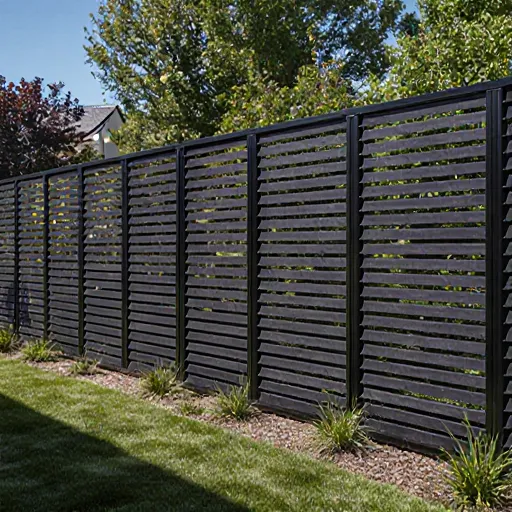
Secure your backyard with expert tips and tricks.
Unlock the Secrets of Secure Backyards
Table of Contents
- Selecting the Right Location for Your Dog's Play Area
- Removing Hazards and Dangers in Your Yard
- Securing the Fence to Prevent Escapes
- Choosing Safe Toys and Chews
- Planting Safe and Non-Toxic Plants
- Providing Shade and Fresh Water at All Times
- Avoiding Toxic Substances in Your Yard
- Setting Up a Safe Gazebo or Doghouse
- Regular Maintenance of the Backyard
- Supervising Your Dog While in the Yard
- Creating a Safe Path to the Yard
- Setting Boundaries with Appropriate Fencing
- Introducing Your Dog Gradually to the Backyard
- Ensuring Emergency Preparedness for Your Dog
- FAQs About Creating a Safe Backyard for Dogs
- Conclusion
Selecting the Right Location for Your Dog's Play Area
Selecting the right location for your dog’s play area is crucial to ensuring their safety and well-being. Just like creating a safe backyard, choosing the perfect spot involves considering various factors such as security, space, and comfort. Here are some key points to keep in mind when selecting the ideal location:
The primary concern when setting up your dog's play area is ensuring it’s secure. This means keeping your pet safe from potential dangers such as traffic, wildlife, and other hazards. If you're using a portion of your backyard, make sure to fence the area properly or supervise closely if your dog cannot be safely confined.
- Install sturdy fencing that can withstand digging attempts by determined dogs.
- Secure any gates or doors leading into the play area with childproof locks.
- Consider motion sensors or cameras to monitor the area, especially if you won’t be present when your dog is playing.
The size of your dog's play area should accommodate their energy levels and activities. A smaller yard might not suffice for a large breed or an active dog, while too much space in a larger yard can lead to boredom if they don’t have enough stimulation.
- Measure the dimensions of potential areas and compare them with your dog’s size and energy level.
- Consider adding elements like shade trees or gazebos if direct sunlight becomes unbearable during playtime.
- Use mulch, grass, or rubber mats to create comfortable flooring suitable for various weather conditions.
Incorporating natural elements into the play area can enhance your dog’s experience and provide them with a more engaging environment. Trees, bushes, and other greenery not only offer shade but also promote exploration and exercise through climbing or hiding.
- Plant flowers that are safe for dogs to interact with without causing harm.
- Create tunnels using PVC pipes or fabric tubes for digging and sniffing activities.
- Add a water feature like a small pond (if you live in an area where this is permissible) to encourage your dog to swim and cool off during hot weather.
A well-planned play area should be easily accessible, especially if it’s located in the backyard. Ensuring that the entrance points are manageable for both you and your dog will make cleanup easier and maintain a positive relationship with your pet.
- Choose an entry point that allows easy access using ramps or stairs, depending on the terrain.
- Ensure pathways to the play area are level and free from obstacles like rocks or uneven surfaces.
- Keep doors leading to the play area accessible for quick exits in case of emergencies.
To keep your dog's play area safe and inviting, regular maintenance is essential. Check fencing and other structures for damage, clear away debris, and replace worn-out materials as needed.
- Dedicate time weekly to clean the play area thoroughly, removing any waste or mess left by your pet.
- Inspect plants periodically for signs of disease or pest infestations that could affect both the environment and your dog’s health.
- Replace worn-out toys and equipment regularly to maintain a stimulating and safe environment.
By carefully considering these factors, you can create an ideal play area for your dog. This space will not only provide them with hours of enjoyment but also contribute significantly to their overall health and happiness.
Removing Hazards and Dangers in Your Yard
To ensure your backyard is safe for your dog, it's crucial to identify and eliminate any potential hazards. This involves a thorough inspection of the area, understanding common dangers that can harm your pet, and taking proactive measures to protect them.
Identify Hazards in Your Yard
The first step in creating a safe backyard is identifying all possible hazards. Look for anything that could potentially hurt or harm your dog. Here are some common areas of concern:
- Toxic Plants: Certain plants can be highly toxic to dogs if ingested. Research what grows in your yard and consult a list of toxic plants, such as the ASPCA's resource.
- Razor-Sharp Objects: Broken glass, metal shards, or rusty nails can pose serious risks when left on the ground. Remove these items immediately to prevent paw injuries.
- Falling Branches and Trees: Overgrown trees can drop branches that could injure your dog if they fall unexpectedly.
- Sharp Edges: Pots, furniture legs, or exposed rocks can cause cuts or scrapes when dogs are playing or running around.
Take Proactive Measures
To keep your yard safe, take proactive measures to prevent hazards from arising in the first place. This includes:
- Regular Maintenance: Keep your yard well-maintained by mowing regularly and trimming bushes and trees. This reduces the risk of overhanging branches or debris.
- Cleaning Up After Your Dog: Accidents happen, but keeping waste cleaned up prevents dogs from chewing on feces, which can lead to health issues.
- Safeguarding Edibles: Keep fertilizers, pesticides, and other chemicals out of reach. These can be extremely dangerous if ingested by your dog.
Consider Your Dog's Needs
Understanding your dog’s specific needs is key to creating a safe environment. For example:
- Sun Protection: If your yard doesn’t provide enough shade, consider adding structures or trees that can offer relief from the sun.
- Water Source: Ensure there is easy access to clean water. This helps prevent dehydration and overheating during playtime.
Final Thoughts
By thoroughly inspecting your yard, taking proactive measures, and considering your dog's needs, you can create a safe and enjoyable environment for them to play and relax in. Remember that safety is an ongoing process; regularly check the space for potential hazards and adjust accordingly as needed.
Securing the Fence to Prevent Escapes
Securing the fence to prevent escapes is a critical aspect of creating a safe backyard for your dog. A well-secured fence not only keeps your pet safe but also ensures that your neighbors and community remain peaceful and free from the stress of stray dogs running loose. Here are some essential steps and tips to help you secure your fence effectively:
1. Inspect Your Fence Regularly
The first step in securing your fence is regular inspection for any weak points or potential escape routes. Dogs, especially puppies and younger dogs, are naturally curious and full of energy, which can lead to them finding ways to squeeze through small gaps. Check the top, bottom, and sides of your fence frequently for any signs of wear and tear such as rusted metal, loose posts, or worn-out wooden sections.
Regular maintenance is key. This includes tightening screws, replacing damaged materials, and ensuring that all components are firmly in place. Additionally, consider inspecting the fence during different seasons when weather conditions may have affected its integrity over time.
2. Install a Durable Fence Material
The choice of fence material is crucial for preventing escapes. Common materials include wood, metal, vinyl, and composite. Each has its pros and cons:
- Wood: Natural and aesthetic, but prone to warping, splintering, or rotting over time.
- Metal: Durable and long-lasting, but can be heavy and may rust. It is also harder for dogs to dig under or squeeze through.
- Vinyl: Weather-resistant and easy to maintain, though it can become brittle over time.
- Composite: A blend of wood fibers with plastic resins; durable and low maintenance, but more expensive initially.
3. Add a Top Rail or Wire
To prevent dogs from climbing over the fence, consider adding a top rail or wire that is at least 4 feet high. This makes it harder for your dog to reach the top of the fence and provides an additional barrier. You can also install electrified wire at the top for extra security, but ensure it is set low enough so your dog cannot trip over it.
4. Reinforce the Base
The base of the fence must be securely anchored to prevent dogs from digging underneath and escaping. Use heavy-duty stakes or concrete to anchor the fence posts firmly into the ground. If possible, bury at least 6 inches of each post below ground level.
Additionally, consider installing an underground fence system if you have a large backyard where your dog might try digging deeper under the fence. These systems use buried wire to create a boundary that dogs cannot cross without receiving a mild shock.
5. Keep the Yard Clean and Stimulating
A clean, stimulating environment can help keep your dog content within the boundaries of your backyard. Provide plenty of toys, puzzles, and other engaging activities to reduce boredom and the urge to explore outside the fence.
Regularly rotate their food and water bowls or create a scavenger hunt around the yard using treats as rewards for finding them. This helps keep your dog mentally and physically active without feeling confined.
6. Train Your Dog
Proper training is essential to ensure that your dog respects the boundaries set by the fence. Teach commands such as "stay," "come," and "sit" and reinforce them with positive reinforcement techniques like treats and praise.
Consistency in training is key, so practice these commands regularly during walks or playtime outside the backyard to build trust and reliability between you and your dog.
Conclusion
By following these steps, you can create a secure and safe backyard environment for your dog. Remember that prevention is better than cure when it comes to keeping your pet happy and safe at home.
Choosing Safe Toys and Chews
Just as creating a safe backyard involves careful planning to protect your dog's physical environment, selecting the right toys and chews is crucial for your pet's well-being. The right choices can enhance playtime, encourage healthy chewing habits, and prevent ingestion of harmful materials. Here’s how you can make informed decisions:
Assess Your Dog's Needs
Understanding your dog's personality and preferences is the first step in choosing safe toys and chews. Some dogs are more playful and energetic while others may be calmer and prefer soft, snuggly items. Consider the size of their mouth, as this will influence how large a toy or chew they can safely use.
Material Safety
- Non-toxic materials: Ensure that toys and chews are made from non-toxic materials. Avoid plastic that contains BPA, which can be harmful if ingested or chewed on excessively. Opt for rubber, nylon, and other durable materials.
- Eco-friendly options: Look for toys made from biodegradable materials like recycled rubber or organic cotton. These are not only safer but also better for the environment.
Variety in Selection
Maintaining a variety of different types of toys and chews can keep your dog entertained and engaged, which is important for mental health. Include options that challenge problem-solving skills (like puzzle toys) and those that encourage physical activity (like tug-of-war ropes).
Size and Durability
- Appropriate size: Make sure the toy or chew is the right size for your dog. A toy that is too big can be a choking hazard, while one that’s too small might get swallowed whole.
- Durable materials: Choose toys and chews made from strong yet flexible materials to withstand vigorous chewing without breaking down into tiny pieces.
Regular Inspections
Just like regular yard maintenance is essential for a safe backyard, routine checks of your dog’s toys are necessary. Inspect them regularly for any signs of wear and tear that could make them unsafe. Replace damaged items promptly to prevent accidents.
Promoting Positive Chewing Habits
Encourage good chewing behavior by providing safe alternatives and rewarding your dog when they use the appropriate toys or chews. This helps in redirecting any destructive chewing behavior into productive playtime activities. For instance, if your dog is prone to tearing apart stuffed animals, introduce them to a durable rope toy instead.
Examples of Safe Toys
- Nylon bones: Durable and easy to clean, nylon bones are popular among dogs. They come in various sizes and shapes to cater to different preferences.
- Bubble wrap toys: These can be particularly fun for dogs who love shaking objects. However, they should be supervised as they pose a potential choking hazard if not properly designed.
- Puzzle toys: These are excellent mental stimulation tools that keep your dog engaged and prevent boredom.
Conclusion
Selecting safe toys and chews for your dog is a vital part of their care, just like ensuring the safety of the backyard. By considering material safety, size appropriateness, durability, and promoting positive habits, you can create an environment that keeps your pet both happy and healthy.
Planting Safe and Non-Toxic Plants
Create a backyard that is safe and enjoyable for your dog by choosing plants that are non-toxic to pets. This approach ensures that your furry friend can play, explore, and relax in the outdoor space without the risk of ingesting harmful substances.
Research Before Planting
Before you start planting, it's important to research which plants are safe for dogs. Some common household plants like lilies, azaleas, and oleander can be highly toxic if ingested by pets. Always ensure that the plants you choose do not pose a risk to your dog’s health.
Examples of Safe Plants
- Lavender: This fragrant plant is not only safe but also beneficial for dogs as it has calming properties which can help reduce anxiety and stress. You can use lavender oil in your dog’s shampoo or add it to their bedding.
- Coneflowers: Coneflowers are attractive to bees and butterflies, making them a great addition to any garden. They are safe for dogs and have medicinal properties that can aid in healing wounds and reducing inflammation.
- Plectranthus: Also known as African mint or basil, this plant is not only safe but also provides a pleasant aroma and flavor when used as an herb. It's easy to grow and can be incorporated into your dog’s diet through treats or tea.
Tips for Safe Planting
- Keep it low: Opt for shorter plants that are less likely to be knocked over by your dog, reducing the risk of ingestion. Shrubs and tall grasses should be placed out of reach.
- Use mulch: Mulching around plant beds can help prevent weeds from growing but also acts as a barrier between the ground and your dog’s paws. Choose organic mulch that is safe for pets like wood chips or pine needles.
- Consider fencing: If you have smaller dogs, consider installing a fence to keep them in a specific area of the backyard where only non-toxic plants are planted.
Pet-Safe Gardening Ideas
Besides planting safe and non-toxic flowers and shrubs, you can incorporate other pet-friendly elements into your garden. For example:
- Create a doggy digging area where your dog can safely dig in the dirt without encountering harmful plants.
- Install a water feature like a small pond or fountain that is safe for dogs to play around and drink from, ensuring it's not filled with chemicals that could be harmful.
Conclusion
Creating a backyard that is both beautiful and safe for your dog involves careful planning and thoughtful selection of plants. By choosing non-toxic options and implementing pet-safe practices, you can create an outdoor space where your dog feels happy and secure.
Providing Shade and Fresh Water at All Times
Creating a safe backyard for your dog involves more than just ensuring they have enough space to run around. Providing shade and fresh water at all times is crucial, especially during warmer months when the risk of heatstroke increases.
Shade helps prevent your dog from overheating on hot days. Dogs don't sweat like humans; they rely primarily on panting to cool down. Excessive panting can lead to dehydration and, in severe cases, heatstroke. Providing ample shade can help regulate your dog's body temperature.
How Much Shade Do They Need?
The amount of shade your dog needs depends on the size of your backyard and the duration they will be spending outside. A good rule of thumb is to provide multiple shaded areas, especially if you have a large yard where dogs can choose different spots based on the time of day or temperature.
Examples of Shade Structures
- Shade Trees: Natural shade from trees is excellent but keep in mind that some trees may drop leaves, which could be harmful if ingested. Also, ensure the tree has a sturdy trunk to prevent your dog from knocking it over.
- Canvas Canopies: These are portable and can be moved as needed. They're great for patios or small backyards where trees may not be available.
- Pop-Up Shade Tents: Lightweight and easy to set up, these tents provide immediate shade during outdoor playtime.
Access to clean, fresh water should never be restricted. Just as humans need water to stay hydrated, dogs must drink enough to maintain their health and well-being. Dehydration can lead to serious health issues and even be life-threatening.
How Much Water Does Your Dog Need?
The amount of water your dog needs depends on several factors including weight, activity level, and environmental conditions. As a general guideline, dogs should have access to at least one gallon of clean water daily. However, this can increase significantly if they are exercising or during hot weather.
Providing Fresh Water
- Auto-Fillers: These systems automatically fill your dog's bowl when it gets low on water, ensuring that your pet always has access to fresh water without you needing to refill it manually.
- Self-Cleaning Bowls: To prevent the spread of bacteria and ensure hygiene, consider using self-cleaning bowls which can be easily cleaned and refilled as needed.
To keep your dog safe and comfortable in their backyard, regular maintenance is essential:
- Trimming Vegetation: Regularly trim trees and hedges to ensure the shaded areas are not blocked by overgrown plants.
- Moving Water Bowls: Rotate where you place water bowls around your yard so that they're always in a shaded area. This can help prevent the water from heating up too much on hot days.
- Cleaning Water Bowls: Wash and disinfect all water containers daily to ensure they are clean and free of bacteria, which is especially important during warmer months when germs spread more easily.
In conclusion, providing shade and fresh water at all times should be a priority in creating a safe backyard for your dog. By following these tips and suggestions, you can help ensure that your pet stays healthy and comfortable, no matter the weather.
Avoiding Toxic Substances in Your Yard
Creating a safe backyard environment for your dog is crucial, especially if you have children as well. One of the key aspects to consider is keeping your yard free from toxic substances that can harm both pets and humans alike. Here are some steps and tips to help you achieve this:
Identify Toxic Plants
Your backyard may contain plants that are poisonous to dogs. Some common toxic plants include azaleas, rhododendrons, sago palms, and lilies. Research the types of plants in your yard or consult with a local nursery to determine which plants might be harmful if ingested by your dog.
- Azalea: Contains toxins that can cause vomiting, diarrhea, and even potentially fatal heart problems.
- Rhododendron: Similar to azaleas, it contains grayanotoxins which can lead to severe poisoning symptoms in dogs.
- Sago Palm: Contains cycasin which is highly toxic and can cause liver failure if consumed by your dog.
- Lilies: While not harmful to cats, lilies are very dangerous for dogs. Even inhaling the pollen or licking it from their fur can lead to kidney failure.
Check for Chemicals and Pesticides
Many homeowners use chemicals like fertilizers or pesticides in their yards, but these substances are toxic to dogs. Always read labels carefully before using any products in your yard. Opt for organic or pet-safe alternatives whenever possible.
- Fertilizers: Look for those labeled as "pet-friendly." They are designed not to be harmful if ingested.
- Pesticides: If you must use them, choose non-toxic options and keep your dog away from the area until it is safe to return.
Control Rodents and Insects Safely
Rodents can carry diseases that are dangerous for dogs. However, using harsh chemicals like rodenticides or insecticides can be harmful if your dog gets into them. Instead, consider humane traps or natural deterrents like diatomaceous earth.
Example: Diatomaceous earth is a powder made from the fossilized remains of tiny freshwater plants called diatoms. It works as a natural pesticide by dehydrating insects when they come into contact with it. This method is safe for dogs and other pets if used correctly.
Secure Your Compost Bin
Composting can be a great way to recycle organic waste, but compost bins attract pests like raccoons or squirrels which may bring danger into your yard. Ensure that your compost bin is secure and inaccessible to both wildlife and curious dogs.
Pet-Safe Landscaping
Choose pet-safe landscaping materials for your yard. Avoid using mulches made from pine needles, cocoa beans (which contain theobromine), or certain types of sawdust that could be harmful if ingested by dogs.
Regular Cleaning and Maintenance
To ensure a safe backyard environment, maintain regular cleaning routines. Remove any debris, trash, or hazardous materials promptly from your yard to prevent accidents and poisoning.
Setting Up a Safe Gazebo or Doghouse
When it comes to creating a safe environment for your pets, especially in outdoor spaces like gazebos or doghouses, it's crucial to consider various factors that ensure their well-being and comfort. This section draws parallels with the concept of "How to Create a Safe Backyard for Dogs," focusing on specific elements that apply to these structures.
The materials used in constructing your gazebo or doghouse can significantly impact its safety and durability. For instance, if you're setting up a doghouse, using weather-resistant wood like cedar or redwood can help keep the interior dry and comfortable for your pet during wet conditions. Similarly, gazebos should be built with durable, rot-proof materials to ensure longevity.
Example: If you live in an area prone to high humidity or frequent rain, consider using a gazebo or doghouse made from plastic-coated wood frames. These materials are not only sturdy but also resistant to mold and mildew, providing a safer environment for your pet.
A well-ventilated structure is essential in both gazebos and doghouses to prevent overheating and ensure fresh air circulation. Poor ventilation can lead to heat stress or respiratory issues, especially during warmer months. For gazebos, ensuring proper airflow through the design of windows or louvers can be beneficial.
Example: Installing small vents at the top corners of a doghouse allows hot air to escape while letting fresh air in. Similarly, gazebos with open sides or slatted walls allow for better air circulation, which is crucial for maintaining comfort and safety.
To protect your pets from harsh weather conditions, it's important to ensure that the gazebo or doghouse has adequate weatherproofing measures in place. This includes using waterproof roofing materials like metal or rubberized asphalt shingles and ensuring all gaps around doors and windows are sealed.
Example: Apply a sealant around door frames and window sashes in your doghouse to prevent drafts and leaks during heavy rains. For gazebos, consider adding a canopy or overhang to shield the structure from direct sunlight, rain, and wind.
Ensuring that pets can easily enter and exit the gazebo or doghouse is vital for their safety and comfort. Steps should be gentle enough for your pet to navigate without difficulty. If you have a larger breed of dogs, consider creating ramps instead of steps.
Example: For smaller dogs, a ramp with a low slope angle can make it easier and safer for them to enter and exit the structure. In contrast, gazebos might require careful consideration of entrance angles to prevent accidents or injury.
Nighttime visibility is important not only for your pet's safety but also for preventing accidents. Proper lighting can help deter potential predators and ensure that your pet feels secure when using the space after dark.
Example: Install solar-powered LED lights around a doghouse or gazebo to provide even illumination at night without requiring frequent maintenance. These lights are energy-efficient and safe for pets, emitting low heat and minimal light pollution.
To keep your pet healthy, it's important to prevent pests like insects or rodents from accessing the gazebo or doghouse. Regular inspections and treatments can help maintain a pest-free environment.
Example: Use non-toxic pest control methods around the structure, such as placing insect repellent plants near entrances or using natural deterrents like lavender oil. For gazebos, ensure that any wood used is treated to resist termite infestations.
In conclusion, setting up a safe gazebo or doghouse involves careful consideration of the materials you use, proper ventilation, weatherproofing measures, accessibility, lighting, and pest control. By following these guidelines, you can create an environment that not only enhances your pet's comfort but also ensures their safety in various conditions.
Regular Maintenance of the Backyard
To ensure your backyard remains a safe and inviting space for your dog, regular maintenance is crucial. This involves more than just mowing the lawn or cleaning up after Fido; it's about creating an environment that promotes both physical and mental well-being for your pet. Here’s how to keep your backyard in top shape:
1. Secure the Fence
A secure fence is the first line of defense against accidents or escapes. Regularly inspect all sections of the fence, looking for any signs of wear and tear such as loose panels, gaps, or broken wires. Repairing these issues promptly can prevent your dog from getting injured or running away.
2. Remove Hazards
Dogs are naturally curious creatures, which means they're prone to chewing on or digging through various objects in their environment. Keep an eye out for potential hazards like sharp stones, nails, or toxic plants that could harm your pet if ingested. Regularly check the backyard and remove any dangerous items.
3. Clean Up After Your Dog
A clean backyard is essential not only for aesthetic reasons but also to avoid health risks. Use a reliable waste disposal bag or a composting system to manage pet waste properly. This reduces the risk of disease transmission and keeps your yard hygienic.
4. Provide Shade and Water
Ensuring that there is adequate shade in the backyard is vital during hot weather to prevent heatstroke. Place a sturdy doghouse or provide a sheltered area where your pet can escape from direct sunlight. Additionally, always have fresh water available for your dog. Regularly check and refill water bowls.
5. Maintain Grass and Plants
A well-maintained lawn not only looks attractive but also provides a safe surface for playtime. However, certain grasses or plants can be toxic to dogs, so research the types of vegetation in your yard. Regular mowing and trimming will help keep the area safe and enjoyable.
6. Install Safe Toys
Encourage mental stimulation by providing durable toys that are safe for chewing and playing with. Rotate these items periodically to maintain your dog's interest, but always supervise when your pet is using them to ensure nothing harmful is ingested or damaged.
7. Keep the Area Pest-Free
Keeping pests like ticks, fleas, and mosquitoes away from your backyard is important for both your dog’s comfort and safety. Use eco-friendly pest control methods if necessary and regularly check your pet for any signs of infestation.
8. Plan for Weather Changes
The weather can change rapidly, so being prepared is key to maintaining a safe outdoor space. Install heaters or fans during cold months to ensure warmth, and have rain covers available if heavy showers are expected. These preparations will help create an all-season enjoyable backyard.
By dedicating time and effort to regular maintenance, you can transform your backyard into a secure and delightful place for your dog. Remember, the goal is to provide an environment where your pet feels safe while also enjoying themselves. With consistent upkeep, you'll be able to offer your furry friend the best possible outdoor experience.
Supervising Your Dog While in the Yard
Ensuring your dog's safety while they are in the yard is crucial, especially when you're not there to supervise directly. Creating a safe backyard for dogs involves more than just erecting fences; it requires thoughtful planning and constant vigilance. Here’s how you can supervise effectively:
Regular Check-ins
Even if your yard is secure, it's important to check in on your dog regularly. Use a timer or set reminders to walk by the yard throughout the day. A quick visual inspection can catch any potential issues before they escalate into bigger problems.
Install a Camera System
A camera system allows you to monitor your dog without being physically present. Choose a quality surveillance system that provides clear, wide-angle views so you can see all parts of the yard. Many systems also offer night vision capabilities and motion detection alerts.
Use Remote Feeding Devices
If you're away from home frequently, consider using remote feeding devices for your dog. These allow you to dispense treats or food at specific times, ensuring your dog isn't left hungry or bored while in the yard.
Secure Water Sources
Ensure that any water sources within the yard are secure and not accessible by your dog. This includes making sure there is no standing water in the yard which can attract pests like mosquitoes, and that all hoses or sprinklers are put away when not in use.
Purposeful Play Areas
Create specific play areas within the yard where your dog can safely run around. This reduces the risk of them digging up plants or damaging the ground. Use safe, non-toxic toys that won't pose a choking hazard if ingested.
Healthy Yard Maintenance
A well-maintained yard is safer for your dog. Regularly cut the grass and remove any debris such as sticks or rocks. Trim trees and shrubs to prevent them from becoming hazards that could harm your dog.
Use of Fencing and Gates
Fences are essential in preventing dogs from escaping, but they should be well-maintained and properly installed. Check regularly for any gaps or weak spots. In addition to fences, gates can provide a secondary layer of protection.
Education on Yard Safety
Educate yourself about potential yard hazards that could harm your dog. This includes knowing which plants are toxic, where harmful pests like ticks and fleas might live, and how to recognize signs of stress or discomfort in your pet.
Emergency Preparedness
Be prepared for emergencies by having a first-aid kit specifically designed for dogs accessible. Know the location of emergency services nearby and have your vet's contact information handy. Consider joining a local dog-safety club or organization that can provide additional resources and support.
In conclusion, while creating a safe backyard for dogs is essential, effective supervision plays a significant role in ensuring their safety when you're not there to watch over them personally. By implementing these strategies, you can significantly reduce the risks associated with leaving your dog unattended in the yard.
Creating a Safe Path to the Yard
Creating a safe path to your yard is crucial not just for your dog's wellbeing but also for preventing accidents and ensuring that your space is enjoyable for both you and your pet. Much like creating a safe backyard, establishing a secure pathway involves thoughtful planning and implementation of safety measures. Here’s how you can ensure the safest possible path:
Before you start constructing or improving the path to your yard, it's important to assess the current state of your property. Check for any potential hazards such as holes, sharp objects, or slippery surfaces that could cause injury. Make a list of these issues and prioritize them in terms of urgency.
Selecting appropriate materials is key to creating a safe path. Consider using gravel, stone chips, or rubber mulch which are durable and provide good traction even when wet. Avoid materials like sharp-edged rocks or slippery substances such as smooth stones or ice patches.
Examples of Safe Path Materials
- Gravel
- Stone Chips
- Rubber Mulch
- Hardwood Mulch (if treated properly)
If you have a sloped yard, consider installing steps or ramps to prevent slips and falls. This is especially important if your dog has any mobility issues.
Landscape features like fences, hedges, or other plantings can help delineate the path clearly and prevent unintended detours. Ensure that these elements are not only attractive but also serve a functional purpose in keeping your dog within designated areas.
Planting low-growing shrubs along the path can create natural boundaries, making it easier for your dog to follow the intended route without veering off course.
Regular maintenance is essential to keep the pathway safe. This includes keeping the surface clear of debris such as leaves and sticks that could cause tripping or choking hazards. Also, check for any cracks in paving stones or shifting mulch which may need repair.
If you have a pet that likes to dig, consider using materials like rubber mulch or landscape fabric under the mulch to prevent unwanted digging behavior from creating unsafe conditions.
Alongside physical modifications, training plays an integral role in ensuring your dog follows the safe path. Use positive reinforcement techniques to guide your pet along the desired route every time they go outside. Consistency is key – make it a routine part of their daily walk.
You can mark specific points on the pathway with visual cues like colorful flags or stones, gradually reducing these as your dog learns to follow the path naturally. This helps reinforce the behavior and makes training more effective in the long term.
Creating a safe path to the yard is not just about making it physically secure; it’s also about fostering healthy habits for both you and your dog. By being proactive and attentive, you can ensure that this area remains an inviting space where everyone feels comfortable.
Setting Boundaries with Appropriate Fencing
Creating a safe backyard for your dog involves more than just having a fence. While a sturdy and high fence is crucial, setting appropriate boundaries with proper fencing ensures that both you and your pet are protected from potential hazards outside the yard.
To effectively set boundaries, it's important to understand what your dog needs. Different breeds have varying energy levels and behaviors, which can influence how much space they require within the backyard. For instance, a high-energy breed like a Border Collie might need larger areas for running around, while a small toy breed may be perfectly content in a more compact area.
The material of your fence can greatly affect its durability and effectiveness. Common options include:
- Fiberglass Fencing: Durable, long-lasting, and generally more expensive than other materials.
- Wooden Fencing: Natural and aesthetically pleasing but requires regular maintenance to prevent decay.
- PVC or Plastic Fencing: Lightweight, easy to install, and resistant to weather. However, it might not be as strong as other options.
- Chain Link Fence: Provides great visibility and is relatively inexpensive but can be chewed through by some dogs.
The height of your fence should match the size and strength of your dog. A smaller dog might not try to jump over a high fence, whereas larger breeds are more likely to attempt it. Aim for at least 4-6 feet in height for most dogs to deter them from jumping.
Beyond physical fencing, consider other boundaries such as:
- Play Areas: Design specific areas within the backyard dedicated to different activities. For example, create a quiet space for lounging and a more active area for games of fetch.
- Shade and Water Sources: Ensure there are adequate shaded spots and water sources throughout the yard to keep your dog comfortable in various weather conditions.
Identify potential hazards within and outside of your backyard. This could include:
- Poisonous plants or chemicals that might be harmful to dogs if ingested.
- Nearby roads where your dog may try to cross.
- Unsecured trash bins that can attract pests and pose a risk of ingestion.
To ensure the fence remains effective, regular maintenance is necessary. This includes:
- Cleaning the fence to prevent mold or algae growth which can attract pests.
- Inspecting for any weak spots or damage that could be exploited by your dog.
- Repainting or repairing as needed to maintain its structural integrity.
Setting boundaries with appropriate fencing is a crucial step in creating a safe backyard for your dog. By understanding your dog's needs, choosing the right fence material and height, and considering additional boundaries like play areas and shade spots, you can provide an environment that is both secure and enjoyable for your pet.
Introducing Your Dog Gradually to the Backyard
Transitioning your dog from an indoor environment to spending significant time outdoors, particularly in a backyard setting, can be both exciting and challenging. It's crucial to introduce this transition gradually to ensure the safety of your pet while they acclimate to their new outdoor space. This gradual introduction should mirror the process outlined in "How to Create a Safe Backyard for Dogs," emphasizing safety, comfort, and familiarity.
Step-by-Step Introduction
- Initial Familiarization: Start by allowing your dog short periods of time outside. Begin with 10 to 15 minutes a day, gradually increasing the duration as they become more comfortable. Ensure the backyard is enclosed and secure during these initial sessions.
- Exploring the Space: Once your dog shows interest in spending longer times outdoors, encourage them to explore different parts of the yard. This can include areas where you've created specific zones for safety (like a designated play area or quiet relaxation spot).
- Supervision and Engagement: Always supervise your dog during their time outside until they are fully comfortable with the space. Engage them in activities that you know they enjoy, such as fetching balls or exploring scents.
Creating a Comfortable Environment
To make the backyard inviting for your dog, consider adding features like:
- A shaded area where they can rest and relax during hot days.
- An area with soft grass or mulch to prevent paw injuries.
- Safe toys and items that promote mental stimulation and physical exercise.
- Pet-safe fencing materials that are sturdy yet not overly restrictive for playtime.
Health and Safety Considerations
Ensure your dog is up-to-date on all vaccinations before allowing them to spend extended periods outdoors. Additionally, keep an eye out for any hazards in the yard that could be harmful (such as poisonous plants or sharp objects).
- Use pet-safe fertilizer and pesticides.
- Secure any trash bins and ensure they are inaccessible to your dog.
- Check regularly for any structural issues with fences or play equipment that could pose a danger.
Gradual Adjustments
The key to a successful transition is patience. Here’s how you can adjust the introduction process:
- Moderate Exposure: If your dog shows signs of stress or discomfort, reduce the time spent outside and gradually increase it again once they are more comfortable.
- Adjust for Weather: Be mindful of changing weather conditions. On hot days, limit outdoor time during peak heat hours; on cooler days, you may extend the time your dog spends in the backyard as long as they remain safe and comfortable.
- Regular Breaks: If your dog shows signs of tiredness or boredom, take them inside for a break. This helps maintain their excitement about spending time outside without overwhelming them.
By following these steps, you can help ensure that introducing your dog to the backyard is both safe and enjoyable, aligning perfectly with best practices outlined in "How to Create a Safe Backyard for Dogs."
Ensuring Emergency Preparedness for Your Dog
Ensuring your dog's safety and well-being during emergencies is just as important as creating a safe backyard for them. Emergencies can strike without warning, whether it's due to natural disasters, power outages, or other unforeseen events. Being prepared in advance ensures that you have all the necessary tools and knowledge to keep your furry friend safe.
- Emergency Kit: Just like humans, dogs need a well-stocked emergency kit. Include essentials such as:
- Fresh water (at least 3 days worth)
- Dry food and treats
- Leashes and collars
- Cushions or blankets for comfort
- Veterinary records and medications
- Poopy bags
- Identification: Ensure your dog has a collar with ID tags that includes your name, phone number, and address. Consider microchipping for added security.
- Veterinary Records: Keep copies of all medical records in a waterproof container so they don't get lost or damaged during an emergency.
During emergencies, having a safe place for your dog to stay is crucial. Here’s how you can set up a temporary shelter:
- Select a Location: Choose an area that's away from windows or doors and ideally in the center of your house where it’s more stable.
- Create Comfort: Place cushions, blankets, and toys to make your dog feel at home. You can also include their favorite stuffed animal for comfort.
- Ventilation: Ensure there is enough ventilation so that the air inside stays fresh. Open windows slightly if possible.
Consider these practical examples to better prepare for emergencies:
- Practice Evacuation Drills: Regularly practice taking your dog outside so they become accustomed to the process. This will make it easier during real emergencies.
- Identify Safe Spaces: Familiarize yourself with safe spaces in case you need to leave your home quickly, such as nearby parks or shelters that accommodate pets.
- Stay Informed: Keep track of local weather forecasts and news so you can be prepared for any potential emergencies. Sign up for alerts from local authorities if available.
Every emergency is unique, but here are some tips based on common types:
- Natural Disasters: In case of a hurricane or flood, make sure your dog's shelter is elevated and away from water sources. If advised to evacuate, follow local instructions for evacuating pets.
- Poisoning: Keep all toxic substances out of reach. If you suspect poisoning, contact your vet immediately and provide them with detailed information about the substance.
- Power Outages: In case of a power outage, keep a backup source of light (like flashlights) near your emergency kit. Ensure that your dog has enough food and water for at least 3 days.
By taking the time to prepare now, you can ensure that both you and your dog are ready for any emergency situation. Remember, being prepared is key to staying safe and reducing stress during challenging times.
FAQs About Creating a Safe Backyard for Dogs
Frequently Asked Questions
A:
Leaving your dog alone in the backyard for extended periods is not advisable. Dogs are social animals and need mental and physical stimulation to remain healthy and happy. Always ensure your dog has access to indoor space where they can interact with you. If you must leave them outdoors, make sure it's a safe environment free from hazards.A:
An open backyard can be dangerous for your dog. Consider installing a fence or using an enclosure system to keep your dog safe and contained. If you're working with a budget, start by securing vulnerable areas like gates and using baby gates inside the yard to prevent dogs from escaping.A:
To ensure your backyard is secure, conduct a thorough inspection. Check for any gaps or weak points in fences and repair them immediately. Use heavy-duty fencing materials if possible and install underground barriers to prevent digging dogs from escaping.A:
Not all plants are safe for dogs. Some can be highly toxic, causing severe health issues if ingested by your pet. Research plant species to ensure they are non-toxic before adding them to your backyard. A good resource is the ASPCA's poison control center list of toxic and non-toxic plants.A:
Yes, providing fresh water at all times is crucial. Dogs need to stay hydrated, especially on hot days or after physical activities. Position a sturdy, weather-resistant bowl in a safe location away from potential hazards.A:
To prevent theft by wildlife or other dogs, it's advisable to keep your dog’s food and water dishes indoors. If you must provide them outside, invest in heavy-duty containers with secure lids.A:
Predators like coyotes or foxes can pose a threat to your dog. Ensure that all fences are securely anchored and consider installing motion-activated lights or sprinklers around the perimeter of your backyard.A:
Yes, providing a shaded area is essential to protect your dog from overheating. You can install a canopy or use large umbrellas. Ensure that the ground beneath the shade does not get too hot during peak hours of sunlight.A:
Uneven terrain can be dangerous, especially for older dogs or those with joint issues. Consider creating a flat surface using concrete pavers or gravel pathways to provide safe walking areas.A:
If your dog is a digger, consider covering sensitive areas with chicken wire or using concrete barriers. You can also provide a designated digging area like a sandbox where they are encouraged to dig without causing damage.A:
Weather conditions such as wind, rain, or snow can pose risks. Secure loose objects that might blow around and consider using a tarp for shelter in wet areas. Always check the yard after storms to ensure no branches or debris has fallen.Conclusion
The creation of a safe backyard for dogs is an essential part of providing them with a comfortable and secure space where they can play, relax, and explore. This environment should not only be free from hazards but also tailored to meet the specific needs of your pet. Here are some practical steps and additional considerations that you might find helpful:
1. Assess Existing Hazards
- Toxic Plants: Research which plants in your backyard could be toxic to dogs. Some common examples include lilies, sago palms, and rhododendrons. Removing these from your yard is crucial for your dog's safety.
- Sharp Objects or Edges: Ensure that there are no sharp rocks, glass shards, or other objects that could injure your pet’s paws or skin.
- Fences and Gates: Make sure that the fence is securely installed with no gaps large enough for a dog to squeeze through. Check regularly for any signs of wear and tear.
2. Install Safe Play Structures
- Hiding Spots: Provide safe spaces where your dog can hide, such as small dens or tunnels. This encourages mental stimulation and gives them a sense of security.
- Trees and Shrubs: While some plants may be harmful, others like sturdy trees and shrubs provide excellent climbing opportunities for dogs to exercise their natural instincts.
3. Use Appropriate Fencing Materials
- PVC or Metal Fences: These are durable options that can withstand the strength of your dog, but ensure they have proper ground coverage and are not easily chewable by dogs.
- Fabric or Wire Mesh: These materials offer flexibility in design and can be used to create secure yet inviting spaces. However, be cautious about potential sharp edges.
4. Consider the Weather Elements
- Shade Structures: Dogs can overheat quickly, especially on hot days. Providing shaded areas or structures like doghouses will help keep them cool and comfortable.
- Wind Protection: Strong winds might be uncomfortable for your dog. Ensure that any structures within the yard are secure against high winds to prevent accidents.
5. Maintain a Clean and Hygienic Environment
- Poisonous Waste: Regularly clean up after your pet to prevent them from ingesting harmful substances such as feces or chemicals used in gardening.
- Insect Control: Use natural repellents if necessary, but avoid those that could be toxic for dogs. Keep an eye out for pests and maintain a healthy environment for your dog.
6. Provide Enrichment and Exercise Space
- Traffic Patterns: Ensure there are no dangerous traffic patterns near the backyard where your dog could run into danger. If necessary, set up clear paths and boundaries.
- Socialization Areas: Include areas for socializing with other dogs if you have a friendly pet. This can be a safe space for them to interact without being overly exposed.
Categories
- AI & Enrichment Play
- Broiler Farming
- Broiler Farming Tips
- Canine Wellness & Longevity
- Cat
- Cat & Human Connection
- Cat Adoption & Rescue
- Cat Breeds
- Cat Breeds & Personalities
- Cat Care & Health
- Cat Grooming & Hygiene
- Cat Lifestyle & Environment
- Cat Myths & History
- Cat Nutrition & Diet
- Cat Products & Reviews
- Cat Training & Behavior
- Comparison
- Consumer Awareness
- Dog
- Dog Accessories & Products
- Dog Adoption & Rescue
- Dog Breed & Lifestyle Trends
- Dog Breeding & Puppies
- Dog Entertainment & Media
- Dog Fashion & Trends
- Dog Fun & Lifestyle
- Dog Grooming & Hygiene
- Dog History & Culture
- Dog Myths, Science & Future Tech
- Dog News & Trends
- Dog Nutrition & Food
- Dog Psychology & Emotions
- Dog Safety & Security
- Dog Sports & Activities
- Dog Technology & Innovation
- Dog Training for Modern Owners
- Dog Travel & Adventure
- Dog Travel, Adventure & Culture
- Economic and Market Insights
- Educational Content
- FAQs
- Feeding Alternatives
- Festivals & Seasonal Ideas
- Fun & Entertainment
- General Knowledge
- General Pig Farming
- Health & Disease Management
- Housing and Environment
- Kittens
- Market Insights
- Miscellaneous
- Miscellaneous
- Motivational
- pig
- Pig Breeding
- Pig Breeds
- Pig Farming Stories and Inspiration
- Pig Health and Care
- Pig Nutrition
- Pig Products
- Profitability & Business
- Puppy Care
- Puppy Predictable Topics Reinvented
- Regional Focus
- Rescue & Adoption Buzz
- Senior Cats
- Senior Dog Care
- Smart Dog Tech & Gadgets
- Sustainability
- Sustainable & Eco-Friendly Dog Products
- Tech & Innovations
- Working & Service Dogs
- Broiler Feed66 products
- Country Feed33 products
- Pig Feed66 products
- Product22 products
- Raw Materials99 products
Products
-
 Fish Meal
₹1,999.00 – ₹2,999.00Price range: ₹1,999.00 through ₹2,999.00Rated 0 out of 5
Fish Meal
₹1,999.00 – ₹2,999.00Price range: ₹1,999.00 through ₹2,999.00Rated 0 out of 5 -
 FATTENING BROILER FEED
₹2,299.00 – ₹2,349.00Price range: ₹2,299.00 through ₹2,349.00Rated 0 out of 5
FATTENING BROILER FEED
₹2,299.00 – ₹2,349.00Price range: ₹2,299.00 through ₹2,349.00Rated 0 out of 5 -
 LAYER COUNTRY FEED
₹1,549.00 – ₹1,649.00Price range: ₹1,549.00 through ₹1,649.00Rated 0 out of 5
LAYER COUNTRY FEED
₹1,549.00 – ₹1,649.00Price range: ₹1,549.00 through ₹1,649.00Rated 0 out of 5 -
 COUNTER BROILER FEED
₹1,199.00 – ₹1,299.00Price range: ₹1,199.00 through ₹1,299.00Rated 0 out of 5
COUNTER BROILER FEED
₹1,199.00 – ₹1,299.00Price range: ₹1,199.00 through ₹1,299.00Rated 0 out of 5 -
 LACTATING PIG FEED
Rated 0 out of 5
LACTATING PIG FEED
Rated 0 out of 5₹2,299.00Original price was: ₹2,299.00.₹1,740.00Current price is: ₹1,740.00. -
 Maize
Rated 0 out of 5
Maize
Rated 0 out of 5₹1,650.00Original price was: ₹1,650.00.₹1,300.00Current price is: ₹1,300.00. -
 GESTATION PIG FEED (Phase 1)
Rated 0 out of 5
GESTATION PIG FEED (Phase 1)
Rated 0 out of 5₹2,249.00Original price was: ₹2,249.00.₹1,699.00Current price is: ₹1,699.00. -
 Pre Starter Broiler Feed
₹2,399.00 – ₹2,499.00Price range: ₹2,399.00 through ₹2,499.00Rated 0 out of 5
Pre Starter Broiler Feed
₹2,399.00 – ₹2,499.00Price range: ₹2,399.00 through ₹2,499.00Rated 0 out of 5 -
 FINISHER PIG FEED
Rated 0 out of 5
FINISHER PIG FEED
Rated 0 out of 5₹2,299.00Original price was: ₹2,299.00.₹1,749.00Current price is: ₹1,749.00. -
 Broiler Premix
Rated 0 out of 5
Broiler Premix
Rated 0 out of 5₹820.00Original price was: ₹820.00.₹699.00Current price is: ₹699.00.