
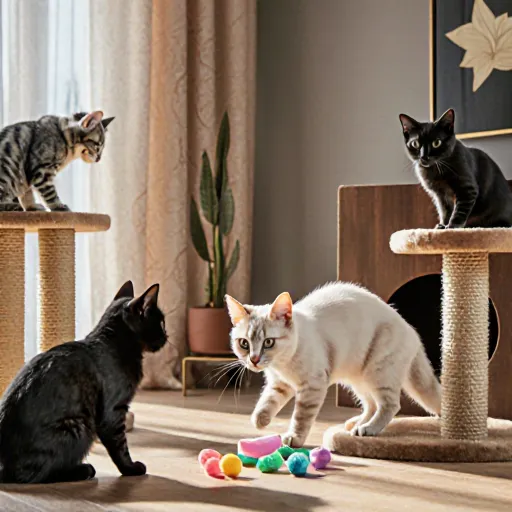
Explore top tips for your cat's growth and health!
Unlock Your Feline's Potential with These Posts
Table of Contents
- Best Cat Scratching Posts for First-Time Owners
- How to Choose the Right Scratching Post
- Types of Scratchers Available on the Market
- Materials Used in Cat Scratchers
- How to Select a Size That Fits Your Home and Cat
- Color and Design Considerations for Attracting Your Cat
- Benefits of Providing Multiple Scratching Options
- Scratching Post Placement in Your Home
- Training Your Cat to Use the Scratching Post
- Maintenance and Care for Cat Scratchers
- Budget-Friendly Options for Cat Scratchers
- High-End Scratching Post Reviews
- Conclusion: Choosing the Best Scratching Post for Your Cat
- FAQs About Cat Scratchers
Best Cat Scratching Posts for First-Time Owners
When you bring a new cat into your home, it's essential to provide them with suitable scratching posts. Scratching is a natural behavior for cats that helps to sharpen their claws and stretch their muscles. However, if left unchecked, cats may choose inappropriate surfaces like curtains or furniture. Therefore, selecting the right scratching post can be crucial in ensuring both your cat’s well-being and the protection of your home.
The market offers a variety of scratching posts designed to cater to different preferences and needs. Here are some popular types:
- Cardboard Scratchers: These are affordable and easy to find in any pet store or online. Cardboard scratchers come in various designs, such as boxes, pillars, or even with catnip embedded. They provide a good surface for cats to sharpen their claws without damaging your furniture.
- Fabric Scratchers: Made from durable fabrics like denim or sisal, these posts are sturdy and can withstand heavy use. They also offer a pleasant texture that many cats enjoy rubbing against.
- Sisal-Encased Posts: Sisal is a natural material derived from bamboo, providing excellent scratching surfaces. Cats love the feel of sisal, making it a popular choice among pet owners.
Not all cats are built the same, so it's important to choose a post that fits your cat’s height. A taller scratching post will encourage your cat to use it more frequently since they can stretch their full length. For first-time owners, consider getting a standard-sized post (about 30 inches high) that most cats can comfortably reach.
Additionally, ensure the base of the post is wide enough to prevent tipping over. Some posts come with non-slip bases made from rubber or foam, which provide stability on different types of floors.
The location of your scratching post can greatly influence its usage by your cat. Cats typically prefer high-traffic areas where they feel safe and secure. Try placing the post near a window or in an area where your cat frequently naps. This increases the chances that your cat will use it instinctively.
It's also important to place multiple scratching posts around the house, especially if you have more than one cat. Cats are territorial and may need several options for marking their territory. Ensure these posts are in different locations to cater to each cat’s preferences.
Encouraging your cat to use the scratching post can be as simple as placing it near where they spend a lot of time or using treats and positive reinforcement. Sprinkle some catnip on the post, but keep in mind that not all cats are attracted to it. Some prefer toys over treats.
Consistency is key. If your cat does use the scratching post, praise them and provide small rewards. Over time, they will associate using the post with positive experiences.
In our review of best cat scratching posts for first-time owners, we’ve found that several products stand out:
- Pet Cube Sisal Scratcher: This versatile cube-shaped sisal scratcher is perfect for cats who love to climb and scratch. It provides multiple levels for your cat to explore.
- Fabric Scratcher by Chewy: Known for its durability, this fabric scratcher offers a plush surface that many cats enjoy. It’s easy to clean and comes in various colors.
- Cardboard Scratchers by FELIWAY: These are excellent for first-time owners who want an eco-friendly option. They come with calming pheromones that help reduce stress and anxiety in your cat.
For more detailed reviews, visit our section on Best Cat Scratching Posts Reviewed.
How to Choose the Right Scratching Post
Choosing the right scratching post for your cat is essential for maintaining a healthy and happy home environment. Not all cats have the same preferences, so it's important to select a scratching post that meets their specific needs while also fitting seamlessly into your household decor. Here’s how to choose the best scratching post for your feline friend:
1. Material
The type of material used in the scratching post can greatly influence both your cat's preference and its durability. Popular materials include sisal, cardboard, wood, and synthetic fibers.
- Sisal: This is one of the most popular options among cat owners because it mimics a tree trunk, which is what cats naturally like to scratch against. It's also very durable and easy to clean.
- Cardboard: Great for beginners or those who prefer an eco-friendly option. Cardboard posts are usually less expensive but will need to be replaced more frequently as they can be damaged faster by the cat’s claws.
- Wood: Offers a natural look and feel, but it's not as durable as other materials and requires regular maintenance. It's also important to ensure that any wood used is safe for your pet.
- Synthetic Fibers: These are often less expensive than sisal and come in various textures and colors, making them a popular choice for modern homes. However, they can be flimsier compared to natural materials like sisal.
2. Height
The height of the scratching post is crucial as it should accommodate your cat’s full stretch. A taller post will allow them to scratch without having to jump, which can help prevent back injuries and encourage more use of the post.
- For small cats, a 24-30 inch post may be sufficient.
- Larger or older cats might require a taller scratching post that reaches up to 5 feet in height.
3. Placement
The location of the scratching post is just as important as its physical characteristics. Place it near high traffic areas but away from busy doorways or windows where your cat might be startled by passing cars or people. Cats are more likely to use a scratching post if they feel safe and secure.
- Place the post in a spot where your cat spends most of its time, like next to their favorite sleeping area or playtime zone.
- If you have multiple cats, consider placing several posts around different areas of the home to encourage use by all cats.
4. Design
The design can make a significant difference in whether your cat will actually use the post or not. Some cats prefer vertical scratching surfaces while others may enjoy horizontal ones, like platforms.
- Vertical Posts: These are the most common and versatile option, offering both vertical and horizontal scratching options for a full-body stretch.
- Horizontal Platforms: Perfect for cats who prefer to scratch on their sides or back. They also offer space for your cat to sit and relax after stretching.
5. Size
Selecting a post that fits the size of your cat is important, especially if you have multiple cats of different sizes. A larger post can accommodate bigger cats while still being manageable for smaller ones.
Conclusion
By considering these factors—material, height, placement, design, and size—you’ll be well on your way to choosing the perfect scratching post for your cat. Remember that every cat is unique, so it might take some time to find the one they truly love. Keep an eye out for any signs of claw damage on furniture as a cue to introduce them to their new scratching post!
Types of Scratchers Available on the Market
When it comes to providing your cat with a suitable scratching post, there are numerous types available on the market. These posts cater to different preferences and lifestyles, ensuring that you find one that perfectly suits your pet's needs. Below is an in-depth look at the various types of scratchers available, along with insights from reviews of some of the best options.
1. Wooden Scratchers
Wooden scratching posts are a traditional favorite among cat owners. Made from natural materials such as pine or sisal, these posts offer durability and texture that cats love to claw into. Wooden scratchers tend to be sturdier than their synthetic counterparts and can last for many years with proper care.
- Pros: Durable, long-lasting, and visually appealing.
- Cons: Can be heavy and may require more space.
Example: The Feliway Sisal Post is a popular choice that combines the benefits of wooden posts with the calming effects of pheromones. Reviewers praise its durability and the fact that it keeps their cats entertained for hours.
2. Synthetic Scratchers
Synthetic scratchers are often made from materials like sisal, hemp, or bamboo. These posts mimic the texture of natural trees but with the advantage of being lightweight and easy to transport. They are also less likely to cause splinters when your cat uses them.
- Pros: Lightweight, portable, and safe for use by cats with sensitive paws.
- Cons: May not last as long as wooden options due to wear and tear over time.
Example: The Catit Sisal Scratcher is widely reviewed and recommended. It features multiple scratching surfaces, which helps in extending the life of the post by distributing wear across different areas. Users appreciate its durability and how well it keeps their cats engaged while climbing and playing.
3. Multi-Level Scratchers
These are perfect for multi-cat households or those who want to provide their cat with a more interactive play area. Multi-level scratchers often include platforms, perches, and hanging toys, creating an enriched environment that stimulates your cat's natural behaviors.
- Pros: Encourages exercise and mental stimulation; great for multi-cat households.
- Cons: Can be more expensive and take up more space than single-level scratchers.
Example: The ZestyPaws Multi-Level Scratcher is a favorite among pet owners seeking to enhance their cat's environment. It offers various scratching surfaces along with perches that allow for climbing, which helps in keeping your cat active and engaged.
4. Outdoor Scratchers
For those who enjoy the idea of their cats having a scratching post outdoors, there are several options available. Outdoor scratchers can be made from durable materials like metal or wood to withstand weather conditions. They also often come with covers that protect them when not in use.
- Pros: Allows your cat to enjoy natural tree-like scratching outside; great for outdoor enthusiasts.
- Cons: Requires proper installation and maintenance, especially if exposed to elements like rain or sun.
Example: The PetSafe Garden Scratcher is a well-reviewed product that offers an eco-friendly option with no wire supports. It provides your cat with a natural scratching experience in the great outdoors, while also being easy to clean and maintain.
5. Vertical Scratchers
These are simple but effective scratchers that focus on providing vertical space for your cat to climb and scratch. They come in various sizes and shapes, making them adaptable to different spaces within your home. Some models even include features like hanging toys or perches.
- Pros: Easy to install; versatile design that fits into small spaces.
- Cons: May not be as durable as wooden options and can become unstable with heavy use.
Example: The Catit Sisal Wall Scratcher is a highly rated product known for its compact design. It allows your cat to have the freedom of scratching while also taking up minimal floor space, making it ideal for smaller homes or apartments.
Conclusion
Selecting the right type of scratcher depends on factors such as your cat's preferences, the amount of space you have available, and your budget. By considering these points and reviewing some popular options like those mentioned above, you can find a scratching post that will not only meet your needs but also provide endless hours of enjoyment for your feline companion.
Materials Used in Cat Scratchers
When it comes to selecting the best cat scratching posts, understanding the materials used is crucial. The right material can influence your cat's preference and engagement with the scratching post. Here’s a detailed look at some of the most common materials used in cat scratchers:
PVC (Polyvinyl Chloride)
PVC is one of the most popular materials for cat scratching posts due to its durability and affordability. It comes in various textures, mimicking natural tree bark or rope, which can help entice your cat to use it. PVC scratchers are easy to maintain as they don’t require much cleaning if your cat uses them excessively.
Pros: Durable, affordable, available in different textures, easy maintenance.
Cons: Some cats may not prefer the texture or smell of PVC. It can be noisy when scraped against walls or furniture.
Cedar Wood
Cedar wood is another popular choice for cat scratching posts due to its natural scent and texture, which are believed to repel pests like moths and fleas. However, it has a strong smell that may not appeal to all cats, and some owners report skin irritation from the oils in cedar.
Pros: Natural pest-repellent properties, aromatic, durable.
Cons: Strong scent can be overwhelming for some pets or people. Potential skin irritants for both cats and humans.
Bamboo
Bamboo scratchers are gaining popularity due to their eco-friendly nature and unique aesthetic appeal. Bamboo is a sustainable material that many pet owners appreciate. However, bamboo can be more expensive than other options.
Pros: Sustainable, environmentally friendly, stylish appearance.
Cons: Can be more costly compared to other materials. May not last as long as PVC or wood scratchers.
Rope
Rope scratching posts are ideal for cats that enjoy clawing and shredding. They provide a textured surface that many cats find appealing, especially if the rope is knotted or braided. Rope scratchers can be attached to walls or freestanding.
Pros: Textured surface that many cats love, easy to attach to furniture, durable when properly maintained.
Cons: Can become frayed over time and potentially dangerous if the rope is not securely fastened. Not as long-lasting as solid materials like wood or bamboo.
Fabric
Fabric scratching posts are becoming more common, especially for indoor cats that enjoy shredding and clawing. These scratchers come in various textures and colors, allowing you to choose one that matches your home decor. However, fabric scratchers can be challenging to clean and replace.
Pros: Aesthetic appeal, variety of textures and colors, suitable for indoor cats.
Cons: Cleaning can be time-consuming or difficult if the fabric is heavily soiled. Not as durable as solid materials like wood or bamboo.
Combination Materials
Some scratching posts combine different materials to appeal to a wider range of cats and provide variety in texture and scent. These hybrid scratchers can include elements such as sisal, fabric, and cardboard to cater to various preferences.
Pros: Cater to multiple preferences, offer diverse textures and scents.
Cons: Can be more expensive due to the use of multiple materials. May not last as long as scratchers made from a single material.
Selecting the Best Cat Scratching Post
The best cat scratching post for your pet will depend on their individual preferences and personality. Consider conducting a small experiment by offering different types of scratching posts to see which one your cat enjoys most. Additionally, keep in mind that cats may change their preference over time, so it’s a good idea to rotate options or provide multiple scratchers.
For more detailed reviews on the best cat scratching posts, visit Best Cat Scratching Posts Reviewed.
How to Select a Size That Fits Your Home and Cat
Selecting a cat scratching post that fits both your home and your cat is crucial for maintaining a happy, healthy pet. Not only does the size of the scratching post influence its durability and aesthetic appeal in your space, but it also affects how well your cat will use it. Here are some key factors to consider when choosing the right size:
1. Size of Your Home
The size of your home can significantly impact your choice of scratching post. If you have a small apartment, a compact post might be more suitable than a large one that could take up too much space. On the other hand, if you live in a larger house with many rooms, you may want to consider a larger or multi-level scratching post. This way, you can accommodate your cat's needs while also fitting it into your home decor.
Example: If you have limited space, a vertical scratching post that stands against an empty wall could be perfect. However, if you want to integrate the scratching post into your living room furniture, a larger base or multi-level post might work better.
2. Your Cat's Size
Your cat’s size is another critical factor when selecting a scratching post. Smaller cats may not need as large of a scratching surface, while bigger cats might benefit from a more substantial option. A post that is too small can lead to your cat ignoring it entirely.
Practical Advice: If you have a larger breed or multiple cats, opt for a sturdy and wider base to ensure stability and comfort during scratching. For smaller cats, consider posts with decorative features that can attract their attention and make the post more appealing.
3. Multi-Level Scratching Posts
Multi-level scratching posts are particularly beneficial if you have multiple cats or a larger cat. These posts provide different levels for your cat to scratch at various heights, which can cater to their climbing and stretching instincts. This kind of post also offers more space for your cat's paws to grip securely.
Example: A three-level post with varying textures will not only be functional but also aesthetically pleasing in a modern home. It allows you to choose the best texture that suits your cat's preferences, such as sisal or carpet.
4. Durability and Stability
No matter what size you choose, ensure that the scratching post is durable enough to withstand your cat’s vigorous use over time. Stability is also important so it doesn't topple over, especially if your cat is larger or more active.
Advice: Look for posts made from materials like sisal, which are not only durable but can be replaced easily when worn out. Choose a base that has good anchoring into the floor to ensure stability during use by bigger cats.
5. Texture and Appeal
The texture of the scratching post plays a significant role in attracting your cat. Cats have a natural instinct to scratch, but they also need something appealing to do so. Sisal is one of the most popular options because it mimics tree bark which is what cats naturally choose for their scratching spots.
Example: A post with multiple textures like sisal and carpet can cater to different preferences among your cats, encouraging them to use it more often. Ensure the texture you select matches not only your cat's preference but also fits into your home decor.
Conclusion
In conclusion, selecting a scratching post that is the right size for both your home and your cat requires careful consideration of several factors. By taking these points into account, you can find the perfect scratching post that not only enhances your living space but also meets your cat's needs in terms of comfort, stability, and appeal.
Color and Design Considerations for Attracting Your Cat
When it comes to creating an environment that is both inviting and stimulating for your cat, the choice of color and design in your scratching posts can play a crucial role. Cats are naturally drawn to certain colors and patterns because they provide visual stimulation, which helps them mark their territory through clawing. Here are some key considerations and practical advice based on the best cat scratching posts reviewed:
Color Considerations
Cats have a unique perception of color due to their enhanced night vision and different rod-to-cone ratios compared to humans. For this reason, certain colors can be more appealing to them.
- Dark Colors: Cats are often attracted to dark colors like black, navy blue, and deep greens. These colors stand out against the white or light-colored surfaces in your home, making them a visible target for clawing.
- Bright Reds and Yellows: While these colors may not be as popular with all cats due to their brighter nature, some cats are drawn to these vibrant hues. These colors can be particularly effective if you want to create a bold and stimulating scratching post that stands out in your home.
- Neutral Tones: If your cat prefers more subtle environments, neutral tones like beige or cream might work well. These can blend into the background but still provide an interesting texture for clawing.
Design Considerations
The design of a scratching post influences not only its appeal to your cat but also its durability and ease of maintenance.
- Height: Ensure that the scratching post is tall enough for your cat to stretch fully while clawing. A vertical post should reach at least as high as your cat's shoulder or even higher, depending on their size and preference.
- Variety of Surfaces: Cats enjoy variety in their environment. Look for scratching posts with multiple textures such as sisal, carpet, or cardboard. Sisal is particularly popular among cats because it mimics the natural surfaces they would scratch outdoors like trees and grass.
- Sturdiness: The base of the scratching post should be wide and secure to prevent tipping over when your cat uses it. A wobbly post can discourage use, as cats prefer stability while clawing.
- Tips for Encouraging Use: To encourage your cat to use the scratching post regularly, place it in a high-traffic area where they spend most of their time. Additionally, rewarding them with treats or praise after using the scratching post can reinforce its use as part of their daily routine.
Conclusion
Selecting the right color and design for your cat's scratching post is a significant step in creating an environment that promotes healthy behavior while enhancing the aesthetic appeal of your home. By considering these factors, you can ensure that your cat has a stimulating and satisfying place to scratch, contributing positively to their overall well-being.
Benefits of Providing Multiple Scratching Options
Providing multiple scratching options for your cat is crucial to maintaining their health, happiness, and the condition of your furniture. Here's why it’s beneficial:
- Promotes Nail Clipping: Cats naturally scratch to maintain their claws' health. By offering various scratching posts made from different materials (like wood, cardboard, or sisal), you encourage them to use these instead of your furniture. This helps keep their nails trimmed without the need for manual clippings.
- <Reduces Stress and Anxiety: Scratching is not just about keeping nails sharp; it’s also a way for cats to mark their territory. Providing different scratching options allows them to release pent-up energy, thus reducing stress and anxiety levels in your home.
- Encourages Exercise: Using multiple posts can engage your cat more effectively, as they are more likely to use something that looks more interesting or challenging. This increased activity helps prevent obesity and promotes overall fitness for your pet.
- Avoids Furniture Damage: Cats have a habit of choosing the softest fabrics in the house to scratch on, which can lead to expensive furniture repairs. By providing scratching posts specifically designed for this purpose, you protect your home’s belongings while still allowing your cat to engage in natural behavior.
- Supports Behavioral Development: Cats are curious creatures who love to explore and play. Having multiple options gives them the freedom to choose what they want to scratch based on their preferences or mood at any given time, which helps in nurturing a healthier behavioral pattern.
Examples of Best Scratching Posts Reviewed:
Based on reviews, here are some top choices that cat owners have found effective for various scratching needs:
- Sisal Posts: Sisal is highly recommended as it mimics the texture of trees and encourages natural claw maintenance. It’s durable and easy to clean.
- Cardboard Scratching Pads: These are cost-effective, eco-friendly options that come in various sizes and shapes. They’re perfect for smaller spaces or travel cases.
- Vertical Scratching Posts: Ideal for multi-story homes, these posts encourage your cat to climb and scratch vertically, which is excellent for space-saving solutions.
- Horizontal Scratching Posts: Useful for cats who prefer horizontal scratching. These can be made from various materials like wood or even old tires!
- Cat Trees: For more interactive options, cat trees offer multiple levels and areas to scratch while providing a fun play area.
Choosing the right type of scratching post for your cat’s needs not only benefits their health but also keeps your home looking good. By offering them alternatives that match different preferences, you're setting up both you and your feline companion for success!
Scratching Post Placement in Your Home
Proper placement of scratching posts is crucial for your cat's physical and mental health. Cats need a safe space to scratch, which helps them stretch their muscles and maintain the condition of their claws. Incorrect placement can lead to behavioral issues or even abandonment if the cat feels it cannot meet its needs in the home.
Key Considerations for Placement
- Visibility: Cats are naturally drawn to tall objects, so ensure that your scratching post is visible and accessible from different areas of your home. Place it near where your cat spends most of its time, such as by the couch or in a common activity area.
- Ambiance: Cats prefer quiet spaces with minimal foot traffic. Avoid placing scratching posts next to high-traffic areas like entryways or kitchens if possible.
- Height: For multi-story homes, provide vertical scratching options on each level. This ensures your cat can access its favorite post easily from any floor.
Practical Advice for Placement
Start by observing where your cat scratches naturally. Cats often prefer certain spots in the home, usually near windows or high-traffic areas like the living room. Once you identify these preferred locations:
- Introduce the New Post Gradually: Place the new scratching post next to an existing favorite spot and gradually move it closer over a few days. This helps your cat associate the new post with familiar territory.
- Mix It Up: Offer multiple types of scratching posts (e.g., carpet, cardboard, sisal) in different places around the house. Cats have individual preferences, and you might find that some like vertical posts while others prefer horizontal ones.
- Encourage Use: Sprinkle catnip on the post to entice your cat to use it. You can also play with your cat near the post or place a toy at its base to make it more appealing.
Examples of Effective Placement
Here are some specific placement examples:
- Near Windows: Cats often scratch near windows, so a post placed here can serve multiple purposes. It provides entertainment with views outside and a safe space to stretch.
- In Bedrooms: Place scratching posts in bedrooms where your cat sleeps or spends time. This ensures it has easy access whenever it needs to sharpen its claws.
- Vertical Posts for Multi-Level Homes: For homes with multiple floors, ensure there are vertical scratching options on each level. Cats love the challenge of climbing and jumping up to their posts.
Conclusion
The placement of a scratching post is just as important as the type of material you choose for your cat's favorite spot. By considering visibility, ambiance, height, and providing multiple options, you can create an environment that encourages your cat to use its new post regularly. With a little trial and error, you'll find the perfect spots in your home where your cat will want to spend time scratching.
Training Your Cat to Use the Scratching Post
Training Your Cat to Use the Scratching Post
Cats are natural climbers and scratchers, and providing them with a suitable scratching post is essential for their physical health and mental well-being. However, many cats need some training to use the scratching post instead of your favorite armchair or couch. Here’s how you can train your cat to use its new scratching post effectively.
Cats scratch for several reasons: it helps them mark their territory, keeps their claws healthy by removing the old outer sheath, and provides mental stimulation. By understanding these motivations, you can better train your cat to use its scratching post.
The best scratching posts are those that cater to your cat's preferences and provide a suitable surface for them to scratch. Based on reviews, here are some popular options:
- Wool-embedded Posts: Many cats love the texture of wool. Products like the Petstove Wool Scratcher Post are highly recommended.
- Bamboo Posts: Bamboo provides a sturdy, vertical structure that is ideal for larger cats or multiple cats. Check out the Petmate Bamboo Scratcher Post for durability and ease of use.
- Cat Trees: If your cat enjoys climbing, a tree-like scratching post with multiple levels can be the perfect solution. The Feline Fantasy Cat Tree combines scratching posts and platforms for an all-in-one solution.
- Fabric or Cord Posts: These provide a soft, plush surface that many cats find appealing. The Cat Daddy Scratcher is a popular choice among pet owners.
Once you've selected the right scratching post, here are some practical tips to help your cat learn to use it:
- Positioning the Post Correctly: Place the scratching post in a high-traffic area where your cat spends most of its time. This increases the chances that your cat will notice and explore the new post.
- Encouragement: If you see your cat approaching or starting to scratch, gently guide their paws onto the post using treats as an incentive. Positive reinforcement goes a long way in training.
- Consistency: Be patient and consistent with your efforts. It may take some time for your cat to fully adjust to the new scratching post.
- Mimic Natural Behavior: Cats love to scratch after napping or playtime. Place the post near where they usually sleep or play, encouraging them to use it naturally.
If your cat is resistant to using the scratching post:
- Predatory Instincts: Some cats may prefer to scratch on vertical surfaces like curtains or walls. In these cases, consider adding a horizontal option next to the post.
- Prefering Old Habits: If your cat has been using furniture for scratching, it might take time before they adapt. Be firm and consistent in guiding them towards the new scratching post.
- Deterrents: Cats are sensitive to textures. Some may avoid rough surfaces like sisal or cardboard. Experiment with different materials until you find one your cat enjoys.
By understanding your cat's behavior, selecting the right scratching post, and employing effective training techniques, you can successfully train your feline friend to use its new scratching post. Remember, patience is key in this process, as every cat learns at their own pace.
Maintenance and Care for Cat Scratchers
Maintenance and care are crucial aspects of owning a cat scratching post, especially if you want it to last as long as possible and remain attractive to your feline friend. The right maintenance practices can also enhance the lifespan of the scratching post while ensuring that your pet stays healthy and happy. Here’s how you can maintain and care for different types of cat scratchers effectively.
1. Wooden Scratching Posts
Wooden scratching posts are a popular choice due to their durability and natural appearance, but they do require regular maintenance to keep them in good condition. Regularly inspect the post for any splinters or loose pieces, especially if your cat is using it frequently.
- Cleaning: Use a damp cloth to wipe down the scratching post every few weeks to remove dust and fur. Be sure to allow the post to dry completely before returning it to its place in the home.
- Conditioning: To prevent the wood from drying out, apply a natural wood conditioner or furniture wax at least once a year. This will help keep the wood looking fresh and healthy.
2. Feline-Attractive Scratching Posts
Cats are naturally inclined to scratch vertical surfaces; however, certain designs can be more appealing than others. Providing multiple scratching posts around your home ensures that they have plenty of options to choose from. Here’s how to care for these types of posts.
- Positioning: Rotate the positioning of the scratching post every few weeks to ensure your cat continues to use it. Cats can get bored with the same spot and may stop using the post if they don’t find it stimulating enough.
- Care for Tips: Trim any tips that have become frayed or dull, as these can be uncomfortable for your cat. You might also consider adding sisal or carpet to worn areas.
3. Cat Scratchers with Sisal Rope Posts
Sisal rope is a popular material for scratching posts because it mimics the natural surfaces that cats prefer, such as tree bark. Proper care of these scratchers can help them last longer and remain effective.
- Inspect Regularly: Check the sisal rope regularly for any signs of wear or damage. If you notice fraying or unraveling, it's time to replace that section or the entire post.
- Maintain Length: Cats like to scratch at varying lengths and heights. Ensure the post has a variety in length so your cat can use all parts comfortably.
4. Cat Scratchers with Carpet Posts
Carpets are another natural option that many cats enjoy scratching on, but they require more frequent maintenance than sisal or wood posts due to the presence of fur and dirt.
- Deep Cleaning: Vacuum the carpet regularly to keep it clean and free from debris. Deep cleaning with a carpet cleaner can remove any stubborn stains that may develop over time.
- Replace When Necessary: Eventually, the carpet may become worn or stained beyond repair. Replace it when you notice significant deterioration in appearance or function.
Practical Tips for All Types of Scratching Posts
To ensure your cat continues to use their scratching post regularly and that the post remains in good condition, follow these general tips:
- Rotate Locations: Move the scratching post around every few weeks to keep things interesting.
- Trim Tips: Trim any tips that become frayed or dull. Cats may not use them as effectively anymore after this happens.
- Clean Frequently: Keep your cat’s scratching post clean by wiping it down regularly with a damp cloth.
In conclusion, taking the time to maintain and care for your cat’s scratching posts is essential in keeping both you and your feline friend happy. By following these guidelines and tips, you can ensure that your cat scratchers remain functional and enjoyable for many years to come.
Budget-Friendly Options for Cat Scratchers
Looking for budget-friendly options for cat scratchers can be a great way to save money while still providing your furry friend with the necessary scratching post. There are several DIY and low-cost solutions available that cater to various preferences, from simple cardboard ones to more elaborate cardboard or wooden structures. Below are some practical advice and examples you might consider.
DIY Cardboard Scratchers
One of the most popular budget-friendly options is using a simple cardboard scratcher. You can easily find boxes at home that your cat already shows interest in, or purchase inexpensive corrugated cardboard rolls from local stores.
- Materials Needed: Corrugated cardboard (cut into different lengths), tape, and scissors.
- Instructions: Cut the cardboard to various lengths, depending on your space. Roll each piece of cardboard tightly and secure it with strong tape. These scratchers can be placed in multiple locations around your home for easy access by your cat.
DIY Wooden Scratching Posts
If you're looking to step up from simple cardboard, you might consider a wooden option that's both durable and attractive. This is a great project for those who enjoy working with wood or have access to inexpensive lumber.
- Materials Needed: Wood scraps (or purchased wood), saw, sandpaper, paint, and varnish.
- Instructions: Cut the wood into suitable lengths. Sand down any rough edges for safety. Paint or varnish to match your home decor. Add sisal rope or a similar scratchable material along one side of the post for your cat's comfort.
Repurposed Furniture Pieces
Old furniture pieces can be repurposed into attractive and durable scratching posts with minimal cost. This approach is perfect if you have access to old wooden furniture in good condition but want to give it a new purpose.
- Materials Needed: Old wooden furniture (e.g., chairs, tables), sandpaper, paint, and varnish.
- Instructions: Remove the legs of old furniture pieces. Sand down the wood to smooth any rough edges. Paint or varnish for a fresh look. Add sisal rope for scratching.
Motivating Your Cat with Treats
Another way to encourage your cat to use these scratchers is by using positive reinforcement, such as treats. Once your cat begins to scratch the post, immediately reward them with a treat and praise.
Conclusion
By exploring these budget-friendly options for cat scratchers, you can provide your feline friend with necessary scratching surfaces without breaking the bank. Remember that the key is not just in providing the post but also ensuring it's accessible to your pet and rewarding them appropriately.
High-End Scratching Post Reviews
When it comes to providing your cat with a high-quality scratching post, the options can be overwhelming. From simple cardboard scratchers to elaborate wooden structures, each design offers its own set of benefits. However, for those looking to splurge on something truly exceptional, there are several high-end scratching posts that not only satisfy your feline friend but also enhance the aesthetic appeal of your home.
1. The Cat Dancer Scratching Post
The Cat Dancer is a luxury option that combines both functionality and style. This scratching post features a sleek, modern design that would look at home in any sophisticated living space. Made from solid wood, it is both durable and elegant. What sets the Cat Dancer apart is its interactive feature – a dangling feather toy suspended from the top of the post. This encourages your cat to use the post for playtime, which can help prevent destructive scratching elsewhere in your home.
Pros: Elegant design, durable construction, built-in toy to encourage play.
Cons: More expensive than standard options, toy may need regular replacement.
2. The Cat Tree by Pet Lovers
The Cat Tree by Pet Lovers is another top-tier option that offers more than just a scratching post; it's a full-fledged multi-cat treehouse! This high-end design includes multiple levels, perches, and hiding spots, making it an ideal choice for households with several felines. The sturdy structure can support the weight of larger cats while providing ample space to stretch and scratch.
Pros: Large surface area, multi-level design encourages climbing and playing, built-in scratching options.
Cons: Bulkier than single-cat options, may require more maintenance for multiple cats.
3. The ZenScratcher
The ZenScratcher is a high-end option that focuses on providing your cat with an immersive experience. Crafted from reclaimed teak wood, this scratching post not only adds value to your home but also promotes environmental sustainability. Its natural finish and smooth texture make it comfortable for your cat while offering a beautiful aesthetic.
Pros: Sustainable materials, soothing natural finish, unique design.
Cons: Price point may be higher than other options, requires more care to maintain the wood's integrity.
Tips for Choosing the Right High-End Scratching Post
- Consider Your Cat's Preferences: Some cats prefer vertical scratching posts while others enjoy horizontal ones. Make sure the post you choose aligns with your cat’s natural scratching habits.
- Space and Layout: Ensure the space where you plan to place the post is appropriate for its size. A larger multi-cat tree should not be placed in a small corner.
- Maintenance Needs: High-end posts often come with more intricate designs that require regular cleaning or maintenance, so consider your willingness and ability to care for it properly.
Conclusion
Selecting a high-end scratching post is an excellent way to invest in both the comfort of your cat and the beauty of your home. By carefully considering factors such as design, functionality, and maintenance requirements, you can find the perfect addition to your pet's environment.
Conclusion: Choosing the Best Scratching Post for Your Cat
Choosing the best scratching post for your cat is a crucial decision that can significantly impact both your pet's well-being and the longevity of your home furnishings. Cats, by nature, are hunters and climbers, and providing them with an appropriate scratching post serves as a natural outlet for their instincts. Scratching posts help to sharpen claws, exercise muscles, and reduce stress. By selecting the right type of scratching post, you can ensure that your cat remains healthy and happy while keeping your furniture safe from damage.
Types of Scratching Posts
The market offers a variety of scratching post designs, each catering to different preferences and needs:
- Carpeted Posts: These are soft and comfortable for cats to scratch. They often have a texture similar to carpet in your home, making them appealing to cats who prefer the feel of fabric. However, they can be more challenging to clean if they become matted with fur or dirt.
- Bamboo Posts: Bamboo is durable and provides a natural scratching surface that many cats enjoy. It offers resistance for claw sharpening but may not be as appealing to all cats due to its rigid texture.
- Corded Posts: These posts have cords or strings hanging from the top, which offer a stimulating activity for your cat. They can entice your pet to play and scratch, providing mental stimulation in addition to physical exercise.
- Multi-Level Scratching Centers: These are more complex structures that provide several scratching surfaces at different heights. They cater to cats who enjoy climbing and jumping as part of their routine activities. Multi-level centers often come with additional features such as perches, shelves, and hideaways for added playfulness.
Selecting the Right Size
Ensuring that the scratching post is appropriately sized for your cat's comfort is essential. A scratching post should be tall enough to allow your cat to stretch fully when using it, typically around four times the height of your cat from its paws to shoulders. This ensures that the cat can reach their full potential and perform a proper stretch.
For multi-cat households or larger breeds, consider investing in an extra-large scratching post or multiple posts. Cats may prefer different types of scratching surfaces or need separate posts for individual use.
Location Matters
The location you choose to place your cat's scratching post can significantly affect its usage rate. Place the post near high-traffic areas where your cat spends a lot of time, such as next to their food and water bowls, in front of windows, or by doorways. Cats often use these locations for stretching after waking up or coming home from outside.
It's also important to place scratching posts in different rooms so that your cat has easy access no matter where they are. Consistency is key; if you move the post too frequently, it might discourage your cat from using it at all. Once cats get used to a scratching post, try not to relocate it unless necessary.
Encouraging Usage
To encourage your cat to use its new scratching post, consider rewarding them with treats or praise when they engage in scratching behavior. Positive reinforcement can make the association between using the scratching post and receiving a reward very strong.
Another tip is to gently guide your cat's paws onto the post initially. This tactile experience can help cats understand what you want them to do, especially if they are hesitant at first.
Conclusion
In conclusion, choosing the best scratching post for your cat involves understanding your pet’s preferences and providing a suitable environment that meets their needs. By offering various types of scratching posts in appropriate locations and encouraging usage with positive reinforcement, you can ensure that your cat remains healthy and happy while also protecting your home from potential damage.
FAQs About Cat Scratchers
Cat scratchers are essential furniture for your feline friend, but choosing the right one can be overwhelming. Here are some frequently asked questions along with answers and practical advice to help you make an informed decision.
What Types of Cat Scratchers Are Available?
- Cat Trees: Multi-level structures that provide climbing, jumping, and scratching opportunities. Ideal for larger spaces.
- Hanging Scratchers: Suspended from the ceiling or a wall, perfect for smaller spaces or when vertical space is limited.
- Cardboard Scratchers: Affordable and eco-friendly option that can be easily replaced as it gets worn out. Great for budget-conscious pet owners.
- Wooden Scratchers: Durable and stylish, but more expensive and heavier to move around. Suitable for cats with strong scratching habits.
How Do I Choose the Right Scratcher for My Cat?
The right scratcher should be sturdy enough to withstand your cat's weight and strength while providing a surface they find appealing. Here’s how you can choose:
- Observe Your Cat: Watch how your cat scratches. Do they prefer vertical or horizontal surfaces? Do they like to claw deep into the material?
- Material Preference: Some cats like sisal, others may prefer carpet, and some might go for wood. Try different materials to see what your cat likes.
- Size of the Scratcher: Ensure it’s large enough for your cat to stretch their full length without feeling cramped.
- Location: Place the scratcher in a visible and accessible location. Cats are more likely to use it if it's easy for them to reach.
What Are Some Tips for Encouraging My Cat to Use Their Scratcher?
To make sure your cat uses their new scratching post, here are some tips:
- Positive Reinforcement: Reward your cat with treats or praise when they use the scratcher.
- Use Scents: Sprinkle a little catnip on the scratcher to encourage them to explore it. Another option is to rub the scratcher with their favorite toy.
- Moving the Scratcher: If your cat isn't using the scratcher, move it closer to where they spend most of their time or near a window they like to watch from.
What Are Some Common Mistakes People Make with Cat Scratchers?
Avoid these common pitfalls:
- Purchasing the Wrong Size: A scratcher that is too small can discourage your cat from using it.
- Ignoring Your Cat's Preferences: Not all cats are drawn to the same materials, so it’s important to experiment until you find what they like best.
- Not Placing It Strategically: If the scratcher is hard for your cat to reach or isn't in a place where they can see it, they may not use it.
Conclusion
Selecting the right scratching post for your cat involves understanding their preferences and creating an environment that encourages them to use it. By providing multiple options, positive reinforcement, and strategic placement, you can ensure a happy and healthy relationship between you and your feline friend.
References:
Categories
- AI & Enrichment Play
- Broiler Farming
- Broiler Farming Tips
- Canine Wellness & Longevity
- Cat
- Cat & Human Connection
- Cat Adoption & Rescue
- Cat Breeds
- Cat Breeds & Personalities
- Cat Care & Health
- Cat Grooming & Hygiene
- Cat Lifestyle & Environment
- Cat Myths & History
- Cat Nutrition & Diet
- Cat Products & Reviews
- Cat Training & Behavior
- Comparison
- Consumer Awareness
- Dog
- Dog Accessories & Products
- Dog Adoption & Rescue
- Dog Breed & Lifestyle Trends
- Dog Breeding & Puppies
- Dog Entertainment & Media
- Dog Fashion & Trends
- Dog Fun & Lifestyle
- Dog Grooming & Hygiene
- Dog History & Culture
- Dog Myths, Science & Future Tech
- Dog News & Trends
- Dog Nutrition & Food
- Dog Psychology & Emotions
- Dog Safety & Security
- Dog Sports & Activities
- Dog Technology & Innovation
- Dog Training for Modern Owners
- Dog Travel & Adventure
- Dog Travel, Adventure & Culture
- Economic and Market Insights
- Educational Content
- FAQs
- Feeding Alternatives
- Festivals & Seasonal Ideas
- Fun & Entertainment
- General Knowledge
- General Pig Farming
- Health & Disease Management
- Housing and Environment
- Kittens
- Market Insights
- Miscellaneous
- Miscellaneous
- Motivational
- pig
- Pig Breeding
- Pig Breeds
- Pig Farming Stories and Inspiration
- Pig Health and Care
- Pig Nutrition
- Pig Products
- Profitability & Business
- Puppy Care
- Puppy Predictable Topics Reinvented
- Regional Focus
- Rescue & Adoption Buzz
- Senior Cats
- Senior Dog Care
- Smart Dog Tech & Gadgets
- Sustainability
- Sustainable & Eco-Friendly Dog Products
- Tech & Innovations
- Working & Service Dogs
- Broiler Feed66 products
- Country Feed33 products
- Pig Feed66 products
- Product22 products
- Raw Materials99 products
Products
-
 Fish Meal
₹1,999.00 – ₹2,999.00Price range: ₹1,999.00 through ₹2,999.00Rated 0 out of 5
Fish Meal
₹1,999.00 – ₹2,999.00Price range: ₹1,999.00 through ₹2,999.00Rated 0 out of 5 -
 FATTENING BROILER FEED
₹2,299.00 – ₹2,349.00Price range: ₹2,299.00 through ₹2,349.00Rated 0 out of 5
FATTENING BROILER FEED
₹2,299.00 – ₹2,349.00Price range: ₹2,299.00 through ₹2,349.00Rated 0 out of 5 -
 LAYER COUNTRY FEED
₹1,549.00 – ₹1,649.00Price range: ₹1,549.00 through ₹1,649.00Rated 0 out of 5
LAYER COUNTRY FEED
₹1,549.00 – ₹1,649.00Price range: ₹1,549.00 through ₹1,649.00Rated 0 out of 5 -
 COUNTER BROILER FEED
₹1,199.00 – ₹1,299.00Price range: ₹1,199.00 through ₹1,299.00Rated 0 out of 5
COUNTER BROILER FEED
₹1,199.00 – ₹1,299.00Price range: ₹1,199.00 through ₹1,299.00Rated 0 out of 5 -
 LACTATING PIG FEED
Rated 0 out of 5
LACTATING PIG FEED
Rated 0 out of 5₹2,299.00Original price was: ₹2,299.00.₹1,740.00Current price is: ₹1,740.00. -
 Maize
Rated 0 out of 5
Maize
Rated 0 out of 5₹1,650.00Original price was: ₹1,650.00.₹1,300.00Current price is: ₹1,300.00. -
 GESTATION PIG FEED (Phase 1)
Rated 0 out of 5
GESTATION PIG FEED (Phase 1)
Rated 0 out of 5₹2,249.00Original price was: ₹2,249.00.₹1,699.00Current price is: ₹1,699.00. -
 Pre Starter Broiler Feed
₹2,399.00 – ₹2,499.00Price range: ₹2,399.00 through ₹2,499.00Rated 0 out of 5
Pre Starter Broiler Feed
₹2,399.00 – ₹2,499.00Price range: ₹2,399.00 through ₹2,499.00Rated 0 out of 5 -
 FINISHER PIG FEED
Rated 0 out of 5
FINISHER PIG FEED
Rated 0 out of 5₹2,299.00Original price was: ₹2,299.00.₹1,749.00Current price is: ₹1,749.00. -
 Broiler Premix
Rated 0 out of 5
Broiler Premix
Rated 0 out of 5₹820.00Original price was: ₹820.00.₹699.00Current price is: ₹699.00.