
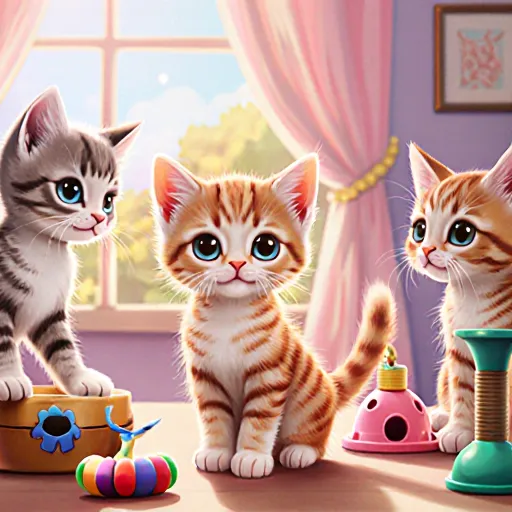
Boost your kitten's social skills with these fun tips!
Unlock Your Kitten's Social Potential
Table of Contents
- Selecting a Healthy Kitten
- Setting Up Your Environment
- Introducing Your Kitten to People
- Handling and Holding Your Kitten Correctly
- Establishing a Routine
- Providing Plenty of Playtime
- Socializing with Other Animals
- Introducing New Surfaces and Spaces
- Teaching Basic Commands and Tricks
- Encouraging Friendly Behaviors
- Handling Separation Anxiety
- Monitoring Progress
- Seeking Professional Help When Necessary
- Conclusion
- FAQ
Selecting a Healthy Kitten
When selecting a kitten for your family, it is important to ensure that you are bringing home not only a cute and adorable pet but also one that will grow into a healthy and well-socialized adult cat. Here are some key factors to consider when choosing the right kitten:
Health Check
Before bringing a kitten home, make sure it has been checked by a veterinarian. The vet should perform a thorough health check, which includes checking the kitten's eyes, ears, teeth, and overall physical condition. Look for clear eyes with no discharge, pinkish or light-colored gums that are moist but not overly so, and a clean, well-groomed coat.
Vaccinations
Ensure that the kitten has received its vaccinations according to the recommended schedule. Kittens should typically start their series of shots around 6-8 weeks old and continue until they are about 16 weeks old. Vaccines protect against common feline diseases such as Feline Leukemia (FeLV), Rabies, Feline Distemper (Panleukopenia), and others.
Deworming
A healthy kitten should also have been dewormed. Parasites can cause serious health issues in young kittens, so it is crucial that they are treated for worms before being adopted or purchased. Deworming treatments vary depending on the type of parasites and the age of the kitten.
Socialization
While this section focuses on selecting a healthy kitten, socializing your kitten is equally important. A well-socialized kitten will be more adaptable to new environments and interactions with people and other animals. Spend time handling the kitten from an early age by gently petting them, holding them, and exposing them to different sounds and smells.
Behavioral Traits
Observe the kitten's behavior during your visit. A healthy and happy kitten will be curious but not overly aggressive or afraid. Kittens should interact playfully with other kittens in their litter, showing interest in toys and social interactions. Avoid kittens that seem too shy or aggressive.
Care Instructions
Ensure you understand the care requirements for the breed of kitten you are considering adopting. Different breeds have different needs in terms of diet, exercise, and grooming. Researching these needs beforehand will help ensure a happy and healthy relationship with your new pet.
Examples
- A kitten that has clear eyes and clean ears.
- A kitten that is vaccinated up to date according to the recommended schedule.
- A kitten that has been dewormed as part of its health care routine.
- A kitten that shows curiosity during socialization exercises.
Practical Advice
When visiting a breeder or shelter, take your time to observe the kittens. Ask about their health history and vaccination records. If you are adopting from a shelter, inquire if there is any information available about the kitten's behavior and personality. Building a relationship with a knowledgeable breeder or shelter staff can provide valuable insights into selecting a healthy kitten.
Setting Up Your Environment
Just as setting up an appropriate environment is crucial for socializing a kitten, establishing a suitable setup for your WordPress-compatible blog plays a significant role in its success and growth. The right environment can ensure that your site thrives, attracting more visitors and enhancing user experience.
Setting up the correct environment is like laying down a solid foundation for a building. It ensures that all components work harmoniously together to deliver an optimal performance and functionality.
Create a User-Friendly Interface
An interface that is easy to navigate encourages visitors to explore more of your blog. This can be achieved by:
- Responsive Design: Ensure your site looks good and functions well on all devices, from smartphones to desktops.
- Simplicity: Avoid cluttering your layout with too many elements. A clean design makes it easier for users to find what they're looking for.
Optimize Your Blog's Performance
A slow loading site can drive away potential readers. Here’s how you can speed up your blog:
- Caching: Implement caching to reduce server load and improve page load times.
- Image Optimization: Compress images without losing quality for faster loading.
- Minimize HTTP Requests: Combine CSS and JavaScript files where possible to reduce the number of requests your browser has to make.
Enhance Security
Security is paramount in today’s digital landscape. Protecting your blog from unauthorized access can prevent data breaches and reputation damage:
- Use Strong Passwords: Encourage users to use strong, unique passwords.
- Install Security Plugins: Use plugins like Wordfence or Sucuri for additional protection.
- Regular Backups: Schedule regular backups to safeguard against data loss.
Incorporate Interactive Elements
To make your blog more engaging, consider adding elements that allow for interaction:
- User Forums: Create a space where readers can discuss and share their thoughts.
- Social Sharing Buttons: Make it easy for visitors to share posts on social media platforms.
- Voting Polls: Encourage reader participation through interactive content like polls or quizzes.
Conclusion
In summary, setting up your environment with care and attention is just as important for a successful blog as it is for socializing a kitten. By focusing on creating a user-friendly interface, optimizing performance, enhancing security, and incorporating interactive elements, you can create an engaging online space that attracts and retains visitors.
Introducing Your Kitten to People
Welcome to the exciting journey of socializing your kitten! Introducing a new and curious kitten to people is an important step in their development. This process helps them become comfortable with human interaction, which is essential for their future well-being as house pets. By following a gentle and patient approach, you can ensure that your kitten has positive experiences with various people.
Understanding the Importance of Socialization
Socialization is crucial during the kitten's early weeks and months. Kittens are most receptive to new stimuli between 2 and 16 weeks of age, which is why it’s important to introduce them to different people during this period.
- Reduces Fearfulness: Early socialization can help kittens overcome natural fear responses, making them more comfortable around strangers.
- Promotes Trust: By interacting with various individuals, your kitten learns to trust and recognize different human faces and voices.
- Fosters Calm Behavior: A well-socialized kitten is less likely to exhibit aggressive or anxious behavior when meeting new people.
Steps for a Successful Introduction
To introduce your kitten to people safely and effectively, follow these steps:
- Create a Safe Environment: Start by creating a comfortable space where the kitten feels safe. This could be in a room with no other pets or noisy distractions.
- Pick the Right People: Choose individuals who are calm and have gentle hands. Avoid overly excited children until your kitten is more confident.
- Use Positive Reinforcement: Reward your kitten for calm behavior with treats, affection, or verbal praise. This helps them associate positive experiences with new people.
- Start Slowly: Allow the kitten to approach and explore at their own pace. Avoid forcing interaction or chasing after them.
- Repeat Regularly: Consistency is key in socialization. Continue introducing your kitten to different people over several weeks to reinforce positive experiences.
Practical Tips for a Positive Experience
To make the introduction process as smooth and enjoyable as possible, consider these practical tips:
- Provide Comfort Items: Have a favorite toy or blanket available to offer your kitten comfort during introductions.
- Watch Body Language: Pay attention to your kitten’s body language. Signs of stress include flattened ears, tucked tail, and crouching posture. If you notice these signs, give your kitten more time to adjust before proceeding.
- Respect Their Limits: Some kittens may take longer to feel comfortable around people. Be patient and allow them to set their own pace without rushing the process.
Common Mistakes to Avoid
While introducing your kitten to people, it’s important to avoid certain behaviors that could have negative consequences:
- Frightening Them: Loud noises or sudden movements can scare kittens. Always approach them calmly and gently.
- Oversocializing at Once: Trying to introduce your kitten to too many people in one day can overwhelm them. Spread out the introductions over several days or weeks.
Kittens need love and attention during socialization. Show them affection frequently, but don't force it if they aren’t ready.
Conclusion
The process of introducing your kitten to people is a vital part of their social development. By following these guidelines and being patient, you can help ensure that your kitten grows up to be a friendly and well-adjusted adult cat.
Handling and Holding Your Kitten Correctly
To ensure that your kitten feels secure and is not scared, it's important to handle them correctly from an early stage. Proper handling can also help socialize the kitten effectively. Here are some tips on how to hold and handle your kitten safely and securely:
Understanding Proper Handling Techniques
- Support the Kitten's Body: Always support the kitten’s body from under their chest or belly, rather than lifting them by the scruff of the neck. This is a natural position for mother cats to carry their kittens but can be distressing if done incorrectly.
- Avoid Sudden Movements: Kitten's are easily startled and may bite out of fear or surprise. Move slowly and gently when picking them up or handling them.
- Cup Them in Your Hands: When holding a kitten, cup your hands around their body to provide support. This helps the kitten feel secure.
Practical Advice for Handling
When interacting with a kitten, it's crucial to introduce them gently and gradually to different experiences, which is essential for socialization:
- Familiarize Them Gradually: Introduce the kitten to different environments, people, and sounds in small increments. This will help them become accustomed to new stimuli without overwhelming them.
- Positive Reinforcement: Use treats or a gentle voice to reward calm behavior during handling sessions. Positive reinforcement can make these experiences enjoyable for your kitten.
- Short Sessions: Keep handling and socialization sessions short, especially when you're introducing new stimuli. This allows the kitten to feel in control of their environment without becoming overwhelmed.
Examples of Effective Handling
To illustrate these points, consider the following examples:
- When Introducing a New Person: Have someone you know come over to meet your kitten. Let them sit quietly in a corner while you slowly introduce your kitten to them with treats.
- Familiarizing with Different Surfaces: Place the kitten on different surfaces like carpets, floors, and furniture for short periods under supervision. This helps them get comfortable with various textures and heights.
By handling your kitten correctly and gradually introducing them to new experiences, you not only make these experiences positive but also contribute significantly to their socialization process. Remember, patience is key when working with kittens; they need time to adjust to each change in their environment or routine.
Establishing a Routine
Just as kittens need consistent routines to grow into well-adjusted cats, establishing a routine in your WordPress blog can significantly enhance its success and engagement. Consistency is key not only for the cat but also for the content on your blog.
Routine Building Blocks
Building a routine starts with understanding the essential elements that make up a balanced day for both kittens and bloggers alike:
- Daily Feeding Schedule: Kittens need to be fed regularly, typically three times a day. For your blog, this translates to regular updates or posts. Consistency in content posting can keep readers engaged and returning.
- Playtime: Play is crucial for physical and mental development in kittens. Similarly, for your blog, you should allocate time each week for brainstorming new ideas, researching topics, and experimenting with different formats such as articles, videos, or podcasts.
- Social Interaction: Kittens need interaction with other cats and humans to develop social skills. For a WordPress blog, this translates into engaging with your audience through comments, responding to emails, and participating in online communities related to blogging or the niche you specialize in.
Practical Advice for Bloggers
To establish an effective routine:
- Set Clear Goals: Just like a kitten needs clear boundaries, your blog should have defined goals. Whether it's increasing traffic, building backlinks, or enhancing SEO, setting these goals helps in structuring your daily tasks.
- Use Scheduling Tools: Utilize tools such as Google Calendar or Trello to map out your routine. For example, schedule specific times for content creation, editing, and publishing.
- Be Flexible Yet Consistent: While routines need structure, they also require flexibility. Adapt your plans based on feedback from readers or new opportunities that may arise. For instance, if a trending topic aligns with your niche, it might be worth adjusting your schedule to cover it.
Examples of Routine in Action
Daily Post Schedule: Just as kittens need daily feeding and playtime, you could establish a routine where you post new articles every Monday, Wednesday, and Friday. This consistency helps build an audience that knows when to expect fresh content.
Social Media Interaction: Kittens need social interaction to grow up well-adjusted. Similarly, interacting with your blog's community through comments can foster a loyal readership. Allocate time each week for engaging with your followers, whether by responding to their questions or sharing interesting articles related to your niche.
The Benefits of a Routine
- Increased Engagement: A consistent routine can lead to higher reader engagement as they know what to expect from your blog.
- Better Content Quality: Regular playtime and social interaction ensure that you're always thinking creatively, which translates into better content for your blog.
- Long-Term Growth: By consistently building a routine, you'll see long-term growth in terms of readership, traffic, and overall success of your WordPress blog.
Providing Plenty of Playtime
Socialization is a critical part of raising a kitten. Ensuring your kitten gets plenty of playtime and interaction can greatly influence its temperament, making it more confident and comfortable around people, pets, and new environments. Playtime helps kittens learn boundaries, encourages healthy physical development, and strengthens the bond between you and your kitten.
Importance of Playtime
Playtime is not just about having fun; it's an essential part of a kitten’s socialization process. During play, kittens practice behaviors that will help them survive in their natural environment, such as hunting and pouncing. This helps them develop coordination and reflexes necessary for adult life.
Types of Playtime Activities
- Pouncing Games: Encourage your kitten to pounce by placing a toy in front of it or mimicking the movements of prey. This can be done with feathers, wands, or small balls.
- Chasing Games: Chase toys that move on their own, like laser pointers or remote-controlled cars. Make sure to allow your kitten to catch the toy occasionally to maintain its interest and engagement.
- Social Play: Involve other pets in playtime activities when possible. If you have multiple kittens, let them play together. This can teach your kitten about sharing and cooperation early on.
Benefits of Playtime
Engaging in these activities has numerous benefits:
- Social Development: Regular play sessions with you or other pets help kittens learn social cues and boundaries.
- Mental Stimulation: Toys that require problem-solving or quick reflexes can keep your kitten mentally engaged, reducing boredom and potential destructive behaviors.
- Bonding Time: Playtime is a great opportunity to bond with your kitten. It's a time when you both relax and have fun together.
Practical Tips for Effective Playtime
- Create a Safe Environment: Ensure the play area is free from hazards and that all toys are safe for your kitten to play with. Kittens can chew on or swallow small parts, so choose durable toys.
- Vary Your Toys: Keep your kitten interested by introducing different types of toys. Cats enjoy variety, so try out various sizes, textures, and sounds.
- Consistency is Key: Establish a routine for playtime to help your kitten anticipate these sessions. Kittens thrive on consistency and repetition, which helps them learn predictability in their environment.
Conclusion
In conclusion, providing plenty of playtime for your kitten is not only fun but also essential for its socialization and overall well-being. By incorporating various types of play into your routine and ensuring a safe and stimulating environment, you can help your kitten grow up to be a confident and happy companion.
Introducing New Surfaces and Spaces
In much the same way that kittens need time and care to explore, understand, and socialize with new surfaces and spaces, integrating new elements into your WordPress blog involves careful consideration and gradual introduction. Whether you're adding a new plugin, redesigning your theme, or introducing interactive features like quizzes or polls, it's important to do so thoughtfully to ensure a smooth transition for both the site’s content and its users.
Just as you wouldn't suddenly change all the litter boxes in your kitten's environment overnight, introducing new features into your WordPress blog should be done gradually. This approach helps to prevent overwhelming visitors and ensures that any issues can be addressed before they become major problems.
Example: Suppose you're planning to integrate a new plugin for enhancing the SEO of your site. Instead of implementing it all at once, start by adding only one or two features initially. Monitor how this impacts both user experience and search engine rankings before proceeding with further enhancements.
When redesigning your blog’s theme to include new surfaces and spaces (such as widgets, sidebars, or additional content areas), it's crucial to focus on the overall user experience. Much like ensuring that a kitten feels safe and secure in its environment, visitors need to feel comfortable navigating your site.
Practical Advice: Before making any changes, conduct usability tests with a small group of users or even use tools like Google Analytics to gather insights on how people currently interact with different parts of your blog. This will help you identify which areas need improvement and where new elements could be most effectively added.
Introducing interactive features, such as quizzes or polls, is a great way to engage readers and foster community within your blog. However, just like introducing a kitten to new toys, you must ensure that these additions are appropriate for the context of your site.
Example: If your blog focuses on niche topics like environmental science or rare diseases, incorporating interactive elements should be done in a way that aligns with these interests. For instance, you might offer readers the opportunity to test their knowledge through short quizzes related to the latest research or case studies.
In summary, just as it's essential to socialize a kitten by gradually introducing new experiences and environments, building a successful WordPress blog requires careful planning when adding new surfaces and spaces. By approaching these changes with caution, listening to user feedback, and continuously refining your approach, you can create an engaging and inviting space that encourages both exploration and community interaction.
Teaching Basic Commands and Tricks
Just as socializing a kitten is crucial for its future behavior, teaching your puppy or young dog basic commands and tricks can set the foundation for a well-behaved companion. Proper training not only enhances your pet's obedience but also strengthens the bond between you and your furry friend.
Understanding the Importance of Basic Commands
Like socializing a kitten, introducing basic commands early on is essential to ensure that your puppy grows up to be well-behaved. Commands such as "sit," "stay," "come," and "leave it" are fundamental for safety reasons but also serve the purpose of creating clear communication between you and your pet.
Step-by-Step Guide to Teaching Basic Commands
- Consistency is Key: Just as with socializing a kitten, consistency in training is vital. Use the same commands every time you want your dog to perform an action. This helps the puppy understand what each word means and builds trust.
- Positive Reinforcement: Reward good behavior with treats, praise, or petting. Positive reinforcement works wonders for puppies and kittens alike, encouraging them to repeat actions that bring rewards.
- Short Sessions: Train in short sessions—about 10-15 minutes at a time—and keep them fun. Puppies have limited attention spans, so keeping training sessions brief prevents boredom or frustration.
Practical Examples of Commands
Sit: Hold a treat above your puppy's head, and move it back over their head to encourage them to sit. Say "sit" as they do so and reward the action immediately.
Stay: Stand in front of your dog, say "stay," then walk away from them while still facing them. If they stay put for a few seconds without moving, give them a treat. Gradually increase the distance you walk away as they master this command.
Come: Use a happy tone and call your puppy by name followed by "come." When they come to you, reward their obedience with treats or praise.
Incorporating Tricks for Fun
In addition to basic commands, incorporating simple tricks can make training more enjoyable for both you and your dog. These can include:
- Roll over: Teach your puppy to roll over by offering a treat on their nose while they are lying down, then move the treat towards their back until they naturally turn onto their side or back.
- Play dead: Start with "lay down," then quickly place a toy under them and say "play dead." Reward immediately after they settle into this position.
Remember, just like socializing a kitten, it's important to be patient and gentle. Each puppy learns at their own pace, so take the time necessary for your pet to understand each command or trick fully.
Encouraging Friendly Behaviors
Just as socializing a kitten helps it develop positive behaviors and interact well with people, encouraging friendly behaviors in your WordPress blog can significantly enhance user engagement and community building. The goal is to foster an environment where visitors feel safe, comfortable, and motivated to participate actively.
Just as a kitten needs a secure space to explore and learn, your blog should provide a welcoming atmosphere for users. This can be achieved by:
- Responsive Design: Ensure that your blog is mobile-friendly and easy to navigate on all devices.
- Clear Navigation: Users should easily find what they are looking for without feeling lost or frustrated. A clean, intuitive navigation menu can make a big difference.
- Clear Content Organization: Organize posts and categories logically to guide users through your content seamlessly.
Engagement is key in fostering friendly behaviors. Here are some ways you can encourage it:
- Interactive Content: Incorporate features like comments, quizzes, polls, and surveys to stimulate interaction.
- User-Generated Content: Encourage readers to share their own stories or experiences. This not only fosters engagement but also builds a sense of community.
- Responsive Moderation: Quickly address any inappropriate comments or posts, ensuring that users feel valued and respected.
Trust is fundamental in any community. To build trust on your blog:
- Transparency: Be open about how you handle data, privacy policies, and community guidelines.
- Consistent Moderation: Apply the same rules consistently to all users, ensuring fairness and equality.
- Positive Reinforcement: Recognize and reward positive behaviors through comments, likes, or special mentions.
To encourage friendly behaviors among your blog's users, consider these strategies:
- Encourage Kindness: Promote a culture of respect and kindness. Encourage users to be kind and supportive in their comments.
- Promote Collaboration: Create opportunities for users to collaborate on projects or initiatives, fostering teamwork and camaraderie.
- Moderate Positively: Use moderation tools effectively to remove any toxic behavior while supporting positive interactions.
Fostering friendly behaviors on your WordPress blog is similar to socializing a kitten; it requires patience, understanding, and consistent effort. By creating a welcoming environment, promoting engagement, building trust, and encouraging positive interactions, you can transform your blog into a vibrant community where users feel safe and motivated to participate.
Handling Separation Anxiety
Just as socializing a kitten involves gradual exposure to new environments and experiences, handling separation anxiety in pets can be approached with similar care and patience. Separation anxiety is a common issue among pets that may display behaviors like excessive crying, chewing, or even destroying property when left alone. As a WordPress blogger, understanding this challenge not only helps you empathize with your readers but also provides valuable content for pet owners seeking solutions.
Understanding the Basics
Similar to how a kitten needs time and positive reinforcement to feel secure in new environments, pets suffering from separation anxiety need gradual exposure to being alone. The key is to start small and build up over time. Begin by leaving your pet alone for short periods, gradually increasing the duration. This helps them get used to the absence of their owner.
Gradual Exposure
Just as a kitten might explore new objects under supervision before being fully unsupervised, pets should also have controlled exposure to being alone. Start with short periods of absence and gradually increase the time. This allows them to adjust and feel more secure in your absence.
Example: If you usually leave for work at 8 AM, try leaving a bit earlier each day until they are comfortable staying home alone for an hour or two. Once they can handle that comfortably, start extending the time by ten minutes to half an hour.
Creating a Routine
Establishing routines similar to how you would socialize a kitten helps pets feel secure and less anxious when left alone. Pets thrive on consistency in their daily schedules, including feeding times, playtime, and bedtime routines. By maintaining a stable routine, your pet will be more comfortable during your absence.
Comfort Items
Similar to how kittens need familiar objects like toys or blankets to feel secure, pets suffering from separation anxiety find comfort in certain items that are associated with you. Providing them with a favorite toy, a soft blanket, or even your scent on a pillow can help reduce their stress.
Positive Reinforcement
Just as kittens respond positively to treats and praise during socialization, pets also benefit from positive reinforcement when they handle being alone. Praise them for calm behavior and avoid reinforcing anxious behaviors by not paying attention if they are destructive or vocal.
Professional Help
If your pet’s anxiety is severe, it might be necessary to seek professional help. Animal behaviorists or trainers can provide tailored strategies to address separation anxiety more effectively than general advice. They can also offer insights into how pets and their owners bond, helping you understand the deeper emotional connection.
Final Thoughts
Handling separation anxiety in pets is a gradual process that requires patience and understanding. By following these steps—gradual exposure, creating routines, providing comfort items, and using positive reinforcement—you can help your pet feel more secure when you're not around. Remember, every pet is unique, so it’s important to observe their reactions and adjust accordingly. Your effort will be rewarding as you see them grow more confident and content.
Monitoring Progress
In the process of socializing a kitten, monitoring progress is crucial for ensuring that each step taken towards socialization is effective and safe. Just as with training a kitten to be comfortable around people and other animals, tracking their behavior and responses helps you understand where they are in terms of comfort and readiness to move on to more complex interactions.
Early signs that your kitten is becoming more socialized include approaching new objects or people without fear, sitting calmly for longer periods around you, and initiating gentle play. These small but significant changes in behavior indicate progress. For example, if a kitten starts to explore a toy box after being hesitant at first, this could be an early sign of increased comfort. Similarly, if they are more willing to stay close by during petting sessions or tolerate handling for longer durations, it’s a clear indicator that socialization is progressing.
To effectively monitor progress in kitten socialization, it's important to establish and follow a routine of interactions. This includes regular exposure to different environments, people, animals, sounds, and textures. By making these interactions consistent, you provide your kitten with the predictability they need while gradually increasing their exposure to new stimuli.
- Daily Playtime: Allocate a specific time each day for play sessions that include gentle handling, petting, and interaction with toys. This helps in building trust over time.
- New Faces and Animals: Introduce your kitten to new people and animals gradually. Start with calm, friendly individuals who can help ease the kitten into these interactions.
- Varying Environments: Take your kitten to different places like parks or friends' houses where they can experience a variety of environments. This helps them adapt to change and enhances their social skills.
Monitoring progress in kitten socialization doesn’t have to be complicated, but keeping some data can provide valuable insights into your kitten’s development. You can use a simple chart or a notebook to log key observations:
- Date of Observation: Keep track of when you observed certain behaviors.
- Behavioral Observations: Note down what your kitten did during the interaction. Did they hide more than usual? Were they curious and playful?
- Response to New Stimuli: Record how your kitten reacts to new people, animals, or objects.
If you notice that your kitten is not responding positively to certain interactions, it's important to adjust your socialization strategies. This could mean reducing the intensity of the interaction or taking more time before introducing a new element into their routine.
- Gradual Exposure: If a kitten shows signs of stress during an interaction with a certain person, animal, or environment, take it slowly and perhaps revisit this step in a few days. Consistency is key to avoiding overwhelming your kitten.
- Varying Tactics: Sometimes changing the method can help. For instance, if a kitten prefers toys over direct human interaction, use that as an opportunity for socialization by playing games with them using these preferred items.
In summary, monitoring progress in the socialization of a kitten involves careful observation and consistent interaction. By noting behavioral changes, establishing a routine of interactions, collecting data on their responses to new stimuli, and adjusting your approach based on these observations, you can effectively guide your kitten towards becoming a well-socialized and confident adult cat.
Seeking Professional Help When Necessary
While socializing a kitten can be an exciting and rewarding experience, it's important to recognize that not every situation requires you to handle everything on your own. Sometimes, seeking professional help when necessary is the best course of action. Just as with any animal care task, there are times when expertise from a professional can make all the difference in ensuring a positive outcome.
For instance, if your kitten displays signs of fear or aggression during socialization that do not improve despite your efforts, it might be beneficial to consult a veterinarian or an animal behaviorist. These professionals are trained to identify underlying issues such as health problems or behavioral conditions that could affect the kitten's socialization.
Professional help can also come in the form of training sessions. Trainers who specialize in kitten socialization can provide tailored advice and techniques based on your specific situation. They can offer insights into how to approach different types of interactions, including exposure to various environments, people, animals, and stimuli.
Another scenario where seeking professional help is advisable is if you are unsure about the correct methods to use during socialization. Proper techniques are crucial for a kitten's development; using incorrect or overly aggressive methods can lead to lasting fears or behavioral issues. A professional trainer can guide you through the process, ensuring that your approach is both effective and safe.
In some cases, kittens may require additional care due to medical conditions or past traumas that make socialization more challenging. Consulting a veterinarian can provide necessary treatments and recommendations for a comprehensive plan of action.
Ultimately, the decision to seek professional help should be based on your kitten's behavior and progress during the socialization process. By being proactive and reaching out when needed, you can ensure that your kitten grows into a well-adjusted and confident adult cat.
Conclusion
Just as socializing a kitten involves gradual exposure and positive reinforcement, effectively engaging your WordPress-compatible blog requires a similar approach. The goal is not just to attract visitors but also to build a community around your content.
Start by familiarizing yourself with the latest trends in blogging within your niche. This will help you understand what kind of content resonates most with your target audience. Similarly, for a kitten, gradual exposure means starting small and increasing interactions over time. For example, introducing your kitten to different environments or people can help it become more comfortable.
Encouraging engagement on your blog is crucial. Implement strategies like commenting, sharing, and liking to make your readers feel valued. This not only boosts their confidence but also creates a sense of belonging within your community. When it comes to kittens, positive reinforcement can be as simple as rewarding them with treats or praise after they show signs of comfort in new situations.
To create a thriving blog, you need to foster an environment where people feel encouraged to participate. This can be achieved by hosting events or contests that encourage interaction and discussion. For kittens, building community could involve creating playgroups or introducing them to other pets gradually.
Moreover, consider integrating social media platforms into your blog strategy. Share snippets of your posts on Twitter, Instagram, Facebook, etc., to reach a broader audience. This is akin to exposing a kitten to various stimuli in its early life; it helps it develop confidence and adaptability.
Like socializing a kitten, your blogging journey should be an ongoing process of learning and adaptation. Stay updated with the latest WordPress plugins, themes, and SEO practices to improve your blog's performance. Regularly review feedback from readers and adjust your content strategy accordingly.
In conclusion, just as patience and consistency are key in socializing a kitten, so too is it essential to be consistent and patient when building a successful WordPress-compatible blog. By following these steps—gradual exposure, positive reinforcement, community-building, and continuous learning—you can create a blog that not only attracts visitors but also fosters long-term engagement.
Example
For instance, if you run a cooking blog, start by sharing simple recipes. As your audience grows, gradually introduce more complex dishes. This way, you build trust and keep the readers coming back for more. Similarly, when socializing a kitten, begin with short, low-stress interactions and increase their duration as they become more comfortable.
Practical Advice
- Engage Regularly: Post consistently to keep your readers engaged. For kittens, this could mean playing with them every day at the same time.
- Use Analytics: Tools like Google Analytics can help you understand what kind of content is working best for your blog. For a kitten, observing its behavior helps you understand its preferences and needs.
- Seek Feedback: Encourage comments and discussions to get direct feedback from your readers. This is similar to how kittens learn through interactions with their caregivers.
FAQ
- How long does it take to socialize a kitten? Socializing a kitten can take anywhere from several weeks to months, depending on the individual kitten's temperament and experiences. Early handling is crucial as kittens are most receptive to new environments and interactions during their first few weeks of life. For optimal results, socialization should begin shortly after bringing your kitten home. Regular exposure to different people, pets, and environments can help ensure your kitten grows up to be a confident and friendly adult cat.
- What are the signs that my kitten is becoming socialized? You'll know your kitten is becoming more social when it shows less fear or aggression towards new experiences. Socialization involves building trust, which can be seen in your kitten's willingness to approach unfamiliar people or situations with confidence rather than anxiety. For instance, if you introduce a kitten to different toys and surfaces, they should begin to explore these items without excessive stress.
- Can I socialize an older cat? While it is much easier to socialize kittens during the critical period (around 2-4 months of age), adult cats can still be socialized. However, the process may take longer and require more patience. It's important to remember that an older cat's past experiences significantly influence its behavior today. Positive reinforcement techniques like treats and praise can help create a positive association with new stimuli in older cats as well.
- How do I socialize my kitten around other animals? Socializing kittens with other pets is essential for their overall well-being and to prevent potential aggression issues later on. Start by introducing your kitten to the pet they will be living with gradually, ensuring both have enough space to retreat if needed. For example, if you're getting a dog and a cat at the same time, allow them to smell each other through a barrier like a closed door for several days before direct interaction. Supervised play sessions can also help in building trust between your pets.
- What should I do if my kitten shows signs of stress during socialization? If you notice any signs of stress such as hiding, trembling, or vocalizing excessively, it's important to take a step back. Avoid overwhelming your kitten with too many new experiences at once. Instead, focus on one interaction or environment and gradually build up their confidence. Patience is key; each kitten processes socialization differently. Providing them with plenty of quiet time and comfort can also help reduce stress during the process.
Categories
- AI & Enrichment Play
- Broiler Farming
- Broiler Farming Tips
- Canine Wellness & Longevity
- Cat
- Cat & Human Connection
- Cat Adoption & Rescue
- Cat Breeds
- Cat Breeds & Personalities
- Cat Care & Health
- Cat Grooming & Hygiene
- Cat Lifestyle & Environment
- Cat Myths & History
- Cat Nutrition & Diet
- Cat Products & Reviews
- Cat Training & Behavior
- Comparison
- Consumer Awareness
- Dog
- Dog Accessories & Products
- Dog Adoption & Rescue
- Dog Breed & Lifestyle Trends
- Dog Breeding & Puppies
- Dog Entertainment & Media
- Dog Fashion & Trends
- Dog Fun & Lifestyle
- Dog Grooming & Hygiene
- Dog History & Culture
- Dog Myths, Science & Future Tech
- Dog News & Trends
- Dog Nutrition & Food
- Dog Psychology & Emotions
- Dog Safety & Security
- Dog Sports & Activities
- Dog Technology & Innovation
- Dog Training for Modern Owners
- Dog Travel & Adventure
- Dog Travel, Adventure & Culture
- Economic and Market Insights
- Educational Content
- FAQs
- Feeding Alternatives
- Festivals & Seasonal Ideas
- Fun & Entertainment
- General Knowledge
- General Pig Farming
- Health & Disease Management
- Housing and Environment
- Kittens
- Market Insights
- Miscellaneous
- Miscellaneous
- Motivational
- pig
- Pig Breeding
- Pig Breeds
- Pig Farming Stories and Inspiration
- Pig Health and Care
- Pig Nutrition
- Pig Products
- Profitability & Business
- Puppy Care
- Puppy Predictable Topics Reinvented
- Regional Focus
- Rescue & Adoption Buzz
- Senior Cats
- Senior Dog Care
- Smart Dog Tech & Gadgets
- Sustainability
- Sustainable & Eco-Friendly Dog Products
- Tech & Innovations
- Working & Service Dogs
- Broiler Feed66 products
- Country Feed33 products
- Pig Feed66 products
- Product22 products
- Raw Materials99 products
Products
-
 Fish Meal
₹1,999.00 – ₹2,999.00Price range: ₹1,999.00 through ₹2,999.00Rated 0 out of 5
Fish Meal
₹1,999.00 – ₹2,999.00Price range: ₹1,999.00 through ₹2,999.00Rated 0 out of 5 -
 FATTENING BROILER FEED
₹2,299.00 – ₹2,349.00Price range: ₹2,299.00 through ₹2,349.00Rated 0 out of 5
FATTENING BROILER FEED
₹2,299.00 – ₹2,349.00Price range: ₹2,299.00 through ₹2,349.00Rated 0 out of 5 -
 LAYER COUNTRY FEED
₹1,549.00 – ₹1,649.00Price range: ₹1,549.00 through ₹1,649.00Rated 0 out of 5
LAYER COUNTRY FEED
₹1,549.00 – ₹1,649.00Price range: ₹1,549.00 through ₹1,649.00Rated 0 out of 5 -
 COUNTER BROILER FEED
₹1,199.00 – ₹1,299.00Price range: ₹1,199.00 through ₹1,299.00Rated 0 out of 5
COUNTER BROILER FEED
₹1,199.00 – ₹1,299.00Price range: ₹1,199.00 through ₹1,299.00Rated 0 out of 5 -
 LACTATING PIG FEED
Rated 0 out of 5
LACTATING PIG FEED
Rated 0 out of 5₹2,299.00Original price was: ₹2,299.00.₹1,740.00Current price is: ₹1,740.00. -
 Maize
Rated 0 out of 5
Maize
Rated 0 out of 5₹1,650.00Original price was: ₹1,650.00.₹1,300.00Current price is: ₹1,300.00. -
 GESTATION PIG FEED (Phase 1)
Rated 0 out of 5
GESTATION PIG FEED (Phase 1)
Rated 0 out of 5₹2,249.00Original price was: ₹2,249.00.₹1,699.00Current price is: ₹1,699.00. -
 Pre Starter Broiler Feed
₹2,399.00 – ₹2,499.00Price range: ₹2,399.00 through ₹2,499.00Rated 0 out of 5
Pre Starter Broiler Feed
₹2,399.00 – ₹2,499.00Price range: ₹2,399.00 through ₹2,499.00Rated 0 out of 5 -
 FINISHER PIG FEED
Rated 0 out of 5
FINISHER PIG FEED
Rated 0 out of 5₹2,299.00Original price was: ₹2,299.00.₹1,749.00Current price is: ₹1,749.00. -
 Broiler Premix
Rated 0 out of 5
Broiler Premix
Rated 0 out of 5₹820.00Original price was: ₹820.00.₹699.00Current price is: ₹699.00.
Socializing with Other Animals
Just as it is crucial for kittens to be properly socialized, particularly during their early stages of development, interacting with other animals can play a significant role in the overall well-being and behavior of pets. Socialization with other animals helps prevent fear-based aggression, promotes better understanding between species, and encourages healthier relationships within households.
Understanding the Benefits
Socializing with other animals offers numerous benefits, much like how socializing a kitten does. It enhances your pet's emotional health by reducing stress and anxiety. For instance, allowing a cat to interact gently with another household pet can help it become more comfortable around different creatures.
Safe Introduction
Introducing pets from the same or similar species is essential for a successful socialization process. Start by ensuring both animals are calm and relaxed, which might mean keeping them in separate areas initially until they are ready to meet each other. Supervise these encounters closely and intervene if any signs of aggression appear.
Building Positive Experiences
To ensure positive interactions, always keep the tone of meetings cheerful and rewarding. For example, when introducing a dog to another dog, use treats as a reward for good behavior such as calmness and playfulness. This encourages both pets to view each other positively.
Gradual Exposure
Just like socializing a kitten gradually increases its exposure to different stimuli, so should you with your pet’s interactions. Begin with brief meetings in controlled environments where you can manage the situation effectively. As both pets become more comfortable, slowly increase the duration and complexity of their interactions.
Professional Guidance
If you find it challenging to safely introduce or socialize your pets, seeking advice from a professional trainer who specializes in animal behavior could be beneficial. They can provide tailored strategies based on each pet’s specific needs and history.
Promoting Positive Interactions Beyond the Home
While it's important to control how your pets interact within your home, encouraging positive socialization with other animals outside of your household can also be beneficial. This could involve supervised visits to dog parks or community events where multiple animals gather.
Remember, every pet is unique and may have different levels of comfort when it comes to interacting with others. Patience and consistent effort are key components in successfully socializing pets with other animals, much like how one must patiently socialize a kitten.