
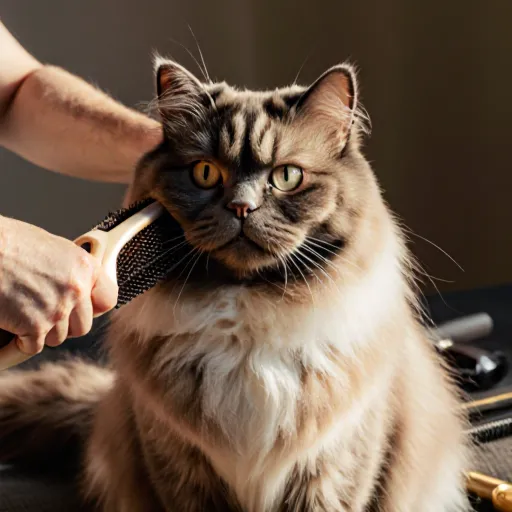
Gleaming Coats: Tips to Shine Like a Persian Cat!
Unlock Your Persian’s Radiant Coat!
Table of Contents
- Introduction to Persian Cats
- History and Background of Persian Cats
- Persian Cat Coat Types
- Selecting a Healthy Persian Kitten
- Proper Nutrition for Your Persian Cat
- Exercise Needs of Persian Cats
- Creating the Ideal Environment for Your Persian Cat
- Regular Grooming Routine for Persian Cats
- Common Health Problems in Persian Cats
- Signs of a Sick Persian Cat
- Vaccinations and Preventive Care for Persian Cats
- Training Tips for Persian Cats
- Behavioral Traits of Persian Cats
- Conclusion
- FAQs about Persian Cats Grooming and Health
Introduction to Persian Cats
Introducing Persian cats, these majestic felines have been captivating cat lovers around the world for generations. Known for their long, luxurious coats and expressive faces, Persians are often referred to as the "princes of the cat world." Their striking appearance has made them one of the most recognized breeds in the world of domesticated pets.
The history of Persian cats dates back over 400 years ago when they were first developed by breeding short-haired cats. Over time, breeders focused on developing longer and fuller coats, which eventually led to the creation of what we now recognize as the Persian cat. Today, Persians are admired for their unique looks, including their flat faces, prominent eyes, and thick fur.
Persians come in a variety of colors, from solid hues like black or white to more intricate patterns such as tabby, tortoiseshell, and bicolors. Their coats require regular grooming to prevent matting and promote overall health. Regular brushing can also help reduce shedding and keep your Persian cat looking their best.
While Persians are generally known for being calm and affectionate pets, they still need proper care to thrive. Grooming is a crucial part of maintaining the health and beauty of these cats. As mentioned in "Persian Cats: Grooming and Health Tips," regular brushing should be done daily or every other day depending on their coat type. It’s also important to clean their eyes, ears, and trim their nails regularly.
Another key aspect of caring for Persian cats is ensuring they receive a balanced diet rich in essential nutrients. Consult with your vet to determine the best food options tailored to your cat's specific needs. Providing plenty of fresh water and engaging in playtime helps keep your Persian active, which can contribute to their overall well-being.
In conclusion, the Persian cat is more than just a breed; it’s a lifestyle choice that requires dedication but offers immense rewards. By following grooming and health tips, you can ensure that your Persian remains a healthy, happy companion for years to come.
History and Background of Persian Cats
The history and background of Persian cats is a rich tapestry that spans centuries, intertwining with the cultural and artistic heritage of various civilizations. Originating from ancient Persia (now Iran), these cats have been celebrated for their luxurious coats and regal appearance. The breed's development can be traced back to around 1700 in Europe when they were introduced by wealthy travelers who brought them home as status symbols.
The Persian cat gained popularity among the nobility due to its striking features, which included longer fur that required extensive grooming. Over time, selective breeding led to the development of different variations within the breed, such as color point and lynx point patterns. This selection process also emphasized certain physical traits like a flat face (brachycephalic skull) which became characteristic of Persian cats.
Persians have made significant contributions not only to aesthetics but also in enhancing biodiversity among housecats through interbreeding with other types of short-haired and long-haired breeds. Their influence has extended beyond domestic settings; Persians were often depicted in paintings by renowned artists like Botticelli, further cementing their place in art history.
Today, Persian cats remain beloved pets worldwide, cherished for both their looks and temperament. Despite their elegant appearance, they do require special care due to the nature of their thick coats that can easily develop health issues if not properly maintained.
Grooming Needs
Given their extensive fur, Persian cats need regular grooming sessions. Daily brushing is recommended to prevent matting and tangling, which could lead to skin irritations or infections if left untreated. Professional grooming services are available for those who find it challenging to manage at home.
Health Considerations
- Dental Care: Regular teeth cleaning is important as Persian cats, like many other breeds, are prone to dental issues. Professional cleanings should be considered at least twice a year.
- Eye Care: Persians may experience tear staining around their eyes due to excess moisture. Cleaning this area gently with warm water and soft cloths can help prevent infections.
- Liver Disease: Some Persian cats are predisposed to hepatic lipidosis, a condition where fat accumulates in the liver. Monitoring diet closely is crucial for managing this risk factor effectively.
Persian Cat Coat Types
The Persian cat is known for its luxurious long coat, which comes in a variety of colors and patterns. Understanding the different types of coats can help you provide the best care for your Persian cat. Here's an overview of the main coat types found in Persian cats.
The long-haired coat is one of the most recognizable features of a Persian cat. This type of coat is thick and dense, requiring regular grooming to prevent matting and tangling. A long-haired coat can come in many colors, including solid colors like black or white, bi-colors, tri-colors, and tabbies.
- Black Persian: This cat has a sleek, glossy black coat that is often paired with bright blue eyes. The fur is thick and velvety, making the Black Persian appear almost regal in appearance.
- White Persian: A White Persian is typically one of the most popular varieties due to its elegant, all-white coat. This coloration can have either blue or amber eyes, depending on the cat's genetic background.
- Bi-Color Persian: These cats have two distinct colors in their coats, such as a white body with patches of another color like black or orange. The bi-color coat type is quite distinctive and often admired for its striking appearance.
In recent years, there has been an increase in the popularity of short-haired Persian cats. These cats have a shorter, plush coat that requires less grooming than their long-haired counterparts but still needs regular brushing to maintain good health and appearance.
- Chinchilla Persian: This coat type is lighter in color with a dark tip on each hair, giving the cat an overall silver or golden appearance. Chinchillas have bright blue eyes that complement their coat perfectly.
- Silver Persian: Silver Persians are known for their soft, silvery-white coats and deep blue eyes. This coat type is very similar to the Chinchilla in color but lacks the dark tips on each hair.
Regardless of whether your Persian cat has a long or short coat, regular grooming is essential to keep their fur healthy and free from tangles. Here are some practical grooming tips:
- Long-Haired Coats: Brush your Persian cat daily using a wide-toothed comb or a steel brush. This will help remove loose hair, prevent matting, and distribute the natural oils throughout their coat.
- Short-Haired Coats: While short-haired Persians require less frequent grooming than long-haired ones, they still need regular brushing to keep their coats in good condition. Aim for at least a few times a week of brushing with a soft brush or comb.
Persian cats are prone to certain health issues that can be exacerbated by their long coats. Regular grooming and veterinary care play a crucial role in maintaining the overall well-being of your Persian cat:
- Miliary Dermatitis: This is a common skin condition caused by an allergic reaction to flea saliva or other environmental factors. Regular grooming can help reduce this risk, as it keeps the coat clean and free from irritants.
- Cataracts: Due to their flat faces, Persian cats are more prone to developing cataracts later in life, which can lead to vision loss. Proper nutrition and regular vet check-ups can help manage this condition.
Selecting a Healthy Persian Kitten
Selecting a healthy Persian kitten is crucial for ensuring that your new pet will grow into a happy, thriving cat. While Persians are known for their striking looks and gentle demeanor, it's important to ensure that you're choosing one that not only looks healthy but also has a solid foundation of health. Here’s how to go about selecting a healthy Persian kitten:
Before bringing your new kitten home, make sure it undergoes thorough health checks. A reputable breeder will provide you with the necessary paperwork and guarantees from their veterinarian.
- Veterinary Inspection: Ensure that the kitten has been seen by a vet within 48 hours of birth for its first check-up. The vet should confirm that the kitten is free from any obvious health issues such as respiratory infections, eye problems, or umbilical hernias.
- Vaccination History: A good breeder will have already vaccinated your kitten against common cat diseases like distemper and leukemia. Make sure to get a copy of the vaccination schedule provided by the breeder so you can continue with the vaccinations as advised.
- Deworming Records: The breeder should also provide records that show the kitten has been dewormed, both internally and externally.
The behavior of your Persian kitten can give you a good indication of its health. Healthy kittens are usually alert, playful, and curious. They should also be clean and well-groomed by their mother or the breeder.
- Activity Level: A healthy Persian kitten will be active but not overly hyperactive. Observe how it interacts with its environment; it shouldn’t seem lethargic or listless.
- Eating Habits: Kittens should have a good appetite, eating regularly and showing interest in their food. If the breeder has already fed the kitten, observe whether they are eating eagerly.
- Cleaning Behavior: Kittens naturally groom themselves, but if you notice that your kitten is excessively licking its paws or body, it could be a sign of stress or underlying health issues.
A thorough physical examination can help identify any potential health issues early on. Look for the following signs:
- Eyes and Ears: Healthy eyes should be clear, bright, and free from discharge. The ears should also not have an unusual smell or excessive wax.
- Mouth and Teeth: Check for any signs of dental issues such as red gums or missing teeth. The mouth should appear clean and healthy.
- Haircoat: A Persian kitten’s coat should be soft and lustrous, without bald patches or areas with excessive dandruff.
- Paws and Legs: Ensure that the paws are neat and clean. Check for any swelling or cuts on the legs as they can indicate discomfort or injury.
Selecting a healthy Persian kitten also means being prepared to meet its grooming needs. Persians have long, dense coats that require daily brushing to prevent matting and reduce shedding:
- Daily Brushing: Regular brushing helps remove dead hair and prevents matting. Use a slicker brush or comb designed for long-haired cats.
- Bathing: Persians should be bathed approximately once every two months, using a gentle shampoo suitable for cats. Over-bathing can strip the natural oils from their skin.
- Ears and Teeth: Clean your Persian kitten’s ears weekly with a cotton ball soaked in mineral oil or an ear cleaner, and brush its teeth regularly to prevent dental problems.
Selecting a healthy Persian kitten is about more than just choosing the right cat; it involves ensuring they have the best possible start in life. By focusing on health checks, behavioral observations, physical examination, and grooming needs, you can ensure that your new pet will thrive for years to come. Remember, the investment of time and care into your kitten's early days will pay off with a happy and healthy companion.
Proper Nutrition for Your Persian Cat
Ensuring your Persian cat receives proper nutrition is crucial for maintaining their health, appearance, and overall well-being. Persian cats have unique dietary needs due to their long coats, which require more energy to maintain. In this section, we delve into the specifics of what your Persian cat should eat to thrive.
Persians are known for their striking looks and long, luxurious coats. This unique trait means they have higher energy requirements compared to other cat breeds. Proper nutrition is essential to support their long hair, strong immune system, and overall vitality.
High-Quality Protein
Persians need a diet rich in high-quality protein to maintain the health of their coat. Proteins help in hair growth and skin integrity. Look for cat foods that contain lean meats like chicken or fish as primary ingredients. Avoid low-quality proteins such as by-products which can be harmful.
Fats and Omega-3 Fatty Acids
Fat is an essential nutrient for Persian cats, particularly omega-3 fatty acids found in fish oils, which are vital for maintaining their beautiful fur. These fats also help reduce the risk of skin issues such as itching and hair loss.
Vitamins and Minerals
Ensure that your cat's diet includes adequate amounts of vitamins like A, E, and B-complex which are crucial for coat health. Minerals such as zinc, copper, and sulfur also play a significant role in maintaining the integrity of their skin and hair.
Persians should be fed at least twice a day to avoid digestive issues that can arise from irregular feeding schedules. However, you might consider dividing meals into more frequent smaller portions if your cat is prone to overeating or has sensitive digestion.
Adequate hydration is crucial for Persian cats. They are at higher risk of developing urinary tract issues due to their long hair which can affect the flow of urine. Ensure your cat always has access to clean, fresh water. Consider using a running water fountain or adding flavor to plain water if your cat doesn’t seem interested in drinking enough.
In addition to their regular diet, you can consider supplements such as fish oil capsules for extra omega-3 fatty acids. However, always consult with a veterinarian before introducing any new supplement to your cat's routine. Treats should be given sparingly; they are not a substitute for proper nutrition.
| Dietary Component | Description |
|---|---|
| Protein | Lean meats, fish as primary ingredients. |
| Fats (omega-3) | From fish oils to maintain coat health. |
| Vitamins | A, E, B-complex for skin and hair integrity. |
| Minerals | Zinc, copper, sulfur to support overall health. |
To summarize, feeding your Persian cat a balanced diet that meets their high standards is essential. Regular check-ups with your veterinarian can help ensure you are providing the best nutrition for your beloved feline friend.
Exercise Needs of Persian Cats
Exercising is an important part of a Persian cat's daily routine, even though these cats are generally known for their calm and laid-back nature. While they might not be as active as other breeds, regular exercise helps maintain their overall health and well-being.
Exercising Persian cats is crucial because it helps prevent obesity, which can lead to various health issues such as diabetes, joint problems, and heart disease. Regular physical activity also promotes a healthy digestive system and improves their immune function.
Daily Exercise Routines
- Interactive Playtime: Spend at least 15-20 minutes each day playing with your Persian cat using toys like feather wands or laser pointers. This encourages them to use their natural hunting instincts and helps keep them mentally stimulated.
- Cat Trees and Scratching Posts: Provide your Persian cat with climbing structures and scratching posts where they can engage in climbing, jumping, and scratching activities that are essential for their physical fitness.
- Trotting on a Leash: If you live in an area safe for outdoor exploration, consider taking your Persian cat out for short walks or letting them trot around the yard. This should be done under supervision to ensure safety and prevent stress.
Health Benefits of Exercise
Regular exercise helps maintain muscle tone and joint flexibility in Persian cats, which is especially important given their long coats that can sometimes lead to a sedentary lifestyle. Additionally, it enhances cardiovascular health by keeping the heart and lungs working efficiently.
Examples of Play Activities
- Hiding treats around your home for your cat to find. This simulates hunting behavior and keeps them engaged mentally and physically.
- Setting up a maze or obstacle course using household items like cardboard boxes, tunnels, and ramps.
- Using automatic feeders that dispense food when the cat pushes a button, encouraging active participation during mealtimes.
Promoting Mental Well-being
Mental stimulation is just as important for Persian cats as physical exercise. Engaging in activities like puzzle feeders or teaching them simple commands can help keep their minds sharp and reduce the risk of behavioral issues such as stress and anxiety.
In summary, while Persians may not need the same level of high-energy activity as other breeds, regular playtime and interactive exercises are vital for maintaining their physical and mental health. By incorporating these activities into your daily routine, you can ensure that your Persian cat enjoys a long, healthy life full of happiness and vitality.
Creating the Ideal Environment for Your Persian Cat
Creating an ideal environment for your Persian cat is crucial to ensuring their health, happiness, and overall well-being. Persian cats are known for their long, luxurious coats, which require significant grooming and attention. This section will delve deeper into the factors that contribute to a suitable living space for these elegant felines.
Persians are one of the oldest breeds of domestic cats, originating from Iran (formerly known as Persia). They are characterized by their long coats and large round heads. Due to their dense fur, they require regular grooming to prevent matting and skin irritations.
Climate Control
The climate in your home should be comfortable for your Persian cat. Since they have thick fur, they are more susceptible to overheating and discomfort from high temperatures. Optimal indoor temperature ranges between 65°F (18°C) and 75°F (24°C). Ensure that there is adequate ventilation but avoid drafty areas where the cold air can cause them stress.
Comfortable Bedding
Persians need soft, cozy bedding to ensure they feel secure and comfortable. Choose beds with non-slip bases to prevent slipping accidents. Consider using heated pads if your home is cooler in certain areas or during colder seasons.
Play and Activity Spaces
Provide a variety of toys that are suitable for their size and strength, such as feather wands, laser pointers, and interactive puzzle feeders. Ensure there are climbing structures like cat trees where they can explore and exercise. Encourage daily playtime to maintain mental sharpness and physical health.
Healthy Diet
A nutritious diet is essential for your Persian’s grooming routine. High-quality dry or canned food that caters to their specific nutritional needs will support healthy skin and a lustrous coat. Regularly check for any signs of digestive issues which could be an indicator of dietary imbalance.
Hydration
Maintaining hydration is key, especially given the risk of urinary tract issues common in Persians. Provide multiple sources of fresh water around your home and consider investing in a cat water fountain to encourage drinking.
Grooming Routine
Regular grooming sessions are not just about aesthetics but also help prevent hairballs, reduce shedding, and enhance bonding with you. Use a soft-bristled brush or comb designed for long-haired cats at least three times a week. During molt periods, increase brushing to daily.
Health Check-ups
Schedule routine visits to your veterinarian to monitor any potential health issues such as respiratory infections and upper airway obstructions which are common in Persian cats due to their flat faces and shortened nasal passages. Keep vaccinations up-to-date and perform regular dental checkups.
Behavioral Enrichment
Cats are social animals, even if they may not always show it overtly. Provide mental stimulation through puzzle toys or interactive games that require them to use their problem-solving skills. This helps prevent boredom and associated behavioral problems like over-grooming.
By paying attention to these aspects of your Persian cat’s environment, you can ensure that they lead a healthy, happy life filled with comfort and care.
Regular Grooming Routine for Persian Cats
Grooming is a critical aspect of owning a Persian cat. Despite their luxurious coats, these cats require regular grooming to maintain their health and appearance. Regular grooming not only keeps your Persian cat looking their best but also strengthens the bond between you and your pet. Here are some essential steps in a routine that will keep your Persian cat's coat healthy and free from tangles.
Brushing
The first step in a regular grooming routine for Persian cats is brushing. Daily brushing is recommended to remove loose fur, prevent matting, and distribute natural oils throughout the coat. Use a soft-bristled brush or a special slicker brush designed for long-haired breeds like Persians. Pay particular attention to areas where hair tends to gather, such as around the neck, belly, and behind the legs.
- Frequency: Daily brushing is ideal, but at least three times a week is necessary to keep your cat's coat in top condition.
- Type of Brush: Use a soft bristle brush or a slicker brush for effective grooming.
Bathing
While Persian cats have long coats, they do not require frequent bathing. However, it is important to bathe your cat when necessary, such as after an outdoor adventure where dirt and debris can cling to the fur. Use a gentle shampoo formulated for cats to avoid stripping their skin of natural oils.
- Frequency: Bathe your Persian only when necessary; too frequent bathing can strip the coat of its natural oils.
- Type of Shampoo: Use a cat-friendly shampoo, not human products, as they are too harsh for cats' skin and fur.
Eye and Ear Care
Regularly check your Persian's eyes and ears to ensure no infections or other issues arise. Persians have large, prominent eyes that can be prone to tear staining. Clean the area around their eyes with a soft cloth dampened with warm water. For ear care, examine them for any signs of infection such as redness, discharge, or odor. Do not insert anything into your cat's ears; instead, use a cotton ball slightly moistened with mineral oil, baby oil, or a vet-recommended ear cleaner to wipe the outer ear canal.
- Frequency: Check and clean eyes and ears weekly or as needed.
- Tools Needed: Soft cloth for eyes; cotton balls and ear cleaner for ears.
Nail Clipping
To prevent your Persian cat from scratching furniture and to keep their nails healthy, nail clipping is essential. Since Persians have semi-transparent claws, it can be difficult to see the pink “quick” inside the claw where blood vessels are found. Therefore, it’s important not to cut into this area, as it can cause bleeding.
- Frequency: Trim nails every two weeks or more frequently if they are easily visible.
- Tips for Nail Clipping: Use a cat nail clipper and place your cat on a stable surface. Have treats ready to reward good behavior during the process.
Dietary Considerations
A balanced diet is crucial for maintaining overall health, including skin and coat quality. High-quality cat food rich in proteins, vitamins, and minerals should be fed regularly. Omega-3 fatty acids are particularly beneficial as they help maintain a healthy coat and reduce shedding.
- Key Nutrients: Proteins, vitamins, minerals, and omega-3 fatty acids.
- Supplements: Consult with your veterinarian about any supplements that might be beneficial for your cat’s specific needs.
Hydration
Maintaining hydration is crucial, especially during grooming sessions when your Persian may lose some water through the coat. Ensure your cat has access to fresh water at all times and consider using a pet fountain if necessary.
- Water Source: Fresh water in a clean bowl or a pet fountain.
- Encouragement: Offer treats that require licking to encourage your cat to drink more water.
In conclusion, regular grooming and care are essential for Persian cats. By following these steps as part of their routine, you can help ensure a healthy and happy life for your feline companion while enjoying the bond you share with them.
Common Health Problems in Persian Cats
Persians are a breed known for their luxurious, long coats and striking facial features. While they are generally healthy cats, certain health issues can be more prevalent due to their unique physical characteristics. Understanding these common health problems is crucial for owners to ensure the well-being of their Persian cats.
Persians are prone to respiratory problems primarily because of their flat faces and shortened nasal passages, a condition known as brachycephaly. This can lead to upper respiratory infections, which are often more severe due to the reduced airway space.
- Upper Respiratory Infections: These infections can be caused by viruses or bacteria and typically present with symptoms such as sneezing, nasal discharge, and congestion. Regular veterinary check-ups and vaccinations are essential to prevent these issues.
- Respiratory Obstruction: Due to their facial structure, Persians may experience respiratory obstruction during sleep or when they are stressed. Ensuring a stress-free environment and keeping the airways clear can help manage this condition.
The Persian's flat face also predisposes them to ocular problems such as cherry eye, corneal ulceration, and excessive tearing. Their large eyes are more susceptible to irritation from dust or environmental factors.
- Cherry Eye: This condition occurs when the third eyelid becomes visible due to a prolapse of the gland. It is usually managed with eye drops or surgery if necessary.
- Corneal Ulceration: Inflammation and ulceration on the cornea can be painful and lead to vision loss. Prompt veterinary care is crucial for treatment.
Persians are prone to dental issues due to their unique facial structure, which can affect proper jaw alignment and tooth positioning. This often leads to tartar buildup, gingivitis, and even more serious periodontal disease.
- Tartar Buildup: Regular brushing of the teeth and professional dental cleanings are necessary to prevent tartar accumulation.
- Gingivitis: Inflammation of the gums can lead to further dental problems if not addressed. Consistent oral hygiene is key to maintaining good dental health.
Persians require special attention to their eye care due to their flat faces and large eyes. Regular cleaning of the eyelids, careful observation for any signs of discharge or redness, and prompt veterinary intervention are vital.
- Eye Cleaning: Use a warm, damp cloth to gently clean around the eyes daily. Avoid getting water or cleaning solutions directly into the eyes.
- Veterinary Consultation: If you notice any changes in your cat's eyes, such as redness, discharge, or pawing at the face, seek immediate veterinary care.
To keep your Persian cat healthy and comfortable, regular grooming is essential. Here are some practical tips:
- Regular Brushing: Daily brushing helps remove loose hair and prevent matting, which can lead to skin irritation.
- Veterinary Check-ups: Schedule annual check-ups with your vet for a thorough health assessment and vaccinations.
- Healthy Diet: Provide a balanced diet rich in nutrients to support overall health. Consult your veterinarian for specific dietary recommendations based on your cat's individual needs.
In conclusion, while Persian cats are generally healthy, their unique physical characteristics can make them more susceptible to certain health issues. By being informed and proactive with regular veterinary care, grooming, and attention to specific areas like the respiratory system, eyes, and dental health, you can help ensure your Persian cat lives a long and healthy life.
Signs of a Sick Persian Cat
When caring for a Persian cat, it is crucial to be attuned to their subtle signs of illness. Just like humans, even the slightest change in behavior or appearance can indicate underlying health issues. Understanding these signs will help you provide timely care and seek veterinary assistance when necessary.
- Inactivity: A normally active cat that suddenly becomes lethargic, preferring to stay in one place or not wanting to play as it usually does. This could indicate a range of issues from minor infections to more serious conditions.
- Decreased appetite: If your Persian is eating significantly less than usual or showing no interest in their food, this can be an early sign of illness. Cats are generally good eaters, so any change should not go unnoticed.
- Vomiting and Diarrhea: Frequent vomiting or diarrhea, especially if accompanied by blood, can signal a gastrointestinal issue ranging from mild to severe.
- Increased or decreased urination: Changes in the frequency of urination or the amount of liquid consumed can be indicators of kidney problems, urinary tract infections, or other health issues.
- Changes in coat quality: A Persian cat that has a dull, unkempt coat or starts shedding excessively might be sick. Regular grooming and care are essential to keep their luxurious fur healthy.
- Respiratory issues: Respiratory problems can manifest as wheezing, sneezing, or difficulty breathing. These symptoms can indicate upper respiratory infections or other health concerns that require prompt attention.
- Skin and coat abnormalities: Signs of skin irritation, rashes, or hair loss can point to allergies, parasites, or other dermatological issues.
Regular check-ups and routine health care are vital for Persian cats. Here are some practical tips to help monitor your cat's health:
- Cleanliness: Due to their long, thick coats, Persians require daily grooming to prevent matting and hairballs. Regular brushing can also help identify early signs of illness.
- Veterinary visits: Schedule annual check-ups with a veterinarian who specializes in feline care. Early detection of health issues is crucial for effective treatment.
- Observe behavior and habits: Keep an eye on your cat's eating, sleeping, and playing patterns. Any deviation from their usual routine could be significant.
In conclusion, recognizing the signs of a sick Persian cat is crucial for ensuring their health and well-being. By being vigilant and attentive to these subtle changes, you can provide timely care and keep your beloved Persian companion healthy and happy.
Vaccinations and Preventive Care for Persian Cats
Persian cats, known for their luxurious coats and gentle dispositions, require specific care to maintain their health. Vaccinations and preventive care play a crucial role in ensuring your Persian cat leads a long, healthy life free from common illnesses.
Understanding Vaccinations
Vaccines are essential for protecting your Persian cat against various diseases that can be harmful or even fatal. The core vaccines for cats typically include those for feline viral rhinotracheitis (FVR), calicivirus (FCV), and panleukopenia, also known as feline distemper (FPV). Your veterinarian might recommend additional vaccinations depending on your cat's lifestyle and geographic location.
Timing of Vaccinations
- Pedigree Kittens: Kittens should receive their first set of vaccinations starting at 6 to 8 weeks old. This is followed by a series of boosters until they are around 16 weeks old.
- Adult Cats: Adult cats need to be kept up-to-date with their booster shots annually or as advised by your vet, especially if there have been any changes in your cat's environment or lifestyle that may increase the risk of certain diseases.
Preventive Care Practices
Beyond just vaccinations, there are several preventive care practices you can adopt to ensure your Persian cat stays healthy and happy:
Dental Health
Persian cats are prone to dental issues due to their long, flat faces. Regular brushing of your cat's teeth with a soft toothbrush or finger brush designed for pets is essential. You can also provide them with toys that promote good oral hygiene.
Regular Vet Check-Ups
A routine visit to the vet every 6 months can catch potential health issues early on. Your vet will check for signs of dental disease, ear infections, skin problems, and other common issues in cats. It's also a good time to discuss any changes in your cat’s diet or behavior.
Digestive Health
Persian cats may sometimes suffer from digestive upset due to their long hair. Feeding them a high-quality, easily digestible diet can help prevent these issues. Additionally, providing hairballs treatments when necessary can assist in managing this problem.
Environmental Enrichment
Keeping your Persian cat mentally and physically stimulated is vital for their overall well-being. Interactive play sessions with toys designed specifically for cats, along with puzzle feeders, can help keep them engaged and reduce stress.
Conclusion
Caring for a Persian cat involves more than just feeding them and providing shelter. Ensuring they receive appropriate vaccinations and practicing preventive care measures is fundamental in maintaining their health and happiness. By following the advice provided here, you can help your Persian cat live a long and healthy life.
Training Tips for Persian Cats
Training a Persian cat can be both rewarding and challenging. Persian cats are known for their long, luxurious coats that require meticulous grooming to keep them healthy and comfortable. Proper training starts with understanding the unique needs of your Persian cat and adapting your approach accordingly.
Persian cats have a calm and docile nature which makes them relatively easy to handle, but they can be sensitive due to their long coats. Before you start any training regimen, it's important to know your cat’s personality and preferences. Some Persians may enjoy short grooming sessions while others might need more time to adjust.
Regular grooming is not just about keeping your Persian cat's coat neat; it's essential for their health. Long-haired cats like Persians are prone to matting and hairballs if not properly maintained. Here’s a step-by-step guide:
- Brushing: Use a slicker brush or comb designed specifically for long-haired cats. Brush your cat daily, especially during shedding seasons (spring and fall).
- Bathing: Bathe your Persian cat sparingly, every few months to avoid stripping their natural oils. Always use a mild shampoo suitable for pets.
- Trimming the Nails: Trim your cat’s nails regularly but be careful not to cut too close to the quick (the pink part). You can also consider using nail caps if you're particularly cautious about this task.
Training is all about building trust and establishing a bond with your cat. Persians are intelligent animals that respond well to positive reinforcement training methods. Here’s how to build trust:
- Daily Interaction: Spend quality time with your Persian every day, offering them treats as you pet and brush them.
- Create a Routine: Cats thrive on routine; establish a consistent feeding schedule, grooming sessions, and playtime.
- Be Patient: Persians are not quick learners. Give your cat time to understand the commands or routines you want them to follow.
Teaching basic commands can help manage your Persian’s behavior and make training more effective. Here are some simple commands that are easy for Persians to learn:
- Sit: Hold a treat above your cat's head, encouraging them to sit up on their hind legs.
- Lie Down: Use treats and gentle guidance to teach your cat to lie down.
- Come: Call your cat with a happy voice or use a whistle if you have one. Reward them for coming to you promptly.
Persians shed their coats seasonally, which can be challenging during shedding seasons. Here’s how to manage it:
- Extra Brushing: Increase your brushing sessions to several times a day during peak shedding periods.
- Damp Towel Wiping: Use a damp towel or brush to wipe off loose hair around the house, especially in areas where Persians spend time.
- Professional Grooming: Consider professional grooming services if you find it difficult to manage at home during heavy shedding periods.
Persian cats have several health considerations that can be influenced by their training and care. Here are some key points:
- Dental Care: Brush your cat’s teeth regularly to prevent dental issues.
- Ears Cleanliness: Inspect and clean your Persian's ears weekly. Persians can be prone to ear infections due to their long, floppy ears.
- Regular Vet Check-Ups: Ensure your cat visits the vet annually for a thorough check-up and vaccinations.
Training a Persian cat requires patience, understanding, and consistent effort. By following these tips and being attentive to your cat's needs, you can ensure they remain healthy and happy. Remember, the goal is not just to have a well-trained cat but also to strengthen the bond between you and your pet.
Behavioral Traits of Persian Cats
Persian cats, known for their distinctive long coats and expressive faces, possess a set of behavioral traits that make them stand out among other cat breeds. These traits are shaped by centuries of selective breeding aimed at creating the perfect Persian look. Understanding these behaviors is essential for providing appropriate care and ensuring a happy and healthy life for your feline companion.
Persians are generally calm, quiet cats that do not demand as much attention as some other breeds. Their temperament often reflects their long history of being pampered by royalty and aristocracy. While they can be affectionate with their owners, they tend to be more reserved in the presence of strangers or new environments.
Example: A Persian cat may greet you with a gentle nudge rather than demanding attention or meowing loudly like some other breeds might.
Persians are typically friendly and social towards their human family members. They enjoy spending time in close proximity to their owners but do not require constant interaction, making them suitable for households where the owner may be away from home frequently.
Practical Advice: While Persians can form strong bonds with their owners, it is important to ensure they have access to toys and mental stimulation when you are not around. This helps prevent boredom and reduces the risk of behavioral issues.
Persian cats exhibit a degree of independence that can be both charming and challenging for owners. While they do not require constant attention, they still appreciate having their personal space and time to themselves.
Example: A Persian cat may choose to spend part of the day sunbathing in a quiet corner rather than demanding playtime or petting.
The long fur of the Persian cat requires regular grooming. This not only helps maintain their coat's health but also keeps them from getting matting and hairballs, which can lead to digestive issues if ingested.
Health Tip: Owners should brush their Persians at least three times a week, especially during shedding seasons. This routine grooming reduces the amount of fur shed in the home and helps prevent skin problems due to excessive grooming.
Beyond physical grooming, it is important for owners to observe their Persian cat's behavior and appearance closely to catch any signs of potential health issues early. Persians are prone to certain genetic conditions such as respiratory issues due to their flat faces.
Health Tip: Regular veterinary check-ups and keeping an eye on the following can help detect problems early: nasal discharge, difficulty breathing, or excessive sneezing which could indicate upper respiratory infections. Early intervention can significantly improve treatment outcomes.
Persian cats are indeed a unique breed with distinct behavioral traits that contribute to their charm and appeal. By understanding these traits, owners can better meet the needs of their Persian companion, ensuring they lead a long, healthy, and happy life.
Conclusion
When it comes to grooming and maintaining the health of your Persian cat, there are several key practices that can help ensure their well-being. Regular brushing is essential for managing their thick fur, which not only reduces shedding but also helps prevent hairballs and keeps their coat looking shiny and healthy.
Persian cats have a long and luxurious coat, so daily or at least twice-weekly brushing sessions are recommended to keep the fur free from tangles. Special attention should be given to areas like the neck, chest, and behind the ears, where mats can easily form due to the density of their fur. Using a slicker brush is particularly effective for detangling and removing loose hairs.
In addition to regular brushing, it's important to maintain your Persian cat’s skin health. This involves giving them frequent baths as they may not groom themselves thoroughly enough due to their long coats. Bathing should be done using gentle, hypoallergenic shampoos that are suitable for cats with sensitive skin.
Eye care is another critical aspect of Persian cat grooming. Their large eyes and flat faces can lead to excessive tear production, which may result in tear-staining around the eyes. Regular cleaning with a soft cloth or cotton ball dipped in warm water can help prevent this issue. It’s also advisable to use eye wash drops if necessary.
Feet should not be overlooked during grooming sessions either. Persians have long hair between their toes, and it's important to trim these regularly to avoid matting. Trimming can be done with small scissors or nail clippers designed for cats. It’s essential to do this carefully to prevent any injuries.
Regular veterinary check-ups are crucial in maintaining the overall health of your Persian cat. These visits allow veterinarians to monitor their respiratory system, which is particularly important given that Persian cats have a higher risk of upper respiratory issues due to their flattened faces and narrowed airways. Vaccinations and dental care should also be part of this routine.
Finally, providing a balanced diet rich in nutrients tailored for long-haired breeds can support your Persian cat’s health. Consulting with a veterinarian on the best food options is advisable since they can provide personalized recommendations based on your cat's specific needs.
In conclusion, maintaining a regular grooming and healthcare routine is vital for the well-being of Persian cats. By following these tips—regular brushing, frequent baths, eye cleaning, foot care, and periodic veterinary visits—you can ensure that your Persian cat lives a healthy, happy life. Remember, each Persian cat may have unique needs based on its individual health and lifestyle, so it’s important to adapt these practices accordingly.
For more detailed information about grooming and health tips for Persian cats, you can refer to sources like the ones mentioned in the original prompt or consult with a veterinarian who specializes in feline care.
FAQs about Persian Cats Grooming and Health
Frequently Asked Questions
Persian cats are known for their long, luxurious coats that require frequent grooming to maintain their health and beauty. Here are some frequently asked questions about grooming and health care specific to Persian cats.
- Q: How often should I groom my Persian cat?
- Grooming your Persian cat regularly is essential, but the frequency can vary depending on individual needs. Typically, daily brushing is recommended for long-haired cats like Persians to prevent matting and reduce shedding. Regular grooming not only keeps their coat healthy but also strengthens the bond between you and your pet.
- Q: What tools should I use for grooming a Persian cat?
- For grooming, you will need several tools including a slicker brush, a comb, and a pin brush. A slicker brush is perfect for removing loose fur and tangles from the coat. A wide-toothed comb helps in detangling knots that might be missed by other brushes. The pin brush is useful for giving your cat a neat finish. Regular brushing can also prevent the need for professional grooming.
- Q: Are there any specific health concerns I should know about Persian cats?
- Persians are prone to several health issues, including respiratory problems due to their flattened faces and shortened nasal passages. Regular veterinary check-ups are important to monitor for these issues. Additionally, they may suffer from eye infections, dental problems, and skin conditions. Proper diet, regular exercise, and routine veterinary care can help manage these potential health risks.
- Q: What should I look for in a good veterinarian?
- When choosing a veterinarian who specializes in felines or has experience with Persian cats specifically, it is important to ensure they are knowledgeable about the breed's unique needs. A good vet will provide advice on nutrition, vaccinations, and ongoing health maintenance tailored to your cat’s individual requirements.
- Q: How can I keep my Persian cat healthy at home?
- A balanced diet is crucial for maintaining a Persian cat's health. Foods rich in protein, vitamins, and minerals are essential. Additionally, ensuring they have access to clean water and engaging in playtime with toys can help maintain their physical fitness. Regularly cleaning litter boxes, providing fresh bedding, and creating a comfortable environment will contribute significantly to your cat’s overall well-being.
- Q: What is the best way to introduce grooming into my Persian cat's routine?
- To acclimate your Persian cat to regular grooming, start early and make it a positive experience. Reward them with treats or playtime after grooming sessions to create a positive association. Gently brush their coat as they grow up so that they become accustomed to the process without feeling anxious.
- Q: Can I bathe my Persian cat?
- Bathing should be done carefully and only when absolutely necessary, as frequent bathing can strip away natural oils from your Persian cat’s skin. Use a mild feline shampoo and avoid getting water in their ears to prevent infections. After bathing, thoroughly dry the coat using a blow dryer set on low heat.
- Q: What should I do if my Persian cat has fleas?
- If you notice flea activity on your Persian cat, immediately consult your veterinarian for appropriate treatment options. Flea medications and treatments are available in topical forms or sprays that can be used safely on cats with careful application.
- Q: How do I handle a sneezing Persian cat?
- If your Persian cat is prone to respiratory issues, sneezing could indicate an underlying problem such as allergies or infections. Monitor their behavior and seek veterinary advice if the sneezing persists.
Categories
- AI & Enrichment Play
- Broiler Farming
- Broiler Farming Tips
- Canine Wellness & Longevity
- Cat
- Cat & Human Connection
- Cat Adoption & Rescue
- Cat Breeds
- Cat Breeds & Personalities
- Cat Care & Health
- Cat Grooming & Hygiene
- Cat Lifestyle & Environment
- Cat Myths & History
- Cat Nutrition & Diet
- Cat Products & Reviews
- Cat Training & Behavior
- Comparison
- Consumer Awareness
- Dog
- Dog Accessories & Products
- Dog Adoption & Rescue
- Dog Breed & Lifestyle Trends
- Dog Breeding & Puppies
- Dog Entertainment & Media
- Dog Fashion & Trends
- Dog Fun & Lifestyle
- Dog Grooming & Hygiene
- Dog History & Culture
- Dog Myths, Science & Future Tech
- Dog News & Trends
- Dog Nutrition & Food
- Dog Psychology & Emotions
- Dog Safety & Security
- Dog Sports & Activities
- Dog Technology & Innovation
- Dog Training for Modern Owners
- Dog Travel & Adventure
- Dog Travel, Adventure & Culture
- Economic and Market Insights
- Educational Content
- FAQs
- Feeding Alternatives
- Festivals & Seasonal Ideas
- Fun & Entertainment
- General Knowledge
- General Pig Farming
- Health & Disease Management
- Housing and Environment
- Kittens
- Market Insights
- Miscellaneous
- Miscellaneous
- Motivational
- pig
- Pig Breeding
- Pig Breeds
- Pig Farming Stories and Inspiration
- Pig Health and Care
- Pig Nutrition
- Pig Products
- Profitability & Business
- Puppy Care
- Puppy Predictable Topics Reinvented
- Regional Focus
- Rescue & Adoption Buzz
- Senior Cats
- Senior Dog Care
- Smart Dog Tech & Gadgets
- Sustainability
- Sustainable & Eco-Friendly Dog Products
- Tech & Innovations
- Working & Service Dogs
- Broiler Feed66 products
- Country Feed33 products
- Pig Feed66 products
- Product22 products
- Raw Materials99 products
Products
-
 Soya Doc (Soyabean Meal)
₹2,449.00 – ₹2,699.00Price range: ₹2,449.00 through ₹2,699.00Rated 0 out of 5
Soya Doc (Soyabean Meal)
₹2,449.00 – ₹2,699.00Price range: ₹2,449.00 through ₹2,699.00Rated 0 out of 5 -
 Farm Fresh Eggs
₹10.00 – ₹15.00Price range: ₹10.00 through ₹15.00Rated 0 out of 5
Farm Fresh Eggs
₹10.00 – ₹15.00Price range: ₹10.00 through ₹15.00Rated 0 out of 5 -
 LAYER COUNTRY FEED
₹1,549.00 – ₹1,649.00Price range: ₹1,549.00 through ₹1,649.00Rated 0 out of 5
LAYER COUNTRY FEED
₹1,549.00 – ₹1,649.00Price range: ₹1,549.00 through ₹1,649.00Rated 0 out of 5 -
 FATTENING BROILER FEED
₹2,299.00 – ₹2,349.00Price range: ₹2,299.00 through ₹2,349.00Rated 0 out of 5
FATTENING BROILER FEED
₹2,299.00 – ₹2,349.00Price range: ₹2,299.00 through ₹2,349.00Rated 0 out of 5 -
 FINISHER BROILER FEED
₹2,199.00 – ₹2,299.00Price range: ₹2,199.00 through ₹2,299.00Rated 0 out of 5
FINISHER BROILER FEED
₹2,199.00 – ₹2,299.00Price range: ₹2,199.00 through ₹2,299.00Rated 0 out of 5 -
 STARTER COUNTRY FEED
₹1,699.00 – ₹1,799.00Price range: ₹1,699.00 through ₹1,799.00Rated 0 out of 5
STARTER COUNTRY FEED
₹1,699.00 – ₹1,799.00Price range: ₹1,699.00 through ₹1,799.00Rated 0 out of 5 -
 COUNTER BROILER FEED
₹1,199.00 – ₹1,299.00Price range: ₹1,199.00 through ₹1,299.00Rated 0 out of 5
COUNTER BROILER FEED
₹1,199.00 – ₹1,299.00Price range: ₹1,199.00 through ₹1,299.00Rated 0 out of 5 -
 Fish Meal
₹1,999.00 – ₹2,999.00Price range: ₹1,999.00 through ₹2,999.00Rated 0 out of 5
Fish Meal
₹1,999.00 – ₹2,999.00Price range: ₹1,999.00 through ₹2,999.00Rated 0 out of 5 -
 Pre Starter Broiler Feed
₹2,399.00 – ₹2,499.00Price range: ₹2,399.00 through ₹2,499.00Rated 0 out of 5
Pre Starter Broiler Feed
₹2,399.00 – ₹2,499.00Price range: ₹2,399.00 through ₹2,499.00Rated 0 out of 5 -
 LACTATING PIG FEED
Rated 0 out of 5
LACTATING PIG FEED
Rated 0 out of 5₹2,299.00Original price was: ₹2,299.00.₹1,740.00Current price is: ₹1,740.00.