
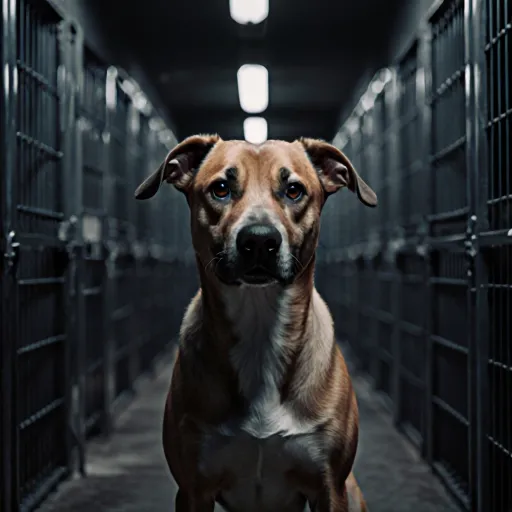
Discover the hidden fears of rescue pups
Unmasking Rescue Dog Angst: Hidden Woes Unveiled
Table of Contents
- Introduction
- Common Behavioral Adjustments in Rescue Dogs
- Physical Health Concerns During Transition
- Stress and Anxiety Indicators
- Dietary Changes and Food Preferences
- Training Gaps from Previous Ownership
- Socialization with Humans and Other Pets
- Household Routines and Environmental Familiarity
- Medical History Uncertainties
- Behavioral Issues from Past Abuse or Neglect
- Adjusting to New Living Spaces (Indoor vs. Outdoor)
- Managing Separation Anxiety
- Understanding and Addressing Fearful Reactions
- Conclusion
- FAQ
Introduction
When a dog is rescued from an abusive or neglectful environment, the transition to a new home can be overwhelming. Even with the best intentions and plenty of love, many rescue dogs exhibit behavioral challenges that stem from past trauma, lack of routine, or uncertainty about their new surroundings. Understanding these common adjustment issues is the first step toward creating a calm, predictable environment that encourages healing.
1. Fear of Loud Noises and Sudden Movements
Rescue dogs often have an exaggerated startle response to everyday sounds—vacuum cleaners, thunder, fireworks—and to abrupt motions such as opening doors or someone walking quickly around them.
- Practical Tip: Gradually desensitize your dog by playing recordings of the noise at a low volume while offering treats. Increase the volume slowly over weeks, always pairing the sound with positive reinforcement.
- Example: A rescue pup named “Milo” was terrified of the refrigerator door slamming shut. By placing his favorite chew toy inside the fridge and rewarding him when he calmly approached, Milo learned that the noise wasn’t a threat.
2. Anxiety When Left Alone (Separation Anxiety)
Many rescued dogs have never experienced consistent alone time. They may whine, bark, or attempt destructive behaviors when left in a crate or room.
- Practical Tip: Start with short “leave‑me” periods—10–15 minutes—and gradually extend the duration. Use puzzle feeders to occupy their mind and provide a safe space like a cozy crate lined with familiar bedding.
- Example: “Luna,” rescued from a shelter, would chew furniture when she was left alone for more than five minutes. By leaving her with an interactive KONG stuffed with peanut butter, Luna’s anxiety decreased and she learned to tolerate solitude.
3. Over‑reactive or Aggressive Outbursts
Past abuse can leave a dog hypervigilant. They may snap at strangers, other pets, or even family members without warning.
- Practical Tip: Use positive reinforcement training to teach alternative behaviors—such as “sit” or “look at me”—when the trigger is present. Avoid punishment; instead redirect attention and reward calmness.
- Example: A dog named “Bruno” would bark aggressively when a new child entered the house. By rewarding him for remaining quiet while gently guiding his gaze toward you, Bruno learned to associate the child's presence with positive outcomes.
4. Lack of Socialization and Fear of Other Dogs or Pets
Rescue dogs may have never interacted with other animals or may remember negative encounters.
- Practical Tip: Organize controlled playdates with well‑behaved, vaccinated dogs in neutral territory. Gradually increase exposure while monitoring body language for signs of stress (tail tucked, ears flattened).
- Example: “Bella,” a rescue from an abusive home, was terrified of other dogs. Through weekly short walks with a calm Labrador and consistent treats, Bella now enjoys gentle sniffing sessions.
5. Food Guarding or Resource Hoarding
To feel secure, some rescued dogs will guard their food bowl, toys, or even sleeping area.
- Practical Tip: Feed in a calm, quiet environment and never leave food unattended. Use “free feeding” (food left out for the day) to reduce competition, and teach commands like “leave it” using high-value treats.
- Example: “Sam,” rescued from a shelter, would growl when another dog approached his bowl. By teaching him “leave it” with a tasty treat and rewarding compliance, Sam stopped guarding his food.
6. Hyperactivity or Restlessness
A lack of exercise combined with pent‑up energy can manifest as pacing, jumping, or constant barking.
- Practical Tip: Provide daily structured exercise—long walks, fetch sessions, or agility training. Incorporate mental stimulation through puzzle toys and scent games to tire them out mentally.
- Example: “Roxy” was constantly pacing the hallway. After adding a two‑hour walk and a puzzle feeder in the evening, Roxy’s restlessness dramatically decreased.
7. Health Issues Masked as Behavioral Problems
Pain or medical conditions—such as arthritis, dental disease, or allergies—can cause irritability, scratching, or avoidance of certain surfaces.
- Practical Tip: Schedule a thorough veterinary exam shortly after adoption. Keep a symptom log to share with the vet and rule out underlying health concerns before attributing behaviors solely to trauma.
- Example: “Maya” was constantly scratching her hind legs, which we initially thought were allergies. A vet visit revealed arthritis; appropriate medication and joint supplements helped reduce her discomfort and aggression.
Putting It All Together: The Adjustment Plan
- Create a Routine: Dogs thrive on predictability. Feed, walk, play, and sleep at consistent times.
- Safe Space: Provide a crate or quiet room with familiar bedding where the dog can retreat without feeling threatened.
- Gradual Exposure: Slowly introduce new stimuli—people, pets, sounds—in short, controlled bursts.
- Positive Reinforcement: Reward calm behavior with treats, praise, or play. Avoid punishment; it can reinforce fear.
- Professional Guidance: If behaviors persist, consult a certified dog trainer or veterinary behaviorist for tailored strategies.
Remember: each rescue dog is unique. Patience, consistency, and empathy are your best tools for helping them rebuild trust and confidence in their new home.
Common Behavioral Adjustments in Rescue Dogs
Rescue dogs often come from challenging backgrounds—abandonment, abuse, or neglect—which can leave lasting behavioral scars. Understanding these common adjustment issues and implementing targeted strategies is key to helping them thrive in a new home.
- Fear and Anxiety: Many rescue pups exhibit excessive barking, pacing, or avoidance of certain stimuli (e.g., loud noises, strangers). Gradual desensitization paired with positive reinforcement can reduce these reactions. Example: If a dog flinches at car engines, start by playing engine sounds at a low volume while offering treats, slowly increasing the volume over weeks.
- Aggression (Fear‑Based or Dominance‑Based): Aggressive responses may stem from past mistreatment. Consistent training with clicker-based systems and establishing clear leadership through calm commands can help redirect aggression. Practice “sit” before approaching a trigger, rewarding compliance.
- Separation Anxiety: Some dogs become destructive or vocal when left alone. Use puzzle feeders, treat-dispensing toys, and short practice departures to build tolerance. A gradual “leave‑me” routine—leaving the house for brief intervals that increase over time—can ease anxiety.
- Hyperactivity & Overstimulation: Rescue dogs may appear hyper due to pent-up energy or lack of structure. Structured daily exercise (e.g., two walks, a play session) coupled with obedience training helps channel excess energy into positive outlets.
- Socialization Gaps: Dogs rescued from shelters often have limited exposure to other dogs and humans. Controlled socialization events—such as “doggy dates” with calm, vaccinated companions—can expand their comfort zones. Always supervise interactions until trust is established.
Practical Tips for Homeowners
- Create a Predictable Routine: Dogs feel secure when they know what to expect. Feed at the same times, schedule walks, and maintain consistent bedtime cues.
- Use Positive Reinforcement: Reward calm behavior with treats, praise, or play. Avoid punishment—rescue dogs are more responsive to encouragement than reprimand.
- Introduce New Stimuli Gradually: When exposing a rescue dog to new environments (e.g., parks), start at low‑traffic areas and slowly progress to busier spots as confidence grows.
- Seek Professional Guidance: If aggression or severe anxiety persists, consult a certified animal behaviorist. They can design a tailored desensitization plan.
- Maintain Patience & Consistency: Behavioral changes take time—often months. Celebrate small victories and stay committed to the training schedule.
By recognizing these common behavioral challenges and applying consistent, compassionate strategies, you can help your rescue dog transition from a history of hardship to a life filled with love, confidence, and well‑adjusted behavior.
Physical Health Concerns During Transition
When a dog moves from a shelter or rescue organization into a new home, its physical health can be impacted by stress, changes in routine, and unfamiliar environments. Below are the most frequently observed adjustment problems, how to spot them, and practical steps you can take to help your new companion recover quickly.
1. Loss of Appetite or Overeating
- Signs: Skipping meals, eating only a few kibble pieces, or vomiting after eating.
- Why it Happens: Stress hormones can suppress hunger; conversely, excitement may lead to binge‑eating.
- Treatment Tips:
- Offer small, frequent meals (3–4 times per day) rather than one large portion.
- Use a food puzzle or slow feeder bowl to reduce the urge to gulp down food.
- Keep feeding times consistent; avoid giving treats before meals.
2. Gastrointestinal Upset
Changes in diet, new foods, or stress can lead to diarrhea, constipation, or gas.
- Signs: Loose stools, straining, or visible abdominal discomfort.
- Treatment Tips:
- Introduce a bland diet (boiled chicken and rice) for 3–5 days before returning to regular kibble.
- Gradually mix new food with old over a week to ease the transition.
- Consult your vet if diarrhea lasts more than two days or if you notice blood.
3. Urinary and Fecal Incontinence
Rescue dogs may have had limited bathroom breaks during transport, leading to weakened bladder control.
- Signs: Accidental urination or defecation in the house, especially during sleep.
- Treatment Tips:
- Create a consistent bathroom schedule (first thing in the morning, after meals, before bedtime).
- Use puppy pads as a transitional aid while you establish outdoor habits.
- Consider a “house training” crate: keep the dog in a small space only when you can supervise.
4. Ear and Skin Infections
Exposure to new environments, other animals, or different bedding can introduce allergens or pathogens.
- Signs: Redness, itching, discharge from ears, or skin lesions.
- Treatment Tips:
- Inspect ears and paws daily for redness or debris; clean with vet‑approved ear wipes.
- Shampoo with a hypoallergenic formula once a week; avoid over‑showering.
- Keep bedding dry and change it regularly to prevent moisture buildup.
5. Dental Problems
Rescue dogs often have poor dental hygiene, which can worsen when they’re stressed.
- Signs: Bad breath, swollen gums, difficulty chewing.
- Treatment Tips:
- Begin with soft food and gradually reintroduce kibble or dental treats.
- Use a soft-bristled brush twice a week to maintain oral health.
- Schedule a veterinary dental exam within the first month of adoption.
6. Joint Pain and Mobility Issues
Many rescue dogs are older or have been neglected, leading to arthritis or muscle weakness.
- Signs: Limping, reluctance to jump, stiffness after rest.
- Treatment Tips:
- Provide a supportive bed with orthopedic foam.
- Encourage low‑impact exercise such as short walks or swimming.
- Ask your vet about supplements like glucosamine and chondroitin.
7. Respiratory Issues
Exposure to new environments, allergens, or sudden temperature changes can trigger coughing or wheezing.
- Signs: Persistent cough, rapid breathing, or nasal discharge.
- Treatment Tips:
- Keep indoor air clean; use a HEPA filter if allergies are suspected.
- Avoid sudden temperature changes—use a dog‑safe blanket during cooler evenings.
- Consult your vet promptly if breathing becomes labored or if you notice blood in the sputum.
8. Parasite Infestations
Rescue dogs may have been exposed to fleas, ticks, or internal parasites during their previous environment.
- Signs: Itching, hair loss, visible bugs on skin, or red bumps.
- Treatment Tips:
- Administer a monthly flea/tick preventative as recommended by your vet.
- Use an internal parasite dewormer at least once every 3–6 months.
- Inspect and clean bedding, toys, and living areas regularly.
- Vet Check‑Up: Schedule an appointment within the first week to screen for underlying conditions and receive a baseline health report.
- Maintain Familiarity:</strong
Stress and Anxiety Indicators
Rescue dogs often carry invisible scars from past trauma, abuse, or abandonment. Recognizing the subtle signs of stress and anxiety is crucial for providing a supportive environment that promotes healing and trust.
Physical Signs
- Rapid heart rate or panting: Even when resting, a rescued dog may have an elevated pulse or frequent panting as a physiological response to anxiety.
- Tucked tail or flattened ears: A tail that hangs low or ears pressed flat against the head often signals fear or discomfort.
- Shivering or trembling: This can be a sign of nervousness, especially if it occurs during routine activities like grooming or veterinary visits.
- Lack of appetite or sudden weight loss: Stress hormones such as cortisol can suppress hunger, leading to noticeable changes in eating habits.
Behavioral Indicators
- Avoidance and hiding: Dogs that seek out the quietest corners or frequently retreat into their crate may be avoiding perceived threats.
- Barking, growling, or snapping without provocation: These vocalizations can be a defensive mechanism triggered by anxiety rather than aggression.
- Overly submissive posture: Constant crouching, lowered head, and lack of eye contact can indicate low confidence and high stress levels.
- Excessive licking or chewing of paws and body: This self-soothing behavior often appears when a dog is under chronic stress.
Environmental Triggers to Watch For
Rescue dogs may be hypersensitive to everyday stimuli that were once associated with negative experiences. Common triggers include:
- Loud noises: Sirens, fireworks, vacuum cleaners, or thunder can cause a spike in cortisol.
- New people or pets: Sudden introductions may provoke fear if the dog was previously abused by strangers.
- Routine changes: Alterations in feeding times, walks, or sleeping arrangements can unsettle a dog that relies on predictability for safety.
Practical Tips for Managing Stress and Anxiety
- Create a safe space: Provide a crate or a quiet room with familiar bedding, toys, and a calm environment where the dog can retreat without being disturbed.
- Use positive reinforcement: Reward calm behavior with treats, praise, or gentle petting to reinforce that staying relaxed leads to positive outcomes.
- Gradual desensitization: Slowly expose the dog to trigger sounds or situations at a low intensity while offering comfort. Increase exposure only after the dog remains calm.
- Consistent routine: Stick to regular feeding, walking, and sleeping schedules so the dog knows what to expect each day.
- Exercise and mental stimulation: Provide daily walks, puzzle toys, or training sessions to expend excess energy and provide a sense of purpose.
- Consider calming aids: Diffusers with pheromones (e.g., Adaptil), natural supplements like L-theanine or valerian root, or even low-dose prescription medications can help when combined with behavior modification.
When to Seek Professional Help
If stress signs persist beyond a few weeks despite consistent care, or if the dog exhibits severe aggression, self-harm (e.g., excessive licking leading to sores), or extreme withdrawal, consult a veterinarian or a certified animal behaviorist. Early intervention can prevent chronic anxiety disorders and improve long-term outcomes.
Dietary Changes and Food Preferences
Rescue dogs often face a unique set of challenges when transitioning to a new home. Their dietary habits are usually the first thing that changes, and this can trigger a variety of behavioral and physiological responses.
- Food Hesitancy: Many rescue dogs are wary of unfamiliar food due to past negative experiences. They may refuse to eat or only nibble on their meals.
- Overeating or Undereating: Stress can cause a dog to either overeat (as a comfort mechanism) or under-eat (due to loss of appetite).
- Digestive Upset: Sudden changes in diet can lead to vomiting, diarrhea, or constipation.
- Food-Related Aggression: Some dogs develop guarding behaviors around food when they feel insecure.
Practical Advice for Managing Diet Transitions
- Start with a Familiar Base: If possible, bring the rescue’s current kibble or wet food. Gradually mix in a high-quality brand you plan to keep long-term.
- Introduce New Foods Slowly: Mix a small amount (about 10%) of new food into their regular meal and increase it by 10% every three days.
- Use Positive Reinforcement: Reward the dog with praise, gentle petting, or a favorite treat when they eat from the bowl. Avoid forcing them to finish the food.
- Maintain Consistent Meal Times: Serve meals at the same times each day to create a predictable routine.
- Avoid Table Scraps and Human Food: These can disrupt digestion and reinforce begging behavior.
- Monitor Water Intake: Ensure fresh water is always available, especially if the dog shows signs of dehydration or constipation.
- Check for Allergies: If digestive upset persists, consider a limited‑ingredient diet or consult a veterinarian for allergy testing.
Sample Transition Plan (30-Day Timeline)
| Day | Meal Composition | Notes |
|---|---|---|
| 1–3 | 100% current food | Observe acceptance and stool quality. |
| 4–6 | 90% current + 10% new | Reward any eating. |
| 7–9 | 80% current + 20% new | Watch for signs of digestive upset. |
| 10–12 | 70% current + 30% new | Continue positive reinforcement. |
| 13–15 | 60% current + 40% new | Adjust if dog shows reluctance. |
| 16–18 | 50% current + 50% new | Monitor food intake closely. |
| 19–21 | 40% current + 60% new | Check for any allergies. |
| 22–24 | 30% current + 70% new | Continue to assess comfort. |
| 25–27 | 20% current + 80% new | Ensure no digestive issues arise. |
| 28–30 | 10% current + 90% new | Final adjustment to full new diet. |
When to Seek Veterinary Advice
- If the dog refuses food for more than 48 hours.
- Persistent vomiting, diarrhea, or constipation beyond a few days.
- Visible signs of pain or discomfort during eating.
- Any sudden weight loss or gain during the transition period.
By patiently managing dietary changes and paying close attention to your rescue dog’s behavior, you can ease their adjustment process and lay a strong foundation for a healthy, happy life together.
Training Gaps from Previous Ownership
When a dog enters your life after being rescued from an uncertain past, it often brings with it a set of behavioral gaps that stem from previous ownership. Understanding these common adjustment issues is the first step toward creating a smooth transition and building a strong bond.
1. Fear of Loud Noises
- Typical triggers: fireworks, thunderstorms, vacuum cleaners, car doors.
- Why it happens: Many rescue dogs were exposed to unpredictable loud sounds that caused panic or traumatic memories.
- Practical advice:
- Start a desensitization program: Play recorded sounds at low volume while giving treats. Gradually increase volume over weeks.
- Provide a safe space—use a crate, blanket, or a quiet room where the dog can retreat.
- Use calming aids like Thundershirt, pheromone diffusers (Adaptil), or low-frequency sound therapy.
2. Unfamiliar Social Cues
- Typical behaviors: excessive barking at strangers, avoidance of eye contact, tail tucked.
- Why it happens: Lack of early socialization or exposure to diverse people and animals.
- Practical advice:
- Enroll in a gentle socialization class that focuses on positive interactions with humans and other dogs.
- Practice controlled introductions: let the dog approach a calm, friendly person at its own pace.
- Use treats and praise to reward confident behavior; avoid forcing eye contact if it causes stress.
3. Attachment Anxiety
- Typical signs: pacing, whining when left alone, excessive chewing on furniture.
- Why it happens: Previous owners may have been inconsistent with care or the dog may have had a sudden change in routine.
- Practical advice:
- Establish a predictable daily schedule: feeding, walks, and playtime at consistent times.
- Use counterconditioning to pair your departure with positive experiences—leave a puzzle toy or a treat-filled KONG.
- Gradually increase alone time in short increments; reward calm behavior upon return.
4. Over-Excitement During Play
- Typical behaviors: jumping on people, mouthing during play, pulling on the leash.
- Why it happens: The dog may have learned that rough play is a form of affection or might lack proper outlet for energy.
- Practical advice:
- Use calm, controlled play sessions—avoid high-energy games like tug if the dog gets too excited.
- Teach impulse control with commands such as “leave it” and “settle.”
- Ensure daily exercise that matches breed needs: long walks, fetch, or agility training.
5. Food-Guarding or Resource Protection
- Typical signs: growling when approached near food, snapping at owners during meal times.
- Why it happens: Previous scarcity of food or inconsistent feeding schedules can trigger protective behavior.
- Practical advice:
- Use a food puzzle to distribute treats slowly and reduce guarding instincts.
- Practice “trade” games: give a treat in exchange for a command like “sit.”
- Feed on a timer or use automatic feeders to create predictable feeding times.
6. Limited Confidence with Handling
- Typical behaviors: flinching when touched, resisting grooming, shaking during vet visits.
- Why it happens: The dog may have been neglected or mishandled in the past.
- Practical advice:
- Gradual desensitization: touch paws, ears, and mouth with gentle strokes while offering treats.
- Keep grooming sessions short and positive—use a calm voice and reward after each successful step.
- Introduce veterinary equipment slowly; use “scent swapping” by bringing familiar items to the clinic.
7. Impaired Problem-Solving Skills
Rescue dogs sometimes struggle with basic tasks such as opening doors or finding their way home due to limited training before rescue.
- Practical advice:
- Teach simple commands: “open,” “close,” and “come.”
- Use positive reinforcement when the dog completes a task correctly.
- Provide mental stimulation through puzzle toys or scent games to improve cognitive flexibility.
Putting It All Together: A Sample Adjustment Plan
Below is an example weekly schedule for a rescue dog with multiple adjustment issues:
| Day | Morning Routine | Afternoon Activity | Evening Wind‑Down |
|---|---|---|---|
| Mon, Wed, Fri | Short walk (10 min) + “sit” command practice | Puzzle toy for 15 min; gentle play session |
Household Routines and Environmental Familiarity
Rescue dogs often come from environments where daily rhythms were irregular or absent entirely. Establishing consistent routines—feeding times, walks, play sessions, and quiet periods—helps them feel secure and reduces anxiety. Below are actionable steps, illustrative examples, and common adjustment challenges to watch for.
1. Create a Predictable Feeding Schedule
- Rule of thumb: Feed your rescue at the same two or three times each day (e.g., 7 am, 12 pm, 6 pm).
- Why it matters: Predictable meals signal safety and help regulate digestion.
- Example: If your dog had irregular feeding in a shelter, start with two meals at 7 am and 5 pm. Gradually add a third meal if needed.
2. Establish Consistent Walk Times
- Morning walk: 20–30 minutes right after breakfast.
- Evening walk: 15–20 minutes before dinner or bedtime.
- Tip: Use the same route and voice tone each time to reinforce routine.
3. Designate a Quiet “Safe Zone”
- Select a corner in your home with minimal traffic—perhaps a spare bedroom or a tucked‑away nook.
- Provide bedding, water, and a favorite toy.
- Use calming aids such as a pheromone diffuser or soothing music if the dog shows signs of stress.
4. Introduce Gradual Exposure to Household Noise
- Record common household sounds (vacuum cleaner, dishwasher, children playing) at low volume.
- Play the recordings for a few minutes while offering treats.
- Increase volume and duration over weeks, monitoring for signs of distress.
5. Keep Doorways Open During Initial Days
- Allow the dog to roam freely between rooms until they feel comfortable with each space.
- Use baby gates or pet barriers gradually if you need to restrict access to certain areas.
Even with a solid routine, some dogs may exhibit specific behaviors that signal underlying anxiety or confusion. Recognizing these early can prevent long‑term problems.
- Separation Anxiety: Barking, pacing, or destructive chewing when left alone. Counter by using puzzle feeders, leaving background noise (radio), and practicing short “leave‑me” training sessions.
- Overreactive to New People/Animals: Growling or lunging at visitors. Gradual introductions with positive reinforcement can desensitize the dog.
- **Food Guarding:** Snapping or growling when approached near food bowls. Train by feeding in a separate room and rewarding calm behavior.
- Fear of Household Appliances: Hiding or frantic behavior around vacuum cleaners, blenders, or washing machines. Use desensitization techniques—leaving appliances on low volume while offering treats.
- Unfamiliarity with Bedtime Rituals: Restlessness at night, frequent waking. Establish a bedtime routine: dim lights, quiet music, and a short walk before bed.
Practical Tips for Managing Adjustment Issues
- Keep a Daily Log: Note times of incidents, triggers, and your dog’s response. Patterns emerge over weeks.
- Use Positive Reinforcement: Reward calm behavior with treats or affection; avoid punishment which can exacerbate fear.
- Consider Professional Help: If anxiety persists beyond 8–12 weeks, consult a certified dog trainer or veterinary behaviorist.
- Gradual Exposure: Increase exposure to stressful stimuli slowly—time and intensity should be adjusted based on the dog's tolerance.
By weaving predictable routines into daily life and addressing adjustment challenges proactively, you create an environment where your rescue dog can thrive, feel secure, and gradually shed the shadows of their past experiences.
Medical History Uncertainties
When you adopt a rescue dog, the past is often shrouded in mystery. Unlike dogs from reputable breeders or shelters with comprehensive records, many rescues arrive without a clear medical history. This uncertainty can create challenges for both veterinarians and owners, especially when diagnosing chronic conditions or planning preventive care.
Common Gaps in Medical Records
- Vaccination Status: Some dogs may have received incomplete or outdated vaccines, leaving them vulnerable to preventable diseases such as parvovirus or distemper.
- Chronic Illnesses: Conditions like hypothyroidism, allergies, or joint problems can go unnoticed if the dog was not examined by a vet before rescue.
- Medications: Ongoing treatments (e.g., anti‑inflammatory drugs, pain relievers) may have been stopped abruptly during relocation, leading to withdrawal symptoms or flare‑ups.
- Microchip and Identification: Lost chips or outdated chip information can delay re‑identification if the dog goes missing again.
Practical Steps for Owners
- Schedule a Comprehensive Vet Visit: Within the first week, bring your rescue to a veterinarian for a full physical exam, blood work, and fecal analysis. This baseline will help identify hidden issues.
- Document Everything: Create a “Medical History Log” in a notebook or digital app. Record dates of visits, medications prescribed, vaccination updates, and any observed symptoms.
- Update Vaccinations Promptly: Follow the vet’s recommended schedule for core vaccines (Rabies, DHPP) and non‑core vaccines based on your region’s disease prevalence.
- Keep a Medication Schedule: Use pill organizers or smartphone reminders to ensure consistent dosing of any prescribed drugs.
- Microchip Verification: Have the vet scan the chip and update the database with your current contact information.
Common Adjustment Issues in Rescue Dogs
Beyond medical uncertainties, many rescue dogs struggle to adjust socially and behaviorally. Understanding these challenges can help you create a supportive environment for recovery.
- Separation Anxiety: Rescues often exhibit intense fear when left alone. Gradual desensitization—starting with short departures and slowly increasing duration—can reduce anxiety.
- Food Aggression: Scarcity during previous shelter stays may trigger resource guarding. Use positive reinforcement feeding protocols, such as hand‑feeding or “food pacing,” to rebuild trust.
- Fear of Loud Noises: Dogs exposed to chaotic environments (e.g., moving trucks, barking neighbors) may develop phobias. Provide a safe space and use white noise machines to mask sudden sounds.
- Social Disinhibition: Some rescues exhibit overly friendly or “shy” behavior around strangers due to lack of socialization. Structured playdates with calm, experienced dogs can help.
- Owner Dependency: When a rescue has never been handled by multiple people, they may cling to one individual. Rotate handlers gently and use consistent cues to build independence.
Behavioral Management Tips
- Create Routine: Dogs thrive on predictability. Feed, walk, and play at the same times each day.
- Use Positive Reinforcement: Reward calm behavior with treats or praise; avoid punishment which can reinforce fear.
- Implement Gradual Exposure: For noise fears, start with low volume recordings and gradually increase intensity while rewarding composure.
- Provide Enrichment: Puzzle toys, scent games, and interactive play keep the mind engaged and reduce stress.
- Seek Professional Help: If anxiety or aggression persists, consult a certified dog behaviorist for tailored training plans.
By addressing medical uncertainties head‑on and proactively managing behavioral challenges, you’ll give your rescue dog the best chance at a healthy, happy life in their new home.
Behavioral Issues from Past Abuse or Neglect
Rescue dogs that have survived abuse or neglect often carry deep emotional scars that manifest in a range of behavioral challenges. Understanding the underlying causes and learning how to address them can transform an anxious, fearful dog into a confident companion.
Common Symptoms
- Hypervigilance: Constantly scanning the environment for threats; may bark or growl at harmless stimuli.
- Avoidance & Fearfulness: Refusal to approach new people, objects, or places; may freeze or retreat.
- Aggression (both directed and indiscriminate): Sudden lunges, snapping, or growling when feeling threatened.
- Submissive Behaviors: Excessive licking, tail tucked, or crouching as a self-soothing mechanism.
- Pain-Related Issues: Chronic pain from injuries sustained during abuse can lead to irritability and withdrawal.
Practical Strategies for Management
-
Build a Safe Base:
Create a predictable routine and a designated safe space (crate, mat, or room) where the dog can retreat. Consistency in feeding times, walks, and play sessions reduces anxiety.
-
Positive Reinforcement Training:
Use high-value treats and gentle praise to reward calm behavior. Avoid punishment; it reinforces fear.
-
Desensitization & Counter-Conditioning:
Gradually expose the dog to feared stimuli at a distance that does not trigger anxiety, pairing exposure with treats or play until the response softens. Example: if the dog is afraid of vacuum cleaners, start by placing it in another room while you operate the vacuum elsewhere.
-
Gradual Socialization:
Introduce new people and animals slowly—first from a distance, then gradually closer. Use “soft” introductions: let the dog sniff a blanket with the other dog's scent before a face-to-face meeting.
-
Use of Calming Aids:
Consider pheromone diffusers (Adaptil), calming chews, or a weighted vest. Always consult your vet before adding supplements.
-
Professional Guidance:
If aggression or severe anxiety persists, enlist a certified animal behaviorist experienced with rescue dogs for tailored interventions.
Case Study: “Luna” the Rescue Terrier
Luna was found at 10 months old in a kennel where she had been abused. Initially, she refused to approach her handler and barked at every passing car. Through a structured program—crate training for safety, daily short walks with high-value treats, and weekly desensitization sessions to cars—Luna now enjoys walks on the sidewalk without barking. Her handler reports that Luna’s confidence has increased by 70% after six months.
Key Takeaways
- Patience is paramount; behavioral healing can take months or even years.
- Consistency, safety, and positive reinforcement are the cornerstones of recovery.
- Professional help should be sought early if aggression or severe anxiety escalates.
Adjusting to New Living Spaces (Indoor vs. Outdoor)
When a rescue dog transitions from an uncertain shelter environment into a new home, the very layout of that home can become a source of stress or confusion. The shift between indoor and outdoor spaces—especially for dogs accustomed to being outdoors all day—requires deliberate attention to their physical cues, safety needs, and routine.
Common Adjustment Issues in Rescue Dogs
- Fear of the Unknown: A new layout can trigger anxiety. The dog may avoid certain rooms or corners where they feel exposed.
- Inconsistent Routine: Shelter dogs often have irregular feeding and activity times, making it hard to settle into a predictable schedule.
- Overstimulation: Bright lights, open windows, or loud household noises can overwhelm a dog used to quieter outdoor spaces.
- Boundary Confusion: Dogs may not understand where they are allowed, leading to unwanted scratching on furniture or climbing onto counters.
Practical Advice for Indoor Spaces
- Create a Safe Zone: Set up a small crate or a cozy bed in a quiet corner. Place familiar bedding, a toy, and perhaps a piece of your clothing to provide scent comfort.
- Use Gradual Exposure: Start by allowing the dog to explore one room at a time while you remain nearby. Offer treats and praise for calm behavior.
- Control Light Levels: Dim harsh lights or use blinds during the first few days. Gradually increase brightness as the dog becomes more comfortable.
- Consistent Feeding Times: Stick to a 2–3 day feeding schedule for the first week, then transition gradually to your regular routine.
- Manage Bathroom Breaks: Use a leash and walk in designated outdoor areas (like a fenced yard or nearby park) to establish predictable bathroom habits.
Practical Advice for Outdoor Spaces
- Secure Fencing: Ensure that any yard is fully enclosed. Rescue dogs can be escape artists; a hidden gap could lead to accidents.
- Provide Shade and Water: Place a shaded area with fresh water near the dog’s resting spot, especially if the yard has no natural shade.
- Introduce Outdoor Toys: Offer chew toys or fetch items that can keep the dog mentally engaged while exploring outdoors.
- Establish “Home” Boundaries: Use a small fence or a low wall to delineate the area where the dog is allowed. This helps them understand limits without feeling confined.
- Supervised Exploration: Initially keep the dog on a leash when walking through unfamiliar parts of the yard, then gradually allow off-leash play as trust builds.
Bridging Indoor and Outdoor Worlds
The key to successful adjustment is consistency. Treat indoor and outdoor spaces as complementary rather than separate worlds:
- Regular Walks: Schedule daily walks that start outdoors, then return indoors for a snack or rest.
- Shared Activities: Play fetch inside the house using soft balls; later, switch to outdoor games.
- Positive Reinforcement: Reward calm behavior in both settings with treats, affection, or playtime. This helps the dog associate each space with positive experiences.
Example Scenario
A rescue dog named “Buddy” was initially scared of the living room because it had bright windows and a lot of foot traffic. By placing his crate in a quiet corner, offering him treats during your presence, and gradually allowing short visits to the rest of the room while you sat nearby, Buddy learned that the living room was safe. Once he trusted the indoor space, you introduced an outdoor walk around the backyard. The consistent routine—leash on, walk for 10 minutes, return indoors for a treat—helped him feel secure both inside and outside.
Key Takeaway
Rescue dogs thrive when their new home feels predictable and safe. By methodically easing them into each indoor and outdoor area, maintaining routine, and reinforcing positive behavior, you’ll help them transition smoothly and build a strong bond that lasts.
Managing Separation Anxiety
When a rescue dog arrives, it often carries a bundle of past traumas, fears, and uncertainties. One of the most pervasive challenges is separation anxiety—an intense distress triggered by being left alone or separated from familiar people or places. Understanding why this anxiety occurs and learning practical strategies to mitigate it can transform a fearful pup into a confident companion.
Why Rescue Dogs Develop Separation Anxiety
- Lack of Consistency: Rescues may have had irregular feeding, walking, or sleeping schedules. A sudden new routine can feel threatening.
- Negative Past Experiences: Previous owners might have left them alone for long periods or used punitive training methods.
- Poor Socialization: Limited exposure to different people, environments, and other dogs can leave a rescue feeling unsafe when alone.
- Physical Health Issues: Pain or medical conditions may amplify anxiety symptoms.
Early Signs of Separation Anxiety in Rescue Dogs
Watch for these red flags, especially during the first few weeks after adoption:
- Excessive Barking or Whining: Persistent vocalization when you leave.
- Destructive Behavior: Chewing furniture, scratching doors, or digging at bedding.
- Lack of Focus: The dog seems distracted or unfocused in your presence.
- Attempting to Escape: Pushing against doors or windows.
- Poor House Training: Accidents inside the house after you leave.
Step‑by‑Step Practical Plan
1. Create a Predictable Routine
- Feed at the same times each day to build trust.
- Schedule short walks before you leave and after you return.
- Use a consistent “goodbye” ritual (e.g., a calm pat, a treat).
2. Gradual Desensitization
Start by leaving the dog alone for very brief periods and slowly increase duration.
- Step A: Stay in the same room, open a door to a hallway, and leave for 1–2 minutes. Return and reward calmness.
- Step B: Leave the house for 5–10 minutes while you’re still nearby (e.g., on the phone). Gradually add more time as the dog remains relaxed.
- Step C: Practice “leaving” signals—door opening, grabbing keys—without actually leaving. This reduces startle responses.
3. Positive Association with Alone Time
- Leave a puzzle feeder or treat-dispensing toy to keep the dog mentally engaged.
- Play calming background music (e.g., classical or white noise) for 30–60 minutes.
- Use a “safe space” like a crate or a small room with familiar bedding and toys.
4. Exercise Before Separation
A tired dog is less likely to become anxious. Aim for at least 20–30 minutes of moderate exercise before you leave.
5. Use Calming Aids Wisely
- Adhesive Pheromone Diffusers: Feliway (for cats) has analogs for dogs like Adaptil.
- Calming Supplements: L-theanine, valerian root, or prescription medications under vet supervision.
- Essential Oils: Only use dog-safe blends and keep them out of reach; consult a professional first.
6. Enroll in Professional Training
Working with a certified trainer or behaviorist can provide personalized techniques, especially if the anxiety escalates.
Real‑World Example: Bella’s Journey
Bella, a 2‑year‑old rescue from an animal shelter, began incessantly barking when her new owner left the house. After implementing a stepwise desensitization plan and introducing a puzzle feeder, Bella was able to stay alone for 30 minutes without vocalizing by week four. Consistent exercise and a calm “goodbye” ritual further reduced her anxiety.
Key Takeaways
- Separation anxiety is common in rescue dogs but treatable with patience and consistency.
- Early detection of signs allows for timely intervention.
- A structured routine, gradual exposure, and positive reinforcement are the cornerstones of success.
- Professional help should be sought if symptoms persist or worsen.
Remember: Every dog is unique. Adapt these strategies to fit your rescue’s temperament, past experiences, and health status for best results.
Understanding and Addressing Fearful Reactions
Rescue dogs often arrive with a history of trauma or abandonment that can manifest as fearful or anxious behaviors. Recognizing the underlying causes and tailoring your approach to each dog’s unique needs is essential for building trust, fostering resilience, and creating a harmonious home environment.
Common Adjustment Issues in Rescue Dogs
- Startle Reflexes: Sudden noises or movements trigger an instinctive flight response.
- Separation Anxiety: Fear of being alone can lead to destructive chewing, barking, or vocalizations.
- Social Avoidance: Hesitation or avoidance of other dogs, people, and new objects.
- Food Guarding: Protectiveness over food due to past scarcity experiences.
- Medical Anxiety: Fear during vet visits or medical procedures because of painful history.
Key Factors That Contribute to Fearful Reactions
- Previous Trauma: Physical abuse, neglect, or exposure to loud environments can create lasting stress responses.
- Lack of Predictability: Inconsistent routines and unfamiliar surroundings make it hard for dogs to feel safe.
- Socialization Gaps: Limited early exposure to people, other animals, and varied stimuli.
- Health Issues: Pain or illness can exacerbate fearfulness.
Practical Strategies for Reducing Fear and Building Confidence
Tip 1: Create a Consistent Routine
Dogs thrive on predictability. Feed, walk, play, and bedtime at the same times each day help establish a sense of control.
Tip 2: Use Positive Reinforcement Training
Reward calm behavior with treats or affection. Avoid punishment; it can reinforce fear. For example, when a dog approaches a new toy without hesitation, give a high-value treat and praise.
Tip 3: Gradual Exposure (Desensitization)
Introduce stimuli at a low intensity and slowly increase exposure while ensuring the dog remains in a relaxed state. A practical example is using a “clicker” to mark calm responses during a brief walk through a busy park, gradually extending duration as comfort grows.
Tip 4: Provide Safe Spaces
Designate a quiet corner with a crate or bed where the dog can retreat when overwhelmed. Use calming aids like a low‑frequency blanket or pheromone diffuser (Adaptil) to reduce anxiety.
Tip 5: Address Separation Anxiety Early
Practice short departures while leaving comforting items (e.g., a worn t-shirt). Gradually increase the time away, pairing each departure with a high-value treat or puzzle toy that encourages mental engagement.
Sample Daily Plan for a Newly Adopted Rescue Dog
| Time | Activity | Goal |
|---|---|---|
| 7:00 am | Feeding in a calm, quiet room. | Establish routine and food association. |
| 7:30 am | Short walk with minimal distractions. | Begin desensitization to traffic sounds. |
| 8:00 am | Rest in safe space; play gentle fetch. | Reinforce positive interactions. |
| 12:00 pm | Midday walk with a friend’s dog (if allowed). | Social exposure under controlled conditions. |
| 6:00 pm | Evening feeding and calm play. | Reinforce evening routine. |
| 9:00 pm | Quiet time in crate; optional pheromone diffuser. | Encourage sleep confidence. |
When to Seek Professional Help
- Persistent aggression or fear that escalates despite home training.
- Severe separation anxiety causing self‑harm or destructive behaviors.
- Unexplained medical symptoms (e.g., chronic vomiting) that may be stress‑related.
A certified dog behaviorist can conduct a thorough assessment and develop a tailored behavior modification plan. Veterinarians may also recommend anxiolytic medications or supplements such as L‑tryptophan, melatonin, or CBD oil (under professional guidance) to support calmness during training.
Success Stories: Real-World Examples
Case 1 – “Milo” the Rescue from a Shelter: Milo exhibited extreme startle responses to vacuum cleaners and doorbells. By incorporating a vacuum exposure program—starting with a silent, distant machine while offering treats, then gradually decreasing distance—the trainer reduced his fear by 70% within six weeks.
Case 2 – “Luna” the Former Shelter Dog: Luna had severe separation anxiety. A combination of counter‑conditioning (pairing departures with a favorite treat) and a behavioral crate system helped her sleep through the night in a calm, safe space after three months.
Key Takeaways for New Rescue Owners
- Patience is paramount; fear responses often take weeks or months to diminish.
- Consistency, positive reinforcement, and gradual exposure are your best tools.
- Don’t hesitate to involve professionals when progress stalls.
- Celebrate small victories—each step forward builds confidence for both you and your dog.
By understanding the roots of fearful reactions and applying evidence‑based strategies, rescue dogs can transition from anxiety to confidence, leading to healthier relationships and happier homes.
Conclusion
Even after a loving home is found, many rescue dogs continue to struggle with subtle or overt behavioral challenges. Understanding these issues can help you provide targeted support and create a smoother transition for your new four‑legged friend.
1. Separation Anxiety
- Signs: Excessive barking, destructive chewing, urination/defecation inside the house, pacing when alone.
- Why It Happens: Past owners may have left them for long periods or experienced sudden departures; trauma can cause a fear of being alone.
- Practical Tips:
- Start with short “leave‑me-alone” sessions, gradually extending the time.
- Use puzzle toys and food-dispensing treats to keep them occupied.
- Consider a calming aid such as a Thundershirt or a pheromone diffuser (Adaptil).
2. Fear of Loud Noises
- Signs: Hiding, trembling, snapping when hearing fireworks, thunderstorms, or car horns.
- Why It Happens: Rescue dogs often have limited exposure to everyday sounds, leading to over‑reactivity.
- Practical Tips:
- Expose them gradually to recorded noises at low volumes while providing treats.
- Create a safe space with familiar blankets and toys.
- Use “counter-conditioning” by pairing the sound with something positive, like a high-value snack.
3. Aggression or Hyper‑Vigilance
- Signs: Growling at strangers, snapping when approached, guarding food.
- Why It Happens: Fear of unfamiliar people or objects can trigger a defensive response; some dogs have been in shelters where they learned to be wary.
- Practical Tips:
- Introduce them slowly to new faces, always with treats and praise.
- Use “positive reinforcement” for calm behavior around people.
- Avoid punishing the dog; focus on building trust through consistency.
4. Over‑Excitement or Hyperactivity
- Signs: Jumping, darting around, difficulty staying seated during meals.
- Why It Happens: Lack of routine and outlet for energy; some rescue dogs have been confined to small spaces.
- Practical Tips:
- Implement a daily exercise plan—walks, fetch sessions, or agility training.
- Use “time‑outs” in a calm manner when they become too hyper.
- Provide chew toys that help redirect their chewing instinct.
5. Feeding and Food Guarding Issues
- Signs: Snatching food from your hand, guarding the bowl, refusing to eat when you are present.
- Why It Happens: Inconsistent feeding schedules or past experiences of competition for food can create a protective instinct.
- Practical Tips:
- Feed at the same time each day in a quiet area.
- Use a puzzle feeder to slow down consumption and reduce guarding.
- Avoid giving hand‑outs; always let them eat from their bowl.
6. Lack of Socialization with Other Pets
- Signs: Fear or aggression toward other dogs/cats, avoidance during playtime.
- Why It Happens: Rescue dogs may have spent long periods alone or in kennels without exposure to other animals.
- Practical Tips:
- Start with controlled introductions—keep the dog on a leash and observe body language.
- Use positive reinforcement when they remain calm around another pet.
- Consider enrolling in a dog‑socialization class or playdate with a trusted, well‑behaved friend’s dog.
Every rescue is unique; patience and consistency are your best allies. By recognizing these common adjustment issues early and applying targeted strategies, you’ll help your new companion thrive in their forever home.
FAQ
Rescue dogs often come from traumatic or uncertain backgrounds, which can manifest as a range of behavioral and emotional challenges when they first settle into a new home. Understanding these common adjustment issues—and knowing how to address them—can help you create a smoother transition for both the dog and your family.
1. Separation Anxiety
Many rescue dogs exhibit intense anxiety when left alone, leading to destructive chewing, excessive barking, or even self-harm (e.g., licking or biting). The root cause is often past abandonment or inconsistent routines.
- Practical Tip: Start with short, positive departures—leave a treat under the door and gradually increase leave times. Use puzzle toys to keep them mentally occupied.
- Product Suggestion: KONG Classic Interactive Dog Toy – keeps dogs engaged for hours.
2. Fear of Loud Noises
Rescue dogs may react strongly to fireworks, thunderstorms, or vacuum cleaners. This can result in frantic pacing, trembling, or even aggression when startled.
- Practical Tip: Desensitization: play recordings at low volume while offering treats, then slowly raise the level over weeks.
- Product Suggestion: Adaptil Calm Dog – a pheromone diffuser that reduces anxiety in noisy environments.
3. Aggression Toward Other Dogs or People
Protective aggression can arise from past abuse or lack of socialization. Signs include growling, stiff body posture, or snapping when approached.
- Practical Tip: Use controlled exposure in a neutral setting. Reward calm behavior and avoid punishment, which can reinforce fear-based aggression.
- Product Suggestion: Dog Band – a lightweight restraint that helps maintain safe distance during training sessions.
4. Hyperactivity or Impulse Control Issues
Overexcited dogs may chase, jump, or bark excessively due to frustration or boredom.
- Practical Tip: Structured exercise: implement a consistent daily walk schedule plus mental stimulation (obstacle courses, scent work).
- Product Suggestion: Outward Hound Hide N’ Scent Puzzle – encourages problem solving and slows down frantic searching.
5. Food-Related Anxiety or Picky Eating
Rescue dogs might refuse food, overeat, or develop a “food guard” mindset because feeding was once scarce or inconsistent.
- Practical Tip: Establish a predictable meal routine at the same times each day. Use hand-feeding to rebuild trust if needed.
- Product Suggestion: PetSafe Food Guard – a safe, non-violent way to train dogs to leave food alone.
6. Lack of Confidence in New Environments
New places can overwhelm rescue dogs, leading to shyness or avoidance behaviors. They may hide behind furniture or refuse to explore.
- Practical Tip: Gradual exploration: start with familiar rooms and slowly introduce new areas while rewarding curiosity.
- Product Suggestion: Dog Harness with Reflective Strips – helps them feel safe during nighttime walks or unfamiliar streets.
7. Chronic Pain or Health Issues Disguised as Behavioral Problems
A sudden reluctance to jump, short bursts of aggression, or unexplained lethargy may signal underlying medical conditions (arthritis, dental pain).
- Practical Tip: Schedule a comprehensive vet exam early. Discuss any behavioral changes with your veterinarian; they can rule out or treat physical causes.
- Product Suggestion: Gait Keeper – an orthopedic support collar that aids dogs recovering from injuries.
8. Disrupted Sleep Patterns
Rescue dogs often have irregular sleep, leading to daytime hyperactivity or nighttime barking.
- Practical Tip: Create a calming bedtime routine: dim lights, low-frequency music (e.g., “Dog Calming Music” playlists), and a cozy crate with familiar blankets.
- Product Suggestion: The Honest Kitchen – treats infused with melatonin to help dogs settle down before sleep.
9. Over-attachment to Owners (Puppy-Like Dependence)
This can result in clinginess, refusal to be left alone for even a few minutes.
- Practical Tip: Gradual independence training: leave the dog with a safe chew toy while you perform simple tasks (e.g., opening a door). Reward calmness.
- Product Suggestion: Interactive Treat Dispenser – encourages self-reward and reduces dependence on human presence.
10. Sensory Overload from Household Items
Rescue dogs may be overwhelmed by bright lights, strong scents, or unfamiliar sounds in a new home.
- Practical Tip: Reduce stimuli: use dimmer switches, keep essential oils away, and limit TV volume. Offer a quiet “safe space” with soft bedding.
- Product Suggestion: Calming Dog Bed – padded with non-toxic materials to provide sensory comfort.
By recognizing these common adjustment issues early and applying targeted strategies—alongside supportive products—you can help your rescue dog feel secure, loved, and integrated into their new family. Patience, consistency, and positive reinforcement are the cornerstones of successful transition.
Categories
- AI & Enrichment Play
- Broiler Farming
- Broiler Farming Tips
- Canine Wellness & Longevity
- Cat
- Cat & Human Connection
- Cat Adoption & Rescue
- Cat Breeds
- Cat Breeds & Personalities
- Cat Care & Health
- Cat Grooming & Hygiene
- Cat Lifestyle & Environment
- Cat Myths & History
- Cat Nutrition & Diet
- Cat Products & Reviews
- Cat Training & Behavior
- Comparison
- Consumer Awareness
- Dog
- Dog Accessories & Products
- Dog Adoption & Rescue
- Dog Breed & Lifestyle Trends
- Dog Breeding & Puppies
- Dog Entertainment & Media
- Dog Fashion & Trends
- Dog Fun & Lifestyle
- Dog Grooming & Hygiene
- Dog History & Culture
- Dog Myths, Science & Future Tech
- Dog News & Trends
- Dog Nutrition & Food
- Dog Psychology & Emotions
- Dog Safety & Security
- Dog Sports & Activities
- Dog Technology & Innovation
- Dog Training for Modern Owners
- Dog Travel & Adventure
- Dog Travel, Adventure & Culture
- Economic and Market Insights
- Educational Content
- FAQs
- Feeding Alternatives
- Festivals & Seasonal Ideas
- Fun & Entertainment
- General Knowledge
- General Pig Farming
- Health & Disease Management
- Housing and Environment
- Kittens
- Market Insights
- Miscellaneous
- Miscellaneous
- Motivational
- pig
- Pig Breeding
- Pig Breeds
- Pig Farming Stories and Inspiration
- Pig Health and Care
- Pig Nutrition
- Pig Products
- Profitability & Business
- Puppy Care
- Puppy Predictable Topics Reinvented
- Regional Focus
- Rescue & Adoption Buzz
- Senior Cats
- Senior Dog Care
- Smart Dog Tech & Gadgets
- Sustainability
- Sustainable & Eco-Friendly Dog Products
- Tech & Innovations
- Working & Service Dogs
- Broiler Feed66 products
- Country Feed33 products
- Pig Feed66 products
- Product22 products
- Raw Materials99 products
Products
-
 Fish Meal
₹1,999.00 – ₹2,999.00Price range: ₹1,999.00 through ₹2,999.00Rated 0 out of 5
Fish Meal
₹1,999.00 – ₹2,999.00Price range: ₹1,999.00 through ₹2,999.00Rated 0 out of 5 -
 FATTENING BROILER FEED
₹2,299.00 – ₹2,349.00Price range: ₹2,299.00 through ₹2,349.00Rated 0 out of 5
FATTENING BROILER FEED
₹2,299.00 – ₹2,349.00Price range: ₹2,299.00 through ₹2,349.00Rated 0 out of 5 -
 LAYER COUNTRY FEED
₹1,549.00 – ₹1,649.00Price range: ₹1,549.00 through ₹1,649.00Rated 0 out of 5
LAYER COUNTRY FEED
₹1,549.00 – ₹1,649.00Price range: ₹1,549.00 through ₹1,649.00Rated 0 out of 5 -
 COUNTER BROILER FEED
₹1,199.00 – ₹1,299.00Price range: ₹1,199.00 through ₹1,299.00Rated 0 out of 5
COUNTER BROILER FEED
₹1,199.00 – ₹1,299.00Price range: ₹1,199.00 through ₹1,299.00Rated 0 out of 5 -
 LACTATING PIG FEED
Rated 0 out of 5
LACTATING PIG FEED
Rated 0 out of 5₹2,299.00Original price was: ₹2,299.00.₹1,740.00Current price is: ₹1,740.00. -
 Maize
Rated 0 out of 5
Maize
Rated 0 out of 5₹1,650.00Original price was: ₹1,650.00.₹1,300.00Current price is: ₹1,300.00. -
 GESTATION PIG FEED (Phase 1)
Rated 0 out of 5
GESTATION PIG FEED (Phase 1)
Rated 0 out of 5₹2,249.00Original price was: ₹2,249.00.₹1,699.00Current price is: ₹1,699.00. -
 Pre Starter Broiler Feed
₹2,399.00 – ₹2,499.00Price range: ₹2,399.00 through ₹2,499.00Rated 0 out of 5
Pre Starter Broiler Feed
₹2,399.00 – ₹2,499.00Price range: ₹2,399.00 through ₹2,499.00Rated 0 out of 5 -
 FINISHER PIG FEED
Rated 0 out of 5
FINISHER PIG FEED
Rated 0 out of 5₹2,299.00Original price was: ₹2,299.00.₹1,749.00Current price is: ₹1,749.00. -
 Broiler Premix
Rated 0 out of 5
Broiler Premix
Rated 0 out of 5₹820.00Original price was: ₹820.00.₹699.00Current price is: ₹699.00.
Socialization with Humans and Other Pets
One of the most common adjustment challenges for rescue dogs is learning how to behave around people and other animals in a way that feels safe, confident, and friendly. Socialization isn’t just about playing; it’s about building trust, reducing fear or aggression, and creating a routine where everyone knows what to expect.
Why It Matters
Practical Steps for Socializing with Humans
Practical Steps for Socializing with Other Pets
Common Adjustment Issues and How to Address Them
Tools & Resources
Consistency, patience, and positive reinforcement are the cornerstones of successful socialization. By following these steps, you’ll help your rescue dog feel confident around people and other pets, turning potential adjustment challenges into opportunities for growth and deeper bonds.