
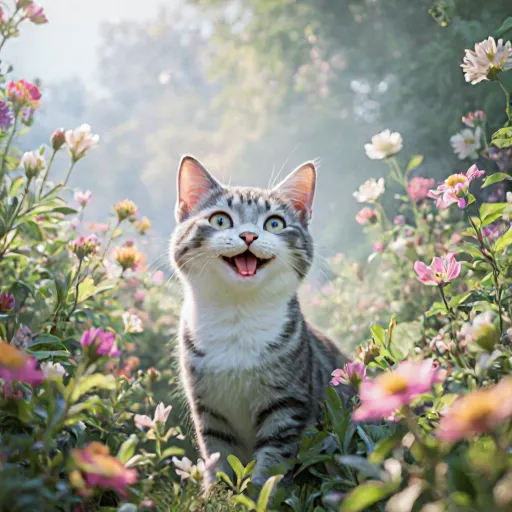
Unlocking Solutions for Cat Allergy Sufferers
Unveil the Truth About Cat Allergy Management
Table of Contents
- Understanding Cat Allergies
- Common Symptoms of Cat Allergies
- Identifying Allergic Reactions
- Testing for Cat Allergies
- Managing Indoor Environment to Reduce Allergens
- Cleaning Tips for Reducing Cat Dander
- Dietary Considerations for Cats with Allergic Owners
- Using Air Purifiers and Humidifiers
- Medications to Manage Cat Allergies
- Immunotherapy for Long-Term Relief
- Avoiding Cats Completely
- Exploring Hypoallergenic Cat Breeds
- Conclusion
- FAQ
Understanding Cat Allergies
Understanding cat allergies is crucial for anyone who shares their home with a feline friend or plans to adopt one. Cat allergies can be challenging, as they are primarily caused by proteins found in the cat's skin cells, saliva, and urine. These proteins are called Fel d 1 (feline epithelial derived allergen 1) and play a significant role in triggering allergic reactions.
Common Symptoms of Cat Allergies
- Nasal congestion or runny nose
- Irritated, itchy eyes (conjunctivitis)
- Skin rashes and hives
- Coughing and sneezing
- Asthma symptoms such as wheezing and shortness of breath
It's important to recognize these symptoms early so that appropriate measures can be taken. If you suspect you have a cat allergy, it’s recommended to consult with an allergist or healthcare provider for diagnosis.
Managing Cat Allergies
- Avoiding Direct Contact: While this might not always be possible, minimizing direct contact with the cat can help reduce exposure to allergens. This includes keeping a safe distance and wearing gloves when handling your pet.
- Cleaning Regularly: Proper cleaning can significantly reduce the levels of allergens in your home. Vacuuming and dusting frequently with a HEPA filter vacuum cleaner is essential. Bathing your cat weekly can also help minimize dander.
- Using Medications: Over-the-counter and prescription medications can provide relief for allergic symptoms. Antihistamines, nasal sprays, and eye drops are commonly used. In more severe cases, immunotherapy (allergy shots) might be recommended by your doctor.
- Considering Alternative Housing Options: If managing allergies becomes too challenging, living in different housing could be an option. This includes apartments or houses with better ventilation systems that reduce the accumulation of allergens.
- Pet-Free Rooms: Designating certain rooms as cat-free areas can be a practical solution. These rooms should be kept clean and free from pet-related allergens, providing you with a safe space indoors.
Example: If you are sensitive to your cat's dander, try to avoid hugging or cuddling them for extended periods.
Practical Advice: Invest in a high-efficiency particulate air (HEPA) filter to trap small particles, including dander, from circulating in the air.
Example: A combination of antihistamine tablets and a saline nasal spray can help alleviate sneezing and runny nose caused by cat allergies.
Practical Advice: Research pet-friendly rentals or co-living spaces that are designed to minimize exposure to animal dander for those who love cats but cannot live in their home.
Example: Your bedroom could become your cat-free zone, ensuring that you have an allergen-free sanctuary when you need it most.
Conclusion
In conclusion, understanding and managing cat allergies requires a multi-faceted approach. By avoiding direct contact, cleaning regularly, using medications, considering alternative housing options, and creating pet-free rooms, individuals can significantly reduce their exposure to allergens and enjoy the company of their feline companions without suffering from severe symptoms.
Common Symptoms of Cat Allergies
Cat allergies can cause a wide range of uncomfortable symptoms, both for those who are directly exposed to cats and for individuals living in households with feline pets. Understanding these symptoms is crucial for managing cat allergies effectively.
Skin Reactions
- Itchy Skin: One of the most common skin reactions to cat allergens is severe itching. This can lead to constant discomfort and may disrupt sleep if it occurs at night. People with sensitive skin often find this particularly distressing.
- Rashes and Redness: Exposure to cat dander or other allergens from cats might cause red patches on the skin, known as rashes, in areas where the skin has come into contact with these allergens.
- Swelling: Swelling of the face, neck, and eyes is another symptom that can occur. This condition, often referred to as angioedema, can be a more severe allergic reaction requiring immediate medical attention.
Nasal Symptoms
- Nasal Congestion: Cats produce allergens that can irritate the nasal passages. Individuals with cat allergies often experience stuffy noses, leading to difficulty breathing through their nostrils.
- Rhinorrhea (Runny Nose): Alongside congestion, a runny nose is another typical symptom. The mucus produced by an irritated nasal passage can make the individual feel congested and uncomfortable.
Ocular Symptoms
- Red Eyes: Allergic reactions to cats can cause redness in the eyes, leading to a condition known as conjunctivitis. This symptom is often accompanied by irritation and discomfort.
- Eyelid Swelling: Similar to facial swelling mentioned earlier, eyelids might swell due to allergic reactions. This can make it difficult for someone to open their eyes fully.
Lung Symptoms
- Coughing: Cats can trigger coughing episodes in allergy sufferers. These coughs are often dry and persistent, making it hard to find relief.
- Tightness in the Chest: For some individuals, exposure to cat dander might cause a feeling of tightness or pressure in the chest area, which can be alarming and uncomfortable.
Practical Advice
To handle these symptoms effectively, it is essential to take preventive measures. Regular cleaning of the home environment—especially areas where the cat spends most of its time—can help reduce exposure to allergens. Using air purifiers equipped with HEPA filters can also significantly decrease airborne cat dander and other allergens.
For those who are severely affected, it might be necessary to consider ways to minimize contact with cats or even rehome the pet if all else fails. Consulting a healthcare provider for advice tailored to individual cases is crucial in managing allergies effectively.
Conclusion
In conclusion, understanding and recognizing common symptoms of cat allergies can greatly aid in effective management strategies. By identifying these symptoms early and taking appropriate actions, individuals with cat allergies can lead more comfortable lives without constant discomfort or distress.
Identifying Allergic Reactions
Understanding and identifying allergic reactions is crucial when dealing with cat allergies. While it's easy to confuse symptoms with those of a cold or other respiratory issues, recognizing the specific signs associated with cat allergies can help you manage your condition more effectively.
Symptoms of Cat Allergies
- Respiratory Issues: Cats are known to provoke allergic reactions primarily through their dander, saliva, and urine. Common respiratory symptoms include sneezing, runny nose, coughing, and wheezing.
- Skin Reactions: Many people experience itchy skin, hives, or eczema as a result of cat allergies. These skin reactions can be localized or widespread depending on the severity of your allergy.
- Eyes and Nose Irritation: The eyes may become red, watery, or swollen, while the nose might feel stuffy or runny. This is often referred to as allergic rhinitis or allergic conjunctivitis.
Common Triggers
Cat dander, saliva, and urine are key triggers of allergic reactions in humans. Dander can be shed through hair, skin cells, and even fur left behind after grooming. Saliva from a cat's saliva glands is also a significant allergen when it comes into contact with the environment (e.g., on furniture or clothing). Urine can spread allergens throughout the home as well.
It's important to note that these triggers are not only found in direct contact but can also be airborne, making them difficult to avoid. This is why even minimal exposure can lead to allergic reactions for those who are highly sensitive.
Handling Cat Allergies
The first step in managing cat allergies is often to minimize your exposure to the allergens. Here are some practical tips:
- Avoid Direct Contact: Try to avoid direct contact with cats if you know you're allergic. This includes avoiding hugging, petting, or even holding a cat.
- Bathing Your Cat Regularly: If you have a cat and cannot rehome it due to allergies, regular baths can help reduce the amount of dander in your home. However, be cautious as bathing too frequently may stress your cat.
- Cleaning Regularly: Vacuuming with a HEPA filter vacuum and washing bedding regularly are effective ways to remove allergens from your environment.
Seeking Medical Help
If you suspect you have cat allergies or if your symptoms persist despite efforts to minimize exposure, it's important to consult with a healthcare provider. They may recommend the following:
- Allergy Medications: Over-the-counter antihistamines can help relieve allergy symptoms. In more severe cases, your doctor might prescribe corticosteroids.
- Air Filters and Humidifiers: Using air purifiers with HEPA filters helps to capture cat allergens in the air, while humidifiers can improve respiratory conditions by making it easier to breathe.
- Allergy Shots or Immunotherapy: For individuals with severe allergies, allergy shots (immunotherapy) may be recommended. These help reduce sensitivity over time through regular doses of the allergen.
In conclusion, identifying and managing cat allergies involves a combination of awareness, practical measures to minimize exposure, and seeking medical advice when necessary. By understanding the symptoms and triggers, you can take proactive steps to protect yourself from uncomfortable allergic reactions.
Testing for Cat Allergies
Identifying cat allergies early can help you manage your symptoms and improve your quality of life. If you suspect that you or someone in your household has a cat allergy, it's important to seek medical advice and undergo proper testing.
Understanding Cat Allergens
Cat dander, saliva, and urine are the primary sources of allergens that trigger allergic reactions. Understanding these allergens can help you recognize their presence in your environment and take steps to reduce exposure.
Types of Tests Available
- Skin Prick Test: This is one of the most common tests used to identify cat allergies. During this test, a small amount of cat dander extract is placed on your skin, and then the area is pricked with a needle. If you are allergic to cats, you will develop a raised bump at the site of the prick.
- Pros: Quick results, usually available within 15-30 minutes.
- Cons: Can be uncomfortable and may cause minor swelling or redness.
- Nasal Swab Test: This test is less common but can be useful for diagnosing cat allergies. It involves collecting a sample of mucus from the nasal passages and analyzing it for signs of allergic reactions.
- Pros: Non-invasive, minimizes discomfort.
- Cons: Results are not immediate; can take several days to receive results.
Practical Advice for Managing Cat Allergies
If you test positive for cat allergies, it's crucial to manage your exposure. Here are some practical tips:
- Avoid Contact with Cats: If possible, avoid close contact with cats or keep them out of your home.
- Clean Regularly: Use a vacuum cleaner with a HEPA filter to remove cat dander from carpets and upholstery. Wash bedding frequently in hot water.
- Maintain Humidity Levels: Low humidity can help reduce the amount of airborne allergens.
- Use Allergy-Reducing Products: Consider using air purifiers or HEPA filters to improve indoor air quality. Some medications and nasal sprays can also provide relief from allergy symptoms.
Conclusion
Testing for cat allergies is an important step in managing your health if you suspect a reaction to cats. By understanding the types of tests available and taking proactive steps to manage exposure, you can reduce your symptoms and enjoy a healthier lifestyle.
Managing Indoor Environment to Reduce Allergens
Living with cat allergies can be challenging, but by managing your indoor environment effectively, you can significantly reduce exposure to allergens. Here are some strategies and practical tips tailored specifically for those dealing with cat allergies.
1. Understanding Cat Allergens
Cat dander is a common allergen that triggers allergic reactions in sensitive individuals. While many people think it’s the fur itself, cat dander is actually tiny particles of skin cells and saliva that are shed by cats. These allergens can linger in your home for months, making it crucial to take proactive steps.
2. Vacuuming Regularly
Vacuuming frequently is essential for keeping cat dander at bay. Use a vacuum cleaner with a HEPA (High-Efficiency Particulate Air) filter, which captures microscopic particles effectively. It’s recommended to vacuum at least twice a week or more if you have multiple cats.
3. Regular Cleaning
- Dusting: Dust surfaces regularly using a microfiber cloth that traps dust and allergens efficiently.
- Cleaning Fabrics: Wash all fabrics, including bedding, curtains, and carpets frequently in hot water. High heat kills most of the allergens.
4. Limiting Cat Access
Keeping your cat out of certain areas of your home can help reduce exposure to allergens. Consider creating a "cat-free zone" in bedrooms and other high-priority areas where you spend the most time.
5. Air Filtration
An air purifier with a HEPA filter can help remove airborne allergens from your home. Look for models that also capture mold spores, pollen, and other indoor pollutants.
6. Humidity Control
High humidity levels can exacerbate cat dander problems as it encourages the growth of mold and mildew. Use a dehumidifier to keep indoor humidity at 45% or lower. Regularly clean the dehumidifier to prevent mold growth.
7. Covering Upholstery
- Covering Furniture: Use allergen-proof covers for your furniture and pillows. These are specially designed to trap dust mites, pollen, and other airborne particles.
- Leather Alternatives: Opt for leather or vinyl upholstery over fabric whenever possible as they are easier to clean and less likely to hold onto dander.
8. Proper Ventilation
Ventilating your home properly helps reduce indoor allergens by letting in fresh air and reducing the concentration of trapped particles. Open windows when it’s safe to do so, but also consider using an exhaust fan to draw out moist or polluted air.
9. Personal Hygiene
- Bath Cats Regularly: Washing your cats weekly can help reduce the amount of dander in your home. Use a cat-specific shampoo that is mild and safe for your pet’s skin.
- Clean Hands: Encourage everyone in your household to wash their hands frequently, especially after handling or playing with a cat.
By implementing these strategies, you can create a more allergen-free environment and reduce the symptoms of cat allergies. Remember that some people may need additional support from allergy medications or other treatments prescribed by their healthcare provider.
Cleaning Tips for Reducing Cat Dander
Managing cat dander is crucial for those with allergies, and while it may seem like a daunting task, there are several effective strategies you can employ to minimize exposure. Here’s how you can handle the situation more effectively.
Daily Cleaning Routine
- Regular Vacuuming: Use a vacuum cleaner with a HEPA filter to trap allergens and reduce the amount of dander that circulates in your home. It's important to clean frequently, especially after the cat has been indoors.
- Dust Regularly: Dust surfaces like shelves, tables, and countertops using a microfiber cloth. The静电模式已关闭
Dietary Considerations for Cats with Allergic Owners
Managing a cat's diet when you or someone in your household is allergic can present unique challenges. The goal is to minimize the allergens that both you and your feline friend are exposed to, while ensuring your pet receives all necessary nutrients. Here’s how to approach this effectively:
Identifying Allergens
The first step in addressing dietary considerations for cats with allergic owners is identifying the specific allergens. Common allergens include proteins like dairy, eggs, and certain grains. Understanding these can help you make more informed decisions about your cat's diet.
Selecting Hypoallergenic Diets
Switching to a hypoallergenic diet might be necessary if your cat is prone to allergies or if you are sensitive to certain proteins. Look for foods that use novel proteins such as duck, lamb, or kangaroo, which are less likely to cause an allergic reaction.
Evaluating Commercial Cat Foods
Commercial pet food brands often have formulas designed specifically for cats with allergies. Brands like Hill’s Science Diet and Royal Canin offer options that are hypoallergenic. When choosing, check the ingredient labels to ensure they contain minimal common allergens.
Cooking at Home
For those willing to invest time in meal preparation, cooking cat food at home can be a viable option. Simple recipes like boiled chicken or turkey breast mixed with plain rice or potatoes can form the basis of your pet’s diet. Always consult with your veterinarian before starting any homemade diet.
Supplementing with Omega-3 Fatty Acids
Incorporating omega-3 fatty acids into your cat's diet can help reduce skin and coat issues that are often exacerbated by allergies. Fish oil supplements or foods rich in omega-3s, such as salmon, can be beneficial.
Monitoring for Allergic Reactions
Even with careful dietary changes, it’s important to monitor your cat closely for any allergic reactions. Signs of an allergic reaction in cats may include increased scratching, redness or irritation of the skin, and respiratory issues. If you notice these signs, consult a veterinarian immediately.
Pet-Safe Allergy Management
While addressing your cat’s diet is crucial, managing your own allergies is equally important. Use air purifiers, vacuum regularly with HEPA filters, and consider hypoallergenic bedding for both you and your pet to reduce exposure to allergens.
In conclusion, by carefully considering dietary choices and supplementing as necessary, you can significantly improve the quality of life for both you and your allergic cat. Remember that every pet is unique, so it’s important to work closely with a veterinarian throughout this process.
Using Air Purifiers and Humidifiers
Dealing with cat allergies can be challenging, but incorporating air purifiers and humidifiers into your home environment can significantly alleviate symptoms. These devices work together to improve indoor air quality by reducing allergens and maintaining optimal humidity levels, which is crucial in managing cat allergy symptoms.
The Role of Air Purifiers
Air purifiers are designed to capture airborne particles such as pet dander, pollen, mold spores, and other irritants that can trigger allergic reactions. When it comes to cats, the primary allergen is Fel d 1, a protein found in their saliva, skin cells (dead hair), and urine.
- HEPA Filters: High-Efficiency Particulate Air (HEPA) filters are highly effective at trapping small particles as small as 0.3 microns. This means they can catch most of the allergens released by your cat, including dander.
- Built-in Pre-filters: These filters help to capture larger particles before they reach the main HEPA filter, extending its lifespan and overall effectiveness.
- Air Ionizers: Some air purifiers come with ionizers that can neutralize allergens by attaching ions to them. While this method does not trap allergens like a HEPA filter, it can help reduce airborne particles.
When choosing an air purifier for allergy relief, look for models equipped with HEPA filters and ensure they are rated appropriately for the size of your living space to maximize effectiveness.
The Importance of Humidifiers
Maintaining proper humidity levels in your home is essential for cat allergy management. Humidity between 40% to 60% can help reduce allergen concentrations and make it harder for dust mites, a common trigger for allergies, to thrive.
- Evaporative Humidifiers: These work by pushing air through a wet filter, which increases humidity levels. They are generally less expensive than other types but can increase mold and bacteria growth if not properly maintained.
- Diyonic Humidifiers: These humidifiers use ultrasonic technology to break water into tiny droplets and disperse them into the air. They are quieter, more efficient, and less likely to spread mold or bacteria compared to evaporative models.
- Vaporizers: Typically used for short-term relief, vaporizers release steam from boiled water containing herbs or essential oils believed to have soothing properties. However, they can also contribute to mold growth if not cleaned properly.
Purchasing and Placement Tips
To ensure maximum effectiveness, consider the following tips when purchasing and placing air purifiers and humidifiers:
- Placement: Place your air purifier near the center of a room for optimal coverage. Humidifiers can be placed in areas where they are most needed, such as bedrooms or living rooms.
- Maintenance: Regularly clean and replace filters according to the manufacturer's instructions. For humidifiers, it is essential to keep them clean to prevent mold growth. Use distilled water instead of tap water to minimize mineral buildup in evaporative models.
- Schedule: Run your air purifier for at least 8 hours a day if you can, and ensure the humidifier is used daily to maintain appropriate humidity levels.
Conclusion
By strategically using air purifiers and humidifiers in your home, you can create an environment that is more comfortable for both you and your cat. This dual approach helps reduce allergens and improve overall indoor air quality, making it easier to manage cat allergies effectively.
Medications to Manage Cat Allergies
Managing cat allergies can be challenging, but there are several medications and treatments available that can help alleviate symptoms. Proper management of these allergies is crucial for both the person with allergies and their feline companion. This section will explore various types of medications commonly used to manage cat allergies.
Antihistamines are a first-line treatment for managing mild allergic reactions, such as sneezing, itching, and runny nose. Common over-the-counter antihistamines include loratadine (Claritin), cetirizine (Zyrtec), and diphenhydramine (Benadryl). It's important to note that while these medications can provide relief, they do not address the underlying allergy.
Practical Advice: For best results, take antihistamines as prescribed by your healthcare provider. Many people find it helpful to start taking them a few days before potential allergen exposure (e.g., during peak pollen season).
Corticosteroids are powerful anti-inflammatory drugs that can be used to treat severe allergic reactions. They come in various forms, including pills, nasal sprays, and inhalers. However, these medications should only be taken under the supervision of a healthcare provider due to potential side effects.
Practical Advice: Use corticosteroids as directed by your doctor. It's important to gradually taper off these medications once symptoms improve to minimize side effects and prevent rebound reactions.
Immunotherapy, also known as allergy shots or subcutaneous immunotherapy, works by exposing the immune system to gradually increasing amounts of allergens over time. This helps reduce sensitivity to these allergens in the future. While it can be effective for cat allergies, it requires a long-term commitment and regular visits to an allergist.
Practical Advice: Discuss immunotherapy with your healthcare provider if you're interested in this option. It's essential to consider the time investment and potential side effects before starting treatment.
Nasal sprays containing corticosteroids or antihistamines can provide localized relief from nasal symptoms like congestion, sneezing, and runny nose. These medications are often more effective when used regularly rather than just during acute flare-ups.
Practical Advice: Follow the instructions provided with your nasal spray carefully. Consistent use is key to maintaining symptom control. If symptoms persist or worsen despite treatment, consult a healthcare provider for further evaluation.
If eye irritation is part of your cat allergy symptoms, over-the-counter eye drops containing antihistamines or corticosteroids can provide relief. These are typically used as needed and should be applied according to the package instructions.
Practical Advice: For best results, use eye drops at least 15 minutes before or after administering nasal sprays to avoid dilution of the medication in your nose. Always wash your hands before applying eye drops to prevent cross-contamination.
In cases where cat allergies lead to asthma symptoms, bronchodilators can help open up the airways and improve breathing. These medications are typically used as needed during acute attacks but should be prescribed by a healthcare provider.
Practical Advice: Carry your inhaler with you at all times if your healthcare provider recommends it for asthma symptoms. Practice proper technique when using an inhaler to ensure effective delivery of the medication into your lungs.
Managing cat allergies involves a combination of lifestyle changes, environmental controls, and appropriate use of medications. By working closely with your healthcare provider and implementing these strategies, you can effectively control your symptoms and enjoy a better quality of life.
Immunotherapy for Long-Term Relief
Immunotherapy, often referred to as allergy shots or allergen immunotherapy, is a long-term treatment approach aimed at reducing sensitivity to allergens over time. This method involves introducing controlled amounts of the substance (allergen) that triggers an allergic reaction into the body, gradually increasing the dose and helping the immune system build tolerance. For individuals dealing with cat allergies, this form of therapy can provide significant relief from symptoms such as sneezing, itching, and runny nose.
The process typically begins with an initial series of injections that are given weekly or bi-weekly. After a few months, the frequency of the shots decreases to monthly intervals as the immune system adjusts and builds tolerance to the allergen. This approach can help reduce the severity of allergic reactions when exposed to cat dander.
Steps in Starting Immunotherapy
- Consult a Specialist: Start by consulting an allergist who will conduct skin tests or blood tests to identify the specific allergens causing your symptoms. This step is crucial for personalized treatment.
- Allergen Identification: Once the specific allergens are identified, such as cat dander in the case of cat allergies, the allergist can start preparing a customized immunotherapy plan tailored to your needs.
- Injections and Monitoring: Begin with an initial series of injections. During this period, regular doctor visits are necessary for monitoring any adverse reactions and adjusting the dosage if needed.
- Maintenance Phase: After the initial phase, the frequency of shots decreases to monthly intervals as the body adapts and tolerance increases. The maintenance phase can last for several years until a significant reduction in allergy symptoms is achieved.
Benefits of Immunotherapy
- Long-Term Relief: Unlike over-the-counter medications that only provide temporary symptom relief, immunotherapy aims to alter the immune system's response permanently. This can lead to a reduction in or even elimination of allergy symptoms.
- No Need for Daily Medications: Over time, many patients find they no longer need daily antihistamines or other medications to manage their allergies.
- Educational Component: Immunotherapy not only treats the symptoms but also educates individuals about managing their environment and lifestyle to avoid allergens as much as possible.
Considerations Before Starting Immunotherapy
Before starting immunotherapy, it is important to consider a few key points:
- Severity of Allergies: Immunotherapy is most effective for individuals with moderate to severe allergies. Those with mild symptoms might find other treatments more suitable.
- Potential Risks: While generally safe, there are risks involved such as side effects like headaches, sneezing fits, and even anaphylaxis in rare cases. It's crucial to discuss these risks with your allergist.
- Duration of Treatment: The length of treatment varies depending on the individual but can last for several years. Patience is key as results are not immediate.
Practical Tips and Advice
If you decide to pursue immunotherapy, here are some practical tips:
- Patient Education: Educate yourself about the treatment process and what to expect. Understanding each step can reduce anxiety.
- Prepare for Side Effects: Be prepared for initial side effects like sneezing, itching, or redness at the injection site. These usually subside as you progress through the program.
- Lifestyle Adjustments: Consider lifestyle changes such as keeping pets out of certain rooms in your home or using air purifiers to minimize exposure to allergens during and after treatment.
In conclusion, immunotherapy offers a promising long-term solution for managing cat allergies by altering the immune response over time. With careful planning and adherence to the prescribed schedule, many allergy sufferers find lasting relief from their symptoms.
Avoiding Cats Completely
Handling cat allergies can be a challenging task, especially for those who are highly sensitive. While it is not always possible or practical to completely avoid cats if you have friends or family members with pets, there are certain steps and strategies that can help minimize exposure to cat allergens. Here's how you can handle cat allergies in a more effective way:
Cat allergies primarily result from the proteins found in the saliva, dander (dead skin cells), and urine of cats. These proteins are typically referred to as Fel d 1. The most effective method for dealing with cat allergens is by minimizing your exposure to them, but this can be difficult since these proteins can linger in carpets, fabrics, and even on clothes.
- Avoid Direct Contact: Try to minimize direct contact with cats. This includes petting or hugging them as much as possible when visiting someone’s home who has a cat. If you must interact directly, ensure that the person has recently bathed their cat.
- Pet-Free Zones: Establish pet-free zones in your living space to reduce allergen accumulation. This can include designating certain rooms where cats are not allowed, like bedrooms or areas with soft furnishings.
- Frequent Cleaning: Regular cleaning is crucial for reducing indoor allergens. Vacuum frequently using a vacuum cleaner with a HEPA filter, as it captures small particles more effectively than standard vacuums. Additionally, wash bedding and curtains regularly in hot water to eliminate allergens.
Consider environmental controls such as air purifiers that can help reduce airborne allergens. High-efficiency particulate air (HEPA) filters are particularly effective at trapping small particles like cat dander. Additionally, using dehumidifiers in damp areas of your home can prevent the proliferation of mold and dust mites, which may exacerbate allergy symptoms.
If you find that these steps alone do not provide sufficient relief from your allergies, consider consulting an allergist or immunologist. They might recommend medications like antihistamines, nasal sprays, or even immunotherapy (allergy shots) to help manage symptoms more effectively.
In conclusion, while it's challenging to completely avoid cats if you're visiting someone with a pet, implementing these strategies can significantly reduce your exposure to cat allergens and alleviate allergy symptoms. By taking proactive steps such as frequent cleaning, establishing pet-free zones, and using air purifiers, you can create a healthier living environment for yourself.
Exploring Hypoallergenic Cat Breeds
Living with cat allergies can be challenging, but there are steps you can take to enjoy the company of feline companions. One approach is exploring hypoallergenic cat breeds that produce less allergen. While no breed is completely free from causing allergic reactions, certain cats tend to cause fewer symptoms in allergy sufferers.
Cat allergies are primarily caused by proteins found in the cat's saliva, dander (dead skin cells), and urine. When a person with an allergic constitution comes into contact with these allergens through inhalation or skin contact, they may experience symptoms such as sneezing, itching, runny nose, or watery eyes.
Several cat breeds are often considered hypoallergenic due to their lower shedding and reduced production of allergens. Here’s a closer look at some popular hypoallergenic cat breeds:
- Sphynx: The Sphynx breed is known for its hairless or nearly hairless coat, which means less dander and shed fur. However, it's important to note that the Sphynx still produces allergens in their saliva, so they are not completely hypoallergenic.
- Russian Blue: Russian Blues have short, dense coats that shed minimally, making them a good option for allergy sufferers. They produce less dander compared to other breeds.
- Devon Rex: This breed is another hairless or nearly hairless cat, similar to the Sphynx. Their reduced shedding and minimal dander make them a suitable choice for people with allergies.
- Cornish Rex: Like the Devon Rex, Cornish Rex cats have very short fur, which results in less shedding and dander production.
- Persian: Contrary to popular belief, Persian cats are not hypoallergenic. While they shed less frequently due to their long, thick coats, they produce more dander overall compared to hairless or short-haired breeds.
To reduce exposure to cat allergens in the home:
- Clean Regularly: Vacuum regularly, especially in carpets and furniture, as allergens can cling to fabrics. Use a vacuum with a HEPA filter to trap more allergens.
- Bathe Your Cat Often: Cats that shed less fur, like hairless or short-haired breeds, generally produce fewer allergens. Regular baths can also help reduce the amount of dander in your home.
- Limited Access Areas: Keep your cat out of rooms where you spend most of your time, such as bedrooms and living areas. This reduces the risk of allergen accumulation.
- Consider Air Purifiers: High-efficiency air purifiers can help filter out airborne allergens in your home.
- Dietary Adjustments: Some cat foods are designed to reduce shedding, which can be beneficial for allergy sufferers. Consult with your veterinarian about suitable dietary options.
Selecting a hypoallergenic cat breed and implementing practical measures at home can significantly improve living conditions for people with cat allergies. Always consult with a healthcare professional or an allergist to determine the best course of action tailored to your specific needs.
Conclusion
To effectively handle cat allergies while maintaining a blog that cat lovers may enjoy, it's crucial to strike a balance between providing valuable content and minimizing exposure to allergens. Here are some practical tips and detailed advice:
1. Educate Yourself
Understanding the nature of cat allergies is the first step in managing them. Cat allergies primarily result from proteins found in their saliva, dander (tiny skin flakes), and urine. By educating yourself on these allergens, you can better prepare your readers for potential triggers. Encourage your audience to learn more about the science behind allergies to foster a deeper understanding.
2. Offer Solutions
Provide practical solutions that cater to both allergy sufferers and cat lovers. For instance, recommend air purifiers with HEPA filters to reduce airborne allergens in the home. Suggest frequent bathing of cats as an effective way to minimize dander. Additionally, highlight low-allergen breeds like Devon Rex or Cornish Rex if your blog focuses on breed recommendations.
3. Use Safe Language
Avoid using overly sensitive or alarmist language that might scare away potential readers who are not affected by allergies. Instead, focus on constructive and positive messaging. For example, instead of saying "cats can cause serious health issues," you could say "some people may experience mild to moderate discomfort from cat dander." This approach ensures your blog remains welcoming to all audiences.
4. Include Expert Opinions
Gaining insights from allergists or veterinarians adds credibility and depth to your content. For instance, you could interview a dermatologist about managing allergies in the home or a veterinarian on the best practices for cat care that reduces allergen exposure.
5. Feature Stories
Telling stories of individuals who successfully manage their allergies while enjoying the company of cats can be incredibly inspiring and relatable. Include testimonials from allergy sufferers who have found ways to live happily with their pets. These stories not only provide hope but also give practical tips that readers can apply in their own lives.
6. Promote Responsible Ownership
Cat allergies are a real concern, and promoting responsible pet ownership is essential. Encourage your audience to be mindful of others' well-being when deciding whether or not to bring a cat into the home. Suggest that they consider their living conditions, the time they spend at home, and their sensitivity levels before adopting.
7. Stay Updated
The field of allergy research is continually evolving. Keep your content fresh by regularly updating it with the latest findings and recommendations. This ongoing effort ensures that your blog remains a reliable resource for both cat lovers and allergy sufferers.
In conclusion, handling cat allergies requires a thoughtful approach that respects all readers while fostering a community of pet enthusiasts. By implementing these strategies, you can create a blog environment that is informative, inclusive, and supportive of everyone involved in the pet-owning experience.
FAQ
Frequently Asked Questions
Q: Are there any hypoallergenic cat breeds?
A: While no cat breed is entirely hypoallergenic, some breeds are believed to produce less allergen. These include the Siberian, Balinese, and Javanese cats. However, individual reactions can vary greatly, so it's important for allergy sufferers to spend time with potential pets in their environment before committing.Q: Can I clean my home more frequently?
A: Yes, frequent cleaning is one of the most effective ways to reduce cat allergens. Regularly vacuuming carpets and floors, washing bedding and curtains, and using air purifiers can significantly lower the presence of allergens. It’s also wise to avoid areas where your cat spends a lot of time.Q: Is it safe to remove my carpet?
A: Removing carpeting can help reduce allergen levels, as carpets tend to trap and hold allergens like dander and fur. However, consider replacing them with hard flooring such as wood or tile if you choose this option. Hard surfaces are easier to clean and maintain compared to carpet.Q: Can I use air purifiers?
A: Absolutely! Air purifiers equipped with HEPA filters can be very effective in trapping pet allergens, including dander and fur. Look for models that have a high-efficiency filter rating (HEPA) to ensure they capture smaller airborne particles.Q: What about using allergy medications?
A: Allergy medications like antihistamines or nasal sprays can provide relief from symptoms such as sneezing, itching, and runny nose. It’s important to consult a healthcare provider before starting any treatment regimen. They may also recommend immunotherapy (allergy shots) if over-the-counter remedies are not sufficient.Q: How often should I bathe my cat?
A: Bathing your cat can help reduce the amount of dander and allergens in your home. However, it's important to find a balance. Over-bathing can lead to dry skin and irritation for your pet. Aim for every few months or as needed, but always use a gentle shampoo designed for cats.Q: Are there any dietary options?
A: Some cat foods are formulated to reduce shedding and dander production. Talk to your veterinarian about switching to a hypoallergenic diet if you suspect that your cat's food is contributing to your allergies. Additionally, feeding canned food instead of dry can help minimize the amount of fur shed.Q: What are the best times to interact with my cat?
A: Cats tend to release more dander when they groom themselves or shed their fur. To minimize exposure, avoid direct contact during shedding seasons or after your cat has just groomed itself. Consider keeping a mask on hand for short periods of high-risk interaction.Q: Can I keep the air conditioning running?
A: Running an air conditioner can help circulate and filter out allergens in your home, especially if you have an air purifier. Keep windows closed during peak pollen seasons to prevent outdoor allergens from entering your home.
Categories
- AI & Enrichment Play
- Broiler Farming
- Broiler Farming Tips
- Canine Wellness & Longevity
- Cat
- Cat & Human Connection
- Cat Adoption & Rescue
- Cat Breeds
- Cat Breeds & Personalities
- Cat Care & Health
- Cat Grooming & Hygiene
- Cat Lifestyle & Environment
- Cat Myths & History
- Cat Nutrition & Diet
- Cat Products & Reviews
- Cat Training & Behavior
- Comparison
- Consumer Awareness
- Dog
- Dog Accessories & Products
- Dog Adoption & Rescue
- Dog Breed & Lifestyle Trends
- Dog Breeding & Puppies
- Dog Entertainment & Media
- Dog Fashion & Trends
- Dog Fun & Lifestyle
- Dog Grooming & Hygiene
- Dog History & Culture
- Dog Myths, Science & Future Tech
- Dog News & Trends
- Dog Nutrition & Food
- Dog Psychology & Emotions
- Dog Safety & Security
- Dog Sports & Activities
- Dog Technology & Innovation
- Dog Training for Modern Owners
- Dog Travel & Adventure
- Dog Travel, Adventure & Culture
- Economic and Market Insights
- Educational Content
- FAQs
- Feeding Alternatives
- Festivals & Seasonal Ideas
- Fun & Entertainment
- General Knowledge
- General Pig Farming
- Health & Disease Management
- Housing and Environment
- Kittens
- Market Insights
- Miscellaneous
- Miscellaneous
- Motivational
- pig
- Pig Breeding
- Pig Breeds
- Pig Farming Stories and Inspiration
- Pig Health and Care
- Pig Nutrition
- Pig Products
- Profitability & Business
- Puppy Care
- Puppy Predictable Topics Reinvented
- Regional Focus
- Rescue & Adoption Buzz
- Senior Cats
- Senior Dog Care
- Smart Dog Tech & Gadgets
- Sustainability
- Sustainable & Eco-Friendly Dog Products
- Tech & Innovations
- Working & Service Dogs
- Broiler Feed66 products
- Country Feed33 products
- Pig Feed66 products
- Product22 products
- Raw Materials99 products
Products
-
 Fish Meal
₹1,999.00 – ₹2,999.00Price range: ₹1,999.00 through ₹2,999.00Rated 0 out of 5
Fish Meal
₹1,999.00 – ₹2,999.00Price range: ₹1,999.00 through ₹2,999.00Rated 0 out of 5 -
 FATTENING BROILER FEED
₹2,299.00 – ₹2,349.00Price range: ₹2,299.00 through ₹2,349.00Rated 0 out of 5
FATTENING BROILER FEED
₹2,299.00 – ₹2,349.00Price range: ₹2,299.00 through ₹2,349.00Rated 0 out of 5 -
 LAYER COUNTRY FEED
₹1,549.00 – ₹1,649.00Price range: ₹1,549.00 through ₹1,649.00Rated 0 out of 5
LAYER COUNTRY FEED
₹1,549.00 – ₹1,649.00Price range: ₹1,549.00 through ₹1,649.00Rated 0 out of 5 -
 COUNTER BROILER FEED
₹1,199.00 – ₹1,299.00Price range: ₹1,199.00 through ₹1,299.00Rated 0 out of 5
COUNTER BROILER FEED
₹1,199.00 – ₹1,299.00Price range: ₹1,199.00 through ₹1,299.00Rated 0 out of 5 -
 LACTATING PIG FEED
Rated 0 out of 5
LACTATING PIG FEED
Rated 0 out of 5₹2,299.00Original price was: ₹2,299.00.₹1,740.00Current price is: ₹1,740.00. -
 Maize
Rated 0 out of 5
Maize
Rated 0 out of 5₹1,650.00Original price was: ₹1,650.00.₹1,300.00Current price is: ₹1,300.00. -
 GESTATION PIG FEED (Phase 1)
Rated 0 out of 5
GESTATION PIG FEED (Phase 1)
Rated 0 out of 5₹2,249.00Original price was: ₹2,249.00.₹1,699.00Current price is: ₹1,699.00. -
 Pre Starter Broiler Feed
₹2,399.00 – ₹2,499.00Price range: ₹2,399.00 through ₹2,499.00Rated 0 out of 5
Pre Starter Broiler Feed
₹2,399.00 – ₹2,499.00Price range: ₹2,399.00 through ₹2,499.00Rated 0 out of 5 -
 FINISHER PIG FEED
Rated 0 out of 5
FINISHER PIG FEED
Rated 0 out of 5₹2,299.00Original price was: ₹2,299.00.₹1,749.00Current price is: ₹1,749.00. -
 Broiler Premix
Rated 0 out of 5
Broiler Premix
Rated 0 out of 5₹820.00Original price was: ₹820.00.₹699.00Current price is: ₹699.00.
Recently Viewed Products
-
 Rice DDGS (Distillers Dried Grains with Solubles from Rice)
₹1,600.00Original price was: ₹1,600.00.₹1,449.00Current price is: ₹1,449.00.