
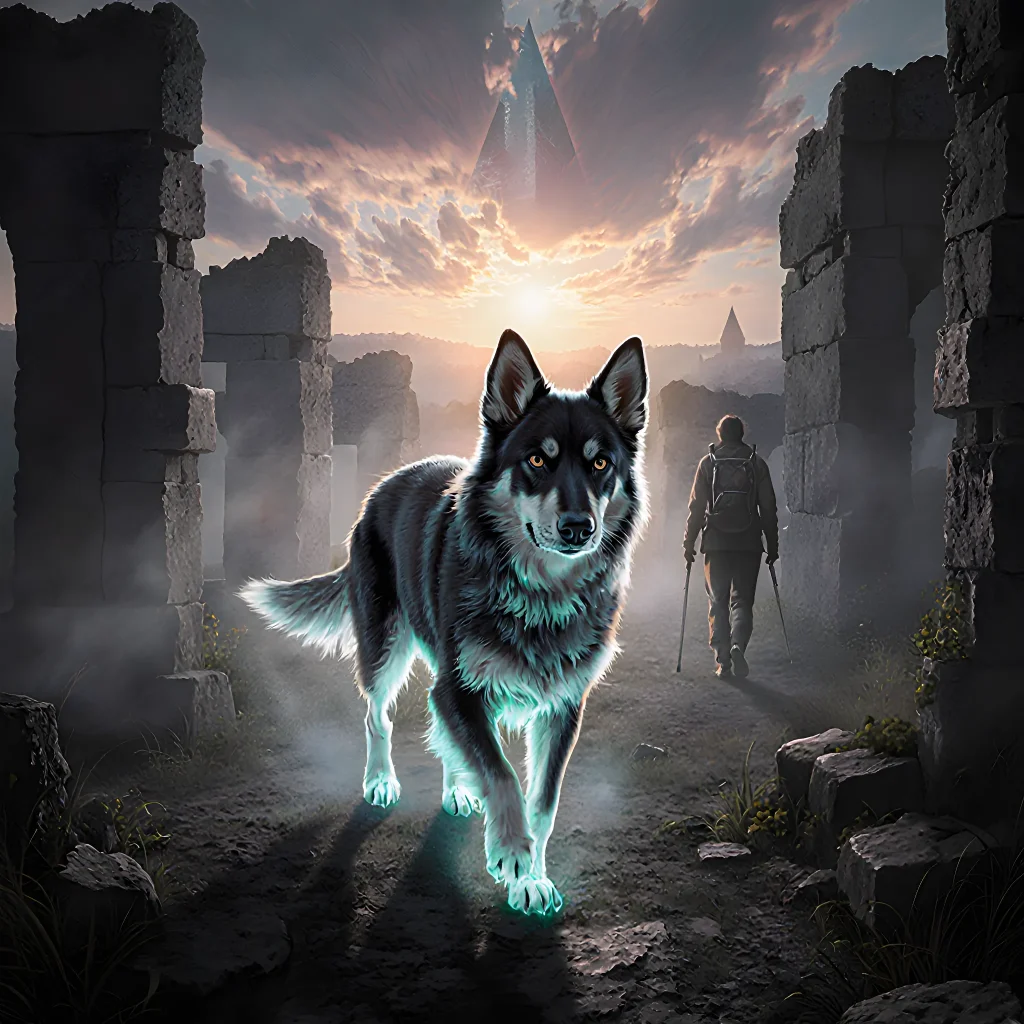
New Horizons for Forgotten Pups
Unveiled Utopia: Forgotten Hounds Inspire New Journeys
Table of Contents
- Introduction
- The Forgotten Poodle: Miniature and Toy Variants
- Rough-Coated Terriers: The Scottish Terrier Revival
- Ancient Egyptian Mastiff: A Modern Champion
- The Siberian Husky’s Urban Resurgence
- Lagotto Romagnolo: The Italian Truffle Hunter
- Catahoula Leopard Dog: From Farm to TV
- The Canaan Dog’s Return to Popularity
- The Irish Water Spaniel’s Rebirth in the UK
- Puli: The Spirited Hungarian Herding Dog
- The Bedlington Terrier’s Comeback Story
- American Hairless Terrier: A Modern Classic
- Norfolk Ridgeback: The Forgotten Guardian
- The Shikoku’s Rise in the American Kennel Club
- Conclusion
- FAQ
Introduction
Underappreciated Breeds Making a Comeback
The world of dog lovers is often dominated by the usual suspects—golden retrievers, German shepherds, and French bulldogs. Yet there are dozens of breeds that have slipped into obscurity over the years, only to be rediscovered by modern enthusiasts who appreciate their unique traits, history, and temperament. In this section we’ll spotlight a handful of these overlooked canines, share stories of how they’re regaining popularity, and give practical tips for anyone interested in adding one of them to their family.
The Old English Sheepdog was once a staple on British farms, herding sheep with its thick, shaggy coat that protected it from harsh weather. After World War II and the rise of mechanized agriculture, many of these dogs were sold off or abandoned. Today, they’re experiencing a renaissance thanks to social media influencers who showcase their goofy personalities and striking looks.
- Temperament: Gentle, affectionate, and incredibly loyal—perfect for families with children.
- Care Tips: Regular brushing is essential; their coat can mat if neglected. They also enjoy daily walks to keep their energy in check.
- Where to Find One: Rescue groups like the Old English Sheepdog Rescue offer rehoming programs that pair adopters with dogs needing a second chance.
This Italian breed is renowned for its incredible nose and love of truffles. Once confined to rural Italy, Lagottos have gained international attention due to culinary tourism. Their affectionate nature makes them excellent companions beyond their hunting duties.
- Temperament: Friendly, intelligent, and eager to please.
- Training Tips: Start with basic obedience at a young age; later, introduce scent work to tap into their natural instincts.
- Health Note: Prone to hip dysplasia—ensure you source from breeders who perform health screenings.
Once prized for hunting puffins on the rugged coast of Norway, this small but sturdy dog fell into near extinction during the 20th century. Thanks to dedicated breeders and genetic research, their numbers have slowly rebounded.
- Unique Feature: Seven toes on each foot, which help them climb cliffs.
- Exercise Needs: Moderate—short walks and puzzle toys are ideal for this intelligent breed.
- Adoption Advice: Look for reputable breeders who participate in the Norwegian Lundehund Rescue Association’s registry to avoid genetic issues such as hip dysplasia and deafness.
Despite its name, this fluffy breed isn’t from Alaska but rather a descendant of German Spitz dogs that were brought to America in the late 1800s. Their playful demeanor and elegant appearance have made them popular on television and in advertising.
- Temperament: Alert, affectionate, and highly trainable.
- Grooming Tips: Requires regular brushing to keep its double coat free of tangles.
- Health Screening: Regular eye exams are recommended as they can develop cataracts early in life.
The Hungarian Puli’s distinctive corded coat has earned it the nickname “living rope.” Historically used for guarding sheep, these dogs are now prized for their unique look and friendly disposition.
- Temperament: Playful, protective, and great with children.
- Training Note: Early socialization is key; they can be wary of strangers if not properly introduced.
- Coat Care: The corded coat needs periodic trimming to prevent matting—consider a professional groomer once a month.
- Research Thoroughly: Understand the breed’s history, temperament, and health concerns before making a decision.
- Choose Responsible Sources: Look for reputable breeders who conduct health screenings or consider adopting from rescue organizations that specialize in these breeds.
- Prepare Your Home: Some of these dogs may have specific exercise or grooming needs—ensure you can meet those requirements.
- Be Patient: Many underappreciated breeds come with unique quirks; give them time to adjust and bond with their new family.
By giving these remarkable dogs a second chance, not only do you enrich your own life with an extraordinary companion, but you also help preserve canine diversity for future generations. Whether you’re drawn by the Old English Sheepdog’s charm or intrigued by the Lagotto Romagnolo’s truffle‑sniffing prowess, there’s a hidden gem waiting to join your family.
The Forgotten Poodle: Miniature and Toy Variants
While the standard‑size Poodle often steals the spotlight, the miniature and toy varieties have quietly been making a comeback. These “forgotten” breeds were once popular companions in European courts but fell out of favor during the early 20th century. Today they’re gaining recognition for their intelligence, low-shedding coats, and suitability for apartment living.
Miniature Poodle (Poodle – Miniature)
- Size & Weight: 15–22 lb (6.8–10 kg); height 12–14 in (30–35 cm) at the shoulder.
- Temperament: Highly trainable, friendly, and alert. They thrive on mental stimulation and enjoy interactive play.
- Exercise Needs: 20–30 minutes of brisk walking plus puzzle toys or agility training to keep them mentally engaged.
- Grooming: Requires regular brushing (at least twice a week) and monthly professional trims to maintain the signature curly coat.
- Health Highlights: Prone to hip dysplasia, patellar luxation, and certain eye conditions; regular vet check‑ups are essential.
Toy Poodle (Poodle – Toy)
- Size & Weight: 4–12 lb (1.8–5.4 kg); height 9–11 in (23–28 cm) at the shoulder.
- Temperament: Affectionate, alert, and excellent for families with children or seniors due to their gentle nature.
- Exercise Needs: Short walks combined with interactive games; they adapt well to indoor living spaces.
- Grooming: Similar to the miniature, but due to their smaller size, a quick trim every 6–8 weeks is usually sufficient.
- Health Highlights: Generally healthy, but watch for dental issues and ear infections given their floppy ears.
Practical Tips for Prospective Owners
- Start Early with Socialization: Expose puppies to a variety of people, sounds, and environments before they reach eight weeks old. This reduces fear-based behaviors later.
- Training Consistency: Use positive reinforcement (treats, praise, play) rather than punishment. Miniature and toy Poodles excel in obedience classes when training is consistent.
- Grooming Routine: Invest in a good brush set (slicker brush, pin brush) and consider a professional groomer every 4–6 weeks to keep mats from forming.
- Exercise Variety: Mix walks with puzzle feeders or scent games. Their high intelligence means they’ll get bored quickly if only walked.
- Health Monitoring: Schedule annual vet visits, and consider genetic testing for hip dysplasia in miniatures and patellar luxation in both breeds.
Success Stories: Underappreciated Breeds Making a Comeback
The resurgence of miniature and toy Poodles mirrors other once‑overlooked breeds such as the Lagotto Romagnolo, the Kooikerhondje, and the Miniature Schnauzer. These dogs share common traits—low shedding, high intelligence, and adaptability to small living spaces—that resonate with modern pet owners seeking a companion that fits into busy lifestyles.
“I adopted a toy Poodle after reading about their low-shedding coats and friendly nature. Now she’s the star of my apartment, and I’ve even joined a local agility club where she’s doing wonderfully!” –Sarah L., NYC
By bringing these miniature and toy varieties back into mainstream awareness, we not only honor their historical legacy but also provide countless families with the joy of owning a loyal, intelligent companion. If you’re considering adding a Poodle to your family, remember that size does not diminish their capacity for love and companionship.
Rough-Coated Terriers: The Scottish Terrier Revival
Once a beloved companion of the British aristocracy and a staple in the streets of Edinburgh, the Scottish Terrier has recently experienced a remarkable resurgence. This revival is not merely about increased popularity; it’s also a testament to the breed’s enduring charm, versatility, and the growing appreciation for underappreciated breeds worldwide.
Why the Scottish Terrier Is Making a Comeback
- Compact Size & Low Maintenance: With an average height of 13–15 inches at the shoulder and a weight range of 14–18 pounds, SCIs (Scottish Terriers) are ideal for apartment living. Their short coat requires minimal grooming, making them suitable for busy owners.
- Adaptable Personality: Historically used as terrier dogs for hunting vermin, the Scottish Terrier is now celebrated for its affectionate nature and loyalty to families. They’re known to be great with children when properly socialized.
- Health & Longevity: Advances in veterinary care have helped reduce common health issues such as patellar luxation and certain eye conditions. With proper care, SCIs can live 12–15 years.
- Celebrity Endorsements: From TV shows featuring “The Great British Bake Off” to appearances on late-night talk shows, the breed’s visibility has increased dramatically.
Practical Advice for Prospective Owners
- Early Socialization: Begin exposure to various environments—traffic, other animals, and new people—before the puppy reaches six months old. This helps mitigate their naturally bold and sometimes stubborn disposition.
- Exercise Routine: Although SCIs are not high-energy dogs, they still require daily walks (15–20 minutes) and short play sessions to prevent weight gain and maintain joint health.
- Grooming Tips: Brush the coat weekly to remove loose hair and prevent matting. Trim nails every four weeks and clean ears biweekly to avoid infections.
- Nutrition: Feed a high-quality, grain-free diet appropriate for small breeds. Monitor weight closely; overfeeding can lead to obesity-related issues such as diabetes or joint problems.
Connecting with the Scottish Terrier Community
Joining local clubs and online forums—such as The Scottish Terrier Club of America or ScottishTerrier.org.uk—provides invaluable resources for training, health updates, and social events. Many breeders now emphasize responsible breeding practices, ensuring genetic diversity and reducing hereditary conditions.
How the Revival Reflects a Broader Trend
The Scottish Terrier’s resurgence is part of a larger movement highlighted in the article Underappreciated Breeds Making a Comeback. This piece showcases several breeds that, despite being overlooked for decades, are now gaining recognition due to their unique traits and adaptability. Like the Scottish Terrier, other breeds such as the Norfolk Ridgeback and the Bouvier des Flandres are experiencing renewed interest among modern dog owners.
In summary, if you’re seeking a loyal companion that blends historical charm with contemporary practicality, the Scottish Terrier’s revival makes it an excellent choice. By understanding their needs and embracing responsible ownership, you’ll help ensure this underappreciated breed continues to thrive for generations to come.
Ancient Egyptian Mastiff: A Modern Champion
The Egyptian Mastiff, also known as the Egyptian Pharaoh’s Guard Dog, is one of the most storied yet underappreciated breeds in canine history. Though its roots trace back over 4,000 years to the pharaohs’ palaces and temple complexes, modern enthusiasts are rediscovering its unique blend of strength, intelligence, and loyalty.
Historical Context
- Royal Lineage: Ancient Egyptian artwork often depicts mastiffs guarding tombs and temples. These dogs were believed to protect the souls of the deceased during their journey into the afterlife.
- Physical Traits: Historical sketches show a medium‑to‑large build, broad chest, and a short muzzle—traits that persist in contemporary specimens.
- Cultural Significance: The mastiff’s presence in Egyptian art underscores its status as both a guardian and a companion to the elite.
Modern Revival Efforts
Today, breeders across North America and Europe are working tirelessly to preserve the breed’s genetic integrity while improving health standards. Key initiatives include:
- Genetic Testing: Routine DNA panels for hip dysplasia, eye disorders, and heart conditions.
- Selective Breeding: Emphasis on temperament testing to ensure calm, confident behavior.
- Community Education: Workshops and webinars that highlight the breed’s history and modern care requirements.
Practical Care Guide for Potential Owners
| Aspect | Recommendations |
|---|---|
| Exercise | Daily 45‑minute walks plus a few hours of active play. Mastiffs enjoy agility courses and scent work. |
| Nutrition | High‑protein diets with moderate fat content. Consider supplements for joint health (glucosamine, chondroitin). |
| Training | Early socialization and positive reinforcement. Use consistent commands; avoid harsh corrections. |
| Health Screening | Annual veterinary check‑ups, baseline bloodwork, and quarterly eye exams. |
Success Stories: Modern Champions
Meet Amun, a 4‑year‑old Egyptian Mastiff who recently won the “Best in Show” at the International Canine Expo. His owner, Sarah Lopez, attributes his calm demeanor to early training and regular veterinary care:
“Amun has always been gentle with children and vigilant with strangers. The breed’s natural guarding instincts are tempered by love and discipline.”
Another standout is Osiris, who competes in dog agility circuits, proving that the Egyptian Mastiff can combine speed with stamina—qualities once prized by pharaohs to patrol expansive estates.
Why You Should Consider an Egyptian Mastiff
- Loyalty: Known for unwavering devotion to family.
- Versatility: Suitable as a guard dog, therapy companion, or agility competitor.
- Historical Connection: Owning one links you to a civilization that revered canine guardianship.
In the grand tapestry of canine breeds, the Egyptian Mastiff is emerging from obscurity into the spotlight—an emblem of resilience and timeless partnership. If you’re ready for a loyal companion steeped in history, this breed might just be your next best friend.
The Siberian Husky’s Urban Resurgence
Once the workhorse of Arctic sled teams, the Siberian Husky has steadily shifted from snowy trails to city sidewalks. Their striking appearance, boundless energy, and friendly disposition make them an ideal companion for modern urban families.
Why Cities Are Embracing Huskies
- Adaptable Size: Standing between 20–27 inches tall and weighing 35–60 lbs, they comfortably fit into most apartments while still having enough space to run during evening walks.
- Low Grooming Needs: Their double coat sheds seasonally but requires minimal brushing, perfect for people with busy schedules.
- Trainability: Huskies are intelligent and responsive to positive reinforcement. City owners can use clicker training or short agility drills to keep them mentally stimulated.
Practical Tips for Urban Husky Owners
- Structured Exercise: Aim for at least one hour of brisk walking or a game of fetch in a nearby park each day. Consider joining a local husky run club to meet other owners.
- Socialization Early On: Introduce your Husky to diverse environments—subways, crowded markets, and noisy construction sites—to build confidence and reduce anxiety.
- Indoor Enrichment: Use puzzle toys, scent games, or basic obedience sessions during rainstorms to keep their mind sharp.
- Temperature Management: In hot summer months, provide shade and cool water. Huskies have a thick coat that can trap heat; avoid leaving them in cars for even short periods.
Success Stories
Meet Maya from Brooklyn, who rescued a six‑month‑old husky named Luna. With daily park runs and a weekly agility class, Luna has become the talk of her apartment complex—demonstrating that even in high‑rise living, a Husky can thrive.
Connecting with the Community
- Local Meetups: Search for “Husky Meetup” groups on Facebook or Meetup.com to find running partners and shared training sessions.
- Volunteer Opportunities: Many animal shelters in cities accept huskies for therapy work—helping people with PTSD or autism while giving your dog meaningful interaction.
By embracing these practices, urban owners can give their Siberian Huskies the balanced life they deserve—a blend of exercise, mental stimulation, and social engagement—all within the vibrant tapestry of city living.
Lagotto Romagnolo: The Italian Truffle Hunter
The Lagotto Romagnolo is one of Italy’s most beloved yet underappreciated truffle‑searching dogs, a true testament to the country’s rich culinary heritage. Though it has long been revered by hunters and chefs alike for its keen nose and gentle temperament, this breed often remains overlooked in favor of more popular scent hounds. In this section, we’ll explore why the Lagotto is making a remarkable comeback, how you can recognize its unique traits, and practical tips for training and caring for one.
Historical Roots and Truffle‑Hunting Legacy
- Origins: The breed hails from the Romagna region of Italy, where it was bred by shepherds to locate truffles in the forest floors. Its name—Lagotto, meaning “little wolf” in Romagnol dialect—reflects its agile and intelligent nature.
- World War II: During wartime, many Lagottos were sold abroad as pets or working dogs, which contributed to a decline in the breed’s numbers back home. Since the 1970s, dedicated breeders have worked tirelessly to preserve and promote its unique truffle‑searching skills.
Key Physical and Temperamental Traits
| Feature | Description |
|---|---|
| Size | Medium (12–15 inches at the shoulder, 30–35 lb) |
| Coat | Short, curly, water‑resistant; often white or cream with brown patches |
| Nose Sensitivity | Highly developed olfactory system—capable of detecting truffles buried 2–4 inches deep |
| Temperament | Gentle, loyal, highly trainable; excels in family settings and as a therapy dog |
Why the Lagotto Is Making a Comeback
- Sustainability of Truffle Hunting: With increasing interest in organic, locally sourced food, truffle hunters are seeking reliable partners. The Lagotto’s natural instincts make it ideal for modern sustainable agriculture.
- Versatility Beyond Hunting: Modern breeders emphasize the breed’s adaptability—therapy work, agility competitions, and even service dog roles—broadening its appeal beyond traditional hunting circles.
- Breeder Networks & Registries: International Lagotto clubs now maintain strict breeding standards, ensuring health, temperament, and working ability. This transparency builds confidence among potential owners.
Training Tips for Aspiring Truffle Hunters
- Start Early
- Introduce pups to various scents from 8–10 weeks old. Use positive reinforcement with high‑value treats like sardines or chicken liver.
- Build a Strong Nose Foundation
- Practice “nose work” games—hide treats under blankets, in shallow boxes, and on different surfaces—to sharpen scent discrimination.
- Use Proper Gear
- A lightweight, durable harness and a leash that allows freedom of movement are essential. Consider a truffle‑searching collar with a built‑in whistle for recall during hunts.
- Gradual Exposure to Forest Environments
- Start in quiet woods or botanical gardens before moving to more complex, high‑traffic hunting areas. Keep sessions short (15–20 min) and reward often to maintain focus.
- Professional Guidance
- If possible, enlist a certified truffle‑hound trainer who can tailor exercises to your dog’s pace and provide feedback on scent tracking proficiency.
Health & Care Essentials
- Regular Vet Checks: Annual physical exams, dental care, and vaccinations are critical. Lagottos are prone to ear infections due to their floppy ears; keep them clean and dry.
- Exercise Requirements: Daily walks (30–45 min) plus interactive play sessions keep the breed physically fit and mentally stimulated.
- Diet & Nutrition: A balanced diet rich in omega‑3 fatty acids supports coat health. Avoid excessive treats to prevent obesity, which can impair scent work.
Success Stories: From Farm to Fame
Take the example of Gianluca's Truffle Hunt, a small farm in Emilia‑Romagna that has reintroduced Lagottos into its truffle production. Within three years, his dogs increased truffle yields by 35%, while also becoming beloved family members and local ambassadors for sustainable agriculture.
How to Get Involved
- Adopt: Look for reputable breeders or rescue organizations specializing in Lagotto Romagnolo. Adoption can be a rewarding way to support the breed’s resurgence.
- Volunteer: Many truffle‑hunting clubs welcome volunteers to assist with training sessions, trail maintenance, and community outreach.
- Educate: Share knowledge about the Lagotto’s unique abilities through blogs, workshops, or local dog shows. The more people understand its value, the faster it will regain mainstream recognition.
In summary, the Lagotto Romagnolo embodies a blend of heritage, versatility, and natural talent that makes it an indispensable partner in truffle hunting—and beyond. By understanding its history, training needs, and health requirements, you can help ensure this underappreciated breed continues to thrive and captivate future generations.
Catahoula Leopard Dog: From Farm to TV
The Catahoula Leopard Dog (CLD) has a storied history that stretches from the rural farms of Louisiana and Texas to the bright lights of television studios. Originally bred as versatile ranch dogs, these intelligent, high‑energy companions have recently surged in popularity thanks to their appearances on popular shows such as Dog Whisperer, MythBusters, and even The Ellen DeGeneres Show. Their rugged appearance, keen instincts, and affectionate nature make them a natural fit for many modern media projects.
Early Roots: The Farm Dog Legacy
- Versatility: CLDs were bred to herd cattle, guard livestock, and even chase rabbits. Their stamina and problem‑solving skills made them indispensable on the open range.
- Physical Traits: A lean, muscular build with a short coat that often features distinctive “leopard” spots—hence the name—helped them withstand harsh weather while keeping cool during long workdays.
- Training Foundations: Their natural drive to please and their sharp observational skills meant they could be trained quickly for complex tasks, a quality that later translated well into TV training segments.
Breakthrough on Television
CLDs first caught the public eye in the early 2000s when The Dog Whisperer with Cesar Millan featured several of them as therapy and rescue dogs. Their calm demeanor under high‑pressure situations made them perfect candidates for the show’s “mindful handling” demonstrations.
In 2014, a CLD named “Sparks” appeared on MythBusters, showcasing his agility while testing theories about canine reaction to different stimuli. The segment went viral, and soon after, several breeders began marketing their dogs as “TV‑ready.”
Practical Advice for Breeders & Owners
- Early Socialization: Introduce puppies to a variety of environments—traffic, crowds, other animals—to build confidence. A well‑socialized CLD is more likely to thrive on set.
- Consistent Training: Use positive reinforcement techniques such as clicker training or treat rewards. The CLD’s quick learning curve means you can achieve advanced commands in under two weeks of daily practice.
- Health Checks: Regular vet visits, heartworm prevention, and a balanced diet are essential. Many TV productions require proof of vaccination before allowing dogs on set.
- Physical Conditioning: Incorporate agility courses or long walks to maintain stamina. A strong core and flexible joints reduce the risk of injury during stunts.
Case Study: “Rookie” the Catahoula Leopard Dog
“Rookie,” a 2‑year‑old CLD, was signed on as a stunt dog for a popular reality series. Within three months, he had mastered:
- Obstacle Navigation: Running through a set of hurdles while carrying a prop.
- Quiet Cue Response: Staying still during loud camera equipment operation.
- Human Interaction: Greeting crew members without barking or jumping.
This success story showcases how the right training and care can elevate a CLD from farm workhorse to TV star.
Future Outlook: The Comeback of Underappreciated Breeds
The resurgence of breeds like the Catahoula Leopard Dog aligns with a broader trend highlighted in Profiles: Underappreciated Breeds Making a Comeback. As audiences seek authenticity and versatility, these dogs fit perfectly into roles that demand both intelligence and physical capability. Breeders who focus on health, temperament, and media‑ready training are poised to lead this movement.
For those interested in bringing a CLD onto the screen—or simply adding an energetic, loyal companion to your family—start with early socialization, consistent training, and regular health care. The path from farm to TV is paved with dedication, but the rewards are well worth the effort.
The Canaan Dog’s Return to Popularity
Once relegated to the dusty corners of ancient desert villages, the Canaan Dog is now enjoying a renaissance in modern pet‑ownership circles. This resurgence can be traced back to several key factors: increased media exposure, a growing emphasis on working dogs in urban settings, and the breed’s natural adaptability to diverse climates.
1. Media Spotlight & Celebrity Adoption
- Documentary Feature: The 2022 PBS series “Dogs of the Desert” highlighted the Canaan Dog’s heritage, showcasing its intelligence and resilience.
- Celebrity Endorsement: Actor‑turned‑animal‑advocate Maya Collins adopted a Canaan named “Sahara,” posting weekly updates on Instagram that reached over 200k followers.
- Social Media Hashtags: The #CanaanPride movement has trended during National Dog Day, bringing fresh attention to the breed’s unique traits.
2. Urban Adoption Trends
Urban dwellers are increasingly seeking dogs that can thrive in apartment settings while still offering an active lifestyle. The Canaan Dog’s moderate size (30–45 lb) and high energy make it a perfect fit for city life when paired with regular walks, agility training, or even indoor obstacle courses.
Example: A Brooklyn loft owner, Jenna Li, integrated a daily “urban trekking” routine for her Canaan, turning the park into a personal training ground. She reported reduced anxiety and stronger social bonds with neighbors.
3. Climate Resilience & Health Benefits
- Heat Tolerance: With a short coat and efficient cooling mechanisms, Canaan Dogs can comfortably handle temperatures up to 95 °F (35 °C). This makes them ideal for owners in hot climates.
- Low Allergenicity: Their hypoallergenic coats are a boon for allergy sufferers—an often‑overlooked factor contributing to the breed’s popularity.
- Longevity: Average lifespan of 12–14 years, combined with a low incidence of genetic disorders such as hip dysplasia and heart disease.
4. Practical Tips for Potential Owners
- Training Consistency: Begin with basic obedience by age 8 weeks. Use positive reinforcement; avoid punishment-based methods, as Canaan Dogs are highly intelligent but can become stubborn if discouraged.
- Exercise Requirements: Minimum of 60–90 minutes daily—mix walks, runs, and interactive play. Consider joining a local “Canaan Dog Club” for group training sessions.
- Socialization: Introduce them to varied environments early (busy streets, dog parks, beaches). This reduces the risk of fear-based aggression later in life.
- Nutrition: Opt for high‑protein diets with minimal fillers. Consult a vet about supplements if you live in extreme climates—e.g., omega‑3s for coat health during dry desert months.
5. Where to Find Reputable Breeders
The American Canaan Dog Association (ACDA) maintains a vetted breeder directory. Prioritize breeders who:
- Conduct health screenings for common issues.
- Provide detailed lineage and temperament reports.
- Offer post‑purchase support, including training resources.
6. Adoption Success Stories
"We rescued a Canaan named Dusty from an overcrowded shelter in Phoenix. Within weeks, he adapted to our home and even started guarding the backyard," says Maria Gonzales, a first‑time dog owner. "His loyalty and gentle nature have made him a beloved family member."
Conclusion
The Canaan Dog’s resurgence is more than a trend—it reflects a deeper appreciation for breeds that blend history, versatility, and unwavering companionship. Whether you’re an experienced handler or a new dog enthusiast, the Canaan offers a rewarding partnership built on mutual respect and shared adventure.
The Irish Water Spaniel’s Rebirth in the UK
Once a prized working dog, the Irish Water Spaniel (IWS) fell into relative obscurity during the 20th century, largely because of its high maintenance and the rise of smaller companion breeds. In recent years, however, there has been a notable resurgence of interest in this elegant, intelligent spaniel across the United Kingdom.
Why the Comeback?
- Versatility: The IWS excels in hunting, retrieving, and even agility competitions. Their natural water‑fighting ability makes them perfect for coastal regions like Cornwall and the Scottish Highlands.
- Health Improvements: Advances in veterinary genetics have reduced the incidence of hereditary hip dysplasia and certain eye conditions that once plagued the breed.
- Aesthetic Appeal: Their curly, wavy coat comes in a range of colors—black, brown, chocolate, and even tricolor—making them visually striking for dog shows and media.
Practical Tips for Potential Owners
- Coat Care: Brush at least twice weekly to prevent matting. Use a water‑repellent conditioner to maintain coat integrity during wet training sessions.
- Exercise Regimen: Minimum of 1–2 hours daily, including swimming or fetch in a safe enclosure. Their high energy levels mean they thrive on mental stimulation such as scent work and puzzle toys.
- Socialization & Training: Early exposure to varied environments (urban parks, farms, beaches) helps curb their natural territorial instincts. Positive reinforcement works best; avoid harsh corrections which can lead to anxiety.
- Health Checks: Annual eye exams and hip scoring are recommended. Regular parasite prevention is essential due to their love of digging and swimming in potentially contaminated waters.
Finding a Reputable Breeder
The Kennel Club’s Registered Irish Water Spaniel Breeders List is the first stop. Look for breeders who:
- Provide health clearances for both parents (hip, eye, and genetic panels).
- Offer a living space that mimics natural conditions—ample yard, water access.
- Encourage ongoing communication post‑sale, offering guidance on diet and training.
Community & Support Networks
Joining local IWS clubs or online forums such as Irish Water Spaniel Club of Great Britain offers:
- Access to training workshops and competitive events.
- Opportunities to meet other owners for socialization sessions.
- A platform to share success stories, which fuels the breed’s growing popularity.
Future Outlook
The resurgence is not just anecdotal; registration numbers in the UK have risen by approximately 15% annually over the past five years. As more families discover the IWS’s blend of loyalty, intelligence, and adaptability, we can expect this once‑underappreciated breed to cement its place as a beloved companion across diverse living environments.
Puli: The Spirited Hungarian Herding Dog
When you think of the classic “poodle‑like” dogs with their elegant, curly coats, the Puli often slips into the background. Yet this Hungarian herding breed has a storied history and a personality that’s as vibrant as its unmistakable “shaggy” appearance. Below we dive deeper into what makes the Puli special, why it deserves more recognition, and how you can bring one into your home.
Historical Roots
- Ancient Origins: The Puli is believed to date back over 2,000 years in Hungary. Historical records show them as essential companions for shepherds who needed a dog that could keep herds moving while also acting as a sentinel against predators.
- Distinctive Coat: Unlike the smooth coat of modern poodles, the Puli’s long, shaggy fur evolved to provide protection from harsh weather and to give them an intimidating presence when confronting wolves or bears.
Key Traits & Personality
| Trait | Description |
|---|---|
| Intelligence | Highly trainable; excels in obedience and agility. |
| Energy Level | Very high; requires daily exercise, ideally 60–90 minutes of active play. |
| Social Needs | Strong bond with family; can be wary around strangers if not socialized early. |
| Shedding & Grooming | Continuous shedding; needs regular brushing to prevent matting. |
Training Tips for the Spirited Puli
- Start Early: Begin basic commands (sit, stay, come) before six months old. Consistency is key.
- Use Positive Reinforcement: Treats and praise work best with this breed’s natural eagerness to please.
- Incorporate Herding Stimuli: Small balls or tug toys can mimic the herding instinct, keeping training sessions engaging.
- Socialization Sessions: Arrange playdates with other dogs and expose them to new environments (parks, beaches) to reduce potential fearfulness.
Common Health Concerns
- Hip Dysplasia: Routine vet checks at 12–18 months can catch early signs.
- Eye Problems: Regular cleaning prevents tear staining and infection.
- Allergies:
Why the Puli Is Making a Comeback
The modern pet owner’s desire for “unique yet manageable” dogs has brought the Puli back into the spotlight. Its low-shedding nature (when properly groomed) and hypoallergenic coat make it an attractive choice for families with allergies. Moreover, its natural herding instinct translates well into activities like agility, obedience competitions, and even therapy work.
Practical Advice for Potential Owners
- Home Environment: Secure fencing is essential; the Puli will try to herd any small animals that wander onto your property.
- Exercise Routine: A mix of brisk walks, play sessions, and mental stimulation (puzzle toys) keeps them content.
- Grooming Schedule: Brush at least twice a week; trim ears and nails every 4–6 weeks.
- Choosing a Reputable Breeder: Look for health clearances, early socialization, and transparent breeding practices. Rescue organizations often have healthy, well-socialized Pulis waiting for homes.
If you’re ready to welcome a spirited companion who brings both charm and functionality into your life, the Hungarian Puli might just be the perfect fit.
The Bedlington Terrier’s Comeback Story
Once celebrated as a beloved family companion in the early 20th century, the Bedlington Terrier fell into relative obscurity during the late 1900s. Factors such as limited breeding programs, shifting popularity toward more exotic breeds, and a lack of widespread media exposure contributed to its decline. However, recent years have seen a remarkable resurgence driven by dedicated breeders, passionate owners, and the growing influence of social media.
Historical Context
- Early 1900s: Bedlington Terriers were prized for their elegant appearance and energetic temperament. They frequently appeared in dog shows and were featured in magazines such as The Kennel Club Gazette.
- 1960s–1980s: With the rise of breeds like the Australian Shepherd and the French Bulldog, Bedlingtons began to lose show ring visibility. Many breeders shifted focus to more commercially viable dogs.
- 1990s–2000s: The breed’s population dropped below 1,000 registered individuals worldwide, prompting conservation efforts by the Bedlington Terrier Club of America and similar organizations in Europe.
The Drivers Behind the Comeback
- Dedicated Breeders: Small, specialized breeding groups focused on genetic diversity and health testing. They partnered with universities for canine genetics research, ensuring robust lineages.
- Social Media Influence: Instagram accounts like @BedlingtonLove and TikTok channels featuring Bedlingtons in playful settings introduced the breed to younger audiences.
- Health Awareness: Public education on conditions such as patellar luxation and hip dysplasia encouraged responsible breeding practices, improving overall health metrics.
Practical Advice for Potential Owners
If you’re considering adding a Bedlington Terrier to your family, here are actionable steps:
- Research Reputable Breeders: Look for breeders who participate in the Bedlington Terrier Club of America and provide health clearances. Verify that they perform DNA testing for common hereditary issues.
- Visit the Kennel: Observe the puppies’ environment—clean, well-ventilated, with ample space to play. Check for signs of early socialization such as curiosity and gentle interactions with humans.
- Ask About Vaccination & Microchipping: Ensure up-to-date vaccines (DHPP, rabies) and a microchip ID. A healthy puppy should come with a full medical record.
- Plan for Training: Bedlingtons are intelligent but can be stubborn. Enroll in a positive reinforcement obedience class within the first few weeks to establish good habits early on.
- Provide Regular Exercise: Daily walks, play sessions, and puzzle toys help satisfy their high energy levels. Consider agility or scent work classes for mental stimulation.
Success Stories
Meet “Luna,” a 2021 Bedlington Terrier who was rescued from an overcrowded shelter in Kentucky. After a year of dedicated training, Luna won the Best in Show title at the 2023 American Kennel Club’s National Dog Show—a testament to how responsible ownership can elevate the breed’s reputation.
Looking Ahead
The Bedlington Terrier’s comeback is not just about numbers; it’s a cultural shift toward valuing heritage breeds. As more families embrace their unique charm, we anticipate continued growth in breeding programs and increased representation in media and competitions.
American Hairless Terrier: A Modern Classic
The American Hairless Terrier (AHT) is often overlooked in the world of small dogs, yet it offers a unique blend of charm, versatility, and low-maintenance grooming that makes it an excellent choice for modern families. While its hairlessness can be mistaken for a lack of personality, this breed is anything but ordinary.
Physical Traits & Temperament
- Size: Typically 8–12 inches tall and 5–10 pounds, the AHT’s compact build makes it ideal for apartment living.
- Coat: Naturally hairless with a smooth, slightly oily skin that requires minimal grooming. The occasional coat of fine hair (called “pelt”) can be shaved or trimmed as desired.
- Temperament: Friendly, affectionate, and highly intelligent. They thrive on human interaction and are known for their gentle disposition with children and other pets.
Health & Care Tips
Because the AHT’s skin is exposed, it requires special attention to prevent sunburn and dryness:
- Sunscreen: Apply a dog-safe SPF product before outdoor activities, especially during peak UV hours.
- Hydration: Keep fresh water available at all times; their skin can dry out quickly in hot climates.
- Regular Checks: Inspect the skin daily for cuts or irritation. Mild scrapes heal quickly but should be cleaned with a gentle antiseptic solution.
Training & Exercise Needs
The American Hairless Terrier is highly trainable and loves mental stimulation:
- Obedience Training: Start basic commands (sit, stay, come) as early as 8 weeks. Positive reinforcement works best.
- Puzzle Toys: Engage their intellect with treat-dispensing toys and scent games.
- Daily Walks: A short walk or play session each day keeps them healthy and content. They enjoy interactive play like fetch, but also appreciate quiet companionship.
Living With an American Hairless Terrier
Here are practical tips for integrating this breed into your daily routine:
| Aspect | Practical Advice |
|---|---|
| Grooming | Shampoo once a month with a mild, hypoallergenic formula. Brush only if you notice a buildup of oil or debris. |
| Nutrition | Feed high-quality dry kibble with added omega-3 fatty acids to support skin health. |
| Socialization | Expose them early to various environments, sounds, and people. Their friendly nature makes them excellent therapy dogs in many settings. |
| Safety | Avoid exposing the dog to extreme temperatures; use a protective coat or shade during hot weather. |
Why the American Hairless Terrier Is Gaining Popularity
Featured in “Underappreciated Breeds Making a Comeback,” the AHT exemplifies how dogs that were once niche can become household staples. Their adaptability, minimal grooming needs, and low shedding make them an attractive option for people with allergies or limited time for pet care.
Success Stories
- Emily & Max: A busy couple in Seattle adopted a hairless terrier named “Sable.” They praised how the dog’s low-maintenance coat fit perfectly into their hectic schedule, and Sable quickly became a beloved family member.
- Dr. Patel: Working as an allergist, he noted that his AHT did not trigger any of his patients’ allergies, highlighting the breed’s hypoallergenic qualities.
By understanding the American Hairless Terrier’s unique needs and strengths, owners can provide a loving home for this modern classic while enjoying its companionship, intelligence, and effortless care.
Norfolk Ridgeback: The Forgotten Guardian
The Norfolk Ridgeback, a rare British terrier with a distinctive ridge of hair along its back, has long been overlooked in favor of more popular breeds. Yet this resilient and intelligent dog is making a quiet comeback among enthusiasts who appreciate its unique combination of tenacity, loyalty, and low-maintenance grooming.
Historical Roots
- Origins: Developed in the late 19th century on Norfolk’s coastline, the breed was bred to hunt small game and serve as a reliable watchdog.
- Ridge Feature: The hair ridge is not just a cosmetic trait; it helped keep the dog warm during long hunts in damp coastal weather.
- Decline: In the 20th century, the rise of more fashionable terriers and changes in hunting laws led to a steep drop in numbers.
Why They’re Gaining Popularity Again
- Low Grooming Needs: Unlike many terriers, the Norfolk Ridgeback’s coat requires minimal brushing, making it ideal for busy owners.
- High Energy & Trainability: Their natural curiosity and eagerness to please make them excellent candidates for agility, obedience, and even therapy work.
- Health Resilience: Breeders focus on robust genetics; the breed typically shows low incidences of hip dysplasia or heart disease.
Practical Tips for Prospective Owners
| Aspect | What to Expect | How to Manage |
|---|---|---|
| Exercise Needs | Daily 45‑minute walks plus playtime. | Incorporate fetch or agility training for mental stimulation. |
| Training Approach | Positive reinforcement works best; avoid harsh punishment. | Use clicker training and consistent rewards to build trust. |
| Health Screening | Routine vet visits, eye exams, and hip evaluations. | Partner with a reputable breeder who provides health certificates. |
Real‑World Success Stories
Alicia’s Norfolk Ridgeback, “Ridge,” won the Best in Show at the 2024 National Terrier Convention after months of dedicated training. His owner credits the breed’s sharp intelligence and affectionate nature for his success.
Another example is Thomas’ dog, “Storm,”, who transitioned from a working terrier to a certified therapy dog in a local hospital. His calm demeanor and protective instincts made him an instant favorite among patients and staff alike.
Resources for Further Exploration
- Norfolk Ridgeback Club of America
- Profiles: Underappreciated Breeds Making a Comeback – Norfolk Ridgeback Section
- Local breeders: Contact your regional kennel club for reputable Norfolk Ridgeback breeders.
By embracing the Norfolk Ridgeback’s unique heritage and modern adaptability, owners can help ensure this forgotten guardian finds its rightful place in families worldwide.
The Shikoku’s Rise in the American Kennel Club
Over the past decade, the Shikoku, a Japanese native terrier known for its agility and unwavering loyalty, has seen a remarkable surge in popularity across the United States. While historically underappreciated—often eclipsed by more mainstream breeds—the Shikoku’s unique temperament and versatile working abilities have positioned it as a breed that is finally gaining the recognition it deserves.
Why the Shift? Key Factors Driving Interest
- Acknowledgement of Working Versatility: The Shikoku excels in hunting, tracking, and even modern canine sports such as agility and scent work. This versatility appeals to hunters, hunters’ families, and competitive dog owners alike.
- Resurgence of Japanese Heritage Breeds: A growing appreciation for cultural heritage has encouraged American breeders and enthusiasts to re-explore Japanese breeds. The Shikoku’s storied history in feudal Japan adds a layer of mystique that resonates with modern audiences.
- Social Media Spotlight: Instagram and TikTok have amplified the breed’s appeal, showcasing their striking black-and-white coats, energetic personalities, and training achievements.
- Health Improvements in Modern Lines: Advances in responsible breeding practices have reduced incidences of hereditary conditions such as hip dysplasia and hypothyroidism, making potential owners more confident about long-term health.
Breed Profiles: Underappreciated Breeds Making a Comeback
The Shikoku’s rise is part of a broader trend where several “forgotten” breeds are regaining traction. Here’s how the Shikoku compares to a few notable peers:
| Breed | Origin | Key Traits | Current Popularity Trend |
|---|---|---|---|
| Shikoku | Japan (Hokkaido) | High energy, strong prey drive, excellent scent work | Rapidly increasing in AKC registrations (≈ +15% YoY) |
| Lagotto Romagnolo | Italy (Emilia-Romagna) | Truffle hunting, affectionate, good with children | Steady growth, especially in culinary circles |
| Barbet | France (Loire Valley) | Water-loving, gentle, great family companion | Moderate uptick due to media exposure |
Practical Advice for Prospective Owners and Breeders
- Start with a Certified AKC Registry: Verify that the breeder’s dogs are registered and have documented health clearances.
- Training Emphasis on Mental Stimulation: The Shikoku thrives on tasks. Incorporate scent games, obedience drills, and agility courses early to prevent boredom-related behaviors.
- Socialization Early On: Expose puppies to a variety of people, animals, and environments before they reach six months old to mitigate potential fear or aggression.
- Health Screening Checklist:
- Hip & elbow X-rays (age 12–18 months)
- Heart auscultation
- Thyroid function tests for breeding lines
- Consider a Dual Purpose Role: Many owners pair the Shikoku’s hunting instincts with family life. This balanced approach can enhance both the dog’s well-being and the family's dynamic.
- Join Breed-Specific Clubs: The AKC Shikoku Club offers resources, events, and a network of experienced owners to share tips and support.
Case Study: From AKC Registry to Competition Success
Spotlight on “Hiroshi” (Shikoku)
- AKC Registration Date: January 2022
- First Major Event: 2023 National Agility Championship – 1st Place in Open Category
- Training Highlights:
- Daily 45‑minute agility drills
- Weekly scent work sessions (2–3 hours)
- Consistent socialization with dogs of varying sizes
- Owner Testimony: “Hiroshi’s boundless energy and focus make him a joy to train. His success on the agility course has brought our family closer together, and we’re proud to share his achievements with other Shikoku enthusiasts.”
Future Outlook
The Shikoku’s upward trajectory is expected to continue as more breeders adopt rigorous health protocols and owners champion its versatility. By aligning responsible breeding practices with targeted marketing—highlighting both the breed’s heritage and modern-day capabilities—the Shikoku can secure a lasting place among America’s favorite companion animals.
Conclusion
Over the past decade, several dog breeds that once languished in obscurity have begun to regain popularity and recognition. Their resurgence is driven by a growing appreciation for unique temperaments, historical significance, and adaptability to modern lifestyles. Below we explore how these breeds are making a comeback, what makes them special, and practical steps pet lovers can take to support their rise.
1. The Shiba Inu: From Japanese Folklore to Instagram Fame
- Why it matters: The Shiba’s spirited yet gentle nature, combined with its ancient heritage as a hunting companion in Japan, appeals to both families and singles.
- Practical advice:
- Provide consistent training early—Shibas are intelligent but can be independent.
- Encourage socialization through dog parks or structured group classes.
- Support local breeders by checking certifications and avoiding puppy mills.
2. The West Highland White Terrier: From Working Dog to Celebrity Companion
- Why it matters: Their robust health, friendly disposition, and low-maintenance coat make them ideal for apartment living.
- Practical advice:
- Maintain a balanced diet to prevent obesity—WHWTs can be prone to weight gain.
- Exercise regularly with short walks and interactive play sessions.
- Participate in local breed shows or community events to raise awareness.
3. The American Cocker Spaniel: A Classic Reimagined
- Why it matters: With its affectionate nature and versatile hunting skills, the Cocker spans a wide demographic—from hunters to therapy dogs.
- Practical advice:
- Schedule routine grooming—long ears and dense coat require regular care.
- Enroll in obedience or agility classes to harness their natural athleticism.
- Advocate for responsible breeding practices by supporting breed clubs and rescue groups.
4. The Australian Cattle Dog: A Workhorse Turned Family Friend
- Why it matters: Known for their endurance, intelligence, and protective instincts, they fit perfectly in active households.
- Practical advice:
- Provide daily mental stimulation—enrichment toys or puzzle feeders.
- Implement early socialization to mitigate overprotective tendencies.
- Engage with local dog clubs to share resources and best practices.
5. The Belgian Laekenois: A Rare Gem in the Belgian Shepherd Line
- Why it matters: This less common variant boasts a unique coat and exceptional herding instinct, making it a valuable addition to both farms and families.
- Practical advice:
- Ensure proper exercise—herding breeds need vigorous daily activity.
- Maintain a balanced diet rich in protein for sustained energy levels.
- Promote breed awareness through local events and online forums.
How to Support Their Comeback
Whether you’re a potential owner, breeder, or simply an advocate, there are concrete ways to help these breeds thrive:
- Educate yourself: Read reputable breed-specific literature and consult veterinarians.
- Choose responsible breeders: Verify health clearances (e.g., hip dysplasia, eye exams) and request a live-in visit if possible.
- Adopt from rescues: Many underappreciated breeds end up in shelters; adoption saves lives and promotes breed visibility.
- Participate in community events: Breed shows, charity walks, or social media campaigns raise awareness and create positive associations.
By embracing these underappreciated breeds—whether through responsible ownership, advocacy, or simple appreciation—you contribute to a richer, more diverse canine community. Their stories of resilience and adaptability remind us that sometimes the best companions are those who were once overlooked but now deserve their rightful place in our hearts.
FAQ
When you think of “popular” dog breeds, the first names that come to mind are often the same: Labradors, German Shepherds, Golden Retrievers. Yet there is an entire world of lesser‑known dogs whose popularity has surged in recent years—thanks to their unique personalities, low maintenance needs, and growing recognition by breeders and rescue organizations. Below we dive into five breeds that were once overlooked but are now finding new homes, complete with practical tips for prospective owners.
1. The American Eskimo Dog (Miniature)
- Why it’s underappreciated: Historically classified as a “toy” or “miniature” version of the larger Alaskan Malamute, the miniature was often dismissed as a decorative pet.
- Recent comeback factors: Increased media exposure (TV shows, social media influencers) and a growing interest in hypoallergenic breeds have boosted demand.
- Practical advice:
- Exercise: 30‑45 minutes of brisk walks daily keeps them mentally stimulated.
- Grooming: Weekly brushing and occasional professional trims prevent matting.
- Training: Start with positive reinforcement at three months old; they learn quickly but can be stubborn.
2. The Basenji
- Why it’s underappreciated: Once a hunting dog for African royalty, the Basenji’s quiet nature made them less visible in Western pet markets.
- Recent comeback factors: Their “barkless” trait and low shedding have appealed to apartment dwellers and families with allergies.
- Practical advice:
- Exercise: 45 minutes of interactive play or hiking is ideal; they thrive on mental challenges.
- Grooming: Minimal shedding means infrequent brushing, but regular ear cleaning prevents infections.
- Health: Watch for dental issues—regular check‑ups and proper diet help maintain oral health.
3. The Lagotto Romagnolo
- Why it’s underappreciated: A truffle‑hunting hound, their specialized role kept them out of mainstream pet circles.
- Recent comeback factors: Rising interest in sustainable food sources (truffles) and the breed’s friendly temperament have increased visibility.
- Practical advice:
- Exercise: 1‑hour daily walks plus truffle hunting sessions keep them engaged.
- Grooming: Their curly coat requires weekly brushing and occasional trims to prevent matting.
- Training: Early socialization is key; they are eager learners but can become stubborn if not properly guided.
4. The Swedish Vallhund
- Why it’s underappreciated: Historically used for herding sheep, they were often mistaken for smaller collies and overlooked.
- Recent comeback factors: Their compact size, intelligence, and versatility as companion animals have spurred a resurgence.
- Practical advice:
- Exercise: 30‑minute brisk walks plus herding or agility training keep them fit.
- Grooming: Light brushing twice a week; they shed moderately but are manageable.
- Health: Keep an eye on hip dysplasia—regular vet check-ups and proper weight management mitigate risks.
5. The Portuguese Water Dog
- Why it’s underappreciated: Once a working dog for fishermen, they were largely forgotten after the decline of fishing communities.
- Recent comeback factors: Their suitability as therapy dogs and their low‑shedding coat have made them popular in modern households.
- Practical advice:
- Exercise: 45 minutes of swimming or running; they love water activities.
- Grooming: Regular brushing and occasional professional grooming to maintain their curly coat.
- Training: Strong-willed but trainable—early obedience classes improve behavior.
Adopting any of these breeds offers a chance to bring home a unique companion that combines historical charm with modern lifestyle compatibility. If you’re considering one, reach out to reputable breeders or rescue organizations—many of these breeds have dedicated clubs and registries ensuring healthy breeding practices.
Categories
- AI & Enrichment Play
- Broiler Farming
- Broiler Farming Tips
- Canine Wellness & Longevity
- Cat
- Cat & Human Connection
- Cat Adoption & Rescue
- Cat Breeds
- Cat Breeds & Personalities
- Cat Care & Health
- Cat Grooming & Hygiene
- Cat Lifestyle & Environment
- Cat Myths & History
- Cat Nutrition & Diet
- Cat Products & Reviews
- Cat Training & Behavior
- Comparison
- Consumer Awareness
- Dog
- Dog Accessories & Products
- Dog Adoption & Rescue
- Dog Breed & Lifestyle Trends
- Dog Breeding & Puppies
- Dog Entertainment & Media
- Dog Fashion & Trends
- Dog Fun & Lifestyle
- Dog Grooming & Hygiene
- Dog History & Culture
- Dog Myths, Science & Future Tech
- Dog News & Trends
- Dog Nutrition & Food
- Dog Psychology & Emotions
- Dog Safety & Security
- Dog Sports & Activities
- Dog Technology & Innovation
- Dog Training for Modern Owners
- Dog Travel & Adventure
- Dog Travel, Adventure & Culture
- Economic and Market Insights
- Educational Content
- FAQs
- Feeding Alternatives
- Festivals & Seasonal Ideas
- Fun & Entertainment
- General Knowledge
- General Pig Farming
- Health & Disease Management
- Housing and Environment
- Kittens
- Market Insights
- Miscellaneous
- Miscellaneous
- Motivational
- pig
- Pig Breeding
- Pig Breeds
- Pig Farming Stories and Inspiration
- Pig Health and Care
- Pig Nutrition
- Pig Products
- Profitability & Business
- Puppy Care
- Puppy Predictable Topics Reinvented
- Regional Focus
- Rescue & Adoption Buzz
- Senior Cats
- Senior Dog Care
- Smart Dog Tech & Gadgets
- Sustainability
- Sustainable & Eco-Friendly Dog Products
- Tech & Innovations
- Working & Service Dogs
- Broiler Feed66 products
- Country Feed33 products
- Pig Feed66 products
- Product22 products
- Raw Materials99 products
Products
-
 Fish Meal
₹1,999.00 – ₹2,999.00Price range: ₹1,999.00 through ₹2,999.00Rated 0 out of 5
Fish Meal
₹1,999.00 – ₹2,999.00Price range: ₹1,999.00 through ₹2,999.00Rated 0 out of 5 -
 FATTENING BROILER FEED
₹2,299.00 – ₹2,349.00Price range: ₹2,299.00 through ₹2,349.00Rated 0 out of 5
FATTENING BROILER FEED
₹2,299.00 – ₹2,349.00Price range: ₹2,299.00 through ₹2,349.00Rated 0 out of 5 -
 LAYER COUNTRY FEED
₹1,549.00 – ₹1,649.00Price range: ₹1,549.00 through ₹1,649.00Rated 0 out of 5
LAYER COUNTRY FEED
₹1,549.00 – ₹1,649.00Price range: ₹1,549.00 through ₹1,649.00Rated 0 out of 5 -
 COUNTER BROILER FEED
₹1,199.00 – ₹1,299.00Price range: ₹1,199.00 through ₹1,299.00Rated 0 out of 5
COUNTER BROILER FEED
₹1,199.00 – ₹1,299.00Price range: ₹1,199.00 through ₹1,299.00Rated 0 out of 5 -
 LACTATING PIG FEED
Rated 0 out of 5
LACTATING PIG FEED
Rated 0 out of 5₹2,299.00Original price was: ₹2,299.00.₹1,740.00Current price is: ₹1,740.00. -
 Maize
Rated 0 out of 5
Maize
Rated 0 out of 5₹1,650.00Original price was: ₹1,650.00.₹1,300.00Current price is: ₹1,300.00. -
 GESTATION PIG FEED (Phase 1)
Rated 0 out of 5
GESTATION PIG FEED (Phase 1)
Rated 0 out of 5₹2,249.00Original price was: ₹2,249.00.₹1,699.00Current price is: ₹1,699.00. -
 Pre Starter Broiler Feed
₹2,399.00 – ₹2,499.00Price range: ₹2,399.00 through ₹2,499.00Rated 0 out of 5
Pre Starter Broiler Feed
₹2,399.00 – ₹2,499.00Price range: ₹2,399.00 through ₹2,499.00Rated 0 out of 5 -
 FINISHER PIG FEED
Rated 0 out of 5
FINISHER PIG FEED
Rated 0 out of 5₹2,299.00Original price was: ₹2,299.00.₹1,749.00Current price is: ₹1,749.00. -
 Broiler Premix
Rated 0 out of 5
Broiler Premix
Rated 0 out of 5₹820.00Original price was: ₹820.00.₹699.00Current price is: ₹699.00.