
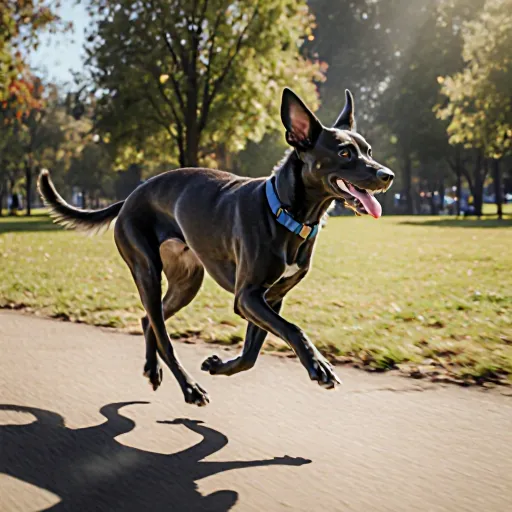
Trim Your Pet's Waistline with These Tips
Urgent: Act Now for a Leaner Pet
Table of Contents
- Introduction to Obesity in Dogs
- Common Causes of Obesity in Dogs
- Role of Diet in Dog Obesity
- Exercise and Physical Activity Levels
- Genetics and Breeds Predisposition to Obesity
- Environmental Factors Influencing Dog Weight
- Behavioral Aspects of Overeating in Dogs
- Veterinary Recommendations for Obesity Management
- Importance of Regular Vet Check-Ups
- Behavioral Changes to Encourage Weight Loss
- Nutritional Supplements and Their Role in Obesity Management
- Conclusion on Obesity in Dogs
- FAQ About Dog Obesity
- Additional Resources for Pet Owners
Introduction to Obesity in Dogs
Obesity in dogs is a common health issue that can significantly impact their overall well-being. Just like humans, excess weight in dogs leads to numerous health problems and reduces their lifespan. In the comprehensive guide "Obesity in Dogs: Causes and Solutions," detailed insights into the causes of obesity and practical solutions are provided. This section will delve deeper into the subject by exploring the various aspects contributing to canine obesity.
Obesity is defined as an excessive accumulation of body fat that can impair a dog's health, mobility, and lifespan. In dogs, it often results from consuming more calories than they burn through physical activity. The condition not only affects the physical appearance but also leads to several medical issues such as diabetes, heart disease, joint problems, and respiratory disorders.
- Overfeeding: One of the primary causes is overfeeding. Dogs are often given treats and table scraps beyond their daily meal portions. This results in calorie surplus without enough physical activity to burn them off.
- Lack of Exercise: Sedentary lifestyles contribute greatly to weight gain. Dogs that spend most of their time indoors or have limited opportunities for outdoor activities are more likely to become obese.
- Breed and Genetics: Some breeds are predisposed to obesity due to their genetic makeup, which influences metabolism and appetite control.
- Aging: As dogs age, their metabolism slows down, making it harder for them to burn calories. This is why older dogs are more prone to weight gain if not managed properly.
The key to addressing obesity in dogs lies in a combination of dietary changes and increased physical activity. Here are some practical solutions:
Dietary Adjustments
- Caloric Restriction: Reducing the number of calories consumed can help your dog lose weight gradually. This should be done under veterinary supervision to ensure it's safe and effective.
- High-Quality Diets: Opt for high-quality, nutritionally balanced dog food that is formulated to meet specific dietary needs without excess calories.
Increasing Physical Activity
- Daily Walks: Regular walks are essential for dogs of all ages. They provide the necessary exercise to burn calories and improve overall health.
- Playtime: Engage your dog in playtime activities like fetch, hide-and-seek, or obstacle courses to increase their physical activity level.
- Interactive Toys: Use toys that encourage dogs to use energy, such as puzzle feeders or interactive balls.
To manage your dog's weight effectively, regular monitoring is crucial. Regular veterinary check-ups can help track progress and make adjustments to the diet and exercise plan if necessary. Additionally, support from a veterinarian ensures that any health issues are addressed promptly.
In conclusion, addressing obesity in dogs requires a holistic approach that includes understanding the causes, implementing effective solutions, and maintaining consistent monitoring and support. By following these guidelines, you can help your furry friend lead a healthier, happier life free from the risks associated with excessive weight gain.
Common Causes of Obesity in Dogs
Obesity in dogs is a common issue that can lead to various health problems. Understanding the causes of obesity is crucial for pet owners and veterinarians alike, as it helps identify risk factors and implement effective prevention strategies. In this section, we explore the most common causes of obesity in dogs, drawing from the insights provided in "Obesity in Dogs: Causes and Solutions."
A diet that is high in calories and low in nutrients can contribute significantly to weight gain. According to "Obesity in Dogs: Causes and Solutions," excessive table scraps, inappropriate treats, and overfeeding are common culprits. For instance, feeding a dog human food items such as chips, cookies, or fatty meats can provide an abundance of calories without the necessary vitamins and minerals for a balanced diet.
It's important to monitor your dog's caloric intake based on their size, activity level, and breed. Consulting with a veterinarian is essential to determine appropriate portion sizes and snacks that align with your pet’s nutritional needs.
A sedentary lifestyle can lead to weight gain in dogs just as it does in humans. "Obesity in Dogs: Causes and Solutions" highlights the importance of regular physical activity for maintaining a healthy weight. Lack of exercise reduces calorie expenditure, leading to increased fat storage.
Activities such as walks, playtime, or even short bursts of running can significantly impact your dog's health. Engaging in these activities not only aids in weight management but also promotes overall well-being and mental stimulation for your pet.
Different breeds have varying metabolic rates and energy needs, which can influence their susceptibility to obesity. Some dog breeds are more prone to weight gain than others due to factors such as lower activity levels or higher caloric requirements.
Age also plays a role in the development of obesity. Older dogs may become less active and have slower metabolisms, making them more likely to gain weight if their dietary habits remain unchanged. For example, senior dogs might require fewer calories per day than younger dogs due to reduced activity levels.
Certain health conditions can contribute to obesity in dogs by affecting appetite or energy expenditure. Conditions such as hypothyroidism and Cushing's disease are mentioned in "Obesity in Dogs: Causes and Solutions." These disorders can lead to increased hunger, reduced activity levels, or both.
If you suspect that a health condition may be contributing to your dog’s weight gain, it is important to consult with a veterinarian. Early diagnosis and appropriate treatment can help manage the condition while also addressing any associated weight issues.
The environment in which dogs live can impact their likelihood of becoming obese. For instance, indoor-only dogs often have less opportunity for exercise compared to those who spend time outdoors. Additionally, owners who work long hours or are busy might rely more on convenient but calorie-dense foods and treats.
To create a healthier environment for your dog, consider providing toys and puzzles that encourage physical activity while you're away from home. This can help keep them active even when you're not around to play with them.
Just like in humans, genetics can play a role in determining a dog's predisposition to obesity. Some breeds are more susceptible due to inherited metabolic traits or body structures that influence their activity levels and appetite.
It is important for breeders to consider these factors when selecting breeding partners to help reduce the likelihood of obesity in future generations. For pet owners, understanding your dog's genetic background can provide valuable insights into potential risks and preventive measures.
In conclusion, addressing the common causes of obesity in dogs requires a multifaceted approach that includes proper diet management, regular exercise, appropriate environmental factors, and awareness of any underlying health conditions. By taking these steps, you can help ensure your dog maintains a healthy weight and enjoys a long, happy life.
Role of Diet in Dog Obesity
The role of diet in dog obesity cannot be overstated. Obesity in dogs is a growing concern among pet owners due to its potential to lead to various health issues, including diabetes, joint problems, and respiratory difficulties. Understanding the relationship between diet and obesity is crucial for maintaining a dog's overall health and longevity.
The primary cause of obesity in dogs is an imbalance between caloric intake and expenditure. When dogs consume more calories than they burn, the excess energy is stored as fat, leading to weight gain over time. This can be exacerbated by sedentary lifestyles and a lack of physical activity.
Diet plays a pivotal role in managing dog obesity because it directly affects caloric intake. A balanced diet that meets the nutritional needs of your dog is essential for weight management and overall health. Here are some key points to consider:
- Caloric Restriction: Reducing calorie intake can help dogs lose weight, but it must be done carefully to avoid malnutrition.
- Protein-Rich Diets: High-protein diets can aid in muscle maintenance and satiety, which is important for active dogs or those that are transitioning from a high-calorie diet.
- Fiber Content: Fiber-rich foods help with digestion and can also make the dog feel full without adding extra calories.
Dog food manufacturers have developed specific diets aimed at weight management. These often include lower-calorie formulations while still providing essential nutrients:
- Hill’s Science Diet Adult Light: This diet is formulated to help dogs maintain a healthy body weight and offers high-quality protein with reduced fat content.
- Purina OM (Ongoing Management): Designed for long-term weight loss and maintenance, this food helps reduce caloric intake without compromising the quality of nutrition.
To effectively manage your dog's diet and promote a healthy weight:
- Consult with Your Veterinarian: Always consult with your vet before making any significant changes to your dog's diet. They can provide personalized advice based on your pet's health and specific needs.
- Monitor Portion Sizes: Be mindful of the amount of food you give your dog at each meal. Overfeeding, even by small amounts, can contribute to weight gain over time.
- Incorporate Exercise: Pairing a balanced diet with regular exercise is essential for effective weight management. Daily walks or playtime can help increase energy expenditure and improve overall health.
The relationship between diet and obesity in dogs is fundamental. By understanding the causes of obesity and implementing a balanced, calorie-controlled diet alongside regular exercise, pet owners can significantly reduce their dog's risk of becoming overweight or obese. This approach not only aids in weight management but also promotes overall health and well-being.
Exercise and Physical Activity Levels
Exercising and maintaining appropriate levels of physical activity are crucial for managing obesity in dogs. Just as in humans, obesity in dogs can lead to a range of health issues including diabetes, arthritis, respiratory problems, and cardiovascular disease. Proper exercise not only aids in weight management but also supports overall well-being by enhancing muscle tone, improving joint health, boosting energy levels, and promoting mental stimulation.
Regular physical activity is essential for obese dogs to help them lose weight gradually and sustainably. It is important to note that excessive or vigorous exercise can be harmful if your dog is overweight, as it may put additional strain on their joints and cardiovascular system. Therefore, it's crucial to start with low-impact activities that are gentle on the body.
Types of Exercise
- Walking: Walking is an excellent form of exercise for dogs of all sizes and ages. It helps build muscle strength, improves cardiovascular health, and provides mental stimulation. For obese dogs, it's advisable to start with short walks and gradually increase the duration as they lose weight.
- Bike Riding: Using a doggy bike can be a fun way to get your overweight pet moving without putting too much pressure on their joints. This activity is particularly beneficial for dogs who have trouble walking due to joint issues or arthritis.
- Swimming: Swimming is a low-impact, high-aerobic exercise that’s great for obese dogs with joint problems. The buoyancy of water takes the pressure off their joints while still providing resistance, making it an effective way to build muscle strength and endurance.
- Playing Fetch: Engaging in interactive play such as fetch can be a fantastic way to encourage your dog to move more. Just make sure that you choose a secure area where the dog is not exposed to risks like traffic or other hazards.
Pacing Exercise Plans
When starting an exercise regimen, especially for obese dogs, it's important to pace yourself and gradually increase activity levels. A sudden shift in routine can lead to health issues such as joint pain or exhaustion. Here are some tips on how to build up your dog’s exercise capacity:
- Begin with short sessions of 10-15 minutes, increasing the time by a few minutes each week.
- Choose activities that match your dog's current fitness level and any health conditions they might have.
- Monitor your dog’s behavior during and after exercise. If you notice signs of distress or discomfort, it may be necessary to adjust the intensity or duration of the activity.
Hydration and Recovery
Just like in humans, proper hydration is essential for dogs engaged in physical activities. Ensuring that your dog has access to clean water before, during, and after exercise helps maintain their body temperature and prevents overheating. Additionally, providing ample rest periods between exercises allows the muscles and joints to recover properly.
Consulting with a Veterinarian
Before starting any new exercise program for your obese dog, it's advisable to consult with a veterinarian. They can assess your dog’s overall health and provide personalized advice on what types of exercises are safe and appropriate given their specific conditions.
Incorporating regular exercise into your dog’s routine is a vital step in addressing obesity, but it should always be done thoughtfully. By choosing the right activities, pacing them appropriately, ensuring adequate hydration, and seeking professional advice, you can help your obese dog lead a healthier, more active life.
Genetics and Breeds Predisposition to Obesity
The relationship between genetics and breeds in dogs plays a crucial role in their predisposition to obesity. Just like humans, certain dog breeds have genetic traits that make them more prone to weight gain and fat accumulation. This predisposition is often influenced by the breed's evolutionary history, dietary needs, and metabolic rates.
Evolutionary Influence on Breed Predisposition
Dogs have been selectively bred over centuries for specific traits that were advantageous in their original environments. For instance, breeds like Beagles and Corgis have historically been used for hunting or herding tasks that required high energy expenditure. However, modern living conditions do not always meet these high-energy demands, leading to a higher risk of obesity.
On the other hand, breeds with lower activity levels, such as Pugs and Bulldogs, were bred primarily for their appearance rather than for hunting or herding tasks. These breeds tend to have shorter snouts and respiratory issues that limit their physical activities, making them more prone to weight gain even on a moderate diet.
Dietary Needs of Different Breeds
The dietary requirements of different dog breeds can also influence their susceptibility to obesity. Smaller breeds often have higher metabolic rates and need more frequent feeding. If these dogs are fed the same amount as larger breeds, they are at a higher risk for weight gain.
Conversely, large breeds like Great Danes or Mastiffs may require fewer calories per day due to their slower metabolisms and lower activity levels compared to smaller breeds. However, this does not mean that large breeds cannot become obese; it simply means their caloric needs are different.
Practical Advice for Breed Owners
- Caloric Management: Understand the specific dietary needs of your breed. Consult with a veterinarian to determine an appropriate portion size and feeding schedule based on your dog’s age, activity level, and overall health.
- Supervise Exercise: Encourage regular exercise that matches the breed's natural tendencies. For example, encourage playtime for Beagles or Corgis who have high energy levels, while Bulldogs may benefit from shorter, more frequent walks to avoid respiratory stress.
- Mindful Feeding Environment: Avoid leaving food out all day and resist the temptation to give table scraps. Instead, establish structured feeding times that promote controlled portion sizes.
Causes of Obesity in Dogs
In addition to genetic predispositions, lifestyle factors such as lack of exercise and overfeeding can contribute significantly to obesity in dogs. Dogs that spend most of their time indoors without opportunities for physical activity are more likely to become overweight.
Overfeeding is a common issue among pet owners who want to show affection by offering extra treats or table scraps. While it's important to include variety in your dog’s diet, it should be balanced and appropriate for the breed's specific needs. Avoid human foods that are high in fat and calories, such as chocolate, avocado, and bread.
Solutions for Obesity Management
Managing a dog's weight involves a combination of dietary changes and increased physical activity. Here are some steps you can take:
- Adjust the Diet: Work with your veterinarian to create a balanced diet that meets your dog’s nutritional needs while helping them lose weight safely.
- Increase Physical Activity: Incorporate regular walks, playtime, and other activities into your daily routine. Interactive toys can also help stimulate your dog’s mind and body.
- Monitor Progress: Regularly weigh your dog to track their progress and adjust the plan as needed. Consider consulting a professional trainer or behaviorist for additional tips on how to encourage exercise in ways that suit your breed.
In conclusion, understanding the genetic and breed-specific factors contributing to obesity can help owners make informed decisions about their pet's health. By implementing practical strategies such as proper diet management, increased physical activity, and mindful feeding practices, dog owners can significantly reduce the risk of obesity in their pets.
Environmental Factors Influencing Dog Weight
The environment plays a significant role in determining a dog's weight, and understanding these factors is crucial for managing obesity in dogs effectively. Obesity in dogs can lead to various health issues such as diabetes, arthritis, and heart disease, making it essential to identify the environmental factors that contribute to weight gain.
Diet Quality
The quality of a dog's diet directly impacts its weight. High-calorie, low-nutrient foods can lead to overeating and subsequent weight gain. It is important to choose high-quality dog food that provides essential nutrients without excessive calories. For instance, dogs on commercial diets rich in grains may consume more than necessary due to their lower fiber content, leading to increased calorie intake.
Feeding Schedule
The frequency and timing of meals can also influence a dog's weight. Overfeeding or allowing free-choice feeding can result in excess calorie consumption. It is advisable to establish a consistent feeding schedule that meets the dog’s nutritional needs while avoiding overindulgence. For example, dividing the daily caloric intake into smaller, more frequent meals throughout the day rather than one large meal may help prevent overeating.
Exercise and Activity Level
Adequate exercise is vital for maintaining a healthy weight in dogs. Lack of physical activity can lead to increased calorie storage as fat. Ensuring your dog gets regular exercise, whether through walks, playtime, or other activities, helps burn calories and maintain muscle mass. For instance, a golden retriever, known for its active nature, requires more exercise than a chihuahua with lower energy needs.
Living Environment
The living environment can also influence a dog's weight. Dogs that live in larger homes or yards may have more space to move around and burn calories compared to those confined indoors all day. Providing opportunities for outdoor activities, such as hikes or visits to parks, can encourage more physical activity.
Stress and Environment
Stressful environments or changes in routine can lead dogs to eat more out of anxiety or boredom. This stress can disrupt their eating habits and contribute to weight gain. Creating a calm and stable environment is important for maintaining healthy eating behaviors. For example, dogs that are left alone for long periods may develop destructive behaviors or overeat as a coping mechanism.
Health Conditions
Certain health conditions can also affect a dog's weight. Endocrine disorders like hypothyroidism and Cushing’s disease can lead to weight gain due to hormonal imbalances. Regular veterinary check-ups are essential for monitoring your dog's health and addressing any underlying medical issues that may be affecting its weight.
Conclusion
In conclusion, understanding the environmental factors that influence a dog's weight is key to preventing obesity. By paying attention to diet quality, feeding schedule, exercise, living environment, stress levels, and overall health, you can help your dog maintain a healthy weight and avoid potential health problems.
Behavioral Aspects of Overeating in Dogs
Understanding the behavioral aspects of overeating in dogs is crucial for managing obesity effectively. Obesity in dogs can lead to various health problems, including diabetes, joint issues, and heart disease. Behavioral factors play a significant role in determining how much your dog eats. Here are some key points to consider:
1. Feeding Schedule
Dogs that eat irregularly or at random times may be more prone to overeating. Establishing a consistent feeding schedule can help regulate their eating habits. For instance, feeding your dog two meals a day instead of free-feeding can prevent them from consuming excess food.
2. Human Food Influence
Dogs often mimic human behavior and may beg for food or eat what they see you eating. This can lead to overeating if not managed properly. It's important to be mindful of what treats you give your dog and when. For example, avoid giving table scraps that are high in calories.
3. Lack of Exercise
A sedentary lifestyle contributes significantly to obesity. Dogs need regular physical activity to burn off excess energy. Encourage playtime or walks every day. For instance, a 15-20 minute walk twice a day can make a big difference in your dog's overall health and appetite regulation.
4. Stress and Anxiety
Dogs experiencing stress or anxiety may turn to food as a coping mechanism, leading to overeating. Identify the sources of stress (e.g., loud noises, visitors) and try to mitigate them. Providing mental stimulation through puzzle toys can also help distract your dog from eating out of boredom.
5. Breed Differences
Different breeds have varying energy levels and metabolic rates. Some breeds are more prone to obesity due to their metabolism or activity level. For example, certain small breed dogs like Pugs may need fewer calories than larger breeds like German Shepherds.
6. Portion Control
Overfeeding is a common issue that can lead to obesity. Monitor the amount of food you give your dog and ensure it aligns with their breed, age, and activity level. Consulting with a veterinarian for appropriate portion sizes is highly recommended.
7. Encouraging Healthy Eating Habits
To promote healthy eating habits in dogs, it's important to provide them with nutritious food rather than calorie-dense treats. For example, replacing commercial dog snacks with raw carrots or green beans can be a healthier option.
8. Regular Vet Check-Ups
Regular visits to the vet are essential for monitoring your dog's weight and overall health. A veterinarian can provide personalized advice on maintaining a healthy diet and exercise routine tailored to your dog's specific needs.
In conclusion, addressing the behavioral aspects of overeating in dogs involves a combination of establishing consistent routines, providing adequate physical activity, managing stress, and making informed decisions about feeding habits. By understanding these factors and implementing practical solutions, you can help prevent obesity and ensure your furry friend leads a healthy life.
Veterinary Recommendations for Obesity Management
Veterinary Recommendations for Obesity Management: Addressing obesity in dogs is crucial not only for their overall health but also to prevent the onset of various diseases and enhance their quality of life. Here are detailed veterinary recommendations aimed at managing dog obesity effectively.
1. Nutritional Counseling
The first step in managing a dog's weight involves proper nutrition. Veterinarians often recommend high-quality, nutrient-dense foods that meet your dog’s specific dietary needs while helping with weight loss. It is crucial to avoid overfeeding and feeding table scraps, which can contribute significantly to excess weight gain.
- Portion Control: Always measure the amount of food you give your dog. This helps ensure that they are not consuming more calories than necessary.
- Switch to a Low-Calorie Diet: Transitioning your dog to a diet specifically formulated for weight loss can be very effective. These diets typically contain fewer calories and higher levels of fiber, which help dogs feel fuller longer without increasing the risk of malnutrition.
2. Exercise Regimen
A combination of regular exercise and a healthy diet forms the cornerstone of an effective weight management plan for obese dogs.
- Daily Walks: Aim for at least 30 minutes of walking daily, increasing gradually as your dog's fitness improves. Walking is not only good for burning calories but also helps in improving cardiovascular health and joint flexibility.
- Playtime: Engage your dog in play activities that suit their age and physical condition. This could include fetch, frisbee throwing, or simple agility exercises like stepping over hurdles (if safe).
3. Environmental Modifications
Modifying the environment can help prevent your dog from eating more than necessary and encourage healthier behaviors.
- Crate Training: Crate training helps establish a routine, reduces stress, and prevents overeating in unattended times. Ensure the crate is large enough for your dog to lie down comfortably but not so big that they can eat their food while lying inside it.
- Prevent Access to Certain Areas: Keep areas where you store food out of reach from your dog, such as countertops or in a secure cabinet with a childproof lock.
4. Veterinary Monitoring
Regular check-ups are essential when managing obesity in dogs to monitor progress and adjust the management plan as needed.
- Weigh Your Dog Regularly: Weigh your dog weekly or bi-weekly at home using a pet scale. This helps track weight loss effectively.
- Veterinary Visits: Schedule regular visits to the vet for health checks and advice on ongoing management strategies. The vet can also provide additional nutritional guidelines based on your dog's specific health needs.
5. Behavior Modification
Changing behavior patterns is crucial in obesity management, as it affects both diet and exercise habits.
- Promote a Healthy Lifestyle: Encourage activities that promote a healthy lifestyle like playing games or engaging in walks instead of allowing your dog to stay sedentary for long periods.
- Positive Reinforcement: Use positive reinforcement techniques to reward desired behaviors such as completing the walk, sitting at command, etc. This can make exercise more enjoyable and encourage repeat performance.
By implementing these veterinary recommendations into your dog's daily routine, you will be helping them achieve a healthier weight and overall better health. Remember that managing obesity in dogs is a long-term commitment, requiring patience and persistence on the part of both you and your pet.
Importance of Regular Vet Check-Ups
Regular veterinary check-ups are crucial for maintaining your dog's overall health, particularly when it comes to managing obesity. Obesity in dogs can lead to a variety of serious health issues such as diabetes, joint problems, respiratory difficulties, and heart disease. Regular visits allow veterinarians to monitor your pet’s weight and overall health closely.
Obesity in dogs often results from an imbalance between calorie intake and energy expenditure. Factors that can contribute to this include:
- Overfeeding: Excessive food portions or frequent treats can rapidly increase your dog's body weight.
- Inadequate Exercise: Lack of physical activity is another common cause, especially for indoor pets.
- Breed and Genetics: Some breeds are more prone to obesity due to their genetic makeup. For example, certain terriers or bulldogs may have a higher likelihood of becoming overweight.
- Age: Older dogs tend to be less active, which can lead to weight gain if not properly managed.
- Medical Conditions: Certain illnesses such as hypothyroidism or Cushing’s disease can also contribute to obesity in dogs.
The signs that your dog might be obese include:
- Your dog may have a thick, soft coat instead of the usual sleek appearance.
- It can be difficult to feel individual ribs or see their hips and shoulders clearly.
- When walking, its abdomen may drag more than usual due to excess fat.
Regular veterinary check-ups are essential for catching obesity early. During these visits:
- Veterinarians can measure your dog’s body condition score (BCS), which helps assess its ideal weight.
- The vet can provide advice on a balanced diet and appropriate exercise regimen tailored to your dog's specific needs.
- They may recommend lifestyle changes, such as switching to a low-calorie food or increasing activity levels.
- Dogs with pre-existing conditions that contribute to obesity (like hypothyroidism) can have their treatments adjusted to manage weight more effectively.
Implementing a few key strategies can help your dog achieve and maintain a healthier weight:
- Diet Adjustment: A veterinarian can recommend a high-quality, low-calorie diet. Portion control is crucial here.
- Increased Exercise: Encourage your dog to engage in play and other physical activities that suit its size and breed. Walks are great for this purpose.
- Veterinary Supervision: Regular check-ups ensure the effectiveness of the weight loss plan and make necessary adjustments as needed.
- Behavior Modification: Modify feeding schedules to avoid overfeeding, especially if treats or table scraps are a regular part of your dog’s diet. Train your dog with positive reinforcement for good behaviors that promote healthy habits.
In conclusion, regular veterinary check-ups play an indispensable role in managing and preventing obesity in dogs. By addressing the issue early and consistently following through on the vet's recommendations, you can significantly enhance your pet’s quality of life, ensuring they live longer, healthier lives free from obesity-related complications.
Behavioral Changes to Encourage Weight Loss
Behavioral changes play a crucial role in helping dogs lose weight effectively, especially when dealing with obesity. Overweight dogs not only face health risks such as diabetes and joint problems but also benefit greatly from lifestyle modifications that encourage healthier habits.
Dogs can become overweight due to various reasons including overfeeding, lack of exercise, genetic predisposition, and certain medical conditions. Identifying these causes is essential before implementing any behavioral changes. For example, certain breeds like Labradors or Basset Hounds are prone to weight gain simply because of their high metabolism rates.
Establishing consistent feeding times and portion sizes can significantly aid in weight loss. Feed your dog at the same time every day, avoiding snacks between meals unless they are low-calorie treats reserved for training purposes or playtime activities. For instance, if you’re transitioning to a healthier diet plan, gradually reduce the current food portions over several weeks rather than abruptly changing it.
To complement dietary adjustments, increasing physical activity is vital for promoting weight loss in obese dogs. Engage your pet in regular exercise such as walking, swimming, or playing fetch. Shorter but more frequent walks might be easier on your dog if they are just starting out after being inactive for some time.
Using positive reinforcement techniques during training sessions can help manage weight by rewarding desired behaviors instead of giving extra calories. Reward good behavior with praise and non-food rewards like toys or petting rather than treats high in fat content. This approach encourages your dog to associate healthy activities with pleasure, making them more motivated participants.
Regularly monitoring your dog's progress is important throughout the weight loss journey. Keep track of their body condition score (BCS) using a standardized scale provided by veterinarians or breed associations. Adjust feeding amounts and activity levels based on these observations to ensure steady but safe weight loss.
Before making significant changes to your dog’s diet or exercise routine, it's advisable to consult with a veterinarian who can provide personalized advice tailored specifically for your pet’s needs. They may recommend specific therapeutic diets formulated by nutritionists that cater directly towards reducing weight while maintaining overall health.
Nutritional Supplements and Their Role in Obesity Management
Nutritional supplements play a crucial role in obesity management, especially for animals like dogs. While humans have various dietary options to address weight concerns, pets primarily rely on their owners to make informed decisions about their health and nutrition. In the context of dog obesity, understanding the underlying causes is essential before considering any intervention.
Dog obesity results from an imbalance between energy intake and expenditure. This imbalance can lead to excessive weight gain over time, which increases the risk for various health issues such as arthritis, diabetes, heart disease, and respiratory problems. Identifying the cause of obesity is critical because it guides the appropriate treatment and management strategies.
Causes of Obesity in Dogs
- Overfeeding: The most common cause of canine obesity is overfeeding, either through excess calories or treats. Owners often unintentionally feed their pets more than necessary due to a lack of knowledge about appropriate portions.
- Lack of Exercise: Modern lifestyles limit the opportunities for dogs to engage in regular physical activity. A sedentary lifestyle contributes significantly to weight gain.
- Breed and Genetics: Some breeds are more prone to obesity due to their metabolism or body structure. Certain genetic factors can also influence how easily a dog gains weight.
- Age: Older dogs tend to be less active and often have reduced metabolic rates, making them more susceptible to weight gain over time.
Supplements can complement a dog's diet and help manage obesity by promoting better overall health. However, they should not replace proper dietary planning and exercise routines. Here are some supplements that can be beneficial:
Fiber Supplements
Fiber-rich foods or supplements can aid in weight management by increasing satiety without adding many calories. Common fiber sources include psyllium, beet pulp, and cellulose. These supplements help dogs feel full longer, reducing the likelihood of overeating.
Vitamin E
Vitamin E acts as an antioxidant that supports heart health and reduces inflammation. Supplementing with Vitamin E can improve overall cardiovascular function in obese dogs, which is essential given their higher risk for heart disease due to obesity.
Omega-3 Fatty Acids
These fatty acids are known for reducing inflammation throughout the body and improving joint health. Omega-3 supplements can be particularly beneficial for obese dogs with arthritis or other joint issues, helping them move more comfortably and thus encouraging increased physical activity.
Green Tea Extract
Extracts from green tea contain catechins which have been shown to increase thermogenesis—the process by which the body produces heat. This can contribute to calorie burning, making it a promising supplement for weight loss efforts in dogs.
The key to successful obesity management lies not just in choosing the right supplements but also in adopting long-term lifestyle changes. Owners should work with their veterinarians to create personalized feeding plans, monitor portion sizes closely, and establish regular exercise routines for their dogs.
Supplements alone cannot solve the problem of dog obesity; they are tools that support a broader approach to health management. By addressing both nutrition and activity levels, pet owners can help their furry friends lead healthier lives free from the complications associated with excessive weight gain.
Conclusion on Obesity in Dogs
Obesity in dogs is a growing concern, affecting not just their physical appearance but also their overall health. As detailed in "Obesity in Dogs: Causes and Solutions," there are multiple factors that contribute to this issue, including overfeeding, lack of exercise, genetics, hormonal imbalances, and even certain medical conditions.
The root causes can be multifaceted, requiring a comprehensive approach for effective management. Overfeeding, whether intentional or unintentional, is one of the primary culprits. This can happen through excessive treats or simply offering too much food during mealtime. For instance, dogs that are fed table scraps may end up consuming more calories than their bodies need. Additionally, some pet owners might not realize how much food their dog actually requires and often overestimate.
Lack of exercise is another significant factor. Dogs need regular physical activity to maintain a healthy weight and overall fitness. However, many dogs spend most of their time indoors, leading to inactivity which can contribute to weight gain. Introducing outdoor activities like walking, playing fetch, or even simple indoor games such as hide-and-seek with treats can help combat this issue.
Genetics also play a role; certain breeds are predisposed to obesity due to their metabolic rates and body composition. For example, Bulldogs, Pekingese, and贵宾犬 (Pug) tend to be more prone to weight gain compared to other breeds. Owners of these breeds need to be particularly vigilant about portion control and regular physical activity.
Hormonal imbalances can also lead to obesity in dogs. Conditions such as hypothyroidism or Cushing's disease can increase appetite, leading to overeating. If your dog is showing signs of increased thirst, excessive urination, hair loss, or lethargy, it may be worth consulting a veterinarian to check for potential hormonal issues.
The solutions outlined in "Obesity in Dogs: Causes and Solutions" emphasize the importance of a balanced diet and regular exercise. A balanced diet should include high-quality dog food that meets nutritional requirements without being overly caloric. It's crucial to follow feeding guidelines provided by pet food manufacturers, as these are designed based on the breed, age, and activity level of your dog.
Regular exercise is equally important. Aim for at least 30 minutes of moderate physical activity daily, which can include walking, swimming, or playing fetch. The key is to find activities that both you and your dog enjoy, as this will encourage consistency in your routine.
In conclusion, addressing obesity in dogs requires a combination of dietary adjustments and increased exercise. By understanding the causes and implementing effective solutions, pet owners can significantly improve their dog's health and quality of life. Remember, small changes over time can lead to big differences, so start by making gradual improvements rather than drastic ones.
FAQ About Dog Obesity
Understanding the causes of obesity in dogs and how to solve them is crucial for their overall health. Here are some frequently asked questions that provide detailed insights into this issue.
What causes dog obesity?
Dog obesity primarily results from an imbalance between energy intake (food consumption) and energy expenditure (physical activity). Dogs can become overweight due to several factors:
- Poor Diet: Feeding dogs with high-calorie, low-nutrient foods leads to overeating.
- Lack of Exercise: Sedentary lifestyle contributes significantly to weight gain in dogs.
- Geriatric Dogs: Senior dogs are more prone to obesity due to reduced activity levels and slower metabolism.
- Breed Factors: Some breeds, like Labradors or Bichons Frises, have a higher predisposition to obesity.
How can I tell if my dog is obese?
Detecting obesity in dogs involves visual and physical assessments:
- Visual Inspection: Check for a noticeable "tuck" when you look at your dog from above. The skin should not lie flat.
- To the Touch: Run your hand along the ribs to feel them comfortably, indicating the right amount of fat.
What are the health risks associated with dog obesity?
Obesity in dogs can lead to various serious health issues:
- Joint Problems: Excess weight puts stress on joints, leading to conditions like osteoarthritis.
- Type 2 Diabetes: Obesity increases the risk of developing diabetes mellitus in dogs.
- Liver Disease: Fatty liver syndrome (hepatic lipidosis) can occur due to prolonged obesity.
- Respiratory Issues: Obese dogs may suffer from increased breathing difficulties and higher risk of heat stroke.
How do I prevent or treat dog obesity?
The key to addressing dog obesity is a balanced approach combining diet, exercise, and regular veterinary check-ups:
- Diet Adjustment: Consult with your vet for an appropriate diet plan. Reduce calorie intake by choosing low-calorie foods.
- Regular Exercise: Incorporate daily walks or playtime to encourage physical activity, suitable for the dog's age and breed.
- Monitoring Weight Loss: Regular weigh-ins help track progress. Ensure gradual weight loss through lifestyle changes.
To summarize, understanding the causes of obesity in dogs is the first step towards addressing this critical issue. By making informed decisions about diet and exercise, dog owners can significantly improve their pet's health and quality of life.
Additional Resources for Pet Owners
Understanding obesity in dogs is crucial for their overall health. Excessive weight can lead to numerous health issues such as diabetes, heart disease, and arthritis. To effectively manage or prevent dog obesity, it's important to identify the causes and implement appropriate solutions.
- Excessive Food Intake: Overfeeding is one of the primary reasons for dog obesity. Dogs that are fed more calories than they burn will inevitably gain weight. To combat this, it's essential to monitor how much food your dog consumes and ensure it aligns with their daily activity level.
- Lack of Exercise: A sedentary lifestyle contributes significantly to obesity in dogs. Ensuring that your pet gets regular exercise can help burn calories and maintain a healthy weight. This could include daily walks, playtime in the park, or even interactive games at home.
- Breed and Age: Certain dog breeds are more prone to obesity due to their metabolism and body structure. Senior dogs also tend to be less active, which can lead to weight gain. Regular check-ups with your vet can help monitor these factors.
- Genetics: Some studies suggest that genetics play a role in determining how much your dog will weigh. If you have access to the family history of the breed, this could provide insights into potential susceptibility to obesity.
The key to managing or preventing dog obesity is a combination of dietary changes and increased physical activity. Here are some practical solutions:
Dietary Adjustments
- Control Portion Sizes: Talk to your vet about the right amount of food for your dog based on their breed, age, weight, and activity level.
- Choose Nutrient-Rich Foods: Opt for high-quality dog foods that are rich in nutrients but lower in calories. Some brands offer specific formulas designed for weight loss or maintenance.
- Limit Treats: Treats can quickly add extra calories to your dog's diet. Use them sparingly and opt for healthier alternatives like raw carrots or green beans.
Increase Physical Activity
To help your dog burn more calories, incorporate more exercise into their daily routine:
- Daily Walks: A minimum of 30 minutes of walking per day is recommended for most dogs. This not only aids in weight loss but also helps to maintain muscle tone.
- Playtime: Engage your dog in play activities that suit their age and energy levels. This can include fetch, hide-and-seek games, or agility training.
- Bird Watching or Fetch from a Distance: For older dogs who may not have the energy for vigorous exercise, activities like watching birds or playing fetch from a distance can still provide mental stimulation and physical activity.
Regular Vet Visits
Regular visits to your veterinarian are crucial in monitoring your dog's health. Your vet can offer personalized advice based on the specific needs of your pet and help you set realistic goals for weight loss or maintenance. They may also recommend diagnostic tests if there are underlying medical conditions contributing to obesity.
Encourage Positive Behavior
Incorporating training sessions that involve physical activity can make exercise more enjoyable for both you and your dog. Training your dog in simple commands like "sit," "stay," or "come" not only strengthens the bond between you but also provides an opportunity for exercise.
Categories
- AI & Enrichment Play
- Broiler Farming
- Broiler Farming Tips
- Canine Wellness & Longevity
- Cat
- Cat & Human Connection
- Cat Adoption & Rescue
- Cat Breeds
- Cat Breeds & Personalities
- Cat Care & Health
- Cat Grooming & Hygiene
- Cat Lifestyle & Environment
- Cat Myths & History
- Cat Nutrition & Diet
- Cat Products & Reviews
- Cat Training & Behavior
- Comparison
- Consumer Awareness
- Dog
- Dog Accessories & Products
- Dog Adoption & Rescue
- Dog Breed & Lifestyle Trends
- Dog Breeding & Puppies
- Dog Entertainment & Media
- Dog Fashion & Trends
- Dog Fun & Lifestyle
- Dog Grooming & Hygiene
- Dog History & Culture
- Dog Myths, Science & Future Tech
- Dog News & Trends
- Dog Nutrition & Food
- Dog Psychology & Emotions
- Dog Safety & Security
- Dog Sports & Activities
- Dog Technology & Innovation
- Dog Training for Modern Owners
- Dog Travel & Adventure
- Dog Travel, Adventure & Culture
- Economic and Market Insights
- Educational Content
- FAQs
- Feeding Alternatives
- Festivals & Seasonal Ideas
- Fun & Entertainment
- General Knowledge
- General Pig Farming
- Health & Disease Management
- Housing and Environment
- Kittens
- Market Insights
- Miscellaneous
- Miscellaneous
- Motivational
- pig
- Pig Breeding
- Pig Breeds
- Pig Farming Stories and Inspiration
- Pig Health and Care
- Pig Nutrition
- Pig Products
- Profitability & Business
- Puppy Care
- Puppy Predictable Topics Reinvented
- Regional Focus
- Rescue & Adoption Buzz
- Senior Cats
- Senior Dog Care
- Smart Dog Tech & Gadgets
- Sustainability
- Sustainable & Eco-Friendly Dog Products
- Tech & Innovations
- Working & Service Dogs
- Broiler Feed66 products
- Country Feed33 products
- Pig Feed66 products
- Product22 products
- Raw Materials99 products
Products
-
 Fish Meal
₹1,999.00 – ₹2,999.00Price range: ₹1,999.00 through ₹2,999.00Rated 0 out of 5
Fish Meal
₹1,999.00 – ₹2,999.00Price range: ₹1,999.00 through ₹2,999.00Rated 0 out of 5 -
 FATTENING BROILER FEED
₹2,299.00 – ₹2,349.00Price range: ₹2,299.00 through ₹2,349.00Rated 0 out of 5
FATTENING BROILER FEED
₹2,299.00 – ₹2,349.00Price range: ₹2,299.00 through ₹2,349.00Rated 0 out of 5 -
 LAYER COUNTRY FEED
₹1,549.00 – ₹1,649.00Price range: ₹1,549.00 through ₹1,649.00Rated 0 out of 5
LAYER COUNTRY FEED
₹1,549.00 – ₹1,649.00Price range: ₹1,549.00 through ₹1,649.00Rated 0 out of 5 -
 COUNTER BROILER FEED
₹1,199.00 – ₹1,299.00Price range: ₹1,199.00 through ₹1,299.00Rated 0 out of 5
COUNTER BROILER FEED
₹1,199.00 – ₹1,299.00Price range: ₹1,199.00 through ₹1,299.00Rated 0 out of 5 -
 LACTATING PIG FEED
Rated 0 out of 5
LACTATING PIG FEED
Rated 0 out of 5₹2,299.00Original price was: ₹2,299.00.₹1,740.00Current price is: ₹1,740.00. -
 Maize
Rated 0 out of 5
Maize
Rated 0 out of 5₹1,650.00Original price was: ₹1,650.00.₹1,300.00Current price is: ₹1,300.00. -
 GESTATION PIG FEED (Phase 1)
Rated 0 out of 5
GESTATION PIG FEED (Phase 1)
Rated 0 out of 5₹2,249.00Original price was: ₹2,249.00.₹1,699.00Current price is: ₹1,699.00. -
 Pre Starter Broiler Feed
₹2,399.00 – ₹2,499.00Price range: ₹2,399.00 through ₹2,499.00Rated 0 out of 5
Pre Starter Broiler Feed
₹2,399.00 – ₹2,499.00Price range: ₹2,399.00 through ₹2,499.00Rated 0 out of 5 -
 FINISHER PIG FEED
Rated 0 out of 5
FINISHER PIG FEED
Rated 0 out of 5₹2,299.00Original price was: ₹2,299.00.₹1,749.00Current price is: ₹1,749.00. -
 Broiler Premix
Rated 0 out of 5
Broiler Premix
Rated 0 out of 5₹820.00Original price was: ₹820.00.₹699.00Current price is: ₹699.00.