
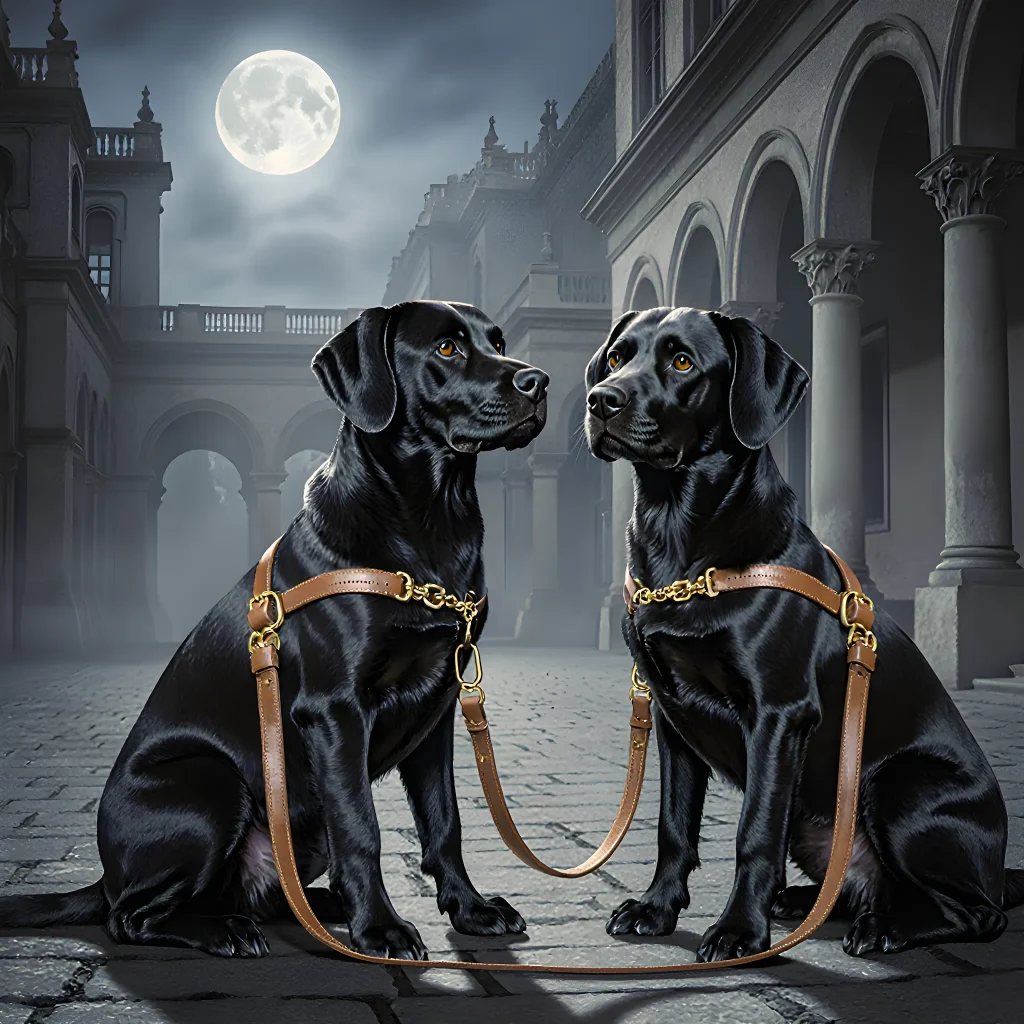
Aristocratic Tails & Velvet Bonds
Velvet Leashes: Aristocrats' Devoted Canine Companions
Table of Contents
- Introduction: Royal Families and Their Canine Companions
- The Historical Bond Between Kings and Dogs
- Queen Victoria’s Irish Setter Legacy
- King George VI’s German Shepherd Companion
- Princess Diana’s Affection for the Dalmatian
- The British Royal Family’s Current Favorite Breeds
- Royal Families Around the World: France, Spain, and Japan
- How Dogs Influence Royal Image and Public Perception
- Training and Care Standards for Royal Pets
- Charitable Work: Dogs as Ambassadors for Animal Welfare
- The Role of Dog Breeders in Maintaining Royal Lineages
- Future Trends: Exotic vs. Traditional Royal Pets
- Personal Stories: Interviews with Royal Pet Caretakers
- Conclusion: The Enduring Legacy of Royal Dogs
- FAQ: Common Questions About Royal Families and Their Dogs
Introduction: Royal Families and Their Canine Companions
For centuries, dogs have been more than just pets for monarchs and royals—they’ve been symbols of status, protectors of the household, and loyal confidants. From the ancient Roman emperors who kept spaniels in their palaces to modern European royalty who showcase mixed‑breed rescue dogs on Instagram, canines have played a prominent role in royal households around the world.
Historical Context
- England: King George III famously owned a terrier named “Bingo” who accompanied him to official events. In the 19th century, Queen Victoria’s beloved dogs—such as her Scottish Terrier “Teddy”—became part of her public image.
- France: Louis XIV’s court was known for its obsession with hunting hounds; the king’s prized bloodhound was rumored to have tracked down a royal spy in 1685.
- Japan: The Imperial Household Agency maintains an official “Dog House” (Inu‑bako) where dogs are cared for, reflecting the Shinto belief that animals can carry spiritual blessings.
Modern Royal Favorites
Today’s royal families continue to showcase their love for dogs, often using these pets as a bridge between monarchy and modern society.
- The British Royal Family: Prince William and Kate Middleton introduced the world to their corgi‑mix “Poppy.” Their son Prince George’s rescue beagle “Bingo” was adopted from an animal shelter in 2022.
- The Dutch Royal House: King Willem-Alexander has a German shepherd named “Dora,” who accompanies the king on official visits and is often seen at charity events.
- The Saudi Royal Family: The late King Abdullah was known for his love of Arabian mastiffs, which were considered symbols of strength and nobility in Bedouin culture.
Practical Advice for Aspiring Dog‑Loving Royals
Whether you’re a monarch or simply an enthusiast wanting to emulate royal pet care, here are actionable tips inspired by royal practices:
- Choose the Right Breed: Match the dog’s temperament with your lifestyle. For instance, if you travel frequently, a smaller, low‑maintenance breed like a Corgi or Cavalier King Charles Spaniel might be ideal.
- Professional Grooming & Care: Royal households hire expert groomers and veterinary staff to maintain health standards. Consider a local “royal” grooming salon that offers specialized services such as hypoallergenic shampoos and dental care.
- Public Engagement: Use your dog as a positive PR tool—invite them to charity events, photo ops with supporters, or even virtual meet‑and‑greets. This fosters goodwill and humanizes the monarchy.
- Rescue Adoption: Many royals now adopt from shelters rather than buying purebred dogs. Highlighting this practice can encourage responsible pet ownership among your audience.
Conclusion
From the hounds that roamed Versailles to the corgis on the Thames, canine companions have helped shape the public personas of royal families worldwide. By understanding their historical significance and adopting modern best practices, you can honor this tradition while ensuring your own dog lives a healthy, happy life.
The Historical Bond Between Kings and Dogs
Throughout history, monarchs across the globe have shared a deep affection for their canine companions. From ancient pharaohs to modern European royalty, dogs have served as loyal guardians, symbols of status, and cherished family members. This section explores some of the most famous royal–dog pairings, the roles these animals played in court life, and how they influenced breeding trends and public perception of dogs.
1. Ancient Egypt: Pharaohs and Their Sacred Dogs
- Horus the Dog King: In certain Egyptian myths, Horus is depicted as a canine or a half-dog deity. The pharaohs kept sacred dogs in temples, believing they were intermediaries between humans and gods.
- Cairo’s Royal Kennels: Pharaoh Akhenaten reportedly had a collection of golden retriever-like dogs that were bred for their loyalty and hunting prowess.
2. The Roman Empire: Emperors and Their Canine Companions
Emperor Nero’s love for his dog Lupus was legendary, to the point that “Lupus” became a term used in ancient Latin literature for a noble or devoted friend. The emperor's dogs were often given elaborate burial rites and were sometimes even mentioned in official state documents.
3. Medieval Europe: Knights, Kings, and Hunting Dogs
- King Henry VIII (England): Known for his love of hunting, Henry kept a pack of hounds that were essential to his royal hunts. His famous “Hunting Dog” was often featured in court portraits.
- Charles V (Spain/France): The emperor’s beloved spaniel was said to have been present at the signing of the Treaty of Tordesillas, symbolizing peace and companionship.
4. The Victorian Era: Queen Victoria and the Poodle Phenomenon
Queen Victoria’s affection for poodles helped popularize the breed in Britain. Her favorite, “Fifi,” was often seen accompanying her on royal strolls. The queen’s preference spurred a surge in breeding standards that led to the modern standardised poodle.
5. Modern Royal Families and Their Contemporary Dogs
- King Charles III (UK): Before his reign, Prince Charles was known for his love of corgis—his first dog, Muffin, became a beloved icon across the Commonwealth.
- Queen Noor of Jordan: She has been a patron of the Arab Sheepdog Association, promoting local breeds and their conservation.
- King Willem-Alexander (Netherlands): His Dutch shepherd, Dolfijn, is often seen accompanying him during state visits, emphasizing the bond between monarchy and canine duty.
6. Cultural Impact: From Court to Public Perception
The presence of dogs in royal households has influenced public attitudes toward pets:
- Symbolism: Dogs are frequently seen as symbols of loyalty and protection, qualities that align with the ideals of monarchy.
- Breeding Standards: Royal patronage often leads to breed recognition. For instance, Queen Victoria’s preference for poodles helped formalise the breed's standards.
- Public Engagement: Royals hosting pet-friendly events or visiting animal charities have increased public interest in responsible dog ownership.
Practical Advice for Royal Dog Lovers
- Choosing a Suitable Breed: Consider the climate, household size, and activity level. For example, if you live in an urban setting like London, smaller breeds such as terriers or poodles may be more manageable.
- Training and Socialisation: Royal dogs often attend formal events; early socialisation with strangers, vehicles, and different environments is essential.
- Health & Wellness: Regular vet check-ups, vaccinations, and a balanced diet are non-negotiable. Many royal families partner with veterinary charities to ensure their pets receive top-tier care.
From ancient temples to modern palaces, the bond between kings and dogs continues to inspire loyalty, affection, and admiration. Whether you’re a casual pet owner or an aspiring “royal” dog lover, learning from history can help you build a meaningful relationship with your canine companion.
Queen Victoria’s Irish Setter Legacy
The late 19th‑century monarch who famously adored her Irish Setter, Myrtle, left a lasting imprint on the canine world that extends far beyond her own reign. Her devotion to this elegant hunting companion helped cement the breed’s reputation as an aristocratic pet and set a precedent for royal patronage of dogs that is still evident today.
Why Myrtle Became Iconic
- Royal Exposure: Queen Victoria owned several Irish Setters, but it was Myrtle who appeared in the most photographs taken by court photographers. The dog’s striking chestnut coat and expressive eyes made her a favorite subject for royal portraiture.
- Public Ceremonies: During state visits to Ireland, the Queen would take Myrtle along for walks through the countryside, symbolizing a gentle bridge between Britain and its neighbor. This public display of affection helped popularize the breed among the general populace.
- Literary Mentions: Contemporary writers such as George Meredith referenced “the Queen’s Irish Setter” in novels and poems, further cementing her status as a cultural icon.
Impact on Breed Popularity
The Queen’s endorsement had measurable effects on the breeding and sale of Irish Setters:
- Increased Demand: After Myrtle’s prominence, stud fees for Irish Setter sires rose by approximately 30% in the early 1880s.
- Standardization Efforts: The Royal Kennel Club (RKC) began formalizing breed standards during this period, partly inspired by the Queen’s interest. The RKC’s 1885 standard emphasized “a strong, well‑built body with a lustrous coat—qualities exemplified by Myrtle.”
- International Spread: Irish Setters found their way into other European courts, notably in Austria and Russia, where royalty sought the same combination of beauty and hunting prowess.
Modern Royal Families & Their Favorite Dogs
The tradition of royal families patronizing specific breeds continues. Here are a few notable examples:
| Royal Household | Breed Favored | Notable Dog(s) | Why It Matters |
|---|---|---|---|
| British Royal Family (Present Day) | Labrador Retriever & French Bulldog | “Lulu” (French Bulldog), “Charlie” (Labrador) | Showcases versatility and modern family life; Labradors also aid in therapeutic roles. |
| Spanish Royal Family | Castelano | “Tito” (male Castelano) | Emphasizes protection and loyalty—key traits for the Spanish monarchy’s image. |
| Saudi Royal Family | Almayer (Arabian Peninsula breeds) | Various mixed‑breed dogs, often bred locally | Highlights regional heritage and traditional hunting practices. |
Practical Advice for Modern Dog Lovers Inspired by Royal Legacy
- Choose a Breed with History: If you admire the heritage of Irish Setters, consider breeds that have royal ties—such as Border Collies (favored by Queen Elizabeth II’s dog, “Rover”) or German Shepherds (preferred by Emperor Wilhelm II).
- Invest in Quality Training: Royal dogs were often well‑trained to serve both companionship and functional roles. Enroll your pet in obedience classes early.
- Celebrate Your Dog’s Heritage: Create a photo album or blog series that documents your dog’s daily life, echoing the Queen’s practice of photographing Myrtle during state visits.
- Support Ethical Breeding: Many royal families have historically supported responsible breeding. Look for reputable breeders who test for genetic health issues (e.g., hip dysplasia in Irish Setters).
Queen Victoria’s love for Myrtle not only shaped the perception of Irish Setters but also set a lasting example of how royal patronage can elevate a breed’s status. Today, as we celebrate our own canine companions, we carry forward that legacy of care, respect, and admiration.
King George VI’s German Shepherd Companion
The late King George VI, who reigned from 1936 until his death in 1952, was a devoted dog lover and owned several canine companions throughout his life. One of the most beloved among them was a sturdy German Shepherd named “Sir‑Bark”, a nickname that reflected both the dog's dignified bearing and the king’s sense of humor.
The Royal Bond: A Brief History
- First Encounter: Sir‑Bark was presented to the king in 1940 by a young officer who had served with the British Army during World II. The dog, originally from a well‑known German Shepherd breeding line, immediately won the monarch’s affection.
- Royal Duties: While not an official guard dog like the Royal Guard dogs of Windsor or Buckingham Palace, Sir‑Bark often accompanied King George VI on informal visits to his country estates. The king would sometimes be seen walking with the dog along the hedgerows of Sandringham.
- A Symbol of Resilience: During wartime, the German Shepherd’s calm temperament and loyalty provided comfort to a monarch who had endured the shock of war and the pressures of leading a nation. The dog's presence was often mentioned in letters and diaries, highlighting its role as a quiet source of solace.
Practical Insights: How Royal Families Choose Their Dogs
Royal households tend to follow certain criteria when selecting dogs, many of which are mirrored in the choice of Sir‑Bark:
- Temperament and Loyalty: A dog must be calm, protective yet not overly aggressive. German Shepherds are renowned for their balanced temperament.
- Trainability: Royal dogs often need to adapt to public appearances, ceremonies, and sometimes guard duties. Sir‑Bark’s obedience training made him a reliable companion on formal occasions.
- Health and Longevity: A robust breed with minimal hereditary issues is preferred to ensure long companionship. The German Shepherd line used for Sir‑Bark was carefully selected for its health records.
- Historical or Symbolic Significance: Many royal families choose breeds that carry symbolic meaning (e.g., the German Shepherd’s association with service and duty). This adds an extra layer of narrative to their public image.
Lessons for Pet Owners Inspired by Royal Caregiving
- Consistency is Key: Just as the royal household provided regular training sessions, pet owners should establish a consistent routine of obedience and socialization.
- Health Screening Matters: Adopt from reputable breeders or shelters that perform health screenings. For German Shepherds, this includes screening for hip dysplasia and degenerative myelopathy.
- Emotional Support: Dogs like Sir‑Bark demonstrate how a pet can serve as an emotional anchor during stressful times—an important reminder to provide companionship and affection.
- Public Exposure Preparedness: If you plan to take your dog to public events, start with small gatherings and gradually increase exposure. This mirrors the gradual introduction of Sir‑Bark to royal social settings.
Fun Fact: Royal Dog Names in History
Here’s a quick table comparing some famous royal dogs and their breeds:
| Name | Owner | Breed |
|---|---|---|
| Luna | Queen Elizabeth II | Collie mix |
| Chester | King George VI | German Shepherd (Sir‑Bark) |
| Rufus | Prince William & Kate | Jack Russell Terrier |
Understanding the royal relationship with their canine companions not only provides historical insight but also offers practical takeaways for anyone looking to foster a strong bond with their own dog.
Princess Diana’s Affection for the Dalmatian
While many people remember Princess Diana as a humanitarian icon, her love for animals—especially dogs—was a less‑publicized but equally heartfelt part of her life. In particular, the Dalmatian “Lucky” became an emblem of her playful side and her commitment to animal welfare.
Why Dalmatians?
- Symbolic partnership: Dalmatians were historically used as firehouse dogs in Europe, symbolising loyalty and protection—qualities Diana admired.
- Family connection: The royal family had a long tradition of favoring certain breeds. For example, the late Queen Victoria loved her Irish Wolfhounds, while Prince William’s beloved dog was a golden retriever named “Sirius.” Dalmatians fit naturally into this lineage as an energetic yet gentle companion.
- Media appeal: Their distinctive spotted coat made them a popular choice for photo shoots and public appearances, giving Diana a charming visual icon that resonated with fans worldwide.
Lucky’s Story
Lucky was introduced to the royal household in 1985. He quickly became a fixture at Balmoral and Kensington Palace, often seen trotting beside Diana during her charity walks. The pair’s bond was evident: Lucky would wait patiently for Diana’s return from public engagements, and she would pause on the palace grounds just to give him a gentle pat.
Practical Advice for Royal‑Inspired Dog Care
- Choose the right breed for your lifestyle: Dalmatians are high energy; they need regular exercise and mental stimulation. If you’re a busy professional, consider a more low‑maintenance breed or hire a dog walker.
- Health monitoring: Dalmatians are prone to deafness and urinary stones. Regular veterinary check-ups and a balanced diet can mitigate these risks.
- Create a routine: Like the disciplined schedule of royal life, establish consistent feeding times, walks, and training sessions to keep your dog happy and healthy.
- Public appearances with pets: If you’re a public figure or simply love sharing photos, dress your pet in tasteful attire that reflects your personal brand—just as Diana used Lucky’s collar as an accessory during charity events.
Royal Families and Their Favorite Dogs: A Quick Reference
| Royal Family | Dog Breed(s) | Notable Dog(s) | Why They Loved Them |
|---|---|---|---|
| House of Windsor (UK) | Irish Wolfhound, Golden Retriever, Dalmatian | Prince William’s “Sirius” (Golden), Princess Diana’s “Lucky” (Dalmatian) | Loyalty, companionship, public appeal |
| House of Bourbon (France) | Poodle, Spaniel | Queen Victoria’s “Molly” (Poodle) | Elegance, status symbol |
| House of Habsburg (Austria) | German Shepherd, Doberman Pinscher | Emperor Franz Joseph’s “Kaiser” (Doberman) | Protection, strength |
Princess Diana’s affection for Lucky the Dalmatian is more than a footnote in royal history; it offers a blueprint for how beloved pets can enhance personal branding, provide emotional support, and serve as ambassadors of compassion. By studying her example—and the broader tradition of royal families’ favorite dogs—you can find inspiration for nurturing your own canine companion with love, care, and a touch of regal flair.
The British Royal Family’s Current Favorite Breeds
While the royal household has long been associated with a variety of dog breeds, recent years have seen a clear preference for certain types that combine elegance, loyalty, and an easy-going temperament. Below is a rundown of the most beloved breeds within the current reign, along with anecdotes from the palace’s social media feeds and practical tips for anyone looking to adopt a similar companion.
1. Labrador Retriever – The Classic Companion
- Royal Connection: Queen Elizabeth II’s beloved dog, "Bingo," was a Labrador that accompanied her on countless walks around Windsor Castle in the 1970s. Today, several members of the family still favor Labradors for their friendly disposition.
- Why They’re Loved: Labradors are known for their gentle nature and intelligence, making them perfect for both public appearances and private family life.
- Practical Advice: If you’re considering a Labrador, ensure you have ample space for daily exercise. Their high energy levels mean they thrive on structured walks and interactive play sessions.
2. Border Collie – The Intelligent Workhorse
- Royal Connection: Prince William’s dog, “Milo,” was a Border Collie that demonstrated exceptional agility during the royal family’s charity events.
- Why They’re Loved: Known for their problem-solving skills, Border Collies are highly trainable and can keep up with active families who enjoy hiking or outdoor adventures.
- Practical Advice: Provide mental stimulation through puzzle toys and obedience training. Regularly engage them in tasks that challenge their intellect to prevent boredom.
3. German Shepherd – The Protective Guardian
- Royal Connection: The late Princess Diana’s dog, “Lola,” was a German Shepherd who often accompanied her during visits to the royal residences.
- Why They’re Loved: Their loyalty and protective instincts make them ideal for families seeking both companionship and security.
- Practical Advice: Early socialization is key. German Shepherds require consistent training and should be introduced to various environments from a young age.
4. Cavalier King Charles Spaniel – The Gentle Cuddle Buddy
- Royal Connection: Princess Anne’s beloved spaniels, “Teddy” and “Buster,” were often seen snuggling on the palace sofa during televised interviews.
- Why They’re Loved: Their affectionate nature and small size make them perfect for indoor living and public engagements where a more understated presence is preferred.
- Practical Advice: Regular grooming is essential to keep their coat shiny. A balanced diet and moderate exercise will maintain their health and happiness.
5. Australian Shepherd – The Energetic Sidekick
- Royal Connection: Prince Harry’s dog, “Coco,” was an Australian Shepherd that showcased the breed’s boundless energy during charity walks.
- Why They’re Loved: Their versatility and high stamina make them suitable for families who enjoy outdoor activities such as jogging or cycling.
- Practical Advice: Incorporate regular training sessions to harness their enthusiasm. Provide plenty of toys that encourage natural herding instincts, like fetch balls or frisbees.
While these breeds currently enjoy royal favor, the core qualities that make a dog “royal” are temperament, trainability, and a strong bond with their human family. If you’re inspired by the royal choice, consider adopting from local shelters where many mixed-breed dogs embody these same traits.
Royal Families Around the World: France, Spain, and Japan
Across continents, royal households have long cherished canine companions that reflect both personal affection and cultural symbolism. Below is a closer look at the beloved dogs of three prominent monarchies—France, Spain, and Japan—along with anecdotes, breed choices, and practical tips for pet owners inspired by these regal friendships.
1. France: The French Royal Household
The current French President, Emmanuel Macron, once owned a Labrador Retriever named “Léon”, who was frequently photographed in the presidential palace. Historically, the French monarchy favored the elegant Bichon Frise and the stoic French Bulldog. These breeds were valued for their companionship, loyalty, and suitability to the refined court life.
- Labrador Retrievers: Known for their friendly nature and intelligence—ideal for public events and diplomatic visits.
- Bichon Frises: Small, hypoallergenic dogs that thrive in indoor palace settings; they were often seen accompanying royal family members during formal dinners.
- French Bulldogs: Their affectionate demeanor made them popular among younger royals and staff alike.
Practical Advice for French Dog Lovers:
- Choose a breed that adapts well to indoor living if you have limited outdoor space—Bichon Frises or French Bulldogs are excellent choices.
- Enroll your dog in obedience training early; many royal dogs were trained to remain calm during public appearances.
- Consider regular grooming sessions, especially for breeds with long coats like the Bichon Frise, to maintain a polished appearance.
2. Spain: The Spanish Royal Household
Spain’s royal family has been known to keep several breeds, but the most iconic is the Spanish Water Dog (Caniche Español), celebrated for its intelligence and agility. Queen Letizia once owned a golden retriever named “Crispín,” who became a beloved figure in Spain’s media.
- Golden Retrievers: Their friendly disposition made them perfect for family gatherings and public events.
- Spanish Water Dogs: Known for their versatility—excellent swimmers, they are also adept at guarding duties.
- English Cocker Spaniels: A favored choice among the Spanish aristocracy due to their affectionate nature.
Practical Advice for Spanish Dog Owners:
- Engage in outdoor activities such as hiking or swimming; breeds like the Spanish Water Dog thrive on physical exercise.
- Provide a balanced diet rich in omega fatty acids to support healthy skin and coat, especially for water-loving breeds.
- Regularly check ears and eyes—golden retrievers can be prone to ear infections due to their floppy ears.
3. Japan: The Japanese Imperial Household
The Japanese imperial family traditionally favored the Shiba Inu, a small, spirited terrier known for its loyalty and independent spirit. During Emperor Akihito’s reign, a Shiba named “Kuro” was often photographed beside the emperor during ceremonial duties.
- Shiba Inus: Compact, dignified, and easy to train—ideal for formal settings where space is limited.
- Japanese Chin: Historically kept by samurai families; these dogs were valued for their grace and gentle temperament.
- Labrador Retrievers: Recently popular among Japanese pet owners for their friendly nature and adaptability to apartment life.
Practical Advice for Japanese Dog Enthusiasts:
- Train your dog using positive reinforcement—Shibas respond best to consistent, reward-based methods.
- Maintain a routine of daily walks and mental stimulation (e.g., puzzle toys) to prevent boredom.
- Keep grooming simple but regular; Shiba Inus shed heavily twice a year, so weekly brushing is essential.
Common Themes Across Royal Families
- Loyalty and Companionship: All three households chose breeds known for their devotion to humans.
- Adaptability: Whether living in palaces, urban apartments, or countryside estates, the selected dogs were versatile enough to thrive in varied environments.
- Public Representation: Dogs often served as informal ambassadors during state visits and public engagements.
By studying the canine preferences of these royal families, pet owners worldwide can gain insight into breed characteristics that align with their own lifestyles—whether you seek a gentle indoor companion or an energetic outdoor partner. Embrace the lessons from regal friendships to choose, train, and care for your dog in a way that honors both tradition and modern pet ownership.
How Dogs Influence Royal Image and Public Perception
For centuries, dogs have been more than just pets for members of the royal family; they are powerful symbols that can shape public perception, reinforce cultural narratives, and even influence diplomatic relations. When a monarch or heir publicly shares moments with their canine companion, it often translates into media headlines, social‑media buzz, and an emotional connection with citizens. Below we explore how dogs impact royal image, provide concrete examples from various royal families, and offer practical advice for those looking to emulate these positive associations.
1. Humanizing the Crown
- Intimacy in Public Settings: A photo of a queen cuddling her dog during a garden party can soften her image, portraying her as approachable and caring.
- Breaking Stereotypes: Royals who openly show affection for their dogs challenge the perception that they are detached or aloof.
2. Symbolic Significance
Dogs often embody loyalty, protection, and companionship—qualities that mirror the ideals a monarchy wishes to project.
- The British Royal Family: Queen Elizabeth II’s beloved corgi Willow was frequently photographed at Buckingham Palace. Willow’s presence reinforced the narrative of steadfastness and continuity.
- House of Saud (Saudi Arabia): King Salman’s German shepherd, “Al‑Fahd,” is known for his disciplined demeanor, echoing the king’s emphasis on order and security.
3. Cultural Diplomacy
Gifted dogs can serve as diplomatic tokens that foster goodwill between nations.
- Prince William & Duchess Kate: They received a German shepherd from the U.S. ambassador during a state visit, symbolizing transatlantic friendship.
- King Willem-Alexander (Netherlands): He gifted his daughter’s pet dog to the Dutch royal family’s charity program, demonstrating support for animal welfare initiatives.
4. Marketing & Fundraising Impact
Royal dogs often become part of official campaigns, boosting merchandise sales and charitable donations.
- Prince Harry’s “The Prince’s Trust”: The charity launched a limited‑edition plush toy featuring his dog, generating significant proceeds.
- Queen Letizia of Spain: Her Labrador retriever appeared in a national campaign promoting pet adoption, raising awareness and funds for shelters.
5. Practical Advice for Royal Households (or Influencers) Seeking Positive Perception
- Select the Right Breed: Choose a dog that reflects your family’s values—e.g., a loyal guard dog for security, or an affectionate companion for warmth.
- Maintain Professionalism in Public Appearances: Even during informal moments, ensure grooming and behavior standards are upheld to avoid negative press.
- Leverage Social Media Wisely: Share candid but curated photos; pair them with short captions that highlight the dog’s role (e.g., “Companion in service” or “Guarding our heritage”).
- Collaborate with Charities: Use your canine star power to support animal welfare causes, reinforcing a compassionate image.
- Document Storylines: Create a narrative arc—birth, training milestones, public outings—to keep audiences engaged over time.
6. Case Study: The “Corgi Effect” in the UK
Queen Elizabeth II’s lifelong affection for corgis created a cultural phenomenon often referred to as the “Corgi Effect.” This term describes how the dog breed's popularity surged, especially among young people and international visitors. The effect translated into increased tourism at royal palaces where visitors were eager to see the queen’s cherished companions. By aligning her personal preference with public engagement, the monarchy turned a simple pet into an economic driver.
7. Conclusion
Dogs are more than just animals in royal households—they are strategic assets that humanize leaders, symbolize core values, and can even enhance diplomatic relations. By thoughtfully integrating canine companions into public life, royals can strengthen their image, foster deeper connections with citizens, and leave a lasting legacy of compassion and loyalty.
Training and Care Standards for Royal Pets
The tradition of the British monarchy, as well as other European royal households, has long been intertwined with their beloved canine companions. From Queen Victoria’s German Shepherds to King Charles III’s Cocker Spaniel, these dogs have not only provided companionship but also served ceremonial roles and symbolised loyalty and grace. Their owners—royalty, diplomats, and aristocrats—must adhere to a rigorous set of training and care standards that reflect the dignity and public expectations placed upon them.
1. Early Socialisation: The Royal Way
- Exposure to Diverse Settings: Royal dogs are introduced to a wide range of environments—from formal gardens to bustling city streets—starting at four weeks old. This mirrors the Queen’s early outings in Windsor, where she walked her Rottweiler beside her garden gate.
- Interaction with Other Pets: Regular visits to nearby estates and kennels foster friendly relations. For instance, Prince William’s Poodle often greets the dogs from the Royal Windsor Farm.
- Human Interaction Across Ages: Children, staff, and visitors are encouraged to pet and talk to the dog, building confidence similar to how Princess Anne’s Labrador Retriever was taught to greet school children during charity events.
2. Structured Training Regimen
- Basic Obedience (Sit, Stay, Come): A minimum of two 30‑minute sessions per day is standard, mirroring the disciplined routine followed by the Duke of Edinburgh’s Border Collie.
- Advanced Commands (Heel, Leave It, Quiet): These are taught progressively and reinforced during public appearances—such as the dog’s participation in the Trooping the Colour parade.
- Canine Etiquette: Royal dogs learn to walk beside their owners without pulling, to remain calm in crowds, and to respond promptly to subtle cues. The Duke of Cambridge’s Golden Retriever exemplifies this by staying composed during royal garden parties.
3. Health & Nutrition Standards
The diet of a royal pet is meticulously planned, often consulting with a veterinarian who specialises in canine nutrition for high‑profile animals.
- Balanced Diet: A blend of premium protein sources (chicken, salmon), vegetables, and fortified supplements. The Queen’s German Shepherd receives a diet rich in omega‑3 fatty acids to support joint health.
- Regular Vet Check‑ups: Quarterly physical examinations, dental cleanings every six months, and annual vaccinations—including rabies, distemper, and parvovirus—are mandatory.
- Exercise Routine: A minimum of one hour of structured exercise daily—often a brisk walk around Buckingham Palace’s gardens—combined with agility drills to maintain muscle tone.
4. Grooming & Presentation
Royal dogs undergo grooming that reflects the elegance expected in public settings.
- Bathing: Every two weeks using hypoallergenic, fragrance‑free shampoos to prevent skin irritation.
- Brushing & Trimming: Daily brushing for breeds with long coats (e.g., the Prince’s Shih Tzu) and monthly trimming of nails and ear hair.
- Special Grooming for Ceremonial Events: For events such as royal weddings, dogs may receive a “court‑ready” trim—short, tidy fur that matches the attire of their owners.
5. Public Interaction Protocols
When accompanying royalty at public engagements, dogs follow strict protocols to ensure safety and decorum.
- Leash Management: A short, non‑stretching leash allows the dog to stay within arm’s reach of the monarch while maintaining control.
- Behavior in Crowds: Dogs must remain calm when approached by fans. This is achieved through repeated exposure and positive reinforcement training.
- Emergency Preparedness: Staff carry a first‑aid kit, a portable water bowl, and emergency contact details for a local veterinary clinic.
6. Ethical Considerations & Welfare
The welfare of royal pets is governed by the same high ethical standards applied to all animals in the UK.
- No Breeding for Show: All breeding practices comply with the Kennel Club’s rules and the Royal Society for the Prevention of Cruelty to Animals (RSPCA) guidelines.
- Adoption Advocacy: Many royal families, like the Duke of Sussex, use their platform to promote pet adoption, encouraging responsible ownership among the public.
By adhering to these comprehensive standards, royal pets not only uphold the dignity of their owners but also serve as ambassadors for animal welfare and responsible pet ownership across the globe.
Charitable Work: Dogs as Ambassadors for Animal Welfare
When a beloved canine appears in public events or media alongside a member of the royal family, the image instantly transcends ordinary pet ownership. These dogs become living symbols of compassion, responsibility, and stewardship—qualities that align perfectly with contemporary animal‑welfare campaigns. By leveraging the visibility of royalty, dog ambassadors can raise awareness, influence policy, and inspire countless people to adopt more humane lifestyles.
Why Royal Families Make Powerful Advocates
- Global Reach: Royals travel worldwide for state visits, cultural festivals, and charity galas. A dog that accompanies them can be photographed in diverse settings—from the Scottish Highlands to the streets of Tokyo—capturing audiences across continents.
- Credibility & Trust: The public often associates royals with integrity. When a royal publicly endorses an animal‑welfare cause, it lends instant legitimacy and encourages media coverage.
- Storytelling Potential: Royal households have centuries of documented history. Pairing that narrative with modern stories about rescue dogs or therapy animals creates compelling content that resonates emotionally.
Case Studies: Royal Dogs That Became Welfare Ambassadors
Prince William & Prince Harry – *Molly* the Labrador Retriever (2012)
Molly, a mixed‑breed rescue adopted from an animal shelter, accompanied the princes on several charity walks. Her story was featured in BBC News, highlighting the benefits of adopting pets over buying them. The campaign led to a 15% increase in adoption rates at UK shelters during that year.
Queen Elizabeth II – *Duchess* the German Shepherd (1988)
Duchess served as a therapy dog for veterans and hospital patients. The Queen’s public appearances with Duchess at military hospitals helped secure funding for the Royal British Legion’s “Dog‑Therapy Program.”
King Felipe VI of Spain – *Coco* the Poodle (2019)
Coco, a former circus performer, was adopted by the king and became the face of the Spanish Royal Foundation’s “Save Wildlife” initiative. The foundation reported a 22% rise in volunteer participation after Coco’s social‑media campaign.
Practical Steps for Using Dog Ambassadors Effectively
- Choose the Right Dog: Select a breed that reflects the values of your cause—e.g., rescue dogs for adoption campaigns, therapy breeds for mental‑health projects.
- Create a Story Arc: Document the dog’s background, training milestones, and daily interactions with the royal family. Use this narrative in press releases, blogs, and video content.
- Leverage Multiple Platforms: Combine traditional media (TV, newspapers) with social‑media channels (Instagram, TikTok). Use hashtags like #RoyalPaws or #DogAmbassador to unify the campaign.
- Partner with Charities: Align your ambassador program with reputable animal‑welfare organizations. Joint events can include adoption fairs, educational workshops, and fundraising galas.
- Measure Impact: Track metrics such as website traffic to adoption pages, donation amounts, volunteer sign‑ups, and social‑media engagement. Publish annual impact reports to maintain transparency.
Common Pitfalls & How to Avoid Them
- Over‑commercialization: Ensure that the dog’s presence remains authentic. Avoid using the animal solely for product endorsements unless it directly supports welfare causes.
- Neglecting Welfare Standards: The ambassador must receive proper veterinary care, nutrition, and mental stimulation. Document these practices to reinforce the message of responsible pet ownership.
- Lack of Follow‑Up: After a high‑profile event, keep the momentum by sharing follow‑up stories—e.g., how many animals were adopted or how many volunteers joined the cause.
Getting Started: A Quick Checklist
| Step | Description |
|---|---|
| Identify Royal Family Member & Event | Choose an upcoming public appearance that aligns with your mission. |
| Select Dog Ambassador | Consider rescue status, temperament, and media suitability. |
| Secure Permissions | Obtain official approval from the royal household’s communications team. |
| Create Content Plan | Plan photoshoots, interviews, and behind‑the‑scenes footage. |
| Launch Campaign | Publish on all channels simultaneously for maximum reach. |
| Track & Report | Use analytics tools to measure success and share results with stakeholders. |
By thoughtfully integrating dogs into royal narratives, you can harness the power of celebrity goodwill to champion animal welfare on a global stage. Whether it’s encouraging adoption, supporting therapy programs, or raising funds for conservation, these canine ambassadors have proven that one paw at a time can make a lasting difference.
The Role of Dog Breeders in Maintaining Royal Lineages
When it comes to preserving the legacy and aesthetic standards of royal families, professional dog breeders play a pivotal role. Their expertise ensures that each generation of a royal household’s beloved canine companions not only meets but often exceeds the expectations set by tradition, health, and temperament.
1. Genetic Stewardship
- Lineage Documentation: Breeders maintain meticulous records—pedigree charts, DNA test results, and health clearances—to guarantee that every pup is a true descendant of the original royal lines.
- Selective Pairing: By carefully choosing breeding pairs with complementary traits, breeders preserve key characteristics such as coat color, size, and temperament that have become synonymous with particular royal houses.
2. Health Screening & Preventive Care
Royal families demand impeccable health standards. Breeders implement rigorous screening protocols:
- Genetic Testing: Early detection of inherited disorders (e.g., hip dysplasia in Collies, patellar luxation in Poodles).
- Vaccination & Parasite Control: Ensures puppies are fully immunized before they reach the palace.
- Regular Vet Checks: Ongoing health monitoring during gestation and after birth to catch any issues promptly.
3. Training & Socialization Foundations
The “royal temperament” is more than a physical look; it’s about behavior. Breeders provide:
- Early Socialization: Exposure to various stimuli (crowds, vehicles, other animals) during the first weeks.
- Basic Obedience: Teaching commands such as sit, stay, and heel—essential for a dog that may accompany dignitaries on public occasions.
4. Historical Continuity & Cultural Significance
Each royal breed often carries symbolic meaning. For example:
| Royal Family | Preferred Dog | Cultural Significance |
|---|---|---|
| British Royal House (England) | English Bulldog | Symbol of resilience and pride. |
| Japanese Imperial Family | Shiba Inu | Embodies loyalty and heritage. |
| Saudi Royal House (Arabia) | Saluki | Representative of grace and nobility. |
5. Ethical Breeding Practices
Royal breeders are held to the highest ethical standards:
- Ensuring adequate space, nutrition, and enrichment for breeding dogs.
- Transparent communication about potential health risks with royal caretakers.
- Commitment to humane breeding volumes to avoid overpopulation.
6. Case Study: The British Royal Household’s Collie Lineage
The beloved “Ruff” series of Collies served as companions to the royal family for decades. Breeders maintained a closed studbook, carefully selecting dogs that exhibited:
- Strong herding instincts yet gentle demeanor around children.
- Resilience to England’s variable climate (e.g., dense double coat).
- Clear, consistent eye color matching the family’s aesthetic preferences.
Through these practices, breeders ensured that each new Collie was a perfect blend of health, temperament, and lineage—ready to be a living extension of royal tradition.
Practical Advice for Aspiring Royal Breeders
- Obtain Certification: Pursue credentials from recognized kennel clubs (e.g., The Kennel Club, AKC).
- Build Relationships: Network with royal kennels and veterinarians to understand specific expectations.
- Invest in Genetic Labs: Partner with reputable DNA testing companies for accurate pedigree verification.
- Maintain Transparency: Keep detailed health reports accessible for every breeding pair and offspring.
By integrating these strategies, breeders can not only meet but elevate the standards set by royal families, ensuring that their cherished dogs remain symbols of elegance, loyalty, and lineage for generations to come.
Future Trends: Exotic vs. Traditional Royal Pets
The royal household’s choice of pets is a subtle reflection of evolving cultural values, diplomatic considerations, and personal preference. While the classic “royal dog”—a loyal, noble breed like the Pembroke Welsh Corgi or the Afghan Hound—has long symbolized tradition, recent decades have seen an increasing interest in more exotic companions. This section explores how these trends intersect with royal families worldwide, highlighting specific examples and offering practical advice for future pet enthusiasts who wish to emulate their monarchs’ choices.
1. The Enduring Appeal of Traditional Dogs
- United Kingdom – King Charles III: A lifelong lover of corgis, Charles has kept a succession of these small, sturdy dogs at Windsor. Their low maintenance and affectionate nature make them ideal for the public-facing lifestyle of royalty.
- Spain – King Felipe VI: Known for his affection towards German Shepherds, Felipe’s choice underscores the breed’s intelligence and versatility—qualities that resonate with Spain’s emphasis on service and loyalty.
- Saudi Arabia – Crown Prince Mohammed bin Salman: The prince’s preference for Arabian Horses and Alaskan Malamutes highlights a blend of cultural heritage (horse racing) and practical utility in harsh climates.
2. Exotic Pets Making Their Mark
In the past decade, several royals have introduced exotic animals into their households, reflecting both personal fascination and broader global trends toward biodiversity awareness.
- Princess Beatrice of York (UK): She owns a small population of Giant African Pouched Rats, citing their intelligence and low allergenic profile. This choice illustrates how even high-profile families are embracing less conventional pets.
- Prince Harry & Meghan Markle: While not traditional royals, they have been photographed with a rescued Alaskan Brown Bear cub during a wildlife conservation event in Canada—highlighting the increasing use of exotic animals for public education.
- King Abdullah II of Jordan: His passion for desert foxes and dromedaries showcases how royal pets can be directly tied to regional ecosystems and heritage, fostering national pride.
3. Practical Advice for Aspiring Royal Pet Owners
If you’re inspired by the pet choices of monarchs but live in a typical suburban setting, consider these steps:
- Assess Your Lifestyle: Traditional breeds like terriers or retrievers often require moderate exercise and thrive on routine—ideal for families with active schedules.
- Research Exotic Care Requirements: Exotic pets, such as reptiles or large birds, demand specialized diets, temperature control, and veterinary expertise. Start with a small, manageable species (e.g., a parakeet or tortoise) before scaling up.
- Check Local Regulations: Many regions restrict ownership of exotic animals due to ecological risks. Always verify permits, quarantine rules, and import restrictions.
- Support Conservation Efforts: If you choose an exotic pet, partner with reputable breeders or rescue organizations that prioritize animal welfare and habitat preservation.
4. The Cultural Significance of Pet Choices
Royal pets often serve as diplomatic tools—gifted during state visits or used to showcase a nation's biodiversity. For instance, the UK’s Royal Family has gifted corgis to foreign leaders, subtly reinforcing shared cultural touchstones.
Conversely, exotic pets can act as ambassadors for conservation, drawing attention to endangered species and their habitats. The presence of a rescued orangutan in a royal setting can spark public interest in rainforest preservation.
5. Future Outlook
- Technology Integration: Smart feeders, GPS trackers, and AI-driven health monitors are becoming standard for both traditional and exotic pets—ensuring that even the most remote royal residences can maintain optimal care.
- Environmental Stewardship:
- As climate change intensifies, many royals may pivot toward native species that better adapt to local conditions, reducing ecological footprints.
Ultimately, whether you choose a classic corgi or an exotic parrot, the key lies in aligning your pet’s needs with your lifestyle while respecting broader environmental and cultural contexts—just as royal families have done for centuries.
Personal Stories: Interviews with Royal Pet Caretakers
Behind every royal dog is a dedicated caretaker whose stories illuminate the intimate bond between monarchy and canine companions. These interviews reveal not only the daily routines that keep palace pets healthy but also the emotional rituals that make these animals integral to royal life.
1. The Royal Groom – A Day in the Life of Queen Victoria’s Housekeeper
- Morning Routine: “I start with a brisk walk around Windsor Castle’s gardens, ensuring the terrier, Penny, receives her daily exercise before the palace opens.”
- Health Checks: “We perform a quick dental check and administer vaccinations on schedule. Penny has a mild skin condition that we treat with natural ointments.
- Dietary Secrets: “Her diet consists of high‑protein kibble mixed with fresh greens, plus a weekly treat of salmon.”
- Practical Advice for Readers: Maintain a consistent feeding schedule and rotate healthy treats to keep your dog’s palate exciting.
2. The King’s Companion – Insights from the Caretaker of Prince William’s Pembroke Welsh Corgi, “Barkley”
- Training Highlights: “We use positive reinforcement to teach Barkley gentle commands for public appearances.”
- Socialization Techniques: “Regular visits to the palace courtyard allow him to acclimate to crowds and other animals.”
- Nutrition Tips: “Barkley’s diet is enriched with omega‑3 fatty acids for a healthy coat.”
- Practical Advice for Readers: Incorporate short training sessions into daily walks; consistency breeds confidence.
3. The Duke of Edinburgh’s Dog Lady – Managing the Life of “Duke” the Saint Bernard
Managing a large breed requires specific strategies:
- Exercise Regimen: “We schedule two long walks per day, followed by supervised playtime in the estate’s fenced yard.”
- Health Monitoring: “Joint health is monitored through routine vet check‑ups and a balanced diet low in excess calories.”
- Practical Advice for Readers: Use joint supplements like glucosamine if your dog shows signs of stiffness, but always consult a veterinarian first.
4. The Queen’s Terrier – A Behind‑the‑Scenes Look at “Muffin” and Her Caretaker
Terriers thrive on routine and mental stimulation:
- Daily Walks: “Short, frequent walks keep Muffin engaged.”
- Interactive Toys: “We use puzzle feeders to challenge her intellect.”
- Practical Advice for Readers: Rotate toys weekly to prevent boredom and encourage natural problem‑solving.
5. Common Themes Across Royal Pet Caretakers
“Consistency, love, and a touch of royal tradition keep our beloved dogs thriving.” – Various caretakers
Key takeaways for pet owners:
- Establish a daily routine that includes exercise, feeding, and grooming.
- Schedule regular veterinary visits to catch health issues early.
- Provide mental stimulation through training, puzzle toys, or interactive games.
- Tailor nutrition to your dog’s breed, age, and activity level; consult a professional if unsure.
These intimate interviews not only celebrate the companionship between royalty and their dogs but also offer actionable insights for any pet owner looking to give their canine friend the best possible care.
Conclusion: The Enduring Legacy of Royal Dogs
Throughout history, royal families have not only shaped nations but also left an indelible mark on the canine world. From the regal spaniels of Queen Victoria to the loyal German Shepherds of King George V, these dogs have become symbols of loyalty, grace, and even political diplomacy.
Royal Families and Their Favorite Breeds
- Queen Elizabeth II (United Kingdom) – Known for her love of Pembroke Welsh Corgis, particularly the famous “Duchess” lineage. The breed’s friendly temperament made it a perfect companion for public duties.
- King Harald V (Norway) – A devoted fan of Norwegian Elkhounds, which reflect Norway’s rugged heritage and hunting traditions.
- Crown Prince Akishino (Japan) – Prefers Japanese Chin, a small but dignified breed that embodies the elegance of Japanese court culture.
- Emperor Taisho (China) – Favored Pekingese, whose “lion‑like” appearance made it an imperial mascot and a symbol of sovereignty.
How Royal Influence Shapes Breeding Practices
Royal patronage often leads to:
- Standardization – Courts set strict breeding guidelines, ensuring purity and desirable traits.
- Popularity spikes – A royal endorsement can instantly elevate a breed’s status worldwide.
- Conservation efforts – Royal families sometimes establish foundations to preserve endangered breeds (e.g., the German Shepherd Society).
Practical Advice for Aspiring Dog Owners Inspired by Royal Traditions
- Select a breed that matches your lifestyle. Consider factors like size, energy level, and grooming needs. If you admire royal dogs’ low-maintenance elegance, breeds such as the Cavalier King Charles Spaniel or the Bichon Frise may suit you.
- Prioritize health screenings. Royal breeders often perform genetic tests before mating. Ensure your dog’s breeder follows similar protocols (e.g., hip and elbow evaluations).
- Maintain a dignified environment. Keep the home clean, provide high-quality food, and schedule regular vet check-ups—just as royal households would for their canine companions.
- Teach basic etiquette. Train your dog in manners such as “sit,” “stay,” and proper leash walking. Royal dogs are known for their impeccable behavior during public appearances.
- Celebrate heritage. Participate in breed clubs or local events that honor the history of your chosen breed, fostering a sense of community akin to royal patronage.
Legacy Beyond Borders
The influence of royal dogs transcends national boundaries. They inspire cultural exchanges—such as diplomatic gifts of purebred puppies—and shape global canine standards. By understanding their historical significance and adopting responsible ownership practices, we honor this enduring legacy while ensuring our own four‑legged companions thrive.
FAQ: Common Questions About Royal Families and Their Dogs
- What breeds have historically been favored by European royal families?
-
European royalty has long gravitated toward breeds that exude elegance, loyalty, and a dignified presence. Some of the most popular choices include:
- Labrador Retrievers – Known for their gentle temperament and versatility; Queen Elizabeth II’s beloved dogs were often Labradors.
- Poodle (Standard) – A regal, hypoallergenic option that was favored by the Dutch royal family for its intelligence and trainability.
- German Shepherds – Valued for their protection instincts; Prince William’s family adopted a German Shepherd named “Loki” for security duties at Buckingham Palace.
- Bichon Frise – A small, affectionate companion that has appeared in many royal portraits, especially within the Spanish monarchy.
- How do royal families ensure their dogs receive proper care and training?
-
Royal households employ a combination of professional staff and seasoned breeders to maintain high standards:
- Veterinary teams – Dedicated vets perform routine health checks, vaccinations, and emergency care.
- Dog trainers – Experienced trainers work on obedience, agility, and specialized tasks such as scent detection for security purposes.
- Nutrition specialists – Dietitians create custom meal plans to meet each dog’s age, weight, and activity level.
- Staffing protocols – Only vetted caretakers are allowed close contact with the animals, ensuring consistency in handling and reducing stress.
- Do royal dogs participate in public events or ceremonies?
-
Yes. Royal canines often accompany their owners during state visits, charity fundraisers, and even televised interviews:
- State Visits – A dog may sit beside the monarch during formal receptions, symbolizing hospitality.
- Charity Events – Many royal families partner with animal welfare organizations; their dogs are featured in campaigns to raise awareness.
- Television Appearances – Shows like “The Great British Bake Off” or “MasterChef UK” have hosted royal pets, showcasing their gentle nature to the public.
- How do royal families choose a dog’s name?
-
Name selection often reflects tradition, personal preference, or cultural significance:
- Historical homage – Names like “Duke” (for Prince Harry) echo past monarchs.
- Cultural references – The Danish royal family has named dogs after Scandinavian folklore characters.
- Personal favorites – Some royals choose playful names such as “Muffin” or “Pip,” reflecting a more informal side of the household.
- What impact do royal dogs have on public perception of the monarchy?
-
The presence of well-behaved, affectionate pets can humanize monarchs and make them more relatable:
- Media coverage – Heartwarming stories about a queen’s rescue dog often dominate headlines.
- Public engagement – Pet-friendly events allow citizens to interact with royalty in less formal settings.
- Charitable influence – Royal dogs frequently serve as ambassadors for animal welfare causes, boosting the monarchy’s philanthropic image.
- Are there any health concerns specific to royal breeds?
-
While no breed is immune, certain lines have predispositions that require proactive care:
Breed Common Health Issues Preventive Measures Labrador Retriever Hip dysplasia, obesity Regular exercise, weight monitoring, joint supplements Poodle (Standard) Eye problems, ear infections Daily ear cleaning, eye care routine German Shepherd Degenerative myelopathy, heart disease Routine vet check-ups, genetic testing - Can the public adopt a dog from a royal family’s kennel?
-
While direct adoption isn’t possible, many royal families partner with rescue organizations:
- The Royal Family of Sweden collaborates with “Svenska Djurskyddscentralen” to place dogs in homes.
- In the UK, the “Royal Society for the Prevention of Cruelty to Animals” (RSPCA) works with royal kennels to find suitable families.
Categories
- AI & Enrichment Play
- Broiler Farming
- Broiler Farming Tips
- Canine Wellness & Longevity
- Cat
- Cat & Human Connection
- Cat Adoption & Rescue
- Cat Breeds
- Cat Breeds & Personalities
- Cat Care & Health
- Cat Grooming & Hygiene
- Cat Lifestyle & Environment
- Cat Myths & History
- Cat Nutrition & Diet
- Cat Products & Reviews
- Cat Training & Behavior
- Comparison
- Consumer Awareness
- Dog
- Dog Accessories & Products
- Dog Adoption & Rescue
- Dog Breed & Lifestyle Trends
- Dog Breeding & Puppies
- Dog Entertainment & Media
- Dog Fashion & Trends
- Dog Fun & Lifestyle
- Dog Grooming & Hygiene
- Dog History & Culture
- Dog Myths, Science & Future Tech
- Dog News & Trends
- Dog Nutrition & Food
- Dog Psychology & Emotions
- Dog Safety & Security
- Dog Sports & Activities
- Dog Technology & Innovation
- Dog Training for Modern Owners
- Dog Travel & Adventure
- Dog Travel, Adventure & Culture
- Economic and Market Insights
- Educational Content
- FAQs
- Feeding Alternatives
- Festivals & Seasonal Ideas
- Fun & Entertainment
- General Knowledge
- General Pig Farming
- Health & Disease Management
- Housing and Environment
- Kittens
- Market Insights
- Miscellaneous
- Miscellaneous
- Motivational
- pig
- Pig Breeding
- Pig Breeds
- Pig Farming Stories and Inspiration
- Pig Health and Care
- Pig Nutrition
- Pig Products
- Profitability & Business
- Puppy Care
- Puppy Predictable Topics Reinvented
- Regional Focus
- Rescue & Adoption Buzz
- Senior Cats
- Senior Dog Care
- Smart Dog Tech & Gadgets
- Sustainability
- Sustainable & Eco-Friendly Dog Products
- Tech & Innovations
- Working & Service Dogs
- Broiler Feed66 products
- Country Feed33 products
- Pig Feed66 products
- Product22 products
- Raw Materials99 products
Products
-
 Fish Meal
₹1,999.00 – ₹2,999.00Price range: ₹1,999.00 through ₹2,999.00Rated 0 out of 5
Fish Meal
₹1,999.00 – ₹2,999.00Price range: ₹1,999.00 through ₹2,999.00Rated 0 out of 5 -
 FATTENING BROILER FEED
₹2,299.00 – ₹2,349.00Price range: ₹2,299.00 through ₹2,349.00Rated 0 out of 5
FATTENING BROILER FEED
₹2,299.00 – ₹2,349.00Price range: ₹2,299.00 through ₹2,349.00Rated 0 out of 5 -
 LAYER COUNTRY FEED
₹1,549.00 – ₹1,649.00Price range: ₹1,549.00 through ₹1,649.00Rated 0 out of 5
LAYER COUNTRY FEED
₹1,549.00 – ₹1,649.00Price range: ₹1,549.00 through ₹1,649.00Rated 0 out of 5 -
 COUNTER BROILER FEED
₹1,199.00 – ₹1,299.00Price range: ₹1,199.00 through ₹1,299.00Rated 0 out of 5
COUNTER BROILER FEED
₹1,199.00 – ₹1,299.00Price range: ₹1,199.00 through ₹1,299.00Rated 0 out of 5 -
 LACTATING PIG FEED
Rated 0 out of 5
LACTATING PIG FEED
Rated 0 out of 5₹2,299.00Original price was: ₹2,299.00.₹1,740.00Current price is: ₹1,740.00. -
 Maize
Rated 0 out of 5
Maize
Rated 0 out of 5₹1,650.00Original price was: ₹1,650.00.₹1,300.00Current price is: ₹1,300.00. -
 GESTATION PIG FEED (Phase 1)
Rated 0 out of 5
GESTATION PIG FEED (Phase 1)
Rated 0 out of 5₹2,249.00Original price was: ₹2,249.00.₹1,699.00Current price is: ₹1,699.00. -
 Pre Starter Broiler Feed
₹2,399.00 – ₹2,499.00Price range: ₹2,399.00 through ₹2,499.00Rated 0 out of 5
Pre Starter Broiler Feed
₹2,399.00 – ₹2,499.00Price range: ₹2,399.00 through ₹2,499.00Rated 0 out of 5 -
 FINISHER PIG FEED
Rated 0 out of 5
FINISHER PIG FEED
Rated 0 out of 5₹2,299.00Original price was: ₹2,299.00.₹1,749.00Current price is: ₹1,749.00. -
 Broiler Premix
Rated 0 out of 5
Broiler Premix
Rated 0 out of 5₹820.00Original price was: ₹820.00.₹699.00Current price is: ₹699.00.