
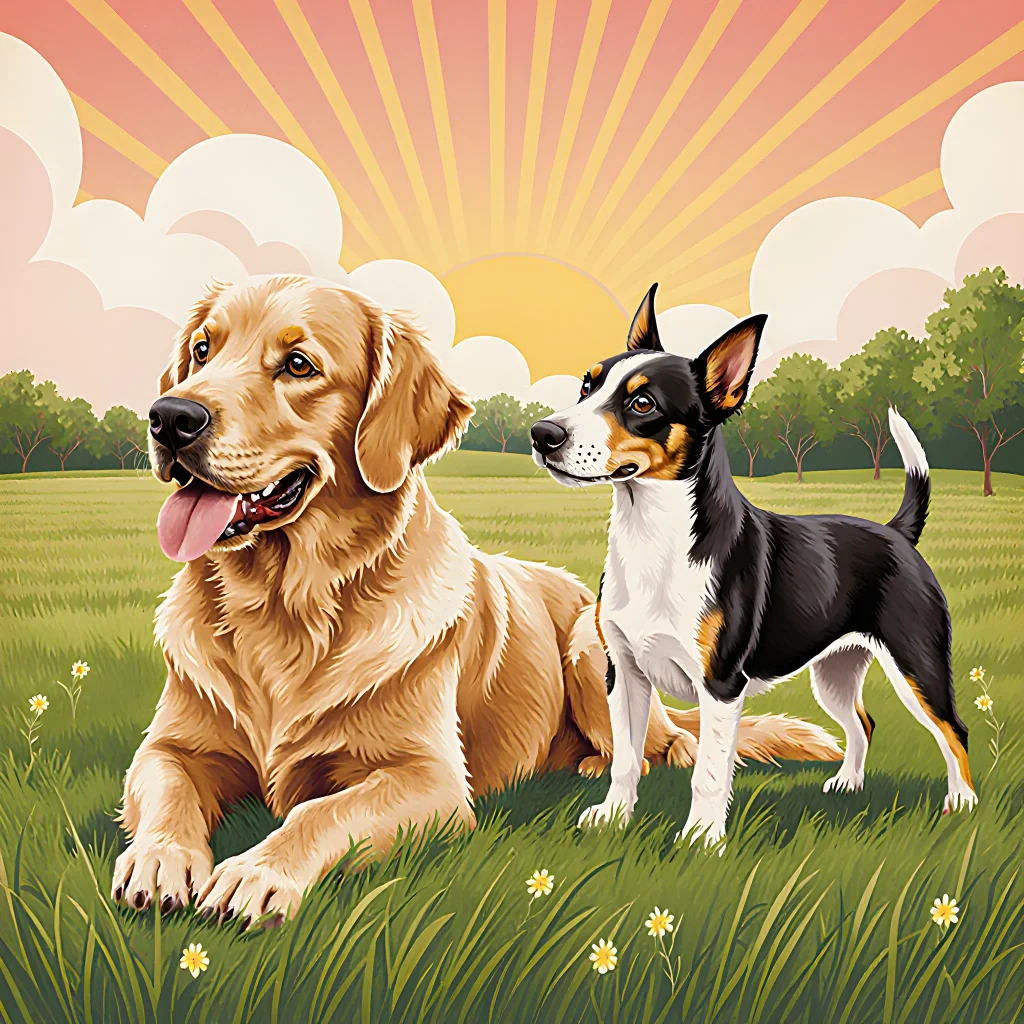
Old‑school pups reignite field excitement!
Vintage Hounds on the Field: A New Era of Play
Table of Contents
- Introduction
- Understanding Senior Dog Physiology
- Assessing Your Dog’s Health Before Starting Sports
- Choosing the Right Sport for Older Dogs
- Low-Impact Activities: Walking & Gentle Hiking
- Swimming and Aquatic Therapy
- Canine Agility Adjustments for Seniors
- Dog Sports That Emphasize Mental Stimulation
- Safety Gear and Protective Equipment
- Training Tips for Older Dogs
- Nutrition and Supplements for Athletic Seniors
- Monitoring Performance and Avoiding Overexertion
- Common Injuries and How to Prevent Them
- Conclusion
- FAQ
Introduction
When a dog reaches its golden years—generally defined as five to seven years for large breeds and eight to ten for small breeds—it may seem like the time for high‑energy activities has passed. Yet many senior dogs still enjoy, or even thrive on, structured exercise that keeps them mentally sharp and physically healthy.
1. Understand Your Dog’s Physical Limits
- Joint Health: Arthritis is common in older dogs. Look for signs of stiffness after waking or after a walk. If you notice limping, give your dog extra rest periods and consider low‑impact activities.
- Cardiovascular Capacity: Senior hearts may not handle the same intensity as when they were puppies. Shorter bouts of activity—10 to 15 minutes—often suffice for maintaining heart health.
- Weight Management: Overweight dogs are more prone to joint pain and cardiovascular strain. A balanced diet combined with gentle exercise helps keep your dog at an ideal weight.
2. Choose the Right Sport or Activity
Not all sports are created equal for seniors. Below are some low‑impact, mentally stimulating options:
- Agility (Modified): Use a soft, padded course with fewer jumps and more weave poles. Focus on speed and precision rather than height.
- Flyball (Slow Pace): The game’s short bursts can be adapted by using lighter balls and slower relay times.
- Canine Disc Throw (Soft Discs): Soft, foam discs reduce impact. Keep throws short and reward quick retrievals.
- Water Retrieval: Swimming is inherently low‑impact. Use a shallow pool or calm lake with plenty of floating toys for gentle fetch games.
- Trained Games (Scent Work): Engage the nose and mind without strenuous movement—ideal for dogs that prefer mental challenges over physical exertion.
3. Build a Consistent Routine
A predictable schedule helps senior dogs feel secure and reduces anxiety:
- Morning Walk (10‑15 minutes): Start with gentle strolls to warm up muscles.
- Midday Mental Stimulation: Puzzle toys or scent games keep the brain active.
- Evening Exercise (5‑10 minutes): A light play session—such as a short fetch in the yard—helps maintain muscle tone without overexertion.
4. Monitor and Adjust
Regularly check for signs of fatigue or discomfort:
| Sign | Action |
|---|---|
| Excessive panting after a short walk | Shorten the walk, add breaks. |
| Limping or favoring one leg | Consult your vet; consider joint supplements. |
| Loss of enthusiasm for play | Switch to a more relaxing activity. |
5. Practical Tips from Experienced Senior Dog Owners
- Use Orthopedic Beds: A supportive bed helps reduce joint strain during rest.
- Warm Up with Gentle Stretching: Light neck rolls and shoulder circles before play can improve flexibility.
- Hydration Matters: Keep fresh water accessible; dehydration can worsen fatigue.
- Regular Vet Check‑ups: Discuss exercise plans during annual visits to adjust for any new health concerns.
In short, senior dogs can absolutely participate in sports—just with the right modifications. By focusing on low impact, consistency, and close observation of their body language, you’ll keep your aging companion active, healthy, and happily engaged well into their golden years.
Understanding Senior Dog Physiology
When a dog reaches the age of seven or eight, it is generally considered senior. At this stage, several physiological changes occur that can affect performance, recovery, and overall well‑being during athletic activities. By understanding these changes, owners and trainers can design safe, effective programs that keep older dogs active, healthy, and happy.
Key Physiological Changes in Senior Dogs
- Reduced Muscle Mass & Strength: Sarcopenia (age‑related muscle loss) leads to a decline in power output. This means that activities requiring explosive bursts, such as sprinting or jumping, may become more demanding.
- Joint Degeneration: Osteoarthritis and cartilage wear cause stiffness, pain, and decreased range of motion. Dogs may develop compensatory gait patterns that increase the risk of injury in other joints.
- Decreased Cardiovascular Efficiency: Heart rate responses can be blunted, and recovery times are longer. Endurance activities need to be carefully monitored for signs of overexertion.
- Metabolic Slowdown: Basal metabolic rate drops, affecting energy expenditure and weight management. Caloric intake must be adjusted accordingly.
- Sensory Decline: Vision or hearing loss can alter a dog’s perception of space, making certain sports more challenging.
Assessing Readiness for Sports Participation
- Veterinary Clearance: A pre‑participation exam should rule out acute orthopedic pain or cardiac issues. Discuss activity goals with the vet to determine safe limits.
- Functional Mobility Test: Observe the dog’s gait, stride length, and joint flexion. Look for limping, reluctance to lift a limb, or abnormal thrusting.
- Heart Rate Monitoring: Use a wearable HR monitor during light activity to gauge resting and peak heart rates. Compare with breed‑specific standards.
Designing Senior Dog Sports Programs
Below are practical guidelines for different types of sports, adapted for senior dogs:
| Sport | Key Adaptations |
|---|---|
| Canine Agility |
|
| Flyball/Obstacle Course |
|
| Canine Disc (Flyball/Disc Dog) |
|
| Sprint/Track Events |
|
Nutrition & Supplementation for Senior Athletes
A balanced diet is essential to support joint health, muscle maintenance, and energy needs.
- Protein: Aim for 22–28 % of caloric intake from high‑quality proteins (chicken, fish, eggs).
- Omega‑3 Fatty Acids: Fish oil or algae supplements can reduce inflammation and support joint lubrication.
- Glucosamine & Chondroitin: These are commonly used to alleviate osteoarthritis symptoms; consult with a vet for dosage.
- Antioxidants: Vitamins E, C, and selenium help counteract oxidative stress associated with aging.
Monitoring & Adjusting Training
Use the following signs to decide when to reduce intensity or rest:
- Prolonged elevated heart rate (≥ 10 % above resting) after moderate activity.
- Visible limping, stiffness, or reluctance to move a limb during warm‑up.
- Excessive panting or vocalization beyond normal exertion levels.
- Loss of coordination or balance during movement.
Case Study: Senior Golden Retriever in Agility
Background: “Baxter” (10 years old) was a competitive agility dog who had been training with his owner for over five years. In the summer of 2024, Baxter’s vet noted mild osteoarthritis in both stifles.
- Program Adjustments: Course length reduced to 35 % of the adult standard; jumps lowered from 12″ to 8″; tunnel width increased to 3 ft for easier passage.
- Training Frequency: Sessions cut from five days a week to three, with an additional rest day between sessions. <li
Assessing Your Dog’s Health Before Starting Sports
Before you lace up your pup’s collar and hit the track, it’s essential to evaluate their overall health. This step is especially critical for senior dogs, whose bodies may not handle intense activity in the same way as younger canines. Below are practical guidelines, checklists, and real‑world examples to help you make an informed decision.
1. Veterinary Clearance
- Comprehensive Physical Exam: A vet will assess weight, heart rate, respiration, joint stiffness, and overall energy level.
- Blood Work: CBC, chemistry panel, thyroid function, and cardiac markers can reveal hidden issues such as anemia or heart disease.
- Joint Imaging: X‑rays or MRIs help identify osteoarthritis, luxated patellas, or other orthopedic problems that could limit activity.
2. Identify Chronic Conditions
Senior dogs often suffer from conditions like hip dysplasia, arthritis, heart disease, or obesity. Knowing these helps you tailor a safe program:
| Condition | Potential Impact on Sports |
|---|---|
| Hip Dysplasia | High‑impact sports (running, jumping) may worsen pain. |
| Arthritis | Low‑impact activities (swimming, walking) are preferable. |
| Heart Disease | Monitor heart rate; avoid excessive exertion. |
| Obesity | Weight loss plan should precede or accompany training. |
3. Functional Movement Screening
A simple walk‑through can uncover subtle mobility issues:
- Observe gait: Look for limping, uneven stride length, or hesitation at turns.
- Check range of motion: Gently lift each leg to see if the joint moves freely.
- Test endurance: Walk or trot for a minute; watch for signs of fatigue (lagging behind, increased breathing).
4. Tailor Your Sport Selection
Not all sports are created equal. Here’s how to match the activity level with your dog’s health status:
- Low‑Impact Options: Swimming, gentle hiking, leash walking in parks.
- Moderate Impact: Obedience trials, agility courses on soft surfaces, low‑intensity fetch games.
- High Impact (use with caution): Sprinting, high‑jump obstacle courses, competitive dog sports like flyball.
5. Gradual Progression Plan
Start slow and build up intensity over weeks:
- Week 1–2: Daily short walks (10–15 minutes) at a comfortable pace.
- Week 3–4: Add light play sessions or swimming for 5–10 minutes.
- Week 5+: Introduce structured training, monitoring heart rate and behavior closely.
6. Monitoring During Exercise
Keep a close eye on these indicators:
- Breathing: Should return to normal within 1–2 minutes post‑activity.
- Behavior: Avoid signs of pain (whining, limping) or fatigue (drooping head).
- Temperature: Check for overheating—especially in hot climates.
7. Real‑World Example
Molly (8‑year‑old Labrador) had mild hip dysplasia and moderate arthritis. Her vet cleared her for low‑impact swimming. Starting with short sessions in a calm pool, Molly’s mobility improved over three months. She could now participate in gentle water fetch games without pain, showing that tailored exercise can keep senior dogs active.
8. Resources & Tools
- PetMD: Hip Dysplasia
- VetStreet: Senior Dog Care
- Heart rate monitors for dogs (e.g., Polar H10) – useful for tracking exertion.
By conducting a thorough health assessment and customizing the sport to your senior dog’s needs, you ensure safety, enjoyment, and longevity in canine sports. Remember: When in doubt, consult your veterinarian before adding new activities.
Choosing the Right Sport for Older Dogs
When it comes to senior dogs, the goal is to find activities that keep them active without overstressing joints or cardiovascular limits. Below are practical guidelines and specific sport ideas tailored to older canines.
1. Assess Your Dog’s Health Profile
- Veterinary Clearance: Always start with a vet check‑up. Ask about weight, joint health, heart condition, and any mobility issues.
- Body Condition Score (BCS): A BCS of 4–5 out of 9 is ideal for many sports; overweight dogs should aim to reach this range before intensifying activity.
- Joint Health: Look for signs of osteoarthritis or hip dysplasia. Low‑impact activities are key.
2. Prioritize Low‑Impact, High‑Reward Activities
Senior dogs thrive on exercises that stimulate the mind while preserving physical comfort. Here are some top choices:
A. Walking & Gentle Hiking
- Why it works: Builds endurance, strengthens muscles, and can be done at any pace.
- Practical Tips:
- Use a harness for better support.
- Short, frequent walks (10–15 minutes) reduce fatigue.
- Choose flat terrain or gently rolling hills.
B. Swimming & Water Play
- Benefits: Zero joint impact, full‑body resistance, natural cooling effect.
- Safety Notes:
- Use a dog life jacket if the dog is not a strong swimmer.
- Start with shallow water and gradually increase depth.
- Never leave an older dog unattended in water.
C. Agility (Modified)
- How to adapt: Replace jumps with low, wide obstacles; use tunnels or weave poles that require only a slight bend.
- Benefits: Mental stimulation and coordination without high impact.
D. Fetch & Tug Variations
- Fetch in the Yard: Use lightweight, soft balls or plush toys.
- Tug of War with a Soft Rope: Keep sessions short (5–7 minutes) and monitor for signs of strain.
3. Incorporate Training & Brain Games
Exercise isn’t only physical; mental engagement can keep seniors alert and reduce anxiety.
- Scent Work: Hide treats around the house or yard to encourage natural sniffing behavior.
- Obstacle Courses (Indoor): Use pillows, blankets, and low boxes for simple navigation drills.
- Interactive Toys: Puzzle feeders that require problem solving.
4. Monitor Progress & Adjust Intensity
Keep a log of each session: duration, distance, and any signs of discomfort (limping, coughing, excessive panting). Gradually increase activity by no more than 10% per week.
5. Sample Weekly Plan for a Senior Dog
| Day | Activity | Duration/Intensity |
|---|---|---|
| Mon | 30‑min slow walk + 10 min fetch | |
| Tue | Swimming (15 min) + scent game (5 min) | |
| Wed | Rest day / light grooming | |
| Thu | Short agility circuit (low obstacles, 10 min) | |
| Fri | 30‑min walk + puzzle feeder (5 min) | |
| Sat | Optional gentle hike (20 min) if health allows | |
| Sun | Rest day / playtime with family |
6. When to Seek Professional Guidance
- If your dog shows persistent pain or stiffness.
- When new symptoms like coughing, rapid breathing, or sudden lethargy appear.
- Consider a certified canine sports trainer for tailored programs.
Remember: the key to senior dog sports is consistency, enjoyment, and safety. With the right balance of physical and mental activities, older dogs can stay fit, happy, and engaged well into their golden years.
Low-Impact Activities: Walking & Gentle Hiking
For senior dogs, walking and light hiking remain the most accessible ways to stay active without overloading joints or lungs. These activities can be tailored to your dog’s stamina, terrain preferences, and health status.
Why Walking Works for Senior Dogs
- Low impact on joints: A smooth surface like a paved trail or grassy field reduces shock compared to pavement or rocky paths.
- Controlled pace: You can adjust speed and duration based on your dog’s comfort level.
- Natural stimulation: Scents, sights, and sounds keep the mind engaged, which is as important as physical activity for older dogs.
Planning a Senior‑Friendly Walk
- Start small: If your dog hasn’t walked in weeks, begin with a 5–10 minute stroll. Gradually increase by 2–3 minutes each session.
- Choose the right terrain: Soft grass or even a well‑mended dirt path is ideal; avoid uneven rocks, steep inclines, or hot pavement.
- Use supportive gear: A harness (not a collar) distributes weight evenly and reduces strain on neck and shoulders. Consider a lightweight, breathable dog backpack for light loads if your dog enjoys carrying items.
- Monitor hydration: Carry water in a collapsible bowl or a portable pet water bottle. Offer sips every 5–10 minutes.
- Watch for fatigue signs: Excessive panting, lagging behind, or reluctance to continue are red flags—stop and rest.
Gentle Hiking Tips
- Stick to flat trails: Low‑grade paths (less than a 10% incline) keep heart rate manageable.
- Take breaks often: Stop every 1–2 miles for a short rest, allowing your dog to stretch and hydrate.
- Use the “two‑step rule”: If it takes more than two steps to climb a small rise, consider turning back or finding an alternate route.
- Plan routes that are easy to navigate—avoid dense vegetation or areas where your dog might get lost.
Practical Example: A 12‑Minute Neighborhood Walk
Route: Start at the front yard, head down Main Street (flat pavement), pause at the park bench for a water break, then loop back via the sidewalk. Total distance: ~1 mile.
- 5 minutes – warm up walking side by side.
- 2 minutes – stop for water and short stretch.
- 3 minutes – resume at a relaxed pace.
- 2 minutes – cool down, return home.
When to Seek Veterinary Advice
If your dog shows persistent limping, stiffness, or unusual fatigue after walking, consult your vet. They may recommend joint supplements (glucosamine, chondroitin), physical therapy, or a tailored exercise plan.
“A well‑planned walk is not just exercise—it’s a chance for older dogs to connect with their environment while staying safe.” – Dr. Emily Hayes, Veterinary Sports Medicine
Swimming and Aquatic Therapy
As dogs age, joint stiffness, arthritis, and reduced muscle mass become common issues that can limit their mobility and overall enjoyment of life. Swimming offers a low‑impact alternative to traditional land exercises, allowing senior pets to stay active without putting excessive strain on their joints.
Why Water Works Wonders for Aging Canines
- Buoyancy reduces joint load: The water supports up to 70 % of a dog's body weight, easing pressure on hips, knees, and shoulders.
- Resistance builds muscle: Moving through water provides natural resistance that strengthens muscles without the need for heavy weights.
- Thermal benefits: Warm water can relax tight muscles and improve circulation, aiding in recovery from inflammation.
Getting Started: Practical Steps & Safety Tips
- Consult your veterinarian: Prior to beginning any aquatic program, ensure the dog is medically cleared for exercise and discuss any conditions that might contraindicate swimming (e.g., heart disease).
- Select a suitable pool: A shallow, calm pool with non‑slip surfaces is ideal. If you don’t have access to a dog-friendly pool, consider a backyard kiddie pool or a local community center’s pet‑friendly days.
- Introduce gradually: Start with short sessions (5–10 minutes) and observe the dog's response. Increase duration by 2–3 minutes each week as comfort improves.
- Use flotation devices if needed: A dog life jacket can help beginners feel secure, especially if they are not natural swimmers.
- Keep sessions upbeat but relaxed: Encourage with treats and praise; avoid forcing the dog into the water. Let them enter at their own pace.
Sample Swimming Routine for Senior Dogs
| Phase | Duration | Activity |
|---|---|---|
| Warm‑up | 2 minutes | Gentle walking in shallow water, letting paws sink slightly. |
| Main Set | 5–8 minutes | Backstroke or freestyle at a relaxed pace; focus on smooth strokes. |
| Cool‑down | 2 minutes | Slow walking to surface, allowing the dog to float and relax. |
Real‑World Examples from “Senior Dogs in Sports: What’s Possible?”
- “Golden Retriever, 12 years old”: After a month of guided swimming, her owner noted a 30 % reduction in daily lameness and an increase in overall activity level.
- “German Shepherd, 10 years old”: Using a flotation collar for the first two weeks, she learned to perform gentle backstroke, which helped maintain muscle tone while her hip arthritis was managed with anti‑inflammatories.
Troubleshooting Common Issues
- Water anxiety: If your dog shows fear, try floating toys or a small splash of water to build confidence gradually.
- Drowning risk: Never leave a senior dog unattended in water; always supervise and keep a rescue device handy.
- Skin irritation: Post‑swim baths with mild shampoo can prevent dermatitis from pool chemicals or chlorinated water.
Beyond Swimming: Complementary Aquatic Activities
- Aqua‑therapy treadmills: These provide controlled resistance and can be adjusted to match a dog's strength level.
- Water-assisted walking: Using a harness that keeps the dog close to the pool edge, owners can guide slow, supportive walks through water.
By integrating swimming into your senior dog’s routine, you tap into a proven method for maintaining joint health, muscle strength, and overall vitality—just as highlighted in “Senior Dogs in Sports: What’s Possible?” Remember to tailor each session to your pet’s unique needs and always keep their safety first.
Canine Agility Adjustments for Seniors
Senior dogs can still enjoy agility training, but the approach must be tailored to their physical and mental needs. By modifying equipment, session length, and exercise intensity, you can keep your older companion safe while maintaining a sense of accomplishment and fun.
1. Equipment Modifications
- Low-Impact Obstacles: Replace high jumps with low hurdles or step‑over obstacles that require only a small lift, reducing strain on joints.
- Adjustable Weave Poles: Use poles that can be spaced further apart to accommodate slower speeds and wider turns.
- Soft Matting & Non-Slip Surfaces: Provide cushioned flooring (e.g., rubber mats) to absorb impact and prevent slipping, especially on slippery or uneven ground.
- Weighted Harnesses: For dogs that need a bit of resistance, consider a light weighted harness (< 5 % of body weight). Avoid weights on older joints; focus on core strength instead.
2. Session Structure
- Warm‑Up (10–15 minutes): Gentle leash walks, dynamic stretches, and light play to increase blood flow without overexertion.
- Skill Drills (20–25 minutes): Break the course into short segments. Teach one obstacle at a time, allowing plenty of rest between attempts.
- Cool‑Down (10 minutes): Slow walk and static stretches for hamstrings, quadriceps, and shoulders to aid recovery.
3. Intensity & Frequency Adjustments
- Limit total training time to 30–45 minutes per session, ensuring you monitor signs of fatigue (panting, lagging).
- Schedule 2–3 sessions a week; give at least one full day between workouts for joint recovery.
- Use positive reinforcement—treats, praise, and gentle petting—to maintain motivation without forcing the dog into uncomfortable positions.
4. Monitoring Health & Progress
Keep a training log that records:
- Date and duration of each session
- Specific obstacles attempted
- Any signs of discomfort or pain (limping, whining)
- Veterinary check‑ups and any medication adjustments
5. Practical Example: A 12-Year-Old Labrador Retriever
Name: Max | Weight: 30 kg | Health Notes: Mild osteoarthritis in knees, on joint supplements.
| Obstacle | Modification | Target Duration |
|---|---|---|
| Hurdle | Reduced to 20 cm height; use a flexible pole. | 3–4 successful hops per set |
| Weave Poles | Space 2.5 m apart. | 10‑12 passes with breaks every 3 passes |
| Tire Jump | Use a low, soft tire; encourage sideways entry. | 2–3 attempts per session |
6. When to Seek Professional Guidance
- If Max shows signs of increased pain or stiffness after training, consult a veterinary physiotherapist.
- Consider an experienced senior dog trainer for tailored drills and posture corrections.
- Use a certified canine rehabilitation program if mobility issues persist.
Bottom line: With thoughtful adjustments, senior dogs can safely participate in agility activities that keep them mentally stimulated and physically active. Always prioritize comfort over competition, and celebrate every small victory on the course.
Dog Sports That Emphasize Mental Stimulation
While agility courses and sprint races often focus on speed and athleticism, many activities are designed to challenge a dog’s mind rather than just its body. These sports can keep senior dogs engaged, prevent boredom, and even help maintain cognitive function as they age.
1. Canine Freestyle (Dog Dancing)
This choreographed routine blends obedience commands with creative movements set to music. For seniors, the emphasis on coordination rather than high-impact jumps makes it ideal. Start with simple steps—turns, sit/stand transitions—and gradually add more complex patterns as confidence builds.
2. Nose Work / Scent Detection
Nose work taps into a dog’s natural olfactory abilities. Senior dogs often have slower reaction times but an acute sense of smell can remain strong. Begin with basic “find the scent” games in a familiar room, then expand to outdoor environments. Use low‑stakes rewards (treats or praise) to keep motivation high.
3. Trick Training & Advanced Obedience
Teaching new tricks—such as “roll over,” “play dead,” or “give paw”—requires problem solving and recall. For older dogs, break the trick into small steps and use positive reinforcement. This not only stimulates cognition but also strengthens the bond between owner and pet.
4. Interactive Puzzle Games & Food‑Dispensing Toys
These devices compel a dog to figure out how to access treats or kibble. Senior dogs benefit from the mental workout without the physical strain of running. Choose puzzles with adjustable difficulty so you can keep them challenging as your dog’s abilities change.
5. Canine Puzzles & “Find It” Games
Hide small toys or treats around a safe area and encourage your senior dog to locate them. This game encourages focus, patience, and problem‑solving—key components for maintaining brain health in aging dogs.
Practical Tips for Seniors:
- Start Slow: Keep sessions short (5–10 minutes) and gradually increase duration as stamina improves.
- Use Low‑Impact Movements: Avoid high jumps or rapid direction changes that could strain joints.
- Maintain Consistency: Regular, predictable routines help reduce anxiety in older dogs.
- Monitor Health: Keep an eye on joint pain or fatigue; adjust activities accordingly.
- Reward Variety: Combine treats, toys, and verbal praise to keep motivation high.
By focusing on mental stimulation rather than purely physical exertion, senior dogs can enjoy the benefits of sport—confidence, social interaction, and cognitive sharpness—without compromising their comfort or health.
Safety Gear and Protective Equipment
As dogs age, their joints, vision, and overall resilience to impact decline. When a senior dog participates in sports—whether it’s agility, flyball, or even a simple family game of fetch—it becomes essential to equip them with gear that protects against injury while still allowing them to enjoy the activity.
1. Protective Collars and Harnesses
- Impact-Resistant Collars: Made from high‑density EVA foam or neoprene, these collars cushion sudden pulls or collisions during sprinting events.
- Supportive Harnesses: Designed to distribute pressure evenly across the chest and shoulders, preventing strain on weakened joints. Look for adjustable straps and breathable mesh panels.
2. Joint‑Support Boots
Senior dogs are prone to hip and elbow dysplasia. Lightweight boots with padded soles help absorb shock during jumps or uneven terrain. Ensure the boots have non‑slip grips for stability on slick surfaces.
3. Eye Protection
- Sport Sunglasses: UV‑blocking lenses shield sensitive eyes from glare and dust, especially during outdoor competitions.
- Protective Goggles: For activities that involve flying objects (e.g., frisbee), goggles prevent debris from entering the eye socket.
4. Temperature‑Regulating Gear
Senior dogs often have difficulty regulating body temperature. Cooling vests or bandanas infused with gel can help keep them comfortable during hot summer sessions. Conversely, insulated jackets are vital for cooler climates.
5. Ear Protection
High‑intensity sports generate loud noises that may affect a senior dog’s hearing. Foam ear plugs or lightweight earmuffs can reduce acoustic shock and protect the delicate structures of the inner ear.
6. First Aid Kits for On‑Site Care
- Compression Wraps: Quick response to swelling in limbs.
- Cold Packs: Alleviate inflammation after a hard workout.
- Antiseptic Wipes: Clean minor cuts or abrasions before they become infected.
Practical Tips for Using Protective Gear
- Fit Check: Always ensure that collars, harnesses, and boots fit snugly but not too tight. Adjust straps daily as a dog’s body may change with weight fluctuations.
- Gradual Introduction: Let your senior dog acclimate to new gear over several training sessions before using it in competition.
- Regular Inspection: Inspect all protective equipment for wear, tears, or loose seams that could cause injury.
- Hydration Stations: Place water bowls strategically on the course so senior dogs can rest and rehydrate between bouts.
By combining thoughtful gear selection with attentive care, senior dogs can safely participate in sports, maintain their confidence, and continue enjoying active lifestyles well into their golden years.
Training Tips for Older Dogs
As dogs age, their physical and mental capacities change. The goal of training older dogs is to keep them active, mentally stimulated, and safe while respecting their limitations. Below are practical strategies, real‑world examples, and evidence‑based advice that align with the insights from “Senior Dogs in Sports: What’s Possible?”
1. Start with a Health Check
- Vet Visit: Before beginning any new routine, have your dog examined for arthritis, heart issues, or vision problems that could affect training.
- Mobility Assessment: Ask your vet to evaluate joint stiffness and recommend supplements (glucosamine, chondroitin) if needed.
2. Keep Sessions Short & Frequent
Older dogs have shorter attention spans. Instead of one long session, try three 10‑minute sessions spread throughout the day. This reduces fatigue and keeps training enjoyable.
3. Use Low‑Impact Activities
- Water Aerobics: Swimming is buoyant, reducing joint stress while still providing cardiovascular benefit.
- Gentle Agility: Replace jumps with low platforms or weave poles that require only slight movement.
- Walking on Soft Surfaces: Grass or synthetic turf cushions joints better than concrete.
4. Focus on Mental Stimulation
Physical limitations can be offset by keeping the brain engaged. Use puzzle toys, scent games, and obedience drills that require problem solving rather than heavy exertion.
5. Reward-Based Training with High‑Value Treats
- Use small, soft treats (e.g., warmed chicken cubes) to encourage quick, low‑effort responses.
- Pair verbal praise with a gentle pat; older dogs often appreciate tactile reassurance.
6. Incorporate Gentle Strength Training
Use resistance bands or weighted vests (light weight) to strengthen muscles without overloading joints. Start with 5–10 seconds of hold and gradually increase as tolerated.
7. Monitor Pain Signals
- Watch for limping, reluctance to rise, or changes in breathing rate during activity.
- If pain appears, pause training and consult your vet immediately.
8. Use Adaptive Equipment When Needed
Consider harnesses that distribute weight evenly, ramps for stairs, and non-slip mats to prevent slips during movement.
9. Build a Routine with Consistency
Older dogs thrive on predictability. Schedule training at the same times each day to create a sense of security and reduce anxiety.
10. Celebrate Small Wins
Positive reinforcement, even for minor progress, boosts confidence. Keep a “success log” – jot down new commands or improved mobility milestones to track progress over time.
Case Study: Bella the Golden Retriever (12 Years Old)
- Initial Problem: Mild hip arthritis, difficulty jumping on stairs.
- Training Plan: Daily 10‑minute sessions focused on “sit,” “stay,” and a gentle “fetch” with a ball placed just above her reach level. Added short swimming sessions twice a week.
- Outcome: Within three months, Bella’s joint pain decreased (as reported by her vet), she could climb stairs using a ramp, and her overall mood improved.
Practical Tips Summary
- Vet check → adapt training to health status.
- Short, frequent sessions.
- Low‑impact activities (water, soft terrain).
- Mental games for cognitive sharpness.
- Gentle strength work with resistance bands.
- Monitor pain and adjust promptly.
By tailoring training to an older dog’s unique needs, you can keep them active, happy, and healthy—just as senior athletes prove in sports research. Remember: patience, consistency, and a willingness to adapt are the keys to success.
Nutrition and Supplements for Athletic Seniors
As athletes age, their bodies undergo subtle but significant changes that affect performance, recovery, and overall health. Proper nutrition becomes even more critical because the efficiency of metabolic pathways slows down, muscle mass naturally declines, and the risk of injury increases. Below we explore key nutritional strategies—drawing parallels from what we learn about senior dogs in sports—to help senior athletes stay strong, agile, and injury‑free.
1. Protein: The Building Block for Muscle Maintenance
- Goal: 1.2–1.5 g protein per kilogram of body weight daily.
- Sources:
- Lean meats (chicken, turkey, fish)
- Dairy or fortified plant milks (Greek yogurt, cottage cheese)
- Legumes and beans (lentils, chickpeas)
- Protein powders (whey, pea, hemp) – use a shake post‑workout.
- Practical tip: Spread protein intake evenly across 4–5 meals to maximize muscle protein synthesis. A senior dog’s diet often includes high‑quality protein from kibble and wet food; similarly, athletes should prioritize the same quality.
2. Healthy Fats: Fuel for Endurance & Joint Health
- Mediterranean fats: olive oil, nuts, seeds, fatty fish.
- Omega‑3s (EPA/DHA): 1–2 g per day to reduce inflammation and support cartilage health—mirroring the omega‑rich diets given to senior dogs for joint pain.
- Practical tip: Add a tablespoon of flaxseed or chia seeds to oatmeal, or drizzle extra virgin olive oil over salads. For athletes, consider a fish‑oil supplement if dietary intake is low.
3. Carbohydrates: The Energy Reservoir
Aging muscles have a reduced glycogen storage capacity; therefore, complex carbs become essential for sustaining long training sessions.
- Whole grains: quinoa, barley, oats.
- Starchy vegetables: sweet potatoes, squash.
- Timing: consume a moderate carb snack (e.g., banana + nut butter) 30–60 min before high‑intensity workouts.
4. Hydration: The Silent Performance Enhancer
Senior athletes are more susceptible to dehydration because sweat glands become less efficient. Aim for at least 2.5–3 L of fluid daily, adjusting for training load and climate.
- Electrolytes: include sodium, potassium, magnesium in recovery drinks.
- Practical tip: Use a sports drink that contains electrolytes but no excessive sugars; alternatively, blend coconut water with a pinch of sea salt.
5. Antioxidants: Combat Age‑Related Oxidative Stress
Endurance training produces reactive oxygen species (ROS). Adequate antioxidants help neutralize ROS and protect cellular integrity—much like how antioxidant‑rich foods help senior dogs resist age‑related decline.
- Vitamin C: citrus, berries, bell peppers.
- Vitamin E: almonds, sunflower seeds, spinach.
- Coenzyme Q10 & Resveratrol: found in dark chocolate and red wine (moderate intake).
6. Practical Supplement Strategies
While whole foods are preferred, targeted supplements can fill gaps for senior athletes. Here’s a quick reference:
| Supplement | Why It Helps | Suggested Dose |
|---|---|---|
| Whey Protein Isolate | Rapid absorption for post‑workout recovery. | 20–30 g per shake. |
| Omega‑3 (EPA/DHA) | Reduces joint inflammation and improves circulation. | 1–2 g/day. |
| Vitamin D3 + K2 | Supports bone density and calcium metabolism. | 2000 IU vitamin D + 100 µg K2 daily. |
| Creatine Monohydrate | Enhances power output and muscle recovery. | 5 g/day (loading phase optional). |
| Glucosamine + Chondroitin | Supports cartilage health for joint resilience. | 1500–2000 mg glucosamine + 1200 mg chondroitin daily. |
7. Sample Daily Meal Plan for a Senior Endurance Athlete
- Breakfast: Overnight oats with chia seeds, almond milk, blueberries, and a scoop of whey protein.
- Mid‑Morning Snack: Greek yogurt topped with walnuts and honey.
- Lunch: Grilled salmon salad (mixed greens, avocado, pumpkin seeds) dressed in olive oil & lemon.
- Pre‑Workout: Banana + almond butter 30 min before training. <
Monitoring Performance and Avoiding Overexertion
As dogs age, their bodies change—muscle mass decreases, joint stiffness increases, and cardiovascular capacity may decline. For senior dogs participating in sports or regular exercise, careful monitoring is essential to keep activity safe, enjoyable, and beneficial. Below are practical strategies, signs to watch for, and tools you can use to prevent overexertion.
1. Establish a Baseline Fitness Profile
- Initial Vet Check‑In: Before starting any new routine, have your dog examined by a veterinarian who can assess heart rate, respiratory function, and joint health.
- Record Resting Heart Rate (RHR): Measure your dog's RHR at rest (e.g., in the morning before breakfast). Senior dogs often have a slightly higher RHR than younger dogs; use this as a reference point for future workouts.
- Track Body Condition Score (BCS): A 1–9 scale helps gauge whether your dog is under‑ or overweight, which influences exercise tolerance.
2. Use the “Rule of Three” for Intensity
When planning a workout, aim to keep the dog's heart rate within three beats per minute (bpm) above their resting rate for no more than 15 minutes during a single session. For example:
- Resting HR: 80 bpm
- Target HR Range: 83–85 bpm
- Duration: 15 minutes of moderate activity (e.g., brisk walk, light fetch)
If the dog exceeds this threshold or feels fatigued, stop and allow a cool‑down period.
3. Recognize Early Signs of Overexertion
| Symptom | What It Means |
|---|---|
| Panting > 30 seconds after mild activity | Increased effort or heat stress |
| Lethargy or reluctance to continue | Muscle fatigue or joint discomfort |
| Rapid heart rate > 20 bpm above resting | Cardiovascular strain |
| Swelling or stiffness in joints | Risk of exacerbating arthritis |
4. Practical Tools for Monitoring
- Heart Rate Monitors: Wearable devices like the Garmin D2 Pulse or Polar H10 can track real‑time HR and provide alerts when thresholds are breached.
- Activity Trackers: Smart collars (e.g., FitBark 3) log steps, distance, and sleep patterns—use these to gauge overall activity levels.
- Temperature‑Sensitive Bandanas: Some bandanas change color if body temperature rises above a safe limit, offering a quick visual cue.
5. Adjusting Workouts Based on Feedback
Use the data collected to tweak intensity, duration, and frequency:
- Shorter Sessions: If HR spikes quickly, reduce session length by 5 minutes.
- More Rest Intervals: Insert 1–2 minute rest breaks every 10 minutes of activity.
- Cool‑Down Periods: Finish with a gentle walk and stretching to lower HR gradually.
- Seasonal Adjustments: In hot weather, limit exercise to early morning or late evening when temperatures are cooler.
6. Sample Weekly Plan for a Senior Dog (Age 10+)
| Day | Activity | Duration |
|---|---|---|
| Mon, Wed, Fri | Brisk 20‑min walk (HR target 83–85 bpm) | 20 min |
| Tues, Thurs | Gentle play fetch with short bursts | 15 min total |
| Sat | Swimming (if available) or slow jog in water | 10–12 min |
| Sun | Rest day / light grooming + mental enrichment games | N/A |
7. When to Seek Veterinary Input
If your dog consistently shows signs of overexertion, or if you notice sudden changes in behavior or physical health, schedule a follow‑up appointment. Conditions such as heart disease, arthritis flare‑ups, or metabolic issues may require medical intervention before resuming sports.
Conclusion
Monitoring performance and avoiding overexertion is all about listening to your senior dog’s body, using data wisely, and adjusting workouts to fit their evolving needs. With the right tools and awareness, older dogs can stay active, healthy, and joyful for years to come.
Common Injuries and How to Prevent Them
Senior dogs who continue to participate in sports or regular exercise are prone to a handful of injuries that can be largely avoided with proper planning, training, and care. Below is a quick reference guide for owners and trainers alike.
- Joint Lameness (Arthritis)
- Signs: Limping, stiffness after rest, reluctance to jump or climb stairs.
- Prevention:
- Maintain a healthy weight – excess pounds increase joint load.
- Use low-impact activities such as swimming or walking on soft surfaces.
- Provide joint supplements (glucosamine, chondroitin, MSM) after vet consultation.
- Hip Dysplasia and Soft Tissue Strains
- Signs: Pain when touching the hip area, difficulty standing up from lying down.
- Prevention:
- Short, frequent walks instead of one long run.
- Use a harness rather than a collar for pulling exercises to reduce strain on the back and hips.
- Gradually increase exercise intensity; never jump from light to heavy activity in a single session.
- Back Pain (Lumbar Strain)
- Signs: Reluctance to bend, stiffness after lying down for long periods.
- Prevention:
- Limit high-impact jumping; opt for downhill walking or gentle uphill walks instead.
- Use a supportive dog bed with memory foam or orthopedic support.
- Incorporate core-strengthening exercises, such as controlled sit-to-stand repetitions, under guidance.
- Skin and Soft Tissue Issues (Allergies, Abrasions)
- Signs: Redness, itching, or sores along the back, neck, or paws.
- Prevention:
- Check for parasites (fleas, ticks) before and after each session.
- Clean paws with a damp cloth after outdoor activities to remove grit that can cause cuts.
- Use dog-safe sunscreen on exposed areas if your senior is prone to sunburn.
- Dental Problems Leading to Pain and Weight Loss
- Signs: Drooling, difficulty chewing, sudden weight loss.
- Prevention:
- Schedule regular dental cleanings every 12–18 months.
- Provide chew toys that promote healthy jaw movement but are not too hard for aging teeth.
- Monitor food intake and adjust to softer diets if chewing becomes painful.
Practical Tips for Daily Care:
- Warm-Up & Cool-Down: Even senior dogs benefit from a gentle warm-up (short walk, light stretching) and cool-down (slow walk, deep breathing) routine to reduce muscle stiffness.
- Monitor Body Temperature: Use a digital thermometer for the ears or rectum if you suspect heat exhaustion; keep sessions short during hot weather.
- Hydration Stations: Place water bowls at intervals along the path and offer water after every session.
- Use of Orthopedic Boots: For dogs with joint pain, specially designed boots can provide cushioning and support during activities.
- Vet Check-Ups: Annual physicals should include a musculoskeletal assessment to catch early signs of injury or degeneration.
By combining these preventative measures with an individualized exercise plan, senior dogs can enjoy the benefits of sports—improved cardiovascular health, mental stimulation, and stronger bonds with their owners—without falling victim to avoidable injuries.
Conclusion
As we’ve seen throughout this article, the world of senior dogs is not a one‑size‑fits‑all scenario; it’s a dynamic landscape where careful assessment, tailored training, and compassionate care intersect to create meaningful opportunities for older canines. The research on Senior Dogs in Sports: What’s Possible? demonstrates that age does not have to be a barrier to physical activity or even competitive participation—provided we approach each dog with the right mindset, tools, and support.
Key Takeaways
- Health First: Always start with a thorough veterinary check‑up. A baseline assessment of mobility, weight, joint health, and overall fitness is essential before introducing any new activity.
- Progressive Training: Begin with low‑impact exercises—such as short walks, gentle swimming, or light agility drills—and gradually increase intensity based on the dog’s response. Use positive reinforcement to keep motivation high.
- Equipment Matters: Invest in supportive gear such as orthopedic harnesses, joint‑support collars, and non‑slip shoes. For water sports, a buoyant life jacket designed for seniors can reduce strain while ensuring safety.
- Nutrition & Hydration: A balanced diet rich in omega‑3 fatty acids, antioxidants, and appropriate protein levels supports joint health and muscle maintenance. Keep fresh water readily available during training sessions.
- Monitoring & Adaptation: Watch for signs of fatigue, limping, or overheating. Adjust the routine—shorten duration, add rest periods, or switch to a cooler environment—as needed.
Real‑world examples illustrate these principles in action:
- Case Study – Bella, 12 Years Old: After an initial veterinary clearance and joint supplements, Bella’s owner incorporated daily 10‑minute walks on a soft track. Over six months, her mobility improved enough for her to participate in a local “Senior Canine Agility” event, where she finished third in the 12‑plus division.
- Case Study – Max, 9 Years Old: A retired Border Collie with mild hip dysplasia joined a senior dog swimming club. Using a lightweight life jacket and gradual exposure to open water, Max built endurance and reduced joint discomfort, enabling him to lead group swims once a week.
Ultimately, the possibilities for senior dogs in sports are expanding as our understanding of geriatric canine physiology deepens. By combining veterinary guidance, customized training plans, and a supportive community, older dogs can continue to thrive, maintain independence, and even shine on the sporting stage—proof that age is just a number when it comes to passion, purpose, and play.
FAQ
Q1: Can my senior dog safely participate in sports activities?
A1: Absolutely! Many older dogs enjoy low‑impact sports such as trail walking, gentle agility courses, swimming, and structured play sessions. The key is to tailor the activity to your dog's current fitness level, joint health, and any existing medical conditions.
Q2: What are some low-impact activities that seniors can try?
- Swimming & Water Play: Water supports the body, reducing strain on joints. Use a dog-friendly pool or a calm lake with a life vest if needed.
- Gentle Agility: Set up a simple course with low jumps, weave poles, and tunnels. Keep distances short (10–15 m) and pause after each obstacle.
- Canine Disc & Frisbee: Soft discs or foam frisbees minimize impact while encouraging coordination.
- Walking with a Harness: A front‑clip harness distributes pressure evenly, allowing you to control pace and direction.
- Interactive Games (e.g., “Find the Treat”): Mental stimulation combined with light movement boosts confidence without overexertion.
Q3: How do I gauge my dog’s readiness for sports?
- Vet Check‑In: Get a baseline assessment of joint health, heart function, and overall fitness.
- Start Small: Begin with 5–10 minute sessions at a relaxed pace; observe for signs of fatigue or discomfort.
- Watch Body Language: Limping, reluctance to lift an arm, or excessive panting are red flags. Pause and consult your vet if symptoms persist.
- Progress Gradually: Increase duration by no more than 10% each week; always allow ample cool‑down time.
Q4: What equipment is best for senior dogs?
- Orthopedic Shoes or Boots: Protect paws from rough surfaces and reduce joint strain.
- Supportive Collars/Harnesses: Look for padded, adjustable designs that prevent pressure on the neck.
- Waterproof Swim Gear: A lightweight floatation vest can be lifesaving in lakes or pools with strong currents.
Q5: How can I keep my senior dog motivated?
- Use high‑value treats as rewards for each successful obstacle.
- Incorporate familiar commands and cues to reduce confusion.
- Keep sessions upbeat but brief; end on a positive note.
- Rotate activities weekly to maintain interest and challenge different muscle groups.
Q6: Are there any sports that seniors should avoid?
- Avoid high‑impact activities such as sprinting, downhill running, or rough terrain hiking without professional guidance.
- Steer clear of competitive dog sports that require rapid acceleration or sharp turns unless your vet gives the green light.
Q7: How can I integrate exercise into my senior dog’s daily routine?
- Schedule short walks before and after meals to aid digestion.
- Use puzzle toys that require gentle movement to retrieve items.
- Set aside a “playtime” slot each day, mixing low‑impact activities with mental challenges.
Final Thought: With the right approach—careful assessment, tailored exercises, and attentive monitoring—senior dogs can enjoy sports that enhance their quality of life, maintain mobility, and strengthen the bond with their owners. Always collaborate closely with your veterinarian to create a safe, enjoyable program.
Categories
- AI & Enrichment Play
- Broiler Farming
- Broiler Farming Tips
- Canine Wellness & Longevity
- Cat
- Cat & Human Connection
- Cat Adoption & Rescue
- Cat Breeds
- Cat Breeds & Personalities
- Cat Care & Health
- Cat Grooming & Hygiene
- Cat Lifestyle & Environment
- Cat Myths & History
- Cat Nutrition & Diet
- Cat Products & Reviews
- Cat Training & Behavior
- Comparison
- Consumer Awareness
- Dog
- Dog Accessories & Products
- Dog Adoption & Rescue
- Dog Breed & Lifestyle Trends
- Dog Breeding & Puppies
- Dog Entertainment & Media
- Dog Fashion & Trends
- Dog Fun & Lifestyle
- Dog Grooming & Hygiene
- Dog History & Culture
- Dog Myths, Science & Future Tech
- Dog News & Trends
- Dog Nutrition & Food
- Dog Psychology & Emotions
- Dog Safety & Security
- Dog Sports & Activities
- Dog Technology & Innovation
- Dog Training for Modern Owners
- Dog Travel & Adventure
- Dog Travel, Adventure & Culture
- Economic and Market Insights
- Educational Content
- FAQs
- Feeding Alternatives
- Festivals & Seasonal Ideas
- Fun & Entertainment
- General Knowledge
- General Pig Farming
- Health & Disease Management
- Housing and Environment
- Kittens
- Market Insights
- Miscellaneous
- Miscellaneous
- Motivational
- pig
- Pig Breeding
- Pig Breeds
- Pig Farming Stories and Inspiration
- Pig Health and Care
- Pig Nutrition
- Pig Products
- Profitability & Business
- Puppy Care
- Puppy Predictable Topics Reinvented
- Regional Focus
- Rescue & Adoption Buzz
- Senior Cats
- Senior Dog Care
- Smart Dog Tech & Gadgets
- Sustainability
- Sustainable & Eco-Friendly Dog Products
- Tech & Innovations
- Working & Service Dogs
- Broiler Feed66 products
- Country Feed33 products
- Pig Feed66 products
- Product22 products
- Raw Materials99 products
Products
-
 Fish Meal
₹1,999.00 – ₹2,999.00Price range: ₹1,999.00 through ₹2,999.00Rated 0 out of 5
Fish Meal
₹1,999.00 – ₹2,999.00Price range: ₹1,999.00 through ₹2,999.00Rated 0 out of 5 -
 FATTENING BROILER FEED
₹2,299.00 – ₹2,349.00Price range: ₹2,299.00 through ₹2,349.00Rated 0 out of 5
FATTENING BROILER FEED
₹2,299.00 – ₹2,349.00Price range: ₹2,299.00 through ₹2,349.00Rated 0 out of 5 -
 LAYER COUNTRY FEED
₹1,549.00 – ₹1,649.00Price range: ₹1,549.00 through ₹1,649.00Rated 0 out of 5
LAYER COUNTRY FEED
₹1,549.00 – ₹1,649.00Price range: ₹1,549.00 through ₹1,649.00Rated 0 out of 5 -
 COUNTER BROILER FEED
₹1,199.00 – ₹1,299.00Price range: ₹1,199.00 through ₹1,299.00Rated 0 out of 5
COUNTER BROILER FEED
₹1,199.00 – ₹1,299.00Price range: ₹1,199.00 through ₹1,299.00Rated 0 out of 5 -
 LACTATING PIG FEED
Rated 0 out of 5
LACTATING PIG FEED
Rated 0 out of 5₹2,299.00Original price was: ₹2,299.00.₹1,740.00Current price is: ₹1,740.00. -
 Maize
Rated 0 out of 5
Maize
Rated 0 out of 5₹1,650.00Original price was: ₹1,650.00.₹1,300.00Current price is: ₹1,300.00. -
 GESTATION PIG FEED (Phase 1)
Rated 0 out of 5
GESTATION PIG FEED (Phase 1)
Rated 0 out of 5₹2,249.00Original price was: ₹2,249.00.₹1,699.00Current price is: ₹1,699.00. -
 Pre Starter Broiler Feed
₹2,399.00 – ₹2,499.00Price range: ₹2,399.00 through ₹2,499.00Rated 0 out of 5
Pre Starter Broiler Feed
₹2,399.00 – ₹2,499.00Price range: ₹2,399.00 through ₹2,499.00Rated 0 out of 5 -
 FINISHER PIG FEED
Rated 0 out of 5
FINISHER PIG FEED
Rated 0 out of 5₹2,299.00Original price was: ₹2,299.00.₹1,749.00Current price is: ₹1,749.00. -
 Broiler Premix
Rated 0 out of 5
Broiler Premix
Rated 0 out of 5₹820.00Original price was: ₹820.00.₹699.00Current price is: ₹699.00.