
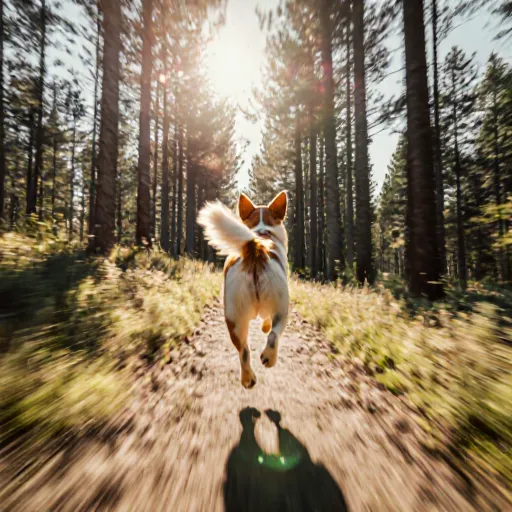
Paws‑Powered Victory!
Wagging Wins: Trail Races That Reward Your Dog
Table of Contents
- Introduction to Dog-Friendly Running
- Benefits of Running with Your Dog
- Choosing the Right Dog for Running
- Essential Gear and Safety Tips
- Warm-Up Routines for Dogs and Owners
- Popular City Dog-Friendly Routes
- Scenic Trail Options in the Countryside
- Beach Running with Your Canine Companion
- Mountain and Hill Training Routes
- Nighttime Running: Safety Precautions
- Training Programs for Different Fitness Levels
- Health Monitoring During Runs
- Community Events and Meet-Ups
- Conclusion: Making the Most of Your Run
- FAQ – Dog-Friendly Running Questions
Introduction to Dog-Friendly Running
Running with your canine companion isn’t just a fun way to stay fit—it’s also an excellent training tool for both you and your dog. When you lace up together, you’re building endurance, strengthening bonds, and sharing healthy habits.
Why Choose Dog‑Friendly Routes?
- Safety First: Well‑lit paths with clear signage reduce the risk of accidents or getting lost.
- Controlled Environment: Dedicated dog parks and trails often have designated off‑leash zones, making it easier to manage your dog’s behavior.
- Community Interaction: Running in popular routes exposes you to other pet owners, fostering social connections for both humans and dogs.
Top Dog‑Friendly Running Routes for Fitness Owners
-
The Greenbelt Loop (City A)
A 5‑mile paved trail that winds through lush parks, with multiple water stations and shaded benches. Ideal for steady‑state cardio sessions.
-
Riverfront Trail (Suburban B)
An 8‑mile scenic route along the riverbank. Offers varied terrain—flat stretches for speed work, gentle hills for strength training.
-
Miles End Dog Park (Town C)
Features an off‑leash area with agility equipment. Perfect for interval training and practicing obedience commands on the go.
Practical Tips for a Successful Run
- Pre‑Run Warm‑Up: Spend 5–10 minutes walking or light jogging with your dog to prevent muscle strains.
- Hydration Strategy: Bring a collapsible water bowl and carry small water packs for both of you. Remember, dogs can get dehydrated faster on hot days.
- Leash Length Matters: Use a retractable leash (12–18 inches) to give your dog room while maintaining control in traffic‑heavy areas.
- Training on the Go: Incorporate commands like “sit,” “stay,” and “heel” during warm‑ups to reinforce good behavior.
- Post‑Run Cool Down: Allow a gentle walk for 5 minutes, then stretch both your calves and your dog’s hindquarters to prevent stiffness.
Monitoring Progress
Track distance, pace, and how your dog reacts. Apps like MapMyDogRun let you log runs, set goals, and share routes with other pet owners. Over time, you’ll notice improved endurance for both of you.
Final Thought
Choosing the right route and preparing properly turns a simple jog into a rewarding fitness experience that strengthens your bond and keeps both of you healthy. So grab your leash, pick a trail from our list, and hit the pavement—your dog’s tail is already wagging in anticipation!
Benefits of Running with Your Dog
Running alongside your canine companion isn’t just fun—it’s a powerful partnership that can transform both your health and your pet’s well‑being. Below are the top benefits, complete with practical tips and real‑world examples to help you get started.
1. Consistent Motivation
- Why it matters: Dogs thrive on routine. A scheduled run becomes a shared commitment that keeps both of you accountable.
- Practical tip: Set a weekly “dog‑run” day, and treat the session like a meeting you can’t miss.
- Example: Jenna in Austin uses a 3 pm slot every Wednesday to walk her terrier. The consistency helps her hit her cardio goals while keeping her dog’s energy in check.
2. Enhanced Cardiovascular Fitness
- Why it matters: Dual‑purpose workouts boost heart rate and calorie burn more efficiently than solo sessions.
- Practical tip: Start with brisk walks, then gradually introduce intervals (e.g., 1 min jog, 2 min walk) as your dog’s stamina improves.
- Example: A 5‑mile route on Lakeview Trail sees Alex burn ~450 calories in a 45‑minute run—roughly 30% more than his solo runs.
3. Social Interaction & Stress Relief
- Why it matters: Dogs are natural social catalysts; their presence encourages conversations with fellow runners and reduces loneliness.
- Practical tip: Join a local dog‑running club or attend “Paws & Pace” meet‑ups. These events often feature guided routes, safety talks, and pet care workshops.
- Example: The “Bark & Burn” group in Seattle meets twice a month on the Burke-Gilman Trail, fostering community support that keeps participants engaged.
4. Mental Health Boost
- Why it matters: The rhythmic motion of running releases endorphins, while a dog’s unconditional affection reduces cortisol levels.
- Practical tip: Finish each session with a “mindful walk”—focus on breathing and the surroundings to cement the mental benefits.
- Example: After a 30‑minute run along Riverside Park, Maria reports a noticeable drop in anxiety symptoms, citing her dog’s playful greetings as a mood enhancer.
5. Strengthened Owner–Pet Bond
- Why it matters: Shared physical activity reinforces trust and mutual respect.
- Practical tip: Incorporate training drills during runs—such as “sit” or “stay” before a sprint—to keep mental engagement high for your dog.
- Example: During a 10‑mile run on the Foothill Trail, Tom alternates short bursts of obedience practice with longer jogs. The routine keeps his Labrador focused and excited.
6. Early Detection of Health Issues
- Why it matters: Dogs often signal discomfort before owners notice; noticing limping or excessive panting can prompt early veterinary checks.
- Practical tip: Keep a simple “run log” noting any changes in gait, breathing, or behavior. Share this with your vet during annual check‑ups.
- Example: Lucy’s owner spotted a slight limp after a 5 km run and discovered an early joint issue—preventing more serious complications later.
7. Environmental Awareness
- Why it matters: Running on dog‑friendly routes exposes you to diverse ecosystems, encouraging stewardship of local parks and trails.
- Practical tip: Participate in trail clean‑up events or volunteer with “Paws for Parks” initiatives—many of which are centered around popular running paths.
- Example: The “Trail Buddies” program on the Blue Ridge Trail encourages runners to collect litter, fostering a cleaner environment for both humans and dogs.
In short, running with your dog is a win‑win: you get better fitness results, stronger bonds, and a healthier lifestyle—while your pet enjoys fresh air, exercise, and companionship. Choose a dog‑friendly route that suits both of you, and let the journey begin!
Choosing the Right Dog for Running
If you’re an avid runner looking to bring your four‑legged companion along on those early‑morning miles, selecting a dog that matches your pace and stamina is essential. Below are key factors to consider, real‑world examples, and practical tips to ensure both of you stay healthy and happy.
1. Breed & Size Matters
- Large Breeds (e.g., Labrador Retriever, Golden Retriever, German Shepherd): These dogs typically have the endurance for long runs but can overheat quickly in hot weather. Pair them with cooler mornings or shaded routes.
- Medium Breeds (e.g., Australian Shepherd, Border Collie, Vizsla): Ideal for most runners; they’re agile and naturally inclined to keep up.
- Small Breeds (e.g., Jack Russell Terrier, Corgi): Great for beginners or short runs. They’ll need more frequent breaks and should never be left in the heat.
2. Energy Level & Temperament
Some dogs thrive on constant activity while others are content with a light jog. Observe your dog’s behavior:
- High energy, eager to chase: Great for sprint intervals or trail running.
- Moderate energy, steady pace: Perfect for long-distance runs.
- Low energy, prefers walks: Consider a dog‑friendly bike or stroller if you’re aiming for higher mileage.
3. Health & Physical Constraints
Before hitting the pavement, consult your vet to rule out joint problems (e.g., hip dysplasia) and ensure your dog is up to date on vaccinations.
4. Training & Socialization
A well‑trained dog will stay focused on you rather than chasing squirrels or other runners. Start with short walks, gradually increasing distance while rewarding calm behavior. Use a lightweight harness (not a collar) to distribute pressure evenly.
5. Practical Gear Tips
- Harness: Look for padded, adjustable options with reflective strips for night runs.
- Leash: A 6–8 ft retractable leash allows freedom while keeping your dog in sight.
- Water & Treats: Carry a collapsible water bowl and high‑energy treats for motivation.
Case Study: The Golden Retriever “Buddy”
Buddy is a 4‑year‑old Golden Retriever who loves running. His owners start with 1–2 mi jogs, gradually extending to 5 mi. They use a padded harness and schedule runs at 6 am during the cooler season. Buddy’s vet confirms he has no joint issues, and his routine includes daily stretching exercises for his legs.
Dog‑Friendly Running Routes for Fitness Owners
Below are top routes that cater to both human and canine fitness enthusiasts:
- Central Park Loop (NYC): 6 mi loop with plenty of shaded trees and designated dog‑friendly zones.
- Golden Gate Park, San Francisco: 7 mi path featuring water fountains and scenic views—great for hydration breaks.
- Bellevue Park Trail (Seattle): 5 mi winding trail with varied terrain; perfect for training agility and stamina.
- The Lakefront Trail, Chicago: Flat 10 mi route along the lake—ideal for long-distance runs in a controlled environment.
Always check local leash laws before heading out. Remember: a well‑matched dog and a suitable route make every run enjoyable and safe for both of you.
Essential Gear and Safety Tips
Running with your canine companion can be a rewarding way to stay fit, but it requires some extra planning. Below is a comprehensive checklist of gear and safety guidelines that will help you and your dog enjoy the trail safely.
1. Gear Checklist
- Collar & ID Tags: A sturdy collar with up‑to‑date identification tags is a must, especially on trails where your dog may get lost.
- Harness (if needed): For dogs that pull or for longer runs, a well‑fitted harness can reduce strain on the neck and improve control.
- Litter‑proof waste bags: Carry enough biodegradable bags to clean up after your dog—keep the trail pristine.
- Water & Hydration System:
- Portable bowl or collapsible water container.
- Hydration pack with a built‑in reservoir for both you and your dog.
- First Aid Kit: Include items like tweezers, antiseptic wipes, gauze, and an emergency phone number list. Consider adding a small bottle of water‑based lubricant for paw pads if the terrain is rocky.
- Leash & Retractable Leash (optional): A 6–12 ft retractable leash gives your dog some freedom while keeping them within reach on busy paths.
- Dog‑Friendly Sunscreen: If your pup has thin fur or a short coat, apply a pet‑safe sunscreen to the nose and ears before long runs in sunny areas.
- Training Treats & Clicker (if training on the go):
2. Safety Tips for Dog‑Friendly Routes
- Know Your Dog’s Limits:
Before you hit the trail, assess your dog’s fitness level and any health issues (e.g., hip dysplasia, heart conditions). Adjust distance and pace accordingly.
- Check the Weather & Temperature:
- Dogs can overheat quickly. Aim for cooler parts of the day or early mornings in hot climates.
- Avoid running on asphalt during peak heat—use shaded paths instead.
- Trail Etiquette:
Respect other trail users by keeping your dog on a short leash in crowded areas. Yield to hikers, bikers, and other runners.
- Paw Protection:
- Check for hot surfaces (asphalt, gravel) or sharp objects that could injure paws.
- Consider paw wax or booties if the trail has rough terrain.
- Hydration Breaks:
Plan stops every 2–3 miles (or more, depending on temperature). Use a portable water bowl and offer fresh water frequently.
- Watch for Hazards:
- Keep an eye out for wildlife, especially in dense forest trails. Teach your dog to stay calm around deer or raccoons.
- Avoid areas with known poison ivy, poison oak, or other plant irritants.
- Emergency Preparedness:
Carry a mobile phone and know the nearest emergency services. Have your dog's microchip number handy in case they wander off.
3. Practical Running Routine Tips
- Warm‑Up: Start with a brisk walk or light jog for 5–10 minutes to warm up muscles.
- Pace Control: Use a pacing app that syncs with your dog’s GPS collar if available. Keep the pace steady; avoid sudden accelerations.
- Training on the Go: Incorporate basic commands (sit, stay, come) during the run to reinforce obedience and safety.
- Cooldown & Stretching: Finish with a slow walk, then stretch both you and your dog’s major muscle groups. Pay attention to their legs and back.
4. Sample Dog‑Friendly Routes
Here are a few well‑known routes that accommodate dogs, along with key features:
- Central Park Loop (NYC)
-
- Distance: 6.1 miles (loop) or 9.5 miles (outer loop).
- Surface: Paved paths with shaded areas.
- Dog‑Friendly Zones: Dogs allowed on leash; certain dog parks nearby for off‑leash play.
- Lakefront Trail (Portland, OR)
-
- Distance: 4 miles one way.
- Surface: Mixed asphalt and gravel; scenic water views.
- Dog‑Friendly Zones: Dogs on leash; plenty of benches for breaks.
- The Great Coastal Trail (California)
-
- Distance: Varies—choose a 5–10 mile segment.
- Surface: Mostly paved with occasional rocky sections.
- Dog‑Friendly Zones: Dogs allowed on leash; watch for tide schedules if near the water.
Warm-Up Routines for Dogs and Owners
Just like humans, dogs need a gradual warm‑up before hitting the pavement. A good warm‑up increases blood flow to muscles, reduces stiffness, and lowers the risk of injury for both you and your canine companion.
1. Start with a Gentle Walk (5–10 minutes)
- Why it matters: It gradually raises heart rate and loosens joints.
- How to do it: Keep the pace slow, letting your dog sniff and explore. Use a comfortable leash length so they can move freely but stay within sight.
2. Dynamic Stretching for Your Dog (5 minutes)
While you walk, encourage light dynamic stretches:
- Leg swings: Hold the collar and gently swing one leg forward and back, mimicking a running motion.
- Hip circles: Gently rotate the hips side‑to‑side to loosen the pelvic area.
- Neck rolls: Tilt the head left, right, up, and down while maintaining a calm pace.
3. Owner Warm‑Up (5 minutes)
Don’t forget your own body. Perform light stretches or jog in place to sync breathing patterns with your dog’s:
- Arm circles: Small to large, forward and backward.
- Hip flexor stretch: One foot forward in a lunge position; hold for 10–15 s each side.
- Deep belly breathing: Inhale through the nose, exhale slowly to match your dog’s rhythm.
4. Short Sprint Intervals (Optional)
If you’re training for speed or endurance, add a few short sprints after the warm‑up:
- 2–3 intervals of 20 seconds at a brisk pace.
- Rest for 40–60 seconds by walking or standing still.
- Repeat 4–6 times, always monitoring your dog’s breathing and effort level.
5. Post‑Run Cool‑Down (5–10 minutes)
Gradually bring heart rates down:
- Slow jog → walk → standing still.
- Allow your dog to stretch legs and relax on the leash.
- Offer water and a light treat for good behavior.
Dog‑Friendly Running Routes
Choosing the right route can enhance both safety and enjoyment. Here are key considerations and example paths:
Considerations
- Surface type: Soft, even surfaces (grass, dirt trails) reduce joint impact.
- Traffic & noise: Low‑traffic parks or dedicated dog paths keep distractions minimal.
- Shade & hydration: Areas with trees or benches for rest stops and water stations.
- Legal leash rules: Verify local regulations; some parks allow off‑leash in designated zones, but always keep your dog under control when required.
Example Routes
- Central Park Loop (NYC): 6 mi loop with ample shade, benches, and water fountains. Great for beginners.
- Pennsylvania State Trail (PA): 12 mi dirt trail through wooded areas—excellent for seasoned runners who need a longer distance.
- Golden Gate Park Dog‑Friendly Path (SF): 3 mi paved path with dog parks and water stations, ideal for short sessions.
- Lakefront Trail (Chicago): Flat, wide path along Lake Michigan; perfect for speed work or interval training.
Practical Tips for Route Planning
- Map the route beforehand and note potential hazards (e.g., uneven ground, dog‑friendly rest stops).
- Check weather forecasts; avoid hot days that could overheat your dog.
- Bring a collapsible water bowl, leash, treats, and a first‑aid kit for both you and your pet.
- Use GPS or a running app that syncs with your phone to monitor distance and pace.
By combining a structured warm‑up routine with thoughtfully chosen routes, you’ll keep both yourself and your dog safe, healthy, and motivated for every run. Happy trails!
Popular City Dog-Friendly Routes
If you’re a dog lover who also wants to stay fit, the best way to combine both passions is by running with your furry companion. Below are some of the most beloved urban routes that offer scenic views, ample space, and plenty of places where dogs are welcome.
Riverside Trail – 5 mi Loop
- Location: Downtown Riverfront Park, City A
- Terrain: Flat asphalt with occasional gravel sections near the bridge.
- Best Time to Run: Early morning (5 – 7 am) or late evening (8 – 10 pm) for cooler temperatures and fewer crowds.
- Dog‑Friendly Features: Dedicated dog park at mile 2.0, water fountains with attached bowls, shaded benches every 0.5 mi.
Running this loop keeps your heart rate steady while giving your pup a chance to explore the riverbank scenery. The flat surface is ideal for interval training or long distance runs. Don’t forget to bring a collapsible water bowl and some light treats to keep your dog hydrated and motivated.
Hilltop Circuit – 7 mi Multi‑Surface
- Location: City B’s Greenbelt Preserve
- Terrain: Mixed: paved path, packed dirt, and a short segment of packed grass.
- Best Time to Run: Mid‑afternoon (12 – 2 pm) when the breeze off the hilltop is pleasant.
- Dog‑Friendly Features: Several rest areas with dog-friendly shade, a small playground for kids that dogs can safely accompany, and a pet waste station at each trailhead.
This route offers a good mix of elevation changes to build leg strength. The hill’s gentle slope is forgiving for most breeds, but if your dog has joint issues, consider shortening the uphill sections or opting for the flat side of the loop instead.
Urban Loop – 4 mi City Center
- Location: Central Business District, City C
- Terrain: Paved sidewalks with occasional cobblestones.
- Best Time to Run: Early evening (5 – 7 pm) for the “golden hour” light and cooler temperatures.
- Dog‑Friendly Features: Multiple dog‑friendly cafés along the route, a pet lounge in the park at mile 2.5, and a dedicated “no‑leash” zone near the fountain square.
The Urban Loop is perfect for busy owners who want to fit a quick run into their schedule. The mix of pavement and cobblestones gives a slight resistance that can help build stamina without overloading your joints. Keep an eye on traffic signals; many city streets have marked dog‑friendly lanes to keep you and your pup safe.
Practical Tips for a Successful Run
- Check the Weather: Avoid running during extreme heat or heavy rain. Opt for cooler mornings or evenings.
- Leash Policy: Some routes allow off‑leash in designated areas; always double‑check local regulations and keep your dog under control near traffic.
- Hydration Pack: Carry a lightweight hydration pack with water for you and a collapsible bowl for your dog. Refill at fountains or dog parks.
- Paw Care: Inspect your dog’s paws after each run, especially on hot pavement or gravel. Use paw balm if needed.
- Health Check: If your dog has a history of joint problems or obesity, consult a vet before starting a new running routine.
Scenic Trail Options in the Countryside
When it comes to staying fit while exploring nature, a good pair of running shoes and a loyal canine companion can make all the difference. Below are some of the best dog‑friendly running routes that offer breathtaking scenery, varied terrain, and plenty of space for both you and your four‑legged friend.
1. Pine Ridge Loop
Location: Greenfield County Trail System – 12 miles loop
Terrain: Mixed gravel and packed dirt, moderate inclines
Highlights: Forest canopy, creek crossings, panoramic ridge views at the summit.
- Best time to run: Early morning or late afternoon to avoid midday heat and crowds.
- Dog safety tip: Keep your dog on a short leash during steep sections; consider a harness for better control.
- What to bring: Water for both you and your dog, a collapsible bowl, and a first‑aid kit with dog‑specific supplies (e.g., anti‑shrink wrap).
2. Riverbank Trail
Location: Lakeside Regional Park – 8 miles out-and-back
Terrain: Flat, well‑maintained boardwalks and paved shoulders
Highlights: Gentle river views, native wildflower beds, wildlife observation points.
- Best time to run: Midday for optimal light and temperature; the boardwalk keeps you dry during spring showers.
- Dog safety tip: Use a long‑line leash (50–60 ft) so your dog can explore without being restricted, but always keep them within sight of the trail.
- What to bring: Sunscreen for both you and your dog’s paws; a lightweight blanket if you plan to rest near the water.
3. Highland Ridge Trail
Location: Hilltop Preserve – 15 miles out-and-back
Terrain: Steep inclines, rocky sections, and occasional steep drop‑offs
Highlights: Stunning vistas of the valley below, historic stone markers, seasonal wildflower blooms.
- Best time to run: Dawn or dusk; cooler temperatures reduce sweat and keep your dog comfortable.
- Dog safety tip: Train your dog for off‑trail navigation before attempting this route; consider a GPS collar with a return-to-home feature.
- What to bring: Extra layers for both you and your dog, a portable water container that can be clipped onto the trail handlebar, and a whistle in case of emergencies.
4. Countryside Cross‑Country
Location: Rural County Road Network – 20 miles multi‑loop options
Terrain: Unpaved farm roads, gentle rolling hills, occasional streams
Highlights: Farmland vistas, historic barns, and the chance to meet local farmers.
- Best time to run: Mid‑afternoon when the sun is high but the wind is calm; this route offers a relaxed pace with scenic variety.
- Dog safety tip: Keep your dog leashed on public roads, especially near livestock and traffic. Use a reflective vest for visibility at dusk.
- What to bring: A sturdy leash or harness, a reusable water bottle, and a small snack pack for both you and your dog after the run.
Practical Advice for Dog‑Friendly Running
- Check the local regulations: Some trails have seasonal restrictions or require permits for dogs. Verify ahead of time to avoid fines.
- Vaccinate and microchip your dog: This ensures they’re protected against common diseases and can be easily identified if lost.
- Practice leash etiquette: Keep a moderate distance between you, your dog, and other trail users. Yield to pedestrians on the left side of narrow paths.
- Hydration strategy: Carry enough water for both of you. Dogs can become dehydrated quickly in hot weather; consider a hydration pack with a built‑in bowl.
- Plan rest stops: Choose shaded spots or benches to take breaks, especially on longer routes. Use these moments to check your dog’s paws and overall health.
Whether you’re seeking a quick jog through the woods or an endurance training session across rolling hills, these dog‑friendly trails provide the perfect backdrop for staying fit while enjoying nature with your loyal companion. Remember to respect wildlife, clean up after your pet, and most importantly, enjoy every mile together!
Beach Running with Your Canine Companion
Running on the beach offers a unique blend of low-impact exercise and natural scenery that benefits both you and your dog. The sand’s softness reduces joint stress, while the salty breeze keeps the air fresh. Below are practical tips, route suggestions, and safety considerations to help you make the most of your seaside runs.
Why the Beach is Ideal for Dogs
- Soft Surface: Sand absorbs impact, protecting knees, hips, and shoulders.
- Cooling Effect: Water vapor in the air helps regulate body temperature during warm days.
- Natural Stimuli: Waves, gulls, and other scents provide mental enrichment for your dog.
Preparing Your Dog for a Beach Run
- Check the Weather: Avoid running during peak heat hours (10 am–4 pm). Opt for early morning or late afternoon when temperatures are cooler.
- Hydration Station: Bring a collapsible bowl and fresh water. Dogs can dehydrate quickly on hot sand.
- Proper Leash: Use a lightweight, adjustable leash (5–7 ft) to give your dog room to explore without losing control.
- Protective Gear: If your dog has long hair or sensitive skin, consider a short-sleeve shirt or a protective coat to shield from sun and salt.
Dog-Friendly Beach Running Routes
Below are three popular beach routes that cater to runners of all levels while keeping canine safety in mind. Check local regulations; some beaches may have leash laws or restricted zones.
| Route Name | Distance (mi) | Terrain & Features | Best Time to Run |
|---|---|---|---|
| Sunset Strip | 3.2 | Flat shoreline, gentle waves; wide open spaces for dog to play. | Early morning (6–8 am) or late evening (7–9 pm). |
| Coastal Loop | 5.0 | Mixed sand and rocky outcrops; scenic cliff views. | Mid-morning (10–11 am) to avoid peak sun. |
| Shoreline Trail | 2.5 | Narrow boardwalk adjacent to the beach; minimal sand drift. | Late afternoon (4–6 pm) for cooler temperatures. |
Safety Tips While Running on the Beach
- Watch for Salt Water: Dogs can ingest salty water, leading to dehydration. Encourage them to drink fresh water after splashing.
- Avoid Strong Currents: Stay within safe zones marked by buoys or flags. Keep your dog on a leash if you’re unsure about the water’s depth.
- Be Mindful of Other Beachgoers: Keep your dog at a respectful distance from swimmers and other visitors.
- Check for Parasites: Sand can harbor ticks or fleas. Inspect your dog after each run, especially in grassy dune areas.
Post-Run Care
- Rinse Off: Use fresh water to wash salt and sand from fur, ears, and paws.
- Dry Thoroughly: Prevent skin irritation by drying ears and paws with a towel.
- Reward & Reward: Offer treats or a favorite toy to reinforce positive behavior during the run.
By following these guidelines, you’ll create a safe, enjoyable running experience that strengthens both your fitness and your bond with your canine companion. Happy beach running!
Mountain and Hill Training Routes
Incorporating elevation into your workout not only boosts cardiovascular endurance but also strengthens leg muscles, improves balance, and burns extra calories. Below are detailed strategies, example routes, and practical tips for fitness owners who want to train with their dogs on hills and mountains.
Why Hill Workouts Matter
- Increased VO₂ max: Steep climbs force the heart to pump harder, improving aerobic capacity.
- Muscle activation: Quadriceps, hamstrings, glutes, and calves engage more deeply than flat running.
- Calorie burn: Roughly 10–20% more calories per mile on inclines compared to level ground.
- Joint health: Proper hill technique reduces impact on knees and hips during downhill sections.
Choosing the Right Trail
- Dog safety first: Look for trails with well-marked paths, minimal steep drop-offs, and ample shade.
- Length & grade: Start with short (<1 mile) climbs of <5% grade if you’re new; gradually increase to >10% over time.
- Surface type: Soft soil or packed dirt is gentler on paws than rocky or gravel paths.
Sample Mountain & Hill Routes
| Trail Name | Location | Distance (mi) | Elevation Gain (ft) | Dog-Friendly Features |
|---|---|---|---|---|
| Blue Ridge Trail Loop | Pine Gap, VA | 3.2 | 1,200 | Wide footbridges, shaded oak groves, water fountains |
| Bear Creek Ridge | Lakeside Park, CA | 4.5 | 1,800 | Dog-friendly rest stops, gravel surface, leash‑friendly benches |
| Hawthorne Hill | Brookfield, IL | 2.0 | 600 | Smooth dirt path, dog water stations, pet‑friendly signage |
Training Protocols for Dogs and Owners
- Warm‑up: Walk together on a flat stretch for 5–10 minutes to loosen joints.
- Hill repeats: Run up the incline at a moderate pace, then jog or walk down. Repeat 4–6 times depending on fitness level.
- Cooldown: Slow jog on flat ground for 5 minutes; stretch quadriceps and hamstrings with your dog’s help.
- Hydration check: Bring water bowls or a collapsible bowl; offer water every 15–20 minutes during climbs.
Safety Tips
- Use a harness and short leash to prevent pulling on steep grades.
- Watch for loose rocks or sudden drop-offs; keep a safe distance from the trail edge.
- Check your dog’s paws after each run—look for cuts, abrasions, or foreign objects.
- Never run alone on remote trails; let someone know your route and expected return time.
Progressive Build‑Up
Here’s a simple four‑week plan for beginners:
| Week | Hill Workouts |
|---|---|
| 1 | 2 climbs, 5–7 minutes each, moderate pace |
| 2 | 3 climbs, 6–8 minutes each, steady pace |
| 3 | 4 climbs, 7–9 minutes each, include a downhill jog after each climb |
| 4 | 5 climbs, 8–10 minutes each, increase incline to 12% if comfortable |
Equipment Checklist
- Dog harness (adjustable, padded)
- Leash (1‑2 ft for control on steep sections)
- Collapsible water bowl + portable hydration pack
- Paw protection: dog booties or paw wax if the trail is rocky
- First aid kit (including tweezers, antiseptic wipes)
Final Thoughts
Mountain and hill training offers a powerful way to elevate both your fitness level and your dog’s physical health. By selecting safe trails, following structured protocols, and equipping yourself properly, you’ll enjoy the benefits of incline workouts while keeping your canine companion happy, healthy, and well‑trained.
Nighttime Running: Safety Precautions
Running after dark can be a refreshing way to stay fit and keep your canine companion healthy, but it also brings extra risks that you should plan for. Below are practical tips—backed by real‑world examples—to help you stay safe while enjoying dog‑friendly routes during the night.
1. Visibility is Key
- Wear reflective gear: Equip yourself with a high‑visibility vest or jacket and attach reflective strips to your shoes. For dogs, use a light‑reflecting collar or attach a small LED light.
- Use headlamps or clip‑on lights: A bright LED headlamp keeps your eyes focused on the path ahead while freeing both hands for your dog’s leash.
- Carry a safety whistle: If you get lost, a whistle is easier to hear than a shout in low visibility conditions.
2. Choose Well‑Lit and Familiar Routes
Opt for paths that are already illuminated by streetlights or have embedded LED strip lighting—many parks now install solar‑powered lights along running loops. If you’re new to an area, run the route during daylight first to memorize landmarks.
Example: The “River Trail Loop” in Portland is a 3 mi path that runs beside the Willamette River and has LED lighting at every turn. Running it after sunset is safe because of its constant illumination and wide, well‑maintained shoulders.
3. Equip Your Dog for Nighttime Runs
- Reflective collar or vest: A reflective collar not only makes your dog visible but also helps you keep track of them if they pull away.
- LED leash lights: Attach a small LED light to the leash. Many manufacturers offer “Glow‑in‑the‑dark” leashes that stay bright for hours.
- Training in low‑light conditions: Practice short runs during twilight before heading out into darker streets or trails.
4. Be Traffic Aware
If your route passes through residential streets, keep an eye on cars and cyclists. Use the right side of the road to run parallel with traffic, just as you would during daylight. If you’re in a park, stay on designated paths.
Example: In Austin’s “Zilker Trail,” runners use the paved path that runs along Barton Springs, which is separated from vehicular lanes by a wide green buffer zone. This design reduces the risk of encountering traffic at night.
5. Check Weather and Light Conditions
- Run during “civil twilight” (when the sun is between 0°–6° below the horizon) for better natural light.
- Avoid running after heavy rain or fog—visibility drops dramatically, increasing the chance of tripping or colliding with obstacles.
6. Have an Emergency Plan
- Tell someone (a friend, neighbor, or family member) about your route and expected return time.
- Carry a fully charged phone and a portable charger.
- If you’re on a trail that’s remote, consider bringing a small first‑aid kit with dog‑friendly supplies—like extra water, a collapsible bowl, and a bandage for minor injuries.
7. Leverage Community Resources
Many cities have dedicated “dog running clubs” that organize nighttime runs in safe, well‑lit areas. These groups often bring extra safety gear (e.g., group headlamps) and can share real‑time updates about route conditions.
Example: The “Night Paws” club in Toronto meets on the waterfront trail at 8 pm each Friday, using LED collar kits for all participants. They also maintain a shared Google Map that marks any new lighting installations or pothole repairs.
Final Safety Checklist (Print‑Ready)
• Reflective vest & headlamp
• Light‑reflecting collar/vest for dog
• LED leash light
• Whistle and fully charged phone
• Tell a friend your route/time
• Check weather & twilight timing
• Know the nearest safe exit points
By following these precautions, you can enjoy the benefits of nighttime running—fresh air, cooler temperatures, and the chance to bond with your dog—while keeping both of you safe.
Training Programs for Different Fitness Levels
Whether you’re a seasoned runner or just starting out, pairing your workouts with dog-friendly running routes can keep both you and your pup motivated. Below are tailored training plans that match common fitness levels, complete with practical tips on how to incorporate your four‑legged companion into each session.
1️⃣ Beginner (0–5 miles per week)
- Goal: Build a consistent habit and improve joint health.
- Schedule: Walk/Run 2–3 times a week, 20–30 minutes each session.
- Route Example: A local park loop (1.5 mi) with shaded benches for breaks.
- Dog‑Friendly Tips:
- Use a harness instead of a collar to protect neck joints.
- Keep the leash short; let your dog explore at his own pace.
- Carry water for both of you—dogs can get dehydrated quickly on hot days.
- Progression: Add 5 minutes to each run every two weeks, then increase frequency by one day per month.
2️⃣ Intermediate (5–10 miles per week)
- Goal: Improve cardiovascular fitness and stamina.
- Schedule: 4 sessions a week: 2 longer runs (45–60 min) + 2 shorter speed workouts (20–25 min).
- Route Example: A mixed‑terrain trail that offers both paved paths and gravel sections, such as the “River Trail Loop” (3.2 mi). The uneven surface provides natural resistance for you and a fun challenge for your dog.
- Dog‑Friendly Tips:
- Use an adjustable training collar to prevent pulling on uphill sections.
- Schedule runs early in the morning or late afternoon to avoid midday heat.
- Consider a dog cooling vest if you’re running in warm climates.
- Progression: Increase total weekly mileage by 10% each week, ensuring at least one rest day per week for recovery.
3️⃣ Advanced (10+ miles per week)
- Goal: Build endurance for half‑marathon or marathon distances.
- Schedule: 5–6 sessions a week: 1 long run (90 min+), 2 tempo runs, 1 interval session, and 1 recovery jog.
- Route Example: A scenic coastal path that offers steady gradients and ocean breezes—great for reducing perceived effort. For instance, the “Seaside Trail” (4 mi loop) provides varied elevation while keeping the route dog‑friendly with ample shade.
- Dog‑Friendly Tips:
- Use a dual‑handle leash or a running harness to maintain control on steep inclines.
- Carry a collapsible bowl for frequent hydration breaks.
- Check local regulations: some parks limit dog access during certain hours—plan accordingly.
- Progression: After every two weeks of consistent training, add one additional mile to your long run and incorporate a “speed play” session where you let your dog set the pace for short bursts.
4️⃣ Practical Implementation Checklist
- Pre‑Run Prep: Warm up with light jogging or dynamic stretches; ensure your dog is wearing a proper harness and has a clear route ahead.
- During the Run: Maintain a steady pace that matches your dog’s comfortable speed; use hand signals to communicate turns or stops.
- Post‑Run Care: Cool down with a walk, stretch both of you, and provide fresh water. Check for any signs of strain—especially in dogs prone to hip dysplasia or obesity.
By aligning your training program with the right dog-friendly route and following these practical steps, you’ll create a sustainable running routine that benefits both your fitness goals and your canine companion’s well‑being.
Health Monitoring During Runs
When you’re out with your canine companion, keeping an eye on both of your vitals is essential for a safe and effective workout. Below are practical ways to monitor health during runs, along with dog‑friendly route suggestions that cater to various fitness levels.
1. Human Vital Tracking
- Heart Rate Monitor: Wearable devices (e.g., chest strap or smartwatches) can track your target zone (typically 70–85% of max HR). Aim for a steady pace that keeps you within this range.
- GPS Watch: Helps monitor distance, pace, and elevation changes. Many models allow you to set alerts for when you exceed a certain speed or heart rate.
- Hydration Checkpoints: Plan water stops every 2–3 miles (or 3–5 km) if the route is long. Bring a collapsible bottle and, if your dog gets thirsty, give them fresh water in a portable bowl.
2. Dog Health Checks
- Temperature Control: In hot weather, keep your pup hydrated; use cooling vests or wet towels for breeds prone to overheating.
- Breathing Observation: Dogs pant heavily during exercise. If you notice labored breathing, slow the pace or take a short break.
- Footwear and Terrain: Soft paws can be damaged on rough trails. Consider dog boots for rocky or icy paths.
3. Route Selection by Fitness Level
| Fitness Level | Recommended Dog‑Friendly Routes | Key Features |
|---|---|---|
| Beginner | Riverbank Trail Park | Flat, paved path; 3‑mile loop; shaded trees; frequent water fountains. |
| Intermediate | Hilltop Loop Trail | Mild incline, 5‑mile loop; scenic views; designated dog area at the summit. |
| Advanced | Mountain Ridge Runway | Steep gradients, 8‑mile trail; challenging for both you and your dog; rest stops with elevation markers. |
4. Practical Tips for a Successful Run
- Pre‑Run Warm‑Up: Do dynamic stretches (leg swings, arm circles) and a light jog for 5 minutes.
- Leash Strategy: Use a retractable leash for distance but keep it short near crowds or wildlife. For advanced routes, consider a harness that allows more freedom while maintaining control.
- Post‑Run Cool Down: Slow jog or walk for 5 minutes, followed by static stretches. Offer your dog a cool-down walk and plenty of fresh water.
- Health Check Post-Run: Inspect paws for cuts or abrasions; check for signs of fatigue (e.g., excessive drooling, yawning). If anything seems off, contact your vet promptly.
By integrating these monitoring strategies and choosing routes that match your fitness level, you can ensure a safe, enjoyable running experience for both you and your four‑legged friend.
Community Events and Meet-Ups
Running with your four‑legged companion is not just good exercise for you and your dog – it also opens the door to a vibrant community of fellow pet‑friendly runners. Whether you’re looking for a weekly group jog, a charity race that welcomes dogs, or simply a place to swap tips, there’s something in every city.
1. Local Dog‑Friendly Running Clubs
- Urban Paws Runners (New York) – Meet every Saturday at 7 am for a 5‑mile loop around Central Park. All dogs must be on leashes and vaccinated.
- Golden Gate Hounds & Joggers (San Francisco) – Wednesday evenings, 6:30 pm, along the Embarcadero. Great for cooler weather training.
- Dog‑Run Seattle (Seattle) – Bi‑weekly group runs at 8 am in Discovery Park; includes a brief “dog etiquette” workshop each month.
2. Charity Races that Welcome Dogs
Many annual races now have dog‑friendly categories, allowing you to compete while keeping your pup by your side.
- The Bark and Run Marathon (Chicago) – 10K for runners & dogs; participants can earn a “Doggie Dash” badge.
- Canine Cross Country (Boston) – A half‑marathon that rewards pet owners with a special ribbon for their dog.
- Paws in the Park (Austin) – An annual 5K fundraiser for local animal shelters, with a separate “Dog Dash” track.
3. Meet‑Ups & Social Events
Beyond structured runs, many communities host informal meet‑ups where owners can share gear tips and training tricks.
- Canine Trail Talk (Denver) – Monthly potluck in the park; topics include leash safety, hydration for dogs, and best trail etiquette.
- Pup & Pace Social (Miami) – A quarterly beach run with a post‑run barbecue; includes a dog agility showcase.
Practical Advice for Joining Dog‑Friendly Running Communities
- Check the Rules: Every group has its own leash, vaccination, and behavior policies. Read them carefully before signing up.
- Start Slow: If your dog is new to running, begin with short distances and gradually increase mileage to avoid injury.
- Hydration Matters: Carry a collapsible water bowl and a supply of fresh water for both you and your pet. Some parks offer water fountains, but it’s safer to bring your own.
- Respect Others: Keep your dog under control at all times. Be mindful of other runners, especially in crowded areas.
- Gear Up: Use a well‑fitted harness or lightweight running collar and consider reflective gear for early‑morning or evening runs.
By engaging with these events and meet‑ups, you’ll not only improve your fitness but also build lasting friendships—both human and canine—that keep the motivation high and the trails safe.
Conclusion: Making the Most of Your Run
When you’re a fitness‑focused pet owner, running with your dog can be one of the most rewarding ways to stay active while strengthening the bond between you and your furry friend. Below are practical tips and real‑world examples that will help you maximize every mile.
1. Choose Routes That Suit Both of You
- Flat vs. hilly terrain: If your dog is a newer runner, stick to flat trails or low‑grade sidewalks. For experienced dogs with strong joints, a gentle hill can add variety without overexertion.
- Surface matters: Asphalt is easy on paws but can be hot in summer; packed dirt or gravel offers better traction and less heat absorption.
- Distance planning: Start with 20–30 minutes, then gradually increase by 5–10 minutes each week to avoid injury.
2. Timing Is Key
Running during the cooler parts of the day reduces the risk of heatstroke for both you and your dog.
| Time of Day | Ideal Weather Conditions |
|---|---|
| Early Morning (6–8 am) | Cool, low humidity, light wind |
| Lunchtime (12–2 pm) | Hot in summer—avoid or shorten runs |
| Evening (5–7 pm) | Warm but manageable; good for dogs that prefer a slower pace |
3. Hydration and Nutrition for You & Your Dog
- Yourself: Carry a water bottle or hydration pack, especially on longer runs.
- Your dog: Use a collapsible bowl or a pet‑specific water pouch. A small snack (e.g., a freeze‑dried treat) can keep energy levels steady.
4. Gear That Helps Both
Invest in the right equipment to ensure comfort and safety.
- Leash: A retractable leash (20–30 ft) gives your dog space while keeping you in control.
- Harness: Choose a well‑fitted harness over a collar to reduce neck strain.
- Paw protection: In winter, use paw wax or booties; in summer, consider cooling mats for your dog’s paws.
5. Incorporate Training Drills
Use the run to practice commands and agility drills that keep both of you mentally engaged.
- Stop & Go: Practice a short “stop” command at intervals; this helps with impulse control.
- Weave poles: Set up lightweight poles (or use existing streetlights) to teach your dog to weave, improving coordination.
6. Monitor Health & Safety
Pay attention to signs of fatigue or discomfort.
| Signs of Overexertion | Action Needed |
|---|---|
| Panting heavily, drooling excessively | Stop and cool down; offer water. |
| Limping or hesitant strides | Check for injuries; consider a vet visit. |
| Excessive barking or agitation | Give a short break, reassess route difficulty. |
7. Leverage Dog‑Friendly Running Communities
Join local running clubs or online groups that focus on dog-friendly routes. Sharing tips and organizing group runs can provide motivation and expose you to new trails.
8. Keep a Log
Document distance, pace, weather conditions, and your dog’s reaction. Over time, this data helps you fine‑tune training plans and spot patterns that might indicate health concerns.
9. Celebrate Milestones
Set goals—like a first 5K run with your dog or mastering a new trail—and reward both of you after reaching them. A celebratory treat or a short trip to the park can reinforce positive behavior and keep motivation high.
Running with your dog is more than exercise; it’s an opportunity to build teamwork, explore new places, and improve overall well‑being. By selecting suitable routes, timing runs wisely, staying hydrated, and paying attention to both of your needs, you’ll create a safe, enjoyable experience that keeps you both fit and happy.
FAQ – Dog-Friendly Running Questions
What should I consider before taking my dog on a run?
Before you hit the pavement, make sure your dog is physically ready for running. Check with your vet: A quick health check will confirm that your dog’s heart, joints, and lungs can handle increased activity. Start slowly: Even a well‑trained dog may need to build up stamina; begin with short walks or light jogs before extending the distance.
Which breeds are best suited for running?
Breeds that have a high energy level and good endurance typically enjoy running.
- Border Collie: Excellent stamina, but requires mental stimulation.
- Labrador Retriever: Friendly, strong, loves water breaks.
- Australian Shepherd: Agile and quick; great for trail runs.
- Vizsla: Lean build, thrives on long distances.
How do I keep my dog safe during a run?
Safety is paramount.
- Leash or training: Use a short leash (4–6 ft) for beginners; more experienced dogs may use a long‑line on trails.
- Hydration: Carry water and a collapsible bowl; let your dog drink at each rest stop.
- Heat protection: Run early in the morning or late afternoon during summer. Check for hot pavement, which can burn paws.
- Identify tags & microchip: Keep ID information up to date and consider a GPS collar if you’ll run off‑path.
What should I do if my dog starts panting excessively or shows signs of distress?
Excessive panting can signal heat exhaustion, anxiety, or an underlying health issue.
- Stop immediately: Find shade and lay your dog flat.
- Offer water slowly: Avoid forcing large gulps; a small sip is enough to rehydrate.
- Cool the paws: Use damp towels or a spray bottle of cool water on the feet.
- Seek veterinary help if symptoms persist: Persistent rapid breathing, drooling, or collapse warrants professional evaluation.
How can I choose the best dog‑friendly running routes?
Look for trails and parks that explicitly welcome dogs.
- Check local guidelines: Many city parks have posted rules about leash use, waste cleanup, and hours of operation.
- Use online resources: Websites like AllTrails, Komoot, or local dog‑running groups on Facebook list routes and user reviews.
- Consider terrain: Smooth paths are easier for joints; uneven trails provide good muscle work but may be tough on older dogs.
- Look for amenities: Water fountains, shaded rest areas, and dog‑friendly cafés make longer runs more comfortable.
Can I train my dog to run with me during a race or event?
Yes—many owners participate in “dog‑run” events.
- Start training early: Practice pacing, hand signals, and staying by your side.
- Use positive reinforcement: Treats, praise, or a favorite toy help keep the dog motivated.
- Register with event organizers: Some races require proof of vaccination or a completed health questionnaire.
What are some common injuries to watch for in running dogs?
Like human runners, dogs can suffer from:
- Patellar Luxation: Displacement of the kneecap; often causes limping.
- Hip Dysplasia: Joint misalignment leading to pain and arthritis.
- Lameness from overuse: Stress fractures or tendonitis, especially in short‑legged breeds.
- Heatstroke: Rapid breathing, excessive drooling, or collapse.
How do I know when to stop a run for my dog?
Pay attention to behavioral cues:
- Excessive panting or drooling: indicates overheating.
- Lack of focus or disinterest in the route: may signal fatigue.
- Painful gait or limping: stop immediately and examine for injury.
What equipment should I bring on a dog‑friendly run?
A well‑prepared kit keeps both of you safe:
- Collapsible water bowl & bottle
- Le
Categories
- AI & Enrichment Play
- Broiler Farming
- Broiler Farming Tips
- Canine Wellness & Longevity
- Cat
- Cat & Human Connection
- Cat Adoption & Rescue
- Cat Breeds
- Cat Breeds & Personalities
- Cat Care & Health
- Cat Grooming & Hygiene
- Cat Lifestyle & Environment
- Cat Myths & History
- Cat Nutrition & Diet
- Cat Products & Reviews
- Cat Training & Behavior
- Comparison
- Consumer Awareness
- Dog
- Dog Accessories & Products
- Dog Adoption & Rescue
- Dog Breed & Lifestyle Trends
- Dog Breeding & Puppies
- Dog Entertainment & Media
- Dog Fashion & Trends
- Dog Fun & Lifestyle
- Dog Grooming & Hygiene
- Dog History & Culture
- Dog Myths, Science & Future Tech
- Dog News & Trends
- Dog Nutrition & Food
- Dog Psychology & Emotions
- Dog Safety & Security
- Dog Sports & Activities
- Dog Technology & Innovation
- Dog Training for Modern Owners
- Dog Travel & Adventure
- Dog Travel, Adventure & Culture
- Economic and Market Insights
- Educational Content
- FAQs
- Feeding Alternatives
- Festivals & Seasonal Ideas
- Fun & Entertainment
- General Knowledge
- General Pig Farming
- Health & Disease Management
- Housing and Environment
- Kittens
- Market Insights
- Miscellaneous
- Miscellaneous
- Motivational
- pig
- Pig Breeding
- Pig Breeds
- Pig Farming Stories and Inspiration
- Pig Health and Care
- Pig Nutrition
- Pig Products
- Profitability & Business
- Puppy Care
- Puppy Predictable Topics Reinvented
- Regional Focus
- Rescue & Adoption Buzz
- Senior Cats
- Senior Dog Care
- Smart Dog Tech & Gadgets
- Sustainability
- Sustainable & Eco-Friendly Dog Products
- Tech & Innovations
- Working & Service Dogs
- Broiler Feed66 products
- Country Feed33 products
- Pig Feed66 products
- Product22 products
- Raw Materials99 products
Products
-
 Fish Meal
₹1,999.00 – ₹2,999.00Price range: ₹1,999.00 through ₹2,999.00Rated 0 out of 5
Fish Meal
₹1,999.00 – ₹2,999.00Price range: ₹1,999.00 through ₹2,999.00Rated 0 out of 5 -
 FATTENING BROILER FEED
₹2,299.00 – ₹2,349.00Price range: ₹2,299.00 through ₹2,349.00Rated 0 out of 5
FATTENING BROILER FEED
₹2,299.00 – ₹2,349.00Price range: ₹2,299.00 through ₹2,349.00Rated 0 out of 5 -
 LAYER COUNTRY FEED
₹1,549.00 – ₹1,649.00Price range: ₹1,549.00 through ₹1,649.00Rated 0 out of 5
LAYER COUNTRY FEED
₹1,549.00 – ₹1,649.00Price range: ₹1,549.00 through ₹1,649.00Rated 0 out of 5 -
 COUNTER BROILER FEED
₹1,199.00 – ₹1,299.00Price range: ₹1,199.00 through ₹1,299.00Rated 0 out of 5
COUNTER BROILER FEED
₹1,199.00 – ₹1,299.00Price range: ₹1,199.00 through ₹1,299.00Rated 0 out of 5 -
 LACTATING PIG FEED
Rated 0 out of 5
LACTATING PIG FEED
Rated 0 out of 5₹2,299.00Original price was: ₹2,299.00.₹1,740.00Current price is: ₹1,740.00. -
 Maize
Rated 0 out of 5
Maize
Rated 0 out of 5₹1,650.00Original price was: ₹1,650.00.₹1,300.00Current price is: ₹1,300.00. -
 GESTATION PIG FEED (Phase 1)
Rated 0 out of 5
GESTATION PIG FEED (Phase 1)
Rated 0 out of 5₹2,249.00Original price was: ₹2,249.00.₹1,699.00Current price is: ₹1,699.00. -
 Pre Starter Broiler Feed
₹2,399.00 – ₹2,499.00Price range: ₹2,399.00 through ₹2,499.00Rated 0 out of 5
Pre Starter Broiler Feed
₹2,399.00 – ₹2,499.00Price range: ₹2,399.00 through ₹2,499.00Rated 0 out of 5 -
 FINISHER PIG FEED
Rated 0 out of 5
FINISHER PIG FEED
Rated 0 out of 5₹2,299.00Original price was: ₹2,299.00.₹1,749.00Current price is: ₹1,749.00. -
 Broiler Premix
Rated 0 out of 5
Broiler Premix
Rated 0 out of 5₹820.00Original price was: ₹820.00.₹699.00Current price is: ₹699.00.