
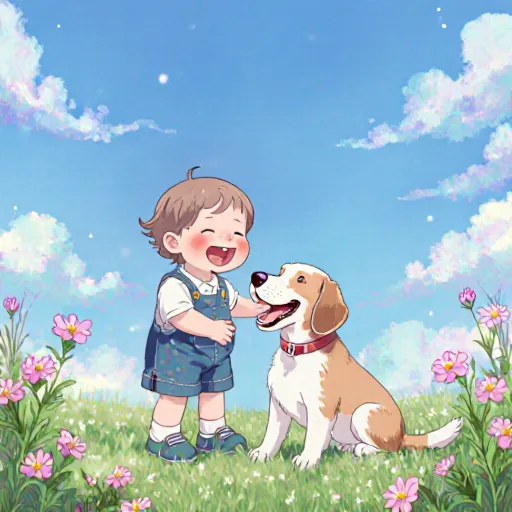
Dogs as Lifelong Companions for Kids
What Makes Dogs So Special to Our Children?
Table of Contents
- Introduction to the Special Bond Between Dogs and Children
- The Importance of Early Socialization in Puppies
- How Dogs Provide Unconditional Love to Children
- Emotional Support That Dogs Offer to Children During Tough Times
- The Role of Dogs in Teaching Responsibility and Carefulness in Kids
- Dogs as a Safe Companion for Play and Exploration
- How Playing with Dogs Enhances Cognitive Development in Children
- Building Social Skills Through Interactions with Dogs
- The Therapeutic Benefits of Pets on Child Psychological Health
- Dogs as a Source of Physical Activity for Children
- Understanding the Unique Communication between Dogs and Children
- The Impact of Dogs on the Family Dynamic and Bonding
- Conclusion: The Unbreakable Bond Between Dogs and Children
- FAQs About the Relationship Between Dogs and Children
- Final Words of Wisdom on Raising Happy, Healthy Kids with Dogs
Introduction to the Special Bond Between Dogs and Children
The bond between dogs and children is a special one that transcends simple companionship. It's a relationship built on trust, love, and mutual respect, where both parties learn and grow together. This unique connection plays an integral role in shaping a child's emotional development, fostering responsibility, empathy, and a sense of security.
Research has shown that having pets like dogs in one's life can have numerous benefits for children. Dogs provide unconditional love and support, which helps build confidence and resilience in kids. They teach children about responsibility through daily tasks such as feeding, walking, and cleaning up after them.
Emotional Development
Dogs are excellent companions for emotional development. Their presence can help soothe anxiety or provide comfort during stressful times. By interacting with dogs, children learn to read non-verbal cues, understand emotions, and respond empathetically. For instance, a child might notice that their dog seems sad after being left alone, prompting them to check on the pet.
Physical Health
The bond between dogs and children also promotes physical health. Dogs encourage active play, which is crucial for developing strong muscles and bones in children. Activities like walking the dog or playing fetch not only keep kids physically fit but also ensure they get enough outdoor time, essential for vitamin D synthesis.
Teaching Responsibility
Dogs teach children important life lessons such as responsibility and patience. Daily routines become a part of their lives, from feeding the dog to walking it in the park. These tasks not only help them understand the consequences of their actions but also instill a sense of pride when they complete these responsibilities successfully.
To further strengthen this bond, parents can introduce simple activities that promote interaction between children and dogs. For example, setting up a "dog training session" where the child helps teach basic commands like 'sit' or 'stay.' This not only enhances communication but also encourages teamwork.
Another practical tip is to involve children in pet care routines early on. Simple tasks such as grooming the dog with a brush or giving them water can make the child feel involved and responsible for their pet's well-being.
The Importance of Early Socialization in Puppies
The importance of early socialization in puppies cannot be overstated. This critical period, typically between 3 to 14 weeks of age, is when puppies form their first impressions and learn how to interact with the world around them. During this time, they are highly impressionable and can develop strong bonds not only with other animals but also with humans. For children who grow up with dogs, these early socialization experiences play a pivotal role in shaping a bond that is mutually beneficial for both the dog and the child.
Early socialization helps puppies learn essential skills such as how to interpret body language, recognize appropriate levels of excitement, and understand boundaries. These skills are crucial for creating a well-rounded and friendly pet that can coexist harmoniously with children in the household. Proper socialization also reduces the likelihood of developing behavioral issues later on, which is particularly important when it comes to ensuring safety around kids.
Building Trust and Confidence:
- Puppies learn to trust humans during their early stages. This trust is essential for a strong bond between dogs and children. When puppies are exposed to different people, environments, and situations early on, they become more confident in interacting with unfamiliar settings and individuals.
- Early socialization also helps build confidence in the puppy itself. A well-socialized puppy feels secure and less likely to be anxious or fearful around new experiences, which is especially important when it comes to playing with children who may have varying levels of energy and behavior.
The Role of Positive Reinforcement:
Positive reinforcement plays a key role in early socialization. Rewards such as treats, praise, and affection can encourage puppies to engage with new experiences without fear. For instance, when introducing a puppy to children, it’s important to start slowly, allowing the puppy time to acclimate. Positive reinforcement can be used during these interactions to ensure that both the dog and child have a positive experience.
Creating Safe Spaces for Children:
A well-socialized puppy is more likely to be gentle and patient with children. This makes it easier for parents to create safe spaces where children can play without fear of being hurt by their pet. For example, if the dog has been properly socialized, it may sit calmly while a child climbs on its back or plays tug-of-war under supervision.
Examples of Early Socialization:
- Exposure to Different People: Regular visits to friends and family members who have varying levels of experience with dogs can help the puppy become comfortable around different types of people. This is especially important for children, as they may not always be gentle or aware of a dog’s boundaries.
- Introduction to New Environments: Taking the puppy on short trips to parks, pet stores, and other public places where there are other dogs can expose it to different sounds, smells, and experiences. This helps the puppy develop resilience and adaptability.
- Engagement with Children: Gentle playtime with children under adult supervision is a great way for puppies to learn how to interact safely. It’s important to start this early to ensure that both the dog and child have positive associations with one another.
In conclusion, the importance of early socialization in puppies cannot be overstated when it comes to fostering a strong bond between dogs and children. By providing a safe environment for both pets and kids to explore together, parents can help ensure that their child grows up with a loyal companion who is not only loving but also respectful and understanding.
How Dogs Provide Unconditional Love to Children
The bond between dogs and children is a beautiful testament to the unconditional love that animals can offer. This relationship not only brings joy and companionship but also fosters emotional growth, responsibility, and a sense of security in young lives.
Dogs provide an incredible level of emotional support, especially for children who are still developing their social skills and understanding of emotions. The unconditional love that dogs offer can help children navigate complex feelings like fear, anger, or sadness. For instance, a child who is shy may feel more comfortable sharing their thoughts with their dog than with peers.
Studies have shown that petting a dog lowers cortisol levels, the hormone associated with stress and anxiety. This makes dogs excellent companions for children facing stressful situations such as moving to a new home or starting at a new school.
Raising a puppy is an opportunity for children to learn important life skills like responsibility, empathy, and nurturing. Tasks such as feeding the dog, walking it, and cleaning up after it teach children about duty and care.
For example, a child responsible for feeding their dog learns the importance of consistency in daily routines. They also experience the joy of seeing their pet thrive when they take good care of them. This sense of accomplishment can boost a child's self-esteem and confidence.
Dogs are incredibly attuned to human emotions, and this makes them excellent teachers of empathy. Children who grow up with dogs learn early on that animals respond not just to commands but also to the tone of voice and body language. This helps children develop a deeper understanding of how their actions affect others.
For instance, if a child is having a bad day at school and seems upset, their dog may approach them with a wagging tail or a gentle nuzzle. Over time, this interaction can help the child understand that animals feel emotions too and that they are capable of providing comfort to others.
Dogs serve as natural protectors for children, providing a sense of security in ways that no other companion can. Whether it's a guard dog protecting the home or simply a family pet that makes a child feel safe, dogs play an essential role in creating a secure environment.
A study conducted by researchers at the University of Lincoln found that children who grow up with pets are less likely to experience anxiety and fear. This is because the presence of a dog can reduce the feeling of being alone or vulnerable, which in turn promotes confidence and resilience.
Dogs encourage children to spend time outdoors, exploring and engaging with nature. Whether it's a simple walk around the block or a day at the park, spending time with dogs can help children develop physically and mentally.
Outdoor activities like frisbee throwing or hiking provide opportunities for children to learn about teamwork, endurance, and environmental awareness. These experiences are crucial in shaping their future as responsible citizens who care about both physical health and the well-being of the planet.
In summary, dogs play a vital role in providing unconditional love to children, offering emotional support, fostering responsibility, cultivating empathy, promoting security, encouraging outdoor activities, and much more. The bond between dogs and children is one that enriches both parties and helps shape the future generation into compassionate, responsible individuals.
Emotional Support That Dogs Offer to Children During Tough Times
The bond between dogs and children is a unique and powerful relationship that goes beyond companionship. During tough times, emotional support from dogs can be incredibly beneficial for children. Dogs provide unconditional love, comfort, and a sense of security, which are crucial during challenging periods in a child's life.
Research has shown that spending time with pets can reduce stress hormones like cortisol in both humans and animals. Dogs can help children manage anxiety by providing a stable presence and a calming influence. For instance, after an upsetting event such as the death of a loved one or the end of a friendship, a dog's gentle demeanor can offer comfort and reassurance.
Comfort During Emotional Storms
Dogs have an innate ability to sense when their human companions are feeling upset. They can be there as a silent presence during moments of grief or sadness, simply by being by your side. This unconditional love helps children feel less alone in their emotions.
"Dogs know when we're having a bad day and they don't care if you've had a fight with someone or are upset about something – they just want to be there for you." - Unknown
Encouraging Responsibility and Empathy
Caring for a dog teaches children responsibility. Tasks such as feeding, walking, and grooming the dog instill a sense of duty and care. This responsibility can extend beyond just the pet and help children develop empathy towards others.
For example, a child who has to take medication due to their own illness might find it easier to relate to the concept of having special needs or dealing with health issues after caring for a dog that has similar needs. This understanding can foster compassion and resilience in children during tough times.
Promoting Physical Activity
Physical activity is crucial for both physical and mental health, especially during stressful periods. Dogs encourage children to engage in regular exercise, which can help alleviate stress and improve mood. Taking the dog for walks or playing fetch can be a fun way to burn off excess energy and boost endorphins.
Building Confidence
Dogs can also play a role in building self-esteem and confidence in children. Successes, such as mastering new tricks or receiving praise from the dog for good behavior, can give kids a sense of accomplishment. This positive reinforcement can translate into other areas of their lives.
Examples of Emotional Support
- During school exams: A child may find comfort in knowing they have a loyal companion who always has time for them, helping to ease exam stress.
- In the aftermath of bullying: The dog's unwavering support can help children regain their confidence and feel more secure at school.
- Following a move to a new home: A new puppy or an established companion can provide stability during this transition, helping children adjust to change.
To maximize the emotional support that dogs offer to children, it's important to ensure they are properly socialized and trained. Regular vet check-ups and training sessions can help maintain a healthy bond between the child and the dog.
- Establish clear routines for feeding, walking, and playtime. This helps both the child and the dog develop a sense of predictability and routine.
- Praise your child's efforts in caring for the dog. Celebrate small victories to encourage their growth and development.
- Create safe spaces where the child can go with the dog during times when they need extra comfort, like after an upsetting incident at school or home.
In conclusion, the bond between dogs and children is one of mutual support. During tough times, dogs provide emotional stability and a sense of belonging that is invaluable to child development. By nurturing this relationship, parents can help their children navigate challenges with greater resilience and confidence.
The Role of Dogs in Teaching Responsibility and Carefulness in Kids
The role of dogs in teaching responsibility and carefulness in kids can hardly be overstated. Dogs, with their unconditional love and unwavering loyalty, serve as natural teachers for children, helping them to develop crucial life skills such as responsibility and carefulness. The bond between dogs and children is a unique relationship that fosters trust, empathy, and care.
Dogs require regular care, which includes feeding, walking, grooming, and providing attention. These tasks are essential for the dog's well-being and contribute significantly to teaching children about responsibility. By taking on these duties, kids learn that actions have consequences and that they play a vital role in ensuring their pets' happiness.
Examples
- Daily Walks: Taking the dog for walks is not just about physical activity; it's also about learning time management. Children learn to schedule these activities into their daily routines, which helps them understand the importance of consistency and reliability.
- Feeding Time: Teaching kids how to prepare meals or snacks for the pet encourages them to be mindful of portion sizes and the nutritional needs of animals. This practice also instills a sense of care and attention to detail.
Dogs are particularly vulnerable creatures, requiring careful handling at all times. Children learn the importance of being gentle and patient with their pets by observing and emulating these behaviors themselves. This carefulness extends beyond just physical touch; it also encompasses emotional care.
Practical Advice
- Supervision: Always supervise children when they are around dogs to ensure that the interactions are safe and respectful. Teach them how to approach a dog properly, giving it space if it seems uncomfortable.
- Patient Care: Encourage kids to speak softly and calmly when interacting with their pets. This practice helps them understand the importance of patience and gentleness in all relationships.
The bond between dogs and children is built on trust and mutual respect. As kids grow, they learn to communicate with their pets effectively, which enhances their social skills and emotional intelligence. The dog acts as a mirror, reflecting the child's actions back at them.
Children who spend quality time with dogs often develop a deeper understanding of empathy and compassion. This is because dogs rely on human interaction for many aspects of their lives, making children more attuned to their needs and feelings.
Conclusion
In summary, the role of dogs in teaching responsibility and carefulness in kids cannot be underestimated. By participating in the care of a pet, children learn valuable lessons that will serve them well throughout life. The bond between dogs and children is not just about companionship; it's a powerful tool for fostering growth, trust, and care.
Dogs as a Safe Companion for Play and Exploration
The bond between dogs and children is a beautiful relationship that offers numerous benefits for both parties. Dogs can be an excellent companion for play and exploration, providing safety, companionship, and endless fun. Here are some ways in which dogs can serve as safe and reliable playmates for children:
Dogs should always be supervised during play with children to ensure safety. This supervision helps prevent accidents and ensures that both the child and the dog have a positive experience. Parents or guardians can guide the interaction, teaching children how to interact properly with their canine friends.
For example, if your child is playing fetch, make sure they understand not to run too fast or throw objects in unsafe areas like busy streets or near water bodies. Supervision also helps teach dogs boundaries and limits, ensuring they do not play too roughly with young children.
Dogs are known for their emotional support, which can be invaluable during playtime. They provide a sense of security and comfort to children who might feel shy or anxious about exploring new environments. For instance, a child playing in the backyard with their dog can feel more confident knowing they have a loyal companion by their side.
Children with emotional challenges may find dogs particularly helpful during play. The unconditional love and non-judgmental nature of dogs can boost a child's self-esteem and encourage them to explore new activities without fear of failure.
Dogs also teach children responsibility, an essential life skill. Taking care of a pet involves regular feeding, grooming, and exercise routines. This responsibility can be a natural part of playtime for children. For example, you could involve your child in walking the dog or giving them treats as a reward.
By participating in these activities, children learn to take ownership of their actions and understand that pets rely on them for care and attention. This responsibility can extend to other areas of life, such as chores at home or academic performance.
Dogs are great motivators for physical activity, especially when it comes to playtime. Activities like running around the yard, playing fetch, or going on hikes can help children stay active and healthy. These outdoor activities also provide an opportunity for both dogs and children to explore new environments.
For instance, a family outing with their dog could include visiting parks, hiking trails, or even setting up small treasure hunts within the neighborhood. This encourages both the child and the pet to engage in physical activity that is enjoyable and stimulating.
Dogs can teach children important social skills such as sharing, patience, and cooperation. Playtime with dogs often involves multiple activities where these skills are necessary. For example, when playing together, children learn the importance of taking turns, listening to each other's needs, and understanding boundaries.
Children interacting with their dog can also learn about empathy by observing how their pet responds to various situations. This helps them develop a better sense of compassion and understanding towards others in their social circle.
How Playing with Dogs Enhances Cognitive Development in Children
The bond between dogs and children is a fascinating one, rooted in mutual companionship and shared experiences. Dogs provide not only emotional support but also playmates that stimulate cognitive development through interactive play. Engaging with dogs can enhance various aspects of a child's mental growth by fostering problem-solving skills, improving memory retention, boosting language acquisition, and encouraging empathy.
Playing with dogs often involves scenarios where children need to think critically and find solutions. For example, when playing fetch or hide-and-seek games, children must plan their actions, anticipate the dog’s reactions, and adjust strategies accordingly. These activities encourage logical thinking and decision-making skills, which are crucial for developing problem-solving abilities.
Dogs can also help improve a child's memory by introducing them to new environments and experiences. For instance, walking the dog in different locations or playing games that require remembering certain sequences of actions helps enhance memory retention. Additionally, dogs have unique personalities and behaviors that children must learn to recognize and respond to, further strengthening their memory skills.
The interaction between dogs and children can play a significant role in language development. Simple commands like "sit," "stay," or "come" provide opportunities for children to engage in verbal communication with their pet. Over time, these interactions help expand a child's vocabulary and improve their ability to express themselves through speech.
Dogs are excellent at detecting human emotions, which can teach children valuable lessons about empathy. When a dog shows affection or seeks attention in different ways, it prompts children to observe and understand these subtle cues, fostering emotional intelligence. This increased awareness of others' feelings is crucial for developing strong social skills and forming healthy relationships.
- Create Playful Learning Opportunities: Organize activities like training the dog to follow specific commands or playing games that require teamwork. These experiences not only entertain but also stimulate cognitive growth.
- Encourage Observation and Interaction: Promote curiosity by letting children spend time observing dogs, noting their behaviors and reactions. This can lead to deeper learning about both animals and human-animal relationships.
- Foster Responsibility: Assign simple tasks like feeding or walking the dog to teach children accountability and nurturing skills. These responsibilities help build a sense of accomplishment and contribute positively to cognitive development.
In conclusion, playing with dogs offers numerous benefits for enhancing cognitive development in children. By engaging in interactive play, learning through observation, and experiencing new environments, children can develop essential skills that will serve them well throughout life. The bond between dogs and children is indeed a powerful tool in nurturing their intellectual growth.
Building Social Skills Through Interactions with Dogs
The bond between dogs and children is not just about companionship; it's a powerful tool for building social skills through interactions. Dogs provide an unmatched opportunity for children to learn essential life skills in a safe, nurturing environment.
Dogs rely heavily on body language and tone of voice for communication. By interacting with dogs, children can develop their own communication skills. For instance, they learn how to read signals like tail wagging, ear positioning, and eye contact. These are crucial in understanding non-verbal cues from others, which is vital in social settings.
Dogs respond positively to kindness and can teach children the value of empathy and compassion. Simple actions like petting a dog or feeding it can instill feelings of care and concern for others. Children who regularly interact with dogs tend to show more sensitivity towards the needs of their peers, as they learn that caring for one being leads to mutual happiness.
The relationship between children and dogs can be incredibly empowering. Dogs do not judge or criticize; instead, they offer unconditional support, which helps build confidence in children. For example, if a child is shy, the dog's affectionate nature can encourage them to interact more openly with others.
Dogs need care and attention, making them excellent pets for teaching responsibility. Children learn valuable lessons in nurturing when they take on tasks such as feeding, walking, or training the dog. These responsibilities instill a sense of duty and accountability.
- Create a Safe Environment: Ensure that the space where you interact with dogs is safe for both children and pets. Remove any hazards such as small objects or sharp items.
- Supervise Initially: Especially if it's your child's first time interacting closely with a dog, supervise to ensure all actions are gentle and respectful.
- Promote Positive Reinforcement: Use treats and praise to encourage good behavior. This reinforces that positive interactions lead to rewards.
The bond between dogs and children is a beautiful relationship that can significantly contribute to the development of social skills in young people. By fostering these connections, parents and educators can help children grow into empathetic, responsible, and confident individuals.
The Therapeutic Benefits of Pets on Child Psychological Health
The therapeutic benefits of pets on child psychological health are profound and multifaceted. Pets, particularly dogs, have a unique ability to foster emotional well-being in children by providing companionship, support, and comfort during challenging times.
The relationship between children and their pets, especially dogs, is often characterized by mutual trust and affection. Dogs are natural therapists; they provide a sense of security and unconditional love that can positively impact a child's emotional and psychological development.
Research has shown that interacting with dogs can reduce stress hormones like cortisol in both children and their owners. This interaction encourages the release of oxytocin, often referred to as the "love hormone," which fosters bonding between pets and their human companions. For children, this bond can be particularly beneficial during early developmental stages when they are learning how to navigate emotions.
Emotional Support
Pets offer emotional support that is invaluable for children. They provide a listening ear without judgment, which helps children express their feelings more openly. This can be especially helpful in situations where verbal communication is difficult or uncomfortable. Children who have pets often report feeling less isolated and more connected to the world around them.
Development of Social Skills
Caring for a pet, whether it's feeding, grooming, or playing with it, teaches children responsibility and empathy. These skills are crucial in developing healthy social interactions and relationships outside the home. For instance, when children learn to care for their pets by taking them on walks, they also develop physical activity habits that contribute positively to their overall health.
Encouragement of Physical Activity
Dogs require regular exercise, which can encourage children to be more active. Activities like walking the dog or playing fetch not only promote physical fitness but also help in releasing energy and reducing restlessness that might arise from boredom or anxiety. Engaging in these activities outdoors further exposes children to nature, improving their mental health by reducing stress and enhancing mood.
Improvement of Cognitive Function
Pets can also contribute positively to a child's cognitive development. Playing with pets, especially dogs, involves problem-solving skills. For example, teaching a dog new tricks requires patience and strategic thinking, which are beneficial for cognitive growth.
Furthermore, the presence of pets in therapy sessions has been shown to enhance children’s concentration and focus during educational activities. The calming influence of pets can make learning environments more enjoyable and less intimidating for children who may struggle with attention or anxiety.
Pets as a Bridge to Healing
For children dealing with trauma, loss, or other psychological challenges, the presence of a pet can act as a bridge to healing. Pets provide a stable and constant source of comfort that can help soothe emotional pain and promote resilience.
In conclusion, the bond between dogs and children is not just about companionship but also about fostering a healthier psychological environment. By incorporating pets into their lives, parents and caregivers can create nurturing spaces where children feel loved, supported, and capable of thriving emotionally and physically.
Dogs as a Source of Physical Activity for Children
Dogs have long been recognized as valuable companions for children, fostering a bond that is not only emotionally enriching but also physically beneficial. The relationship between dogs and children goes beyond the superficial; it creates a dynamic environment where both parties thrive, especially in terms of physical activity.
Dogs are natural motivators for physical activity due to their high energy levels. They require regular exercise and playtime, which naturally translates into a lifestyle that encourages children to be more active. For instance, dogs need daily walks or runs, providing the perfect opportunity for children to engage in outdoor activities.
For example, a study conducted by the American Heart Association found that children who walk their dogs are more likely to meet the recommended levels of physical activity compared to those who do not have pets. Walking just 30 minutes per day can make a significant difference in maintaining a healthy lifestyle for both the child and the dog.
The bond between dogs and children is built on trust, love, and mutual respect. This relationship plays a crucial role in encouraging physical activity because it provides motivation and a sense of responsibility. When children are involved in caring for their pets, such as feeding, walking, or playing with the dog, they are more likely to stay active.
The bond also enhances emotional well-being, which can indirectly influence physical health. Children who spend time with dogs tend to be happier and less stressed, leading them to engage in more outdoor activities. For example, a child might feel more inclined to go for a walk if they know it will bring them closer to their dog.
To maximize the physical benefits of having a dog as a source of activity, parents can follow these tips:
- Set a Routine: Establish a consistent routine where both the child and the dog have scheduled time to engage in physical activities.
- Incorporate Playtime: Encourage various forms of play such as fetch, frisbee, or even simple games that can be played in the backyard or park.
- Monitor Health: Keep an eye on both the child and the dog's health. Ensuring regular check-ups and a balanced diet will help maintain energy levels for active playtime.
In conclusion, dogs can be invaluable partners in promoting physical activity among children. By fostering strong bonds of trust and love, they create an environment that naturally encourages children to stay active. Through regular walks, playtime, and the overall care provided by pets, children not only benefit physically but also emotionally from their relationship with dogs.
Understanding the Unique Communication between Dogs and Children
The bond between dogs and children is a special one, rooted in mutual trust, affection, and understanding. Dogs have an innate ability to communicate with children that goes beyond barking or wagging their tails. This unique form of communication helps create strong and lasting relationships between the two.
Dogs primarily use body language, facial expressions, and actions to communicate with children. Their non-verbal cues are often subtle but incredibly meaningful. For instance, a dog that crouches down to meet a child's height is signaling that it wants to play or interact on the child's level. A wagging tail can indicate excitement or happiness, while ears pinned back might suggest fear or discomfort.
Dogs often use their playful behavior as a form of communication with children. Tugging on clothes, jumping, and nuzzling are ways dogs invite children to join in the fun. It's important for parents to recognize these signals and respond appropriately to encourage positive interactions.
Dogs have a natural protective instinct that can sometimes be misinterpreted by children as aggression or fear. For example, if a child accidentally bumps into the dog while running around, the dog might nudge them back to a safe distance. While this is a safety mechanism, it can feel intimidating for some children. It's crucial that parents educate their kids about these instincts and reassure them.
Consistent training plays a vital role in the communication between dogs and children. Dogs thrive on routine and clear boundaries, which helps in fostering trust and understanding. When a dog learns commands like "sit," "stay," or "come," it builds a stronger connection with its human companions, including kids. For instance, if a child consistently asks for a particular behavior from the dog and is rewarded positively by both the dog and adults, this reinforces good communication.
The use of positive reinforcement is key in enhancing the bond between dogs and children. Rewarding desired behaviors with treats, praise, or simply affection encourages more of what you want from your pet. For example, if a child successfully calms an excited dog, they can be praised for their efforts. This not only strengthens the relationship but also teaches valuable life skills like self-control.
It's important to create safe spaces where children and dogs can interact comfortably without any risk of harm. Setting up designated play areas or establishing rules about how close a child should stay from the dog can help manage interactions effectively. For instance, using baby gates or specific toys that only the dog plays with can ensure both parties feel secure.
In conclusion, understanding and nurturing the unique communication between dogs and children is essential for building a strong bond. By recognizing non-verbal cues, encouraging playful behavior, managing protective instincts, maintaining consistent training, using positive reinforcement, and creating safe spaces, parents can help foster healthy relationships that benefit both their children and their pets.
The Impact of Dogs on the Family Dynamic and Bonding
The impact of dogs on a family dynamic and the bonding between children and pets is profound, influencing various aspects of family life from emotional support to daily routines. Dogs serve as more than just companions; they act as emotional therapists, stress relievers, and playmates for the younger members of the family.
Dogs offer unconditional love and are always there to provide comfort during tough times. This emotional support is particularly crucial for children who may be going through developmental challenges or stressful life events such as moving schools, dealing with bullying, or experiencing family conflicts.
For instance, a child facing anxiety might find solace in petting their dog, which can have a calming effect due to the oxytocin release associated with physical contact. A study by the American Psychological Association suggests that children who grow up around pets tend to develop higher levels of empathy and are better at managing stress.
Children often find great joy in interacting with dogs, be it through playing fetch, going on walks, or simply cuddling. Dogs provide a medium for children to explore physical activities, which are essential for their growth and development.
An example of this is when a child learns responsibility by taking turns walking the dog or preparing treats. These small tasks instill a sense of accomplishment and help in building self-esteem. Moreover, these interactions encourage imaginative play that can foster creativity and social skills among children.
Dogs also have a significant role in strengthening family bonds. They create opportunities for families to spend quality time together, whether it's during outings at the park or simply sharing mealtimes with the dog around.
For example, involving children in dog grooming activities can enhance familial relationships and teach them about care and responsibility. Involving everyone in walks also ensures that all family members get a chance to bond over shared experiences. Dogs often serve as a neutral ground for family discussions or simply provide moments of laughter and joy.
Children and dogs share a unique, intuitive connection based on mutual trust and affection. This bond is formed through the natural curiosity and playfulness that both children and pets possess in abundance. Over time, this relationship can lead to increased empathy and understanding between family members.
Dogs are known for their ability to sense emotions; they naturally seek out children who need comfort or attention. This innate quality helps build a strong emotional foundation within the household. Parents should foster these relationships by encouraging open communication about feelings and experiences, thereby strengthening the bond further.
Conclusion: The Unbreakable Bond Between Dogs and Children
When it comes to understanding the profound connection between dogs and children, it is essential to delve deeper into the nature of their relationship. The bond that forms between these two can be nothing short of magical, characterized by mutual care, protection, and unconditional love.
Dogs are natural guardians and companions for children. Their innate instincts make them excellent protectors, always alert and ready to respond to any potential danger. This role is especially crucial during a child's formative years when they are still developing the ability to discern between right and wrong. Dogs serve as more than just pets; they act as teachers, guiding children in recognizing risks and reinforcing the importance of safety.
One example that highlights this is the concept of "dog whispering." Through their interactions with dogs, children learn essential social skills such as patience, empathy, and communication. Dogs provide a safe environment for children to practice these traits without fear of judgment or negative consequences. This interaction fosters a sense of responsibility in children as they take on the role of care-takers.
Furthermore, studies have shown that dogs can significantly enhance a child's social skills and emotional intelligence. They encourage children to communicate and share their feelings, which is vital for healthy development. By playing with toys or engaging in walks and hikes, children learn cooperation, sharing, and respect for others' boundaries.
The bond between dogs and children also has positive effects on the child's physical health. Regular exercise with a dog can help maintain a healthy lifestyle and contribute to overall well-being. Moreover, research indicates that children who grow up in households where they are closely associated with their pets experience reduced stress levels and increased resilience.
To ensure this bond remains strong and beneficial, it is crucial for parents to educate both the child and the dog on appropriate behavior. Training sessions should be consistent and positive, emphasizing mutual respect and understanding. This not only strengthens the relationship but also ensures that each member of the family feels valued and appreciated.
In conclusion, the unbreakable bond between dogs and children is a testament to nature's wisdom in creating relationships that are both practical and emotional. It is a bond built on trust, love, and mutual respect. By fostering this connection through proper education and care, parents can help their children grow into responsible and compassionate individuals while enjoying the joy and companionship of their canine friends.
FAQs About the Relationship Between Dogs and Children
Frequently Asked Questions
Q: How does the bond between dogs and children benefit both parties?
The relationship between dogs and children is a mutually beneficial one. For children, having a dog can enhance their emotional development, teach responsibility, and provide companionship during playtime and quiet moments. Dogs are often patient with children's behavior and can help them learn about empathy by caring for the pet's needs. Conversely, puppies or adult dogs in the house offer joy and security to children by offering playful interactions and affection.
For example, a child who is responsible for feeding their dog learns time management and nurturing skills that are essential for personal growth. Additionally, dogs can help children develop social skills as they learn how to interact with others through playdates involving the family pet.
Q: What are the key safety considerations when introducing a dog into a household with young children?
Safety is paramount when introducing a new puppy or adult dog into a home with young children. Ensuring that both parties can interact safely involves supervising interactions closely, especially during the early stages of the relationship. It's important to teach your child about appropriate ways to greet and play with dogs, such as avoiding pulling on ears or tails.
For instance, parents should demonstrate to their children how to approach a dog calmly, kneel down at eye level, and let the dog sniff them first before attempting any interaction. Additionally, it's crucial that all members of the household respect each other’s personal space, especially when the child is petting or playing with the dog.
Q: How can parents ensure their children understand the importance of respecting a dog?
Respecting dogs involves teaching children to recognize signs of stress and discomfort in the animal. Dogs communicate their feelings through body language, which includes tail positioning, ear movement, and facial expressions. Children should be educated on how to respond when a dog shows these signals.
A practical example is showing your child that if the family dog backs away or lowers its head while barking, it might indicate stress rather than aggression. In such cases, children should learn to stop the interaction and give the dog space until they are comfortable again. This helps build mutual respect between the child and the animal.
Q: What role does a dog play in teaching children about responsibility?
Dogs require consistent care, which can be a wonderful opportunity for children to learn responsibility. Tasks such as walking the dog, feeding it on time, and ensuring its water bowl is full are examples of duties that help children develop a sense of routine and accountability.
For example, if a child is given the task of walking the dog, they need to remember when the dog needs to go out. This responsibility can be further extended by teaching them how to properly clean up after the dog or bathe it as needed. These activities provide children with valuable lessons that will benefit them in other areas of life.
Q: Can a relationship between a child and a dog improve family dynamics?
The bond between dogs and children can significantly enhance family dynamics by creating shared experiences and strengthening family bonds. Regular activities like playing fetch, going for walks, or simply snuggling with the pet on the couch can bring all members of the family closer together.
For instance, a family could decide to have "family playtime" where everyone participates in activities involving the dog. This not only strengthens relationships but also creates lasting memories that can be cherished for years to come. Additionally, during these shared moments, children are more likely to observe and imitate positive behaviors from their parents, reinforcing family values.
Final Words of Wisdom on Raising Happy, Healthy Kids with Dogs
The bond between dogs and children is more than just companionship; it's a transformative relationship that shapes both the child's social skills and emotional development. By fostering this connection, parents can create an environment where their kids not only grow physically healthy but also thrive emotionally.
Encouraging Responsibility
Raising happy, healthy kids with dogs emphasizes the importance of teaching responsibility. Simple tasks like feeding the dog or walking it contribute to a child's sense of duty and commitment. For instance, allowing your child to take on small duties can instill a sense of ownership in them. It also helps them understand that every action has consequences, which is crucial for their development.
Enhancing Social Skills
Dogs are excellent social companions and can help children learn how to interact with others. By observing how they handle the dog, kids can learn about empathy, patience, and kindness. For example, teaching your child to gently pet a dog or introduce them to new dogs can teach them essential social skills that they will carry into adulthood.
Emotional Well-being
The presence of a dog in the household can provide emotional support for children. Studies show that spending time with pets can reduce stress and anxiety, making your child feel more secure and loved. For instance, when your child is feeling down or upset, playing with a dog can be a great way to help them feel better.
Promoting Physical Health
Dogs not only contribute to mental health but also promote physical fitness in children. Activities like running and playing fetch encourage kids to stay active and healthy. By engaging in these activities, kids can develop strong muscles, improve their cardiovascular health, and maintain a healthy weight.
Practical Tips for Raising Happy, Healthy Kids with Dogs
- Set clear expectations: Define the roles and responsibilities that come with having a dog in the household. Make sure your child understands what is expected of them.
- Praise good behavior: Whenever your child demonstrates responsibility or kindness towards the dog, praise their efforts to reinforce positive behavior.
- Monitor interactions: Keep an eye on how your child interacts with the dog. If there is any sign of aggression or discomfort, step in and correct it promptly.
In conclusion, raising happy, healthy kids with dogs involves a lot more than just having a pet around. It's about creating opportunities for learning, fostering positive relationships, and ensuring that both the child and the dog are thriving. By nurturing this bond, you're investing in your child’s future.
Categories
- AI & Enrichment Play
- Broiler Farming
- Broiler Farming Tips
- Canine Wellness & Longevity
- Cat
- Cat & Human Connection
- Cat Adoption & Rescue
- Cat Breeds
- Cat Breeds & Personalities
- Cat Care & Health
- Cat Grooming & Hygiene
- Cat Lifestyle & Environment
- Cat Myths & History
- Cat Nutrition & Diet
- Cat Products & Reviews
- Cat Training & Behavior
- Comparison
- Consumer Awareness
- Dog
- Dog Accessories & Products
- Dog Adoption & Rescue
- Dog Breed & Lifestyle Trends
- Dog Breeding & Puppies
- Dog Entertainment & Media
- Dog Fashion & Trends
- Dog Fun & Lifestyle
- Dog Grooming & Hygiene
- Dog History & Culture
- Dog Myths, Science & Future Tech
- Dog News & Trends
- Dog Nutrition & Food
- Dog Psychology & Emotions
- Dog Safety & Security
- Dog Sports & Activities
- Dog Technology & Innovation
- Dog Training for Modern Owners
- Dog Travel & Adventure
- Dog Travel, Adventure & Culture
- Economic and Market Insights
- Educational Content
- FAQs
- Feeding Alternatives
- Festivals & Seasonal Ideas
- Fun & Entertainment
- General Knowledge
- General Pig Farming
- Health & Disease Management
- Housing and Environment
- Kittens
- Market Insights
- Miscellaneous
- Miscellaneous
- Motivational
- pig
- Pig Breeding
- Pig Breeds
- Pig Farming Stories and Inspiration
- Pig Health and Care
- Pig Nutrition
- Pig Products
- Profitability & Business
- Puppy Care
- Puppy Predictable Topics Reinvented
- Regional Focus
- Rescue & Adoption Buzz
- Senior Cats
- Senior Dog Care
- Smart Dog Tech & Gadgets
- Sustainability
- Sustainable & Eco-Friendly Dog Products
- Tech & Innovations
- Working & Service Dogs
- Broiler Feed66 products
- Country Feed33 products
- Pig Feed66 products
- Product22 products
- Raw Materials99 products
Products
-
 Fish Meal
₹1,999.00 – ₹2,999.00Price range: ₹1,999.00 through ₹2,999.00Rated 0 out of 5
Fish Meal
₹1,999.00 – ₹2,999.00Price range: ₹1,999.00 through ₹2,999.00Rated 0 out of 5 -
 FATTENING BROILER FEED
₹2,299.00 – ₹2,349.00Price range: ₹2,299.00 through ₹2,349.00Rated 0 out of 5
FATTENING BROILER FEED
₹2,299.00 – ₹2,349.00Price range: ₹2,299.00 through ₹2,349.00Rated 0 out of 5 -
 LAYER COUNTRY FEED
₹1,549.00 – ₹1,649.00Price range: ₹1,549.00 through ₹1,649.00Rated 0 out of 5
LAYER COUNTRY FEED
₹1,549.00 – ₹1,649.00Price range: ₹1,549.00 through ₹1,649.00Rated 0 out of 5 -
 COUNTER BROILER FEED
₹1,199.00 – ₹1,299.00Price range: ₹1,199.00 through ₹1,299.00Rated 0 out of 5
COUNTER BROILER FEED
₹1,199.00 – ₹1,299.00Price range: ₹1,199.00 through ₹1,299.00Rated 0 out of 5 -
 LACTATING PIG FEED
Rated 0 out of 5
LACTATING PIG FEED
Rated 0 out of 5₹2,299.00Original price was: ₹2,299.00.₹1,740.00Current price is: ₹1,740.00. -
 Maize
Rated 0 out of 5
Maize
Rated 0 out of 5₹1,650.00Original price was: ₹1,650.00.₹1,300.00Current price is: ₹1,300.00. -
 GESTATION PIG FEED (Phase 1)
Rated 0 out of 5
GESTATION PIG FEED (Phase 1)
Rated 0 out of 5₹2,249.00Original price was: ₹2,249.00.₹1,699.00Current price is: ₹1,699.00. -
 Pre Starter Broiler Feed
₹2,399.00 – ₹2,499.00Price range: ₹2,399.00 through ₹2,499.00Rated 0 out of 5
Pre Starter Broiler Feed
₹2,399.00 – ₹2,499.00Price range: ₹2,399.00 through ₹2,499.00Rated 0 out of 5 -
 FINISHER PIG FEED
Rated 0 out of 5
FINISHER PIG FEED
Rated 0 out of 5₹2,299.00Original price was: ₹2,299.00.₹1,749.00Current price is: ₹1,749.00. -
 Broiler Premix
Rated 0 out of 5
Broiler Premix
Rated 0 out of 5₹820.00Original price was: ₹820.00.₹699.00Current price is: ₹699.00.